Сornucopia plasters and Russian princes reliefs. Taking a walk through Petrovsky Palace
Indeed, Petrovsky Palace is an outstanding example of Russian Gothic Revival architecture, former royal residence and a witness to pivotal events in the national history. This year is a celebratory one for the palace, marking 250 years since the commencement of its construction. Our mos.ru journalists visited the ceremonial palace to have a walk through the halls — along the route once taken by sovereigns arriving from Saint Petersburg. Here we will describe the façade ornamentation, Kazakov’s 18 th-century staircase, the drawing rooms, and the grand Round Hall.
St. Sophia Cathedral, Gothic towers and minarets merging into a single ensemble
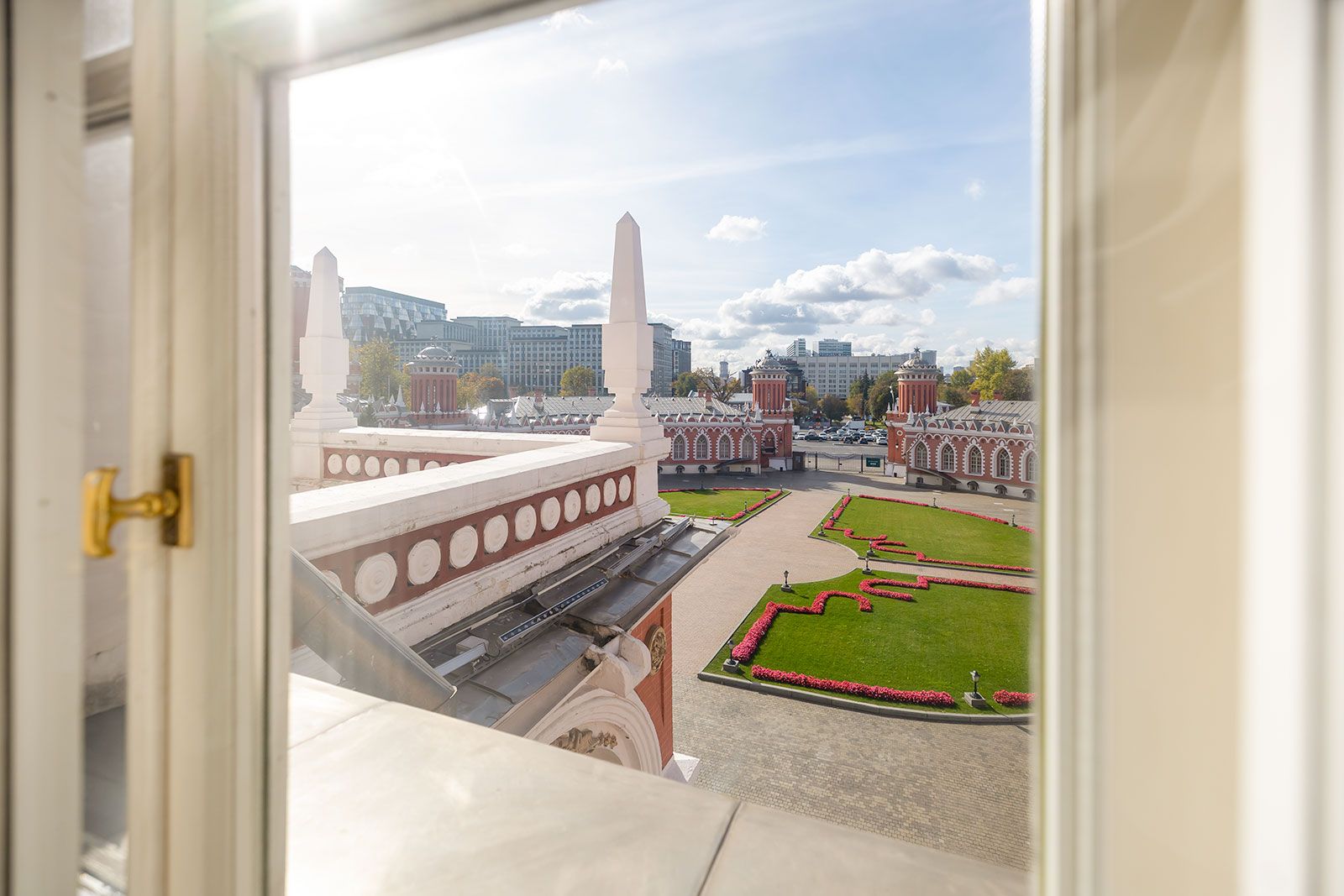
Three centuries ago, Petrovsky Palace served as a gateway on the approaches to Moscow. Situated approximately seven kilometres from the city limits, it welcomed all those arriving in the ‘First-Throned City’ (a widely known status of Moscow) via the Tver Road as monarchs and high-tier aristocrats would stay there after a long journey from Saint Petersburg. Nowadays, the palace is located at 40 Leningradsky Prospekt in the capital’s Aeroport District, the life of the megacity bustling around what was once a secluded residence.
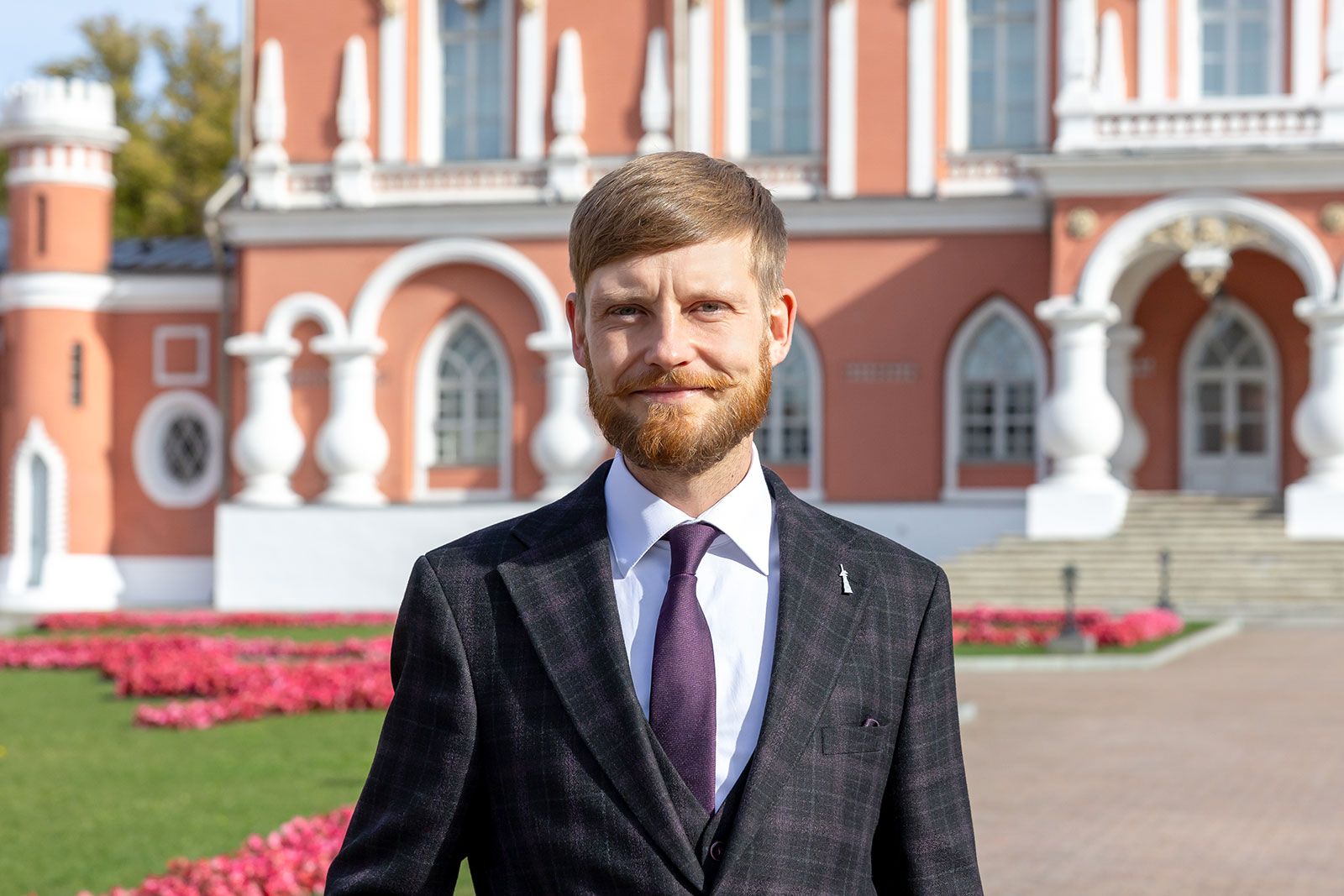
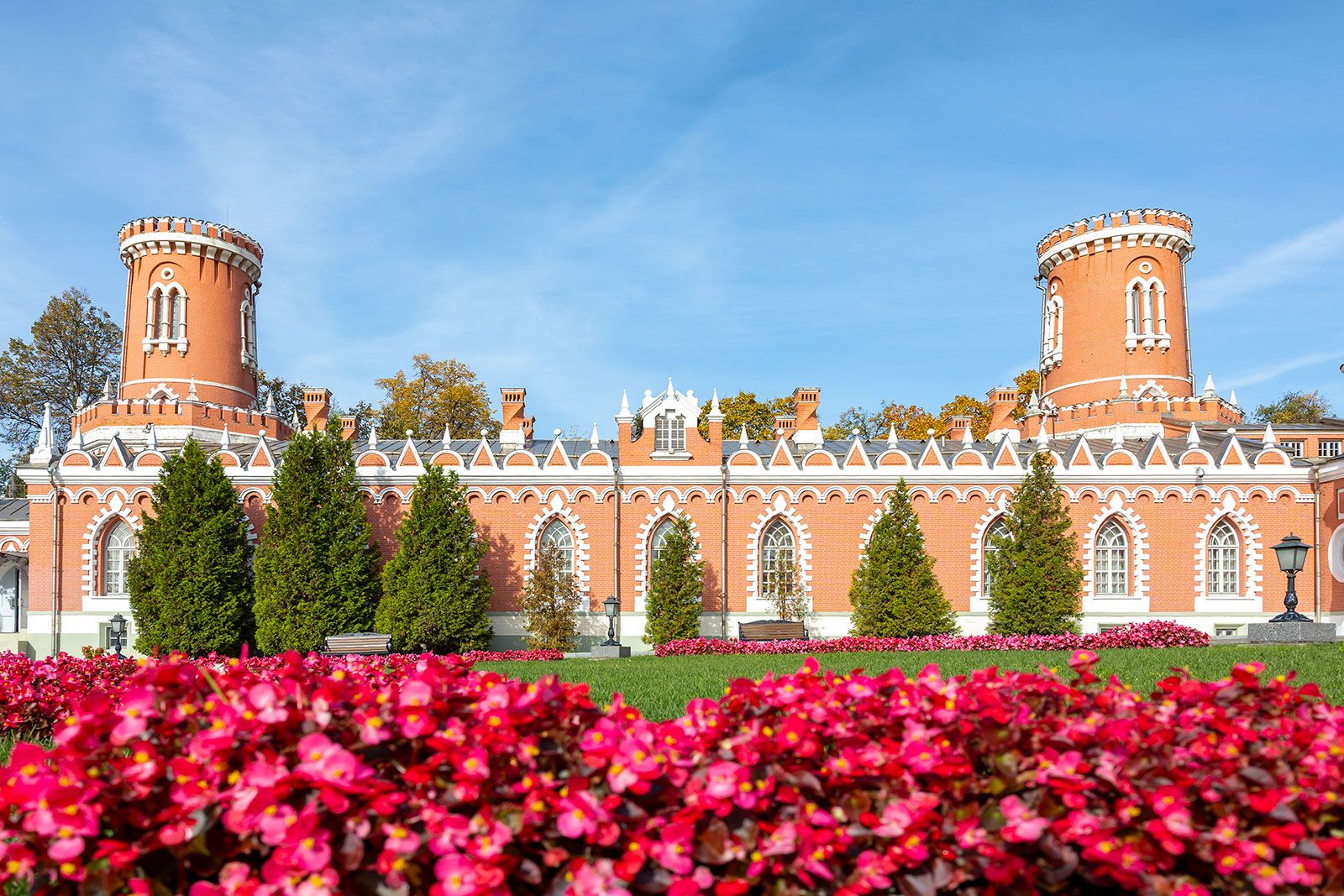
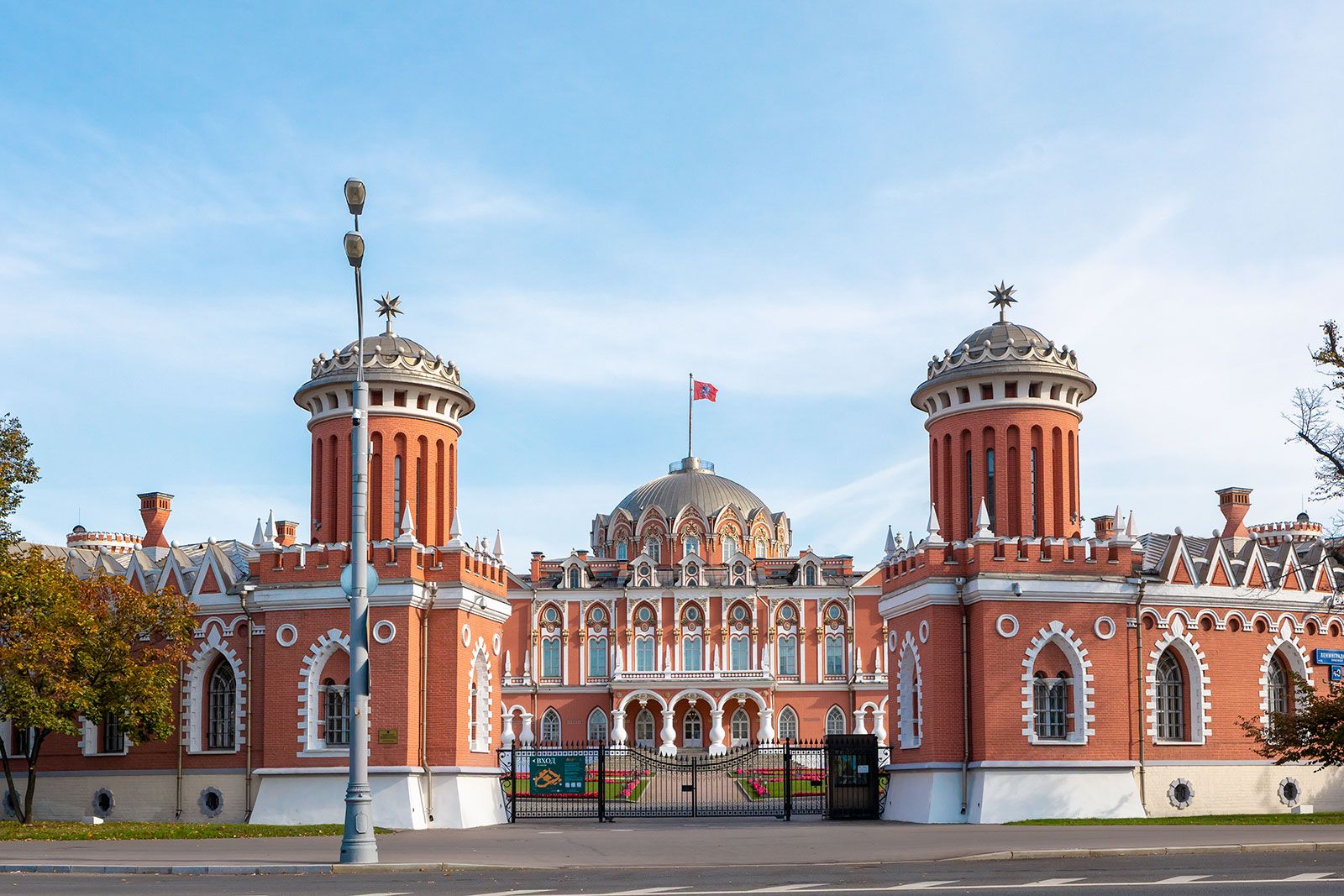
We go through the gates to find ourselves before an ornate castle with the coat of arms of Moscow on the top. The tour is delivered by Yan Kondrusevich, Head of the Exhibition Department, who explains that Petrovsky Palace was not merely a stopover residence. Indeed, as envisioned by Catherine the Great who decreed the construction project, it was intended to allude to the victory in the Russo-Turkish War of 1768–1774. Architect Matvey Kazakov created a building whose design harmoniously combines seemingly incompatible features.
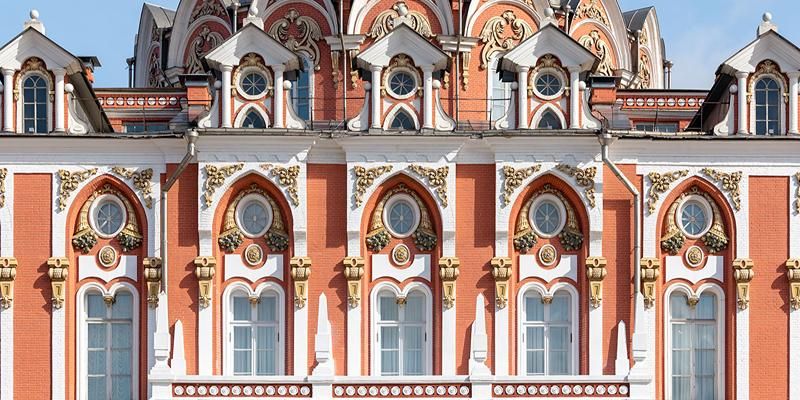
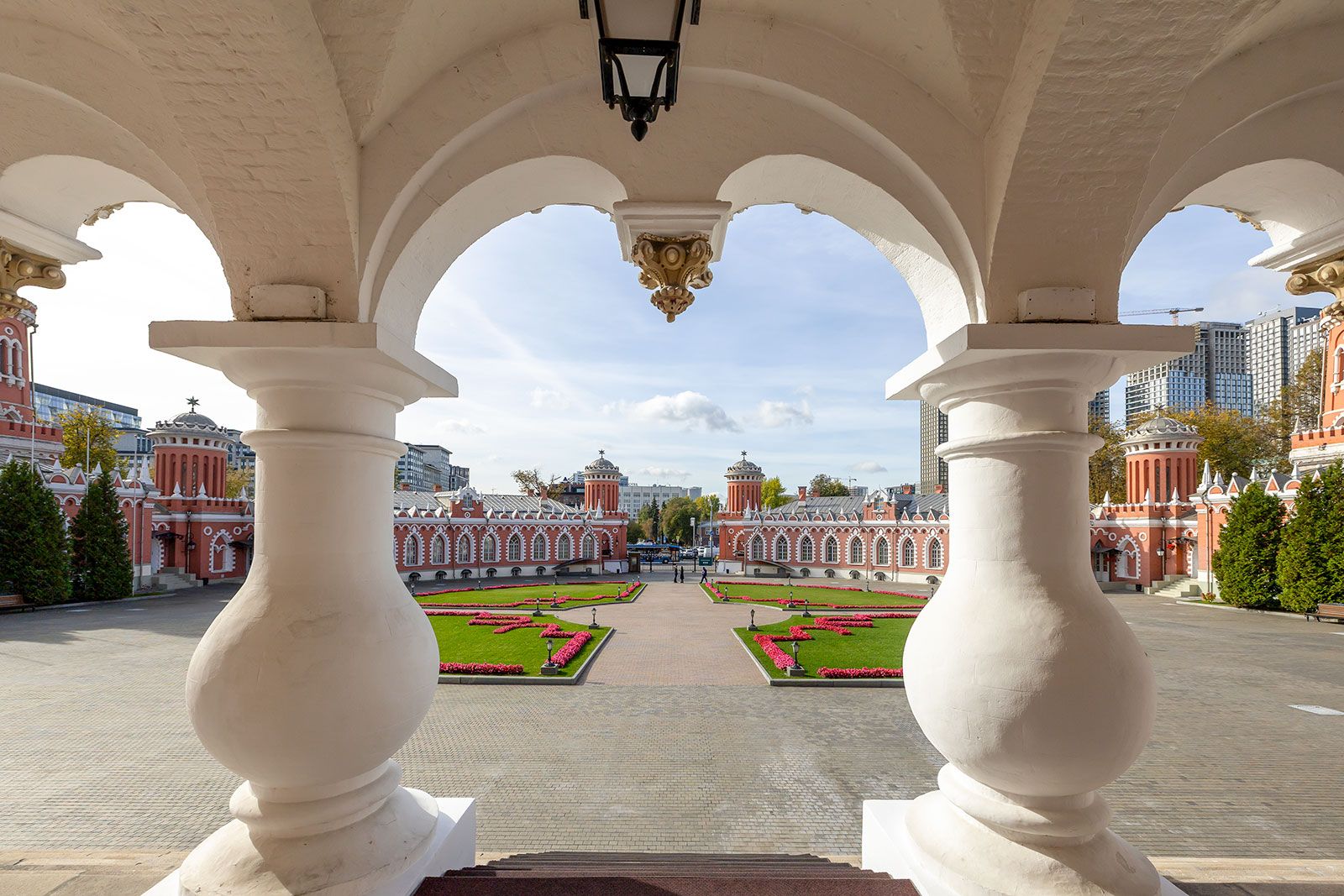
“At the ground-floor level, the façade is designed in the Gothic style with characteristic pointed-arched windows. The pot-bellied columns on the porch are linked by arches, with small weighted ornaments — décor items characteristic of pre-Petrine Moscow’s architecture — suspended inside. The second floor is distinguished by a Baroque molded pattern. Take note of the majolica tiles framing the oval windows and depicting cornucopias with spilling out fruits. In this way, the architect encoded a message for the empress, wishing eternal glory and prosperity for her and greatness and well-being for the nation. The cornucopias are covered with a layer of metallic enamel that was fired at a thousand degrees Celsius. They are authentic and survived since the 1780s. On the second floor and the balcony, you can also see Gothic decoration shaped as a pinnacle, or a pointed turret. The palace also features architectural elements from the Ottoman Empire as its small turrets are reminiscent of both minarets and Byzantine churches with flat-profiled domes. The larger towers are topped with merlons, a detail inspired by ancient Russian structures. And the dome is shaped to resemble the dome of the Hagia Sophia in Constantinople. In fact, Catherine was developing her Greek Project, which entailed the partition of the Ottoman Empire and the restoration of Byzantium. And Matvey Kazakov built the Cathedral of St. Sophia for her in Moscow,” explains Yan Kondrusevich.
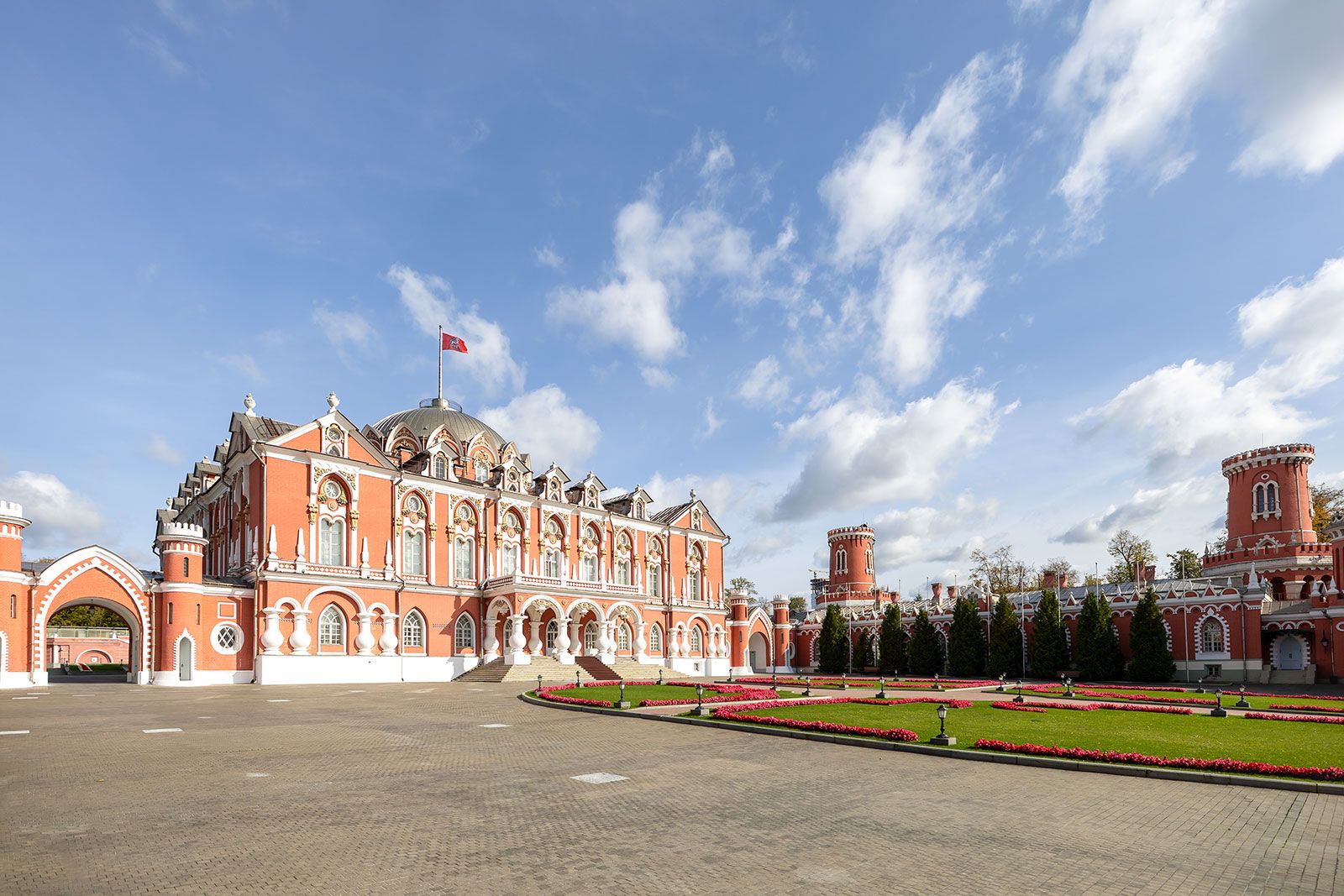
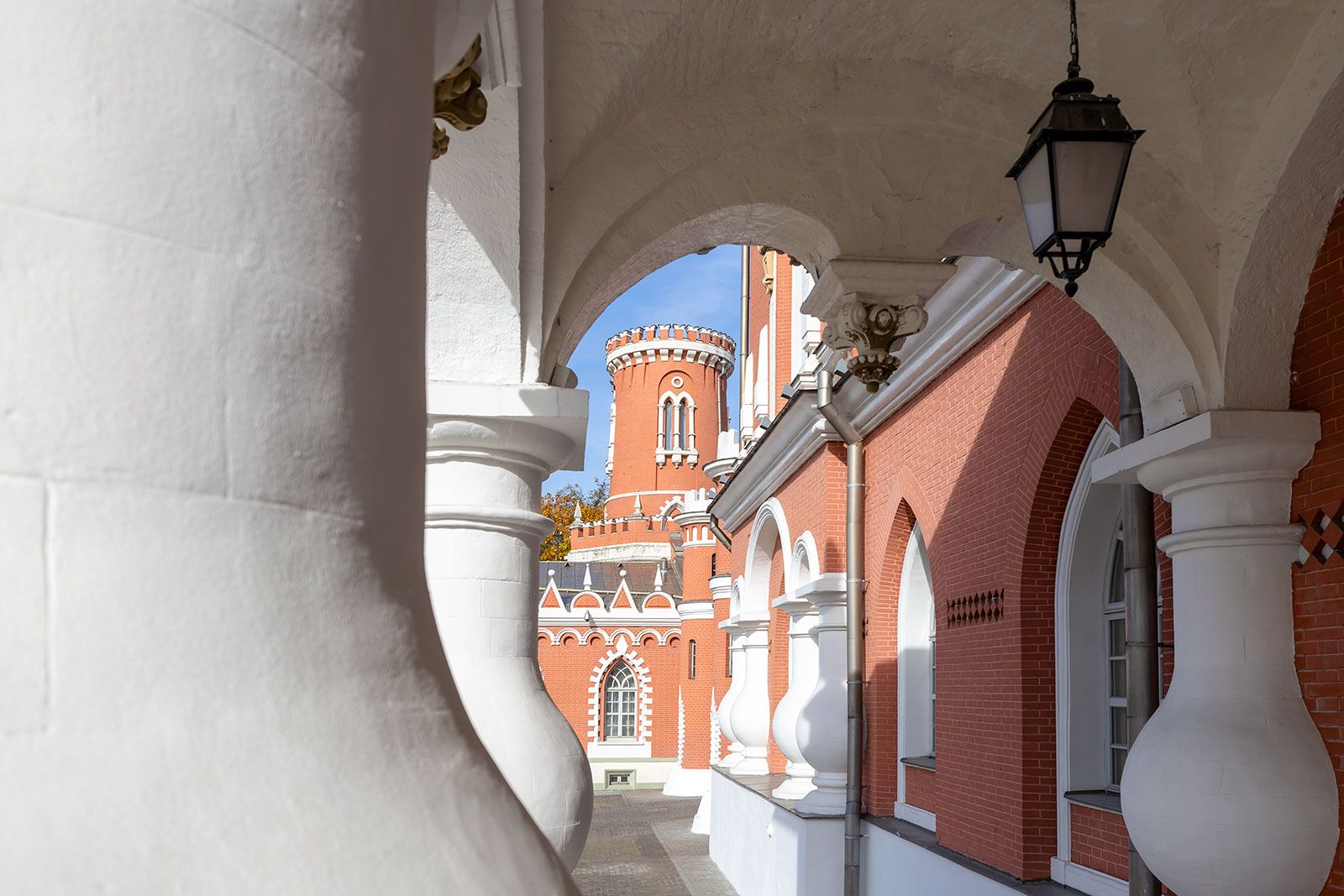
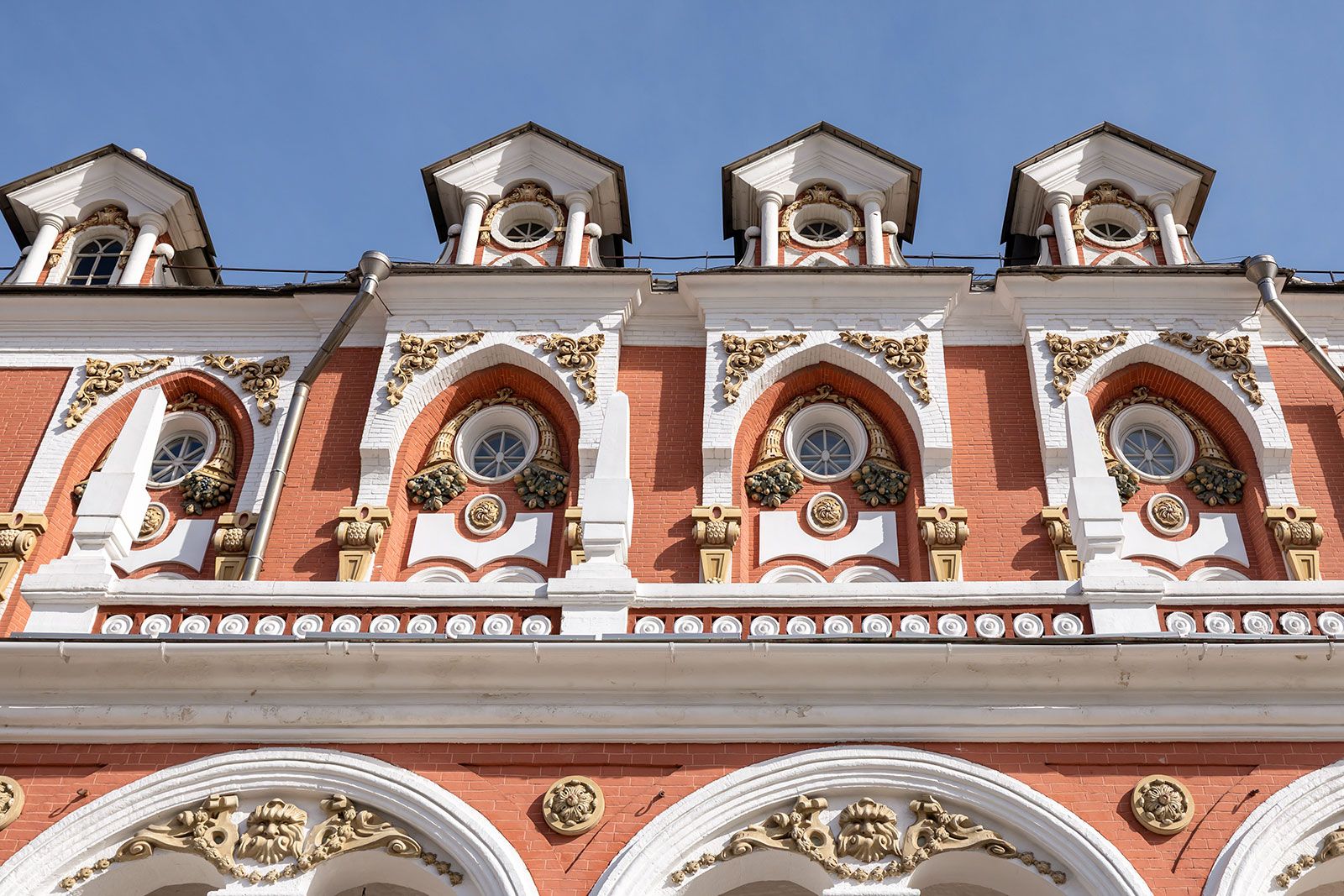
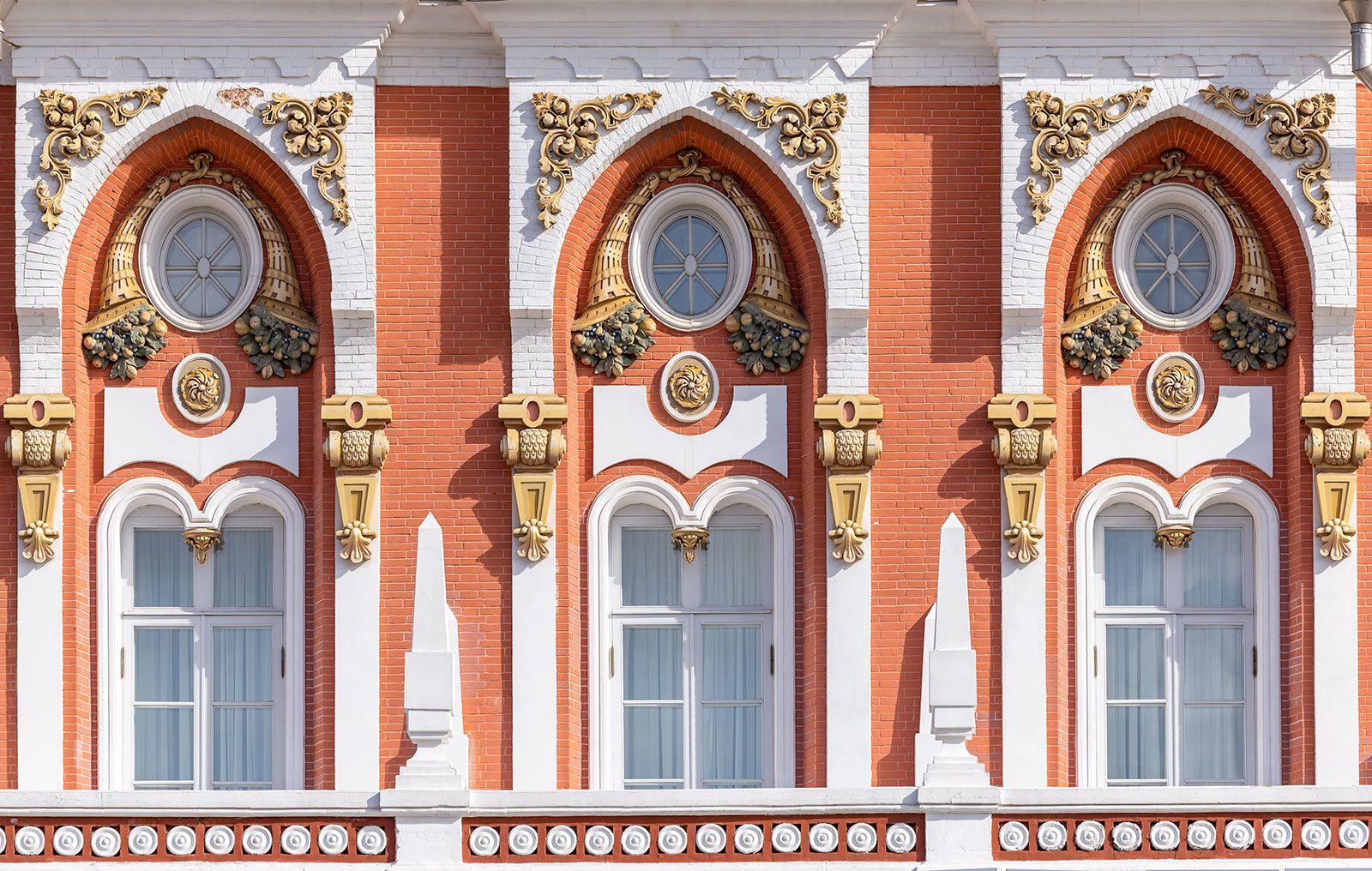
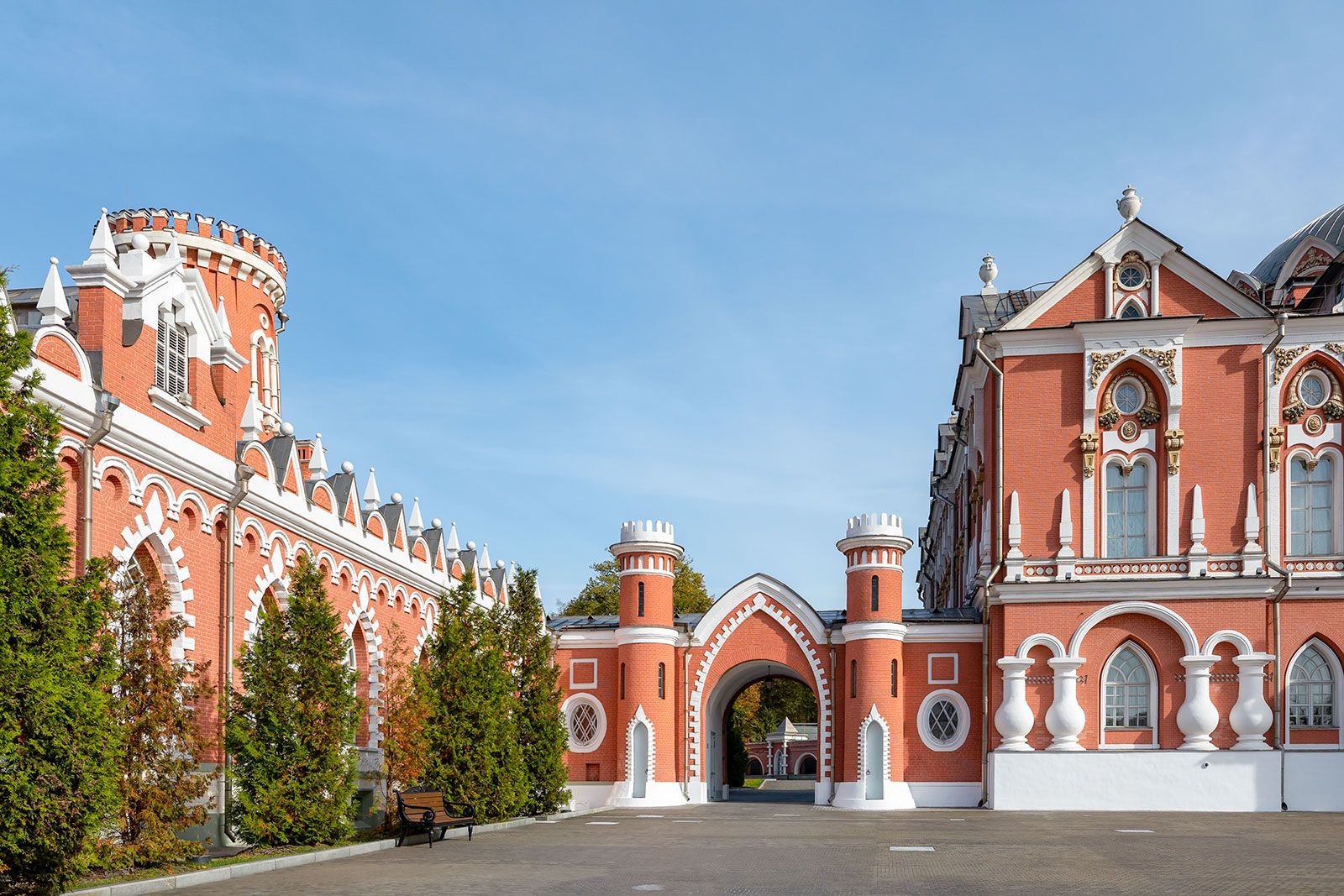
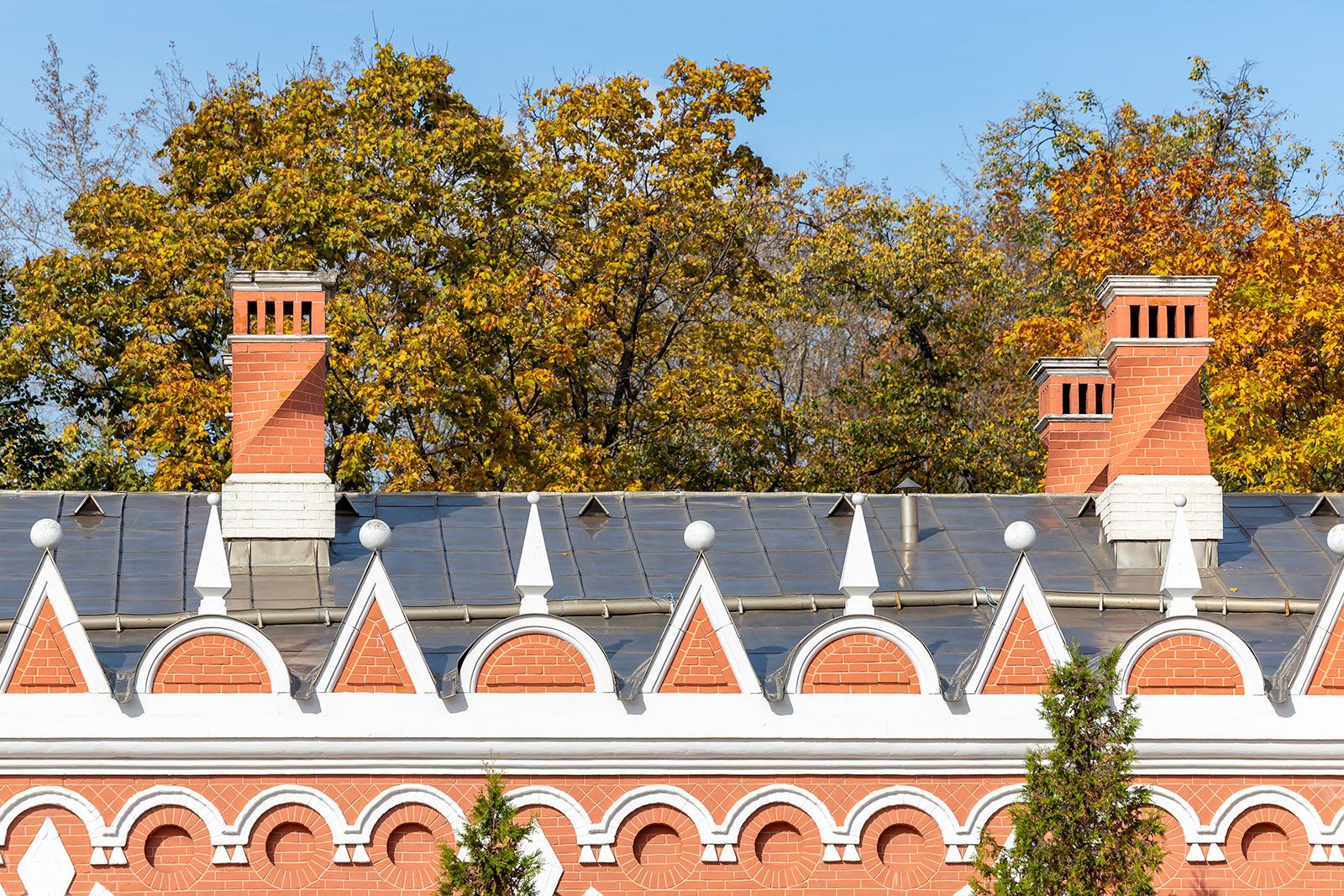
On the roof, one can notice spiral chimney caps for smoke from the stoves to come out. The fireboxes were located in the basement level, with connected air ducts running along the walls to make hot air circulate — this is how the heating system was set up in the 18 th century.
“By order of Paul I, the residence became a place for emperors to await their coronation. It is from here that coronation processions would move to the Dormition Cathedral in the Moscow Kremlin. The tradition was observed by all subsequent monarchs,” he says to mos.ru.
On the day of the coronation, Khodynka Field was usually packed with cannons. When the future emperor emerged from the palace through the central doors, they fired the first volley. Then they fired a second volley as he descended the stairs and mounted a white horse. And when he passed beyond the gates and turned his course towards Moscow, they fired for the third time, the final volley signalling to the churches to start a unison bell ringing. With the sound of festive pealing bells, the procession carrying the future sovereign would enter Moscow and be welcomed by people.
Kazakov’s staircase and state drawing rooms
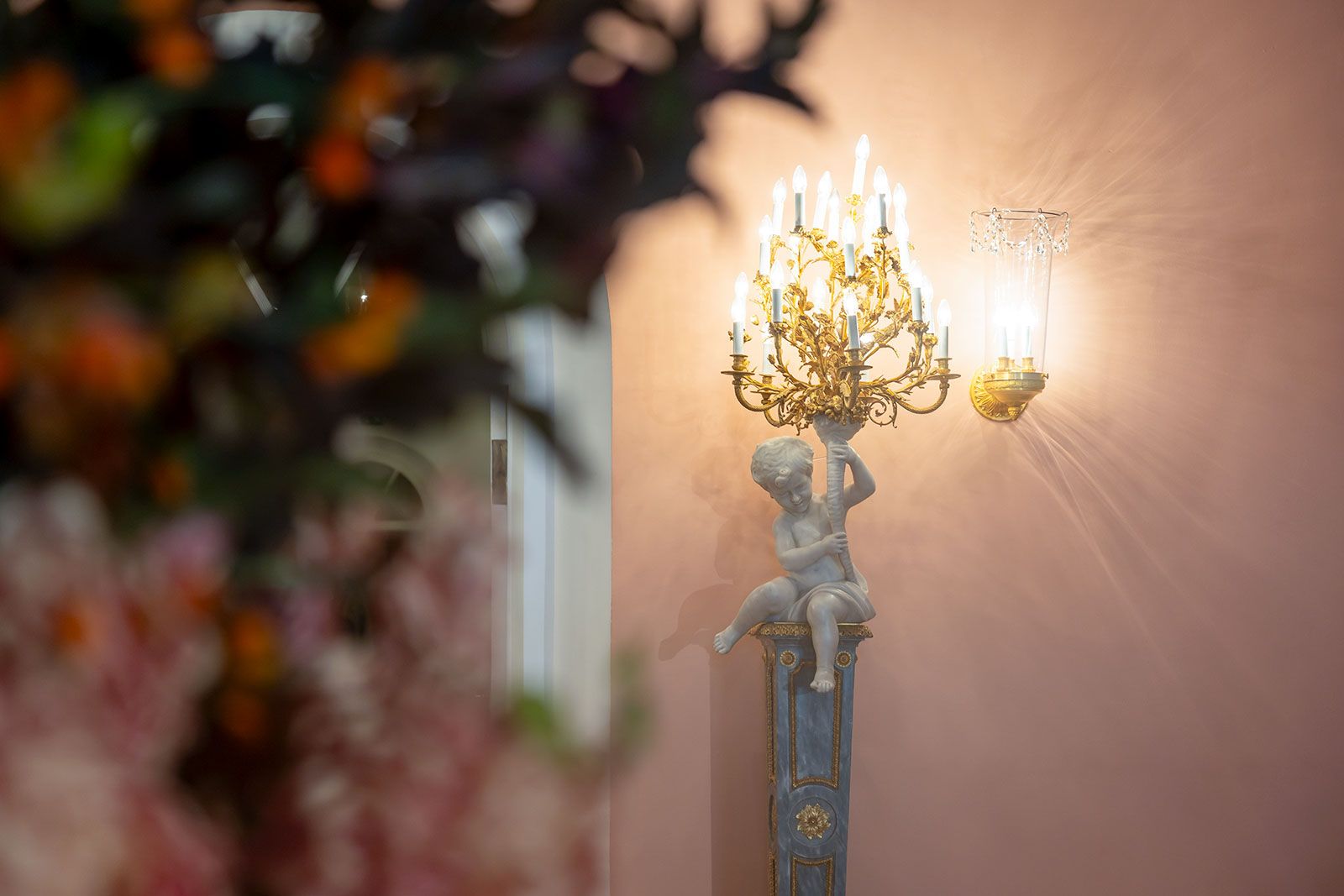
We ascend the front steps, much like the monarchs who once arrived here, to enter the antechamber. Many interior decorations, such as putto sculptures — a child motif characteristic of Renaissance art — and Venetian mirrors, have survived since the 19 th century.
The palace and in particular the interior décor suffered during the Patriotic War of 1812 as it was first looted by retreating French troops and later by marauders. After that, some of the rooms and the dome were damaged by a fire. Nicholas I ordered the restoration of the palace. The Emperor was in fact awaiting his coronation in rooms draped with canvas and heated by portable stoves as the work was completed after his coronation. Subsequent monarchs, however, saw the palace as a ceremonial setting again.
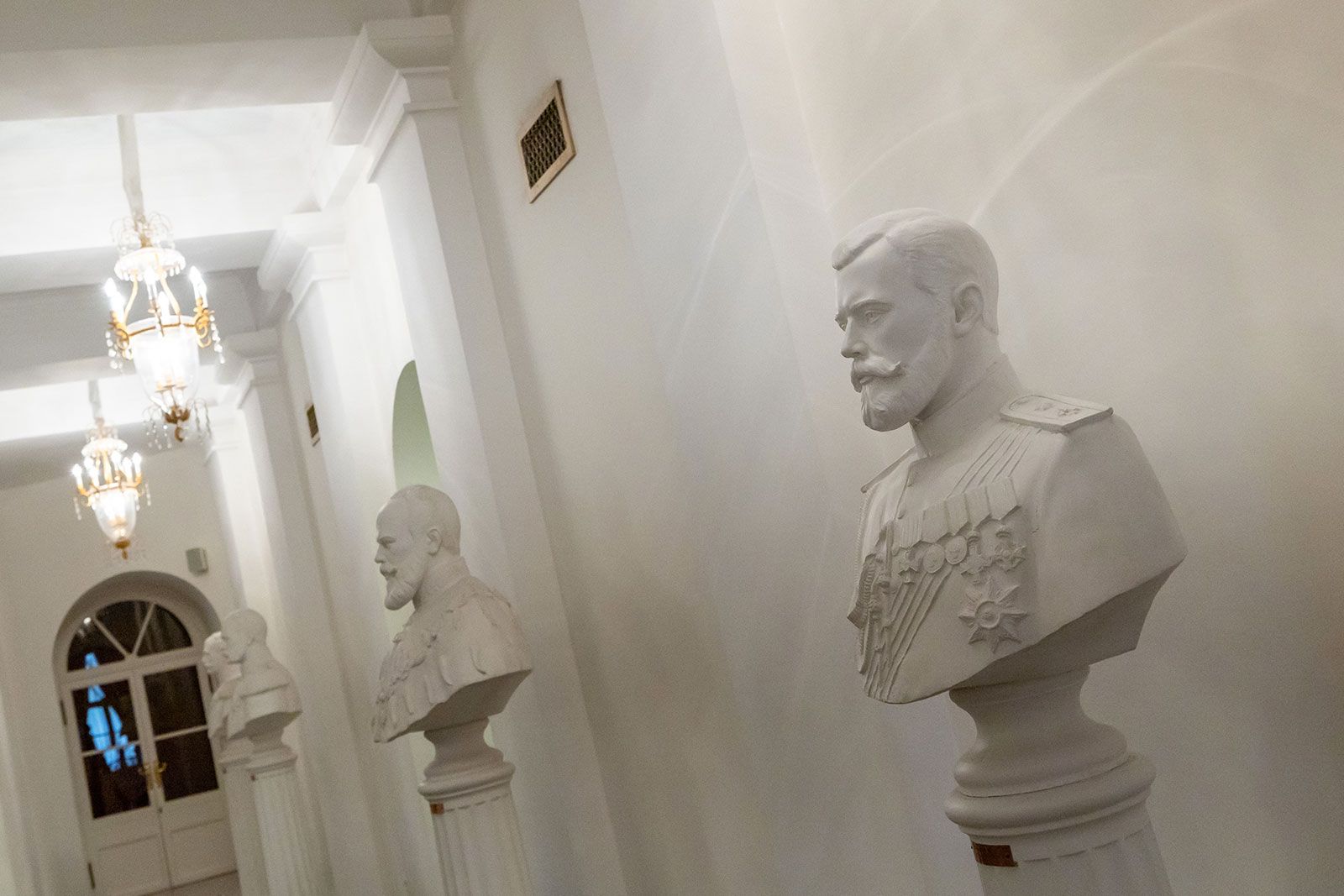
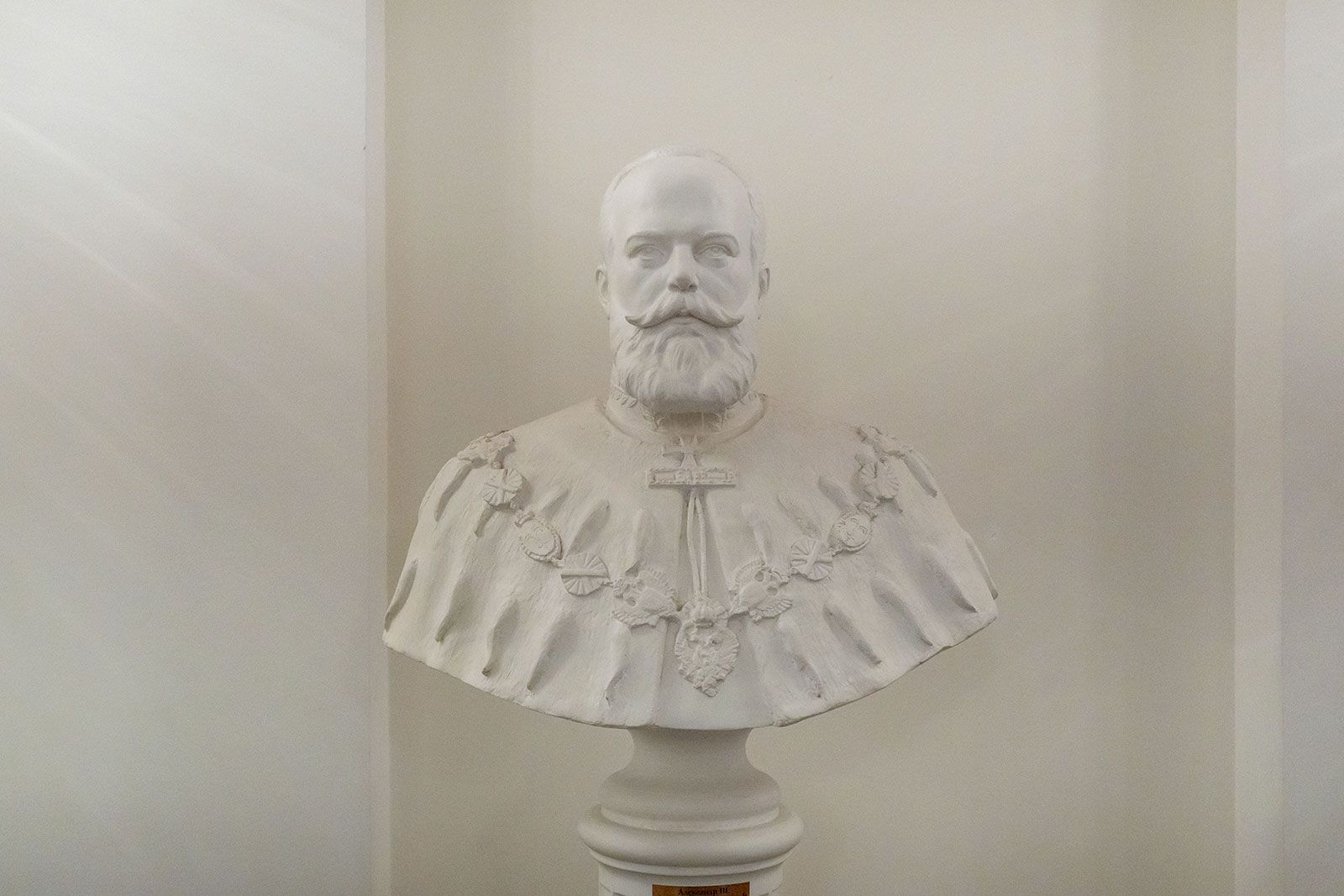
The antechamber leads into a room with busts of all the emperors who stayed at the residence, from Catherine the Great to Nicholas II, which have been created for the Museum of Moscow in the present day. We turn onto a staircase moving to the emperor’s chambers on the second floor.
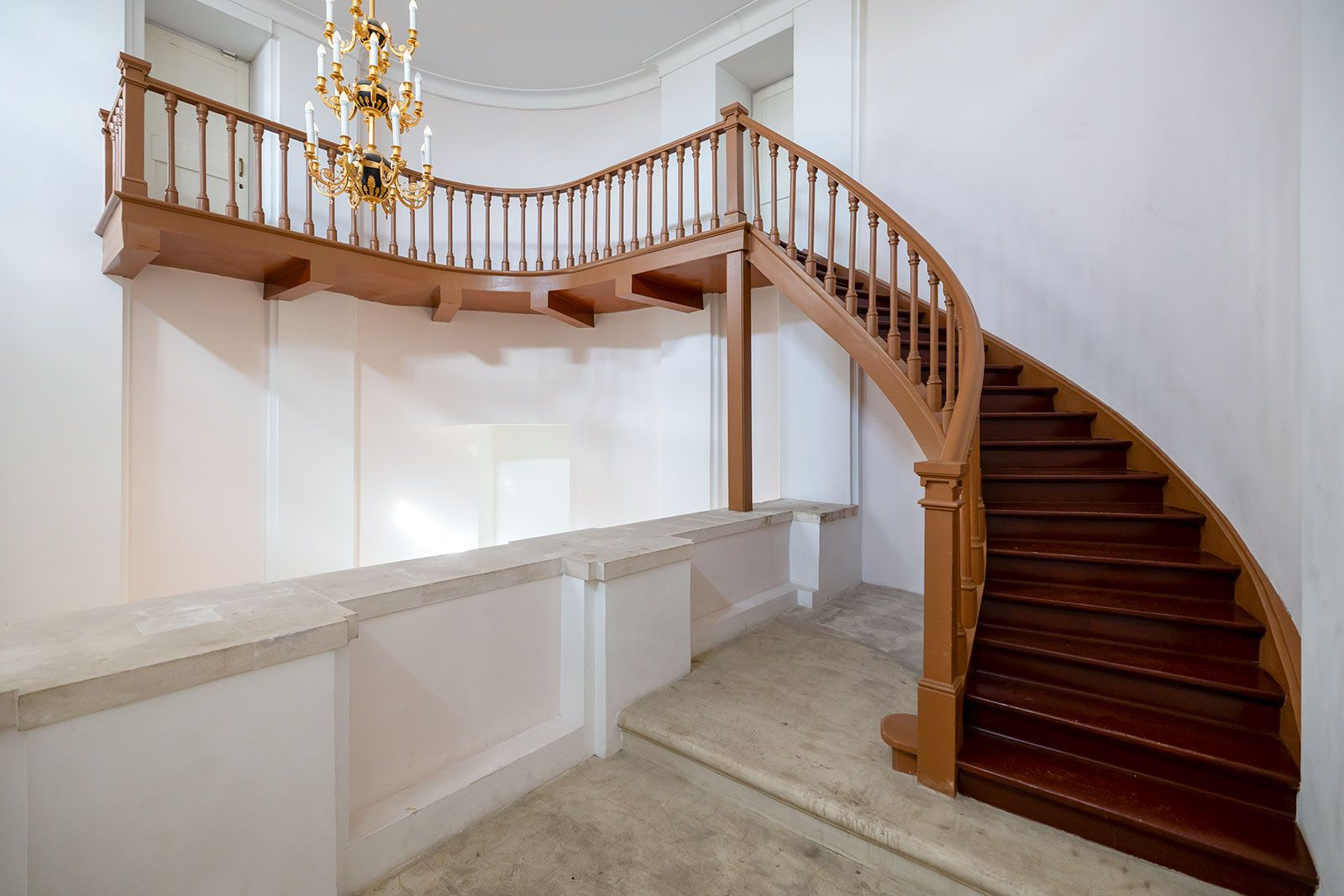
“It is known as Kazakov’s staircase among the palace staff because it did not burn down during the fire of 1812 and has retained its original design. Matvey Kazakov himself was unable to restore his creation; the news that Moscow had burned down caused his health to deteriorate and the legendary architect passed away that same year. His disciple, Ivan Tamansky, was brought in to the project. He was in fact tasked with putting the palace back in order rather than to recreate what had been lost. And yet, upon discovering some damaged — though not destroyed — plaster moldings that his teacher had once touched, the architect chose to restore them. He found the Italian plaster that Kazakov had used, restored the missing elements and cleaned those that had survived. The staircase also features the theme of abundance with the decorative molded pears, apples, grapevines, and even cacao pods. We believe that the entire palace was adorned with such abundant fruits,” shares Yan Kondrusevich.
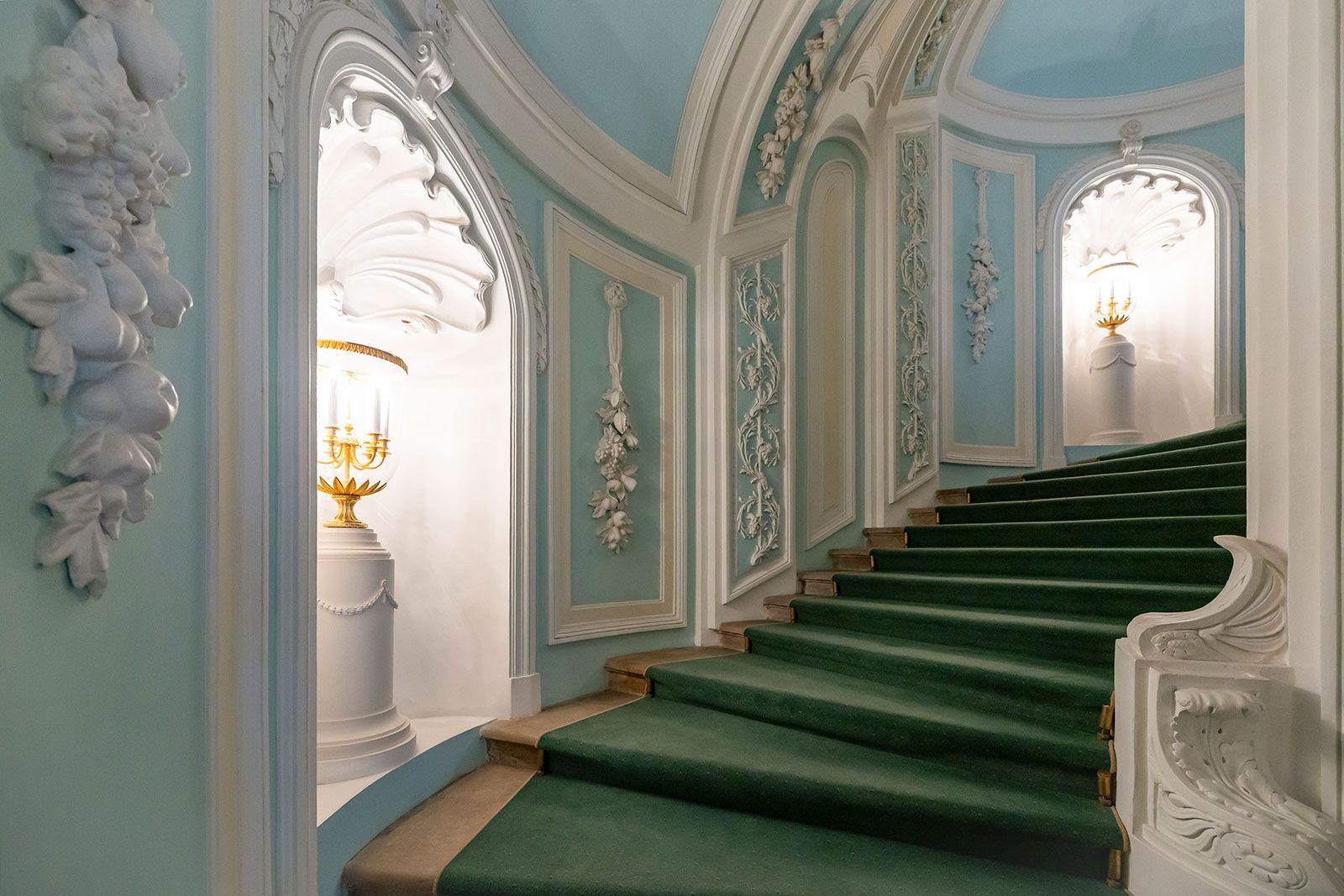
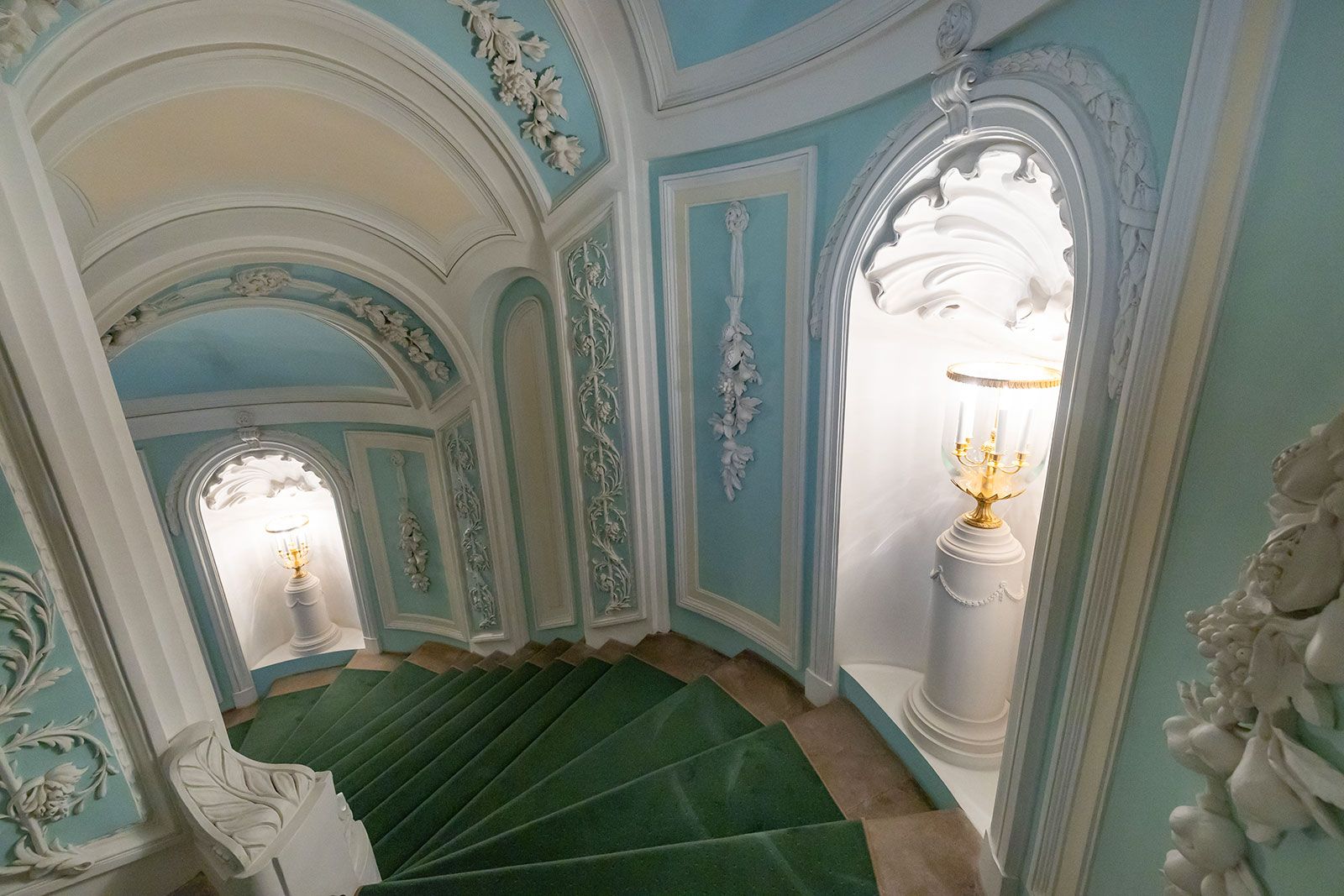
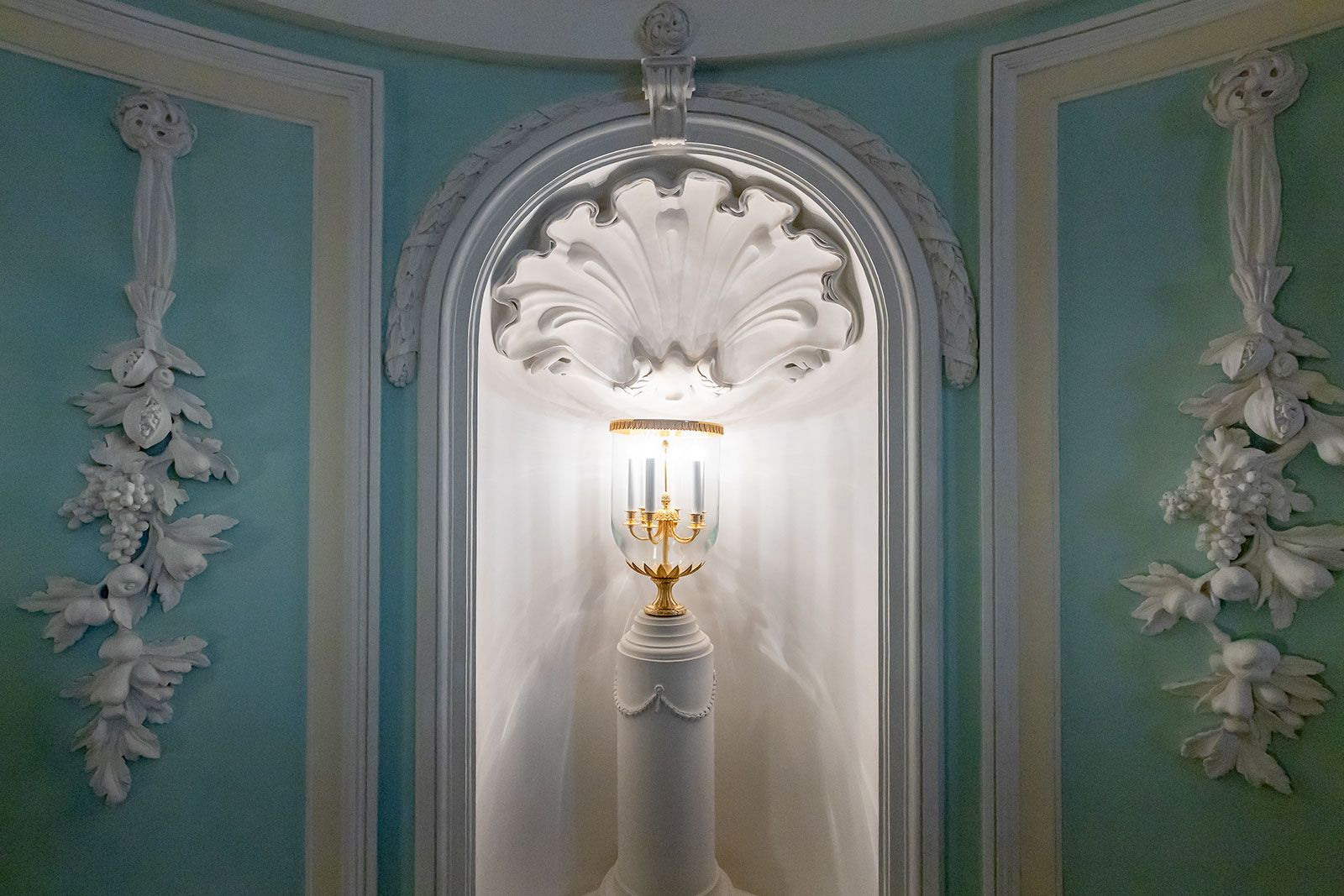
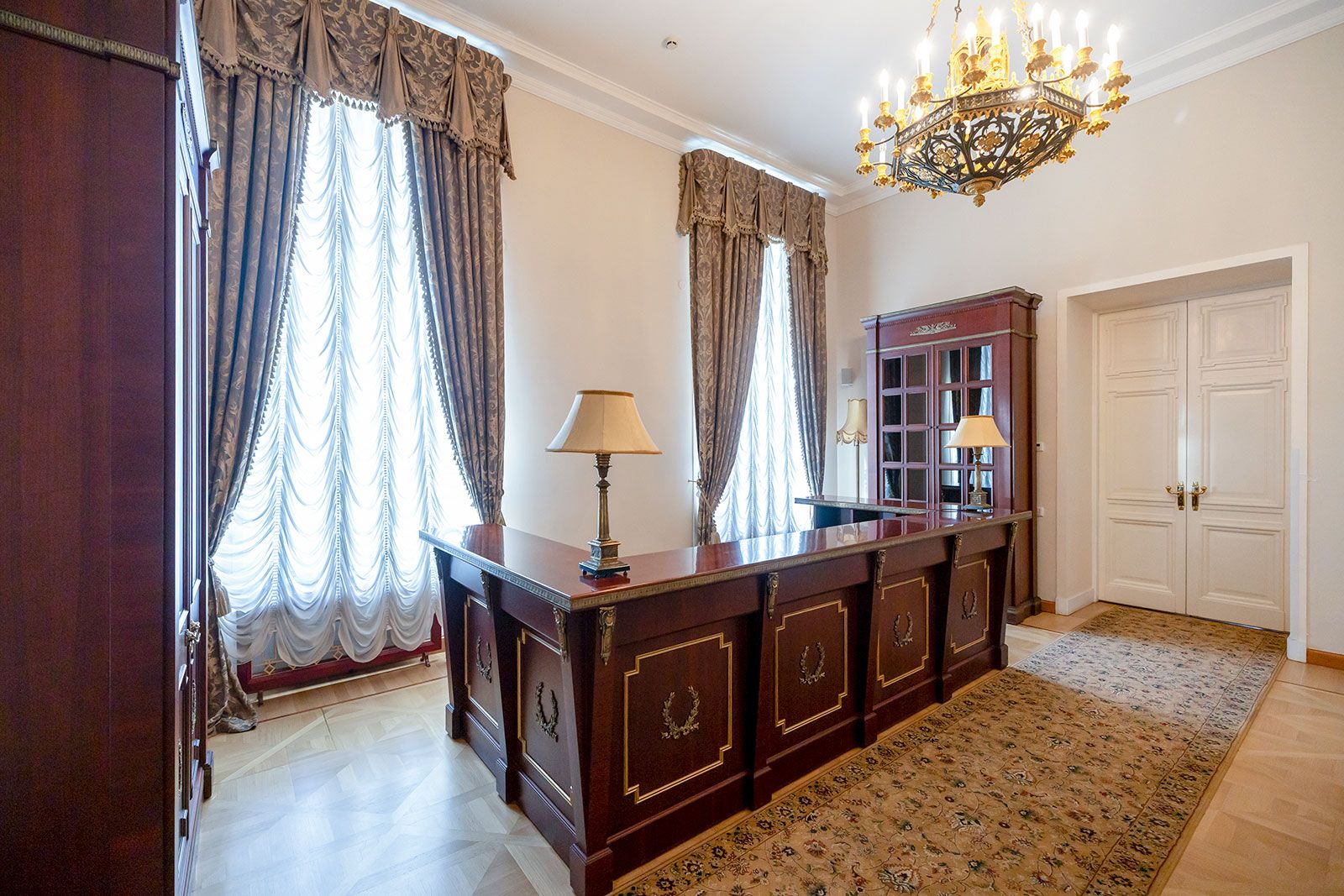
Kazakov’s staircase leads us into a room that marked the beginning of the sovereign’s private apartments. It in fact was a study and reception room; beyond it, in all likelihood, lay a living room and a bedroom. Today, the palace serves as a reception house for the Moscow Government, and these rooms include the office of Moscow Mayor Sergei Sobyanin. The lighting fixtures and furniture are recreated based on pre-revolutionary photographs from the early 20 th century.
We leave the chambers to enter the drawing room for courtiers who accompanied the emperor from St. Petersburg.
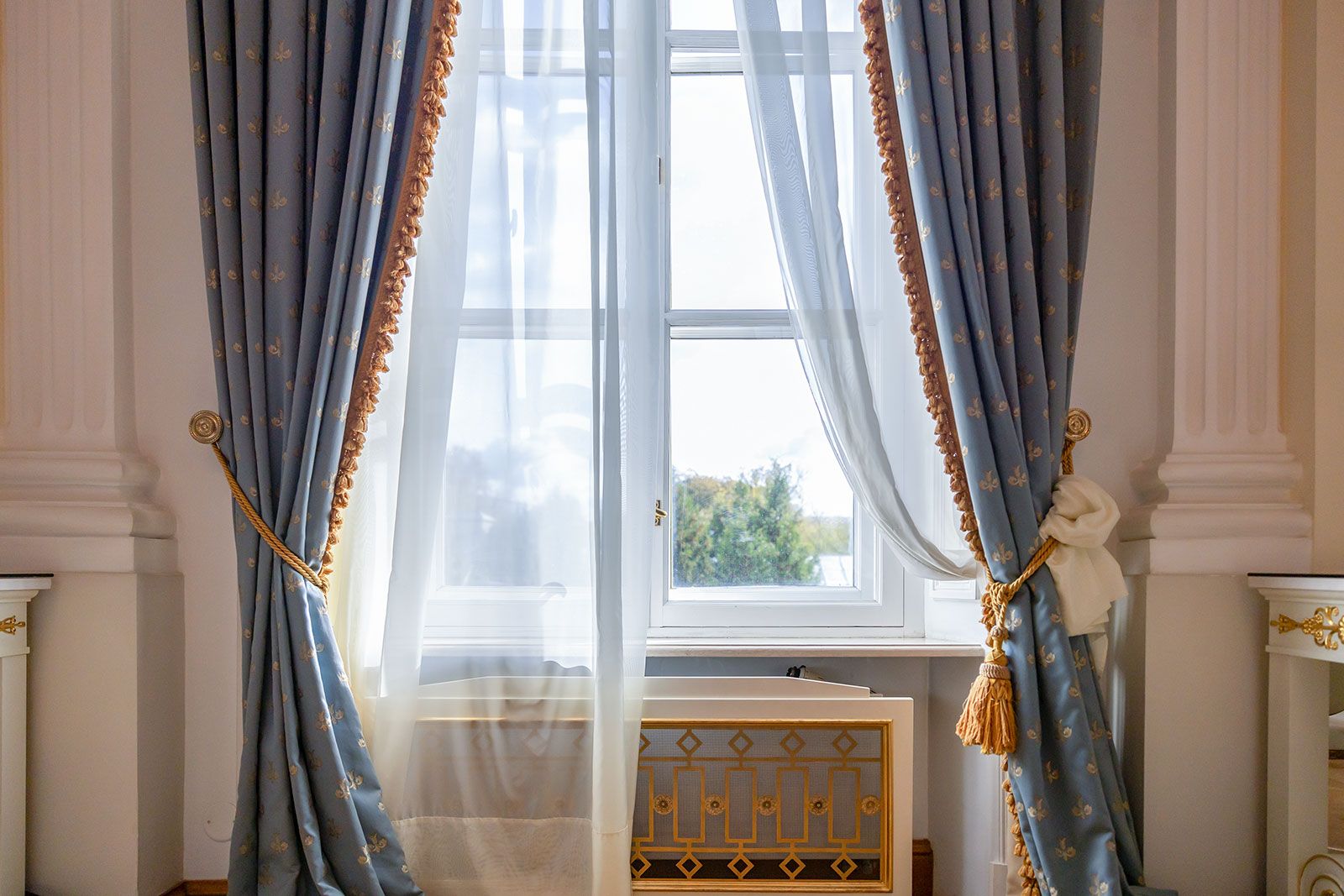
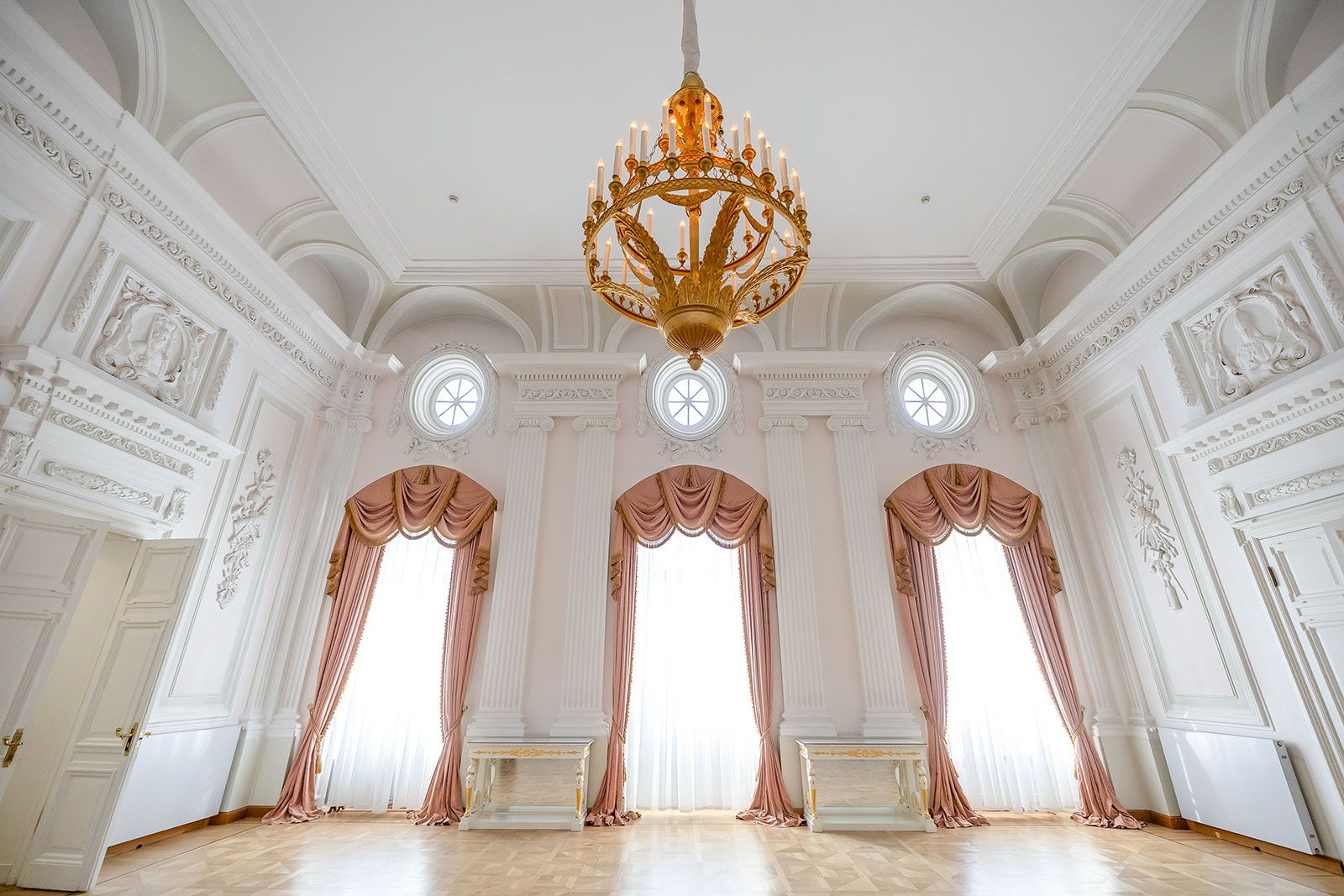
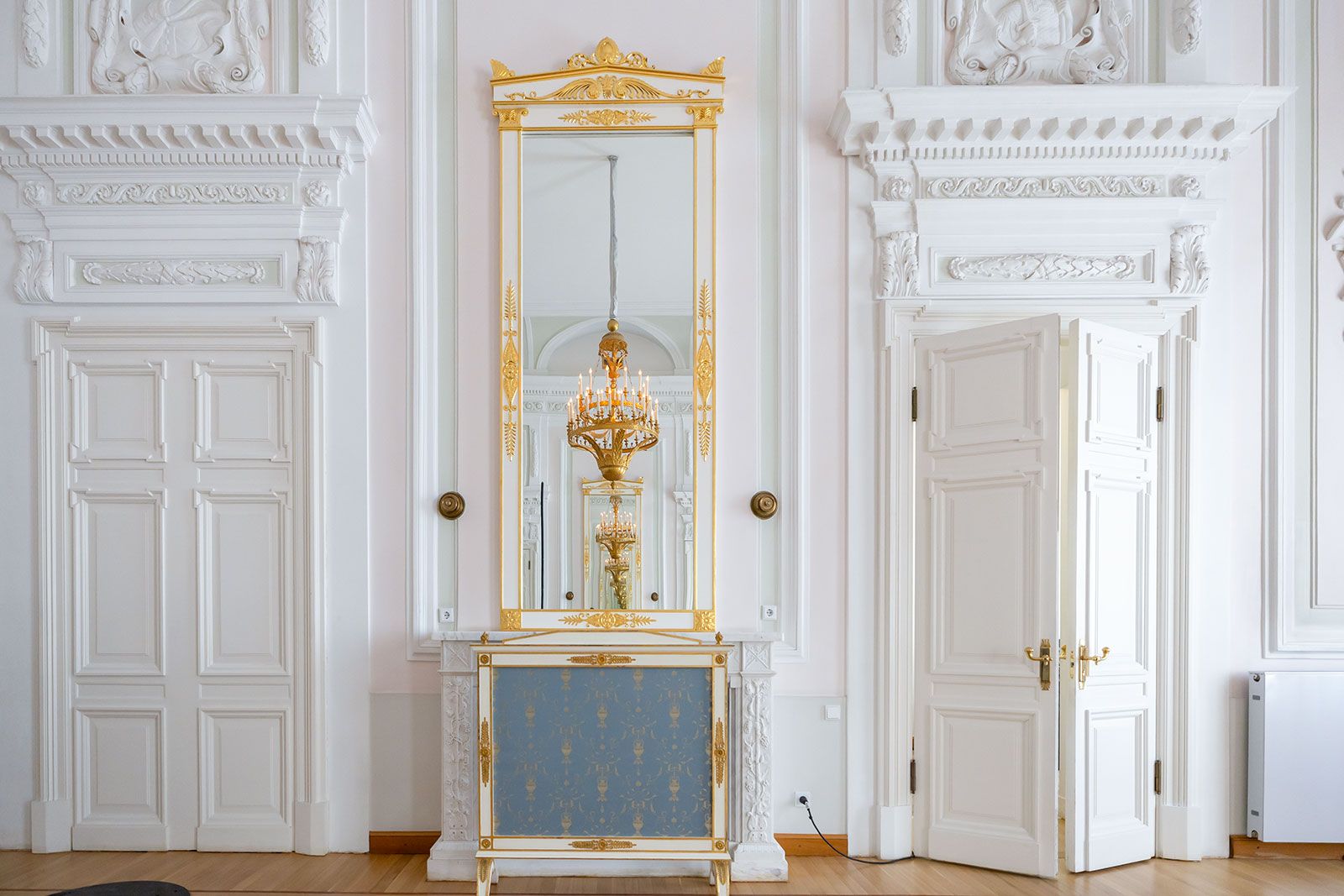
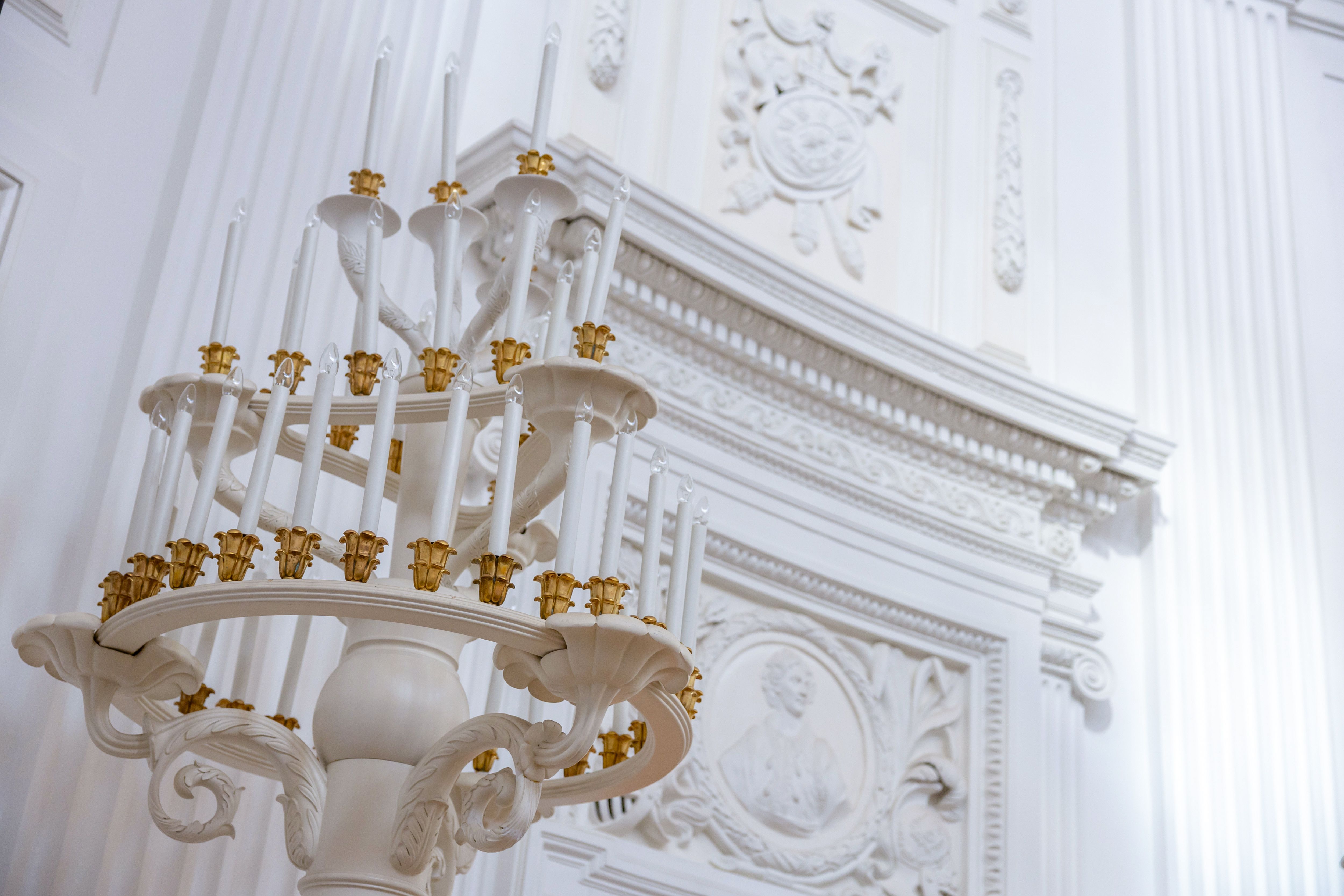
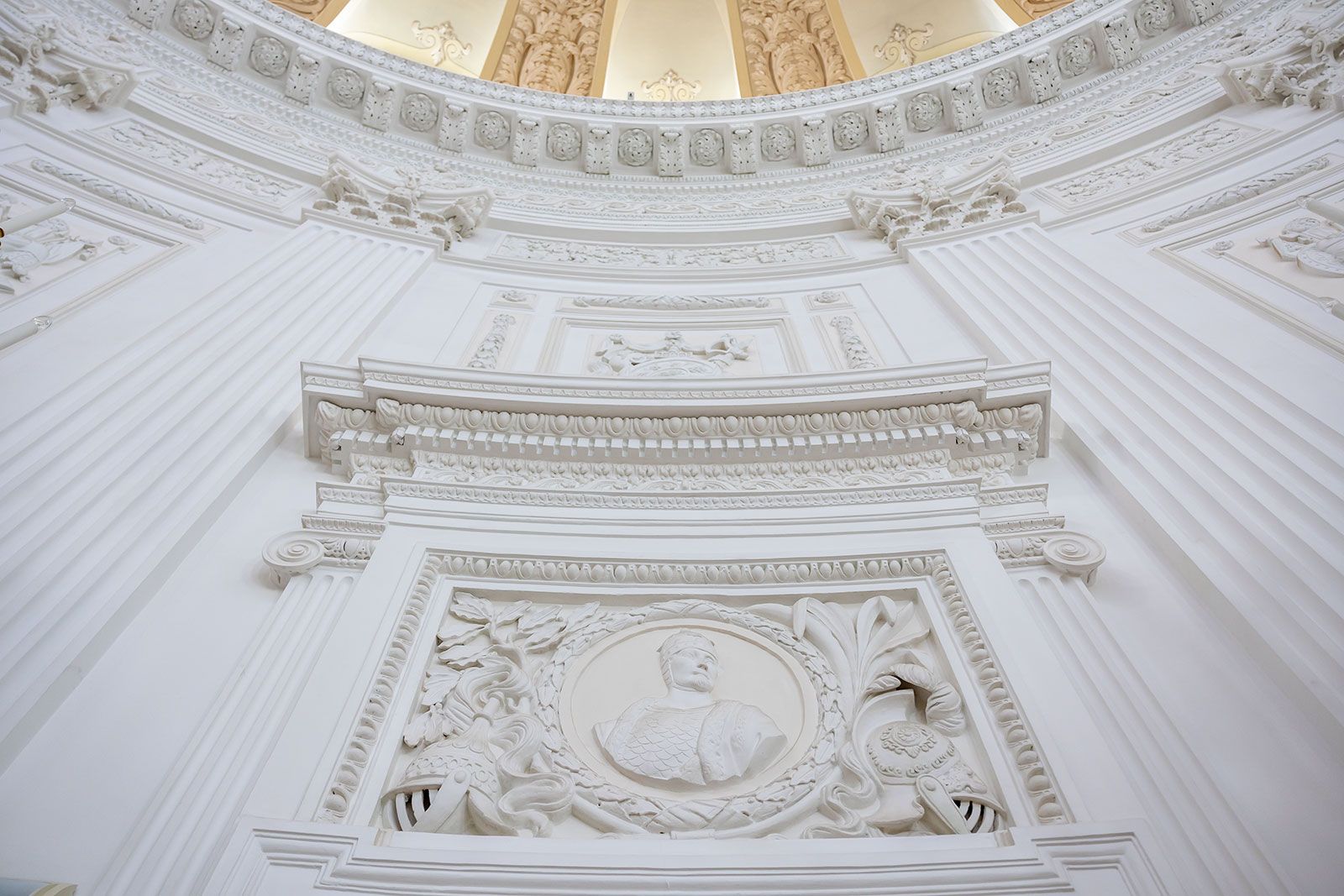
“The palace has four formal drawing rooms, which, in a sense, frame the Round Hall. They differ only in the color of the walls and certain ornaments. Their main ornamentation consists of thirty-four relief portraits of the Russian princes Yaroslav the Wise, Alexander Nevsky, and Ivan Kalita, as well as Princess Olga. They are plaster copies of the bas-reliefs from the Chesme Palace in St. Petersburg, which were made in the 19 th century,” our guide explains.
Grisaille mural and Napoleon window
From the drawing room, the emperor would take the courtiers into the heart of the palace — the Round Hall, which was used for all formal events, receptions, and balls, while Paul I consecrated regimental banners there. The hall is crowned by a 16-meter-high dome that appears light and almost airy despite its weight — owing to its tall windows. Under Catherine the Great, it was decorated with plaster moldings. Sitting in a small balcony directly below the dome, she would watch people dancing in the Round Hall during the balls. When Moscow was set in fire in 1812, the dome collapsed and had to be reconstructed from scratch in the 1820s and 1830s.
“It looks as though it has been redecorated with plaster moldings, although, in reality, it is a painting executed in the grisaille technique. Images are created using various shades of a single colour, which produces a 3D effect. The dome was painted by Swiss artists — brothers Giovanni Battista and Giuseppe Angiolo Artari. They laid a canvas out on the floor and painted it, imagining how the picture would look up above, and then they adhered it to a plastered wooden frame,” explains Yan Kondrusevich.
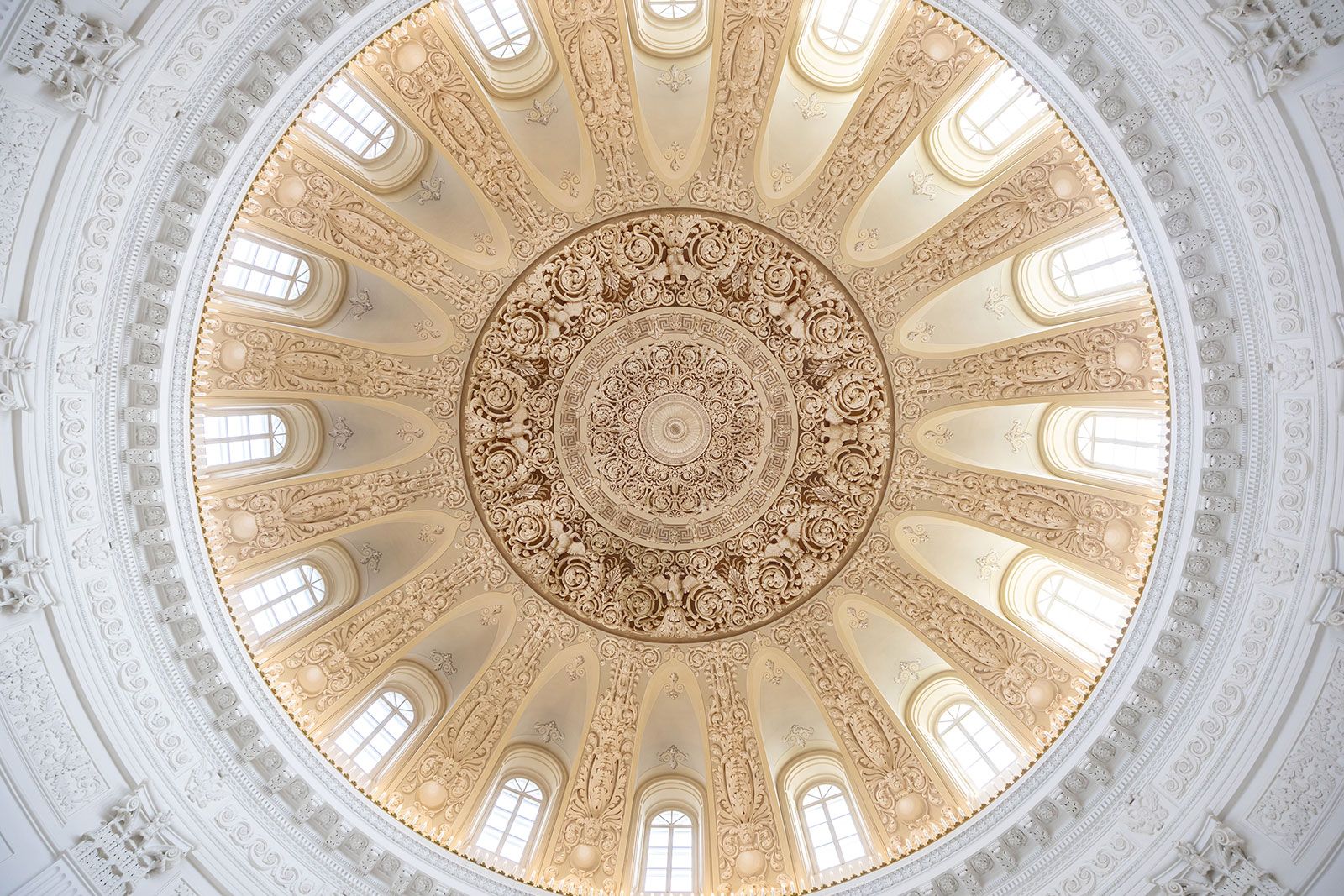
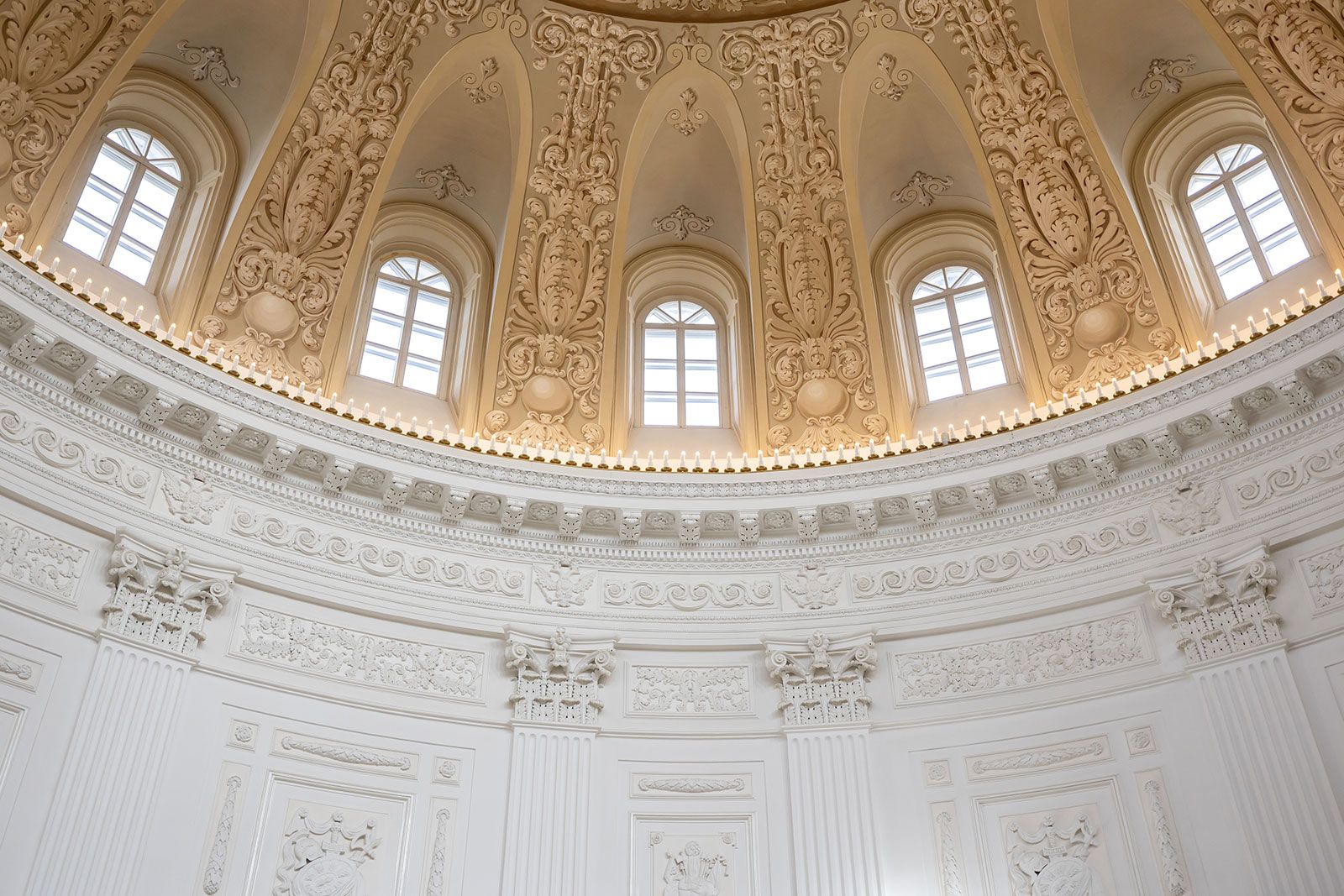
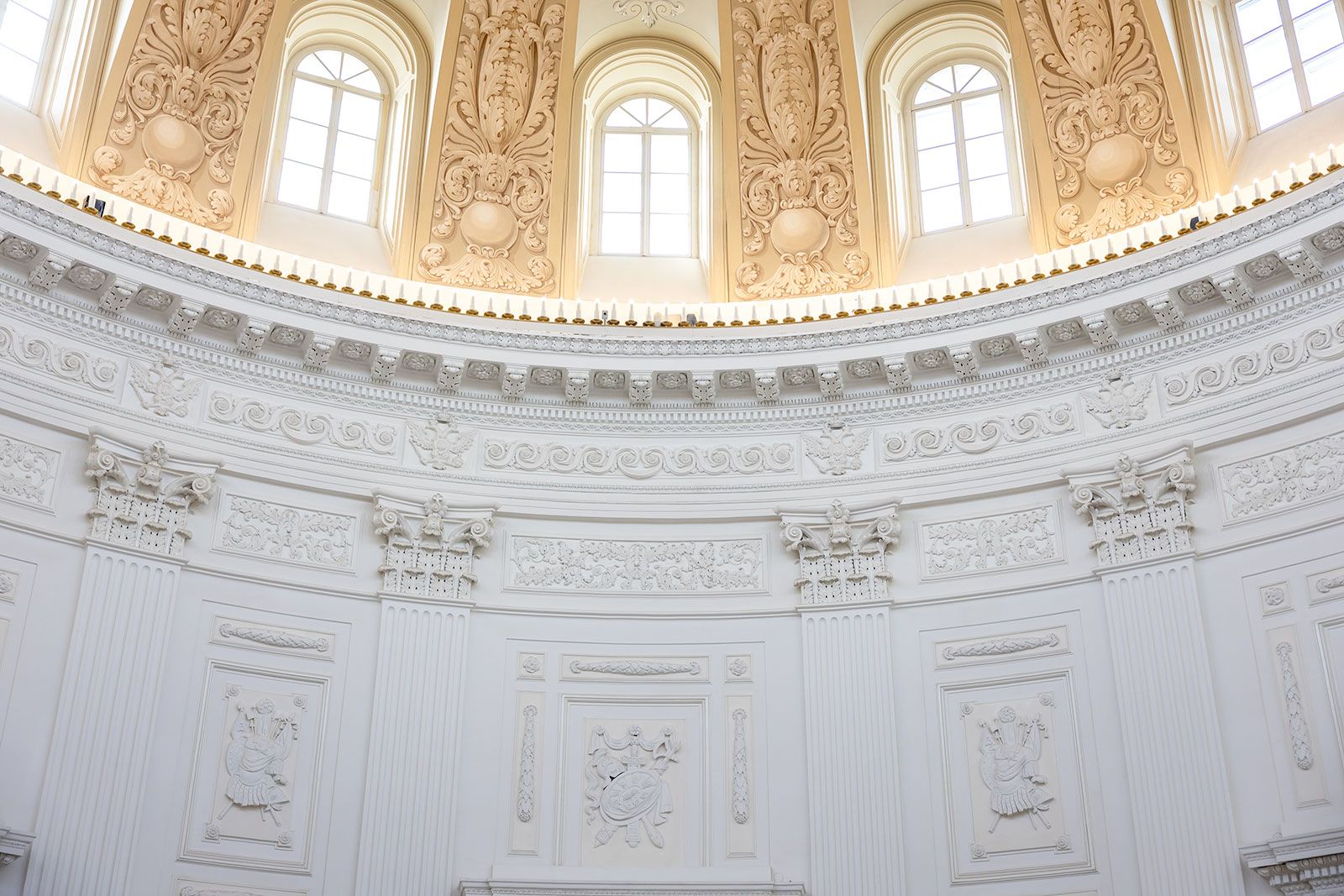
During the Soviet era, when the palace housed Zhukovsky Air Force Academy, the murals featuring double-headed eagles were covered with plywood panels, with an airship suspended from the central hook beneath the dome. During the restoration project that ran in the 2000s, the canvas was completely removed, and the lost portions of the painting were restored. Today, the Round Hall hosts meetings, award ceremonies, cultural events, and film shoots.
We leave the Round Hall to move into the blue drawing room, and Yan Kondrusevich leads us over to one of its windows.
“Napoleon was watching Moscow burning from that window. In fact, he fled the city, which was engulfed in flames, and for a long time could not find his way, as the landmark buildings had been reduced to ashes. Units of the French army escorted the emperor and his entourage to Petrovsky Palace. A cot was set up for him here, so he could keep a constant watch on whether the fire had died out. For the centenary of the war, the artist Vasily Vereshchagin painted a canvas depicting weary, pensive and dejected Napoleon in this very drawing room,” explains Yan Kondrusevich.

We head back to the ground floor and take a peek into the rooms that are still close to the general public. They used to host temporary displays, but at the moment they are setting a permanent exhibition to highlight Petrovsky Palace’s history. The collection is still being assembled, but some items created for the centenary of the Patriotic War, such as platters, confectionery boxes, and posters, are already on display behind glass. The permanent exhibition will also feature reproductions of paintings dedicated to the coronation festivities.
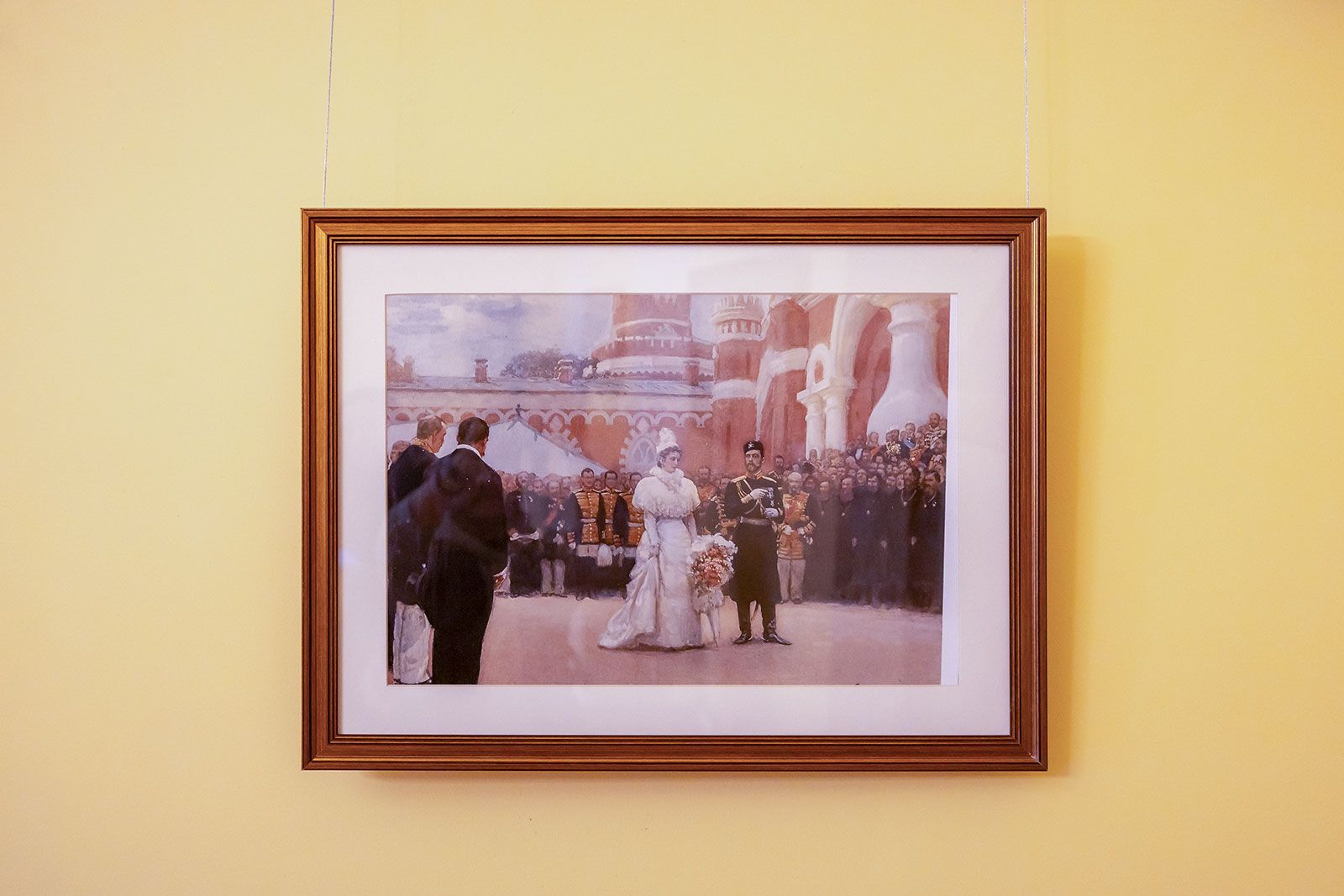
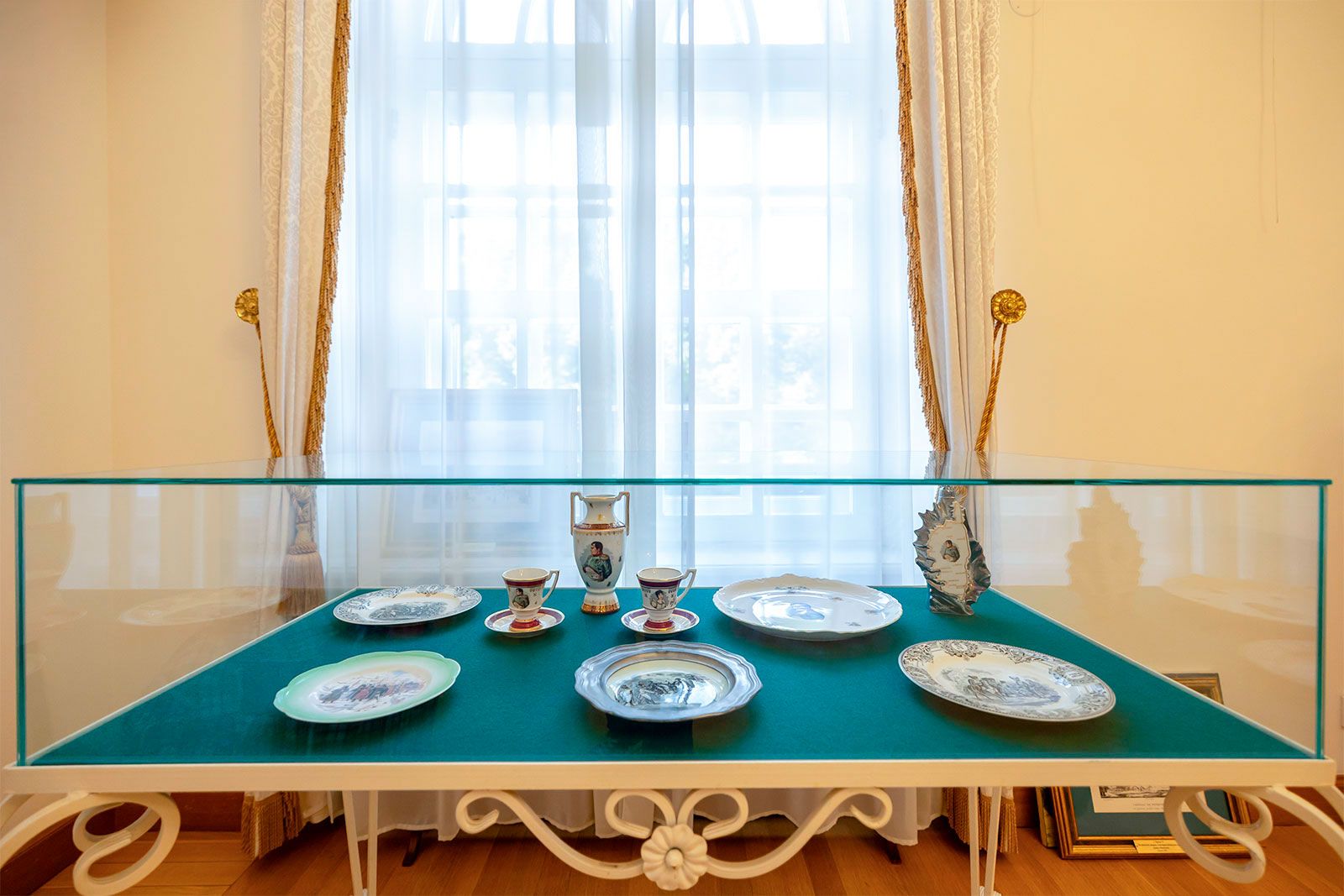
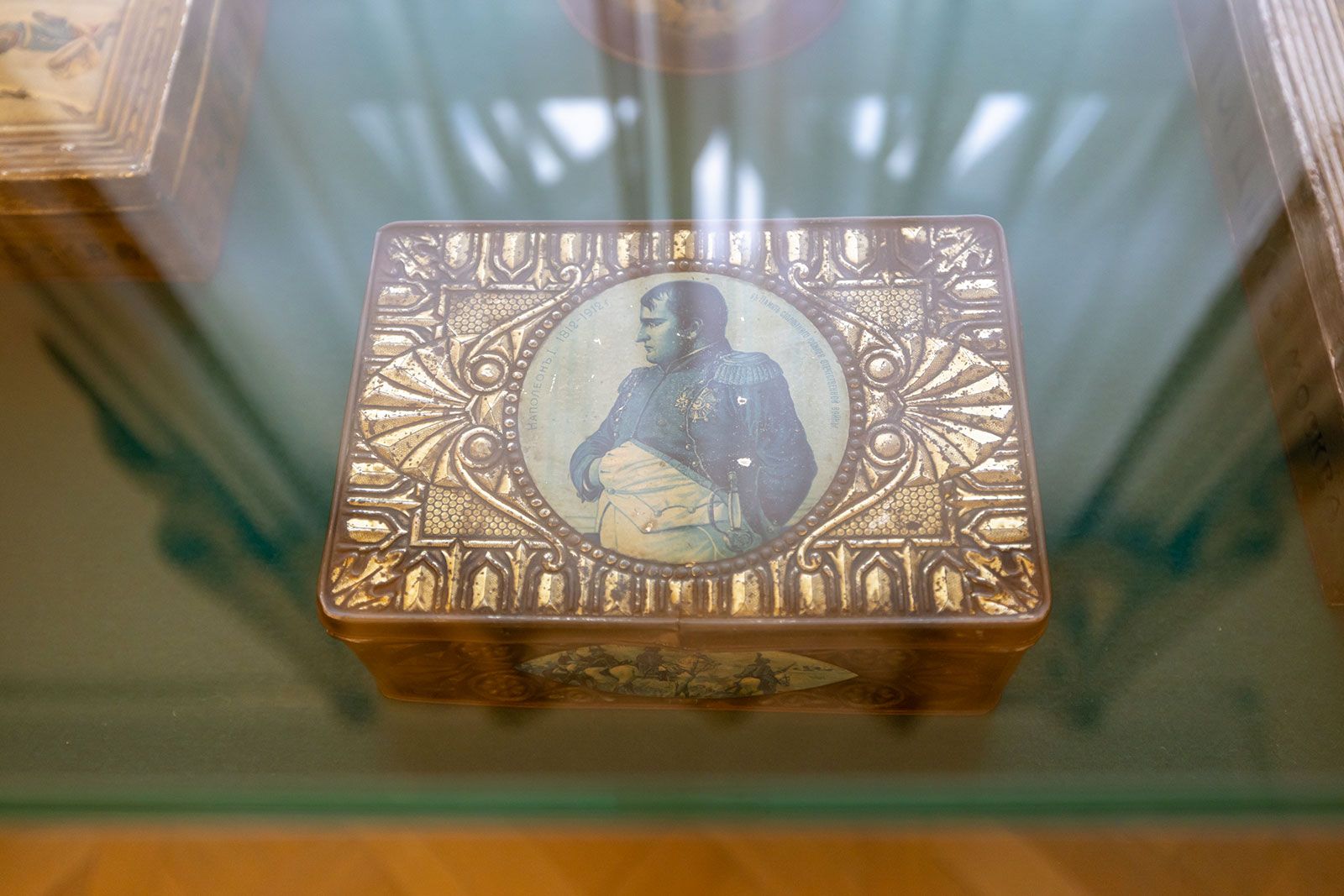
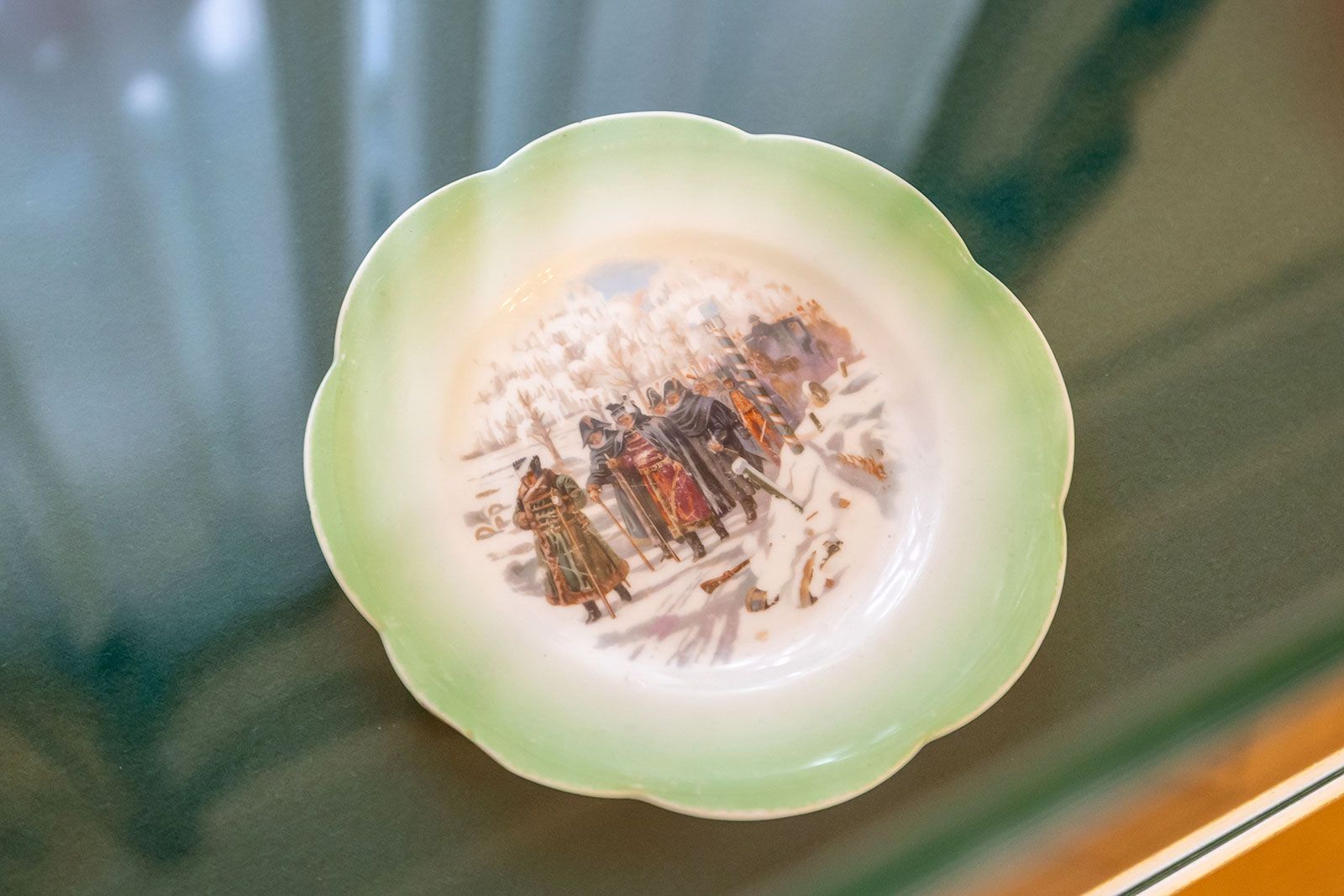
To visit Petrovsky Palace, you can join a group tour; tour schedules and bookings are available on Mosbilet. The residence also houses a hotel and a restaurant and hosts local festivals, concerts, children’s events, and wedding parties.
Read more about the history of Petrovsky Palace on mos.ru.