Grand residence at the entrance to Moscow. A look into the Petrovsky Palace’s past and present
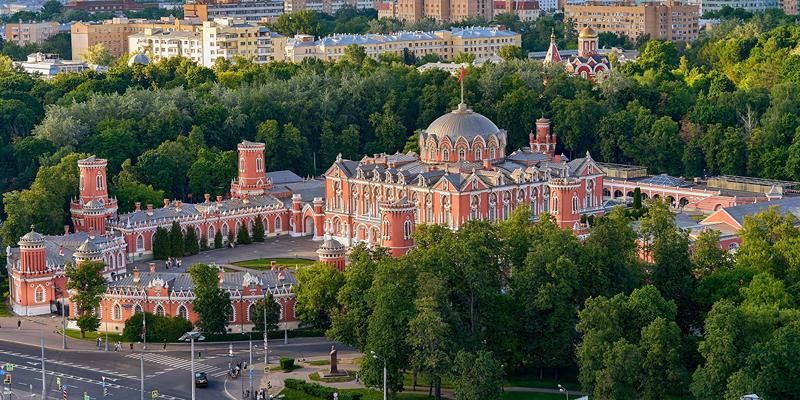
Catherine II’s country dacha, the residence where emperors waited for their coronation in the Kremlin, a refuge for Napoleon as he fled the burning city, a World War I hospital, and the grand hall of the Air Force Academy, where cosmonauts Yuri Gagarin, Alexei Leonov, and Valentina Tereshkova used to train. The history of the Petrovsky Palace is inseparable from Russian history. This year is a celebratory one for the palace, marking the 250 th anniversary of the commencement of its construction.
We talked to Aleksandr Spivak from the palace’s exhibitions department about how this outstanding specimen of Russian pseudo-Gothic architecture has been used through the ages.
Palace of triumph at the entrance to Moscow
People often erroneously associate the Petrovsky Palace with Peter I, but the order to build it came from Catherine II. Her plan was to build multiple residences in the old capital: the Empress did not like the Kremlin and thought the Royal chambers in Kolomenskoye too dated and unsuited for receiving royal guests and foreign emissaries. In addition to the Tsaritsyno, Konkovo, and Bulatnikovo palaces (which have never been completed in full), Catherine wanted an en route palace to be built on Tver Road, close to the entrance to Moscow, to be used as a transit point on long journeys from Saint Petersburg. Empty lands in the Petrovskoye-Zykovo area, previously owned by the Vysokopetrovsky Monastery, were chosen for that purpose. That was, probably, how the palace got its name, Petrovsky.
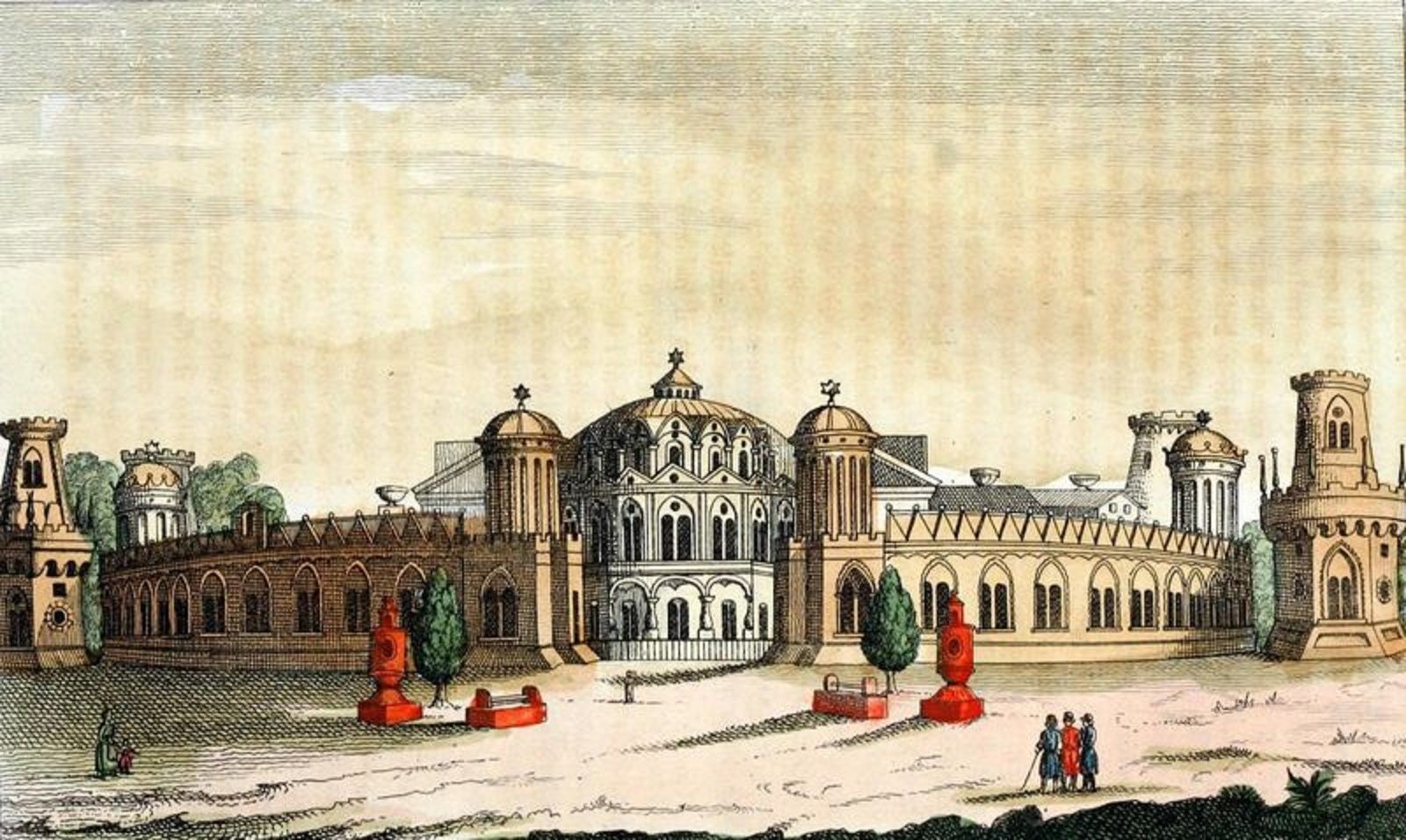
The journey between the two capitals used to take two or three weeks for the royals: they stopped in various villages and settlements along the way, to enjoy their hospitality and gifts. Ceremonies could last so long that processions had to rest often, and the Petrovsky Palace was one of those stopping points. Its construction also had a symbolic meaning: The Russo-Turkish War ended in victory in 1774, and the next year, a celebratory festival took place on Khodynskoye Pole, with pools imitating the Black and Azov Seas, a wooden castle, ship-shaped stands for the public, and fireworks. After the festivities ended, Catherine decided to build a real palace to replace the mock one. Architect Matvey Kazanov was entrusted to make her dream come true in stone. He designed an ensemble in the pseudo-Gothic style that combined the elements of Gothic, Old Russian (merlons), and Oriental (Moorish-style towers) fortresses. 
The construction began in 1776 and was more or less complete in three years’ time, although finishing works lasted till Her Majesty’s death in 1796. Catherine II stopped in the palace twice, calling it her dacha outside Moscow.
The last step to the throne
Subject to a special permission, persons of noble birth could stay in the palace; Moscow Garrison troops also used it as their quarters. We know that Mikhail Lermontov stayed there for a short time in 1841, when visiting Dmitry Rozen, his comrade-in-arms, who served as an aide to the Governor-General. That had been the poet’s last visit to Moscow: he was killed in a duel in Pyatigorsk three months later.
From the days of Paul I on, the Petrovsky Palace has become known as the last step to the throne.
“Monarchs were crowned in Moscow, the old capital, not Saint Petersburg. Here was where they got their divine mandate from: the tradition was not to be tampered with, so as not to disrupt legitimacy. All Russian monarchs, from Ivan IV to Nicholas II, were crowned in the Kremlin’s Dormition Cathedral, but each of them could arrange celebrations and rituals in their own way. Starting with Paul I, the palace became the place where emperors waited for the coronation ceremony. The coronation procession, which escorted the monarch from the city’s outskirts to the Kremlin, started there. Paul, who had dreamed of the throne for decades, was too impatient to proceed in the carriage, so he got out and went the rest of the way on horseback, starting another tradition: for the monarch, dressed in all white, to ride at the head of the procession on a white steed, while the Empress followed suit in a carriage. After ascending the throne, by the way, Paul did all he could to rehabilitate the memory of his father Peter III and diminish the reverence people still felt for his mother, Catherine II. There is a version that he was the one to name the Petrovsky Palace like that to honor his father,” the historian added.
While staying in the palace, emperors chose their coronation attire and discussed the details of the ceremony, along with doing routine royal work: they published decrees, received dignitaries, and presided over official dinners. One large painting by Ilya Repin captures Alexander III receiving local elders in the yard of the Petrovsky Palace.
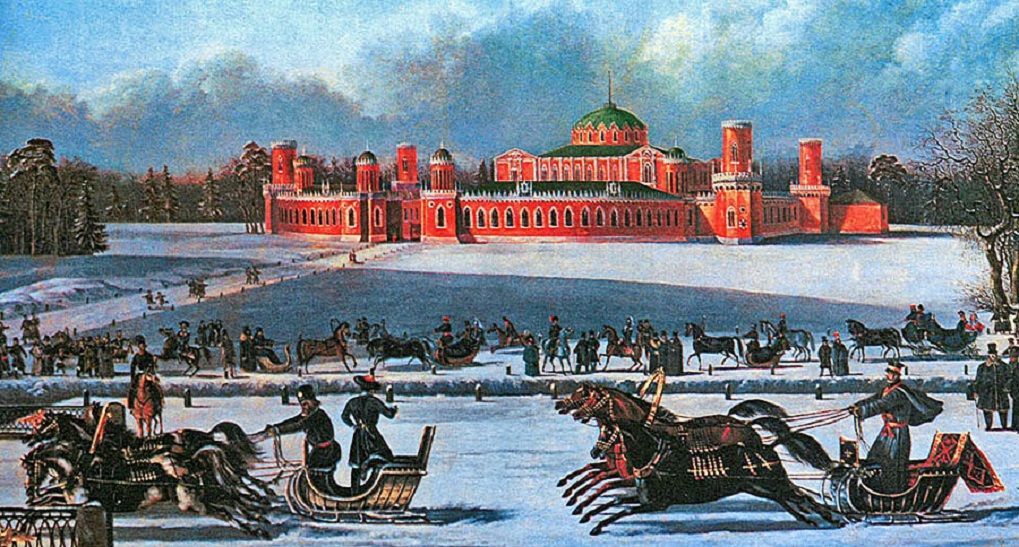
“Coronation ceremonies became grander with time, with half the court moving from Saint Petersburg to Moscow. Nicholas II, for instance, brought 20 tons of gold and silver tableware with him. Spectator galleries and triumphal arches were built along the way, with troops lining the road. Fairs for the commoners were held on Khodynskoye Pole, where everyone could get a gift from the Tsar. Tickets to the ceremony were issued to the bearer, specifying the area they were permitted to access: Red Square, the Kremlin, or the Dormition Cathedral. People used to rent dachas along the route and purchase seats by windows so they could watch the procession. Technologies advanced, with photographers replacing artists with their sketchbooks. At the time of Nicholas II’s coronation, motion pictures were already in use. The coronation ceremony was one of the central, most spectacular events in the country’s life, with the Petrovsky Palace being its irreplaceable part,” emphasized Mr. Spivak.
Napoleon’s vantage point overlooking Moscow
There were also tragic pages in the palace’s history. When Napoleon entered Moscow during the 1812 campaign, the royal residence started serving as quarters for his infantry divisions. As French officer Eugene Labaume reminisced later, a field camp was set up nearby, while garden pavilions were used as storage for the valuables pillaged from the city: Persian rugs, Venetian glass, jewels, furniture, and furs.
“Napoleon was reluctant to leave Moscow even after fire had already engulfed it, but soon, someone informed him that gunpowder was still stored in the Kremlin. The Emperor realized that he was literally sitting on a gunpowder barrel that could blow up any second. He had no other choice but to flee in a hurry, but it was already too late: many buildings in the city that used to serve as landmarks had already burned to ash. After losing their way, Napoleon and his entourage were found by some French army units and escorted out of the city northwest, along the river. Napoleon got to the Petrovsky Palace exhausted and, not even waiting for his bed to be made, collapsed onto his great war chest. For a few days after, he was observing the fire in the city, then moved on. The fire did not touch the palace itself, but it still suffered a lot that year: first, it was raided by the retreating French troops, then local looters stole the rest,” explained Mr. Spivak.
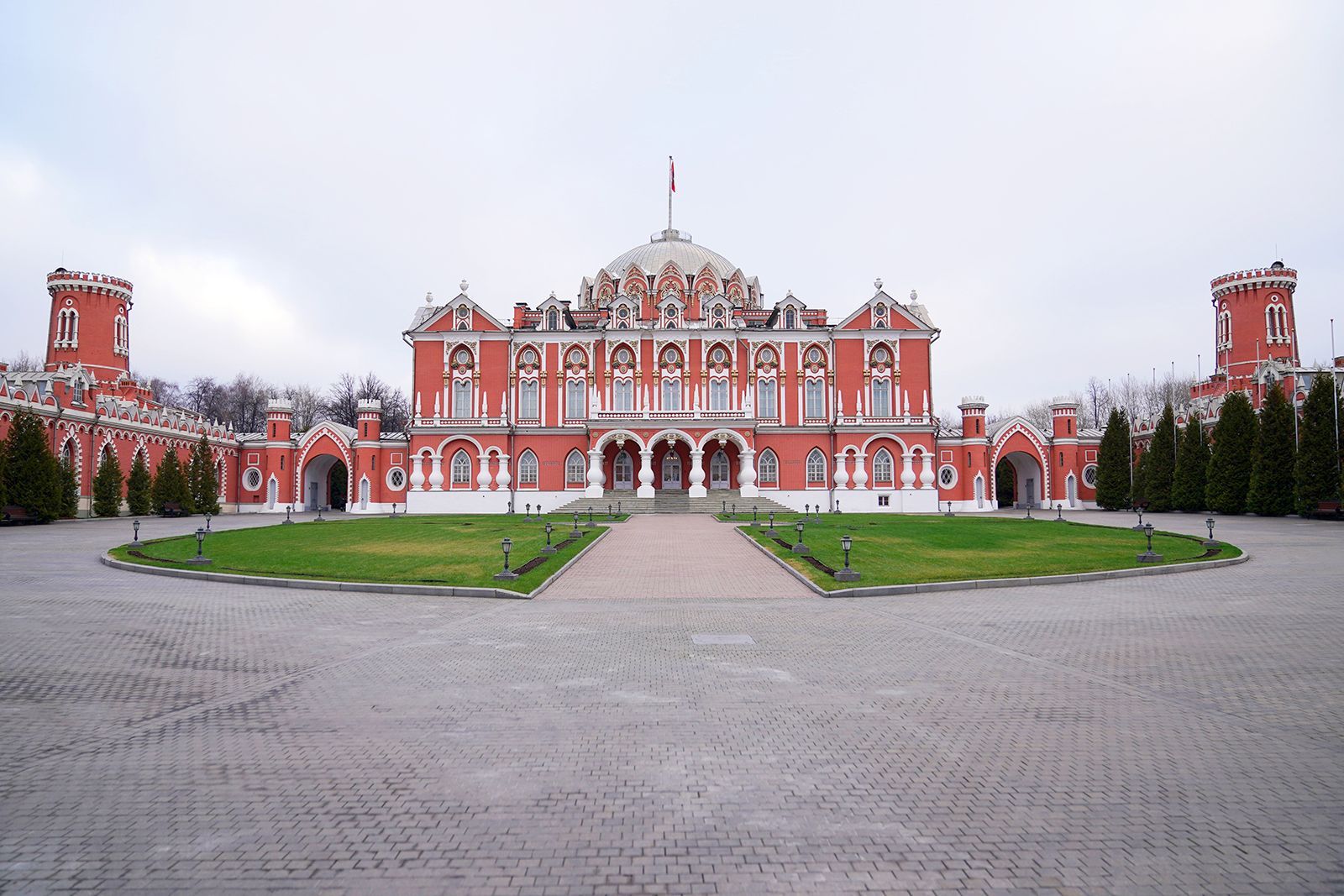
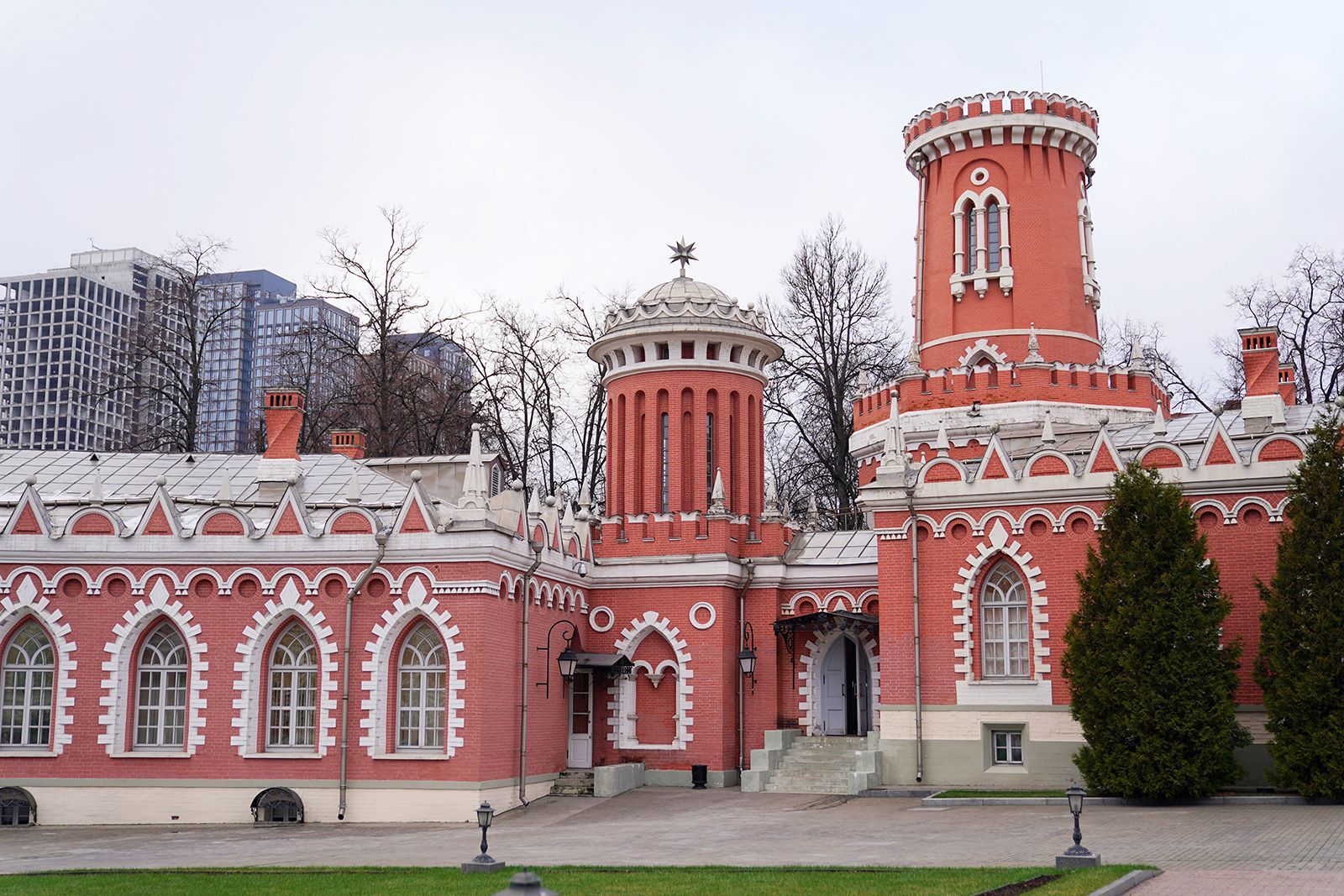
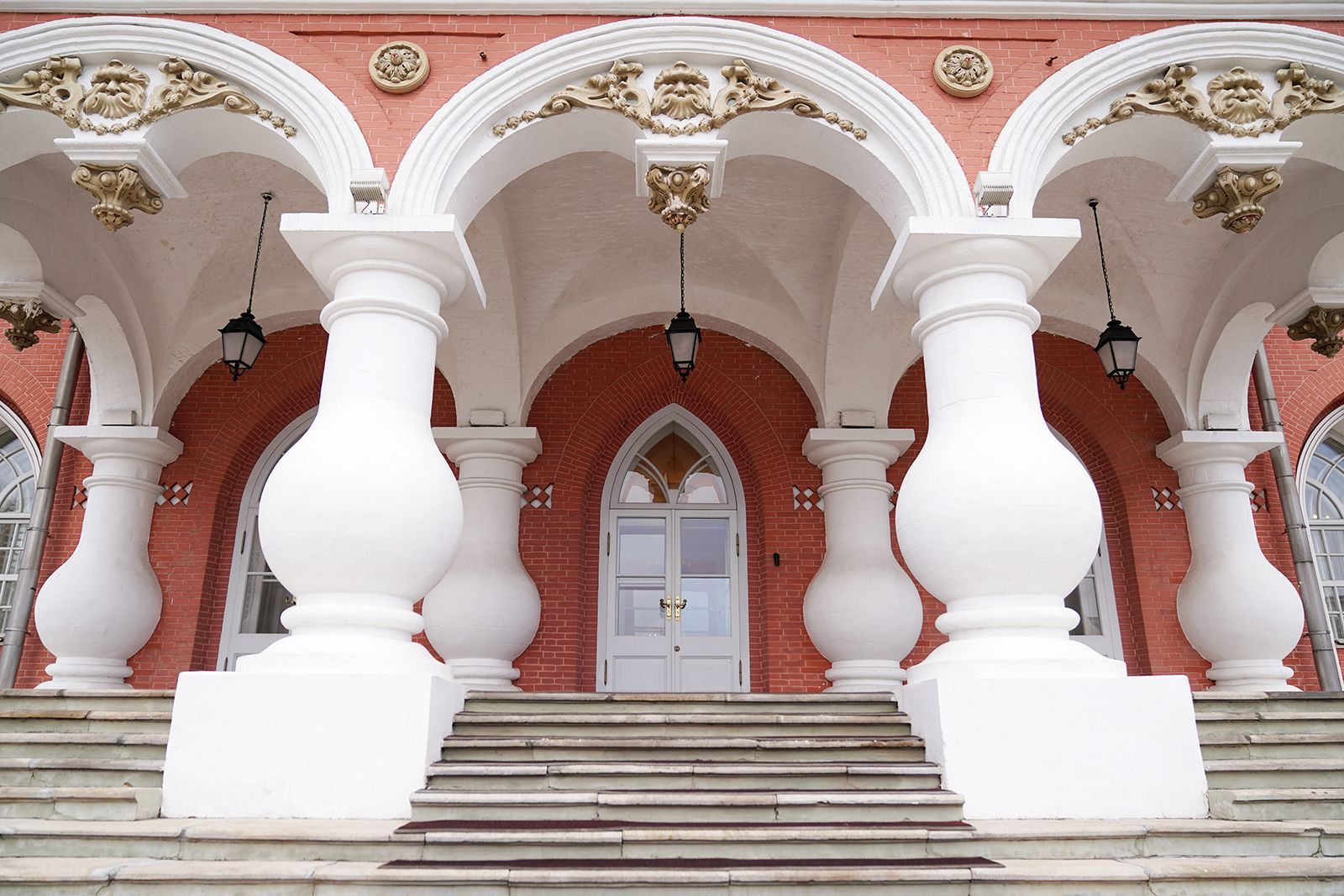
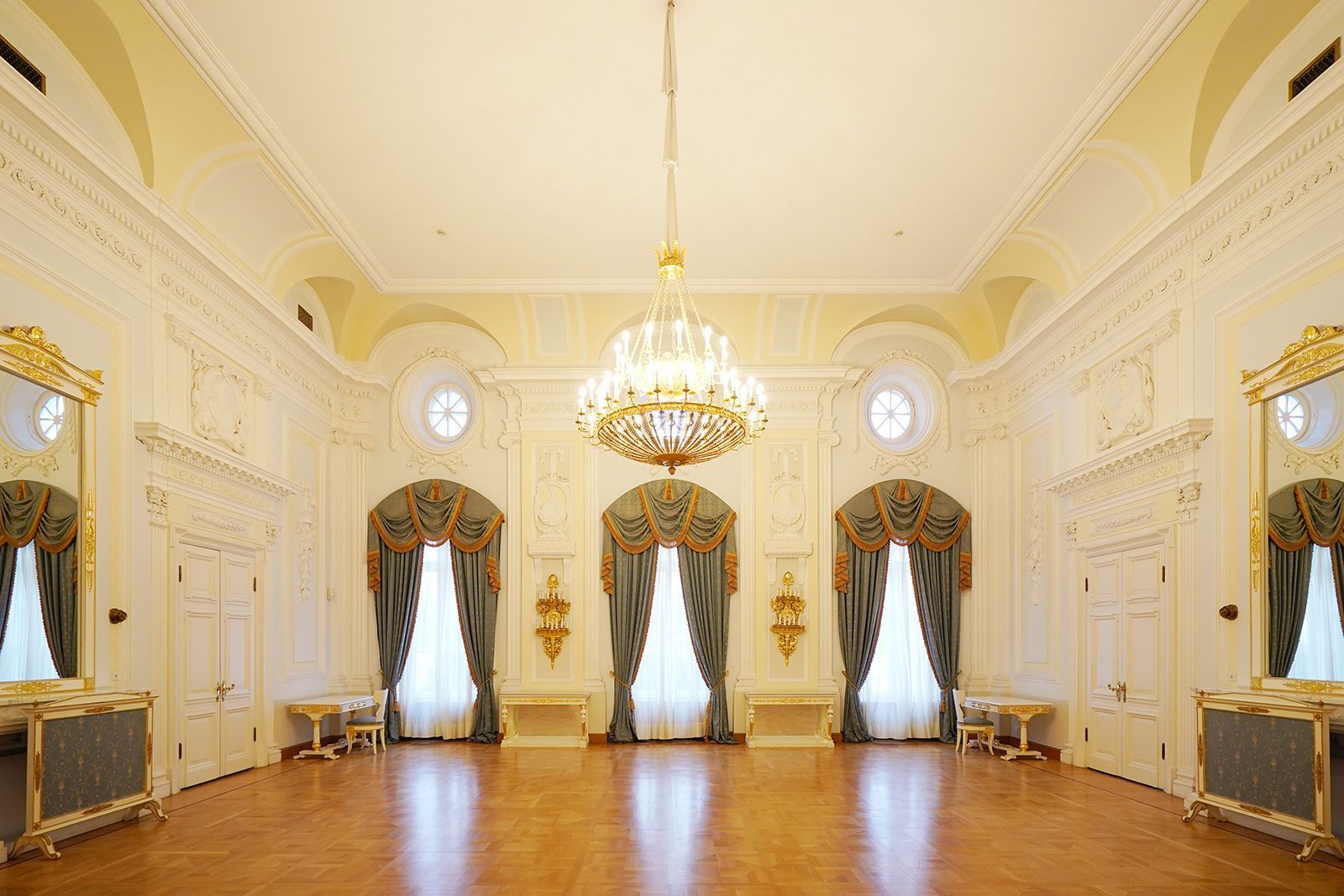
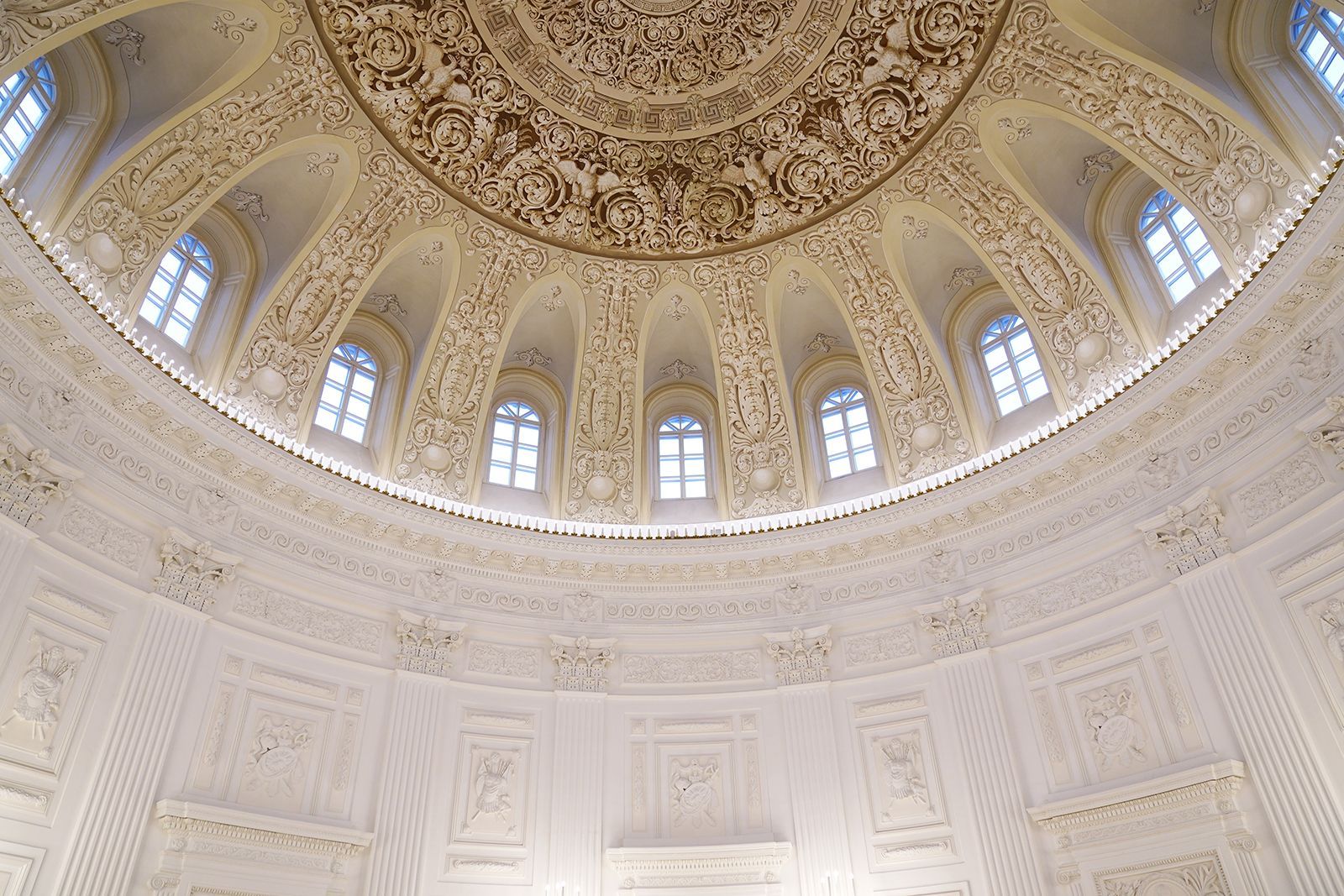
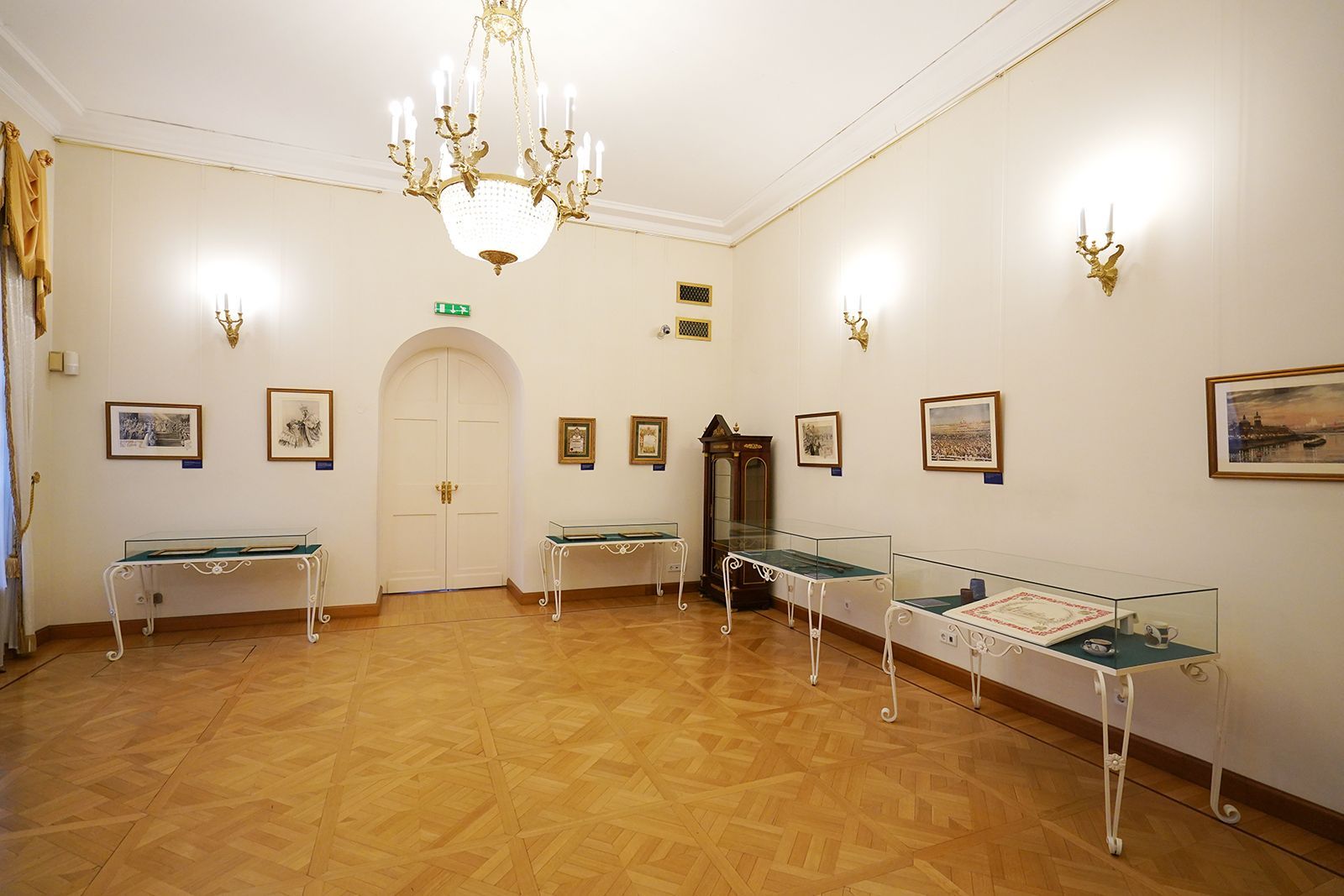
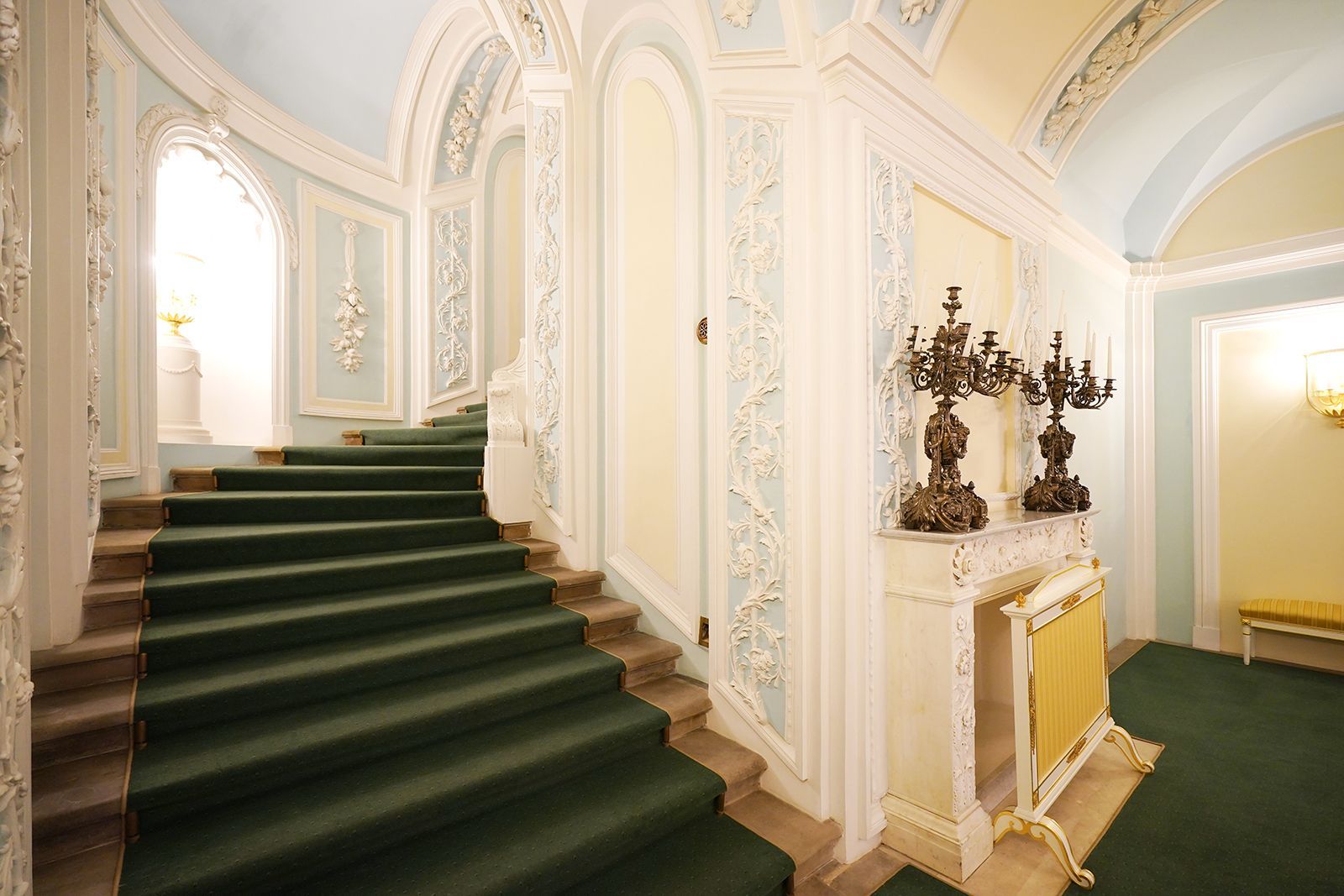
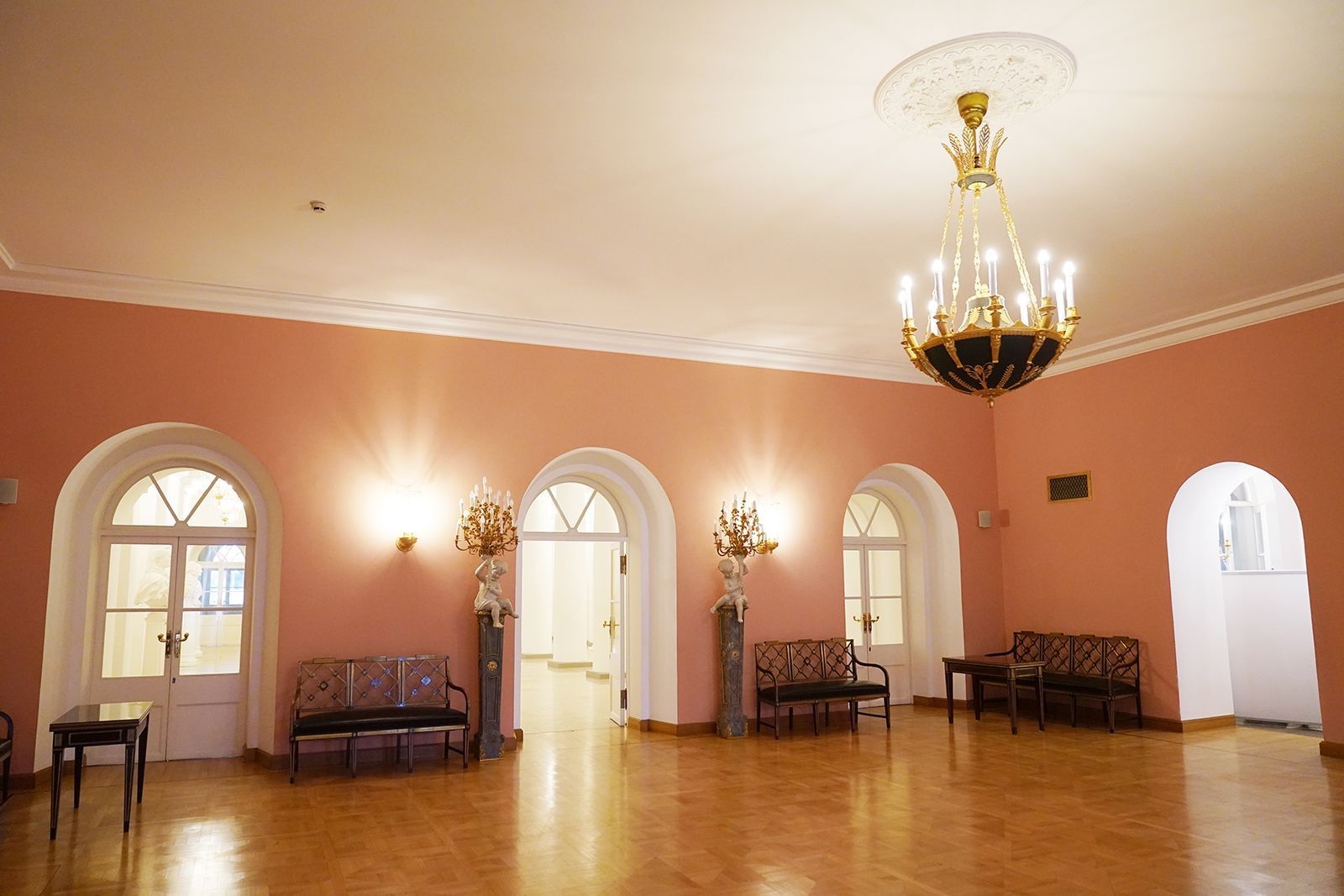
When preparing for his coronation in 1826, Nicholas I found the residence in a state of devastation and disrepair. He ordered it restored: the façade, the grand staircase, and the interiors were renovated, and Petrovsky Park laid out nearby.
There was another disaster the palace had to bear witness to: during Nicholas II’s coronation on May 18, 1896, a stampede happened on Khodynskoye Pole where gifts were handed out. About 1,500 people lost their lives.
From a military hospital to a cultural and historical platform
Throughout the 20 th century, the Petrovsky Palace’s interiors were altered to adjust to the needs of different institutions. During World War I, the imperial residence served as a military hospital. A tram line was extended right to the palace, to make it easier for the wounded to be delivered right to its door. After the revolution of 1917, the architectural landmark had to survive more abuse.
“The palace was occupied by a company of machine gunners, who caused damage on a scale comparable to the events of 1812. During the Civil War, the utility services in the city were non-functional, with heating and lighting being sporadic at best. On cold winter nights, servicemen stationed in the palace were burning hardwood floors and panels to get some warmth. By 1920, it had become self-evident that the building had to be saved, and so it was handed over to the Zhukovsky Air Force Academy. The academy was spread out over multiple buildings in the area, from the modern Dinamo metro station to Sokol, featuring academic facilities, staff quarters, cadets’ barracks, airplane hangars, labs, and gyms. The first airfield in the city was operating right next to Khodynskoye Pole and the palace. The future pilots used it to hone their skills. The residence itself housed a library and a canteen, along with the administration offices. It was also used for official events,” the historian added.
During the Great Patriotic War, in 1941-1943, while the Battle of Moscow was raging, the academy was relocated to Sverdlovsk, while only a special training center for pilots mobilized out of retirement remained operating in the palace. The building also housed the Soviet Long Range Aviation staff headquarters. After the war, the academy’s facilities in Moscow kept training cadets, with many renowned pilots, aircraft designers, and cosmonauts among its alumni, including Yuri Gagarin, the first man in space, Alexei Leonov, the first man to spacewalk, and the first female cosmonaut, Valentina Tereshkova.
In 1997, the palace was handed over to the Moscow Government. A comprehensive science-based restoration effort following Matvey Kazakov’s designs took place there in 1998–2008. Now, the legendary building serves as the Moscow Government Reception House and a hotel. It is also a cultural and historical platform that hosts guided tours, exhibitions, urban festivals like the Journey to Christmas and the Mansions of Moscow, music shows, children’s events, and even wedding ceremonies.