NNs process 13 million tests for Moscow’s radiologists
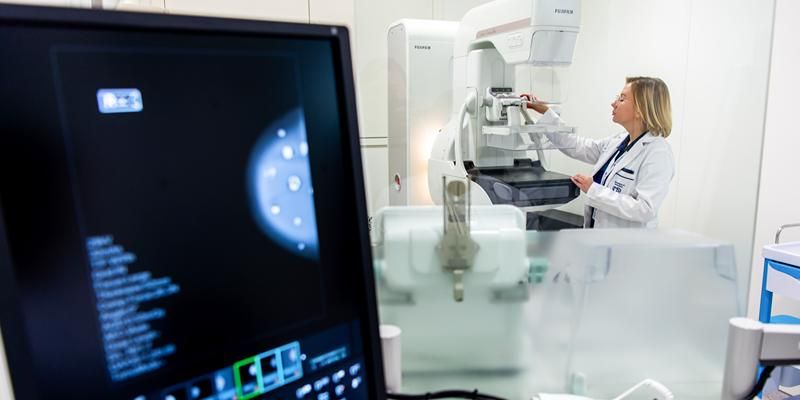
Artificial intelligence (AI) has helped metropolitan radiologists process 13 million radiation tests, including MR, CT, X-ray, fluoroscopic and mammographic images, says Anastasia Rakova, Deputy Moscow Mayor for Social Development.
“Nowadays, diagnostics of diseases, in particular, radiation diagnostics, cannot be done without the use of artificial intelligence. The solutions introduced in 2020 now play a pivotal role in medical image analysis. Since 2023, they have been used under compulsory medical insurance schemes with mammography as a second opinion; since May of this year, they have been piloted to autonomously determine the normality in fluoroscopic and chest X-ray tests. To date, AI-based tool have helped doctors analyze more than 13 million radiation images. Such technologies not only speed up processing of vast data arrays, but also improve the accuracy of diagnostics, especially in the early stages, and make it more accessible to residents,” adds Anastasia Rakova.
AI helps identify signs of 38 diseases, including lung or breast cancer, pneumonia, spinal osteoporosis, herniated discs, thoracic aortic aneurysms, coronary heart disease, stroke, pulmonary hypertension, pleural effusion, flat feet, etc. There are also comprehensive AI-based tools that can detect up to 12 abnormalities on one medical image.
“AI-based comprehensive solutions are of great help for radiologists, as these tools can recognize signs of several different pathologies at once on one radiation image, thus identifying diseases at early stages and quickly monitoring patients’ condition,” says Yuri Vasiliev, chief radiologist of Moscow and director of the Center for Diagnostics and Telemedicine of the capital’s Department of Health.
AI-based tools have been piloted since 2020 to introduce computer vision technologies in healthcare, the project being delivered by the Moscow Social Development Complex at the Center for Diagnostics and Telemedicine with support from the Department of Information Technologies.
The use of digital technologies and artificial intelligence aimed at improving the quality of life follows the Digital Economy national program and the Digital Public Administration regional project in Moscow.
From image analysis to diagnosis: how neural networks help doctors in Moscow