From pit development to train launch. How Moscow metro stations are built
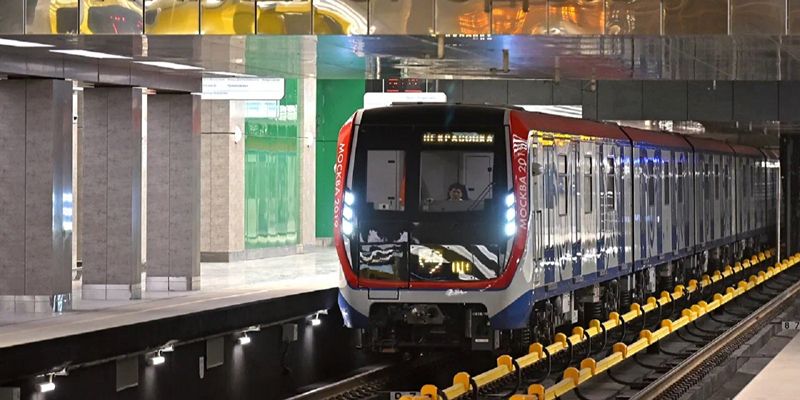
Digging a pit, delivering tons of concrete, building kilometers of subsurface tunnels, setting up vibration protection, making architectural finish: those are all mandatory stages for a new Moscow metro station construction.
Mos.ru keeps covering construction stages of the new transport facilities in Moscow. Our previous report covered the metro station design process. Let us now sneak behind the construction fence and look at how a station turns from a design into a part of the immense Moscow transport network.
Starting from scratch. Stage one: getting the site ready
After a future metro station design is approved, together with the location, architectural design and engineering solutions, by all relevant authorities, the construction proper can start. Generally, hundreds of professionals work on site in shifts.
At the preparatory stage, the existing engineering network within the construction area is getting removed or strengthened while above-ground structures are demolished. The site is fenced off, supplied with water and power, outfitted with security cameras and temporary structures for the staff. After that, the earthworks start.

Pit, shaft, or top-down technology. Stage two: diving underground
The construction technology to be used is chosen at the design stage. The choice depends on how close to the station buildings, communication lines and other structures are. Shallow stations can hide as close as 20 meters under the city’s thoroughfares. This is the type that is getting built the most. For shallow construction, the cut-and-cover method is used: after excavating and forming the pit, builders pour in concrete structures and fill the soil back in, restoring the surface.
But in areas with dense urban development, they have to go deeper. Deep stations can be located 60 or 70 meters underground. In order to not paralyze the city with a huge construction site in the middle of it, they use the deep boring method: make a shaft for workers, equipment and machinery to go down and to lift dozens of tons of earth excavated during construction.


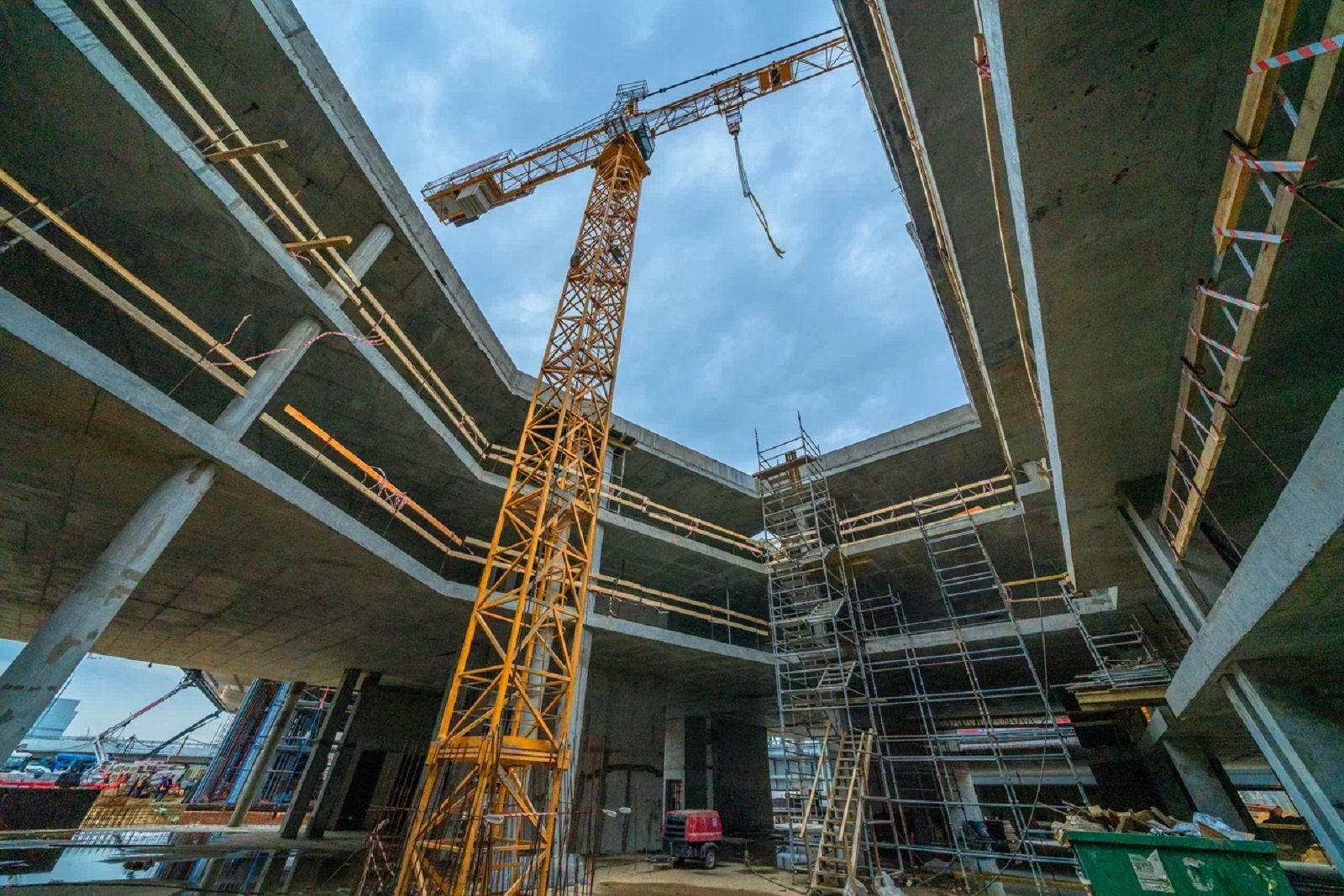


Advanced technologies are there to help modern metro builders. The top-down method is one example. In essence, it means that instead of starting from the bottom of the pit, construction starts from the top. After the roof slab is complete on the surface, work continues underneath it. Soil is excavated by levels, together with construction of above-surface structures (such as station lobbies). The technology minimizes the construction’s impact on the area by keeping the site small. That technology was used for building the Nizhegorodskaya cross-platform station linking Nekrasovskaya and an Big Circle lines. The station is located in a dense urban area, near the Ryazansky Prospekt flyover.
Sergei Sobyanin talks about new exclusively designed metro stations
Underground factories. Stage three: tunnel-boring machines
Meanwhile, the future metro line tunnel construction starts from a special assembly chamber. At the start of the metro construction age, soil was excavated by hand (with picks and shovels); now, this is done by tunnel-boring machines (TBMs). Usually, station construction and tunnel boring happen simultaneously.
Metro builders have 6 and 10 m machines at their disposal. The latter are for drilling double-track tunnels: they can accommodate on-coming trains, along with side platforms (on both sides of the tracks). A machine like that was used, for instance, to drill the tunnel leading to the Nagatinsky Zaton station of the Big Circle Line (BCL) that features two platforms of that type. The average drilling rate is about 10 meters a day in the beginning and end of a span and 15 to 20 meters a day in the middle.


TBMs are veritable excavation factories. They look like giant steel worms. They chew everything in their way, crushing rocks in a special chamber (like a meat grinder) and ejecting it to the surface. Tunnel rings are assembled inside the machine. Builders install those rings in the tunnel to strengthen its walls and keep it from collapsing. That way, the machine leaves behind an almost complete reinforced concrete tunnel instead of a hole in the soil.
On average, a TBM is manned by a crew of 15: a pilot, hydraulics engineers, electricians, welders, assemblers, pump operators. Machines have female names like Roza, Lilia, or Marina. This worldwide tradition originates with St. Barbara, the heavenly patroness of all mine and underground workers.
Tunnel boring is widely considered one of the most challenging stages of metro construction. Among other things, TBMs on their way have to dig under rivers and other bodies of water. But “iron ladies” are capable of passing even water-saturated soils. To help them, specialists use freezing or jet grouting methods. If a TBM drills into a water-rich horizon, the water will not get into the tunnel because the machine’s forward section is watertight.
In 2020, Moscow set a world record: the metro was simultaneously built by 23 tunnel boring machines, most of which were used to construct the Big Circle Line. On top of that, the team of Lilia TBM (the first giant machine that started building two-track tunnels in the Moscow Metro) broke the tunnel-boring record, drilling 500 running meters in a month at the western section of the BCL.
After the tunnel is drilled, tracks and engineering networks are laid inside it.


Steel Sisters, or which machines build Moscow Metro?Underground history or most fascinating facts about Moscow Metro developmentRecord circle line: highlights of the BCL construction
Tons of concrete, kilometers of cables and marble. Stage four: making the station
The working area is ready, so it is time to start making the station’s structures. 30-40 thousand cubic meters of concrete are poured to build them. If a headshunt with an exit chamber is needed, that amount could grow to 100 thousand cubic meters or even more.
After the structures are done, builders start assembling engineering systems. This process includes hundreds of kilometers of cables and communication networks, kilometers of pipes, ventilation systems.
When that is done, architectural finishing can start. Both natural and artificial material are used in metro construction. Natural, traditional ones include marble, granite, and gabbro stone. Steel, aluminum honeycomb panels, glass, shatterproof glass or engineered quartz are among the most popular man-made ones. Inclined tunnels with escalators are also set up.


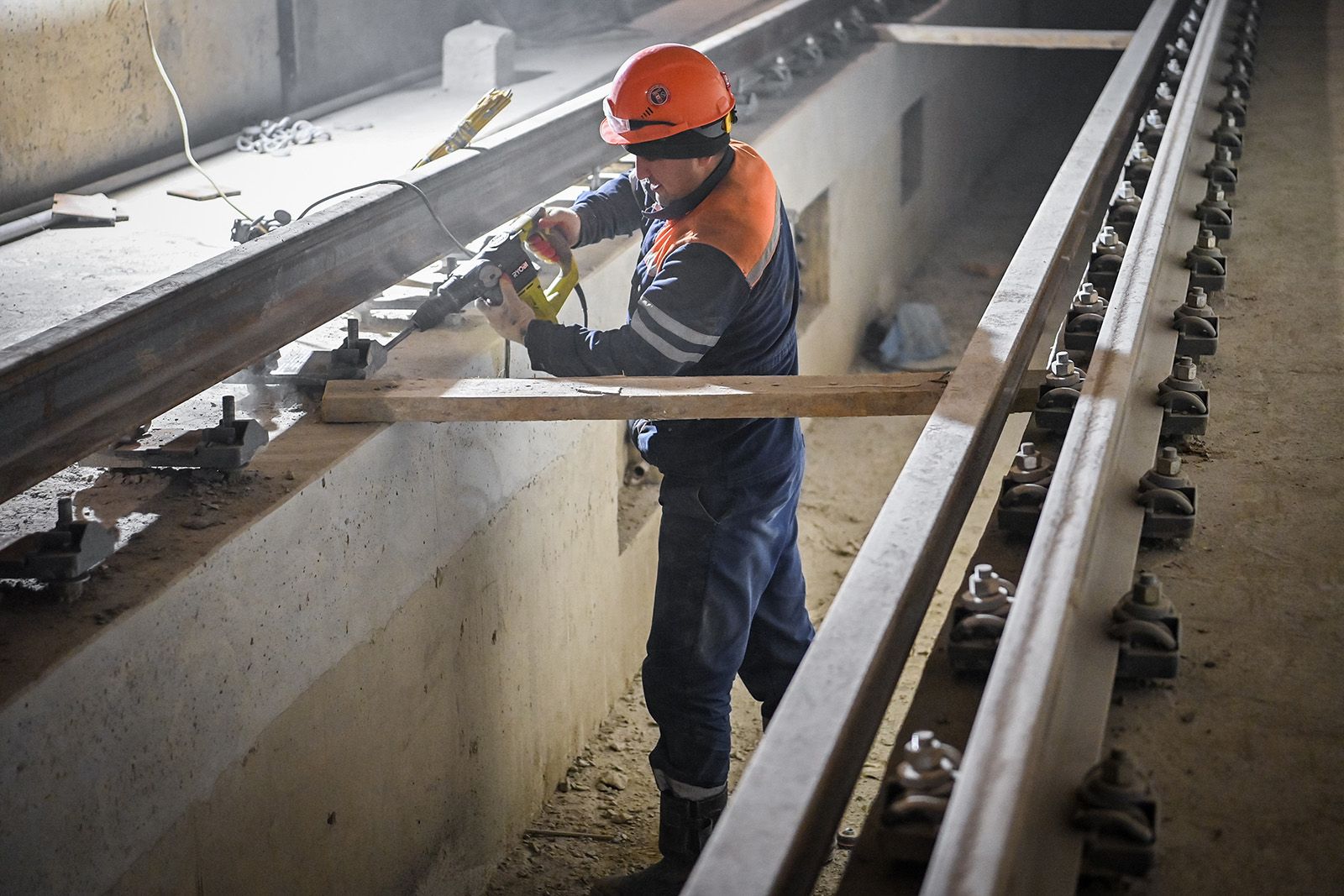


It is important to protect facilities closest to the station from noise and vibrations. The Delovoy Tsentr station, for instance, was integrated into one of Moscow City’s bottom levels. To make sure the underground has no effect on skyscrapers, the tracks’ foundations were built on vibration-dampening spring blocks. They absorb vibrations caused by trains. If the metro goes under railroad tracks, the layer of soil between them is strengthened.
Safety is paramount for transport, so the works are being overseen by inspectors working at the Moscow Committee of State Construction Supervision. They check how robust structures are, monitor materials testing, log harmful air emissions on site, etc. Drilling and blasting operations (necessary for deep stations) are subject to particular scrutiny.
New Russian avant-garde art incarnation: suprematism and constructivism at three BCL stations
High-tech stations and urban gardens. Stage five: landscaping
While tracks are being laid and platforms finished underground, the surrounding areas above the surface are getting landscaped. Streets are adapted to increased transport and pedestrian flows. Roads are being renovated and parking spaces outfitted for drivers; sidewalks for pedestrians are being made broader. On top of that, public transport stops are set up or moved closer to the future metro station, the street lighting system is modernized, benches, trash cans and navigation posts find their new places, trees and bushes are planted, along with extra lawns.
That is how the grounds near the Big Circle Line were landscaped, for instance. Workers expanded pedestrian areas in the vicinity and installed contrast lighting at road crossings, so those who use them become more visible in the dark. While you wait for your bus by a metro station, you can charge your phone, check the transport schedule using online displays on information posts.


For example, grounds surrounding the Kuntsevskaya BCL station underwent comprehensive landscaping. The terrain there was challenging, so builders set up a closed-off recreation space, separated from the transit area and Rublyovskoye Highway. An amphitheater was set up in a semi-circular niche next to Ivana Franko Street, along with revolving park lounges and swings. Meanwhile, engineering metro facilities (ventilation shafts) are partly covered by greenery.
Children’s playgrounds appeared near Zyuzino and Klenovy Boulevard stations, while a new walking eco-trail with terraces and relaxation spots by the water was set up next to the Nagatinsky Zaton station. New recreation areas can be found now close to Maryina Roshcha and Novatorskaya. A sports and games cluster and a dog walking area were set up near Aminyevskaya, while a skate park and a pump track now operate in the vicinity of the Sokolniki station.
Test runs. Stage six: integrating into the metro network
A new station is connected to other underground facilities by tunnels. Platforms are gleaming under overhead lights. Escalators are waiting for their moment to run up or down, and lobbies for the moment they are going to welcome first passengers. Navigation stands are ready to help you find your way around the underground city.
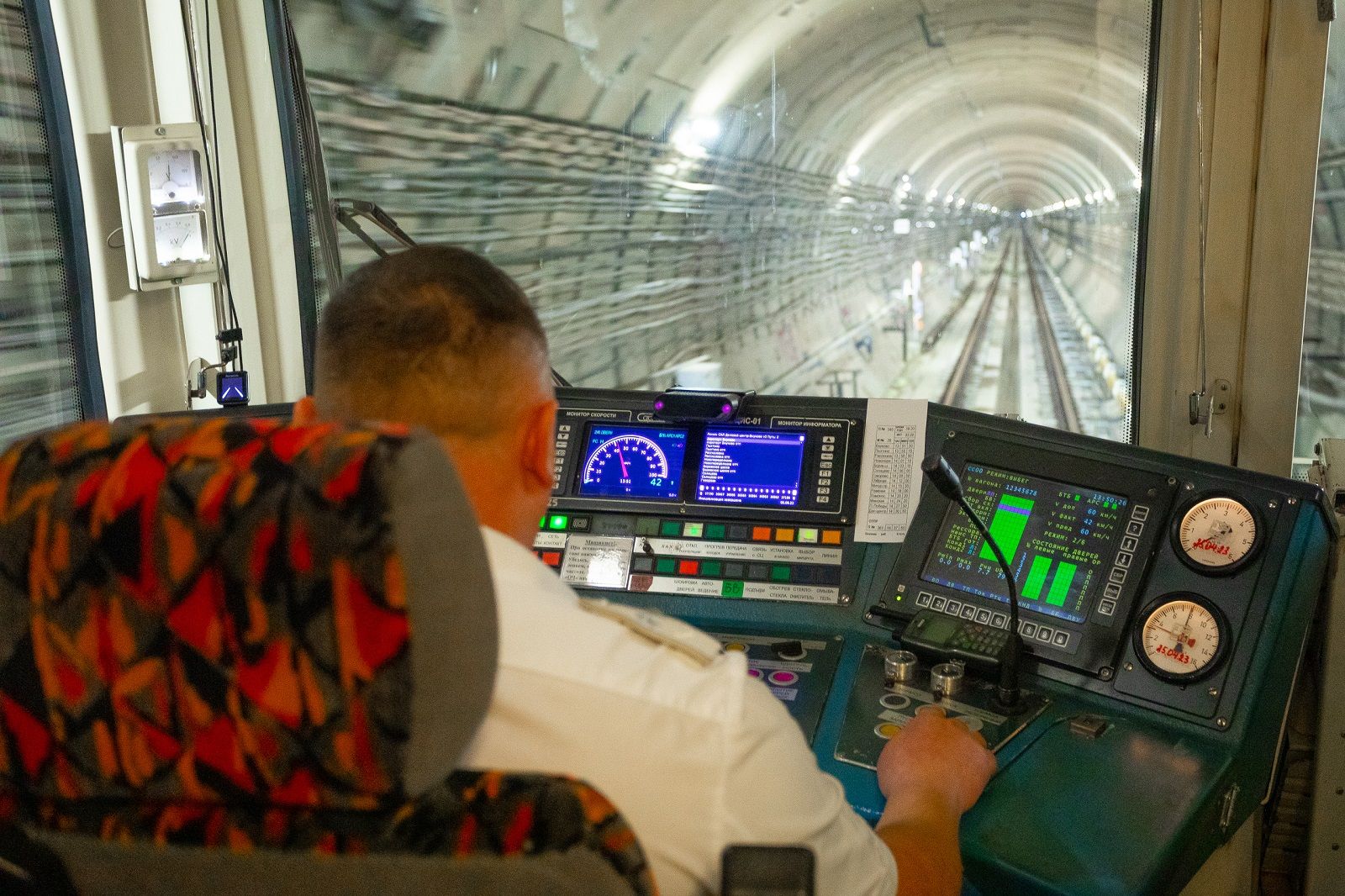
But the station has to be tested prior to that: its communication, operations control and automated train movement systems, traction network, fire safety facilities, escalators all have to be checked. Trial train runs are the final stage. They take about two months.
Now everything is ready: the station may be opened for passengers.