In the name of Moscow: which streets, squares and parks bear the capital’s name
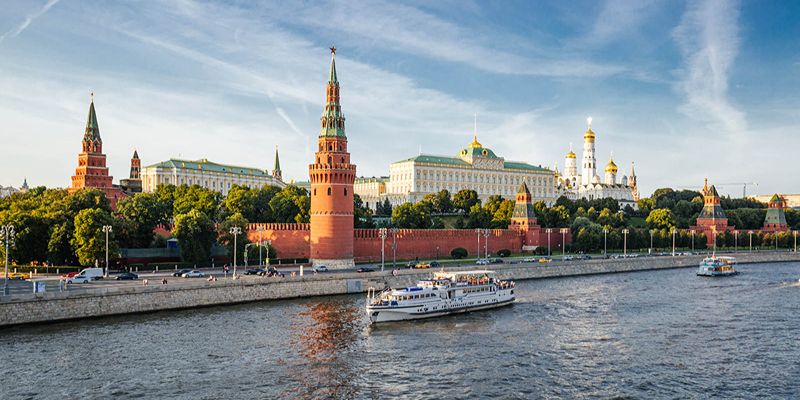
The word “Moskva” (Moscow) is like a brand or a trademark, which is so honorable to bear that even streets are named after it. For example, in the Novomoskovsky Administrative District there is a town of Moskovsky with the Grad Moskovsky microdistrict and Moskovskaya Street. And it seems that Griboedov wrote precisely about this in his Woe from Wit: “Take from head to toe, everyone from Moscow has a special imprint.”
Read our story dedicated to the capital’s birthday to learn about the origin of the name “Moskva,” what cows and bears have to do with it, and where a ghost street is located.
From a swamp to Noah’s grandson
There are several opinions about the origin of the names that the capital and its main river bear. Moscow historian Georgy Makeev who won the Moscow Tourist Guide competition believes the name of the river was the first to emerge to further extend it onto the city.

“There are many versions of how the name of the Moscow River came to existence. One of them is as follows. ‘Mosk’ in Old Church Slavonic means ‘swamp, something wet and viscous,’ the word ‘promozgly’ (‘dank, chilly’) is actually derived from the same root. In fact, in Poland and Germany, where Slavic tribes used to live, there is the Moskava (Mozgava) river, and there is the village of Moskovets in Bulgaria, too,” says Georgy Makeev.
Although some historians are critical about this version, arguing that there were no Slavs on the banks of the Moscow River in ancient times as there were Finno-Ugrian settlements here. If we accept this for true, then “mosk” in their language means “cow” and “va” means “water” — cows were probably grazing near the river’s floodplain.
“According to another hypothesis, ‘Moskva’ came from Meryanic (an extinct Finno-Ugrian dialect), consisting of two words: ‘mosk’ meaning ‘bear’ and ‘va’ meaning ‘female.’ It turns out to be a ‘bear,’” the guide continues. “According to another hypothesis, ‘Moskva’ came from Meryanic (an extinct Finno-Ugrian dialect), consisting of two words: ‘mosk’ meaning ‘bear’ and ‘va’ meaning ‘female.’ It turns out to be a ‘female bear,’” the guide continues.

There is another legend, too; the river was supposedly named in honor of Mosoch (Meshech), a grandson of Noah, and the Muscovites, the ancestors of the Slavs, were descended from him. This explanation arose in the 15th century, when the Grand Duke of Moscow Ivan III married Sophia Palaeologus, heiress of the last Byzantine emperor Constantine XI. Then Moscow was proclaimed the Third Rome, the successor of Byzantium, and it was good to rely on biblical legends.
“We will not know which version is right since the earliest mention of Moscow is found only in the 12th century, in the Hypatian Codex, while the river has existed since ancient times,” notes Georgy Makee
Landyshevaya, Veshnikh Vod and Raduzhnaya: the most "spring" streets in Moscow
The river and the way to Moscow
The names of locations adjacent to the reservoir also came from the Moscow River. It gave its name to the village of Moskvorechye, which later grew into the Moskvorechye-Saburovo district in the Southern Administrative District.

“A similar case is with Moskvoretskaya Embankment, Moskvoretsky Bridge and Moskvoretskaya Street in the Kitay-Gorod area. Yet, Moskvoretskaya Street is pretty mysterious as it is marked on the map, but there is not a single house there, only a parking lot. The fact is that when Zaryadye Park was built, the old, dilapidated buildings were dismantled, so now it is a ghost street,” says Georgy Makeev.

And the adjective “moskovsky” in street names, he explains, means the direction of movement as once upon a time these were roads leading from towns and villages to the capital. For example, the toponym Malomoskovskaya Street in the Alekseevsky District in the northeast of the city was coined in the 19th century. At that time there was a village there from which people broke the way towards Moscow. Until 1970, there was Malaya (“smaller”) Moskovskaya, only later it was shortened to Malomoskovskaya. “However, the presence of a ‘smaller’ street does not at all mean that there was also a ‘great’ one,” he adds.
The direction was also indicated by Moskovsko-Kazansky Pereulok in the Krasnoselsky District; its name in the 19th century hinted that there was a railway nearby with tracks leading from the city to Kazan.

Another example is Moskovskaya Alley in the Airport District in the north of the city. More than two centuries ago, these lands belonged to the Vysokopetrovsky Male Stavropegic Monastery. So, when Catherine the Great built an en route imperial palace there, she called it Petrovsky, like the adjacent park. The palace itself intended for crowned heads traveling from Saint Petersburg to Moscow, who used to ride across the park along the alley they called Moskovskaya Alley.


Anniversary place names
In Soviet times, after the Great Patriotic War, the city got new names derived from the word “Moskva.” According to Georgy Makeev, as the capital expanded, annexing new villages, other names for former rural streets were required to avoid duplication.
“In the 1960s, after the expansion of Moscow’s borders, two dozen Sovetskaya streets and the same number of Uchitelskaya streets were discovered, so new toponyms were needed, indeed,” he says.
Most of new names came into existence in 1947, when the nation celebrated the 800th anniversary of the capital. In particular, that year the Moscow-Volga waterway, which had been built a decade earlier, became known as the Moscow Canal.

“In the anniversary year, 800-Letiya Moskvy Street appeared in the capital, in the village of Beskudnikovo. This name still exists, only now it belongs to another street that was set in the 1970s, when the village was disbanded, rerouted and added to the capital,” Georgy Makeev explains.
And by the next anniversary, in 1997, the authorities arranged 850-Letiya Moskvy Park spanning the area along the river bank in Maryino.


Another post-war toponym is Moskovsko-Minskaya Division Square located next to Filyovsky Park.
“The square received its name in 1976 in honor of the 50th anniversary of the Moscow Proletarian Rifle Division, which took part in the Battle of Moscow and was honored with the name ‘Minskaya’ in 1944. Interestingly, there is Minskaya Street not far from the square, although it is not related to the division. It just points in the direction of Minsk, since it is in the Western Administrative District. Basically, street names clue in which district of the capital they are located, like Onezhskaya in the north, Bakinskaya in the south, Amurskaya in the east, etc.,” sums up the guide.


From Ilyinka Gate to Razgulyai. History of old squares of MoscowRussia on Moscow map: what do our city’s streets celebrate in their names?