Sobyanin: Over 30 Architectural Monuments Restored in Moscow in Six Months
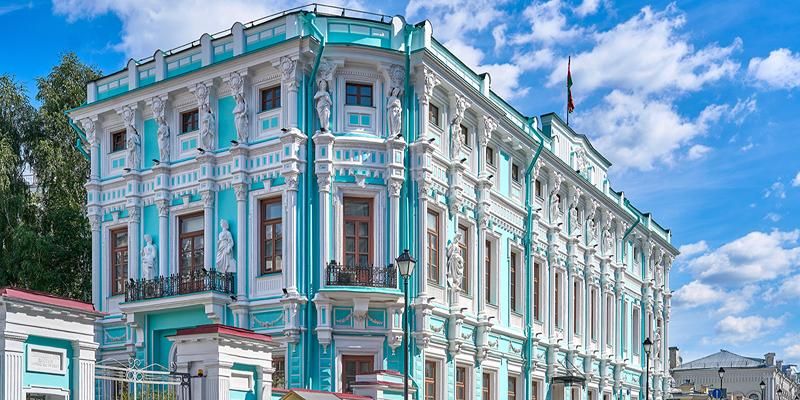
Moscow continues the largest restoration program in its history. More than 30 architectural monuments were restored in the capital over the first six months of the year, Sergei Sobyanin writes in his blog.
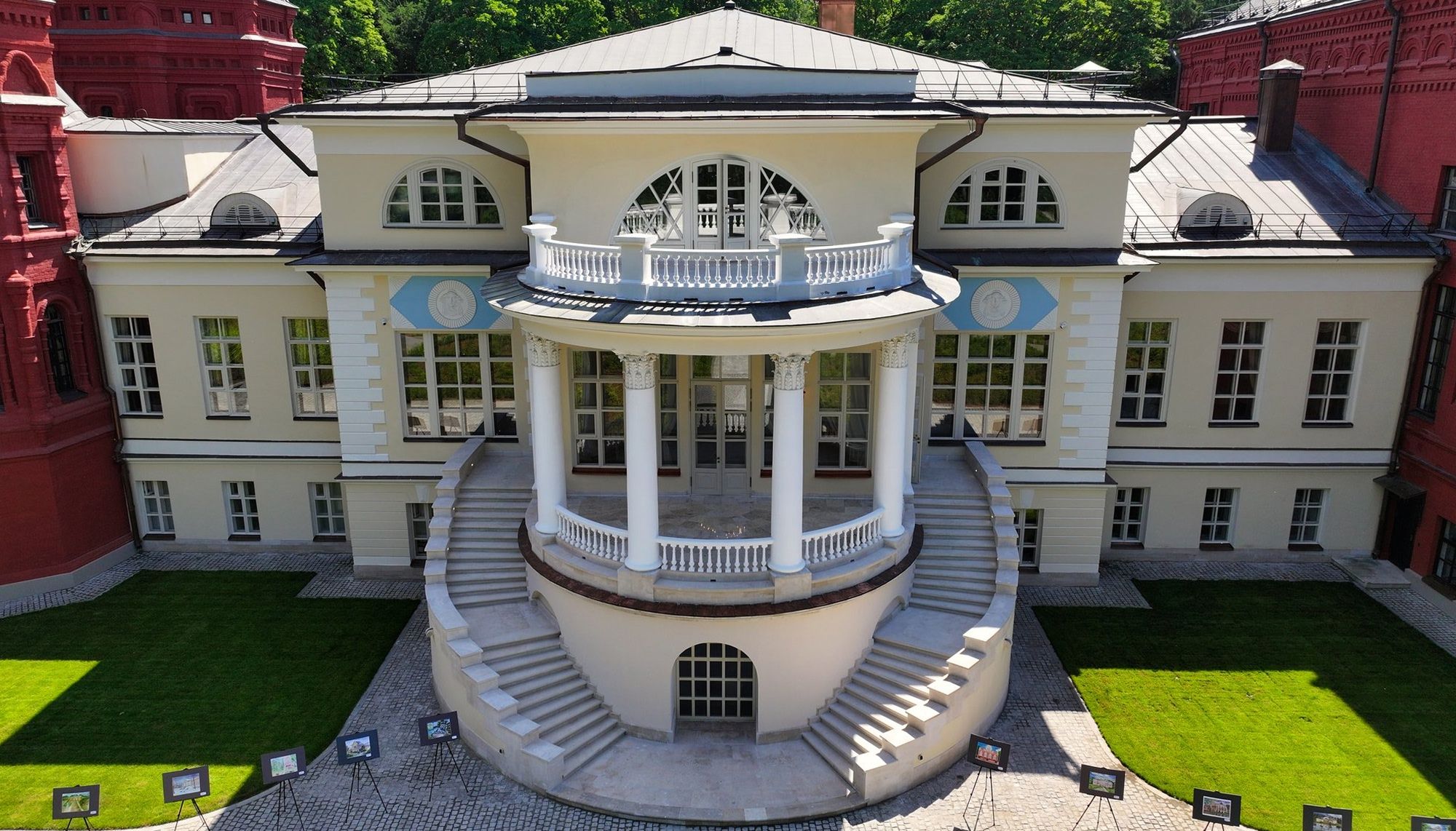
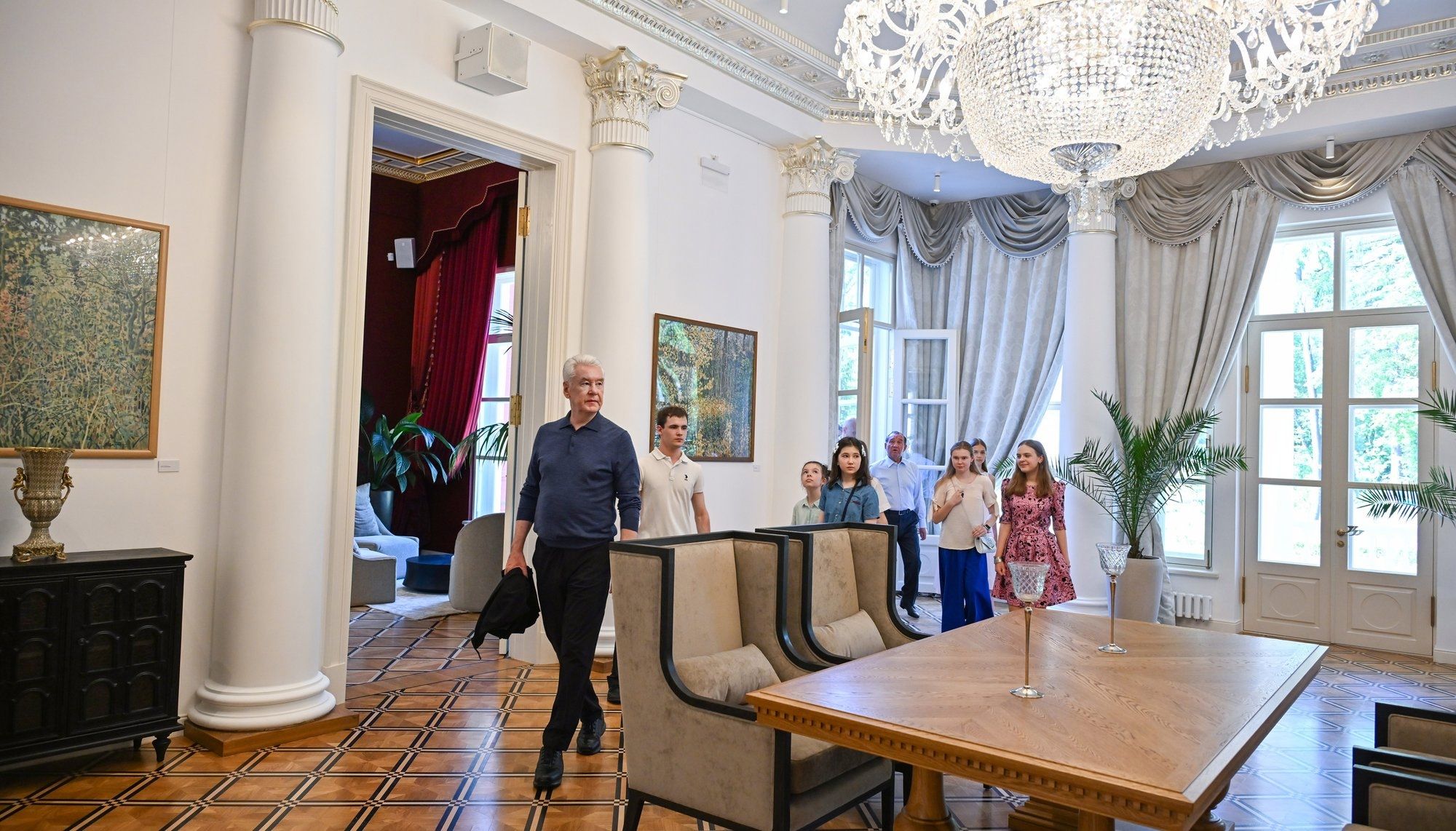
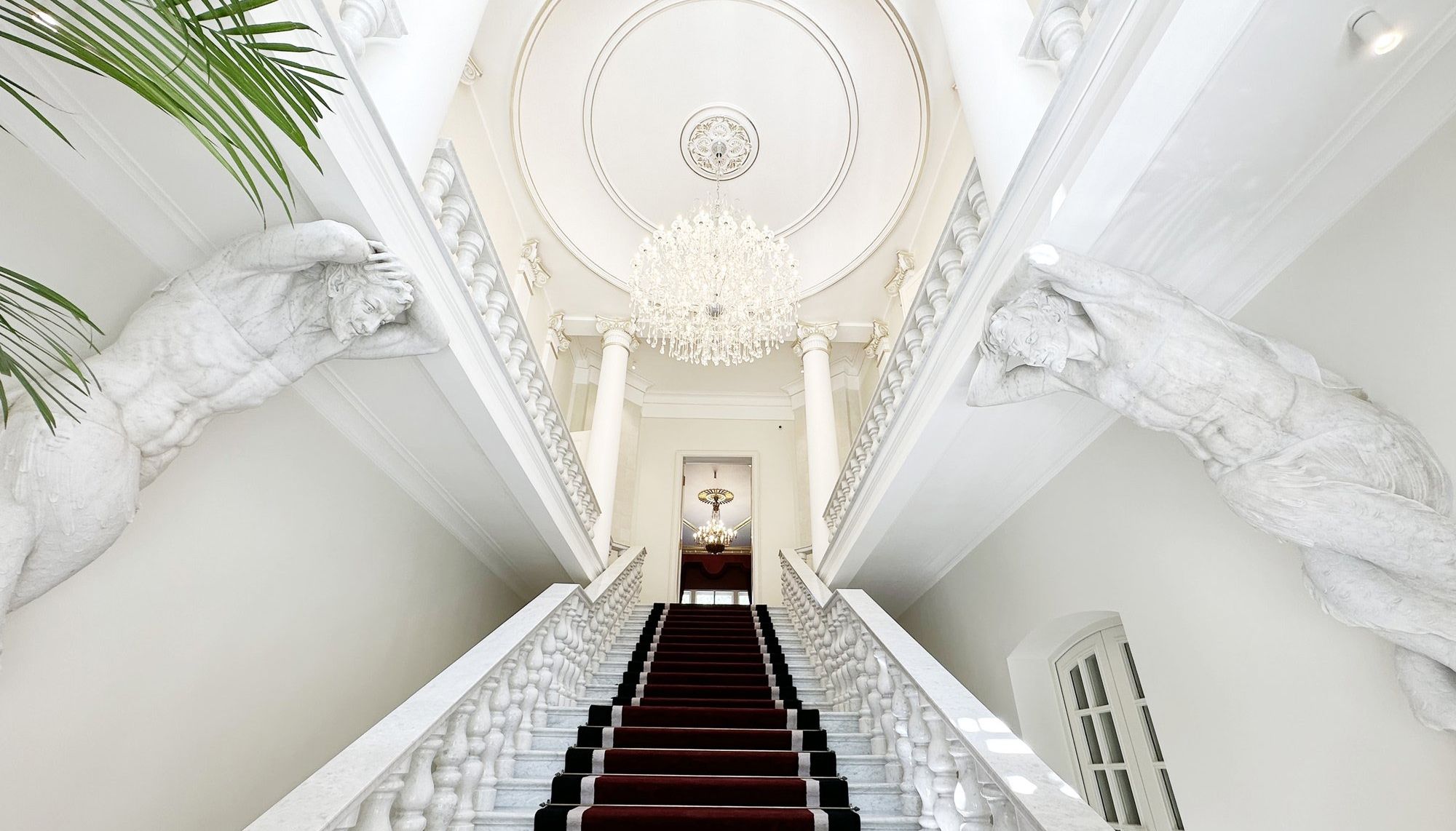
“During the first six months of 2026, work was completed at more than 30 cultural heritage sites. These include the Church of Elijah the Prophet, as well as the Pokrovskoye-Streshnevo Estate ensemble,” the Moscow Mayor writes.
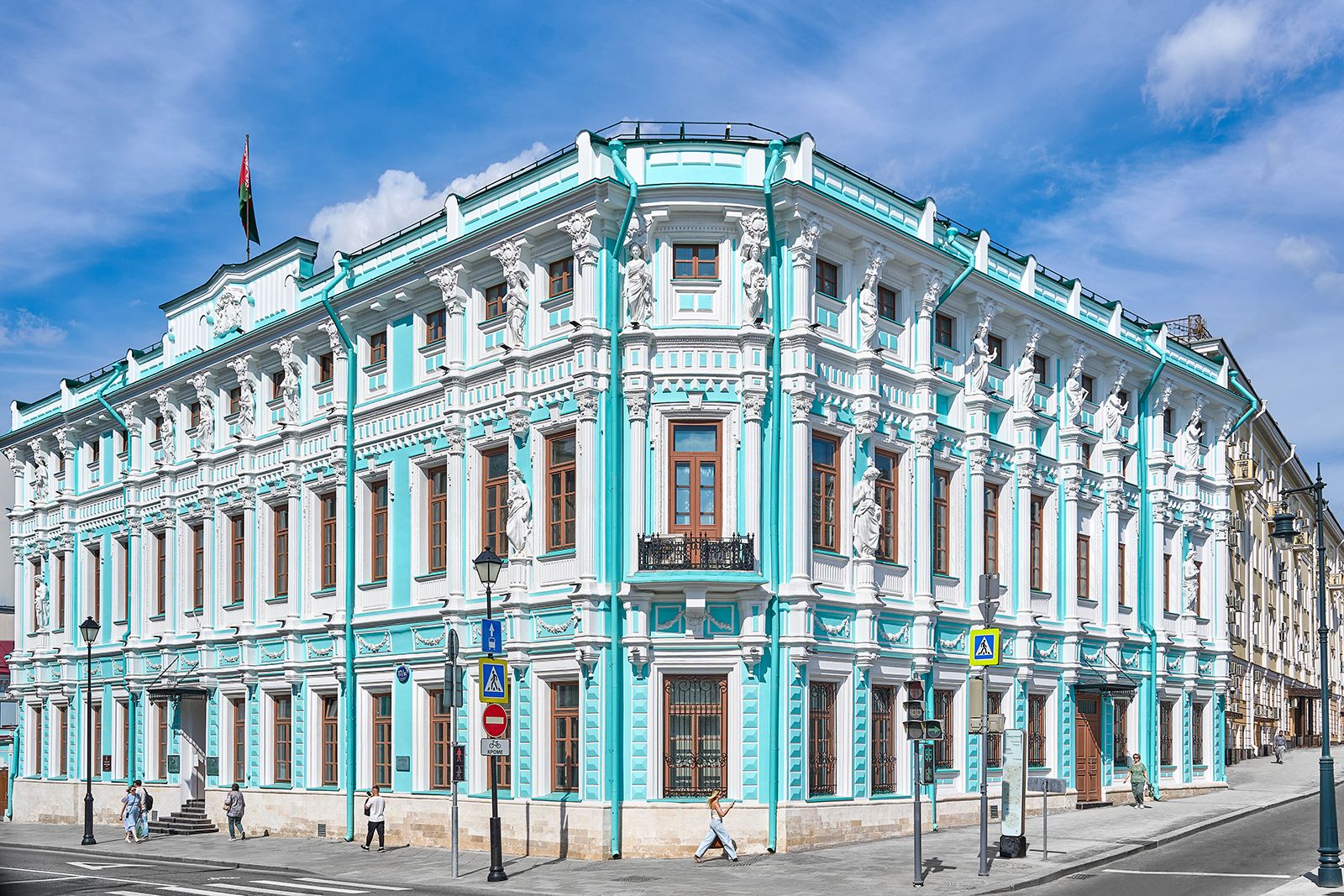
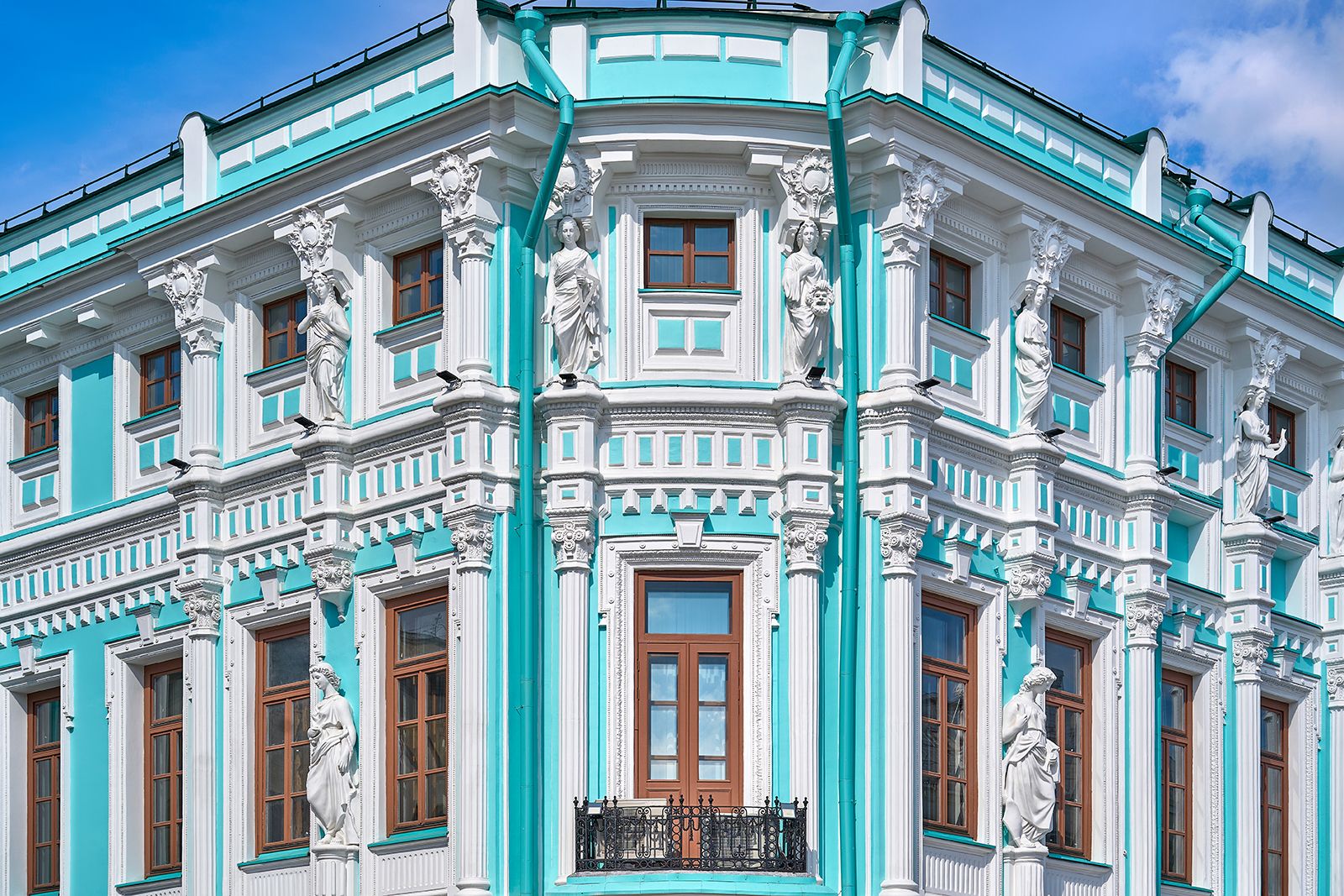
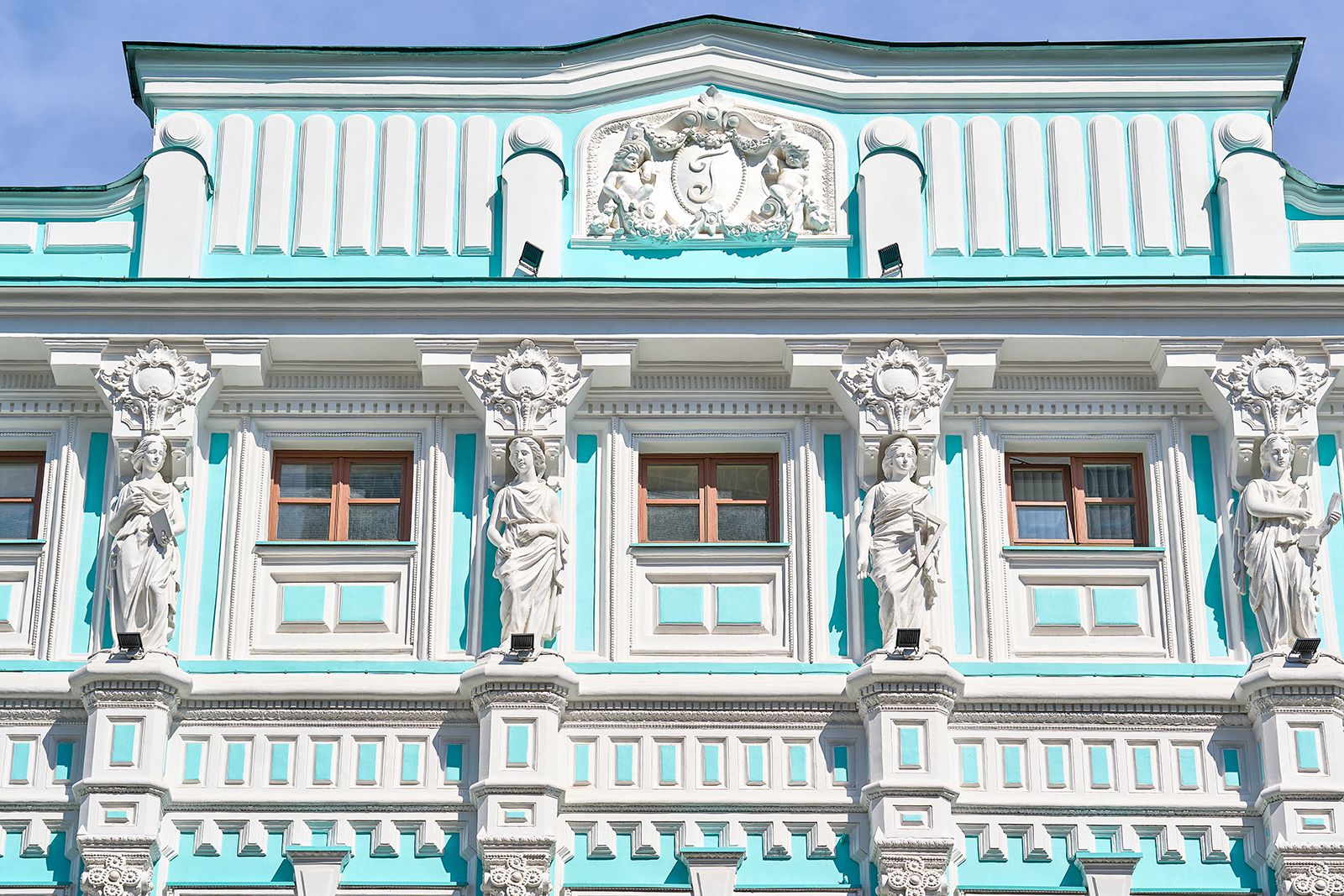
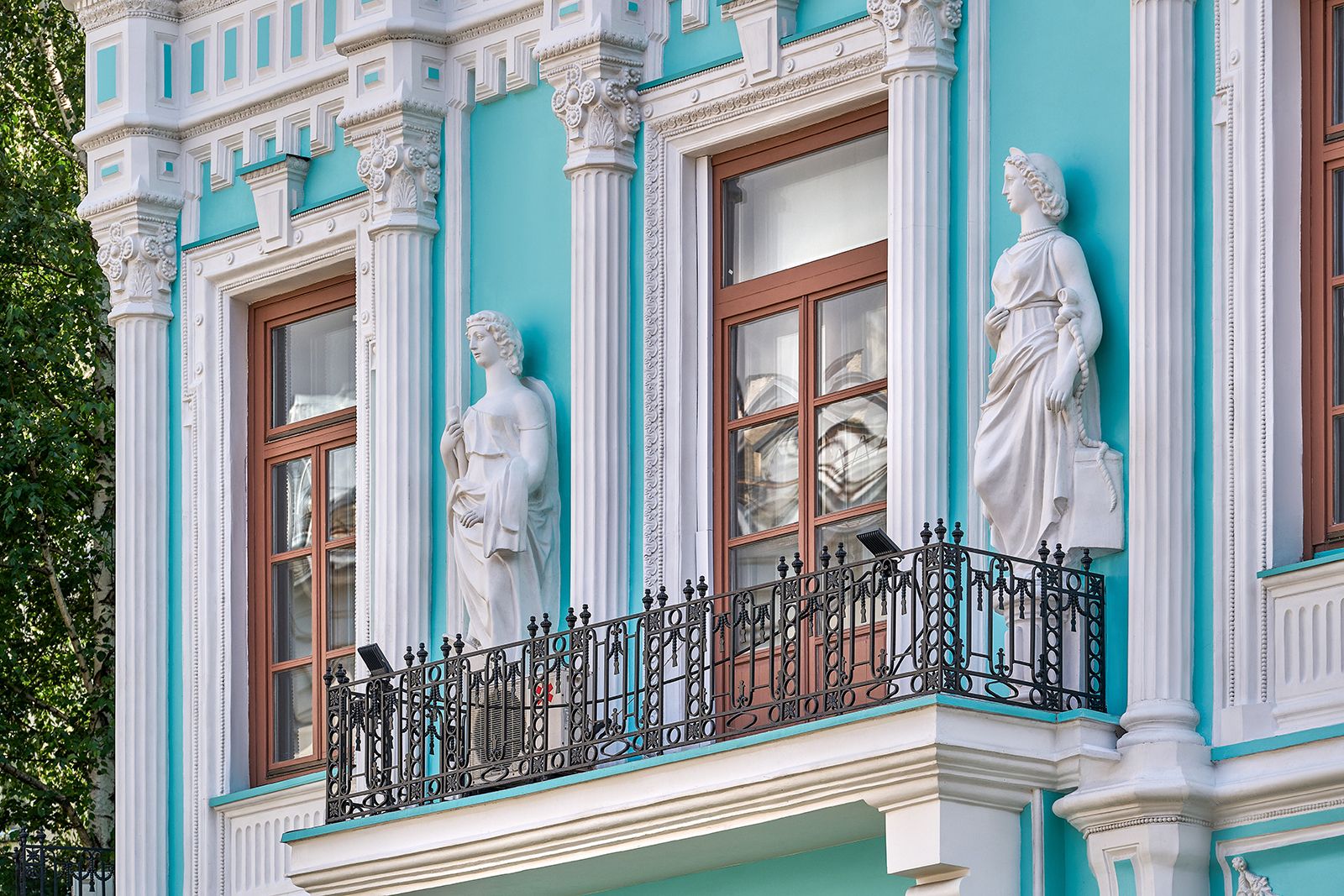
In the Basmanny District, restoration of the façades of the main house of the Rumyantsev-Zadunaisky Estate on Maroseyka Street has been completed. The building is a unique architectural monument dating back to the late 18 th-mid-19 th century. More than half of its façade surface is covered with plaster mouldings. The previous large-scale restoration work was carried out in 2013–2014. In 2026, specialists carefully cleaned and reinforced the surfaces, restored lost metal elements of the balconies, and refurbished the exterior staircases. Today, the building houses the Embassy of the Republic of Belarus.
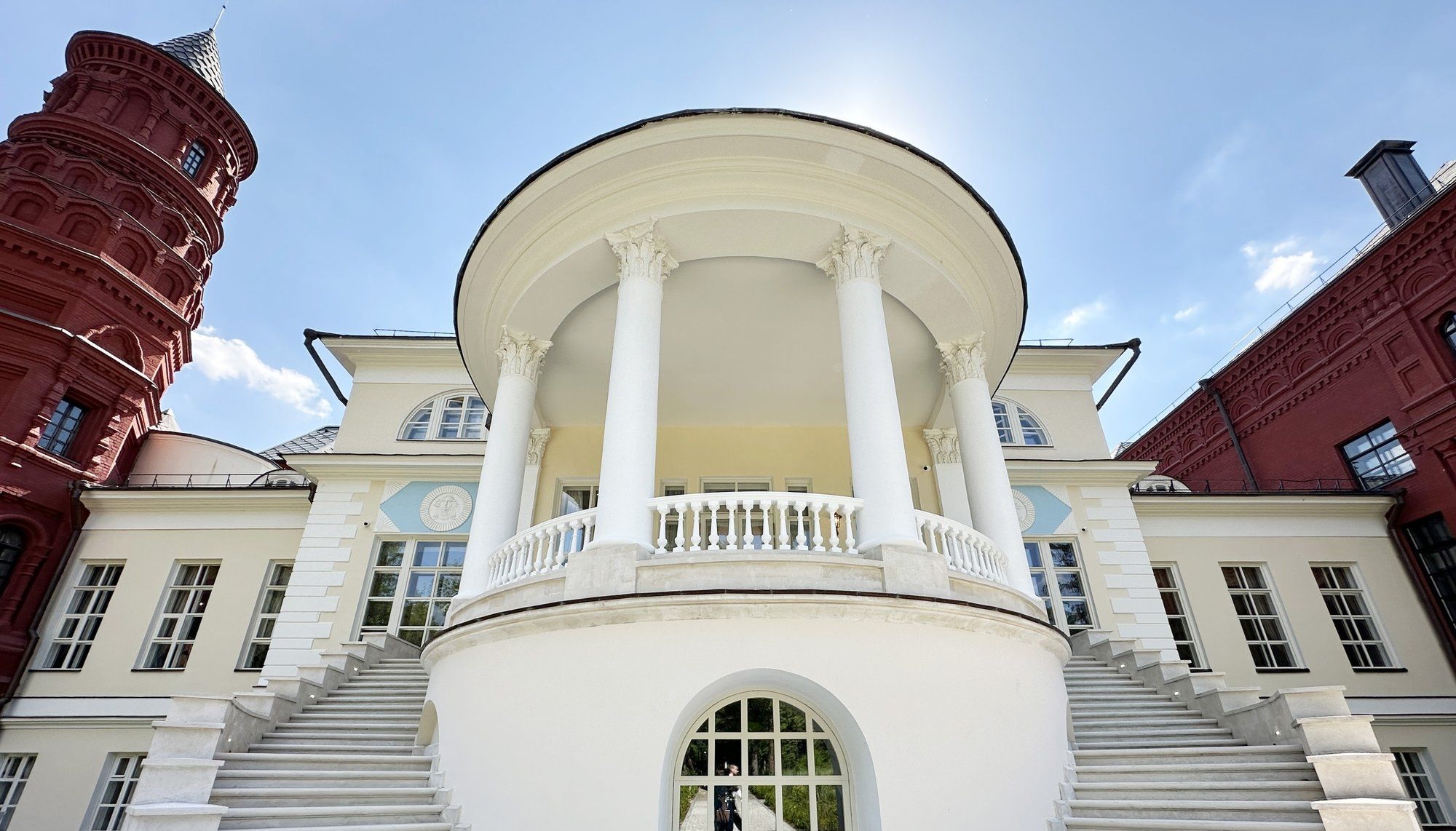
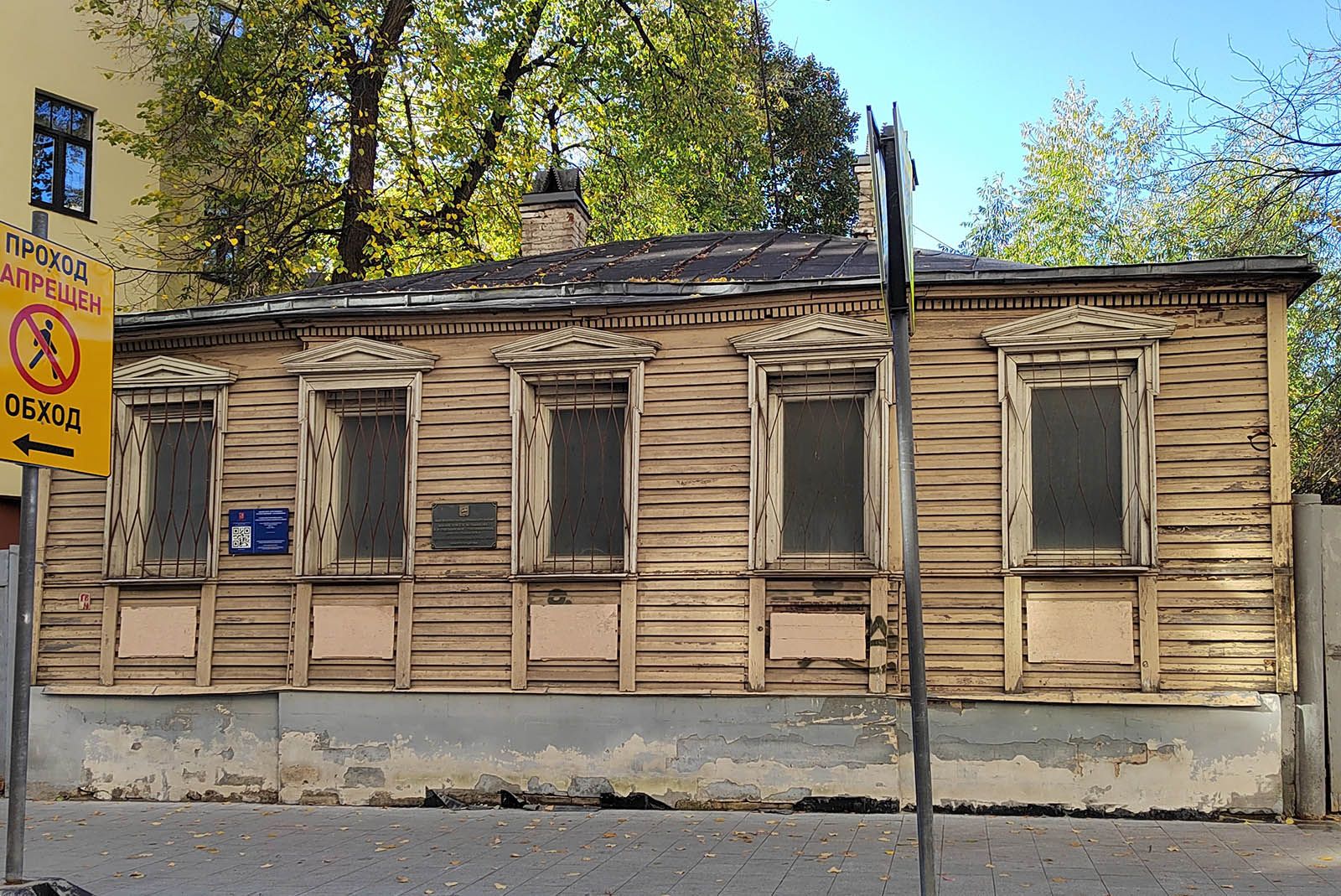
In Khamovniki, the historic appearance of the wooden S. V. Melnikov — P. F. Yemelyanova — Topleninovs’ Mansion has been restored. It is known as the Master’s House from Mikhail Bulgakov’s novel The Master and Margarita.
.jpg)
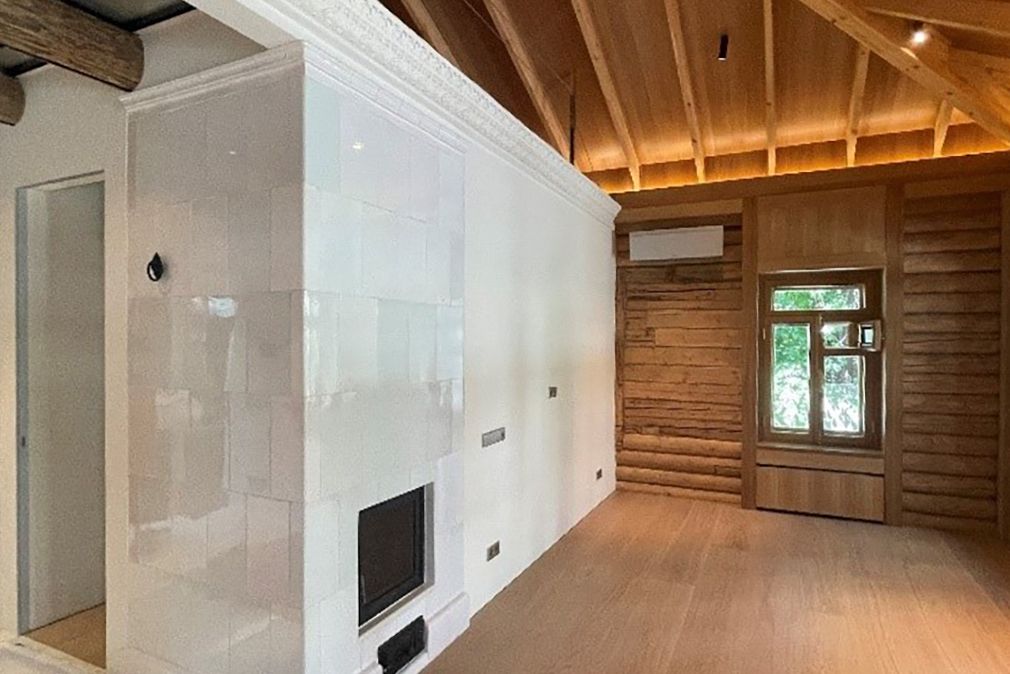
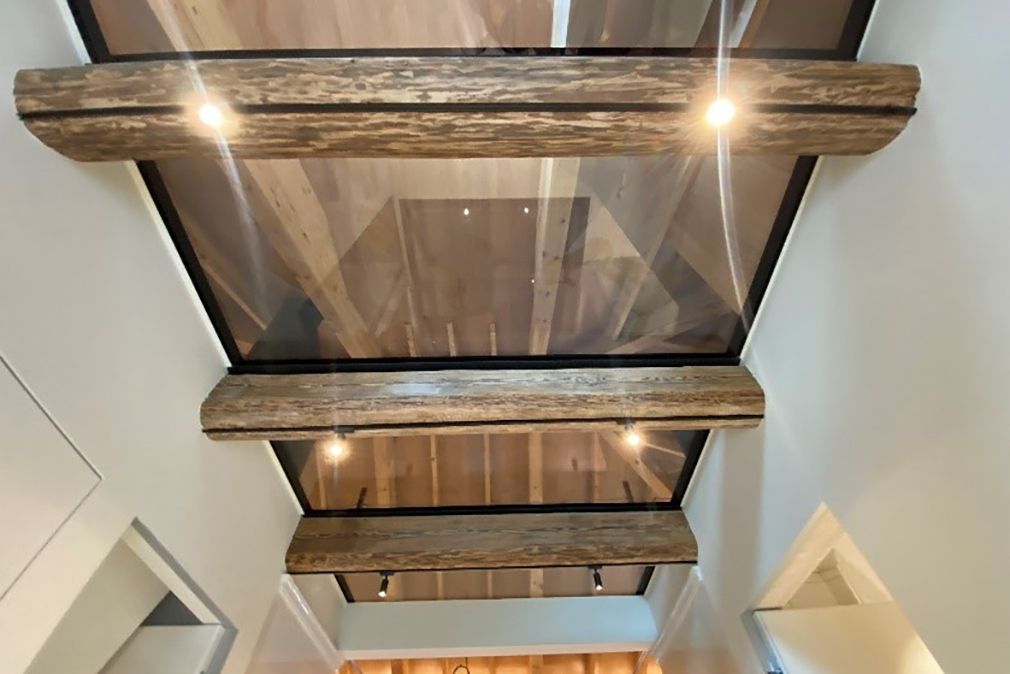
The site became one of the most challenging restoration projects of 2026. The log structure was in a critical condition. To replace rotten logs and wall crowns, the building had to be suspended on special supports. Specialists carefully restored the white-stone basement, historic windows, wooden wall cladding, and façade decoration. Inside the house, they recreated the staircase and plank floors, and restored two tiled stoves using surviving fragments. A transparent opening was created in the interior to allow visitors to see a museum-preserved section of the historic floor structure.
Interesting discoveries are often made during restoration work. For example, an antique inkwell dating from the early 20 th century was found in the mansion’s basement.
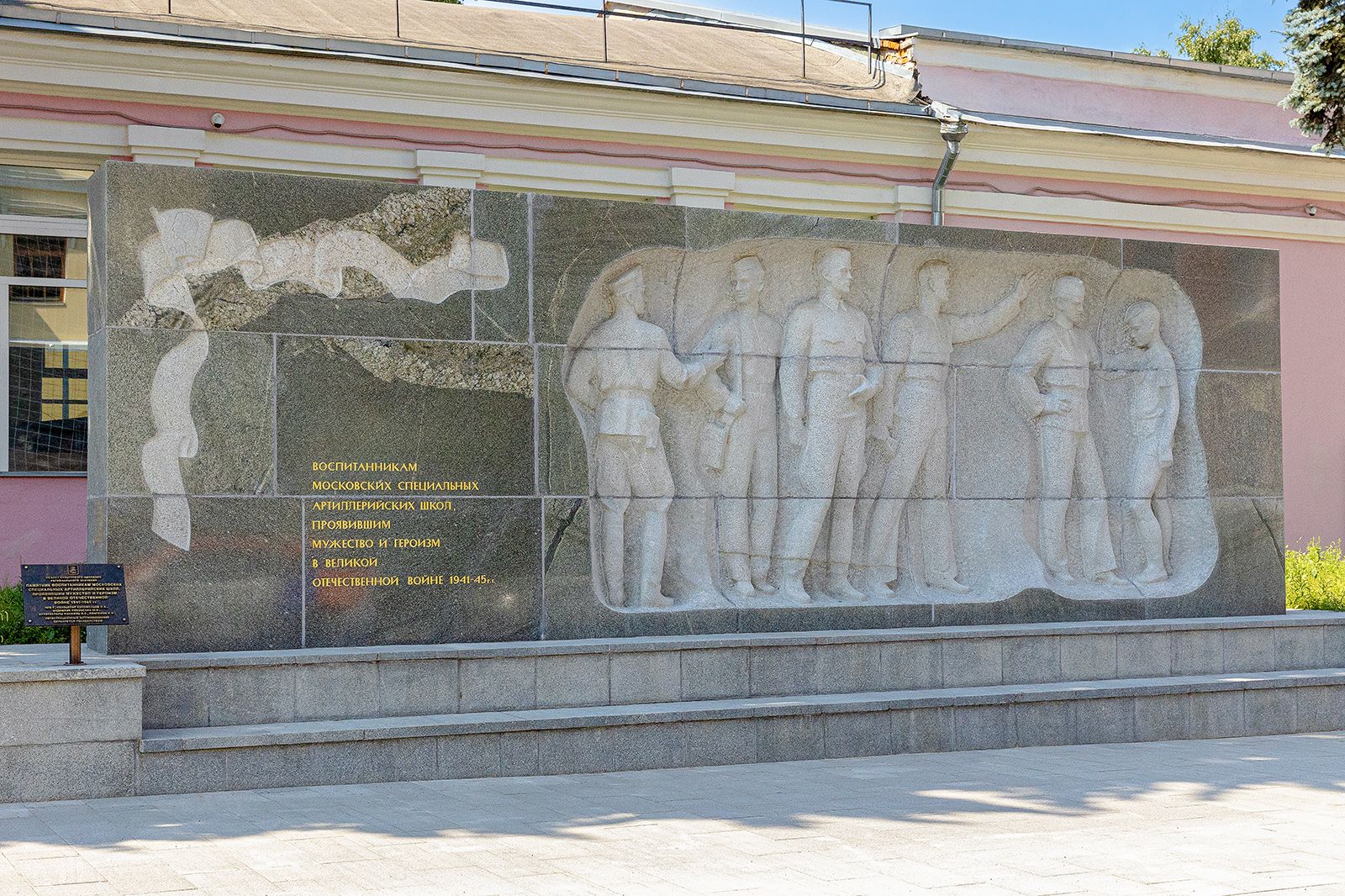
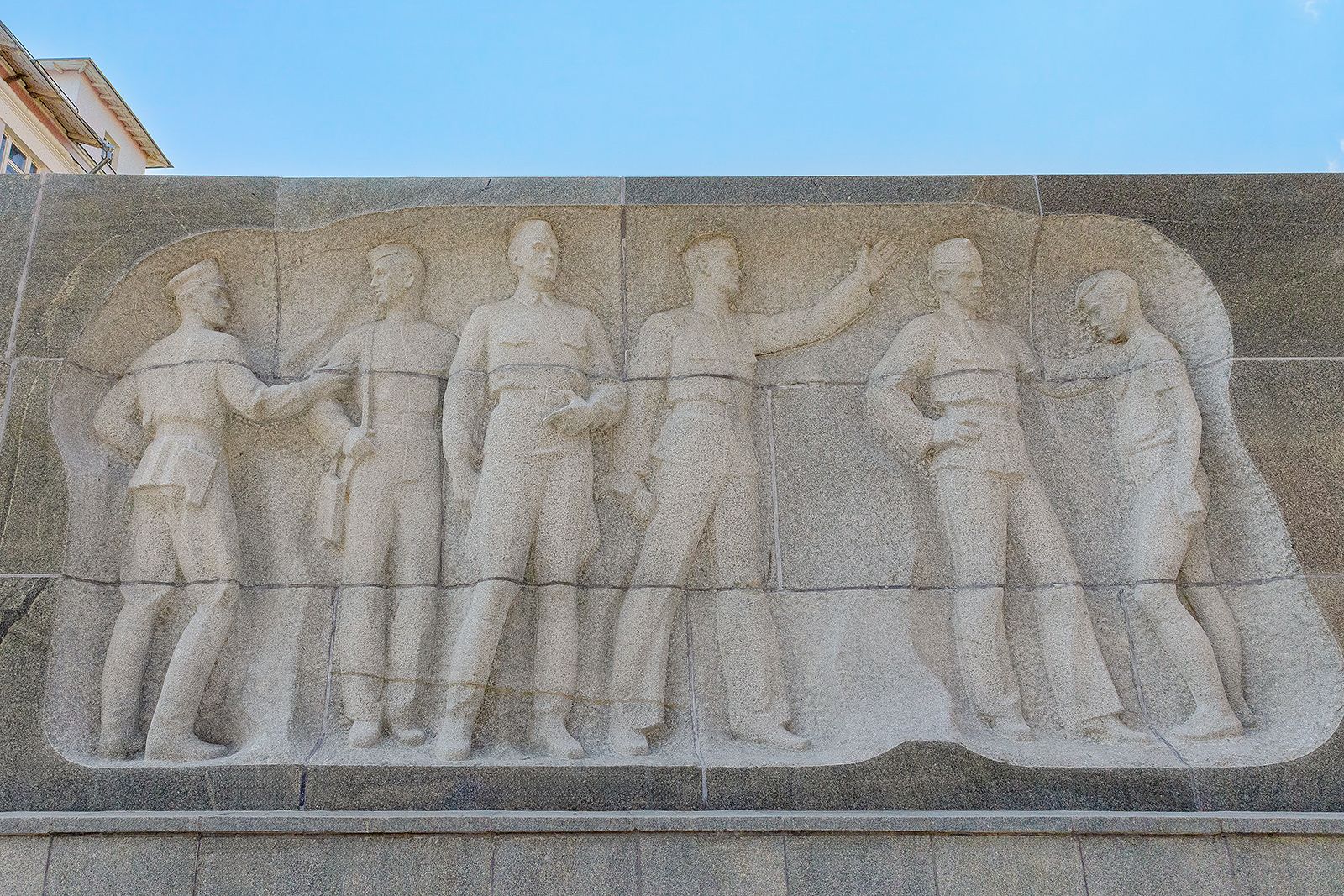
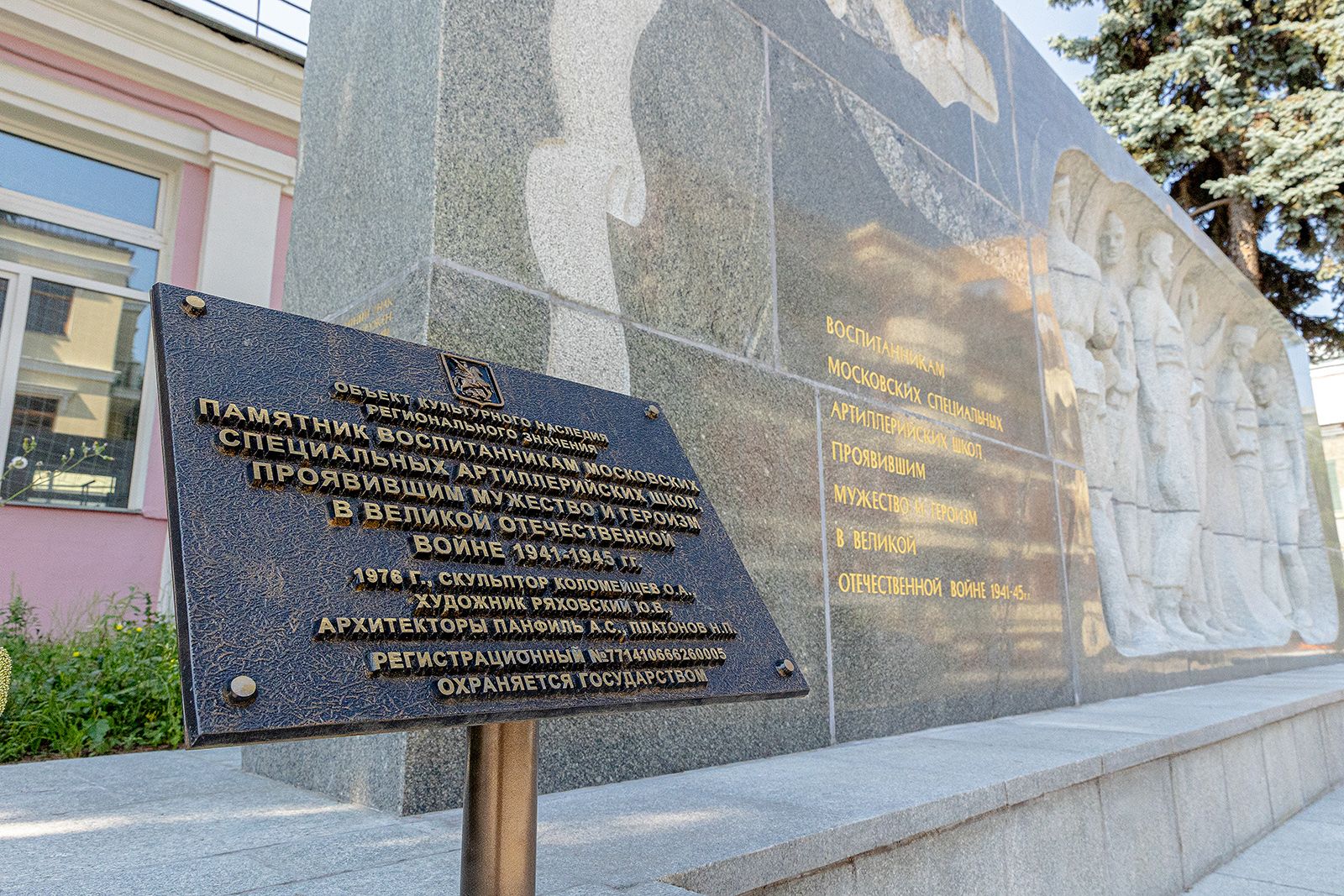
On Prechistenka Street, the monument to students of Moscow special artillery schools who displayed courage and heroism during the Great Patriotic War has been restored. The granite stele with high-relief sculptures was installed exactly half a century ago, in 1976. It stands in front of the building that housed one of the special schools during the war and is now School No. 1231. During the restoration, specialists reinforced the monument’s foundation, thoroughly cleaned the granite, replaced missing stone elements, renewed the gilding on the memorial inscriptions, and landscaped the surrounding area.
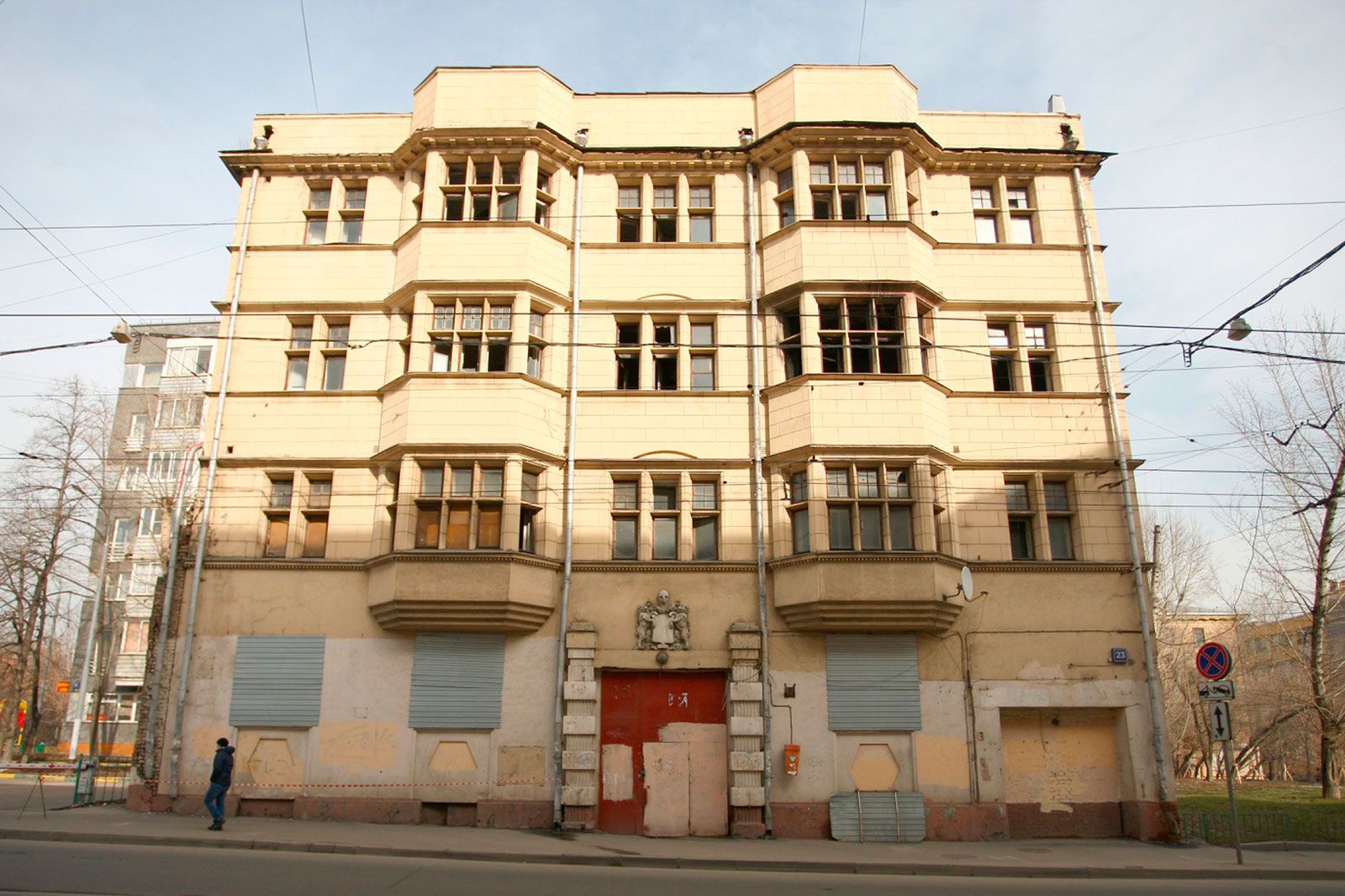
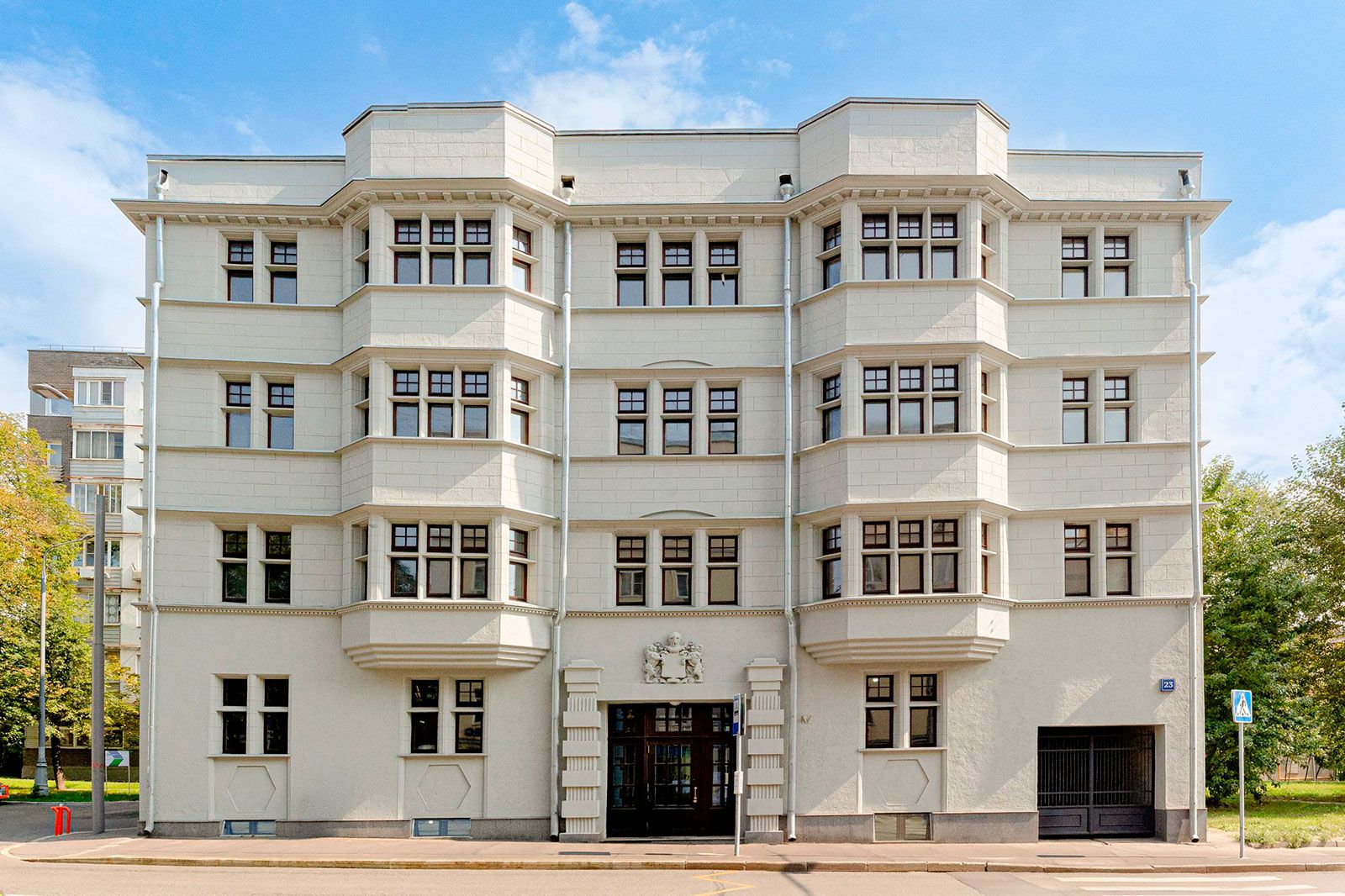
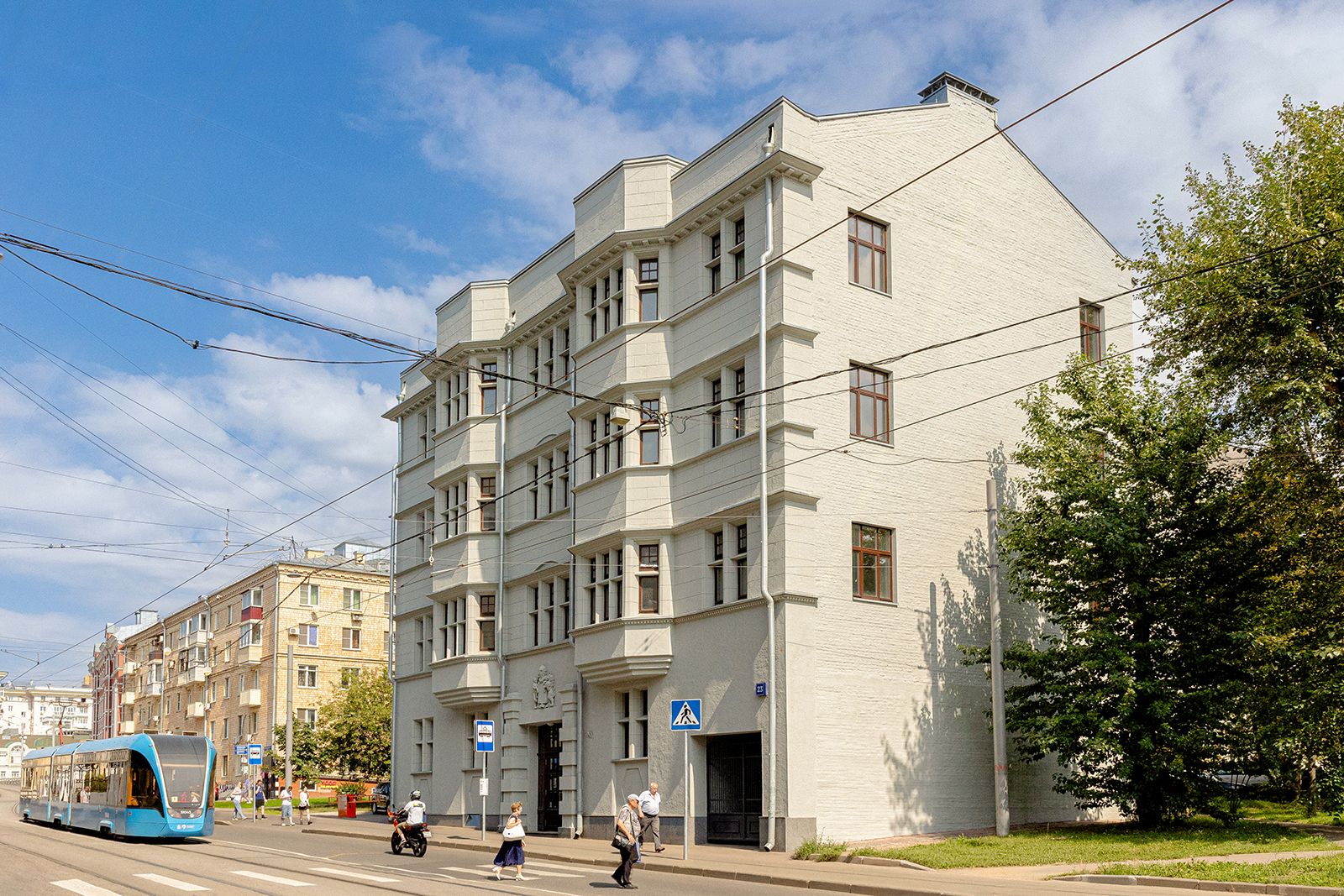
In the Krasnoselsky District, restoration of the Burenin Apartment House on Nizhnyaya Krasnoselskaya Street has been completed. It is a rare example of Rationalist Art Nouveau. The building was constructed in 1915 to a design by Vyacheslav Oltarzhevsky, the first chief architect of the All-Union Agricultural Exhibition.
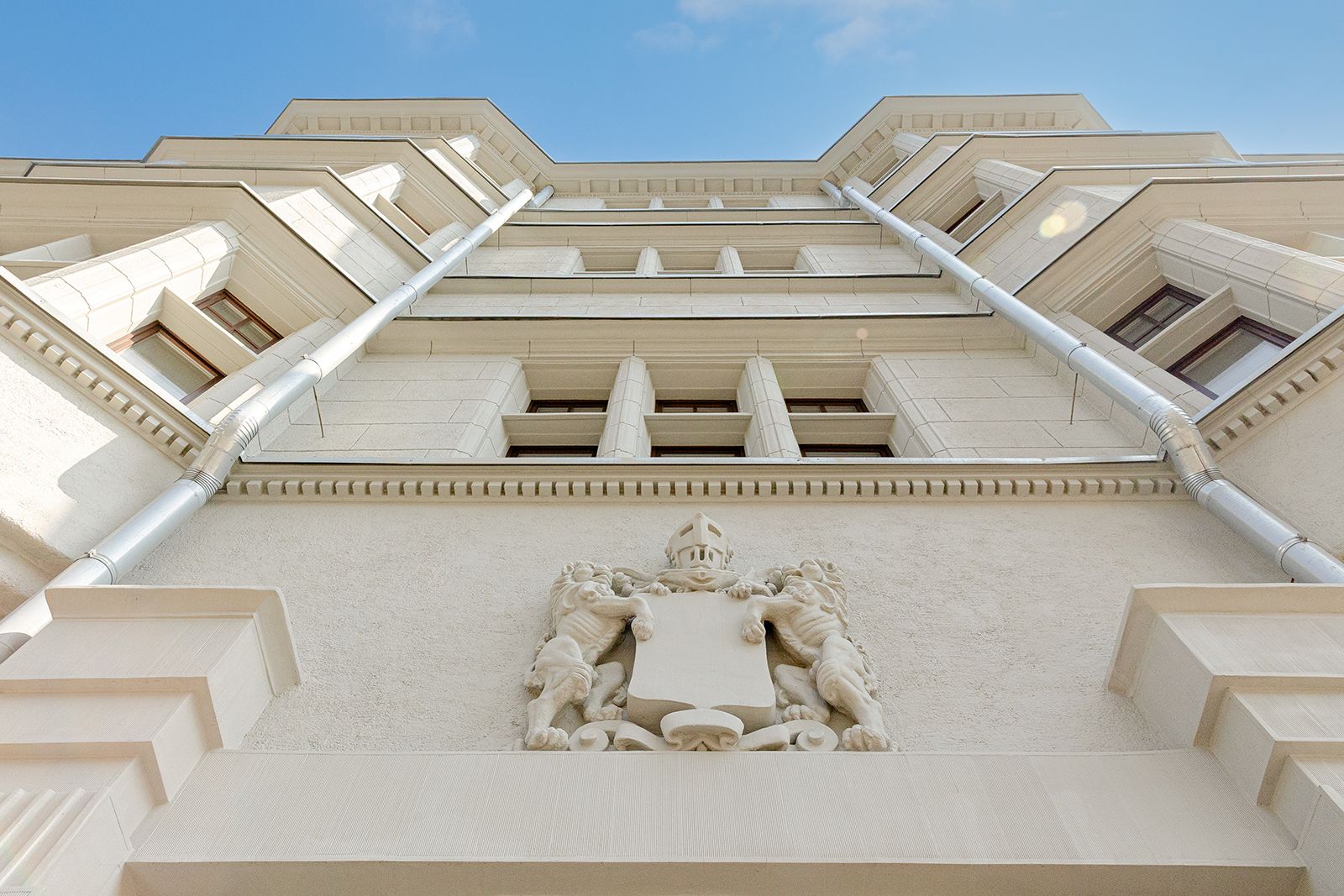
Specialists restored the building’s historic appearance. They waterproofed the foundation, restored the grand skylight and the cartouche supported by lions above the main entrance. Metal entrance gates were recreated based on old drawings. Inside, craftsmen restored the vestibule and grand staircase, as well as the unique Mettlach tiles.
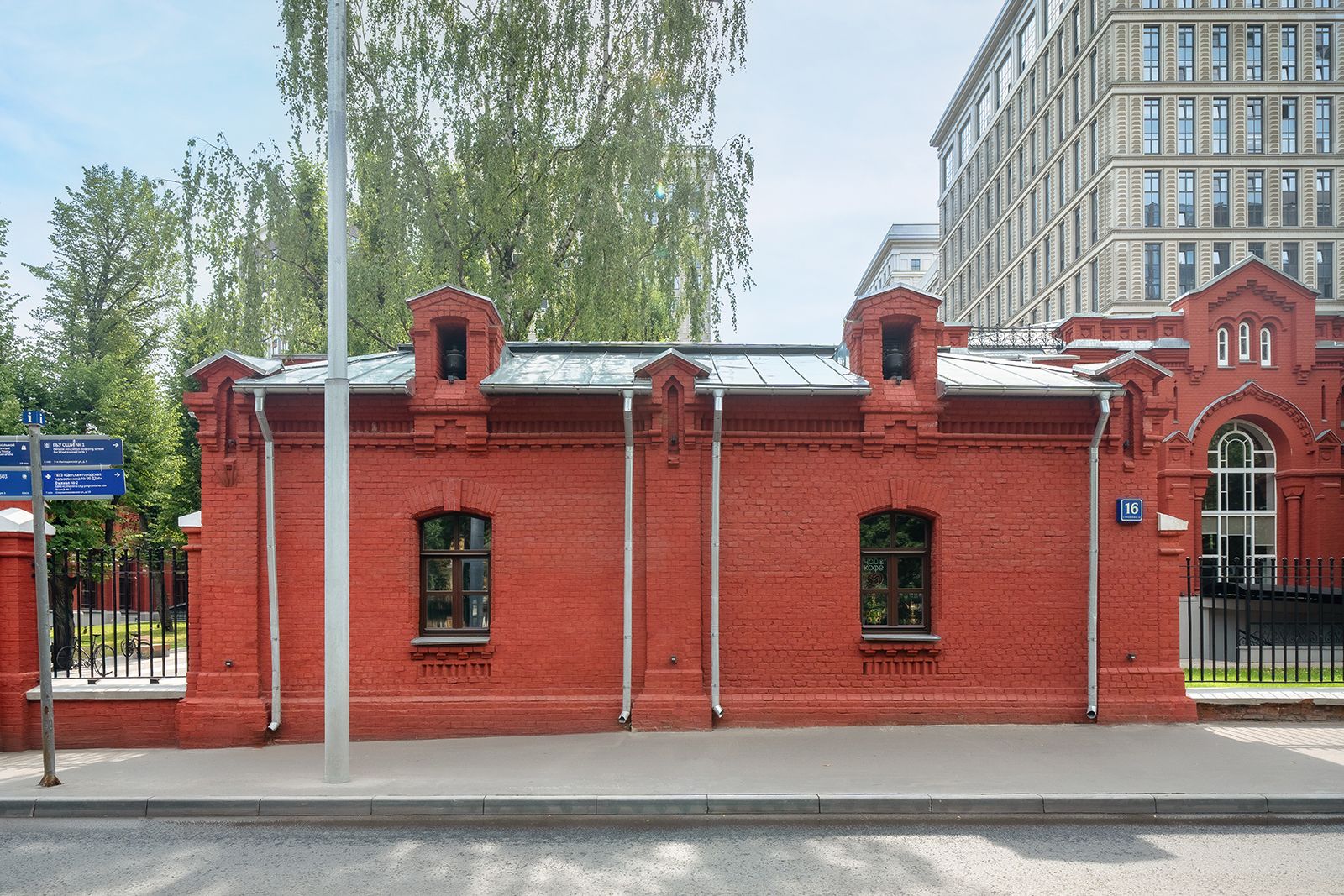
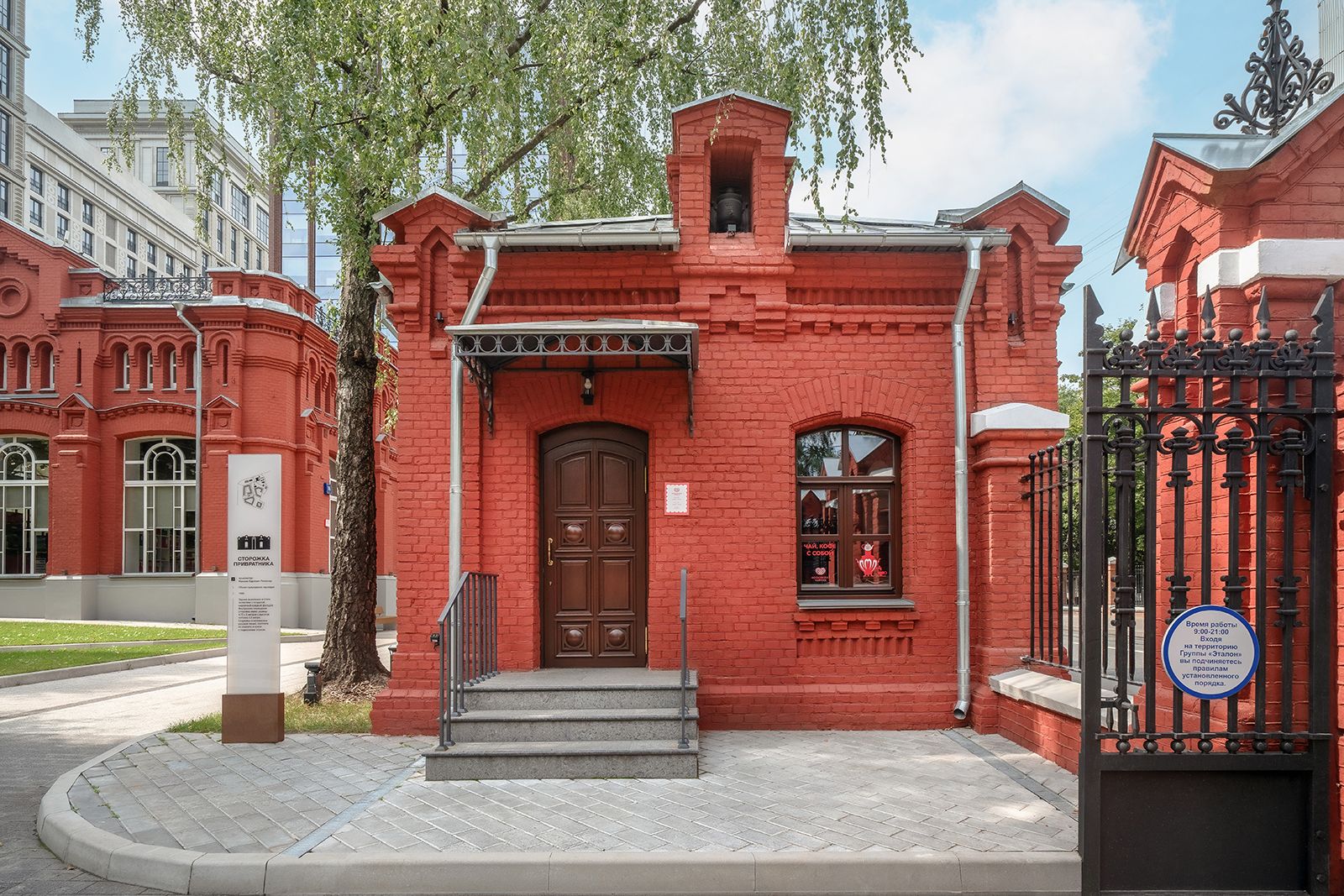
In the Alekseevsky District, restoration of the gatehouse of the Alekseevskaya Pumping Station has been completed. Built in 1892, the facility is part of the Mytishchi Water Supply System and a striking example of Maxim Hoeppener’s industrial red-brick architecture.
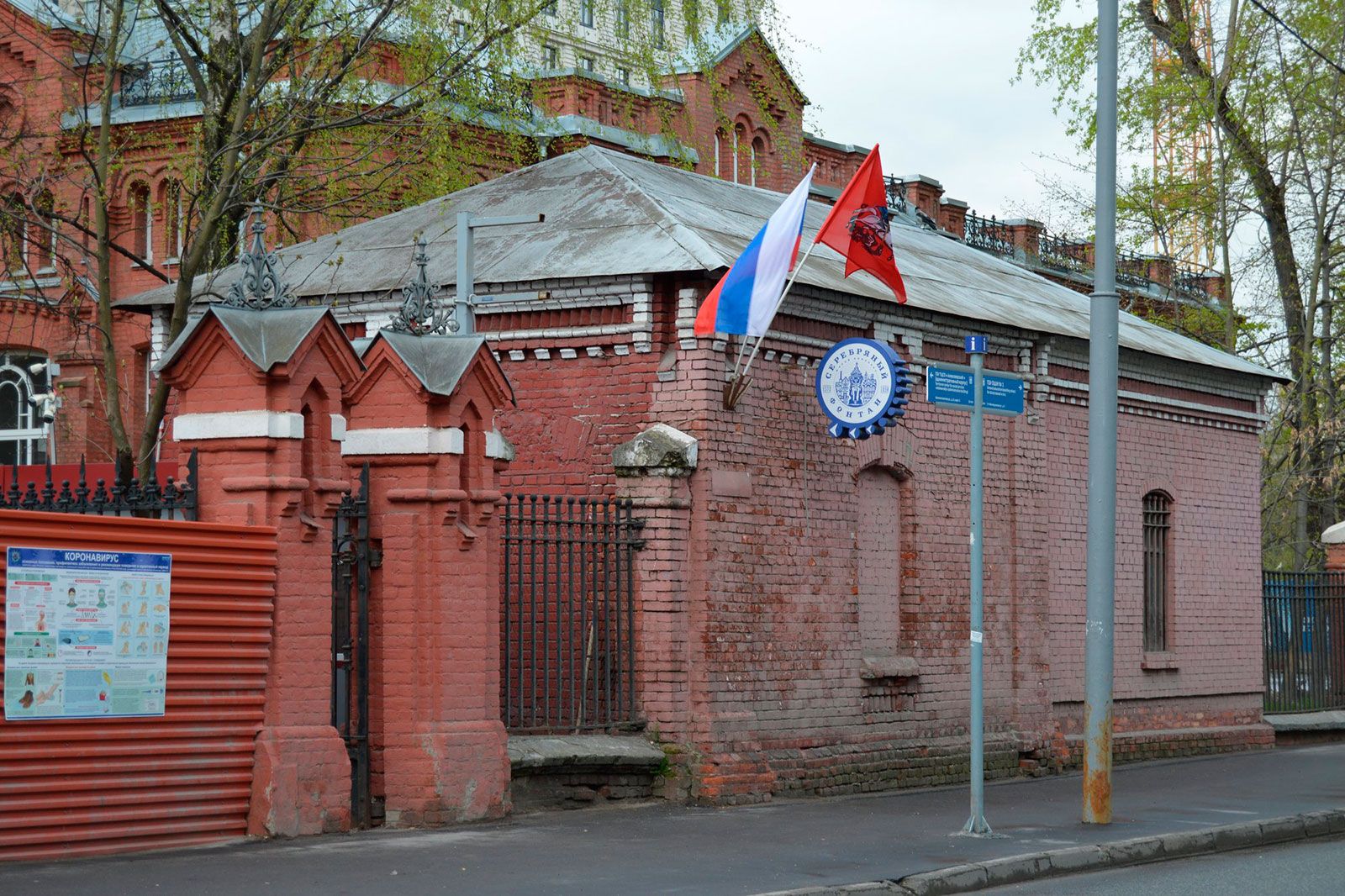
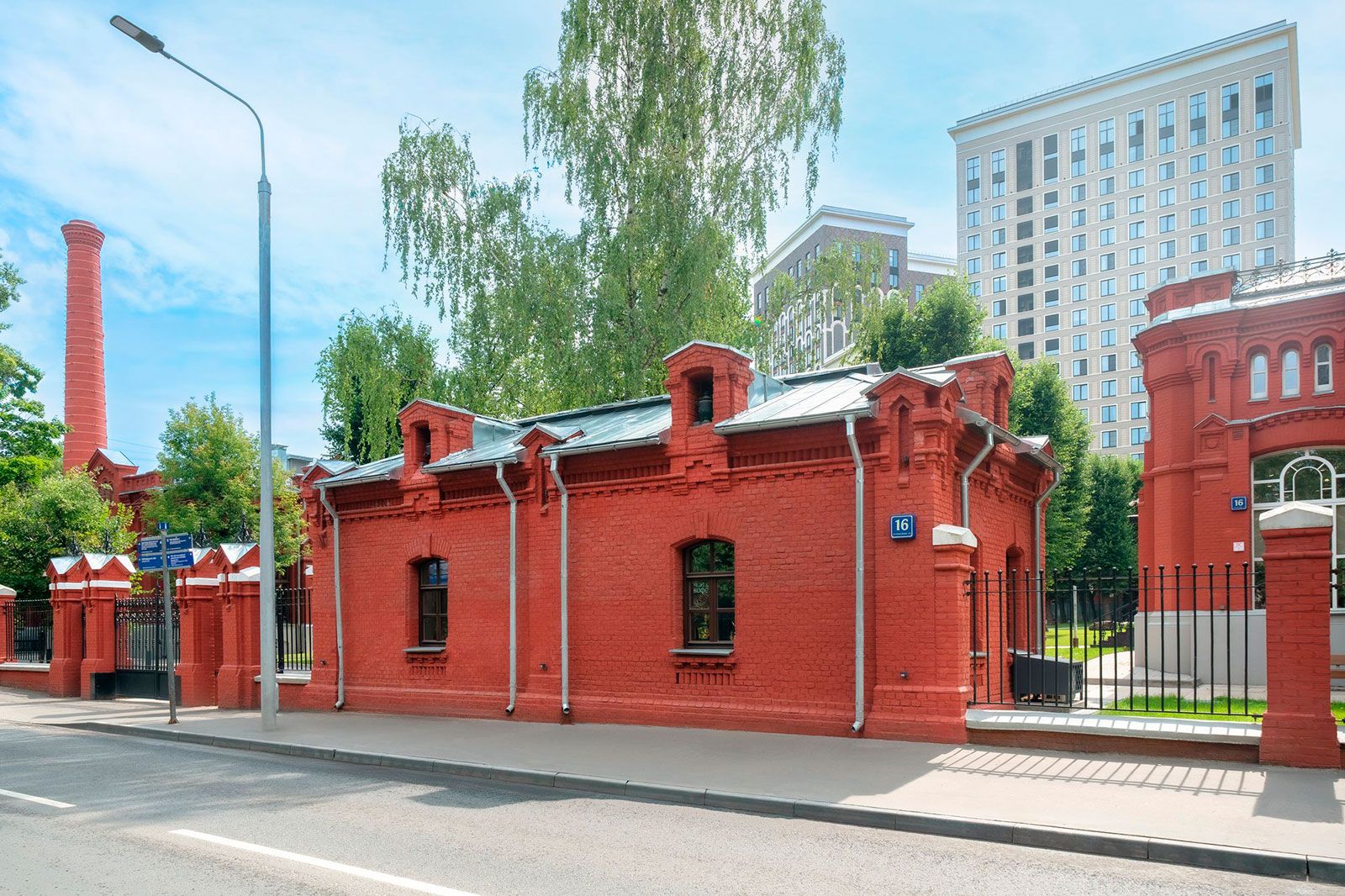
During the restoration, craftsmen cleaned the façades, recreated missing brick decoration and pediments, reinforced the historic Monier vaults in the basement, and installed architectural lighting. A cozy tearoom opened in the former gatehouse immediately after the restoration.
Specialists had previously restored other structures of the Alekseevskaya Pumping Station as well, including the 50-meter chimney and the main water-lifting building. Work is currently underway to restore the entrance hall of the Alekseevsky Reservoir.
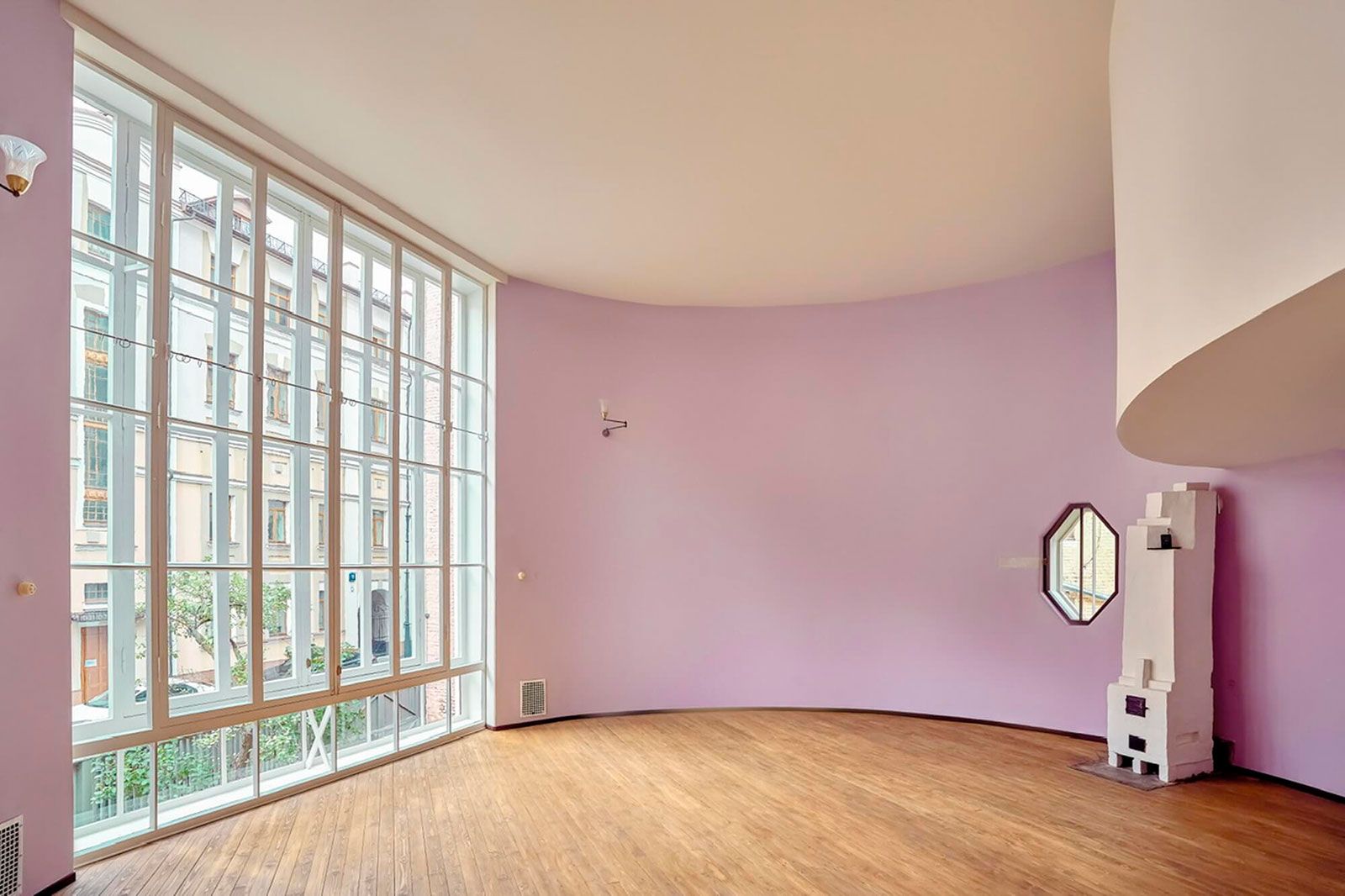
Restoration of Konstantin Melnikov’s experimental house-studio in Krivoarbatsky Lane has also been completed. The building was constructed in the 1920s in the Soviet avant-garde style. It features a unique composition of two interlocking cylinders forming a figure eight in plan. One features a five-meter stained-glass window, while the other is punctuated by 57 hexagonal windows.
_TR_(2).jpg)
Specialists reinforced the building’s structures, renovated the roof with its unusual drainage system, restored the brickwork, and refurbished the façade inscription “Konstantin Melnikov. Architect”. Inside the house, the floors, spiral staircase, and interior doors were restored, while the walls were returned to their original colors uncovered during research.
.jpg)
Now the building is a branch of the Shchusev Museum of Architecture; its memorial interiors will soon return. The museum is expected to welcome its first visitors by the end of 2026. It will be open to small guided tour groups. A separate outdoor exhibition dedicated to the renowned architect is planned for the garden. During the warmer months, lectures, film screenings, and master classes will be held there.
.jpg)
.jpg)
.jpg)
.jpg)
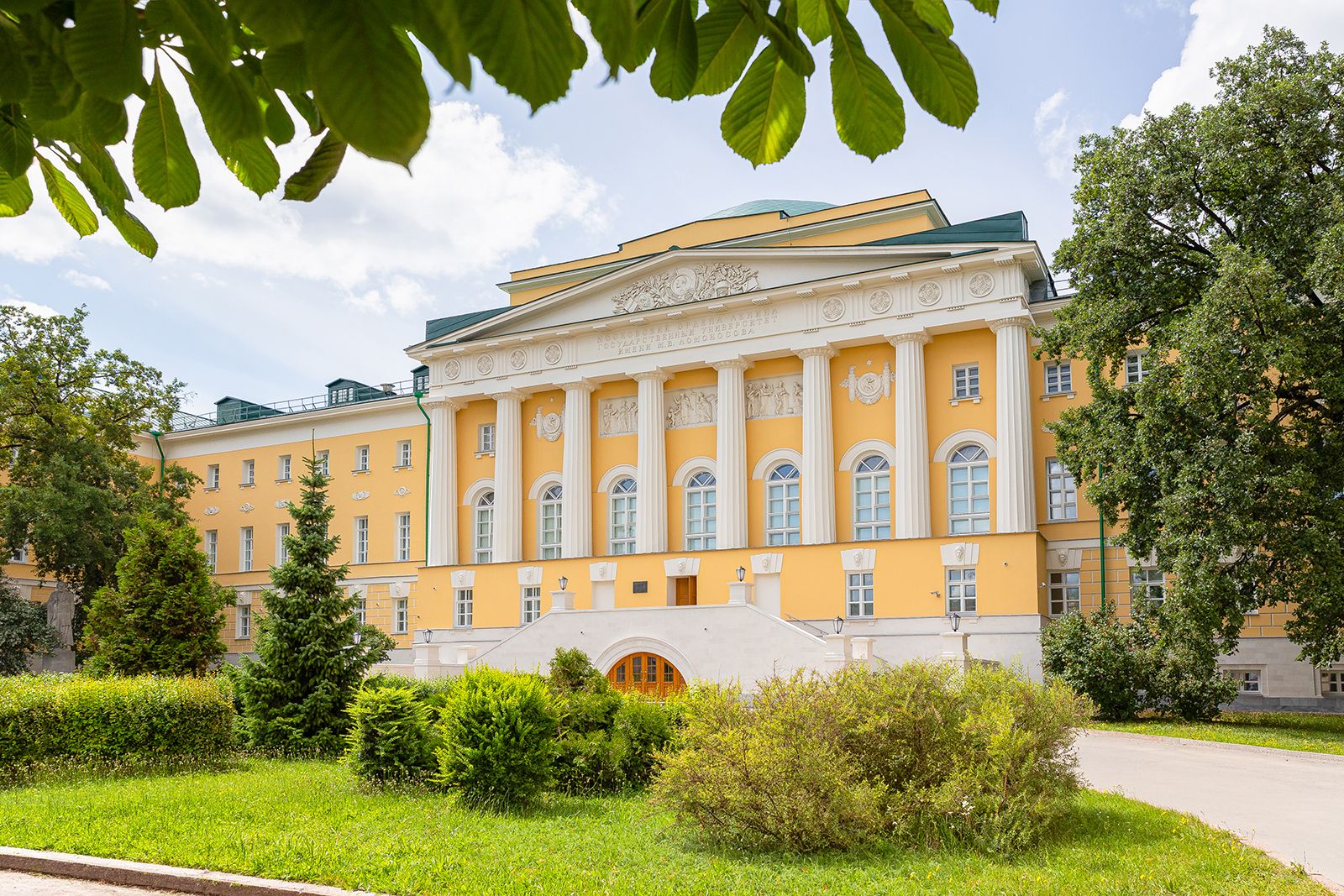
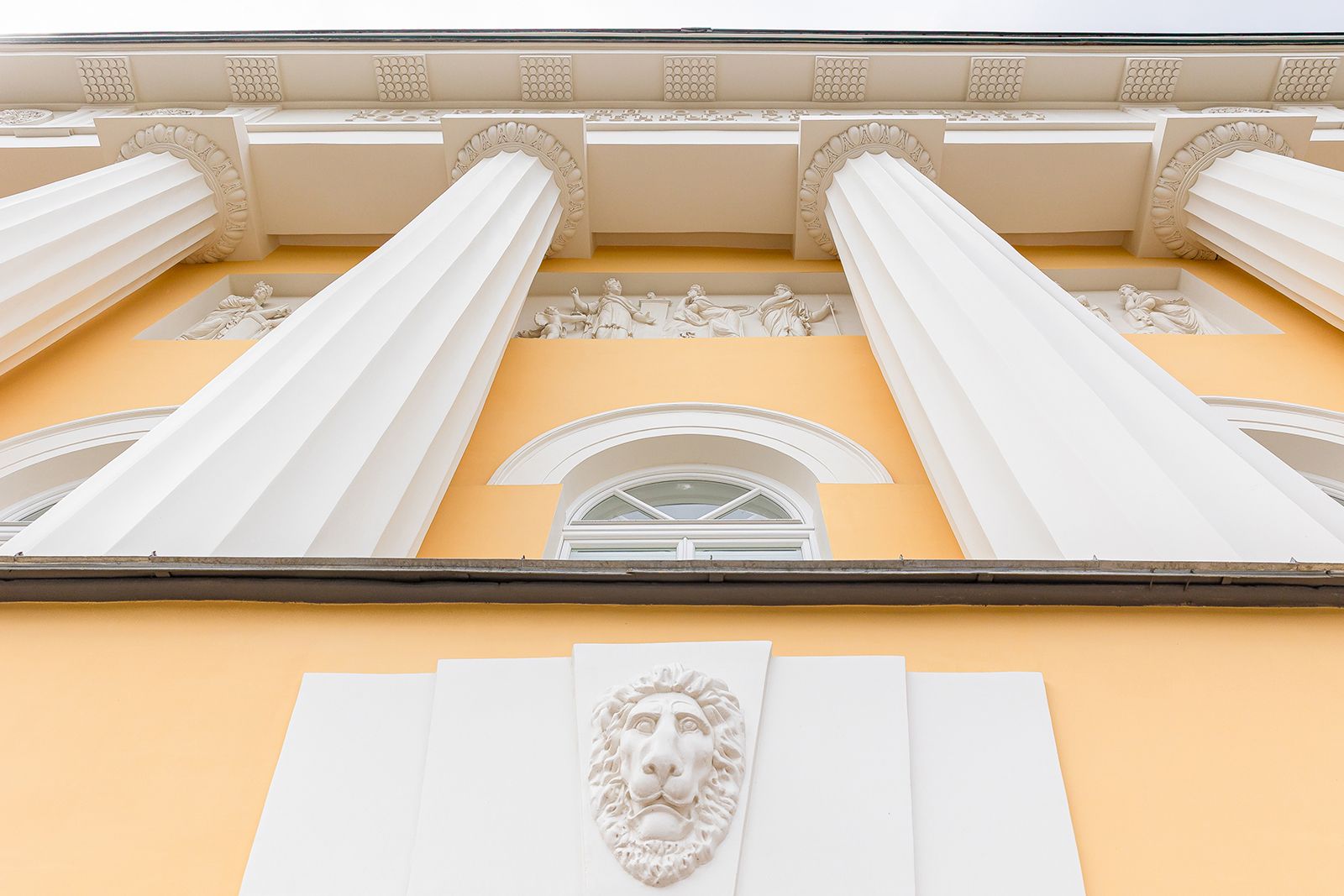
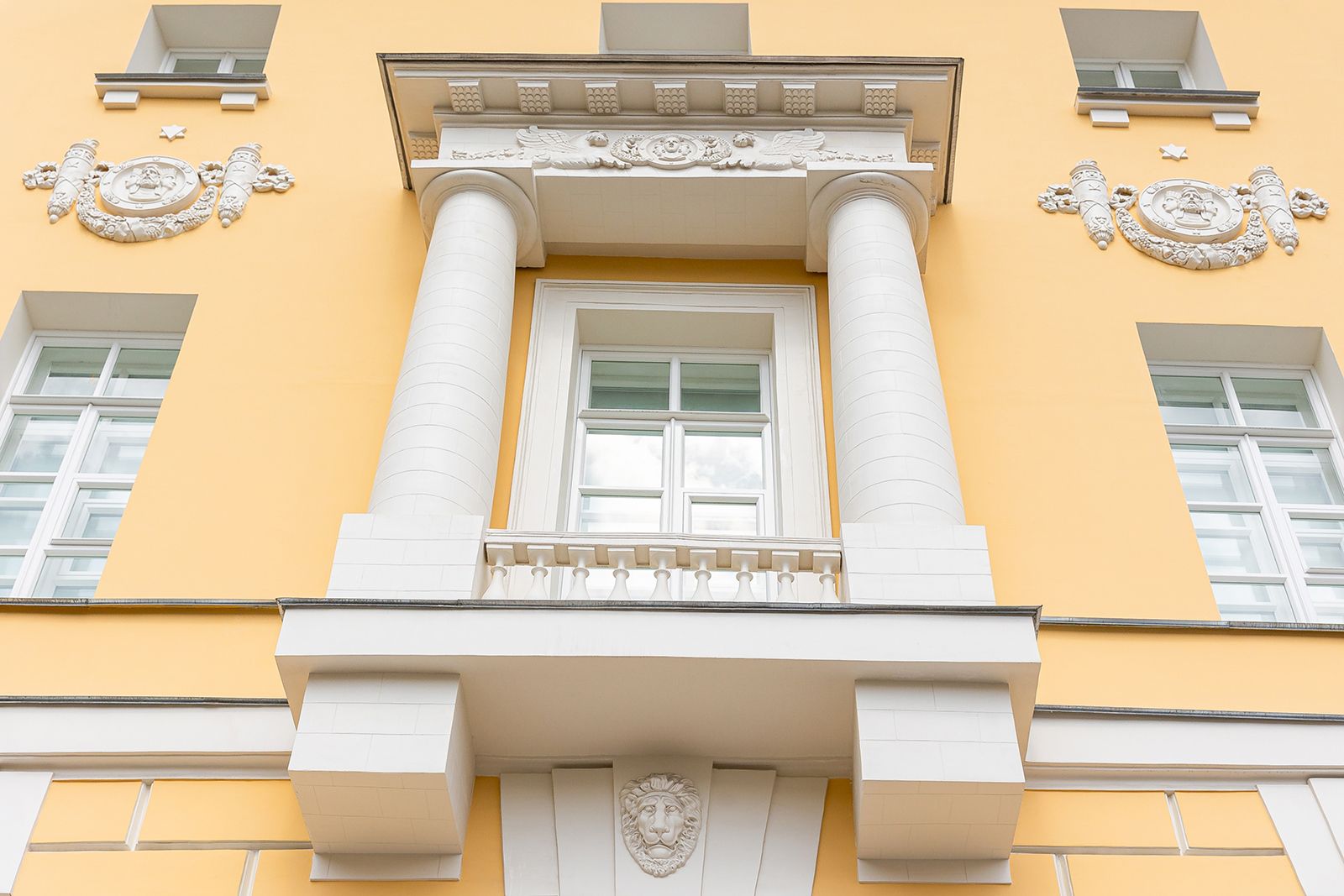
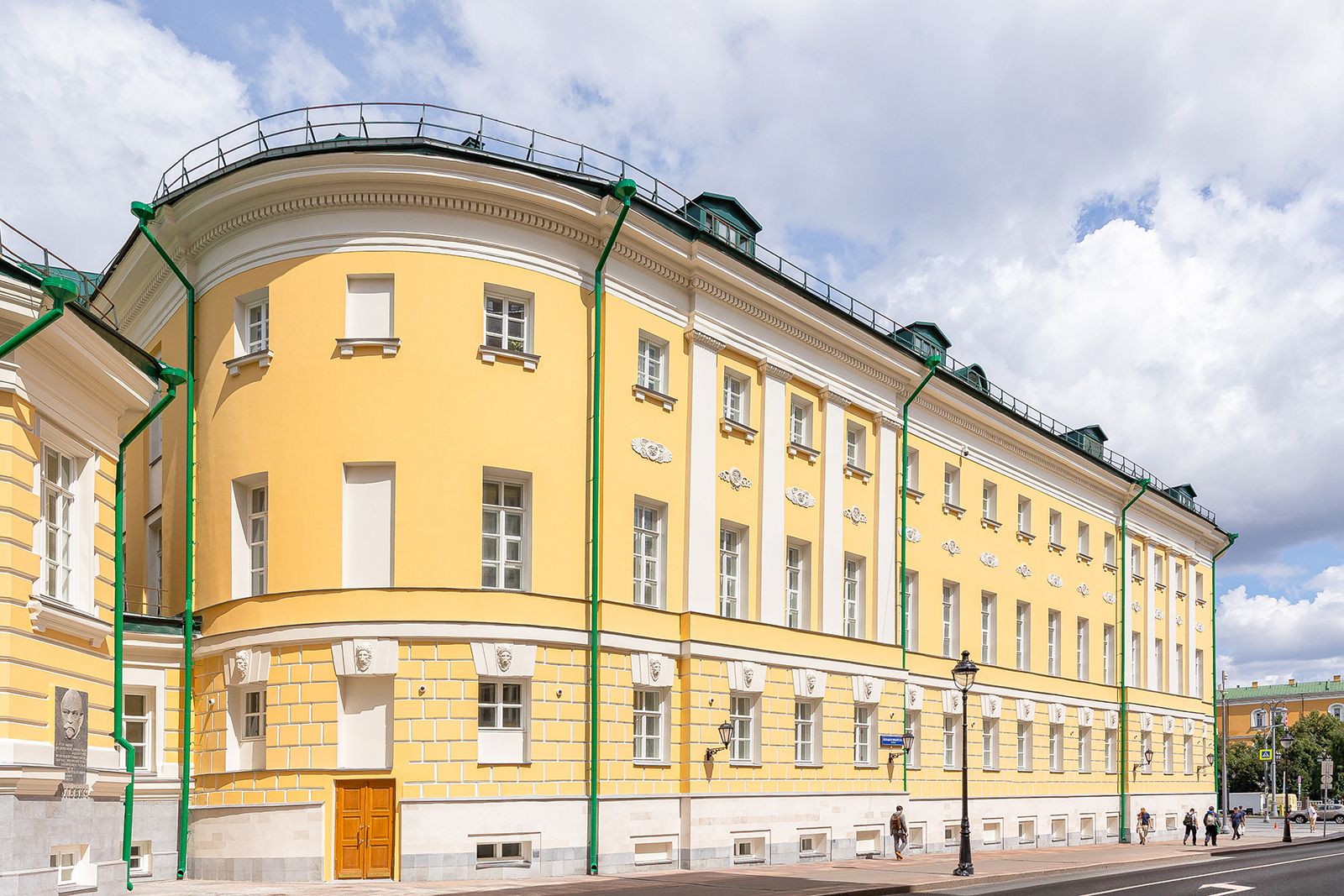
On Mokhovaya Street, restoration of the façades of Moscow State University’s historic building has been completed. It was built in the late 18 th century by architect Matvey Kazakov. The building was badly damaged in the Fire of 1812 and later reconstructed by Domenico Gilardi.
Specialists restored the brickwork, plaster, and highly intricate plaster mouldings, refurbished the white-stone basement and all porches, from the main entrance to the side entrances. Craftsmen also restored the oak windows, flashings, and marble window sills in the interiors.
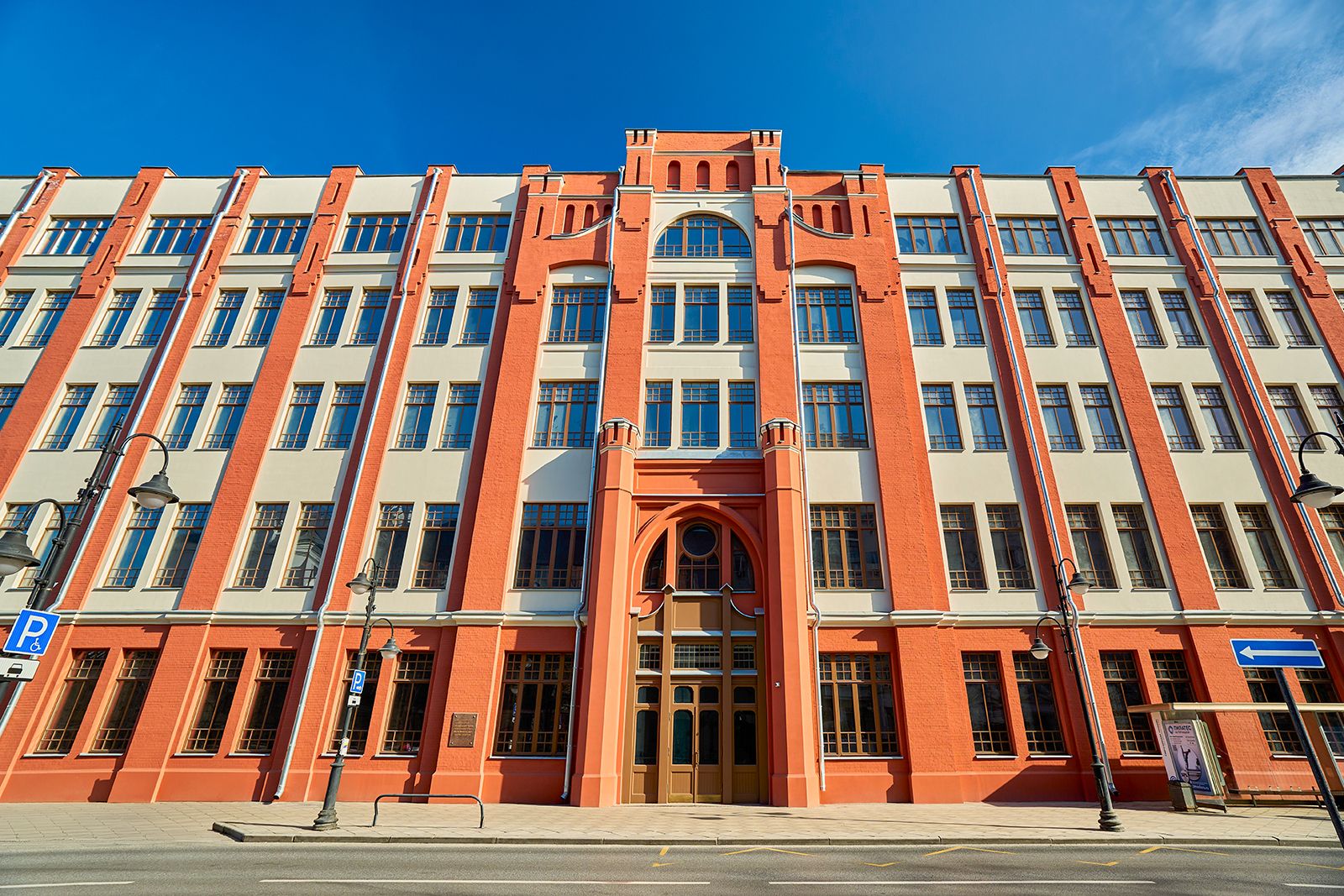
In Zamoskvorechye, work has been completed in two buildings of Ivan Sytin’s printing house on Pyatnitskaya Street. built in 1903. Leo Tolstoy, Maxim Gorky, and Vladimir Mayakovsky visited the premises, while Sergei Yesenin even worked there as a proofreader.
.jpg)
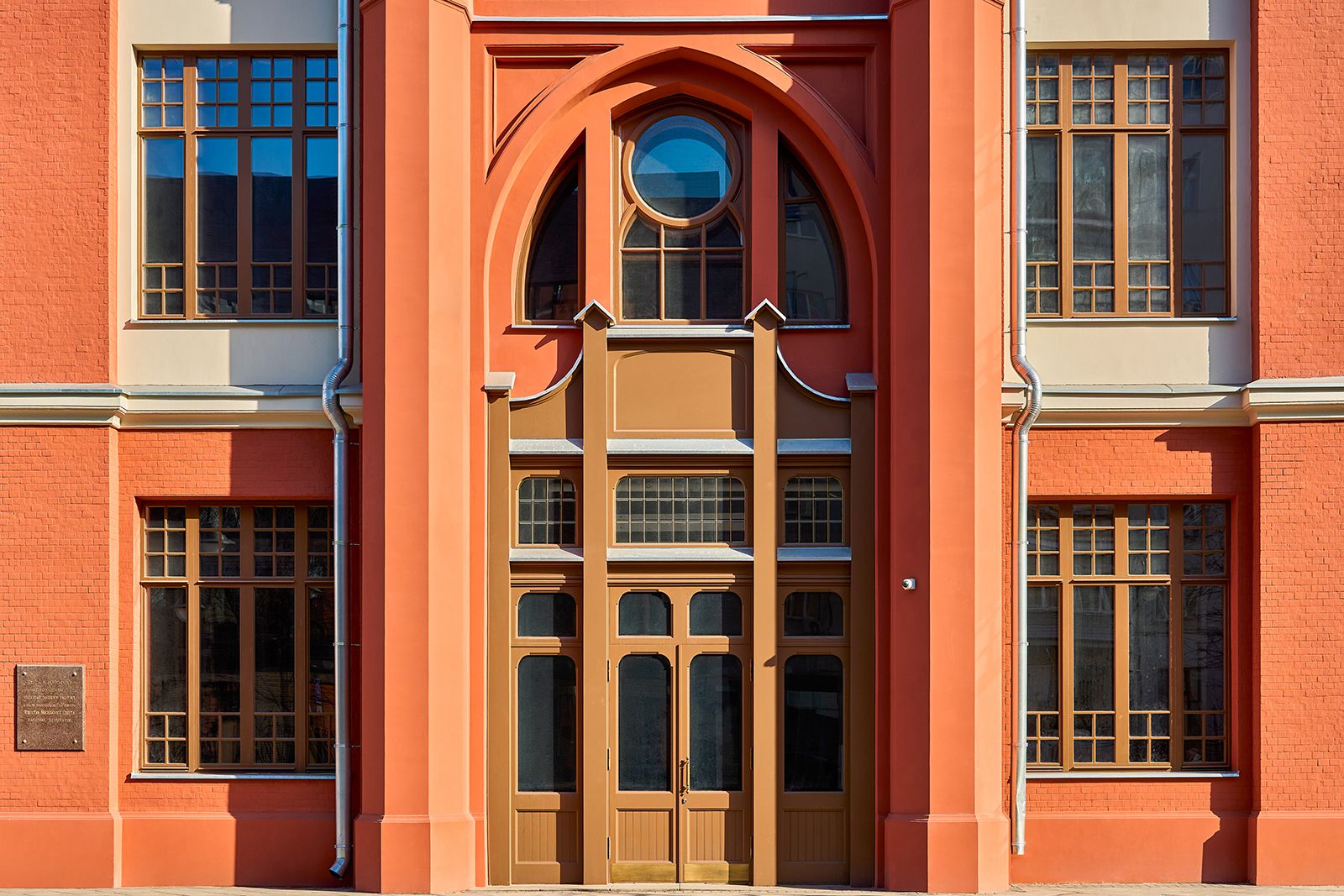
Last year, specialists restored the façades of the main building, the grand staircase, and three unique beveled-glass stained-glass windows.
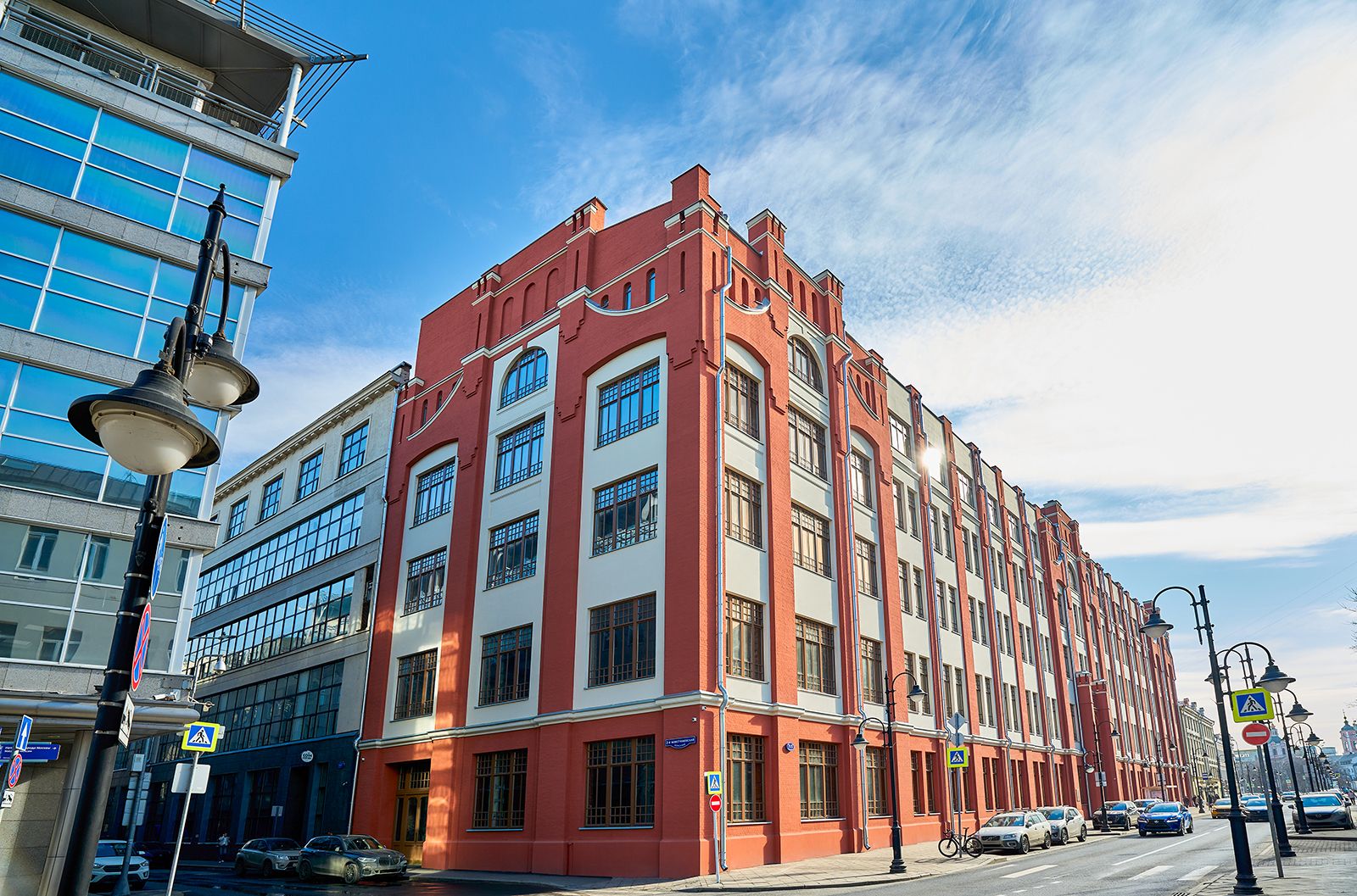
The work continued this year. Craftsmen restored the former production building and the building that housed warehouses and staff apartments. They removed later layers of plaster, paint, and cement from the walls, repaired damaged masonry, restored arched lintels with keystones and the design of window and door openings, and returned the façades to their original color.
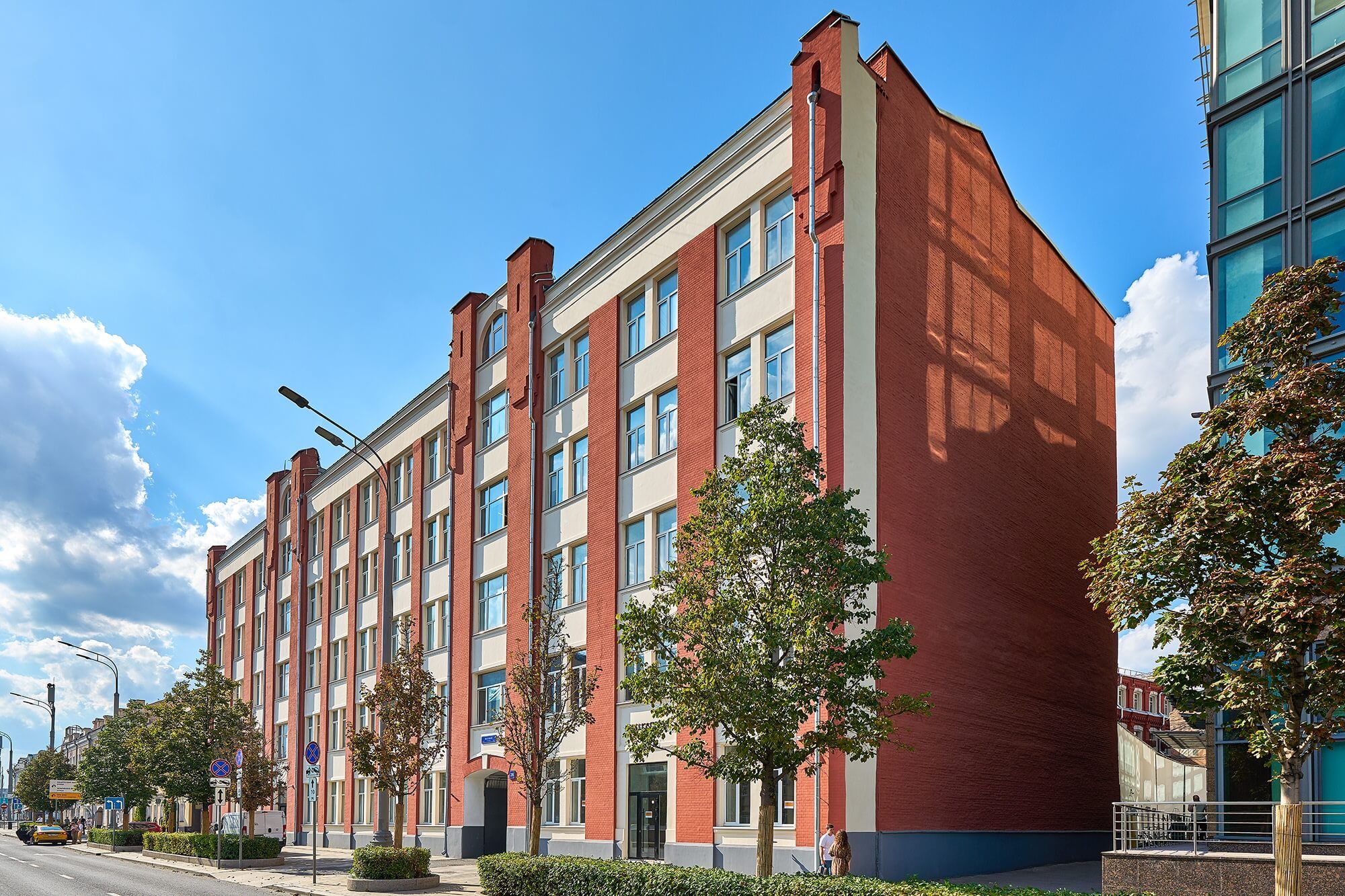
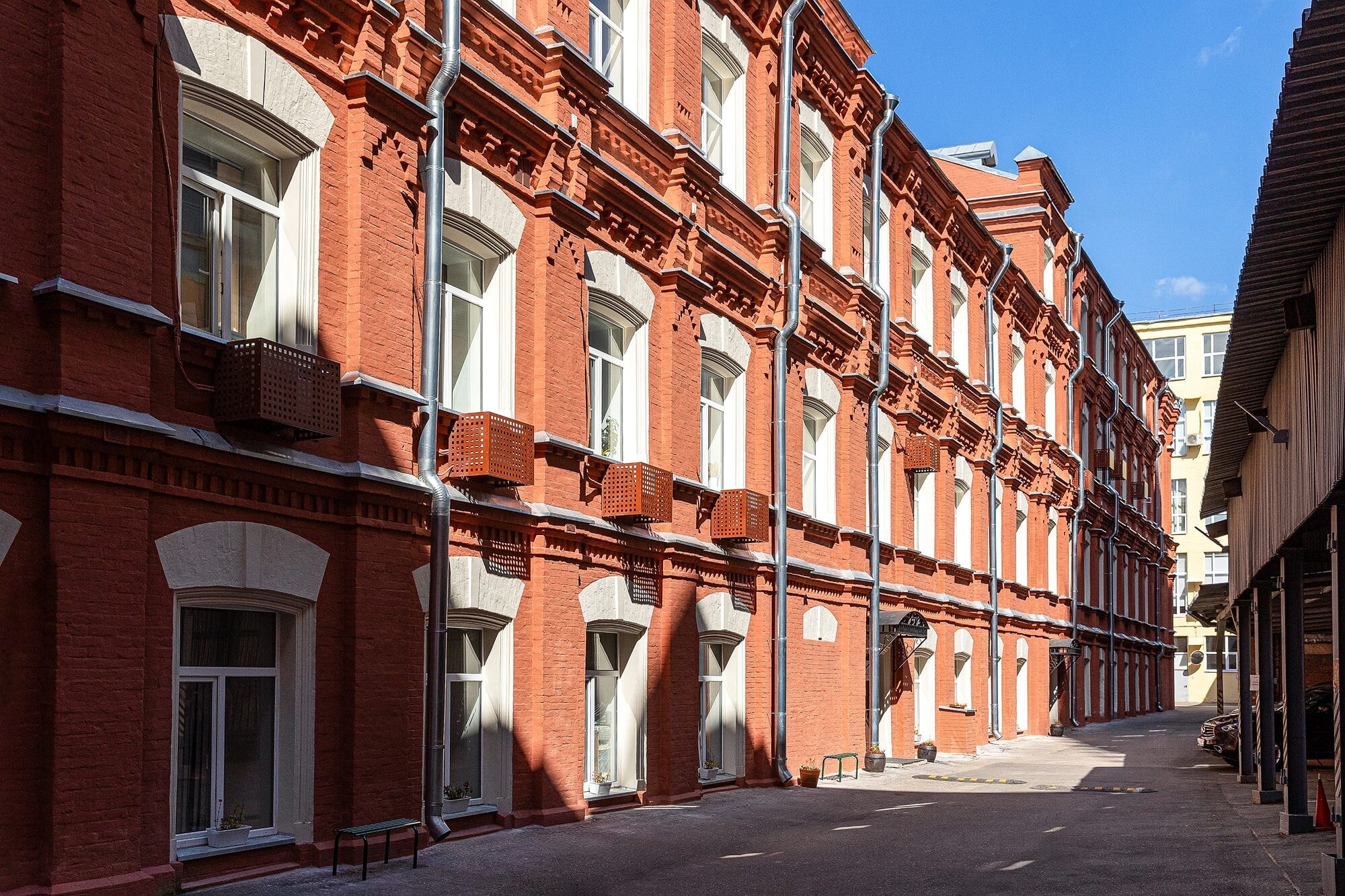
From September 24 to 27, the transformed Ivan Sytin Printing House will host the fifth PROrestoration. Import Substitution in Restoration Materials and Technologies exhibition. Visitors to the capital will be able to see how monuments are brought back to life, take part in master classes, and discover authentic elements of historic Moscow. As in previous years, the event will bring together leading Russian restorers, international experts, design institutes, and museums.
.JPG)
.JPG)
.jpg)
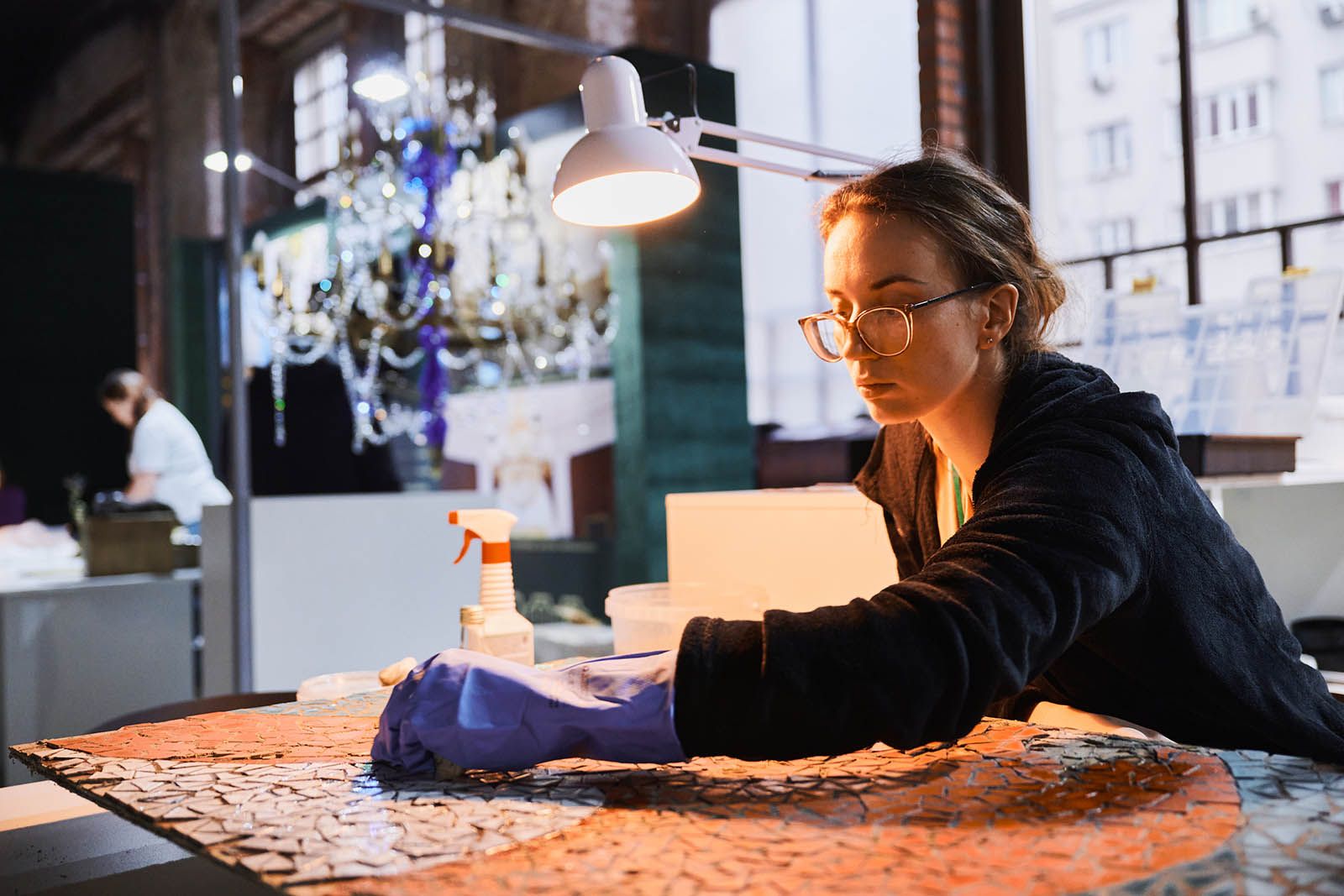
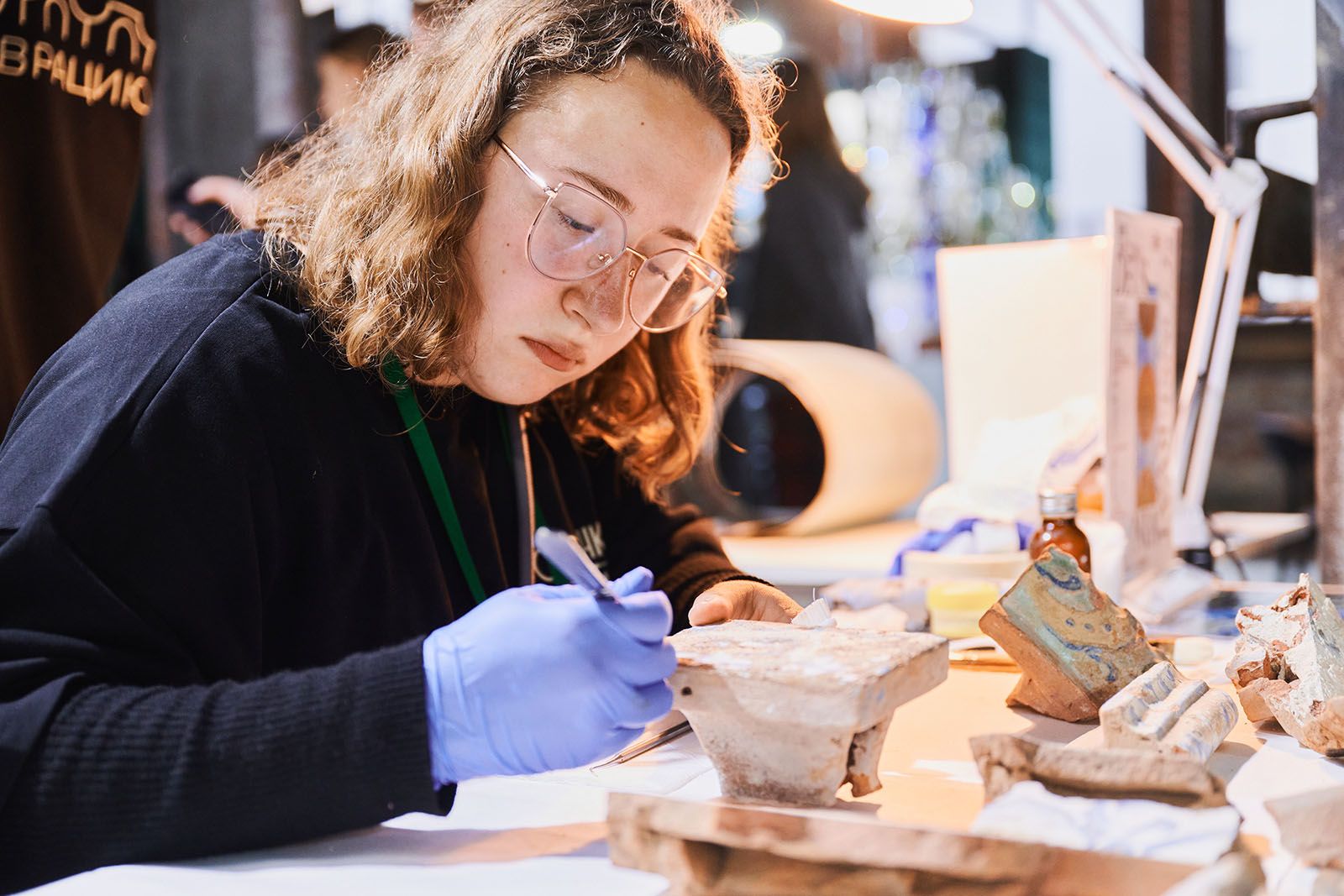
Restorers are currently working at nearly 500 cultural heritage sites. In 2026, restoration is to be completed at more than 100 buildings. These include the house of Soviet sculptor Nikolai Andreyev, the Italian Pavilion of the Ostankino Palace, the main building of the Central Moscow Hippodrome, the façades of the Epiphany Cathedral at Yelokhovo, and other sites.