Restoration of Church of Elijah the Prophet at Novgorod Metochion wraps up, Moscow Mayor says
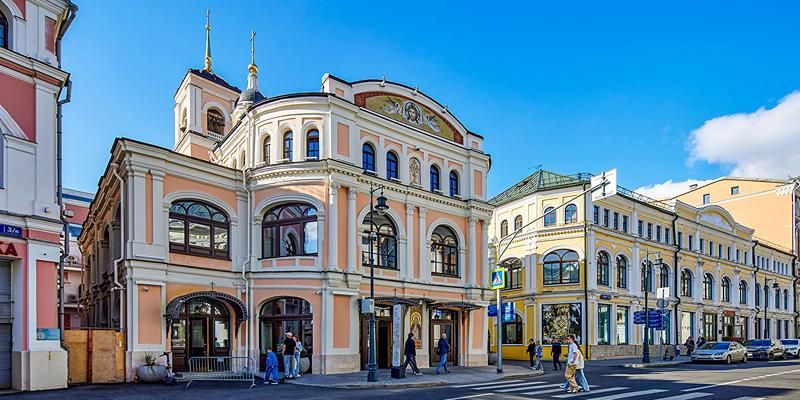
Moscow has wrapped up the restoration project for the Church of Elijah the Prophet at the Novgorod Metochion, a small-sized monument of ancient Russian architecture in central Moscow, on Ilyinka Street that got its name after the church. Sergei Sobyanin blogged in detail how it was restored.

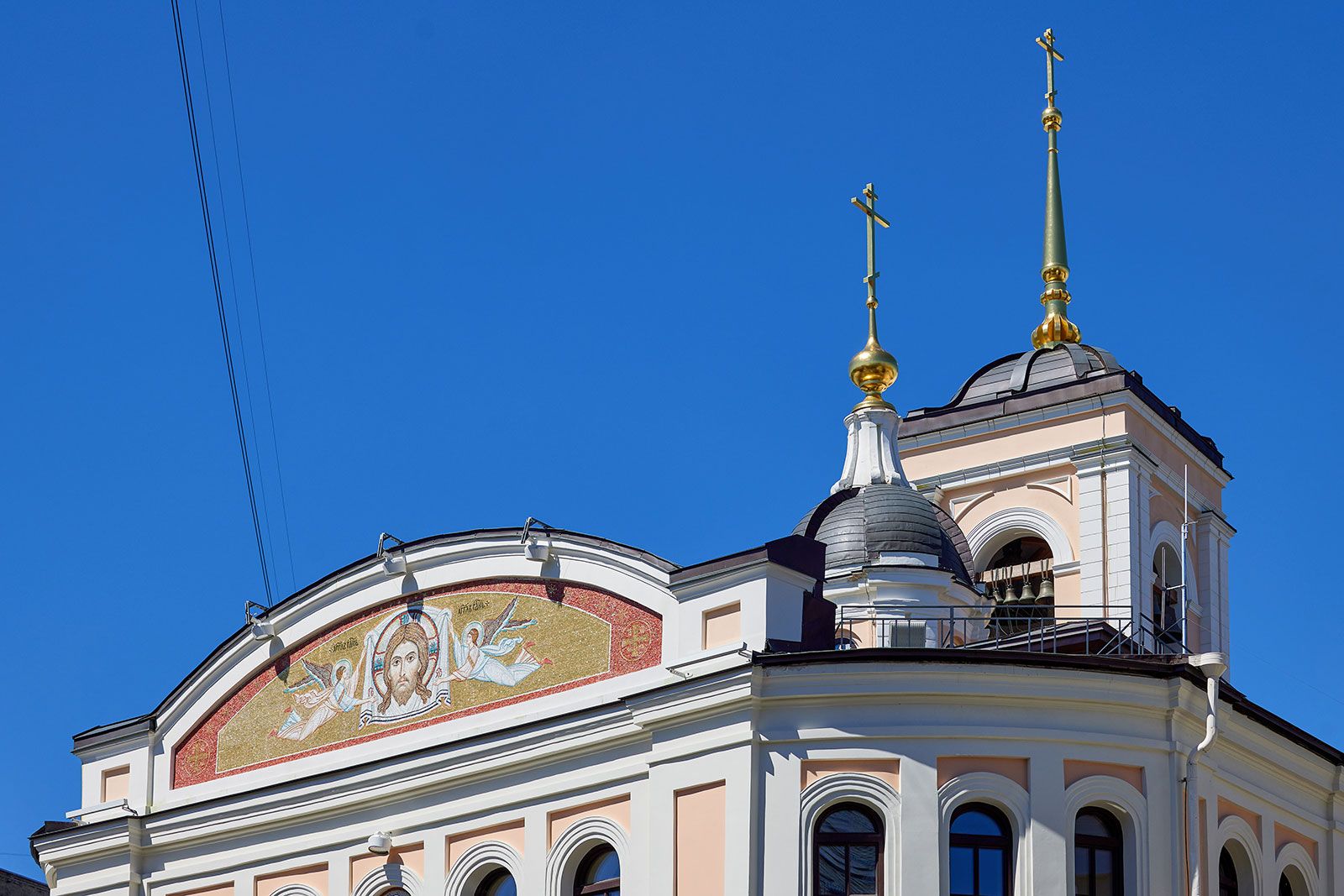
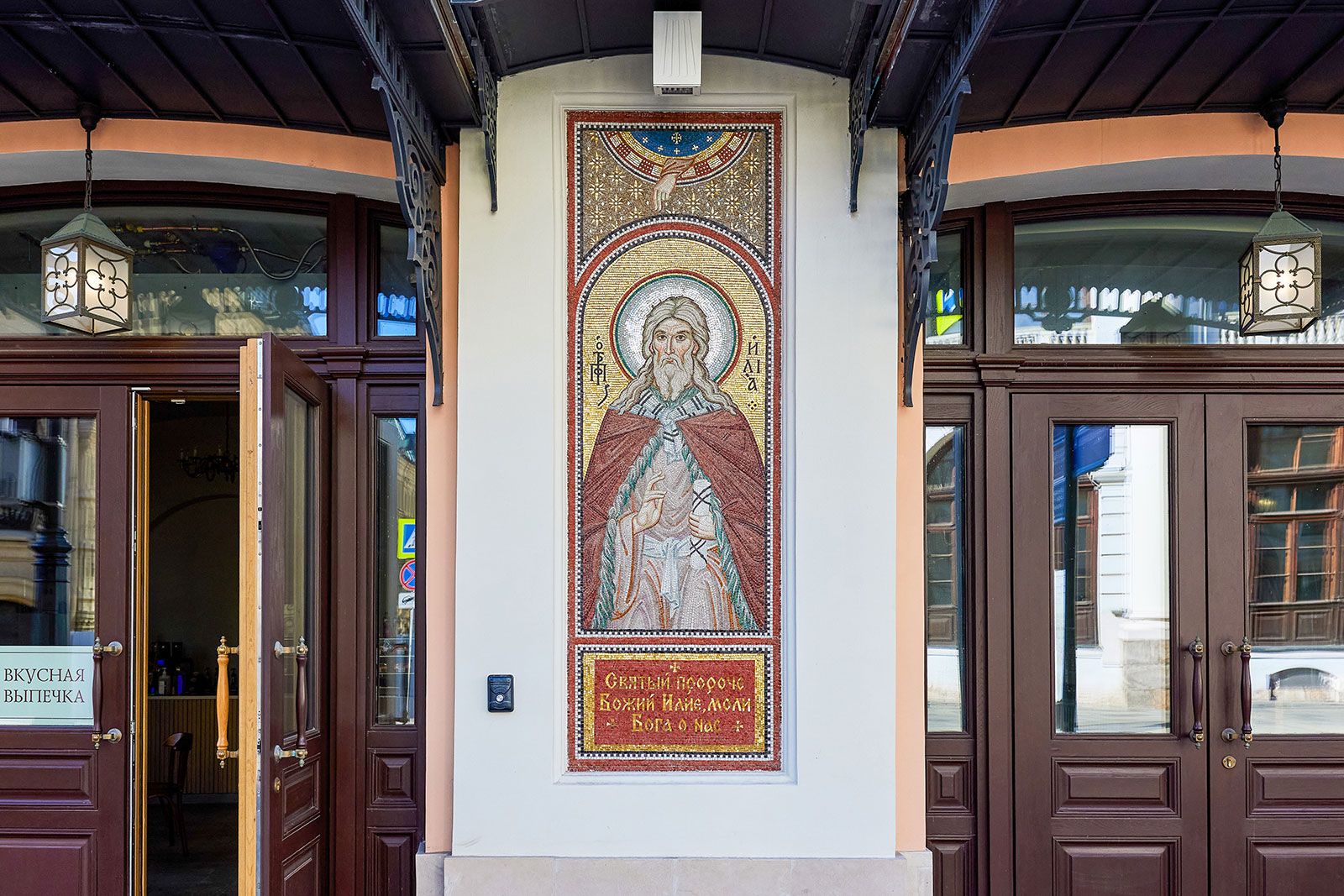
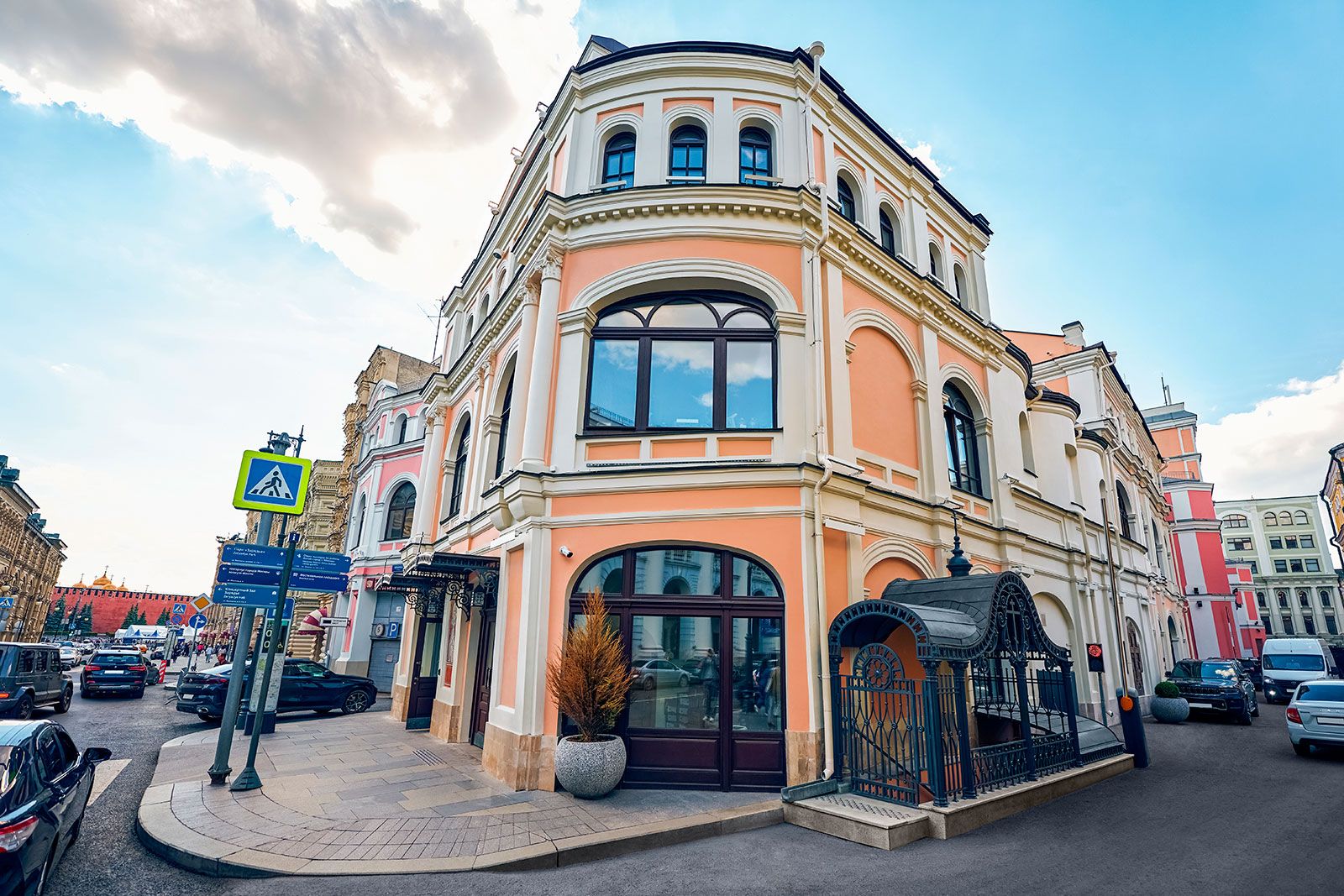
“Built in 1519–1521, the Church of Elijah the Prophet recently marked its 500 th anniversary. Of course, the building’s exterior has changed repeatedly over the centuries. In the Soviet era, it was occupied by various institutions and was even used for housing for a while,” the Moscow Mayor writes.
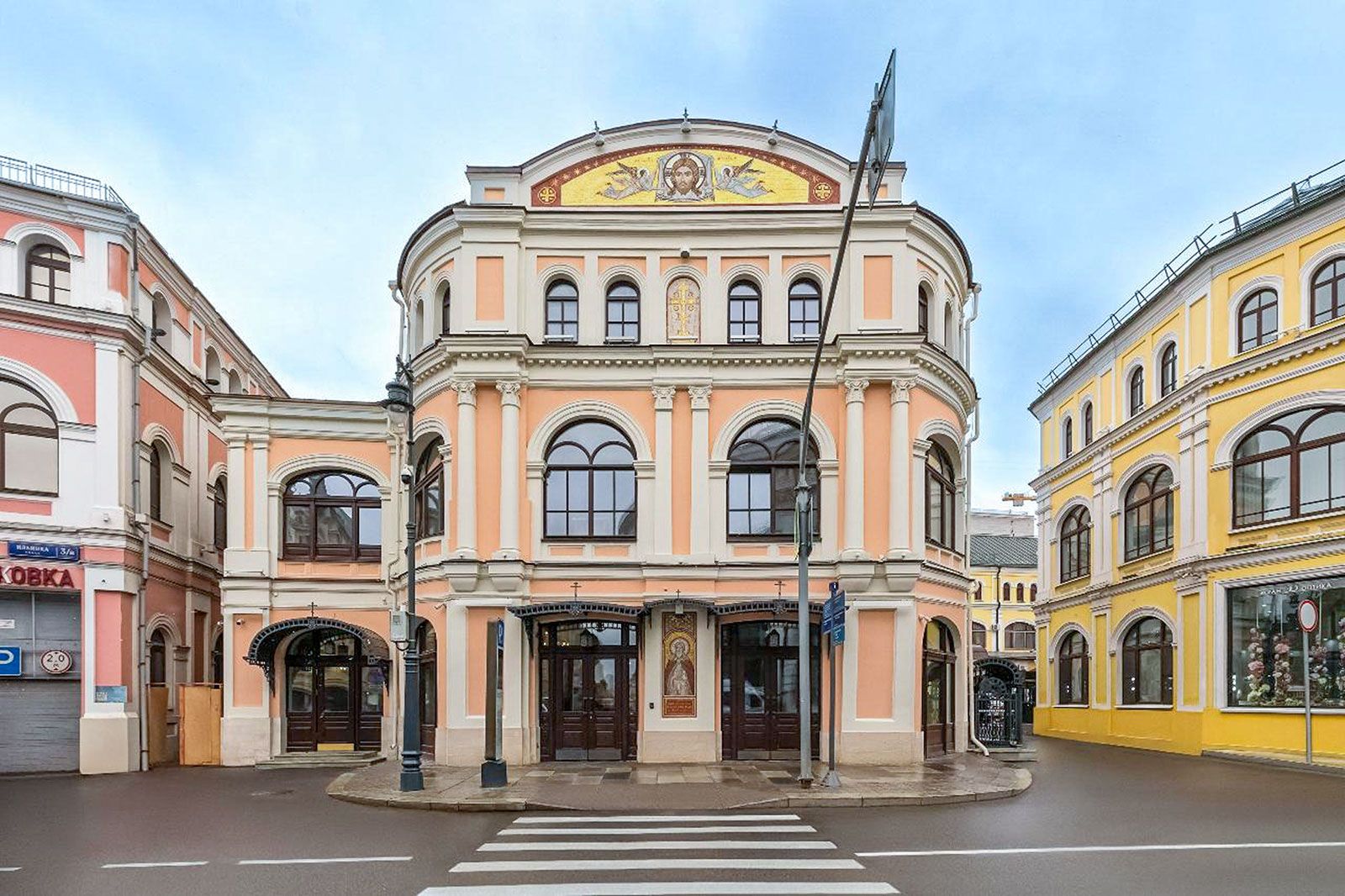
Since the restitution for the Russian Orthodox Church in the 1990s, it has been renovated more than once; this project however provides for the first-ever comprehensive restoration.
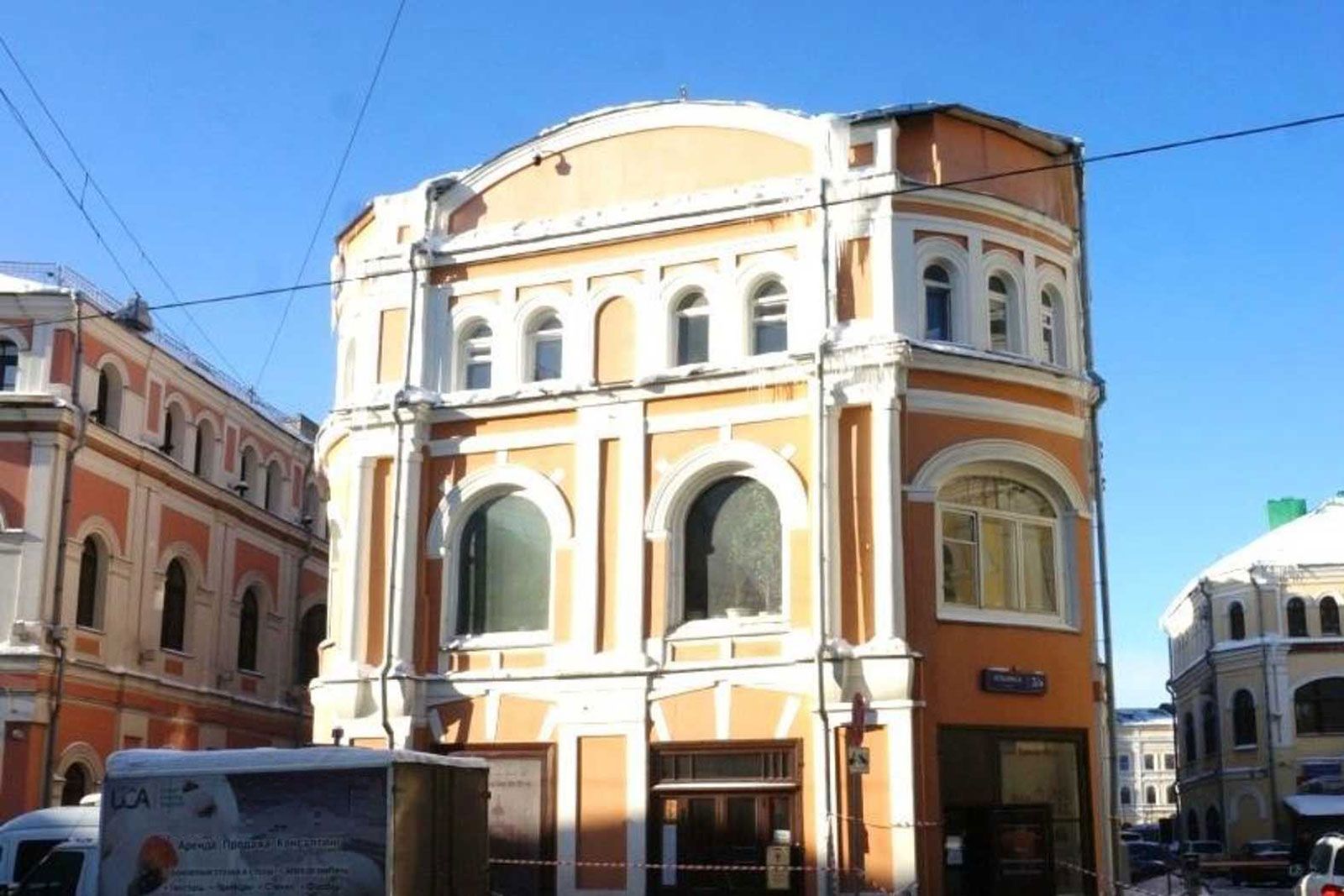
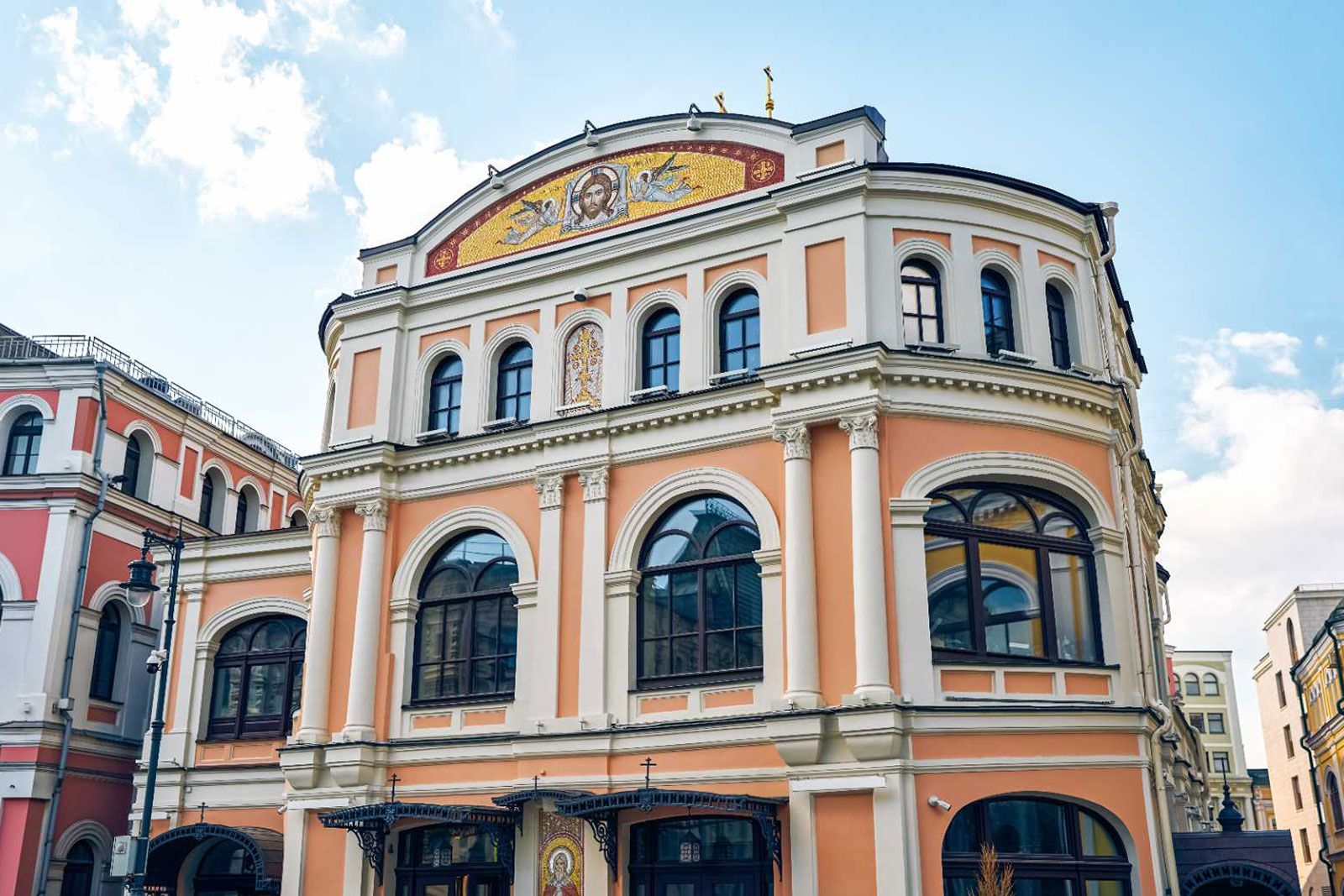
Indeed, the condition of the church was dismal, with damp and crumbling foundations, peeling façade plasters and cracks crisscrossing the brickwork because of continuous fluctuations in temperatures, while its iconostasis was merely a temporary plywood structure.
Restoration of the church
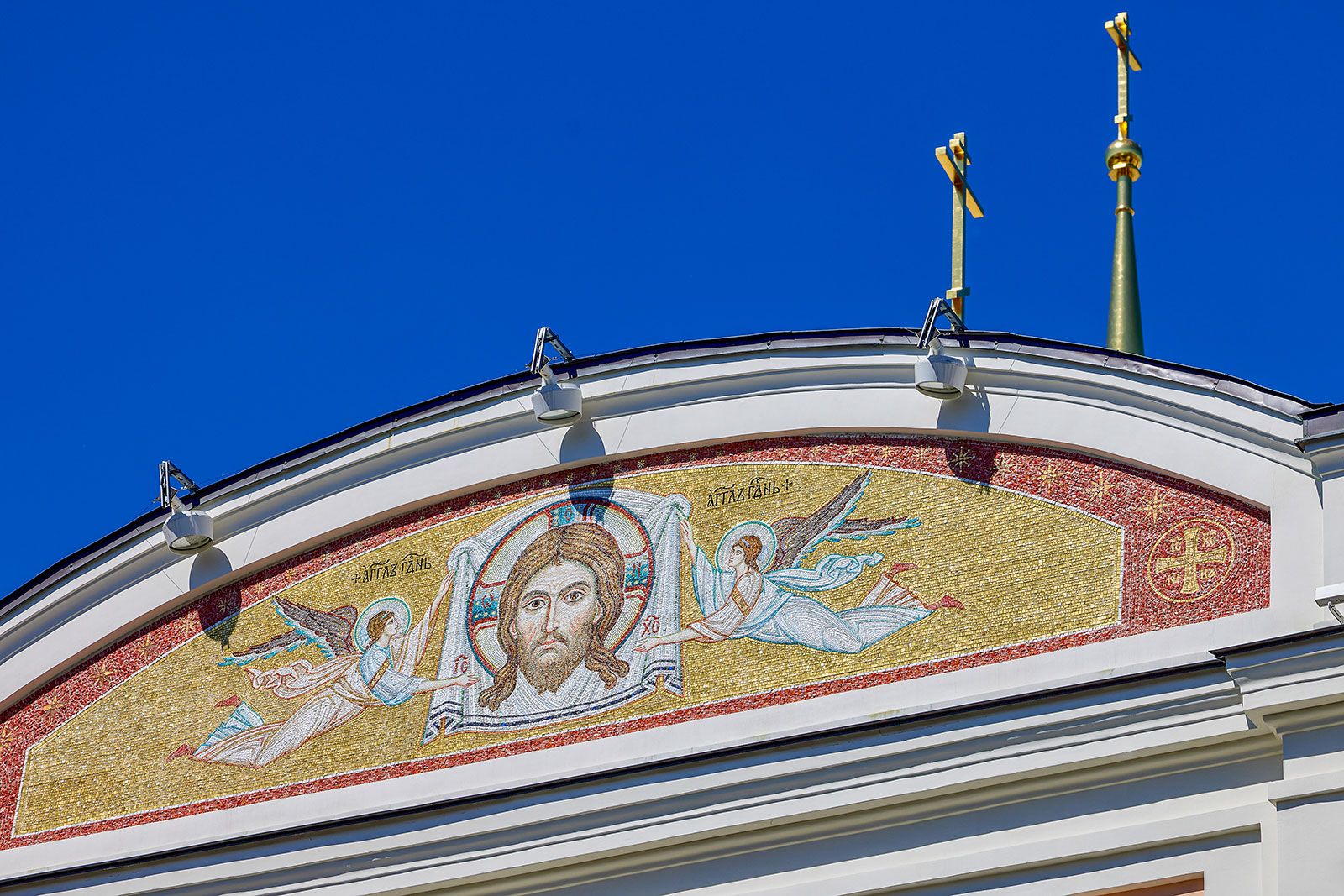
The painstaking cultural heritage preservation project spanned six years, involving various types of restorers, such as stonemasons, joiners, façade engineers, and refinishers. Restorers replaced the brickwork while preserving the authentic 16 th-century masonry and reinforced the structures using an injection method, forcing a special grout into the walls under pressure. Roofers created a watertight copper roof for the church with exquisite precision — largely by hand — while gilding specialists restored the gold finish on the crosses and domes.
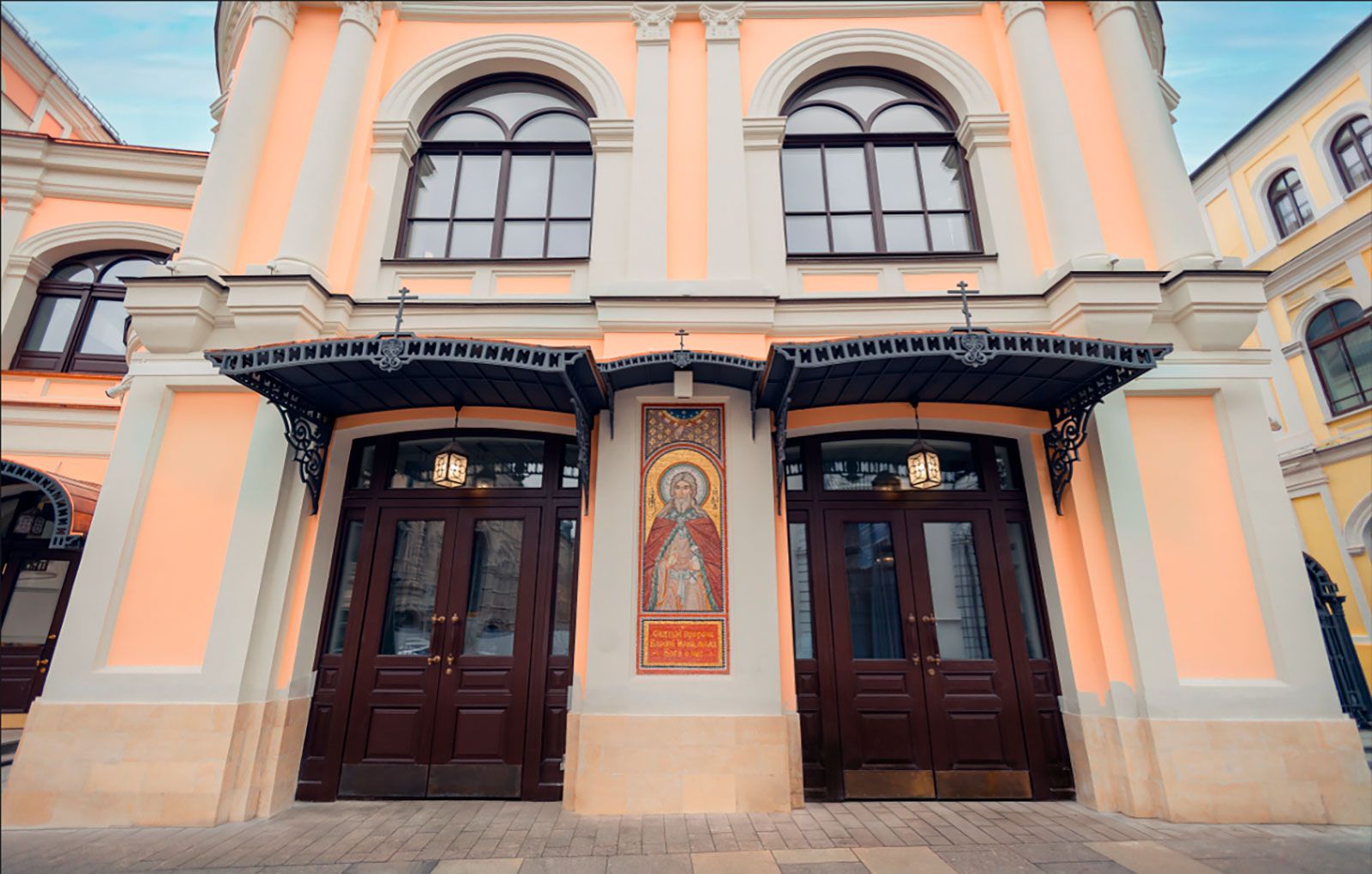
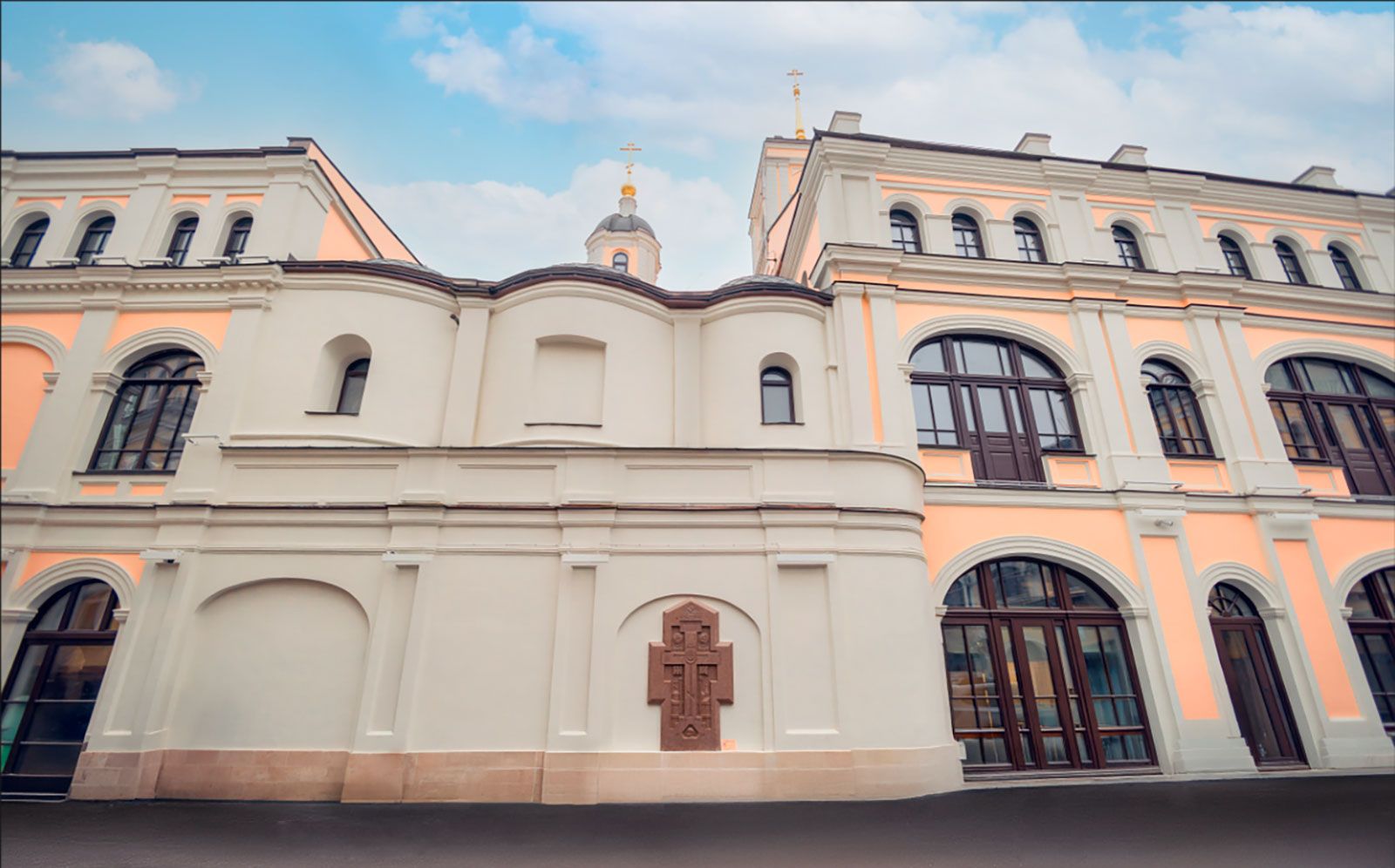
The lower church was buried in the late 19 th century and was discovered in the 2000s to be a scientific sensation. But only now, with the recent restoration project, has it gained back its original appearance to open its doors to visitors. As a result, the lower church, consecrated in the 18 th century in honor of the Apostle Timothy, will once again become an integral part of the architectural ensemble.
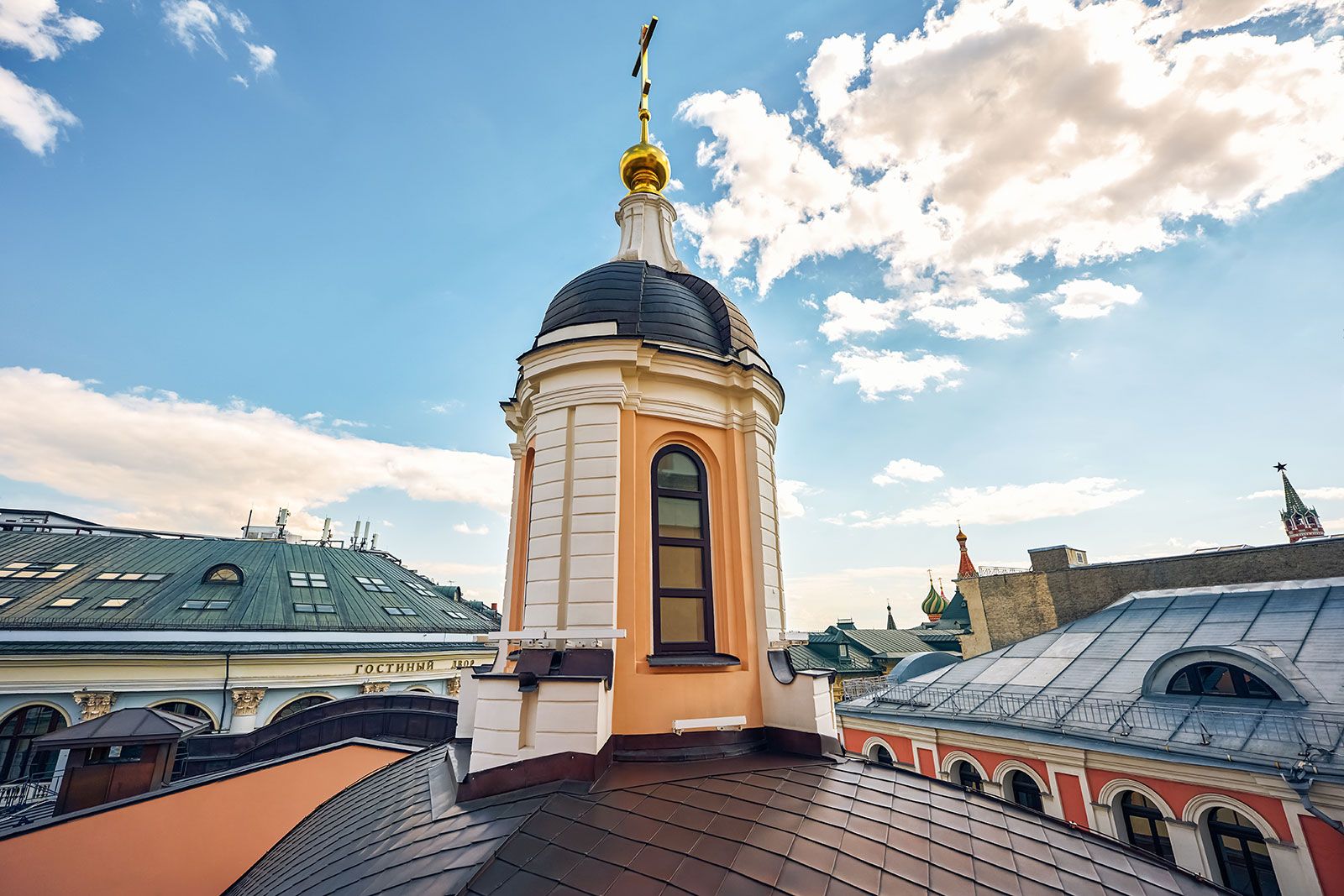
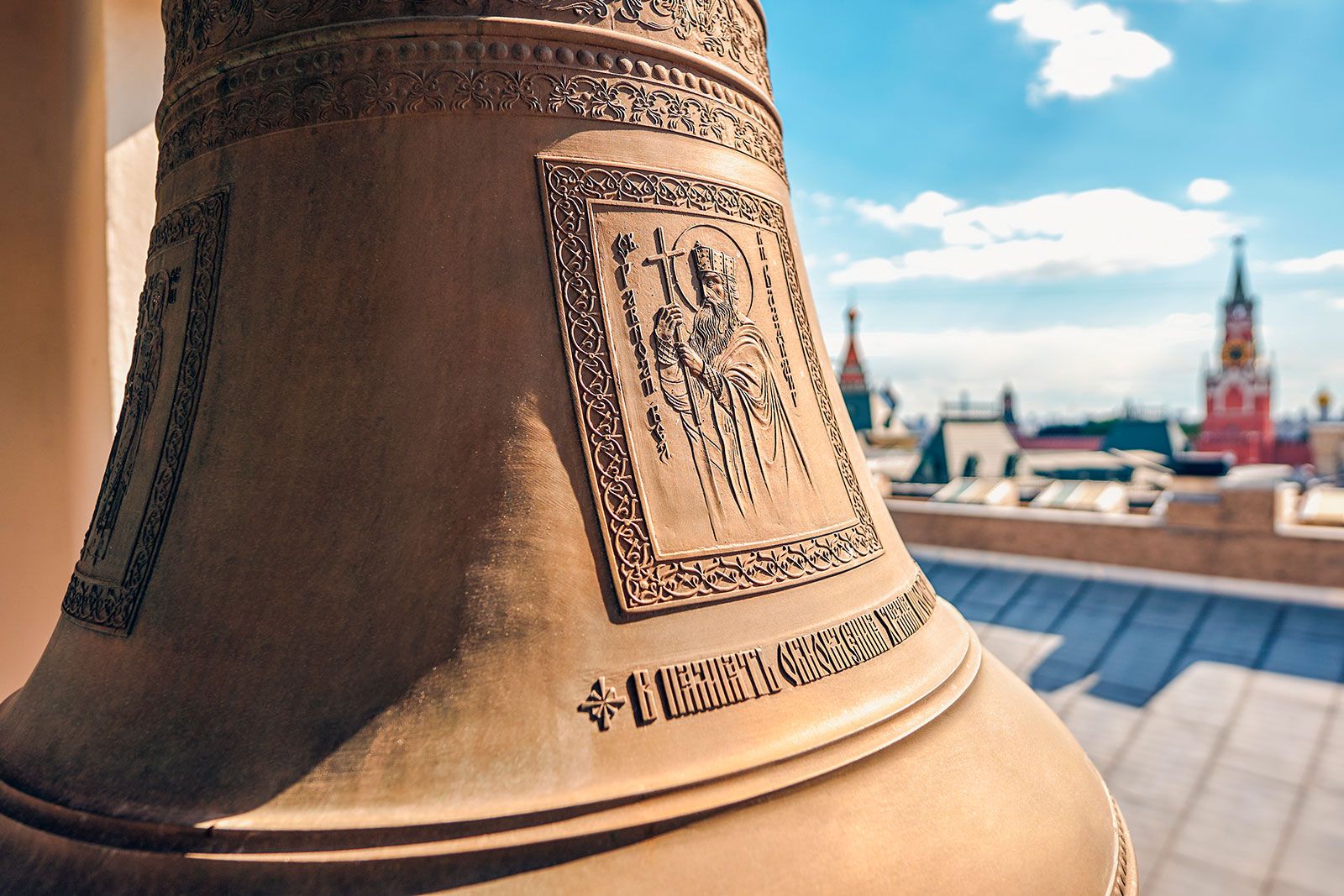
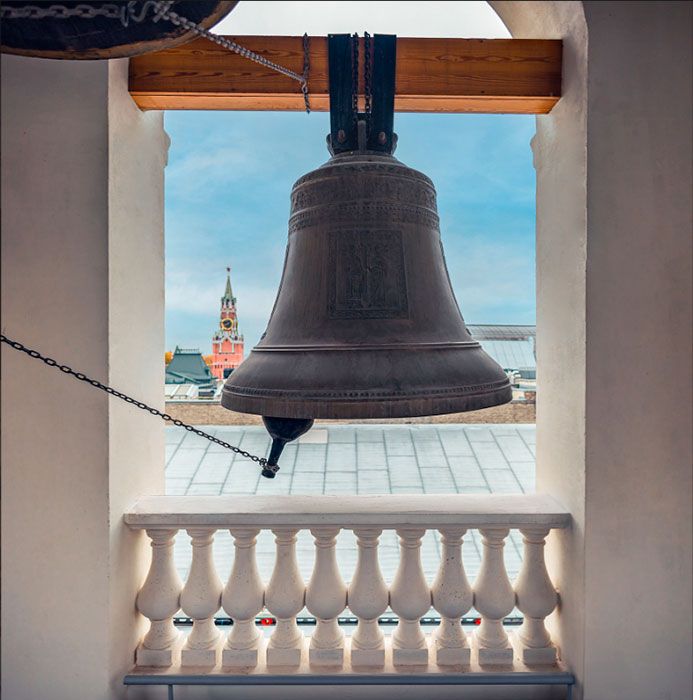
Using archival documents, restorers also renovated the bell tower and recreated its dome, cupola’s spire, and cross. The bells were cast by Ural craftsmen, and their sound was fine-tuned by Moscow bell-ringers.
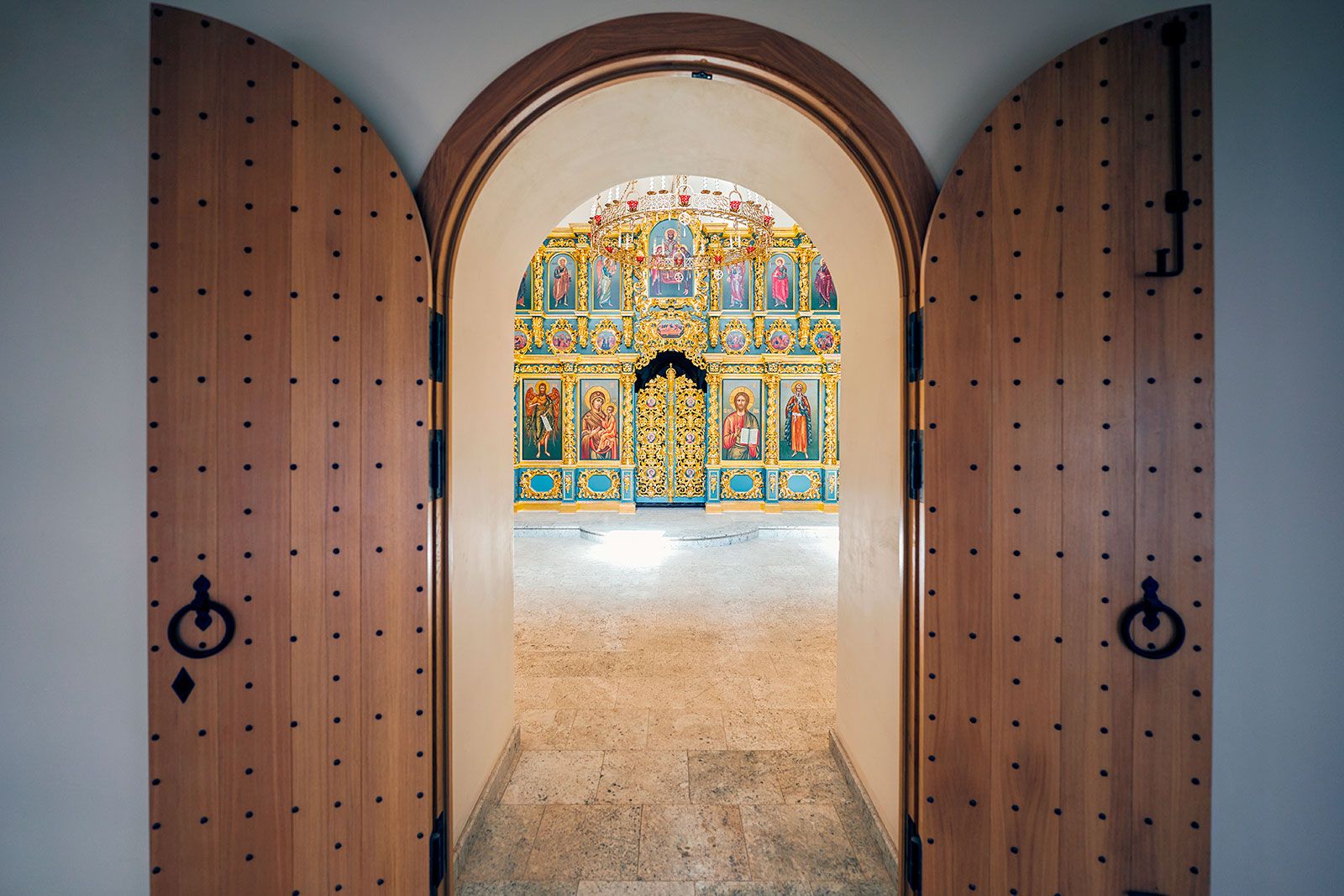
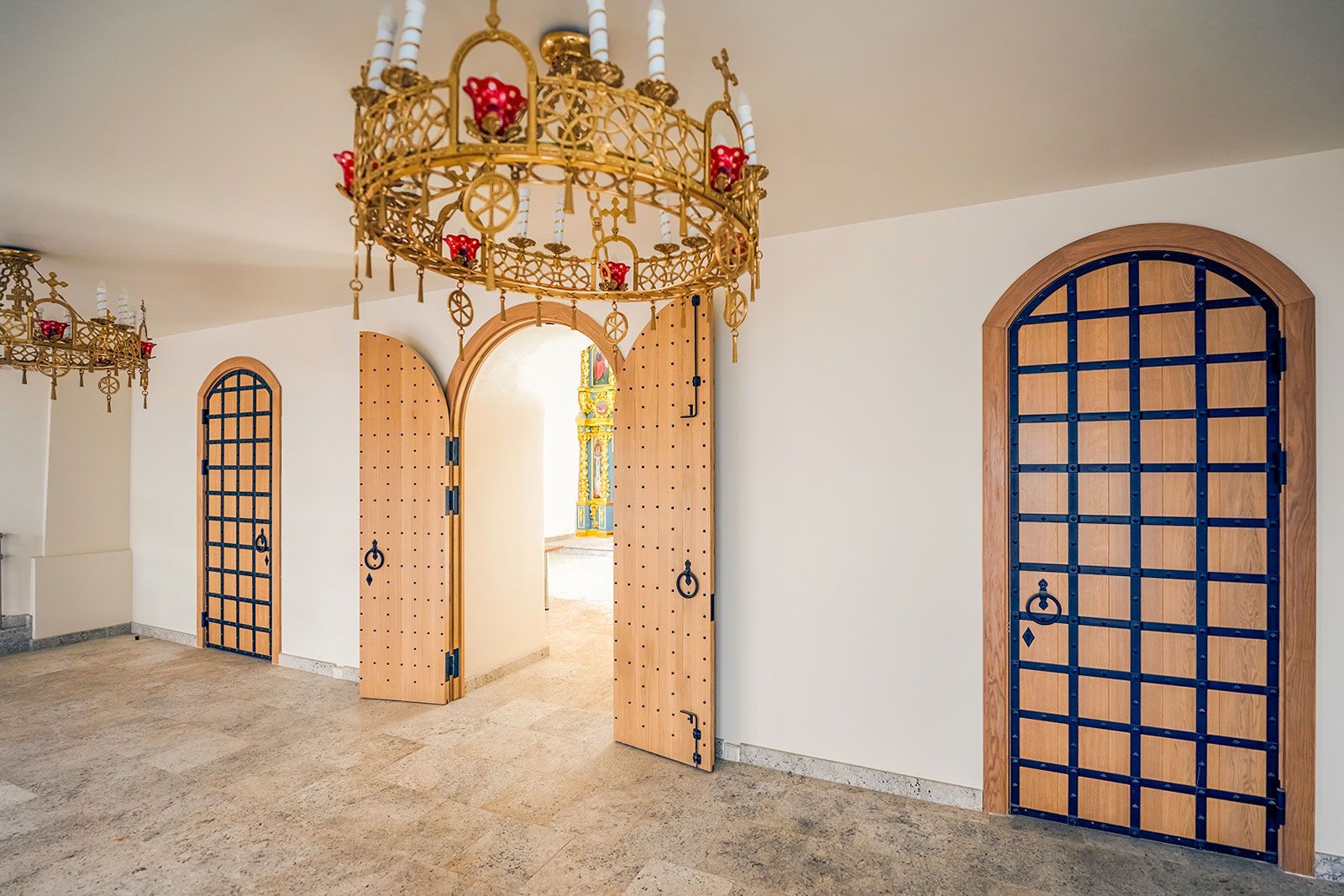
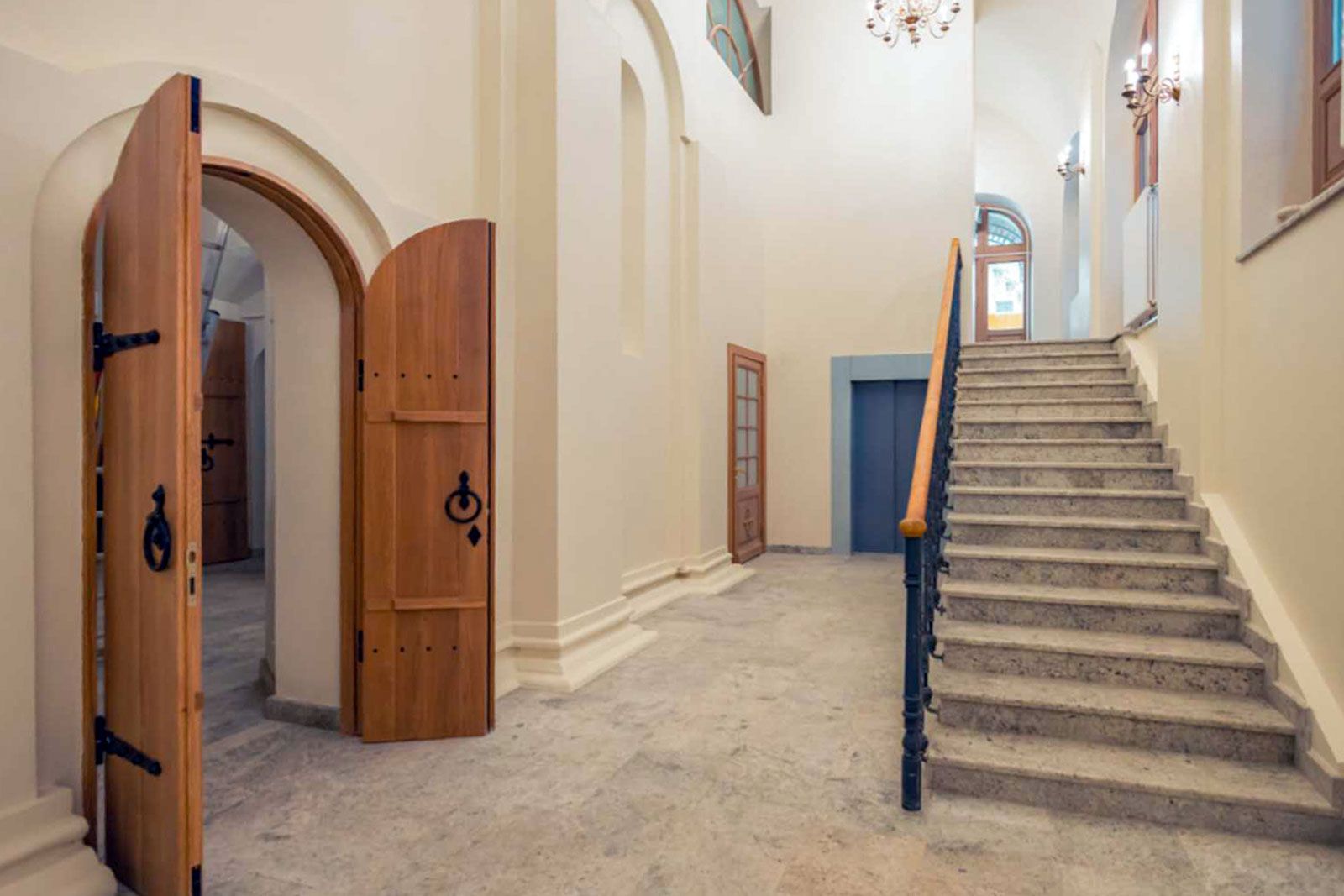
They also did a great job inside the church, uncovering and restoring doorways as they are described in archival materials.
During the restoration, workers rebuilt the lost gallery, thus restoring the church’s traditional composition, and added an entrance to the lower church.
It was decided to keep several restoration windows and exploratory openings in the walls and vaults, revealing the authentic 16 th-century masonry and highlighting the structure’s antiquity.
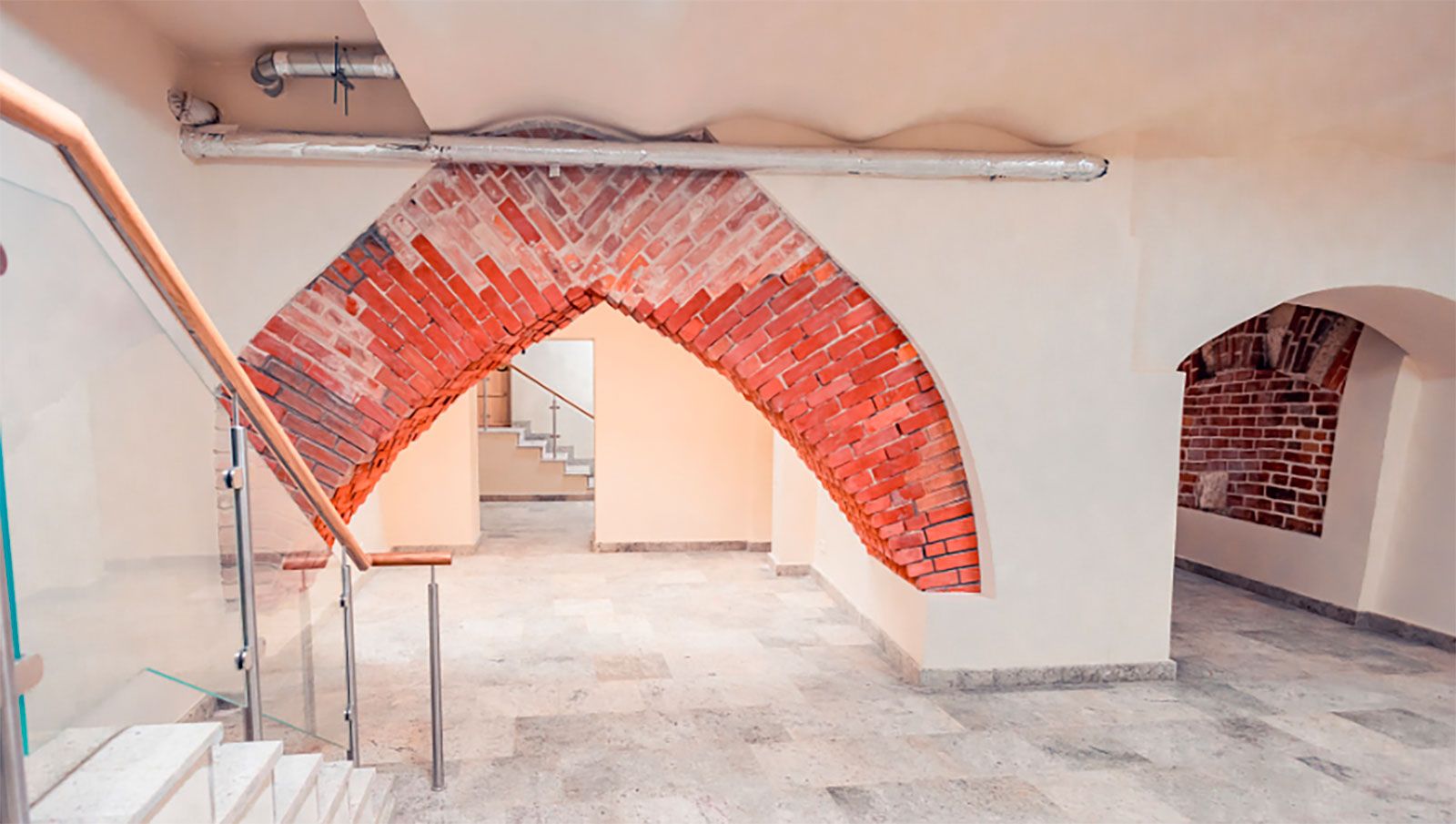
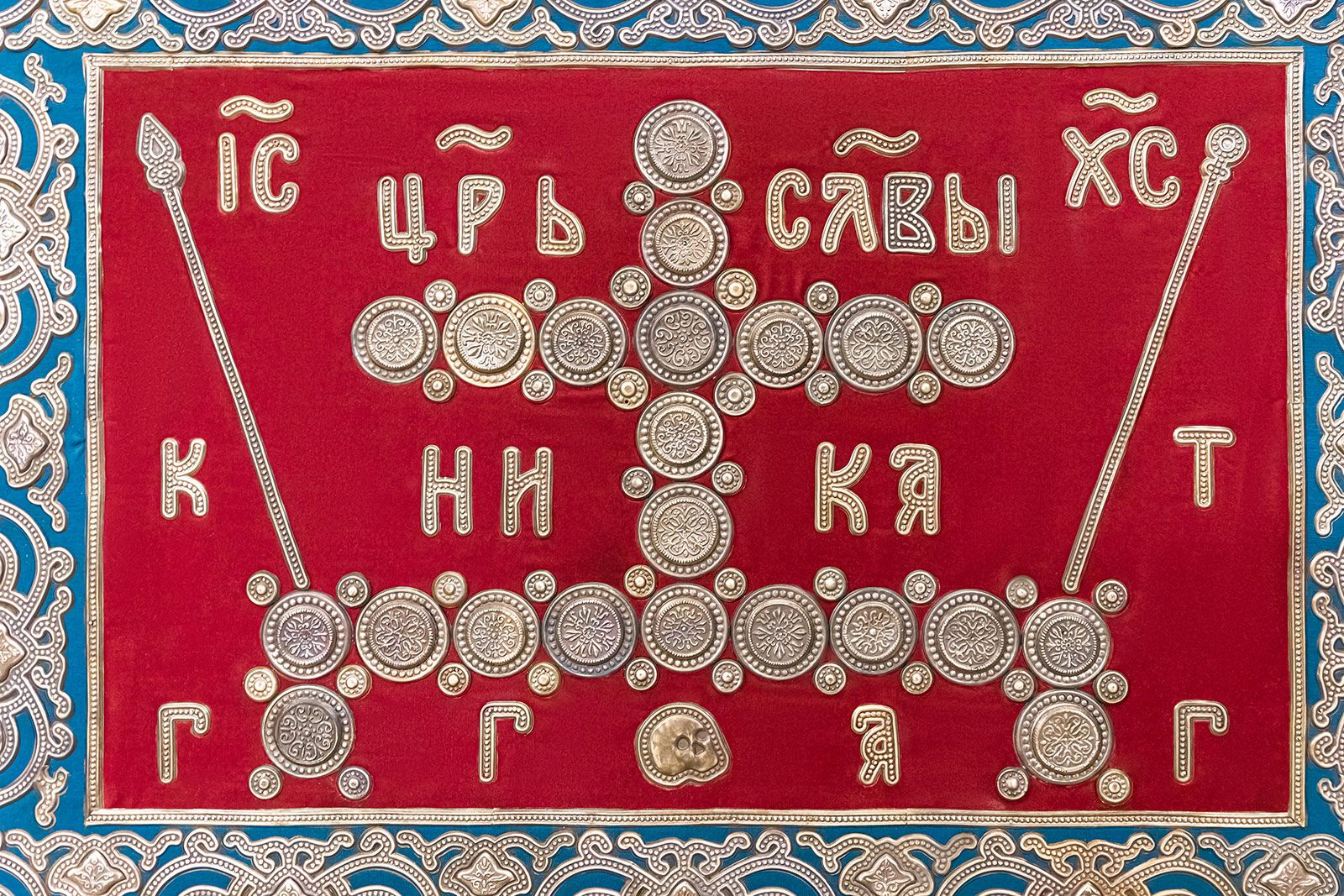
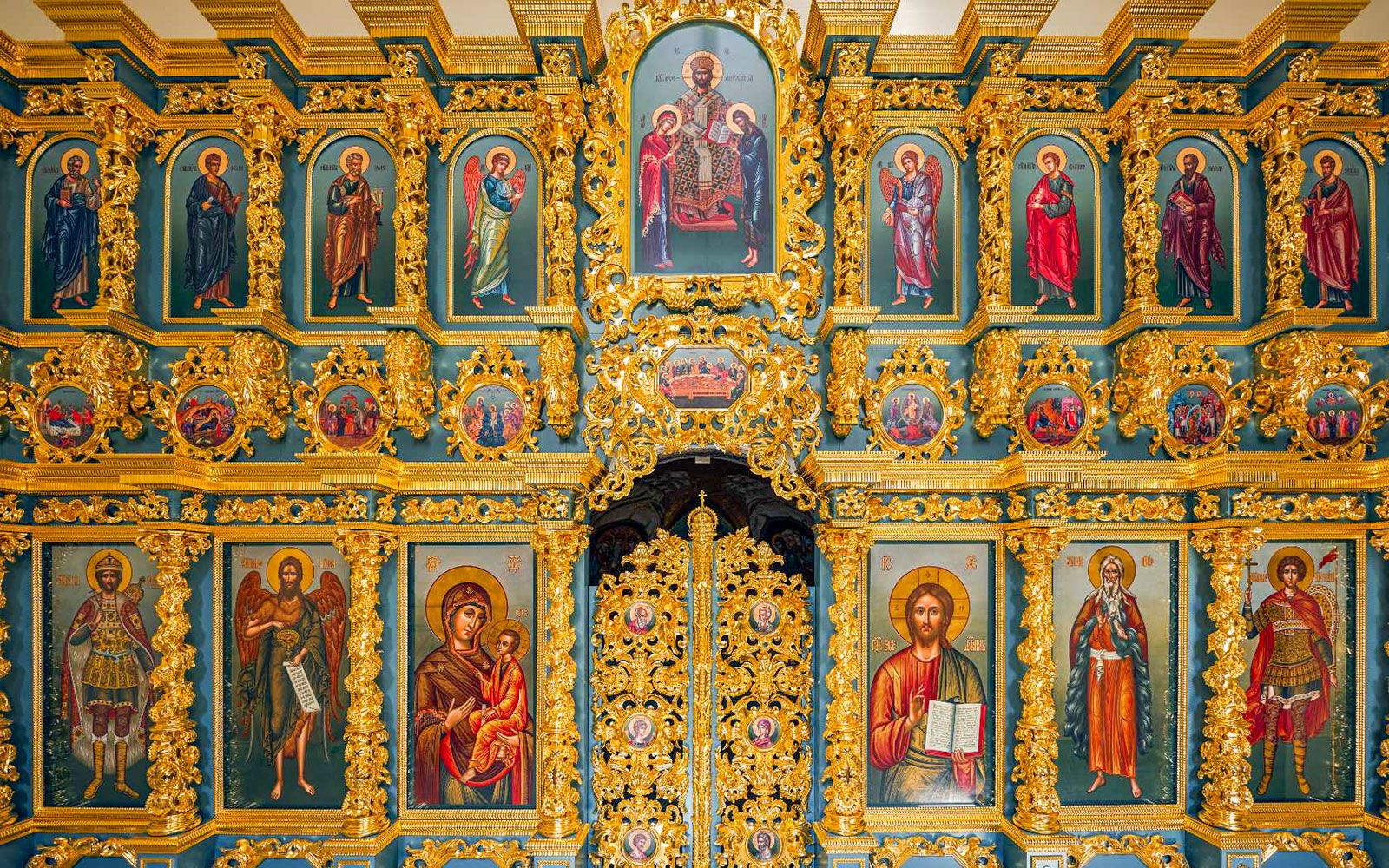
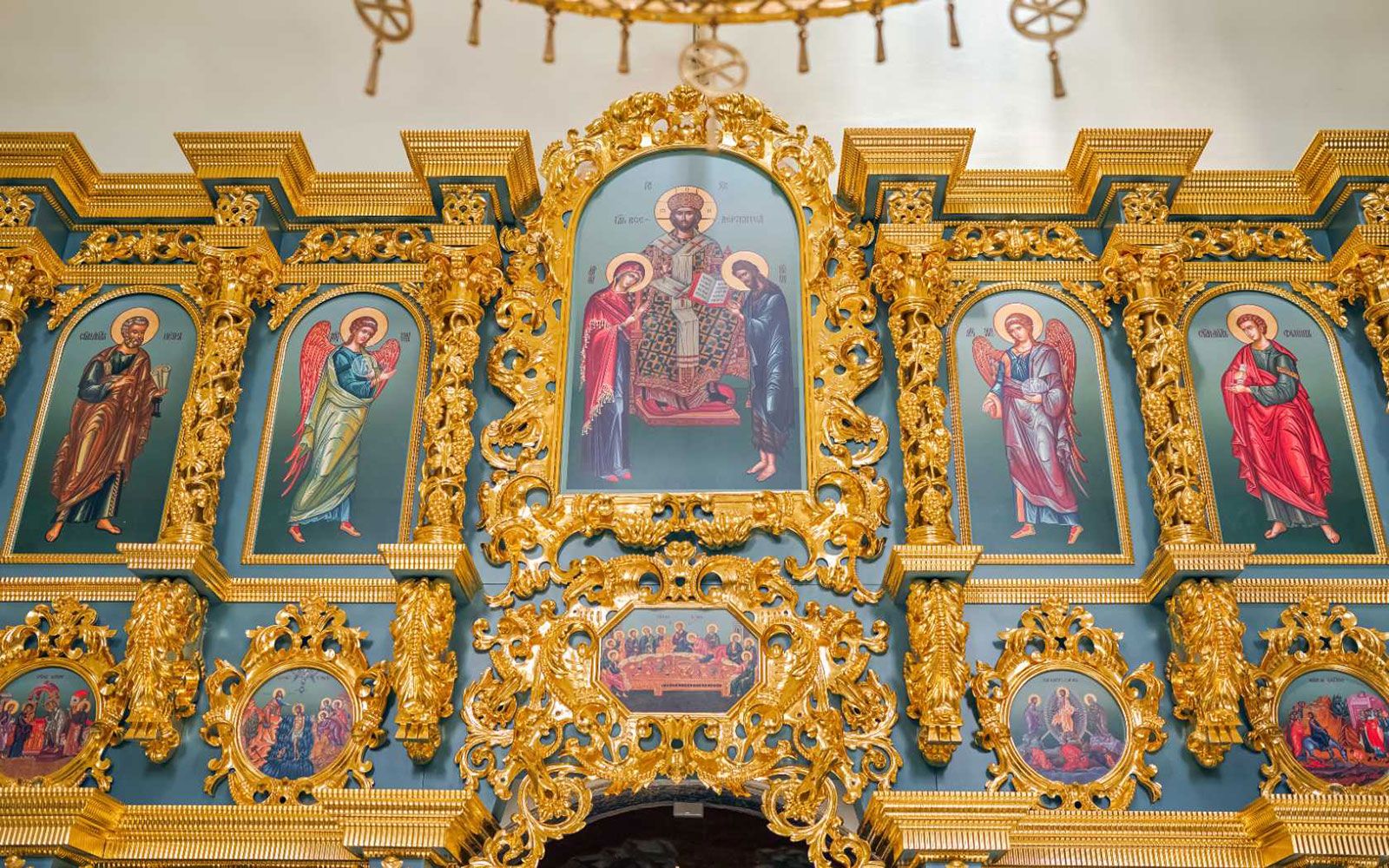
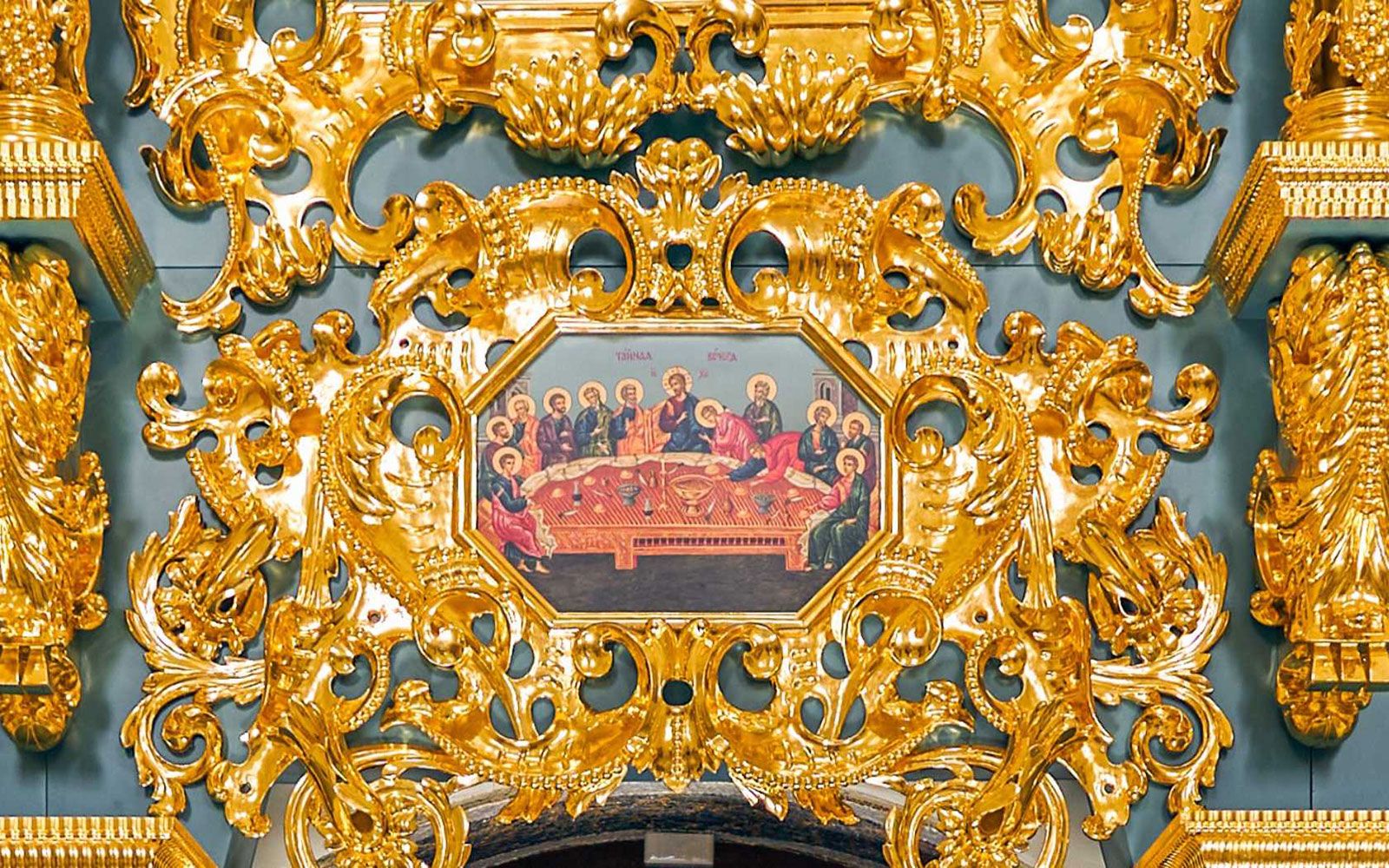
A particular focus was, however, placed on the recreation of the iconostases. In particular, they restored the intricate basma (a metalworking technique) of the iconostasis in the lower church and the decorative wood carving of the iconostasis in the upper church.
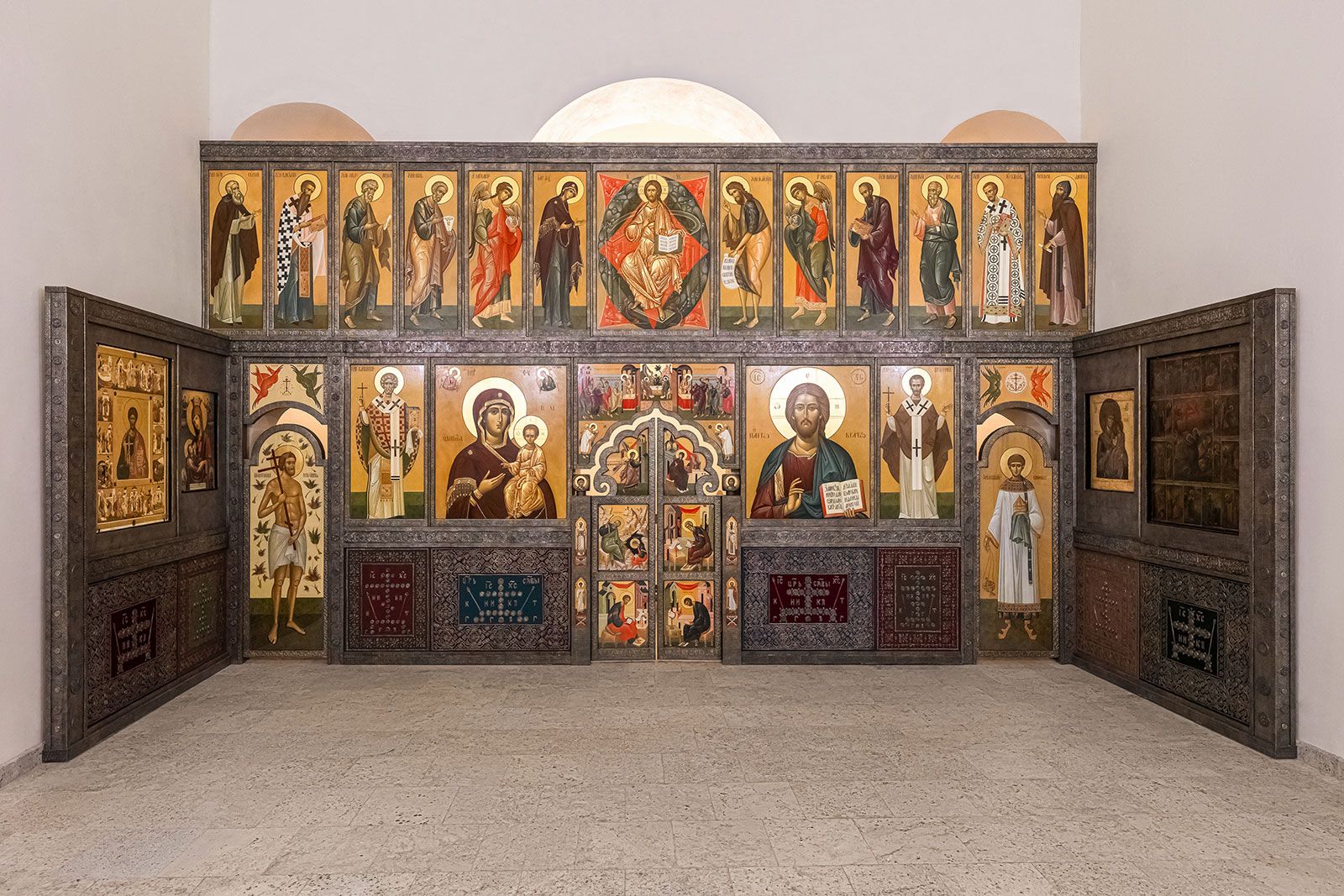
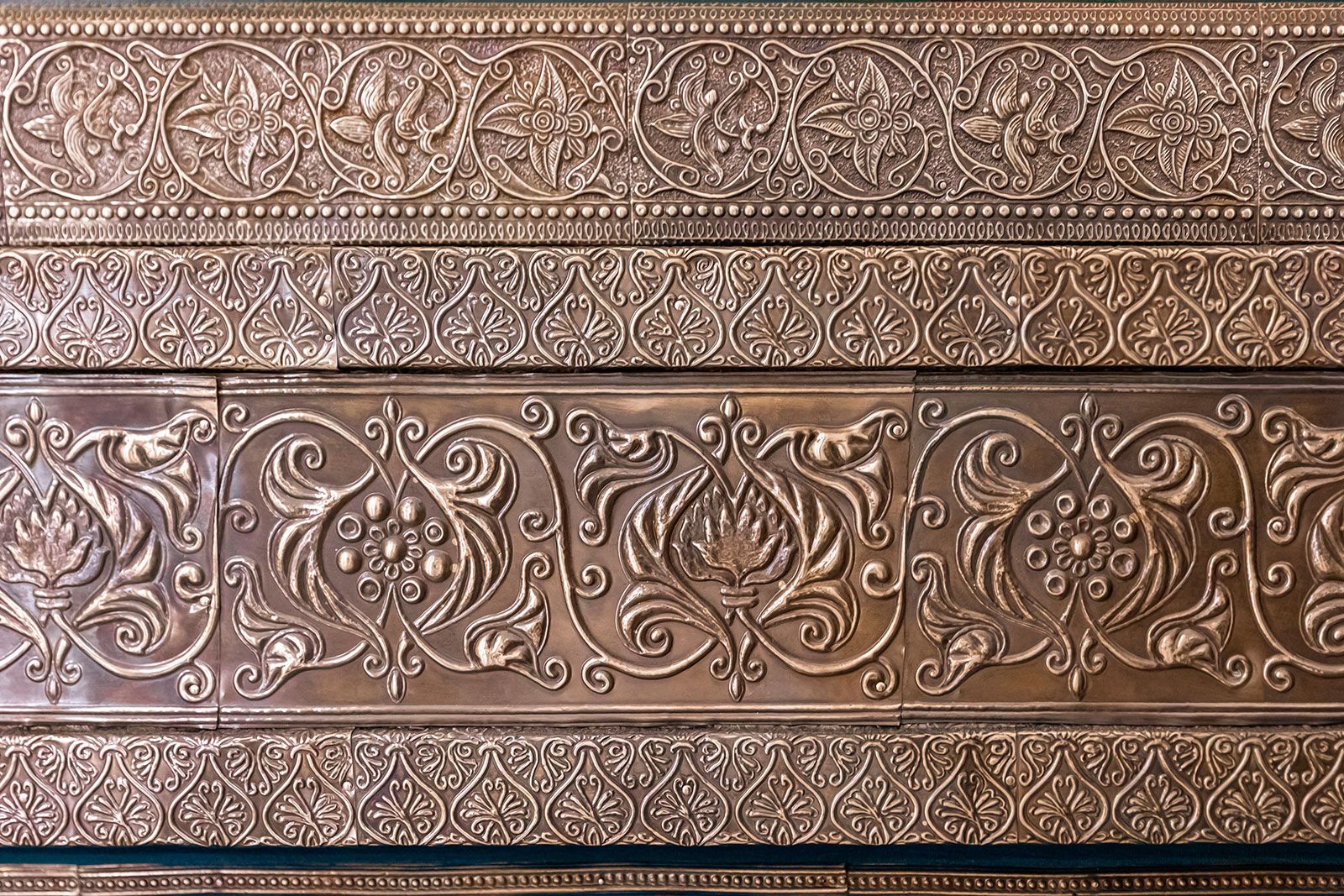
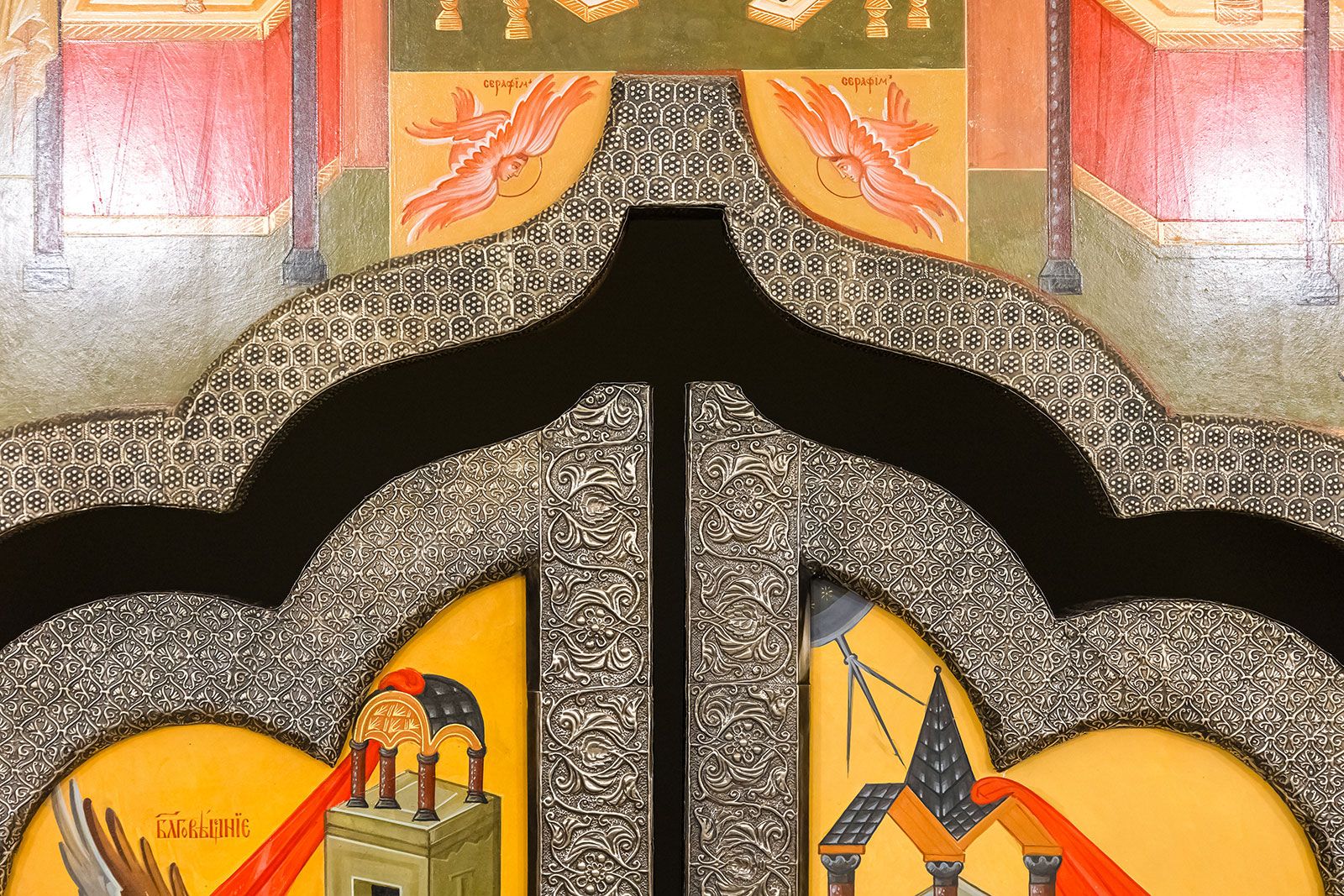
“The restoration of the Church of Elijah the Prophet is a prime example of cooperation between the municipality and religious communities in preserving the historical heritage of Moscow. Over the past fifteen years, our synergy helped to restore 117 religious sites,” Sergei Sobyanin wrote.
Today, Moscow’s restoration architects are working on 27 projects, aiming to renovate the historical appearance of local churches.