Sergei Sobyanin unveils Moscow’s transport roadmap 2026

Moscow Government reviewed the achievements and approved the action plan for strengthening the local transport system, Sergei Sobyanin writes on his MAX channel.
“Last year, the key achievement was the increase in rides on public transport to 70 per cent as Muscovites are increasingly switching from personal cars to public transport. In 2010, there were about three million cars on the roads per day, whereas in 2025 there are 2.79 million of them. Noteworthy, the number of cars registered in the region has grown by 60 per cent (+3.4 million cars) over these years. This is apparently due to the non-stop development of transport infrastructure and better passenger experience. We will continue work for all modes of transport this year,” the Moscow Mayor writes.
Source: Sergei Sobyanin’s MAX channel
Today, over 9.1 million cars are registered in Moscow and the Moscow region (vs. 5.7 million in 2010).
The total passenger flow on public transport increased by 250,000 rides on weekdays in 2025 compared to 2024; the number of unique passengers per day grew by 5.5 per cent compared to pre-COVID 2019-this is one of the highest figures in the world.
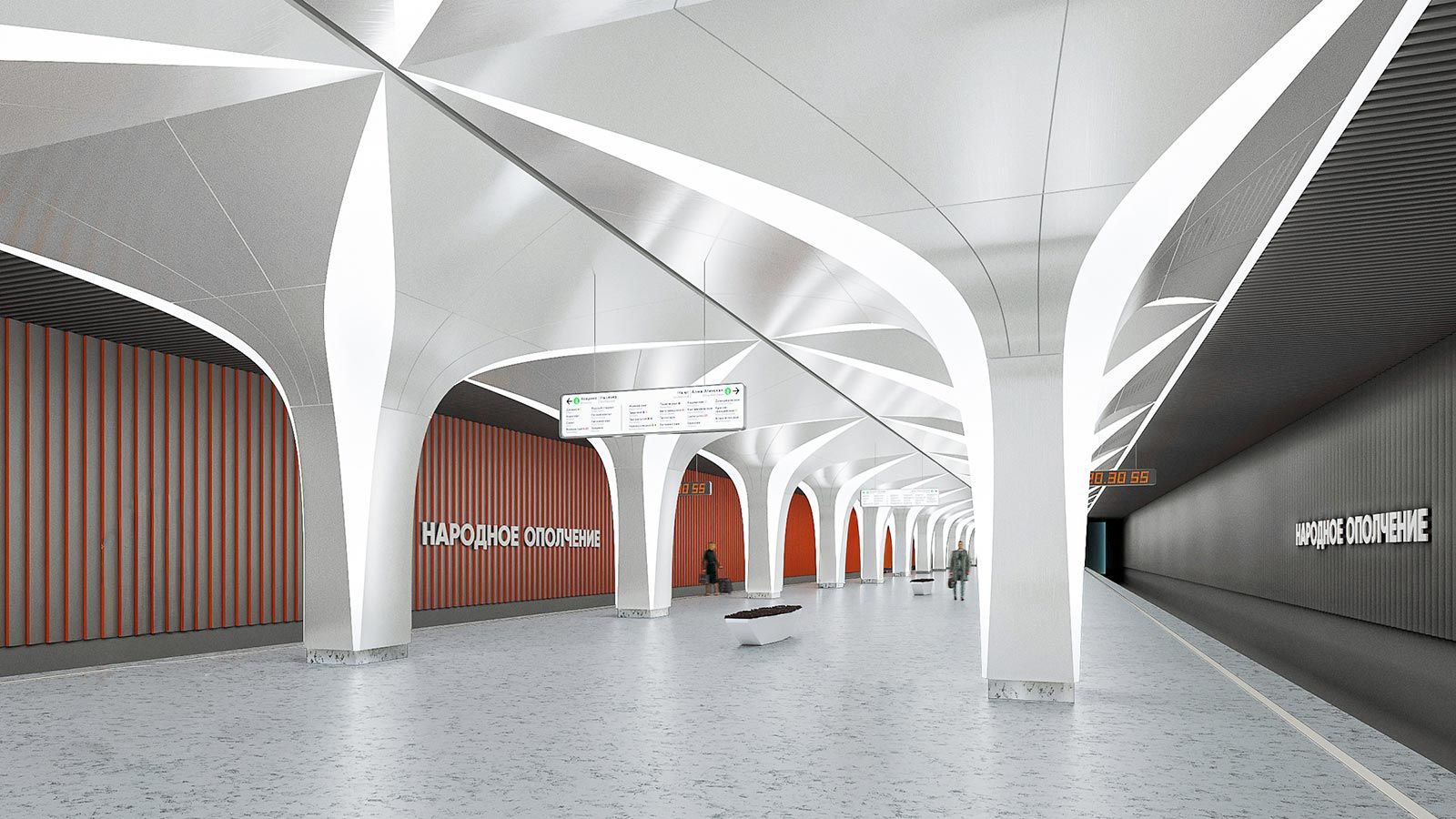
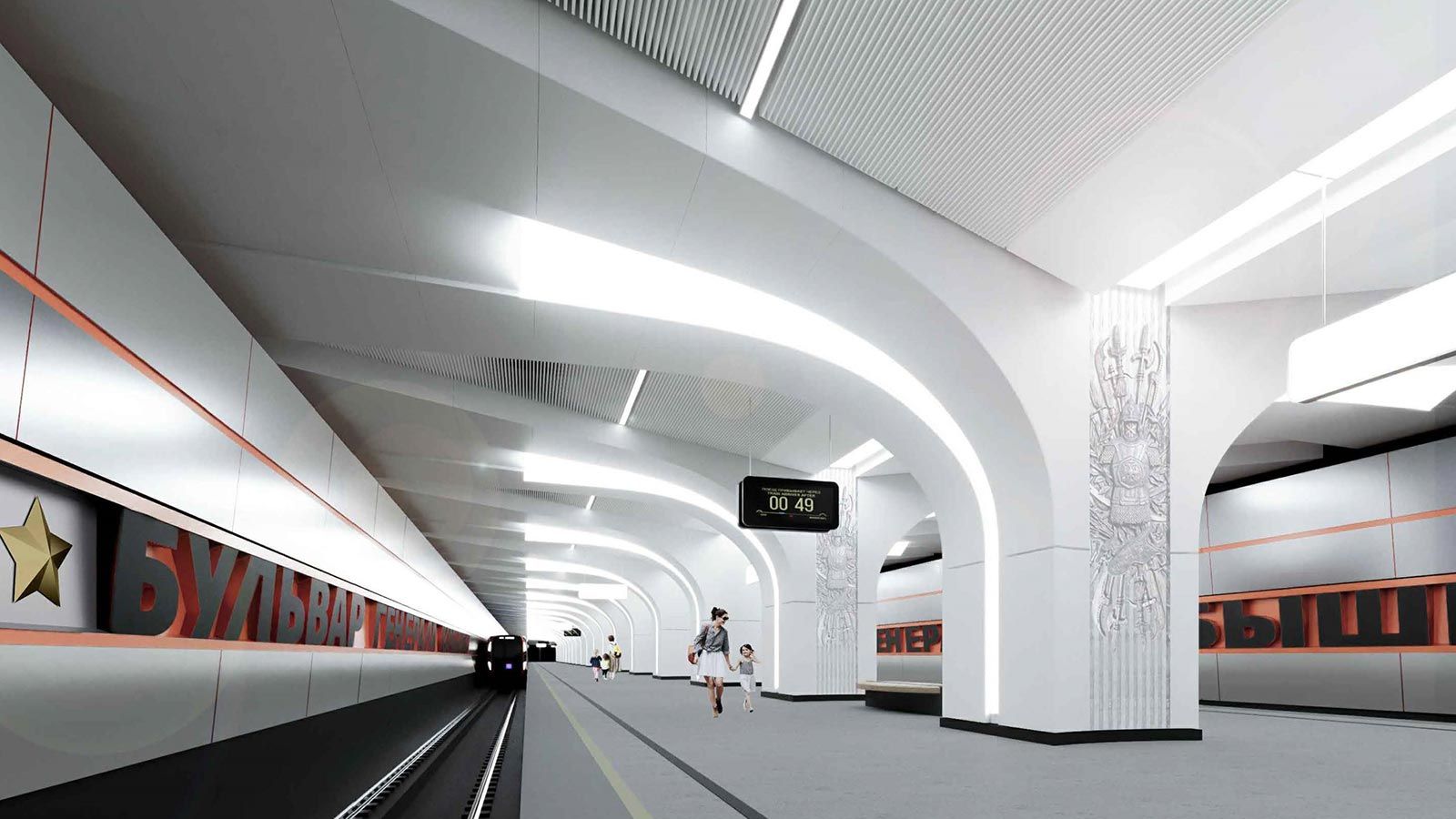
This year, the authorities are going to continue building up the Moscow Metro infrastructure, in particular, to launch the first section of the new Rublyovo-Arkhangelskaya Line with five stations, such as the existing Delovoy Tsentr and Shelepikha (the Big Circle Line, or the BCL), plus three more stations, namely, Zvenigorodskaya, Narodnoye Opolchenie, and Bulvar Generala Karbysheva. They will also continue to renew the existing fleet with 312 new Moscow-2026 train cars.

“We will continue the construction and reconstruction of Moscow’s commuter terminals, including Moscow-City, Serp i Molot, Zheleznodorozhnaya, Begovaya, and Tsaritsyno, the renovation of Leningradsky Railway Station, and the fleet renewal on the Yaroslavl line of the Moscow Railway,” Sergei Sobyanin adds.
In particular, 11 new trains will be bought for the Yaroslavl line of the Moscow Railway.
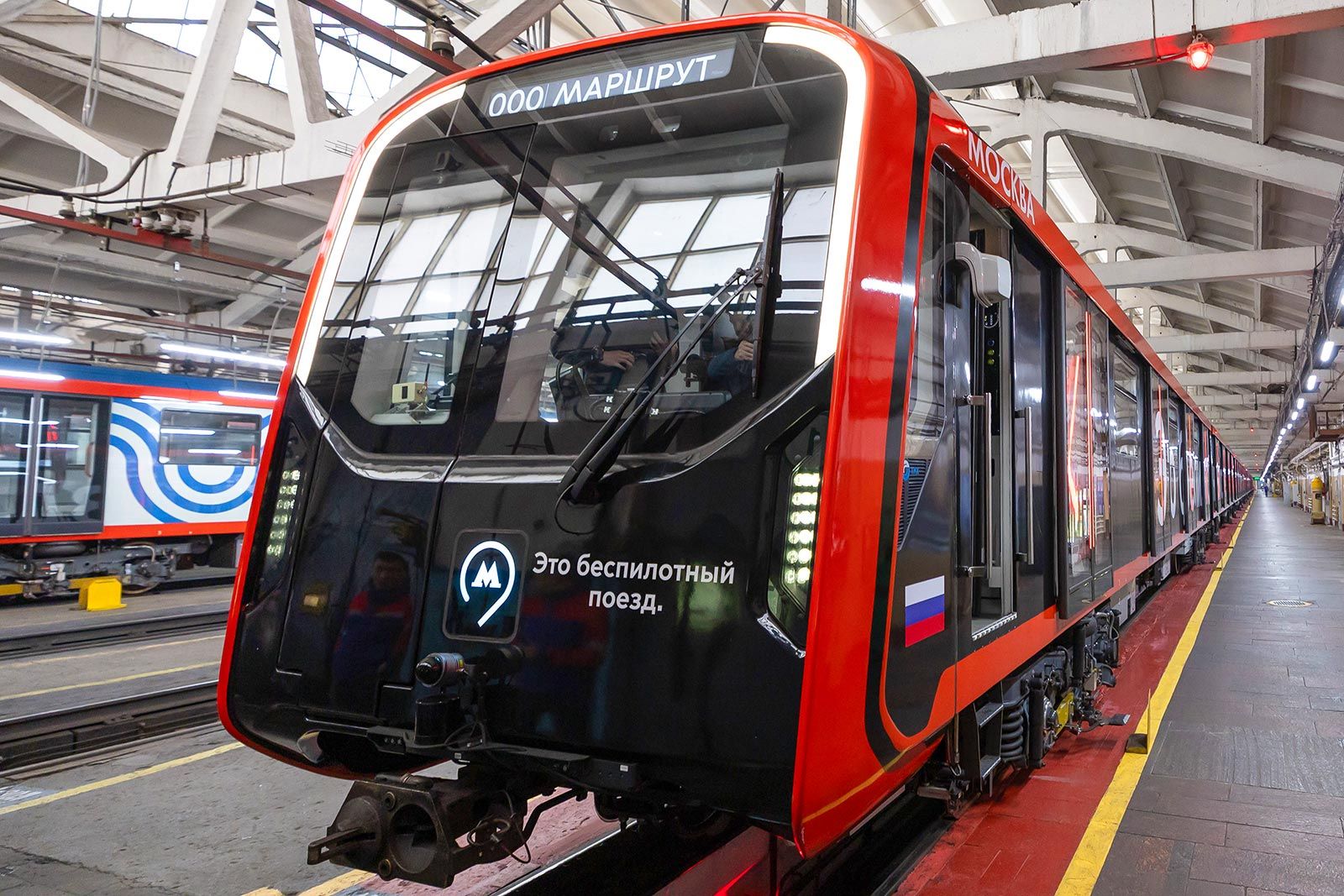
The first Russia-made Moscow-2024 based driverless metro train will continue its passenger-free test operation on the Big Circle Line, to be introduced into the schedule along with other trains, with 60-90-second intervals during peak hours by the end of the year; the passenger services are scheduled for 2027.
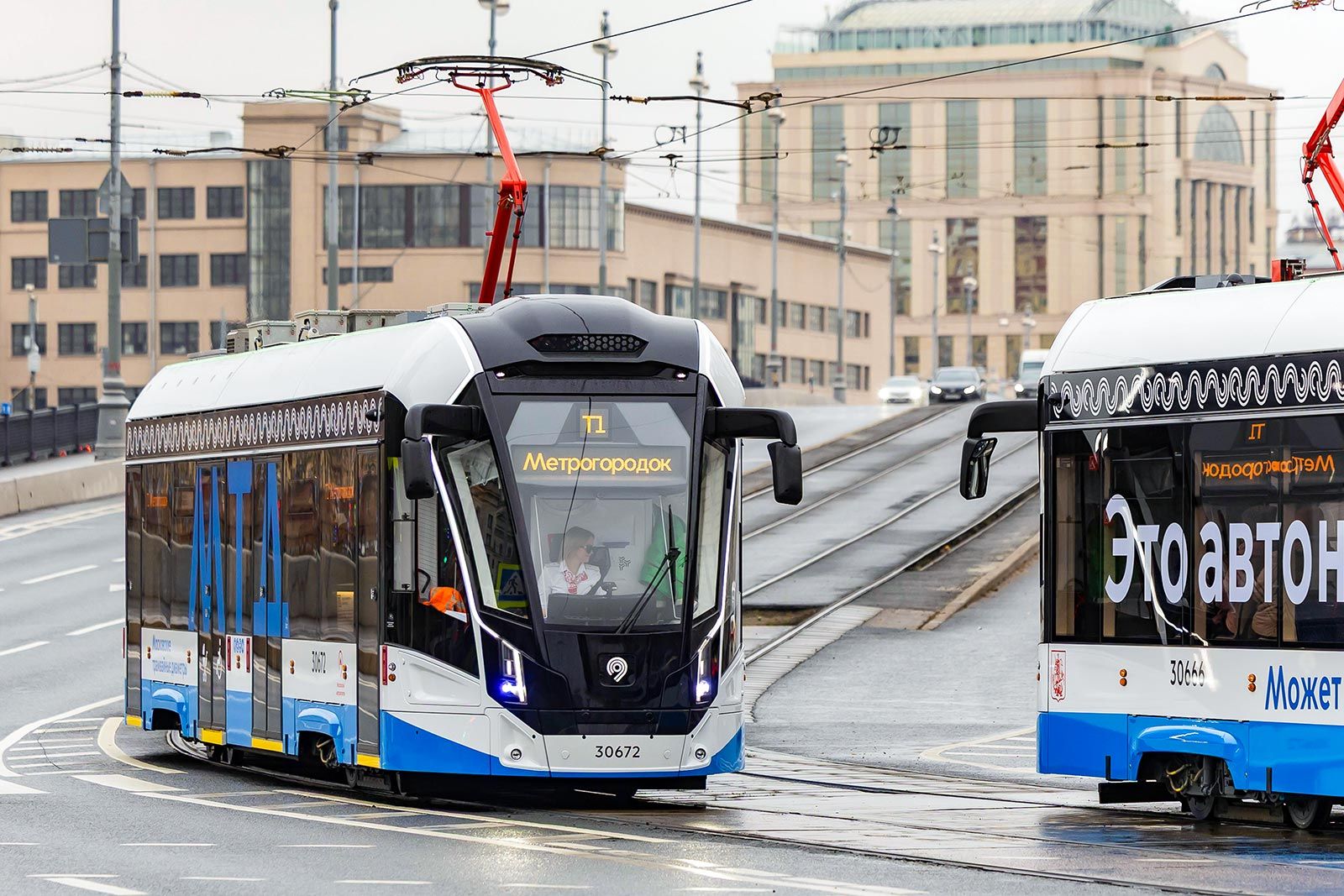
The city will get 11 more driverless trams, so there will be 15 of them. The tram fleet will be 100 per cent renewed in 2026, too, the capital to get 50 cutting-edge Lvenok-Moscow trams.
As part of the Moscow Tram Diameters program, the authorities will launch the T2 route between Novogireevo (MCD-4) and Chertanovskaya metro station.
The electric bus fleet will be further renewed, as well.
“We will receive over 400 electric buses, and the share of environmentally friendly vehicles on Mosgortrans routes will reach 45 per cent. The total number of electric buses will exceed 3,300,” the Moscow Mayor emphasized.
On top of that, over 50 new bus routes will be launched between Moscow and the Moscow Region to be serviced by more than 500 cutting-edge Russia-made buses.
Additionally, the fourth, Luzhniki — Kievskiy, scheduled boat service will be introduced on the Moscow River, the river fleet to be expanded with eight modernized Moscow-made electric vessels.
The Face Pay system will be installed at all MCD stations and, on a later stage, on ground public transport. The share of smart traffic lights will increase to 80 per cent.
Furthermore, the authorities will pioneer artificial intelligence in order to control the traffic of an entire residential neighborhood — in Northern and Southern Tushino — with a population of over 290,000 people.