Sergei Sobyanin: 100 kilometers of roads were constructed in Moscow in 2024
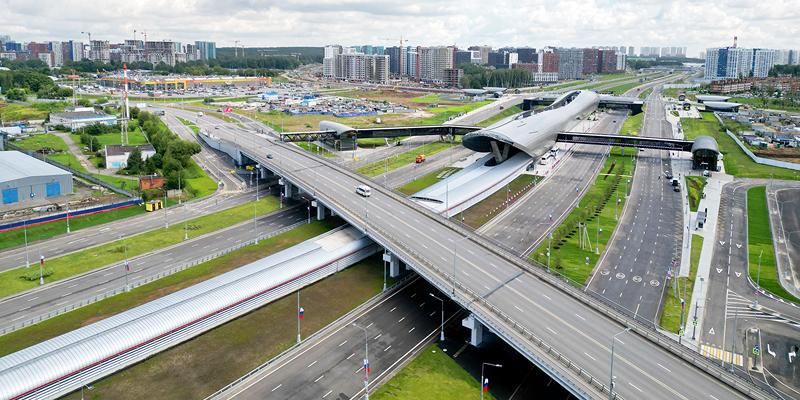
Moscow is developing its street and road network and an intercity bus service. Sergei Sobyanin introduced the news in a post on his Telegram channel.
“Last year, 100 kilometers of roads were constructed. The significant infrastructure projects completed include traffic interchanges at the intersection of the Moscow Ring Road with Verkhniye Polya Street and Altufievskoye Highway, the extension of the southern direction of the Moscow Ring Road beyond the Moscow Ring Road, and the construction of a section of the Solntsevo — Butovo — Varshavskoye Highway from Novomoskovskaya metro station to Edvard Grieg Street,” wrote the Mayor of Moscow.
Source: Sergei Sobyanin’s Telegram channel @mos_sobyanin
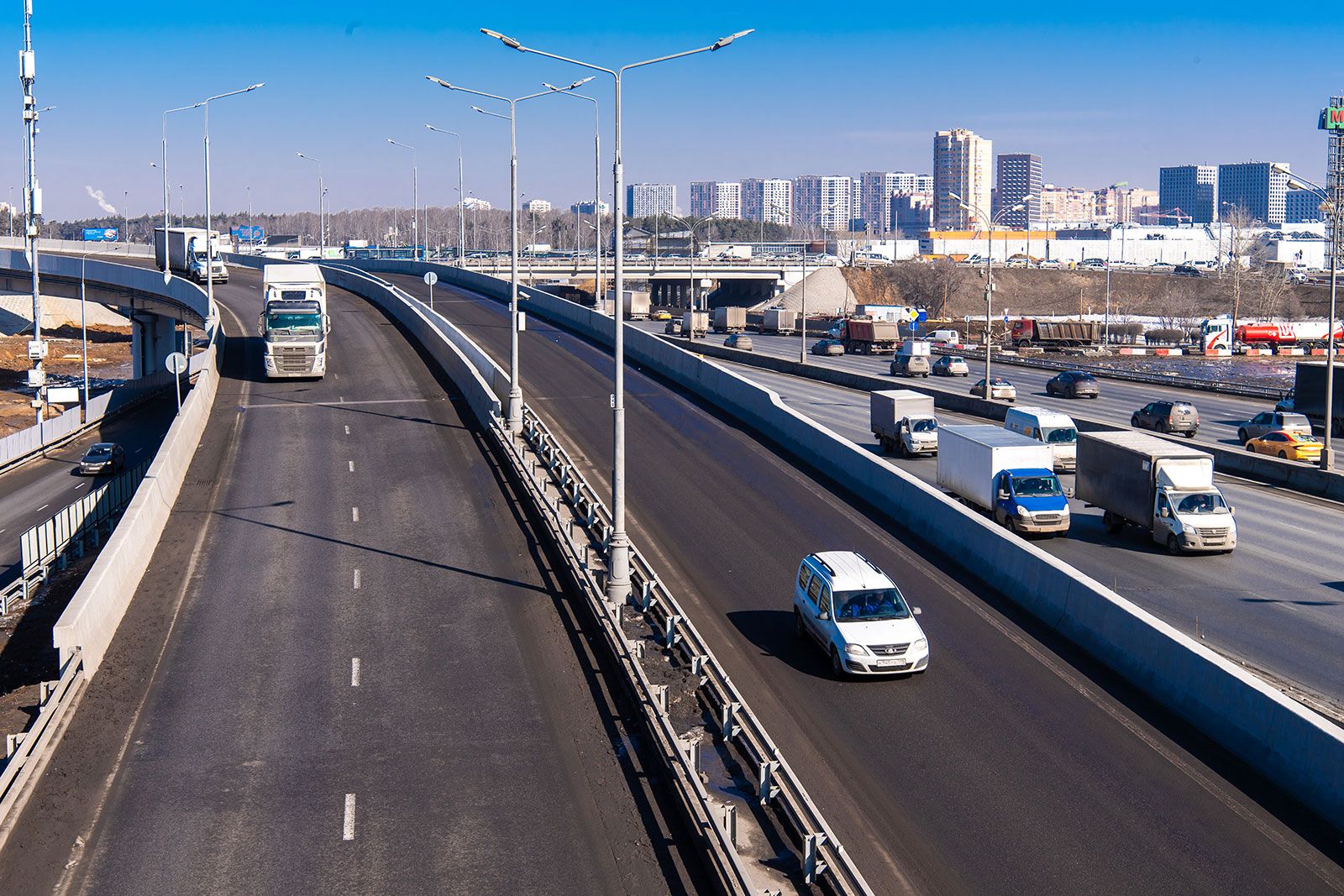


Last year also saw the development of 19 barrier parking lots, including nine intercept parking lots. The paid city parking lots located on Tverskaya Zastava Square, Ilyinka Street, Rozhdestvensky Boulevard, Nikitsky Pereulok and Novaya Square have introduced a dynamic pricing, according to which the cost of parking changes depending on the anticipated number of free spaces. As a result, drivers can park their cars in the city center at a minimal cost when the parking lots are not full.
Today, more than 95 percent of drivers in Moscow pay for parking via the Parking Russia app (about 10.4 million downloads). In 2024, the app added additional functions: users can now use it to pay tolls on the MCD and Bagration Prospekt and also to open barriers in city courtyards. Moreover, in addition to Saint-Petersburg, four districts in Moscow region (Krasnogorsk, Reutov, Korolev, Vidnoye) and Kislovodsk joined the Parking Russia. In 2025, it is planned that more cities will be added to the app, the dynamic pricing zones will be expanded and new facilities will be added to the list of those which can be paid for using the app.
Last year, dedicated lanes with a total length of more than 30 kilometers were put into operation, thus reducing journey times for users of urban public transport by 50 to 75 percent. In addition, dedicated lanes help reduce traffic accidents by an average of 25 percent.
Now the operation of more than 50 percent of the capital’s traffic lights is regulated with the help of artificial intelligence.
The capital has created the “Green Ring,” a bicycle route 129 kilometers long, along which more than 100 thousand cyclists rode in 2024.
In recent years, Moscow’s bus stations have become a reliable channel of inter-city transport, given the restrictions on flights to the south of Russia. Every day more than 70 buses depart from each bus station, carrying about nine thousand passengers per day.
The main city carrier, Moscow Metro SUE, operates five bus stations — Severnye Vorota, Yuzhnye Vorota, Salaryevo, Tsentralny and Krasnogvardeysky.
In total, more than three million passengers were carried in 2024. The most popular destinations are Tsentralny — Kirzhach (127,000 passengers), Krasnogvardeysky — Novomoskovsk (115,000 passengers) and Krasnogvardeysky — Donskoy (95,000 passengers).