Chicks of rare Humboldt penguins born in Moscow Zoo
.jpg)
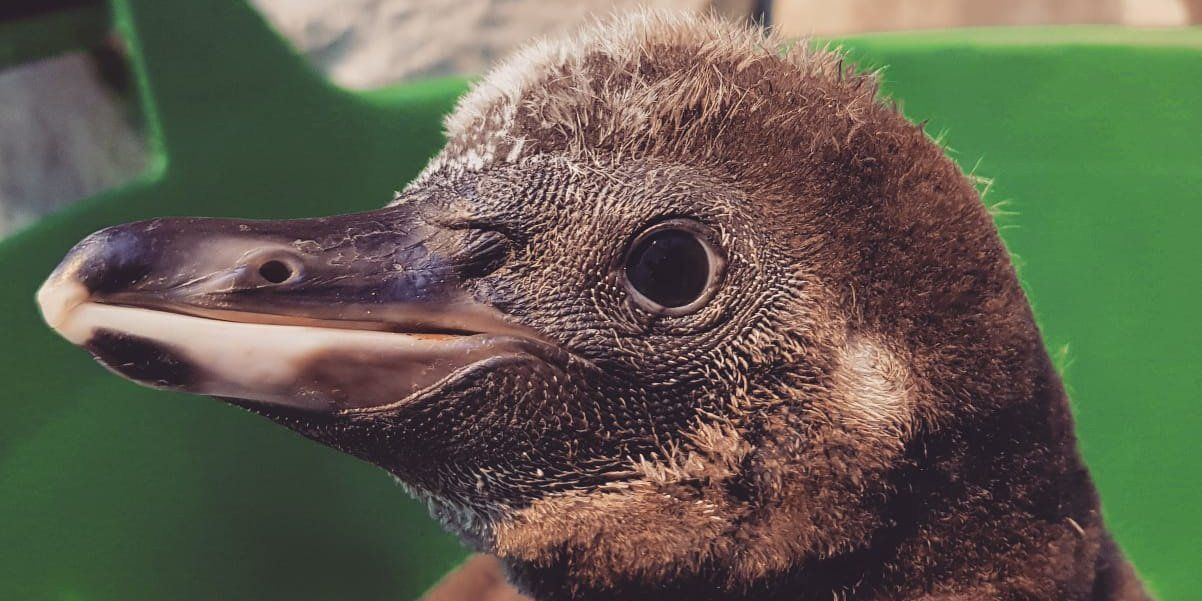
Five Humboldt penguin chicks were born in the Moscow Zoo. This species is on the IUCN Red List of Threatened Species as Vulnerable. The Moscow Zoo is now home to the largest group of Humboldt penguins in Russia, consisting of nine breeding couples and more than a dozen birds of different ages — from chicks to grown-up penguins. Together with five newly hatched chicks, there are 35 individuals in the family already.
.jpg)
'Humboldt penguins have been in our Zoo's collection since 1997, and since the early 2000s, our ornithologists regularly get offspring from these rare birds. Newly born chicks spend almost all their time in burrows made of different-sized stones. Parents take turns bringing them fish. Now and then chicks come up to the surface and explore the world around. They disguise themselves as stones thanks to the grey down that still covers their bodies. After penguins have their down replaced with dense plumage, they will be able to dive into the water. In about two weeks, the penguins will start learning to swim in the pool with their adult relatives. Visitors can watch the growing chicks in the old part’s Bird House,' said Svetlana Akulova, Director General of the Moscow Zoo.

As soon as chicks come out of their burrows more often and get used to their enclosure, ornithologists will teach them to pick up food on their own, not from their caring parents' beaks. The chicks have already got used to zookeepers, who examine and weigh them regularly. Grown-up birds will be transferred to the leading Russian and foreign zoos. Humboldt penguins born in the Moscow Zoo have already joined the zoos’ collections of Izhevsk, Novosibirsk, Voronezh and Tenerife.
Humboldt penguins were named after the prominent German physicist, meteorologist, traveller and zoologist Friedrich Wilhelm von Humboldt. In the wild, the birds nest on the western coast of Latin America, from Peru to Chile. They breed and form huge colonies of hundreds and sometimes thousands of individuals on the rocky shores of the Pacific Ocean. Like other penguins, they cannot fly. According to ornithologists, the natural population of Humboldt penguins has some 32,000 individuals now.
Birds of this species have black-and-grey plumage on the back and white feathers on the chest. There is an unusual pattern on the black head — white stripes running from the eyes down to the neck. Humboldt penguins are distinguished by a black stripe running across the white breast. These birds weigh 4 to 5 kg on average. They feed on garfish, herring, sardines, large anchovies and squid.
Year after year, adult birds nest in one place with one and the same partner. Each couple remembers the location of their nest, their neighbours, and distinguishes their chicks by voice. Humboldt penguins often hunt together for large schools of fish.
To save this rare species from extinction, the European Population Programme was launched, as well as studbooks of the European and American Association of Zoos and Aquariums. The Moscow Zoo has been actively involved in creating a stable and genetically diverse reserve population of Humboldt penguins for more than 20 years.
Last year, over 1,000 young were born in the Moscow Zoo. These include African ground hornbills, common trumpeters, Humboldt penguins, Kirk's dik-diks, Eurasian lynx, East Caucasian turs, crocodile newts, and other animals. Sumatran orangutans, bharals, Mexican beaded lizards, fur seals, and lion-tailed macaques had their young, too.
This year, rare Dalmatian pelicans were born in the Zoo. Two couples of birds got offspring, each hatched one chick. You can see them in the Birds and Butterflies pavilion. In spring, chicks and their parents will move to the open-air Swamp aviary to learn to swim and fish. The family of bush dogs have also had their young. Female Freya and male Witzli have three pups. They are now strong enough to go to the outdoor enclosure and explore the world around. Besides, puppies of the maned wolf, one of the rarest representatives of the Canidae family, were born. In the wild, they reside in grassy and shrub South American savannahs. Cubs are playful, active and curious, they have already started to go out into the open part of the enclosure to bask in the sun in clear weather. You can see them in the old part next to the musk oxen's enclosure.