Horned brick, temple ring and tsar tank. Five stories of archaeological finds stored in Moscow museums

Annually, on 15 August, Russia celebrates the Day of the Archaeologist. The holiday is informal, but the researchers love it very much. One of the legends has it that it originates from the date of birth of Tatyana Passek, the famous Soviet archaeologist, who was born on 15 August 1903. Some say that the idea of a holiday was an accident: it was the day when, during the excavations near Novgorod in the 1940s, young archaeologists wanted to have a celebration.
Join the celebration in Moscow museums with archaeological collections. Mosgortur Agency and mos.ru have inspected holdings of five museums, found the most interesting exhibits and told their stories.
Dyakovo residents and the Dark Ages
Kolomenskoye Museum Reserve has one of the largest archaeological collections of Russia. It has 75,000 artefacts.
The village of Dyakovo that appeared in the Middle Ages on the site of the modern Museum Reserve and existed until included in Moscow in the 1960s, gave the name to the whole archaeological culture. Dyakovo culture was widespread in the Volga-Oka interfluve and the Upper Volga region in the 7th–5th centuries BC. Excavations in Dyakovo settlement began in 1864 and are still ongoing.


What do we know today about the first settlers of the future Kolomenskoye grounds? Dyakovo residents were cattle-breeders and hunters. They were the first to start land cultivation in this area. There is no more precise information. Apparently, they had no any writing system, did not know what a potter's wheel is, although they lived at the same time with ancient Greeks and Romans. We know nothing about their beliefs. We only know that Dyakovo residents cremated their dead and kept the remains in the so-called houses of the dead. There is a hypothesis that these ritual structures became a prototype of a hut on chicken legs — Baba Yaga's house (from Russian folklore).


There are a lot of blank spots in the history of these people living in the early iron age. They left behind a plenty of incomprehensible items, whose purpose is still a puzzle for scientists. For example, what was a horned brick, a ceramic block of a special shape, used for? Or a clay cone-shaped 'gear', often decorated with primitive ornaments (scientifically called 'Dyakovo weight')?


But the main secret of Dyakovo residents is about their disappearance. Traces of this culture vanish completely in the 7th century — archaeologists call the next 300 years, which passed before the appearance of the Slavs, the Dark Ages. In an attempt to somehow explain this mystery, it is sometimes called the 'war of the 7th century', although no trace of any mass death caused by a conflict or epidemics has been found yet. We only know that something not recorded in any sources had happened in the forest covering the area from the Baltics to the Oka.
Accessories of the first Muscovite women
The grounds of Tsaritsyno Museum Reserve boast an eventful history, too. Artefacts found here during excavations are displayed in the permanent exhibition 'Archaeology of Tsaritsyno'. These are items dating back to the fatyan archaeological culture, or the culture of battle axes of the Bronze Age (second half of the 3rd — mid-2nd millennium BC), traces of Dyakovo residents and a large number of cultural monuments of the Slavic tribe of Vyatichs, which settled on these lands much later — in the 11th–13th centuries.
The rest of the Vyatichi migrated along the Oka River to the outskirts of medieval Russia, apparently fleeing from forced Christianization. Their traces were found even on Borovitsky Hill, so the Vyatichs can be considered indigenous Muscovites. Scientists associate the signature Moscow dialect, 'a' instead of 'o' typical of southern Russian dialects, with that tribe that came from the south.
Temple rings were one of Slavic women's main accessories, with a peculiar shape in every tribe. Vyatich rings had three, five or seven flat ledges or lobes, that's why they are called lobed. Temple rings marked the tribe in which the woman was born. If, for example, a Polan woman married a Vyatich man, she kept wearing Polan rings, but her daughters had to wear lobed rings of their father's tribe.
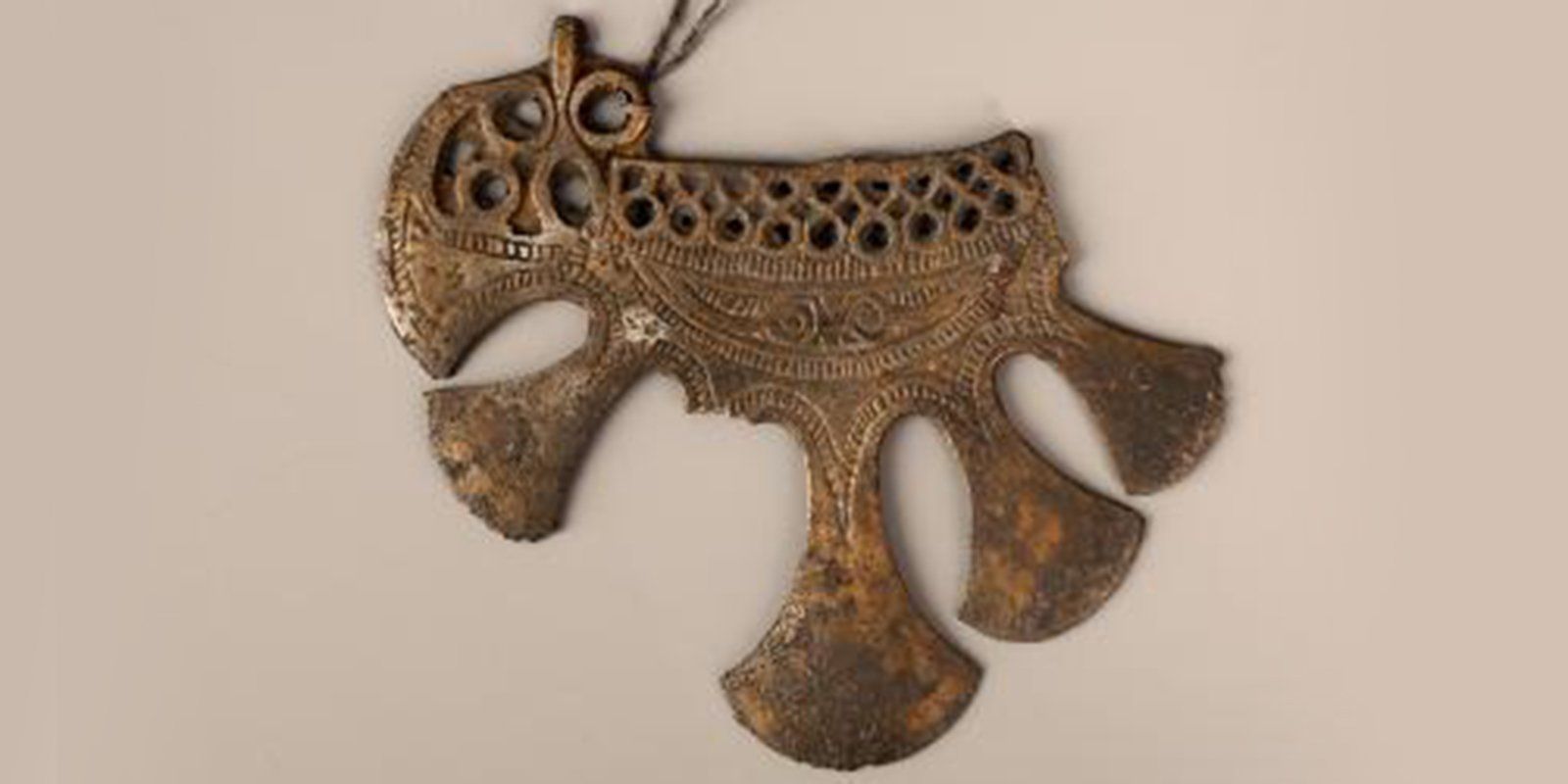


Temple rings used to be plaited in hair, attached to a girl's forehead ribbon or a headdress of a married woman. Less commonly, women wore them as earrings. The number of rings worn at the same time could be different and not necessarily the same on both sides. Scientists tried to find some pattern in this — to link the number of rings with age, the number of children born, but no one has been able to solve this puzzle so far.
Bridge to the past
The Moscow Museum of Archaeology was opened in 1997 after the excavations in the area of Manezhnaya Square discovered a deep cultural layer full of items belonging to different eras — from the Paleolithic Period to the 19th century. There were dishes, coins and jewellery, as well as larger finds — pavements, parts of wooden houses and wells. The chief finding was the stone foundations of the Voskresensky Bridge built in the 17th–18th centuries across the Neglinnaya River.
The crossing connecting the Tsar Road to Tver with Nikolskaya Tower of the Kremlin had been known since the early 13th century. In the next century, it was replaced by an earth fill barrage. Finally, in 1603, under the reign of Boris Godunov, a white- stone bridge was built over the Neglinnaya River, whose framework is displayed now in the Museum. It was called Neglimensky (after the river) or Voskresensky (after the nearest gate of Kitai-Gorod with the icon of the Resurrection of Christ).

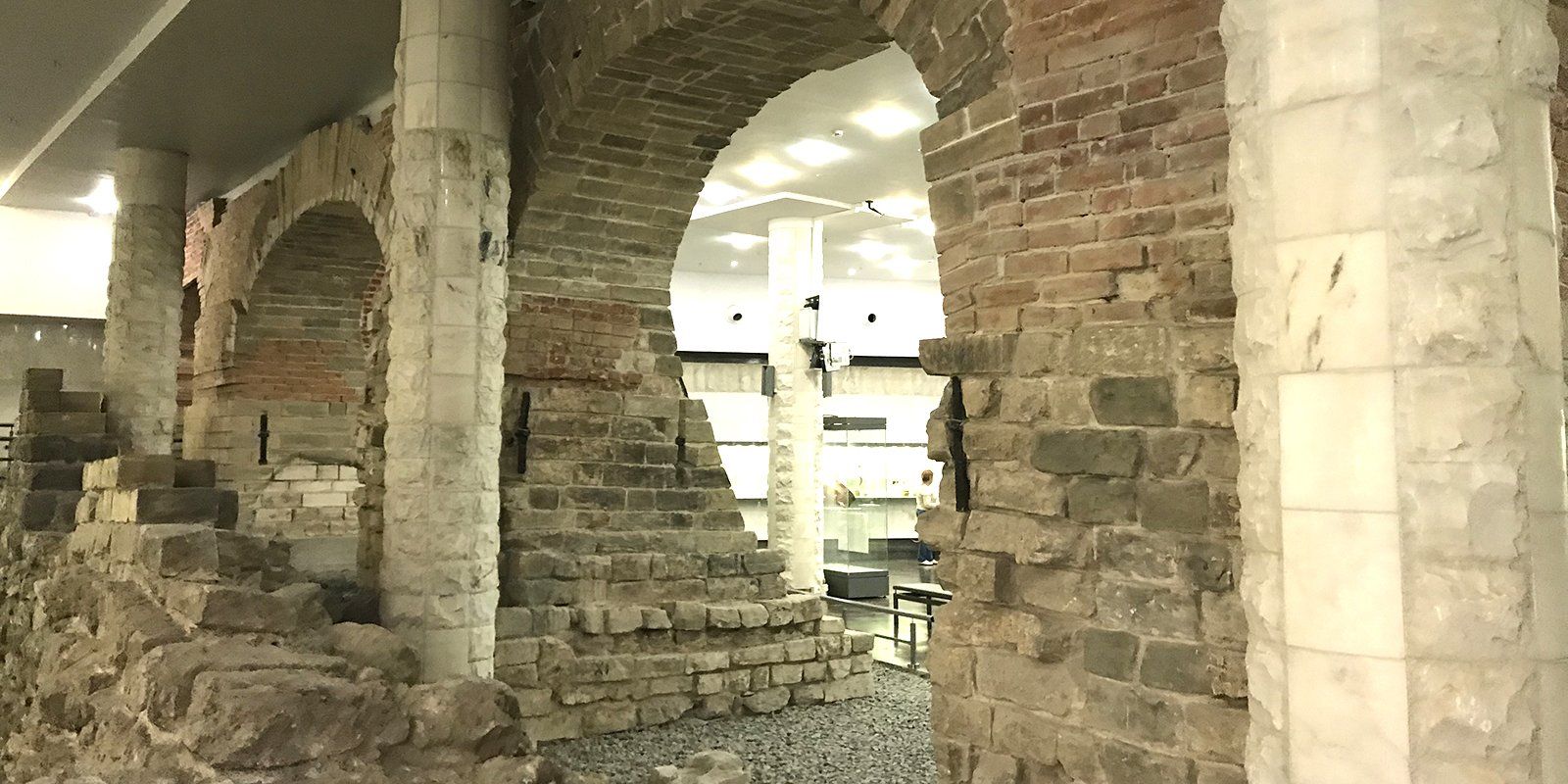
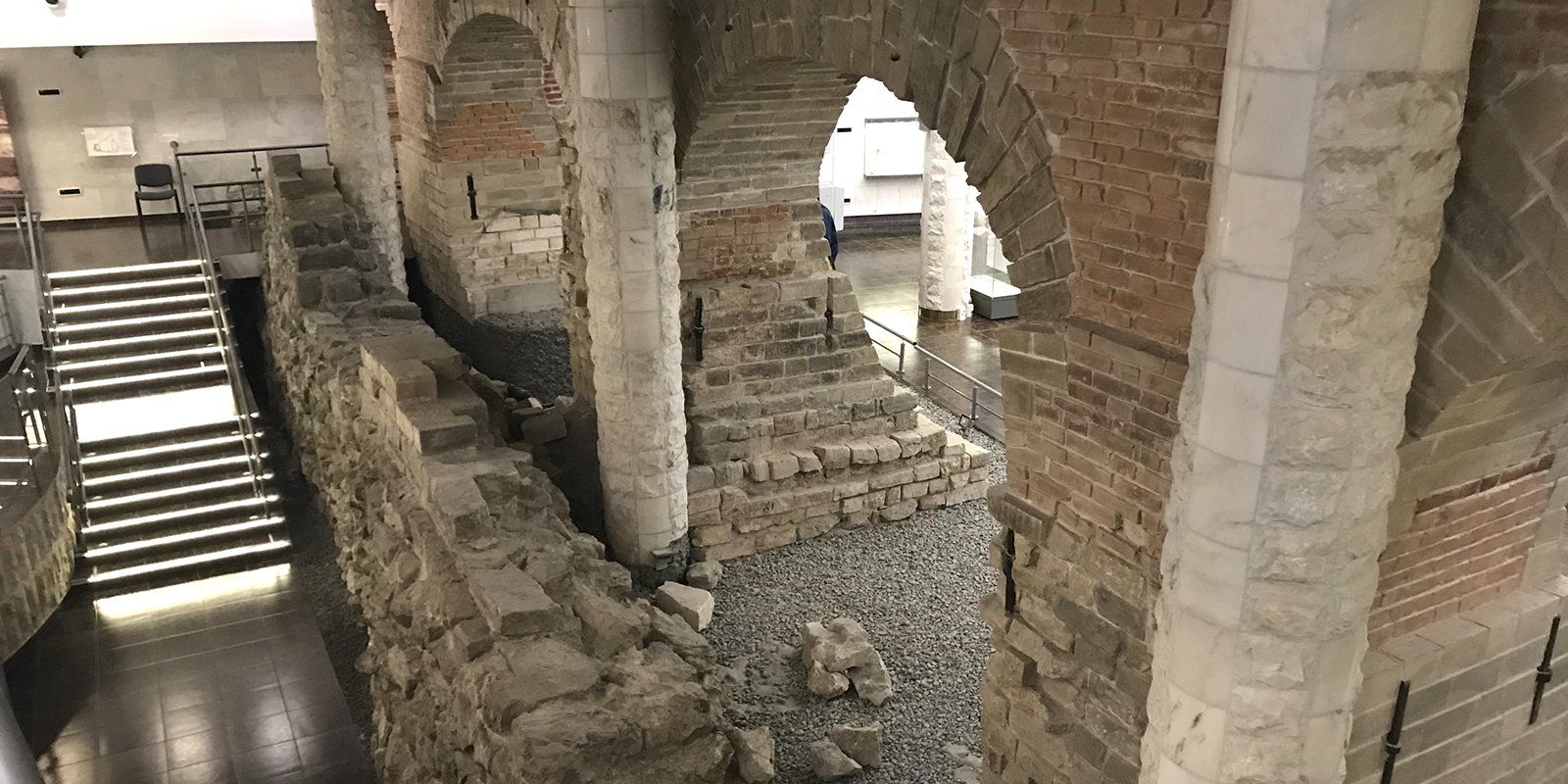

Using dams, there was a chain of ponds built on the river for construction of mills, blacksmith shops, baths, fish breeding and fire extinguishing. In addition to Voskresensky, there were three other bridges, Kuznetsky, Troitsky and Petrovsky, constructed nearby.
Due to the needs of the Red Mint, whose chambers near the Red Square have survived, the old Voskresensky Bridge was demolished with a new bridge built nearby in 1741 under the supervision of Peter Friedrich Heiden. It has survived better than its predecessor.
The bridge was built of red brick with white-stone cladding. It was 115 m long and 15m wide, with only one span flowing of the five arch spans. The bridge had trading outlets it owed couples of new names to — Chicken and Gingerbread. As part of the reconstruction in the post-fire Moscow in 1817, the Neglinnaya River was entombed in an underground tunnel, the bridge was covered, and the square above was called Voskresenskaya.

Tobacco thaw of Peter the Great
It is believed that tobacco appeared in Russia during the Ivan the Terrible's reign. Peoples not only smoked and chewed this strange product brought by English merchants, but also tried to apply it to relieve toothache and fight against harmful insects. In the 17th century, a state campaign against smoking launched, and it was not because of concern for the population’s health. In 1634, a negligent smoker from the Swedish homestead caused a fire in the city. Under the reign of Tsar Mikhail Fyodorovich, tobacco lovers used to be executed, and his son Alexei Mikhailovich ordered to "give a flogging for keeping tobacco". For a repeated offence, one was to have nostrils and nose cut off, and after torturing and punishment exiled to faraway cities.
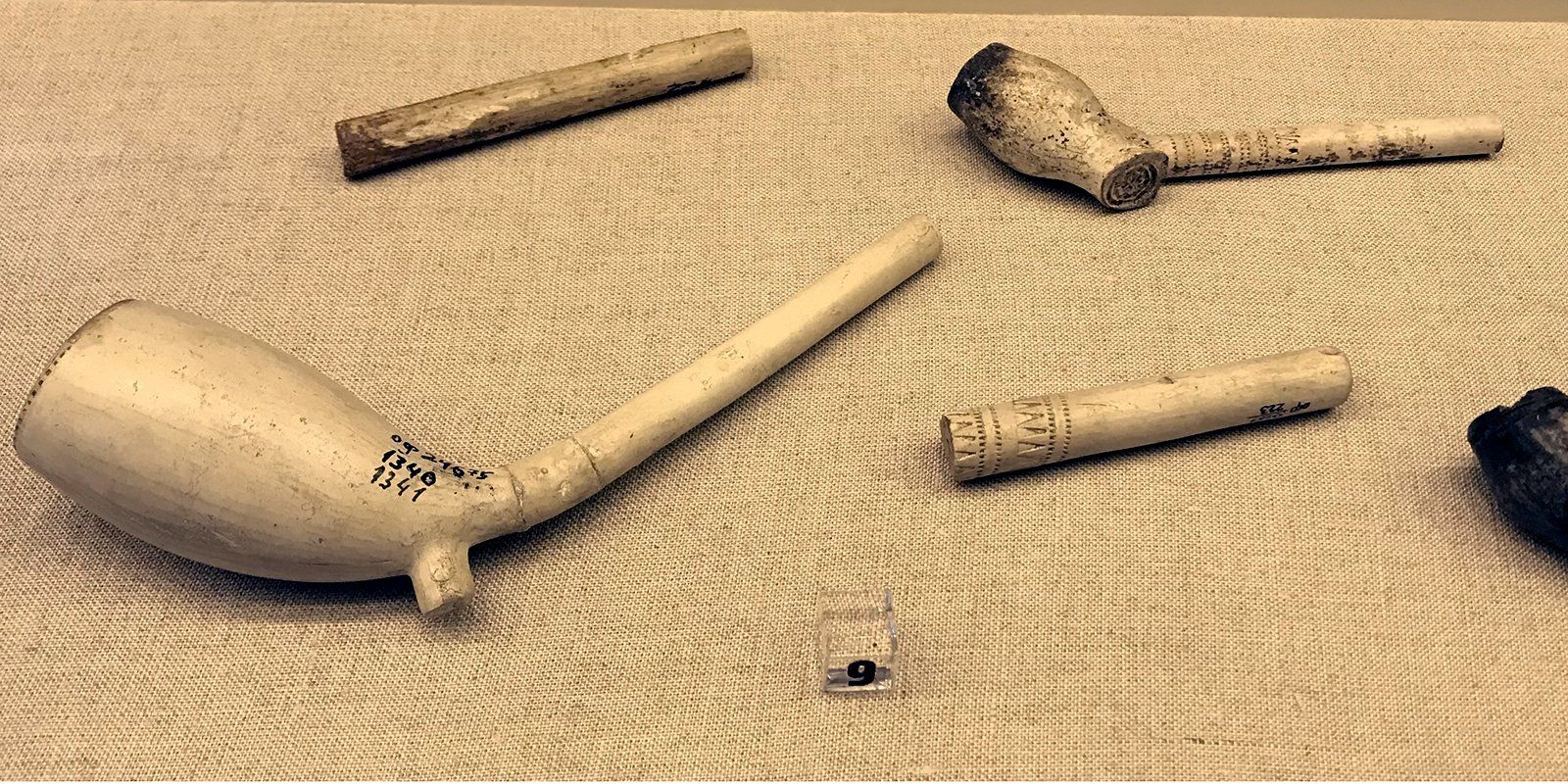
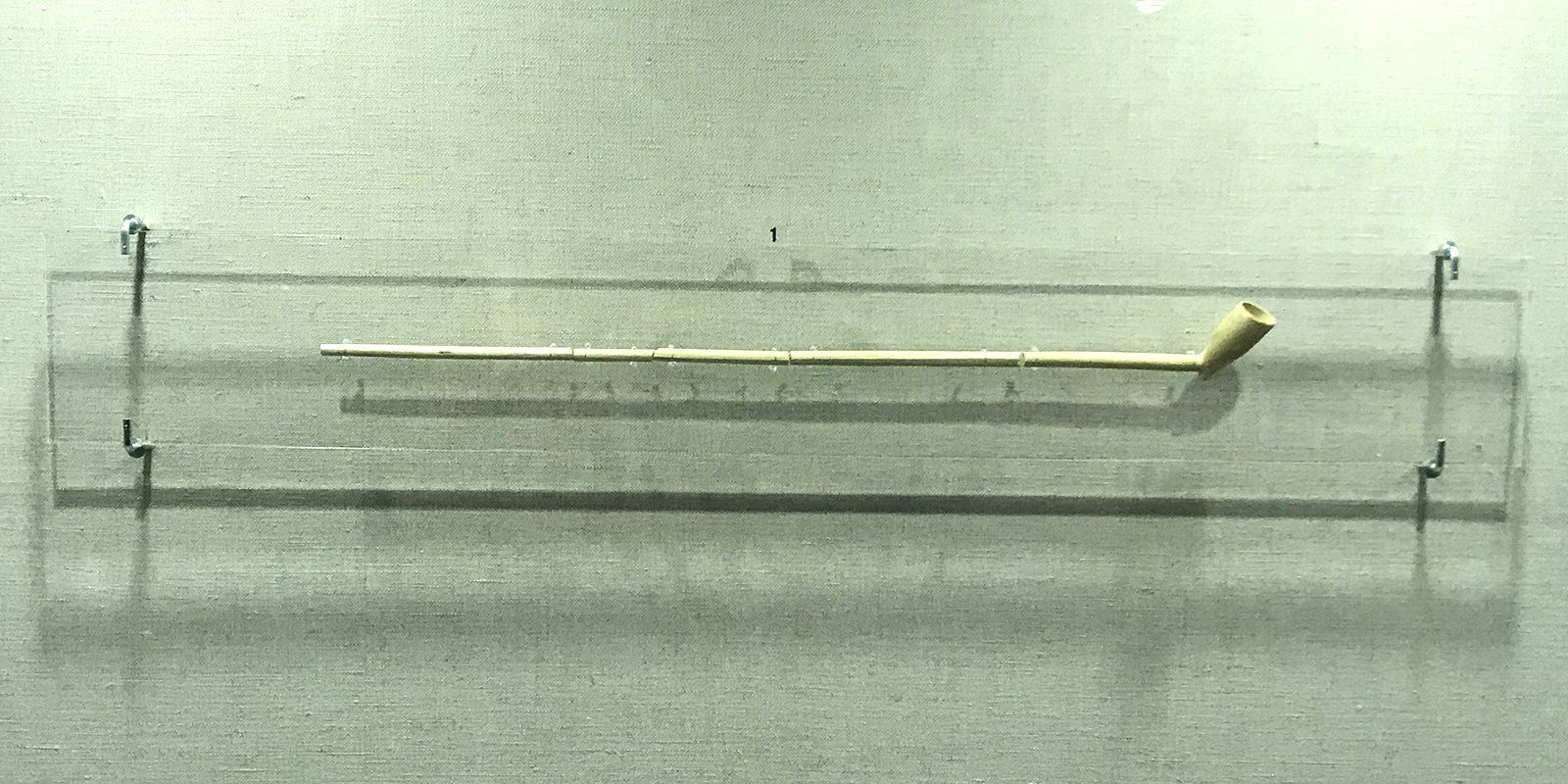
Smoking was legalised by Peter the Great, who issued the law "On the free allowance of tobacco, allocation of special chambers in Moscow, and hostelries in towns for selling tobacco, collecting fees and sales proceeds" in February 1697. Smoking pipes were first brought from Holland, with those manufactured in Gouda believed to be the best. Lefortovo Museum of History exhibited a pair of white-clay long-stem pipes found during excavations in the area dating back to the 18th century.
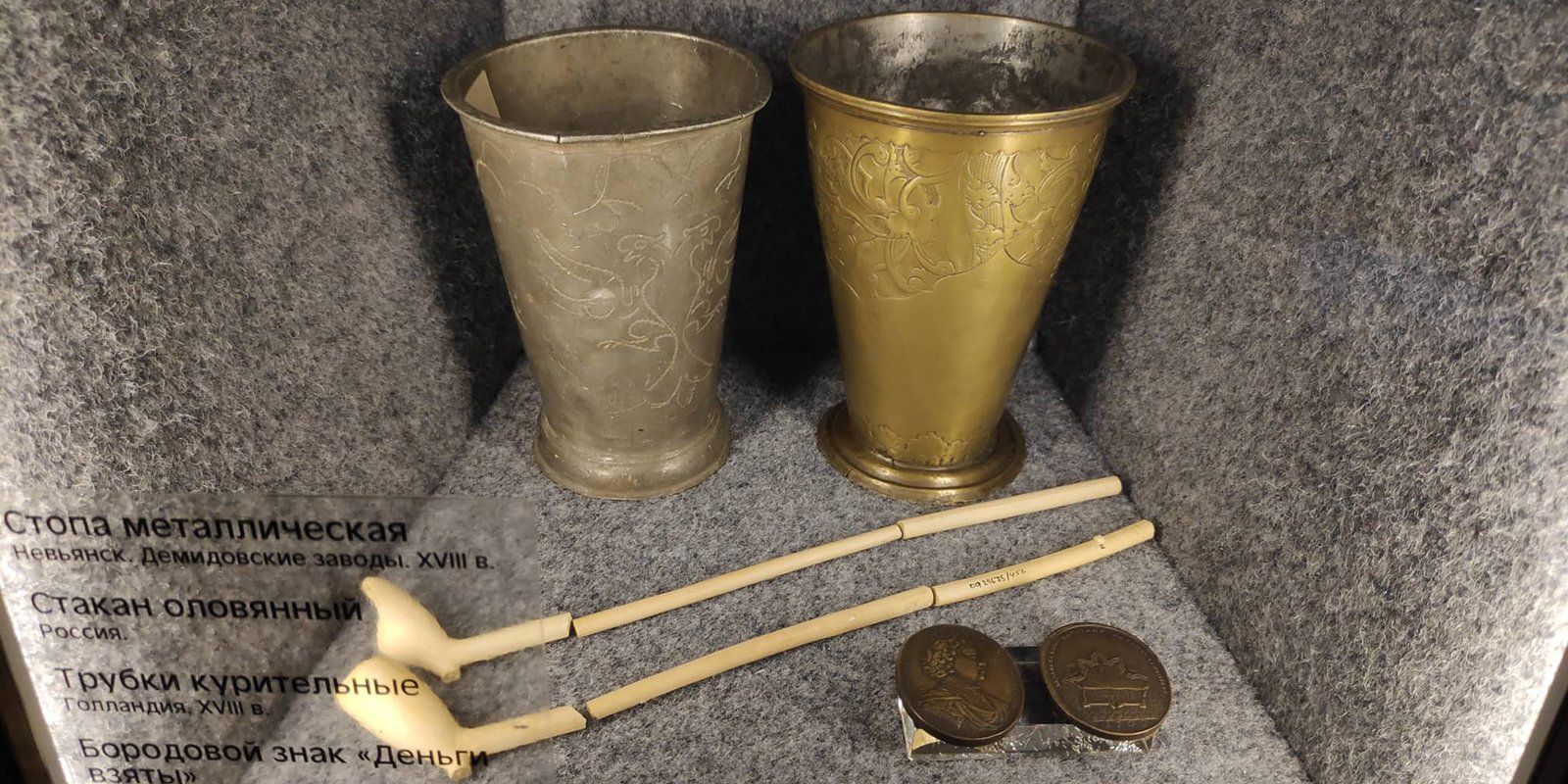
In 1710, a resident of the German settlement, a Dutch Andrei Wenzel established an artisanal production of pipes. His company was illegal, and five years later it was closed by the authorities followed by seizure of tools and products.
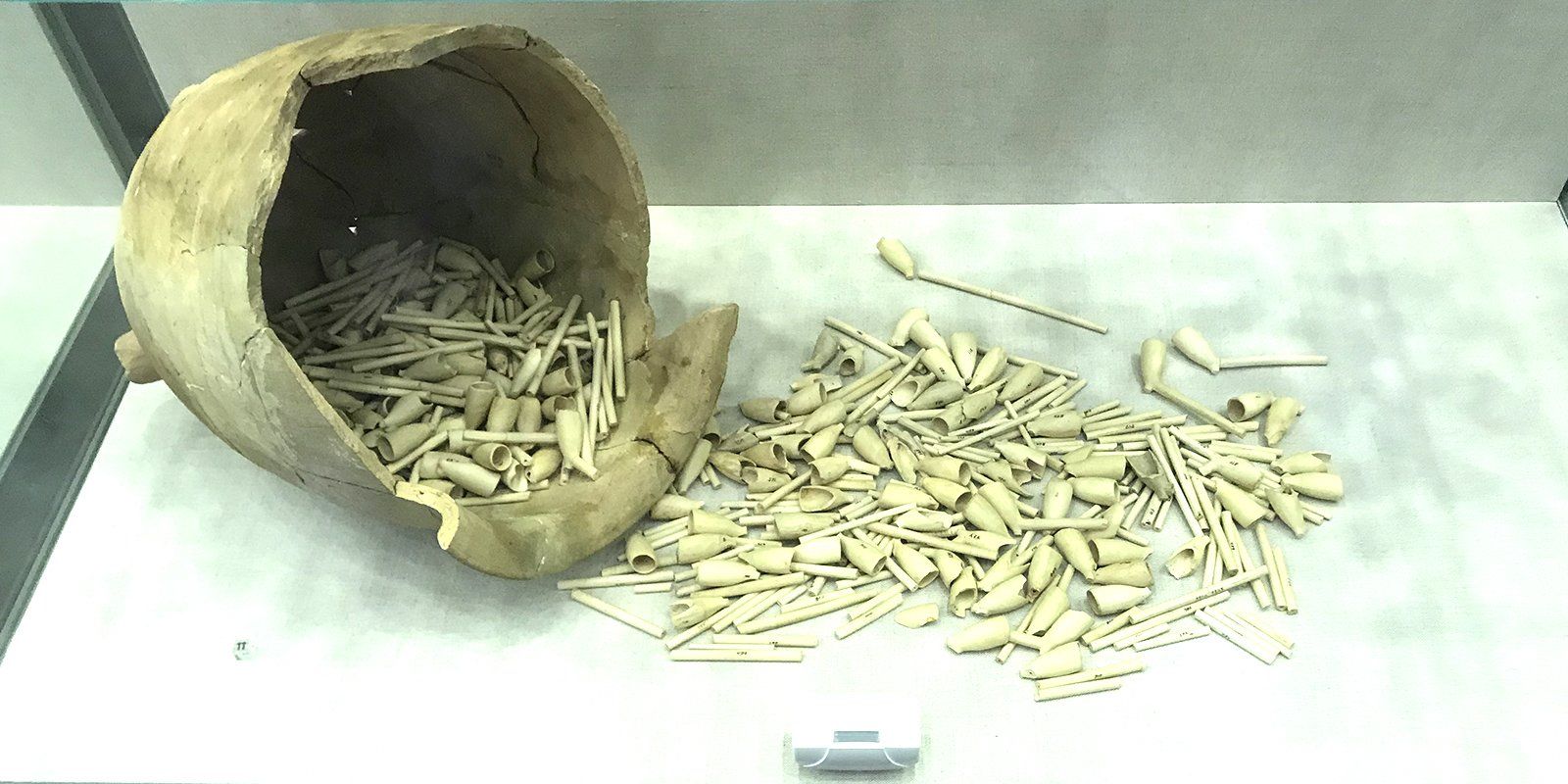
In 1724, on the Yauza River, merchant Afanasy Grebenshchikov opened "porcelain and tobacco pipes factory", which produced some 100 pipes a day. However, smoking in Moscow was not very popular: according to the surviving documents, about half of the pipes made each year remained unsold. In 1974, this was indirectly confirmed by the discovery of archaeologists made in Staraya Basmannaya Street — 594 fragments of white-clay pipes, which, apparently, were produced at Grebenshchikov's factory. This 'tobacco treasure' is exhibited in the Moscow Museum of Archaeology.
Tsar Tank from Dmitrovskoye Highway
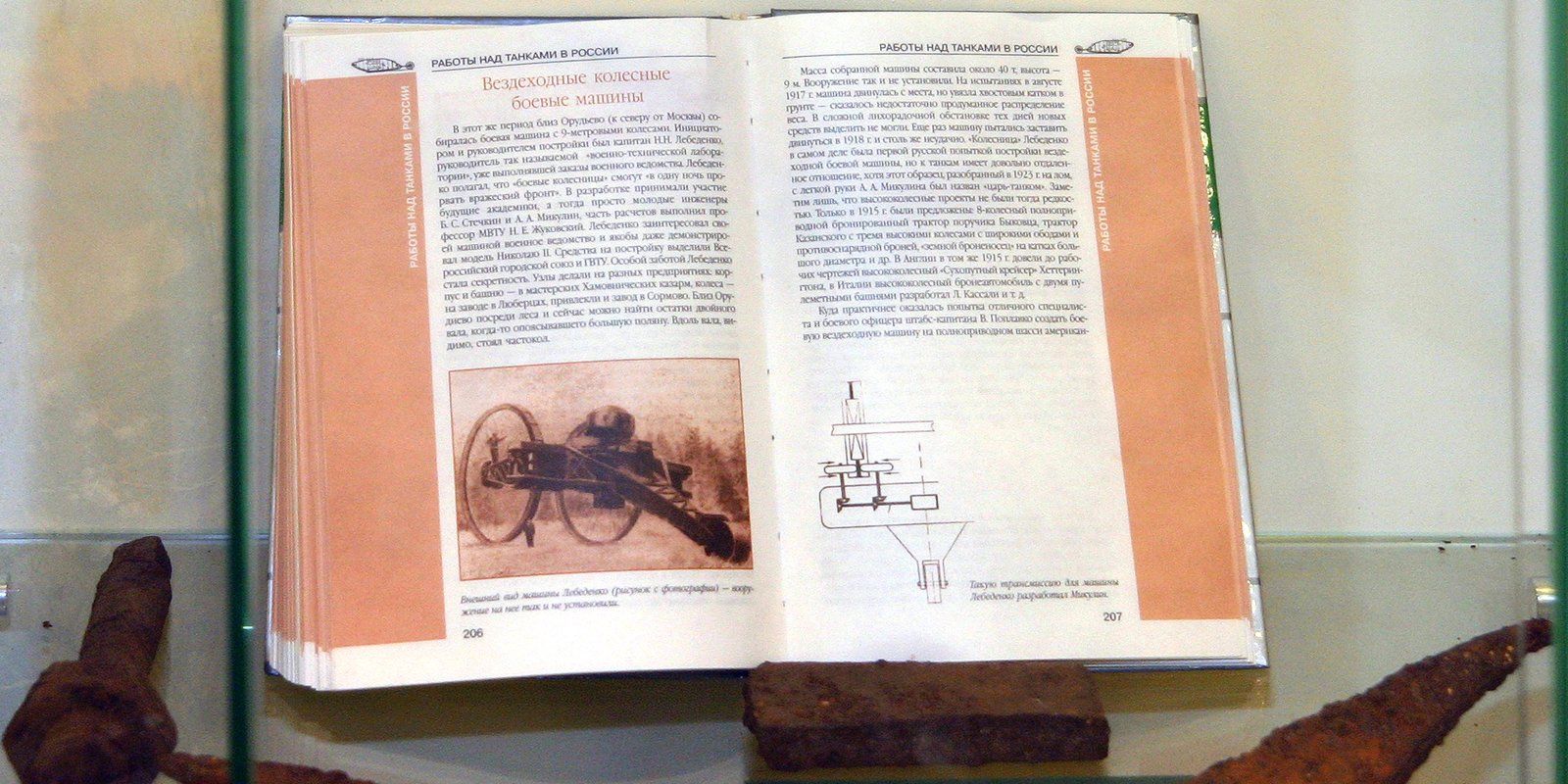
At the height of WWI, in the late summer of 1915, a gigantic combat vehicle, which went down in history as the Tsar Tank, was tested in the woods near the village of Orudyevo, not far from Dmitrovo town. Engineer Nikolai Lebedenko was the author of the ambitious project. Getting an audience with Nicholas II, he completely charmed the autocrat with a wooden clockwork model of his tank. Tsar allocated 210,000 roubles from his own funds for a toy that turned into a full-fledged prototype.
Lebedenko's tank was like a huge gun carriage: it had two 9m wheels on the sides with a powerful armoured frame with a circular tower and two side turrets between them, and a half-meter rotary roller control behind, on the tail frame. The tank was almost 18m long and 12 m wide, with two 240 horsepower engines taken from the downed German airship accelerating that 60-ton death machine to 17 kph on the highway and up to 10 kph on rough terrain.

Its parts produced at one of the Moscow factories were brought by rail to Orudyevo, where this magic weapon was secretly assembled to turn the war tide. However, the machine had not passed the test, so it stuck for good in the woods near Moscow. In 1917, Lebedenko left Russia, and his brainchild had been decaying in the wilderness for a few years, before, as they said, it was scrapped.
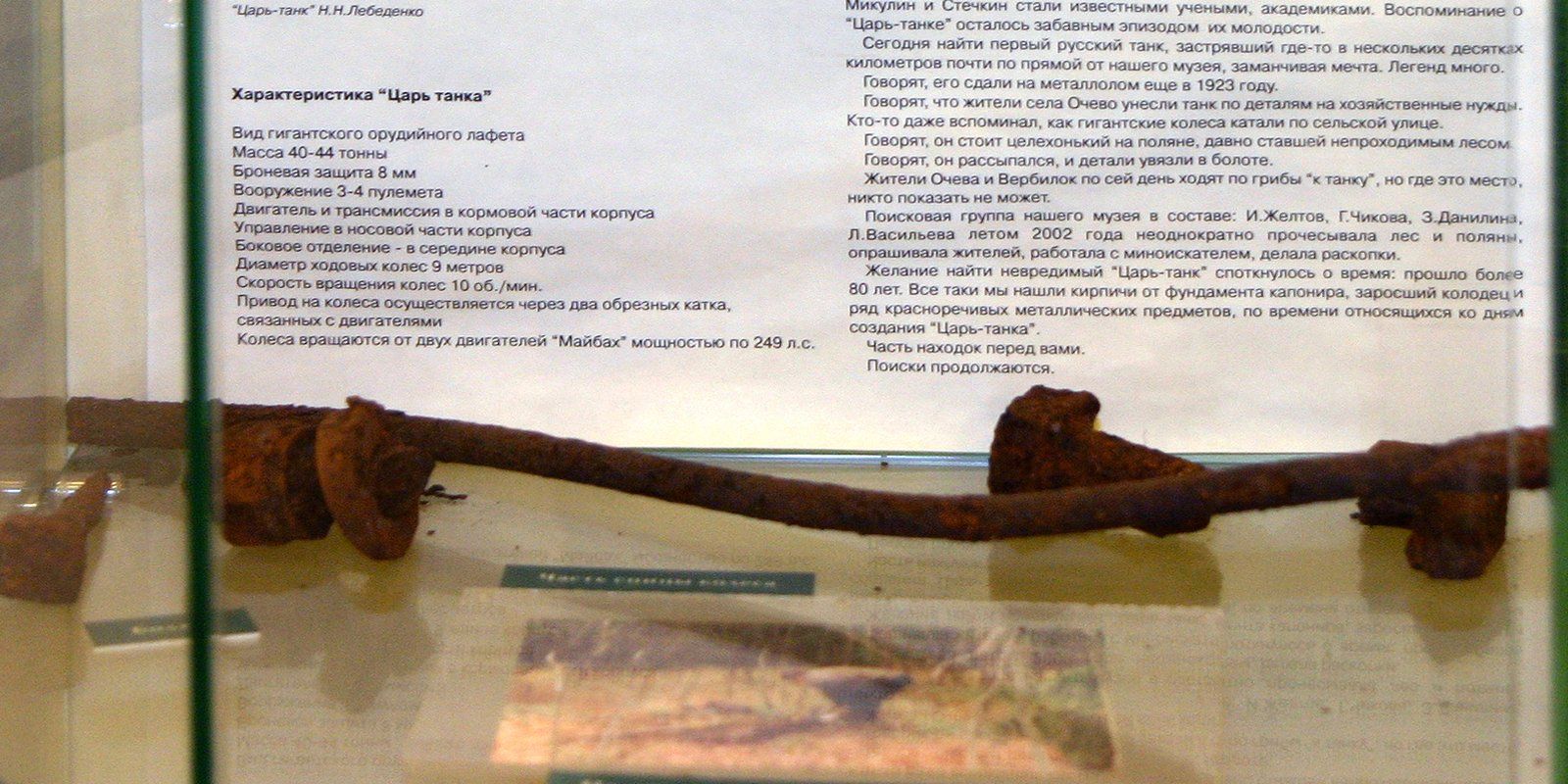
In 2002-2003, a group of employees of the T-34 Tank History Museum visited the test sites of the Tsar Tank. They were lucky to find the remains of a caponier's foundation, an overgrown well, and rusted parts of a large machine. This collection has been replenished by the finds of Moscow, Dmitrovo and Lobnya enthusiasts.
Now the rare extant parts of this steel colossus are displayed in the Museum in the First Tanks section: its metal structure bracketing, part of a metal plate, a bolt, part of a wheel spoke. On the occasion of the centenary of Lebedenko's tank tests, the Museum initiated creation of a full-size metal model of the Tsar Tank, which now rises above the Museum complex.