Changes in Moscow taxi service over 111 years
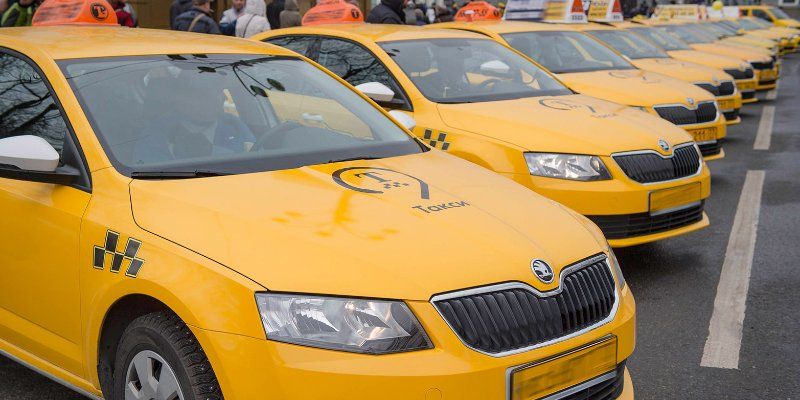
The Moscow taxi service has been operating for 111 years. Nearly 760,000 Muscovites use it daily. The average waiting time for a taxi is five to seven minutes, which is among the best results globally.
According to Deputy Moscow Mayor and Head of the Department for Transport and Road Infrastructure Development Maxim Liksutov, the Moscow taxi is now more affordable and reliable than it has been at any time in its 111-year history.
“City roads are bustling with yellow cabs, which proves that the service is extremely popular and has become an integral part of the Moscow transport system. Over the seven years, we have reformed the sector, making the taxi a highly popular means of travel around the city,” Mr Liksutov said.
Among the best
The Moscow taxi service standard is fully established. Drivers can now obtain a taxi permit more quickly and more easily. In addition, the city boasts 314 kilometres of designated lanes and 419 car parks for taxis, which are all painted yellow. Due to high competition, fares have fallen and they are now among the lowest globally.
The city has been supporting taxi operators in purchasing new cars on credit or on lease. City funding for this purpose exceeded 500 million roubles. In all, companies have bought 19,400 cars under the subsidy programme. The average age of vehicles is now 2.7 years.

From one to 70,000 cars
The first mention of a taxi appeared in 1907 in the Golos Moskvy (Voice of Moscow) newspaper. The report read: “Yesterday, the first taxi driver drove into Moscow. The driver had decorated his Oldsmobile with a placard saying: ‘A taxi driver, price by agreement.’ He was driving around the streets and stopping at corners. Evidently, he couldn’t complain about a lack of passengers.”
Very soon, others followed the example of the enterprising car owner. Six years later, there were 224 taxi drivers in Moscow.
Before the Great Patriotic War, some 3,500 taxis were operating in Moscow. The service reached its peak in the 1960s with the springing up of new taxi companies. At that time, legendary GAZ M21 Volga cars were carrying clients around the city.
In 1975, the city had 16,000 taxis. In the late 1980s, a training centre was established that produced about 3,000 professional taxi drivers annually.
The 1990s saw the privatisation of taxi companies. During that period, the sector faced problems and suffered stagnation. Now Moscow surpasses many other megacities with its 70,000 taxis, authorised to carry passengers in the capital and throughout the Moscow Region.