Ring unites: MCC to be integrated with new cross-city railway
(11).jpg)
Novokhokhlovskaya
The new Novokhoklhovskaya station opened on Kurskoye Line of the Moscow Railway. A covered crossing to interchange with the Moscow Central Circle (MCC) railway was also built as part of the project. This means that bad weather will not be an obstacle for passengers crossing from the new platform to the MCC station.
Special technology was used while the platform and the surface crossing to it were being built to avoid disrupting train traffic.
Novokhokhlovskaya station will decrease the load on Kursky Railway Station and Tsaritsyno, Tekstilshchiki and Serp I Molot halt platforms as well as Kurskaya, Tsaritsyno, Tekstilshchiki, Ploshchad Ilyicha and Rimskaya metro stations. In addition, access to transport in the Nizhegorodsky District will also improve. It is expected that the passenger flow at this station will reach 7,600 passengers during peak hours by 2025.
Next year the Nakhabino–Podolsk Moscow Central Diameter (MCD) will be launched on the Kurskoye Line. Novokhokhlovskaya platform can already be called its first stop.
.jpg)
Okruzhnaya
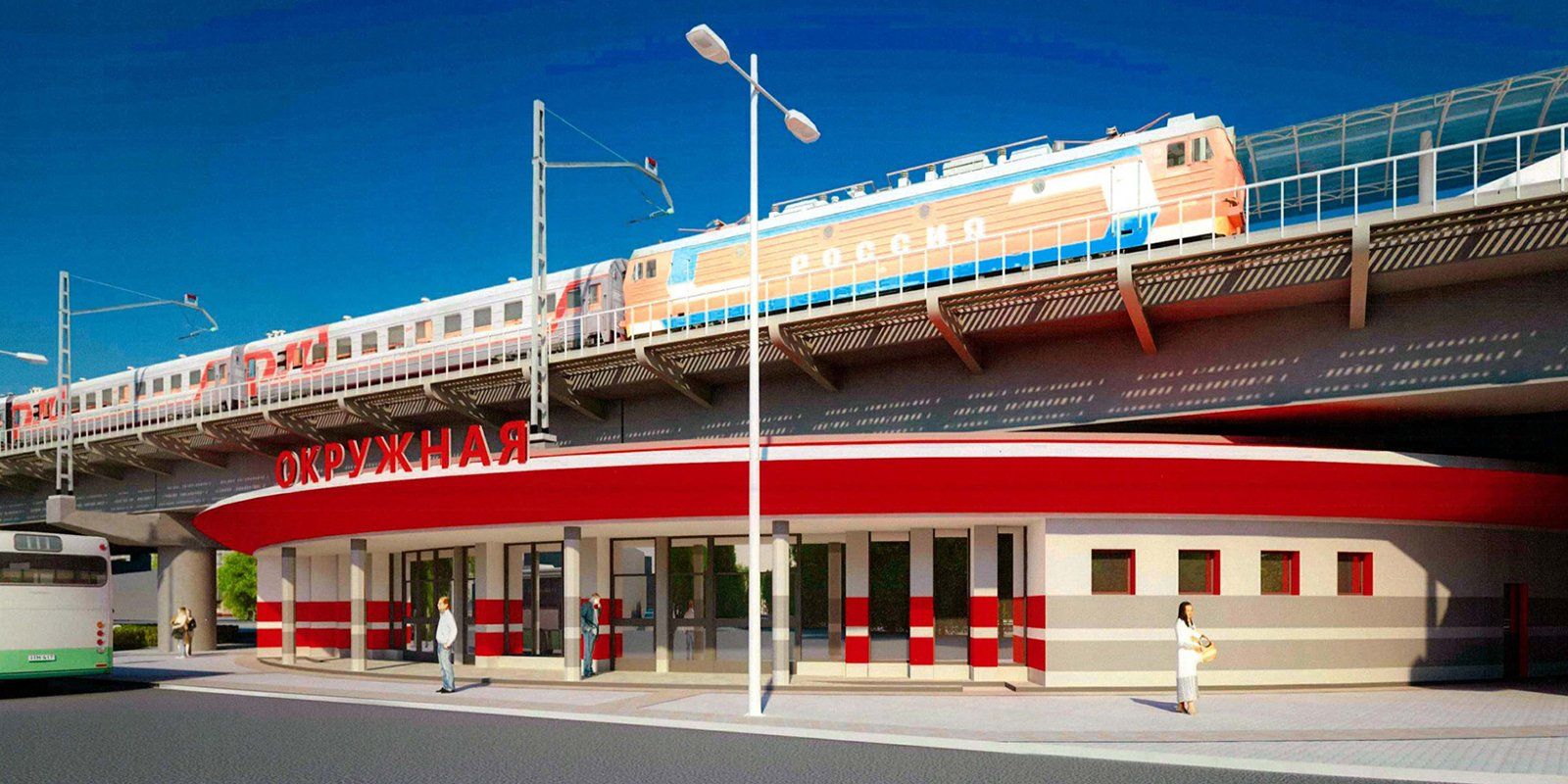
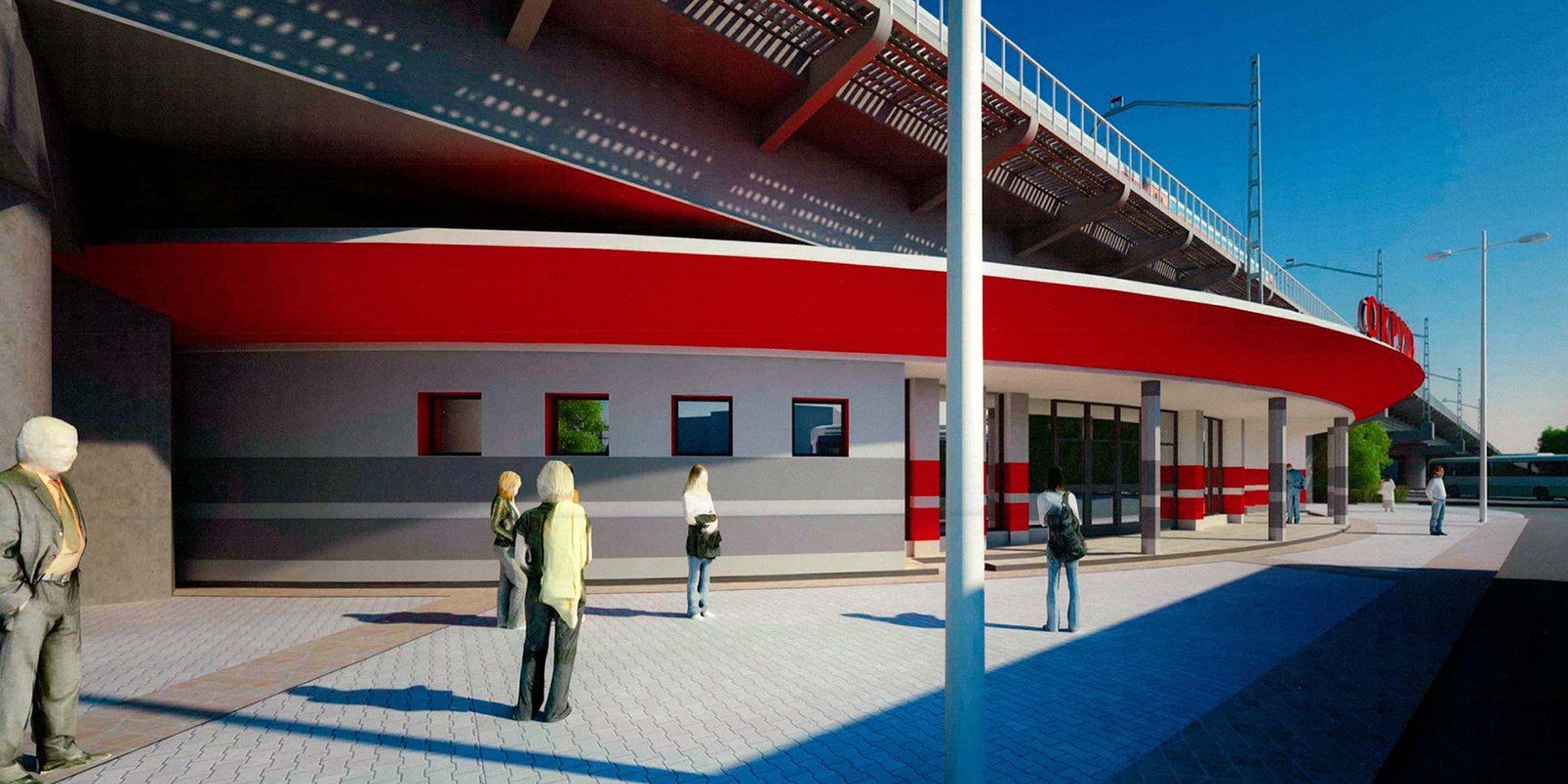
Okruzhnaya station on the Savyolovskoye Line was moved closer to the MCC Okruzhnaya station. The distance between them was reduced from 260 to 100 metres.
The island-type platform will serve regional trains from Moscow and the region. Pedestrian overpasses have been built on the sides next to the first and second main tracks.
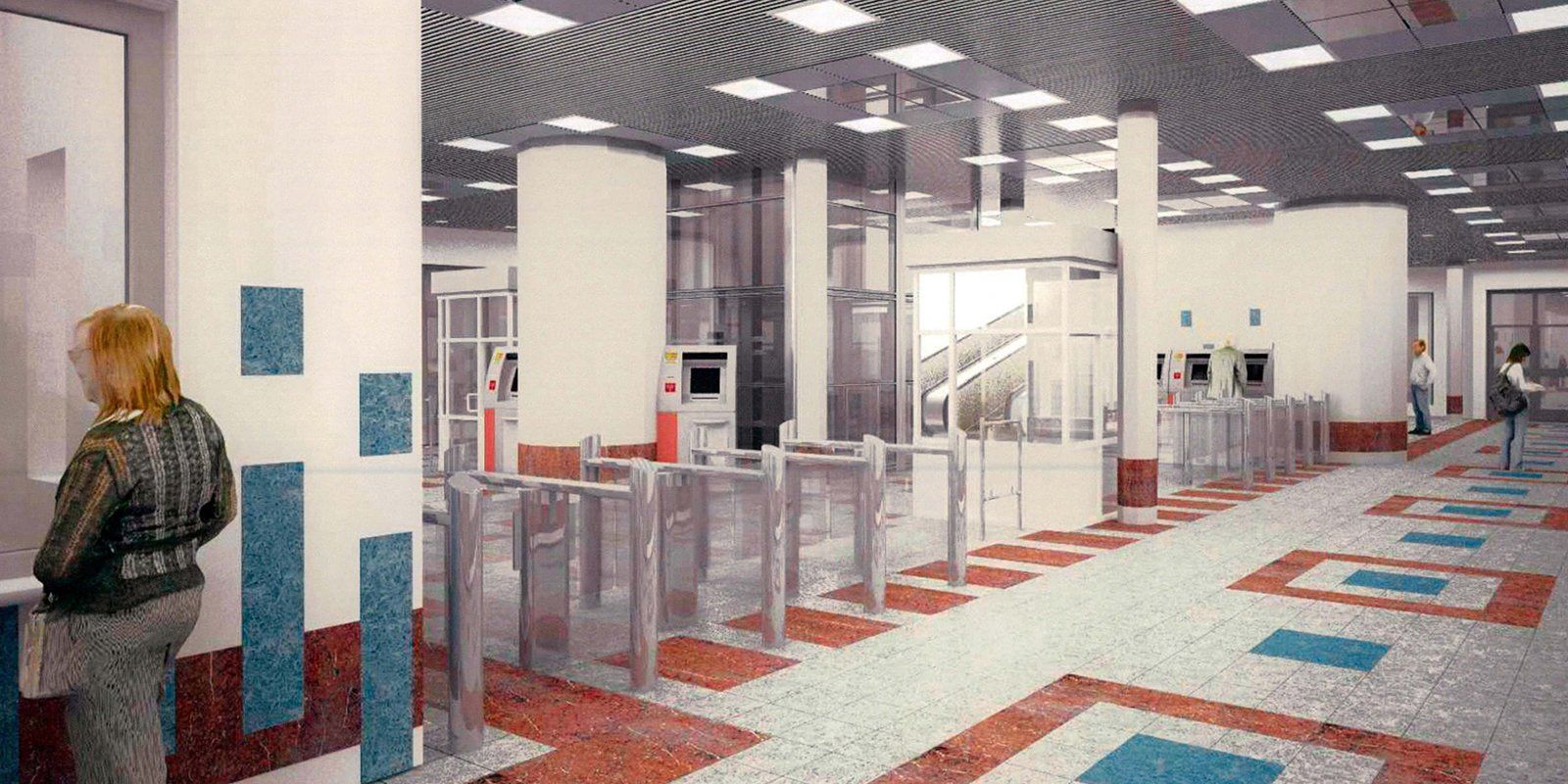
In addition, a new entrance hall was built to make passenger access to the MCC station and public transport bus stops more comfortable. The old railway tracks and stop will be removed.
These projects have influenced both the railway and road infrastructure. Now prospective sections of the North-East Expressway from Yaroslavskoye to Dmitrovskoye motorways and of the North-West Expressway from Signalny Proyezd to 3rd Nizhnelikhoborsky Proyezd can be built there.
The platform has changes with the MCC station and also with Okruzhnaya metro station on Line 10 (Lyublinsko–Dmitrovskaya Line). Next year, when the northern entrance hall opens, there will be no need to go outside to make the change.
In addition, this project will facilitate the launch of the first, Odintsovo–Lobnya, Moscow Central Diameter line.
Okruzhnaya platform on the Savyolovskoye Line is part of a large transport hub with the same name uniting the adjacent metro, MCC, and radial Moscow Railway line and surface transit. The Okruzhnaya transport hub will become one of the most popular hubs and will provide many transport options for people living in the north and northeast of Moscow.
.jpg)
Eight junctions
Yaroslavskoye, Kazanskoye, Gorkovskoye, Kurskoye, Paveletskoye, Rizhskoye and Savyolovskoye lines of Moscow Railway as well as Oktyabrskaya Railway will be integrated with MCC stations. Thanks to these new transport hubs passengers will be able to change from one means of transport to another without having to go out into the street.
One of the largest integration projects will be implemented at the Nizhegorodsky and Lefortovo districts. Ryazanskaya transport hub will connect Nizhegorodskaya station on Line 15 (Nekrasovskaya Line) and the Big Circle Line as well as the MCC station of the same name and the new Karacharovo platform on the Gorkovskoye Line of the Moscow Railway.
The platform will be moved 500 metres to the west, closer to Nizhegorodskaya MCC station. The project will be completed by the end of this year. Karacharovo station will be the end stop for some trains, which will help ease some burden at Kursky Railway Station.

According to preliminary estimations, about 400,000 people per day will use the Ryazanskaya transport hub. It will achieve several objectives: passengers will have a comfortable change with the metro, the MCC, the railway and the surface transit; the vehicle traffic load on Ryazansky Prospekt and Nizhegorodskaya, and other streets, will be eased; and transit service in the Nizhegorodsky, Ryazansky and Lefortovo districts will greatly improve.
Paveletskoye Line will get Varshavskaya platform that will include a change with the Verkhniye Kotly MCC station without going onto the street, which will ease the burden on Nagatinskaya station on Line 9 (Serpukhovsko–Timiryazevskaya Line) and Paveletskaya station on Line 5 (Circle Line). The burden will also be reduced at Paveletsky Railway Station: passengers from regional trains will have no need to ride to the end station to get to the metro.
Leningradskaya platform on the Rizhskoye Line line will be moved closer to Streshnevo MCC station, with the distance between them decreasing from 320 to 50 metres. This will ease the burden on Tushinskaya, Dmitrovskaya and Rzhevskaya metro stations where passengers prefer to change now.
A pedestrian underpass will connect Severyanin platform, which will be moved 350 metres, and Rostokino MCC station. The distance will decrease from 620 to 20 metres. There will be no need to go onto the street to make a change.
There will also be a comfortable interchange between Likhobory MCC station and NATI platform on the Oktyabrskaya Railway Line after a bridge crossing with the passenger terminal is built. This project should be completed in 2018–2019.
The integration project has already been completed on the Kazanskoye Line of the Moscow Railway. A pedestrian underpass that connected Andronovka MCC station and Frezer platform has been built.
Transport hubs are an important new area of development for Moscow’s transport systems. They will improve traffic, ease the burden of popular metro lines and roads and make getting around Moscow faster and more comfortable for passengers.

Diameters through Moscow
Moscow Central Diameters is another important mega transport project coming soon. Six MCDs are planned, with the first two to be completed in late 2019.
(6).jpg)
The Diameters will be integrated with other forms of transport. There will be comfortable interchanges with the metro, the MCC and regional radial railway lines; the current unified ticket system, services and navigation will be introduced. Modern trains will run on the MCDs every five or six minutes at peak hours. The commuter trains that run on parts of these lines now will continue operating; the MCD will not replace but complement them.
The first two Diameters will run from Odintsovo to Lobnya and from Nakhabino to Podolsk. Their total length will be 132 km. It is expected that almost 90 million passengers a year will use them.
Passengers on the Odintsovo–Lobnya MCD will have 11 interchanges with the metro, two with the MCC and two with radial railway lines. The Nakhabino – Podolsk diameter will have 13 interchanges with the metro, six with radial railway lines and two with the MCC.