Advanced age, or how Moscow supports its seniors
On 1 October, Moscow celebrates Seniors Day. The special day’s programme includes 1,350 events — from tea parties and roundtable talks to concerts and an Old Songs festival. Open days will be held at social service centres and boarding houses for war and labour veterans, where pensioners will hear about opportunities for recreation, learning, and communication that are available to them in the capital.
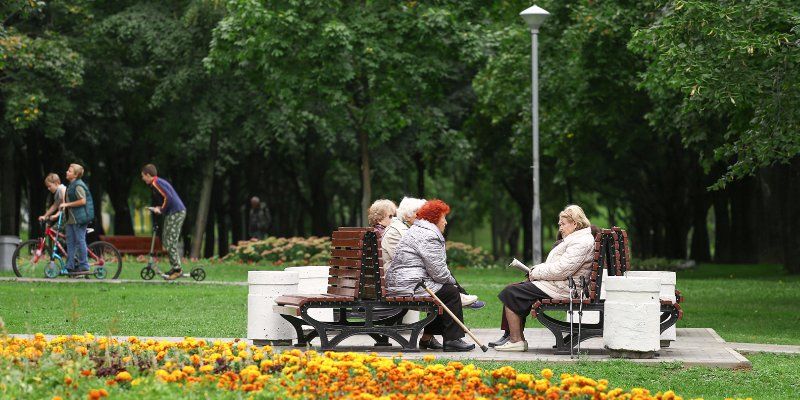
There are a lot of elderly people in Moscow. Since 2010 the average life expectancy in the city has increased by three years to 77.1, and today Moscow has about 3 million pensioners. Nearly 350,000 of them have already crossed the 80-year milestone. There are also much older people: 598 Muscovites are more than 100 years old. The city tries to create decent living conditions, helping with payments and other benefits, allocating vouchers for sanatoriums, and social certificates.
Benefits and compensations
In Moscow, over 2.2 million pensioners receive social benefits, including an allowance. The monthly average in the capital is 4,400 roubles, and it is calculated individually depending on the amount of material support and years of residence in Moscow.
Centenarians can count on additional payments. Those who have reached 100 years of age receive 25,000 roubles, those who are 101 and above — 10,000 roubles per year. Couples also receive gifts on their anniversaries. Those who celebrate a 50th wedding anniversary are given10,000 roubles, the 55th anniversary — 11,000 roubles, the 60th anniversary — 12,000 roubles, the 65th —13,000 thousand roubles, and, finally, those who celebrate a 70th anniversary get 15,000 roubles.
Pensioners’ minimum income is due to be increased in Moscow shortly.
“More than one million people will receive an extra payment. This is a very important issue,” Sergei Sobyanin said, promising that these changes would be taken into consideration during budget planning.
Single pensioners and families consisting of only pensioners get monthly compensation to cover fixed telephone costs. It is an automatic procedure for MGTS subscribers if they are former homefront workers, veterans of labour or those who are rehabilitees. The rest have to apply for it at a public services centre.

Social taxi, free transport and car inspection
Moscow pensioners are entitled to free city transport benefits, except taxis. People with disabilities and veterans of the Great Patriotic War can use social taxis. Fares can be paid with a Moscow social card: special terminals are available in the vehicles. One accompanying person is allowed.
Men older than 60 and women over the age of 50, both residents of Moscow, are entitled to free car inspections; the free service is available at 39 inspection points in the city.

Recreation at sanatoriums, nurses, and personal physicians
All unemployed pensioners have the right to vouchers for sanatoriums and resorts. A medical statement is required to qualify. The city also reimburses return travel expenses on long-distance trains to the institution.
Muscovites, who are veterans of the Great Patriotic War, get to go to the best resorts in Russia. This year, more than 2,500 people have used this benefit. Veterans who, for health reasons, cannot go can participate in the Sanatorium at Home programme, in total 5,000 people a year are using this benefit.
In Moscow, there are 10 boarding houses for veterans of war and labour, who currently number over a thousand. These resorts provide medical specialists, physiotherapy and therapeutic massage, physical therapy, ophthalmology and dental services, as well as laboratories, and pharmacies. Five of these boarding houses offer free Wi-Fi.
More than 27,000 veterans of war receive social services at home, such as food and medicines, help with utility bills, and receiving documents on disability. Nurses take care of 700 single bedridden veterans. About 30,000 veterans and single pensioners have alarm bracelets or panic buttons.
Since April, all outpatient clinics provide personal physicians for elderly patients who have three or more chronic diseases. Separate offices have been allocated for these appointments, 40 minutes for a primary physical and around 20 minutes for subsequent check-ups. Every patient is assigned a personal physician. This allows doctors to determine the cause of a patient’s health deterioration, to work out a tailored treatment plan, to explain the dos and don’ts of a certain disease. Elderly people can call their doctors or nurses and quickly obtain recommendations in case of a sudden decline.

Products, appliances, and medications
Targeting is the main principle of the social protection system. Most of the senior residents receive food aid, and 27,000 of them — durable goods, such as appliances. Payments can be made by means of social certificates — online coupons with the Moscow social card.
Veterans of war, labour and military service, and homefront workers are entitled to free medicines. All of the capital's pensioners have the right to free dentures (both new and repair, without paying additional expenses to cover the cost of precious metals and PFM).
From foreign languages to computer literacy: circles and clubs
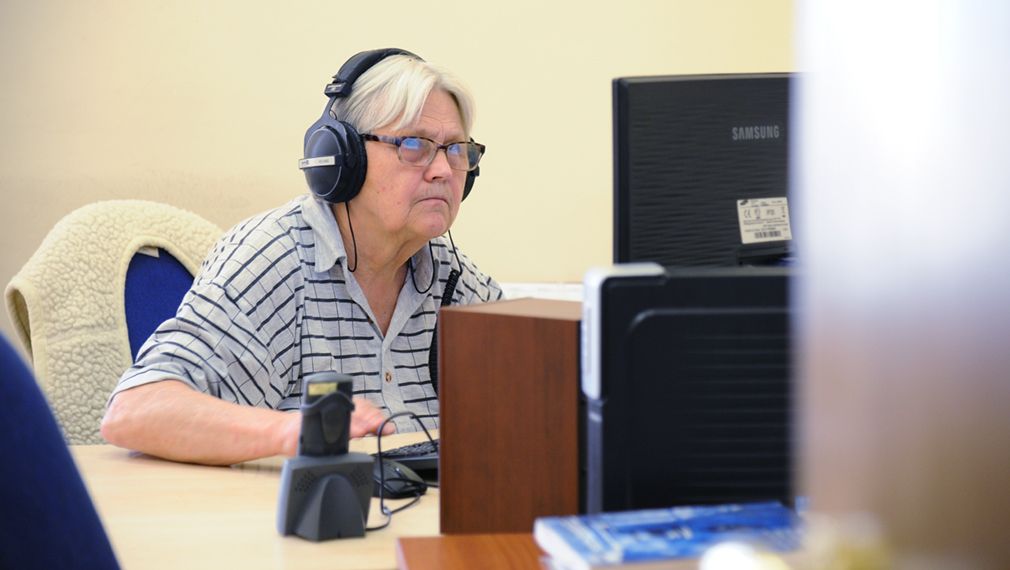
Moscow social service centres have 1,427 clubs offering, for example, foreign languages or computer literacy education. Every year about 70,000 people attend these clubs and circles. Moscow parks offer dance evenings and Nordic walking classes for pensioners.
The elderly can also enjoy various festivals and contests: Vozrast.net, Old Songs, Super Grandpa and Super Grandma. In previous years, more than 6,000 Moscow grandmothers competed for the right to get to the final. In 2017, representatives of 11 districts have reached the final stage. Women came up with creative shows, which demonstrated their talents, commitment, and self-confidence. Russian pop, theatre and film stars helped the super grandmas prepare for the competition.