Traces of century-old improvement efforts found in Moscow streets
.jpg)
Moscow architects have discovered century-old traces of Moscow improvement efforts during their May monitoring of present-day repairs campaign. 17th-18th-century wooden pavement was discovered in Bolshaya Lubyanka Street. Logs were found at the depth of 1-2 metres, covered by the coblestone pavement from the 19th-early and 20th centuries.
Making finds that lie this deep in the ground has been made possible thanks to water supply and drainage system repairs.
.jpg)
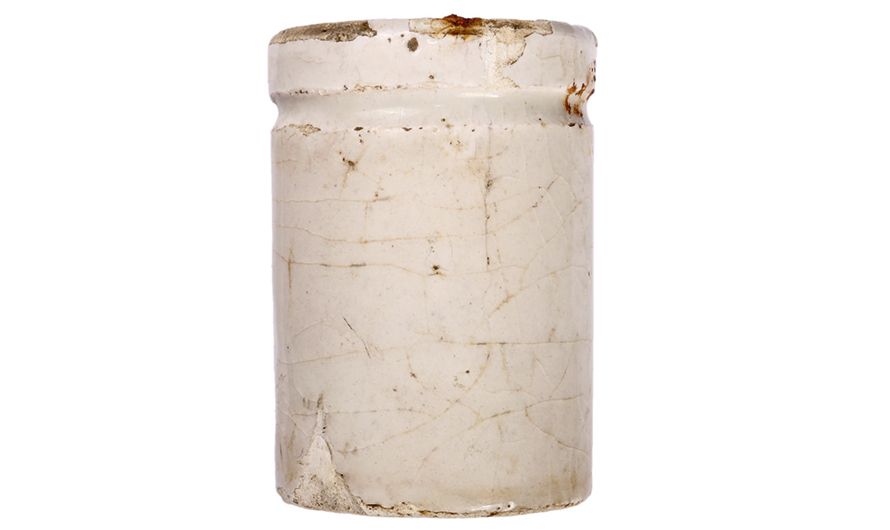
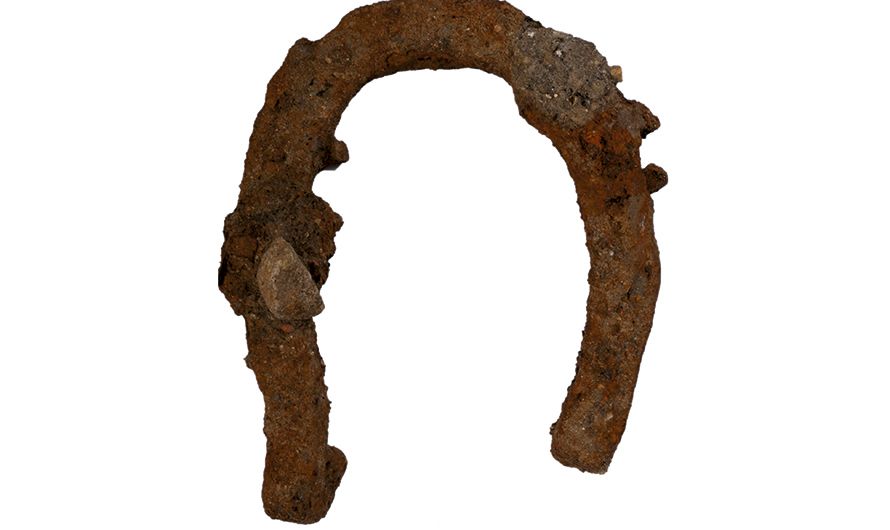
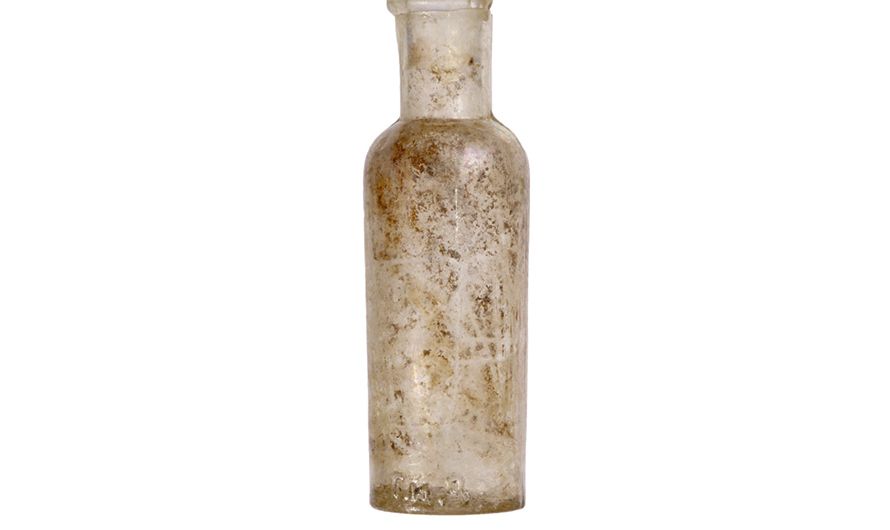
.jpg)
A dozen artefacts were also discovered in narrow trenches proving that these places saw intensive traffic in previous centuries as well. Among them were metallic horseshoes and heelpieces dating back to the 17th-19th centuries, and 18th-20th-century copper coins and ceramics.
Most of the Bolshaya Lubyanka finds are believed to be from 19th century because at this time a large fountain of drinkable water was located in the neighbouring Lubyanka Square, which attracted many different sorts of people, archaeologists explain. Coach drivers would also stop in Bolshaya Lubyanka Street to collect water for the horses from the fountain.
The laying of a cable duct along Staraya Square revealed another notable find. Archaeologists discovered traces of moats that were dug up during the construction of the Kitai-Gorod wall in the 16th century and backfilled much later. The wall and the moat were meant to protect central Moscow from a Crimean Tatar Khan Mehmed Giray’s invasion that never took place. During the reign of Peter the Great, bastions were added to the fortification to reinforce and protect it from a Swedish invasion under Charles XII that also never transpired. A century later, the moats were finally filled in as the Kitai-Gorod wall no longer served any defensive purpose.
Numerous pieces of ceramics, porcelain tiles and coins were found near the moats. This year, the My Street improvement programme has led to the discovery of over 150 items in the area of Lubyanka and the Novaya Square, in addition to a 16th-century secret chamber at the foot of the Kitai-Gorod Wall that was used for listening to enemy troops on the other side.
“All the smaller artefacts will have to be catalogued and studied. Later, they will be released to the custody of museums and will be featured as part of a collection of My Street programme finds,” Head of Moscow’s Department of Cultural Heritage Alexei Yemelyanov said.
Wooden and coblestone pavement, moats, rampart, and bastions will be catalogued before being placed on the Moscow archaeological map. Then, archaeologists will leave them to be filled with earth once again.
‘This is the only way to preserve the finds for future researchers,’ Yemelyanov said.
This year’s My Street programme kicked off in spring. Archaegologists who watch over the work have already discovered numerous curious artefacts. They include coins inside a chess piece from the time of Ivan the Terrible found in Prechistenka Street, and traces of a necropolis in Sretenka Street.
The archaeological monitoring is ongoing at My Street sites from March through September. The arrangement has helped in the discovery of over a thousand artefacts and building fragments in previous years.