Archaeologists discover ancient kitchenware and jewelry around Malaya Sukharevskaya Square

The Museum of Moscow is to receive the items found by archaeologists when excavating the area around Malaya Sukharevskaya Square, including ceramic kitchenware, tobacco pipes, etc.
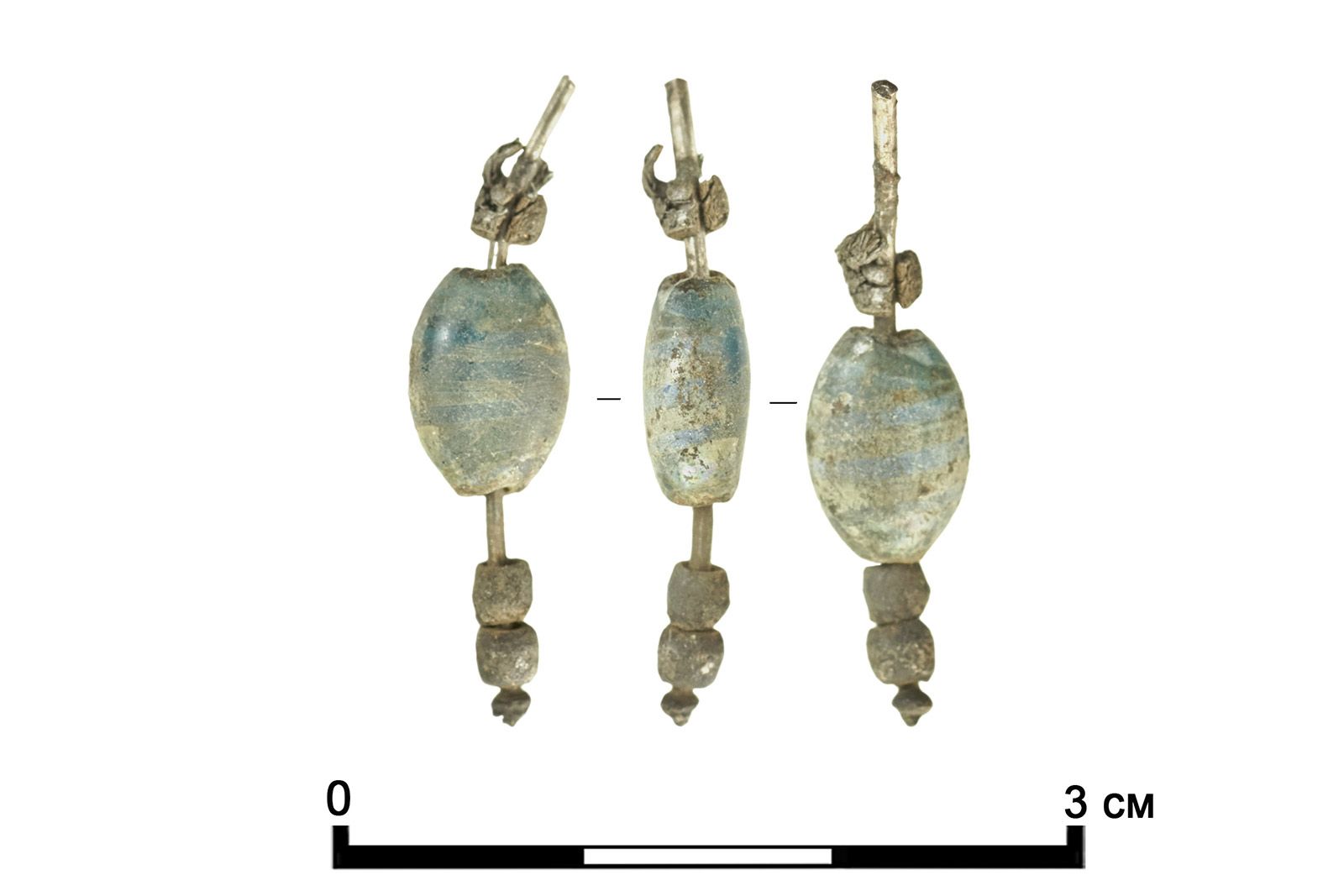
"Although relatively small (about 200 artifacts), this collection is pretty revealing when it comes to everyday life of Muscovites in the centuries past. It mostly consists of household items that have already been cleaned and sorted out. A fine 18th century woman's earring was among the most fascinating discoveries. It is a non-ferrous metal stud with a large sea green glass bead transitioning smoothly from clear to turquoise color, framed with pairs of tiny pearls on the top and on the bottom. Time was not kind to the pearls, so the earring is now undergoing restoration. Later, all the artifacts will be handed over to the Museum of Moscow," says Alexey Yemelyanov, Head of the Moscow Department of Cultural Heritage.
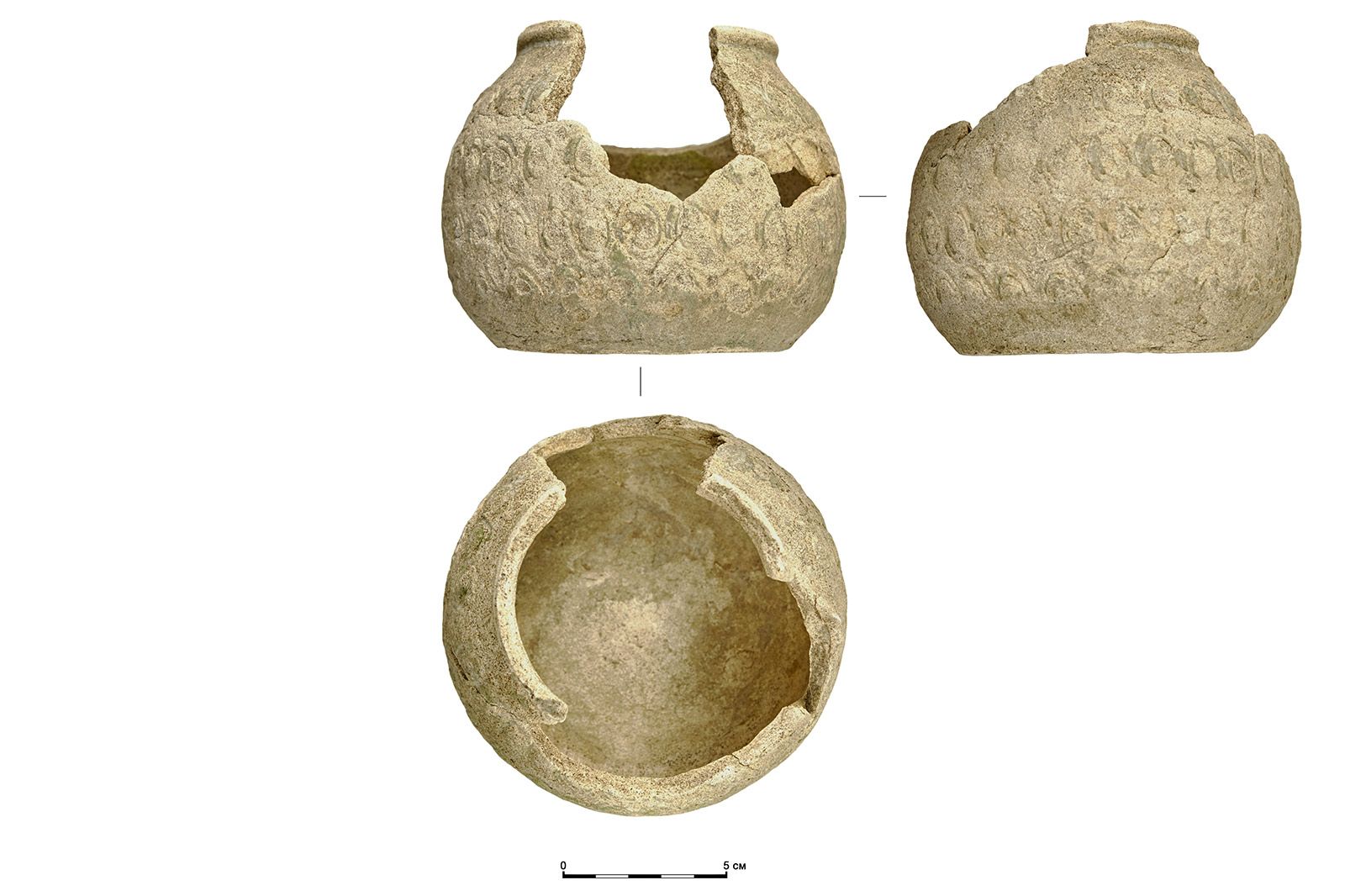
Archaeologists have also discovered ceramic pots, small-handled bowls, miniature lids, candle holder fragments, and tobacco pipes made of red clay. In their opinion, all those items might have been owned by a small inn located there centuries ago. A fragment of a child's toy, made of ceramic and shaped like a duck, was a particularly touching discovery.
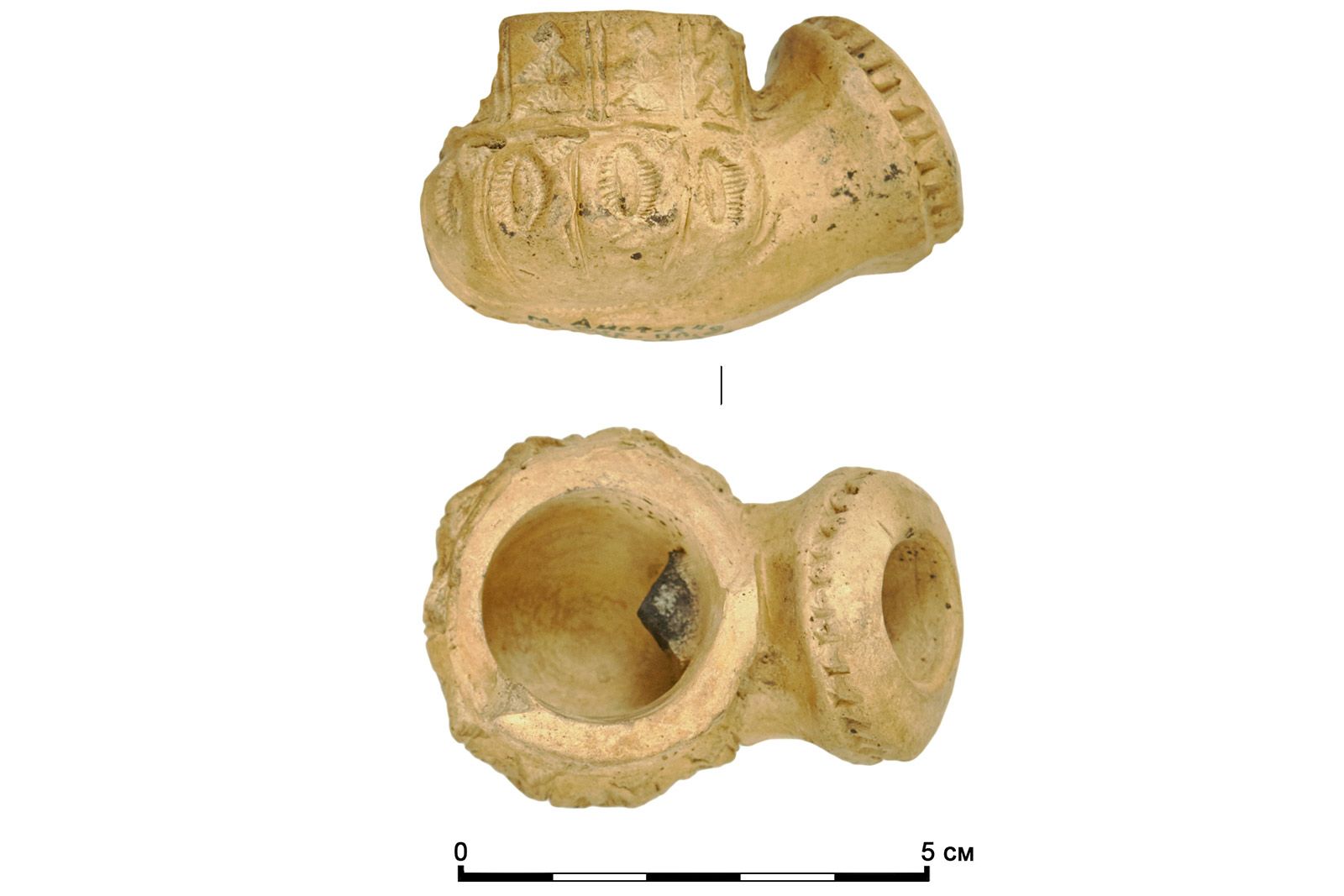
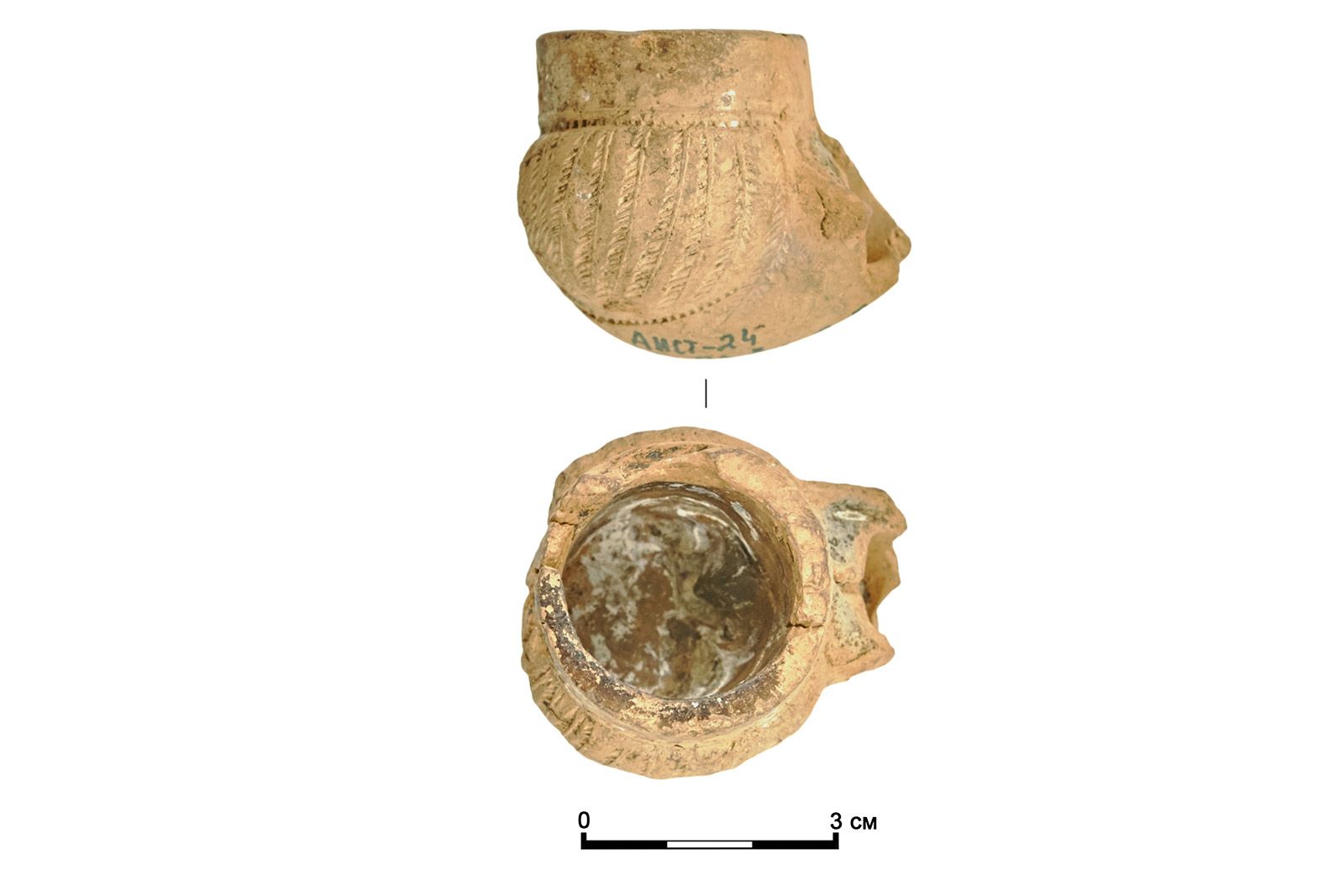
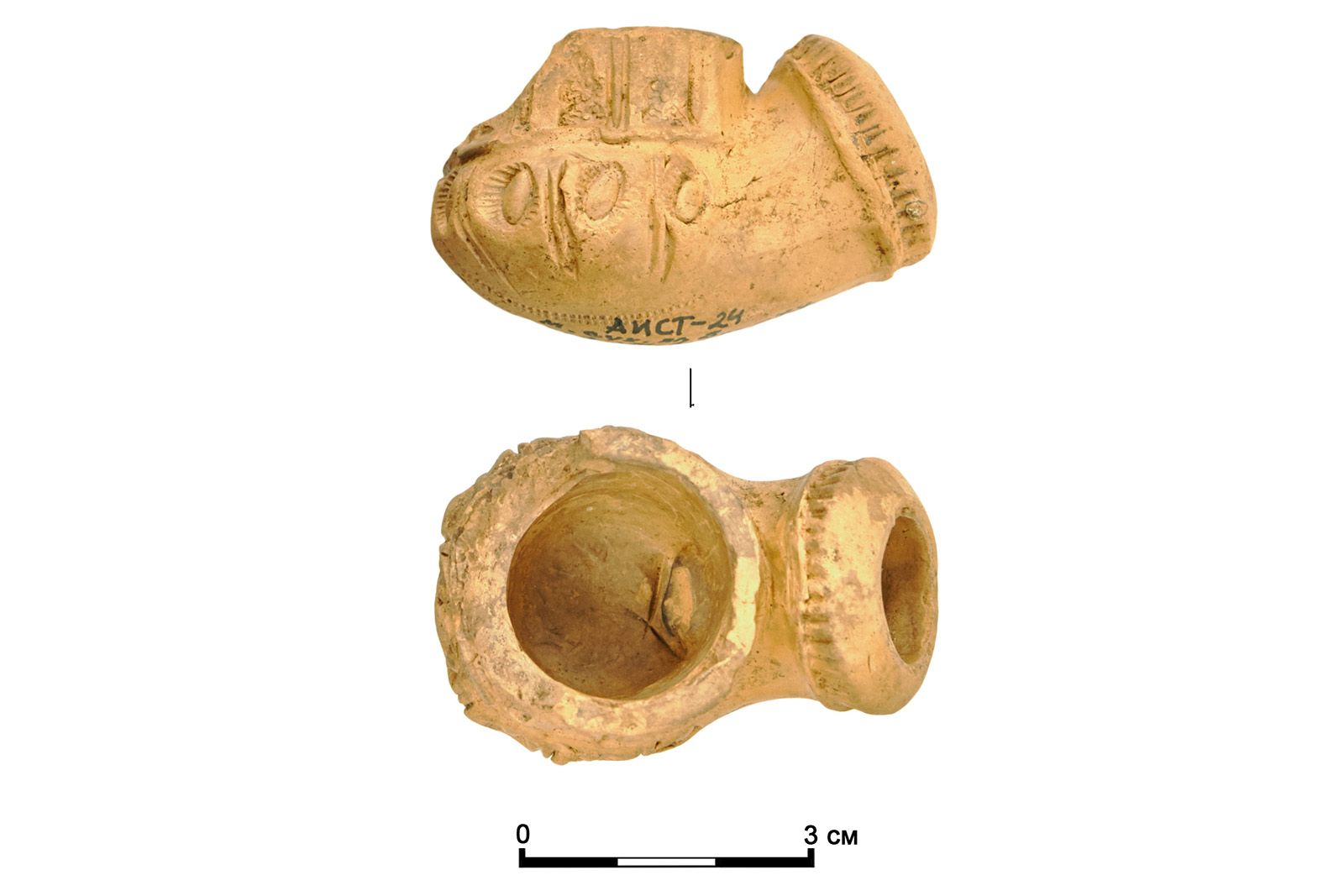
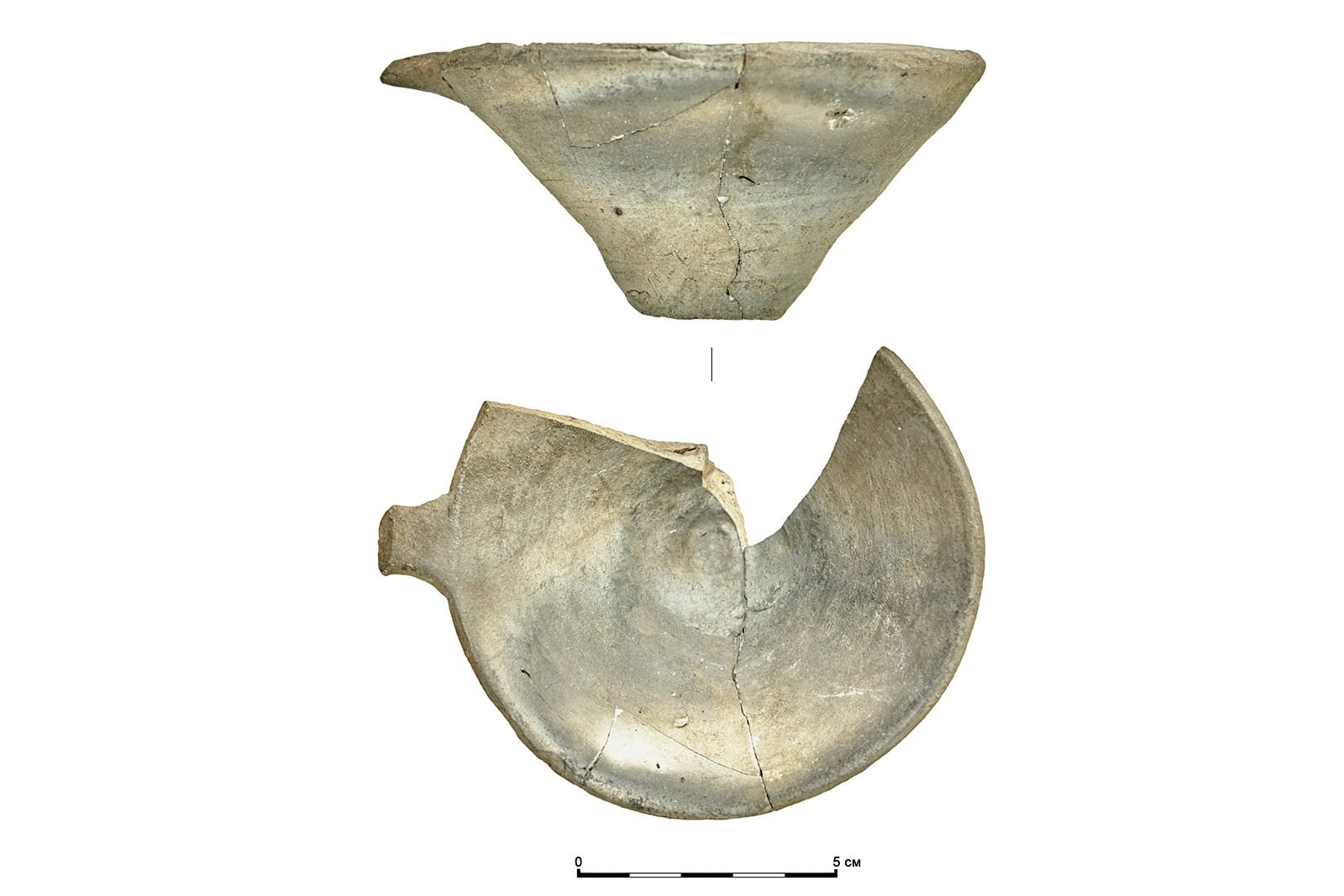
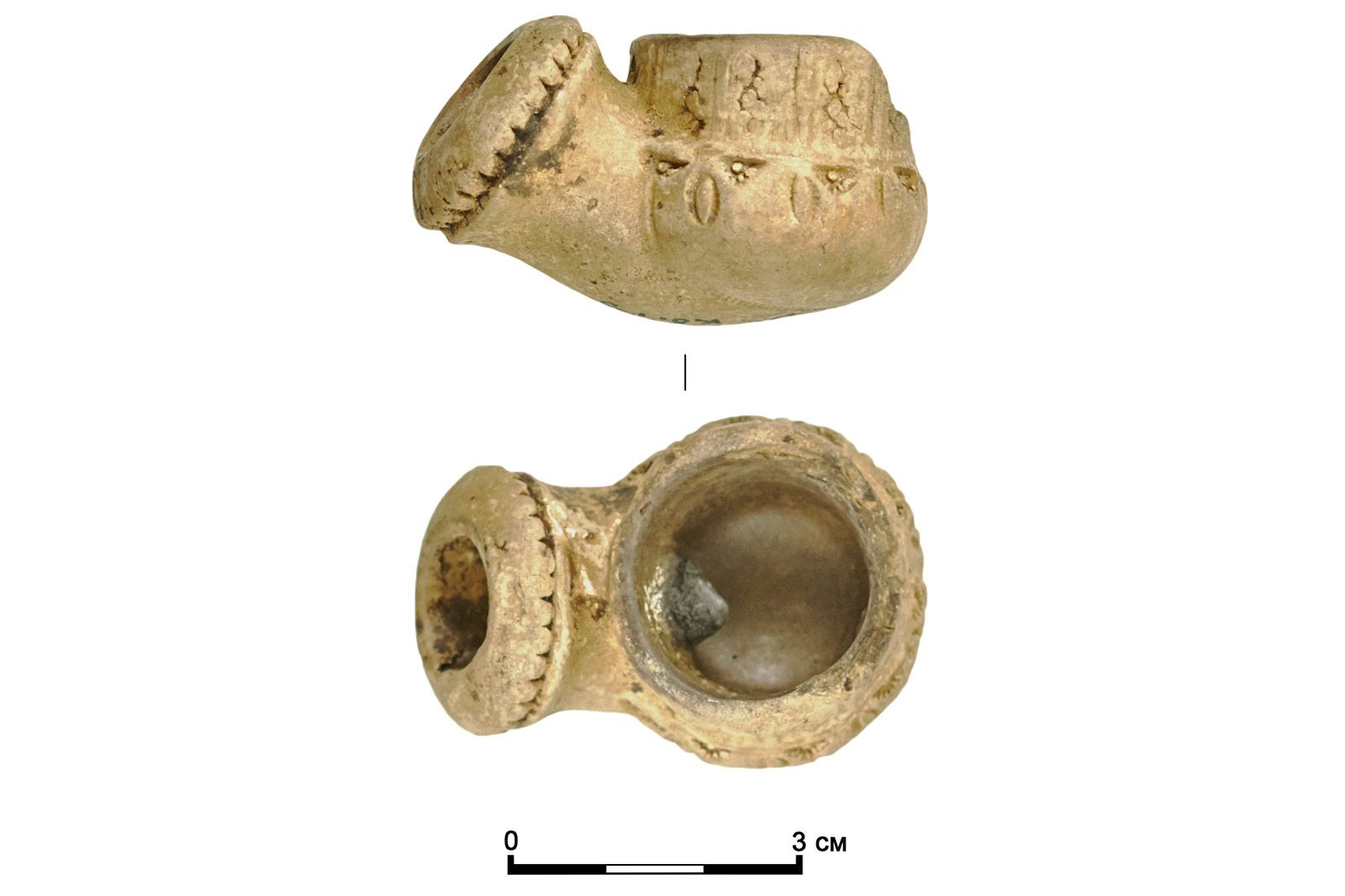
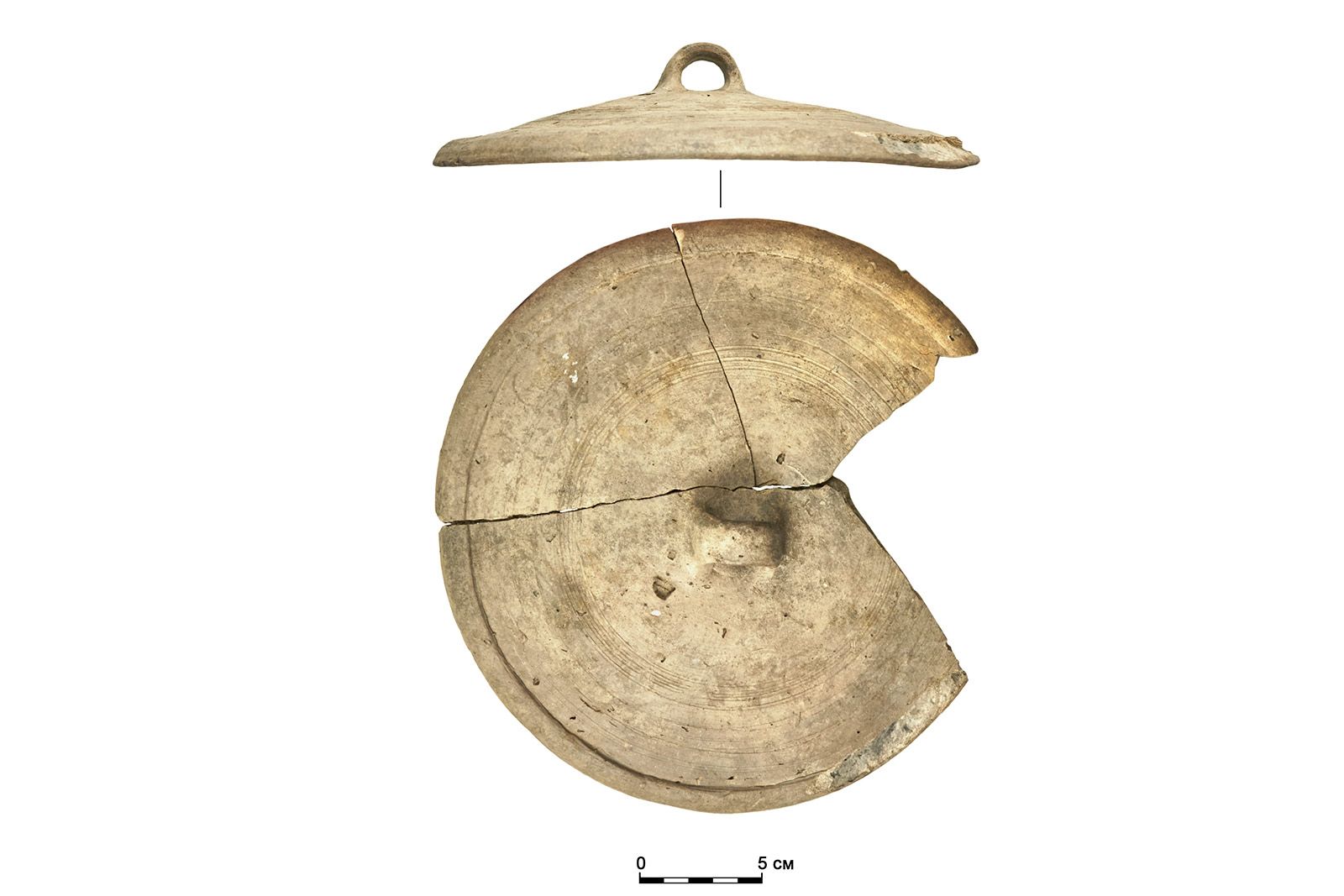
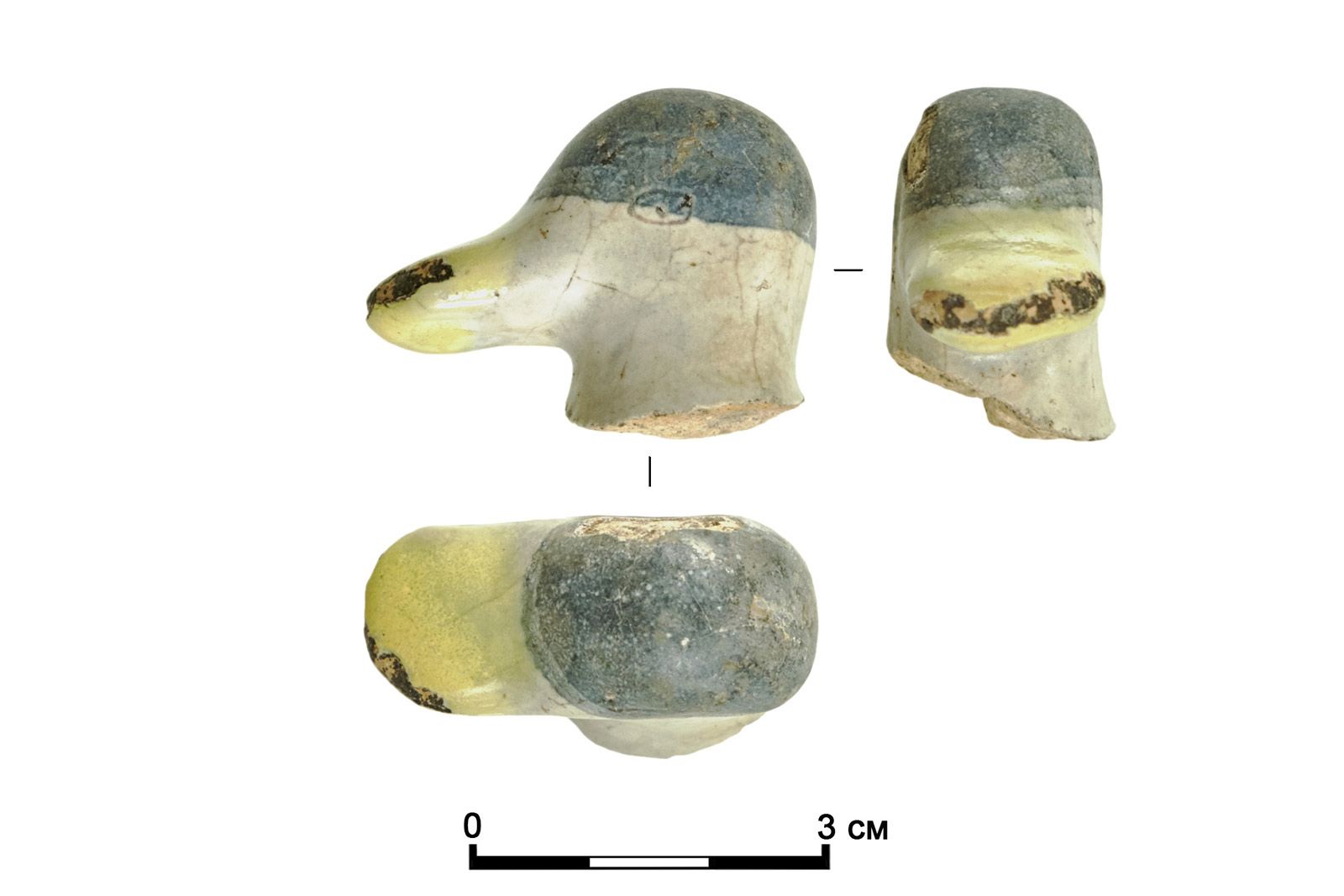
The excavation area was located on Sretensky (Sukharevsky) Hill, in the quadrant framed by Trubnaya and Sadovo-Sukharevskaya streets, Sretenka, and Bolshoy Sukharevsky Pereulok. Sretensky Hill got its name in the late 16th century, when Sretensky Gate had been built in Zemlyanoy Gorod, and was renamed to Sukharevsky in the 17th century, after the Sukharev Tower located in the area. People started settling there in the 16th century; the ancient Drachi (later Grachi) area was located nearby, with Pechatnaya (Printers'), Pushkarskaya (Cannon Founders'), Pankratyevskaya and other neighborhoods forming around it. In the 2nd half of the 17th century, the area was given to Streltsy (Riflemen) households who were tax exempt and traded actively around Sretensky Gate. In the 18th century, a large merchant estate with a silk mill, gardens, and vegetable fields was located there, to be replaced by wooden trade shops and a revenue house in the 19th century.
This year, archaeologists are digging at over 30 sites. They have found about 4,000 individual items, with the rest being bulk materials like ceramics, organic fragments, glass, ferrous and non-ferrous metals. Over the past five years, more than 50,000 individual artifacts have been handed over to the museum.
Photographs and more information on Moscow’s cultural heritage are available in the new Cultural Heritage section of the city’s MosPhoto media bank.