Architects restore façades and entrance arch at Turgenev family estate in downtown Moscow
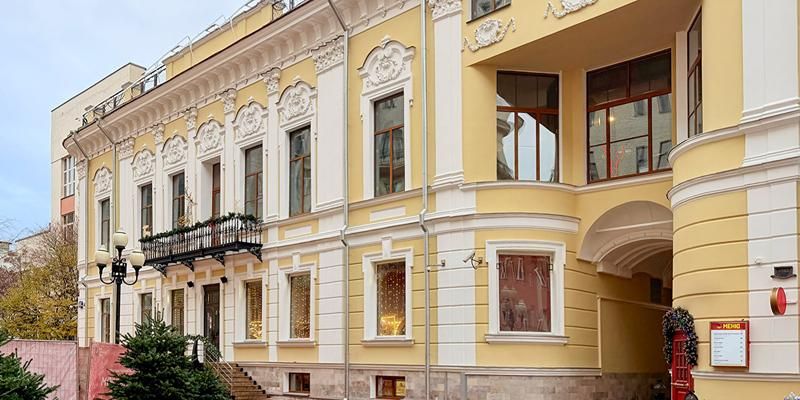
The restoration project for the façades and entrance arch of the manor house at the Turgenev family’s former Moscow estate in central Moscow has wrapped up. Designated as a regional cultural heritage site, the building was renovated under the supervision of the Moscow Department of Cultural Heritage and in accordance with the official permit.
“The manor house of the former estate on Arbat Street stands out for its elaborate architectural decoration.
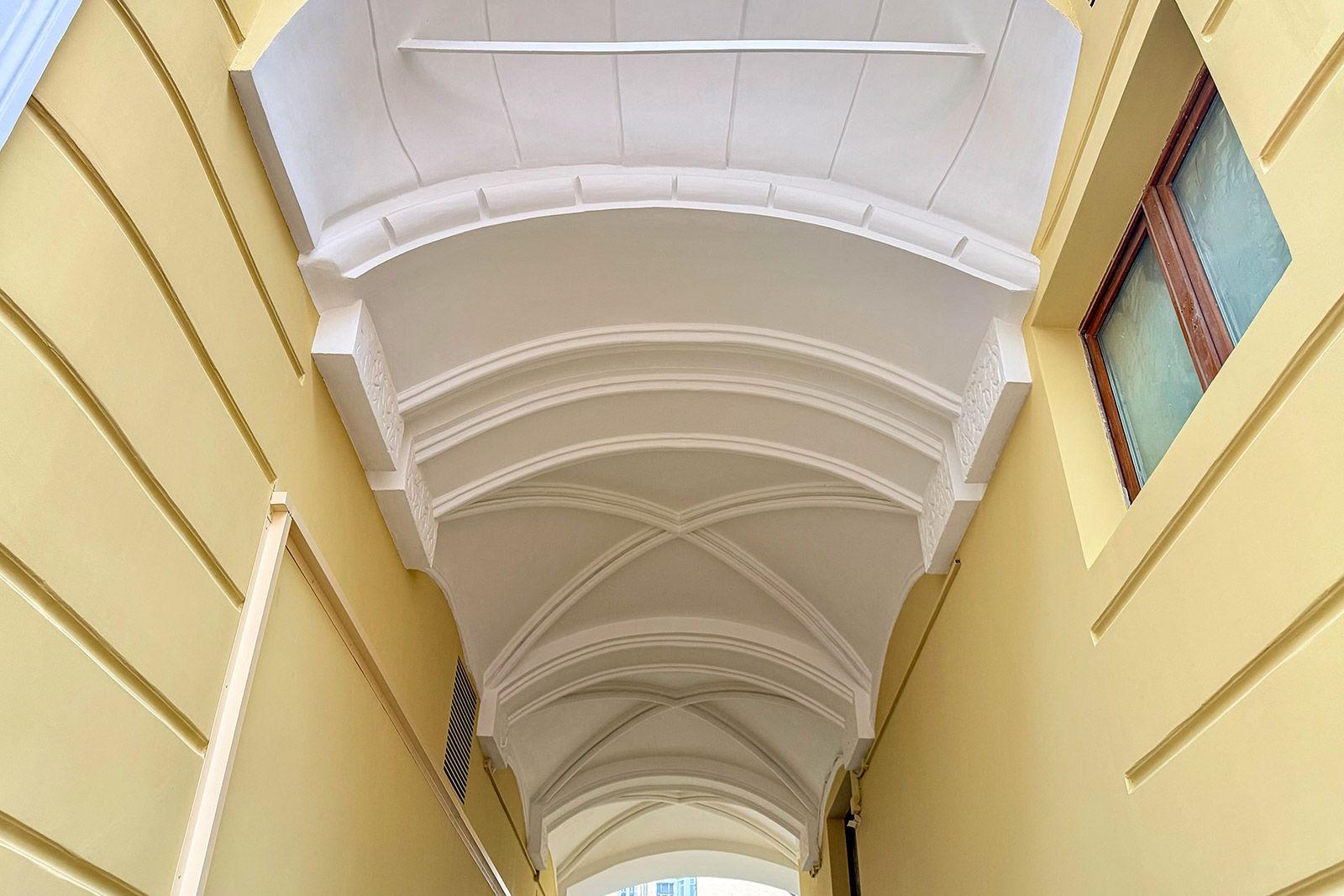
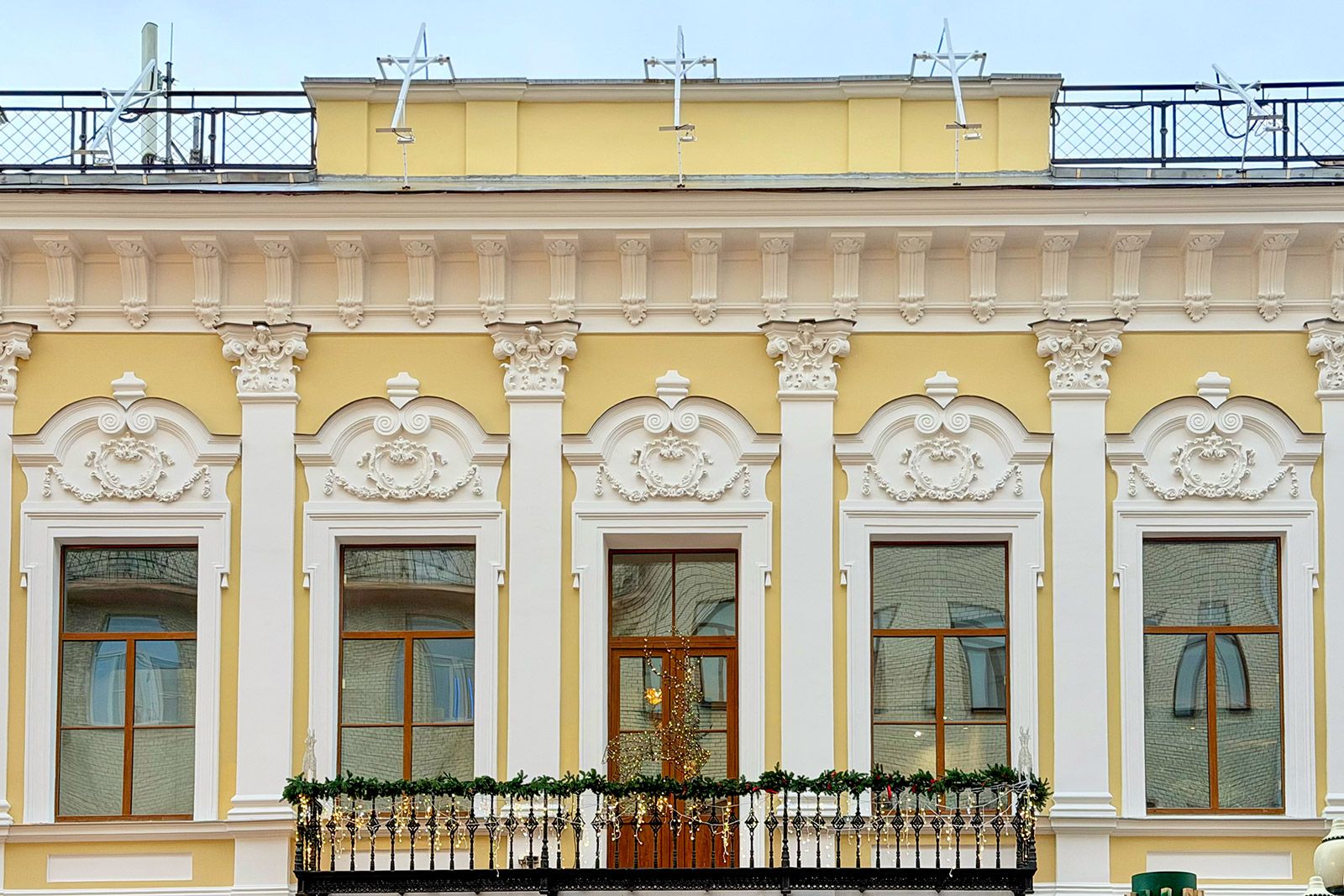
Indeed, its façade features pilasters with capitals, a projecting moulded cornice and a broad frieze. The second-floor windows are framed by platbands topped with Baroque-style detailing in the form of two horizontal mouldings. Under our supervision, restoration architects cleaned the surfaces, repaired cracks, restored the decorative plaster mouldings, refurbished the abutment and repainted the façades in their original color. The entrance arch was repaired, too,” says Alexey Yemelyanov, Head of the Moscow Department of Cultural Heritage.
In addition, restorers refurbished the granite steps, metal window stills and drip edges, alongside the roof.
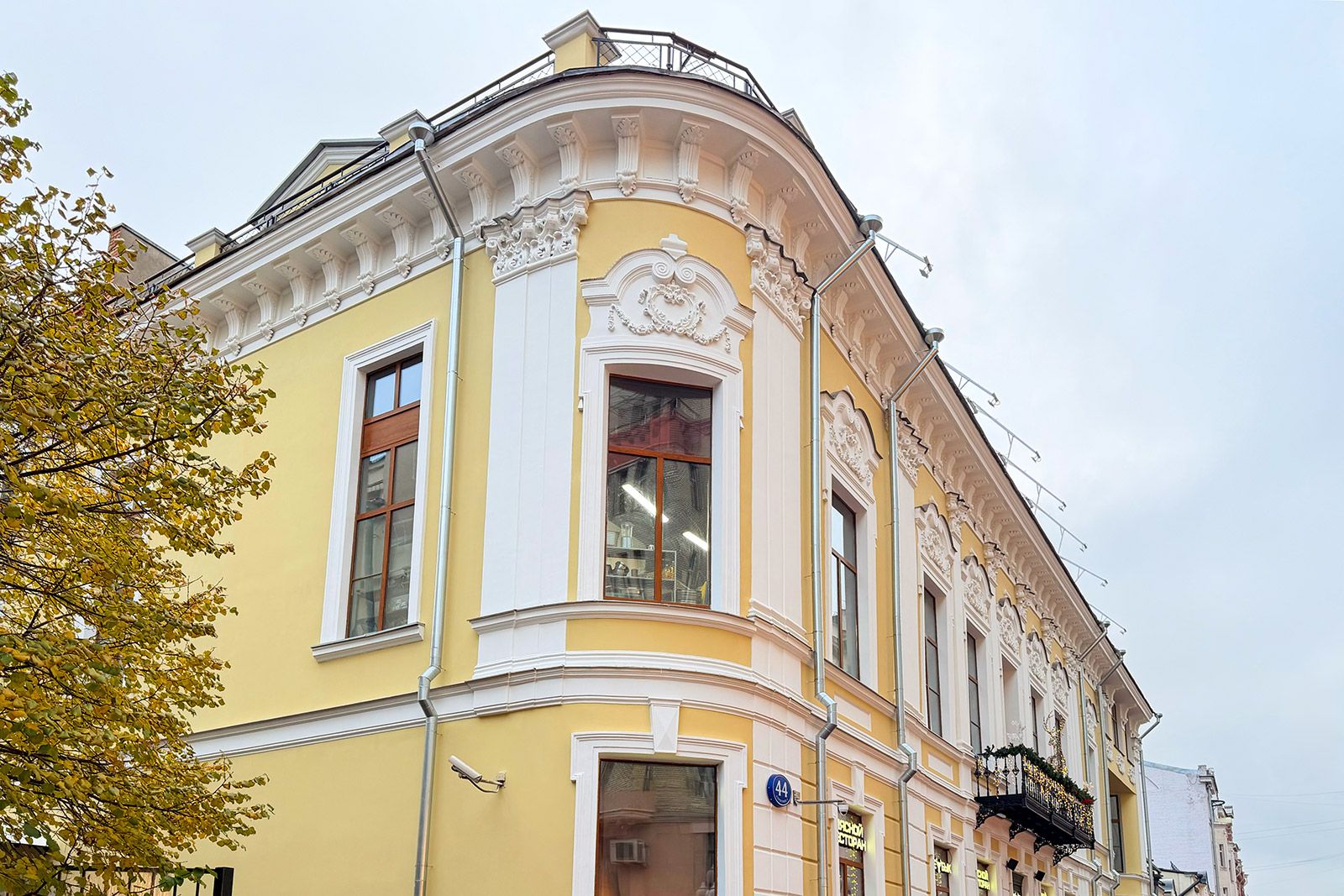
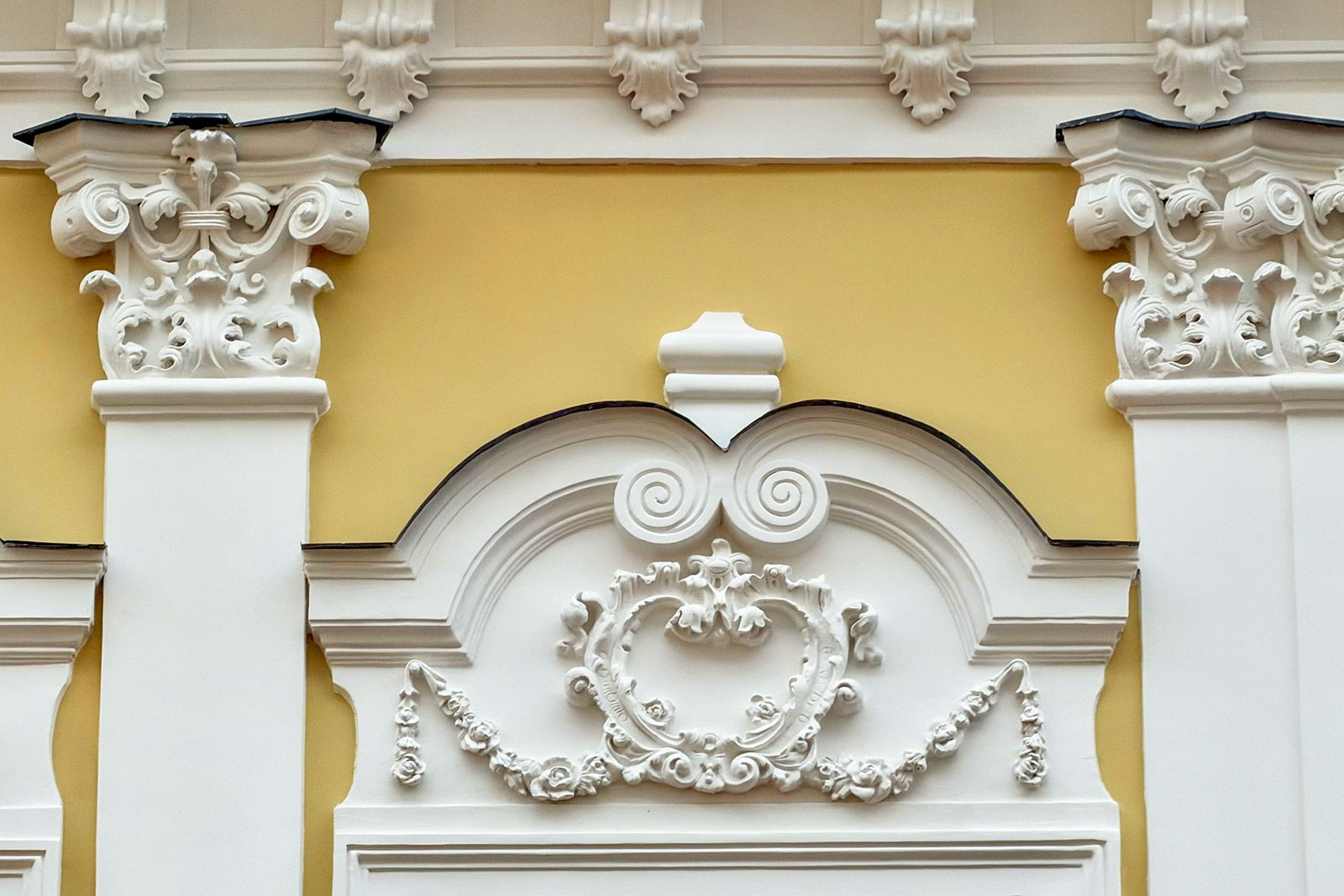
Interestingly, the manor building dates back to the early 19th century, while its outbuildings were constructed in the late 18th and 19th centuries. In the 18th century, the land plot, now located at 44 Arbat Street, first belonged to the great-great-grandfather of writer Ivan Turgenev and later to the grandmother of poet Fyodor Tyutchev. In 1812, the manor house was damaged in a fire to be further rebuilt; its façade was redesigned in the Baroque style towards the end of the 19th century.
Before the October Revolution, the building housed the Moscow School of Dentistry. One of its staff members was Hilary Zdzisław Wilga, a private lecturer at Imperial Moscow University who later became a founding father of Soviet dentistry. In 1920, the school became a Department of Dentistry within the Faculty of Medicine at the First Moscow University.
Over the years, the historic building has been home to a number of prominent figures, including poet Nikolai Glazkov, writer Sigizmund Krzhizhanovsky, physician Alexey Ostroumov, and physicist Yevgeny Gopius.
Today, the building houses a restaurant and a café.