MIC-based company wraps up flight tests for its satellite
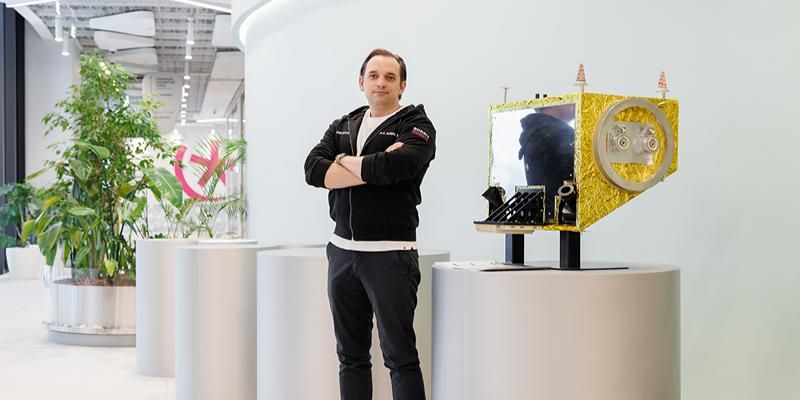
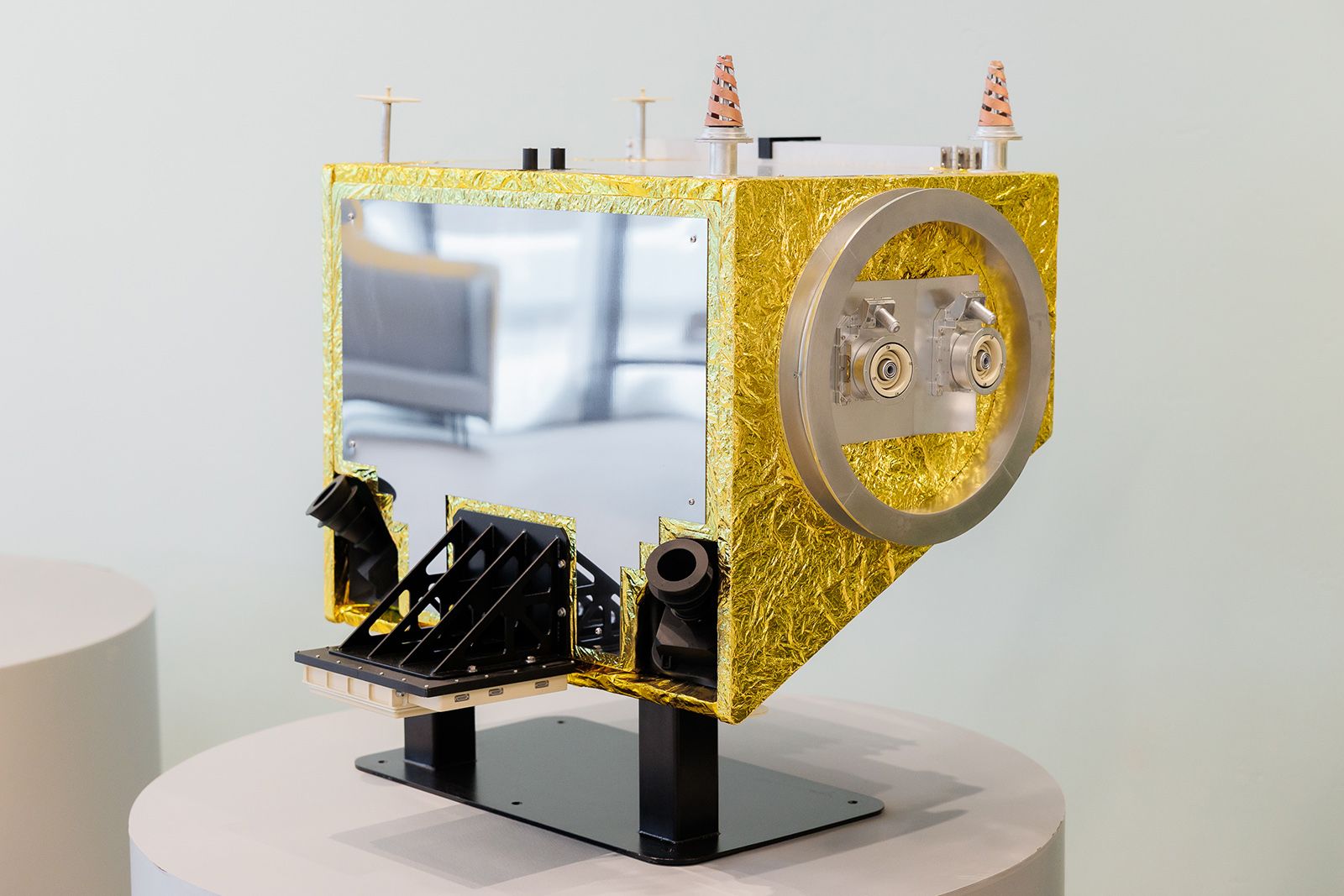
A company affiliated with the Moscow Innovation Cluster (MIC) and a resident of the Lomonosov Cluster has successfully completed flight tests for its Oculus-01 satellite. Operating in orbit for roughly seven months, the spacecraft has already circled the Earth more than 3,000 times.
“Moscow is fostering an ideal environment for high-tech ventures, particularly within the space sector,” says Natalya Sergunina, Deputy Moscow Mayor, "the municipality provides cutting-edge infrastructure, grants, educational programs, and helpful digital tools alongside hands-on support for product testing and international expansion.”
The radar satellite captures Earth observation data 24/7, in any weather conditions. For one instance, it can map the entire Northern Sea Route roughly in just two and a half days. Going forward, the spacecraft will serve clients across a wide range of industries, from heavy manufacturing to electric power generation.
Today, Russia’s capital is home to more than 40 major companies, engineering firms, and R&D hubs driving the aerospace industry. They employ over 30,000 people; many of them are graduates of Moscow’s premier technical universities, including Lomonosov Moscow State University, Moscow Aviation Institute (MAI), and Bauman University.
Broad-ranging backing
The MIC digital platform offers over 50 tools designed to launch, grow, and scale tech businesses. Entrepreneurs can use the platform to test prototypes, manage intellectual property, apply for grants, raise investment, and connect with potential clients, thus dramatically shortening the pipeline from R&D to market deployment. A dedicated Support Navigator helps founders pinpoint the right resources for their specific stage of growth.
In October, MIC rolled out a new digital matchmaking solution connecting businesses with vetted companies and engineering teams for R&D projects.
On top of that, the Moscow Government recently announced grant applications to help companies buy equipment and scale operations. Some extra municipal backing includes training subsidies, export grants, pilot and testing programs, in addition to funding for patenting Moscow-developed inventions both domestically and internationally.
Educational tracks, such as Investment Packaging, Path to IPO, Venture Academy, and Scaling Sales, are said to be particularly popular