Fantastic beasts and maritime metaphors: Exploring Moscow’s early November exhibitions with Mosbilet
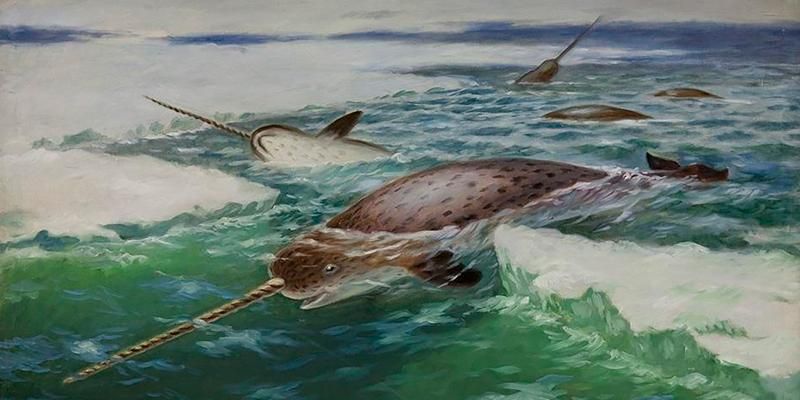
Visitors to the Varshavka Gallery & Studio can look forward to a fantastical bestiary. Moscow Museum of Modern Art (MMOMA) will present a kinetic installation by Mila Nishatova exploring the movement of water, while Darwin Museum invites to get a glimpse into the world of the animal kingdom’s most extraordinary creatures, from the Japanese spider crab to the bee hummingbird. These are just some of the exhibitions opening at venues run by the Moscow Department of Culture in the first half of November. Find out more in this guide from mos.ru.
Our Bestiary at Varshavka Gallery & Studio
When: November 2–26
Where: 68/1 Varshavskoye Motorway
Age rating: 12+
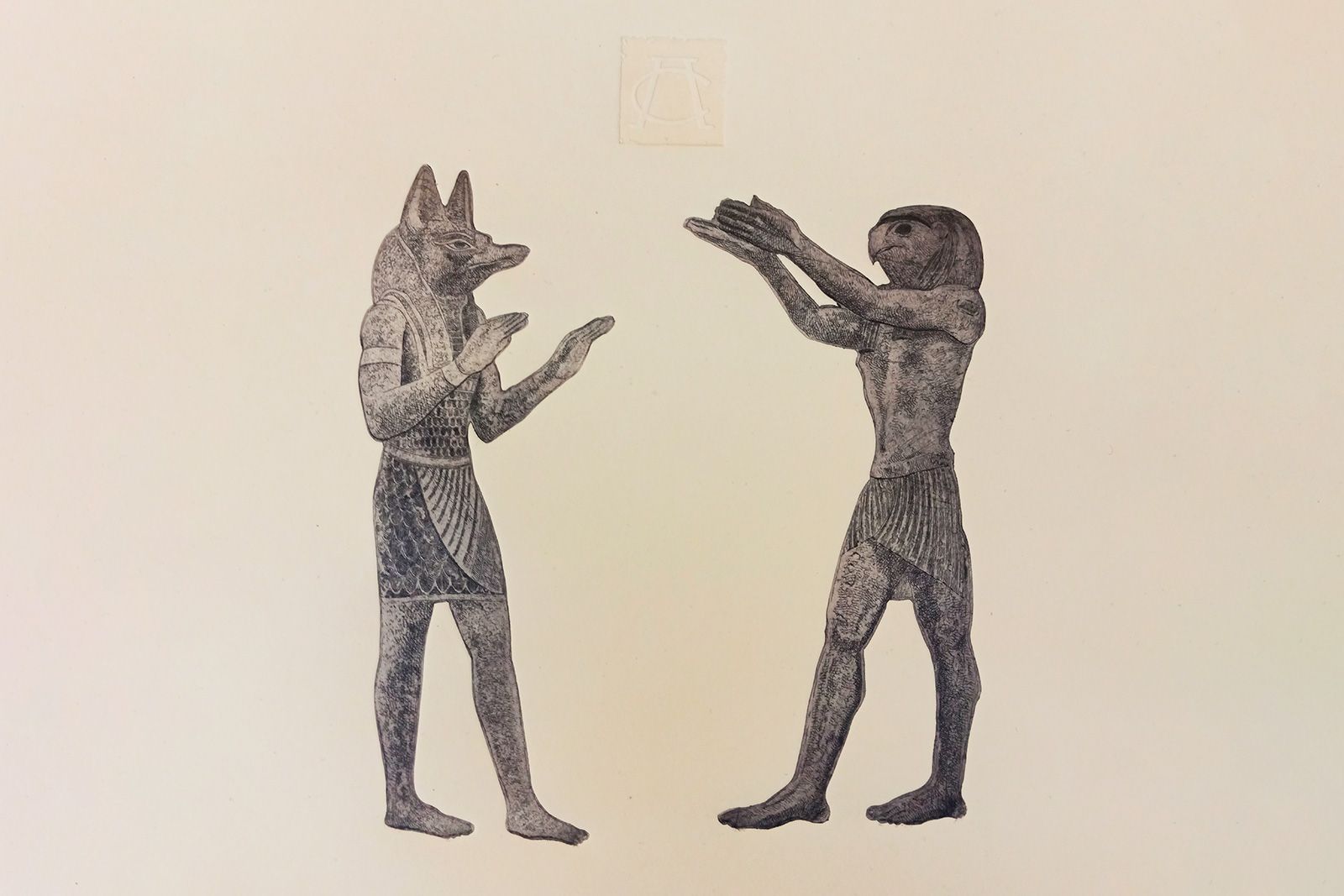
The Our Bestiary exhibition brings together works by established artists and emerging talents of the Ofort (‘Etching’) creative group, with ancient imagery meeting fantastical creatures, such as a Celestial Rabbitoceros, a Sea Dragon-Stag and a Peacock Cat alongside Assyrian winged bulls and octopuses depicted on ancient Greek coins.
The remarkable bestiary offers a glimpse into the artists’ inner worlds, personal histories and imaginations, which involve a wide range of printmaking techniques, from traditional etched linework to aquatint to drypoint on Tetra Pak packaging and monotype, revealing the expressive potential of the graphic arts. The exhibition explores how traditional techniques can acquire a new dimension in contemporary art, with the experience of established artists complemented by the fresh ideas of their younger fellows. Visitors are invited to look beyond the fantastical creatures as whimsical characters and discover images that connect collective cultural memory with personal experience.
The Sea Is Stirring Once, Twice… at Nikolay Ostrovsky Museum
When: November 5-December 6
Where: 14 Tverskaya Street
Age rating: 6+
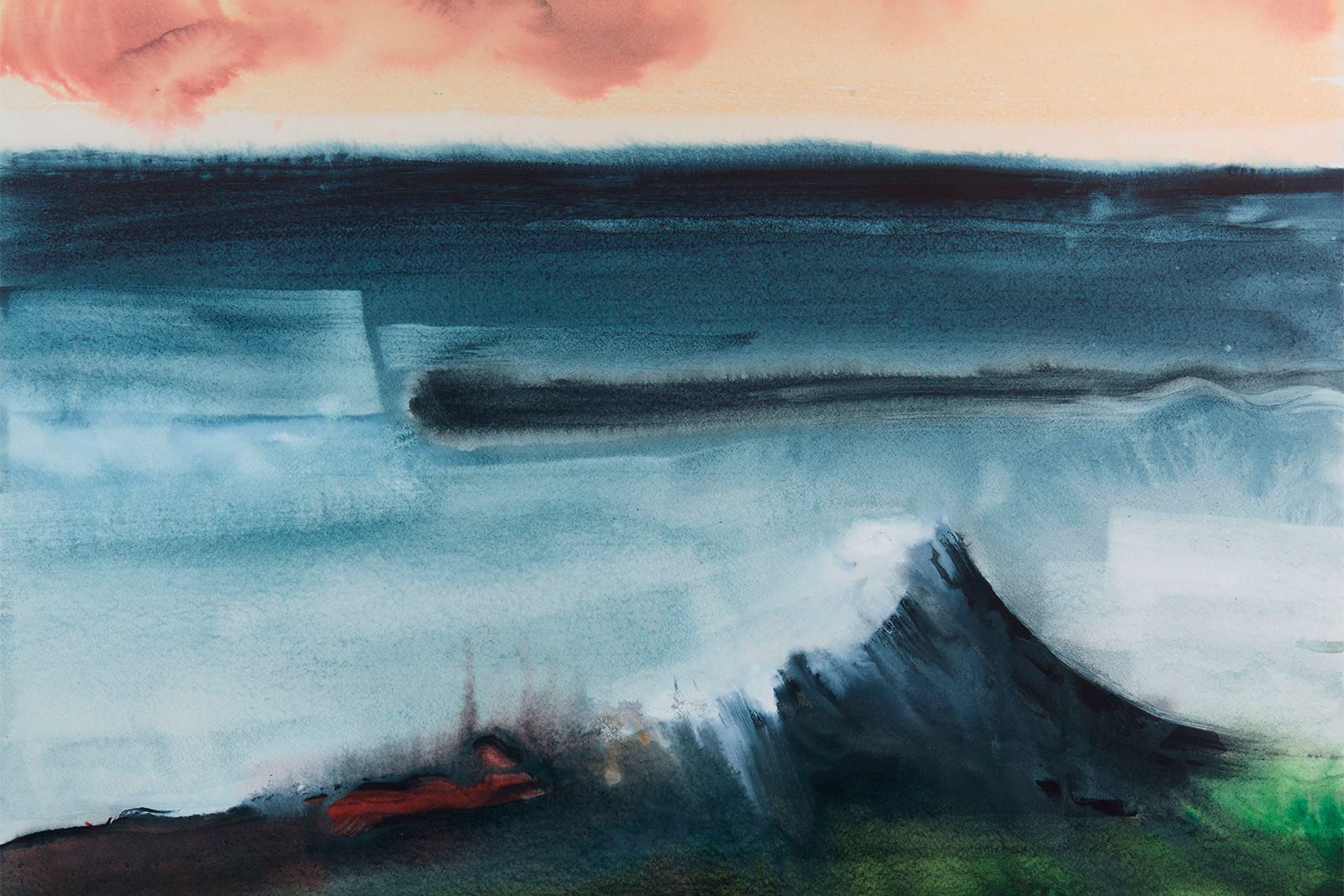
The Sea Is Stirring Once, Twice… explores the complex relationships between the artist, the sea and the viewer, while addressing pressing social and environmental issues, such as pollution, climate change, and biodiversity loss.
Seascapes come as a metaphor for nature’s vulnerability in the face of humans. A particular focus is given to Vladimir Migachev whose paintings unveil existential themes of life and death, humanity and nature, and the individual’s relationship with society. His Dunes series is, in a sense, a silent cry of protest against the destruction of the wildlife.
The exhibition also examines the sea through its colors, textures and movement, while continuing the traditions of Russian marine painting, from Ivan Aivazovsky to contemporary artists. In fact, the sea emerges as a metaphor for the human soul, infinity, memory, and humanity’s spiritual bond with nature. Drawing inspiration from Japanese prints, Buddhist cosmologies, geometric forms, maps of the northern seas and the concept of ‘singing water,’ the artists depict a multifaceted ocean as an eternal, ever-changing and endlessly inspiring force of nature.
Admission is included in the museum ticket.
Exhibition of Maxim Mikhaleni at Gogol House
When: November 5-December 13
Where: 7 Nikitsky Boulevard
Age rating: 6+
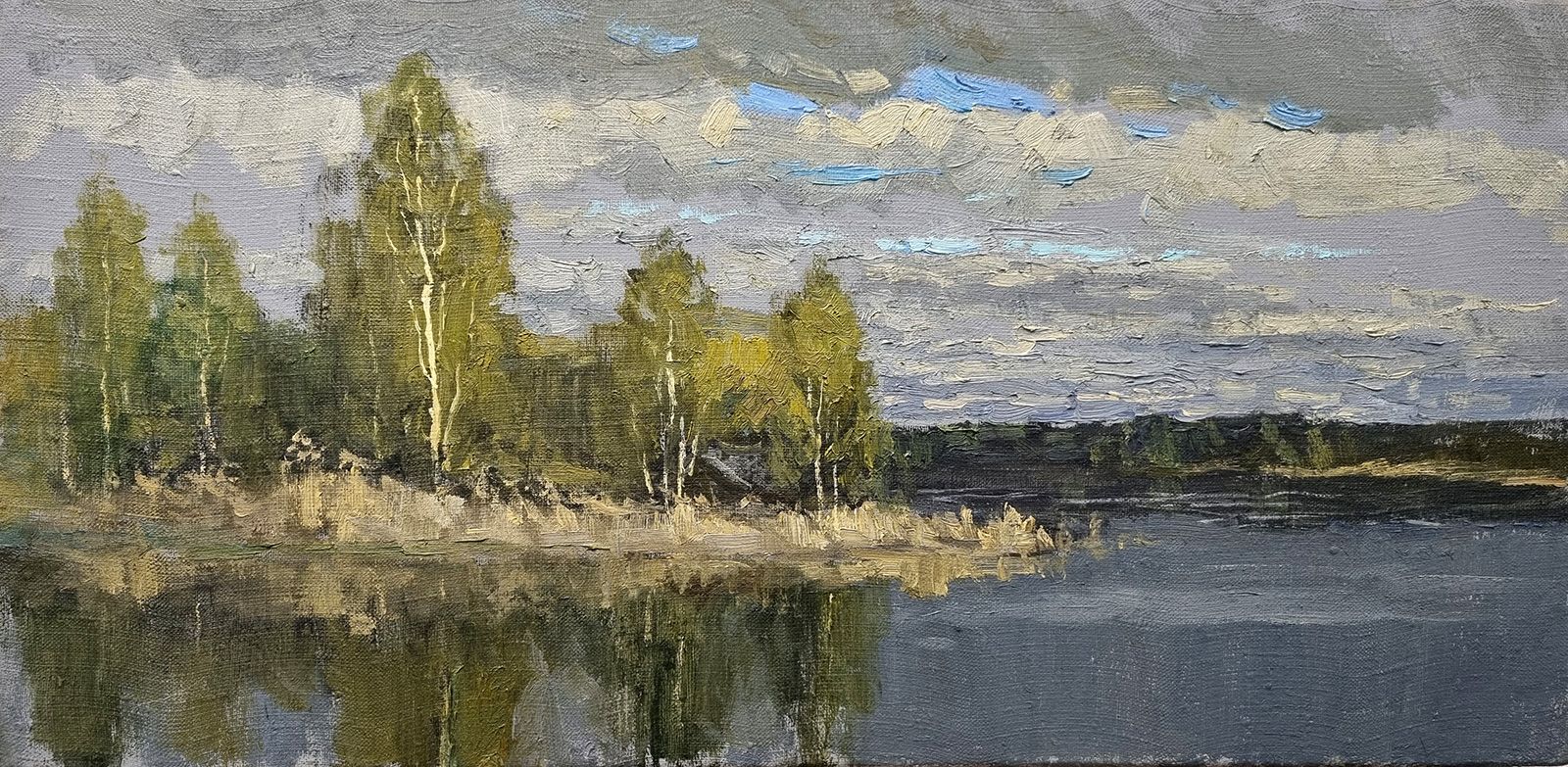
Covering a few decades, the exhibition presents works by Maxim Mikhaleni, one of the most compelling artists of the Russian North and a distinguished landscape painter. The selection includes landscapes of the Nizhny Novgorod, Kostroma, Vologda, Yaroslavl and Tver regions, as well as Karelia. Visitors will also see a series devoted to the Pomor people, depicting country life along the Tersky Coast of the Kola Peninsula, alongside landscapes of the Northern Urals, Dagestan, and Bashkortostan. Mikhaleni’s paintings are distinguished by their exceptional tonal richness and powerful plasticity.
Chroniclers of Everyday Life-3 at Peresvetov Pereulok Gallery
When: November 6-December 6
Where: 4/1 Peresvetov Pereulok
Age rating: 12+
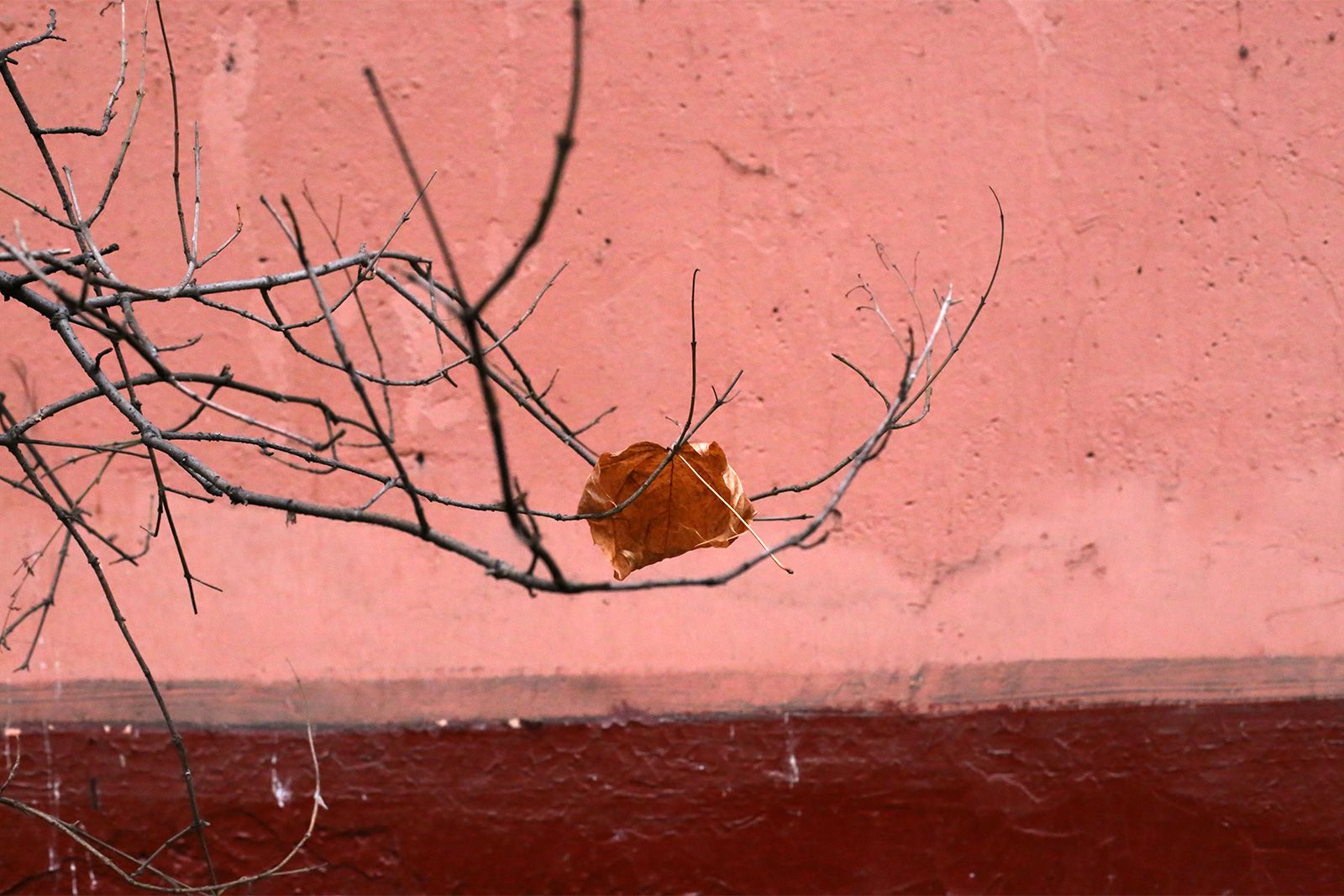
Featuring students from Vivian del Rio’s fine art photography workshop, the group exhibition brings together 17 photographic series and approximately 400 works by 15 artists, offering an extensive exploration of everyday life and changes across the city.
At its heart, however, is photographic documentation as a way of interpreting the reality as the artists explore deeply personal subjects, ranging from parental love to collecting to the contrasts between photography and painting. They capture familiar urban scenes, such as condominium entrances, workplaces, courtyards and buildings seen from different angles. Through their choice of subject matter and perspective, the artists reveal how the everyday can be perceived in entirely new ways.
The exhibition invites viewers to see the city and its daily rhythms through the eyes of artists and to discover how a deliberate choice of photographic frame can transform ordinary things into something meaningful. “We only see what we look at. To look is an act of choice”, John Berger once wrote.
You Are Our One and Only One, Russia, Like the Heart at Alexander Shilov Gallery
When: November 10–24
Where: 5 Znamenka Street
Age rating: 6+
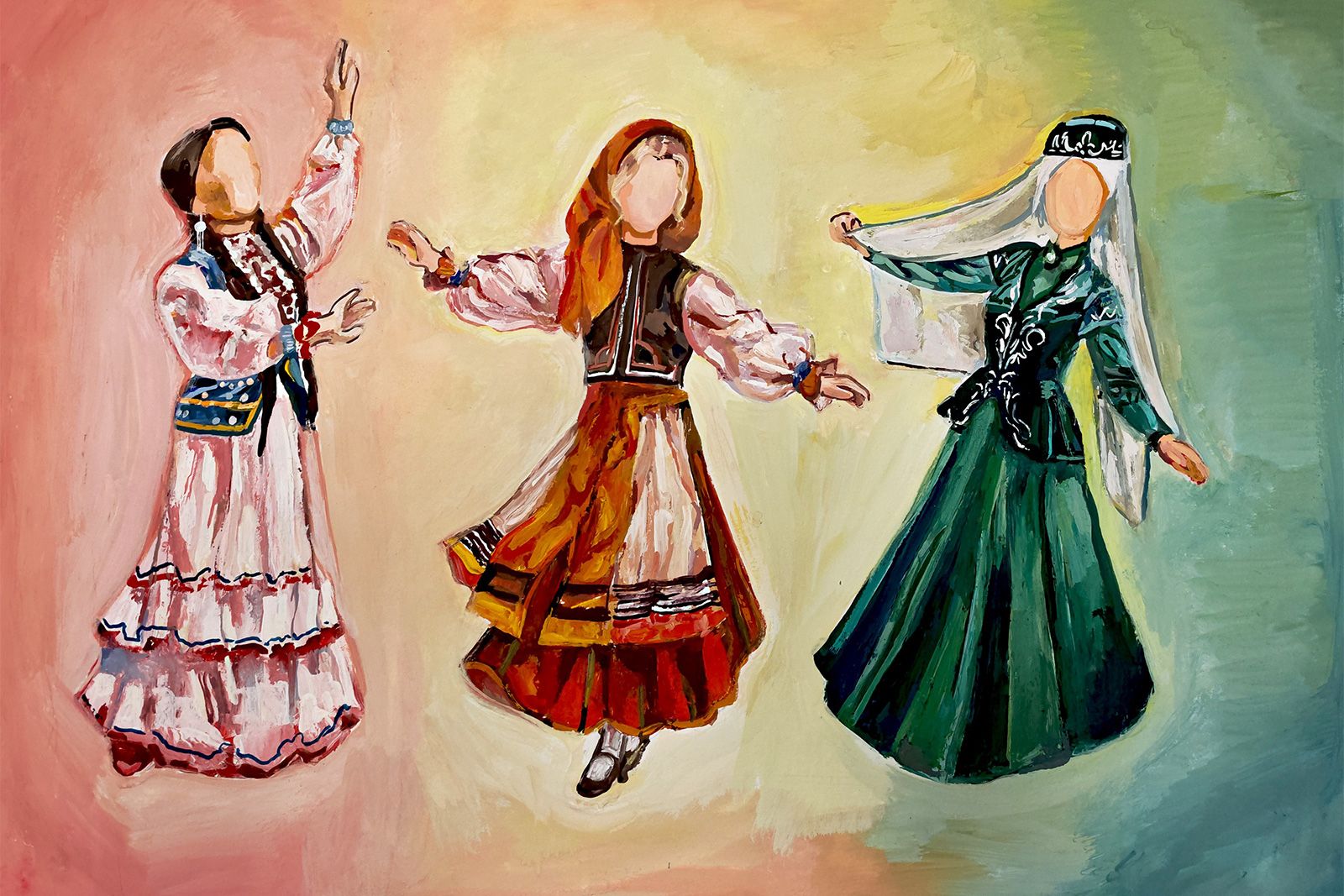
You Are Our One and Only One, Russia, Like the Heart is an exhibition of drawings by students of Alyabyev Children’s School of Arts, the young artists showcasing their watercolors, gouache and acrylic work. They use colors, forms and composition to express their impressions of their homeland, its people, traditions and cultural diversity.
The exhibition aims not only to showcase the achievements of the young talents but also to demonstrate how a sincere conversation about love of country can emerge through a child’s perspective.
Be sure to buy a gallery ticket to visit.
Mila Nishatova: Sometimes Water Moves Towards the Moon at MMOMA
When: November 11 -December 13
Where: 25 Petrovka Street
Age rating: 0+
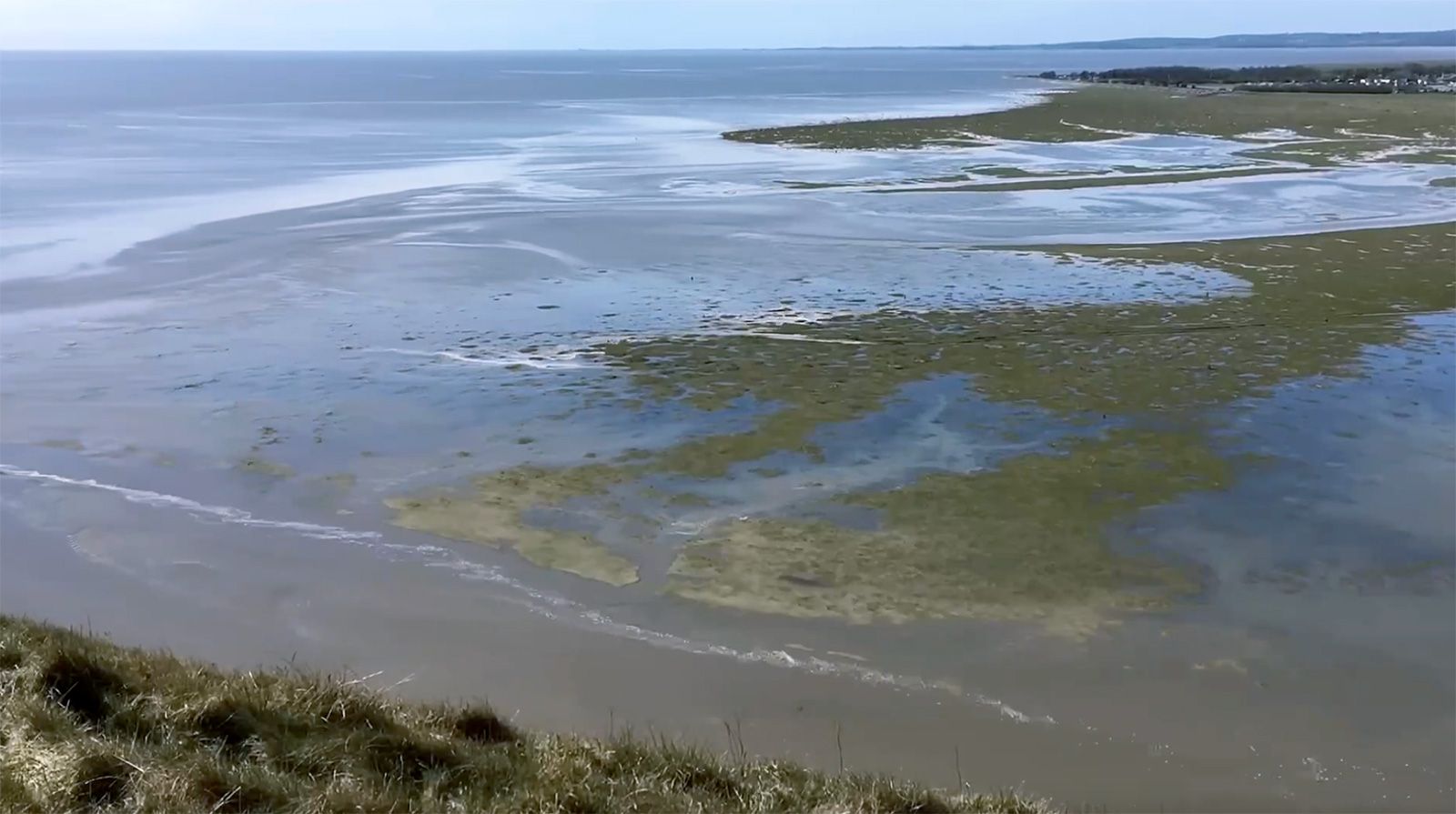
Moscow Museum of Modern Art (MMOMA), in collaboration with the Free Workshops School of Contemporary Art, presents Sometimes Water Moves Towards the Moon, a solo exhibition by Mila Nishatova, the artist reflecting on the nature of knowledge — why we can know something we have never seen, or fail to understand something that was once self-evident.
The centerpiece of the exhibition is a large-scale kinetic installation with glass tanks housed within metal structures containing a system of pumps that recreates the movement of water during tidal cycles. On display, one also see photographs, video works and discovered artifacts, including fragments of white clay smoking pipes dating from the 16 th to the 19 th centuries.
Admission is included in the museum ticket.
Crossroads of Growing Up at the exhibition hall on Academik Varga Street
When: November 11-December 13
Where: 3 Academik Varga Street
Age rating: 12+
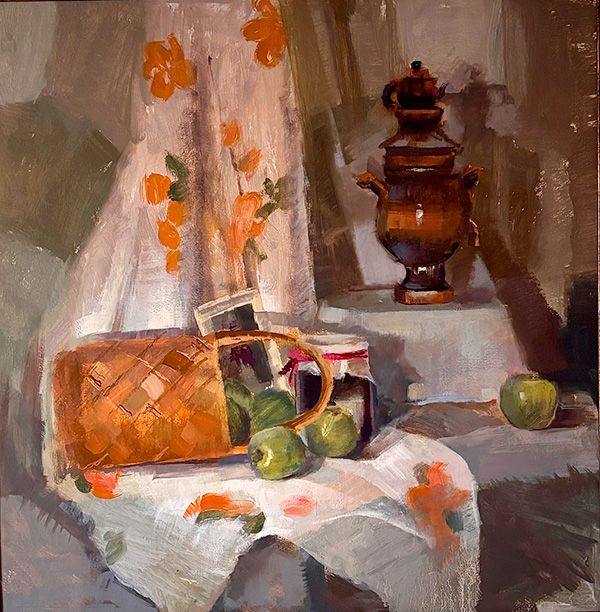
The group exhibition by female students in Art and Graphics at the Institute of Fine Arts (Moscow State University of Education), explores the experience of growing up, in particular, the personal journey of self-discovery and the transition into new stages of life. Drawing on their own memories and observations, the artists examine the inner conflicts that are inherent to the process, portraying childhood as a state of being that continues to exist within adulthood.
The exhibition brings together everyday objects and still-life compositions with genre scenes depicting significant life transitions, such as trying on a wedding dress. The diversity of artistic perspectives is matched by a variety of techniques, ranging from oil and acrylic painting to digital collage to acrylic pouring. In fact, growing up is presented as an ongoing process of transition and self-reassessment rather than as the attainment of a particular age. The exhibition invites visitors to reflect on their own experiences and recognize familiar feelings and emotions in the displayed works.
Extraordinary Animals at Darwin Museum
When: November 11, 2026-February 14, 2027
Where: 57 Vavilov Street
Age rating: 0+
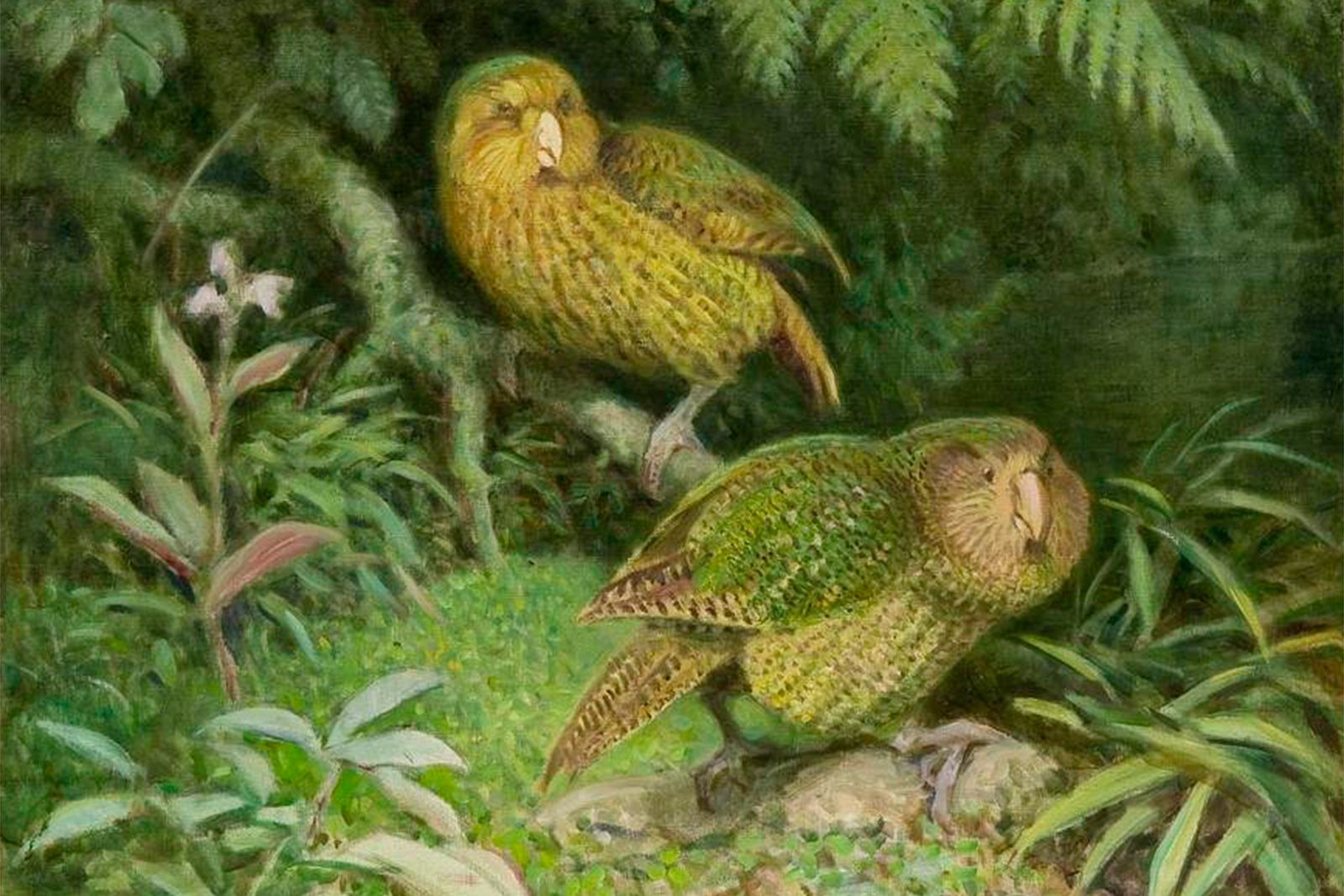
The exhibition spans almost every major group of animals, from marine invertebrates to mammals, for visitors to discover decorator mollusks that attach stones to their shells for camouflage, unusually shaped sea urchins, crabs with hairy claws, an armored vehicle fish and a needlefish, insects that mimic leaves and branches, birds with amazing tails and beaks, and even animals protected by a bony armor.
The greatest attraction is however the collection of genuinely rare specimens sourced from the museum’s own holdings, including a Japanese spider crab with a leg span of up to 3.7 meters, a cushion sea star, the Hercules beetle — one of the world’s largest beetles — and a bee hummingbird weighing just 1.6 grams.
The exhibition also displays some remarkable works of art, such as watercolors and line art works by Vasily Vatagin, Gennady Tselishchev and other animalist artists who captured extraordinary creatures in their natural habitats. Many of them have been exhibited for the first time or have been rarely brought out of storage.
Maria Krasilnikova: Painting at A3 Gallery
When: November 12-December 13
Where: 39 Starokonyushenny Pereulok
Age rating: 18+
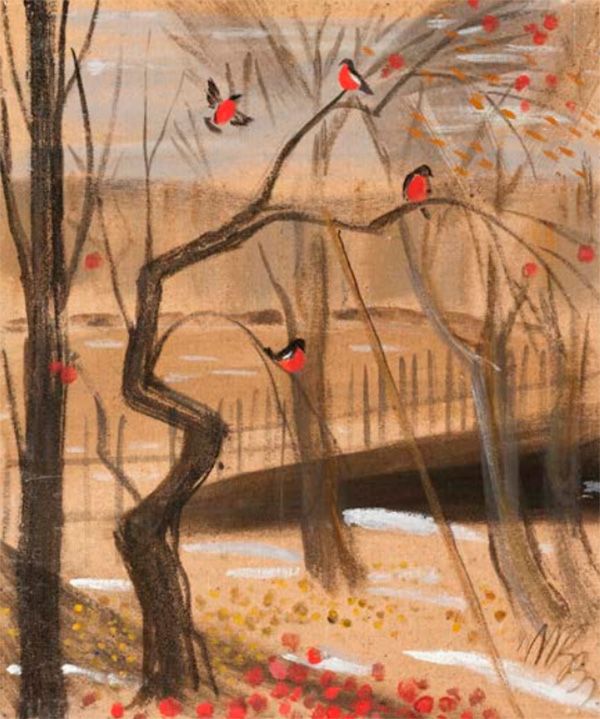
A3 Gallery presents a solo exhibition by Maria Krasilnikova, a monumental artist, People’s Artist of Russia, Corresponding Member with the Russian Academy of Arts and Secretary with the Russian Union of Artists. A graduate of Geliy Korzhev’s legendary studio at Stroganov School, Krasilnikova has an extensive background in monumental art. In her easel paintings, she asks subtle moral and spiritual questions, exploring the poetry of existence.
The exhibition is devoted to the many facets of everyday life, from rural scenes, harvest time to the natural bounty of central Russia to intimate moments of urban life. A particular focus is however given to a series of expressive still lifes featuring bouquets arranged on chairs, with familiar items of furniture acting as the conceptual foundation. Visitors are invited to slow down and discover the enduring beauty and depth hidden in the familiar scenes of everyday life.
Sugar Nastasya at A3 Gallery
When: November 12-December 13
Where: 39 Starokonyushenny Pereulok
Age rating: 18+
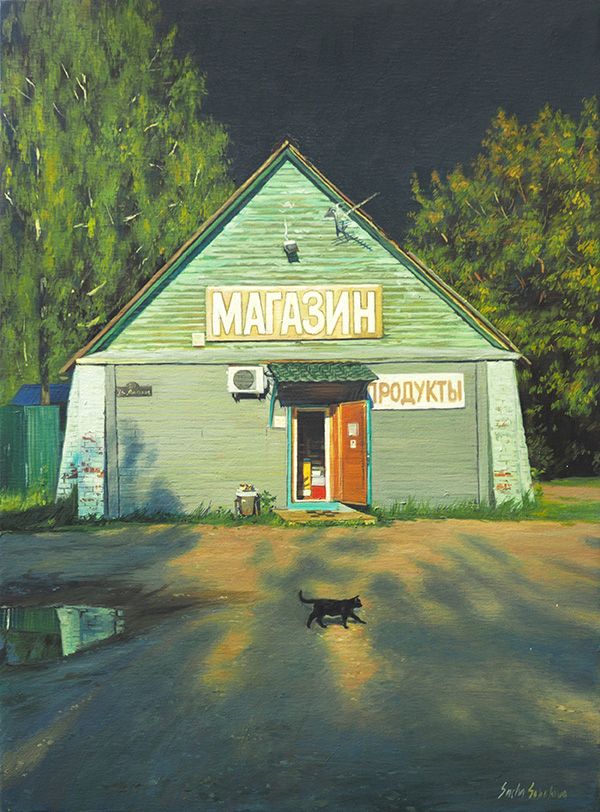
On November 12, A3 Gallery opens Sugar Nastasya, a solo exhibition by Sasha Sokolova focusing on the phenomenon of quiet life — the vanishing world of Russian villages and suburbs. It in fact brings together paintings and watercolors from different periods, capturing fleeting glimpses of the world and the authentic fabric of everyday life.
Sokolova presents an elderly woman selling bunches of dill by the roadside, a market trader with buckets of wild strawberries and chance encounters with fellow passengers at a bus stop. The details that mark the passage of time, such as dilapidated houses, newspapers spread beneath merchandise and cracks in ageing façades, are equally telling, indeed. The exhibition takes its title from the same name painting evoking an era when the arrival of the evening commuter train might have been the main event of the whole day.
Avoiding both idealization and sentimentality, the artist uses the combination of academic training with a keenly personal eye, turning seemingly incidental details into precise snapshots of social and cultural life. The exhibition invites visitors to discover poetry in inconspicuous scenes that are becoming part of history before our eyes.
Elena Kiseleva: A Balkan Story at the Alexander Solzhenitsyn House of Russia Abroad
When: November 14, 2026-March 8, 2027
Where: 2 Nizhnyaya Radishchevskaya Street
Age rating: 6+
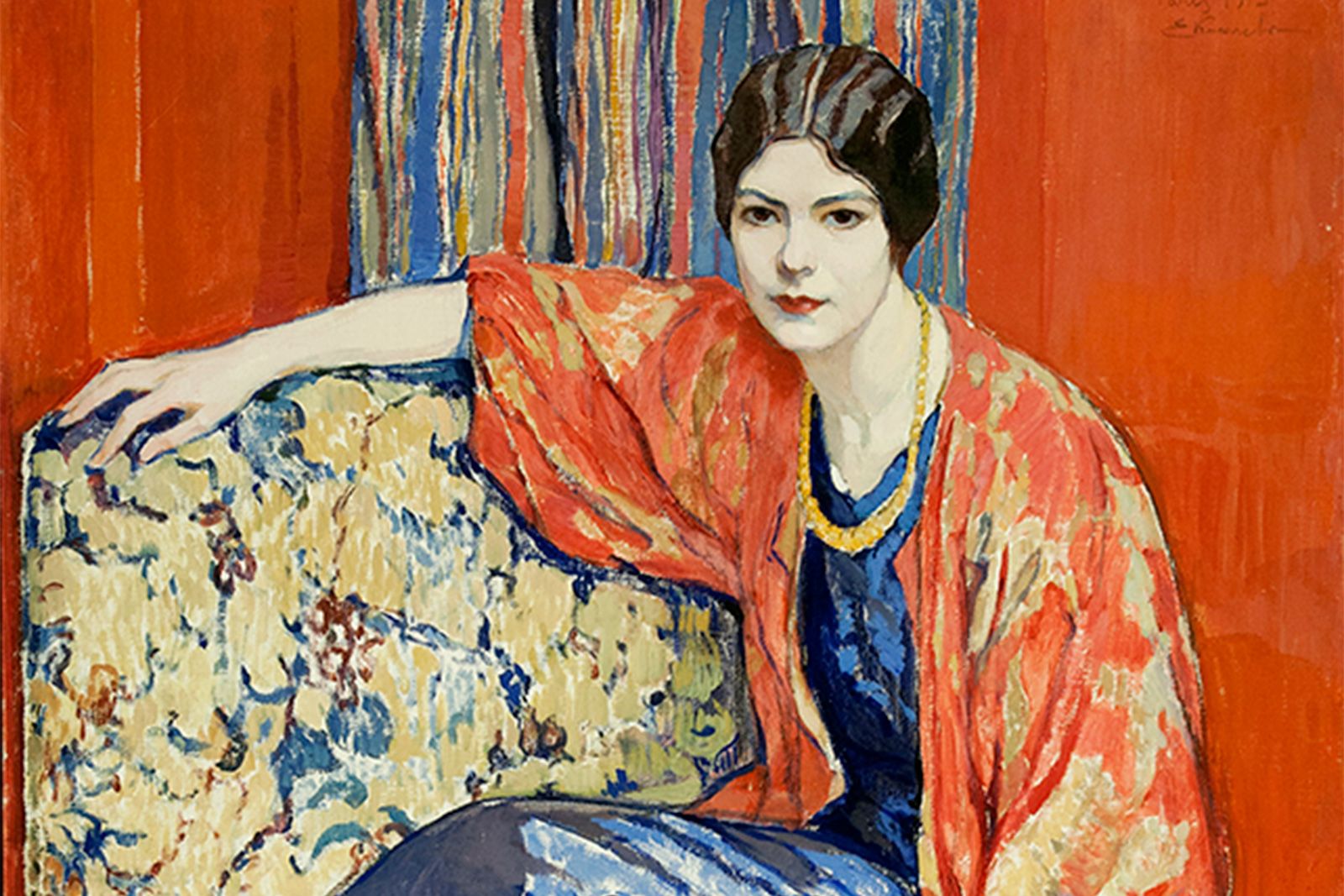
Devoted to the pre-revolutionary period of Elena Kiseleva’s career, the exhibition also focuses on the little-studied Serbian chapter of the life and work of Ilya Repin’s apprentice.
Elena Kiseleva (1878–1974) was a Russian artist and one of the most distinguished portrait painters of the Silver Age. Her place in art history rests not only on her distinctive artistic vision, shaped by the Russian academic tradition and French Post-Impressionism, but also on her status as a representative of the first wave of Russian emigration.
The exhibition unfolds as a journey through the artist’s life, each city marking a new chapter and each turning point unveiling part of a much larger life story. It features 33 works from Kramskoy Voronezh Regional Art Museum, alongside archival documents and other materials shedding light on Kiseleva’s life and career during her Balkan years.