In the Footsteps of Empresses: Royal Promenades across Moscow Parks
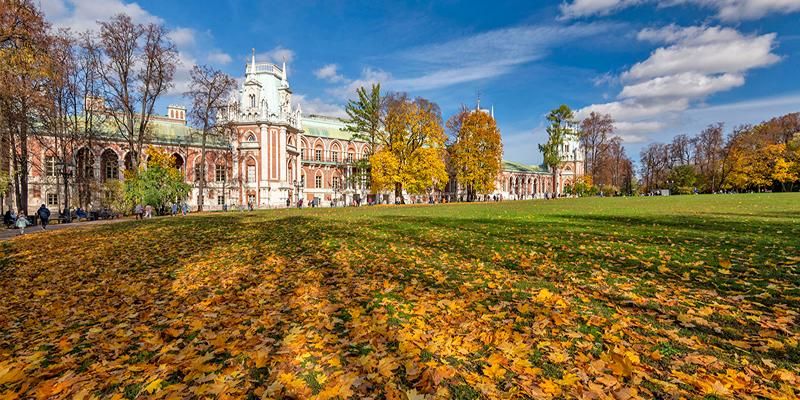
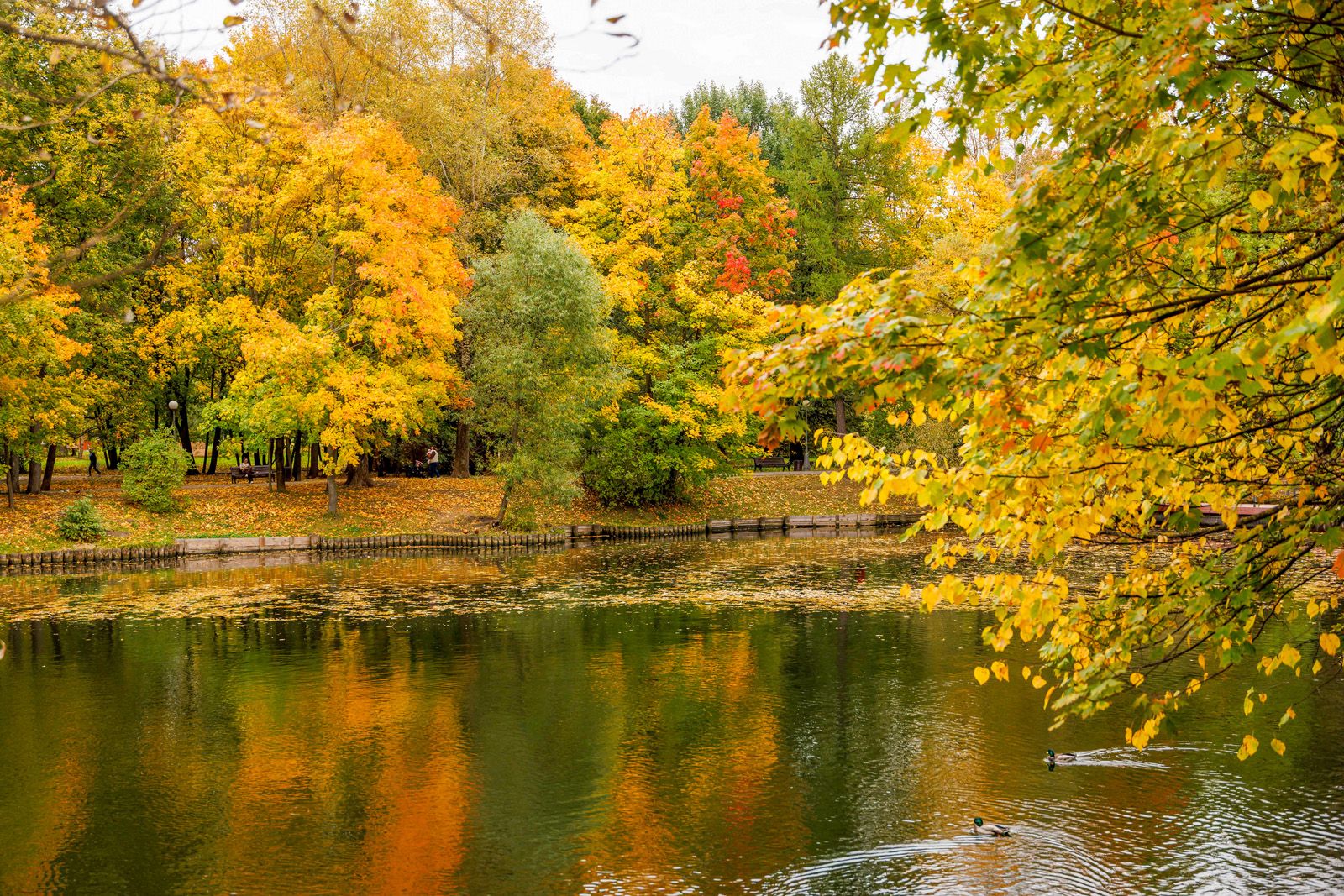
Indeed, this year late autumn is treating parkgoers to delightful weather with clear skies, crisp cool air, and the rustle of leaves underfoot. So, it is a perfect occasion to follow historical routes and visit the very places where the rulers of the Russian Empire used to walk. Moscow’s parks (under supervision of the Moscow Department of Culture) and historical mansions preserve the memory of tsarinas and empresses, the alleys once echoing with the footsteps of Anna Ioannovna and Catherine the Great, hosting lavish celebrations and setting the stage for fateful, game-changing political decisions. Here is a look back at history, plus some inspiration for your next walk.
From Childhood to Royal Hunts
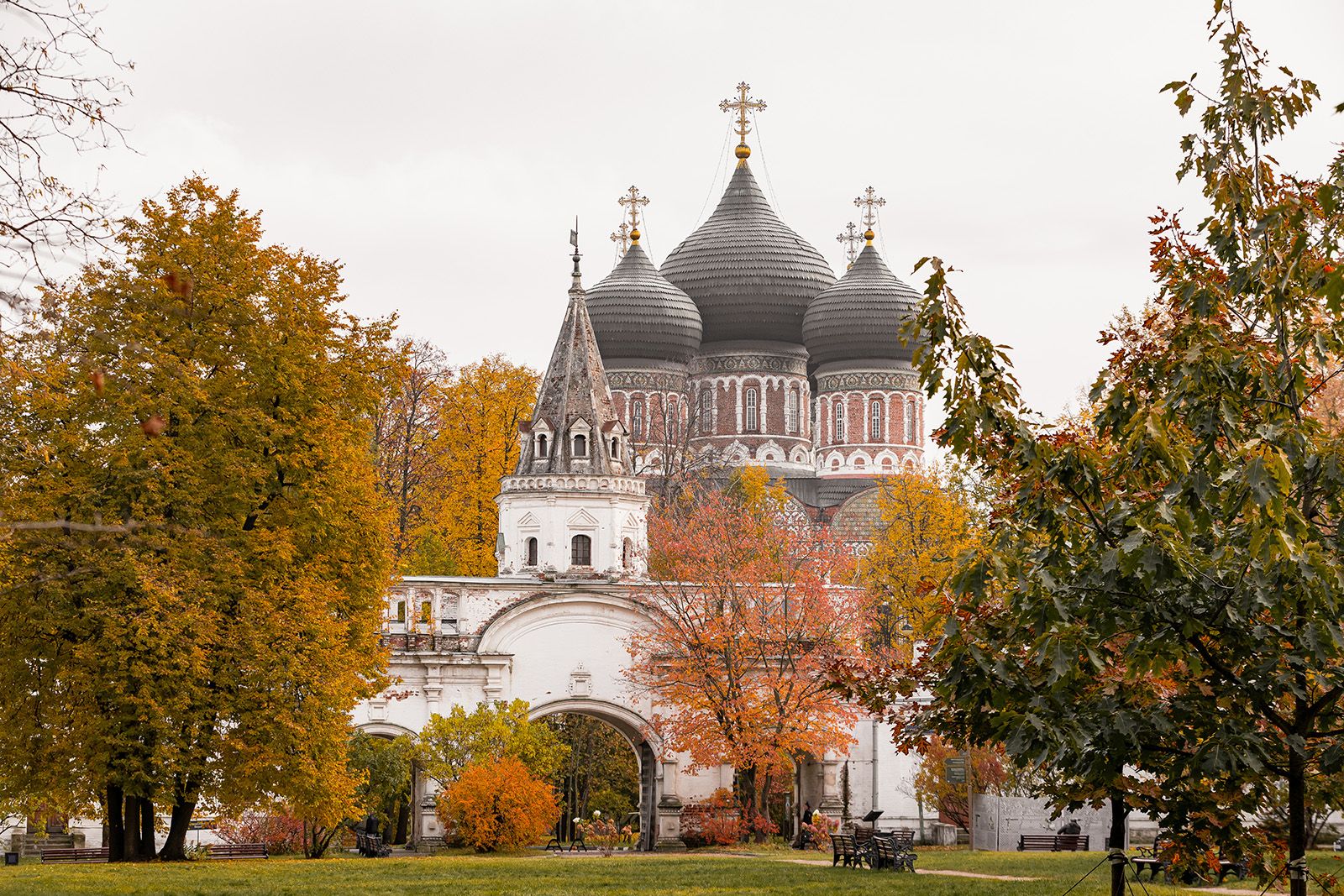
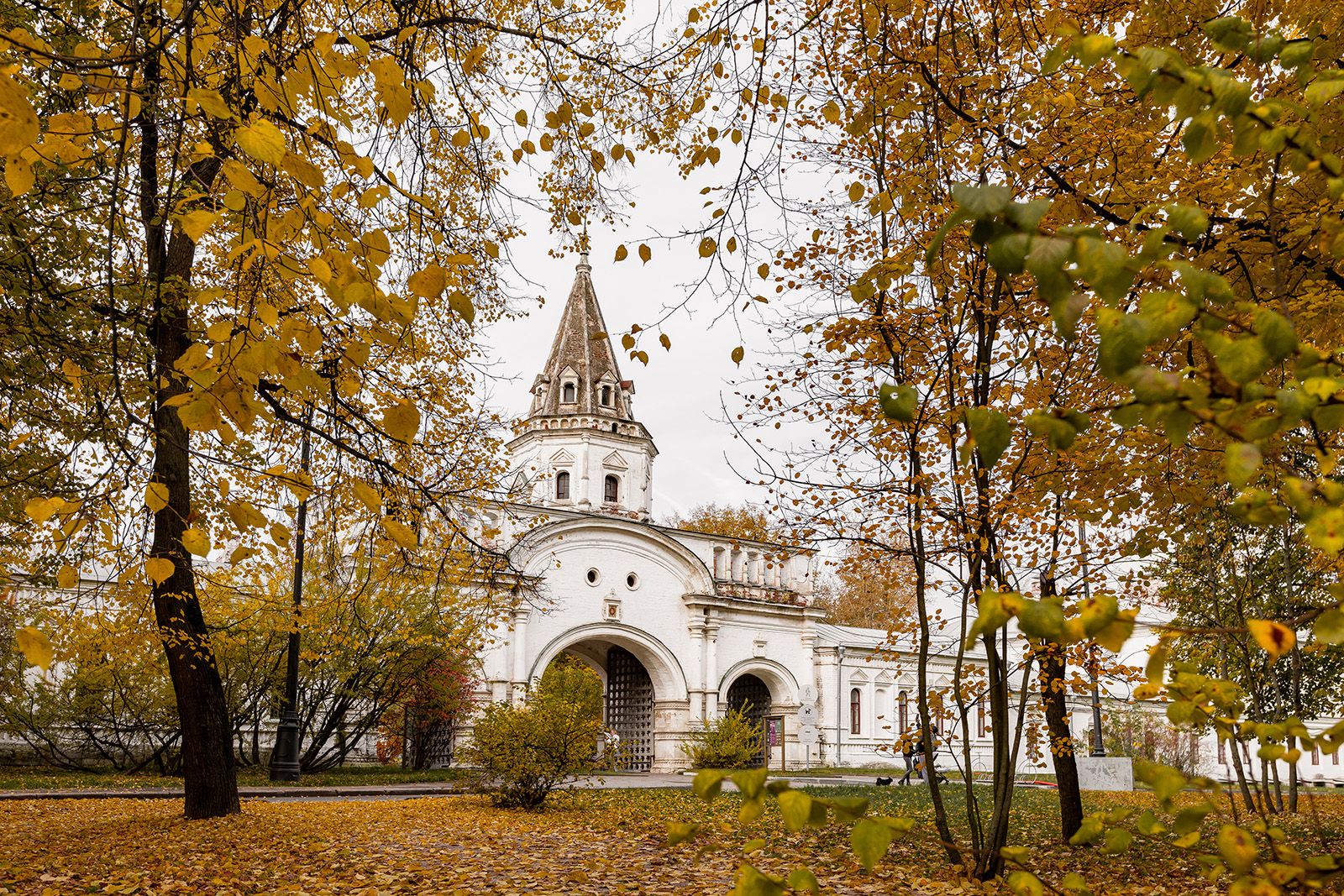
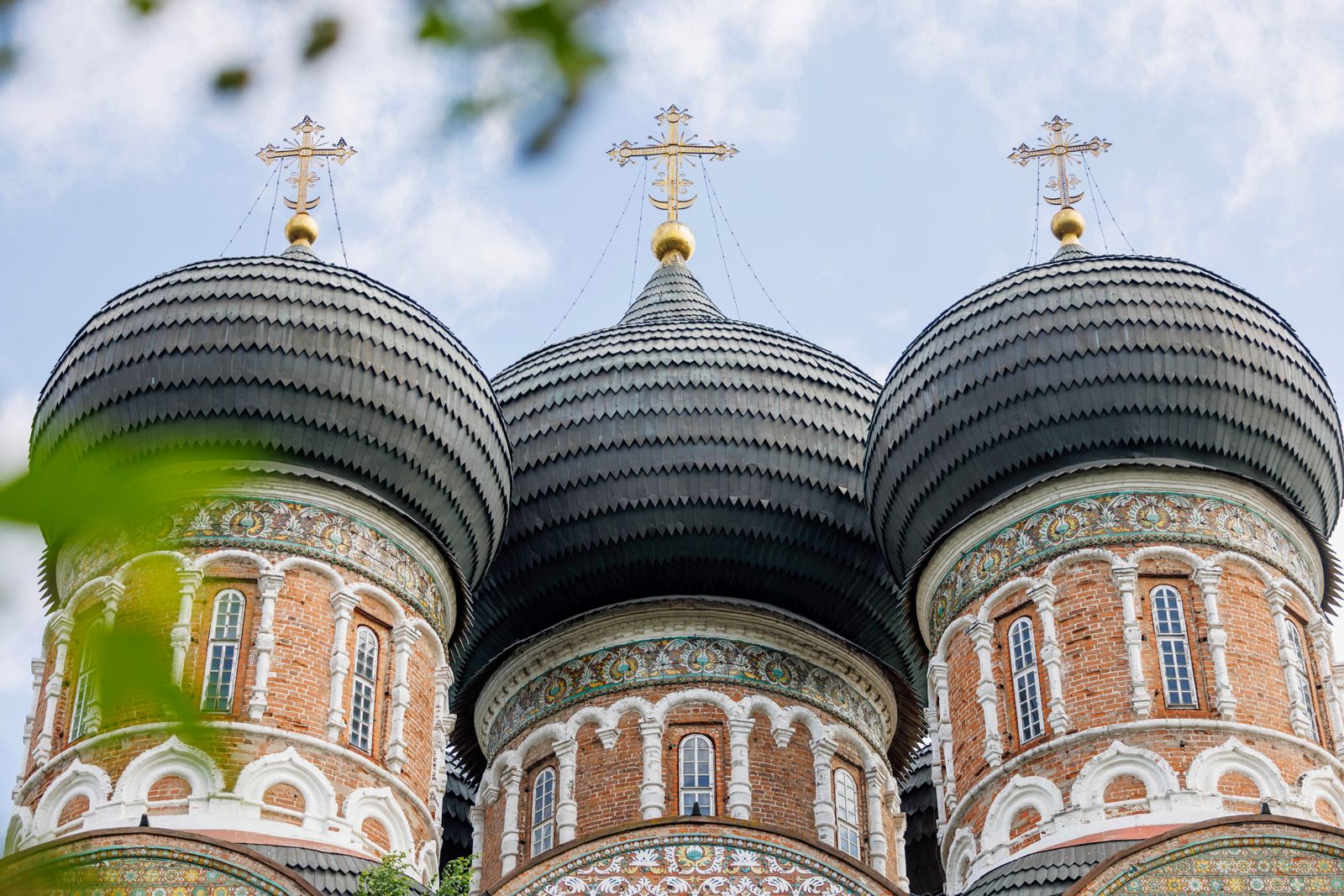
In the 17 th and 18 th centuries, Izmailovo used to be a favourite country residence for women of the royal family as Natalia Naryshkina, mother of Peter the Great, and his sister Sophia playing a role in managing the estate both used to spend time there. Izmailovo held a special place in the heart of Anna Ioannovna, too, since the future empress grew up there and loved the area so much that she gave its name to her guard regiment. Under her reign, the estate’s menagerie was stocked with deer, wild oxen, porcupines, and monkeys. Elizabeth of Russia, commonly known as Elizaveta Petrovna, was an equally frequent visitor to Izmailovo, prizing its grounds for their exceptional hunting.
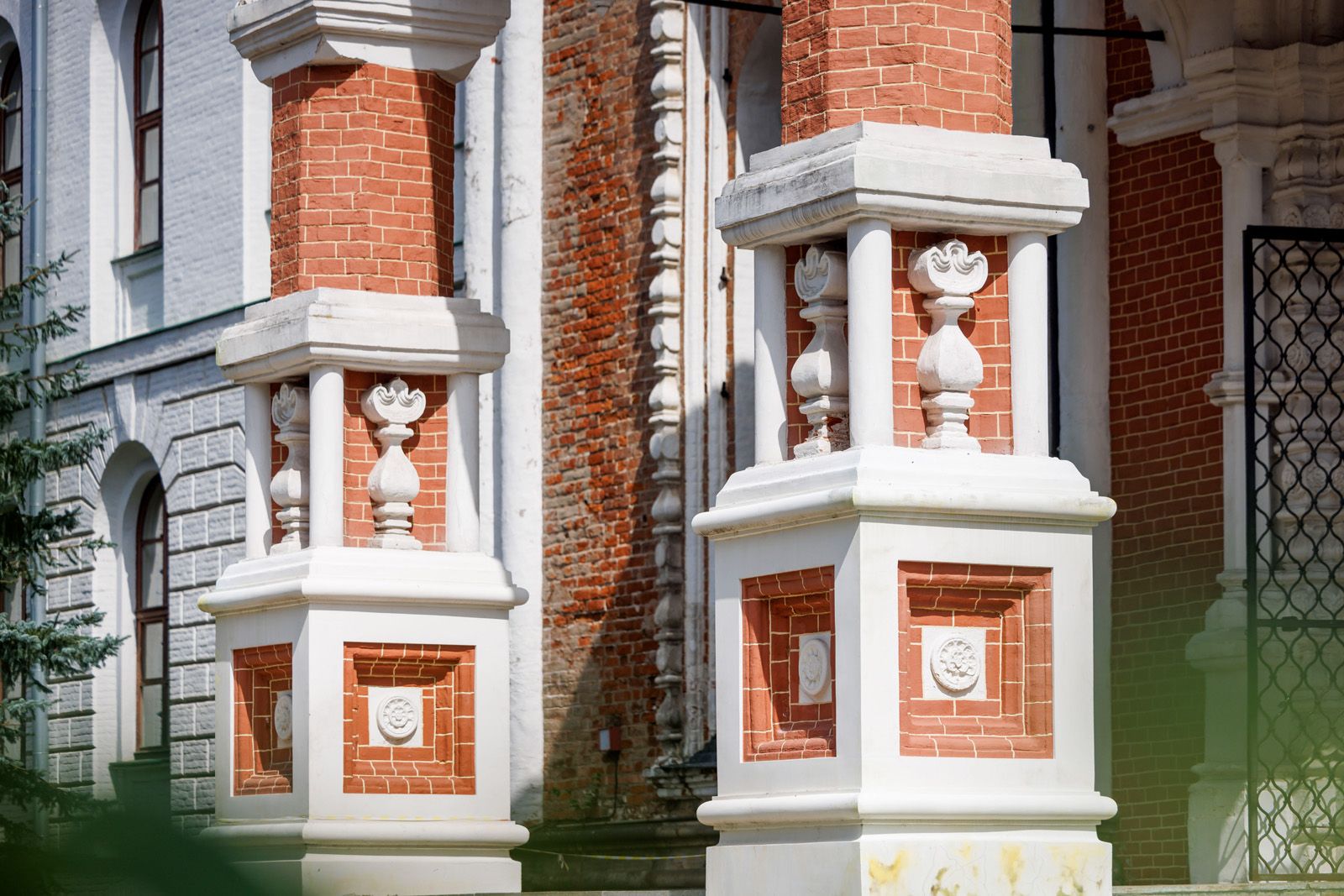
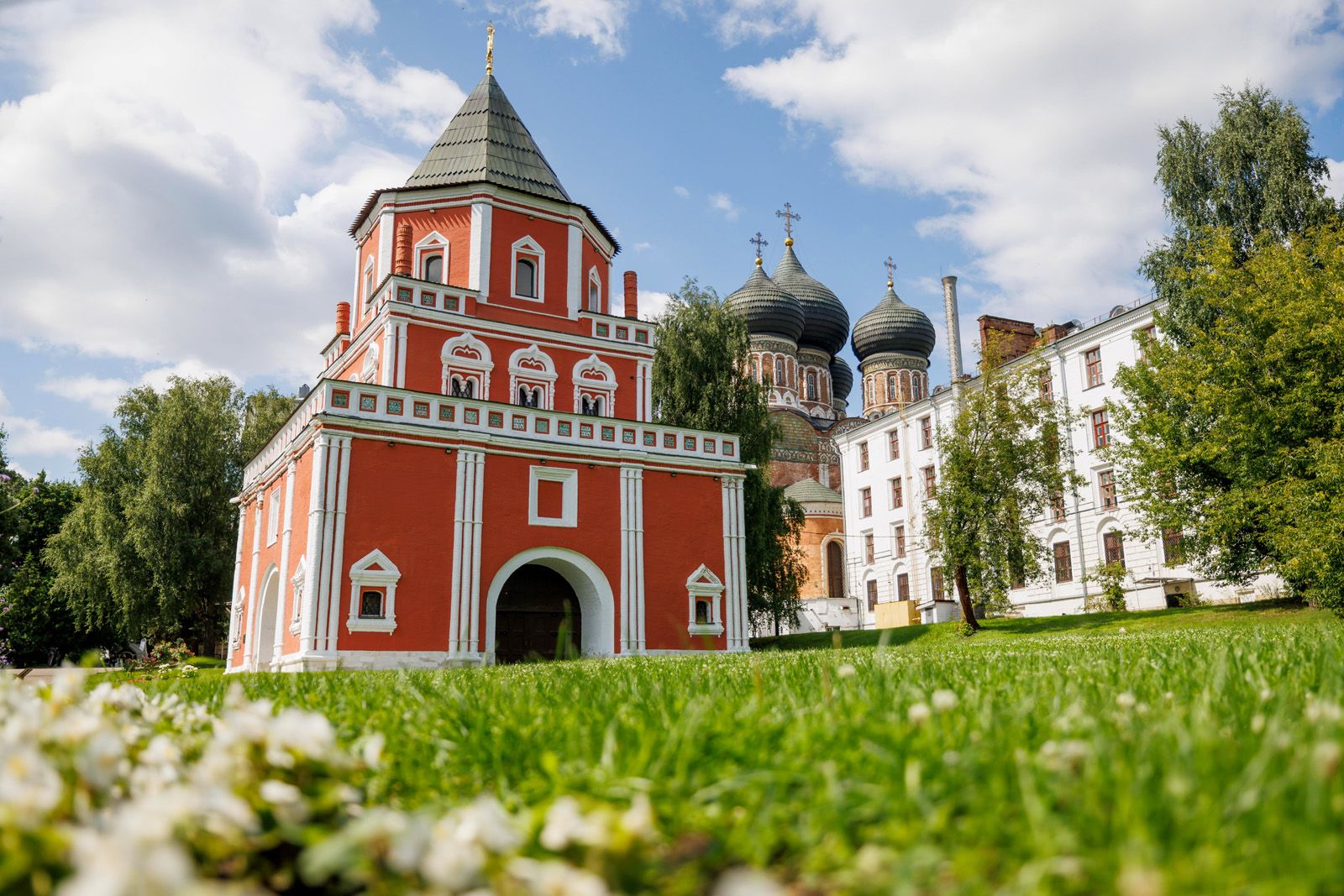
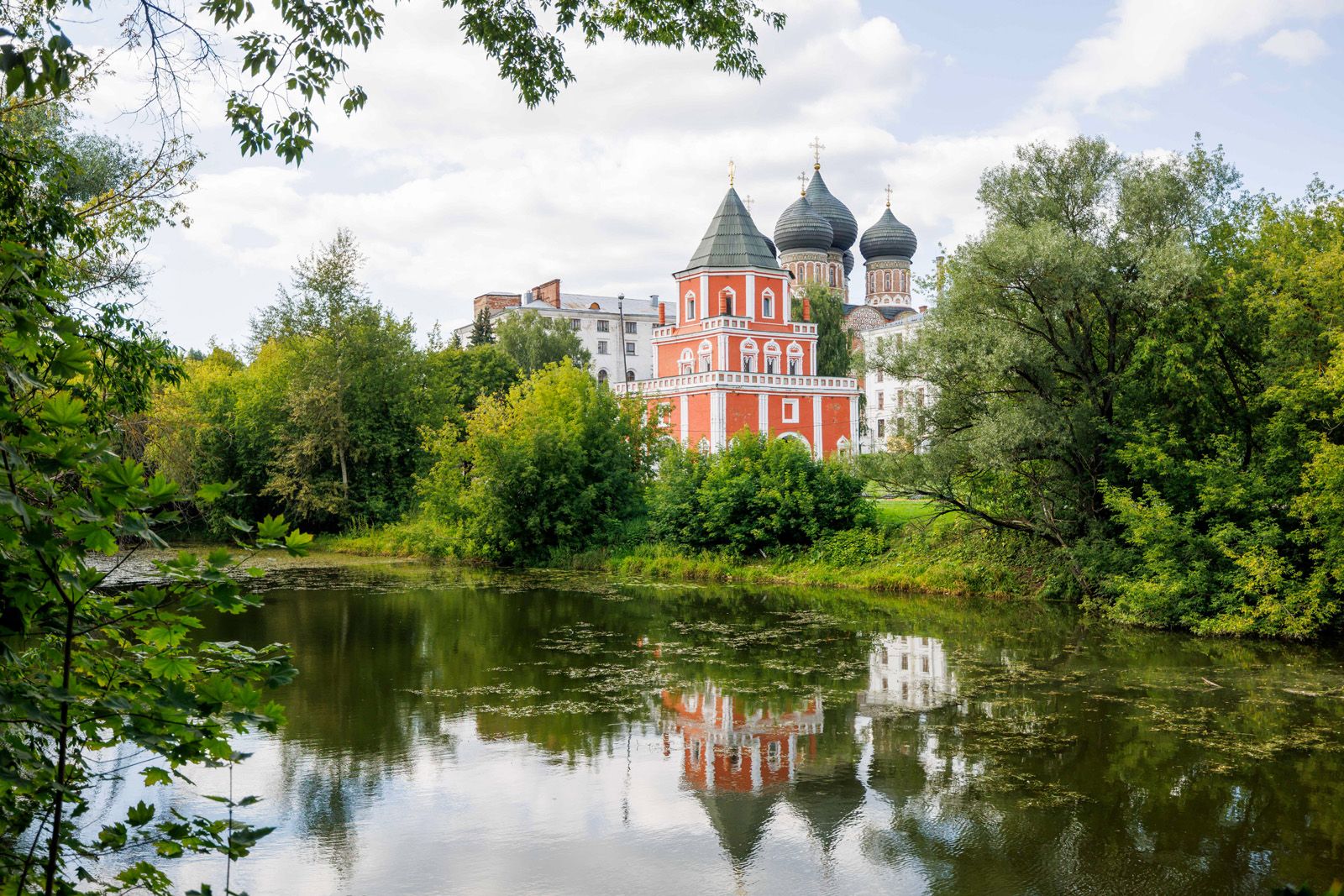
The royal passion for hunting is also woven into the history of the Sokolnichya Grove and Olenya Grove, which later grew into Sokolniki Park. The reign of Anna Ioannovna revived falconry, or ‘bird amusement’ as it was then known, and hound hunting — traditional pastimes of the nobility. Elizabeth of Russia and Catherine the Great also frequently visited these historic hunting grounds of the Moscow tsars; the latter was particularly fond of traditional Russian falconry and sought to breathe new life into it. In 1763, ahead of the empress’s arrival in Moscow, they built a toboggan hill spanning nearly 400 meters in the village of Rubtsovo, right next to present-day Sokolniki Park, leisured visitors sliding down it on sleds or wheeled carriages towards the Yauza River. Later, in May 1883, Sokolniki hosted a grand celebration marking the bicentennial of the Preobrazhensky and Semyonovsky Regiments, which was attended by Emperor Alexander III and his wife, Empress Maria Feodorovna.
Lavish Receptions and Water Mazes
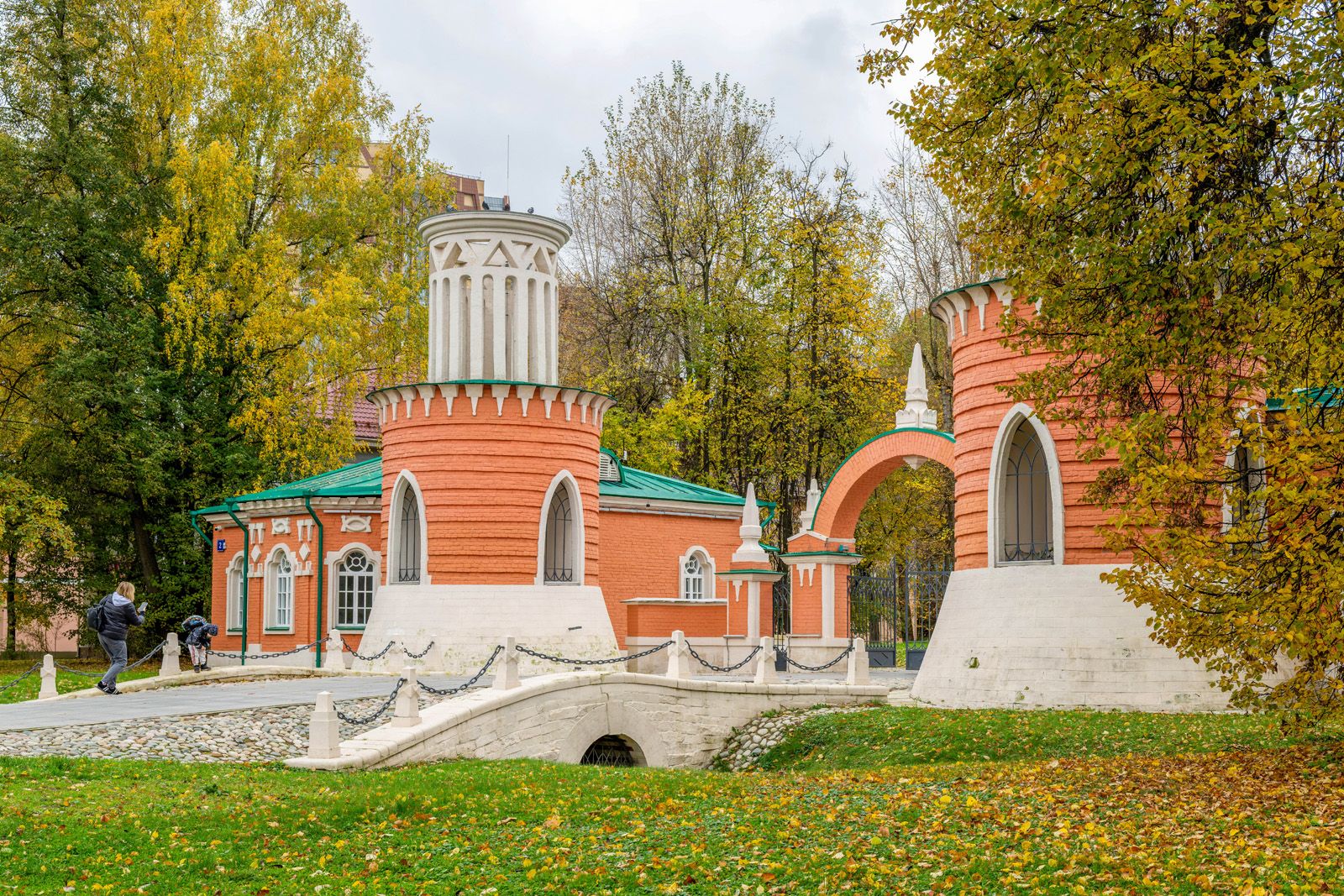
The history of the Vorontsovo Estate is intertwined with Russia’s female rulers, too, the land’s grand-ducal roots dating back to the 16 th century, when the estate near Moscow served as a country retreat for Grand Duchess Elena Glinskaya, wife of Vasily III and mother of Ivan the Terrible. Later, it passed to Tsarina Irina Godunova, wife of Feodor I, who loved the secluded place. Catherine the Great built a remarkable Pseudo-Gothic ensemble of gatehouses at the entrance to commemorate Russia’s victories in the Russo-Turkish War.
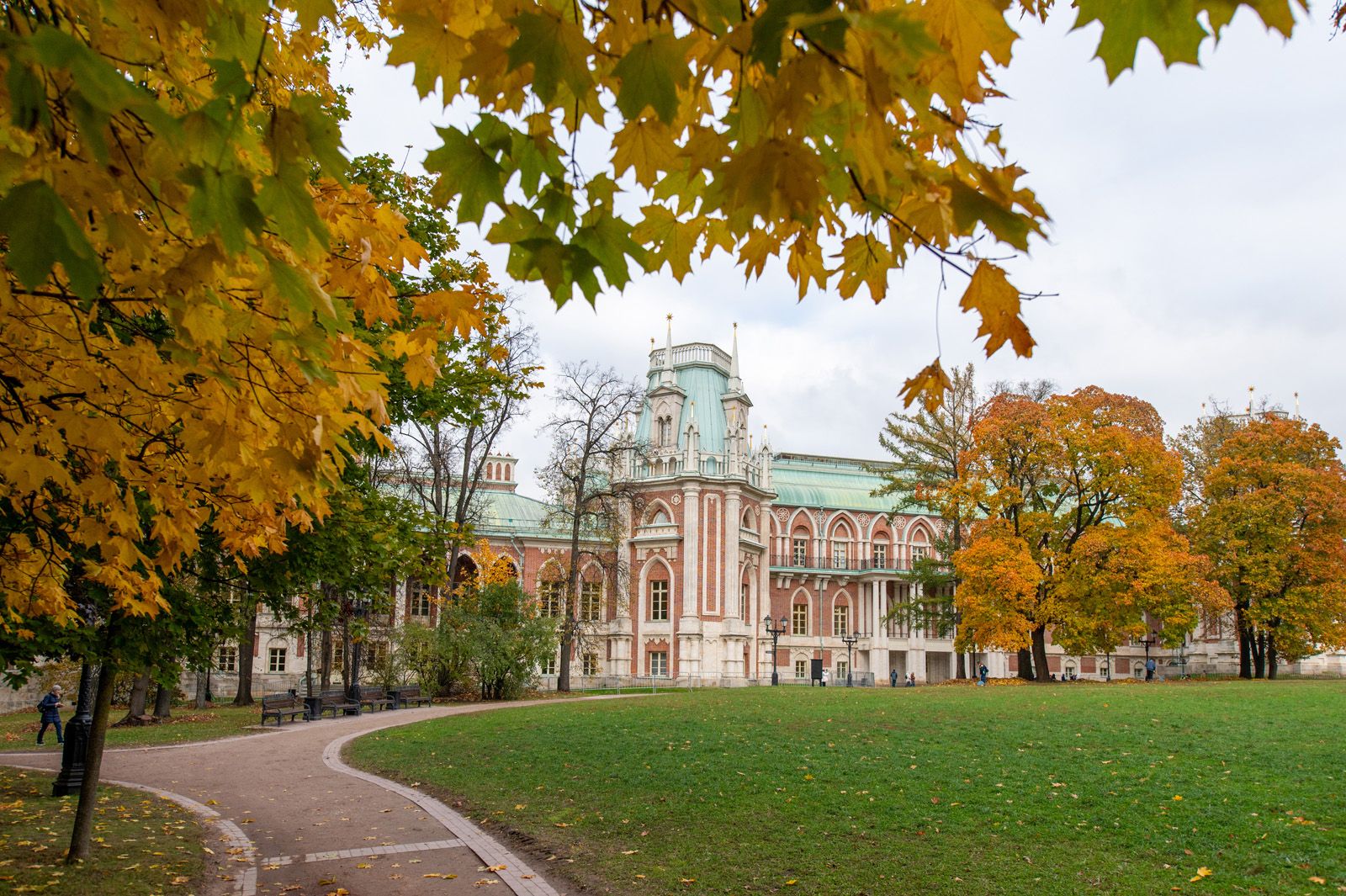
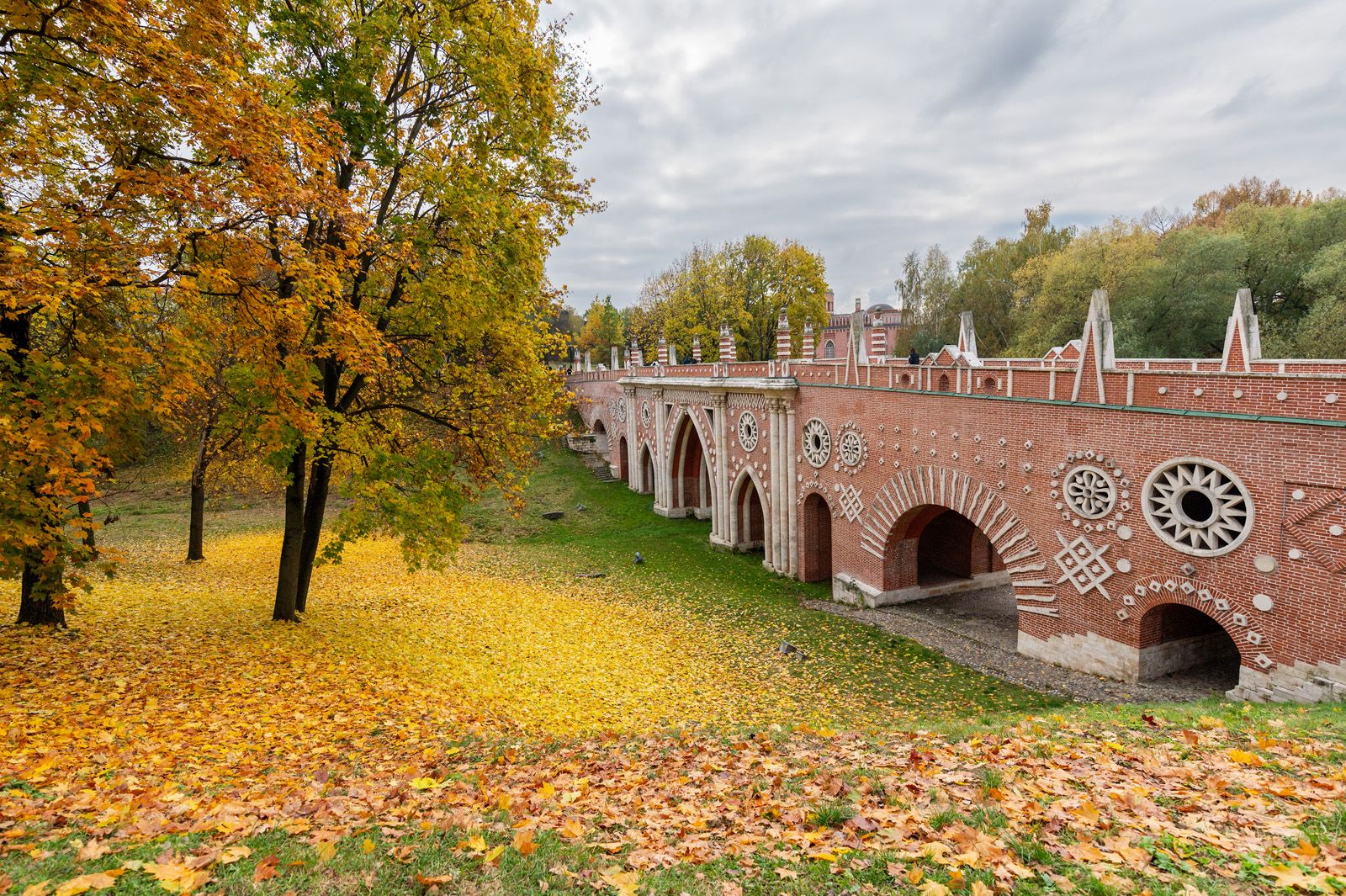
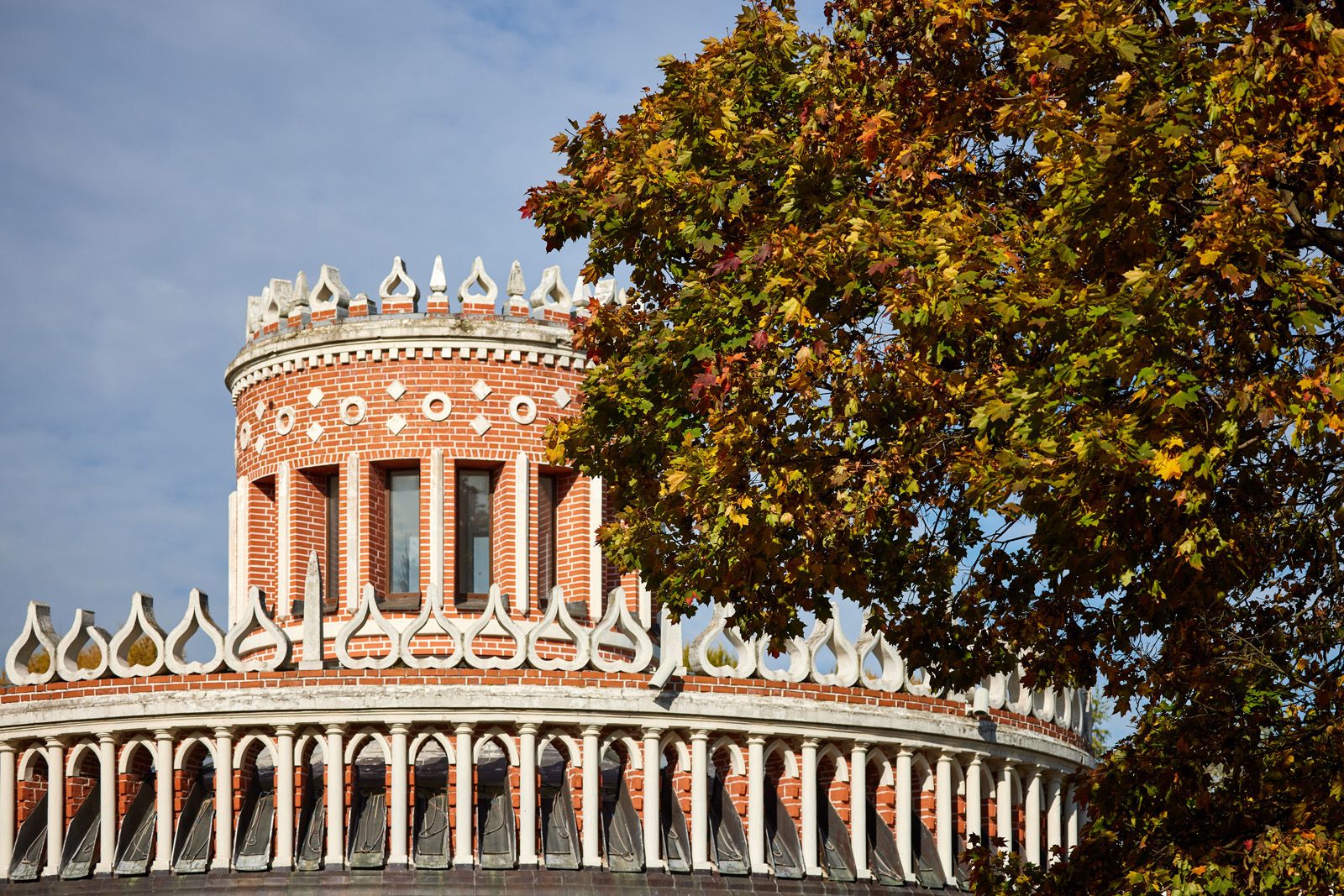
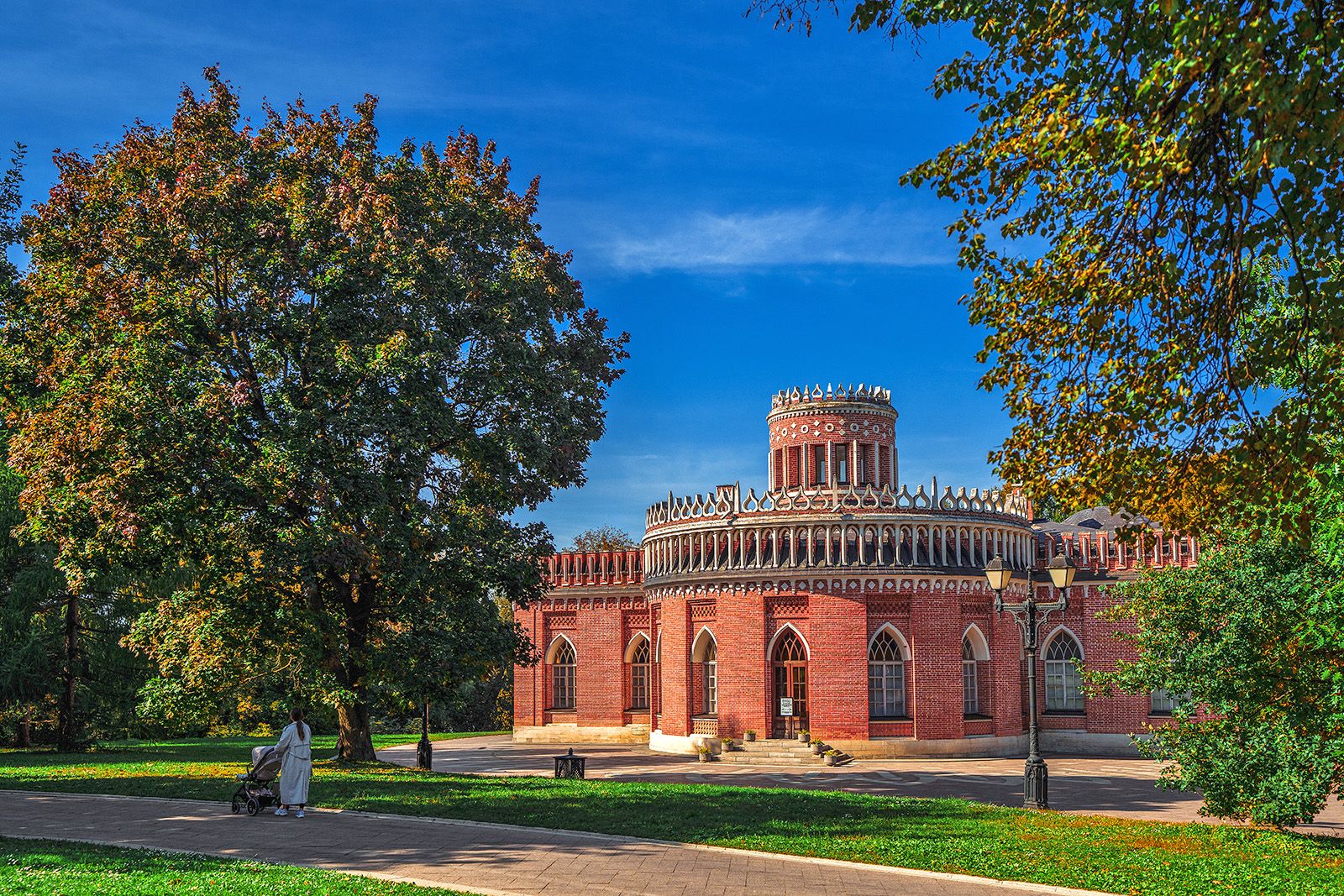
The Tsaritsyno Museum-Reserve preserves the legacy of Catherine the Great, as well. In 1775, she purchased the Chyornaya Gryaz estate, renamed it Tsaritsyno (meaning the Empress’s Own’ in Russian), envisioning it as an imperial residence — a fairy-tale castle with Gothic architecture blending with traditional Russian decorative motifs. The project in fact involved the era’s most renowned architects. Vasily Bazhenov aimed to merge chivalrous aesthetics with Old Russian style, resulting in delicate tracery and striking red-and-white brickwork, while, later, Matvey Kazakov, although maintaining its Gothic spirit, expanded the project to a grander scale.
However, the empress herself never resided in Tsaritsyno; in 1785, dissatisfied with the layout of her personal apartments, she ordered part of the complex to be dismantled. Yet, her artistic vision remains clearly legible in the surviving ensemble, particularly, in the rhythm of the façades, the strategic vantage points overlooking the ponds, and the carefully calculated drama of the landscape. Today, Tsaritsyno is Europe’s largest 18 th-century Pseudo-Gothic architectural complex and one of Russia’s earliest landscape parks.
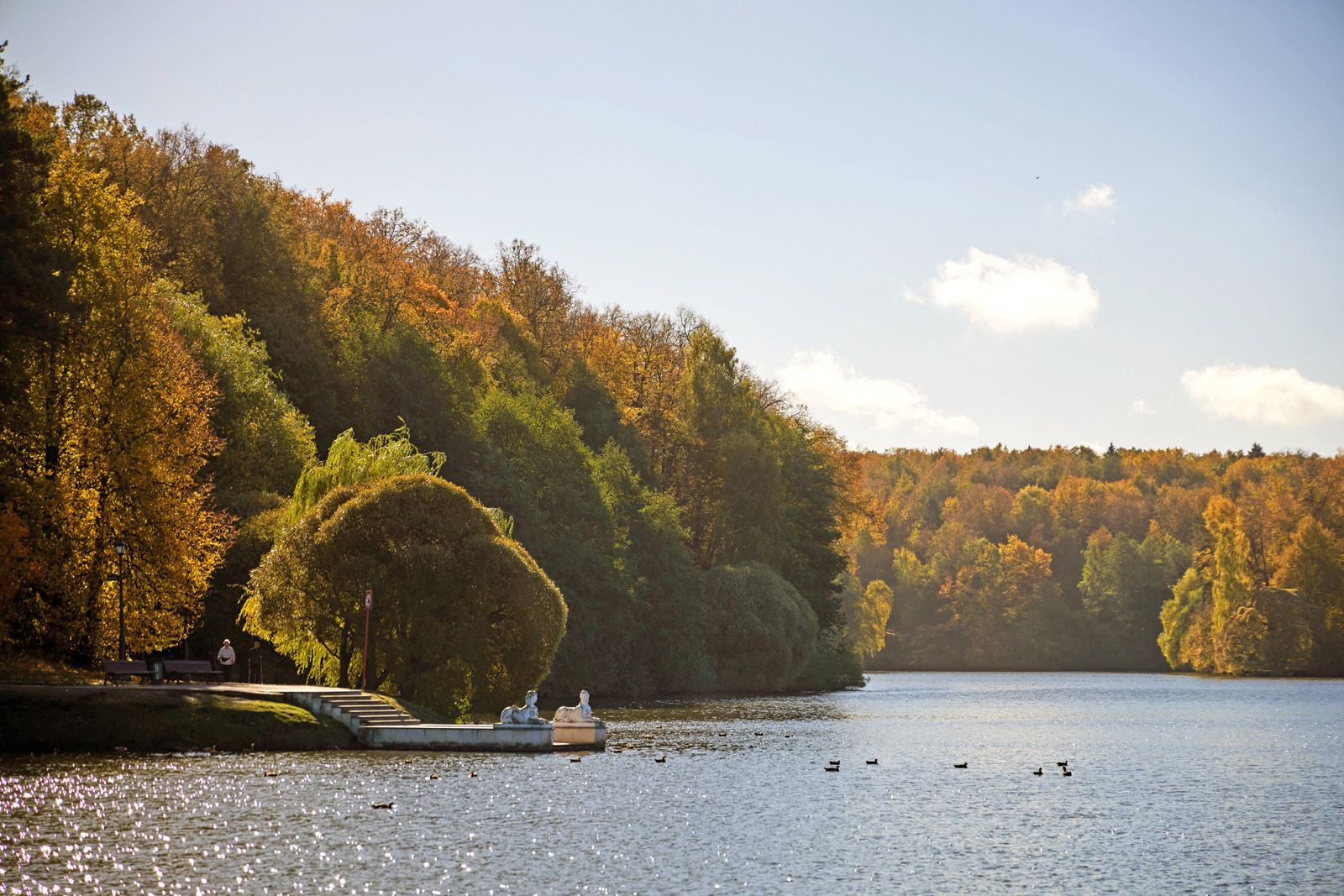
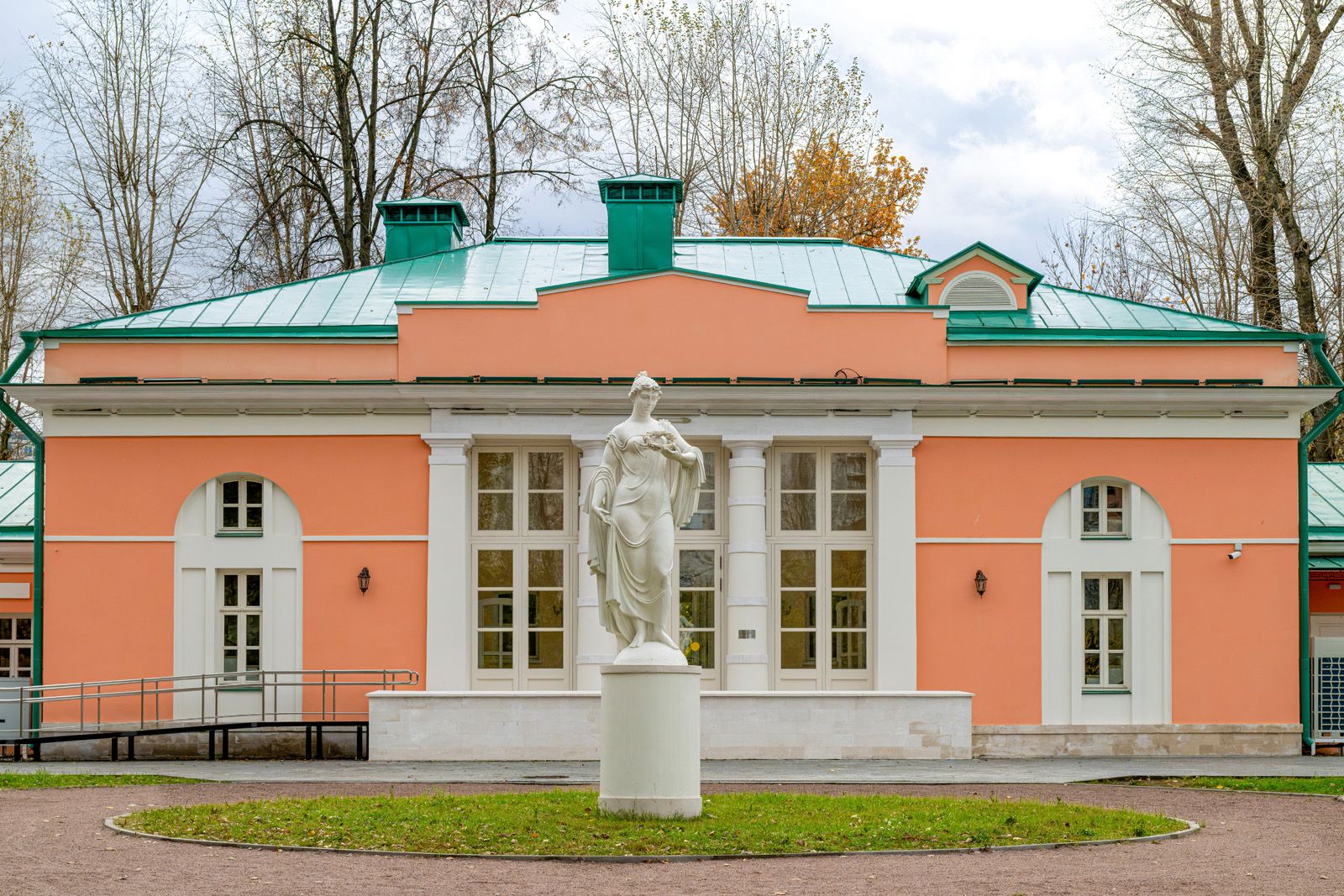
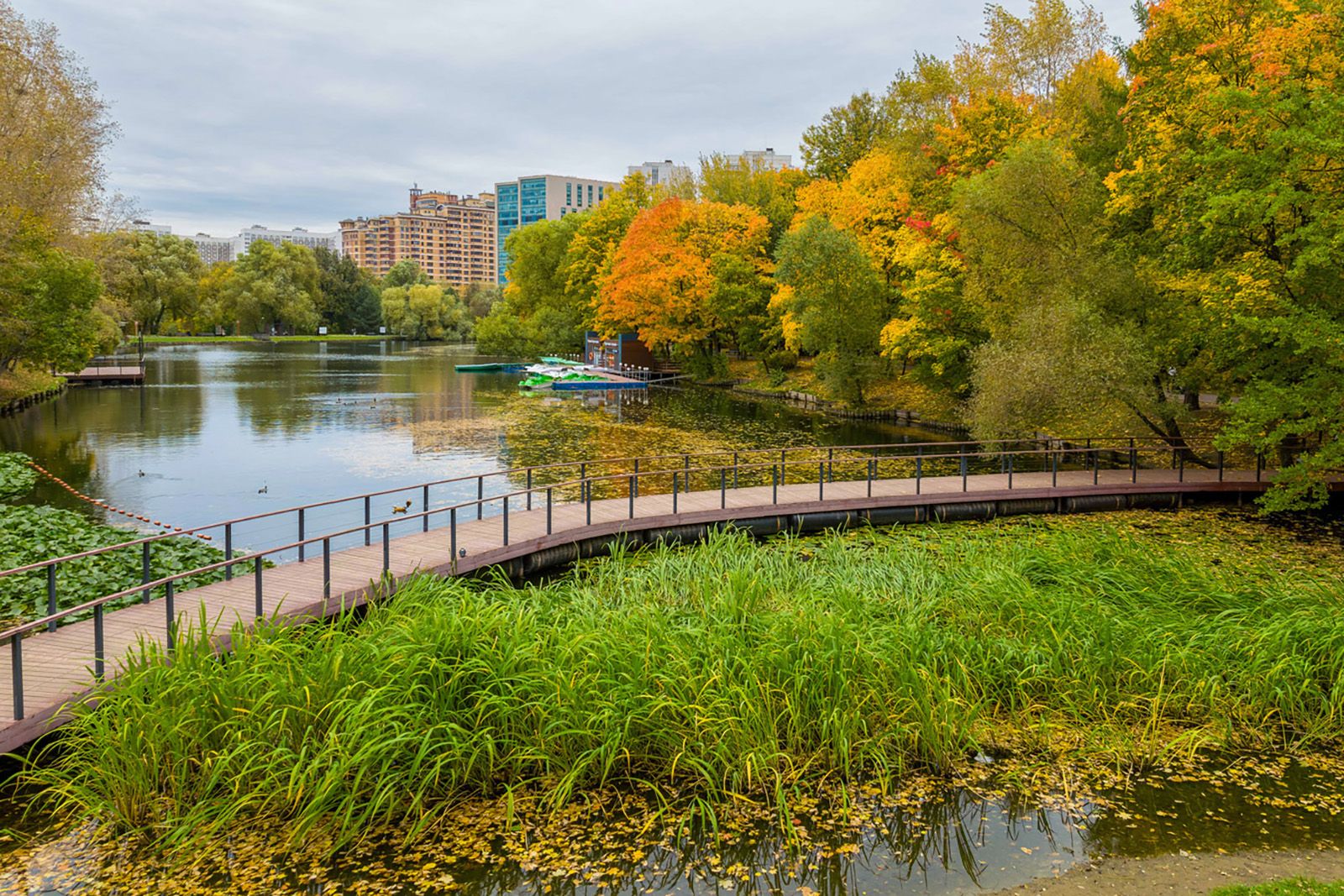
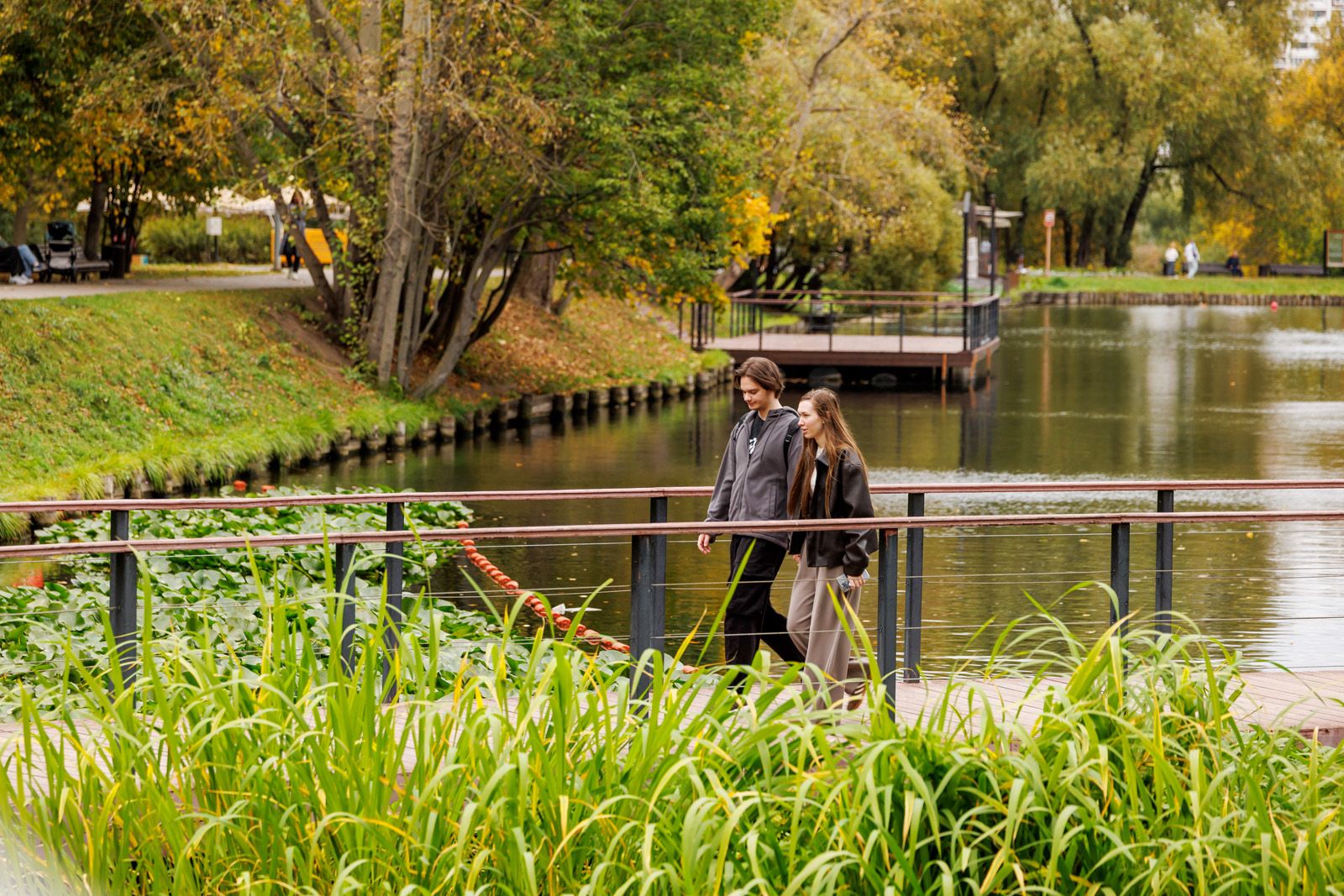
Meanwhile, the Krasnogvardeyskiye Ponds present a completely different character. Originally laid out by the Princes Gagarin as a Dutch-like network of strictly geometric canals and islands, the cascading bodies of water are navigable only by boat to offer a specific style of royal visit. Catherine the Great took boat rides through these water mazes whenever she visited the Gagarins’ opulent estate. A local legend says that a later redesign of the ponds by architect Domenico Giliardi commemorated her visits as, seen from above, the outlines of the canals and islets formed Catherine’s personal royal cypher. Empress Maria Alexandrovna, wife of Alexander II, also visited the site and was particularly fond of its shaded avenues along the cascade.
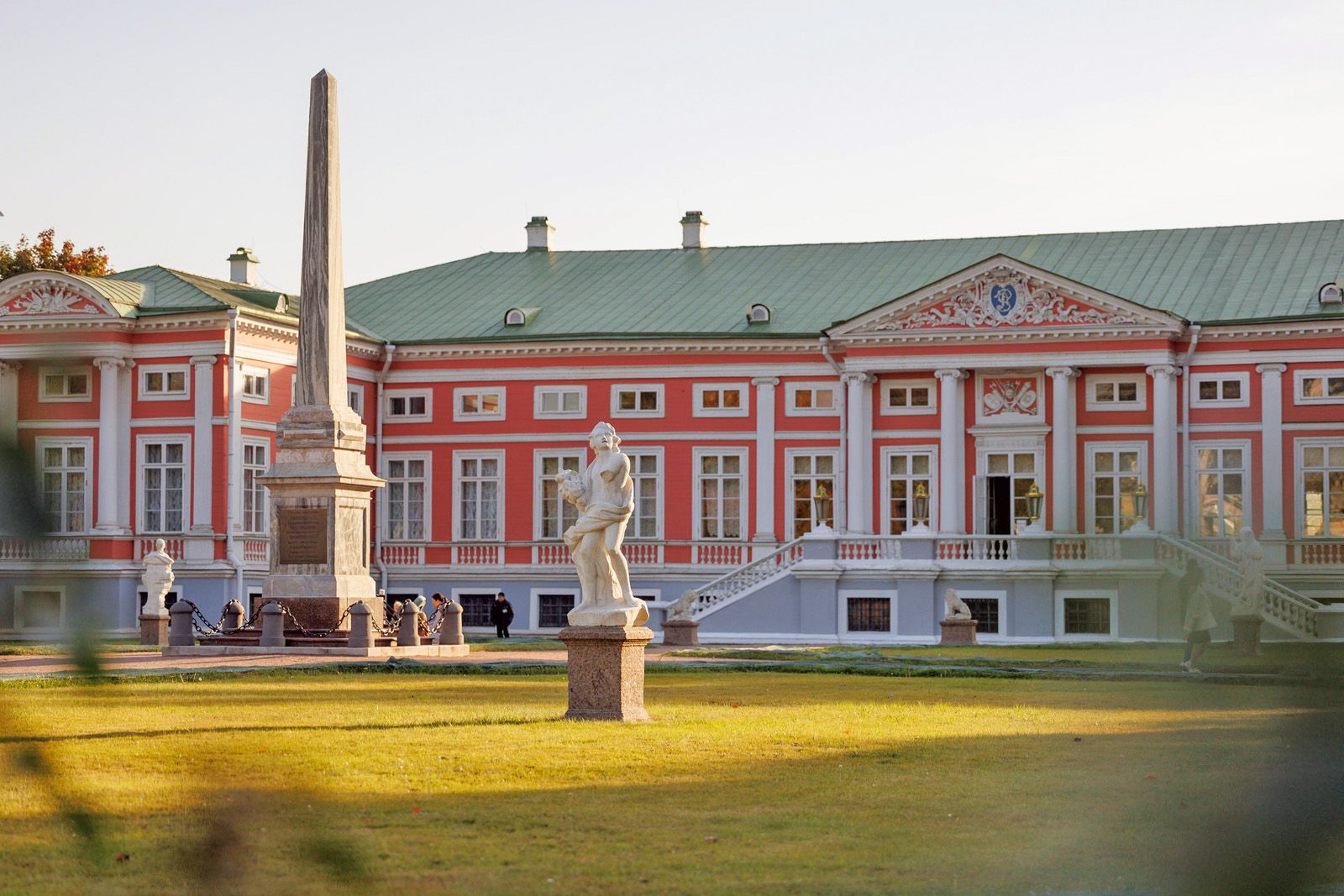
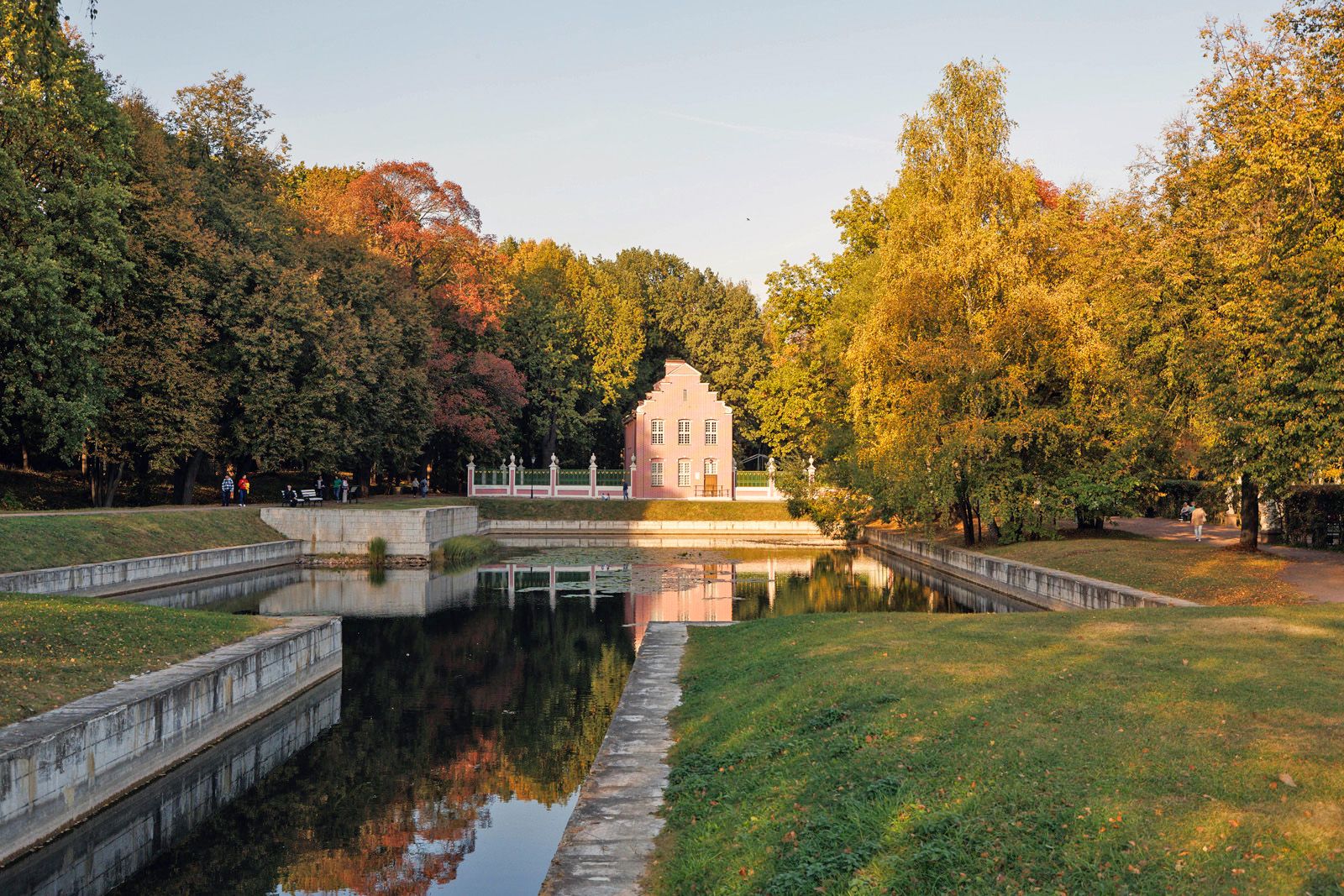
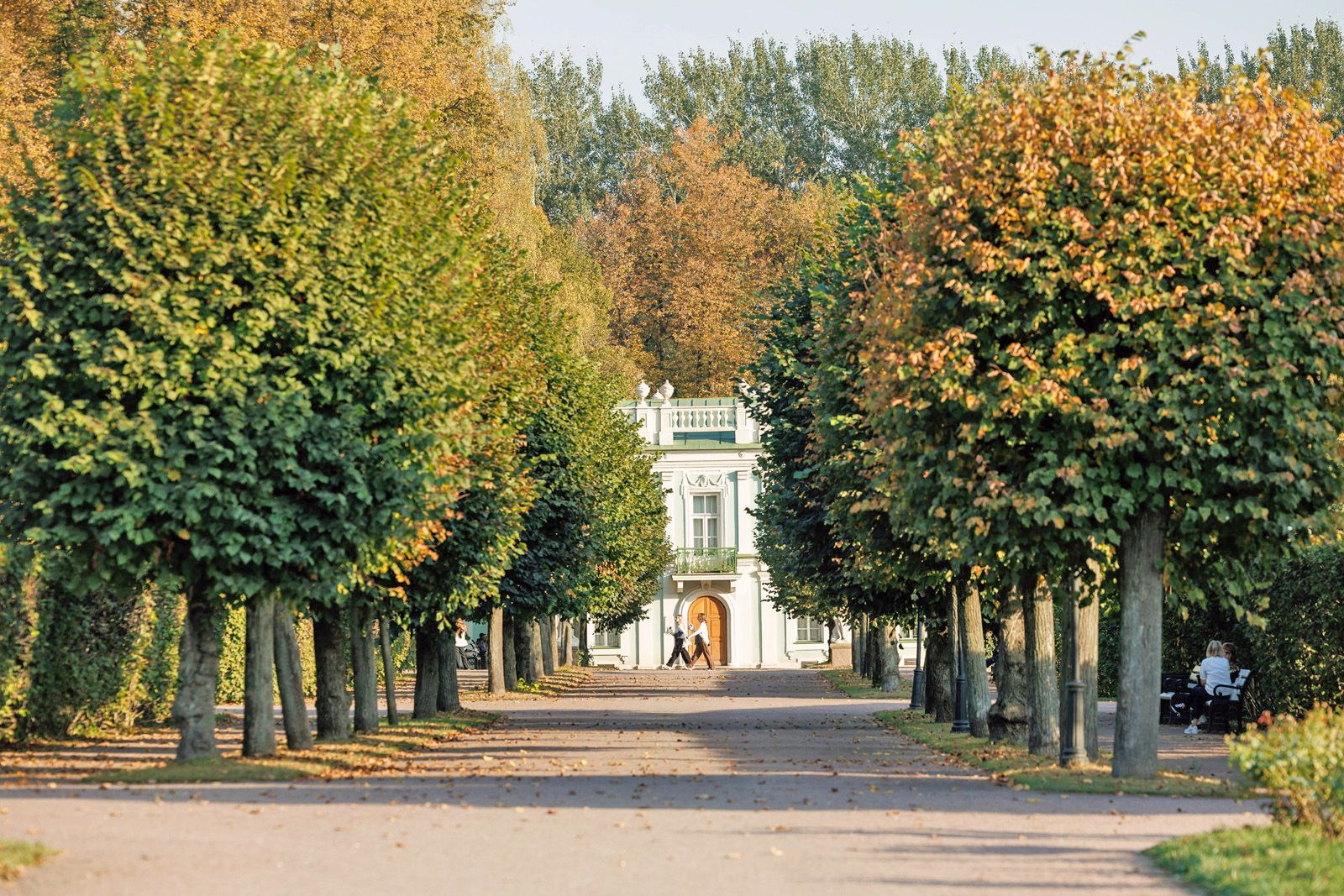
The Kuskovo Estate used to host receptions for distinguished visitors, including Catherine the Great, King Stanisław August Poniatowski of Poland, and Emperor Joseph II of Austria, which were celebrated for being both lavish and democratically open to “anyone who wished to attend”. In 1785, Catherine the Great arrived in Kuskovo to join the festivities marking the 10 th anniversary of the Treaty of Küçük Kaynarca with the Ottoman Empire. In 1786, to commemorate her visit, they erected a marble tapered, four-sided stone monument granted by the empress to Count Pyotr Sheremetev.
From Royal Festivities to Family Lore
On September 3 (September 14, Gregorian calendar), 1775, Kuntsevo hosted a grand celebration to welcome Catherine the Great. En route, in the village of Mazilovo, the sovereign was met by Master of the Horse Lev Naryshkin, the estate’s owner, who escorted her to the manor. He arranged a lavish 25-person banquet with formal toasts and a three-cannon salvo to mark the occasion. After dinner, Catherine was watching a stag and hare hunt before walking along the banks of the Moskva River and through the nearby grove. Today, those lands are part of Fili Park, and those same paths are open for everyone to take a walk.
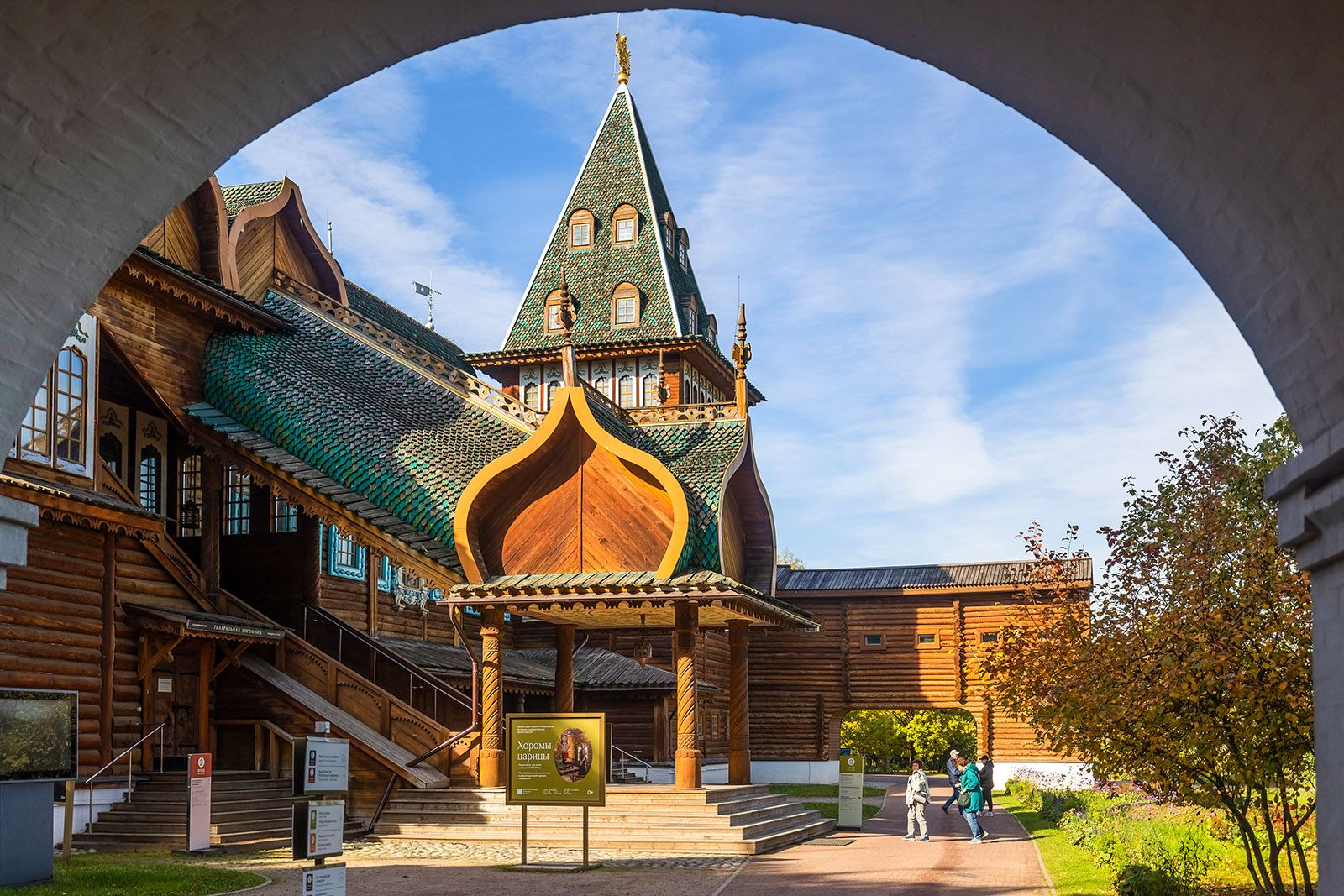
While outdoor strolls and celebrations were favoured leisure activities for royal families, the inner life of the women’s quarters — unfolding behind closed doors and rarely recorded in official chronicles — was equally significant. However, that veiled realm comes alive in the wooden Palace of Tsar Alexei Mikhailovich at the Kolomenskoye Museum-Reserve. Behind the brightly painted façades of the fairy-tale palace lay the strictly regulated life of the terem (literally meaning ‘a tower’ and often used to describe women’s quarters), a home for tsarinas where they used to live in near-total isolation from the outside world. Yet, their role was crucial and prestigious as they served as intercessors and benefactresses, raising royal children, praying for the welfare of the country and directing the Tsarina’s Workshop.
Another chapter of the royal history is tied to the present-day Bitsevsky Les (Forest) that was shaped significantly due to the Yasenevo Estate. In 1690, Peter the Great granted Yasenevo to Feodor Lopukhin, father of his first wife, Tsarina Eudoxia Lopukhina. Peter visited it together with Eudoxia, giving rise to the local legend of an ancient oak tree under whose shade the royal couple used to rest.
Today, a walk through Moscow’s parks offers more than just relaxation; indeed, it provides a direct connection to history. Especially now, when the autumn weather invites long walks, it is inspiring to imagine great empresses treading those very paths, the toasts ringing out at lavish receptions, and leaves rustling overhead for those who sought quiet solitude.