Turgenevka, Gaidarovka, and Akhmatovka: Getting insight into the history of Moscow’s libraries
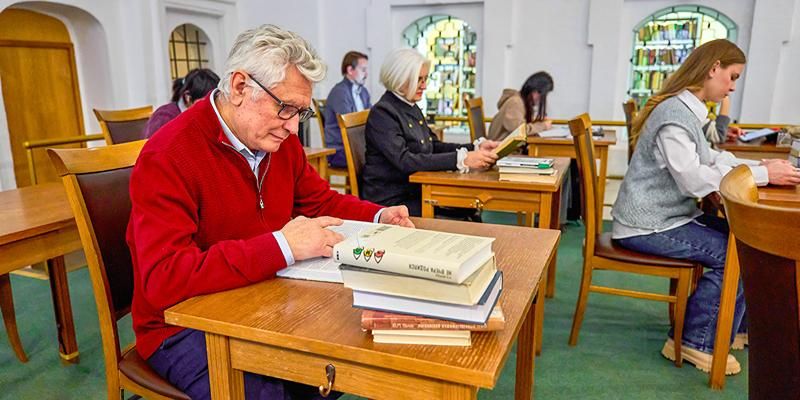
Nowadays, libraries are no longer spaces exclusively for studying printed materials or e-books. While many people still think they are, they now offer much more. If you drop by a library for half an hour to pick up a book, you are quite likely to end up staying the entire day— perhaps settling into a reading room or enjoying a cup of tea in the café while leafing through your favorite novel, followed by a guided tour and, finally, a lecture at night.
The history of each library is another fascinating research topic. Some are named after great writers, such as Arkady Gaidar, Anna Akhmatova, or Ivan Turgenev, while others bear different names. We will take a closer look at how today’s libraries (overseen by the Moscow Directorate for the Development of Cultural Centers, or shortly the Mosrazvitie) honor the traditions that were established at the time of their founding and explore the programs they offer at the moment.
The Heiress to the Silver Age
Moscow has a place where technologies of the future are closely intertwined with the effort to strengthen identity, preserve memory, and cherish a respectful regard for the past. It is Anna Akhmatova Central Library No. 197 in Krylatskoye. Akhmatova held a deep affection for Moscow. Although she spent the greater part of her life in Saint Petersburg and the suburbs and she had never had a home of her own in Moscow, local streets are nonetheless filled with memories of her. For one instance, she stayed at Viktor Ardov’s on Bolshaya Ordynka Street, listened to the opening chapters of Mikhail Bulgakov’s The Master and Margarita on Bolshaya Pirogovskaya Street, visited Boris Pasternak at his home on Volkhonka Street, and spent time with Ilya Ehrenburg on Tverskaya Street. The memory of the great poetess certainly lives on extending well beyond specific locations as she has grown into a symbol of her era, to be ingrained upon Russian literature as a whole and upon the history of Russia. Her poems are studied in schools, and her body of work remains a subject of scholarly discussion, including within departments of Russian literature at overseas universities.
Anna Akhmatova Central Library No. 197 invites visitors to learn about the poetess’s life, the various stages of her creative work, and the literary movements that emerged in the early 20 th century.
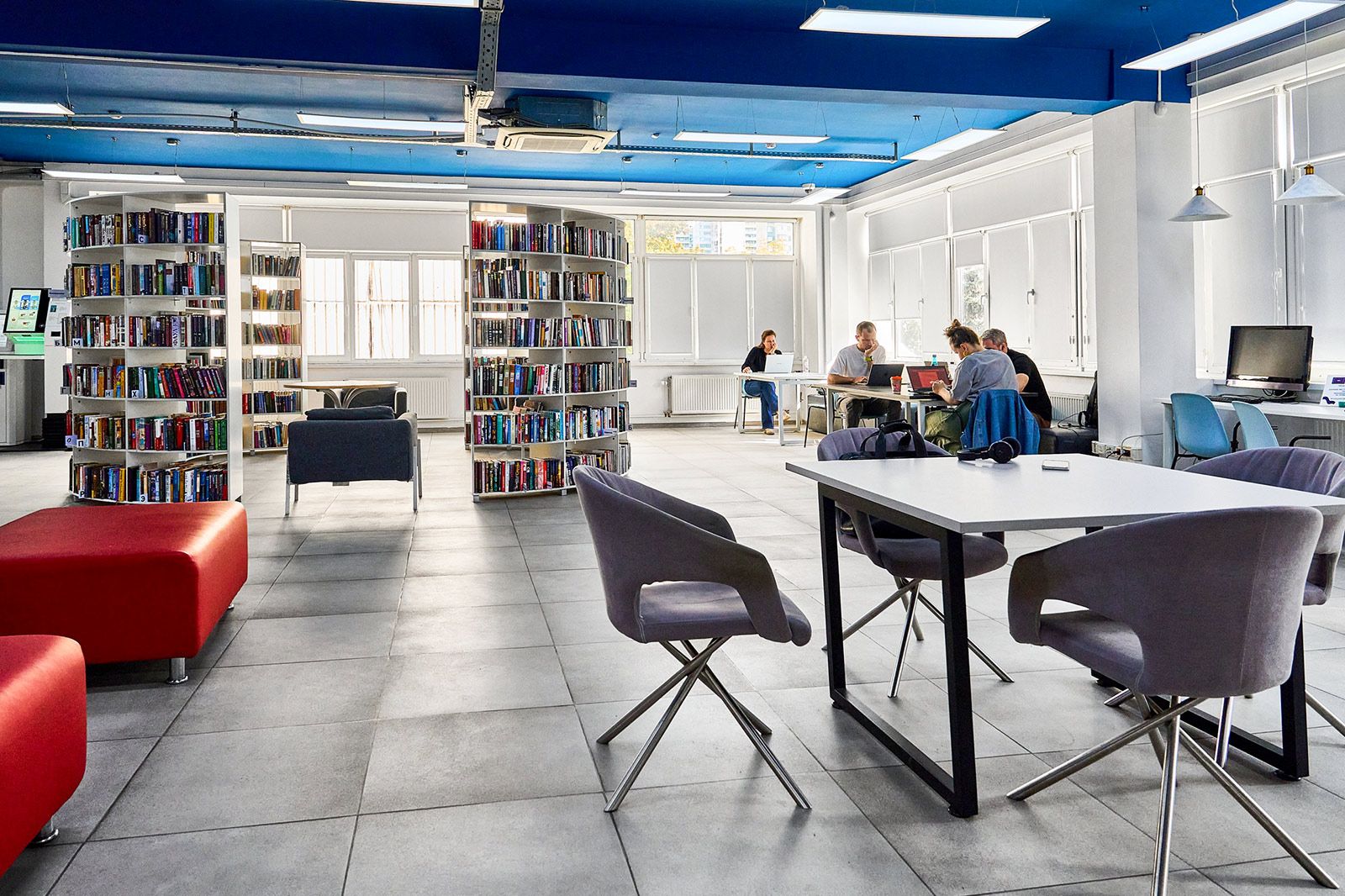
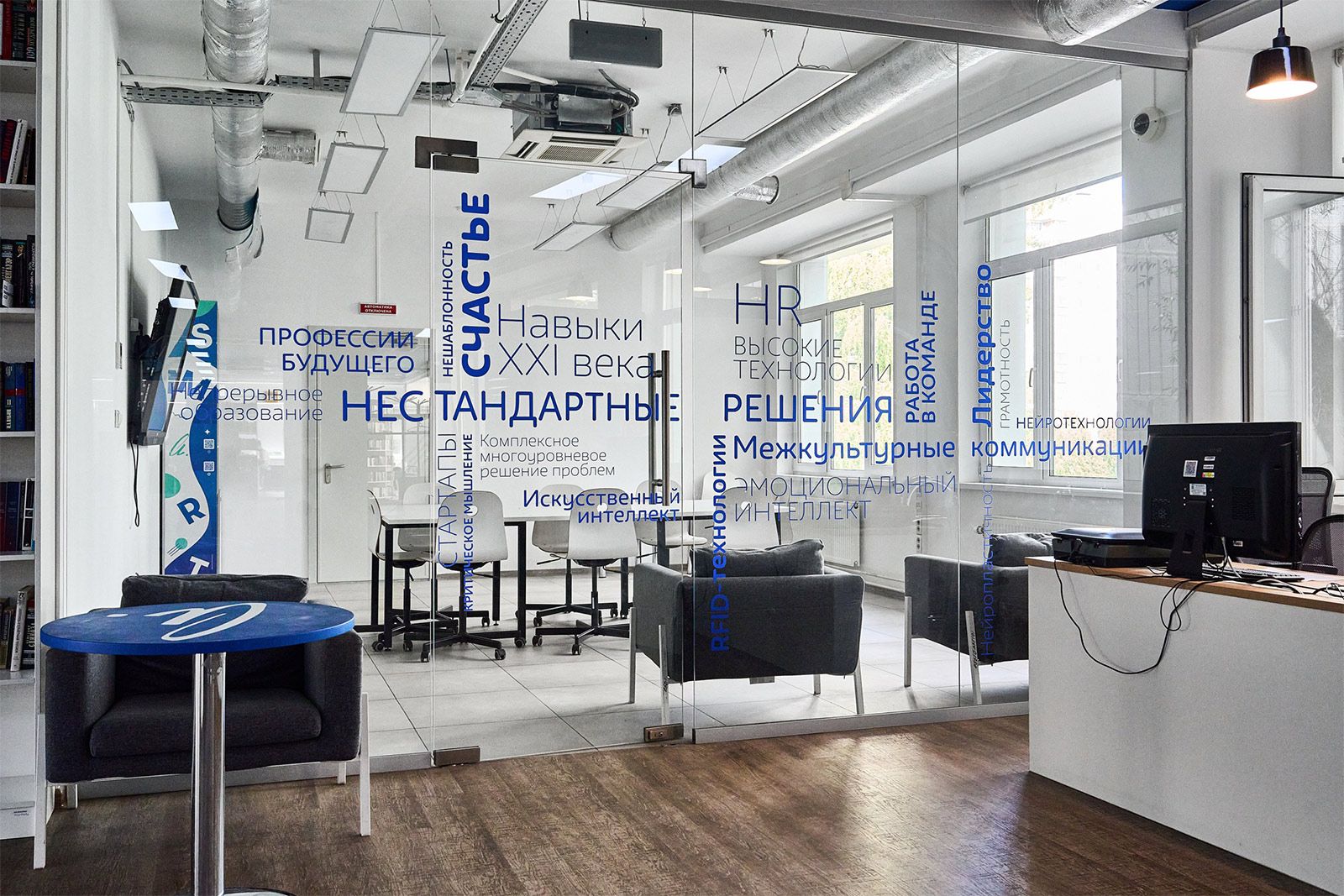
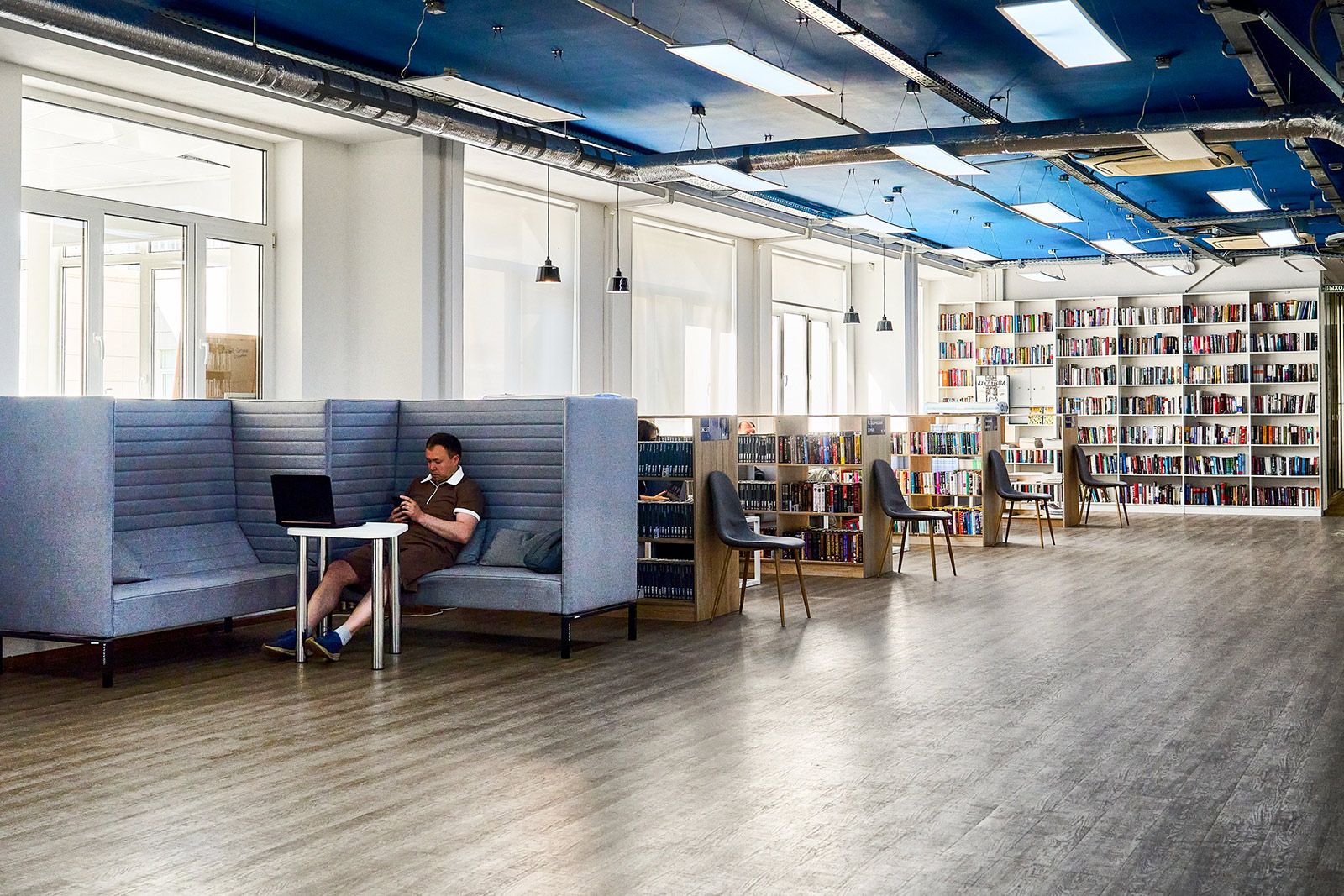
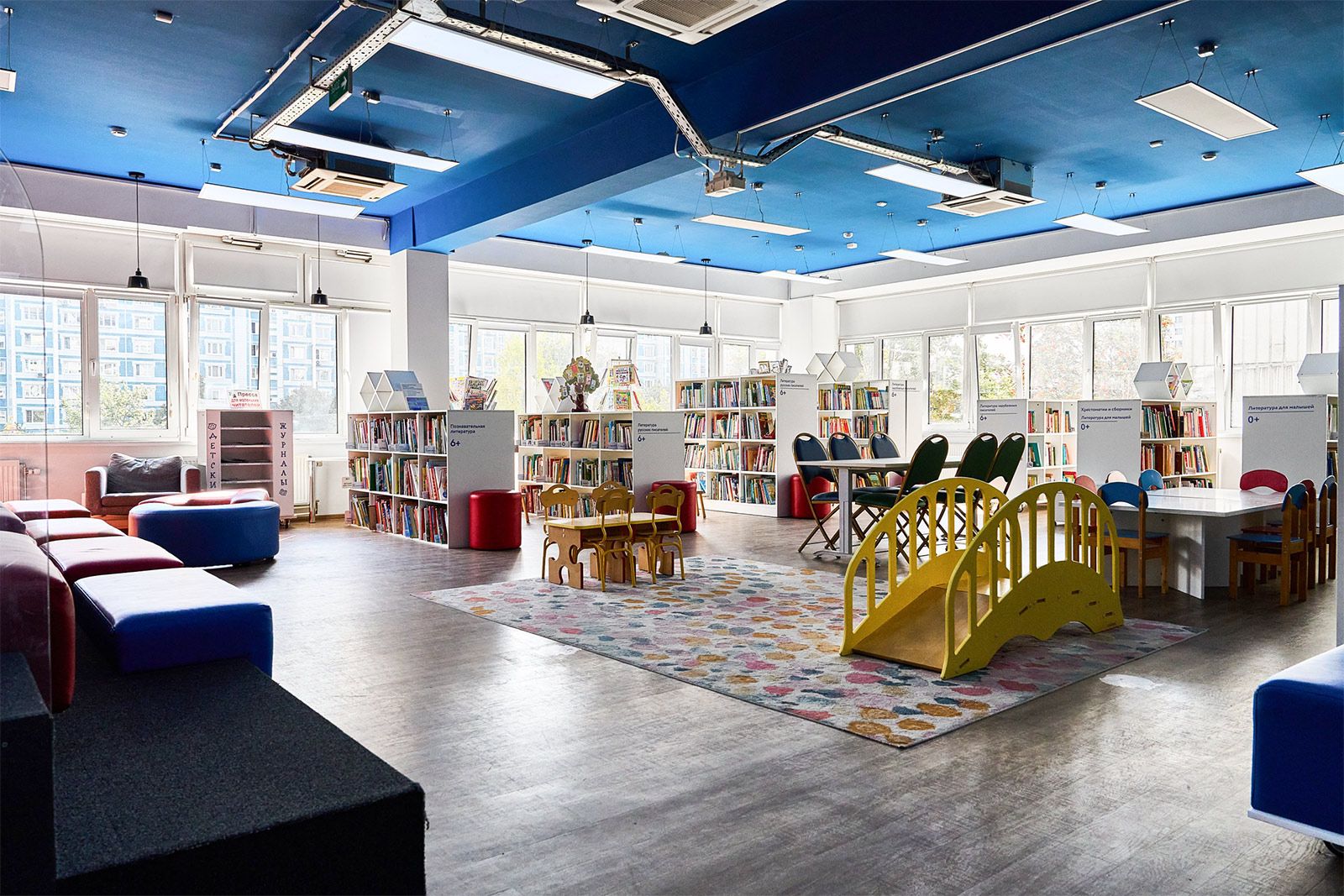
The library boasts over 150,000 printed, soft, and digital publications in many languages and also houses an educational center featuring VR and AR technologies for learning programs; so children and adults can engage with interactive multi-touch tables and floors, study English, or explore robotics and design. Those who are looking to do a school presentation or write an academic paper can benefit from using the free co-working space and computer lab. The conference hall regularly hosts a wide range of festivals, lectures, and meet-and-greet sessions with writers. Attendees can continue exploring history, literature, and local studies from home choosing to listen to podcasts such as Coffee with a Local Historian and True-Life Stories, with contributions from experts, including tour guides, local historians, and art historians.
Starting back in 1967 with a small local reading room in a residential building on Malaya Filyovskaya Street, in just two years it moved to a newly constructed facility in Fili. In 1989 — the year marking the centenary of Anna Akhmatova’s birth — the library was ceremoniously named in her honor, and from that point on, the collection began to pile up consisting of books dedicated to the life and work of the poet.
Every Friday, you can stop by to enjoy children-oriented genealogy sessions for participants to create their own family tree using a board game, learn how to interview relatives, arrange family photographs, and collect and preserve the stories of their family members.
The Spirit of Gogol
As you stroll along Nikitsky Boulevard, you will certainly spot an elegant, Classical-style mansion with an inner courtyard — the Gogol House, which preserves the memory of the writer to this day. It was there that Nikolai Gogol spent his final years, writing the second volume of his Dead Souls, burning the manuscripts, and making preparations for publication. The writer lived in several rooms on the ground floor, which offered direct access to the grand entrance hall.
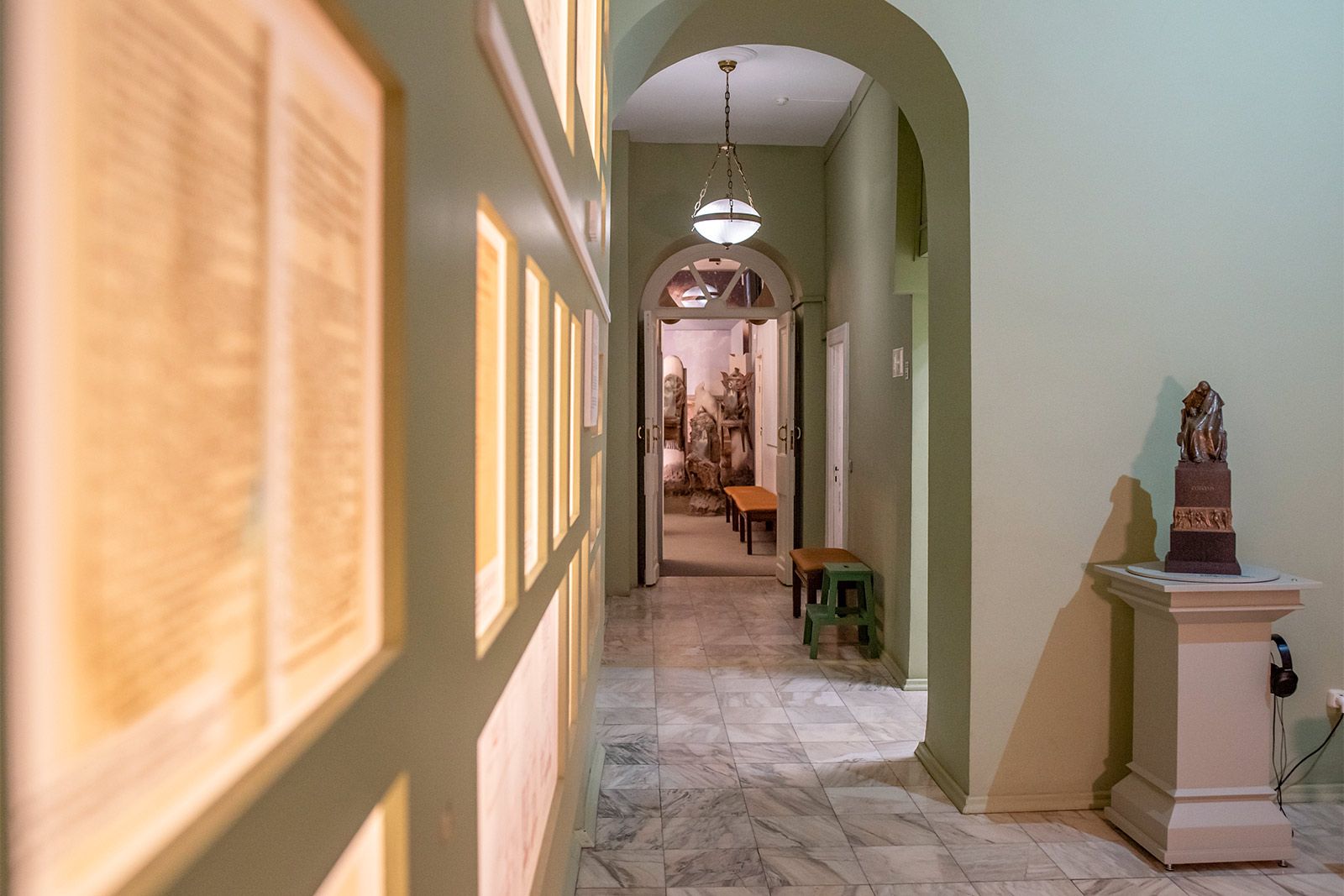
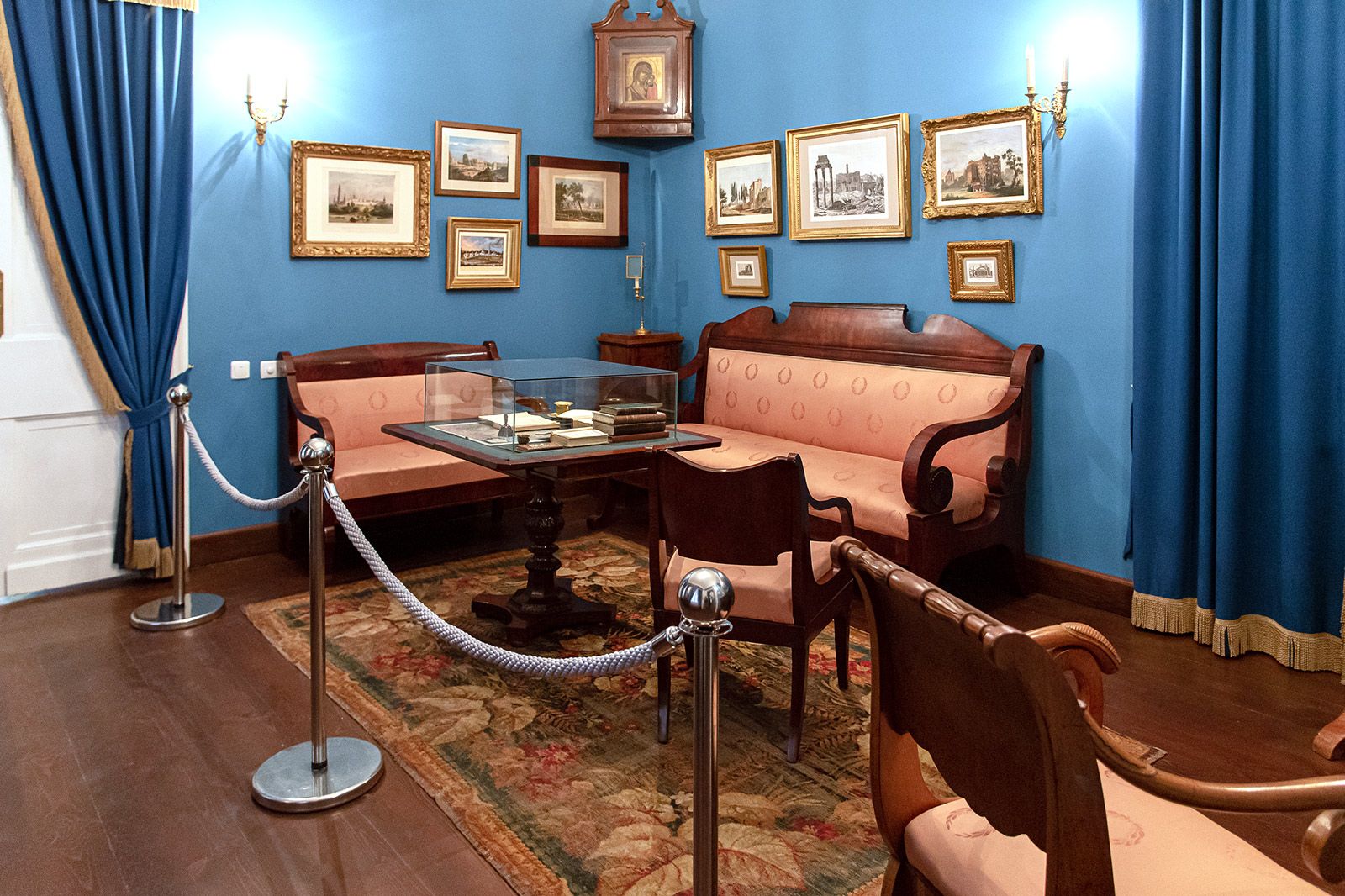
The memorial section preserves the mid-19 th-century interiors with mahogany chairs, tables, a secretaire, and cabinets, not to mention the fabric-upholstered sofas. There is also a wealth of archival material, including copies of the property layout and the city plan dating from the 17 th century onwards, along with historical documents and portraits of Gogol and his illustrious contemporaries — Muscovites who visited the mansion from time to time. You can also take a look at some photographs of archaeological finds discovered in the building’s basement, specifically, ceramic tiles and earthenware dating from the 17 th and 18 th centuries, in addition to portraits of all the known owners that were painted especially for the Gogol House. Featuring the same style reminiscent of formal state portraits while also evoking the aesthetic of parsuna, each piece is an oil painting on wood set within elegant Italian-style frames.
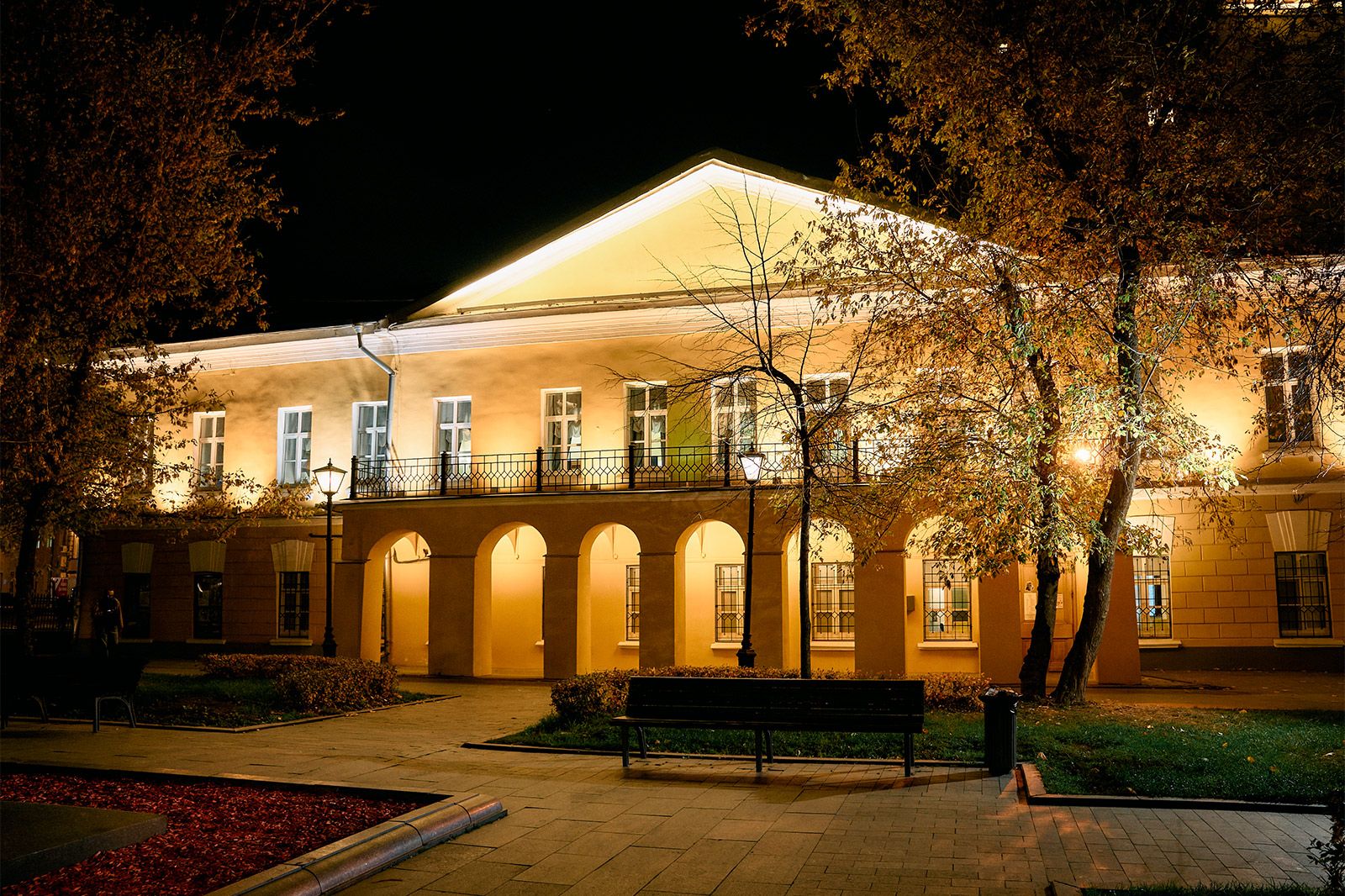
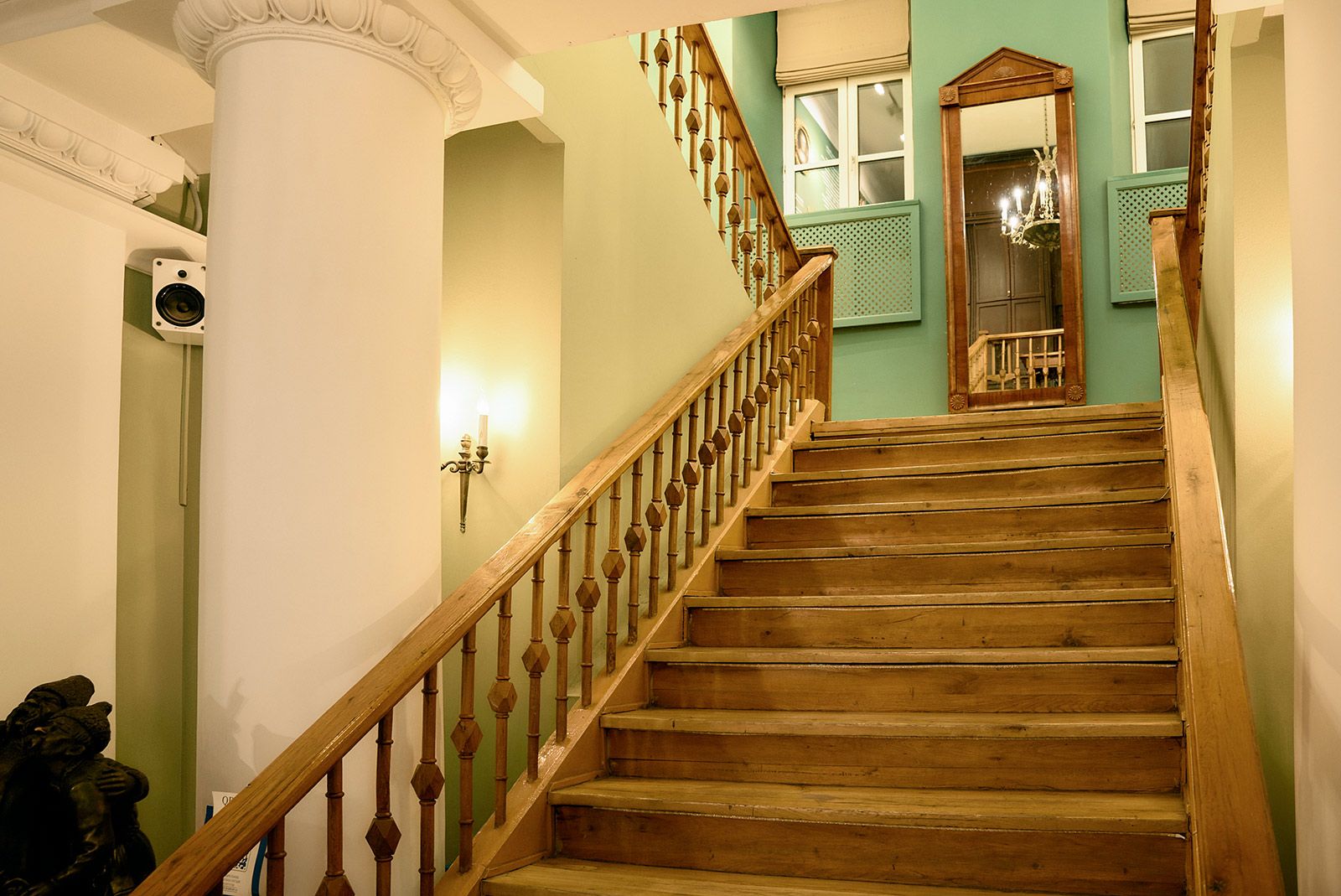
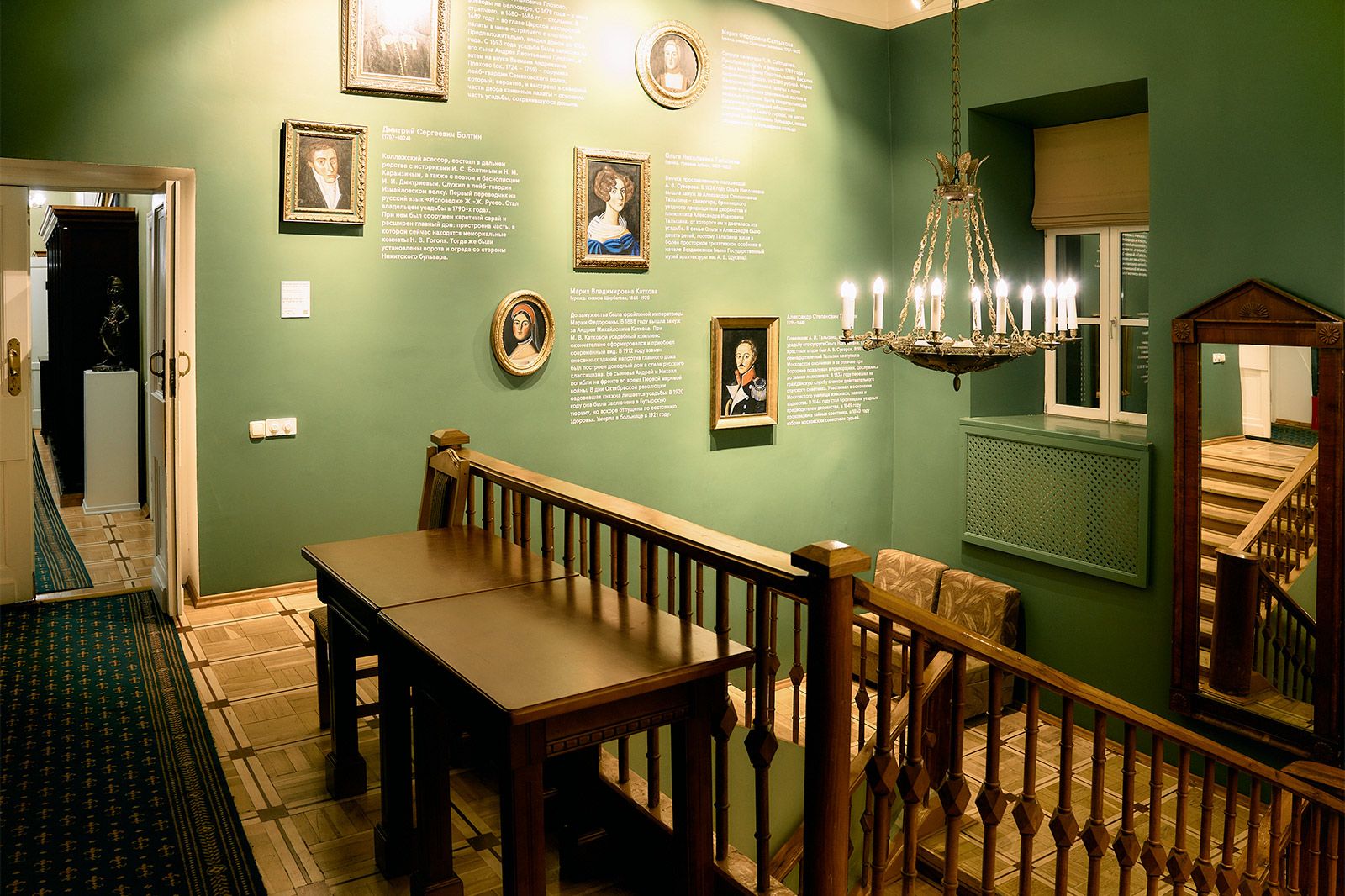
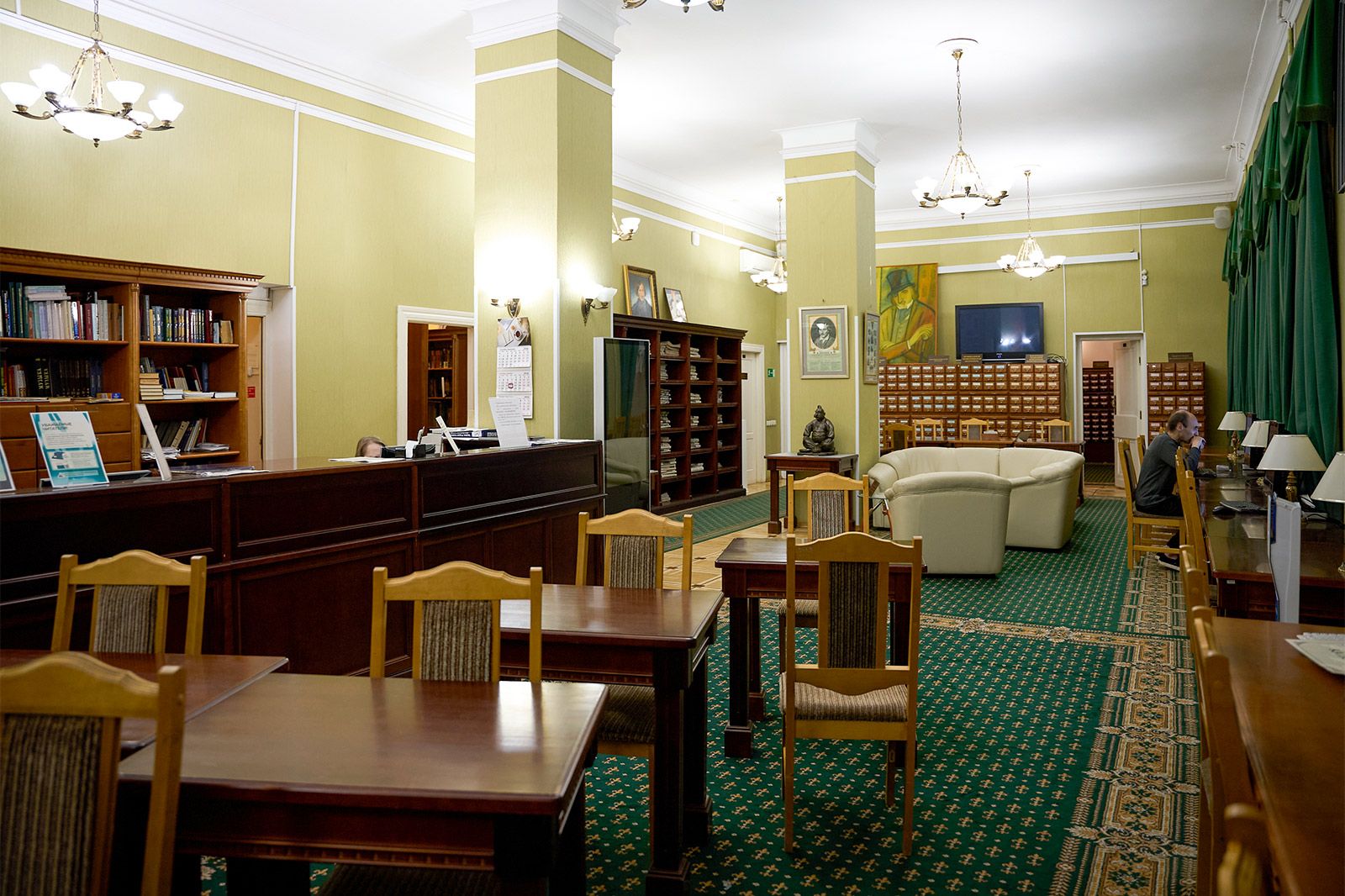
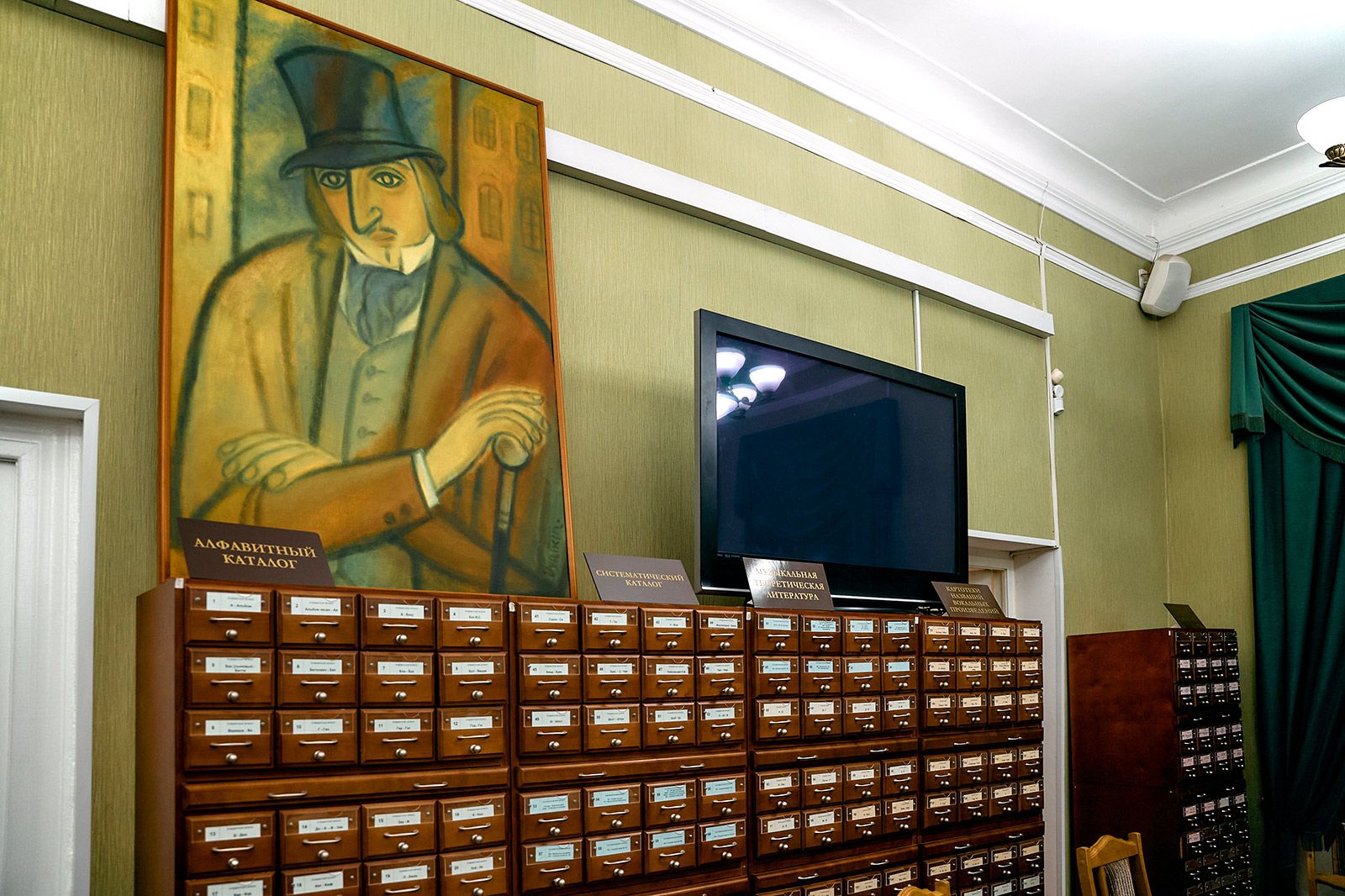
The Gogol House’s library contains over 216,000 items, including more than 300 volumes of the writer’s works — those published during his lifetime along with posthumous editions — a collection of scholarly research on his biography and creative legacy, as well as a large array of musical scores by Russian and Soviet composers. Therefore, it is fair to say that there is scarcely a better place in Moscow to learn more about Gogol. If a particular book catches your interest, you can read it in the reading room and then join the Mystery of the Old Mansion tour to discover what inspired him to write his Dead Souls and why he burned the second volume. The next tours are scheduled for November 5 and 19.

The Turgenevka
Ivan Turgenev, who spent the greater part of his life abroad, also left his mark on Moscow. He was welcomed by his mother on Ostozhenka Street — the building is now known as the I. S. Turgenev House-Museum — visited Afanasy Fet on Polyanka Street, frequented the English aristocratic club on Tverskaya Street, and stayed with his brother on Prechistenka Street. the nearby metro station and square are named in his honor.
Today, the mansion on Bobrov Pereulok also houses the I. S. Turgenev Library and Reading Room — another site linked to the writer. Its establishment was made possible by Varvara Morozova, an enlightened entrepreneur and generous patron of the arts. Following the writer’s death in August 1883, she approached the Moscow City Duma with a proposal to found a free reading room, suggesting that it be named after Turgenev. She allocated 10,000 rubles to create the fund and set things up — quite a substantial amount for those days as it could, for instance, be used to buy an excellent carriage or a house in the city.
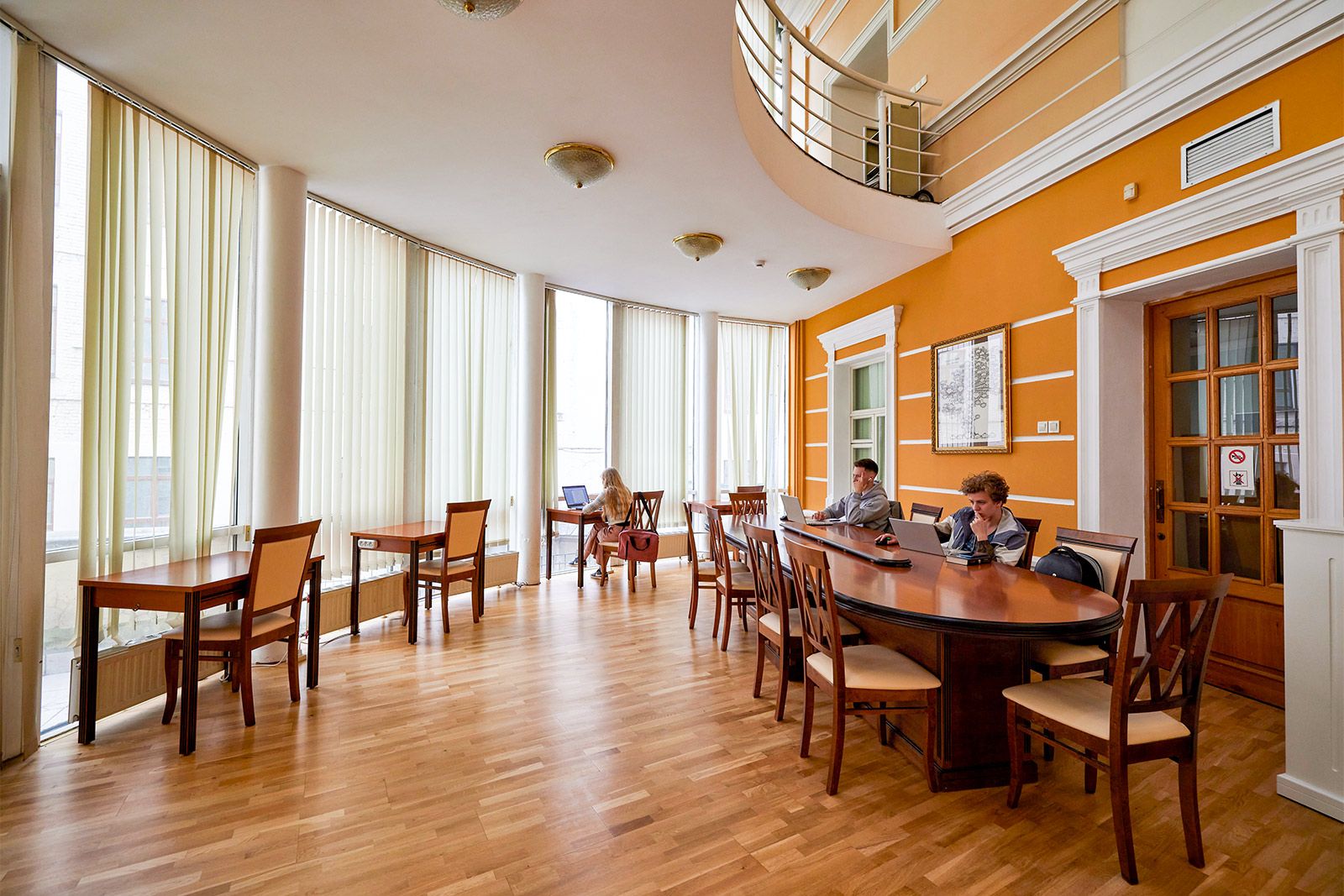
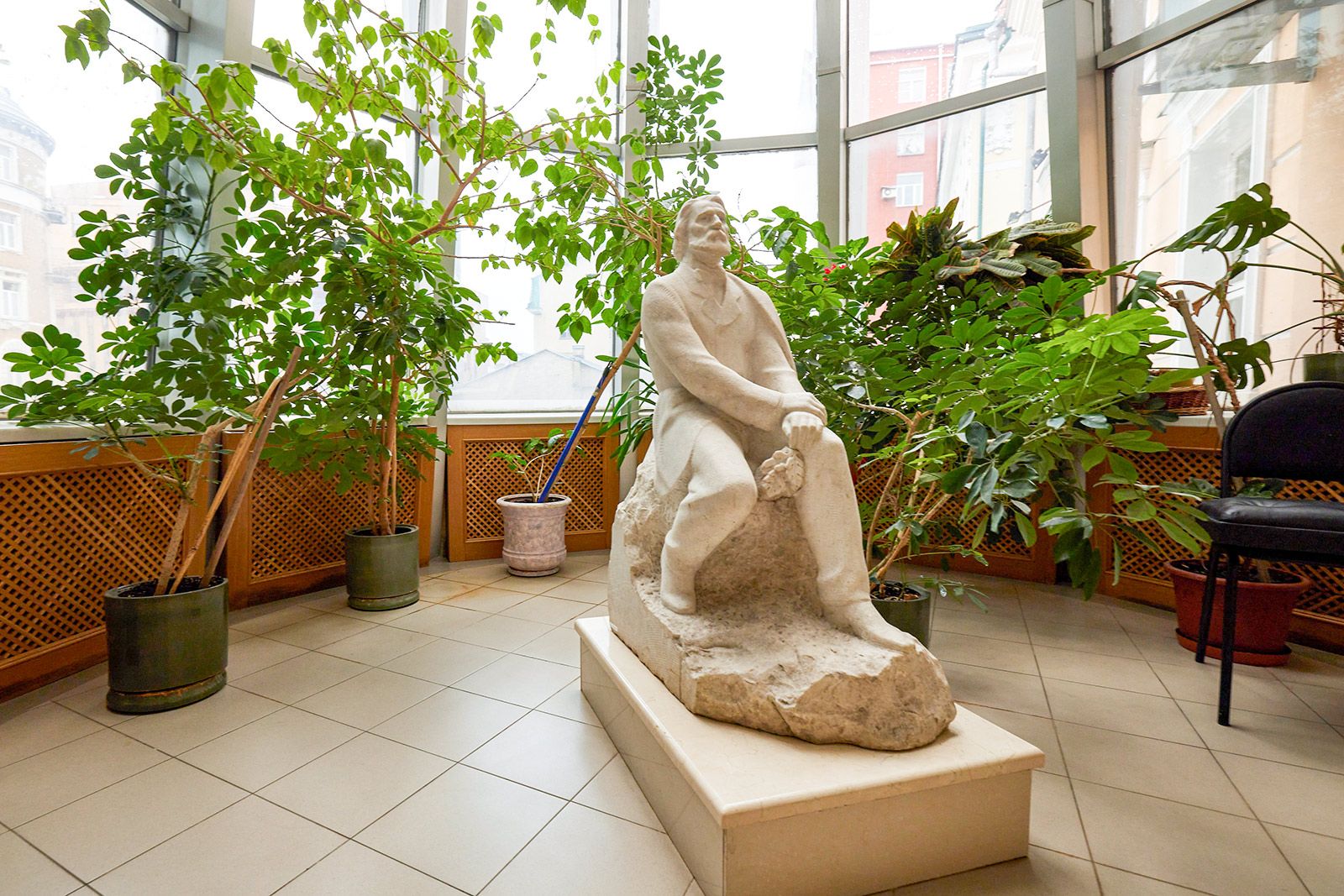
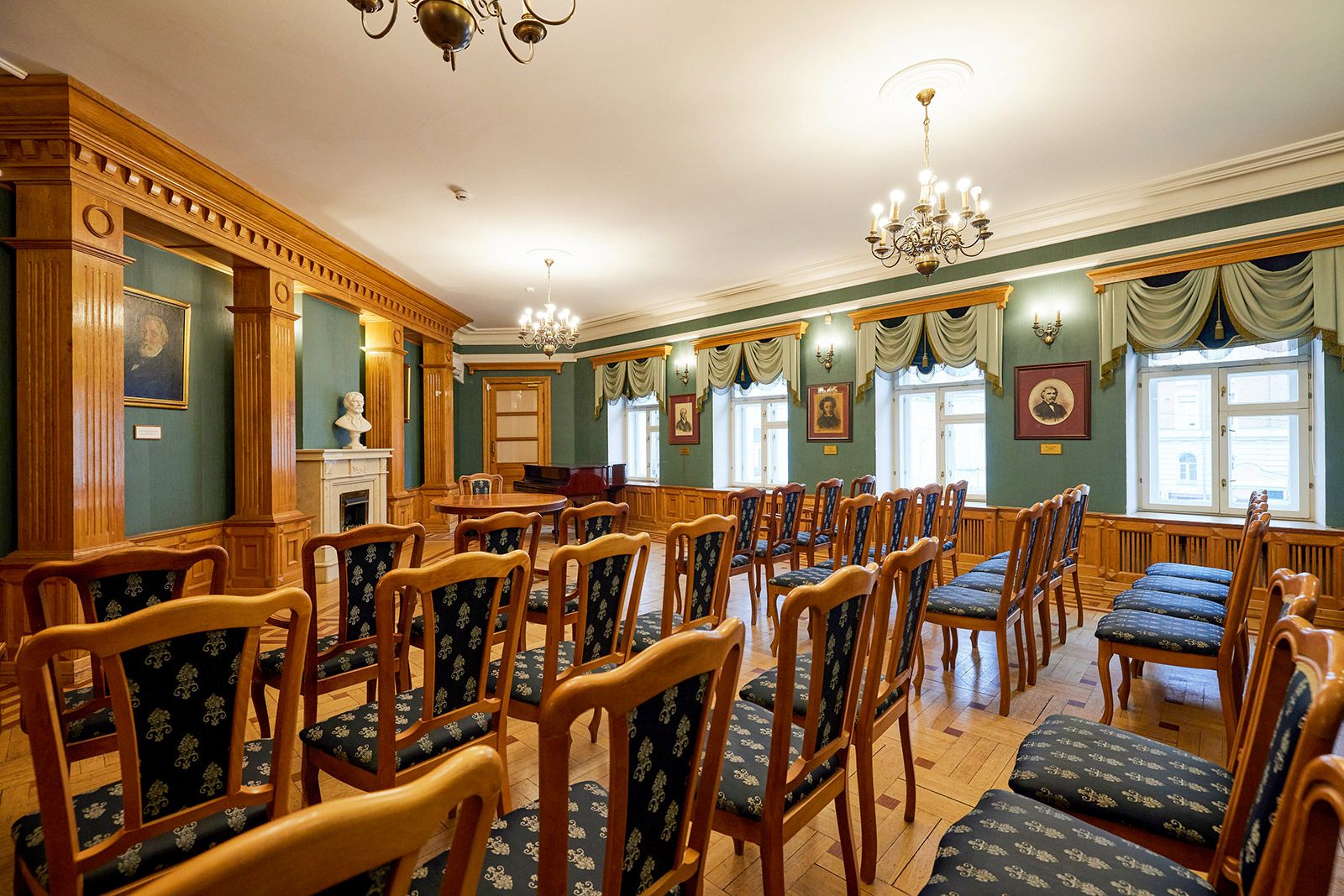
The grand opening of the library took place on February 9, 1885; as a result, Moscow got its first free public reading room, its name being a tribute to the great man of letters. Currently, the library, commonly known as the Turgenevka, is actively engaging visitors in events focused on local literary history. In particular, on November 8, everyone can join the tour Facts About Artifacts to take the tourists along Myasnitskaya Street, for them to explore Krivokolenny, Armyansky, and Milyutinsky Pereuloks and also step into the courtyard of the Rossiya insurance company to examine its architectural details.
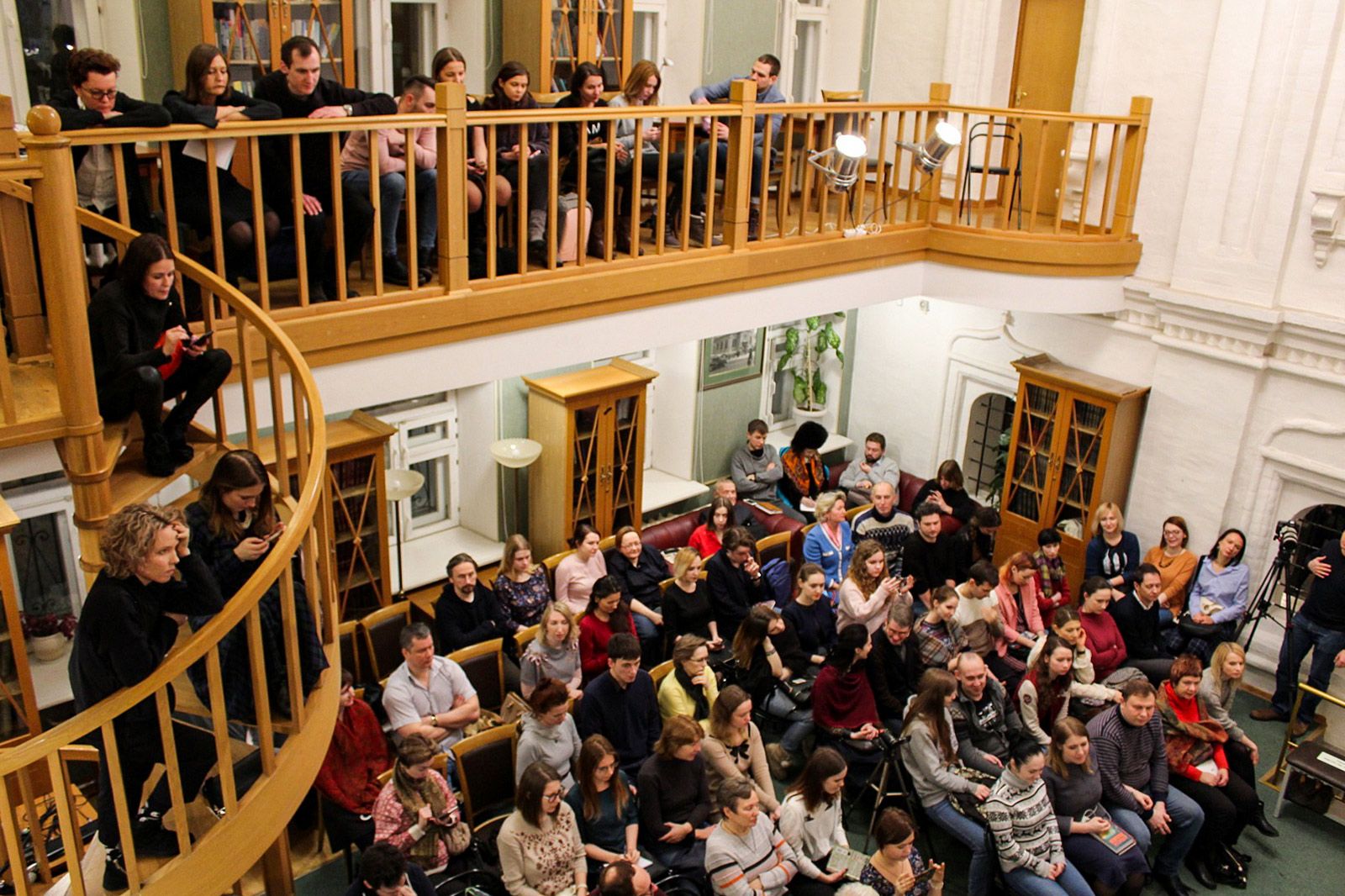
On November 3, 11, 18, and 25, guests are invited to join the tour The Turgenevka: Past, Present, and Future. Led by head librarian Natalya Nekhaychik, it will provide a glimpse of the site’s history and the lives of people from various 19 th-century social classes, such as nobles, merchants, and the Bohemians. Each attendee will be awarded an anniversary library pass as a gift.
A legacy for children
Meanwhile, in the House of Architects, one can look back at the history of Moscow’s oldest libraries, the so-called Gaidarovka. Its story began in 1911, when Vasily Klyuchevsky left his collection of books to the municipality, which they used to establish a library and reading room in 1915. During the war, the library served as a refuge for both children and adults, who turned to fairy tales and adventure stories as a way to find a respite from the harsh reality. In 1965, it was named after Arkady Gaidar, the author of many works for children, including Chuk and Gek, Timur and His Squad, and The Blue Cup.
Gaidar (the penname of Arkady Golikov) was born in 1904 in Lgov, Kursk Governorate; later, his family moved to Arzamas. At 14, concealing his true age, he joined the Red Army and by 17, he had become a squad commander. The writer died in 1942 at the age of 37 while saving partisans.
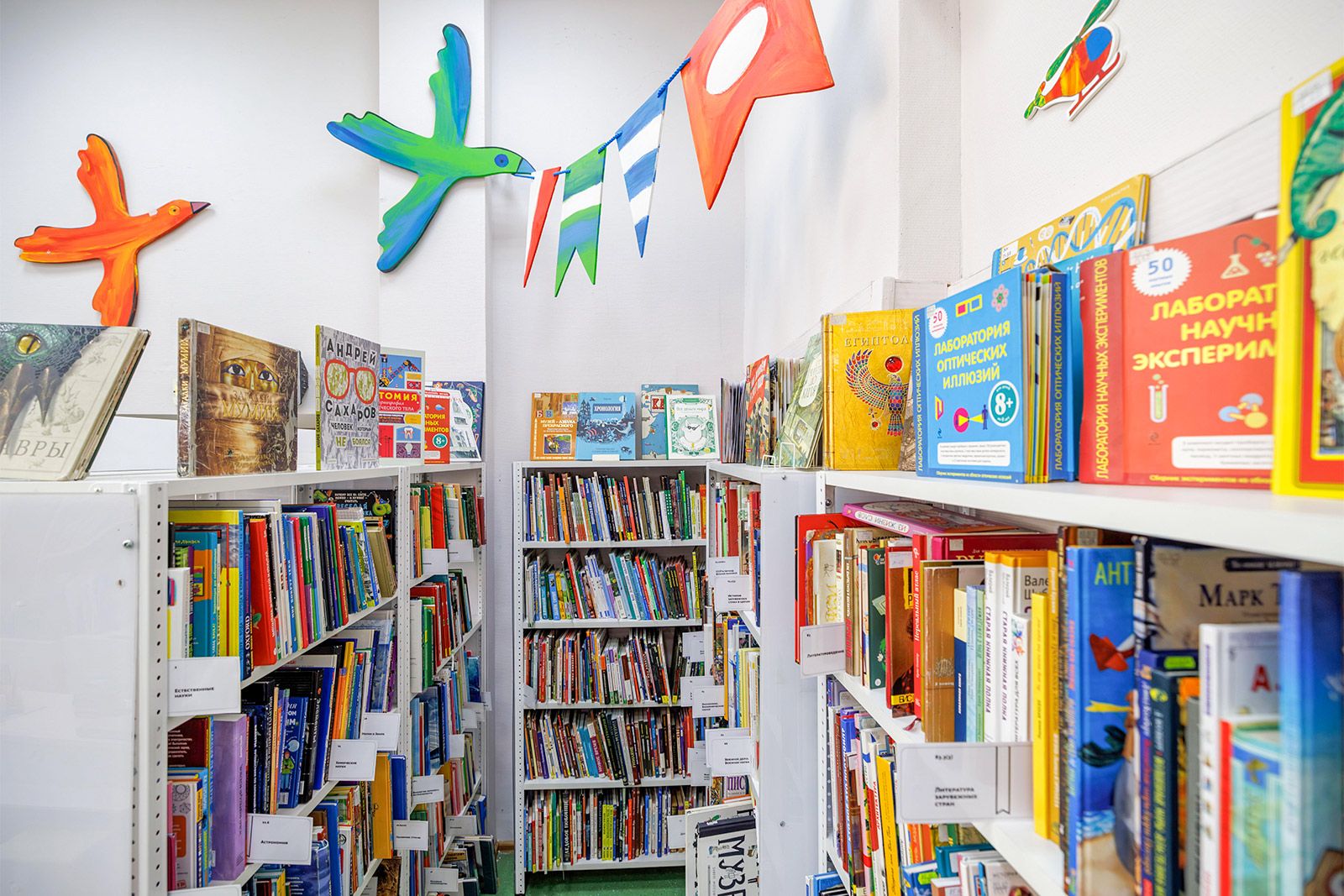
At the moment, the library is hosting several events for children. On October 29, they will be invited to Mozart and the Brambling, a performance inspired by the same-name fairy tale by Marina Drobkova (presented by the Magic of Shadows Theater). The audience will be transported to mid-18 th-century Salzburg and introduced to young Wolfgang Amadeus Mozart.
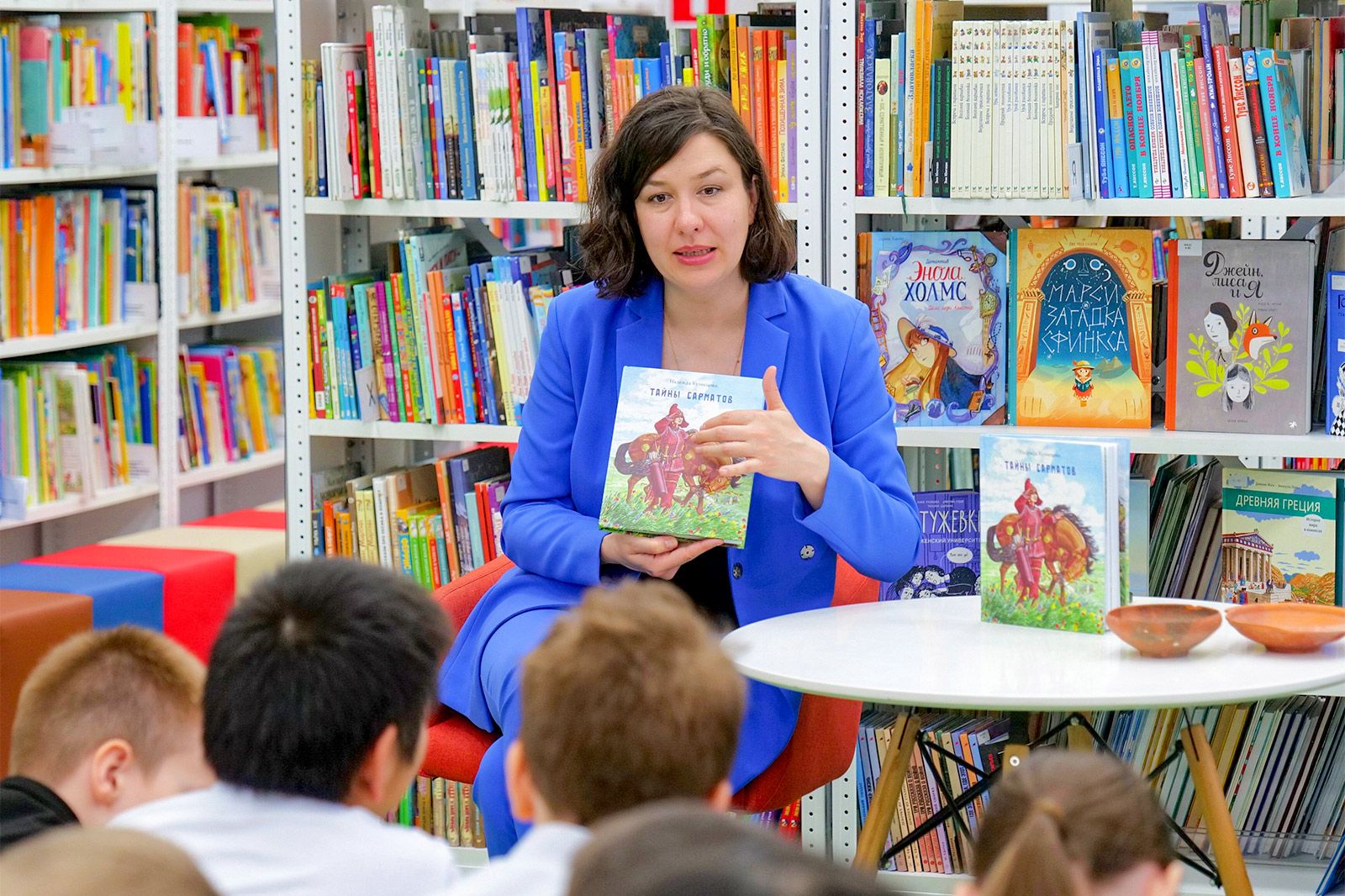
On the same day, young readers will have the opportunity to attend a lecture by poet and prose writer Nadezhda Kuznetsova who will be presenting her book The Digital Footprint, with the poems exploring digital safety and protection against scammers in an easy-to-understand way. The book features illustrations by Inga Valeulina in addition to coloring pages and logic puzzles.
On November 15, both children and adults are invited to a family-oriented gathering marking the 125 th anniversary of writer and artist Yevgeny Charushin. Young guests will learn about his life and listen to his animal stories, such as Tomka, The Bear Cubs, and A Little Wolf. They will also see Charushin’s illustrations, namely, endearing depictions of young foxes, cats, squirrels, and hares. Meanwhile, adults will revisit their cherished memories and enjoy the favorite books of their childhood.