Rare Bolivian night monkey born at the Moscow Zoo
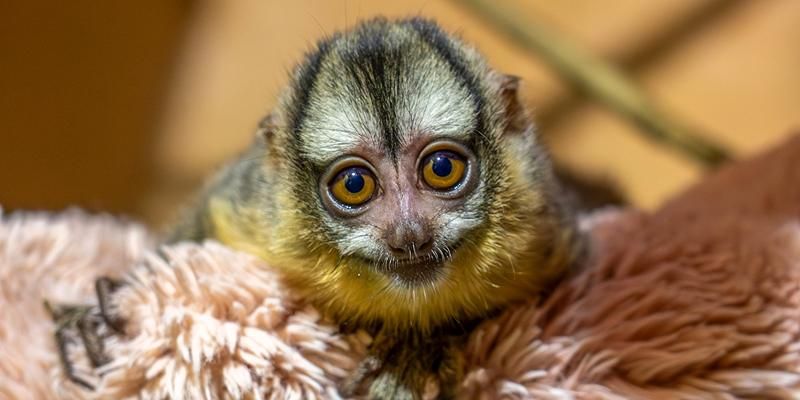
A baby rare Bolivian night monkey included in the International Red List has been born at the Moscow Zoo, which is overseen by the Moscow Department of Culture. The baby was born in May and now weighs more than 300 grams.
“The baby was fed formula every two hours. At first, it was given one millilitre of the formula at a time, and the amount was then gradually increased. At the age of one and a half to two months, the intervals between feedings increased to 3.5 hours. A special fur pouch was made for the baby, where it could keep warm and sleep, with a heating pad placed underneath. The baby could comfortably cling to the pouch and move around on it, just as it would on a parent’s back,” says Svetlana Akulova, Director General of the Moscow Zoo.
At around three months of age, solid foods began to be introduced into the night monkey’s diet. It was given small amounts of banana, apple, pear, vegetables, egg, and insects.
The monkey has now grown and moved to a separate enclosure, where its older sister, a two-year-old female named Aina, lives. Their enclosure is not on public display.
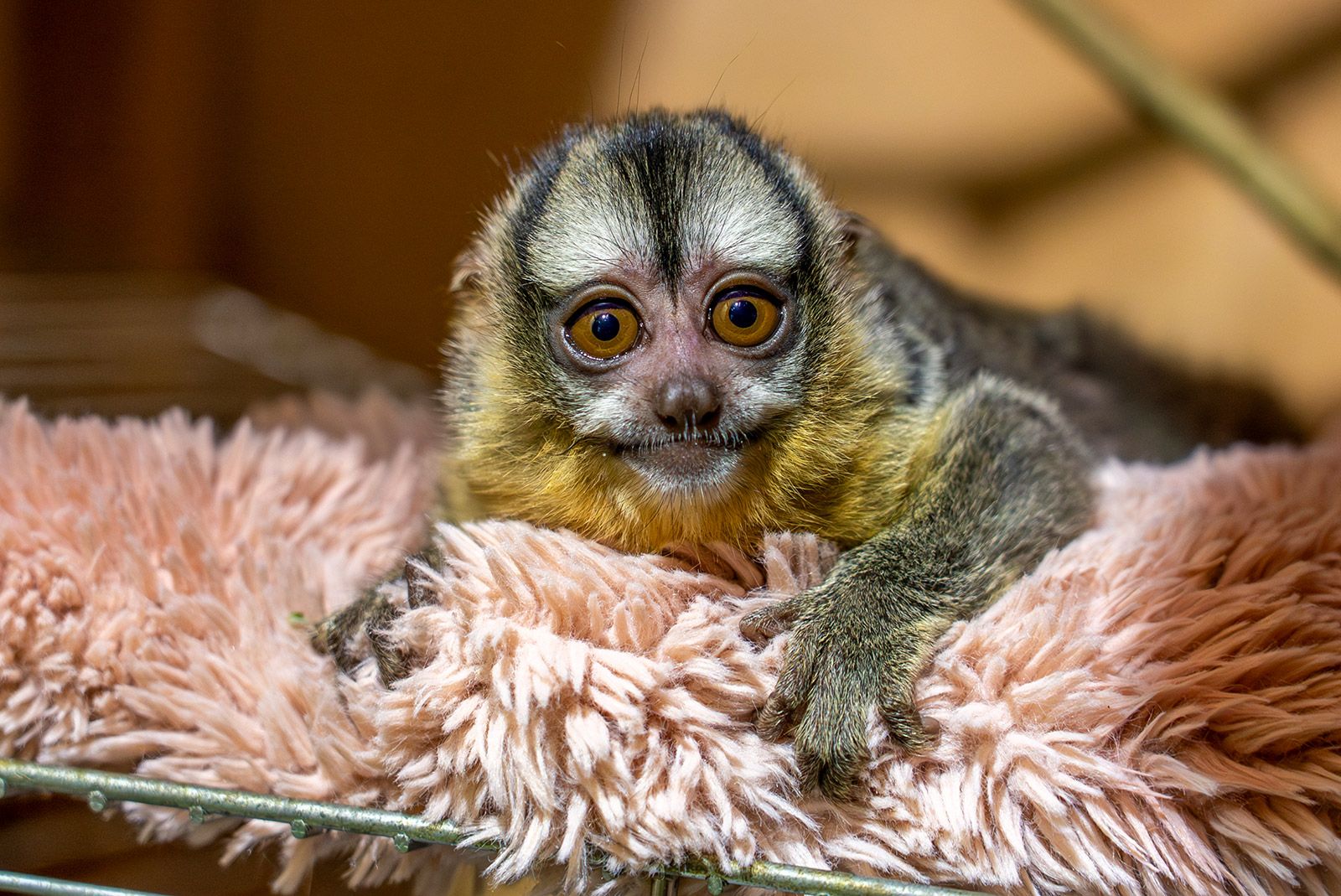
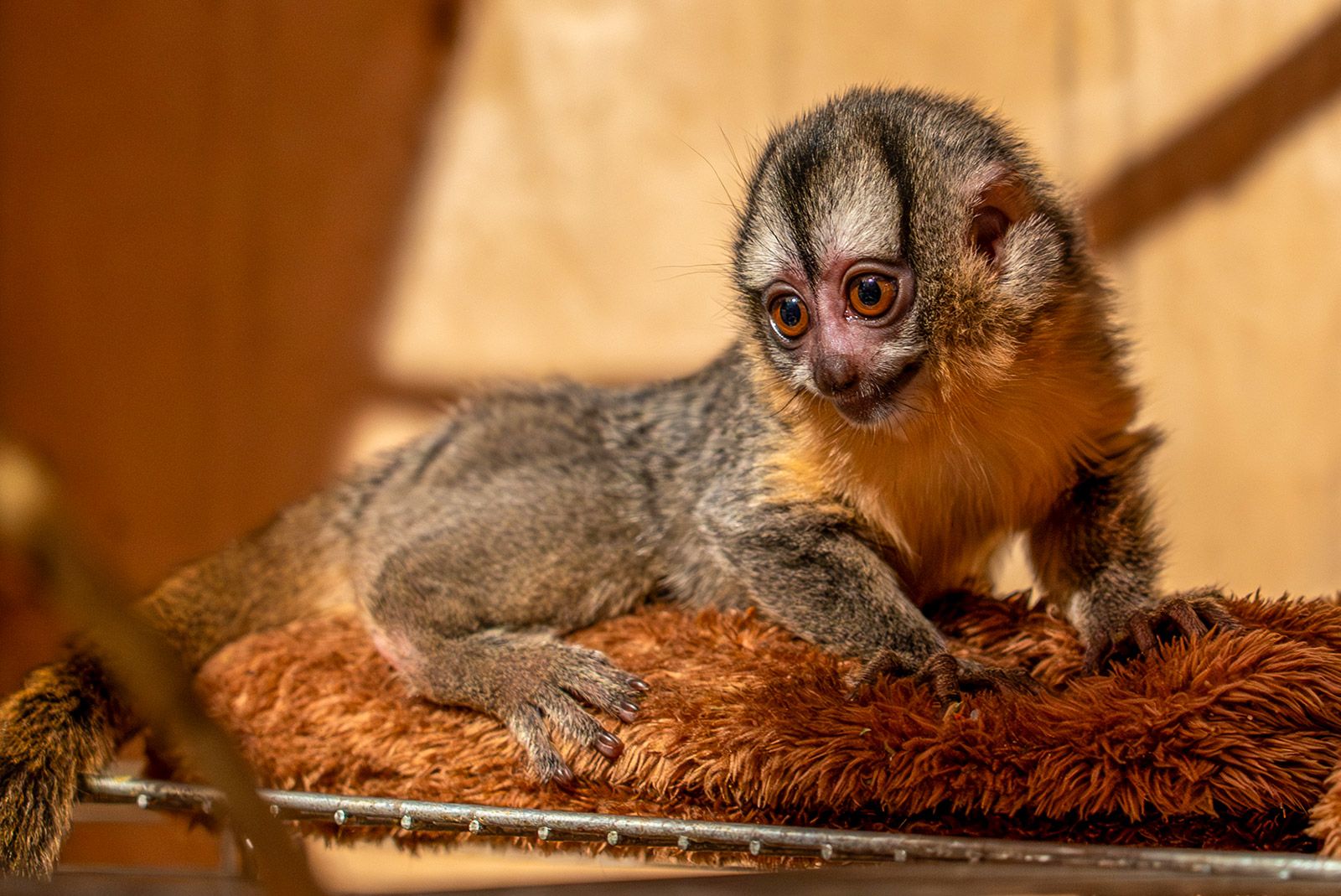
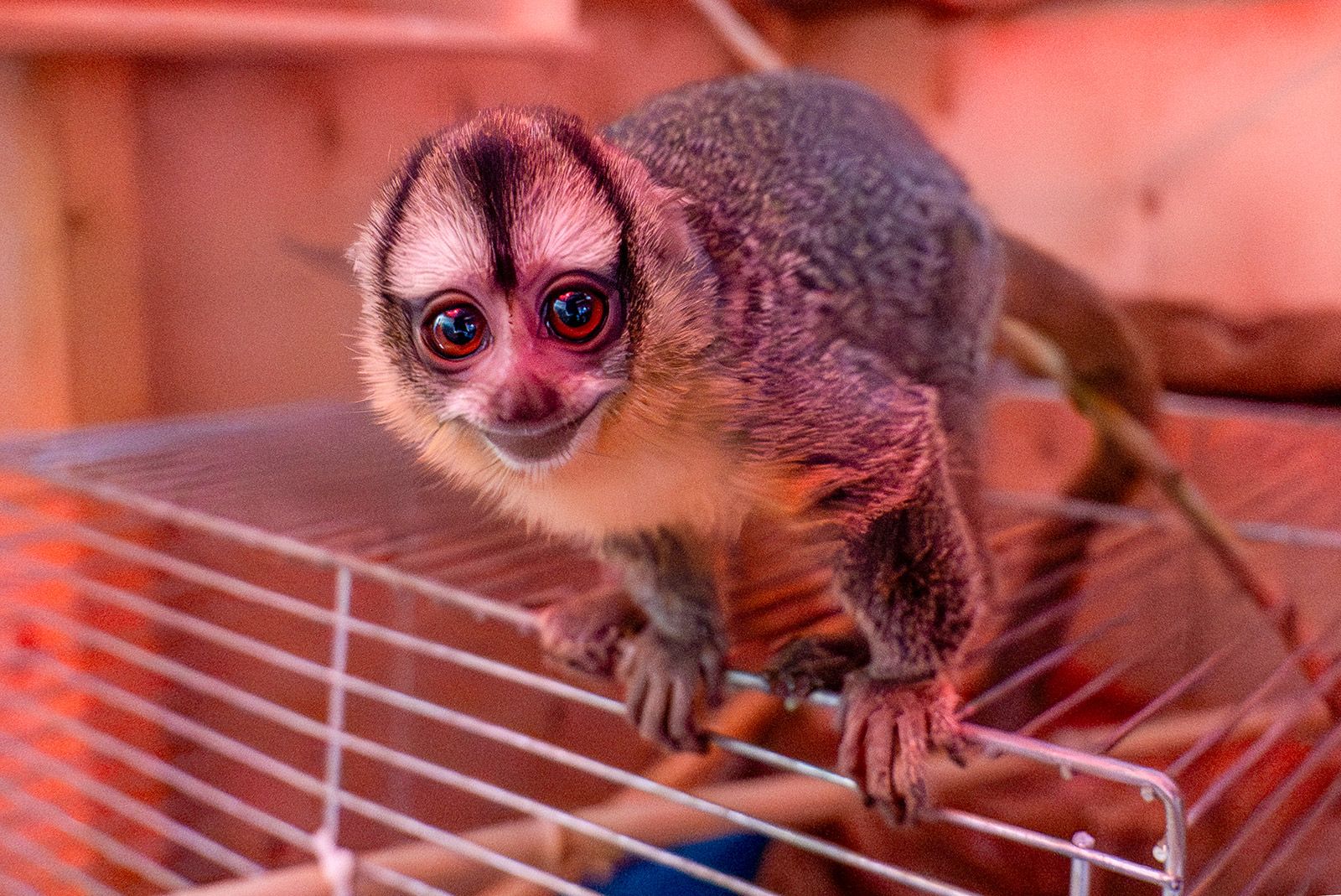

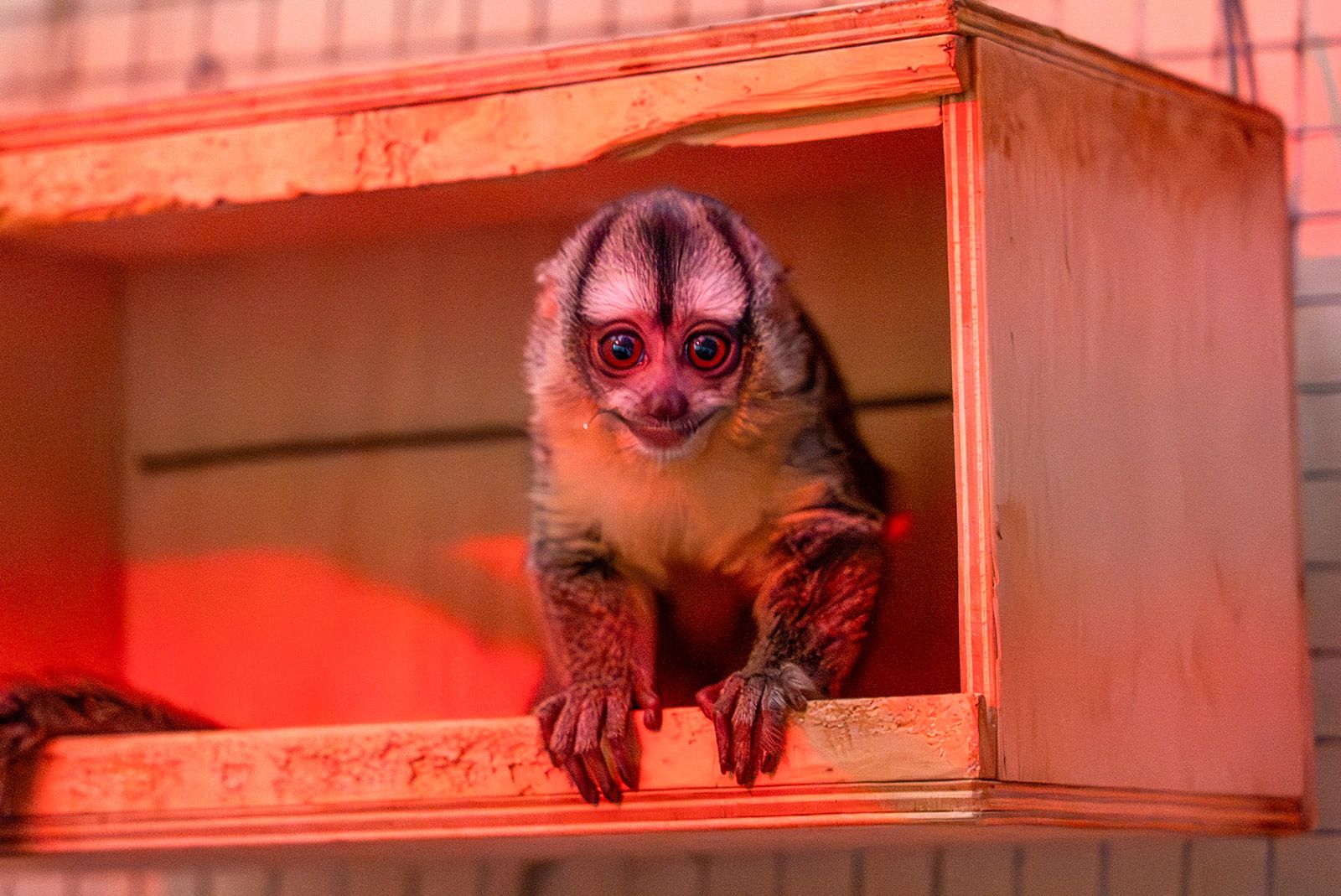
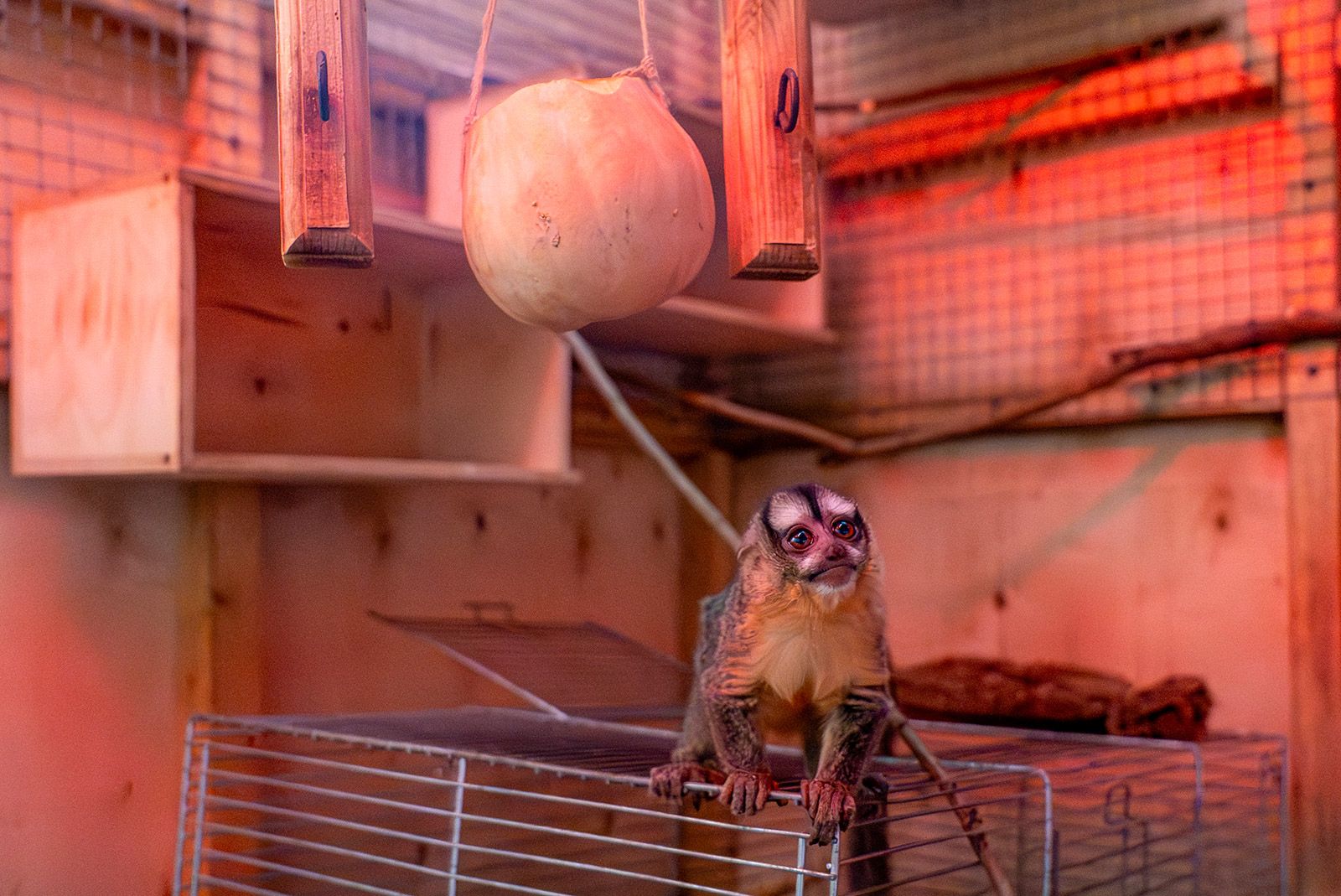
The mother, Anna, lives in another enclosure with the male Buslai. Visitors can see the pair together with another of their young, a one-year-old, in the Night World exhibit on the lower floor of the Primates Pavilion. The pair’s older son, a male named Berdi, lives in a neighbouring enclosure with a female named Bella. In 2019, Anna and Buslai were brought to the Moscow Zoo from the Riga Zoo.
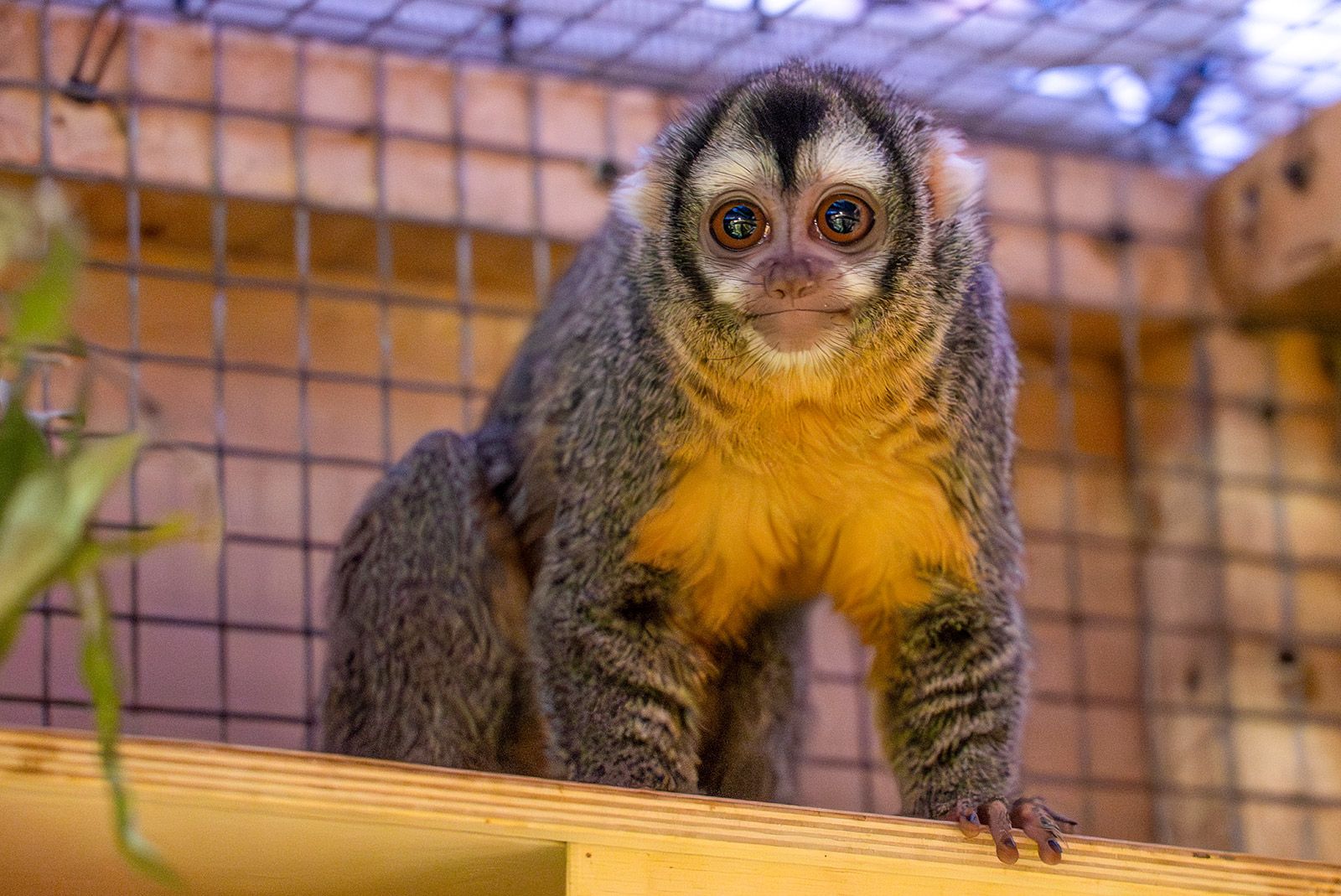
The Bolivian night monkey, also known as the mirikiná, is native to South America and is considered the largest species of its genus. Its average body length is about 34 centimetres, and it weighs around 1.2 kilograms. Its large brown eyes provide excellent vision in the dark, allowing it to remain active at night. These primates are also known for their loud voices and can make sounds resembling cat’s meowing, jaguar’s growling and dog’s barking.
Mirikinás are monogamous, forming family groups consisting of a male, a female and young of different ages. Young primates may remain with their parents for two to three years before leaving to form families of their own.
In early 2025, Moscow Zoo set a world record for the number of animal species in its collection, with 1253 species; by 2026, their number approached 1280. That was the result of the long-term effort taken by zoologists, veterinarians, keepers, and other staff. The zoo’s animals can be watched via an online stream.