Dyakovo culture and Royal Palace stove tiles: archaeological guide to Kolomenskoye
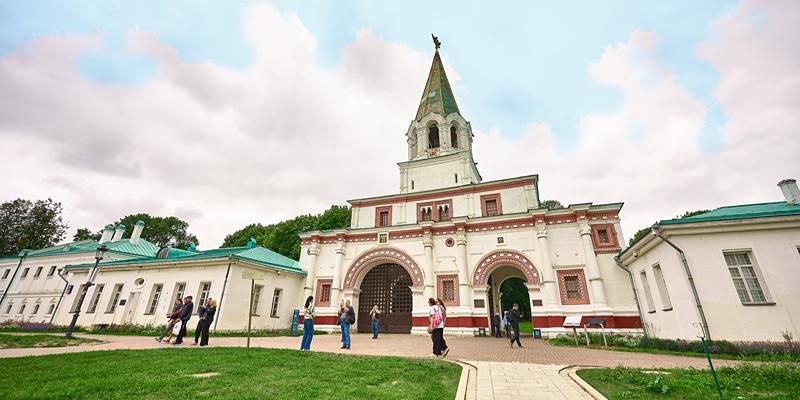
When people think of the Kolomenskoye Museum-Reserve, the first images that come to mind are typically apple orchards, a landscaped riverfront, and architecture spanning various eras. Yet this area along the Moskva River has been inhabited since antiquity, preserving artifacts from the Early Iron Age through the early 20 th century. Though hidden underground, these archaeological layers can now be seen and studied thanks to excavations and museum collections.
The value of pot shards
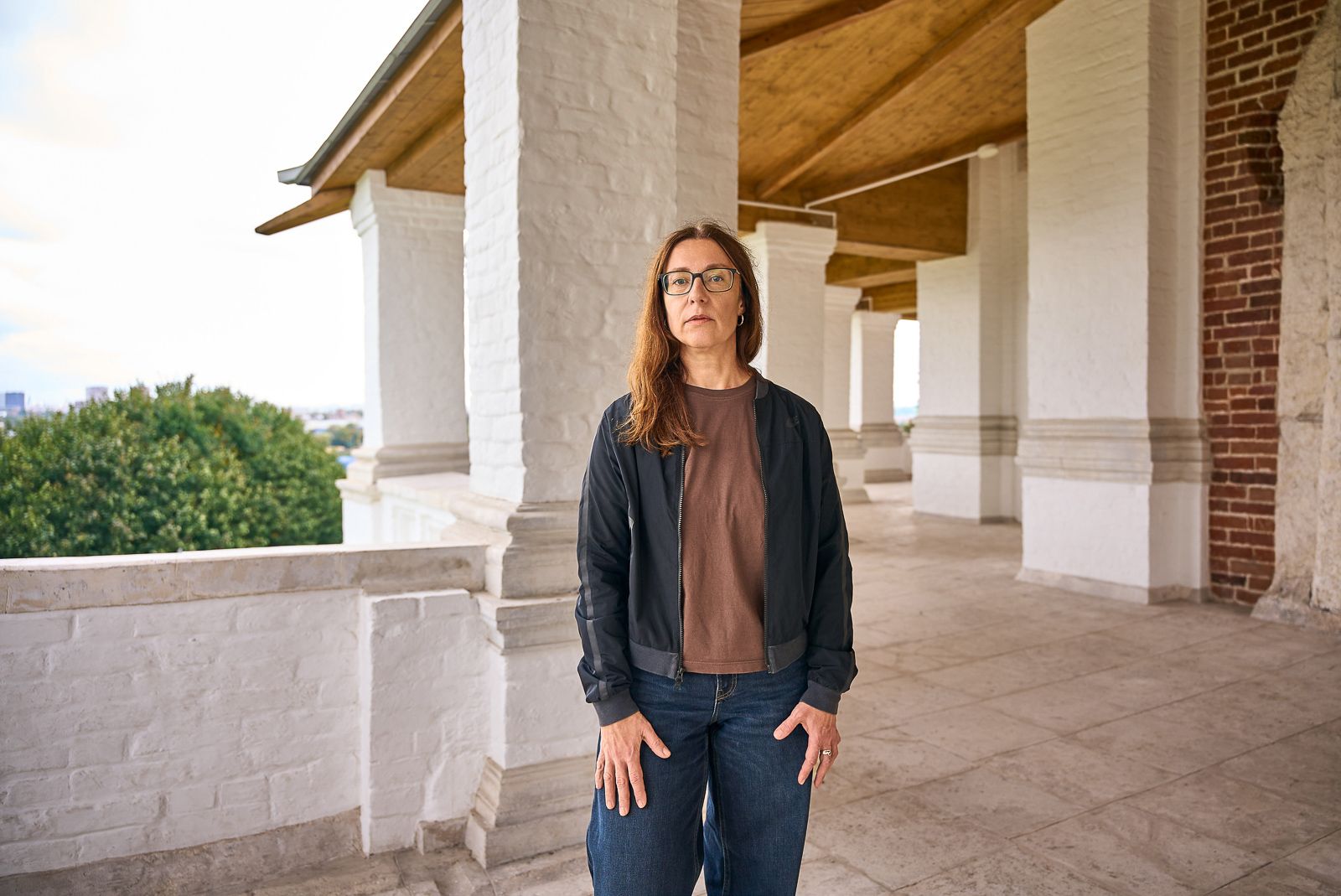
In ancient times, the river served as both a road and a lifeline. Forming an ideal route for merchants, it allowed to buy essential goods and sell one’s own. The river also supplied people with water and fish, while acting as a natural barrier against enemy raids. For these reasons, Kolomenskoye had been settled long before the arrival of the Slavs. The museum-reserve’s holdings contain a vast array of exhibits. “The collections are remarkably diverse, spanning from the Early Iron Age — that is, the first centuries B. C. — almost to the early 20 th century,” says Olga Tatsenko, a historian and head of the Archaeology Department at the Kolomenskoye Museum-Reserve.
Originally, the landscape here was entirely different. Historians believe that dense forests covered the riverbank before humans arrived and cleared space for housing and crops.
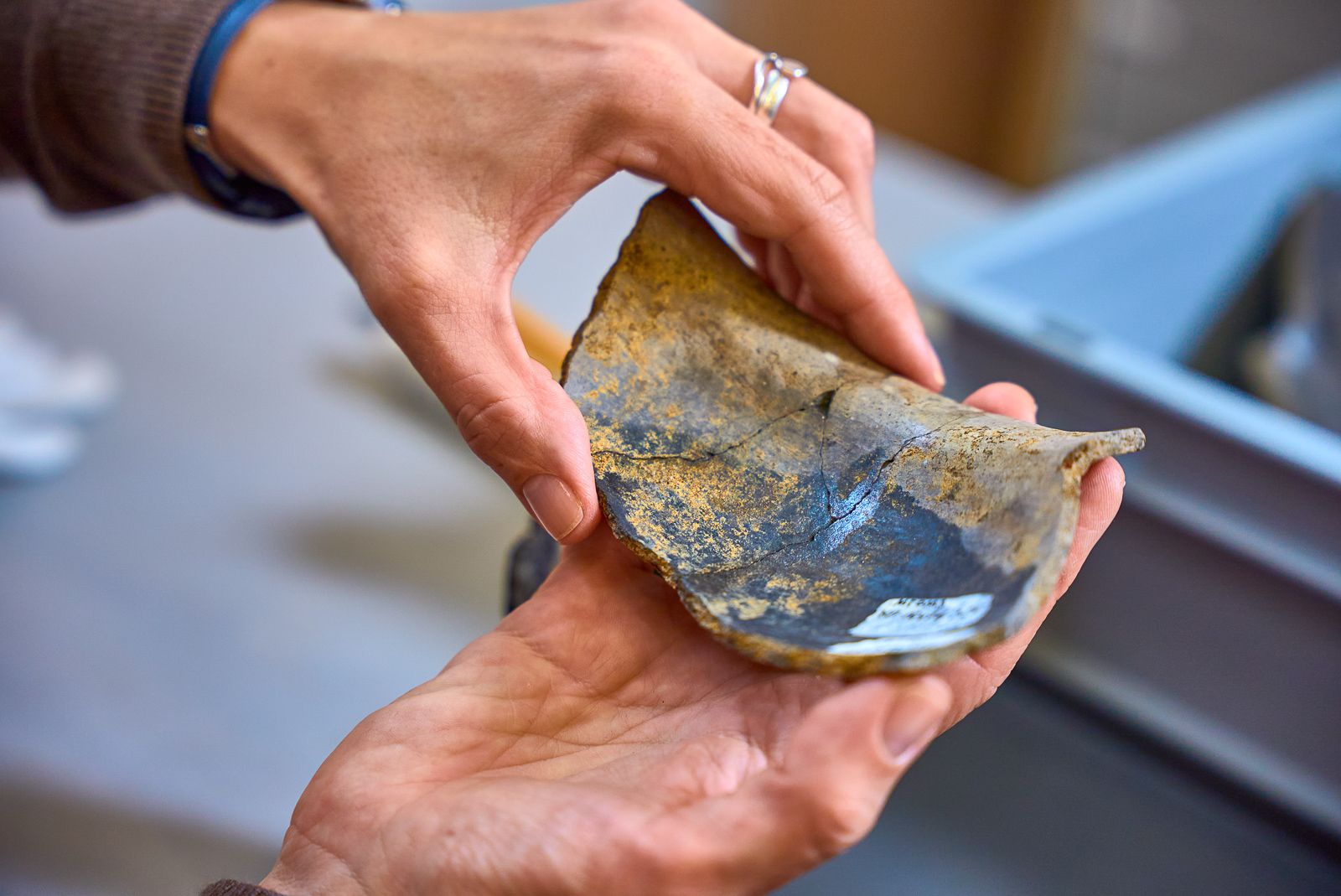
How do we learn about the lives of people who left no written records? Through archaeological excavations, of course. A key role in this work belongs to what researchers call bulk material: pot shards, broken tableware, and fragments of other simple yet essential everyday items. “They are vital because they allow us to reconstruct daily life and household management, as well as date more significant finds,” Olga Tatsenko explains. Museum staff are personally responsible for the preservation of every single item: “I have to monitor their condition, send them for restoration, and release them for exhibitions and permanent displays where the public can see them”.
Early Iron Age: riddles of the Dyakovo hillfort
Around the 8 th century B. C., people of the Dyakovo culture settled along the banks of the Moskva River, in an area that now forms the far end of the museum-reserve. The settlement endured for over a millennium, until the 5 th or 6 th century A.D.
The surviving mound at the site of the Dyakovo hillfort is man-made. It was likely built because elevated terrain offered a far more effective position for defence and keeping watch over the surroundings.
Who the Dyakovo people were, what language they spoke, and what they called themselves remains unknown. The bearers of this culture left no written records. Even the name “Dyakovo culture” is a modern convention, assigned by archaeologists after the village of Dyakovo that once stood nearby. “Though, of course, we do know that they were contemporaries of the Roman Empire,” Olga Tatsenko notes.
Excavations here yield distinct artifacts, such as Dyakovo-type clay weights. “They were likely used for rope making, though we cannot be certain, which leaves them as something of a puzzle,” the historian describes the objects. Miniature pottery — resembling toy bowls and small dishes — was also uncovered at the Dyakovo hillfort. It most likely held ritual significance and was used in ceremonial rites.


16 th century: what the Church of the Ascension looked like
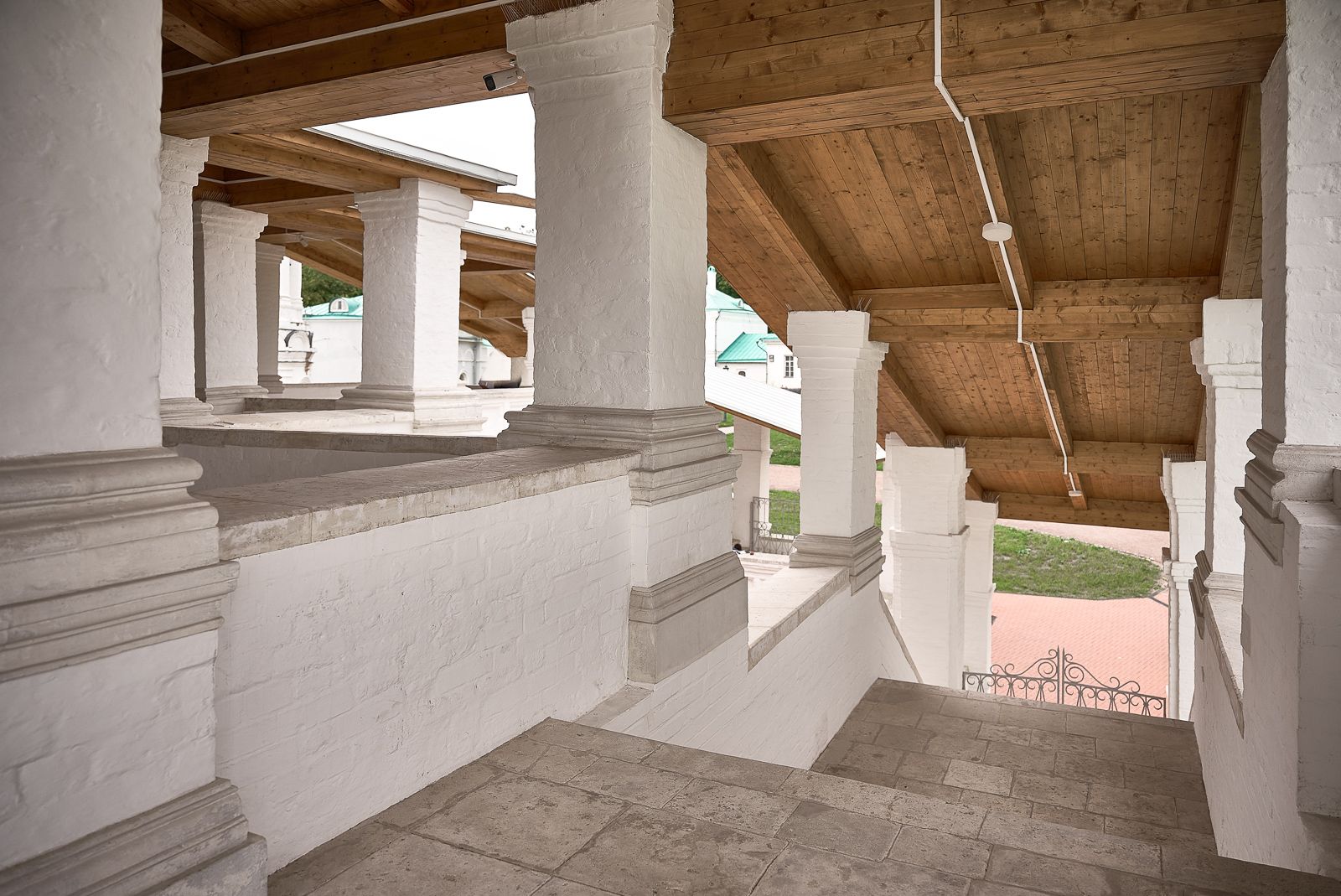
We now move to the 16 th century. One of the primary landmarks in Kolomenskoye is the Church of the Ascension built in 1532. Archaeological digs around the church yielded a unique collection of carved white stone that is no longer present on the structure itself.
“This carving was probably chipped away following fires in the 16 th and early 17 th centuries, surviving only within the archaeological layers,” Olga Tatsenko notes. It is an exceptional material that offers insight into what the church exterior looked centuries ago. The museum holdings include fragments depicting clusters of grapes. “Thanks to these pieces, we can reconstruct what the Church of the Ascension looked like when it was first built. It appears to have been much more ornately decorated with this white stone carving,” the historian explains.



17 th century: stove tiles of the Royal Palace
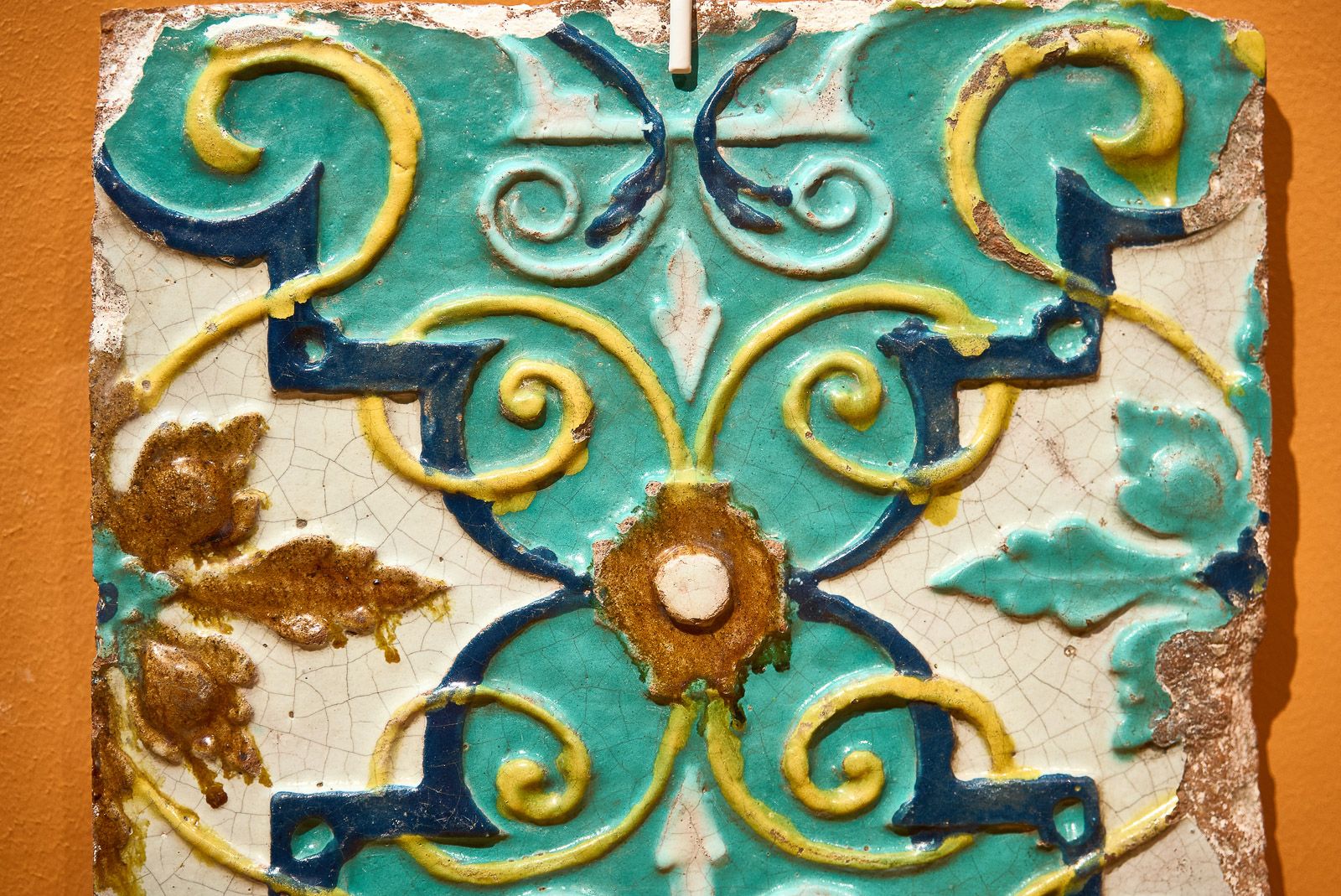
The 17 th century marked the heyday of Kolomenskoye as the country residence of Tsar Alexis of Russia. His famous wooden palace occupied a vast territory stretching from the Savior Gate to the Front Gate. By decree of Catherine the Great, the palace was dismantled due to its dilapidated state, but precise measurements and detailed descriptions had been recorded beforehand. In the 21 st century, these records made it possible to reconstruct the palace; a detailed replica now stands in another area of the museum-reserve, near the entrance by the Kashirskaya metro station. Meanwhile, excavations were carried out at the site of the original palace. “Anyone visiting Kolomenskoye today walks along the linden alley from the Savior Gate to the Front Gate, effectively crossing the grounds of that wooden palace while ceramic stove tiles like these lie beneath their feet,” says Olga Tatsenko, displaying fragments of the ceramic decor. The tiles were used to adorn masonry stoves. Such artifacts remain among the most remarkable tangible traces of everyday life in the royal residence.
Hidden treasures: how to see them
“As you walk through the grounds of the museum-reserve, you see 16 th- and 17 th-century structures. You can see alleys planted in the 19 th century, and early 20 th-century apple orchards, but the archaeology itself remains invisible — it is all underground,” the historian says.
Visitors cannot see the archaeology while strolling, but they can explore it inside the museum galleries. The Front Gate complex hosts the exhibition “Milestones in the History of Kolomenskoye”, while the undercroft of the Church of the Ascension houses a new exhibition dedicated to finds tied directly to the church, titled “Prayer in Stone”.
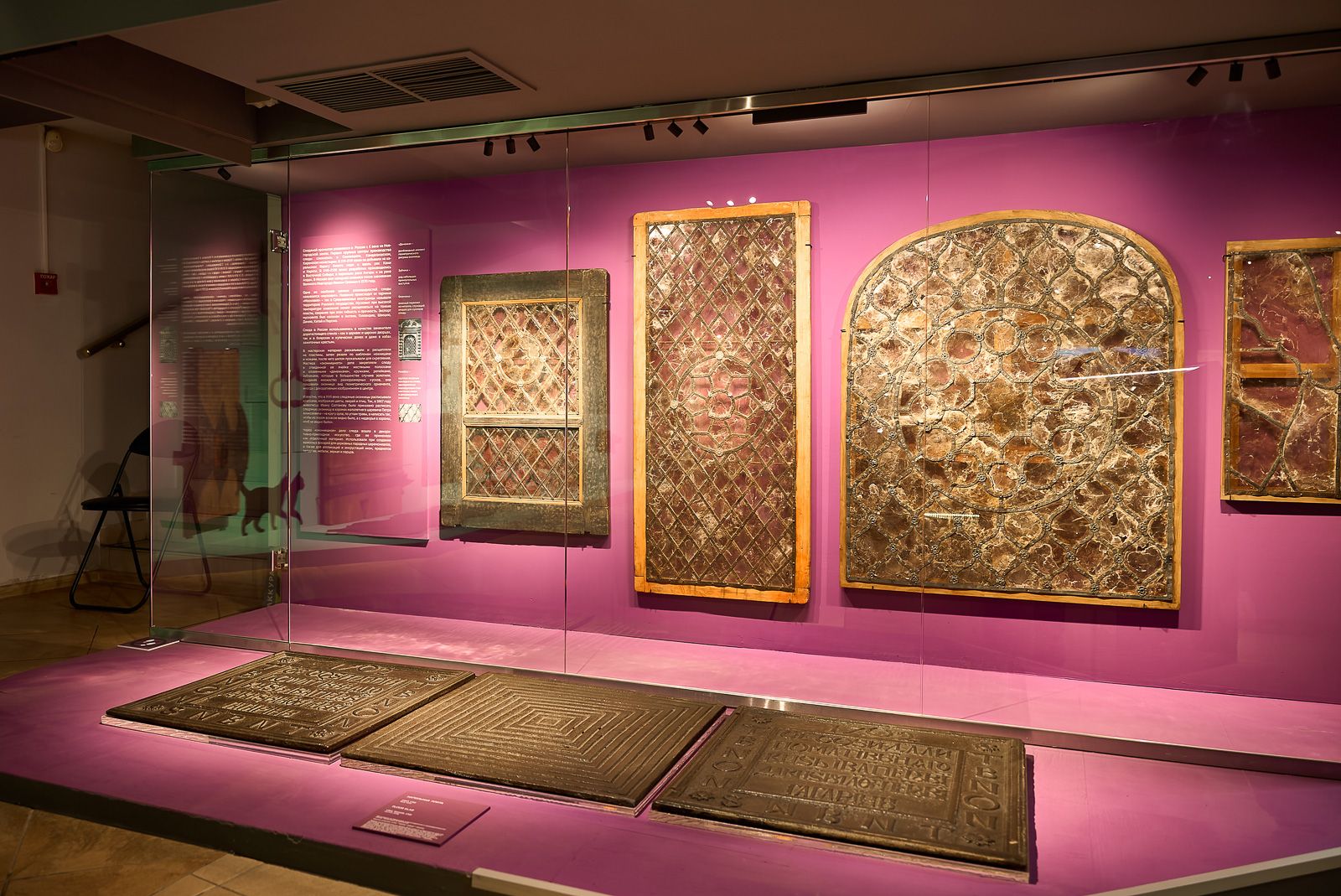
Those interested not only in local history but also in the broader archaeology of Moscow should stop by the Atrium for the exhibition “Architecture of the Ancient City. People and Technology”. It houses an extensive collection of stove tiles, alongside a log framework excavated at the “podol” (skirting area) of the Moscow Kremlin. The “podol” referred to the low-lying area outside the fortress walls where common people lived. If enemies approached, residents could seek refuge inside the fortress. A combined ticket for “Architecture of the Ancient City. People and Technology” and “Preserving Heritage. The Church of the Assumption on Pokrovka” is available through the Mosbilet service.


The collections are continuously growing. Since Kolomenskoye holds the status of a museum-reserve, its staff must protect not only visible monuments, but also the hidden archaeological layers beneath. All ground-disturbing work is preceded by field surveys. “Last year, archaeologists worked here digging test pits and trenches, and that entire collection will soon enter our museum holdings,” Olga Tatsenko adds.
This offers reason not just to visit the museums of Kolomenskoye once, but to return again and again to discover something new.