Tropics, seashells, and count’s banquets: things to see in Moscow park museums
While Moscow is enjoying warm autumn weather, it is the perfect time to stroll through the parks and visit museums, greenhouses, and historic pavilions along the way. Here are some places where an ordinary walk turns into a short journey — from the tropics and ancient plants to palace interiors and archaeology.
Florarium at Zaryadye: green in any weather
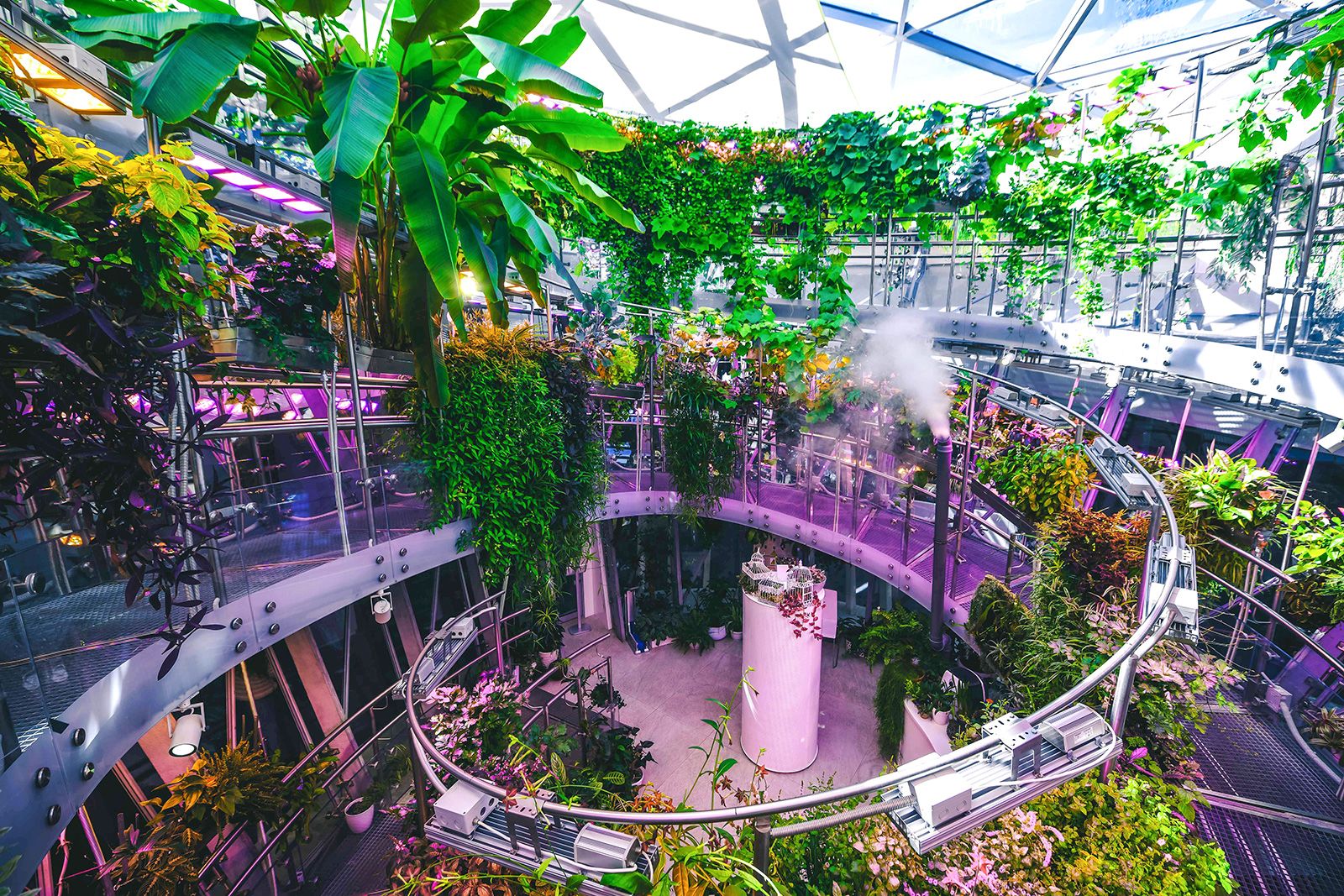
An unusual funnel-shaped experimental greenhouse is hidden at the heart of Zaryadye Park. Plants are grown here without soil: nutrients are delivered directly to their roots in the form of an aerosol. The main exhibition is called Route Russia. More than 300 plant species from all 89 regions of the country, from Kaliningrad to Sakhalin, are gathered in a relatively small area. The collection includes medicinal, rare, economically valuable, and heraldic plants.
Tsaritsyno: come to observe growing coffee and papaya
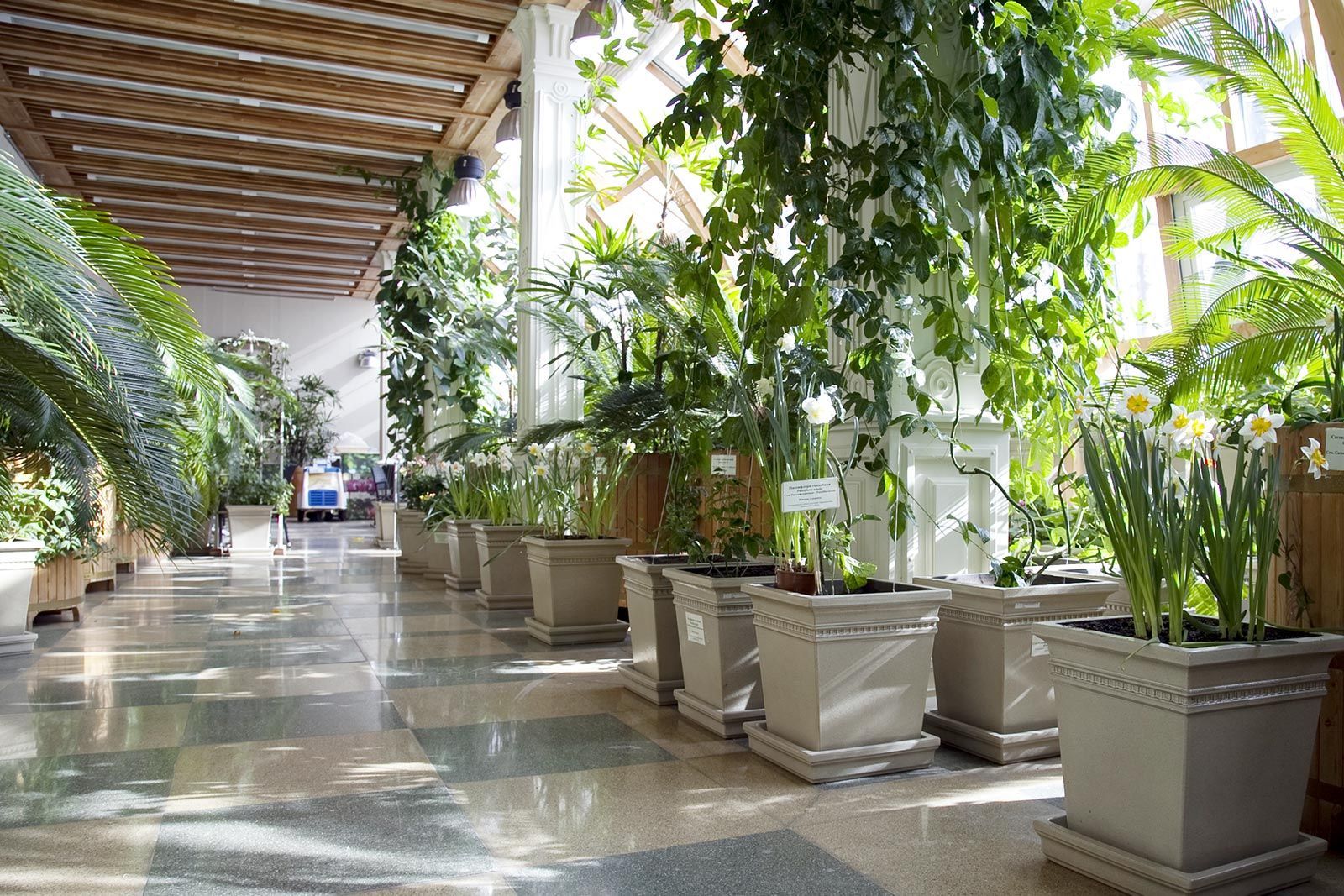
In the Tsaritsyno greenhouses, autumn stays outside: palms, hibiscus, pineapples, and spices grow here all year round. The exotic plants include coffee shrubs, bananas, papayas, and oleander.
Some of the plants are no newcomers here: rosemary, myrtle, laurel, and ginger were grown at Tsaritsyno as far back as 250 years ago, during the reign of Catherine II. The greenhouses thus continue the history of the local garden, which began in the 18th century.
Kolomenskoye: step inside one of Moscow’s landmarks
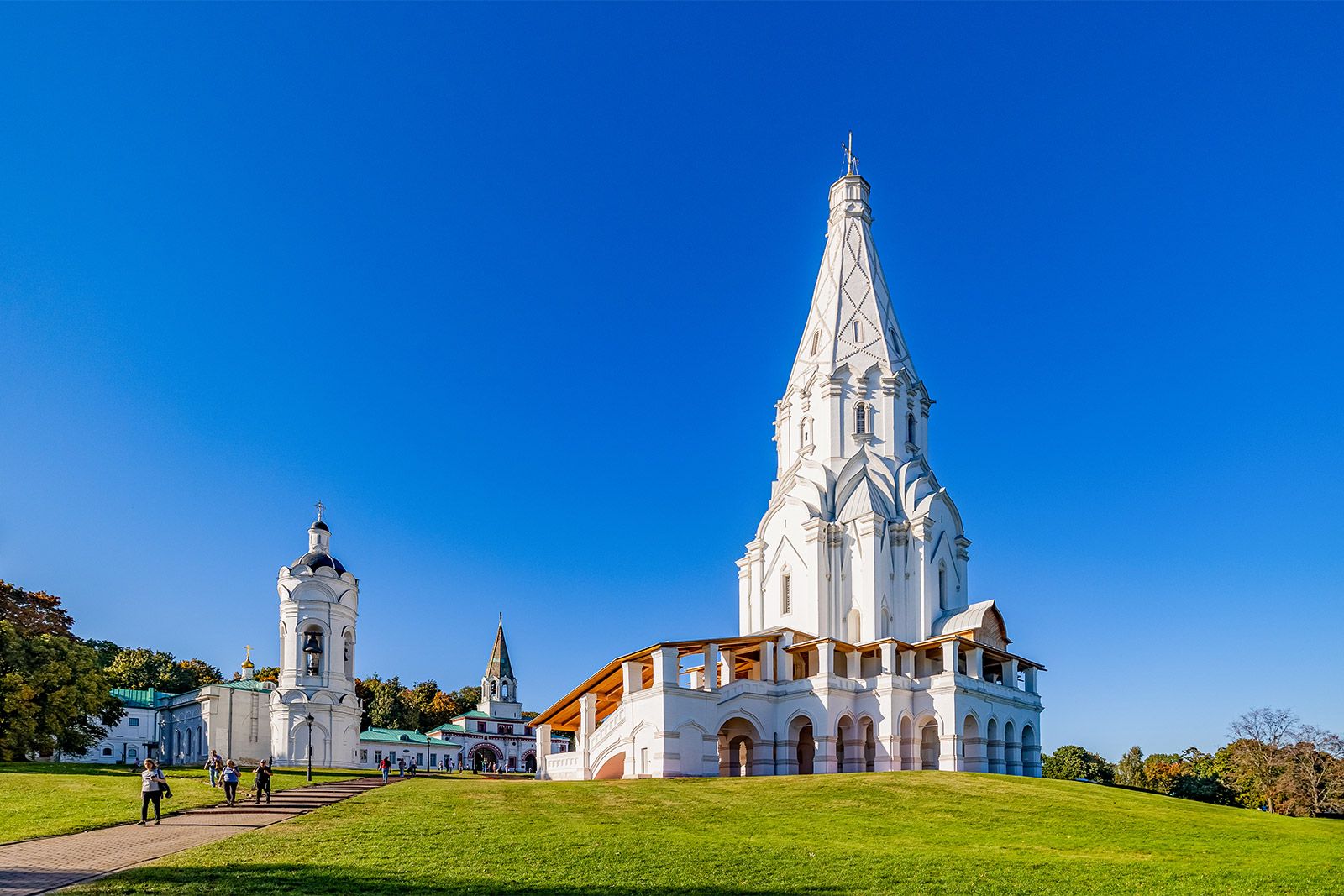
At the Kolomenskoye Museum-Reserve, visitors can combine a walk through the apple orchard and historic grounds with a visit to the Church of the Ascension, one of the first tent-roofed churches in Rus,’ built in 1532. In 1994, the church was added to the list of UNESCO World Heritage Sites.
Following restoration in 2026, the church has reopened its doors to visitors both as an active place of worship and as a museum space. Inside, visitors can see an exhibition dedicated to the history of this architectural masterpiece and its iconostases (six of them succeeded one another here between 1532 and 1920).
Ostankino: attend a reception hosted by Count Sheremetev
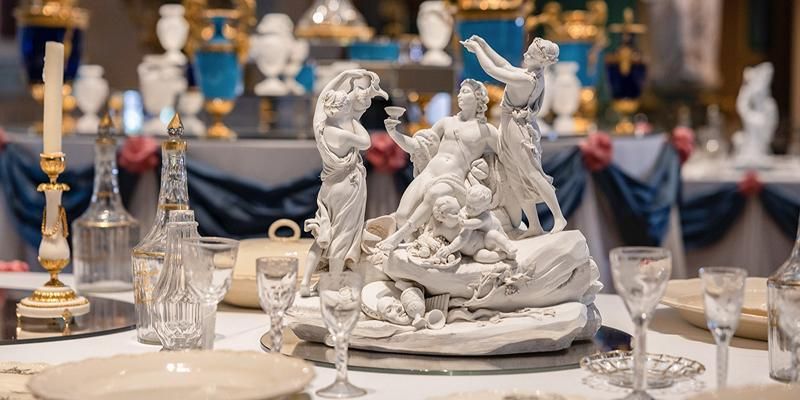
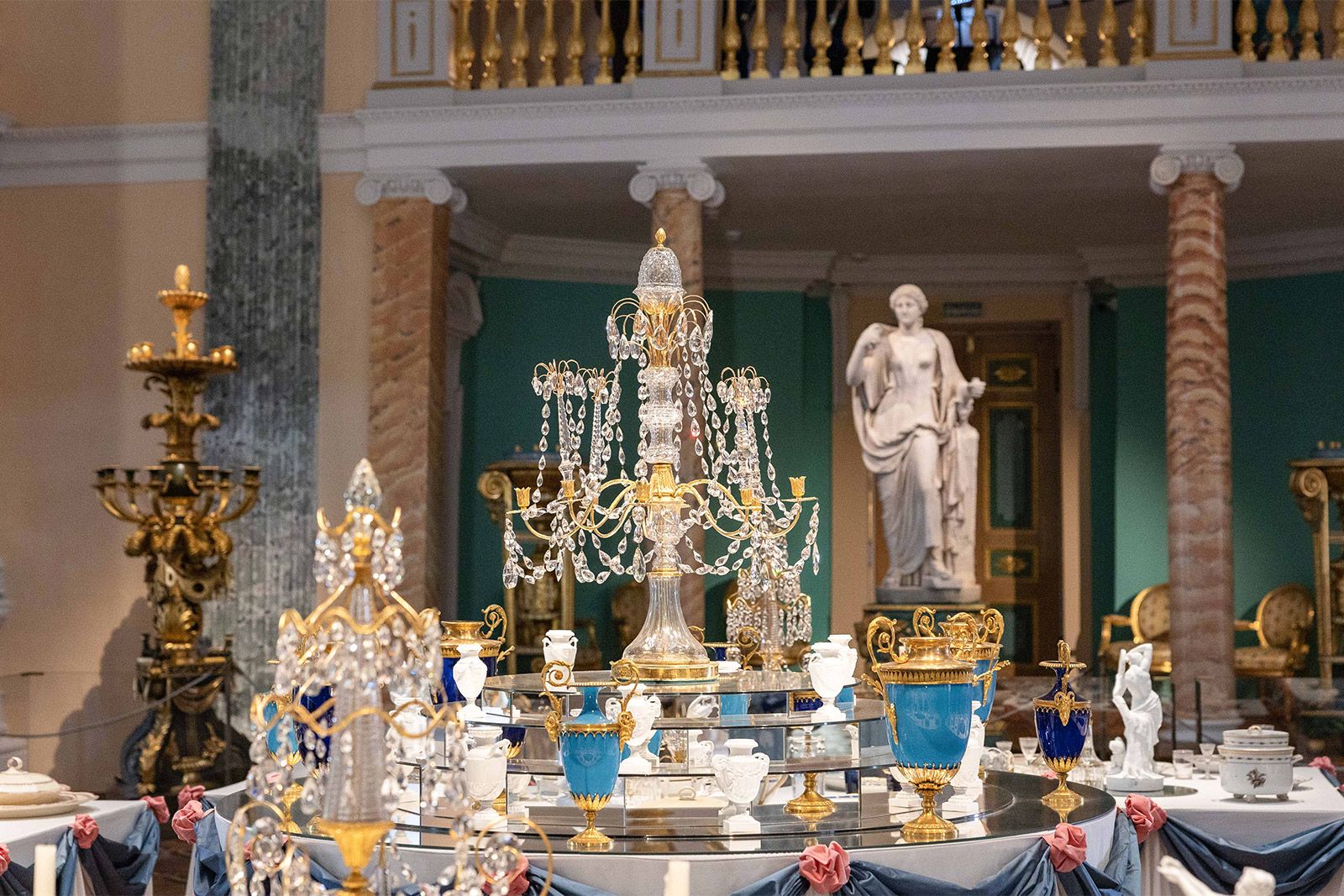
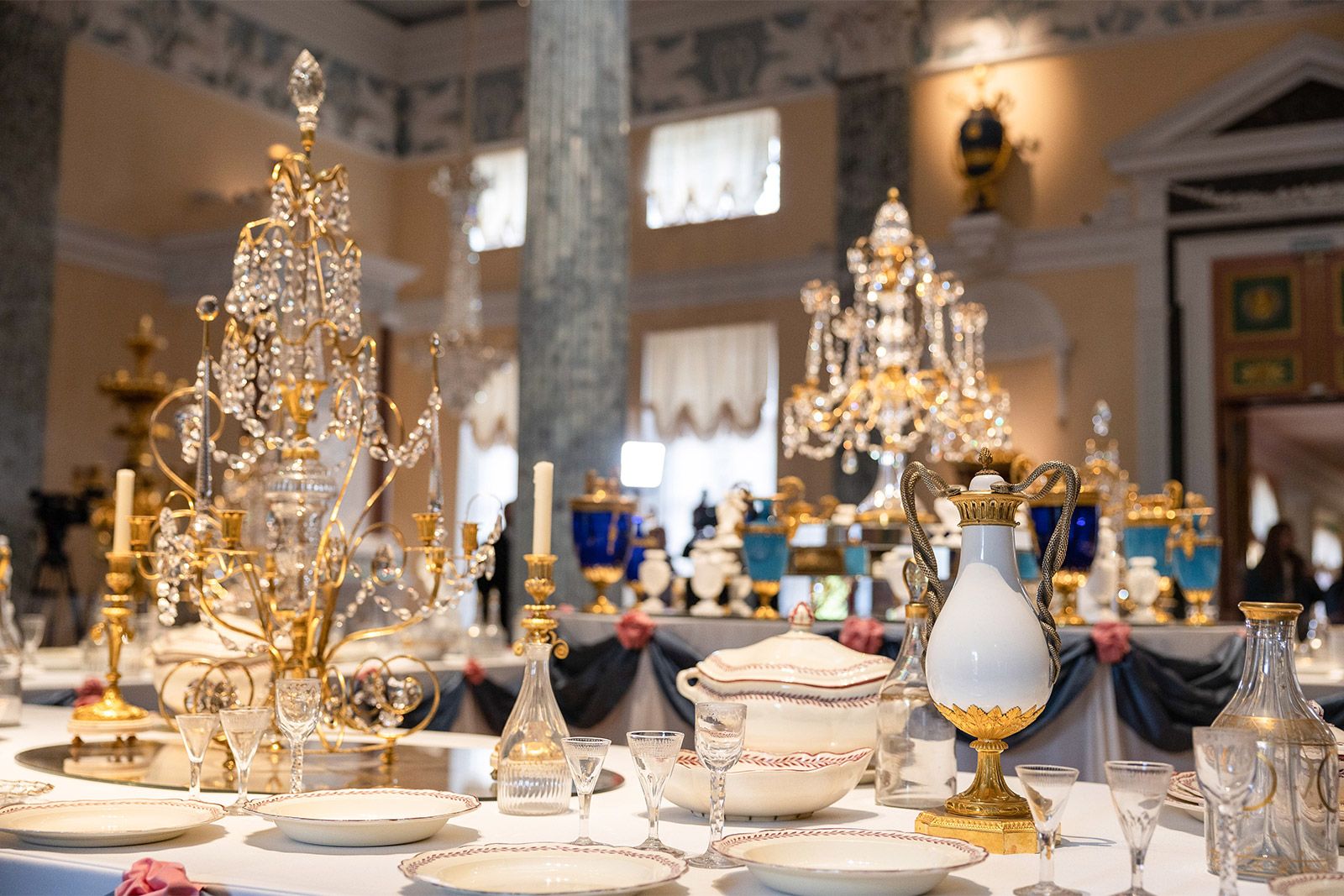
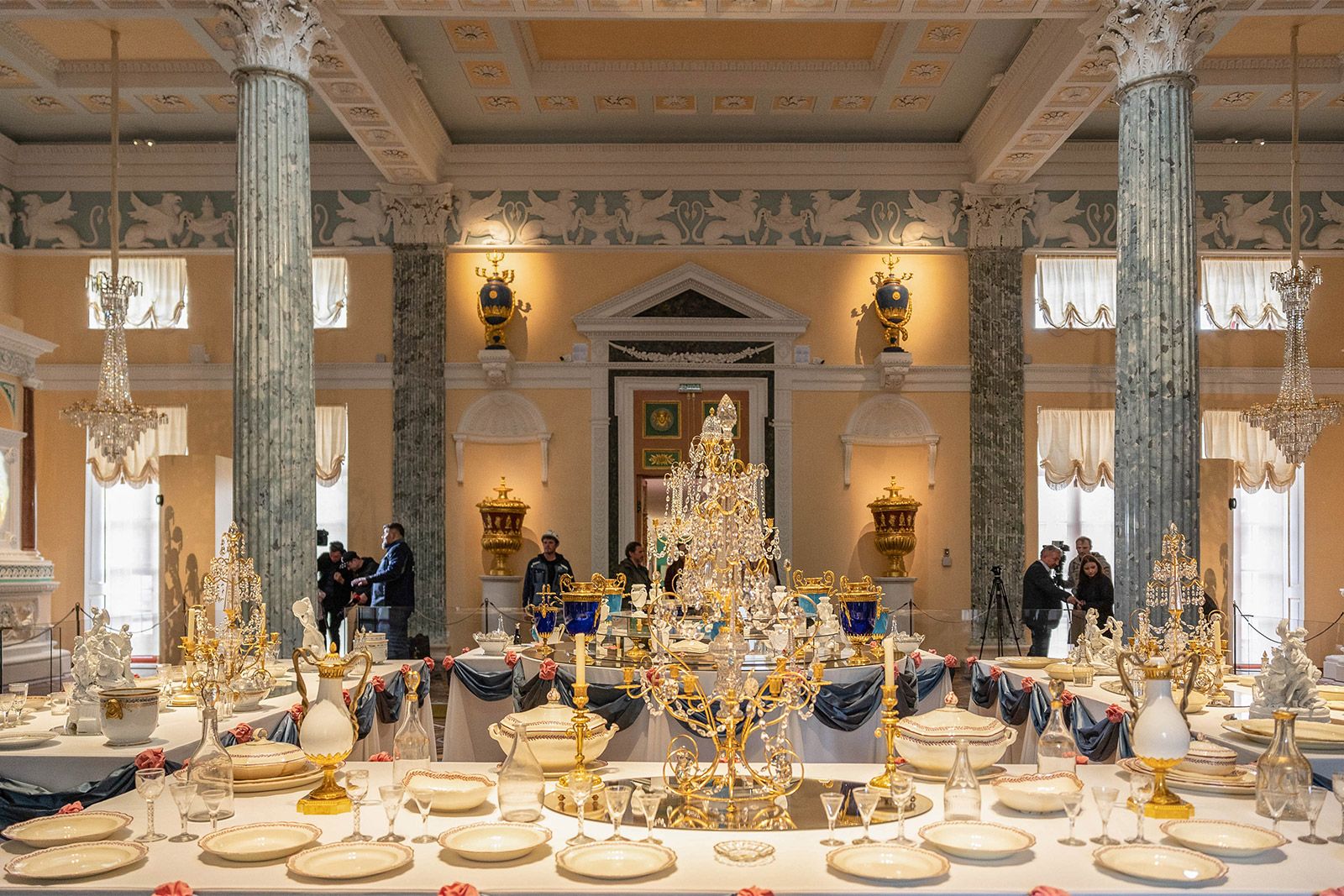
The Ostankino Palace is hosting the Visiting Count Sheremetev exhibition. It explores the festive culture of the estate and literally recreates an 18th-century ceremonial reception.
In the Egyptian Pavilion, the arrangement of a festive table has been recreated from a 1793 drawing, complete with a mirrored centerpiece, porcelain, crystal, and glassware. The exhibition itself occupies more than 700 square meters of restored rooms and includes over 370 museum objects.
Kuskovo: explore an 18 th-century “underwater” interior
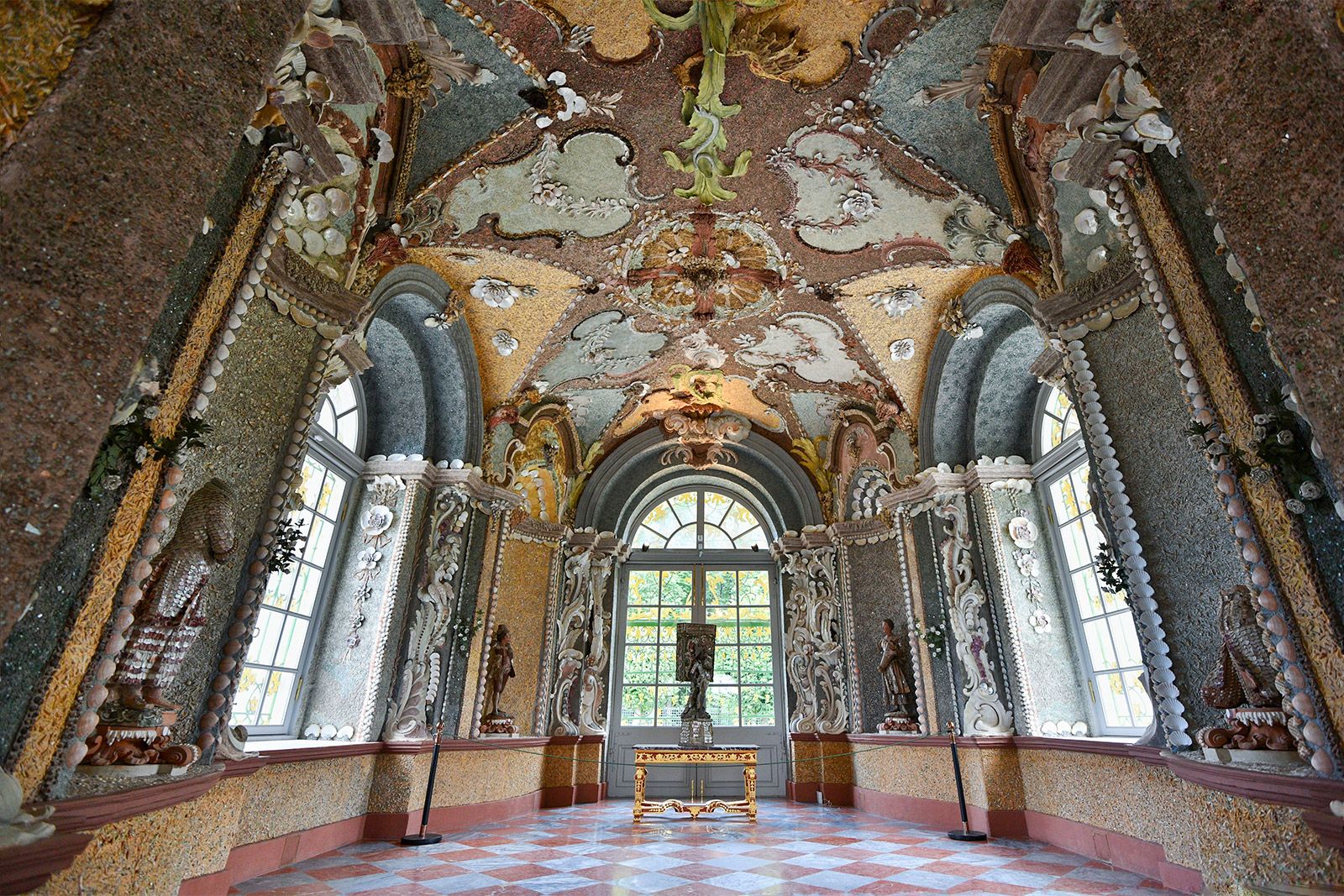
The Grotto Pavilion is one of the most unusual structures at Kuskovo. It is the only pavilion in Russia to have preserved its unique 18th-century grotto decoration.
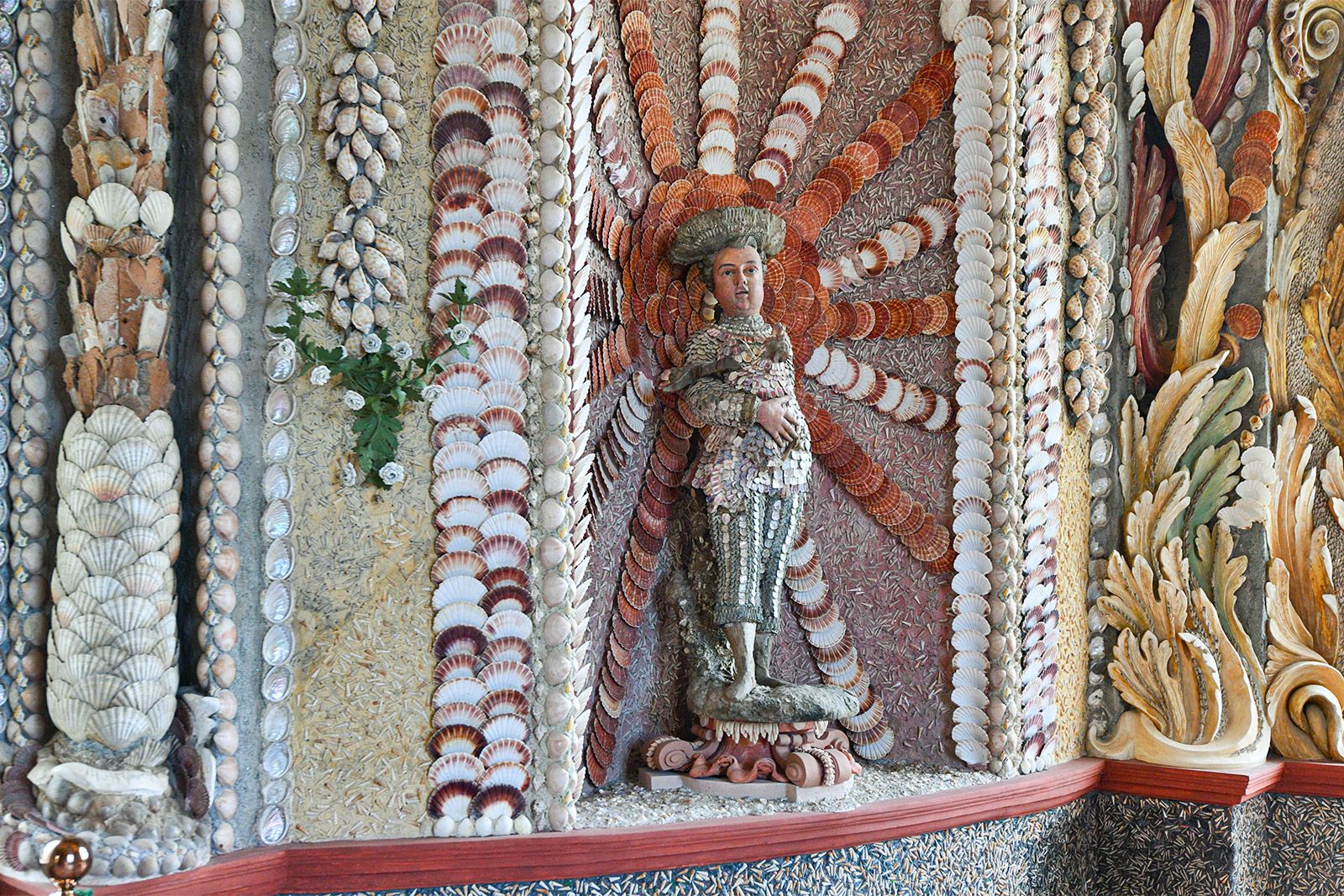
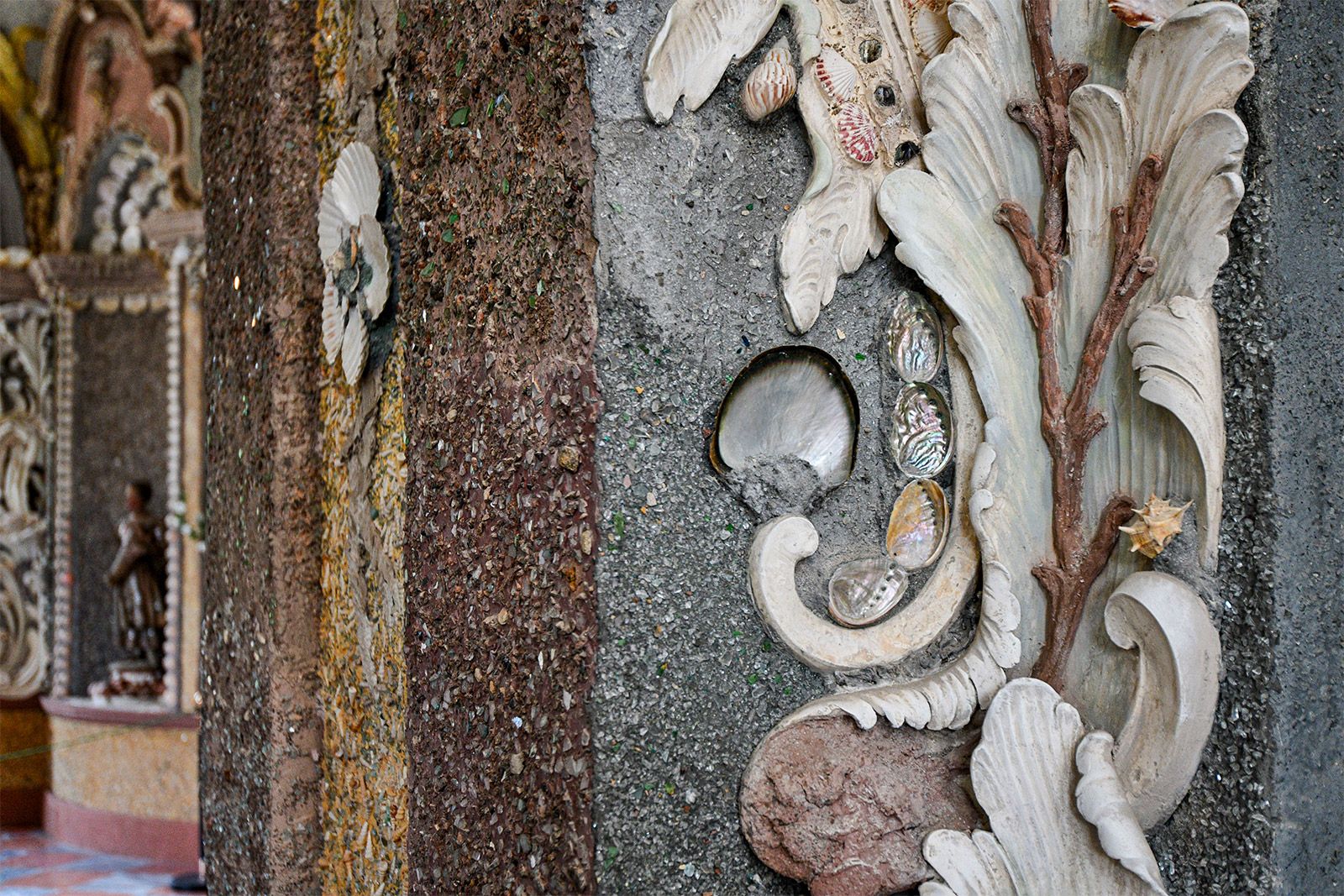
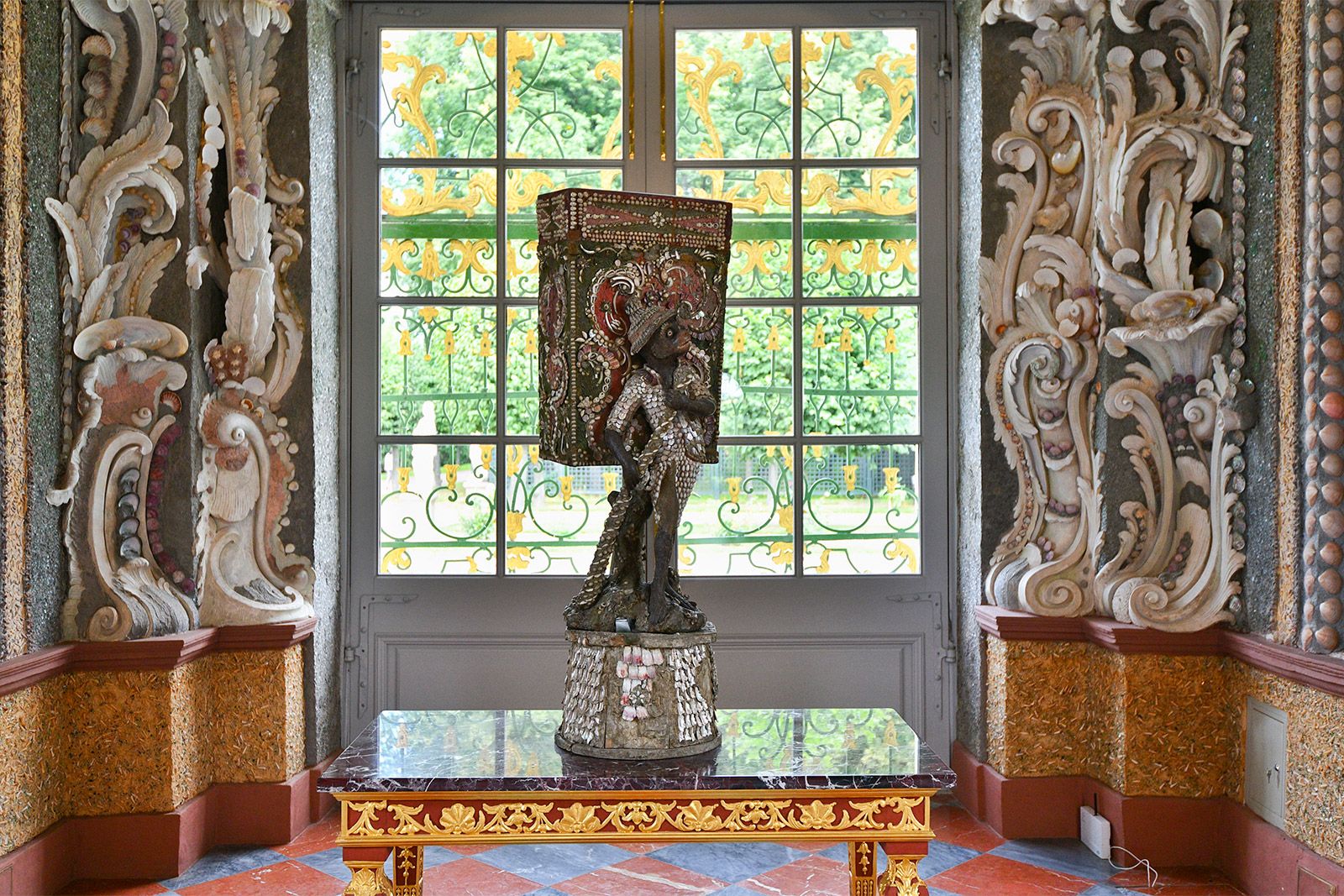
The walls and ceilings are adorned with shells, tuff, glass, and pieces of mirror. Twenty-four types of shells brought from different seas were used in the decoration. The niches contain unusual life-size figures covered with sea and freshwater shells, which Count Pyotr Sheremetev specially acquired in 1775. Even the lighting was part of the original concept: in the 18th century, greenish light filtered through the dormer windows, creating the impression of a real underwater cave.
Fili: a walk through archaeology
At Fili Park, visitors can combine an ordinary walk with a journey almost 2,500 years into the past. The Kuntsevo Hillfort, an archaeological site dating to the Early Iron Age in the 8th-6th centuries BC, is located here.
Archaeologists discovered the remains of three earthen ramparts with a palisade and two ditches surrounding a small area with dwellings. The people who lived here practiced farming, animal husbandry, hunting, fishing, and knew how to weave and work metal. The story then continues in the 18th century, when the nearby area was home to the Naryshkin family estate, its park and ponds. Today, historical routes run through the grounds, turning an ordinary walk around Fili into a journey through several eras at once.