A barefoot girl figurine, pharmacy bottles, and an inkwell with a crescent-shaped stopper: what other finds from Korobeynikov Lane have archaeologists restored?
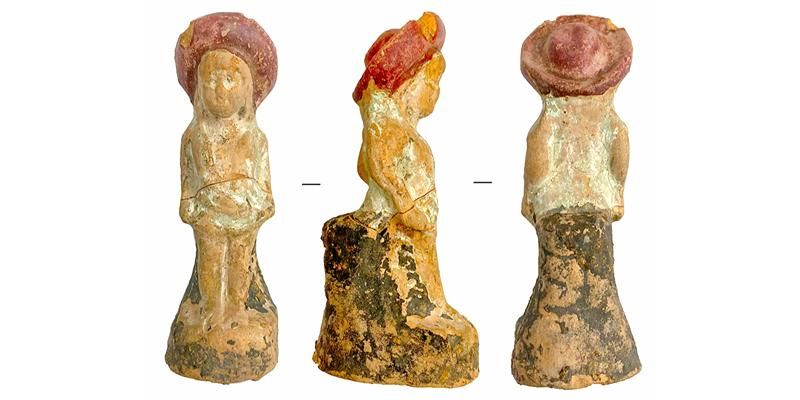
Moscow archaeologists have restored a collection of archaeological finds discovered at Korobeynikov Lane. Archaeologists conducted research at the site in the spring of 2026. The artifacts found include fragments of ceramic, faience, and porcelain tableware, stove tiles, bullets, old coins, figurines, children’s toys, and glass containers. The finds will soon be transferred to the Museum of Moscow.
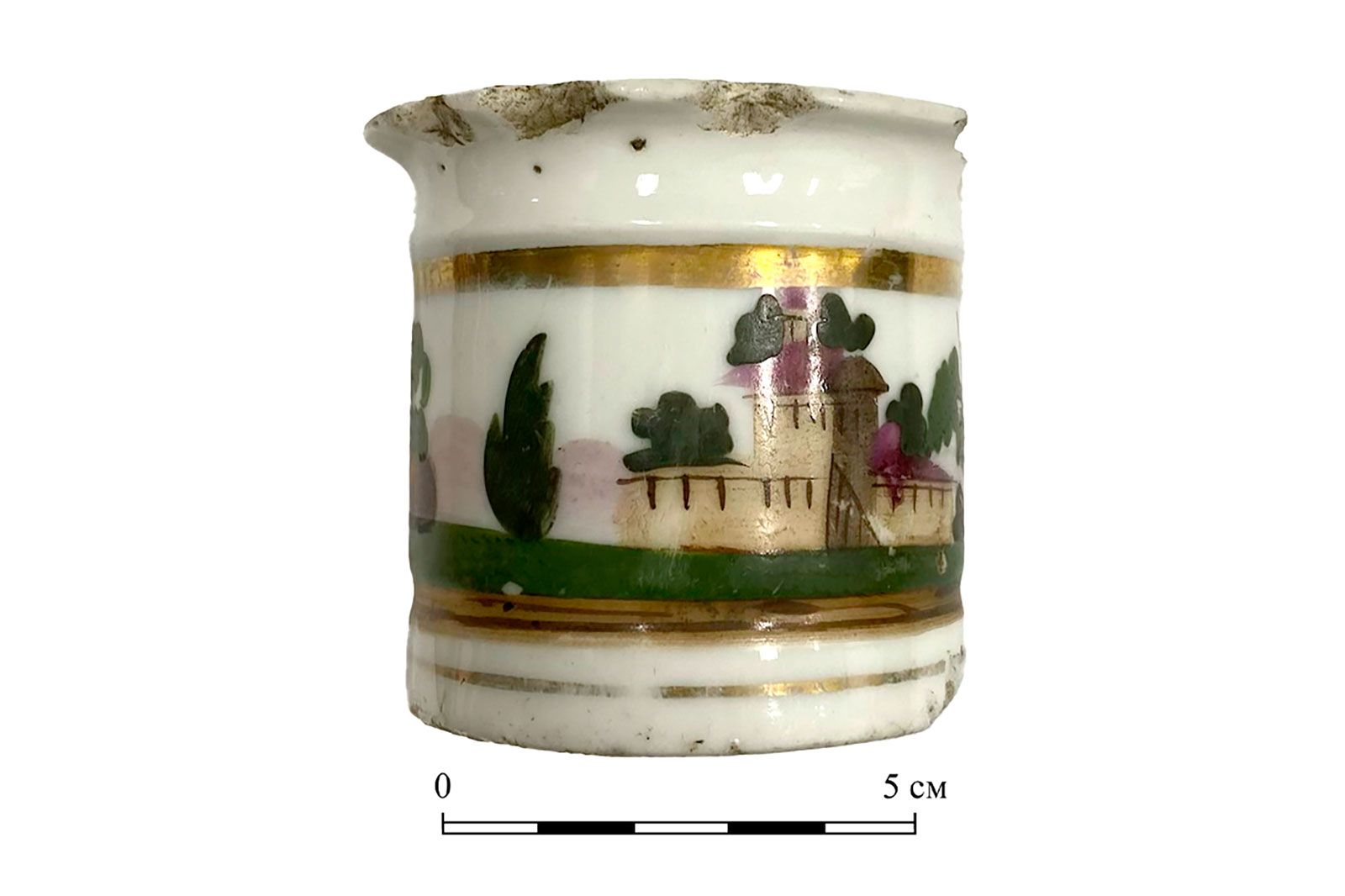
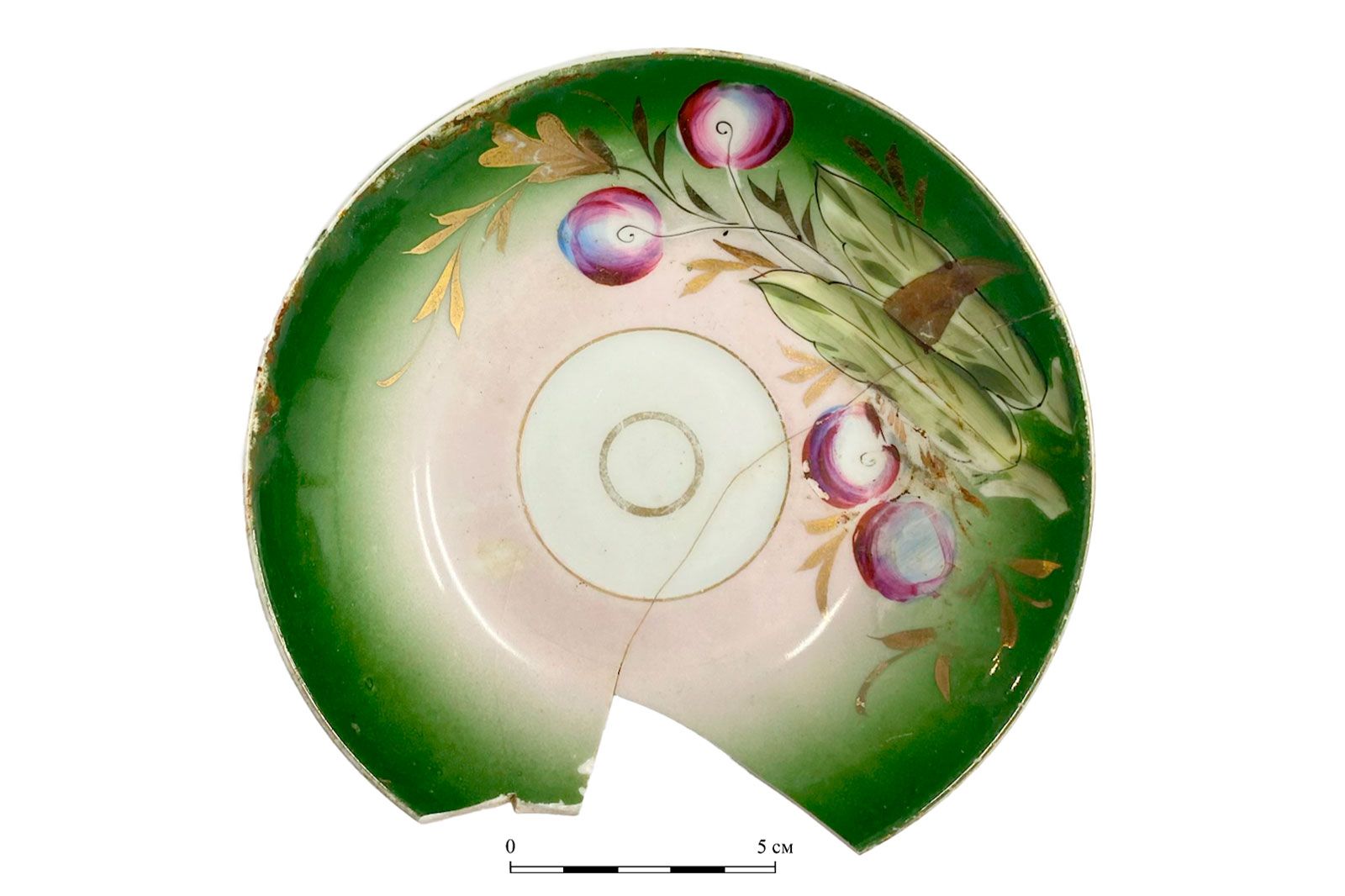
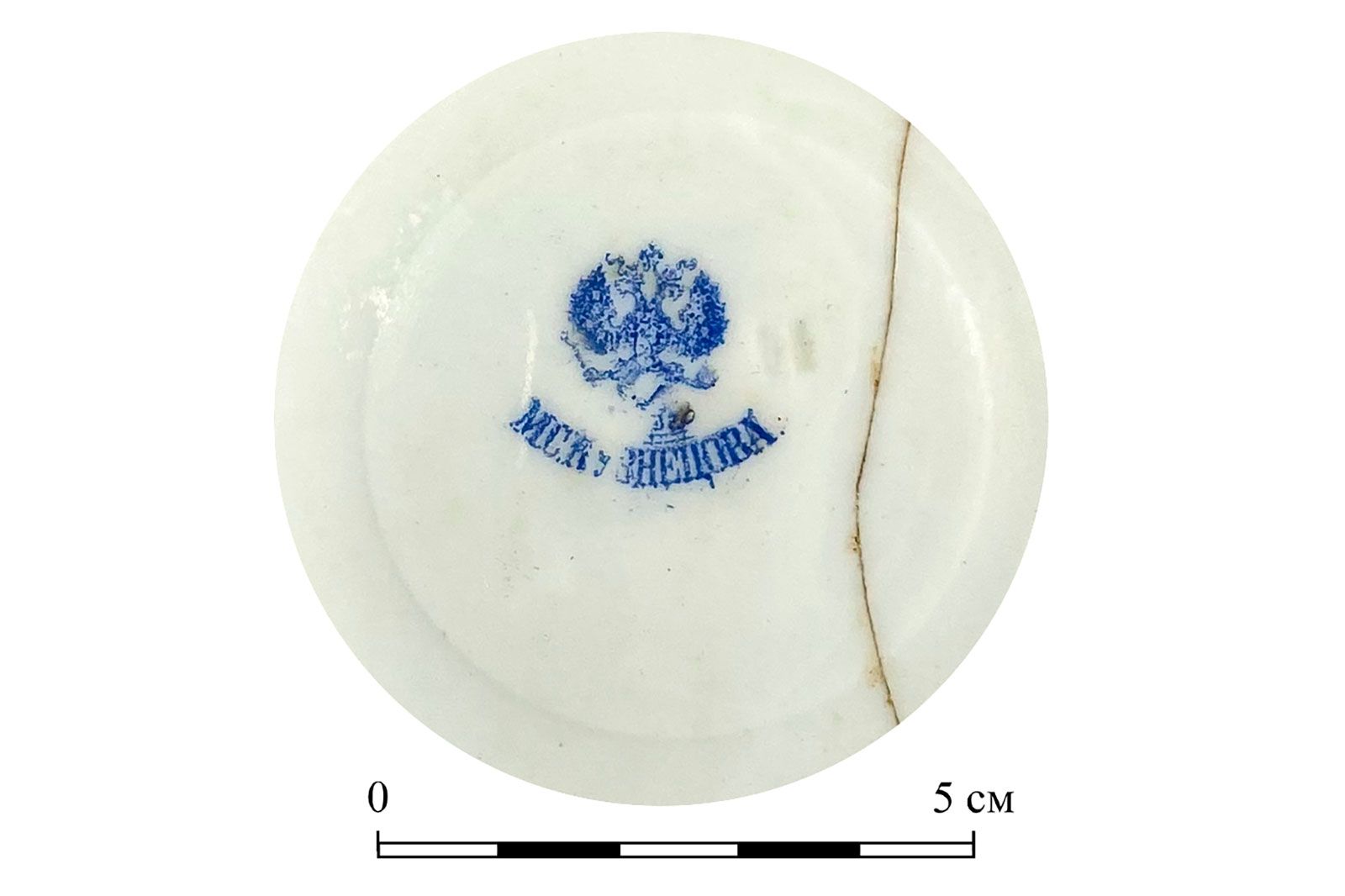
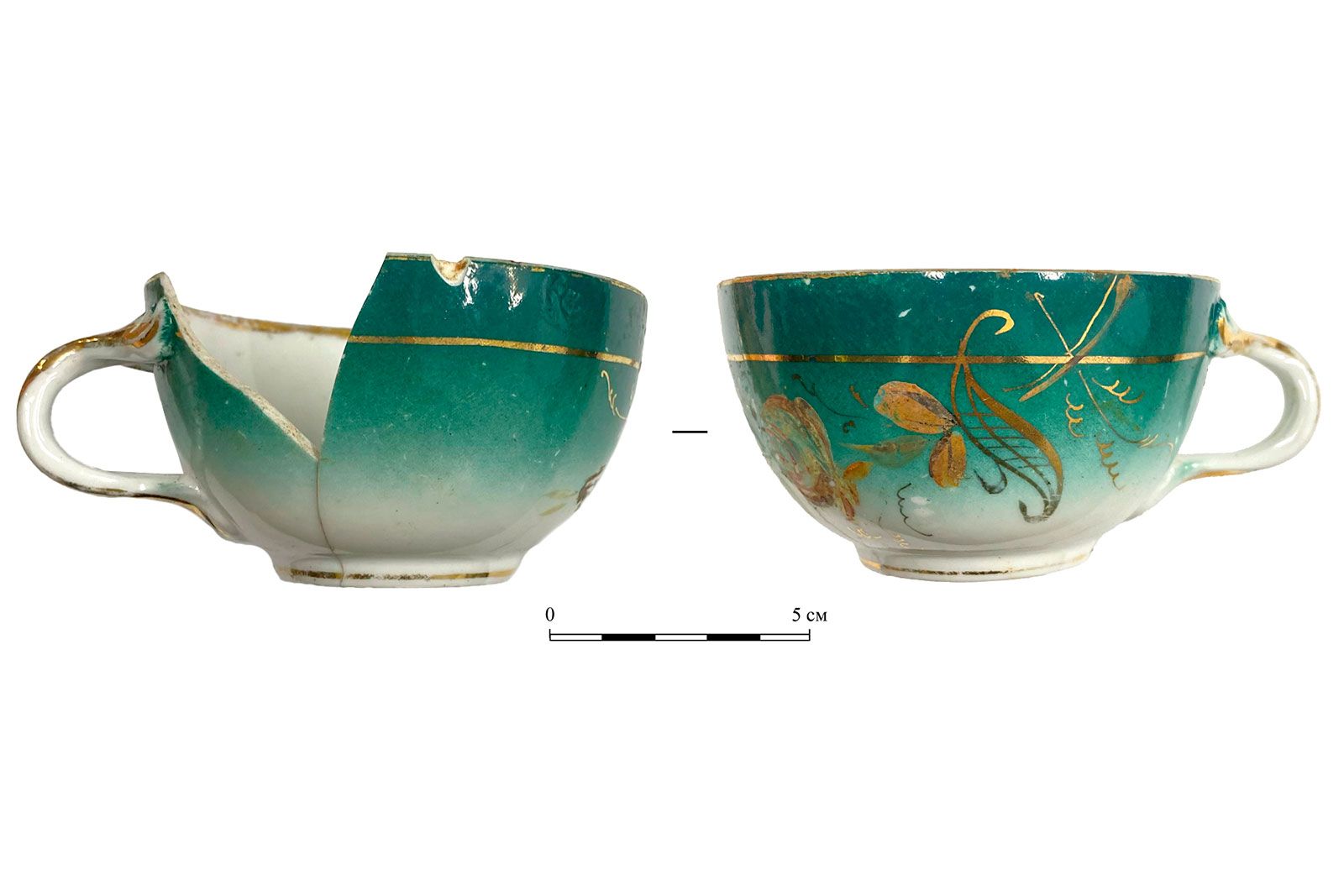
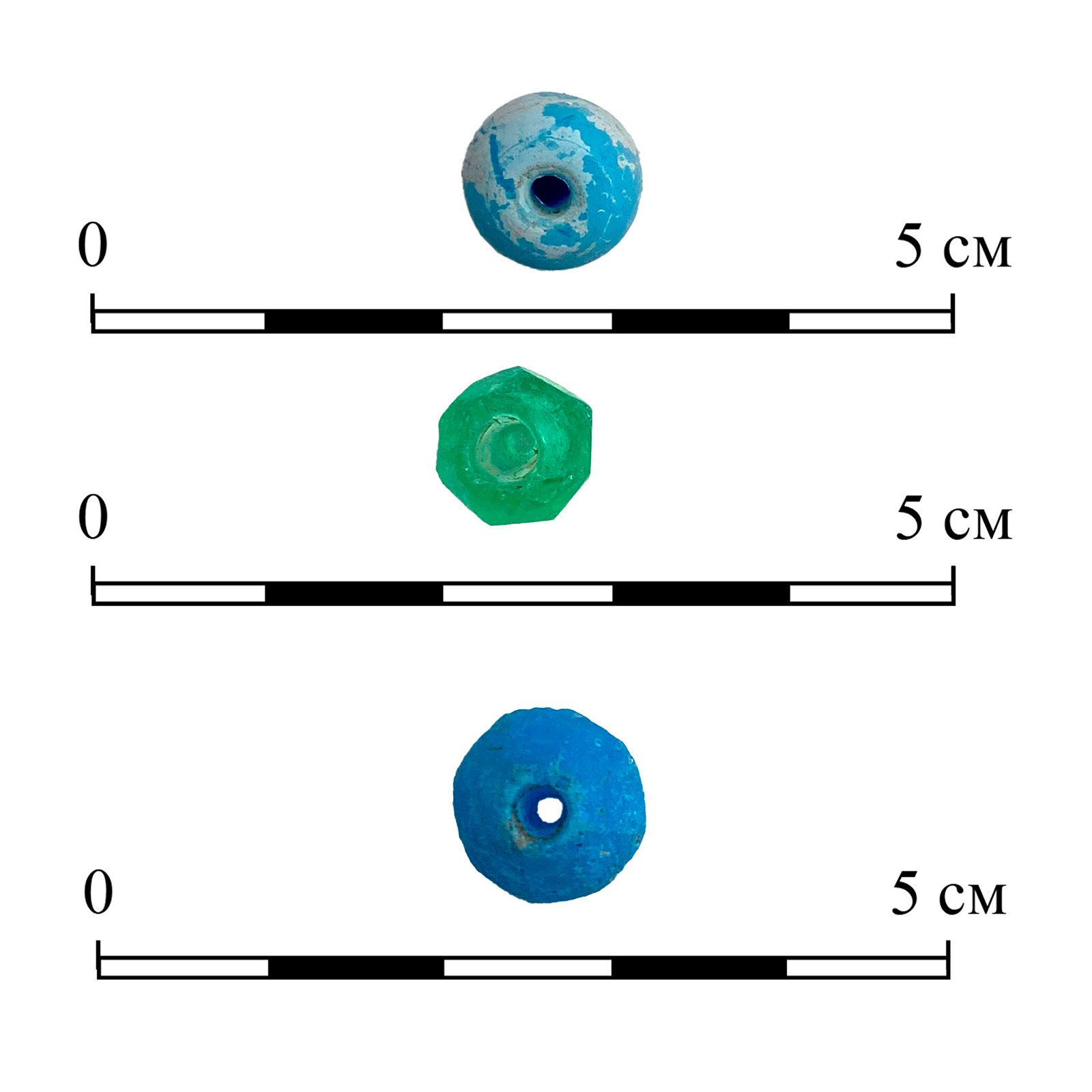
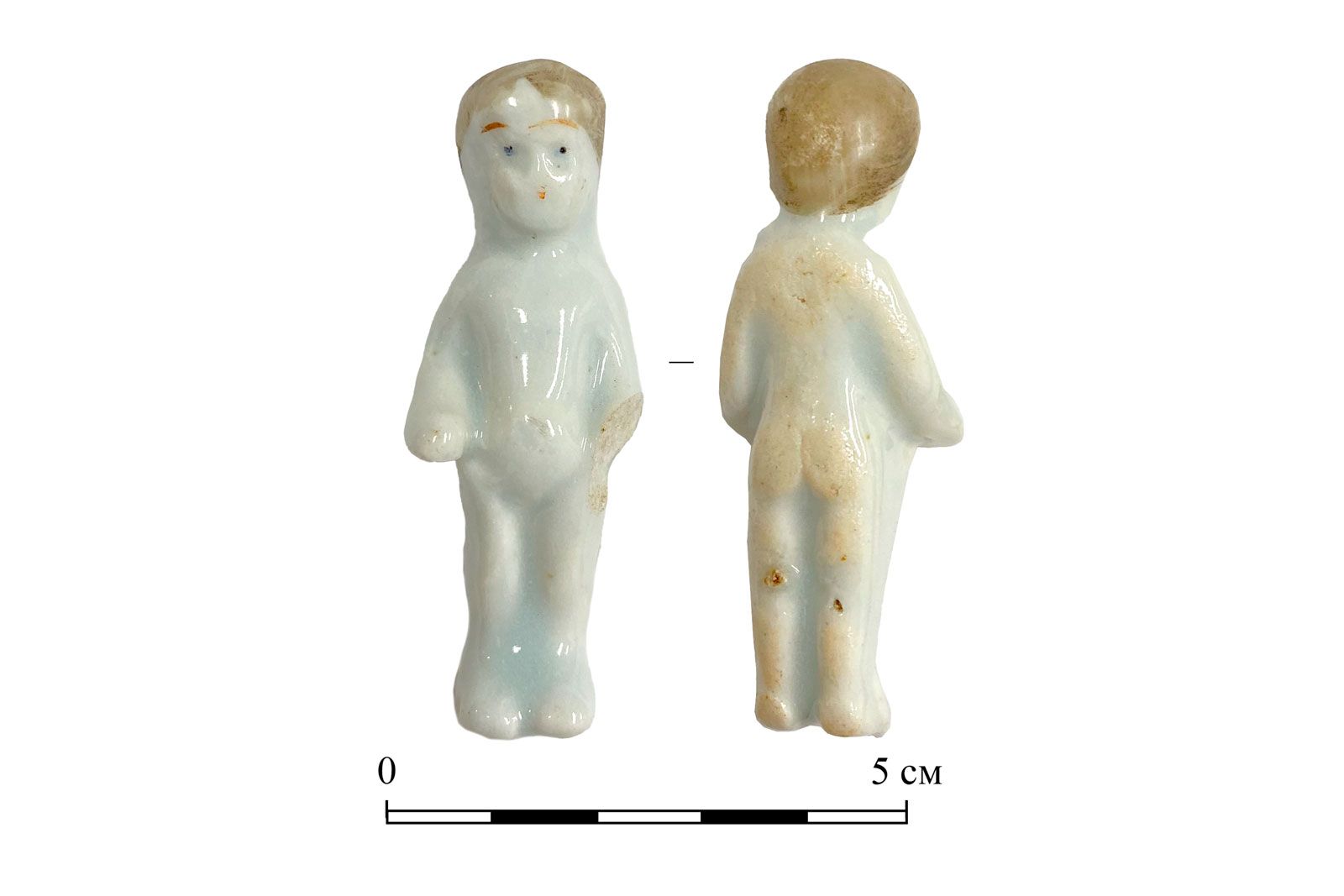
“Moscow archaeologists conducted extensive research in the vicinity of Korobeynikov Lane. Specialists examined the shoreline of a pond that existed here in the 18 th and 19 th centuries. The excavations yielded about a thousand artifacts, including coins, bullets, and buttons from that period. In addition to the fragments of stove tiles, ceramic, porcelain, and faience tableware, as well as glass beads, archaeologists unearthed numerous containers that once held ointments and pomades. One particularly striking item is an elegant porcelain jar decorated with gold stripes, hand-painted details, and a vivid landscape. Another interesting find is a figurine of a barefoot girl wearing a summer hat, her hair loose, lifting the hem of her dress with one hand as though she were about to step into the water. Archaeologists have already cleaned and restored all the artifacts. These unique traces of everyday Moscow life in centuries past will soon be transferred to Moscow’s museum collection,” said Alexey Yemelyanov, Head of the Moscow Department of Cultural Heritage.
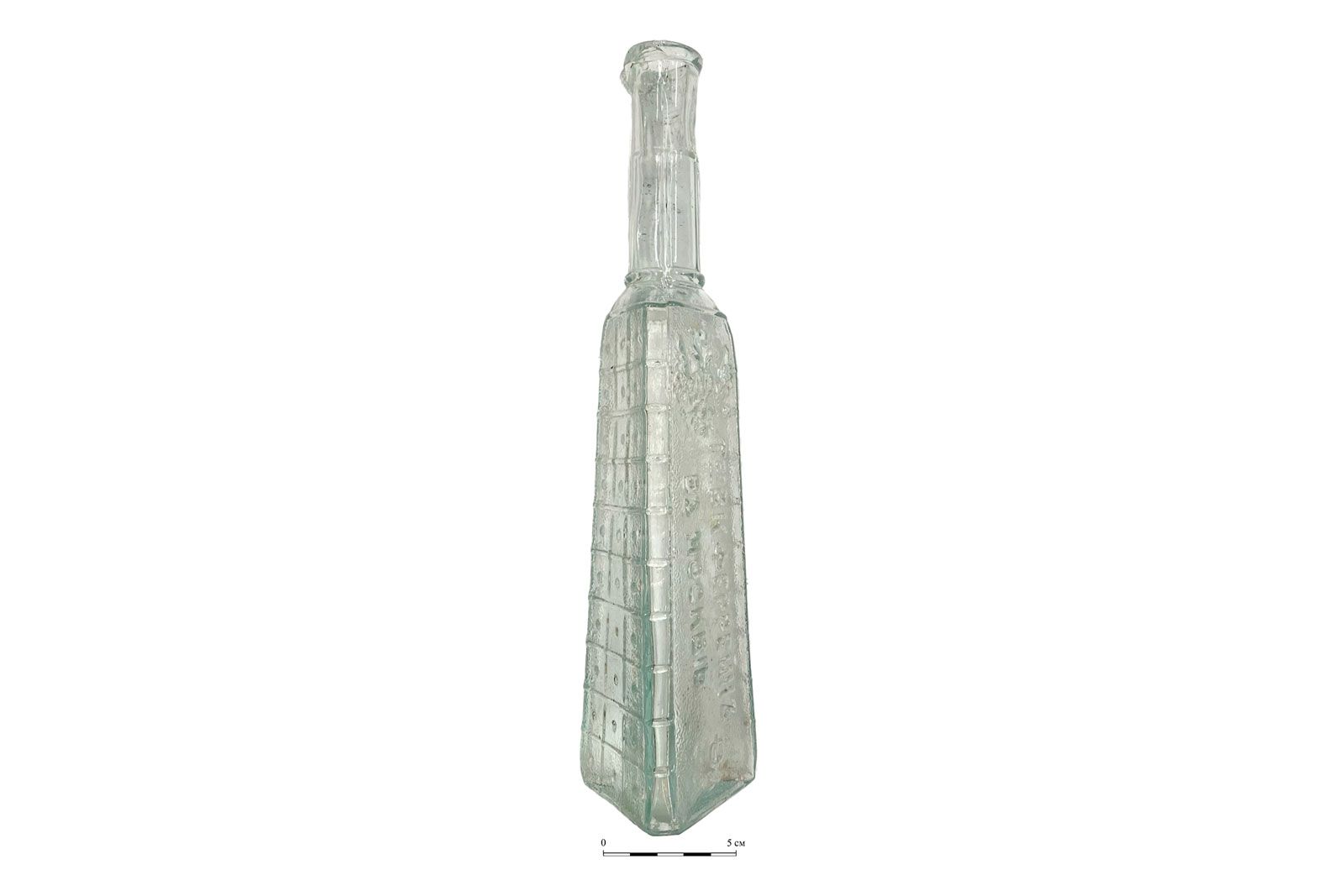
Ceramic and glass containers — vials, bottles, small flasks, and jars — occupy a special place in the collection. These items were used to store medicines, perfumes, and cosmetics. The collection now includes vials marked by well-known Moscow pharmacies and perfume manufacturers, including Ferrein, Keller, and Ermans.
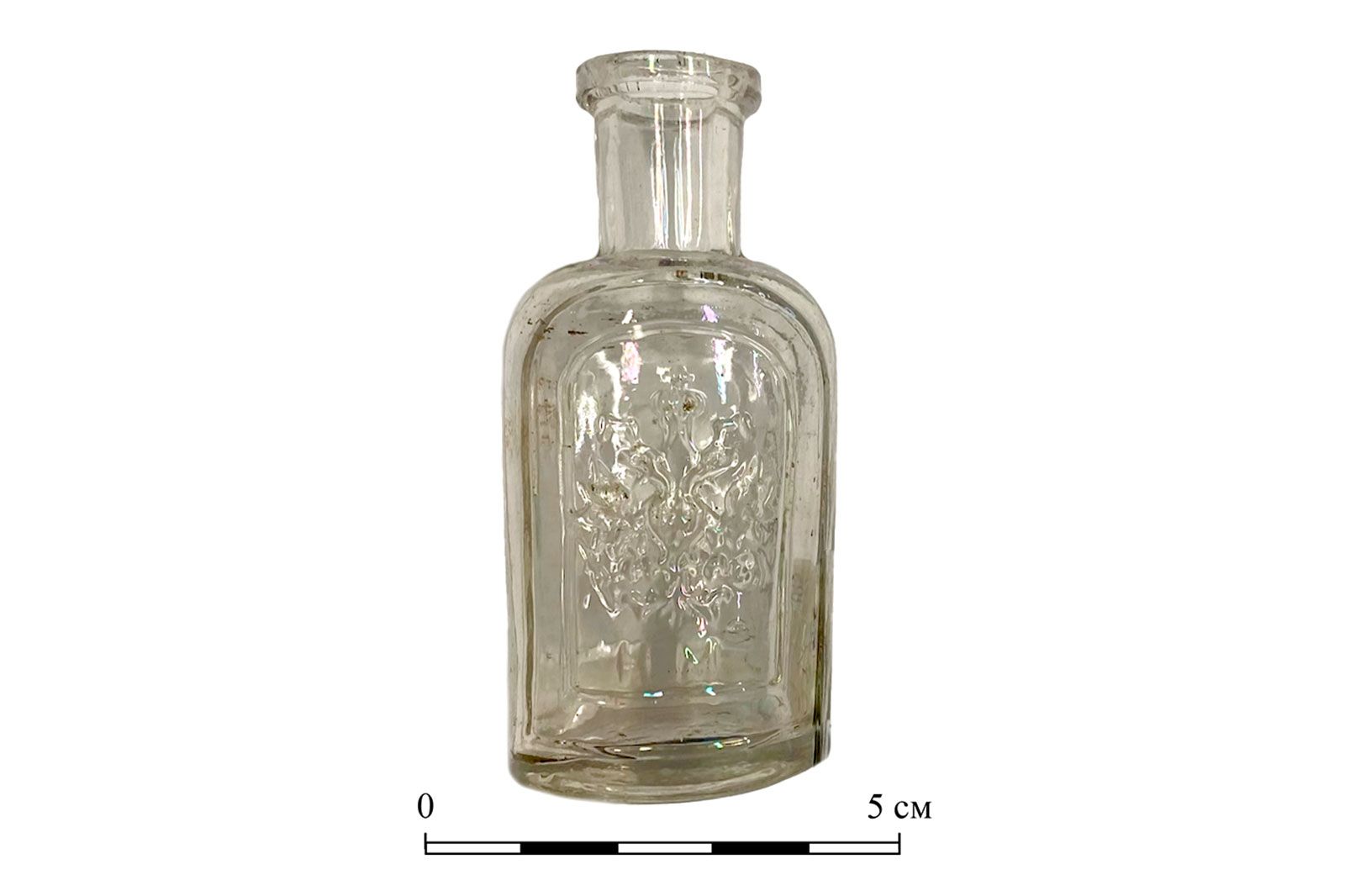
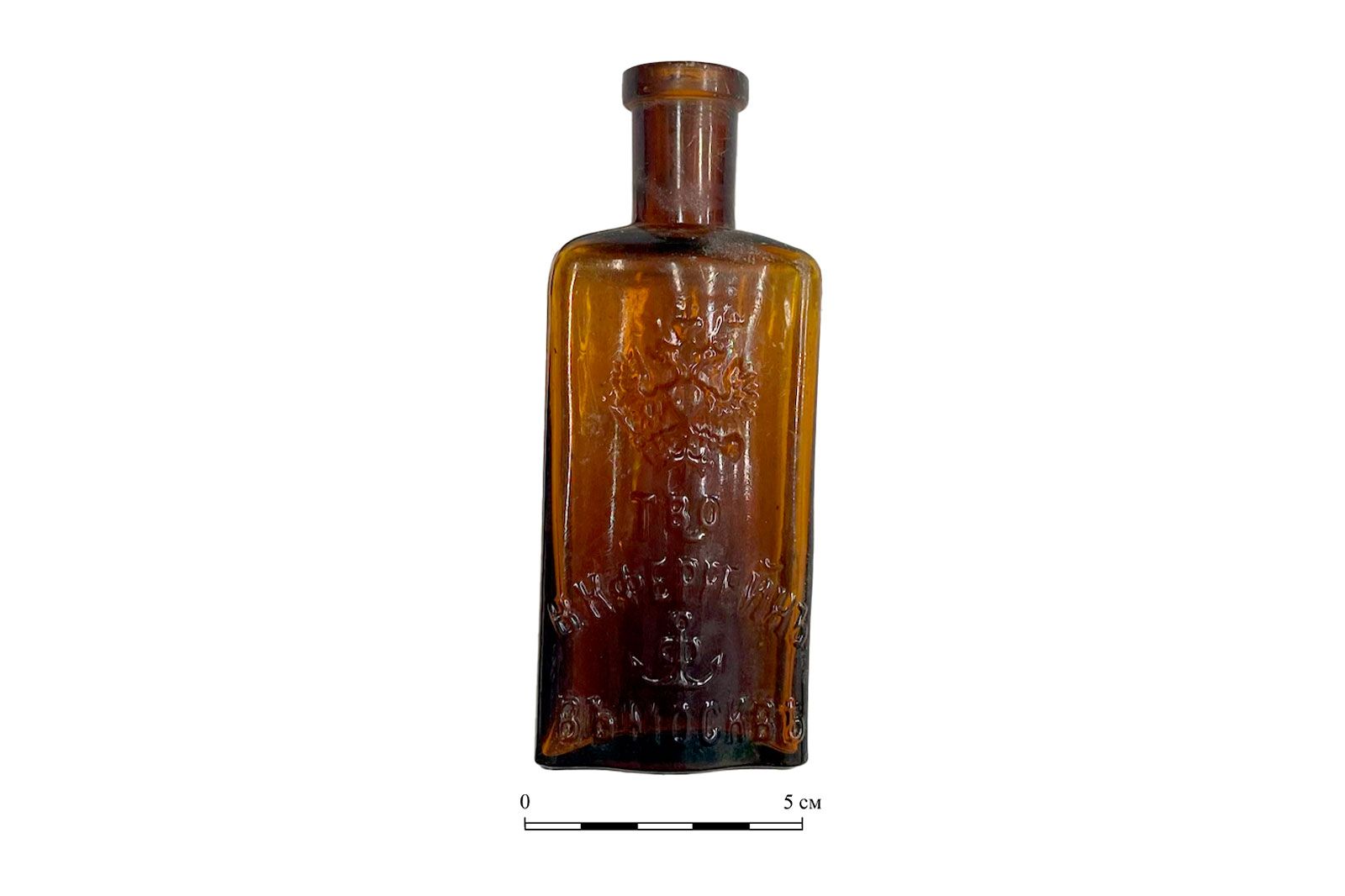
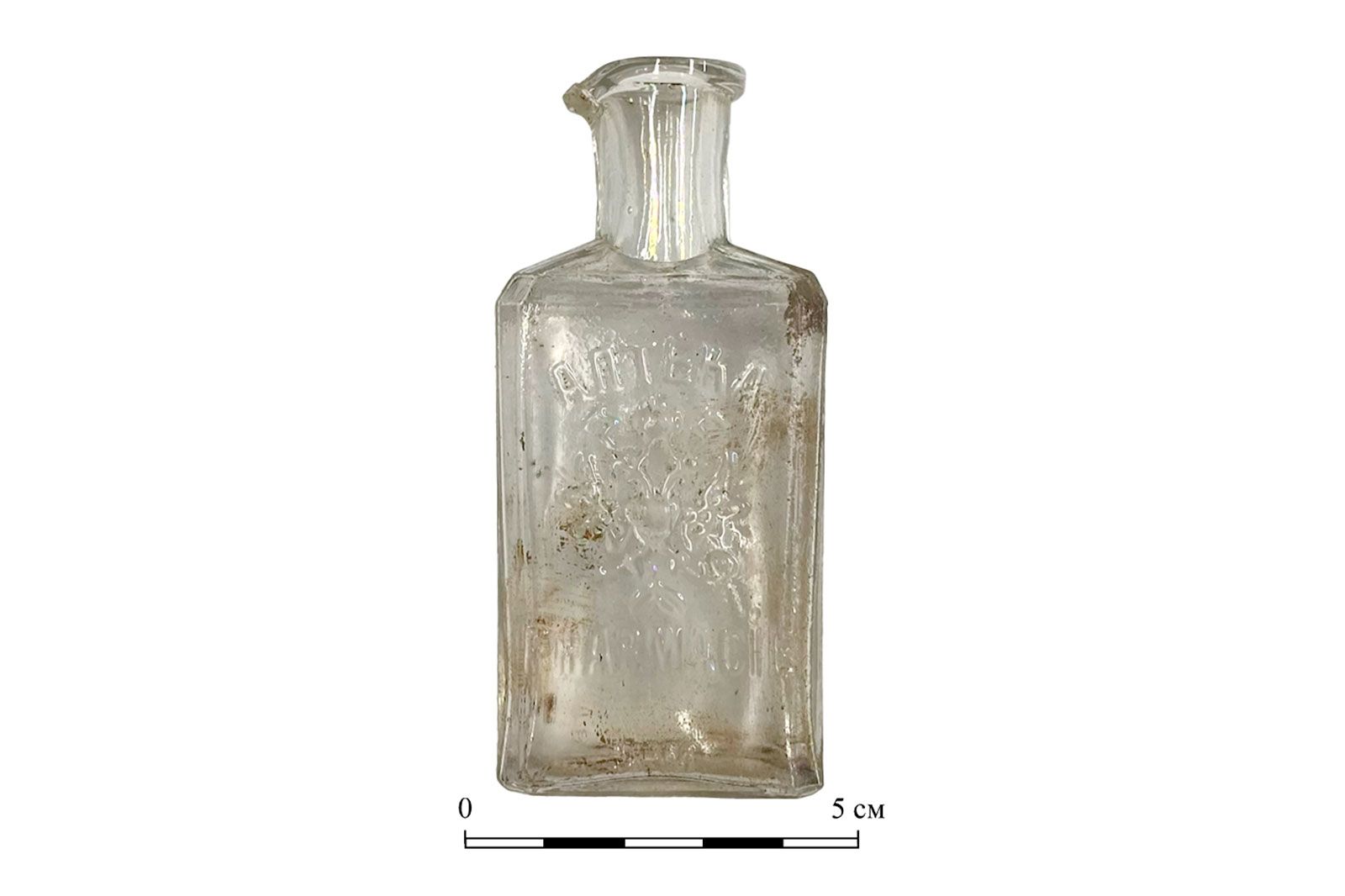
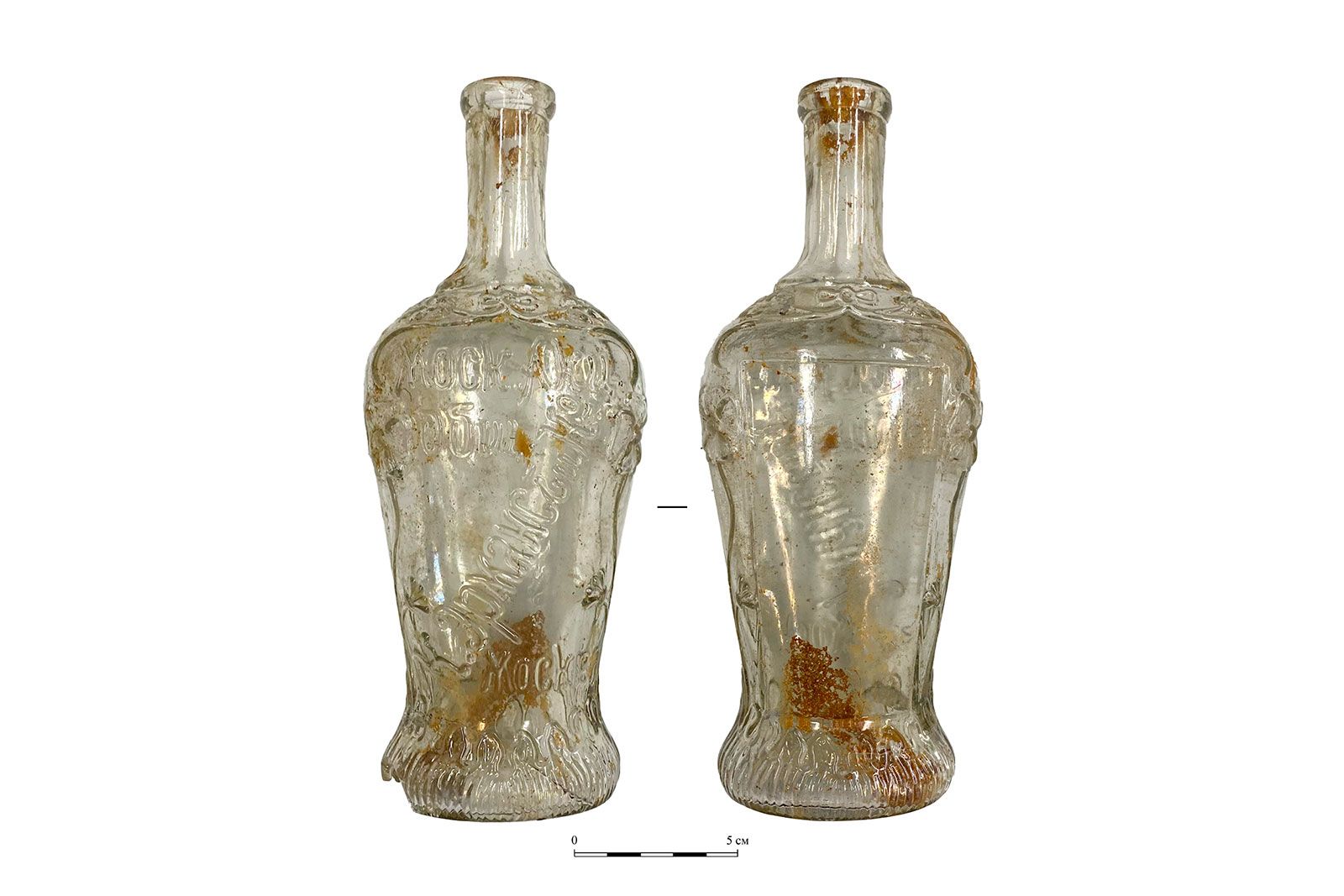
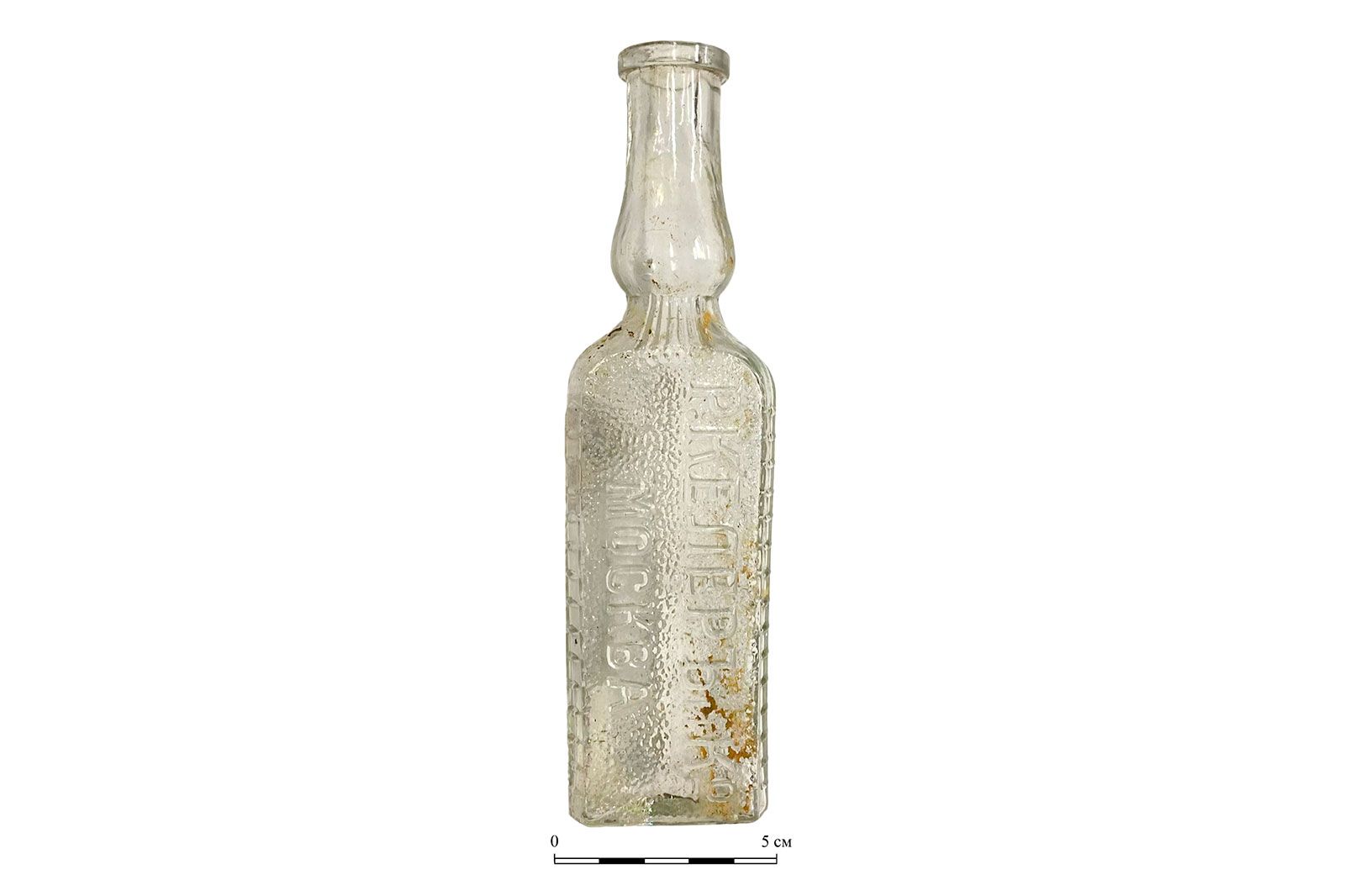
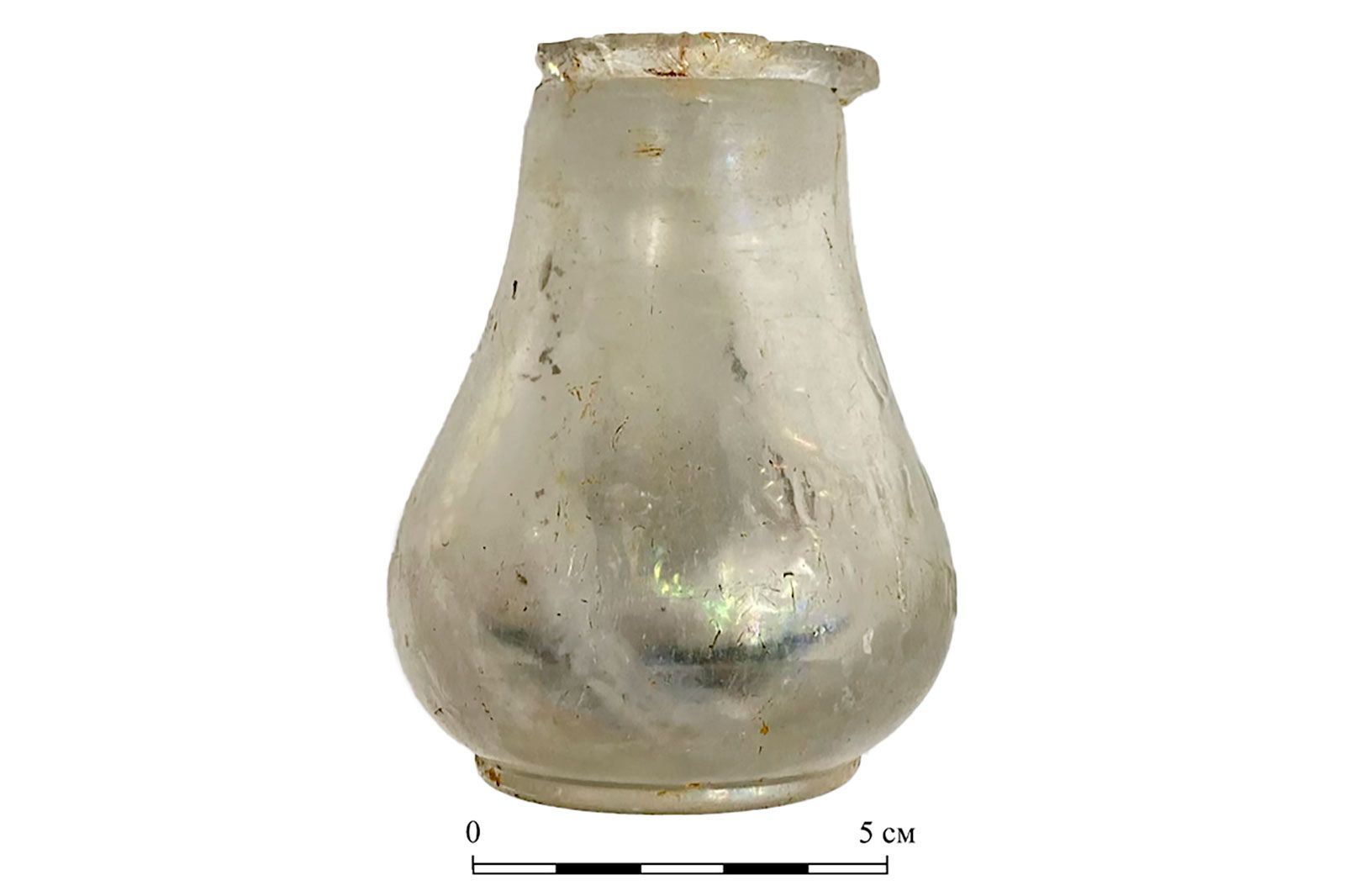
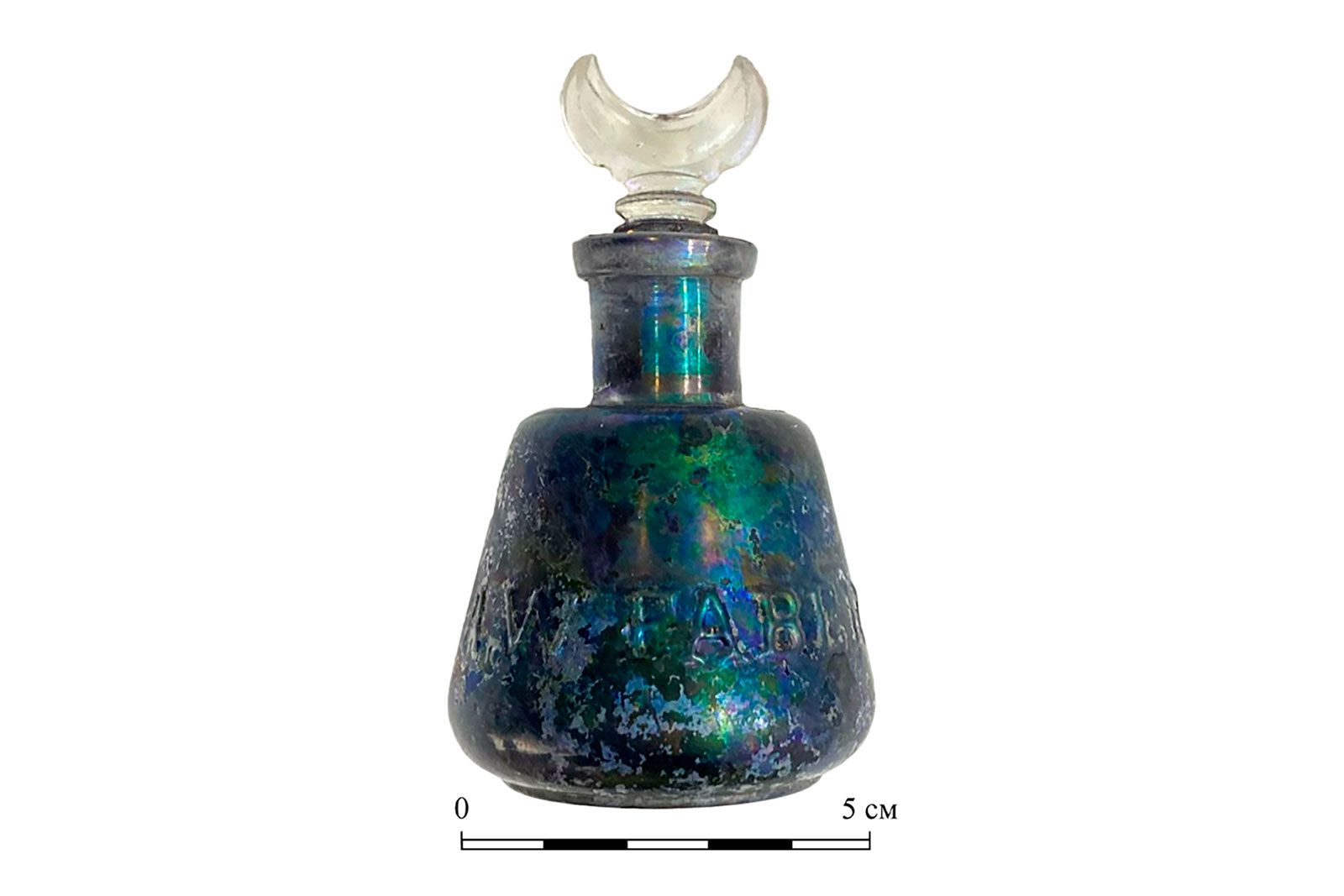
Among the small glass bottles is a Faber inkwell with a crescent-shaped glass stopper. The history of this brand spans several centuries and is full of interesting events. Founded in 1761 in a Western European country, the company became one of the leading businesses in its industry and was very popular in the Russian Empire.
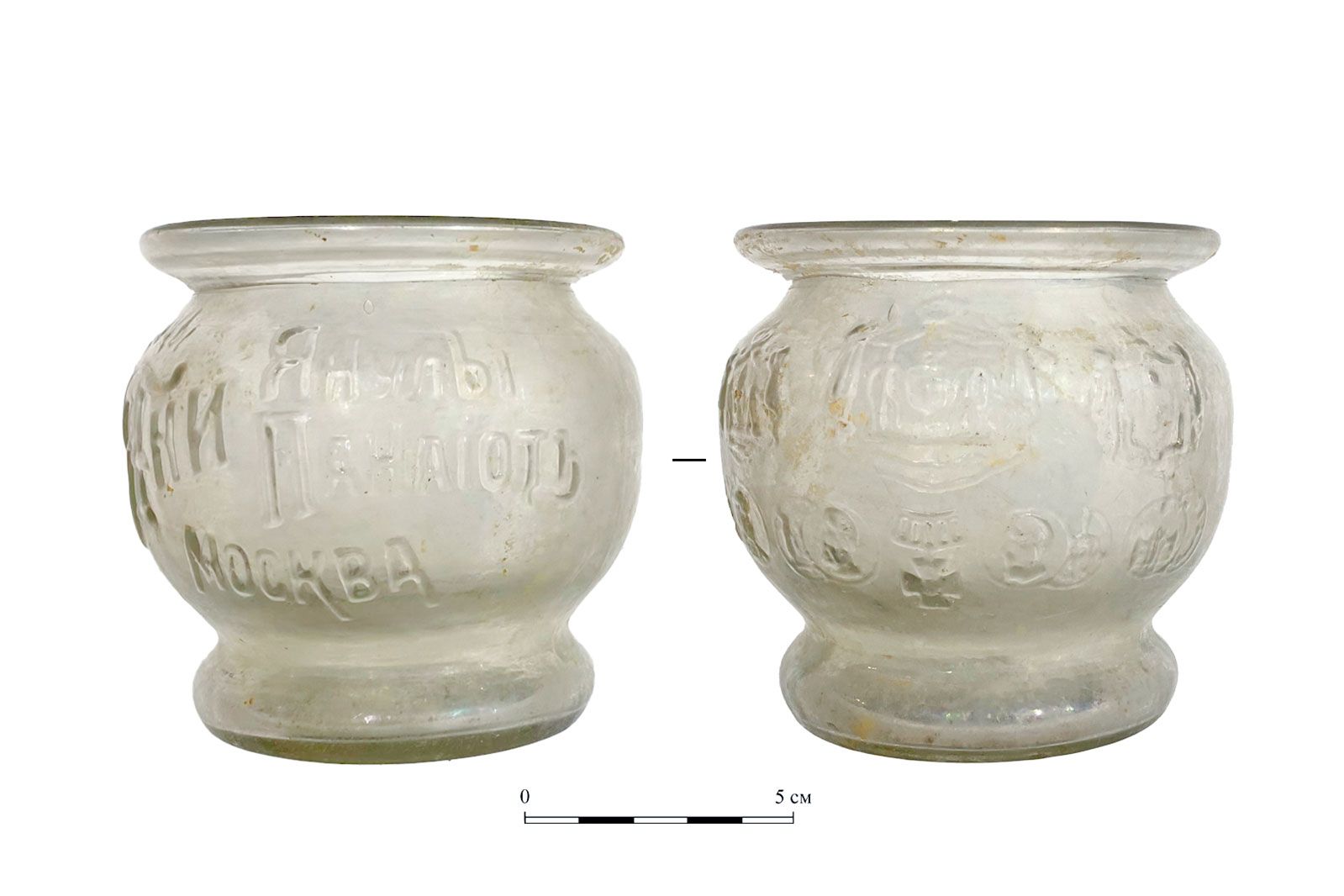
Another interesting item is a glass candy jar from the Heirs of Yani and Yanula Panayot confectionery factory. The factory was founded in 1880 by Yani Panayot, an ethnic Greek from the city of Rodosto, now Tekirdağ, Türkiye. Having adopted Russian culture, he changed his name to Ivan Pavlovich Yani and built a confectionery factory in Denisovsky Lane to produce Eastern sweets in Moscow. His confectionery shops sold Turkish delight, pastila, and marmalade. By the late 19 th century, the wrappers and boxes of sweets produced by the steam-powered factory of the Trading House of the Heirs of Yani Yanula Panayot and Sons in Moscow featured medals and stated that the Yani family had become official suppliers to His Majesty the King of Greece and the King of Serbia.
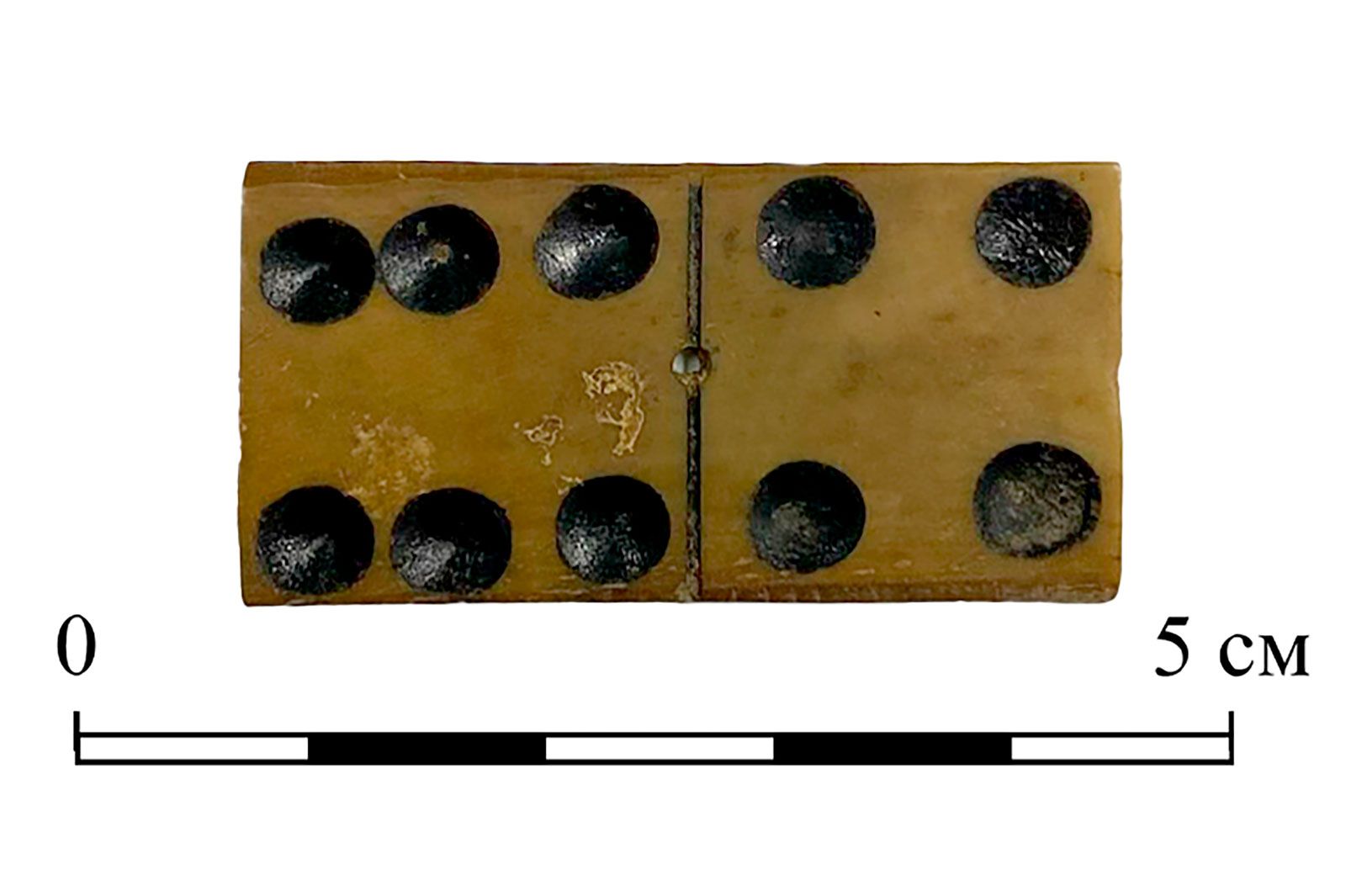
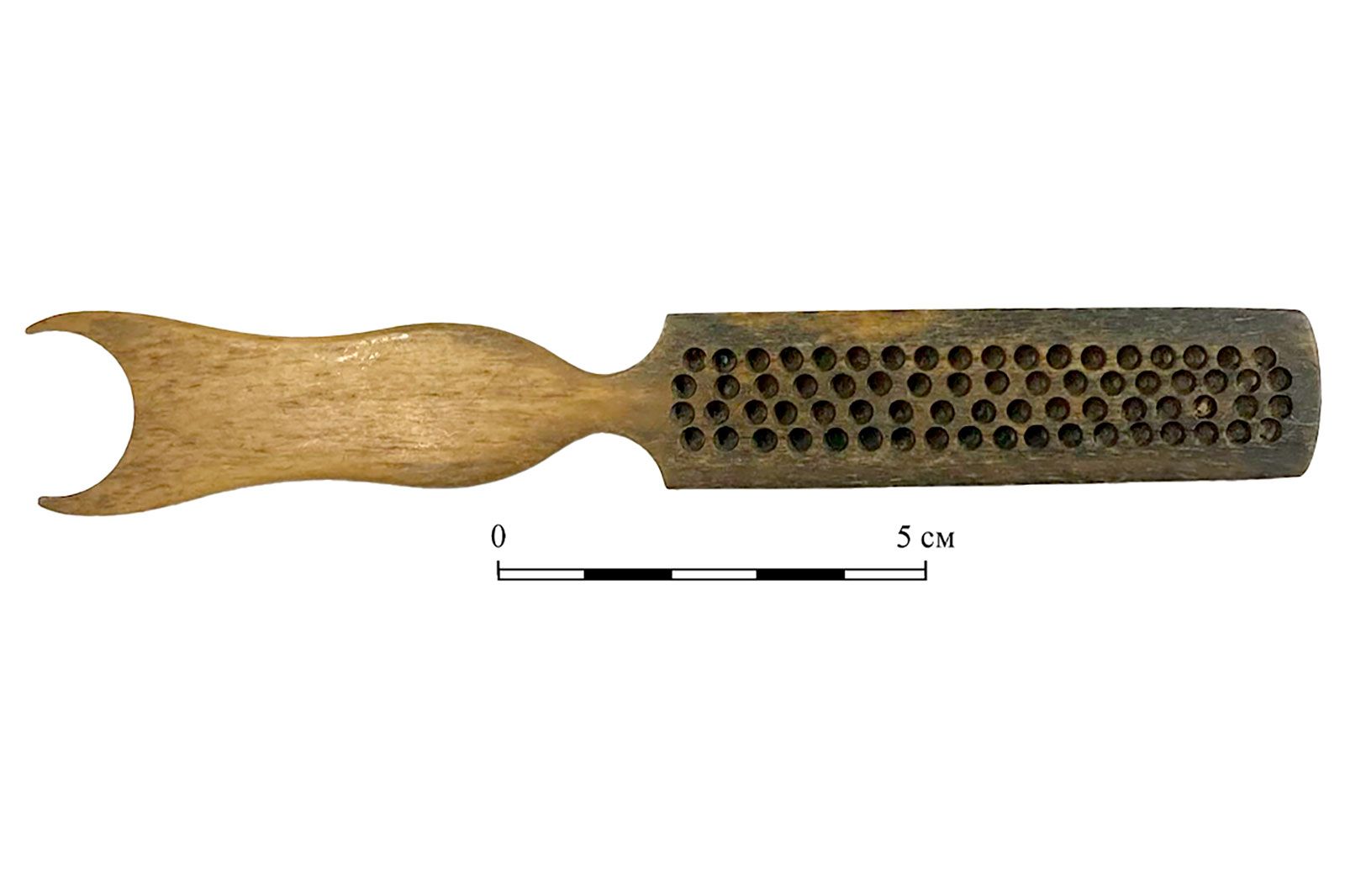
The interests of adult and young Moscow residents in the 19 th century are reflected in numerous toys, figurines, and board-game accessories: ceramic and porcelain statuettes, tin soldiers, miniature toy beer mugs for the game of spillikins, and domino tiles.
The massive archeological excavation area around Korobeynikov Lane holds centuries of history, charting the development of Moscow’s territories. The lane received its present name in the 18 th century after a local homeowner, although settlement of these lands began much earlier.
Before defensive walls of a wooden city were erected along the line of today’s Garden Ring in 1591–1592, this area was considered a remote suburb. The outskirts were developed gradually as the population of old Moscow grew. Scholars consider the mention of the village of Semchinskoye to be the earliest written evidence of settlement in this area. Researchers pinpoint its exact location from the historical site of the Church of the Dormition of the Mother of God “in the village of Semchinskoye”.
The area was first mentioned in chronicles in 1336, within the first spiritual testament of Grand Prince Ivan Kalita, who bequeathed the “village of Semchinskoye” to his son Ivan, the future Ivan II the Fair. Later, in 1565, Tsar Ivan IV the Terrible ordered these lands to become part of the oprichnina. The village was finally incorporated into the city only after the monarch’s death, rapidly transforming from a suburban settlement into a bustling urban quarter.
The first archaeological research here began in the 1930s during the large-scale construction of the Moscow Metro. Modern excavations enable archaeologists to uncover new aspects of everyday life in historical Moscow.
Traditionally, all archaeological finds are transferred to the Museum Fund of the Russian Federation after restoration. In 2026, collections were supplemented with almost three thousand objects found during archaeological excavations. Over the past five years, more than 50,000 individual artifacts have been transferred to museum collections.