A 21st-century estate manager and chief master of ceremonies. Who works at the Petrovsky Palace today
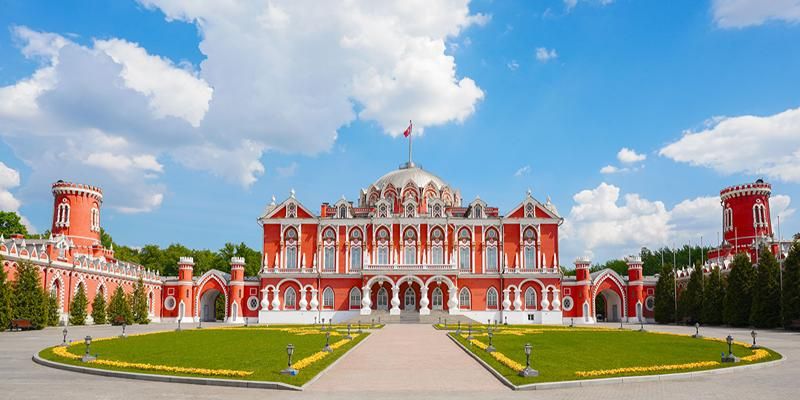
In the 18 th and 19 th centuries, dozens of people served at the Petrovsky Palace: an estate manager, maids, cooks, stokers, stablemen, and gardeners. When the emperor arrived at the residence, he was also attended by court officials, the chief master of ceremonies, the lord chamberlain, and others. Court ranks have long since become history, but the main task of the palace staff remains unchanged: they still maintain order, organize ceremonial events, and welcome guests.
A mos.ru correspondent spoke with today’s palace employees. We explain what their positions might have been called three centuries ago, what their duties involve today and why working at the palace has become their life’s calling.
In the service of the empress. From chamberlains to gatekeepers
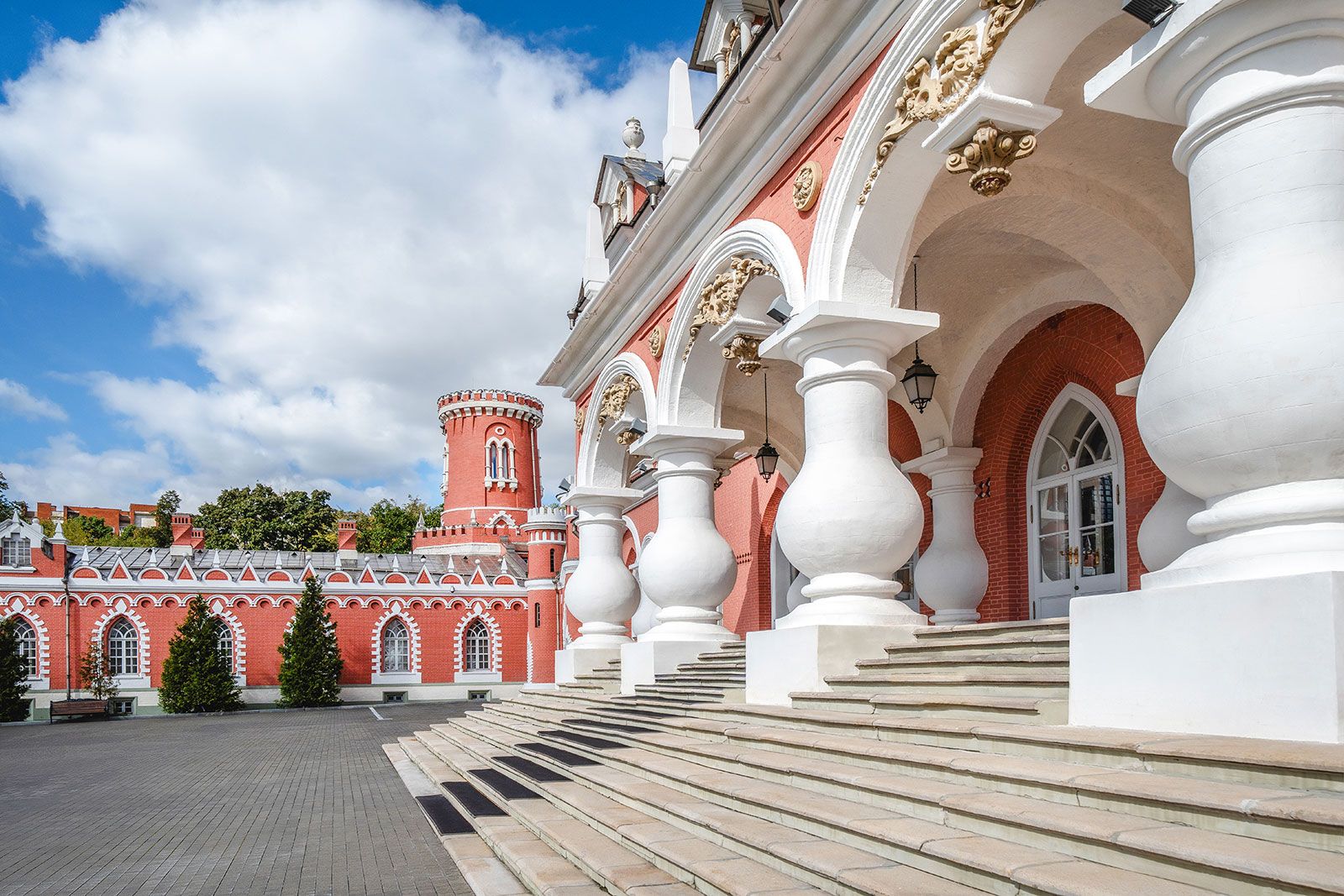
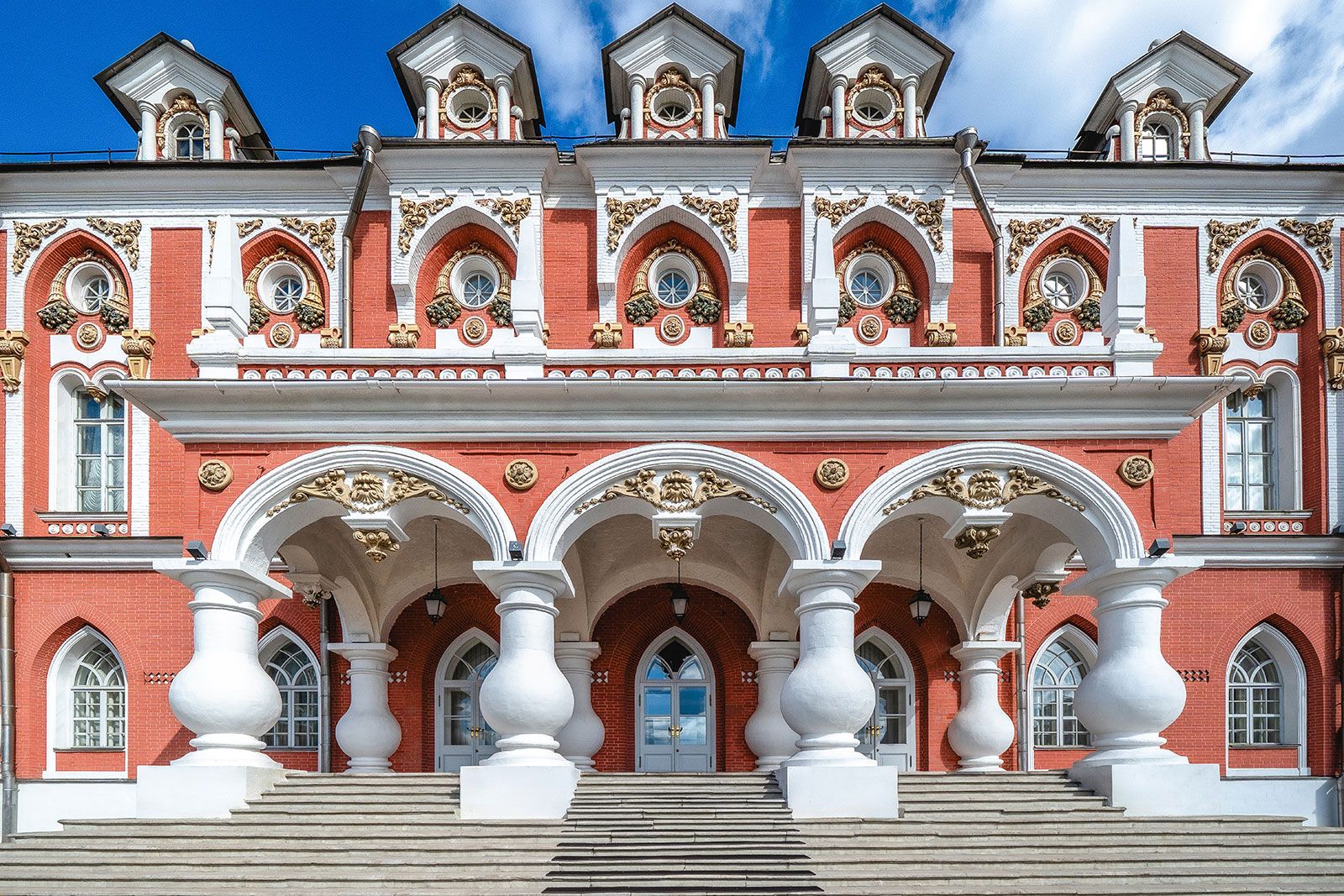
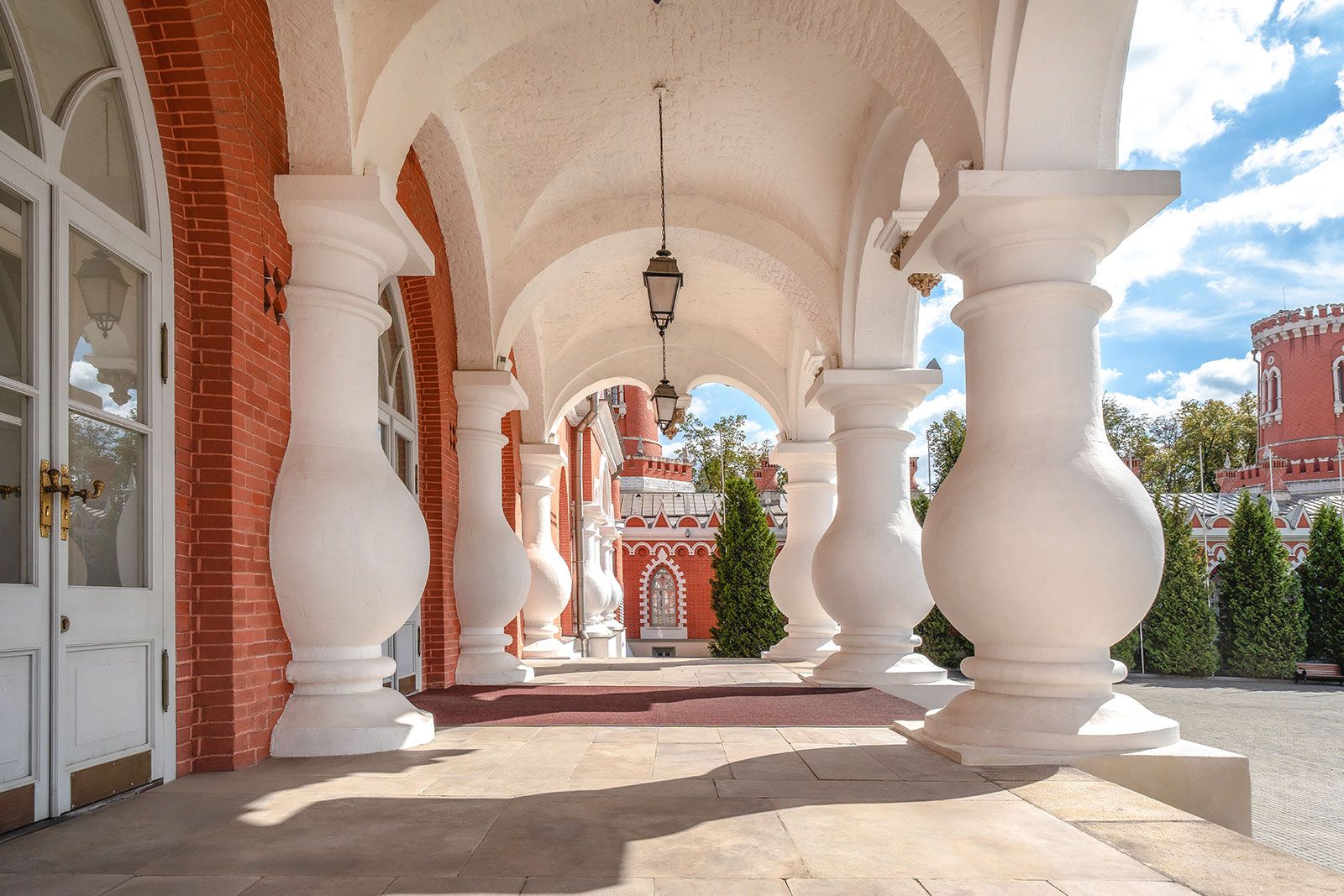
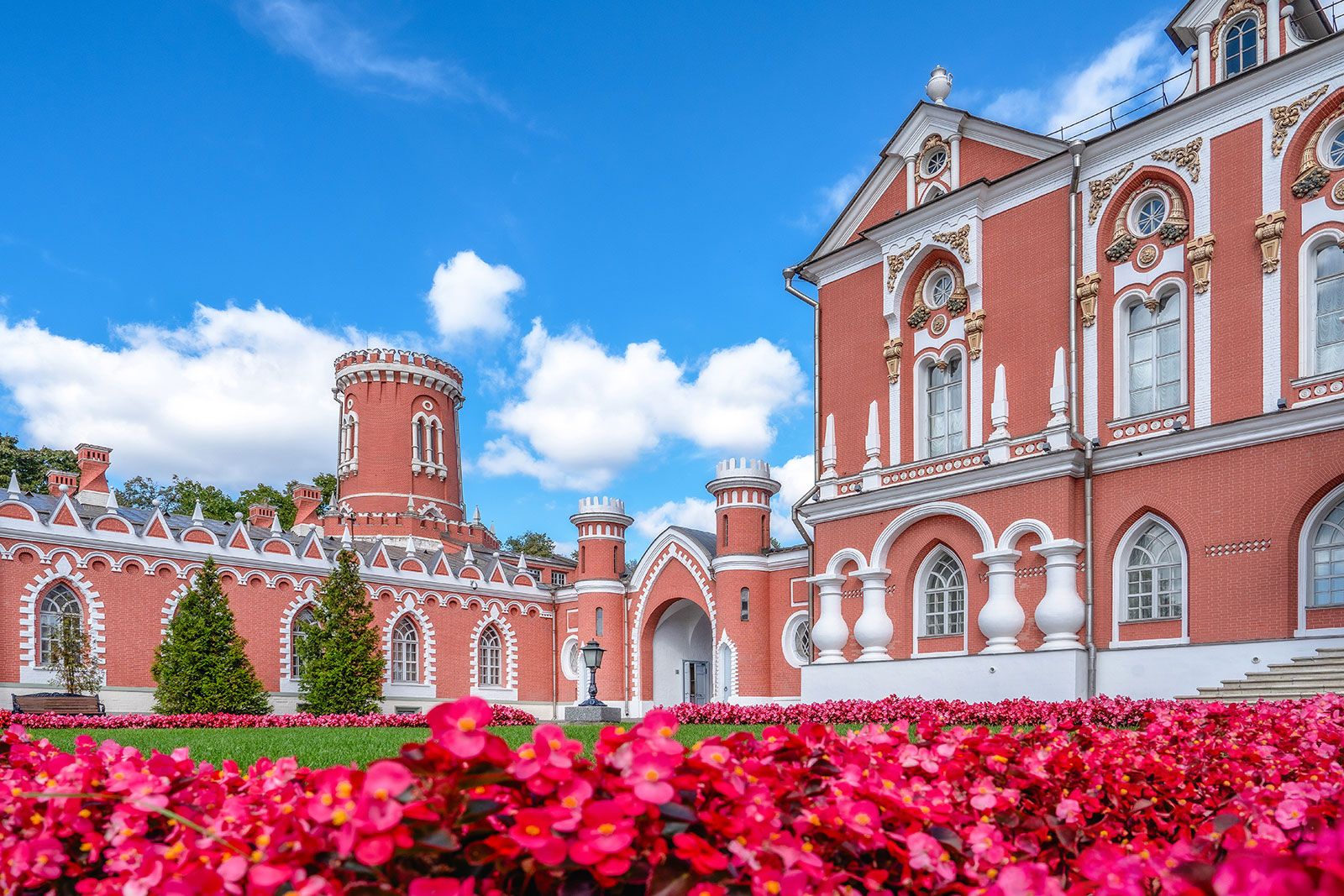
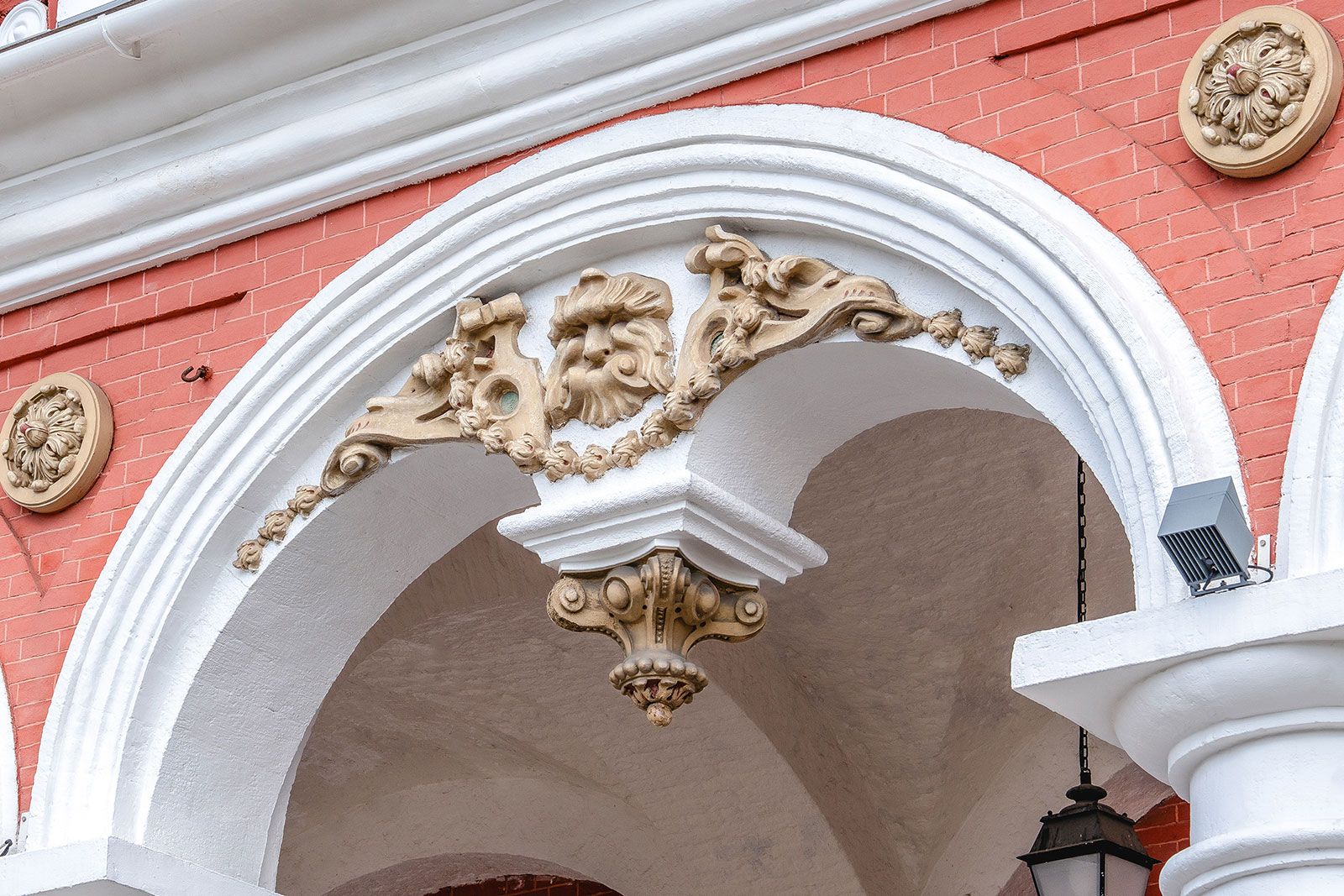
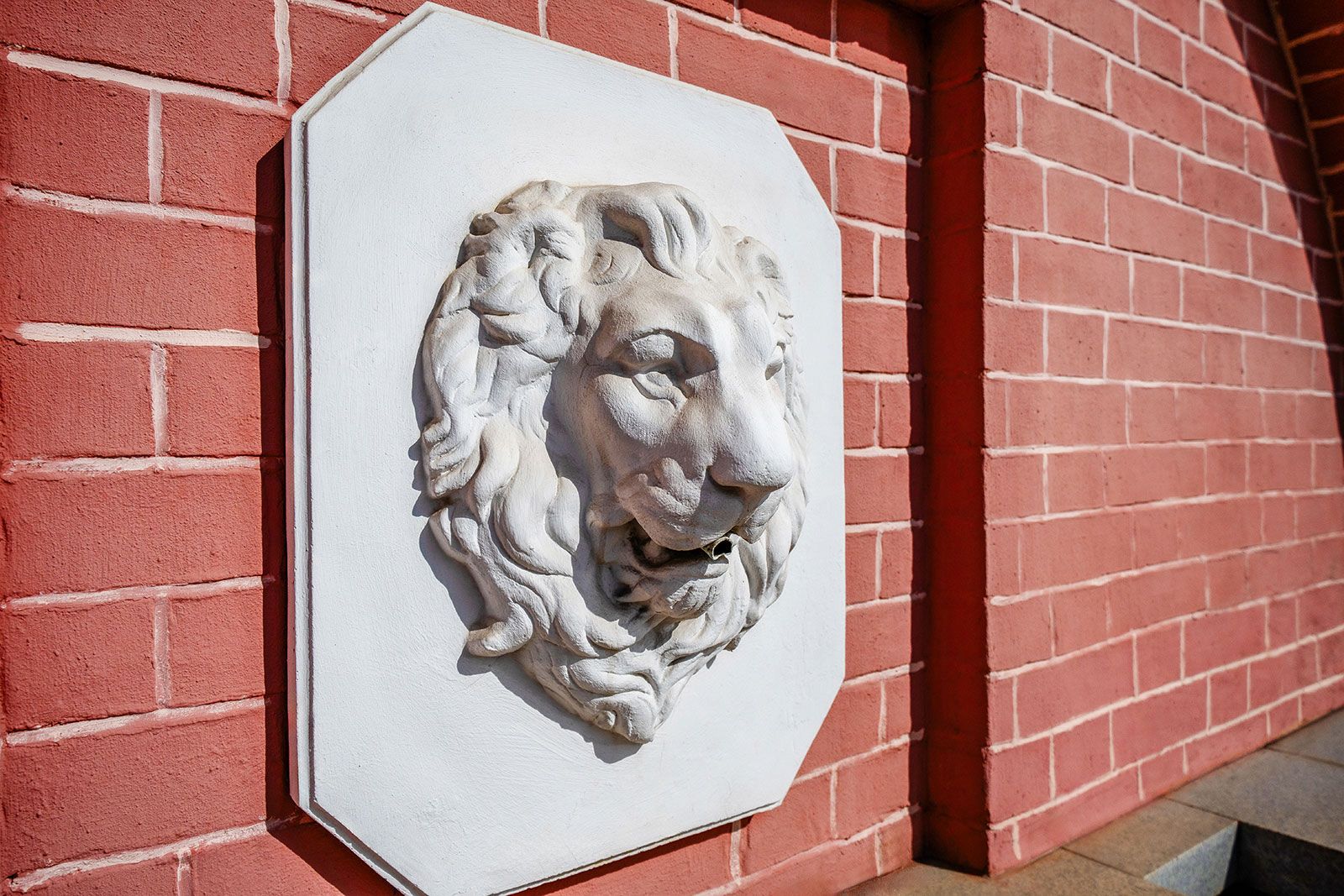
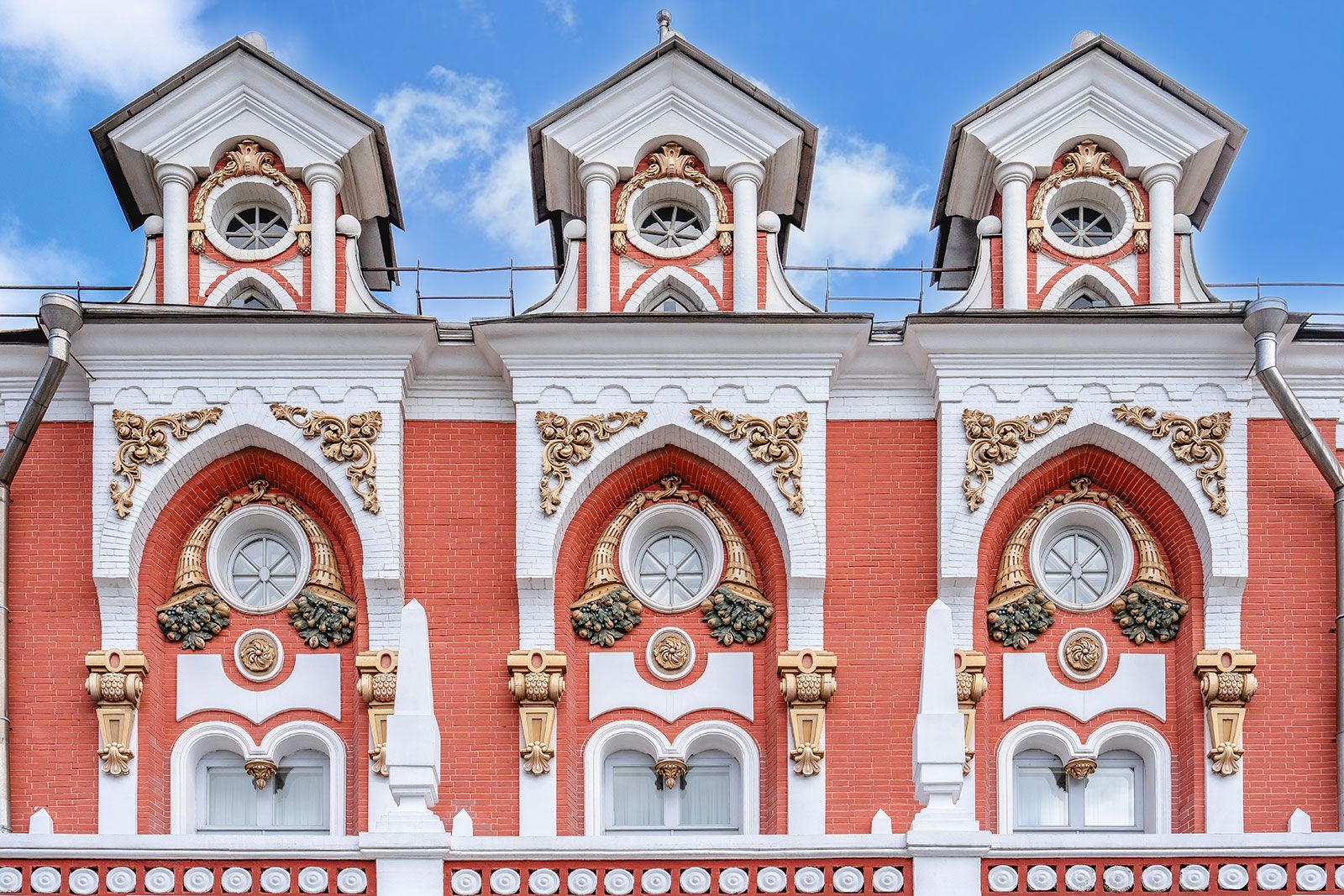
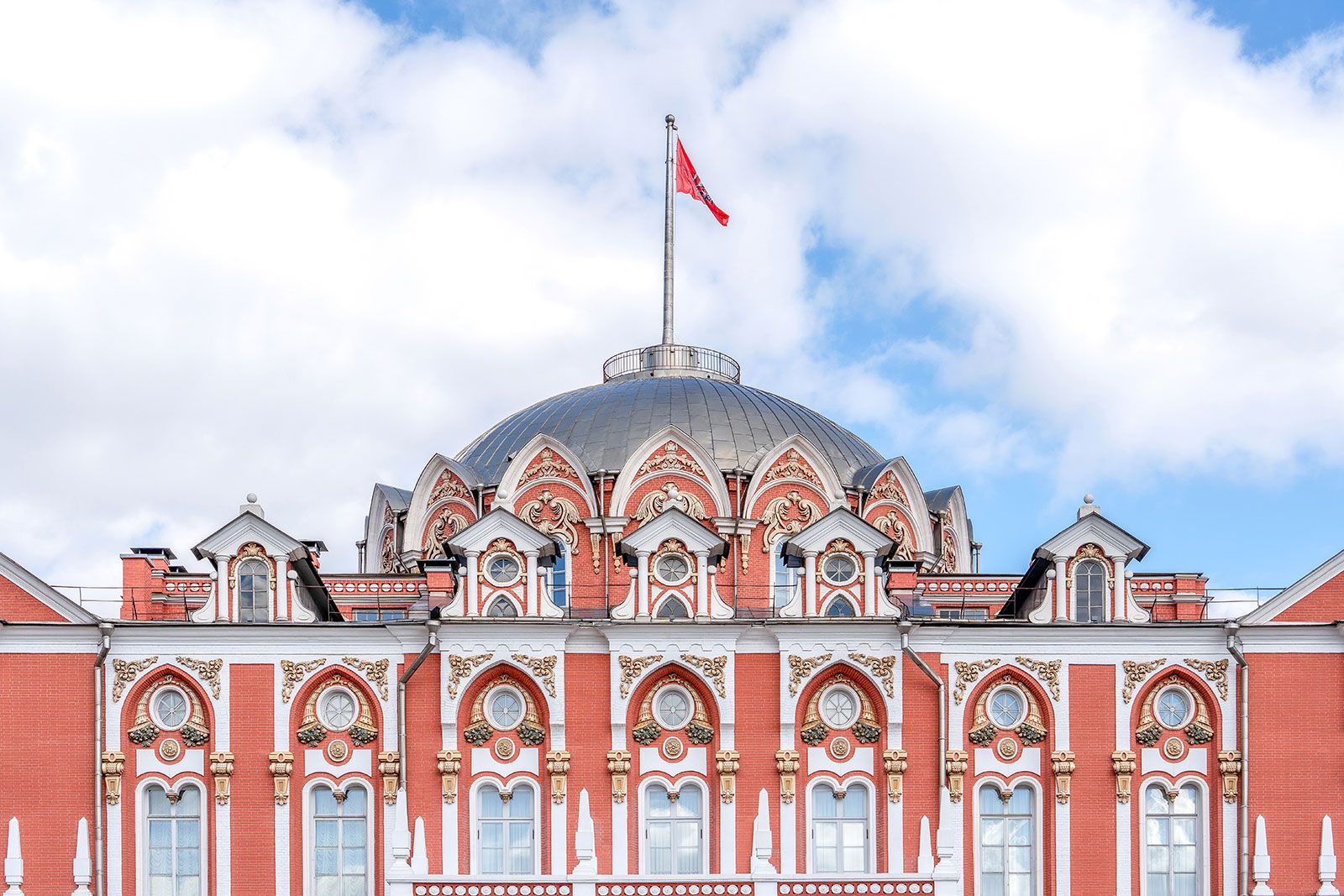
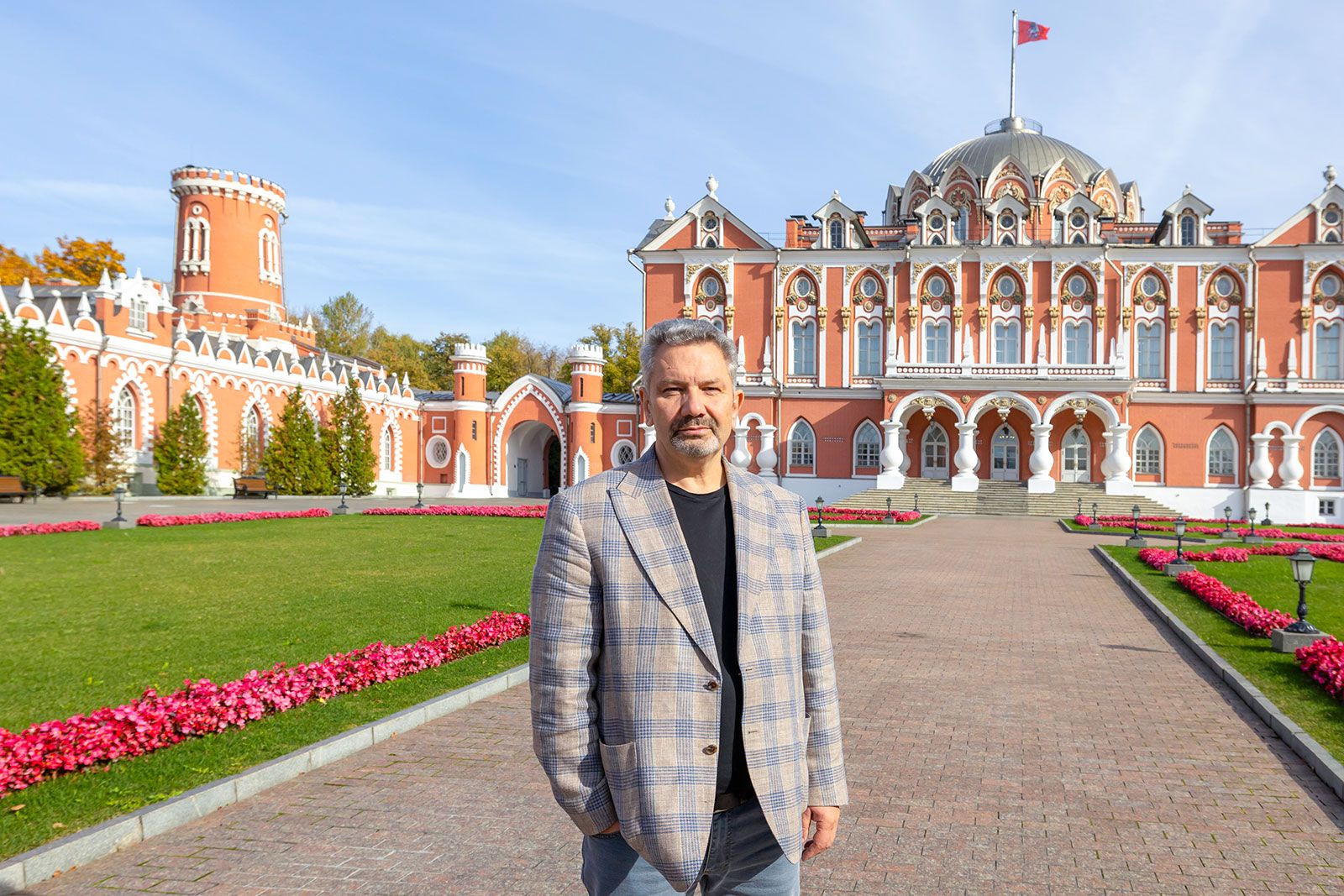
Empress Catherine the Great ordered the construction of the Petrovsky Palace. It was conceived as a ceremonial residence at the entrance to Moscow where members of the royal family and the nobility could rest after the long and tiring journey from St. Petersburg. The palace also had a symbolic significance: the triumphal castle was built to commemorate victory in the Russo-Turkish War of 1768–1774. Architect Matvey Kazakov created an outstanding ensemble in the pseudo-Gothic style, combining elements of Gothic, Old Russian architecture and Eastern fortresses. Its construction began 250 years ago, in 1776. The main work was completed three years later, after which interior finishing continued. The Empress stayed here twice. Her son, Paul I, later incorporated the palace into the coronation protocol: from then on, emperors waited at this residence before their coronation, and their ceremonial procession began here, leading from the outskirts of the city to the Dormition Cathedral of the Moscow Kremlin. The number of courtiers and servants at the palace varied depending on whether members of the imperial family were staying there.
“During preparations for a coronation, thousands of people could serve at the palace, as the sovereign’s entire entourage arrived with him from St. Petersburg. The monarch’s immediate circle consisted of courtiers. For example, the lord chamberlain organized audiences, court officials recorded meetings in a journal, and ladies-in-waiting attended to the Empress. The Cavalier Guard and Guards regiments were responsible for security and took part in ceremonial processions. The monarch and members of the nobility also had valets who carried out personal errands, prepared clothes, and kept their chambers in order. Musicians were invited to formal dinners. The palace also had permanent staff who maintained cleanliness and order even when the sovereign was away. They included an estate manager, maids, cooks, laundresses, dishwashers, stablemen, gardeners, and gatekeepers, as guards at the gates were then called. At different times, their number ranged from about 50 to 300 people. Since coronations were rare events, they would usually see the emperor only once in their lifetime,” says Alexander Spivak, an employee of the palace’s Exhibition Department.
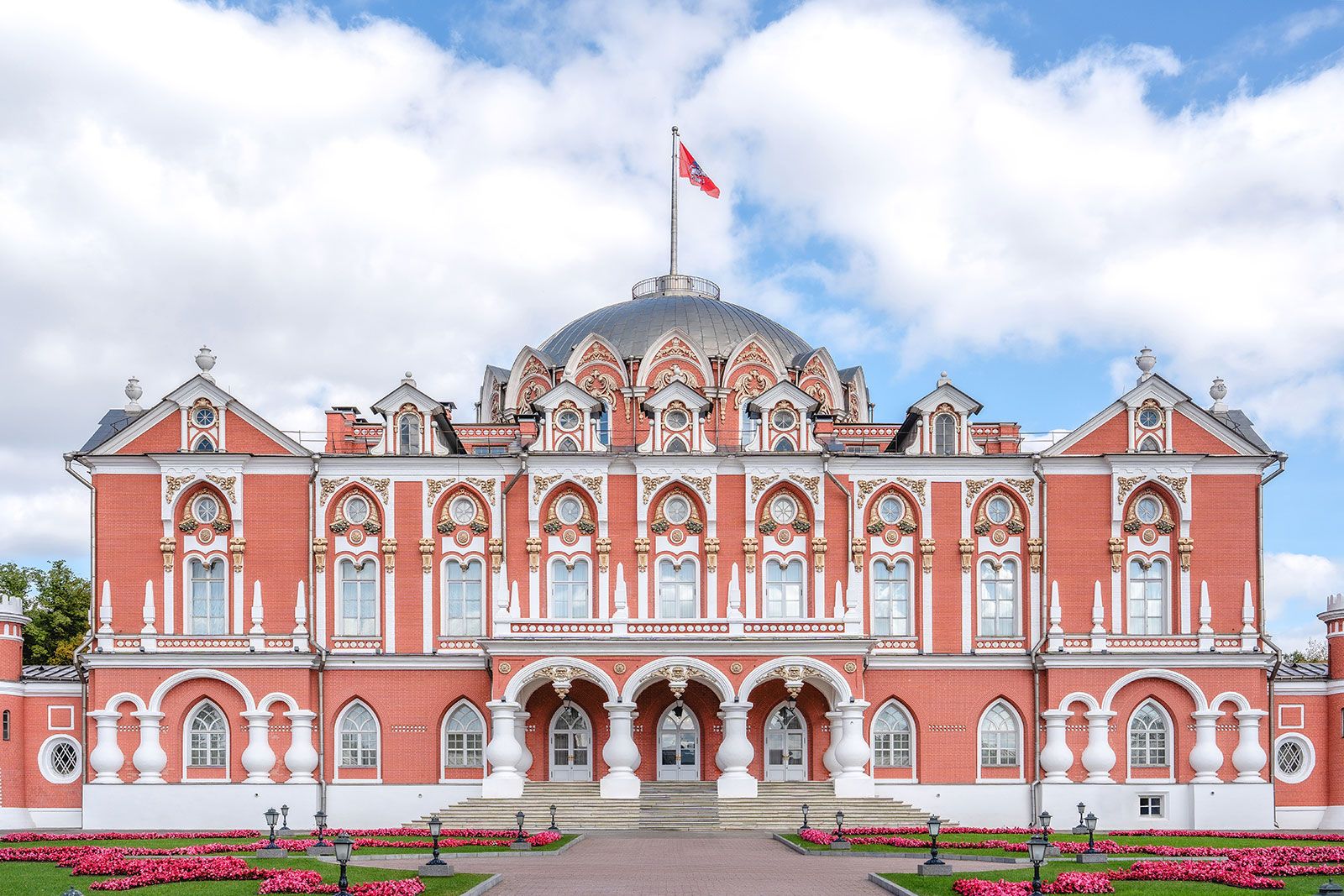
That does not mean, however, that the chambers stood empty for decades. Members of the nobility frequently stayed at the residence, while regiments of the Moscow garrison could be quartered there when necessary. Officials arriving from another province who had not yet been provided with an official accommodation could also be housed in the palace. The palace served as a kind of hotel for government needs, yet nobody was permitted to stay in the imperial chambers.
Managing a high-tech palace
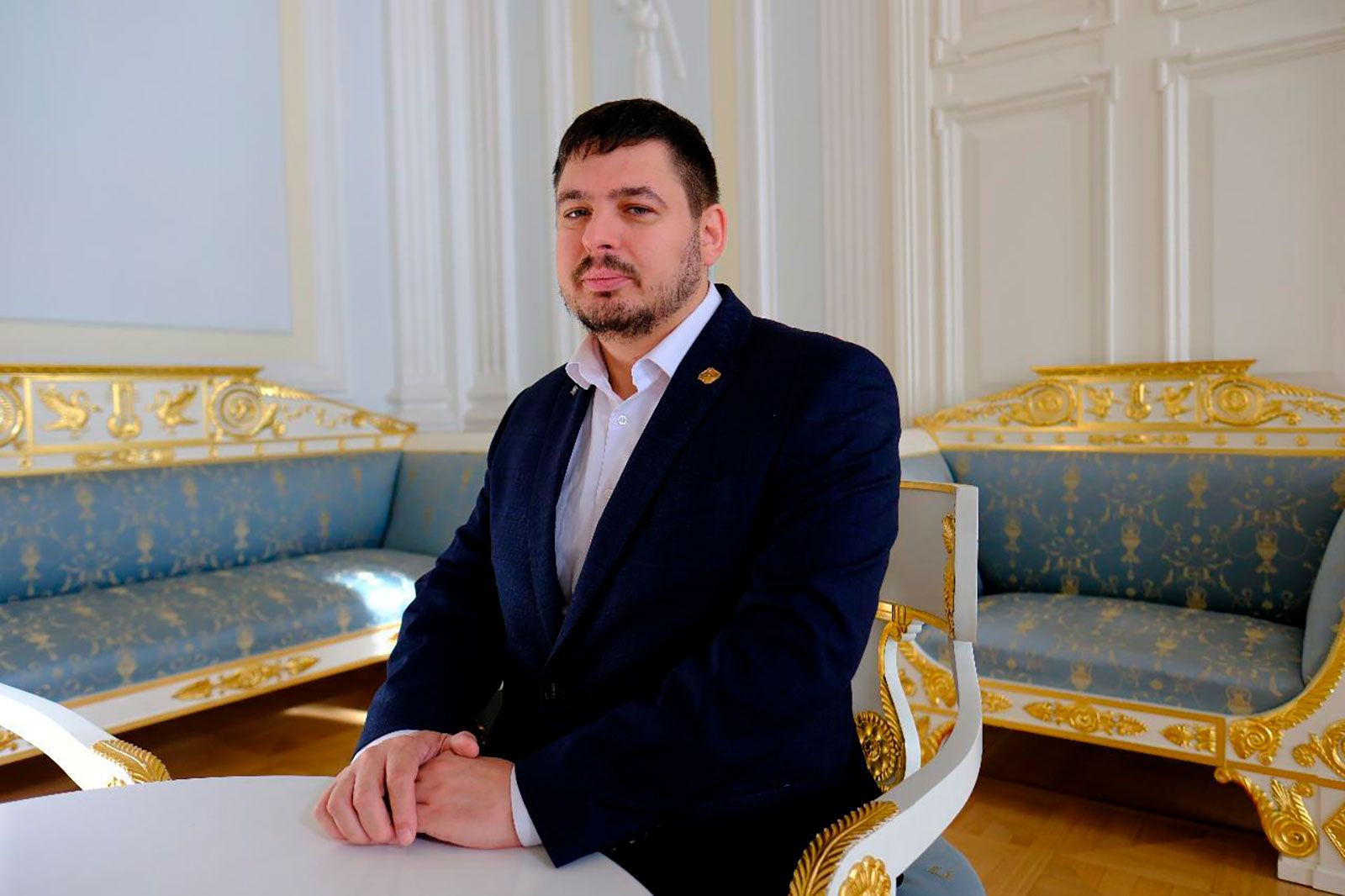
Today, the estate manager no longer needs to make sure the stoves are lit or the halls are illuminated with candles: the palace has heating and electricity. It is equipped with other modern technologies as well. The property is managed by Mikhail Ivliyev, Deputy Head of the Department for Cultural and Business Spaces.
“The paving stones in the courtyard are heated to prevent ice from forming in cold weather and make it comfortable for guests to walk. The rooms are equipped with a climate-control system with steam units that maintain the required temperature and humidity, which is essential for preserving antique furniture and works of art. Similar systems are installed in museums and mansions. All these systems need to be monitored to ensure they are operating properly,” Mikhail Ivliyev explains.
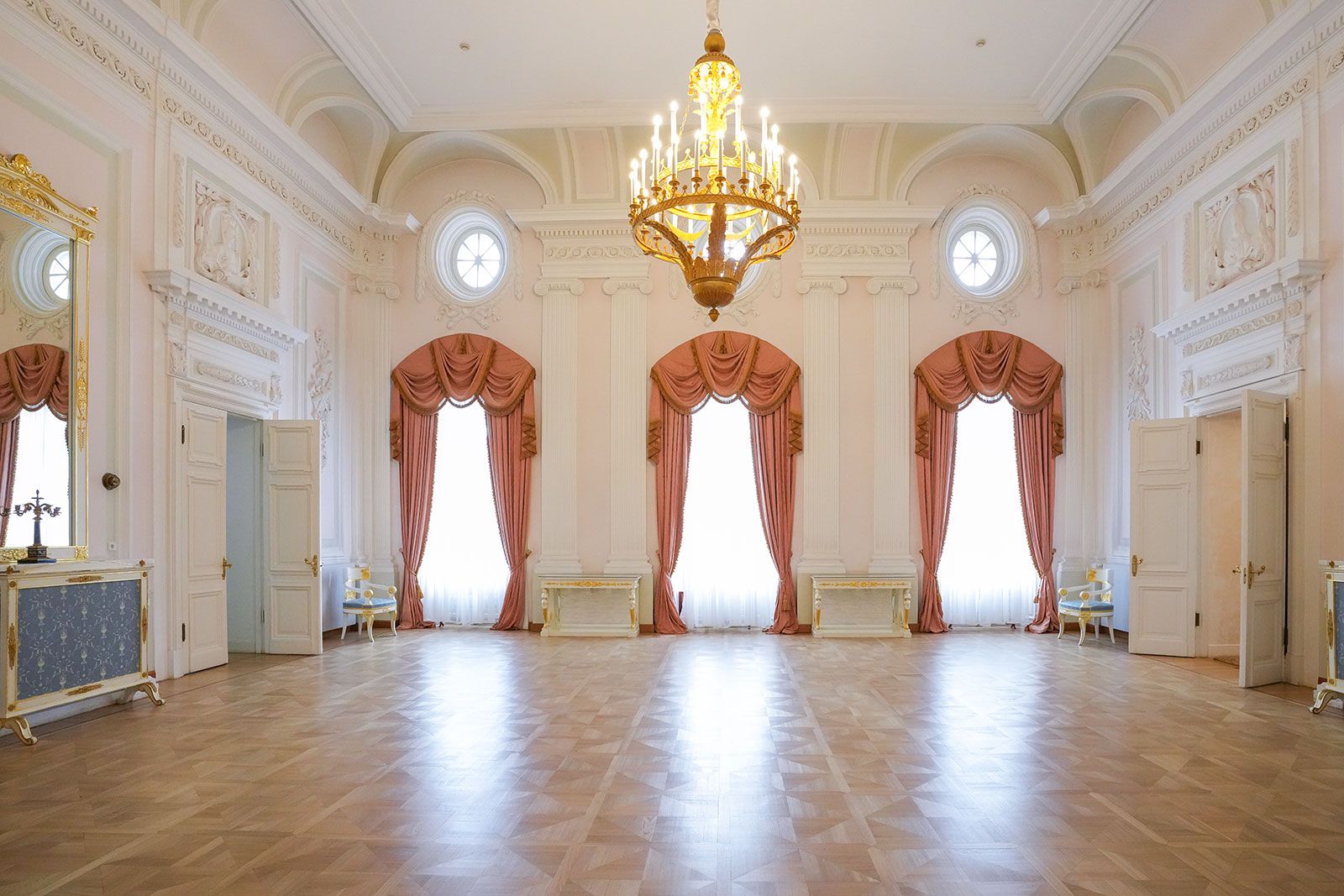
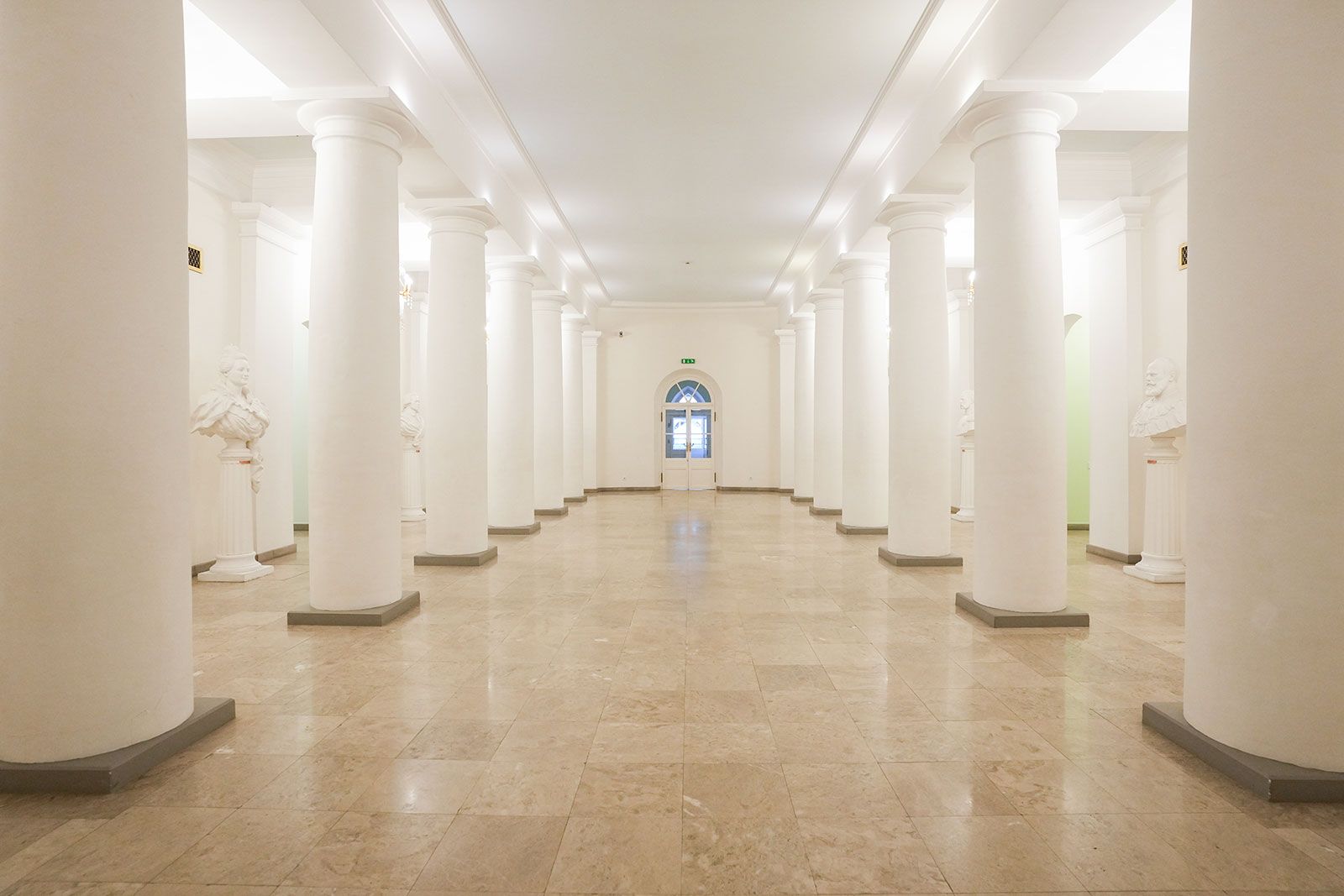
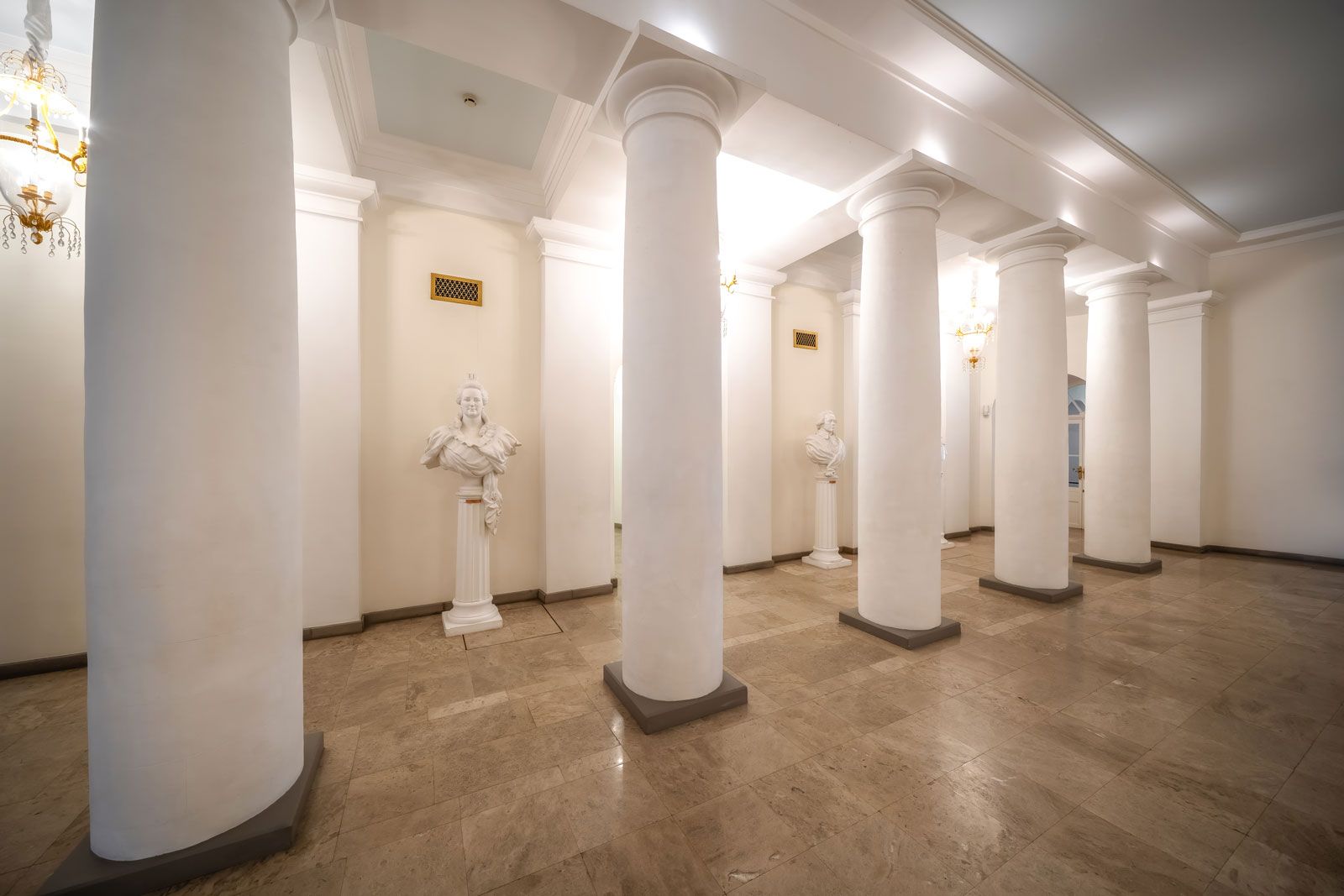
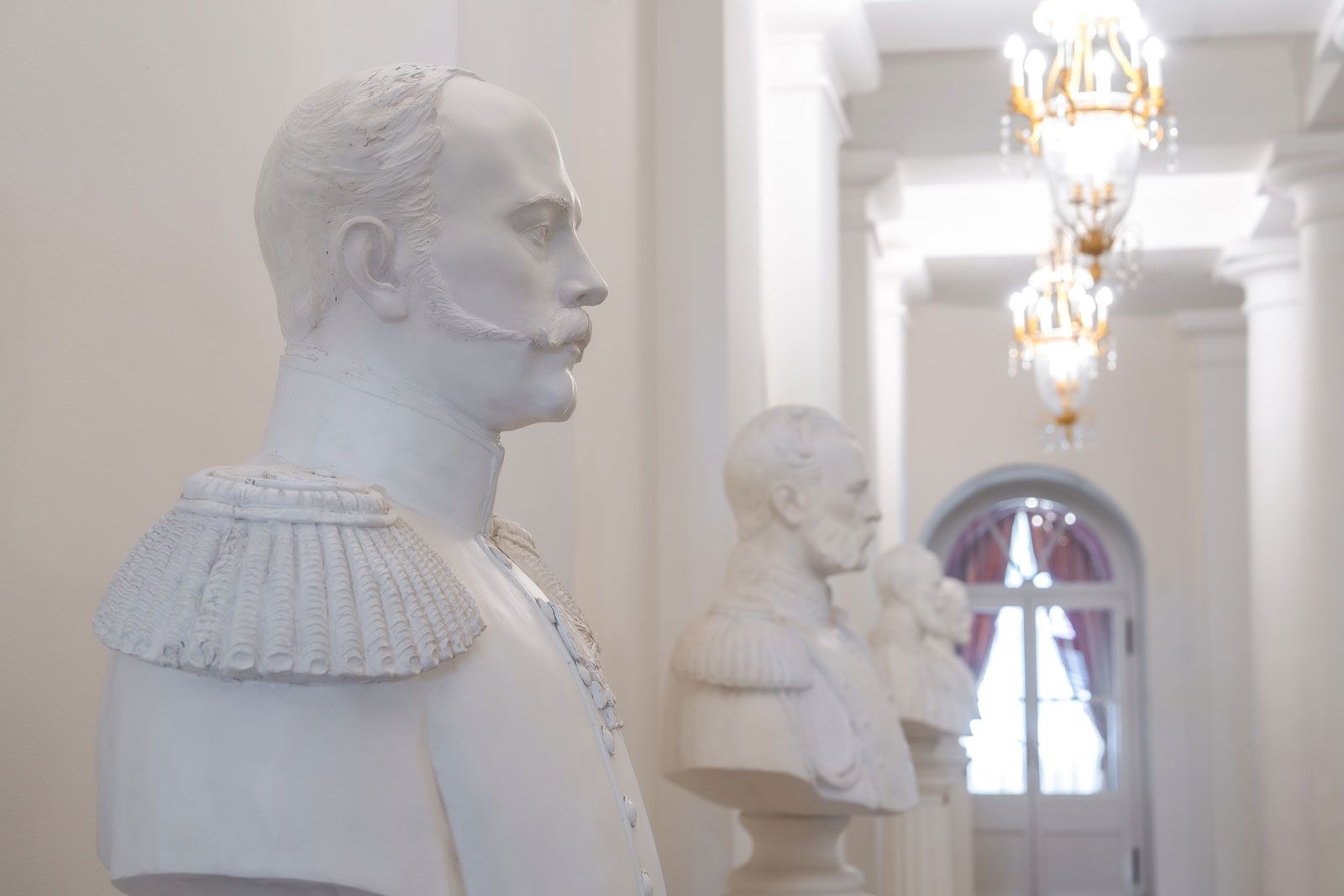
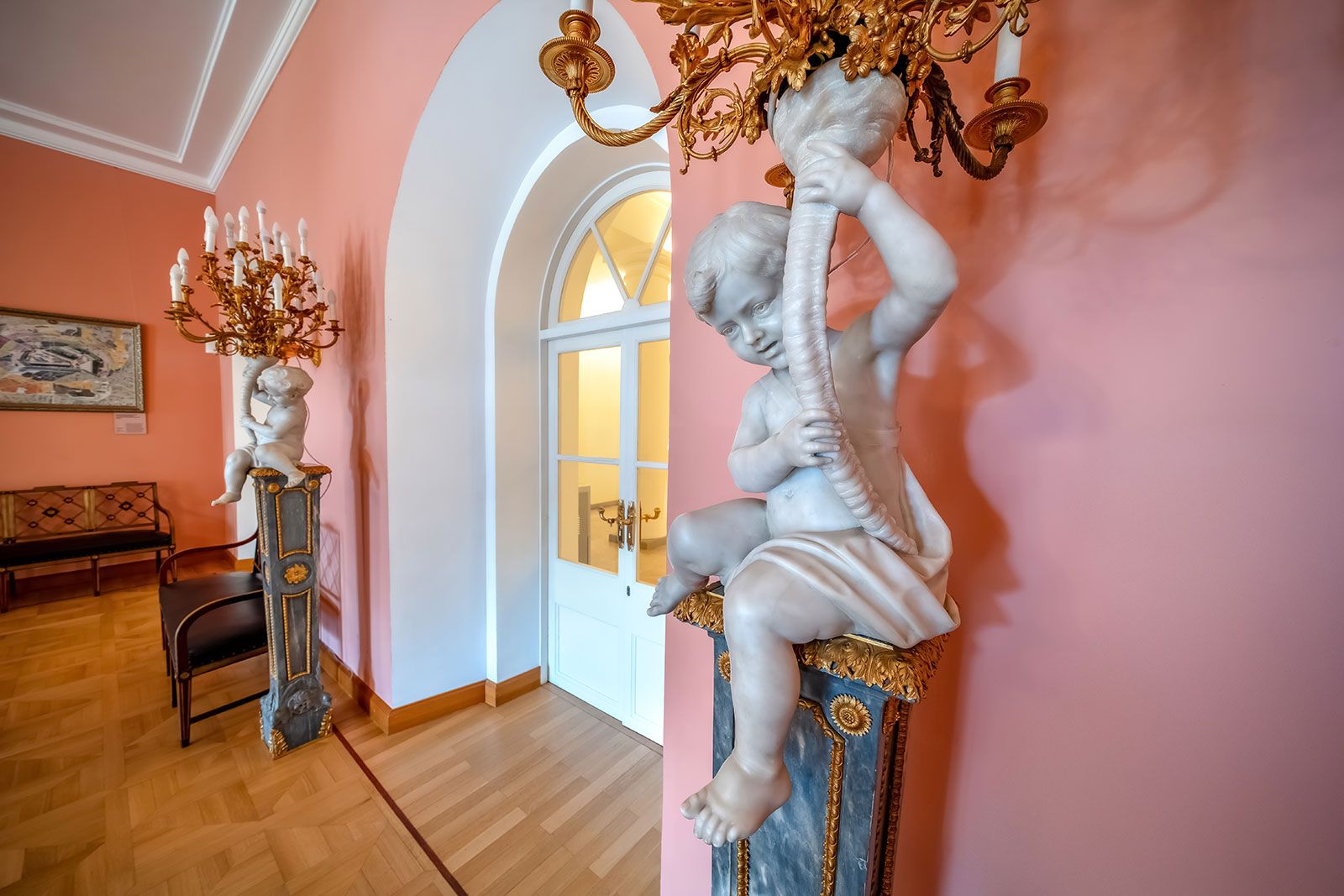
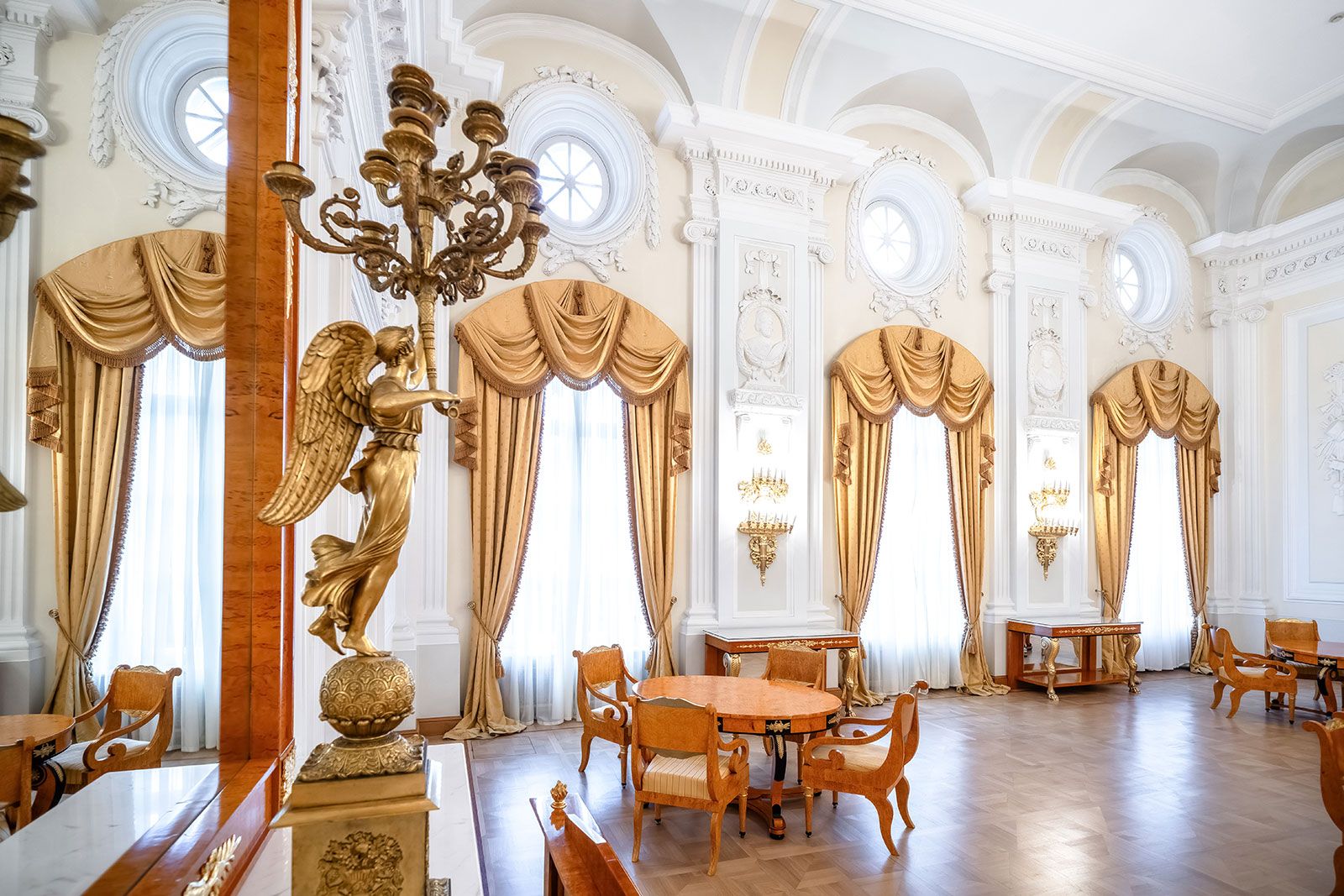
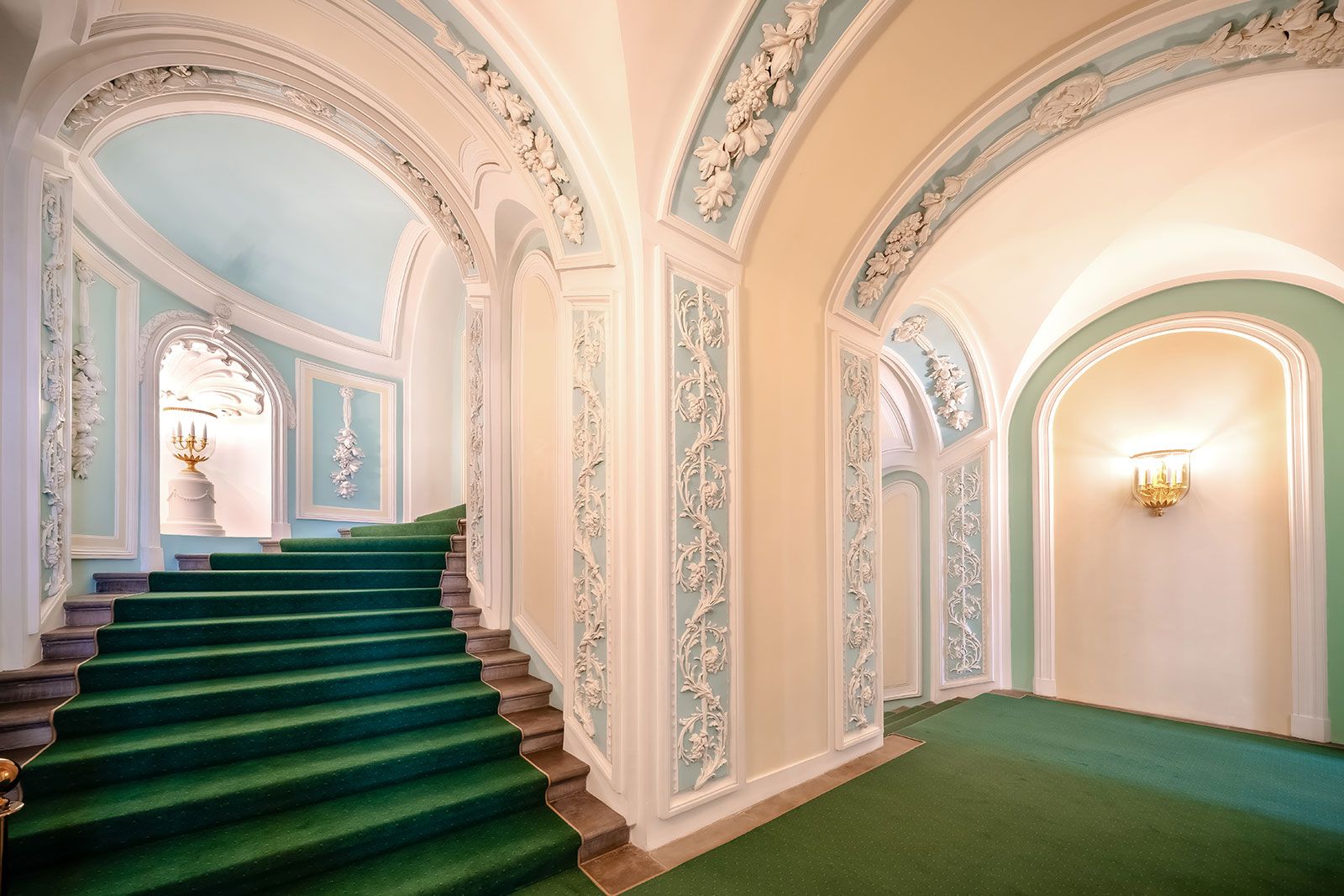
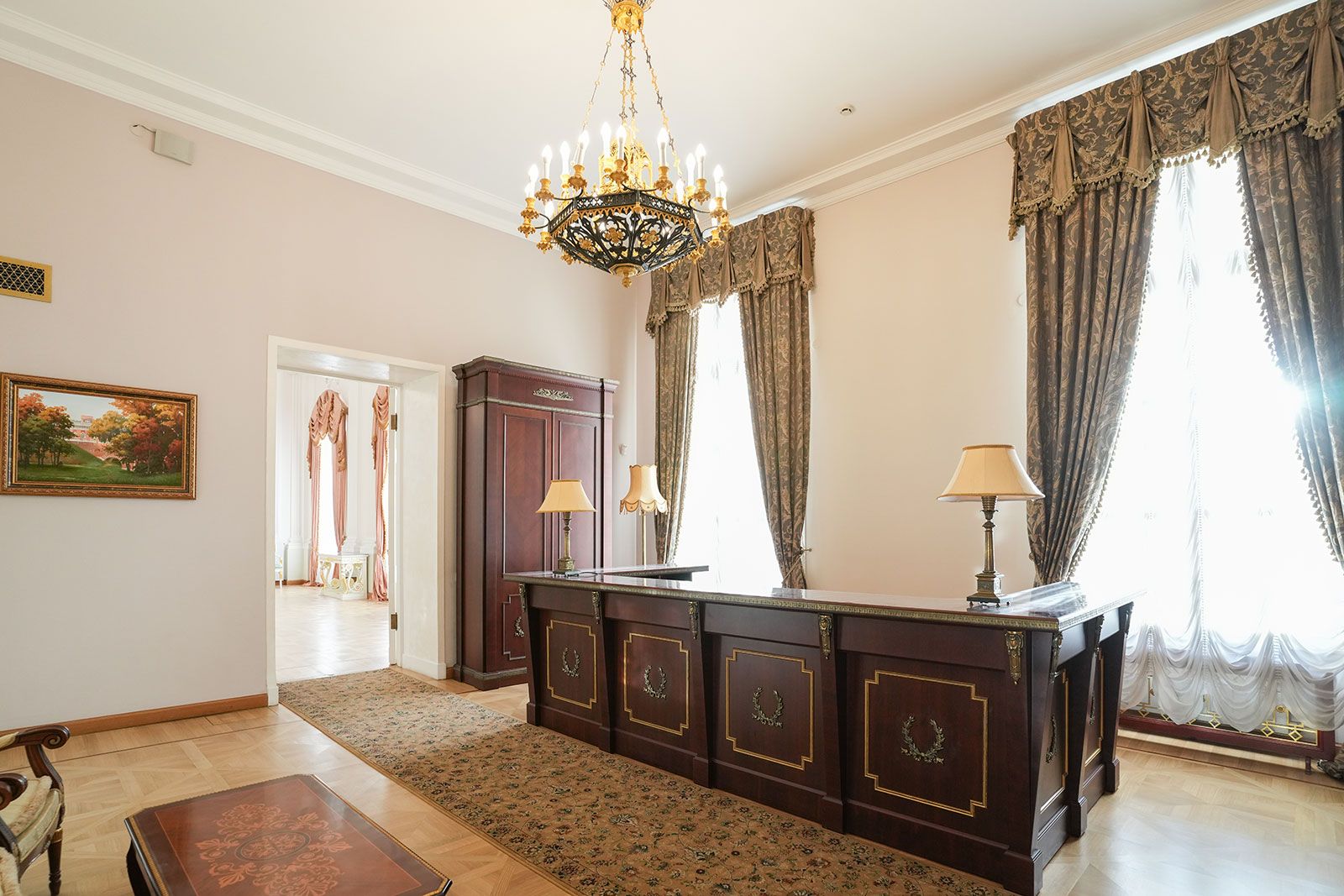
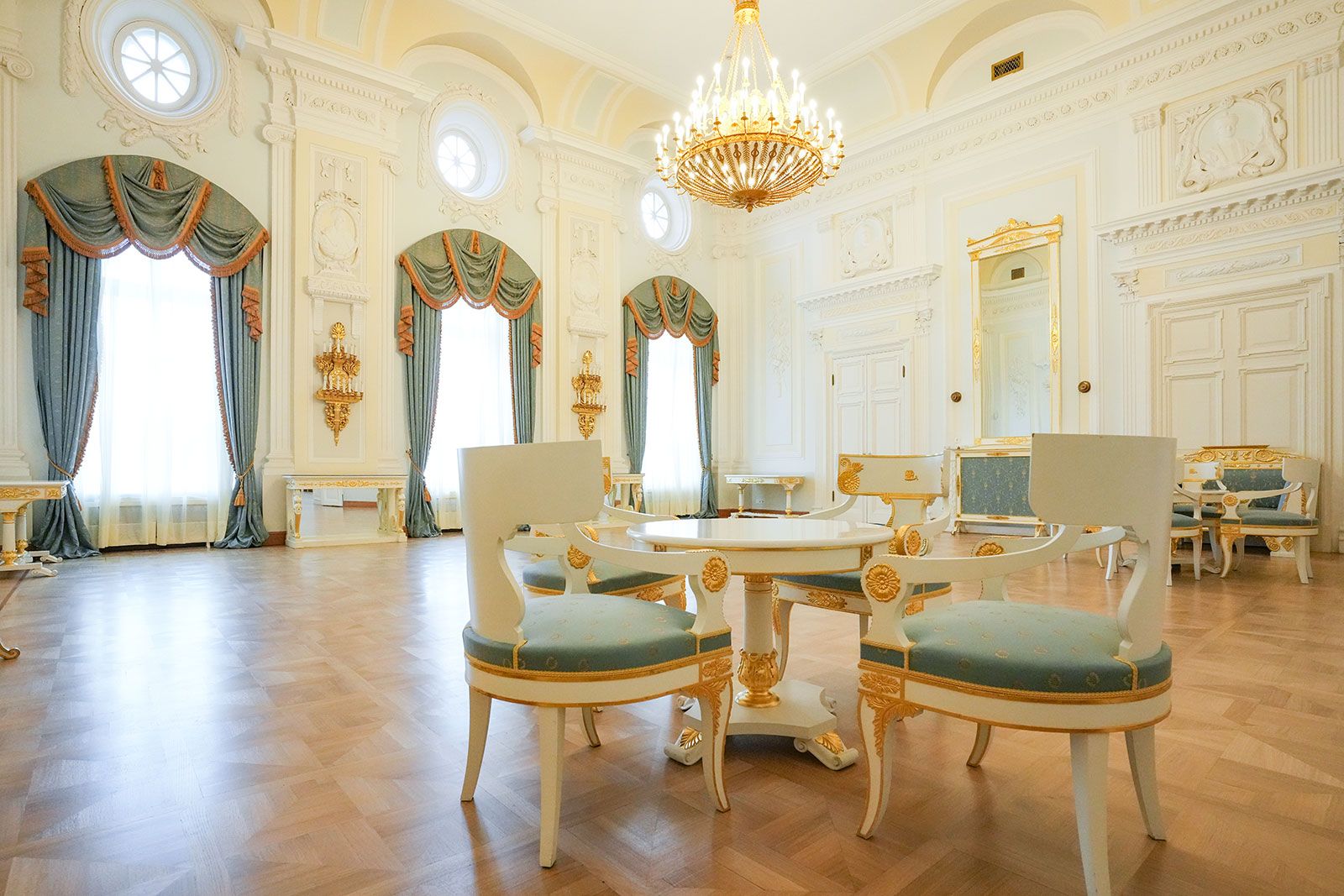
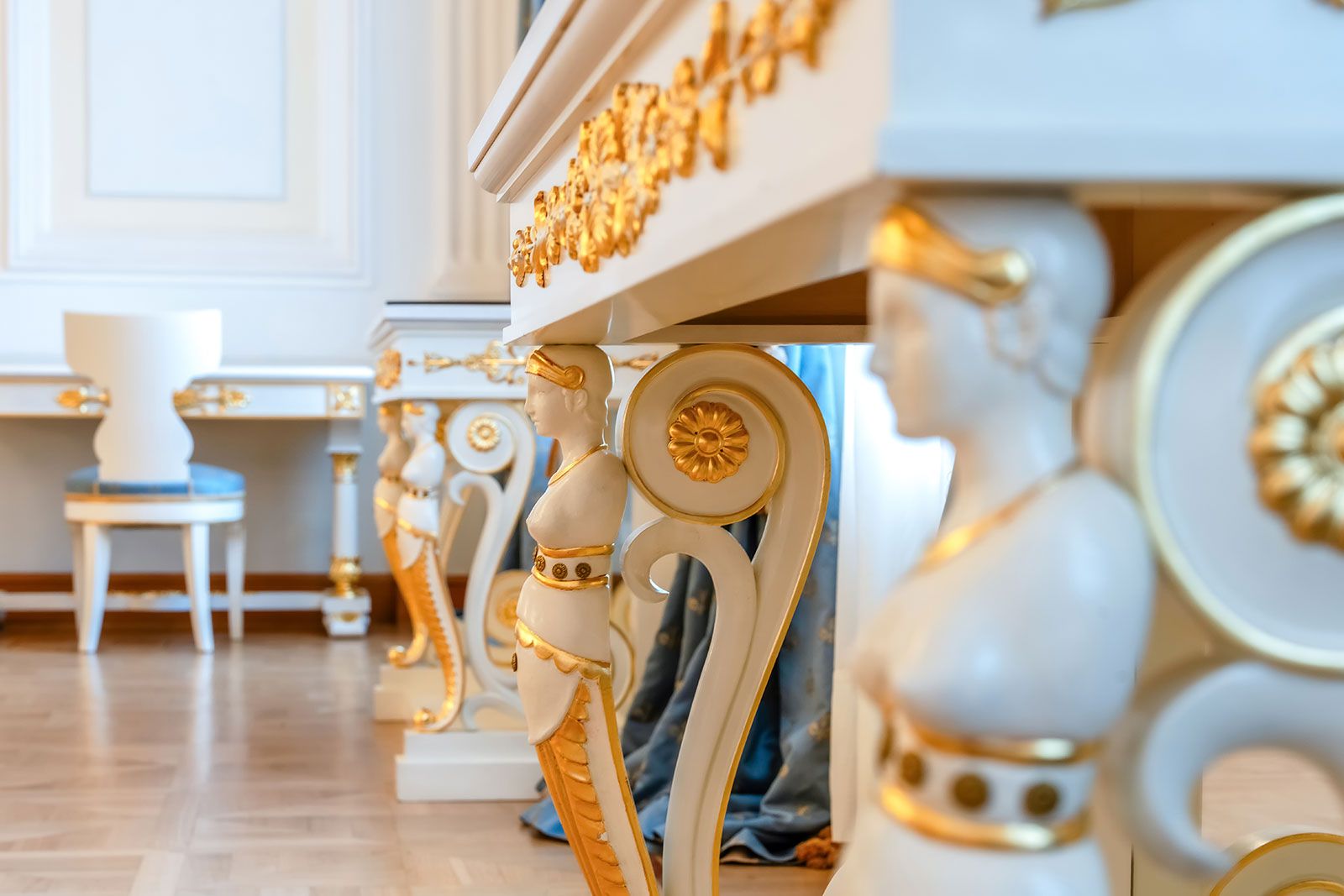
He also oversees the preservation of the architectural monument’s exteriors and interiors. When historic elements such as façade decoration and furniture need to be restored, he coordinates the work with the Moscow Department of Cultural Heritage and brings in restoration specialists.
A modern-day chief master of ceremonies and archivist
Today, the palace serves as the Moscow Government Reception House. Yet the historic residence is open to the general public: visitors can use its hotel and restaurant complex, take guided tours, visit exhibitions, city festivals, concerts, and children’s celebrations and even hold a wedding there. Ceremonial and cultural events are organized by Jan Kondrusevich, Head of the Exhibition Department. His role is similar to that of the chief master of ceremonies. In the Russian Empire, this official was responsible for court ceremonies, organized formal receptions and dinners, and implemented the complex coronation protocol. The chief master of ceremonies developed the program for the ceremonial day, from the procession at the Petrovsky Palace to the beginning of the church service and proclamation of the emperor: he determined the sequence of ceremonies and the positions of participants and coordinated the actions of courtiers, actors and musicians.
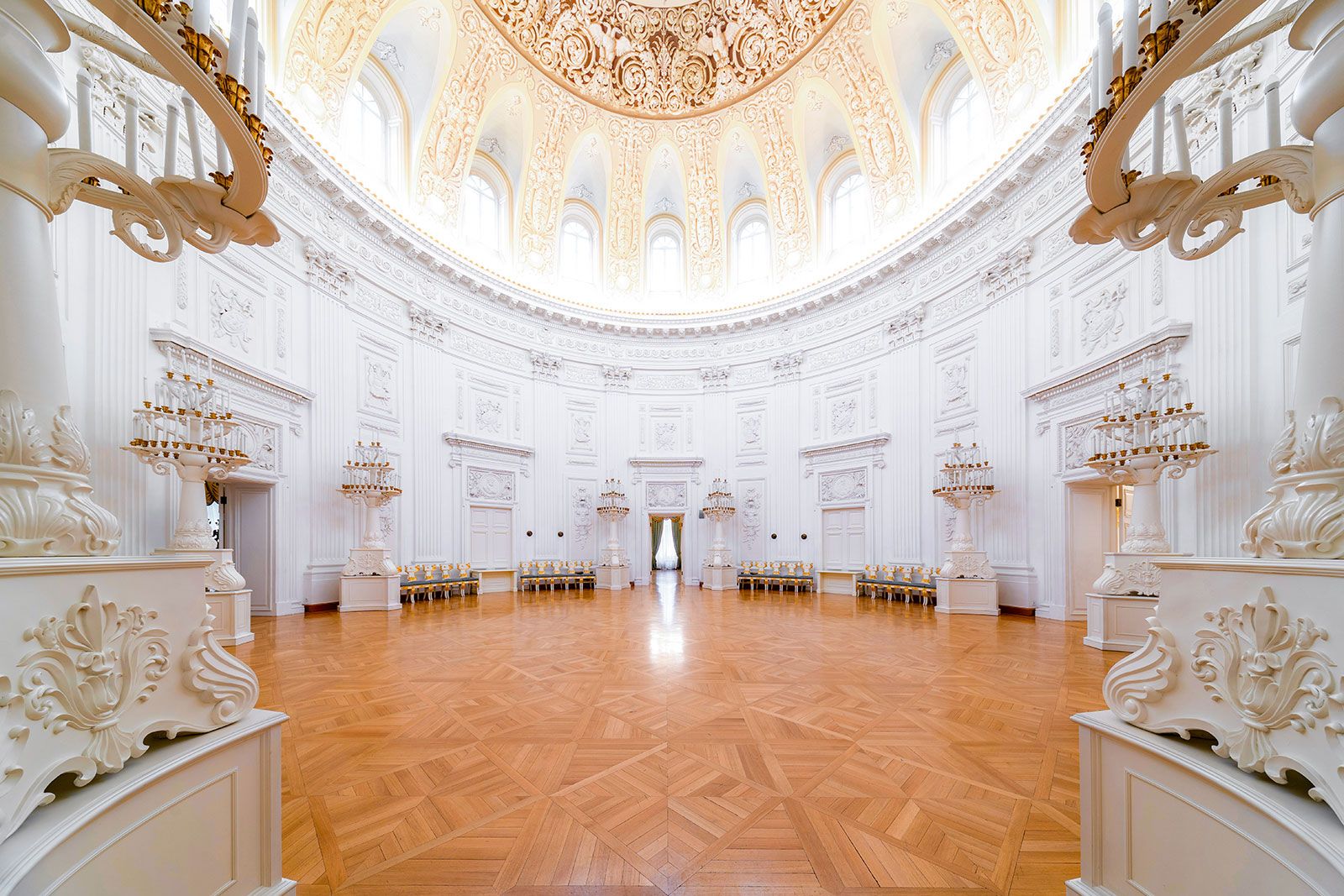
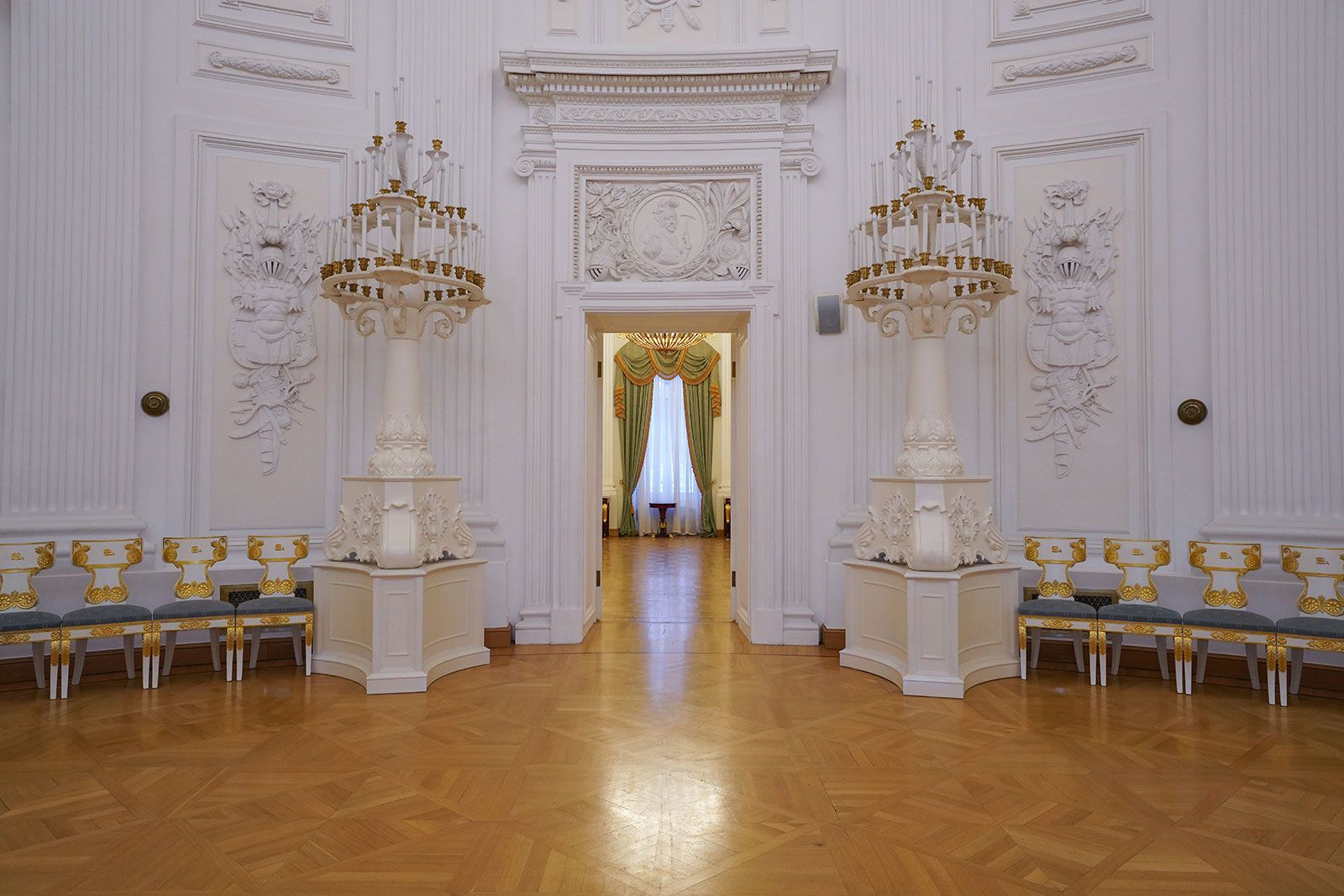
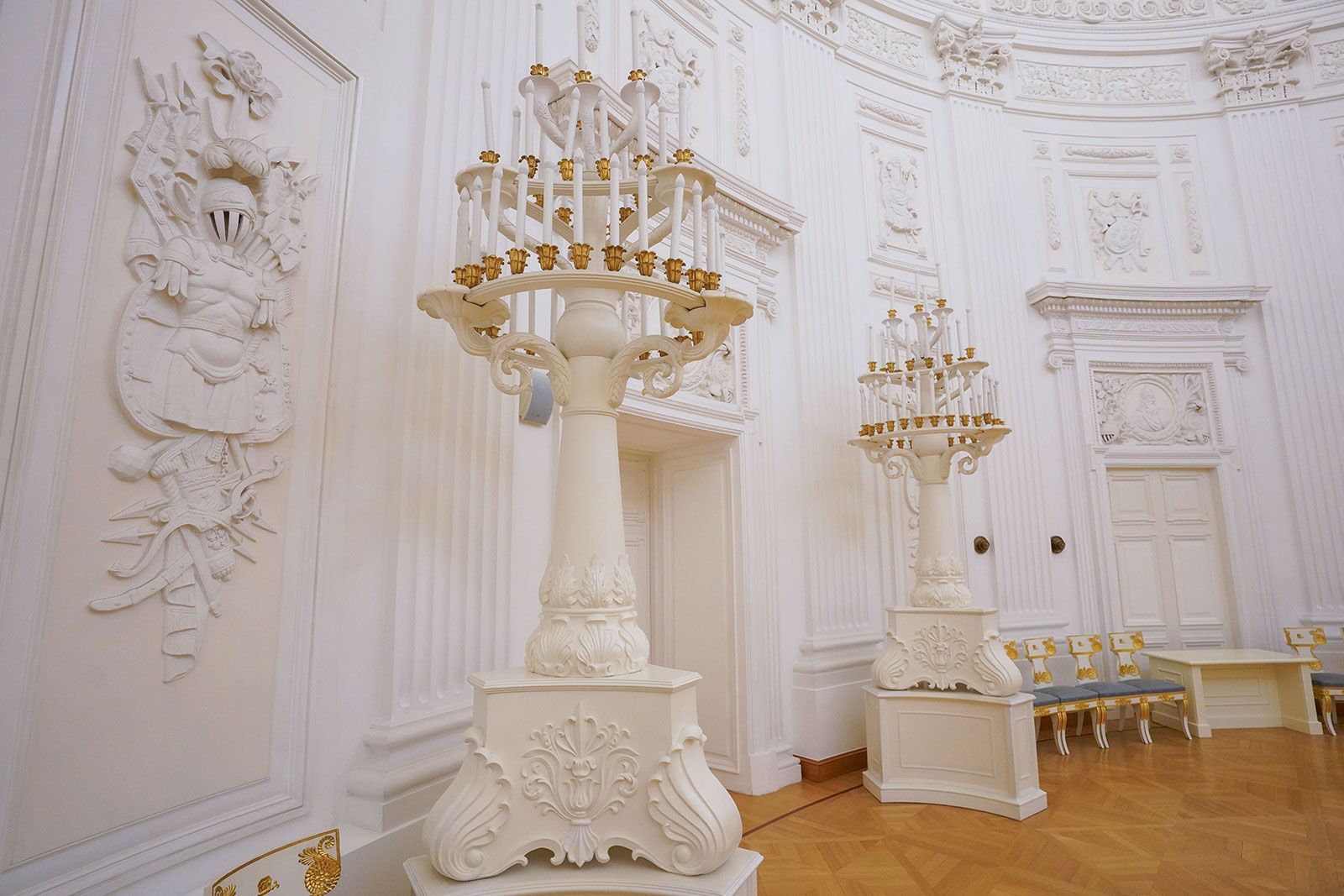
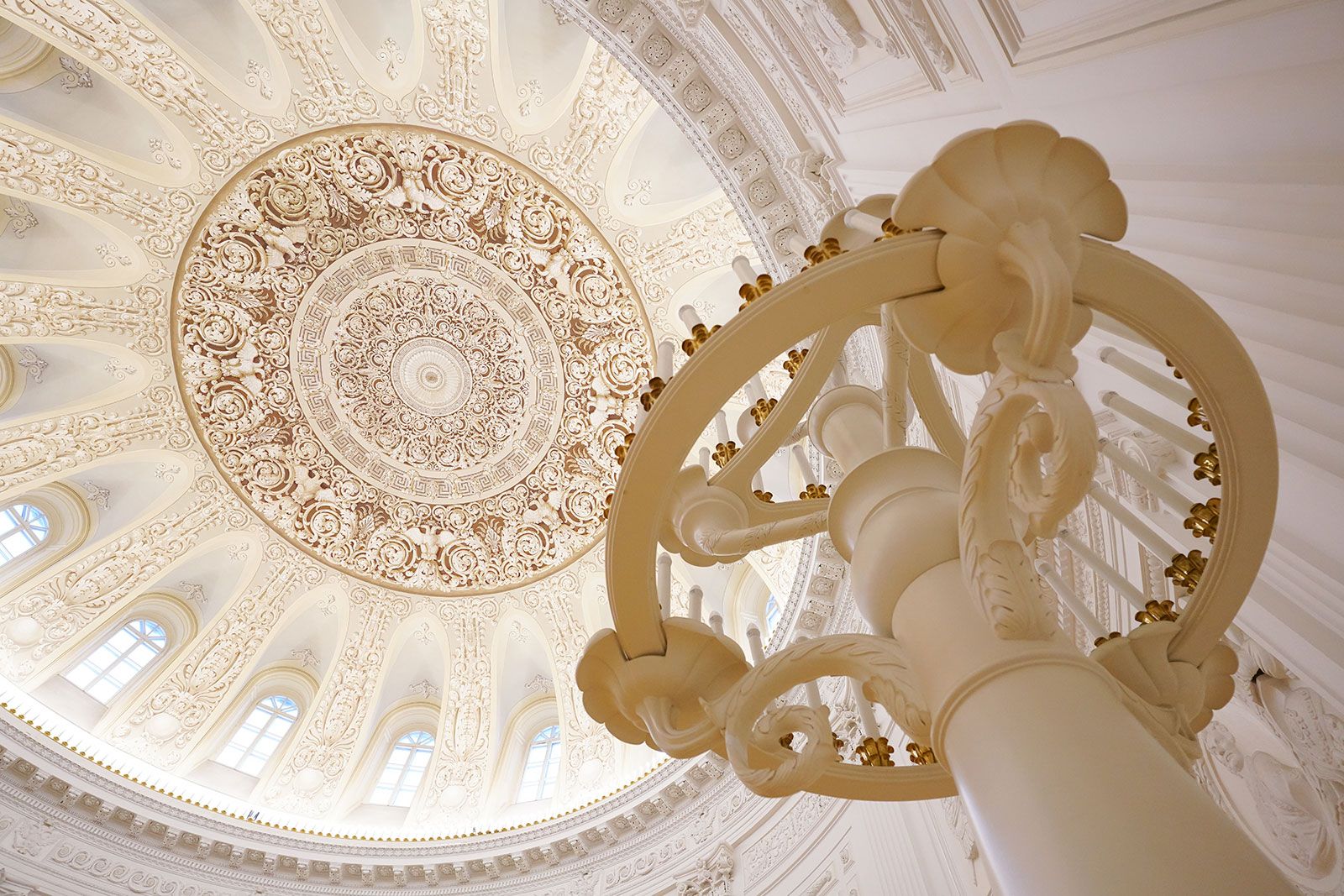
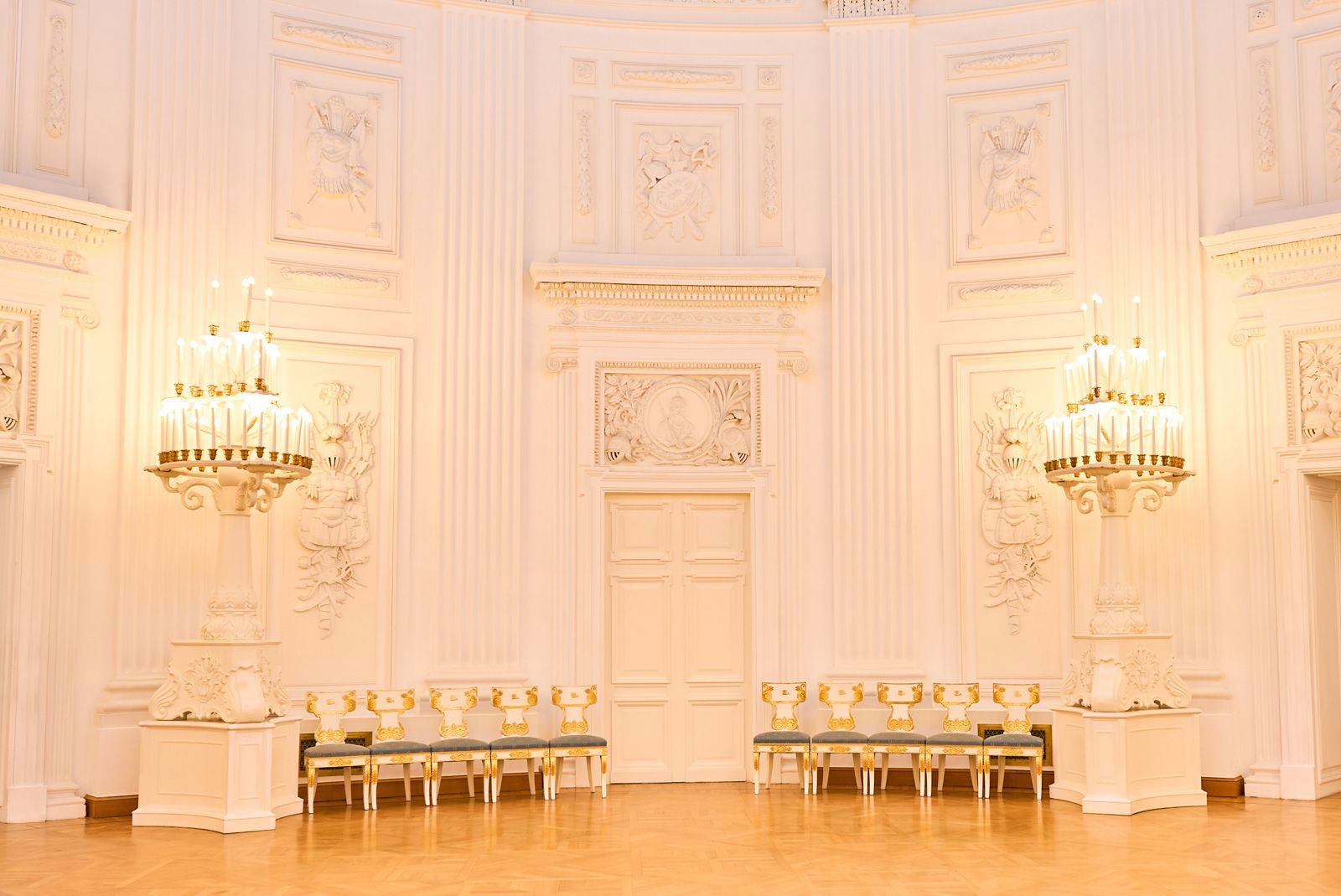
“Events of such historic significance no longer take place at the palace, but it remains an important part of the capital’s life. I draw up the schedule so that ceremonial meetings and award ceremonies do not overlap with guided tours and other events, check that the rooms and technical services are ready and brief the staff. Film studios often approach us: the Senate Palace of the Moscow Kremlin, which was also designed by Matvey Kazakov, is closed to filming, so our domed Round Hall is used as an alternative. This year, the Petrovsky Palace became a venue for the Moscow Estates festival. We plan to take a more active part in city projects. The palace used to be the face of Moscow: everyone entering the city along the Tverskoy route saw it. Our task is to make the residence one of the key landmarks of the First Throne once again,” Jan Kondrusevich says.
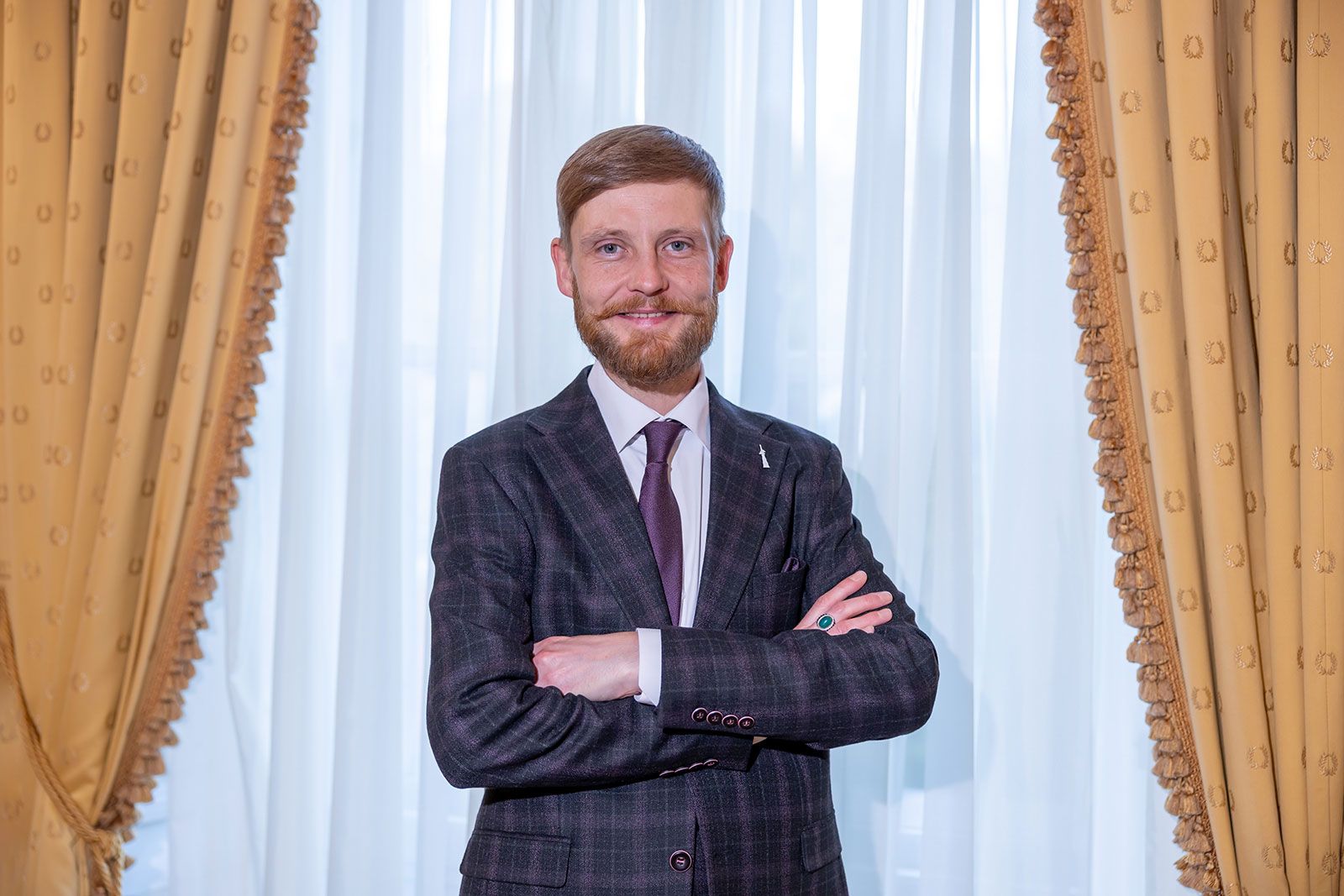
As a historian and art expert, Alexander Spivak develops concepts for exhibitions at the palace and gives lectures.
“Topics are usually connected with the palace and highlight its historical significance: we tell visitors about the life of the imperial family, coronations and the Patriotic War of 1812, as Napoleon took refuge from the Moscow fire within these walls. I am a collector myself, and some items from my collection become exhibition pieces. I have one of the largest collections of tin boxes produced to mark the centenary of the war in 1912. They are packaging for sweets made by the Abrikosov, Einem and Lenov Trading House confectionery factories,” he shares.
The specialist also conducts historical research, looking for documents, photographs and films that can reveal more about what the palace looked like and how it functioned at different times.
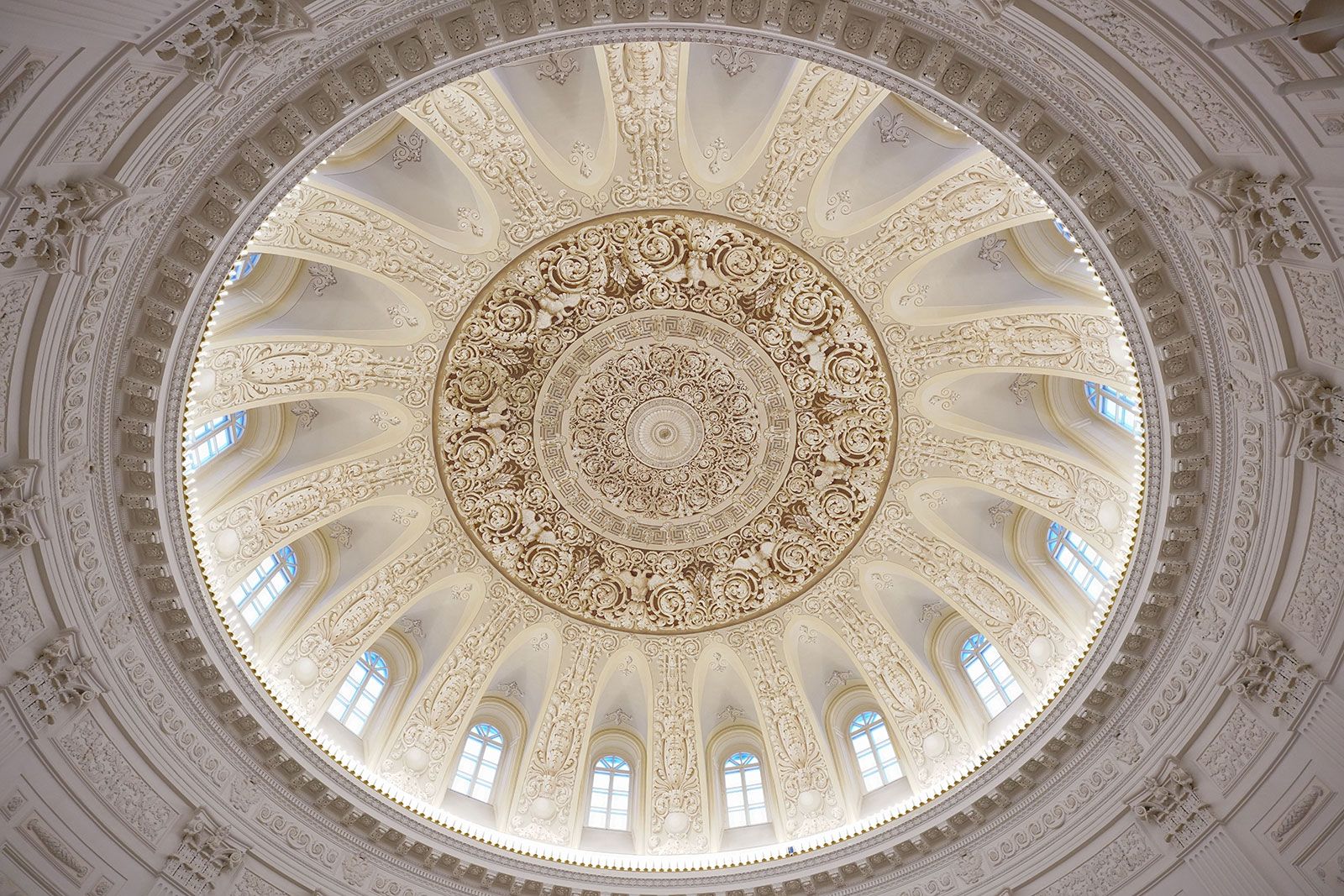
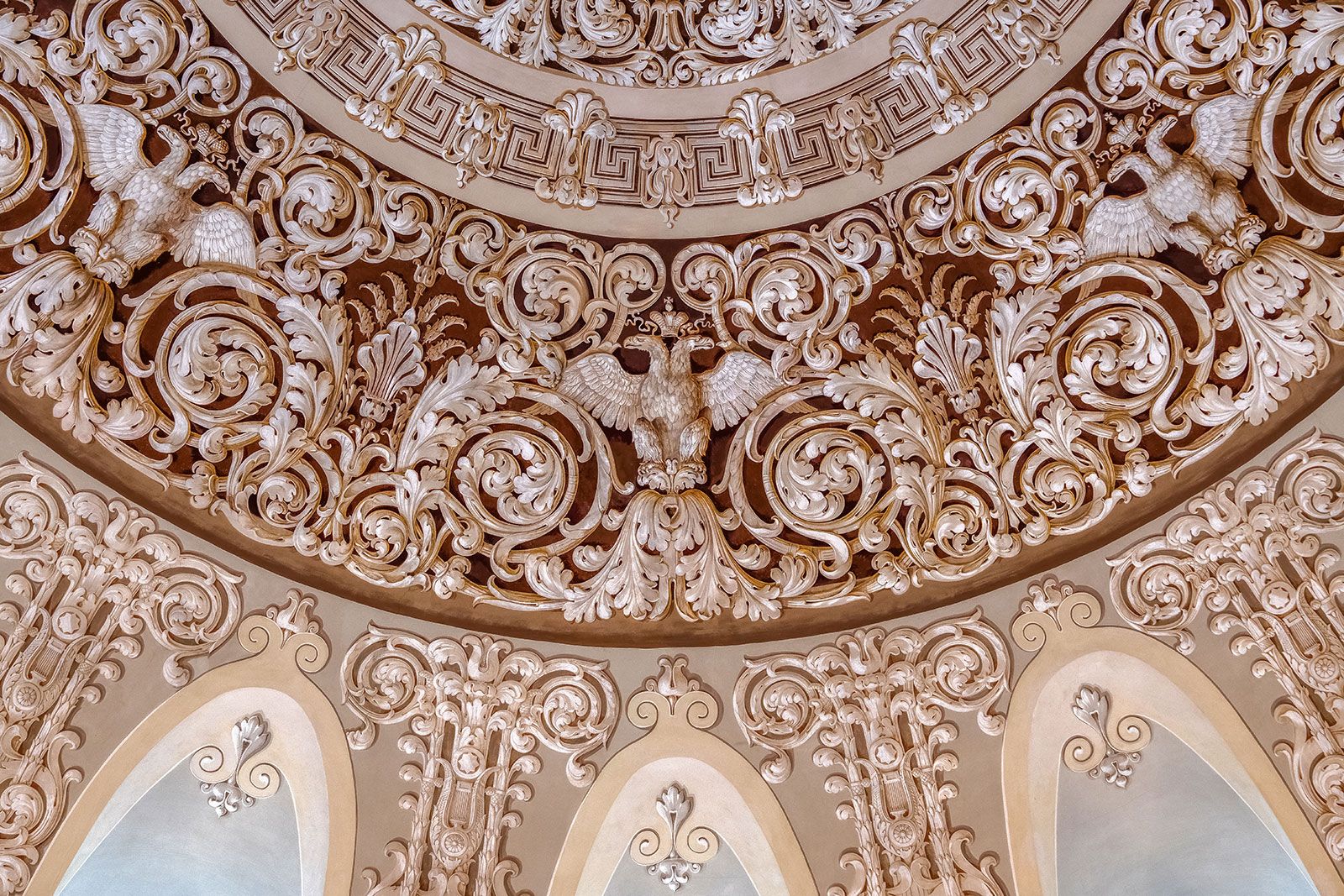
“I can be compared to an archivist studying old documents. For example, I am currently researching the lives of the brothers Giovanni Battista and Giuseppe Angiolo Artari, who painted the spherical vault of the Round Hall using the grisaille technique. This kind of work helps us discover new aspects of the architectural monument and preserve Moscow’s cultural heritage for future generations. After all, the Petrovsky Palace is an outstanding example of Russian Gothic Revival architecture and a witness to key events in the country’s history,” the mos.ru interviewee says.