Moscow Transport Museum’s permanent exposition unveils secrets of its underground level
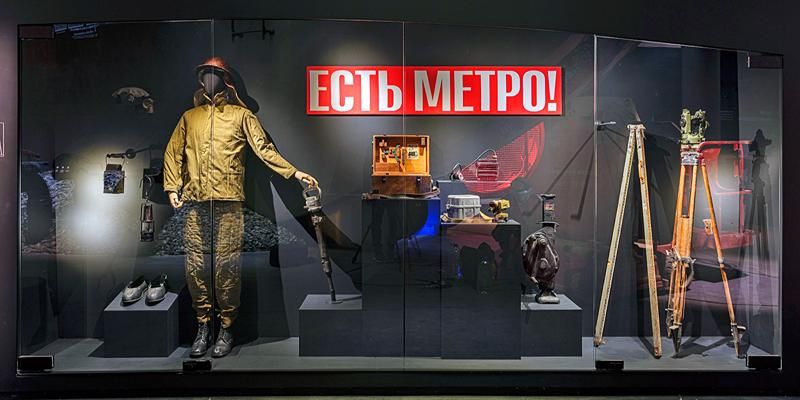
On Metro Builder’s Day, which Russia celebrates on October 2, the Moscow Transport Museum unveiled the secrets kept by the underground level of its permanent exposition. The exhibition is dedicated to the behind-the-scenes world of the capital’s metro system and the people who have been building it under challenging engineering and geological conditions for nearly a century.
“In September, Sergei Sobyanin opened the Moscow Transport Museum. The underground level of its permanent exposition is entirely dedicated to the Moscow Metro, one of the world’s largest and most technologically advanced transport systems. Seven theme-specific sections, six metro cars, and a rail speeder illustrate how the capital’s metro was built, how it operates, and how it will grow further. On Metro Builder’s Day, we extend our heartfelt thanks to the highly skilled employees who enable the metro to keep expanding, and we invite everyone to the museum to learn more about Moscow’s metro system,” said Maxim Liksutov, Deputy Moscow Mayor for Transport and Industry.
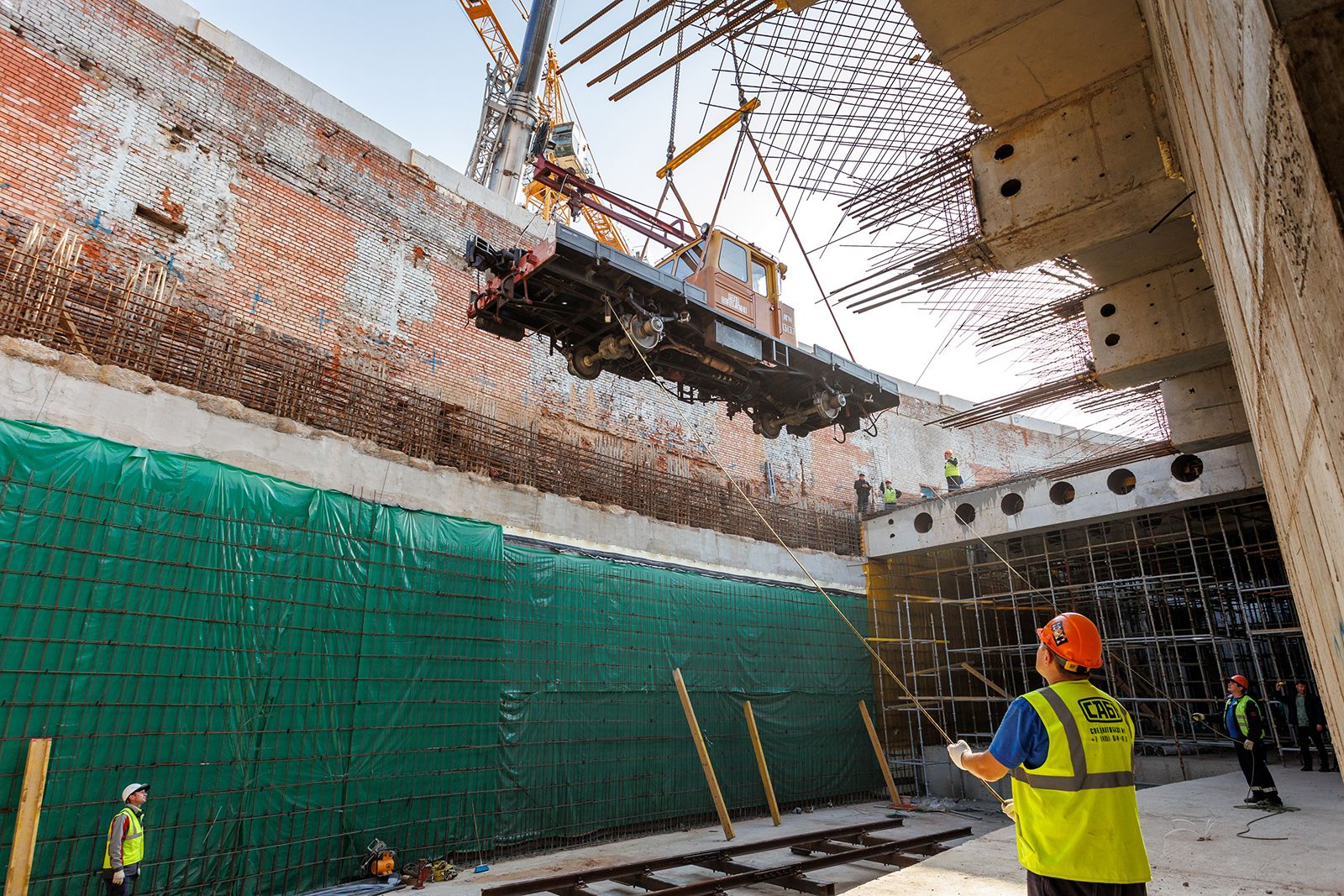
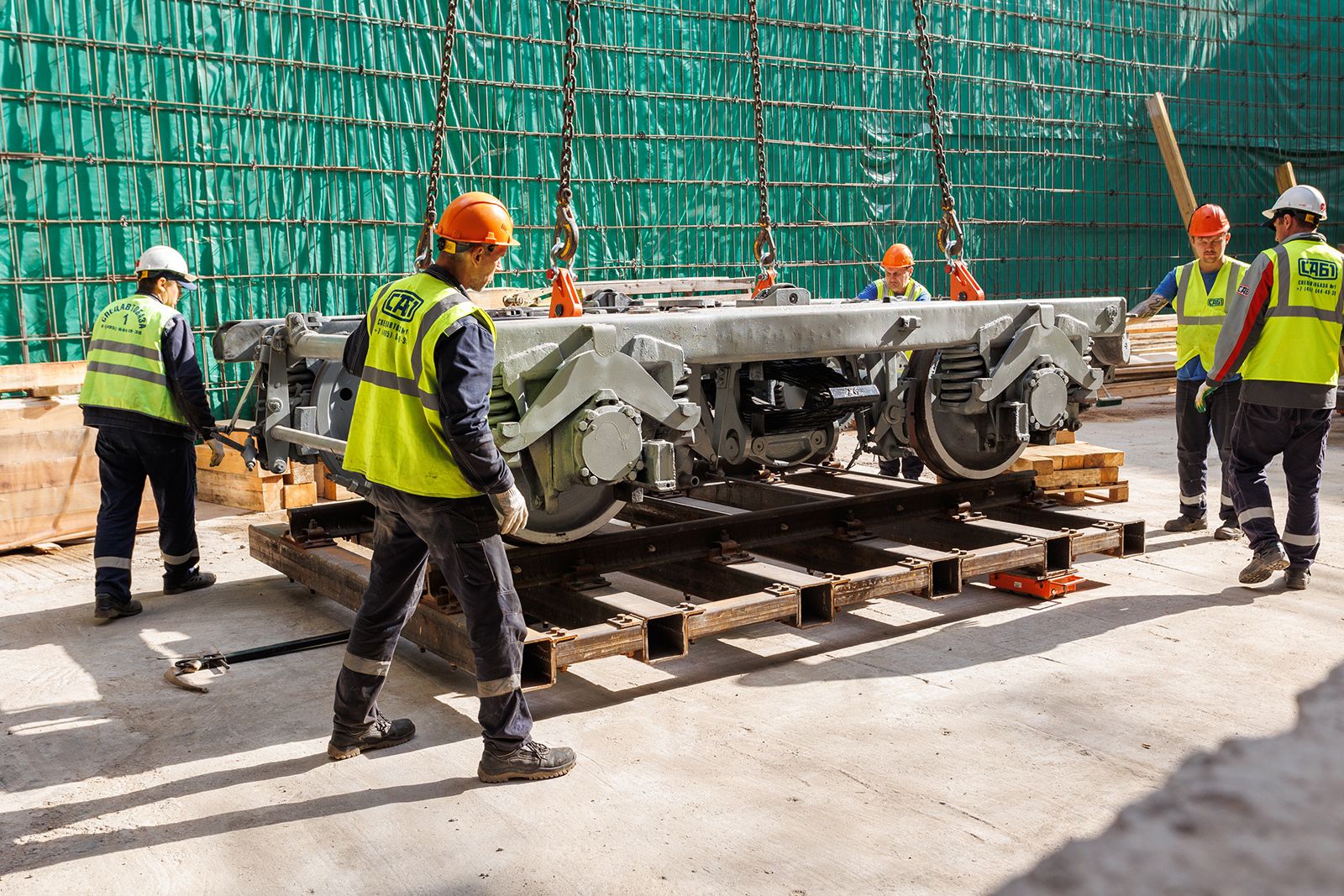
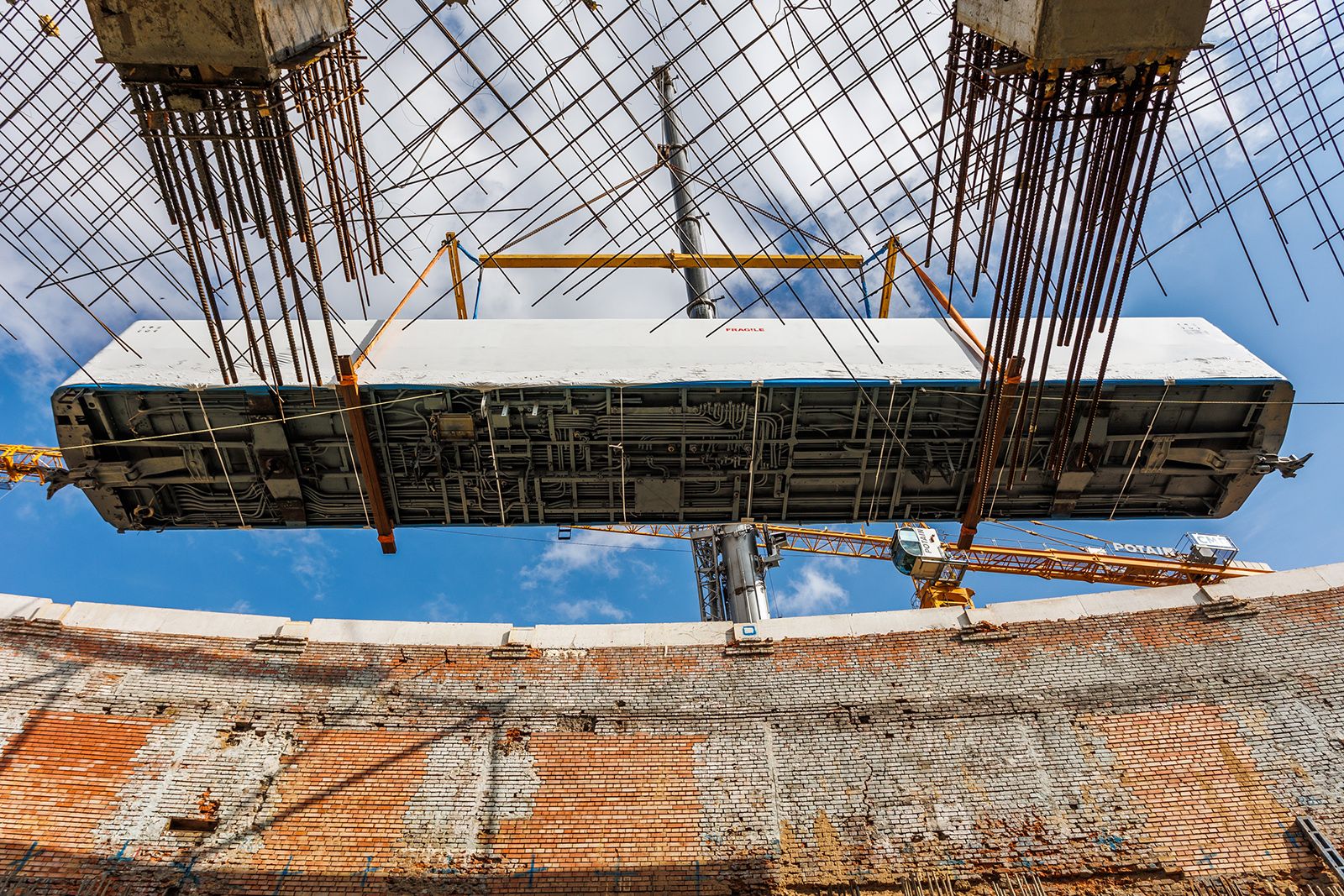
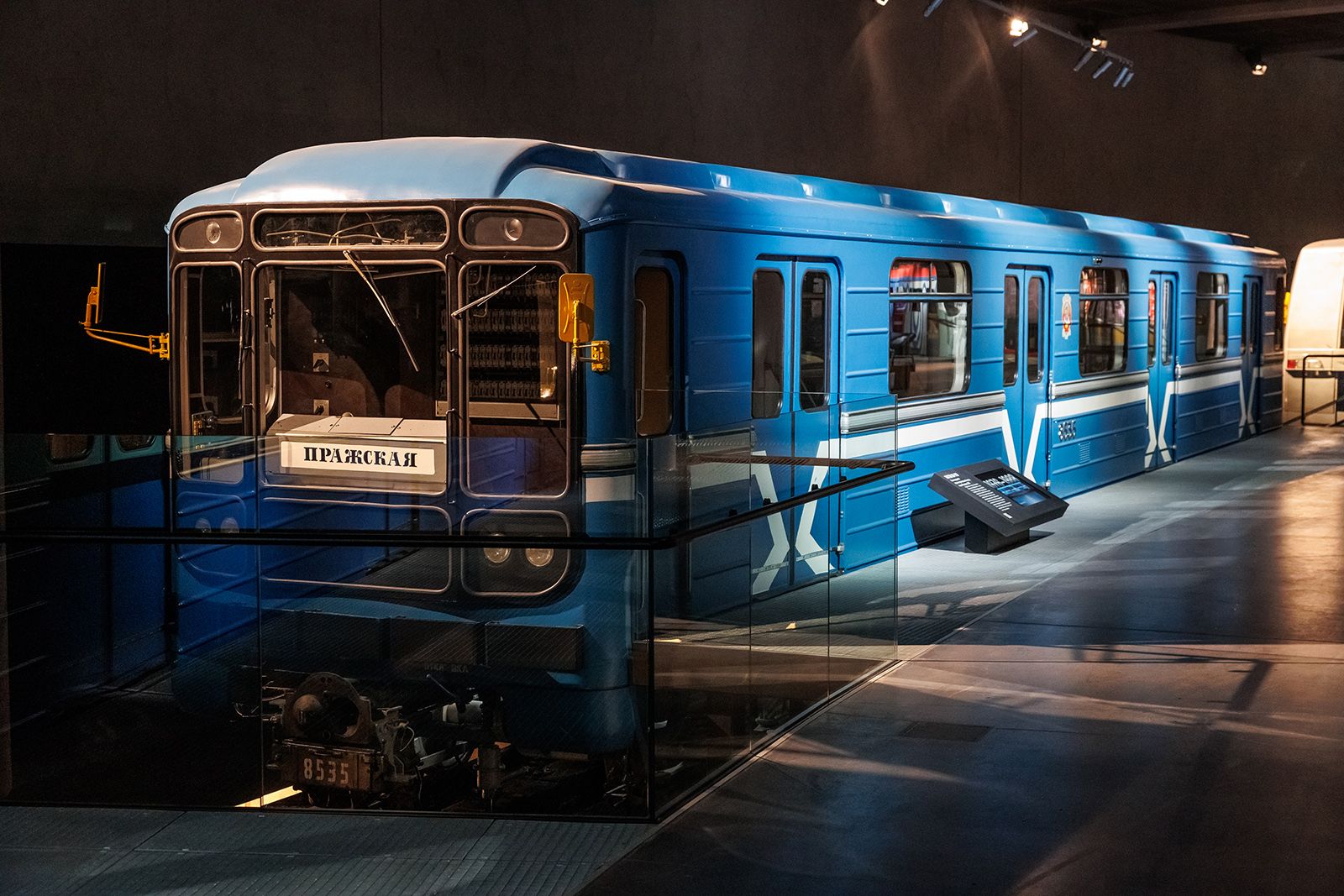
Built by Konstantin Melnikov a century ago, a garage at 27 Novoryazanskaya Street originally did not include any underground structures as it was used to service and park trucks. Restoring and adapting the building for museum purposes, specialists added an underground level for the part of the exhibition dedicated to the Moscow Metro. Beforehand, workers reinforced the existing foundations and constructed a robust underground structure — setting back from the inner boundaries of the historical walls— to safeguard the building from the slightest shifts. In 2023, while work was still underway below, a massive installation opening over 22 meters long was cut into the first-floor slab to put through multi-ton historic railcars using construction cranes; before that, specialists had removed the doors and windows to avoid damaging the rare artifacts. All the metro cars are placed on real-world rails manufactured at the Evraz Plant in the Kemerovo Region.
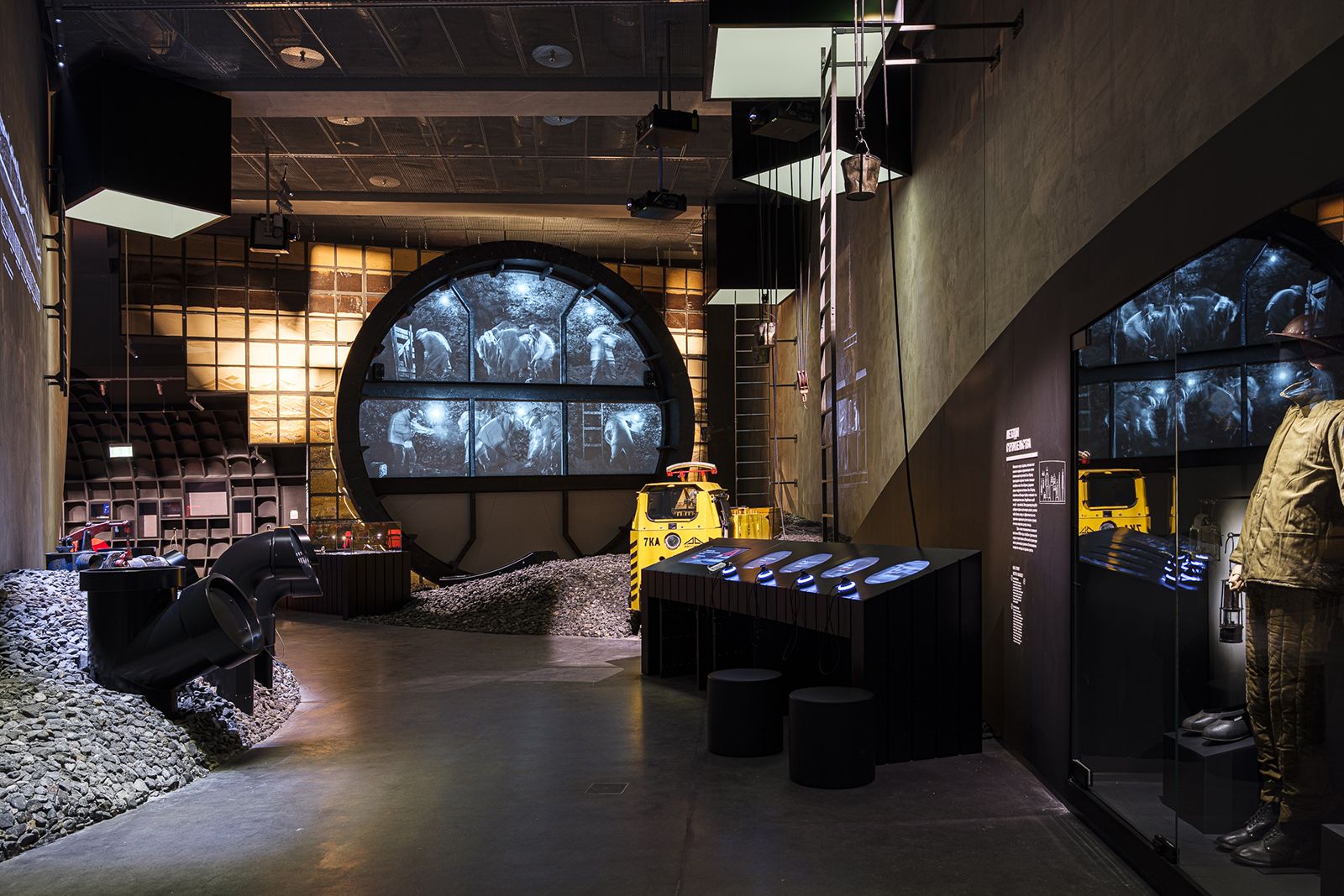
“The metro mirrors the city as its underground realm; it is a symbol of integrity and the result of seeking solutions to an equation with many variables. For us, this is a special place. It represents a remarkable convergence of elements usually viewed and studied as separate subjects, such as precise engineering calculations and artistic vision, cutting-edge technology and human daring, the scale of the city and the work of individuals. In the permanent exposition, we strived not to separate those aspects but rather to merge them into a single formula — the formula of the metro. One of its parts is the history of metro construction. Visitors can learn how metro construction technologies have evolved over nearly a century and hear the recollections of the first metro builders at the dedicated audio installation,” said Oksana Bondarenko, Director of the Moscow Transport Museum.
The underground section is divided into seven areas, or formulas, that present the metro as a giant living organism.
For example, the formula of metro construction highlights the metro builders and advanced technologies, including giant tunnel boring machines and twin-track tunnels. Visitors can step inside a mirrored installation that recreates a tunnel-boring machine to experience how big it is.
The nearby hall features an interactive scale model displaying a metro station in cross-section, proving that a passenger platform is only a small part of the structure, as there are powerful traction substations, air-intake ventilation shafts, escalator machinery rooms, and massive blast-proof airtight gates hidden all around. One can also see the first mechanical cash registers and token-operated turnstiles.
Meanwhile, the control setup formula recreates the unified dispatch center for visitors to step up to the control console and see how specialists handle non-standard situations, for example, how dispatchers maintain the schedule if a foreign object ends up on the tracks.
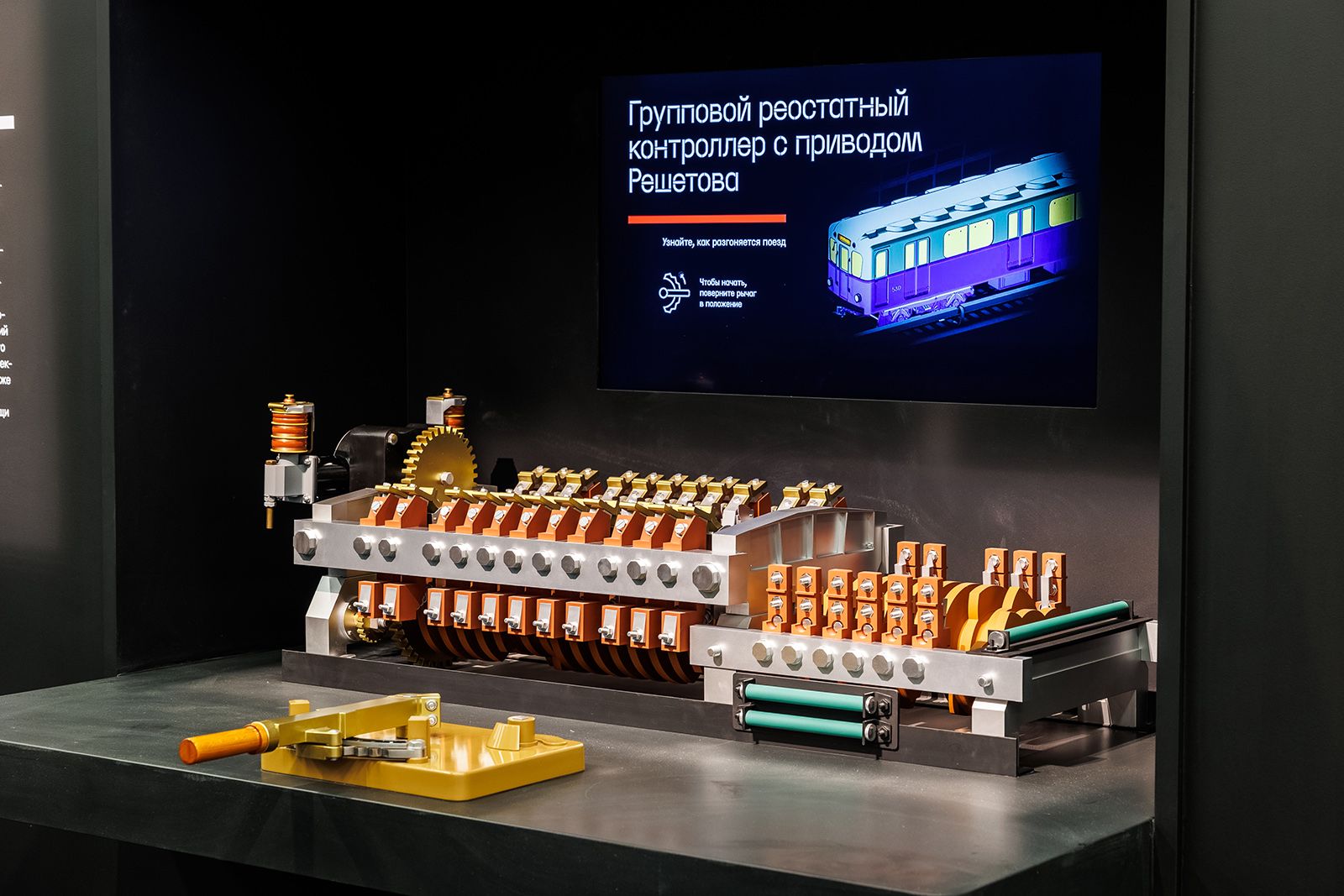
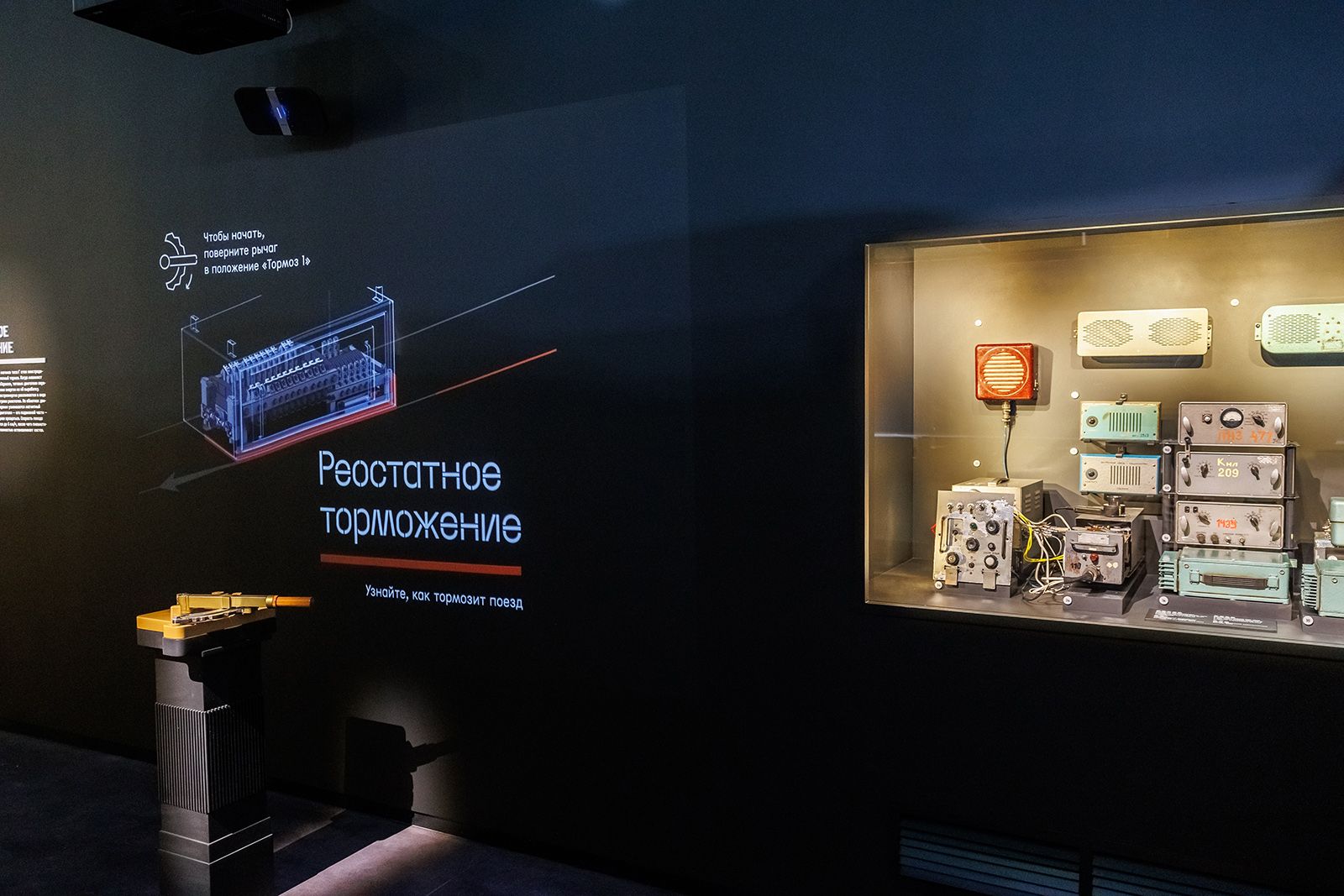
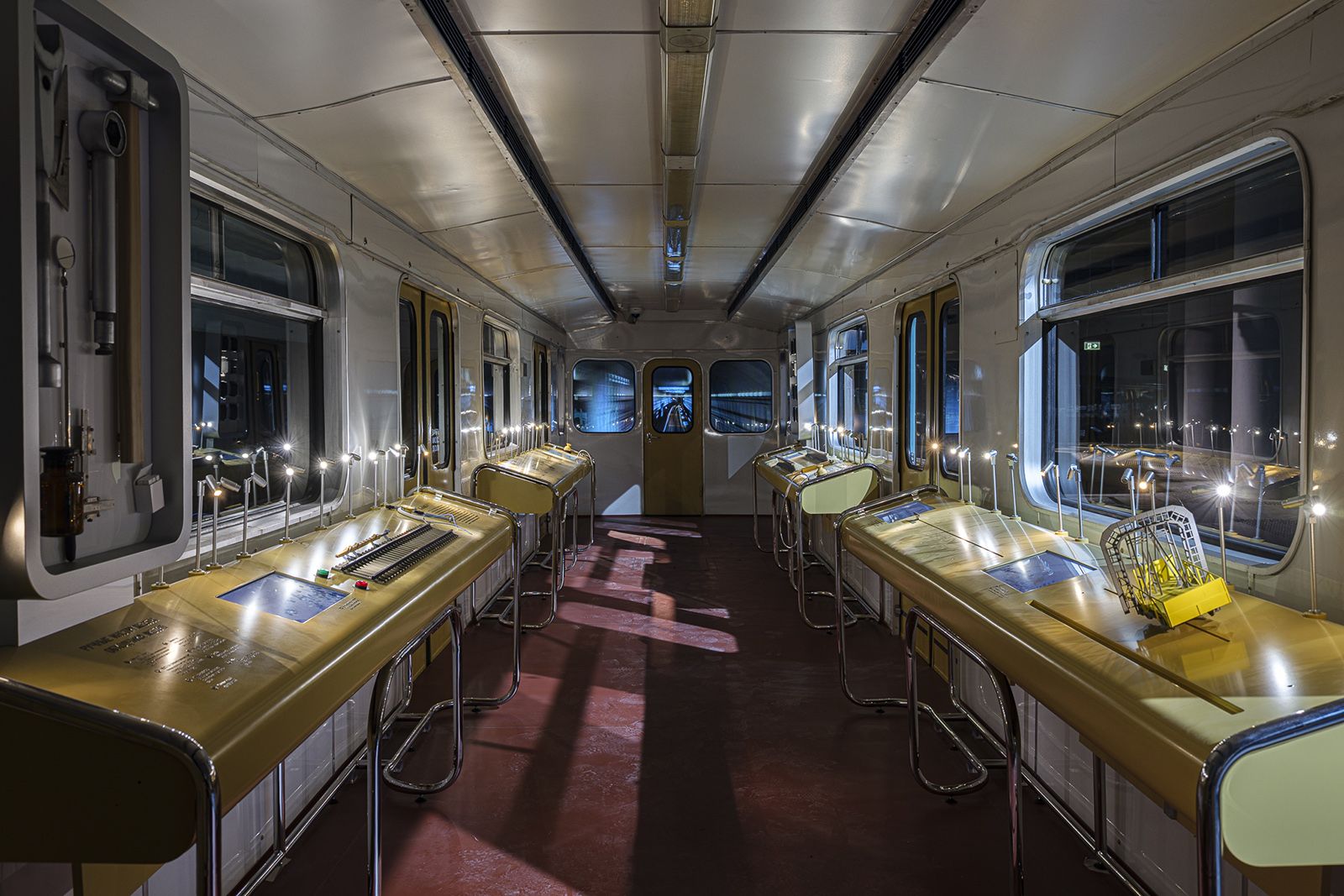
A separate formula is dedicated to the technical evolution of metro cars, with engineering solutions normally hidden from passengers’ view, from the Westinghouse air brake to autonomous train operation systems, exposed and transformed into interactive exhibits. The unique exhibits also include a pre-war Berlin Type B car, a Type G car (the metro’s post-war workhorse), the legendary Ezh-3, the iconic Numbered train, the futuristic Yauza, the flagship Moskva-2019 train, and a rail speeder. Notably, the parts of the historic rolling stock were preserved and restored with the support of Transmashholding. Visitors can step inside to explore tactile scale models and examine interior design elements from the last century.
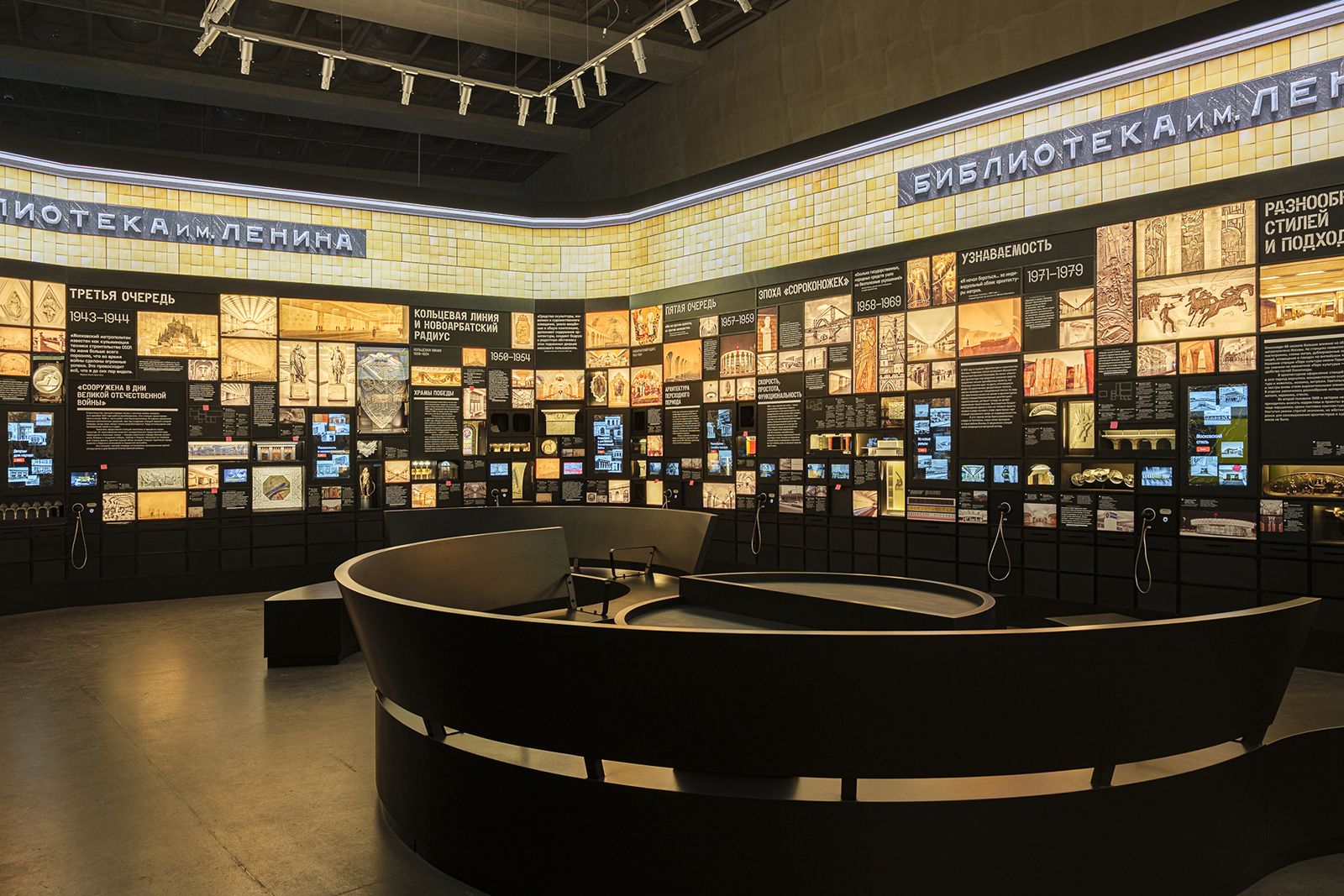
The architectural formula brings together hundreds of cells containing sketches, rare blueprints, archival photographs, and samples of station finishes. Guests can find their own home station among the dozens of displayed scale models.
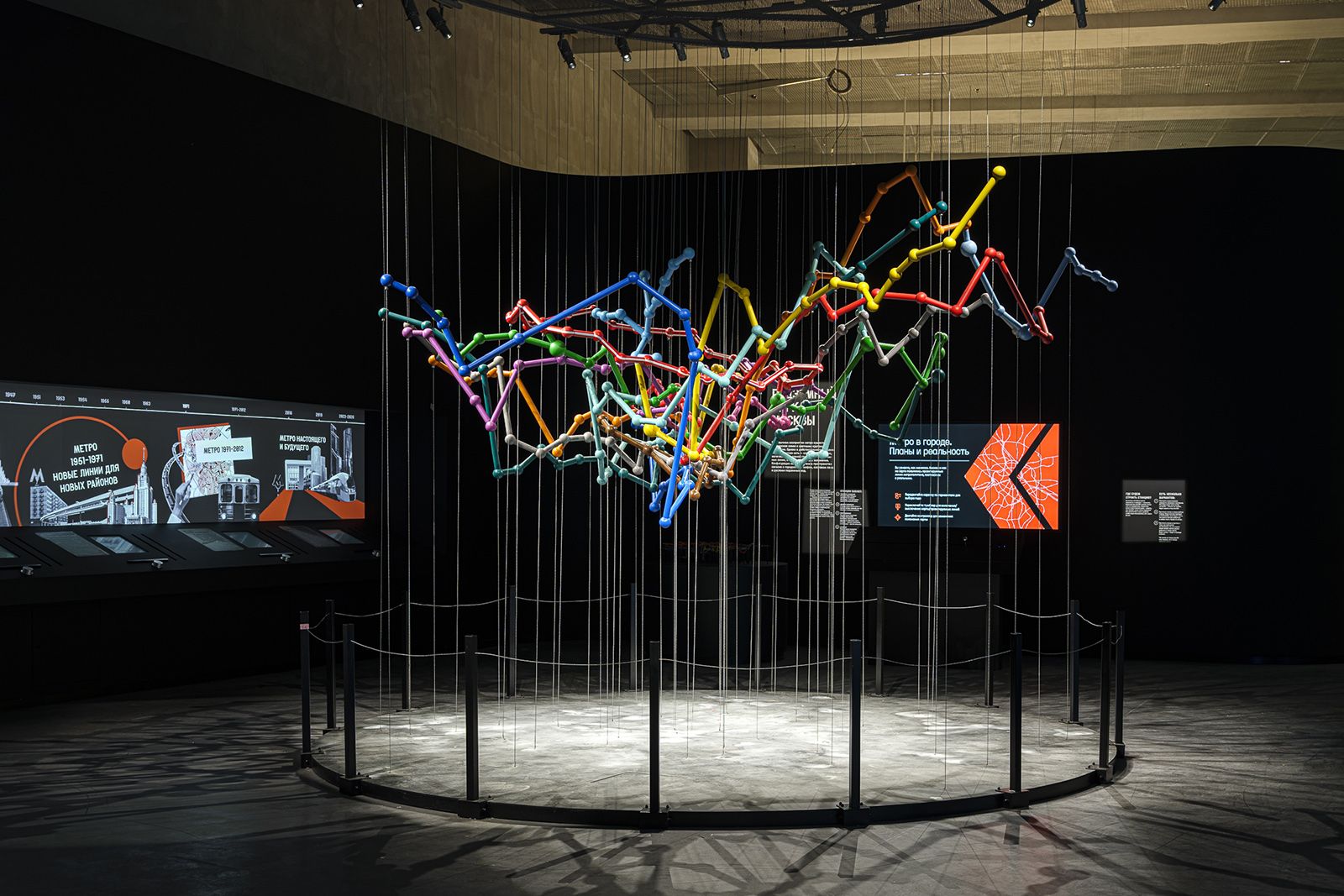
The development formula features a multimedia map that illustrates how, starting in 1935, the metro lines have united Moscow’s disparate districts into a single megacity. It shows quite vividly why the introduction of a new line instantly changes the lives of hundreds of thousands. Visitors will see that very 3D Moscow Metro scale model, which demonstrates the depth at which the stations are located.
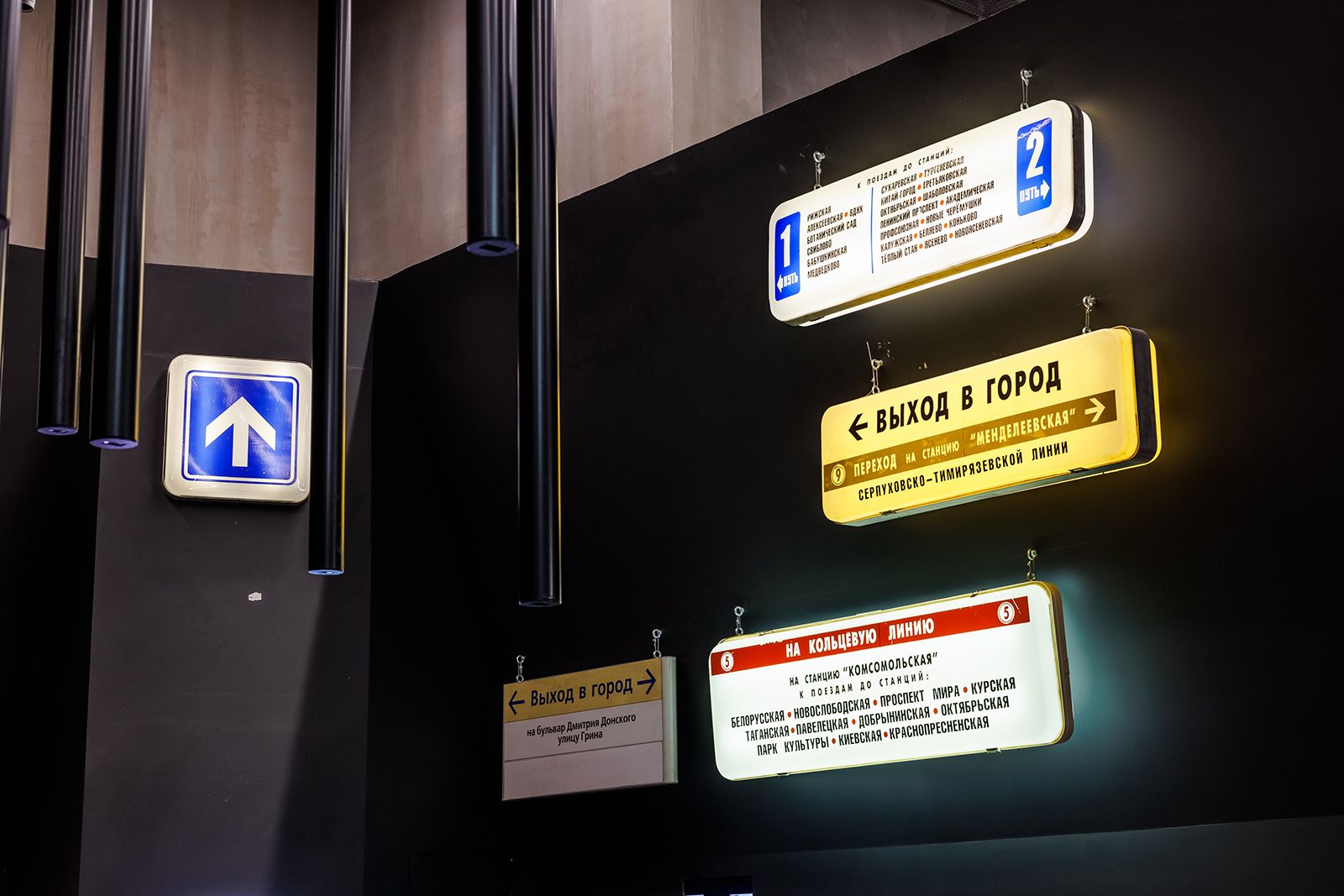
The navigation formula displays the earliest enameled signs, archival station diagrams, and paper tickets from the old days. In the middle, there is a special installation; walk underneath it to create your own Moscow Metro melody with your movements.
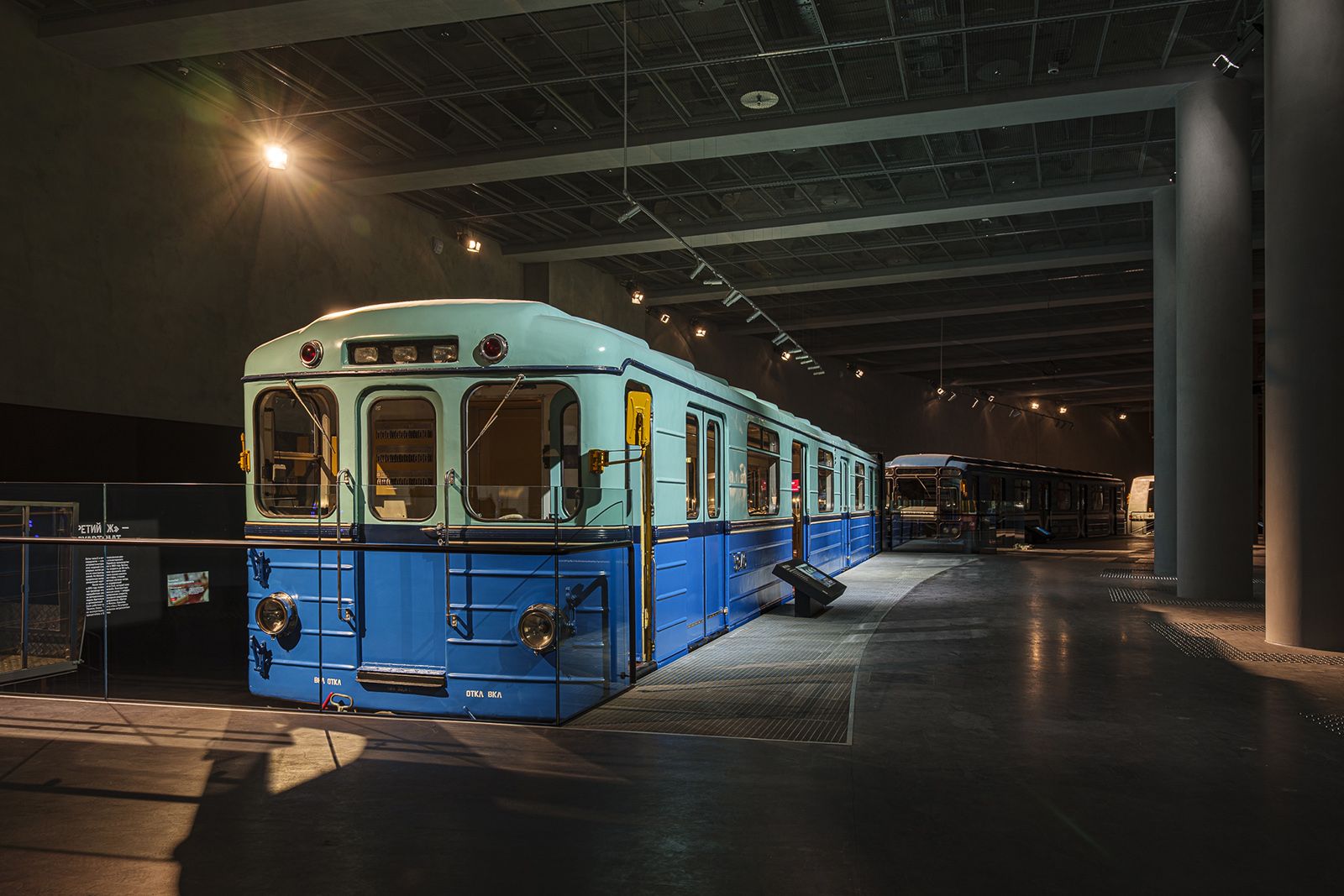
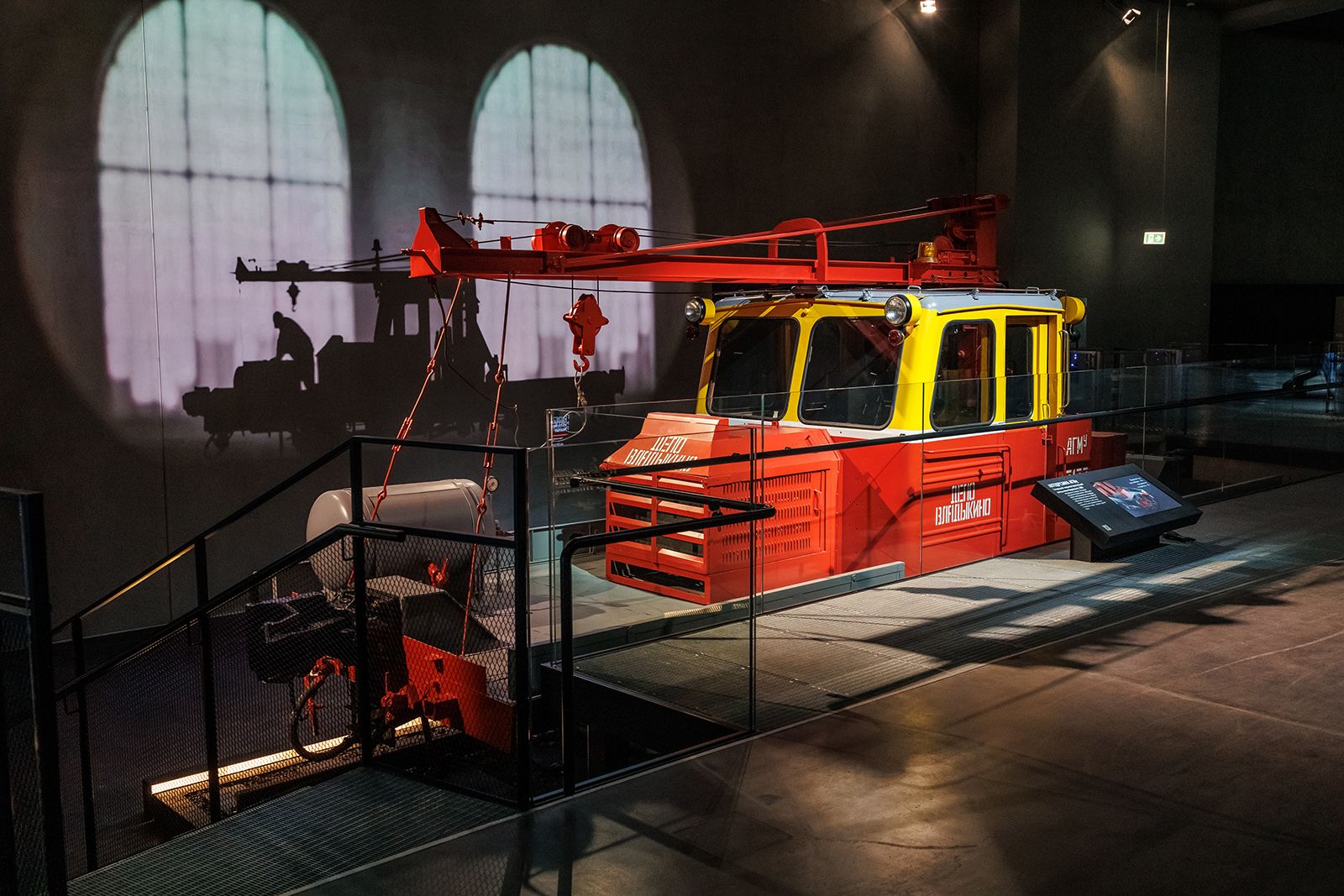
To visit the exposition, be sure to book tickets in advance on the official website of the Moscow Transport Museum.
The Moscow Transport Museum has long since transcended the confines of a traditional exhibition space. Its team offers original guided tours of metro stations. Through a special project — The Lady with a Problem — that is on display at the Northern River Station, it honors outstanding female engineers and designers whose innovative solutions shaped the unique look of Moscow’s metro system. It is open daily 8:00 a. m. until 8:00 p. m. (free entry).