Under golden canopies: best meeting spots for autumn rendezvous in Moscow parks

Autumn is a great time for promenades around Moscow. Trees turn bronze and amber; air becomes clear and chilly; dry foliage rustles under your step. Days like this invite you to spend time in parks: plan a hang out with friends, take a walk with your close ones or simply have some alone time accompanied only by the city itself, donning autumn colours.
Moscow parks can boast many a landmark and iconic location: from estates to singing hearts and real submarines. Each place of interest has a rich history and is also very useful for navigating around and meeting up with your date. We have prepared a list of the most exciting meeting spots in the parks under the jurisdiction of the Moscow Department of Culture and added a short walking route for each position.
Estate tales: from neo-gothic towers to subterranean grotto
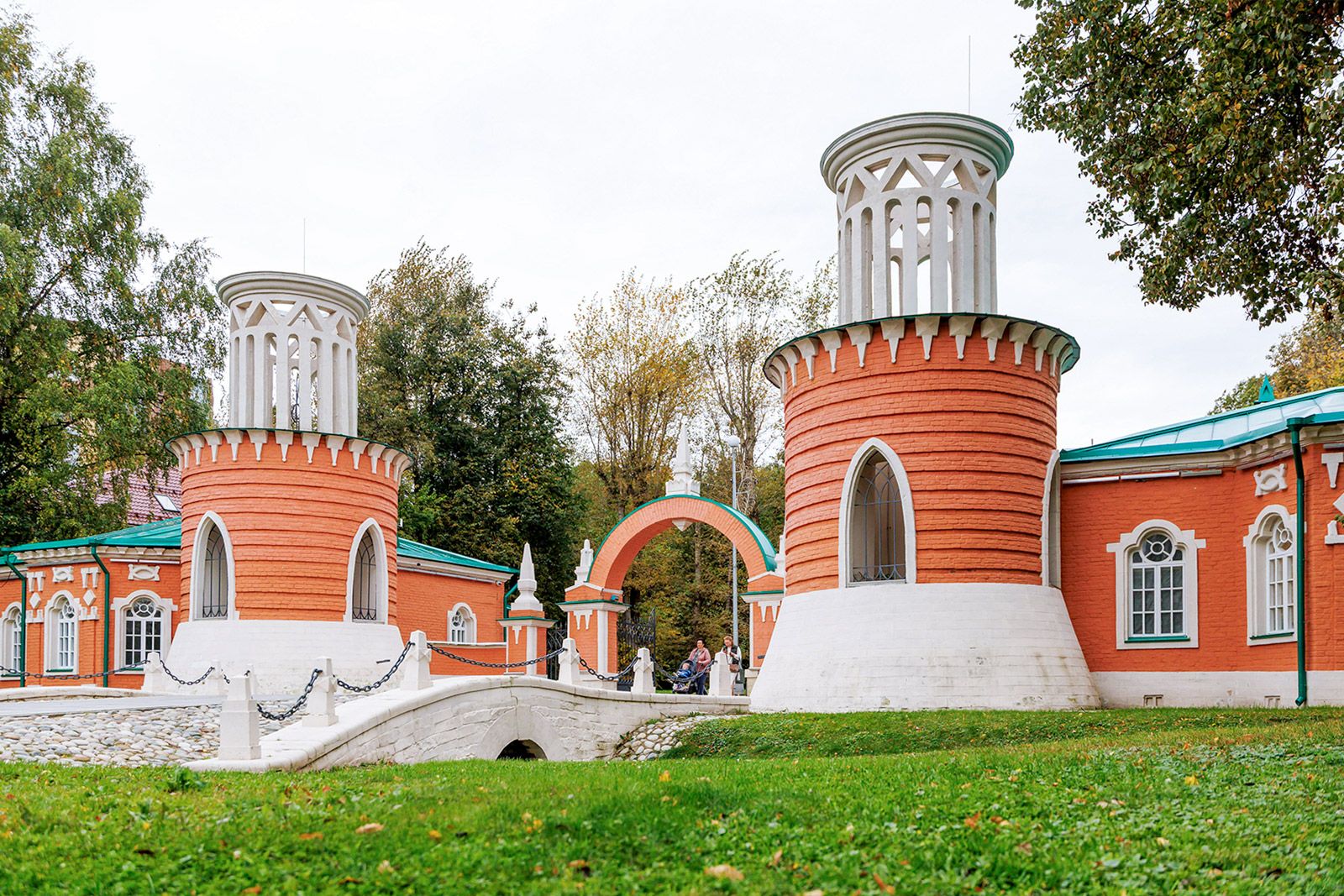
The Vorontsovo Estate greets its guests with a foregate facing the Arkhitektor Vlasov Street and can be easily recognised by its neo-gothic towers. The complex was constructed in the 1780–1790s, when the estate was owned by the Prince Nikolai Repnin, Field Marshal General of the Russian imperial army. The foregate was conceived as a memorial in the form of a Turkish fortress, commemorating the triumphant Russo-Turkish war of 1768–1774 and Repnin’s victory at Măcin. The gate leads to the trails of Vorontsovo oak forest, which meander between 200-year-old oaks until reaching a former greenhouse; in front of it, there is a parterre flower garden created with the traditions of classic garden design in mind. The next stop on the route is a cascade of reservoirs; the path then goes around Big Vorontsovsky Pond and ends in the Italian Garden. It is a quiet place with a statue of Flora as a centrepiece, which initially used to crown the dome of the eastern wing of the greenhouse pavilion.
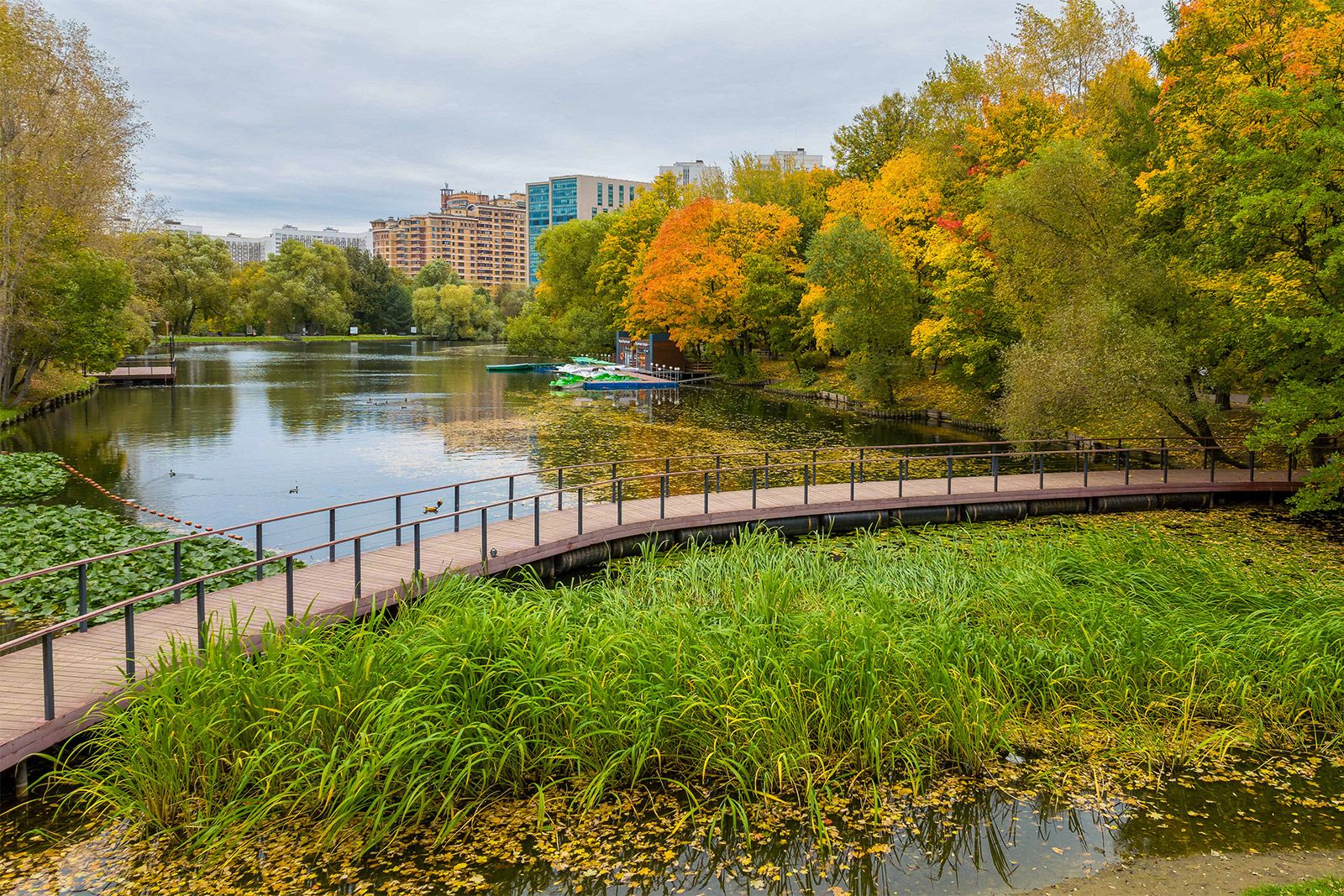
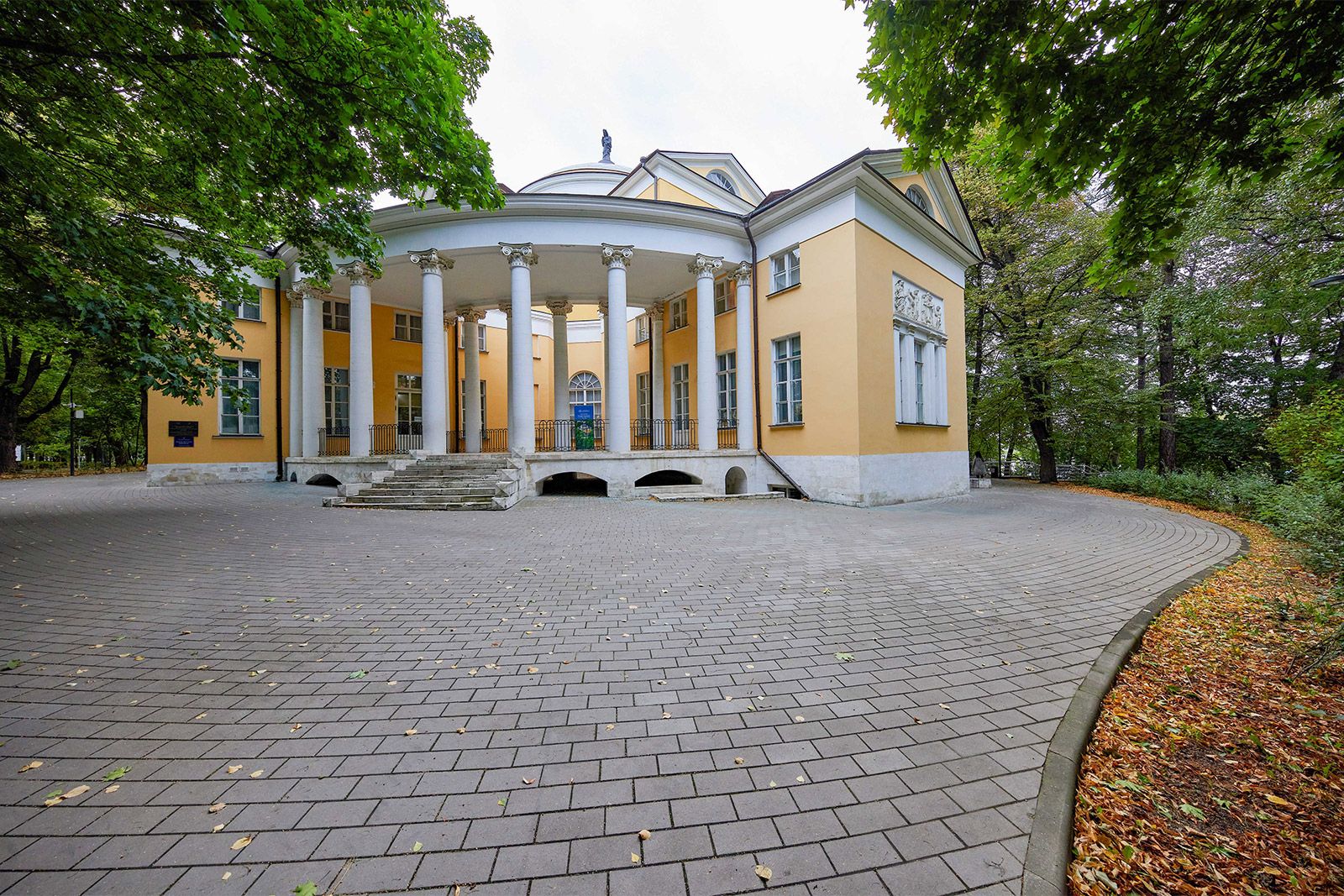
In the Kuzminki-Lyublino Museum Reserve, the Durasov Palace remains the most popular meeting spot; it is the central architectural element of the Lyublino Estate Complex that is to turn 220 this year. The Palace was built in the early 19th century; it is an example of classical architecture; its historical interior design is well preserved. It regularly hosts exhibitions, theatre plays, and concerts. Once you meet up with your date at the Palace, you can take a walk along the old alleys and go down to the embankment. Here, centuries-old trees are joined by flower gardens; the pathways lead to a pond that used to be a part of the estate ensemble. In the early 20th century, the embankment was renovated; it has been a popular place for promenades ever since.
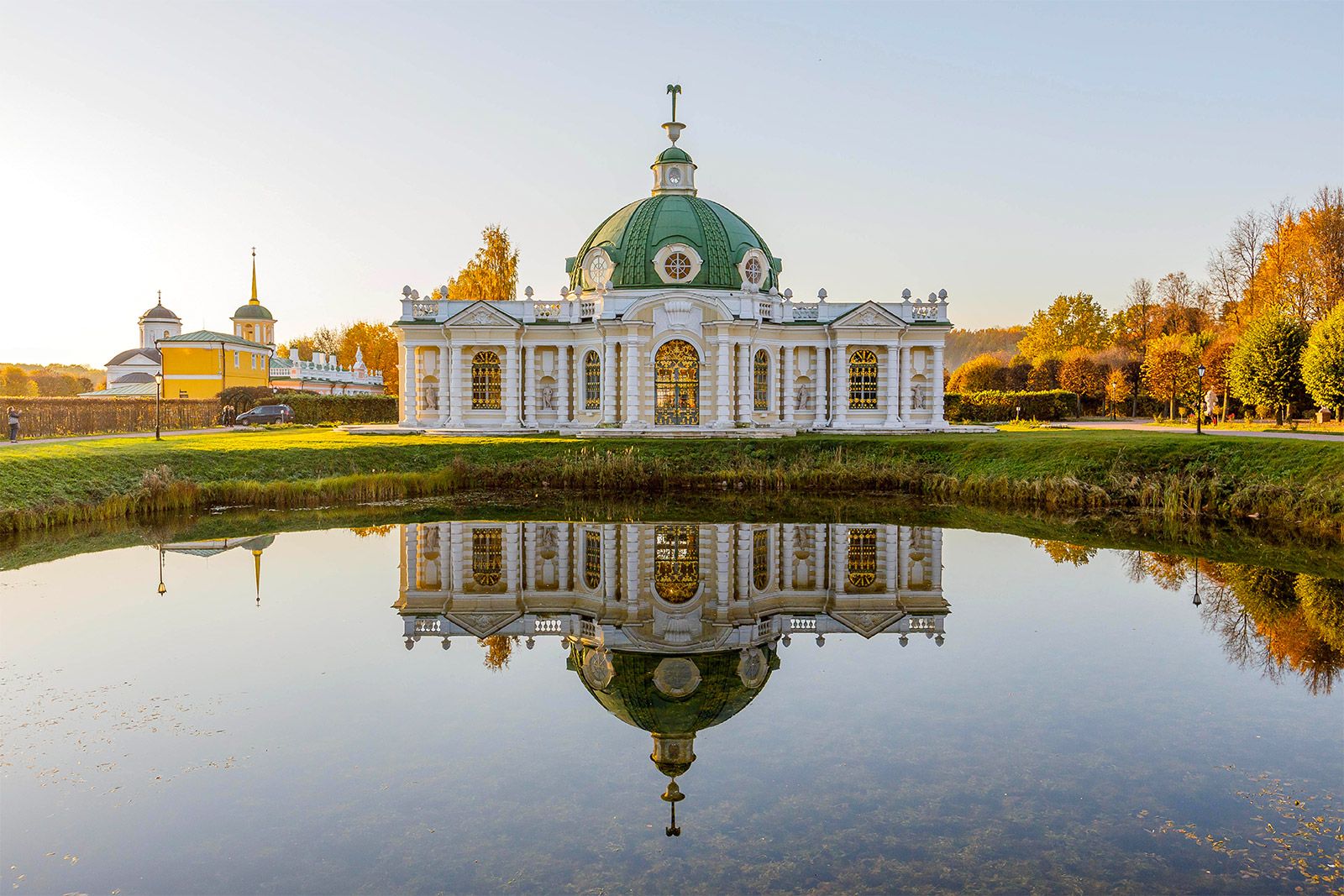
In the Kuskovo Estate, the Grotto Pavilion stylobate remains one of the most recognisable landmarks. It was designed by a serf architect Feodor Argunov and built in 1756–1761; in 1761, a German grotto master Johannes Focht got in charge of its interior design. Starting with grotto, you can then take a walk in the French formal garden, admire the collection of marble statues and stop by a rose garden.
City parks: singing hearts, summer stages, and roses
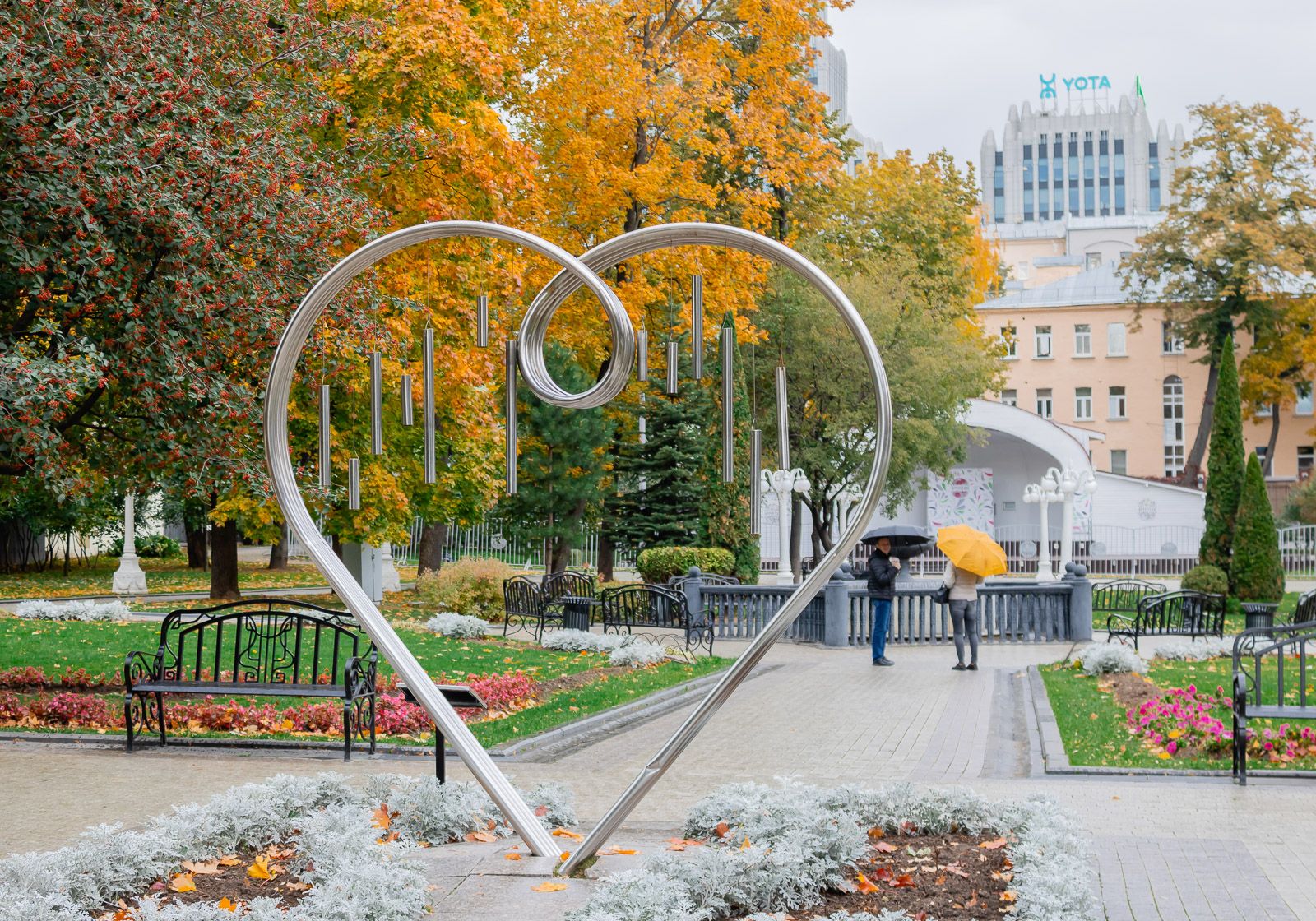
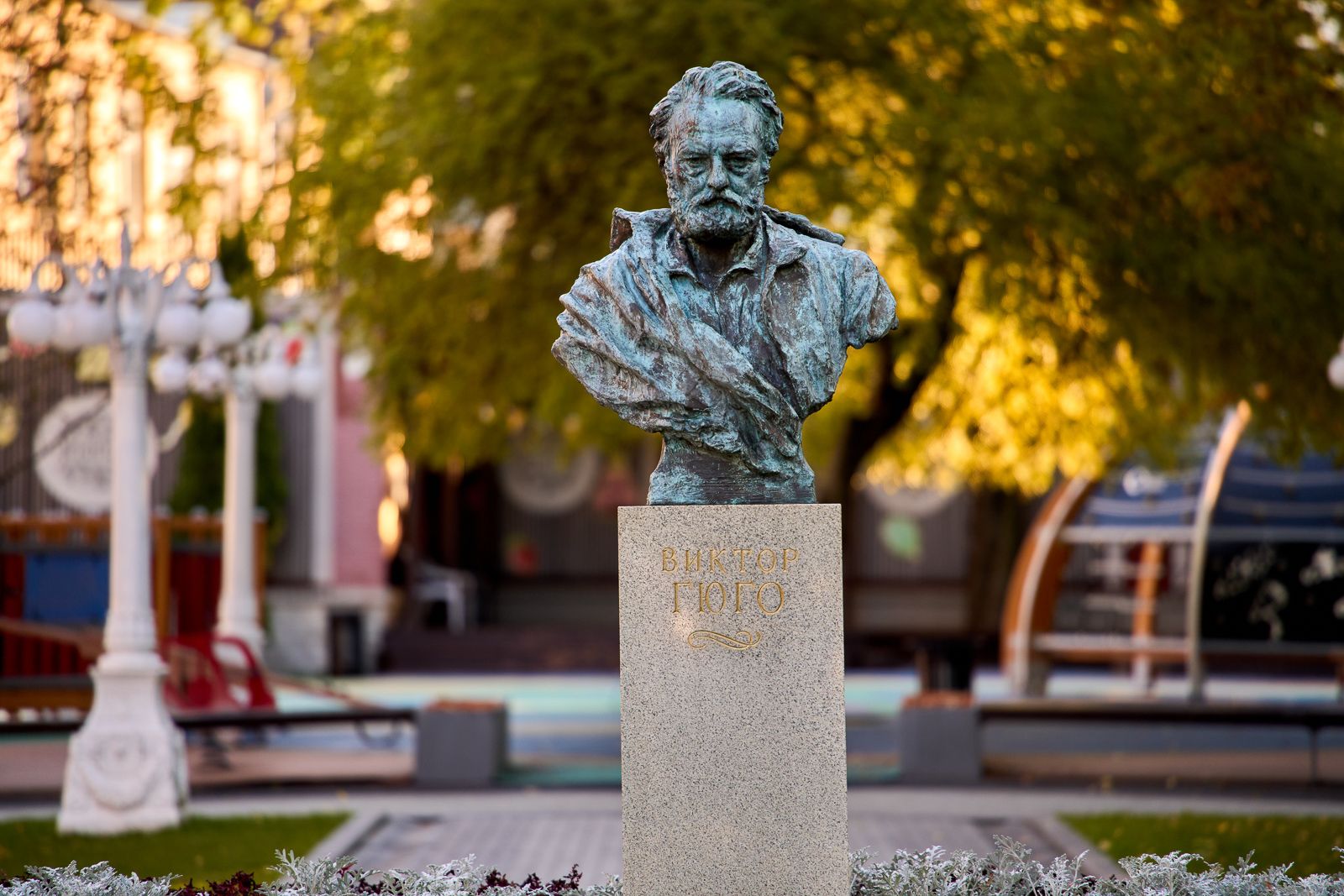
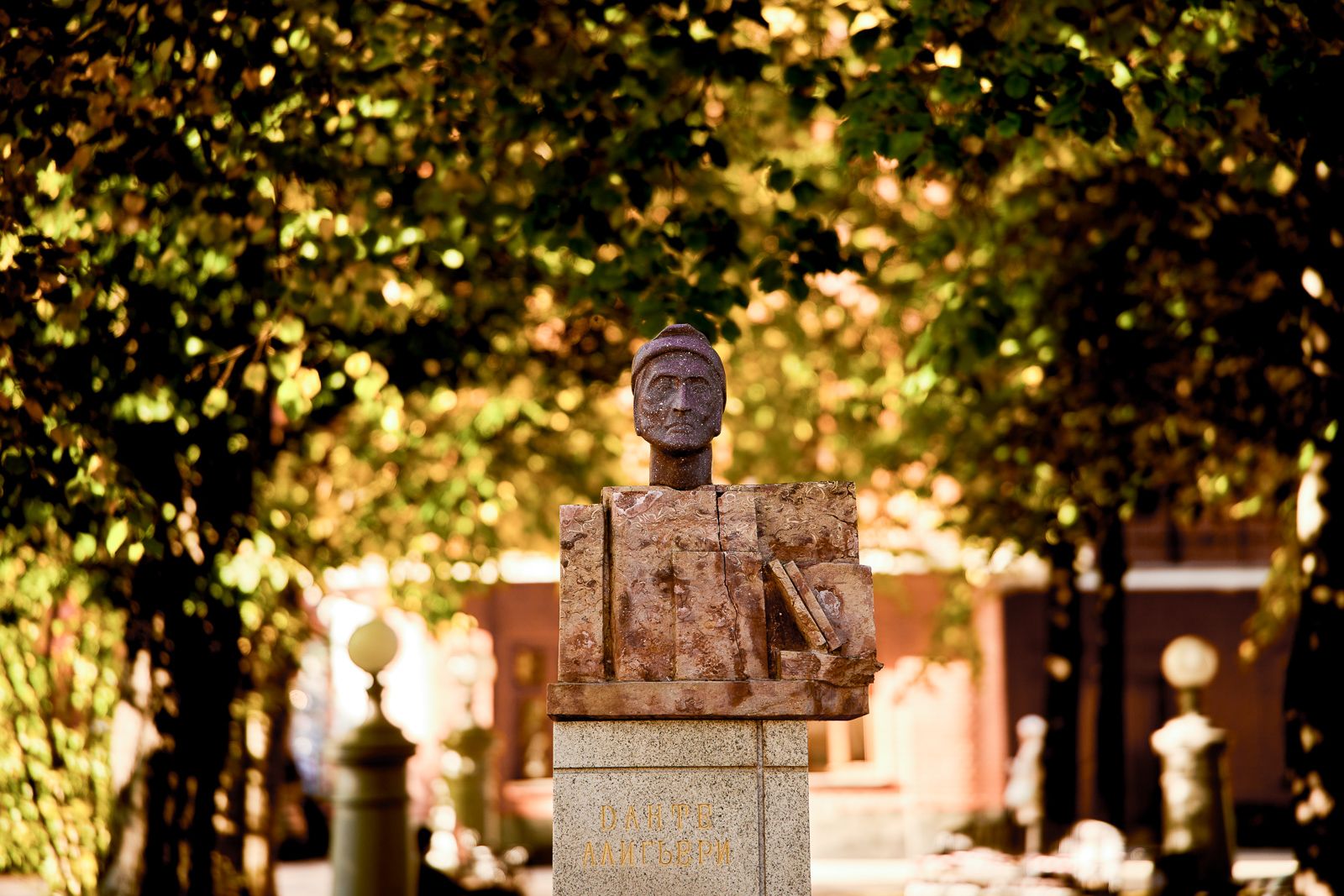
In the Hermitage Garden, one of the most notable beacons is the statue “To All Lovers” — a steel heart adorned with bells. Its design was inspired by a photo of a heart graffiti on Juliet’s house in Verona. The heart is made of stainless steel tubes (70 m in total) with bells inside that chime on wind. And that is how its second name, Singing Heart, originated. A summer stage is another prominent Hermitage landmark; it has been functioning since the 19 th century. In the 1970s, it hosted Vladimir Vysotsky, Mikhail Zhvanetsky, and Maya Kristalinskaya; this stage was also a cradle of Moscow jazz festivals. On your way to the stage, you may encounter busts of Dante Alighieri and Victor Hugo gifted by Italy and France respectively in 2000, as well as old lamp posts with the monogram “Ya.Sch.,” initials of the Garden’s creator; these were installed as early as the late 19th century, when electric lightning was still a novelty.
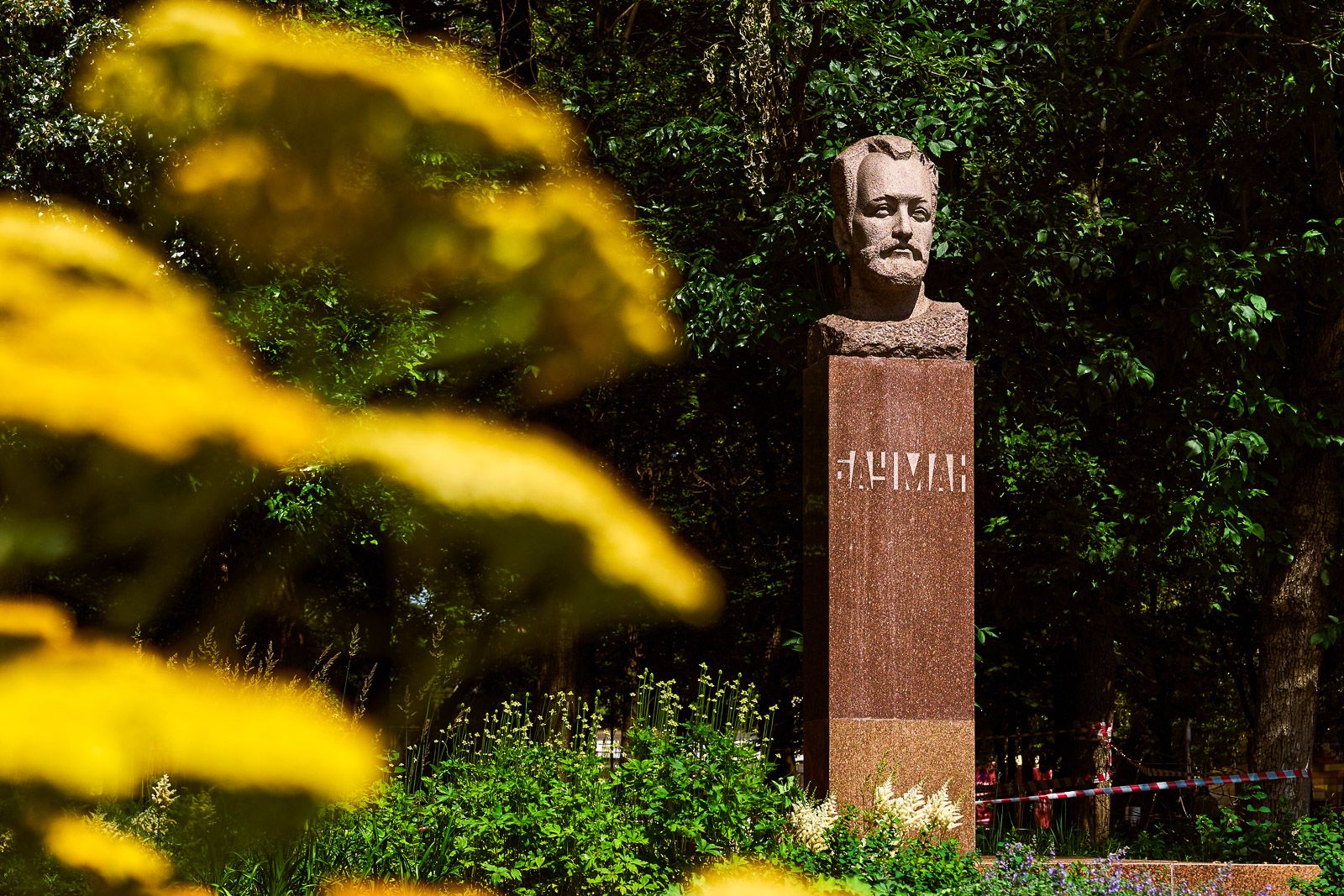
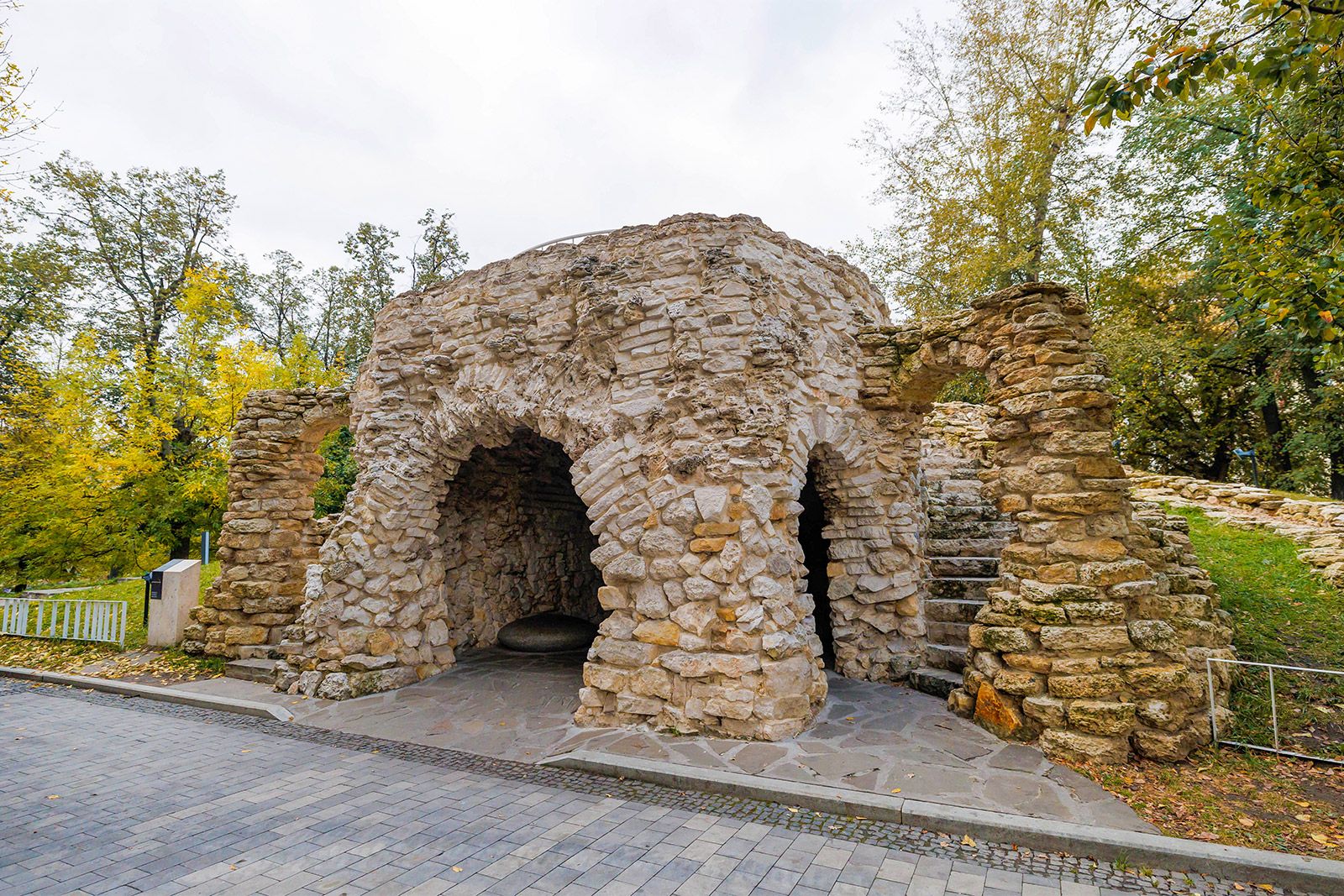
The monument of Nikolai Bauman is the primary meeting spot in the Bauman Garden. It was installed in 1972 and moved to its current location in the 1990s. From the monument, you can proceed to the grotto, one of the major surviving estate artifacts. It is a decorative structure with a cavern inside and a hill with an observation deck on top offering a magnificent view over the garden and roses. There are over 30 varieties that perfectly complement the atmosphere and stay in bloom until autumn.
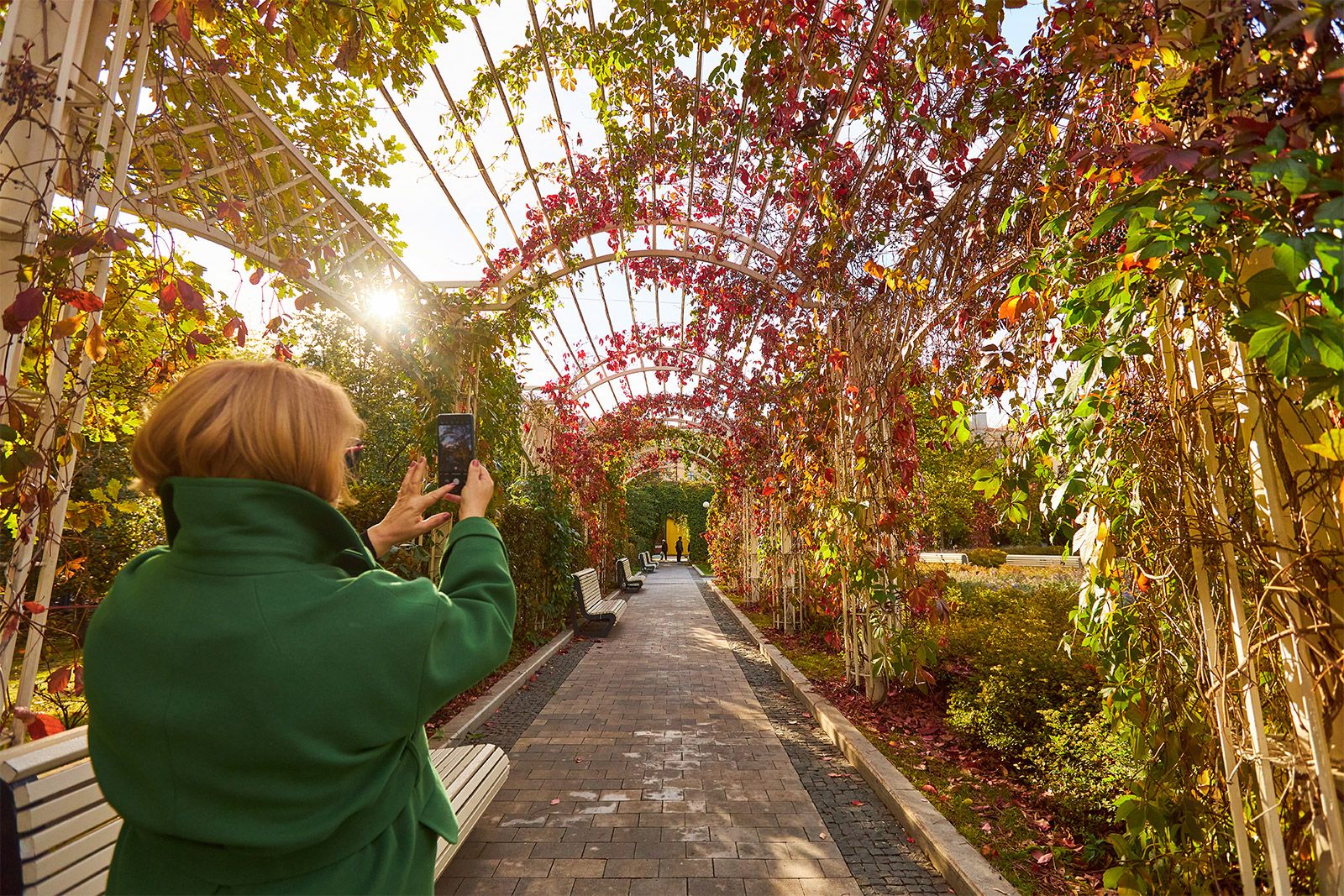
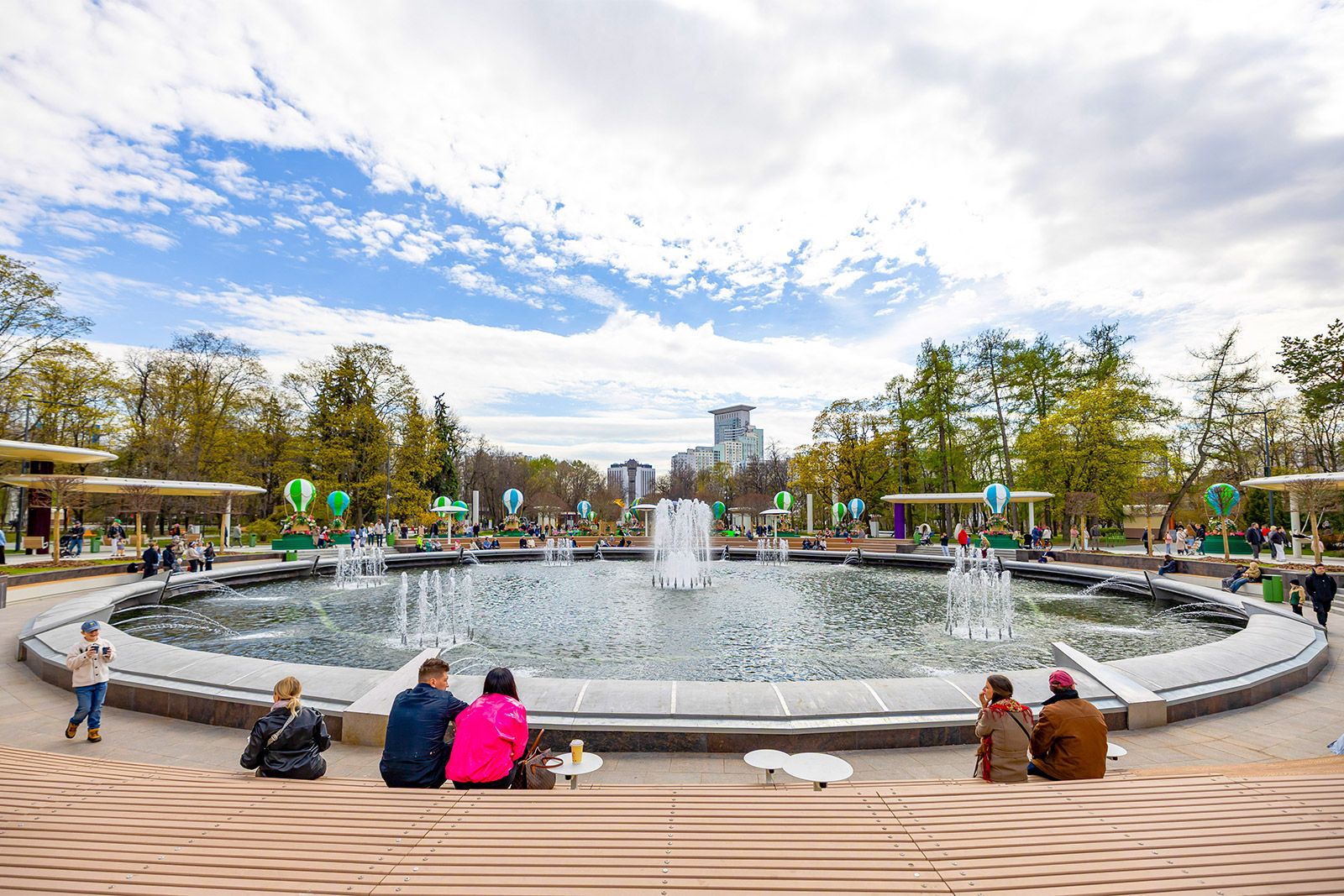
The Sokolniki Park has two historical landmarks. One of them is the main entrance colonnade built in the 1930s; back in the day, it was adorned with a two-row construction and five arched spans. By 1959, the year of the American National Exhibition, it has been modified: 10 metal canopied arches were added. In 1989, turnstiles were replaced with wrought-iron fencing; but in 2015, the landmark’s historical image was restored. The colonnade in its modern form is a replica of the 1930s solution though more compact: instead of five arched spans it now has only three, all 8.5 metres high. If you follow the central alley past the colonnade and head towards the Big Circle, you will see the park’s next iconic location — the fountain. It was created in the late 1950s as Sokolniki’s centerpiece: all the other radial alleys branch outward from it.
From a submarine to the Vladimir Highway
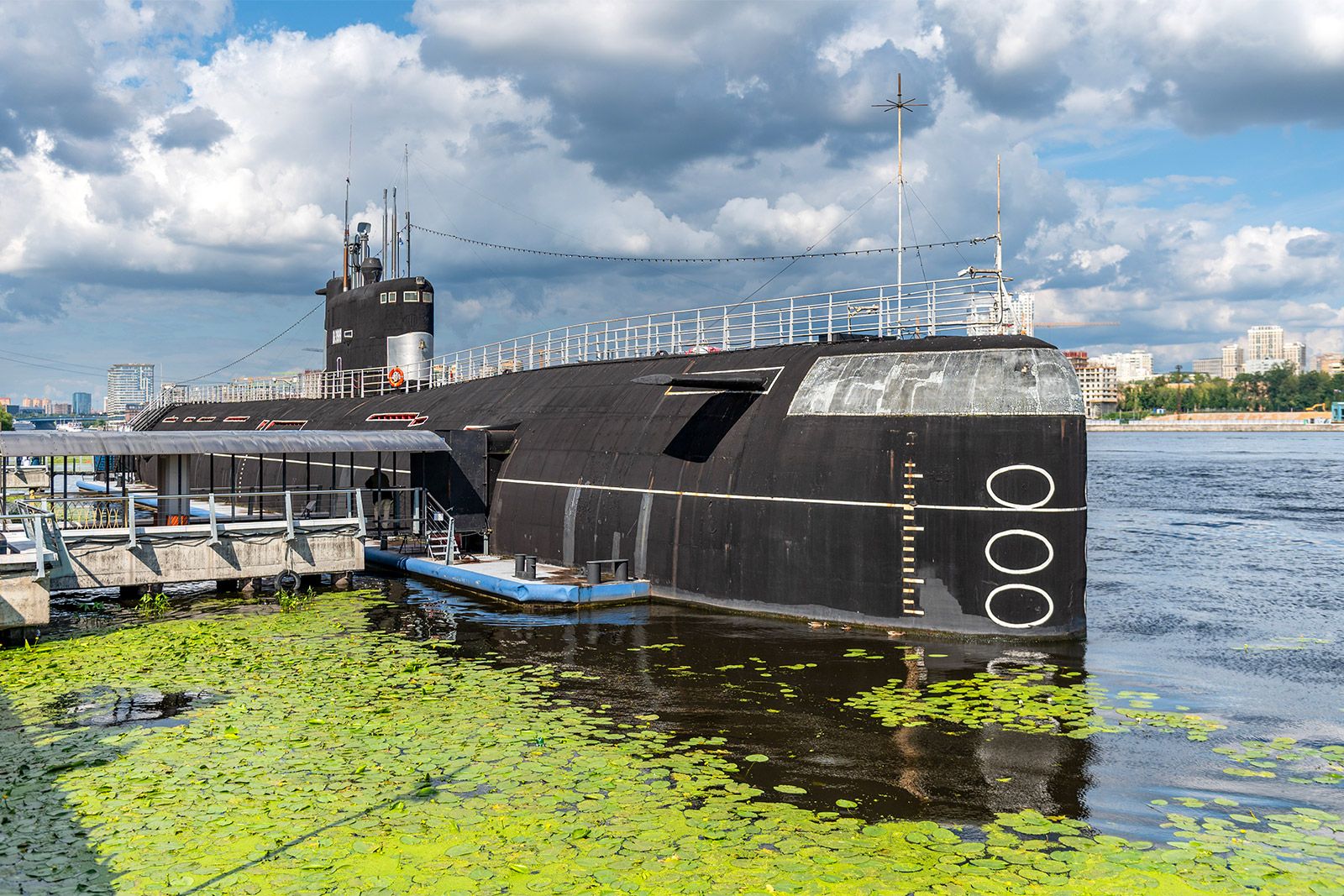
In Severnoye Tushino Park, a meeting can be arranged at the submarine. The diesel-electric submarine B-396 “Novosibirsky Komsomolets” is installed on the shore of the Khimki Reservoir and is part of the exposition of the Museum of the History of the Navy, which opened on July 26, 2006. The main exhibit is an authentic combat vessel that served in the Northern Fleet and made voyages to the Black and Mediterranean Seas, the Atlantic, and the Arctic Ocean. After completing its service, the submarine was turned into a museum, preserving a significant part of its equipment and interior spaces. Today you can walk through the compartments, look into the conning tower and the wardroom, and see the torpedo tube and the galley. Besides the submarine, the territory also features the “Orlyonok” ekranoplan, which reached speed of up to 500 kilometres per hour, and the “Skat” air-cushion assault landing craft. After exploring the exposition, we recommend strolling along the embankment or heading deeper into the green area — toward the quiet alleys and the old apple orchard.
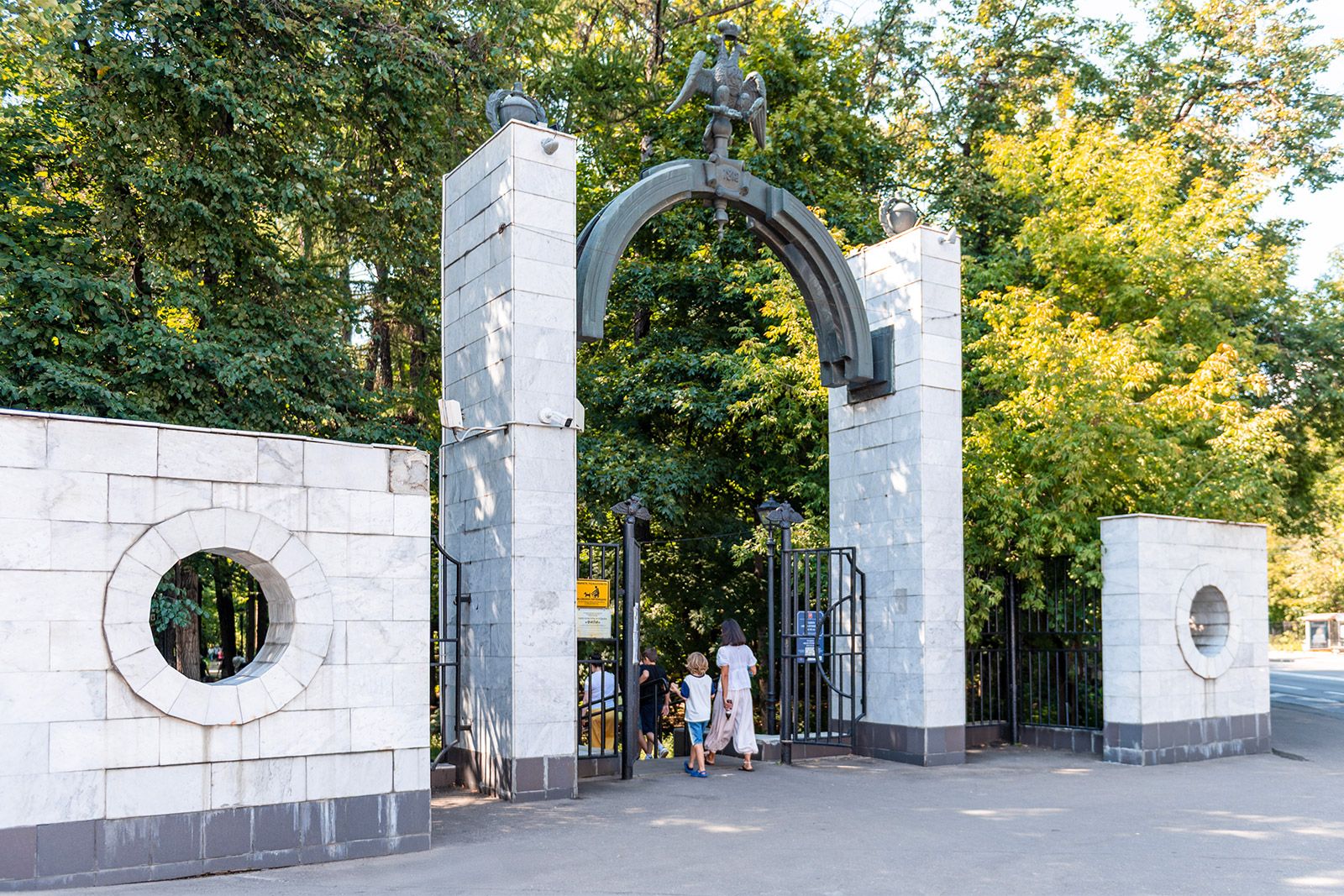
A walk through one of the capital’s oldest parks — Fili — conveniently starts at the main entrance from the side of Barklaya Street. The entrance group is designed with a reference to the events of 1812: the arch is framed by a double-headed eagle, and on the leaves of the cast-iron gates are bas-reliefs depicting cuirassiers, cavalrymen, infantrymen, and artillerymen It was in Fili on September 13, 1812, that Commander-in-Chief Mikhail Kutuzov convened a military council at which it was decided to abandon Moscow in order to preserve the army. Near the entrance there are a restaurant and a cafe where you can warm up. Further, the route passes along alleys among the trees and leads to the Filevskaya Embankment, from where a view of the Moskva River opens up.
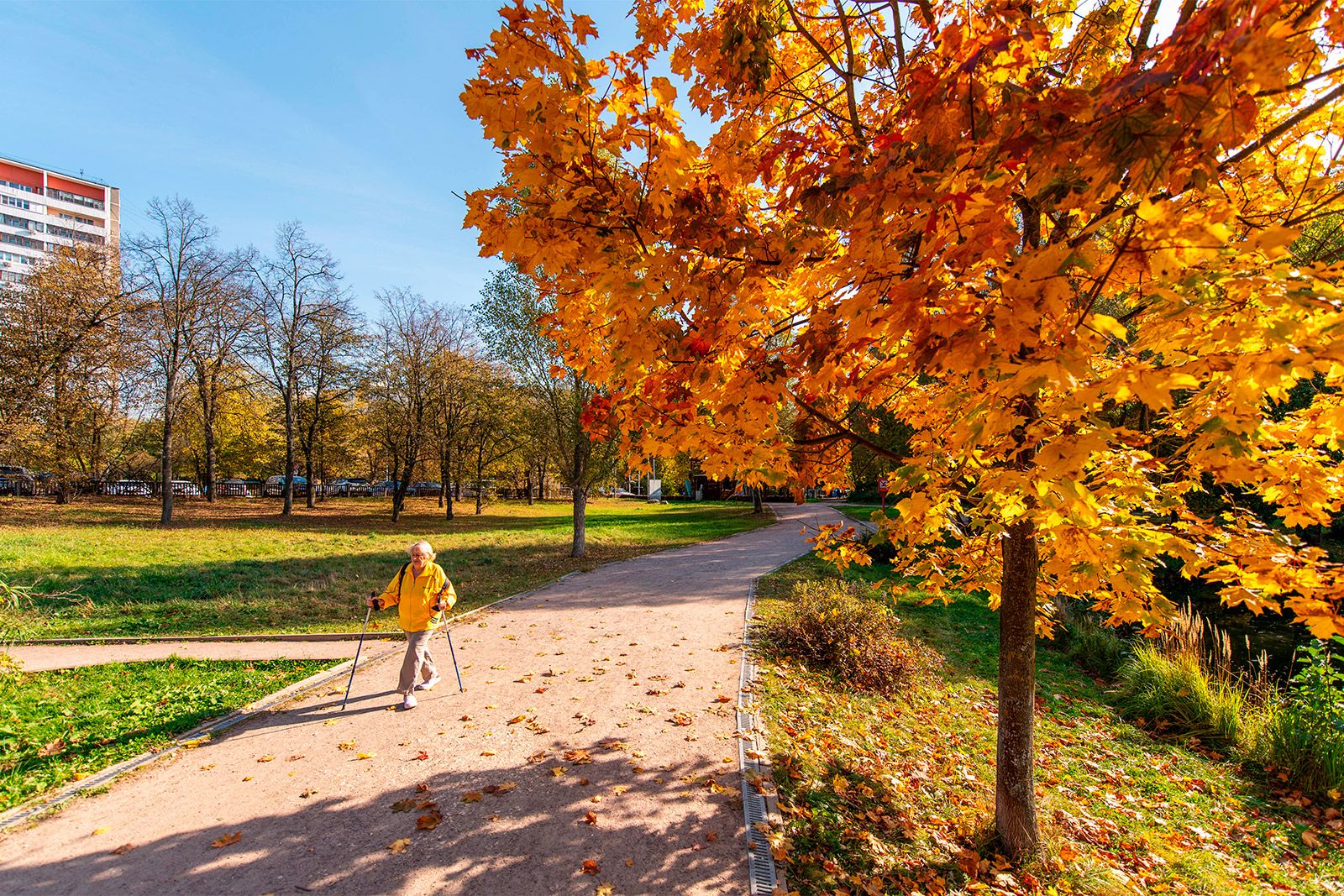
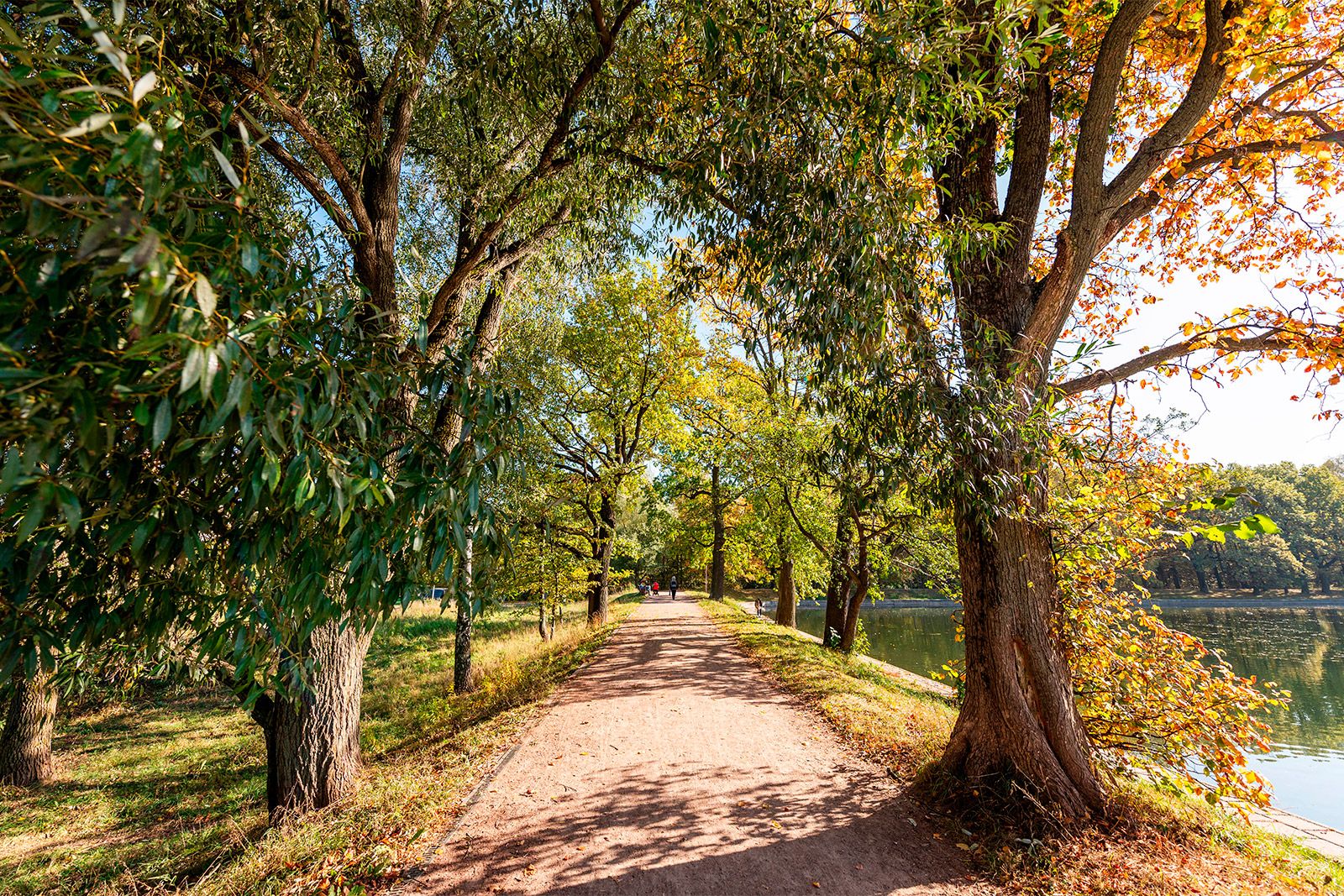
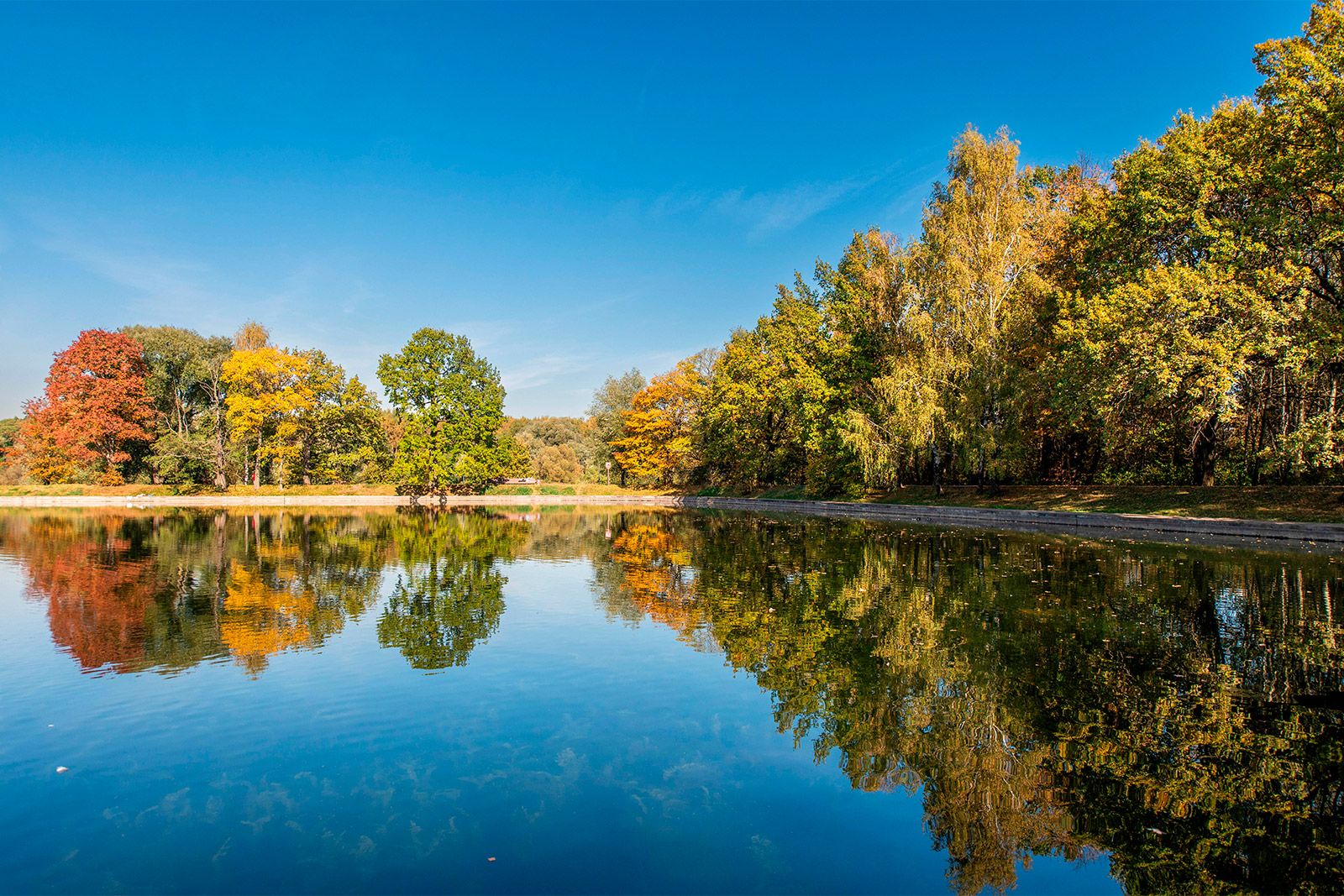
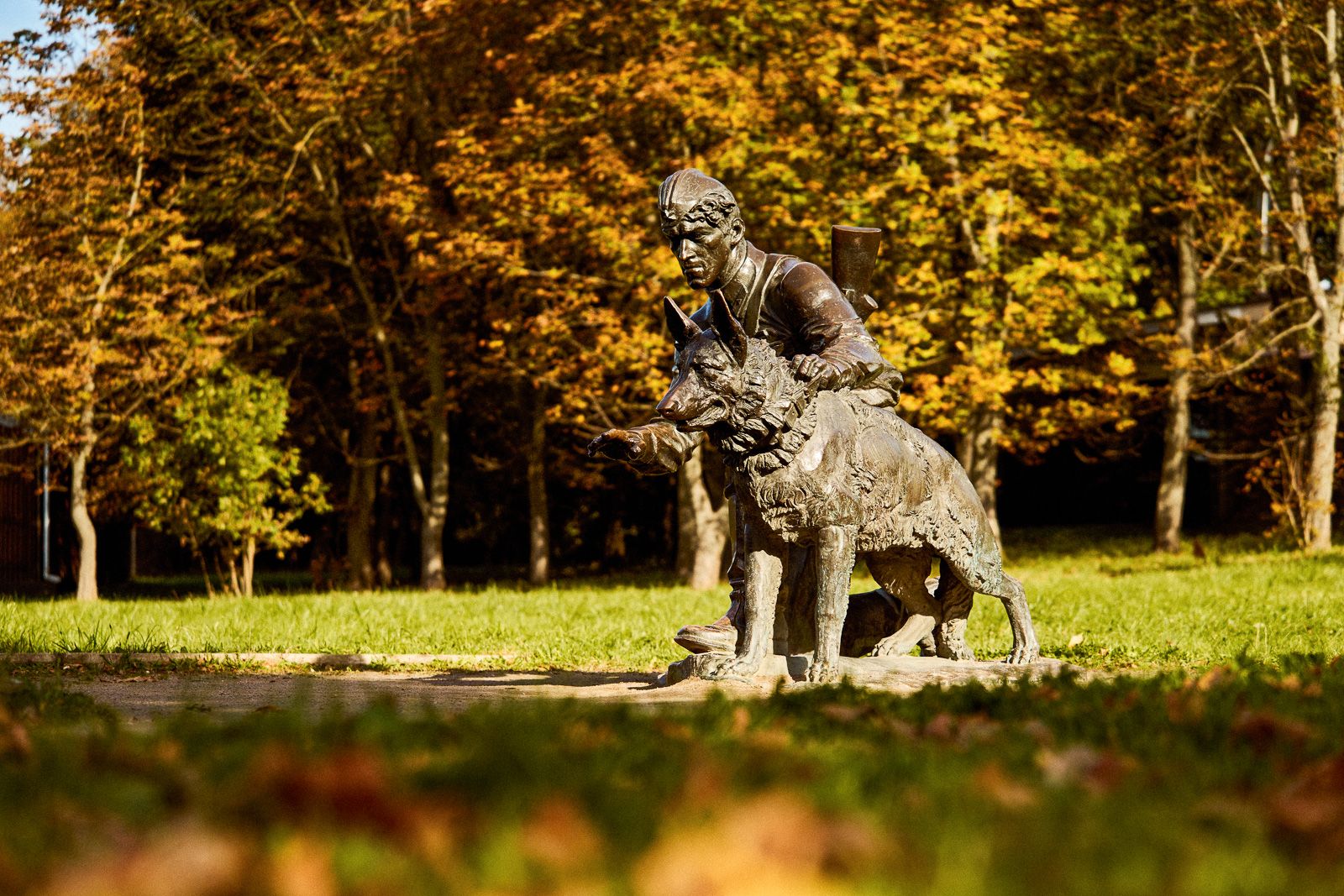
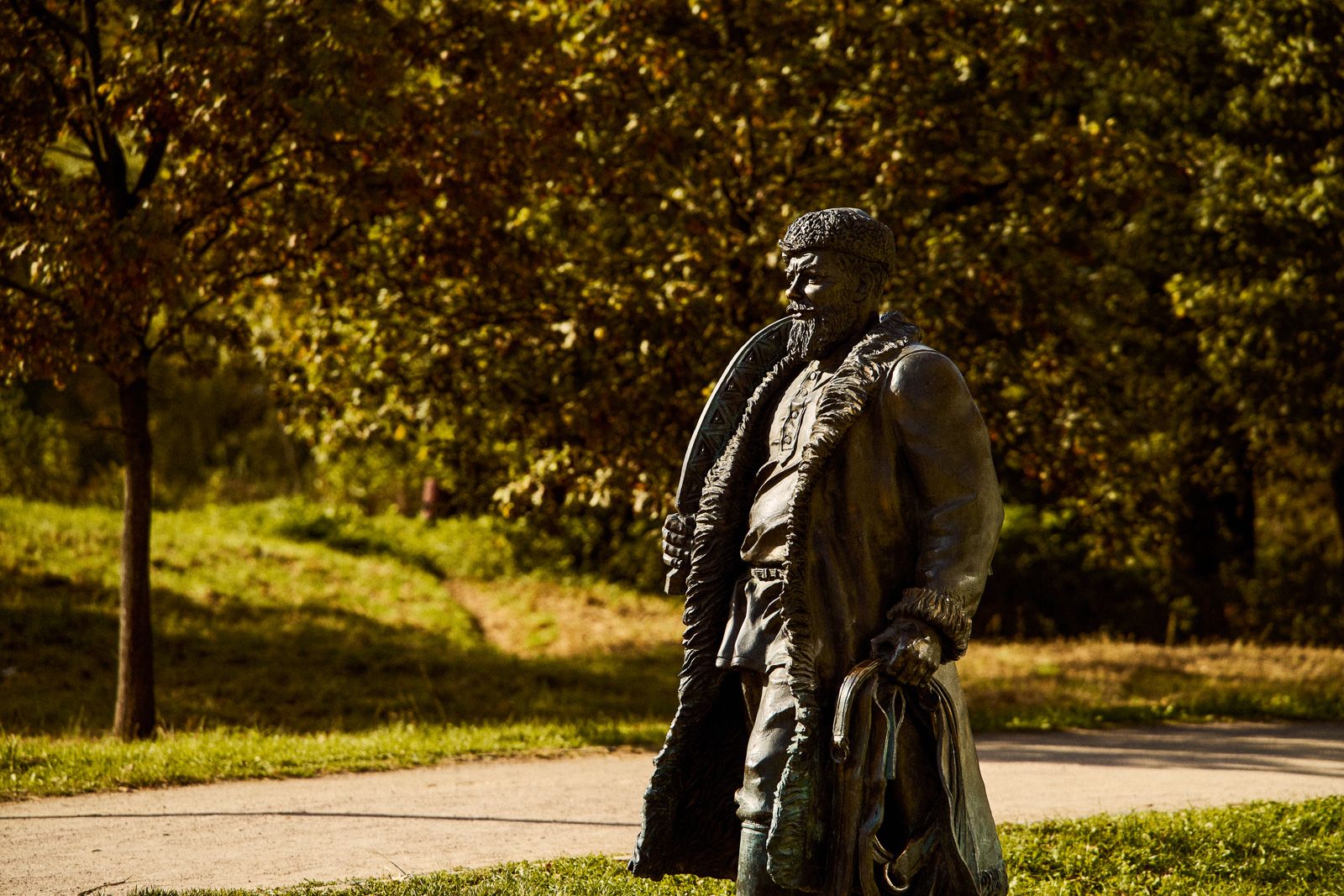
In the Terletskaya Dubrava recreation area, the meeting point is chosen depending on the route. The main entrance from the side of Svobodny Prospekt is marked by an arch with the name of the area — the central alley begins from here. If you want to find yourself right away in the quiet natural part, the entrance from the side of Metallurgov Street will work. Two notable sculptures have been installed in the area. “Military Instructor with a Dog” (2009) reminds visitors that a military-technical school for Red Army service dog breeding was once located here. And “Yamshchik” (2009) is a tribute to the memory of the Vladimir Highway, a fragment of which has been preserved nearby. The road connected Moscow with Vladimir and Nizhny Novgorod, and it is remembered because it was along this road that convicts were transported to Siberian prisons. Later the highway was renamed Entuziastov Motorway.
Bridges, letters, and palms: romantic routes
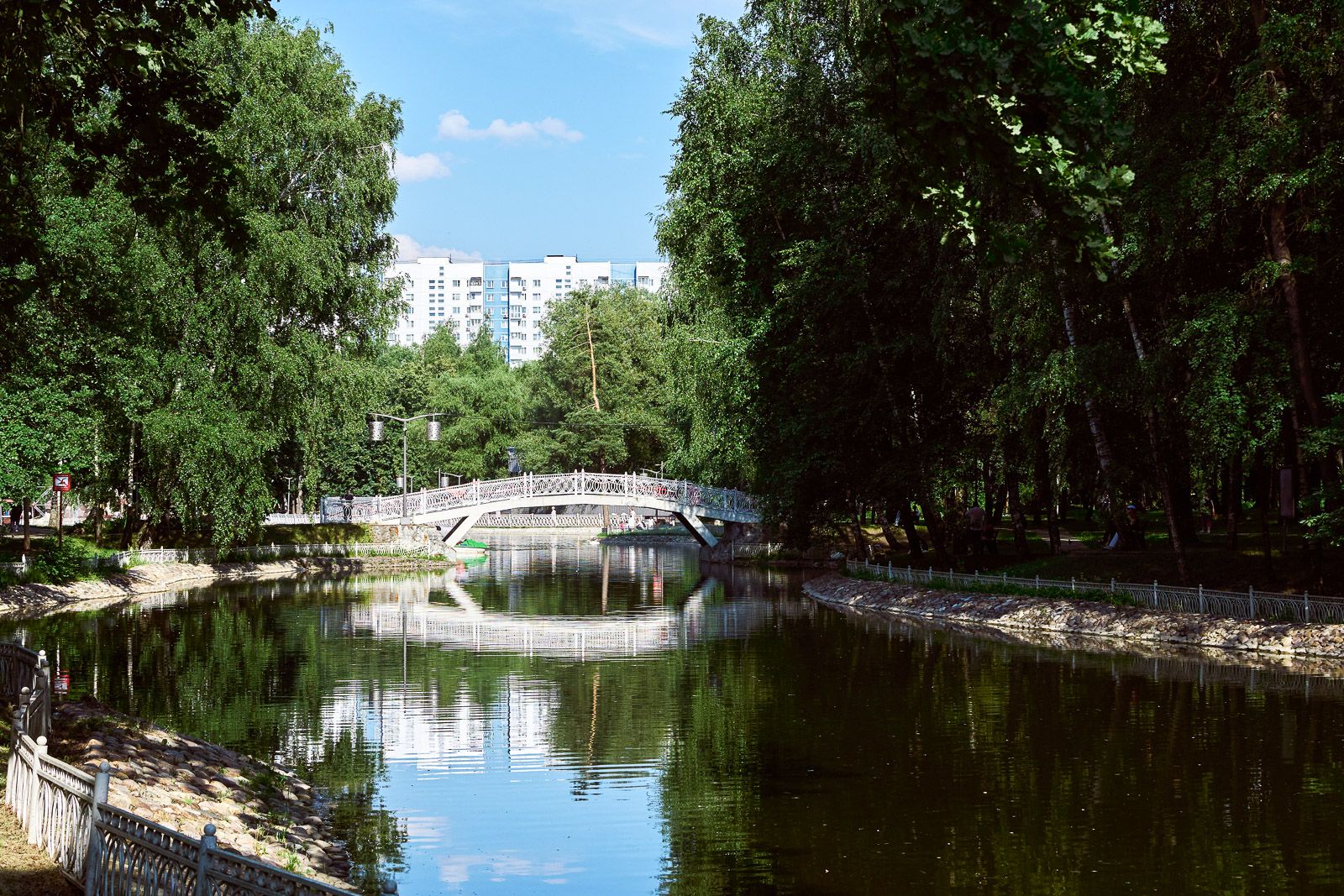
In the Liazonovo Park on the coast of the Lower Liazonovo Pond, you can navigate by the Lovers’ Bridge. Its cast iron openwork is one of the park’s signatures. The bridge faces the pond, where you can watch the swans, while lovers can leave a love lock. Initially, the bridge was sky blue or gray, but after the renovation it got a new white makeover.
The Tyoply Stan Landscape Sanctuary is truly enormous; that is why you should start exploring with an impressive arch at the main entrance. Your next landmark is the Tyoply Stan Sign in large letters. The installation is composed of many vertical bars; that is why its surface is ribbed; the base platform resembles a bench, where you can sit and take photos.
In the park by the Rainbow ponds, there are several notable landmarks. The main entrance from the side of Yunosti Street is a recognizable place with arches, with a bus stop nearby and wide paths: convenient for those who arrive by public transport. For those entering from the side of Veshnyakovskaya Street, the amphitheatre with tiered rows will work well. Between the amphitheatre and the football field, a memorial sign “Star 1941–1945” was installed for the 60 th anniversary of the Victory in the Great Patriotic War. And from the side of Zhemchugovoy Alley, a large red inscription “Moscow” serves as a reference point — a prominent art object that is easy to see already at the entrance.
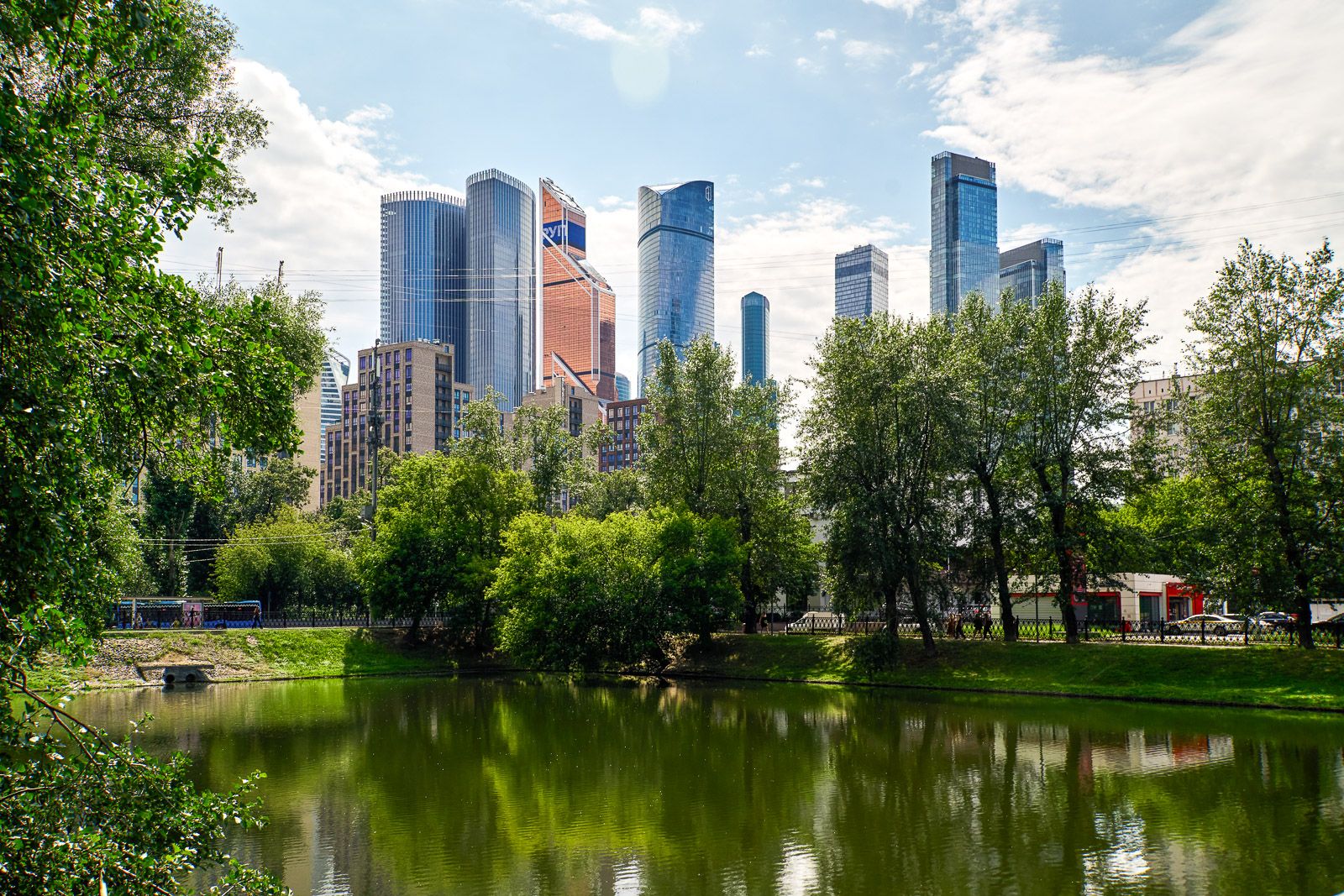
In the recreation area “Krasnogvardeyskiye Ponds,” we recommend arranging a meeting at the monument “October Days” on the round square between the Upper and Middle ponds. Its name is linked to the events of October 1917, and the composition also refers to the armed uprising of 1905 — Presnya was one of the main centers of barricade battles. After the meeting, you can walk along the ponds and admire the panorama of the Moscow City skyscrapers.
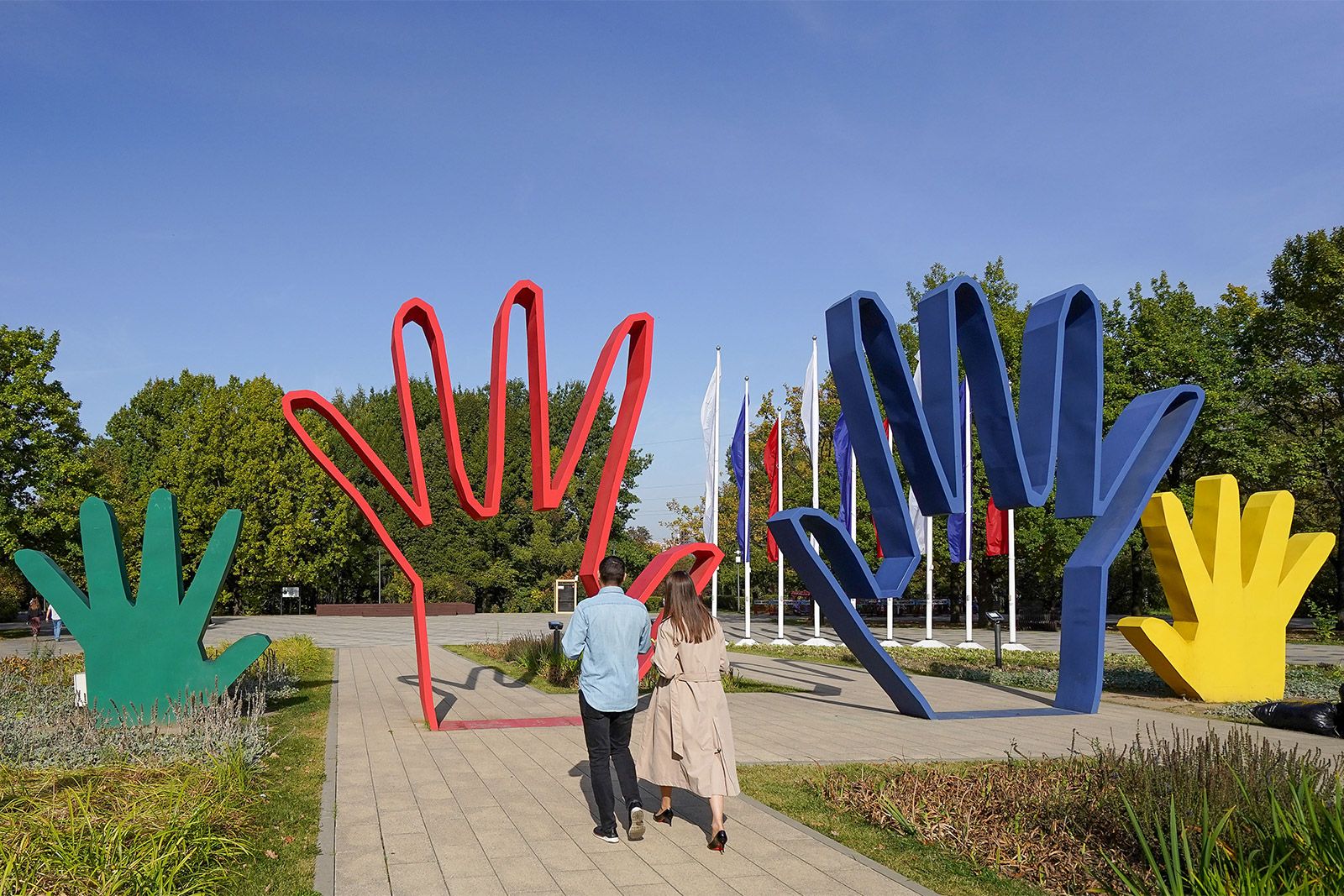
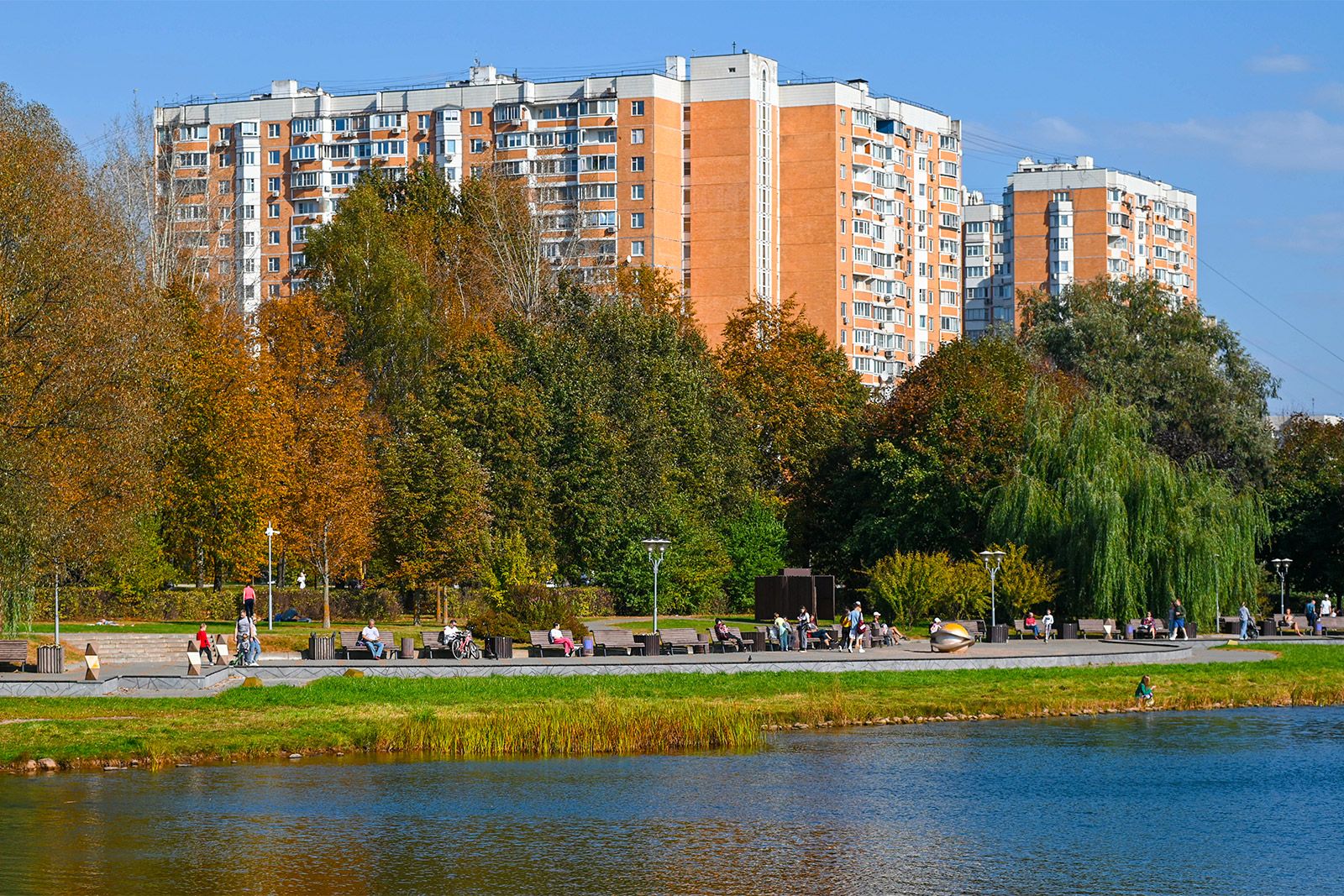
In the 50-Letiya Oktyabrya Park, it is convenient to meet at Family Square — the central venue where festivals, concerts, and programs for children take place. Nearby is a wooden rotunda with benches and woven canopies on the sides, creating an intimate atmosphere in the traditions of small 19th-century garden and park forms.