The neurovoice technology is now used by trains on Filyovskaya metro line
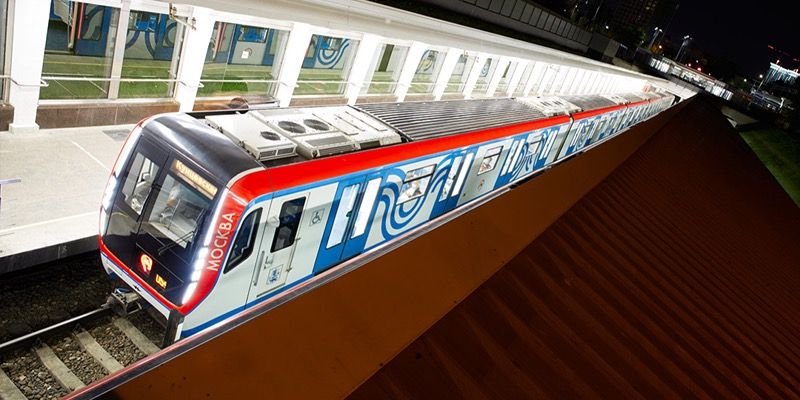
Some trains on trains on Filyovskaya metro line in Moscow started using voice messages created by a speech generation service. Seventy-eight recordings had been prepared, announcing stations and transfers and advising on safety and rules of conduct.
Messages created using the neurovoice technology are now also used in all 88 trains on Arbatsko-Pokrovskaya line.
“As instructed by Sergei Sobyanin, we keep on implementing advanced technologies in our urban transport. The neurovoice is now being used on over 20 percent of Moscow metro lines. The technology, developed in Russia, maintains the familiar information presentation format. Right now, the neurovoice announces 86 stations in Sokolnicheskaya, Zamoskvoretskaya, Arbatsko-Pokrovskaya and Filyovskaya line trains,” says Maxim Liksutov Deputy Moscow Mayor for Transport and Industry.
Those messages sound exactly the same as human announcers. The technology allows for maintaining a uniform tonality and familiar sound when recording a new announcement, so that the same voice can be used for many years.
Another advantage of the technology is the option to record messages remotely, independent of the announcers’ schedule. The replay speed, voice pitch and sound volume can also be adjusted, so that new announcements can be prepared quickly while maintaining a uniform information release format.
To learn how Moscow has changed in recent years, what initiatives are currently being implemented to make life in the city even more comfortable and what lies ahead for Moscow and its residents, visit the large-scale special project on mos.ru dedicated to the development of the capital’s key sectors. These include transport, industry, healthcare, education, sport, and construction.
The Transport project will be of interest to anyone who wants to learn about the key stages in the sector’s development, support for electric transport, and the expansion of the route network.
In recent years, Moscow’s public transport has become more comfortable and environmentally friendly, journey times across the city have been significantly reduced, and infrastructure for privately owned electric vehicles has been developed.