Heat-loving animals at Moscow Zoo move to their winter pavilions
With the arrival of autumn, the heat-loving residents of Moscow Zoo, subordinate to the Moscow Department of Culture, have been moving to their winter enclosures. Parrots were the first to move to the heated pavilions; other animals will move as the weather gets colder.
“Autumn is a time of careful seasonal adjustments at the zoo. We take into account not only the calendar but also the weather and the well-being of each animal. Some have already settled comfortably into the warm pavilions, some are still spending time outdoors, while others can choose whether to go outside or stay indoors. Still, all our animals remain on display, so zoo visitors will be able to see them during the cold season as well,” said Svetlana Akulova, Director General of the Moscow Zoo.
From parrots to Japanese cranes
All the parrots are already in their warm enclosures, including Alexandrine parakeets, African grey parrots, Pesquet’s parrots, plum-headed parakeets, red-and-green macaws and rose-ringed parakeets, as well as Goffin’s cockatoos, blue-and-yellow macaws and yellow-crowned amazons. Visitors can see them in the right wing of the House of Birds pavilion. A comfortable temperature is maintained there for the heat-loving birds.
.jpg)
.jpg)
.jpg)
.jpg)
.jpg)
.jpg)
.jpg)
They will soon be joined by southern cassowaries, exotic birds native to New Guinea, as well as southern ground hornbills, which are among the most intelligent and powerful birds. The hornbill family lives in two enclosures: the parents in one and their grown offspring in the other. The young birds have a heated shelter in their outdoor enclosure where they can go to warm up, so they will move indoors around October, a little later than their parents. In the second half of autumn, several species of cranes will move to the House of Birds, including blue, demoiselle, black-necked and crowned cranes. Japanese cranes, accustomed to harsh winters, will remain in their outdoor enclosure; they also have a warm shelter for periods of severe frost. Visitors can also watch the Japanese cranes online all year round.
Zebras, honey badgers and a giraffe
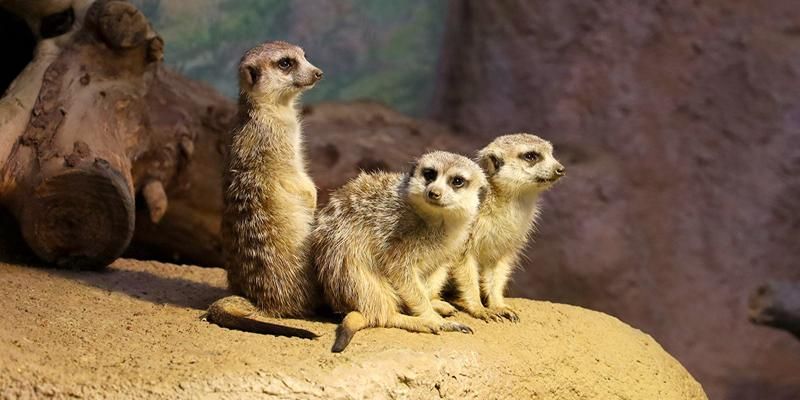
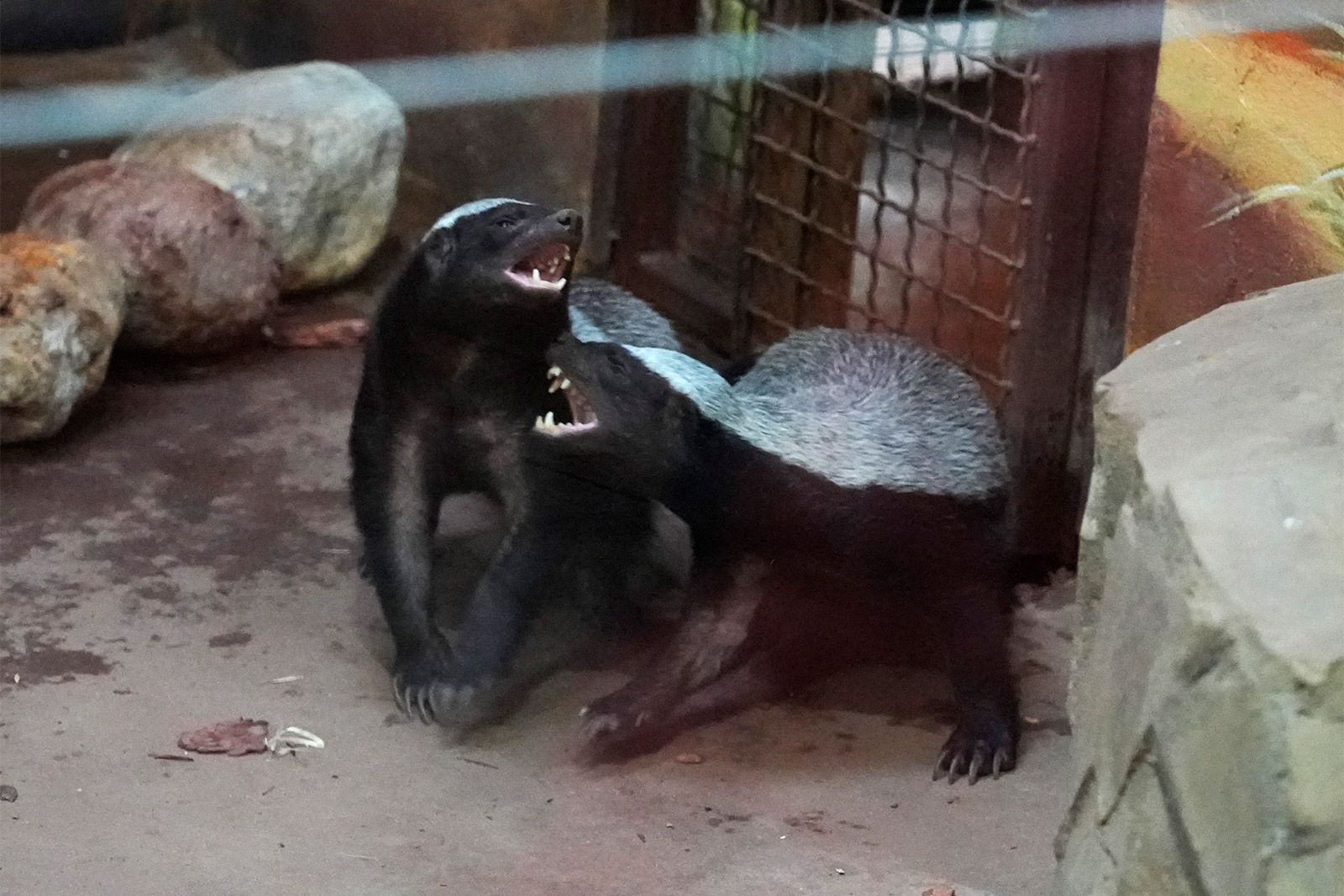
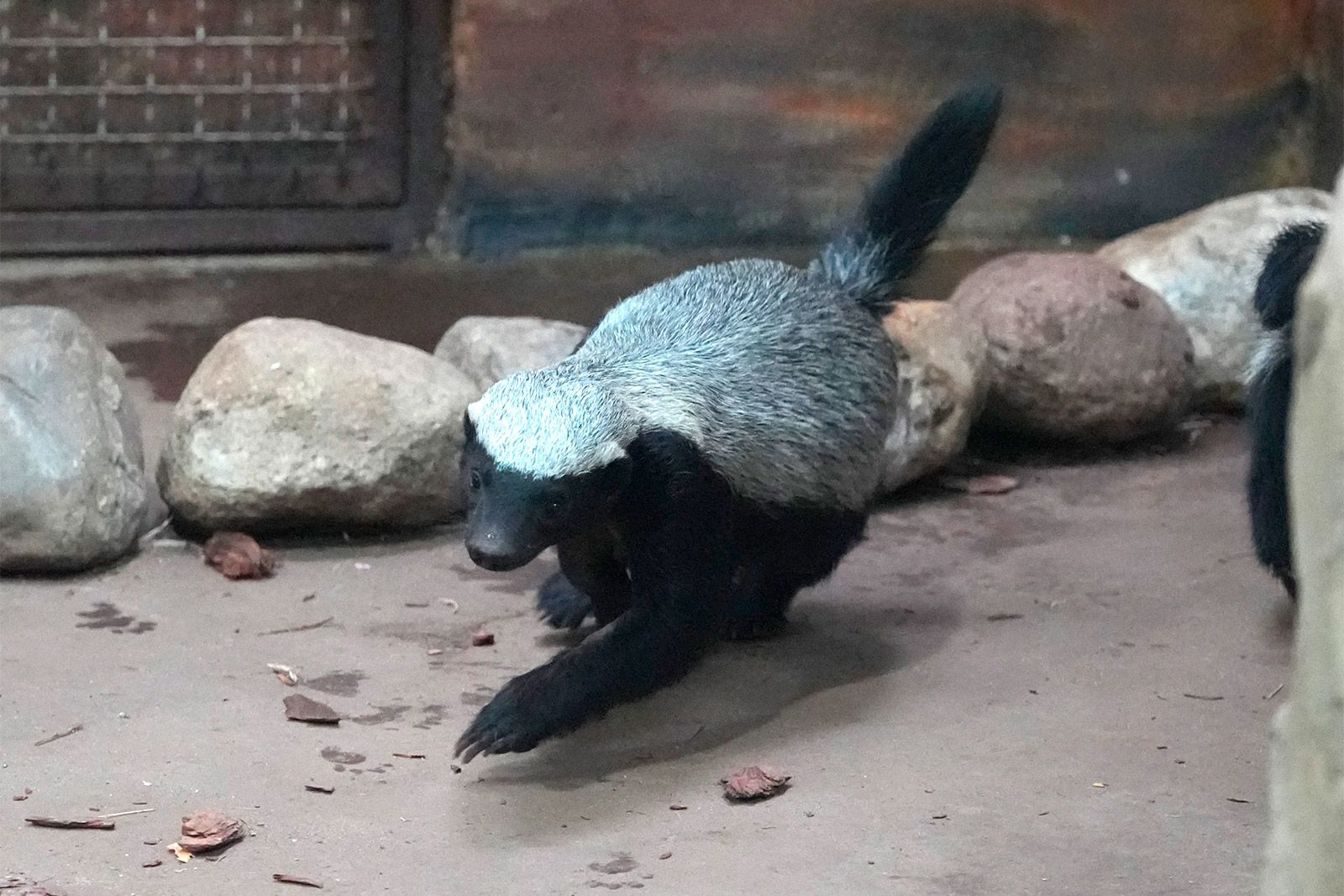
During the cold season, almost all animals native to the hot African continent will move to the Animals of Africa pavilion. Dik-diks, miniature antelopes, will soon move there, while Ksyusha, a pygmy hippopotamus, will have a separate enclosure. There she has a pool, just as in her outdoor enclosure, as well as everything she needs to live comfortably. In late September and October, African predators, including honey badgers and meerkats, will move to the warm pavilion.
.jpg)
.jpg)
.jpg)
The residents of the African Meadow, Grevy’s zebras and a female South African giraffe, will remain outdoors until October or November. The female giraffe named Lipa will then move into the pavilion, while the zebras will still be able to go outside from their warm enclosures even during snowy, frosty winters. Visitors can also watch them online.
Orangutans and gorillas
The primates are still going outside, most of them enjoying access to outdoor enclosures. On sunny days when the temperature reaches 13 degrees Celsius or higher, orangutans and gorillas go outside. They are free to choose whether to go outside and bask in the sun or stay indoors.
.jpg)
.jpg)
Llama, capybaras and anteaters
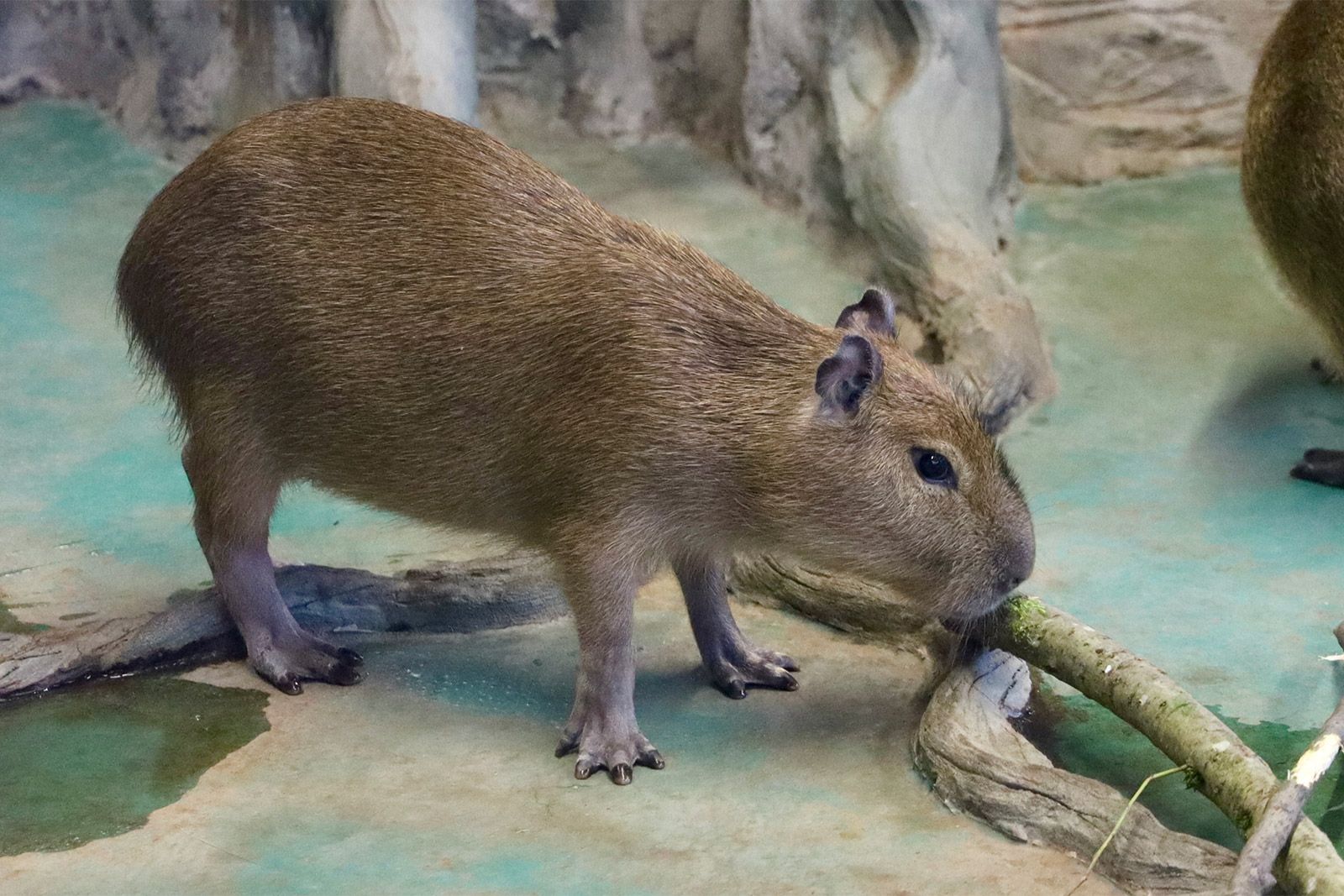
When temperatures fall below five degrees Celsius, the anteaters and the capybara family will move to warm enclosures. Their neighbors on the South American Meadow, however — a llama, a vicuña and a guanaco — live in their outdoor enclosure all year round.
.jpg)
Zoo specialists closely monitor the weather and the animals’ well-being, and the timing of their move will be adjusted if necessary.
In early 2025, the population of the Moscow Zoo reached 1,253 animal species — a world record, which had grown to nearly 1,280 by 2026 — the result of a long-term work of zoologists, veterinarians, keepers, and other staff.