Photobiennale 2026 to open at the Multimedia Art Museum, Moscow
The 16th International Month of Photography in Moscow, Photobiennale 2026, will open on September 23 at the Multimedia Art Museum, Moscow (MAMM), subordinate to the Moscow Department of Culture.
The international Photobiennale 2026 opens the Multimedia Art Museum’s 30th anniversary exhibition season and will be one of its key events, featuring seven exhibitions, including projects dedicated to the work of world-renowned international artists. Certain projects will focus on masterpieces of 1920s–1930s film posters, the history of the Moscow Metro and other topics,” says Alexei Fursin, Moscow Government Minister and Head of the Moscow Department of Culture.
This season, the festival will bring together Russian and international photographic art, presenting both classic projects of the Soviet avant-garde and works representing the latest artistic practices. Visitors will see works by leading international photographers: Roger Ballen, Jan Schlegel and Alexandra Catiere. The program also includes thematic exhibitions dedicated to the history of cinema, the Moscow Metro, Soviet motorization in the 1920s–1930s and Lilya Brik.
“An anniversary is not an occasion to sum things up but a reason to make new plans. We are trying to discern and anticipate the new paths to be taken by art, including photography, which is transforming before our eyes. Art constantly reflects on life as well as on its own nature. It is an intense and fascinating process, which is why MAMM’s main slogan is ‘The most exciting things are yet to come!’” says Olga Sviblova, Director, Multimedia Art Museum, Moscow.
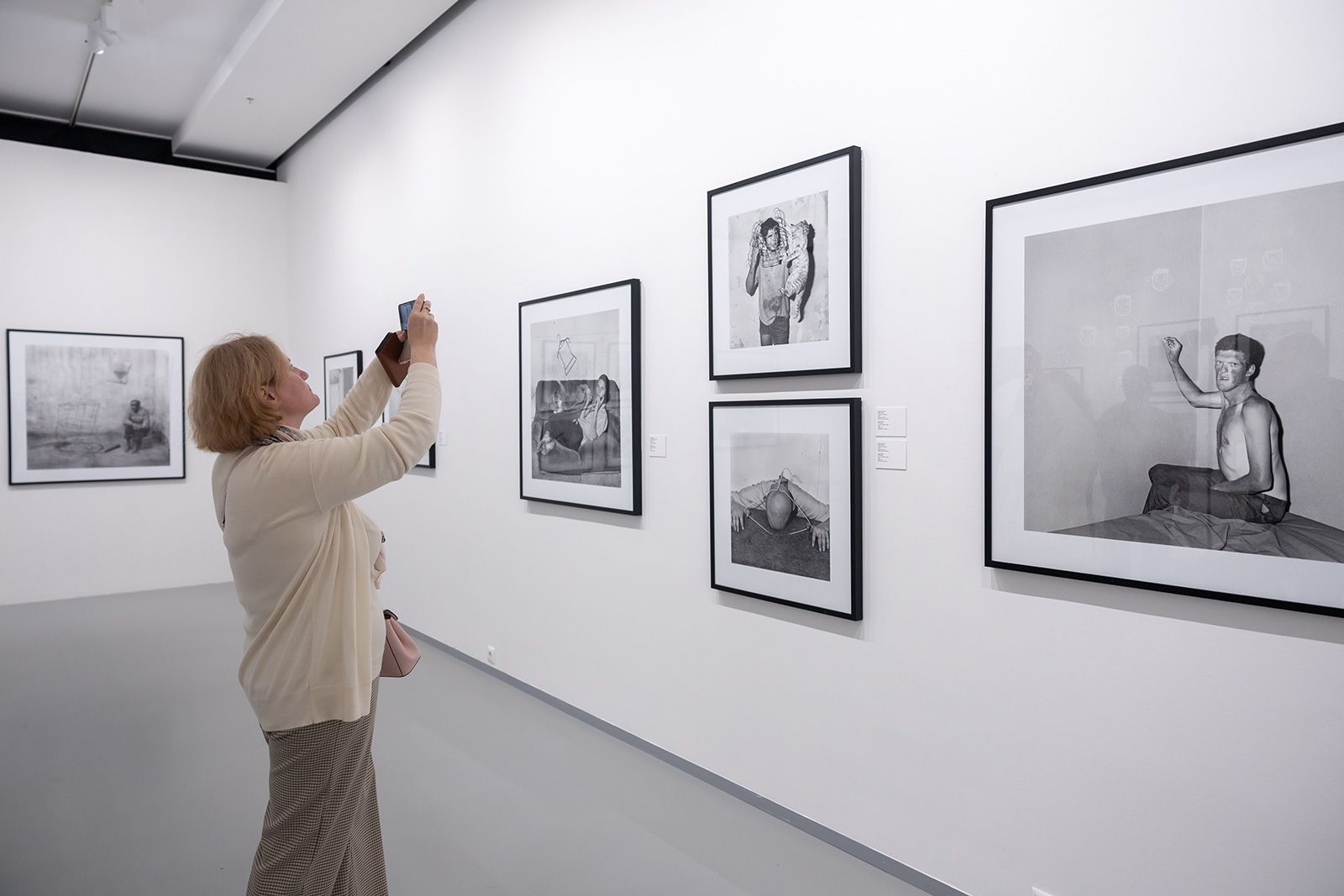
Theatre of the Subconscious
Photobiennale will feature Theatre of the Subconscious, an exhibition by Roger Ballen, one of the key photographers and artists of the second half of the 20th century and a participant in the 59th Venice Biennale (2022). Roger Ballen’s works are held in the collections of major museums around the world, including the Museum of Modern Art in New York, the Georges Pompidou National Centre of Art and Culture in Paris and the Victoria & Albert Museum in London.
The exhibition will bring together the artist’s classic works and new series spanning 50 years of his career. A special place will be given to the Russian premiere of Inferno (2025), a project inspired by Dante Alighieri’s Divine Comedy.
Of Aliens, Mermaids and Medusas
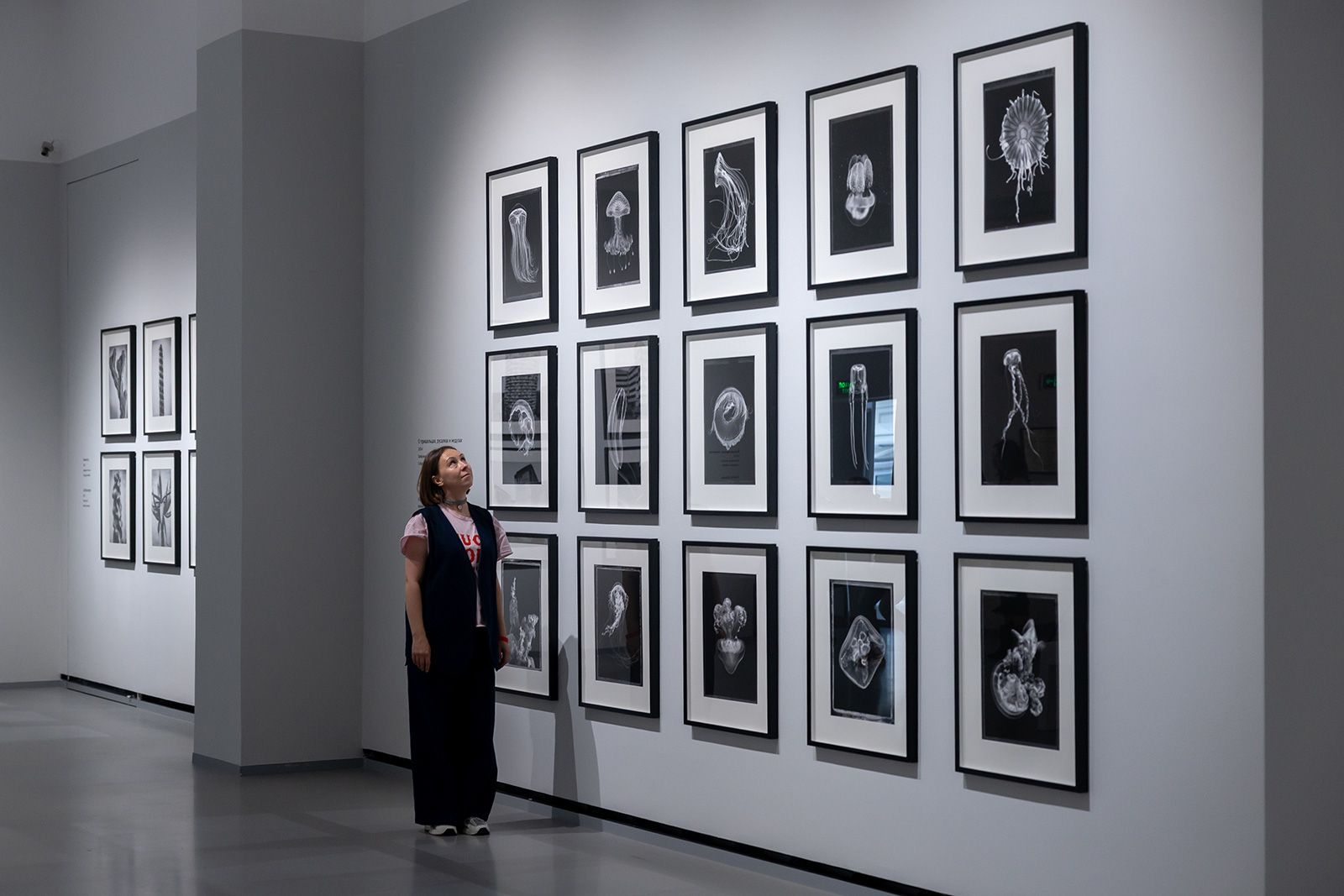
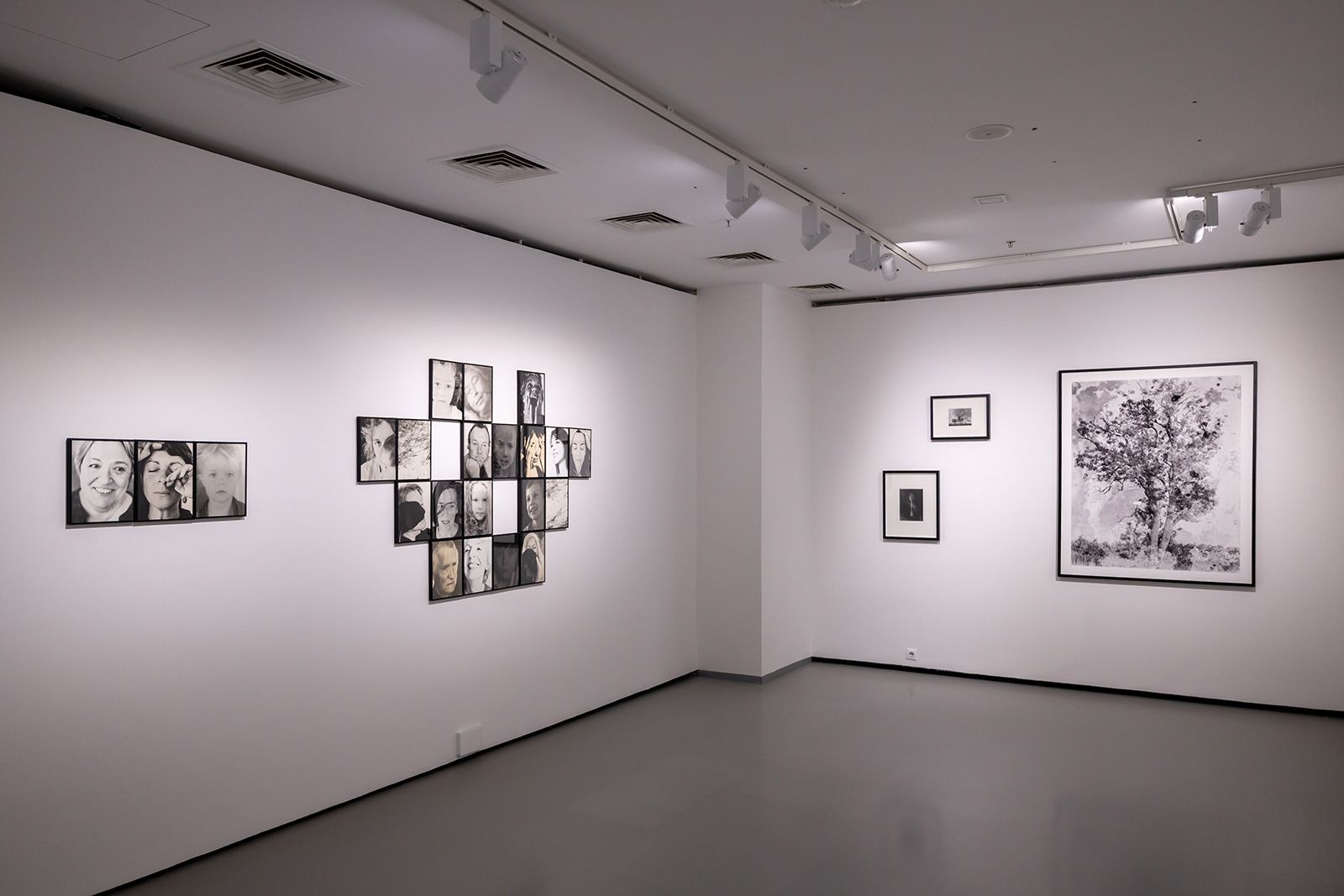
Another international project in the program is Of Aliens, Mermaids and Medusas, an exhibition by the contemporary German photographer Jan Schlegel. His photographs are exhibited at major international exhibitions and art fairs, including Paris Photo, Photo London and Art Basel. New series created by the artist in 2024–2026 will be presented in Moscow for the first time.
Jan Schlegel explores the beauty and uniqueness of the world’s forms, picturing both monumental Brutalist structures and microscopic organisms whose hidden lives are invisible to the human eye. His photographs artistically transform nature and offer an almost childlike, unclouded perception.
Behind the Glass
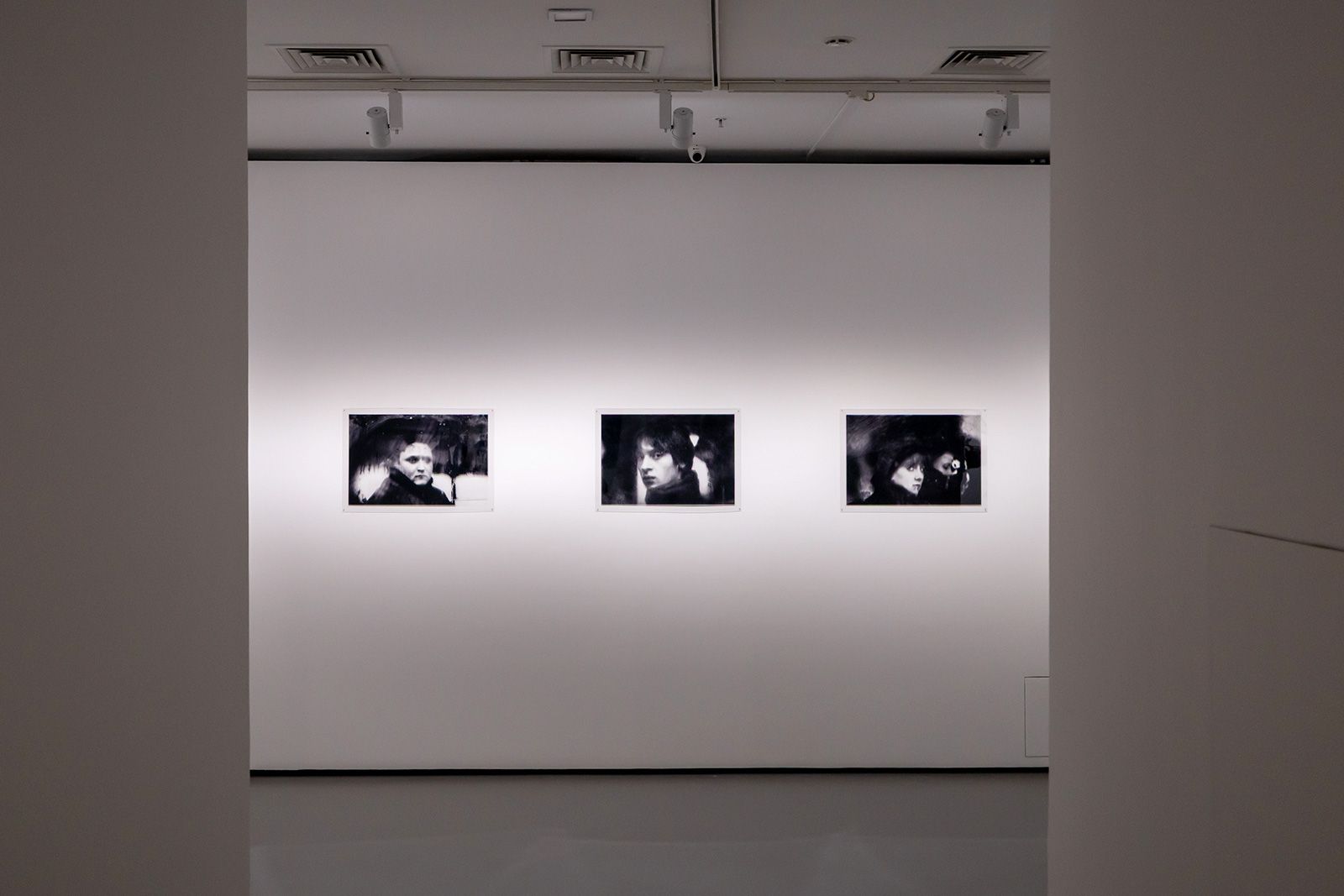
As part of Photobiennale 2026, MAMM will present Behind the Glass, an exhibition by contemporary French artist and photographer Alexandra Catiere. She won the Prix Niépce (2026), the Prix Elysée of the Photo Elysée museum in Switzerland (2018) and the Silver Camera award of the Moscow House of Photography, now known as MAMM (2006).
Alexandra Catiere’s work holds a special place in contemporary photographic art. As the industry is facing a crisis, print media are disappearing, the number of mobile photographs is growing and AI is creating images of nonexistent objects and events, Alexandra Catiere continues the traditions of classic photography, placing particular attention on sophisticated manual printing techniques. At the exhibition, visitors will see both the series that brought her international recognition and her new works.
The Soviet period in the development of photography will be represented at Photobiennale 2026 by several major projects.
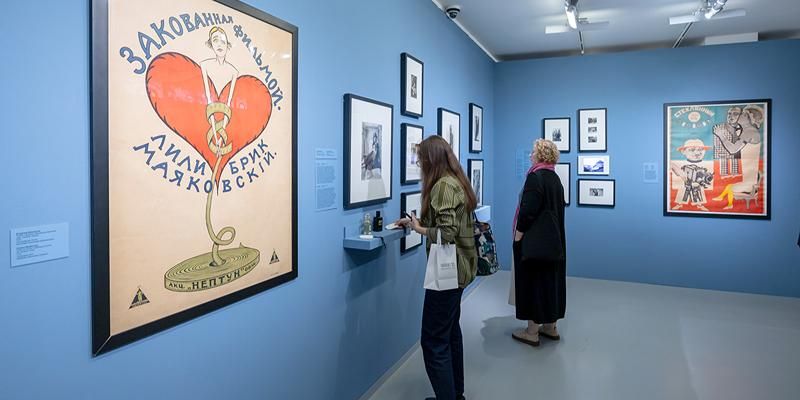
Talking Posters of Silent Film
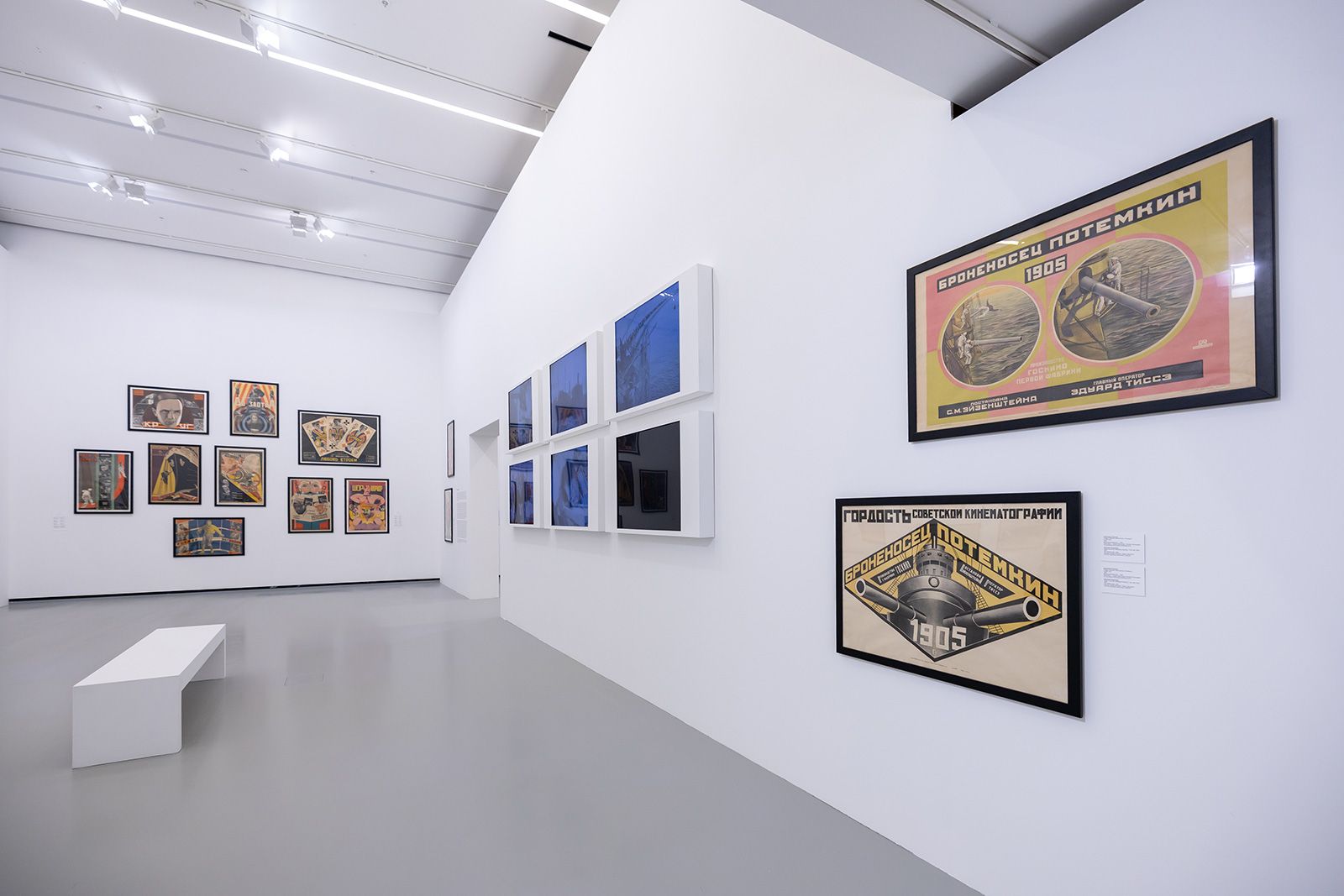
An exhibition titled Talking Posters of Silent Film. Film Poster Masterpieces of the 1920s-1930s from the Alexander Dobrovinsky Collection will open to mark the 130th anniversary of the advent of cinema in Russia. The exhibition will explore what films people watched 100 years ago, which foreign films were released in the Soviet Union and how Russian cinema developed. The featured artists include Alexander Rodchenko, Vladimir and Georgy Stenberg, Anton Lavinsky, Semyon Semyonov-Menes, Nikolai Prusakov, Mikhail Dlugach and other masters renowned in the history of art and international design.
One of the largest sections of the exhibition is devoted to photomontage in film posters. Visitors will see how poster art in the 1920s–1930s reflected all the major film genres: action-packed spy films, historical and revolutionary dramas, comedies of manners and satirical films about the lives of the Western bourgeoisie. A cinema hall has been built within the exhibition where visitors can watch landmark films of the era and experience what it was like to be a moviegoer in the early 20th century. The exhibition will be accompanied by an extensive educational program featuring film scholars and film historians, as well as screenings of silent films with live piano accompaniment.
Lilya Brik: Style Icon and Muse of the Avant-Garde
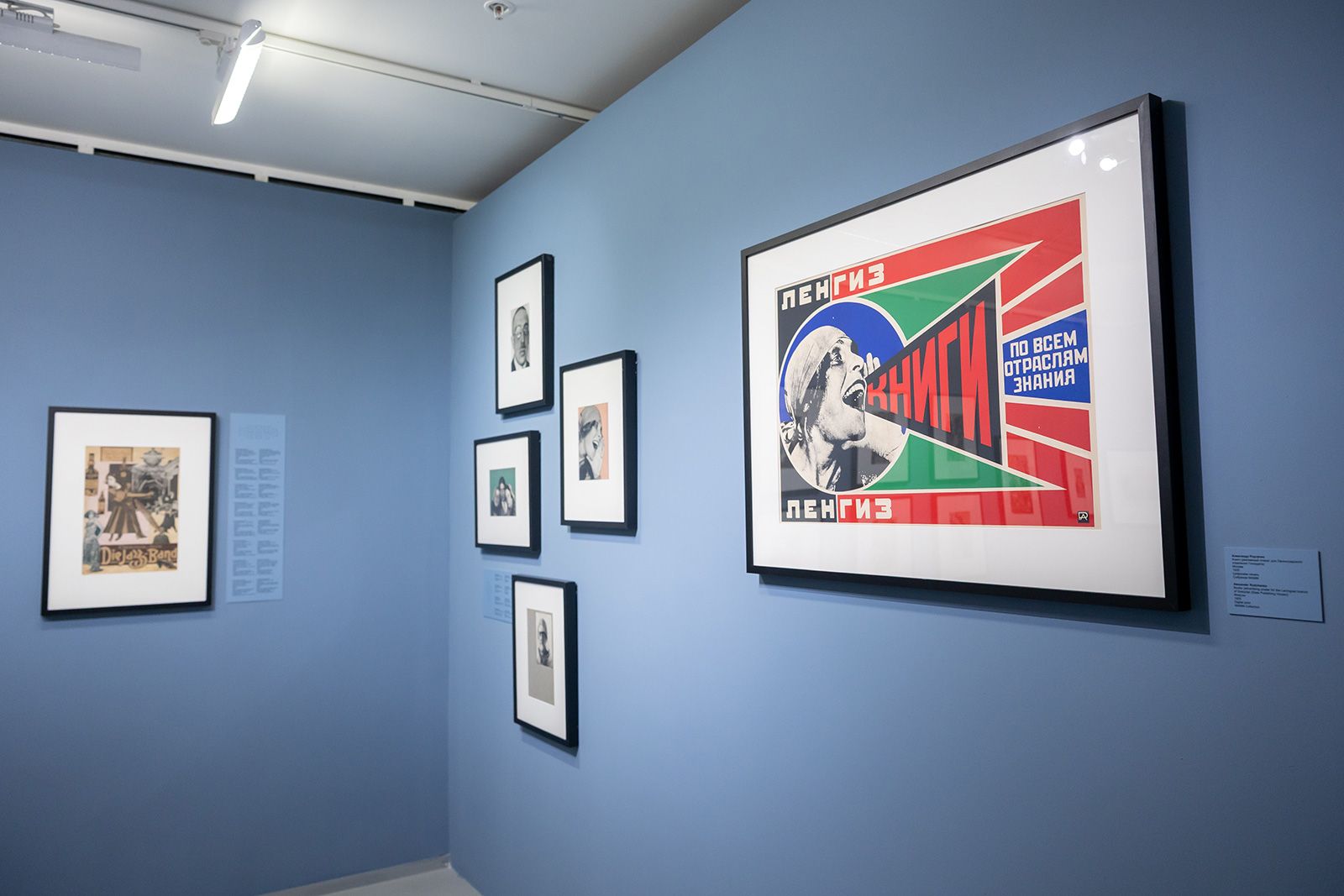
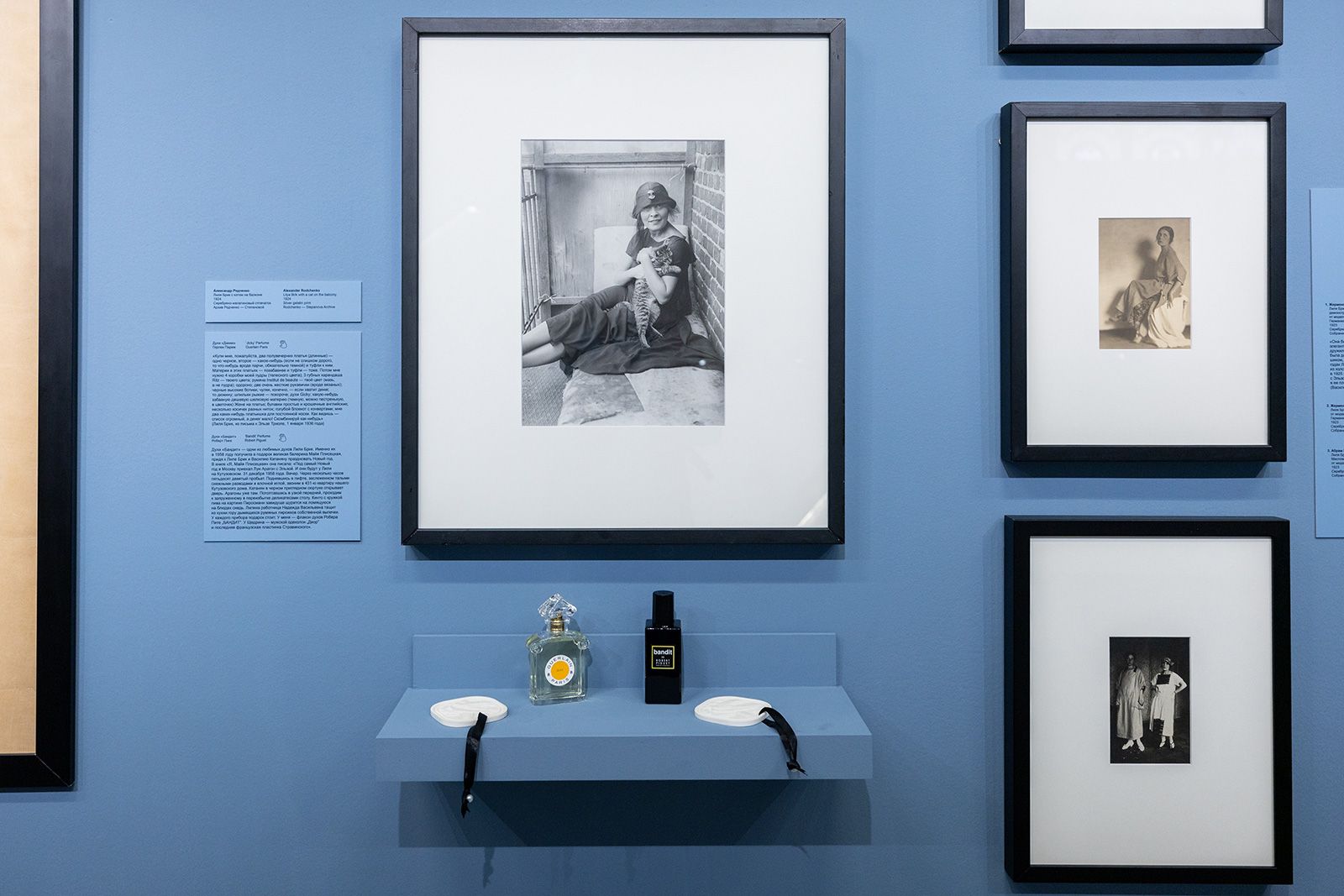
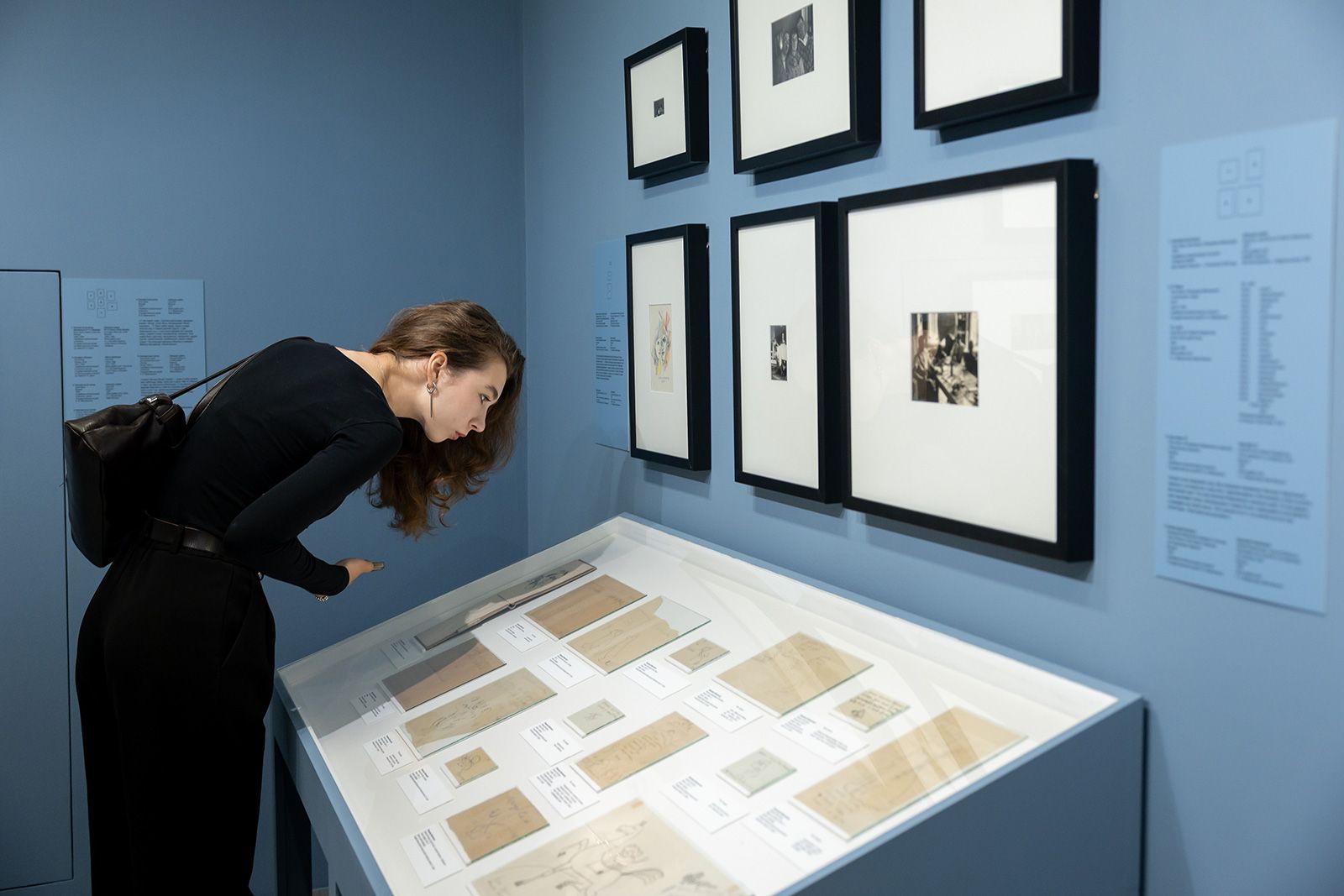
The exhibition Lilya Brik: Style Icon and Muse of the Avant-Garde will be another highlight of Photobiennale 2026 at MAMM. The project marks the 135th anniversary of the birth of Lilya Brik, Vladimir Mayakovsky’s muse, Osip Brik’s wife and one of the key figures of Moscow’s bohemian circles in the previous century. The poet dedicated such famous works as A Cloud in Trousers, The Backbone Flute and Lilichka! to her. Alexander Rodchenko regarded her as one of his principal models. The exhibition will feature photographs from the 1910s–1970s, Alexander Rodchenko’s photocollages for the poem About This, posters and film stills. The exhibition was created jointly with the Mayakovsky State Museum and the Dahl State Museum of the History of Russian Literature.
Give Us the Automobile!
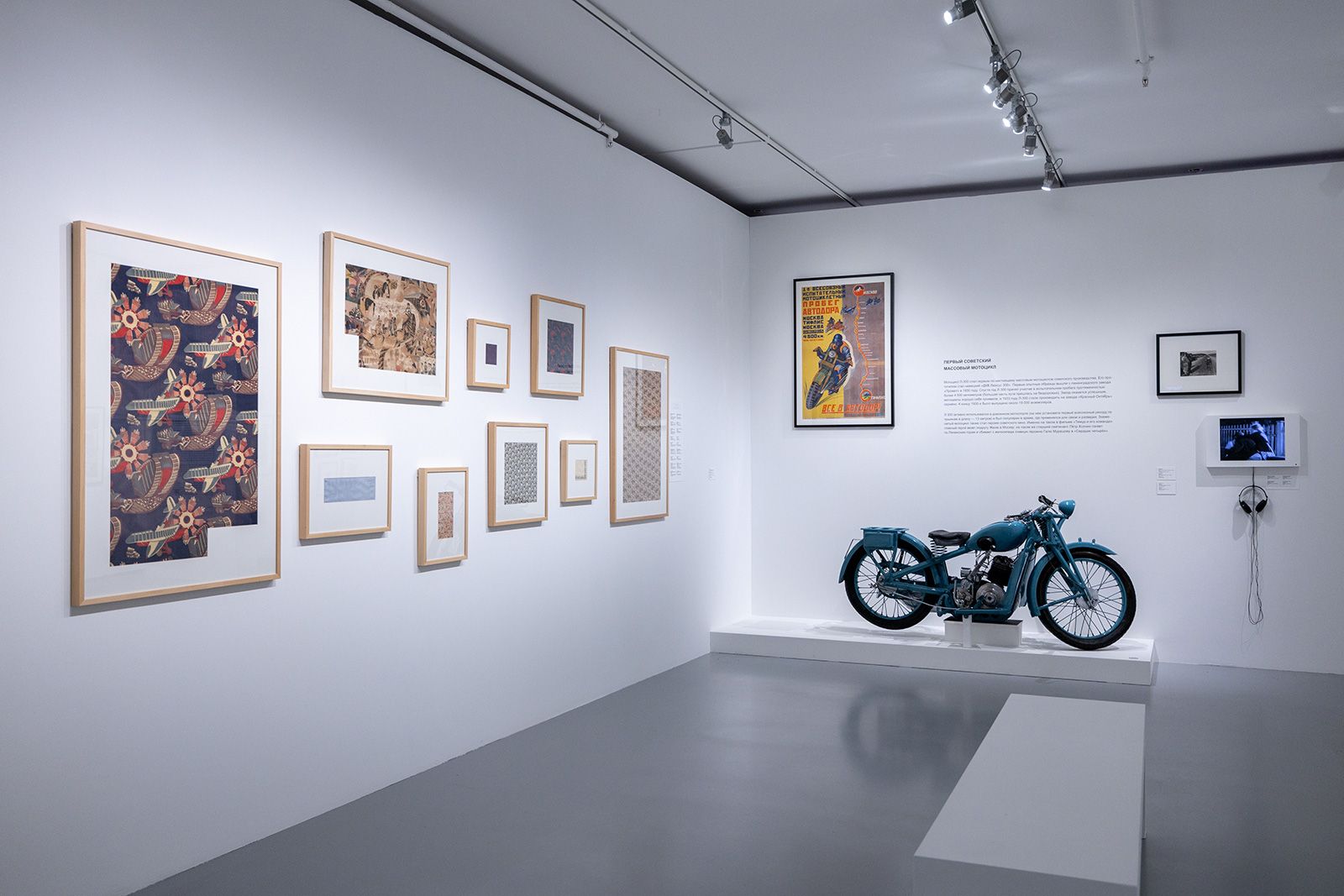
Photobiennale 2026 will present the multidisciplinary project Give Us the Automobile! From the History of Soviet Motorization 1920s–1930s. The exhibition will bring together photographs, film documents, posters, propaganda textiles, magazines, children’s books and other artifacts of the era. The exhibition immerses visitors in the period of rapid motorization.
Visitors will see the first mass-produced Soviet motorcycle, the L-300 (the same model ridden by Timur in the film Timur and His Team), and a children’s pedal car from the 1930s. The exhibition will feature more than 200 items from 25 state institutions in Moscow and other regions, as well as private collections. The introduction of automobiles into the lives of Soviet citizens was closely linked to the rapid pace of industrialization. By the mid-1920s, this process had already acquired major national importance.
Vladimir Mayakovsky dedicated the poems Give Us the Automobile!, A Verse Like a Chauffeur, One Man’s Story of a Dream to this topic. Quotations from them will be featured in the exhibition. Visitors will also see photographs of some of the first car owners, including Vladimir Mayakovsky himself, Lev Kuleshov and Sergei Eisenstein. A special section will feature photographs and newsreel footage of famous motor rallies: the Karakum Rally (1933), a children’s pedal-car race (1934), the first women’s motor rally (1936) and others.
The exhibition’s educational program is designed for visitors of all ages. Special classes and workshops have been set up for children, where young visitors will be able to draw, sculpt and use computers to design the transport of the future. MAMM will also hold a pedal-car race for its youngest visitors.
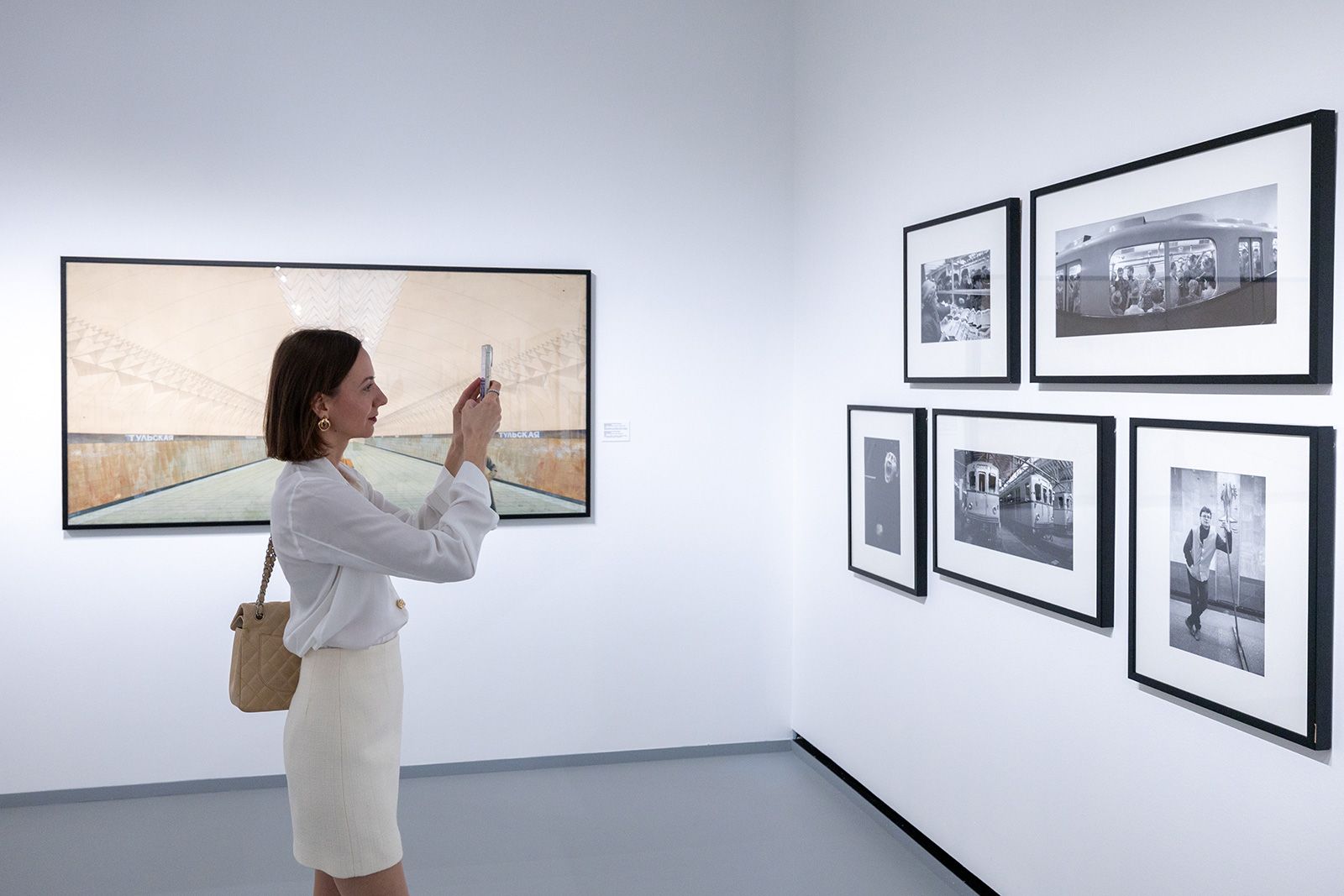
Metro — the Pulse of Time
Another exhibition, Metro — the Pulse of Time, invites visitors to explore the 90-year history of the Moscow Metro, bringing together photographs from the 1930s–2020s, architectural sketches of stations, film excerpts and unique film and television newsreel footage. It features works by classics of Russian photography, including Alexander Rodchenko, Emmanuil Yevzerikhin, Arkady Shaikhet, Mikhail Grachev, Vladimir Lagrange, Viktor Akhlomov and Igor Mukhin. Visitors will also see works by outstanding film directors: Grigory Alexandrov, Alexander Medvedkin, Mikhail Kalatozov, Georgy Daneliya and many others.
One of the exhibition’s distinctive features will be new projects created especially for it. Their authors are contemporary photographers Ivan Mikhailov, Gleb Zherekhov and Ivan Onofriychuk. Their works will focus on metro stations built over the past 15 years. Since its inception, the Moscow Metro has become a major cultural phenomenon.
Photographs by Emmanuil Yevzerikhin, Mark Markov-Grinberg, Boris Vdovenko and other photographers, as well as newsreel footage from the 1930s, captured light-filled underground palaces and metro builders working in extremely hard conditions. Visitors will see the first metro employees in impeccable uniforms, the first passengers amazed by the beauty and engineering complexity of the stations, as well as candy vending machines and buffets. “The best metro in the world,” as newspapers of the time called it — using metro as a masculine noun, as was then common in Russian — was intended to instill a new, progressive way of life in the population.
As the period of liberalization known as the Khrushchev Thaw began, the country was changing, and so was the style of the era. The focus of art shifted from the ceremonial to the personal, so, in the works of photographers and filmmakers of the 1960s, the metro appears as a living space of everyday urban life, centered on people, their feelings, experiences and doubts.
A separate chapter in the history of the Moscow Metro is associated with music. In the 1970s–1980s, during the heyday of vocal and instrumental ensembles, the metro repeatedly served as a concert venue. The musical films Moscow in Notes (1969) and The Ensemble of Losers (1976) are set in the capital’s metro, while in 1982 an entire episode of the popular show Morning Mail was dedicated to it. The exhibition will conclude with photographs and videos by contemporary artists, demonstrating the enormous changes the metro has undergone in recent years.