Moscow Metro receives 80 new Moskva-2026 cars this summer
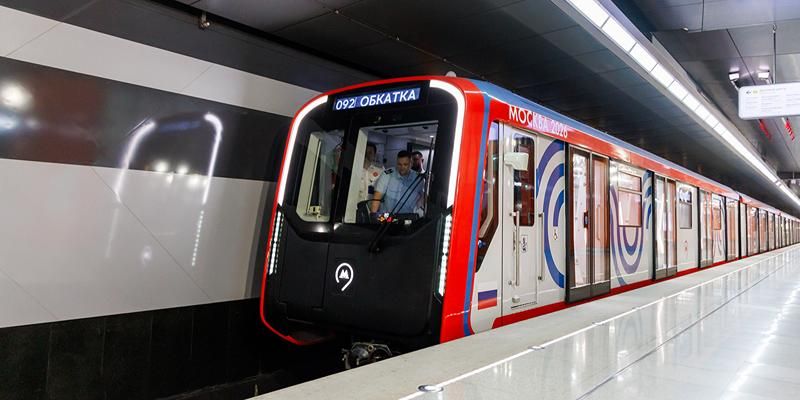
This summer, the Moscow Metro fleet received 80 Moskva-2026 cars. Modern trains continue to arrive on the Zamoskvoretskaya Line, bringing the total number of new-generation trains to 60. In addition, Moskva-2026 trains have been deployed on the first section of the Rublyovo-Arkhangelskaya Line, as shared by Maxim Liksutov, Deputy Moscow Mayor for Transport and Industry.
“On Sergei Sobyanin’s instructions, we continue to renew the Moscow Metro train fleet. There are already 192 Moskva-2026 cars operating on the Zamoskvoretskaya Line. In addition, 96 such cars entered service on the new Rublyovo-Arkhangelskaya Line in early September. Since 2010, the share of modern trains in the Moscow Metro has increased from 13 to more than 80 per cent. Under the transport development strategy, this figure will exceed 90 per cent by 2030,” Maxim Liksutov says.
Moskva-2026 is a modern modification of the 775 series, which also includes trains of the earlier Moskva-2020 and Moskva-2024 models. Trains of the 775 series already operate on six Moscow Metro lines: the Zamoskvoretskaya, Circle, Kaluzhsko-Rizhskaya, Big Circle, Troitskaya and Rublyovo-Arkhangelskaya lines.
Rolling stock renewal is one of the priorities for the development of the Moscow Metro. The arrival of new trains helps improve service reliability, provide more comfortable conditions for passengers and steadily renew the Metro fleet. Over the past 10 years, the Moscow Metro has received more than five thousand modern cars.
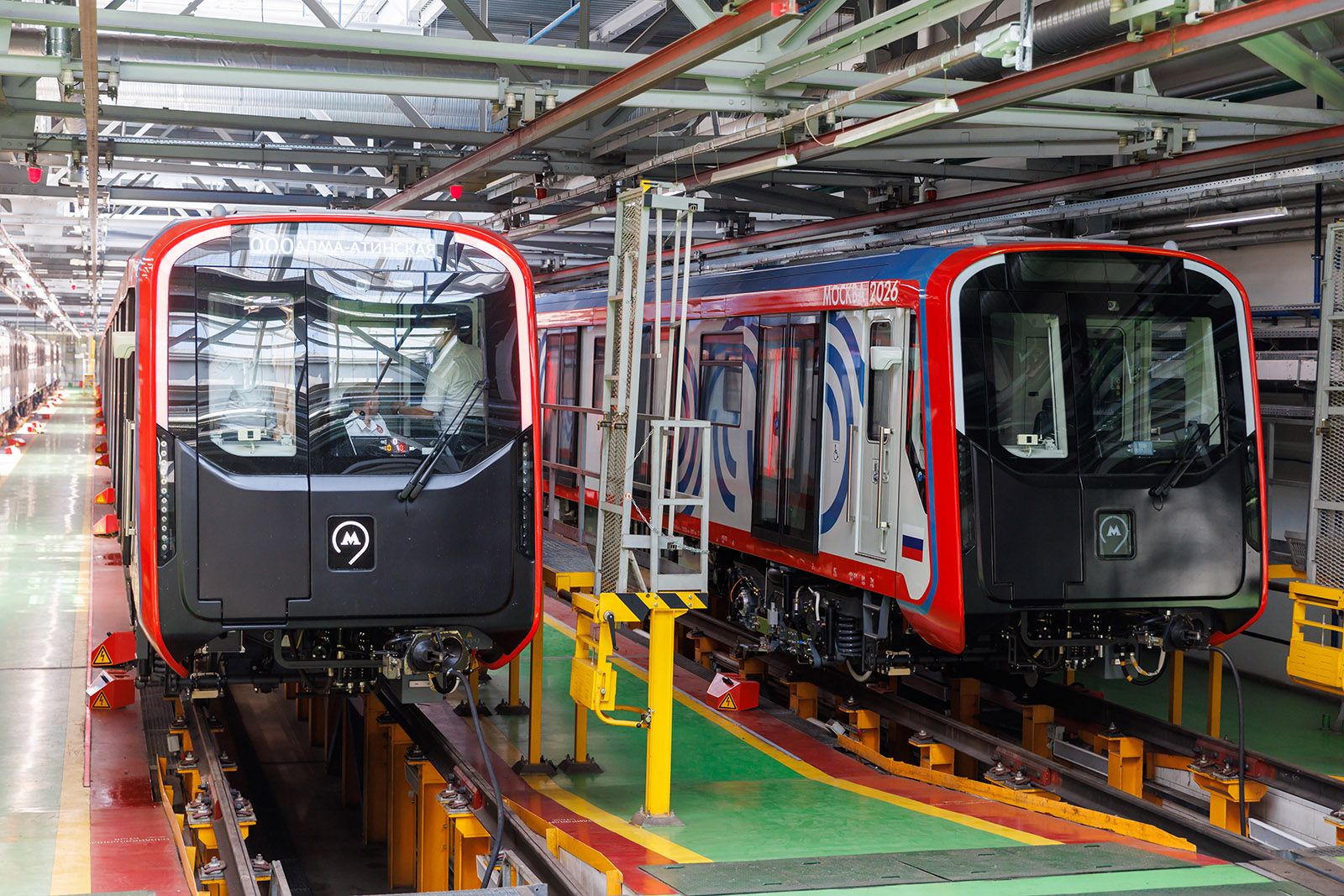
Moskva-2026 train
Moskva-2026 trains first entered passenger service in December 2025. It is the most cutting-edge metro train in Russia and one of the most technologically advanced in the world. It retains all the advantages of the previous series while offering greater comfort and safety. Its introduction is an important step in the renewal of the Zamoskvoretskaya Line: more than 80 per cent of trains on the line are already new-generation models.
Moskva-2026 has received a comprehensive range of improvements. Compared with Nomernoy-type cars, capacity has increased by 10 per cent: a single train can carry about 1,500 passengers. This has been made possible due to wide gangways between cars. The doors on the new cars are 32 per cent wider, significantly speeding up boarding and alighting.
Metro infrastructure
The large-scale Metro rolling stock renewal program involves more than just purchasing new cars, as efficient train operation requires proper infrastructure maintenance. Today, the Moscow Metro’s electric depots are its technological heart.
The Moscow Metro is the best equipped in the world in terms of train maintenance. The safety and comfort of journeys directly depend on the high level of service provided around the clock at the depots. Wheel lathes help ensure a smoother ride, automated washing systems allow clean trains to enter service and the inspection pits at new electric depots are equipped with modern specialized equipment for servicing roof-mounted systems, including air conditioning systems. The operation of electric depots helps maintain some of the shortest train intervals among metro systems worldwide — just 90 seconds during peak hours on the busiest lines.