How Moscow and St. Petersburg are working together to preserve unique architectural monuments
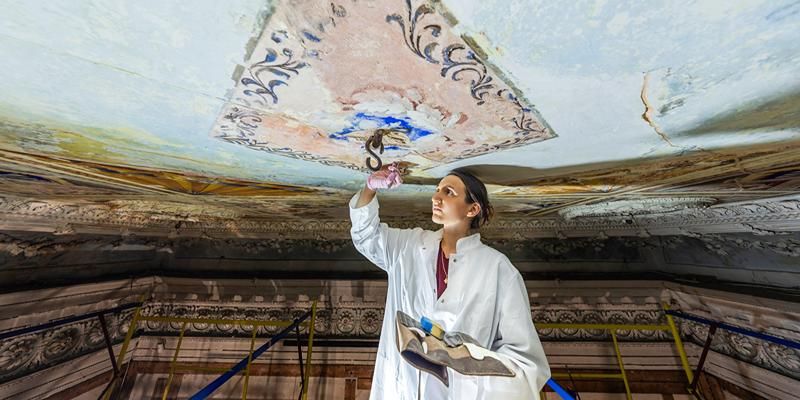
Moscow and St. Petersburg are strengthening interregional cooperation in the preservation of cultural heritage. St. Petersburg restorers are taking part in the work on the capital’s landmark architectural monuments. They are helping restore unique sites of major historical and architectural significance, including the Ostankino and Kuzminki estates. Individual valuable elements from Moscow’s Grachevka Estate have been sent to workshops in St. Petersburg. The restoration work is funded by the Moscow budget.
Ostankino Estate
Ostankino Palace is one of the few surviving wooden palaces in Russia. It is an architectural structure unique in Russia and the world, built entirely of wood as a palace-theatre with a preserved professional stage and stage machinery. The estate has retained its professional stage and stage machinery.
In its 230-year history, the palace has never been reconstructed or rebuilt, preserving its authentic interiors and palace décor from the late 18 th century, as well as an outstanding collection of interior furnishings of great artistic value. The palace-theatre was built of wood to provide unique natural acoustics.
It was commissioned by Count Nikolai Sheremetev, a passionate admirer of musical theatre and dramatic art. The concept had no equivalent in Russia. Ostankino Palace embodied the Enlightenment-era idea of a pantheon of the arts. The theatre auditorium became the center of the complex, which was unusual for estate residences. The state rooms adjoining the theatre served as foyers while also being designed as galleries of paintings, graphic art and sculpture.
The palace-theatre was designed by the Italian architect Francesco Camporesi. Other prominent artists of the time, including Vincenzo Brenna and Giacomo Quarenghi, also contributed to its creation.
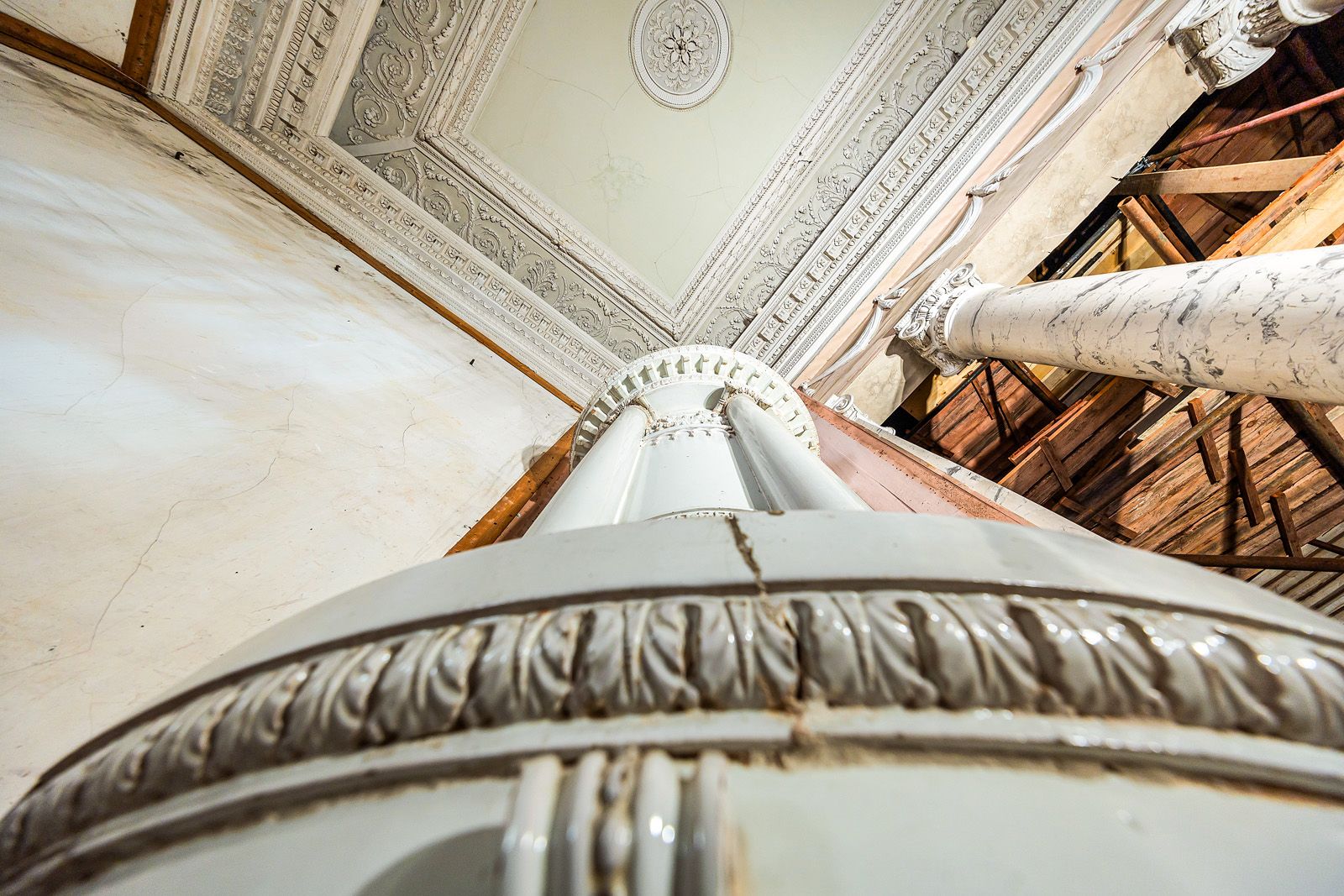
The Ostankino Estate is currently undergoing large-scale restoration, as professional artists, cabinetmakers, stucco craftsmen, joiners and carpenters are working to restore its historic appearance. In 2025, the eastern part of the palace, the Egyptian Pavilion, was restored; this year, the elegant Italian Pavilion with its galleries and rotunda, forming the western part of the palace, reopened after restoration.
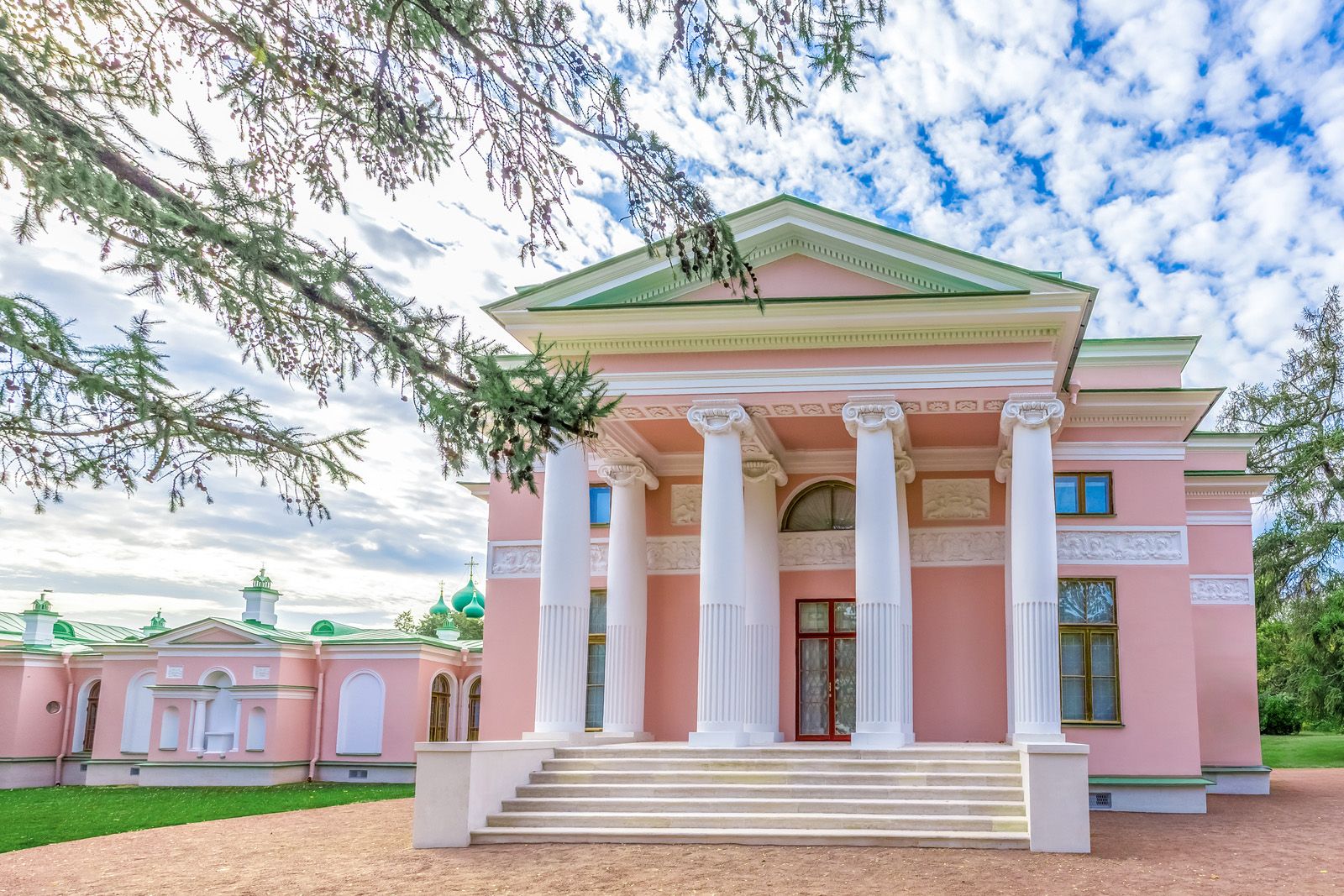
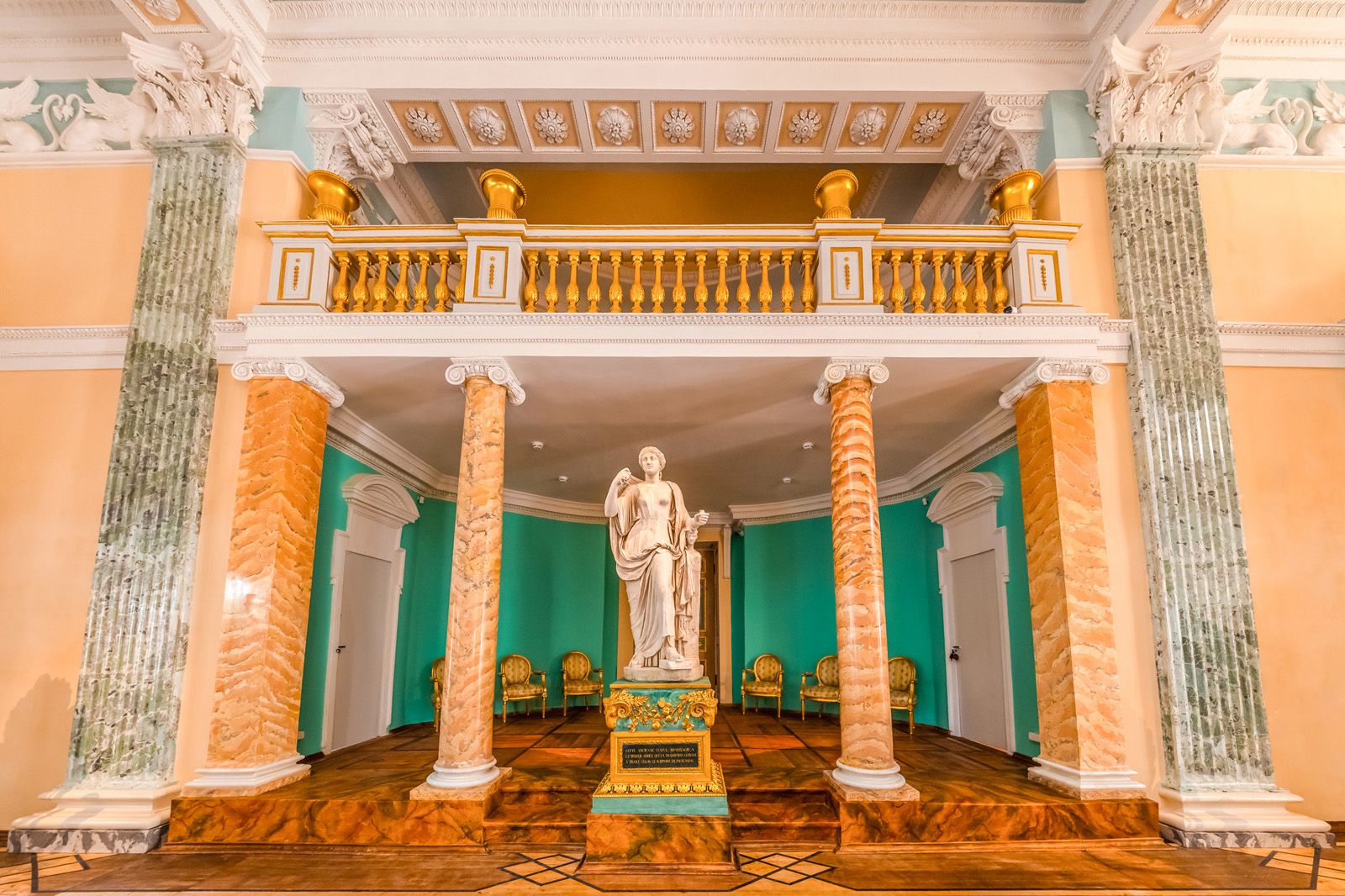
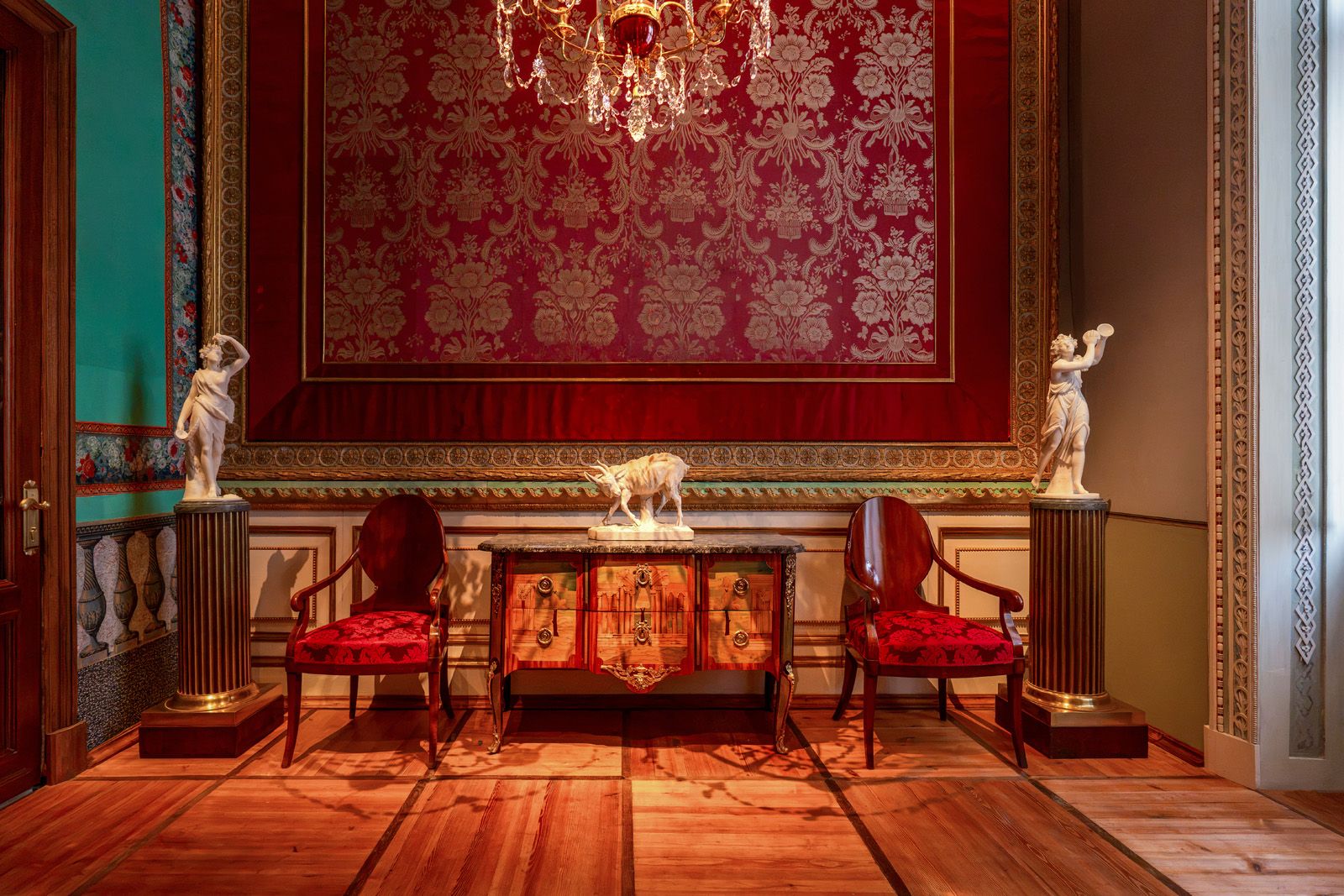
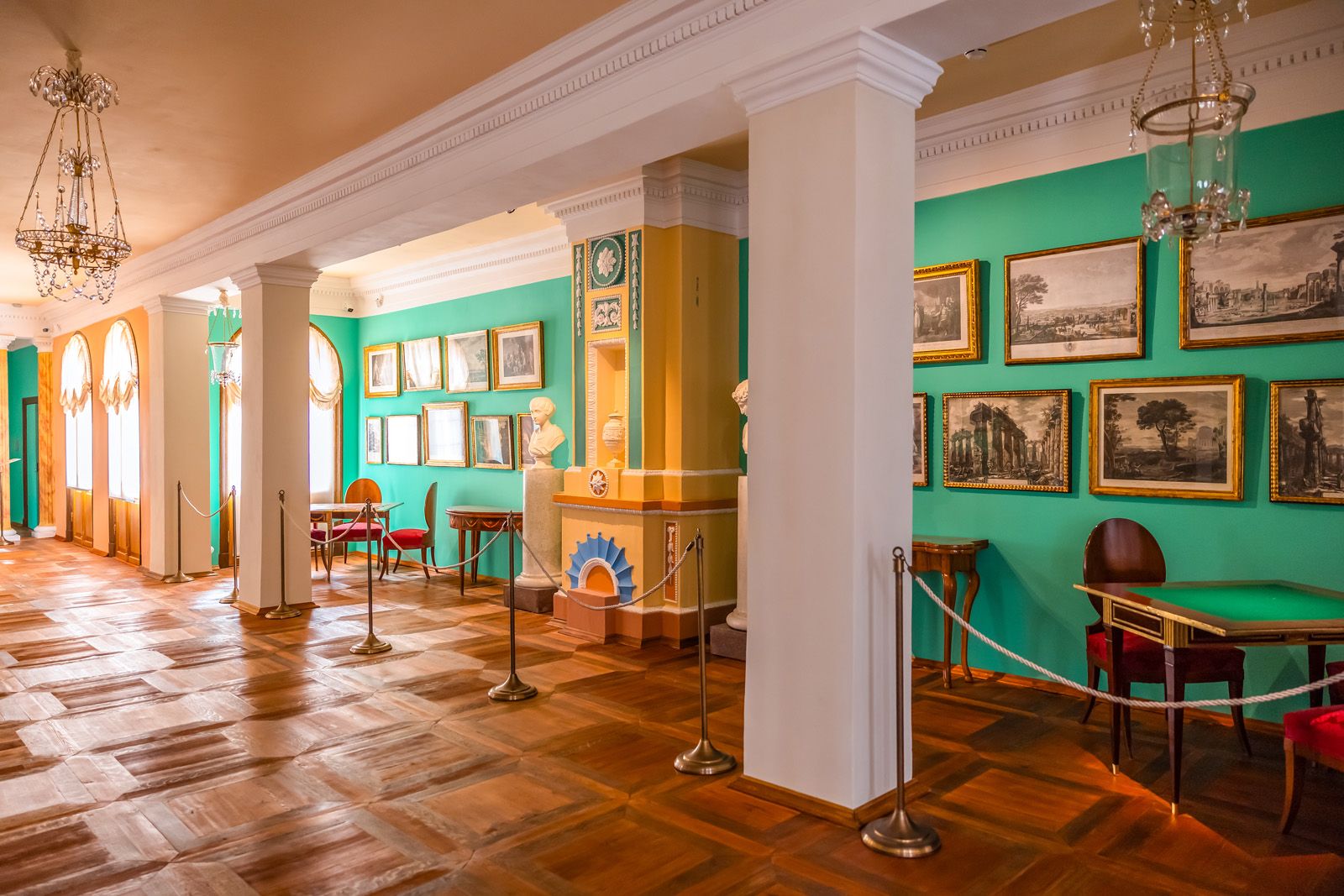
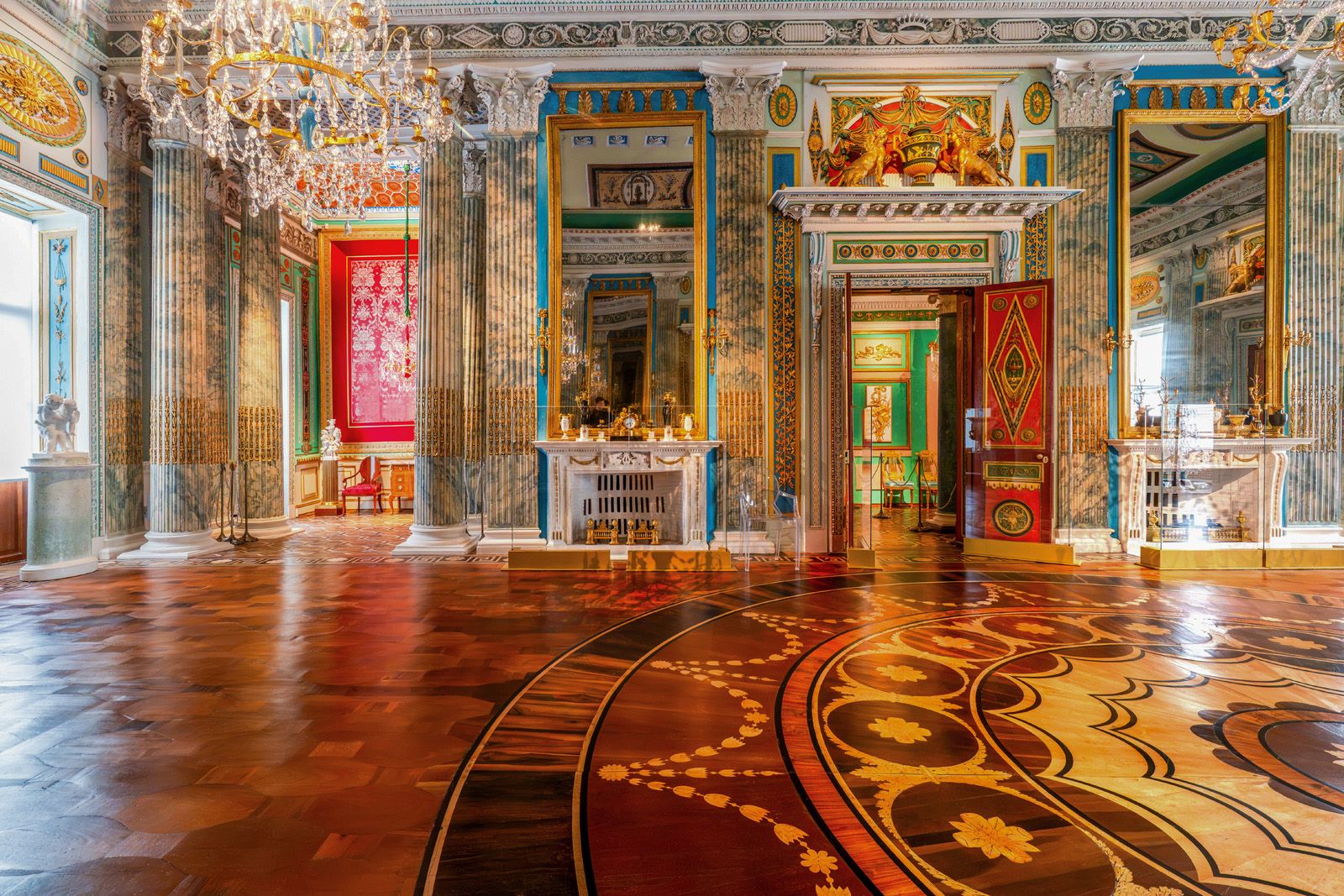
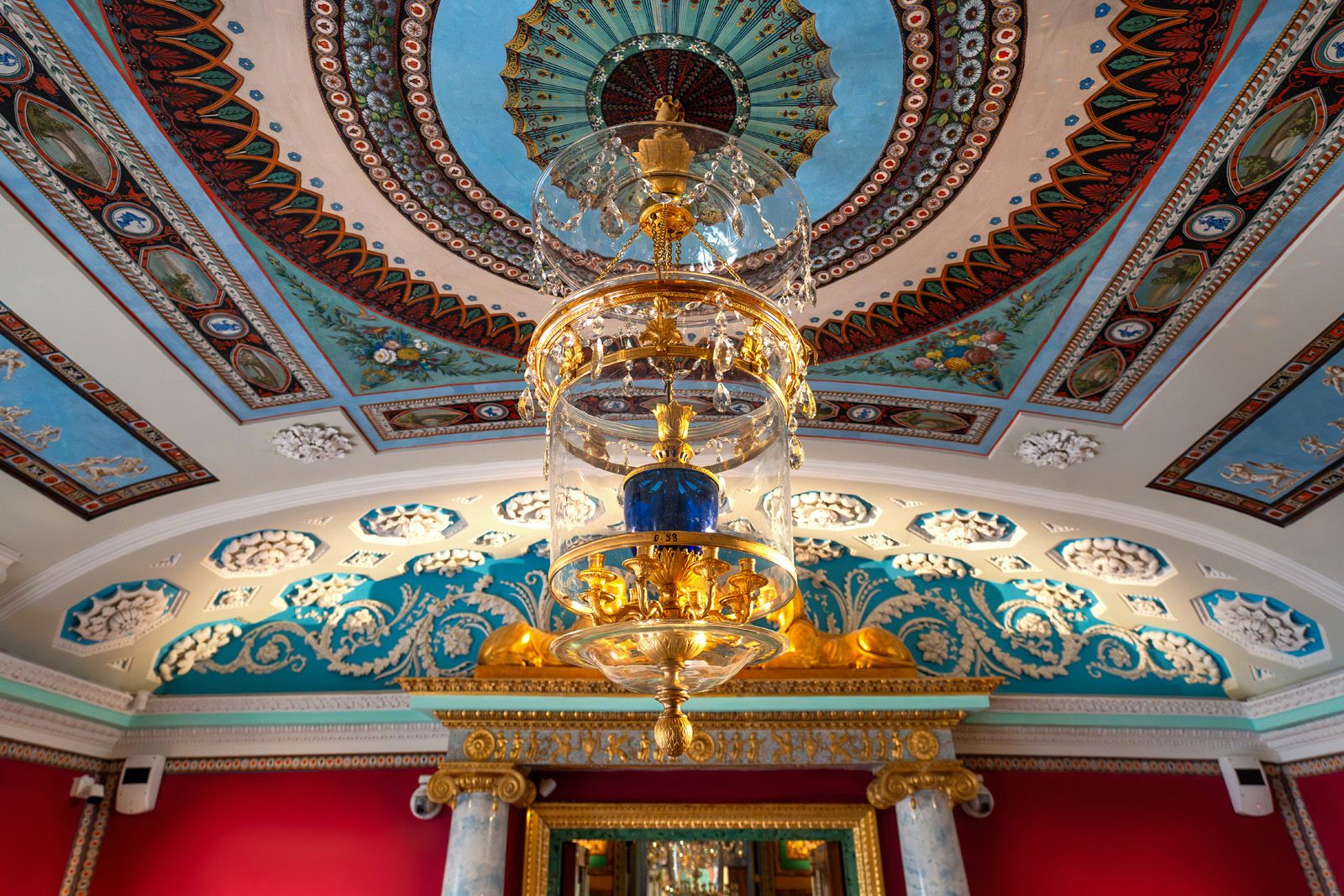
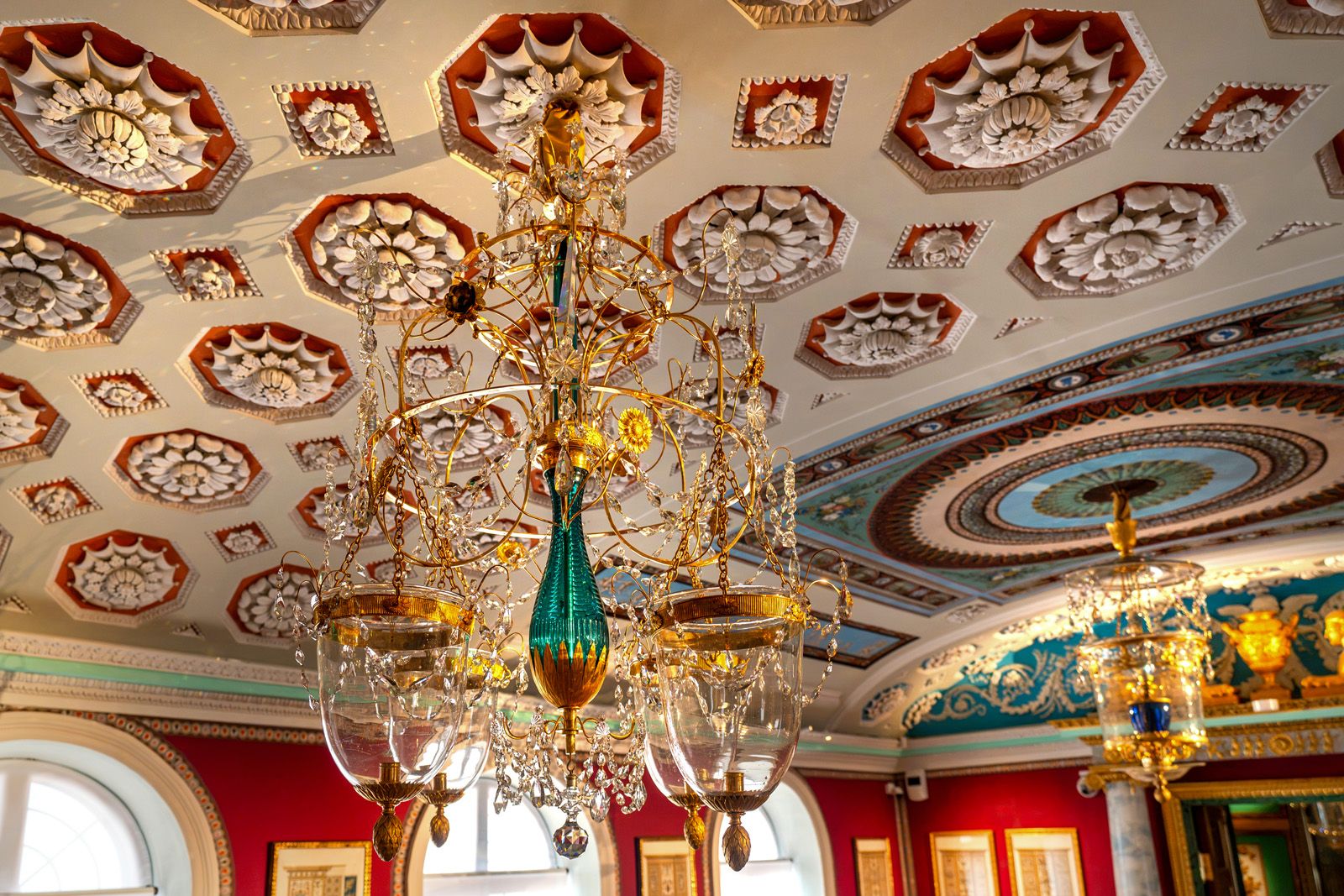
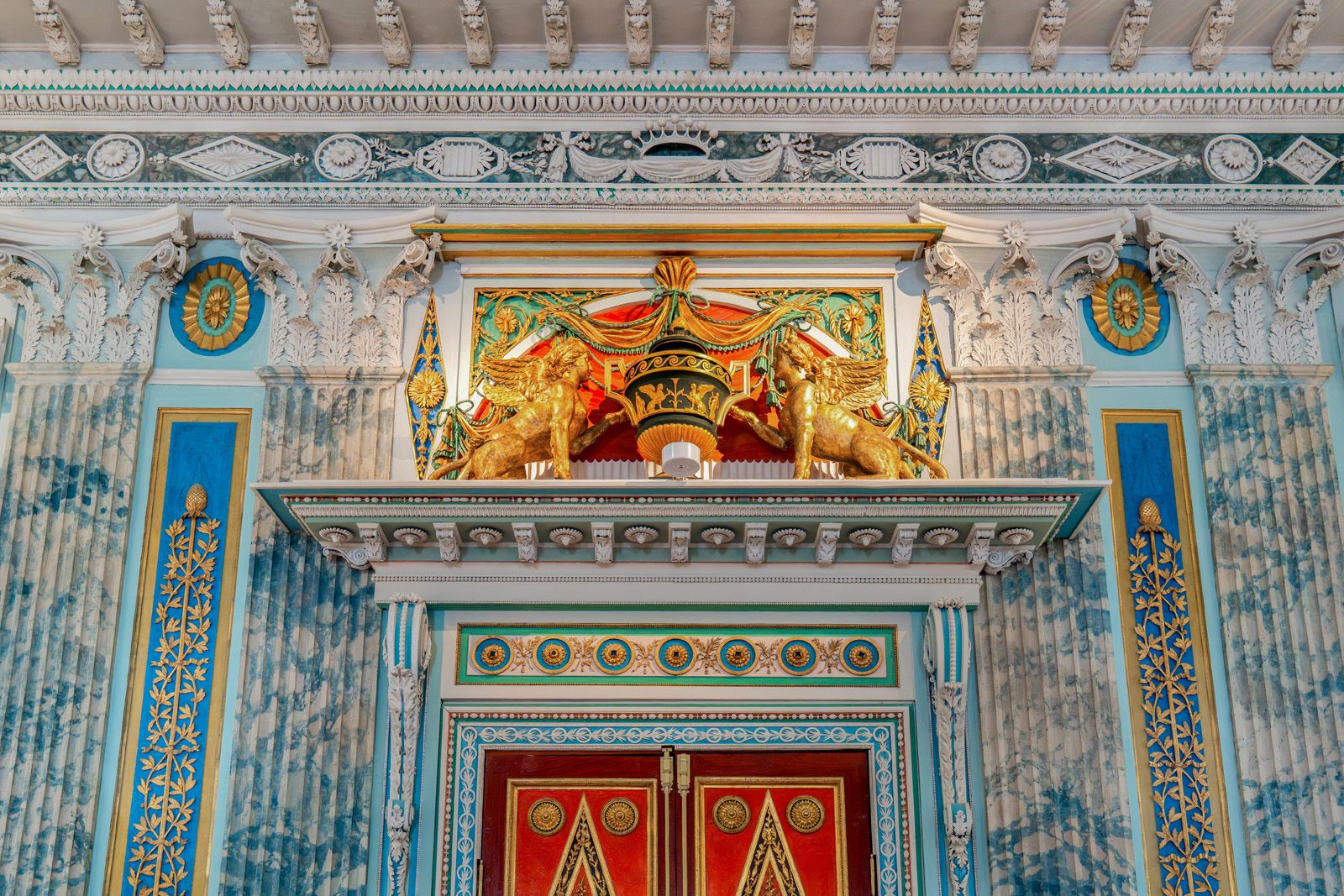
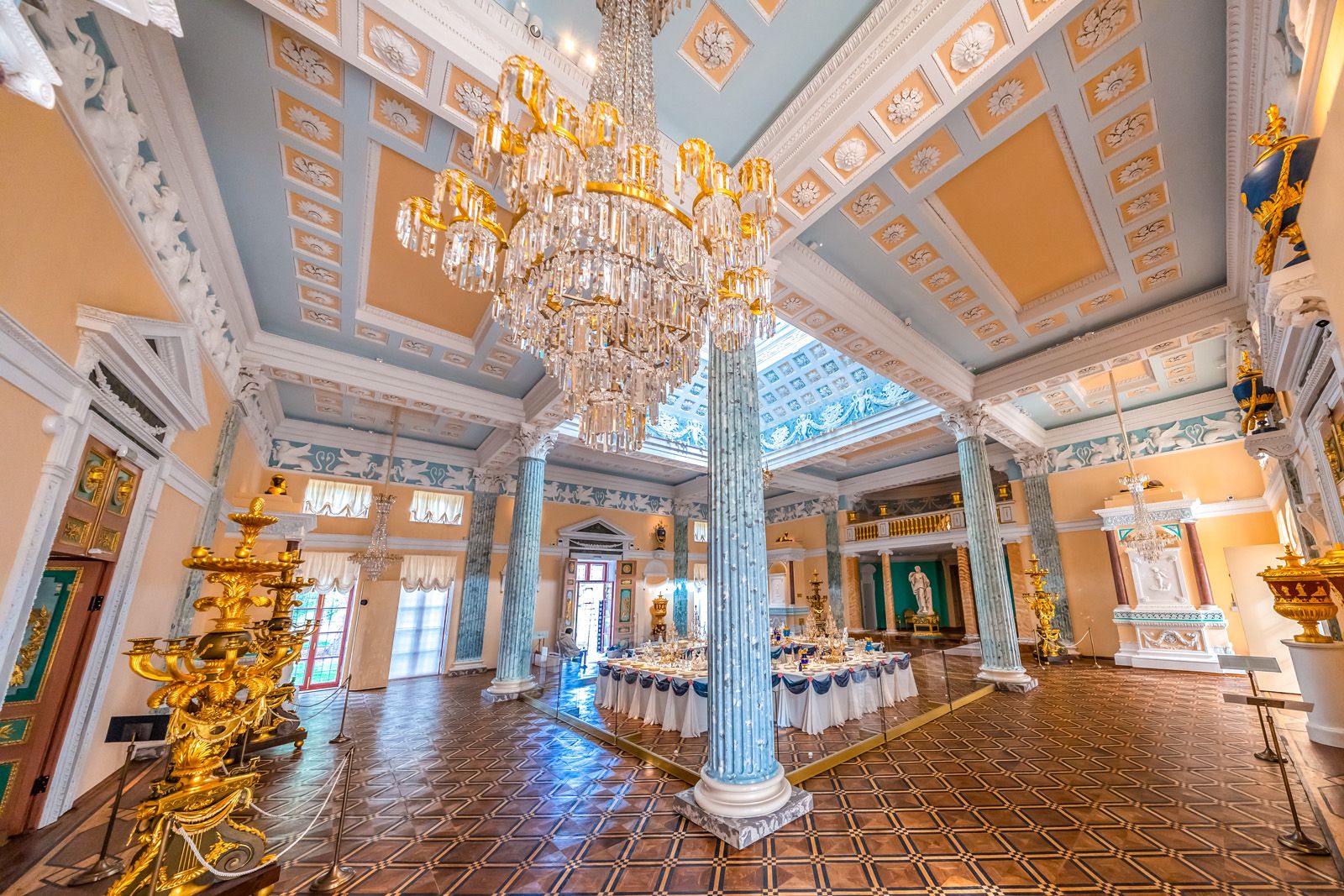
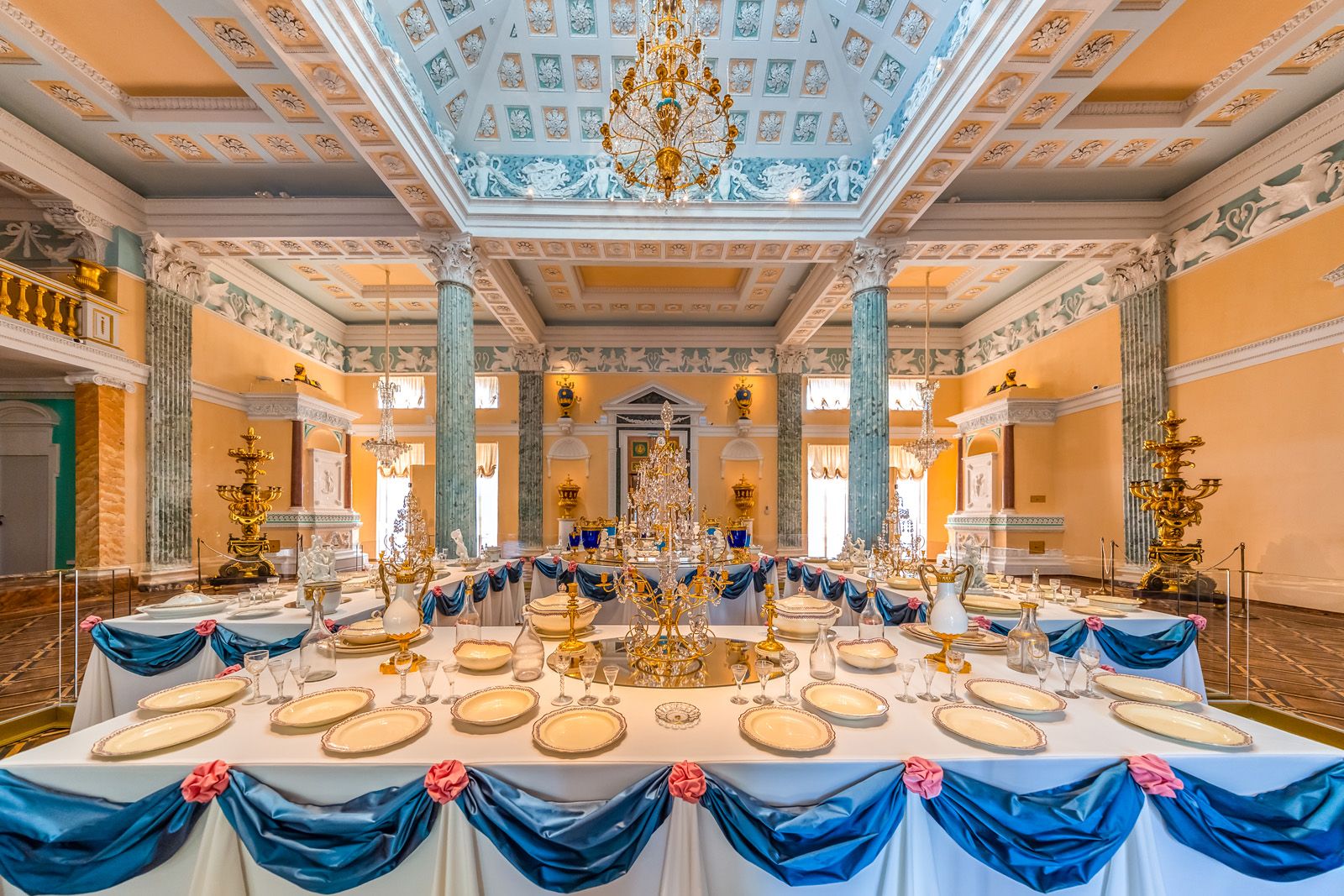
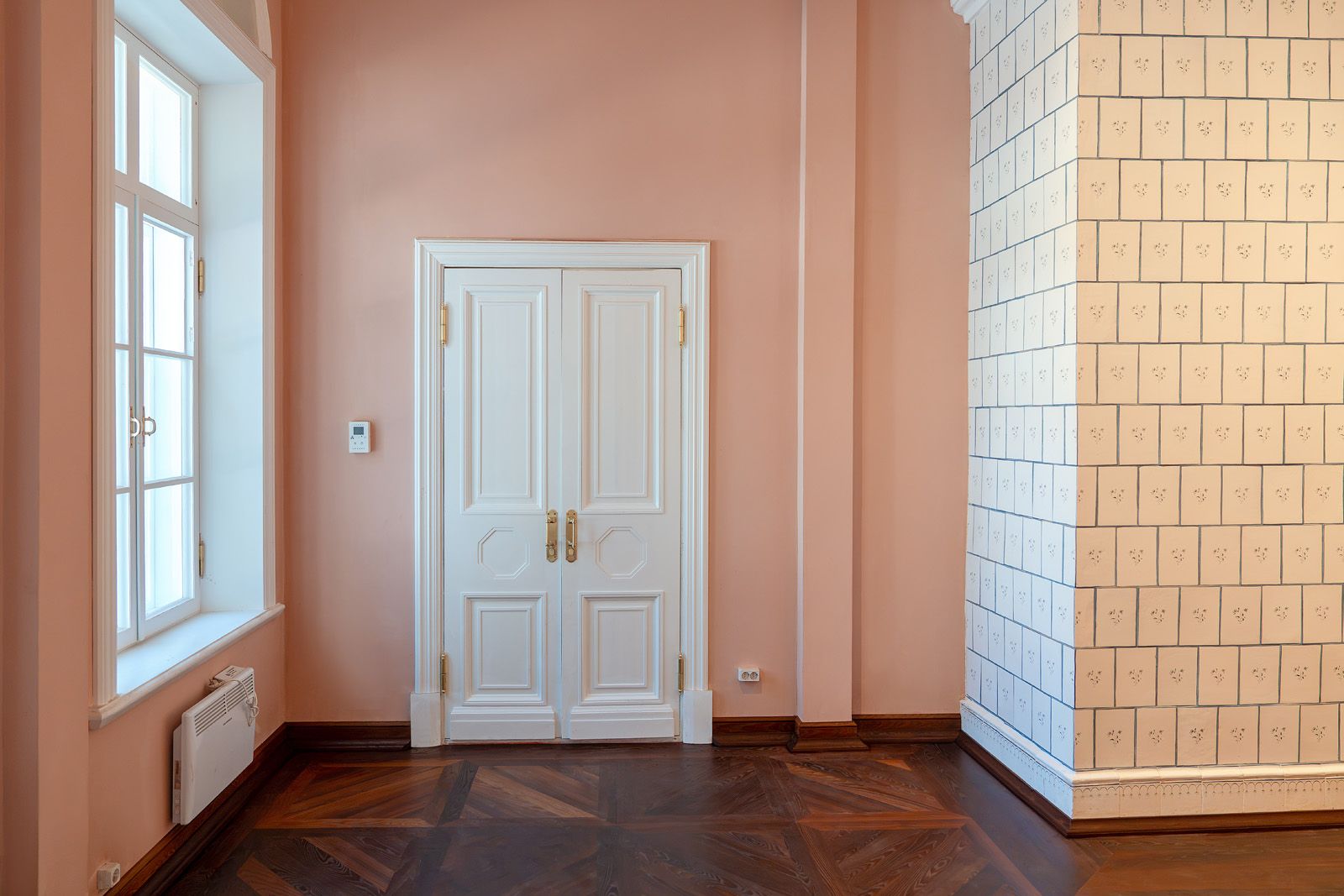
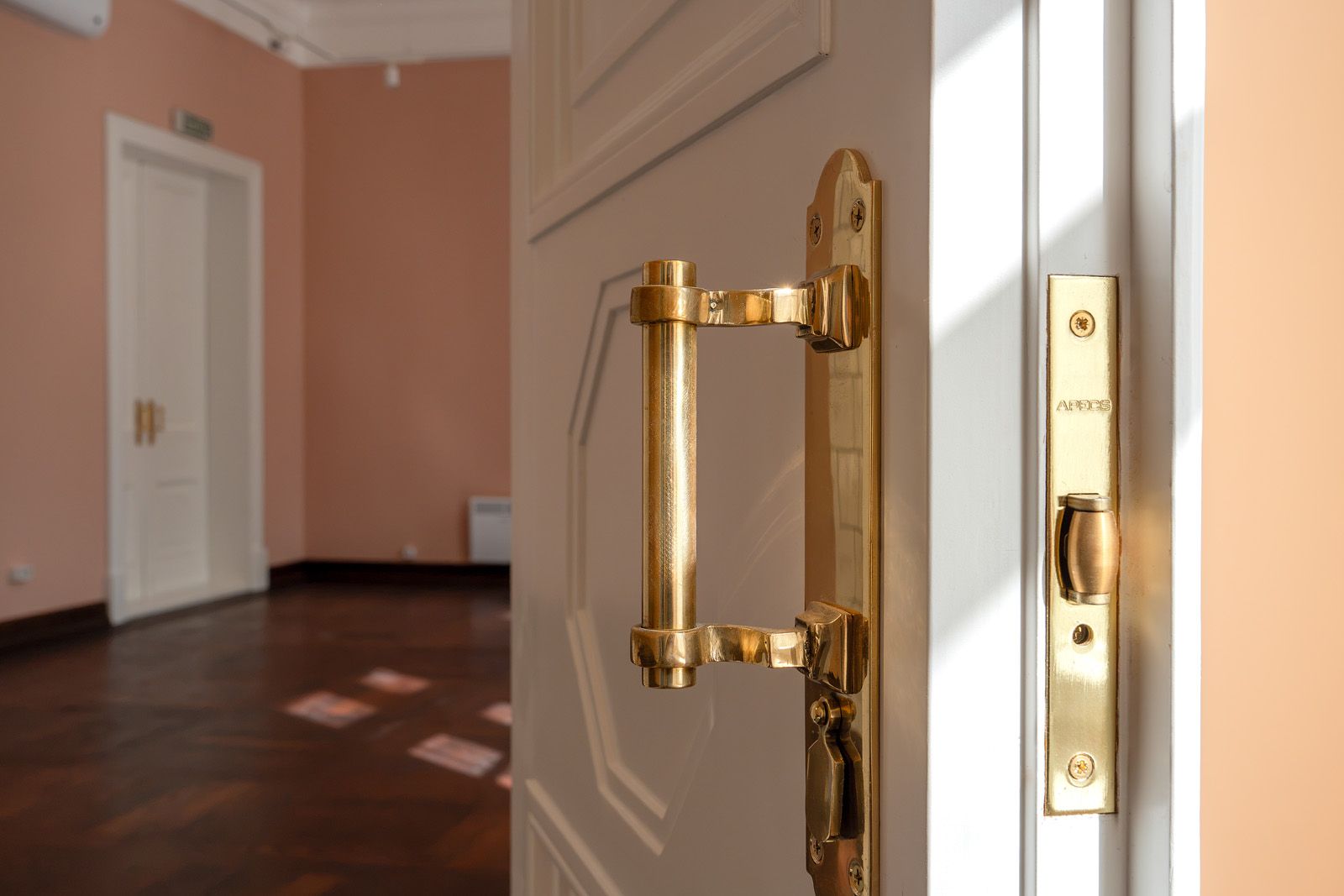
In St. Petersburg workshops, specialists restored around 20 elaborate wooden door leaves from the Egyptian Pavilion, as well as about 1,000 square meters of original decorative parquet flooring from the Egyptian and Italian pavilions.
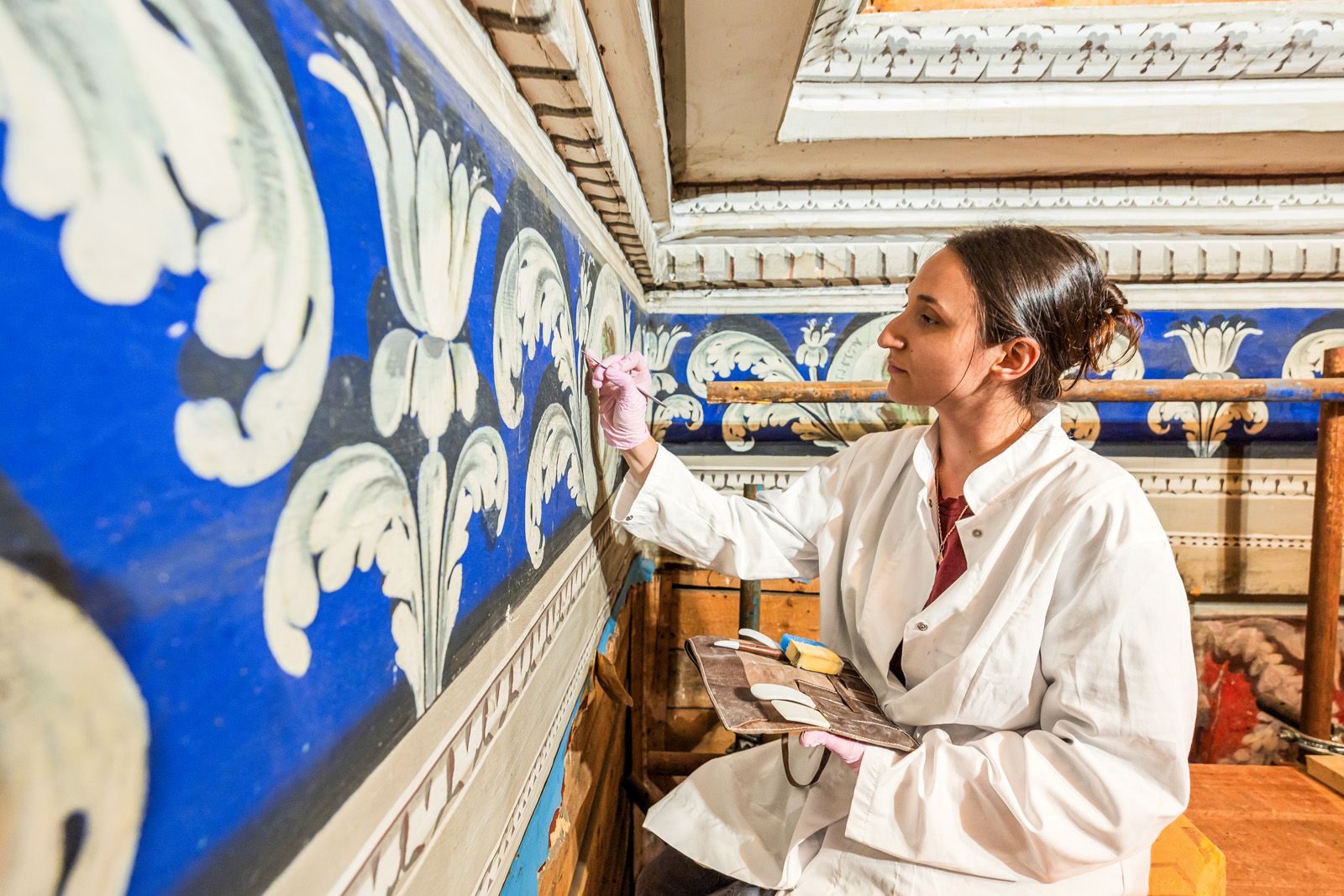
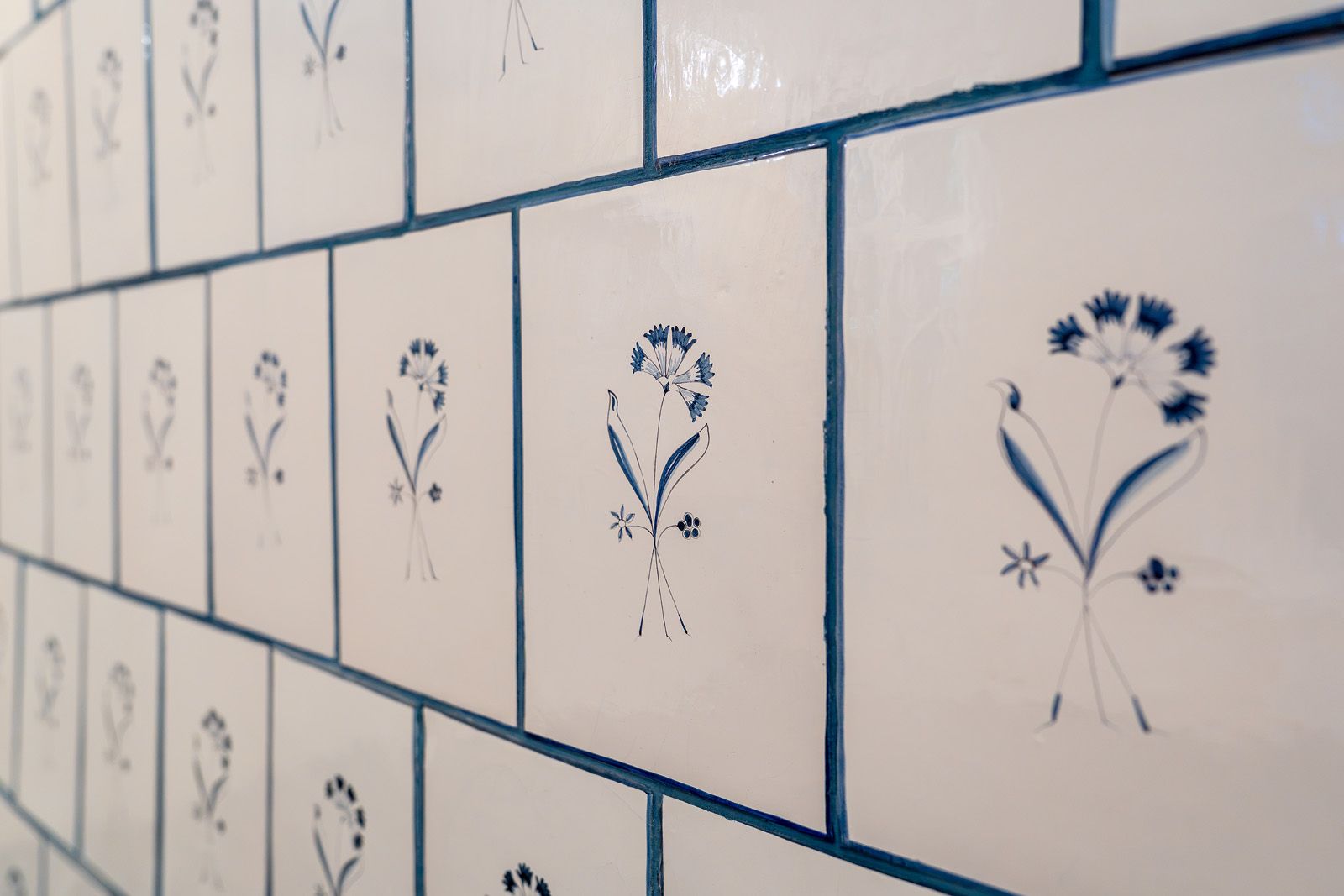
Specialists have now begun work on the central part of the unique architectural complex, the palace-theatre to restore decorative interior elements, including tiled stoves, sculptures, parquet floors and mirrors.
Kuzminki Estate
St. Petersburg restorers are also working on several structures at the Kuzminki Estate, Moscow’s largest architectural and park ensemble in terms of the number of cultural heritage sites, with around 40 of them located there.
The estate was created by renowned architects and sculptors, including Ivan Zherebtsov, Rodion Kazakov, Domenico Gilardi and Peter Klodt. Over the 300-year history of the unique Stroganov and Golitsyn estate, it has welcomed a wide range of guests, including Peter the Great, Alexander II and Empress Maria Feodorovna.
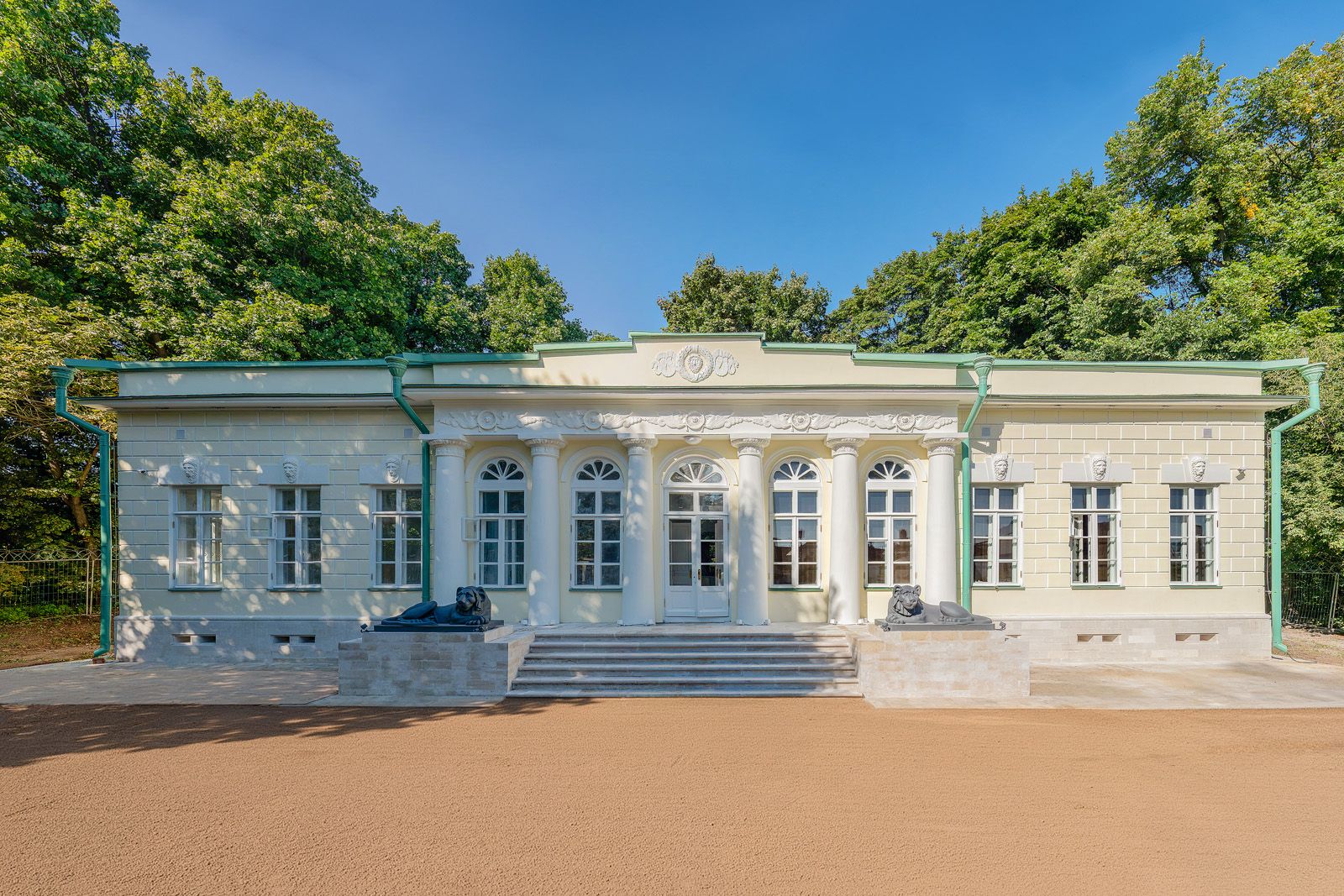
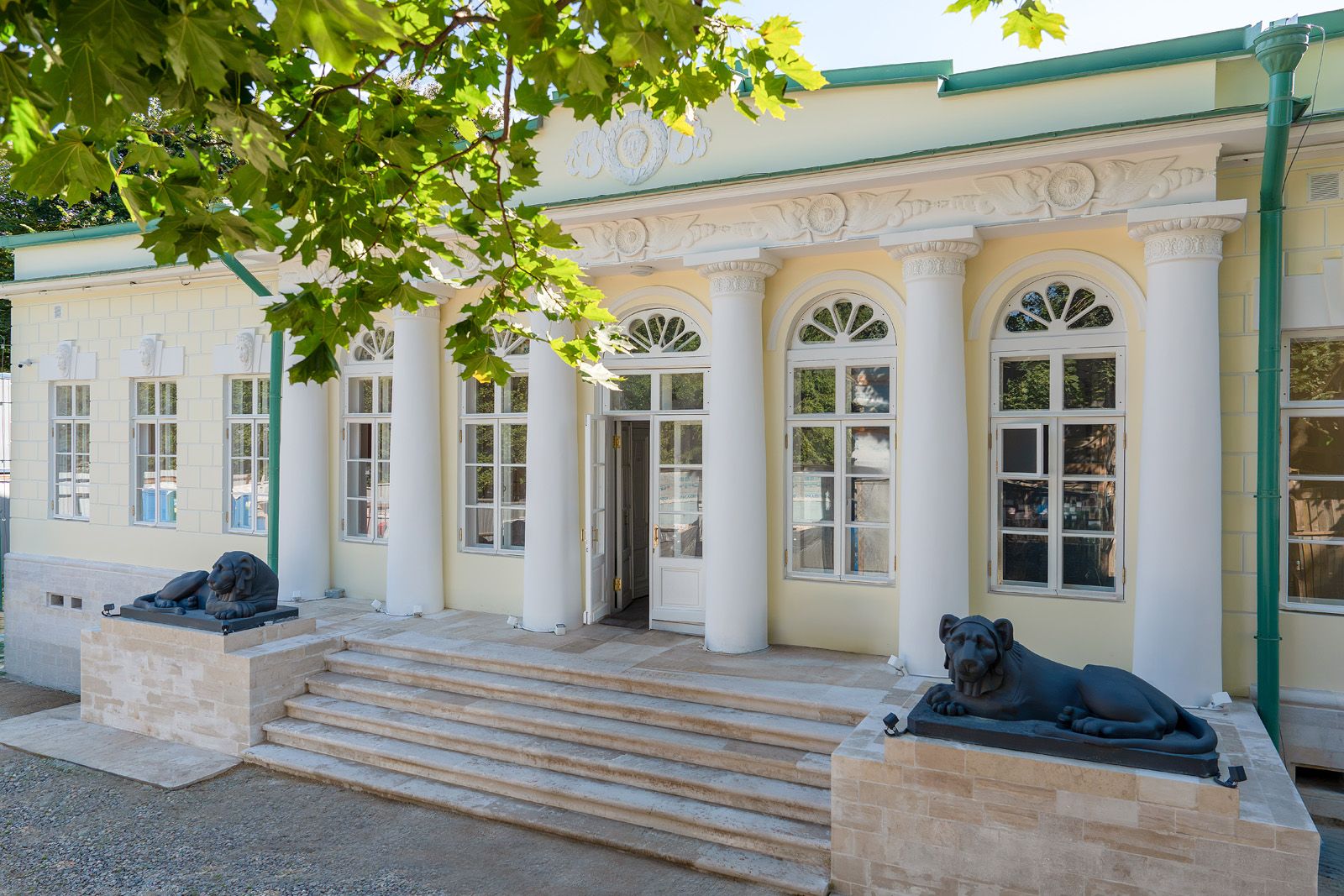
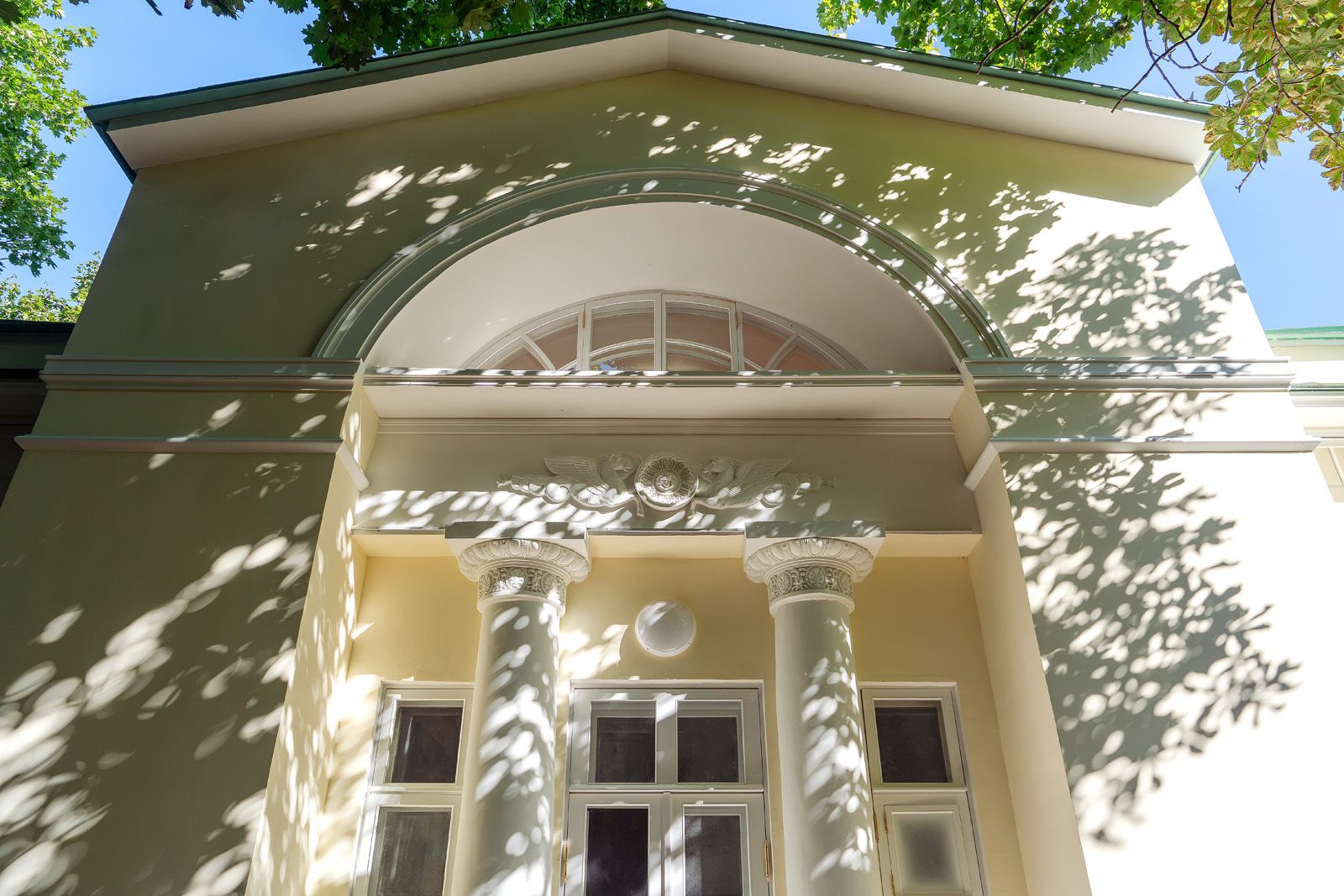
The first comprehensive restoration in 100 years began in 2024. The programme covers more than 30 architectural monuments; six of them have already been fully restored. They include two grottoes, the Round (Lion) Pier, the Bath House, the Forge, the Griffins Bridge and the fence near the Clergy House. Restoration continues at 15 cultural heritage sites, including the Manor Courtyard, Cattle Yard and Red Yard, as well as the Poplar Alley complex.
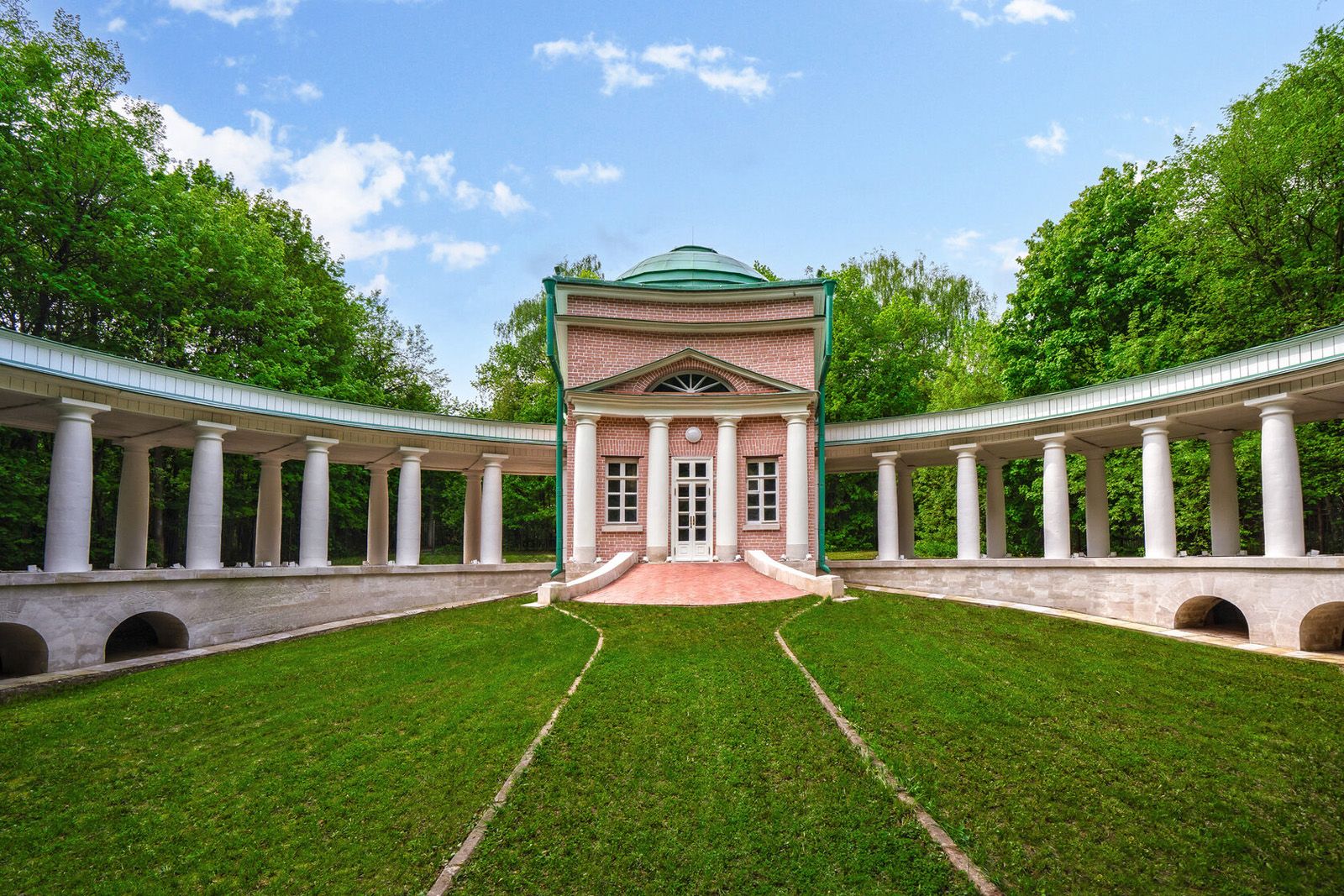
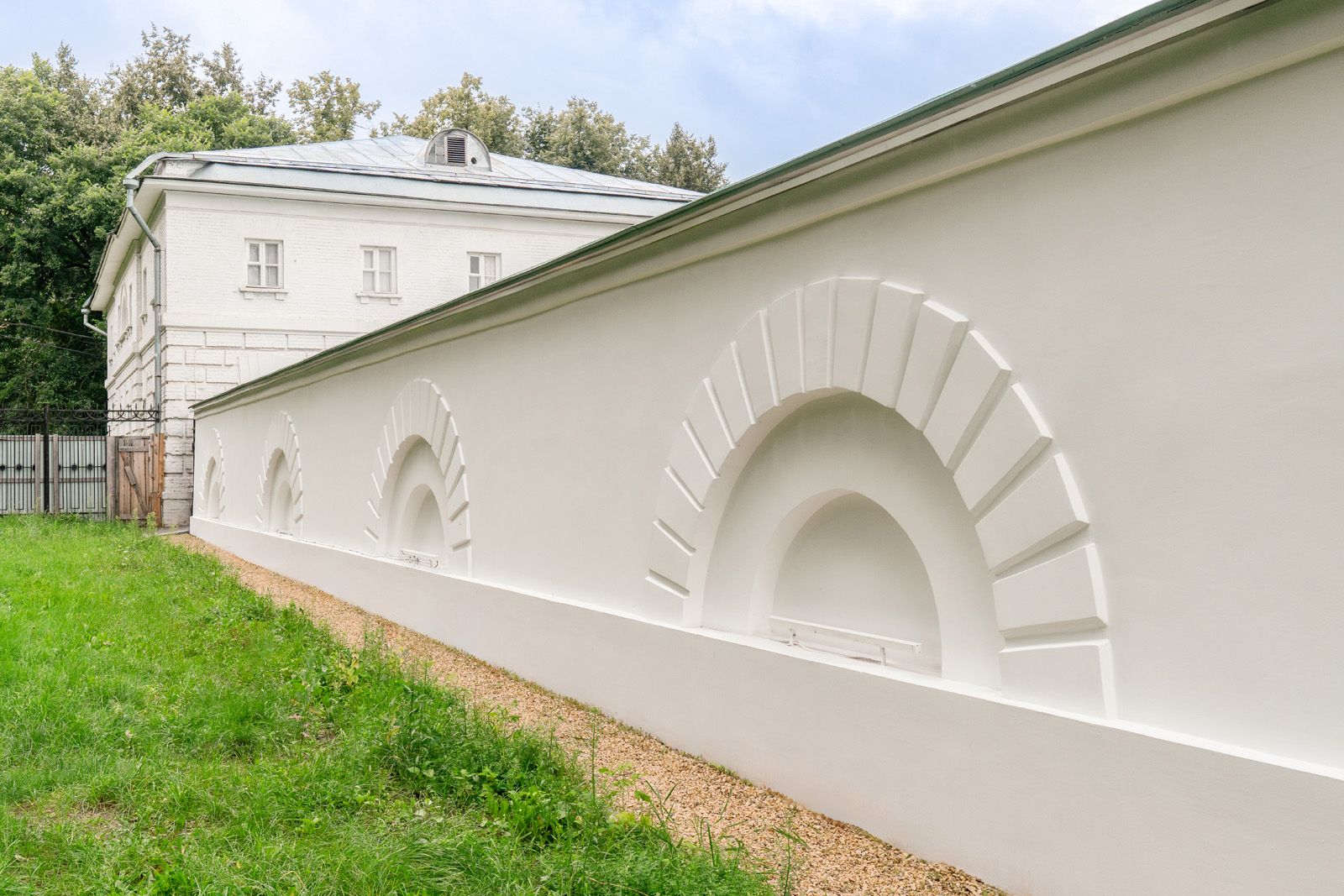
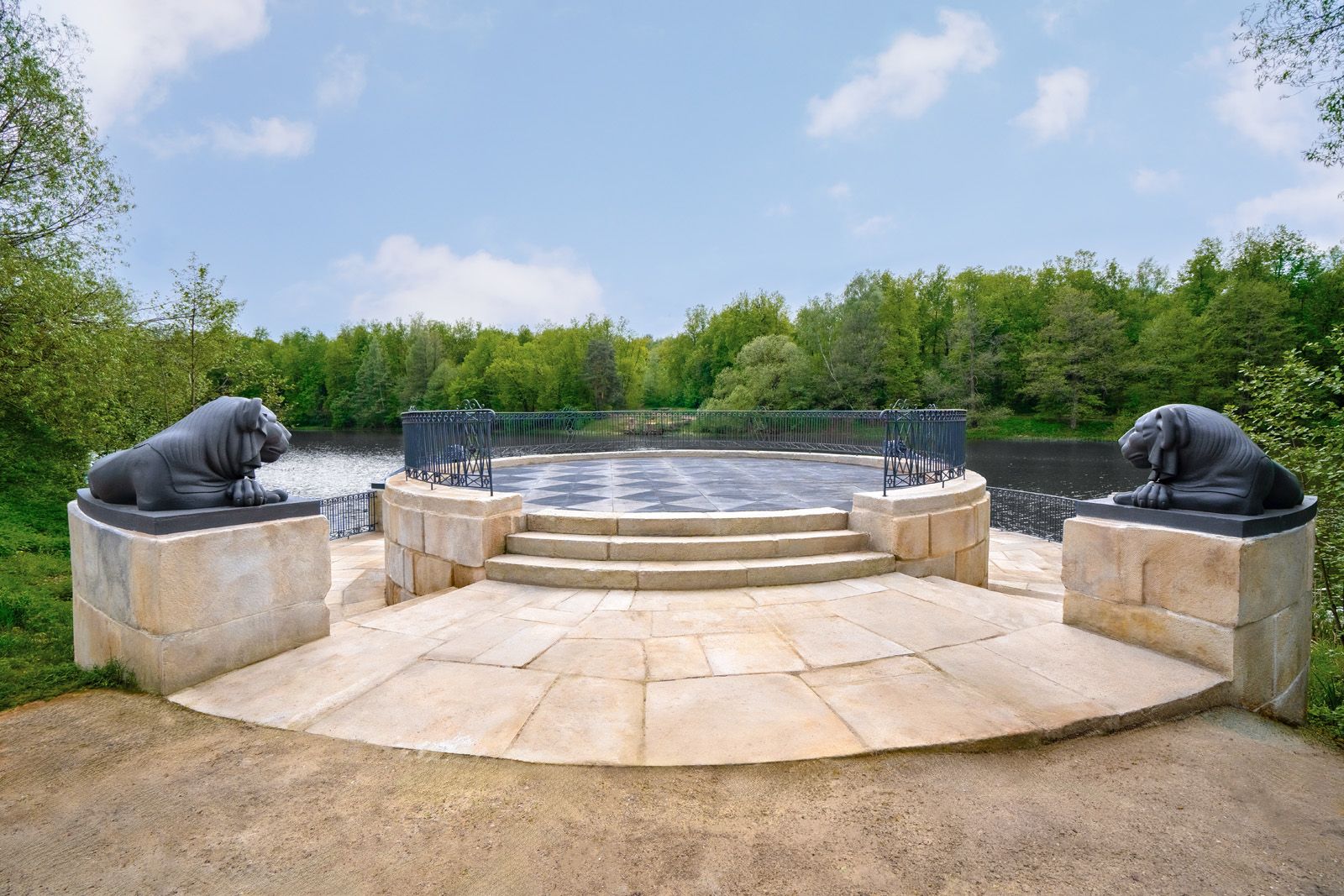
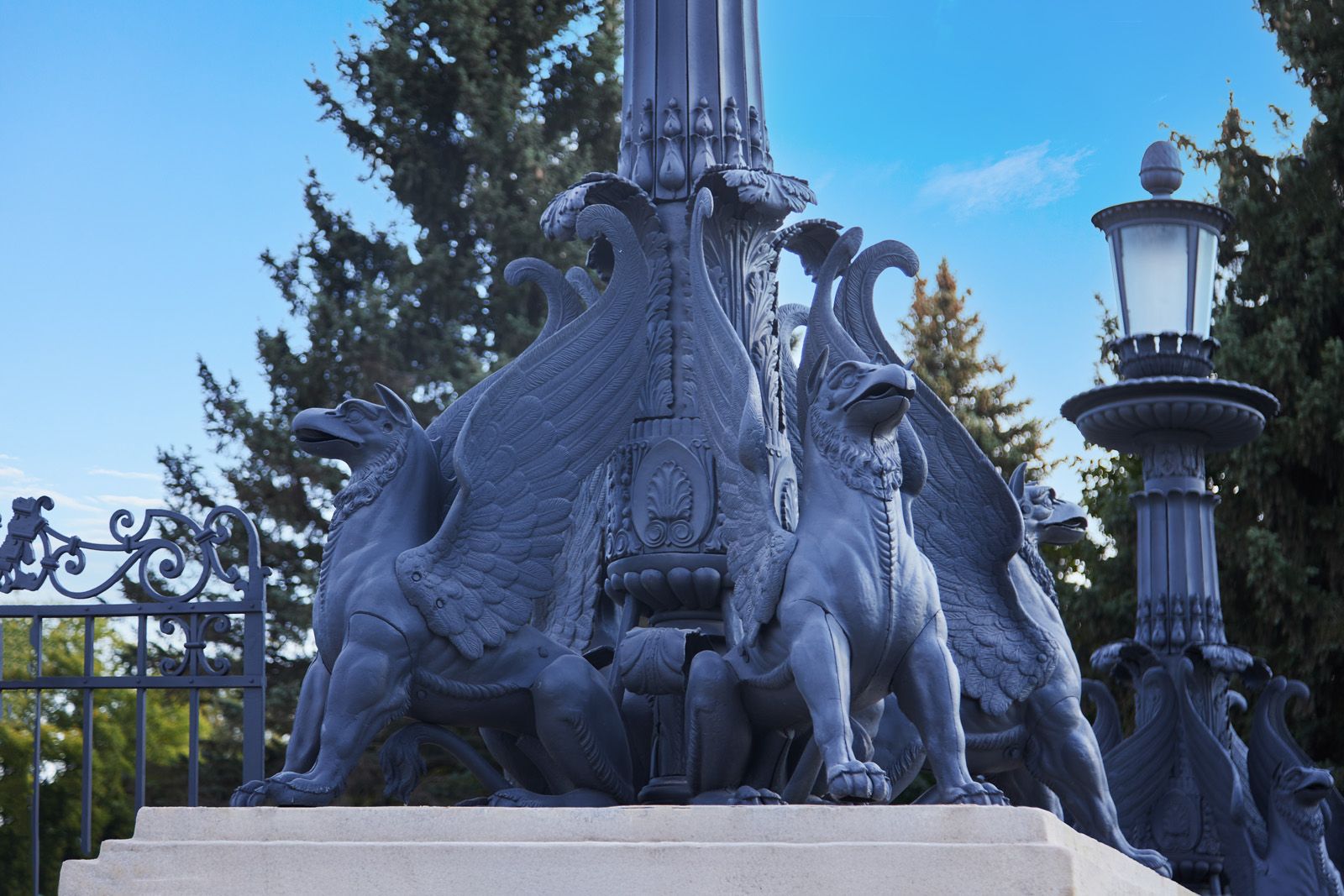
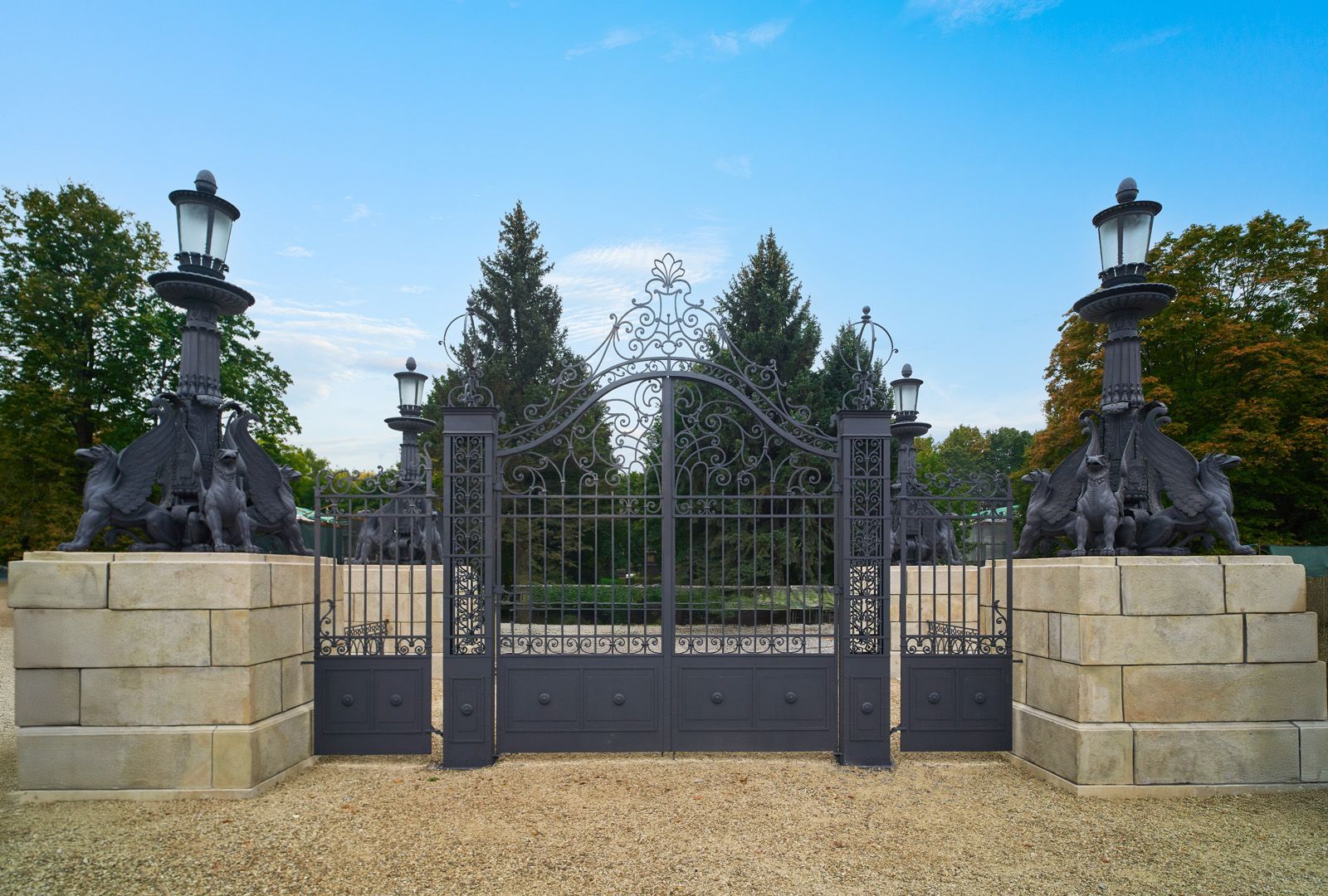
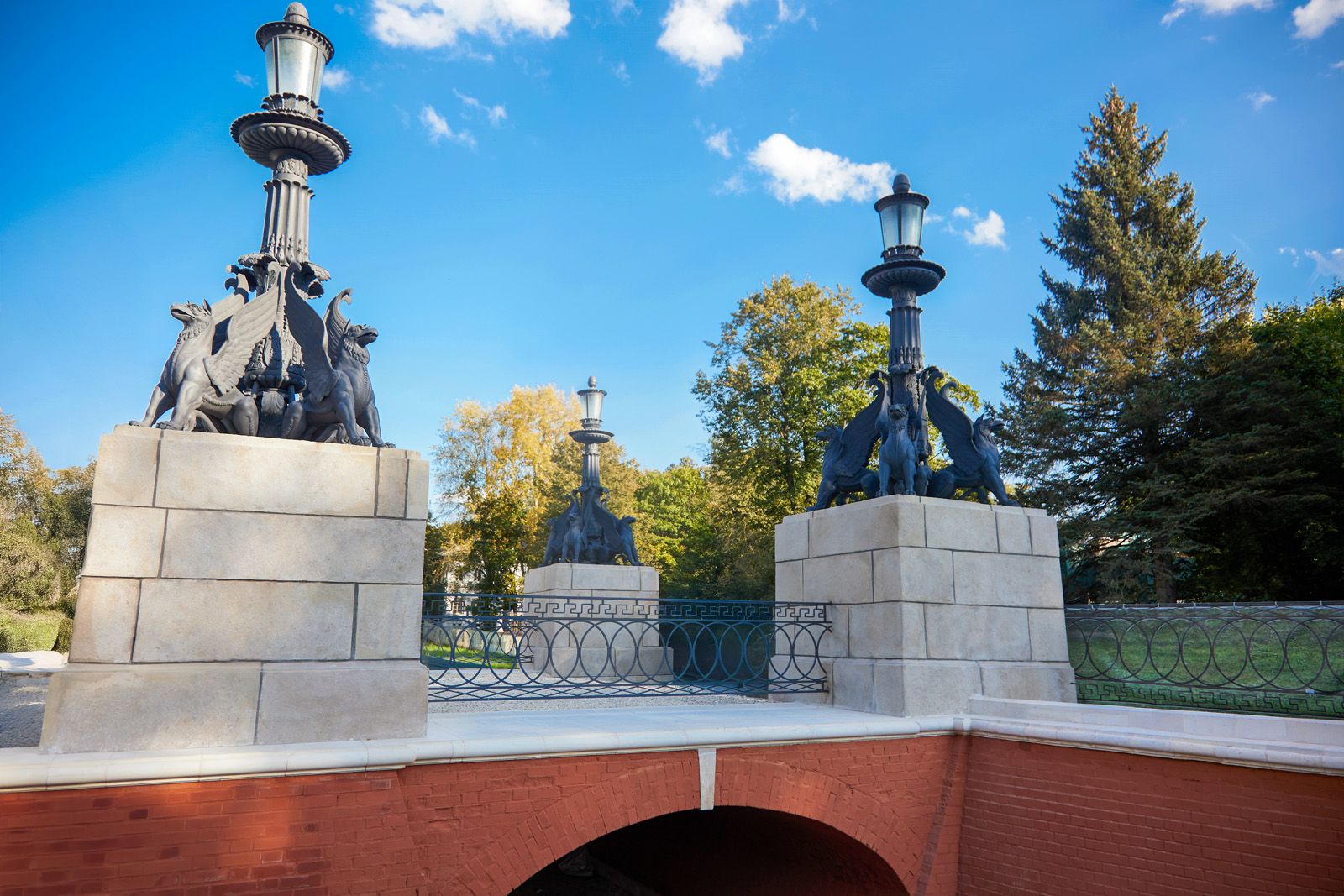
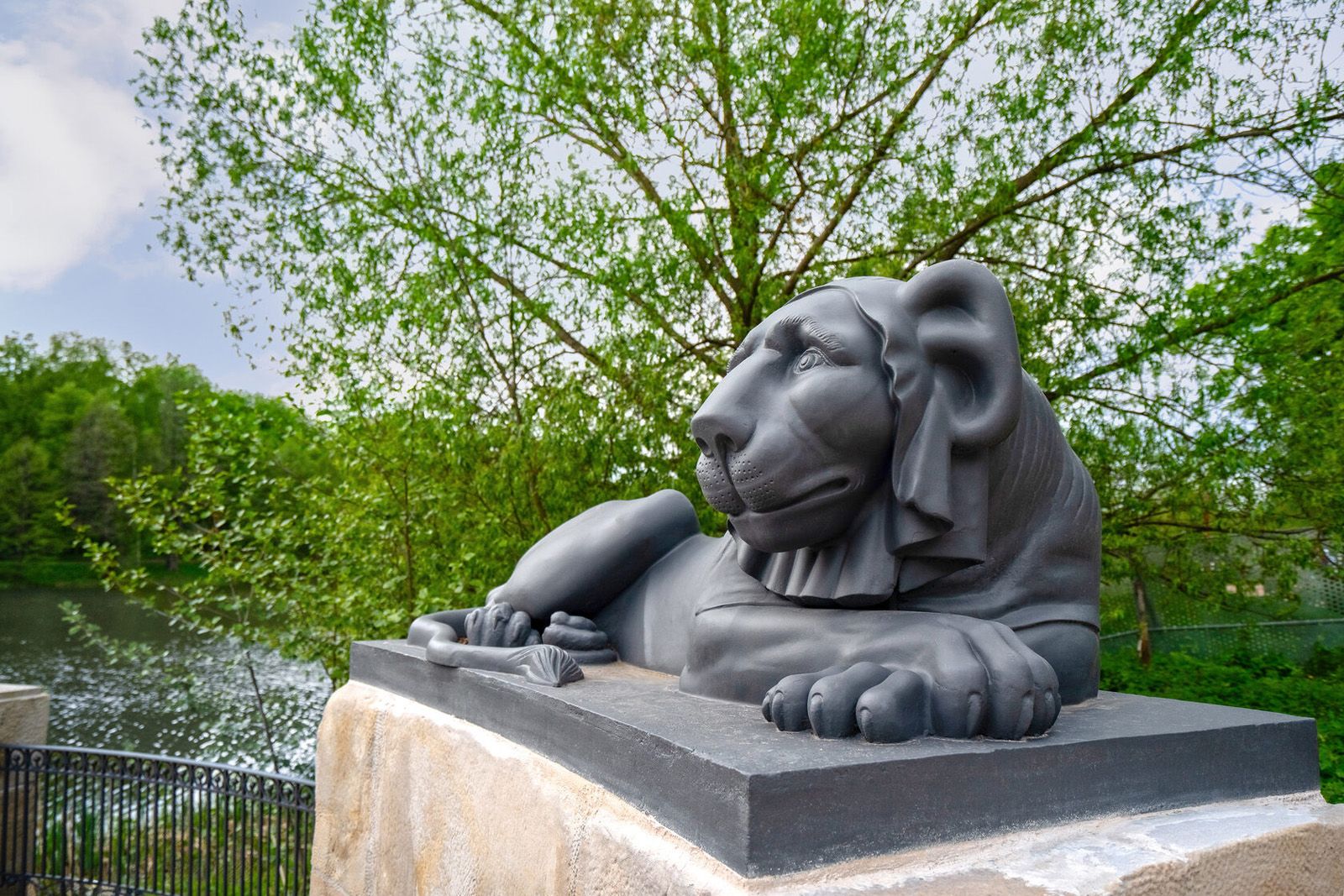
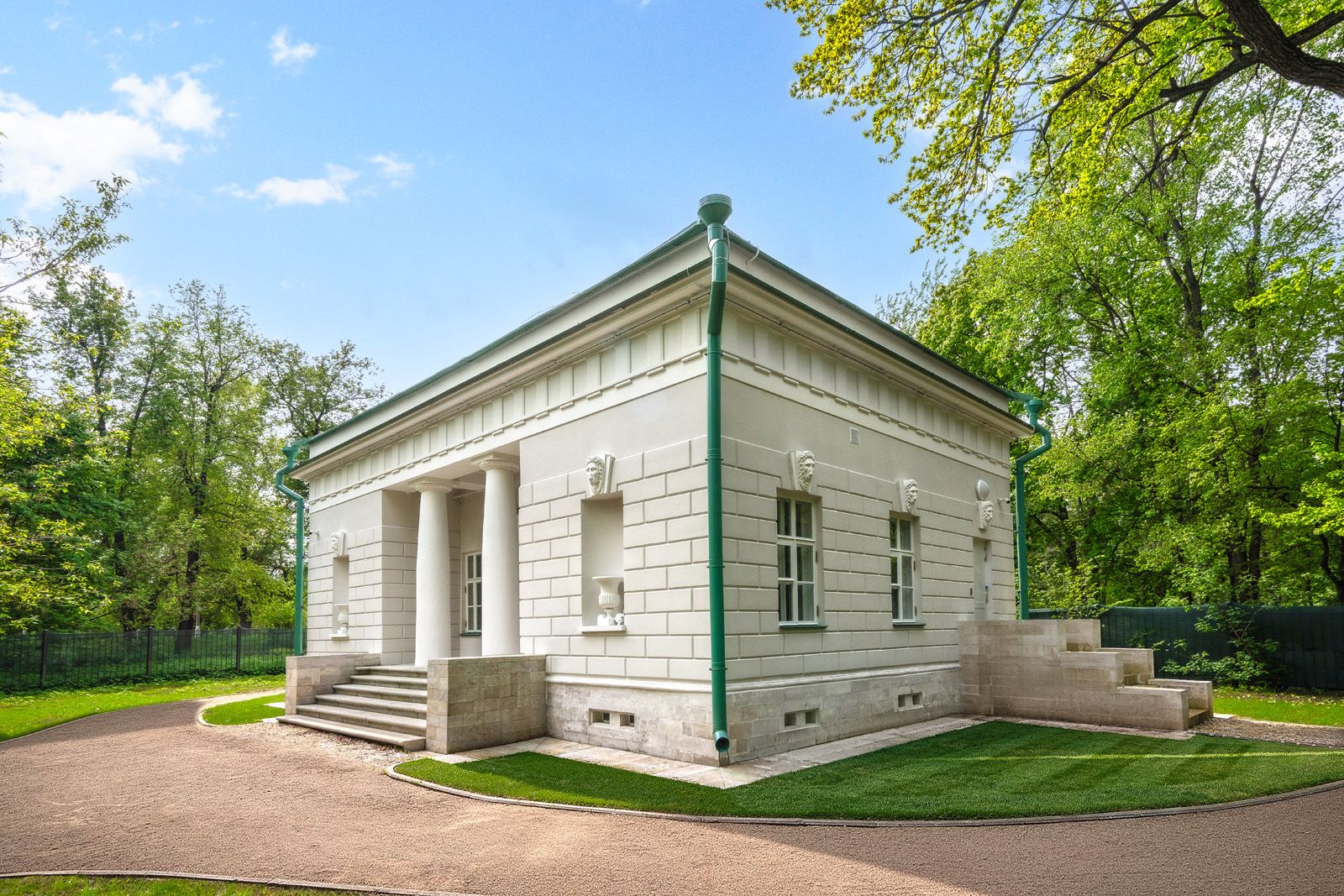
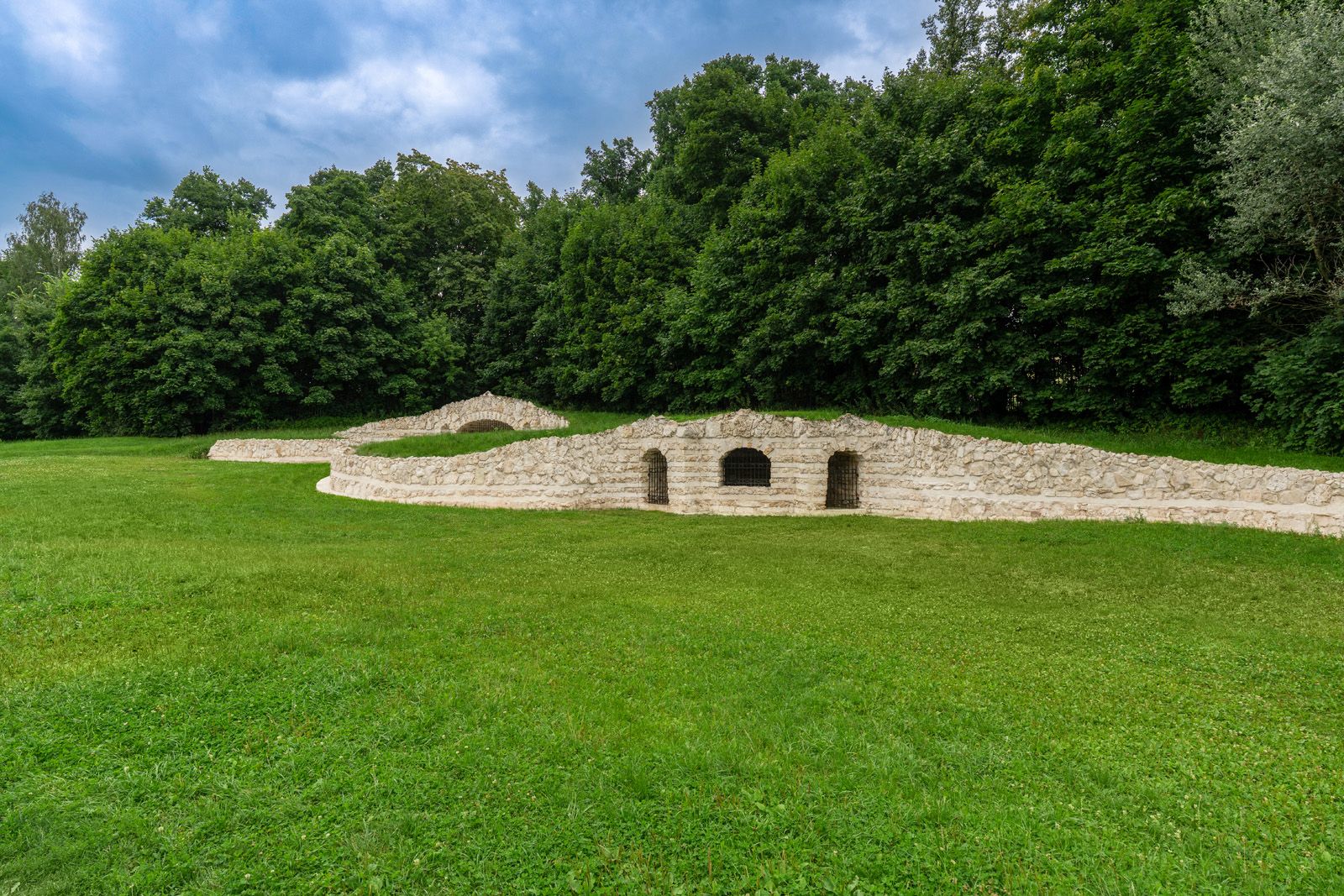
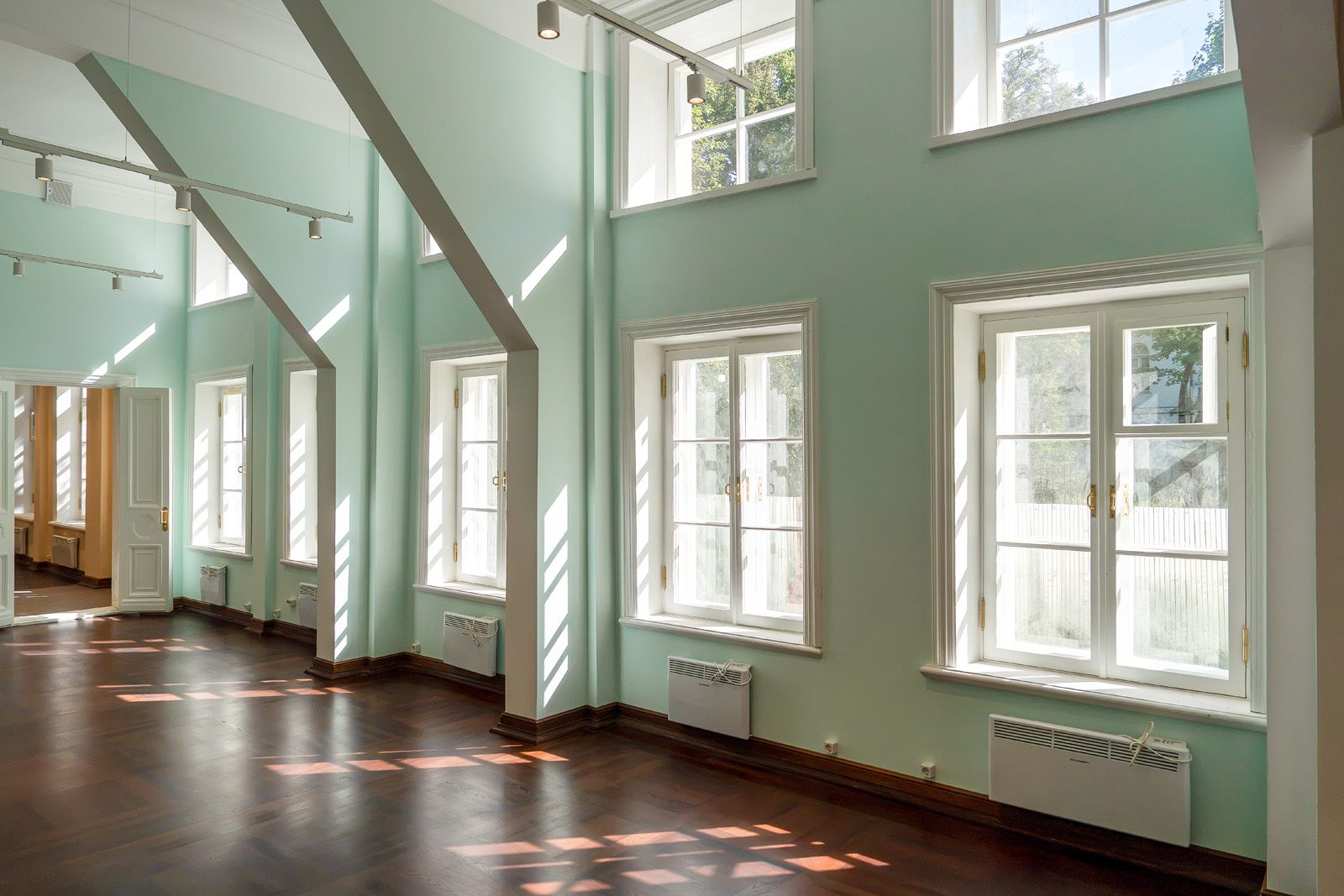
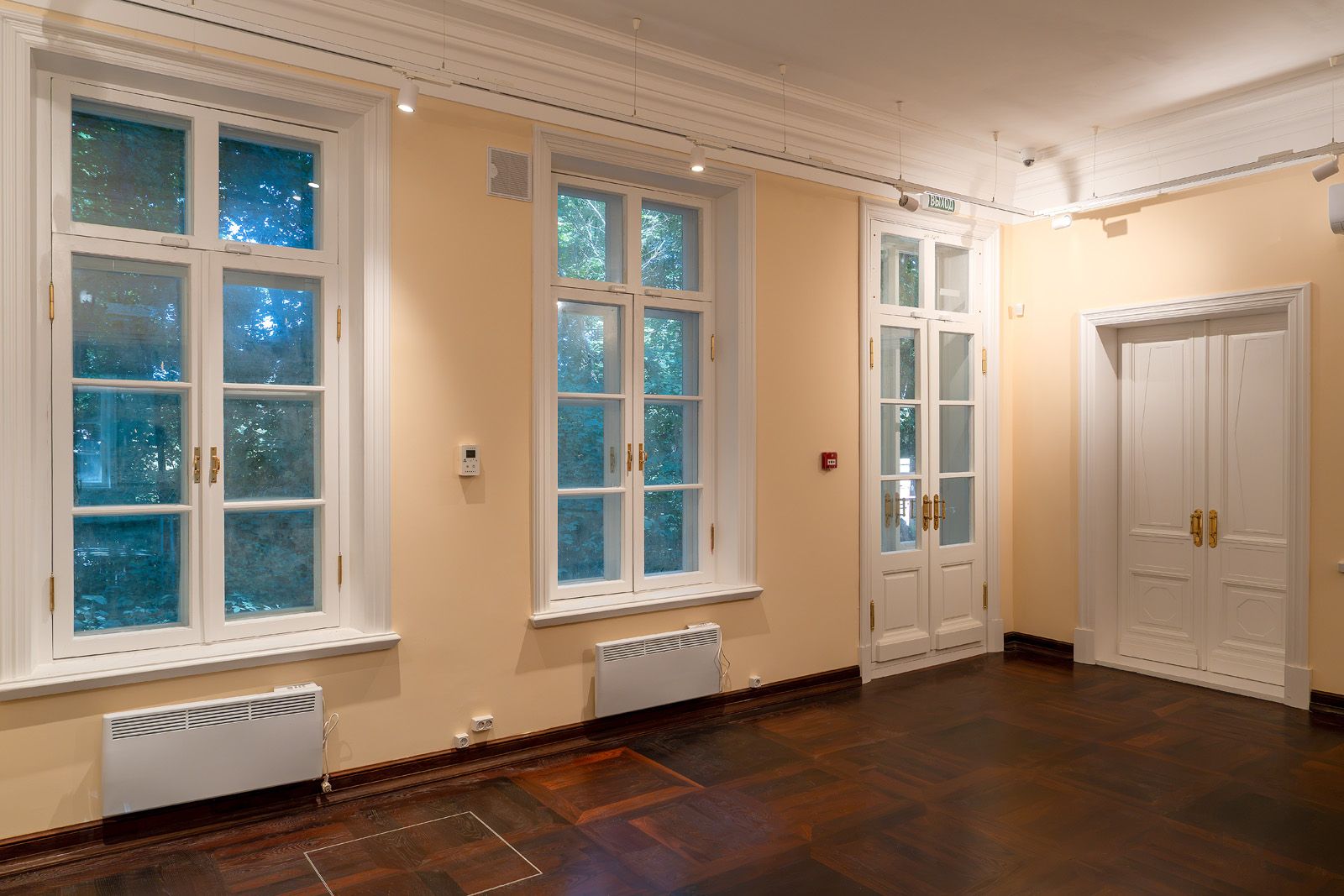
Earlier, restoration workshops in St. Petersburg restored and returned to their historic locations 16 cast-iron griffins and four decorative lamp posts from the Griffins Bridge, the railings and cast-iron slabs of the Round Pier, 20 historic windows from the Forge, 10 windows from the Bath House, around 60 original windows and 40 doors from the eastern and western wings of the Manor Courtyard, as well as bronze window and door fittings.
Grachevka Estate
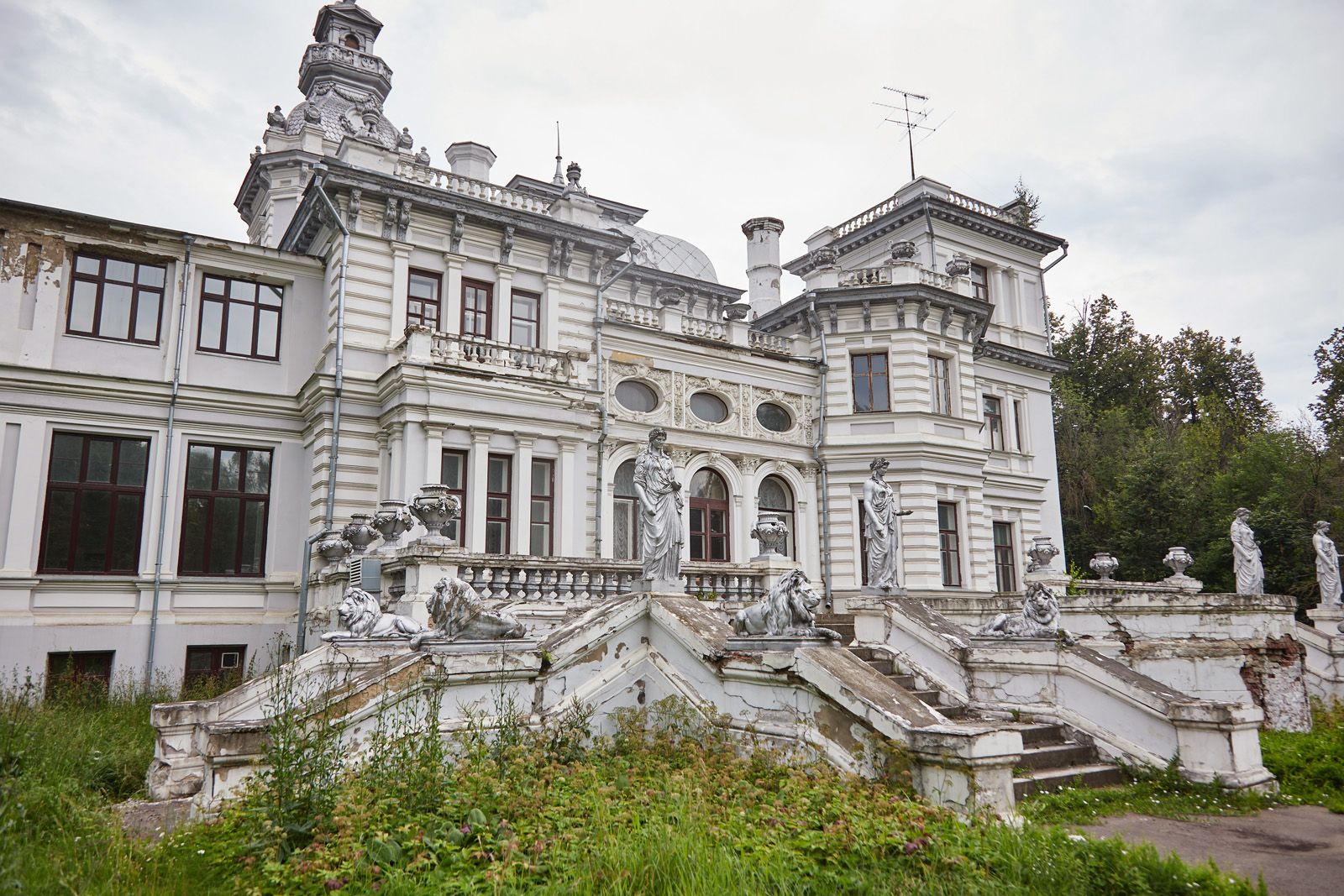
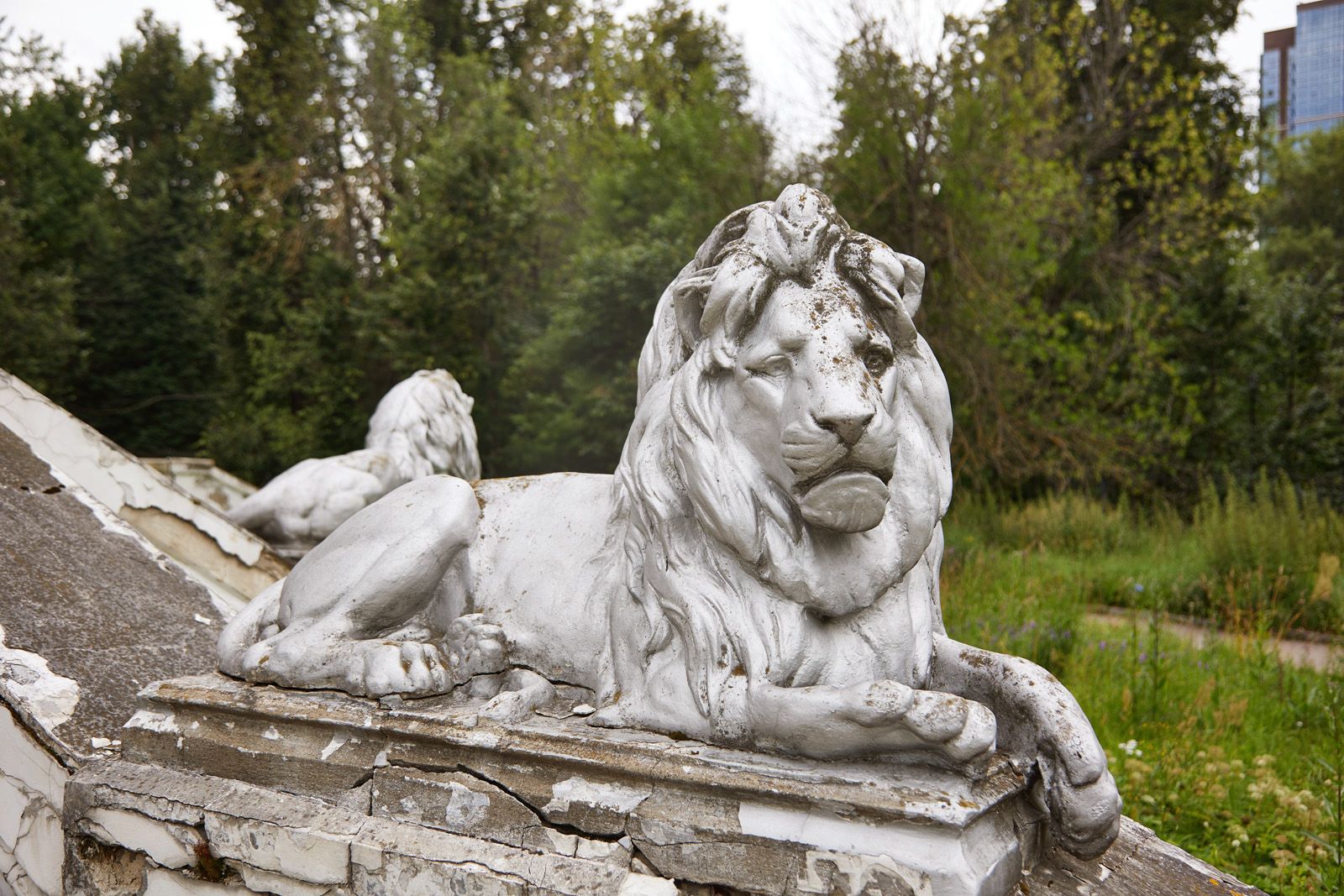
Several elements of the architectural decoration of the Grachevka Estate in the Khovrino District were also transported to St. Petersburg workshops for restoration. These include six lion sculptures and nine ornamental vases decorating the elegant main house.
The estate acquired its present appearance after 1895, when Khovrino was purchased by Mitrofan Grachev, a Moscow merchant of the first guild. At his request, architect Lev Kekushev built the main house, the two-storey northern service wing, the carriage house and the stable.
Conservation work is currently under way in the estate’s main house, a federal cultural heritage site. Specialists have erected scaffolding and begun cleaning the façades, restoring the roof truss system and roofing, including the spelter sections, as well as recreating the windows and doors.
Moscow also actively shares its developments in healthcare, education, transport and other areas with other regions. Earlier, Moscow Mayor Sergei Sobyanin and St. Petersburg Governor Alexander Beglov signed an agreement on introducing Moscow’s Unified Medical Information and Analysis System (EMIAS) at St. Petersburg outpatient clinics. The two cities also signed an additional agreement under which Moscow will provide technical support for EMIAS at hospitals in St. Petersburg.
The signing ceremony took place at St. George the Great Martyr City Hospital, one of St. Petersburg’s oldest medical institutions.
Under the agreement, EMIAS is to be introduced at all 197 medical institutions, giving the city’s doctors and patients access to the system. Moscow specialists will take part in its implementation and subsequently provide comprehensive support for its continued operation.