How museums in Moscow and St. Petersburg exchange exhibits and expertise
Moscow and St. Petersburg are steadily expanding cooperation in the museum sector. Works of art and historical artefacts from St. Petersburg collections are displayed in the capital, while exhibits from Moscow museums are shown in the city on the Neva. The institutions also carry out joint cultural and research projects, conduct studies and exchange professional expertise.
From St. Petersburg to Moscow
Joint exhibition projects are one of the main areas of cooperation. Works from the collections of various St. Petersburg institutions are displayed at Moscow museums and other exhibition venues.
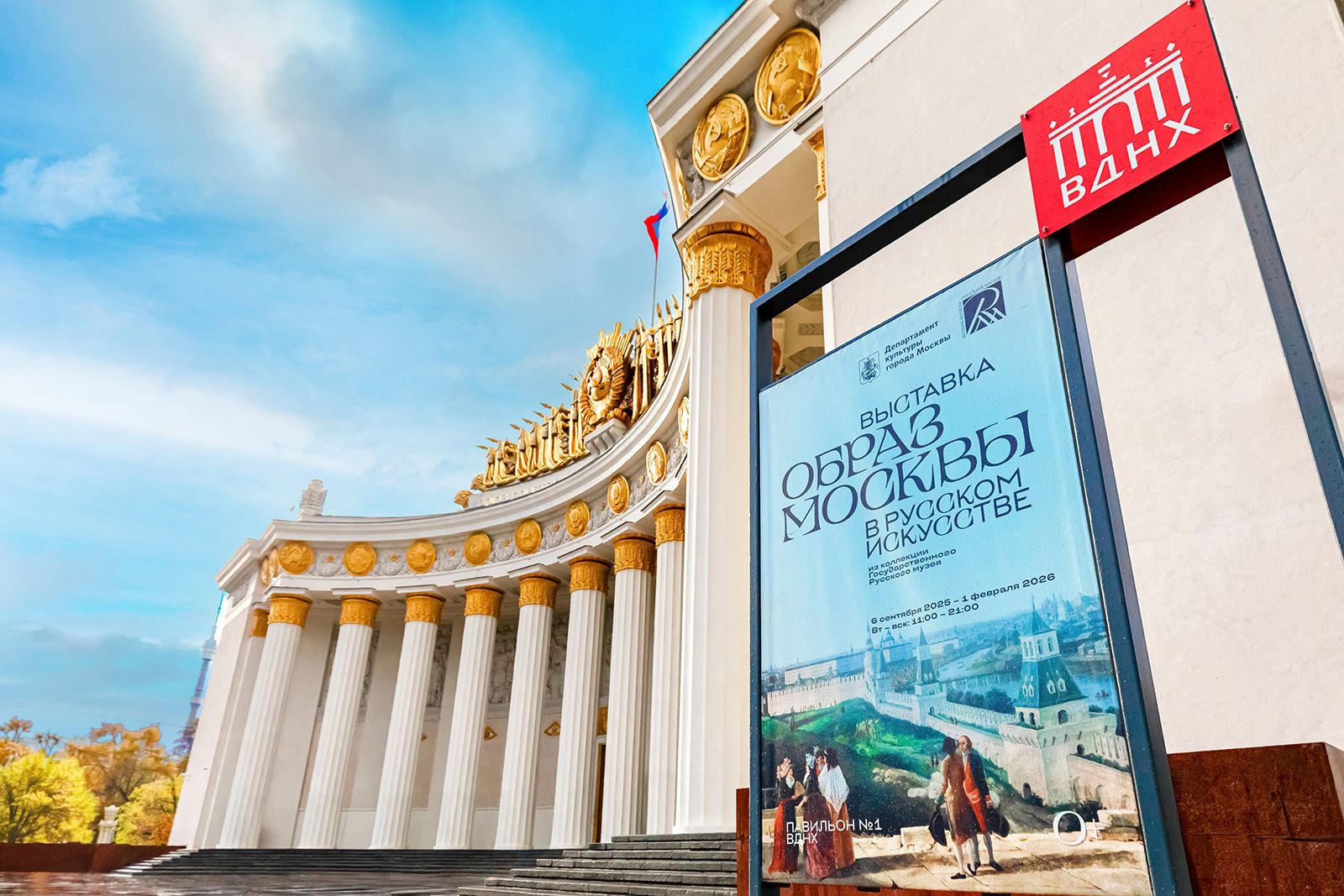
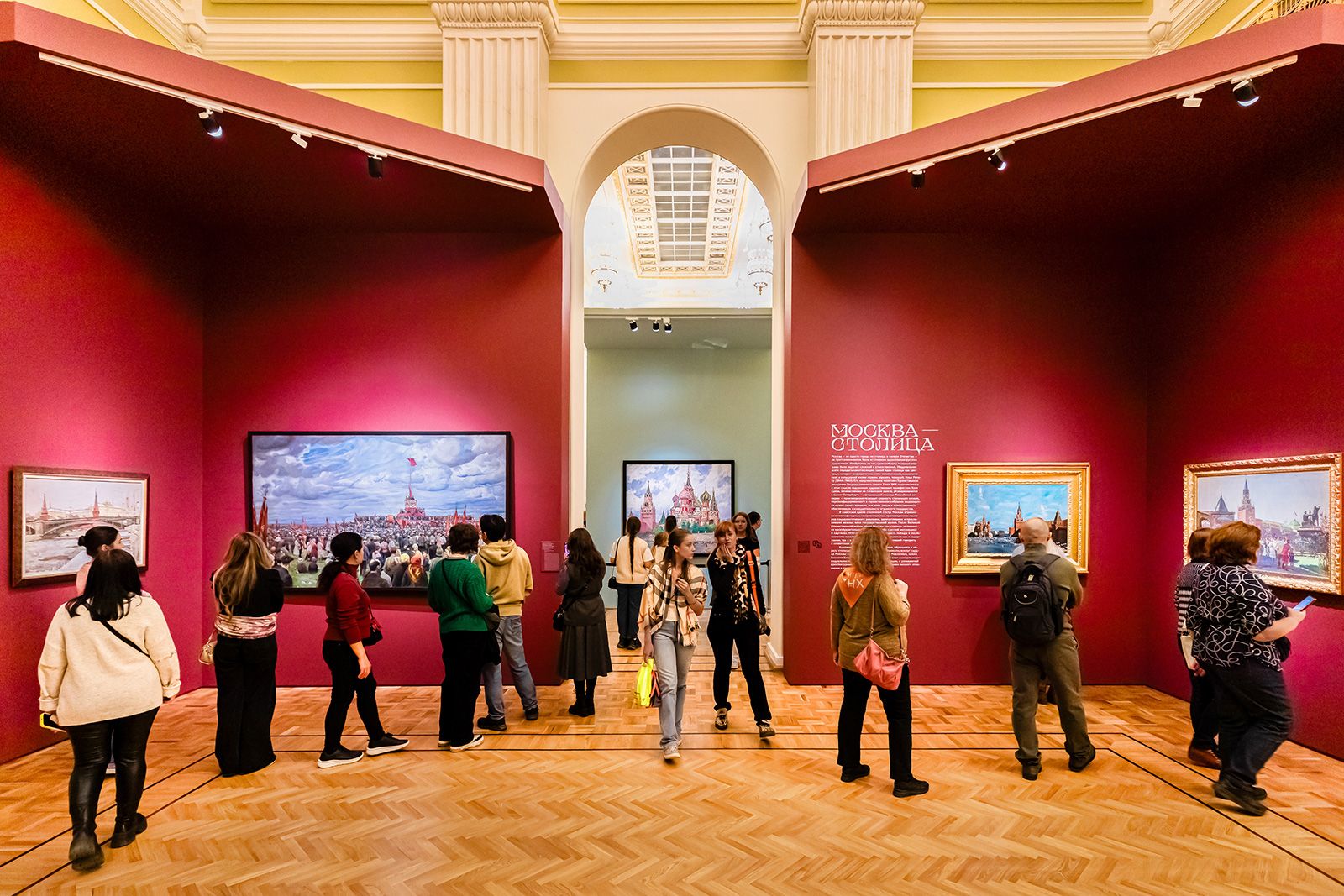
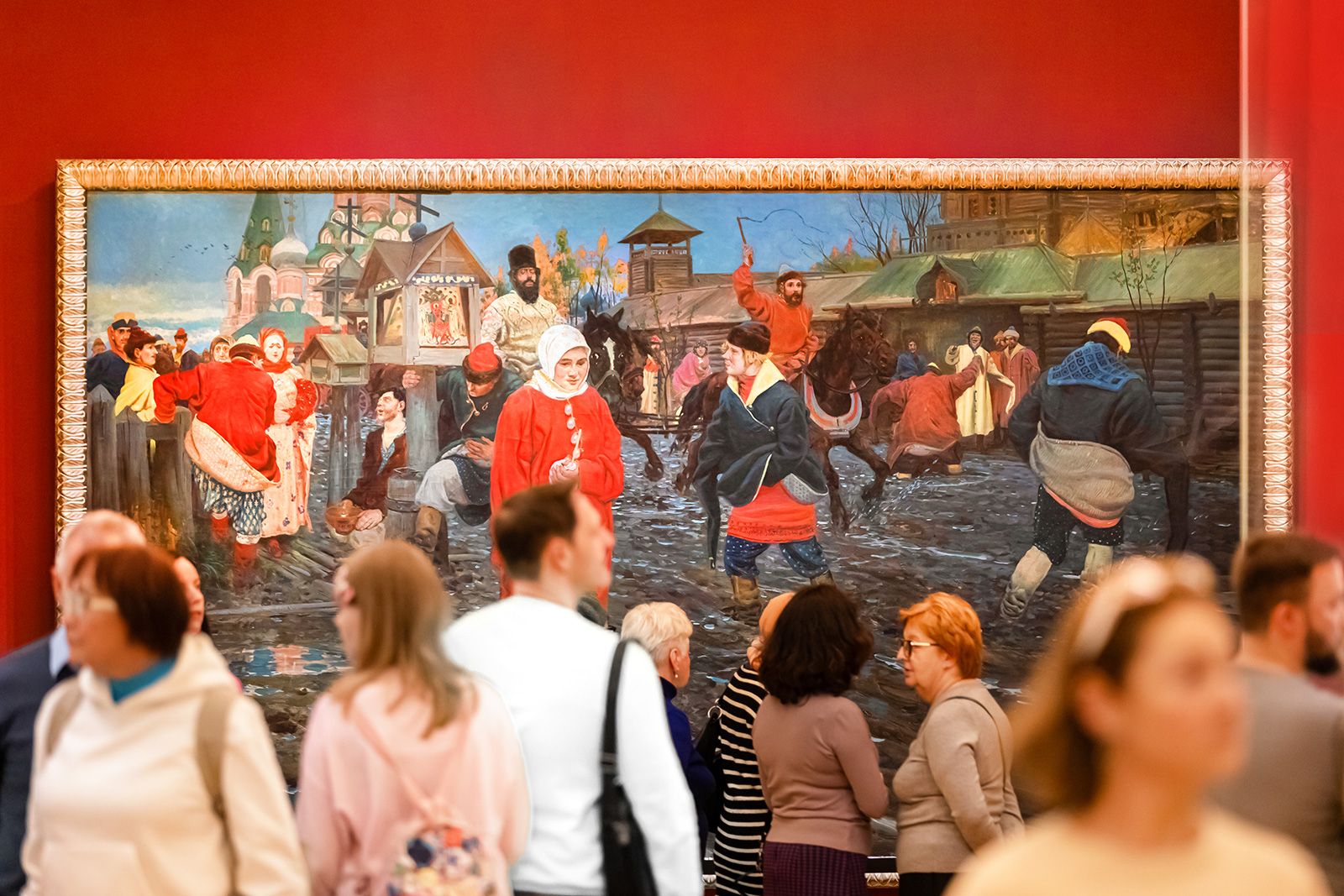
One of the largest projects was the exhibition The Image of Moscow in Russian Art from the Holdings of the State Russian Museum, which opened in September 2025 in Pavilion No. 1, Central, at VDNKh. More than 100 exhibits were brought from St. Petersburg, some of them leaving the museum’s holdings for the first time. The exhibition attracted more than 330,000 visitors during its run.
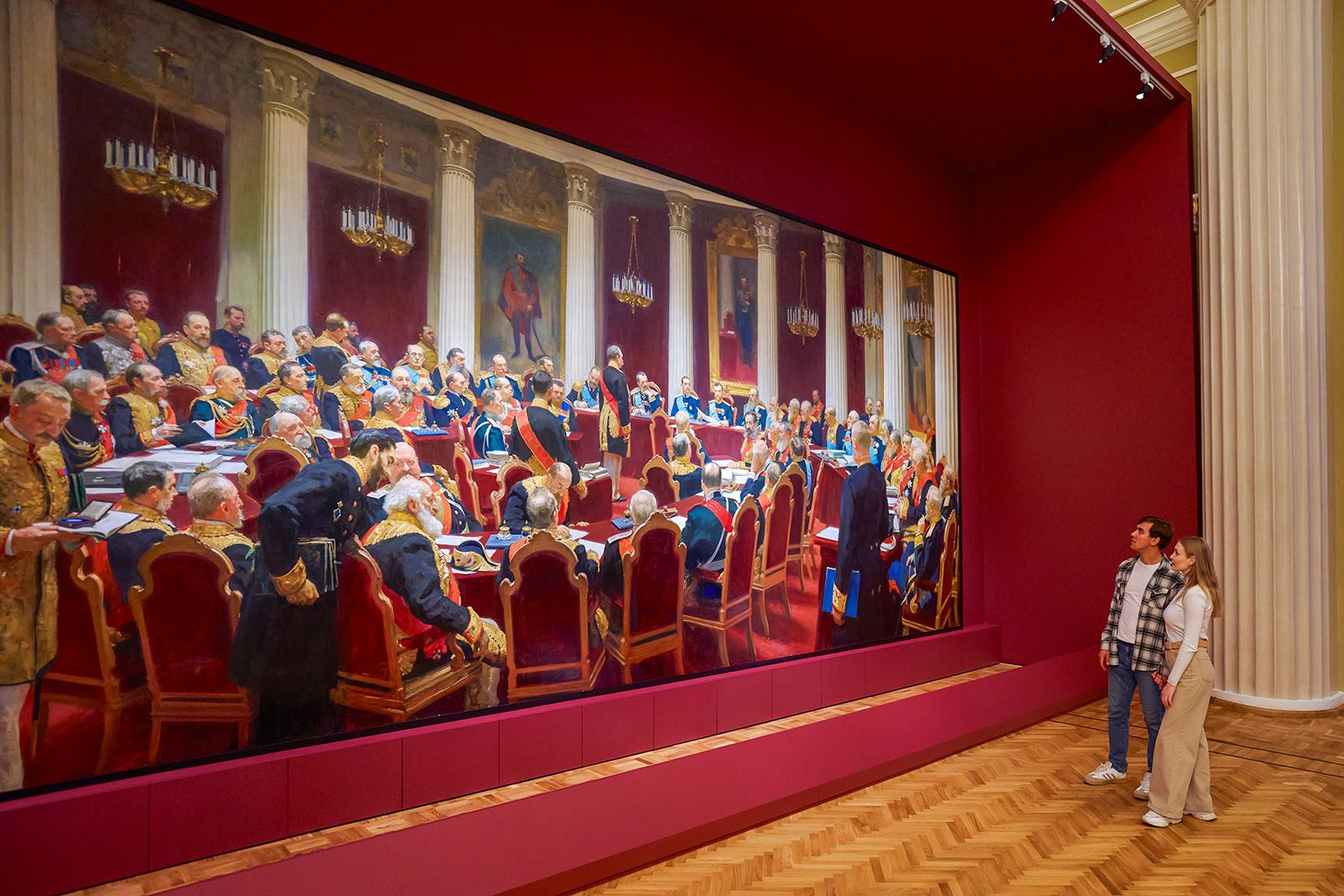
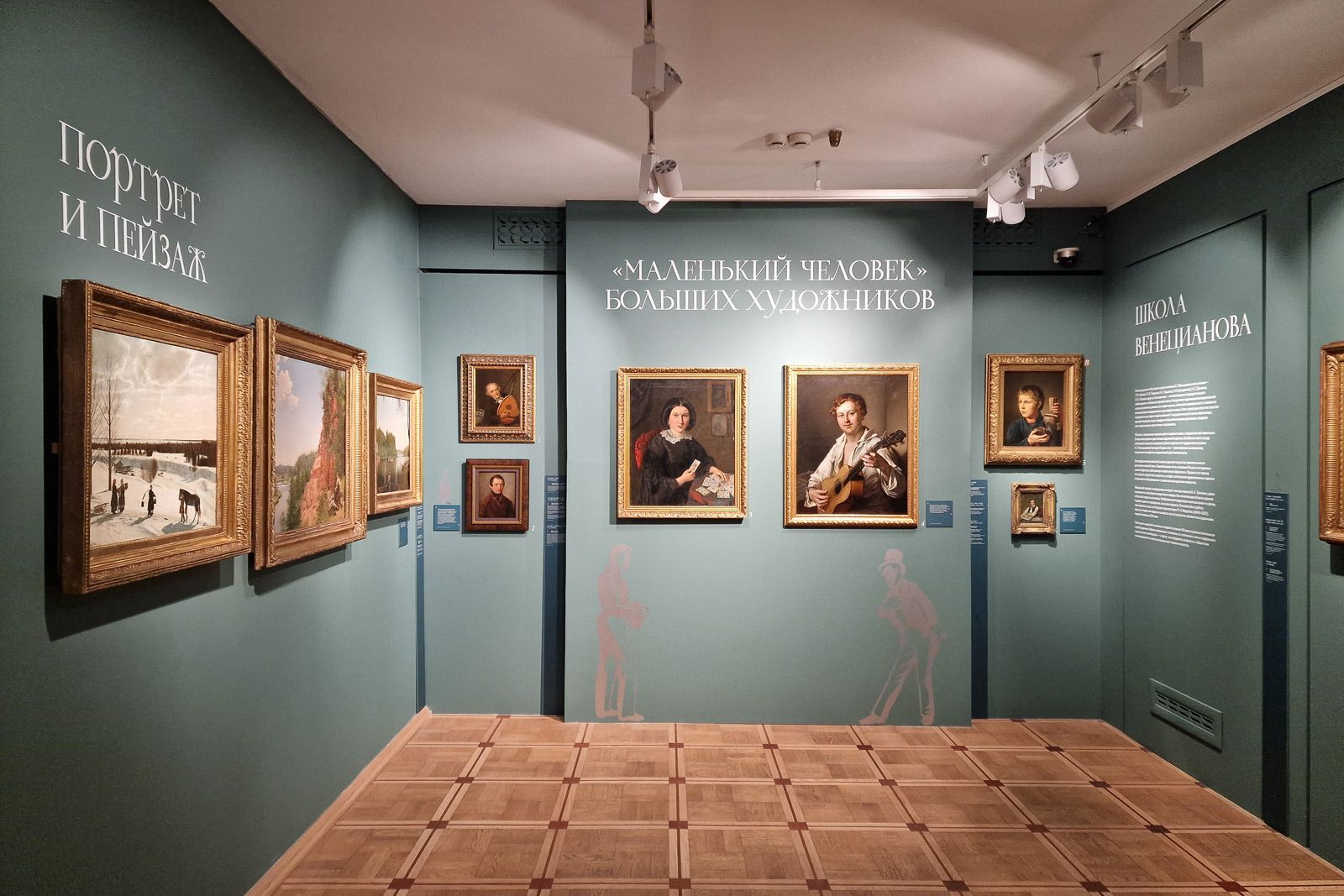
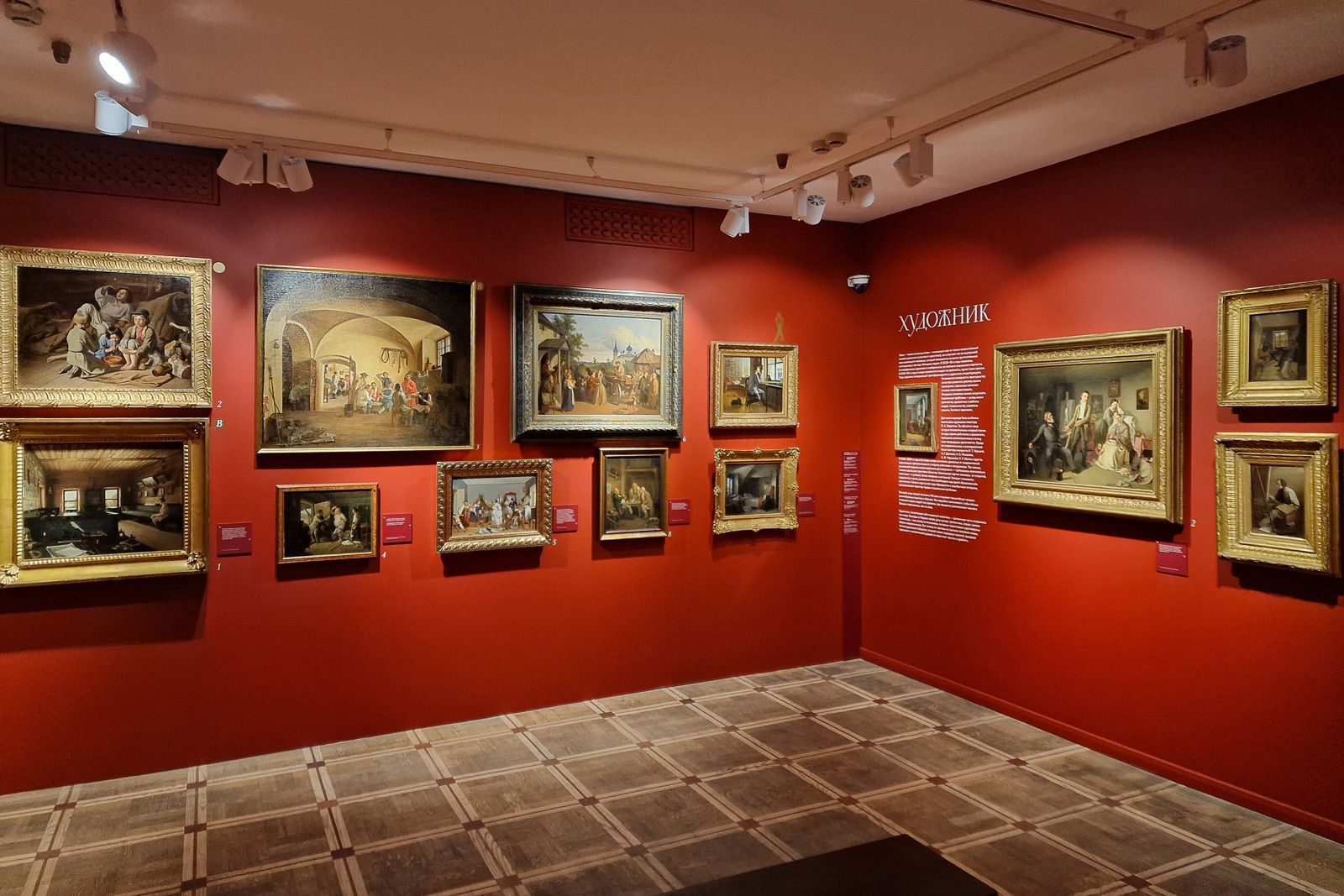
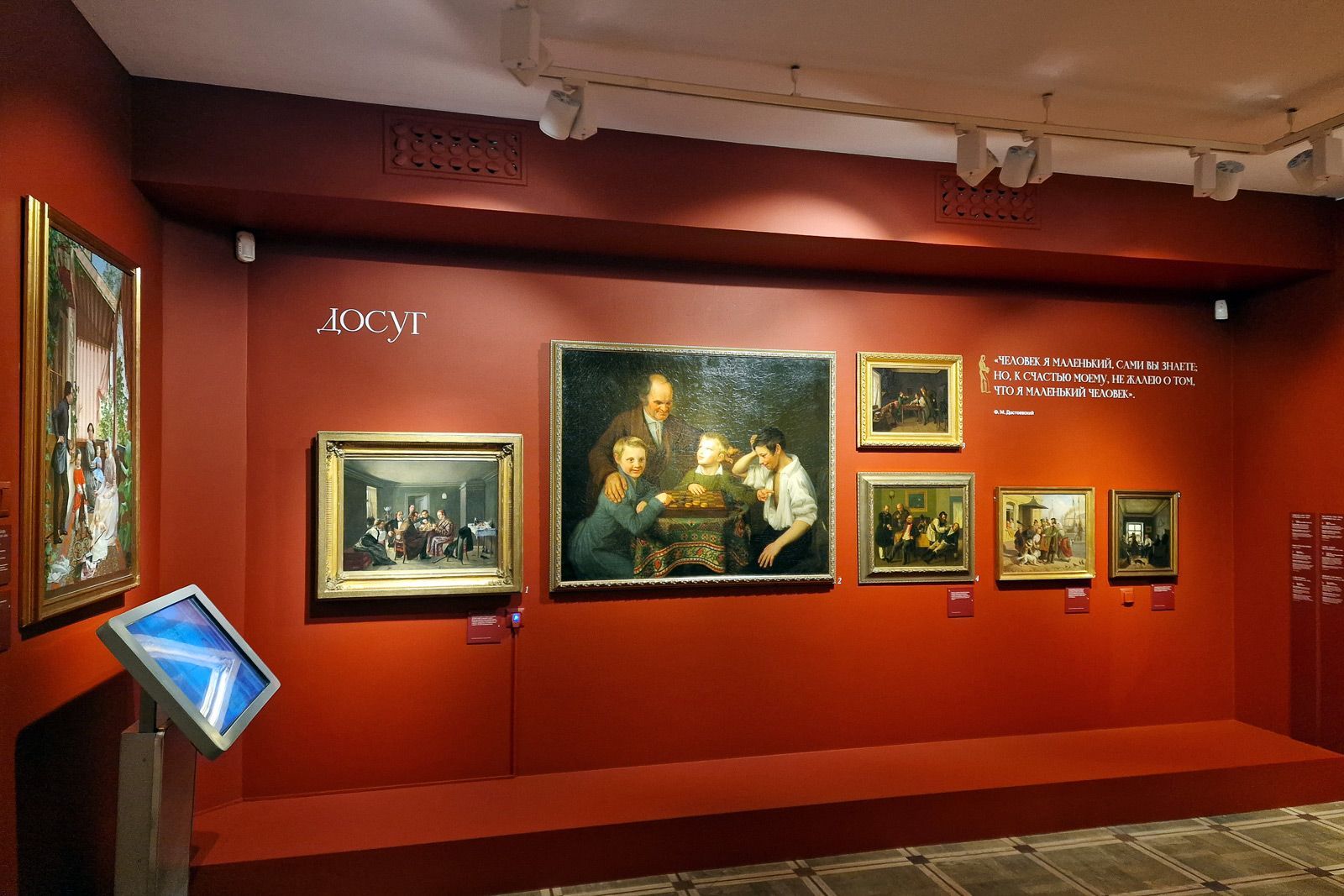
Cooperation with the State Russian Museum continued this year. Until October 18, the Tropinin Museum and Moscow Artists of His Time is hosting the exhibition The Little Man of Great Artists, dedicated to Russian genre painting of the first half of the 19th century. Its central theme is an exploration of the image of the ‘little man’ in Russian artistic culture. The exhibition features more than 40 paintings, including 30 works from the State Russian Museum.
Many of the paintings on display are rarely shown to the general public. The exhibition features works by 24 Russian artists, including Alexey Venetsianov, Pavel Fedotov, Ilya Repin, Grigory Soroka, Alexey Tyranov, Kapiton Zelentsov, Ivan Khrutsky, and Yevgraf Krendovsky. The exhibition traces the development of genre painting from observations of everyday life in the 1830s−1840s to the emergence of social themes and the flourishing of realism in the 1850s−1860s.
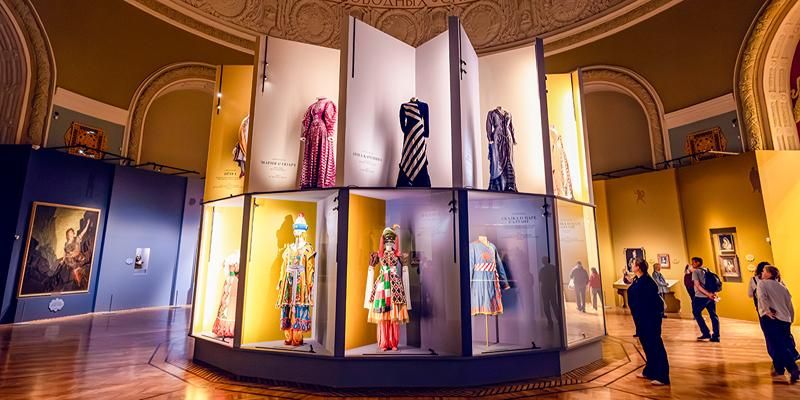
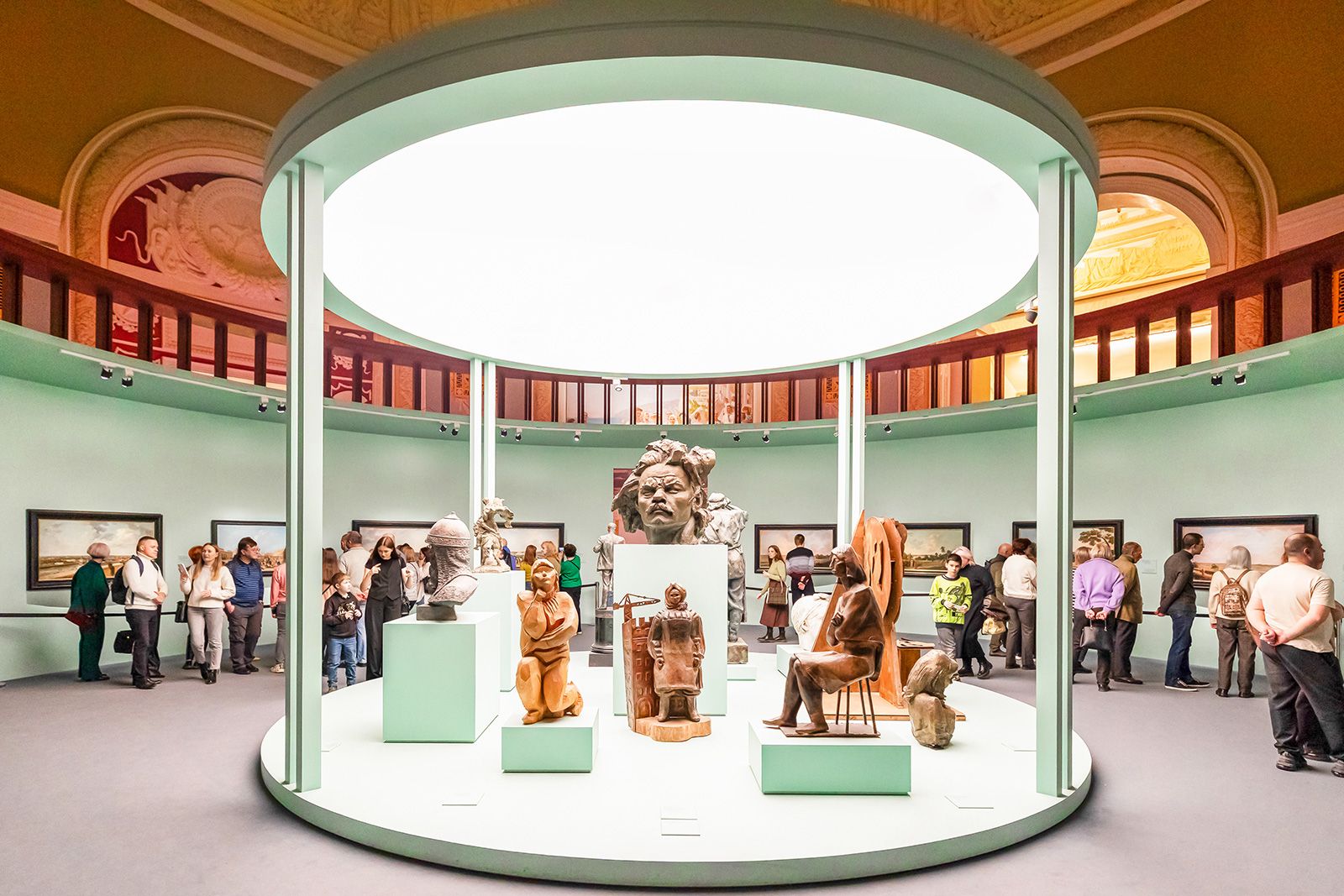
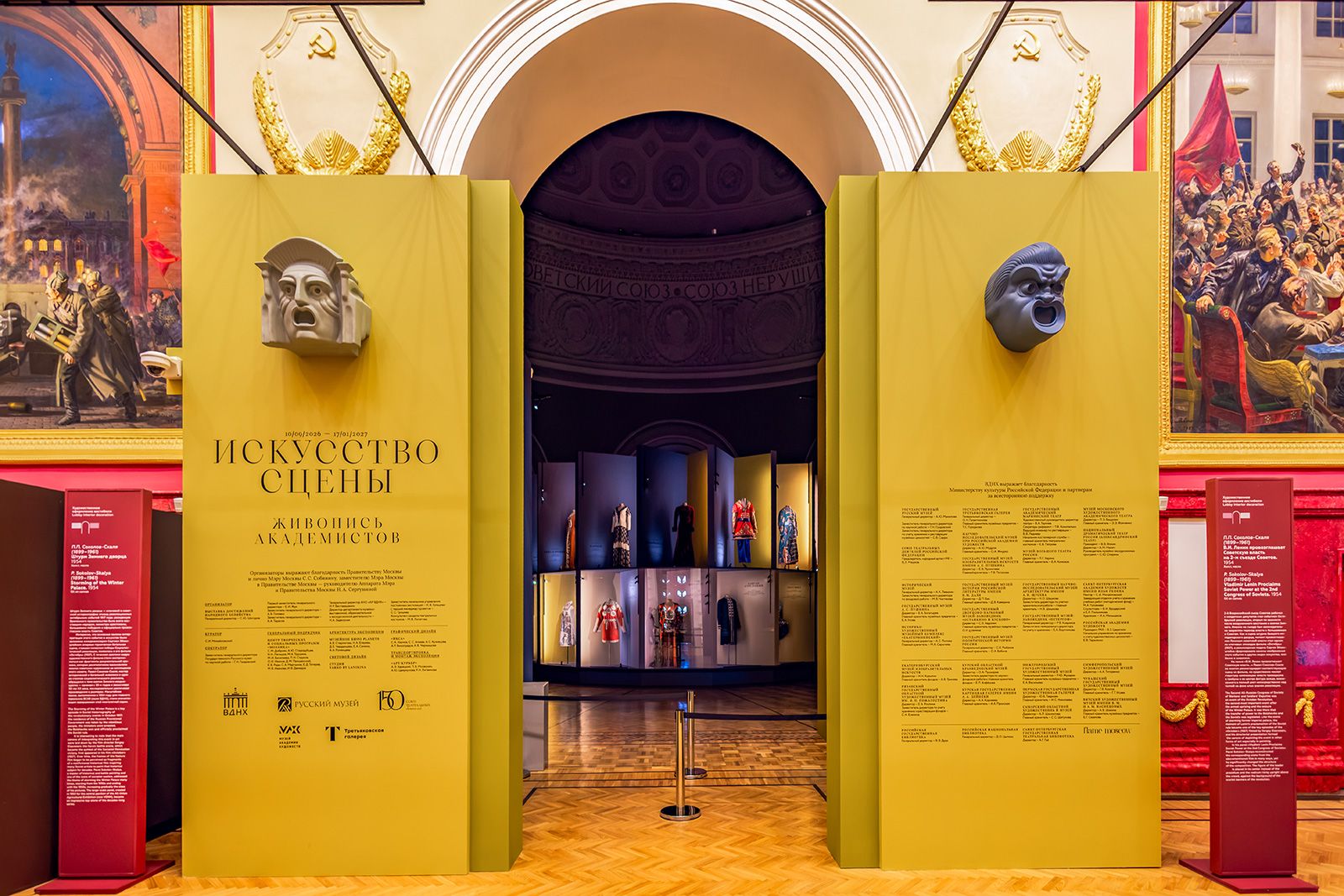
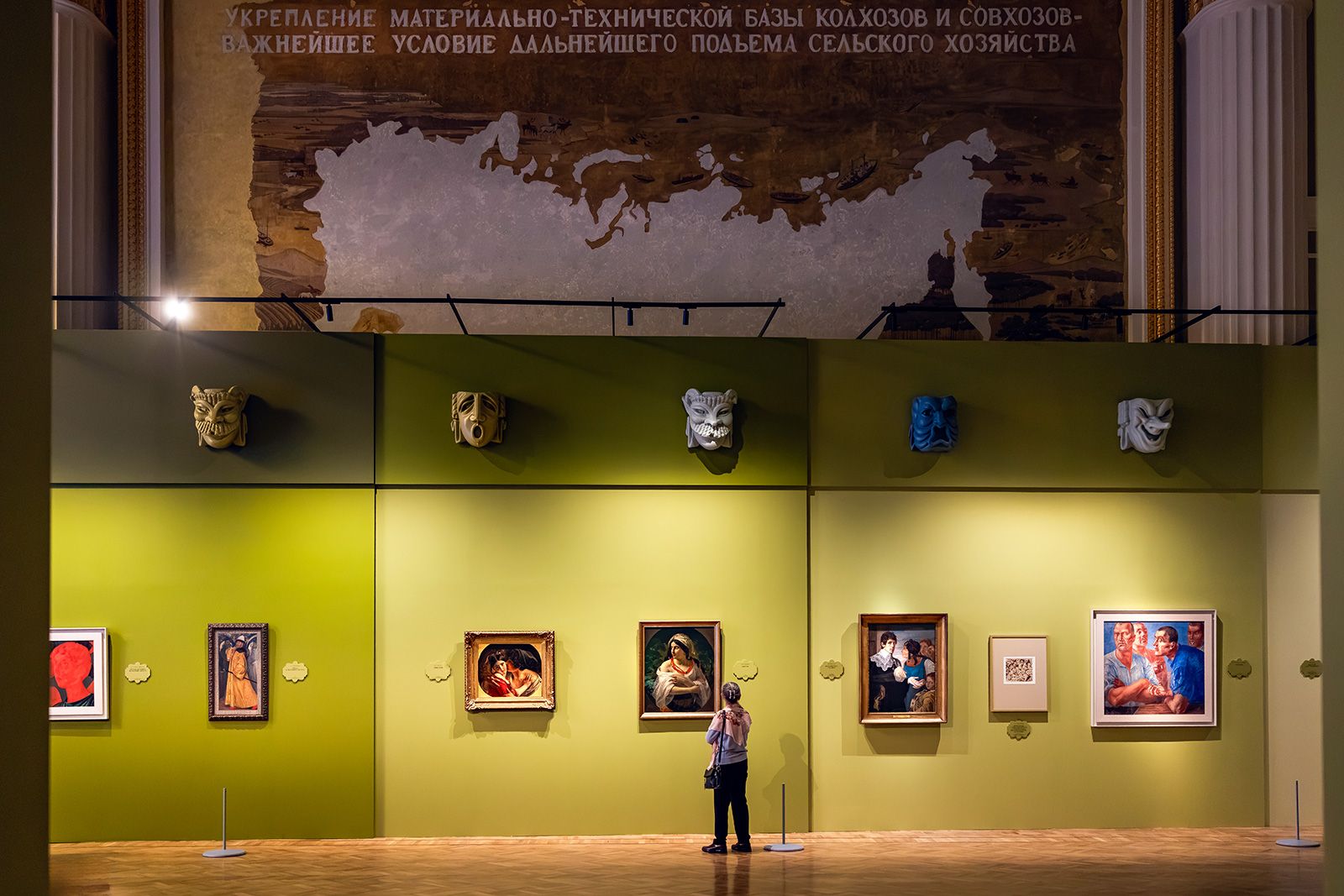
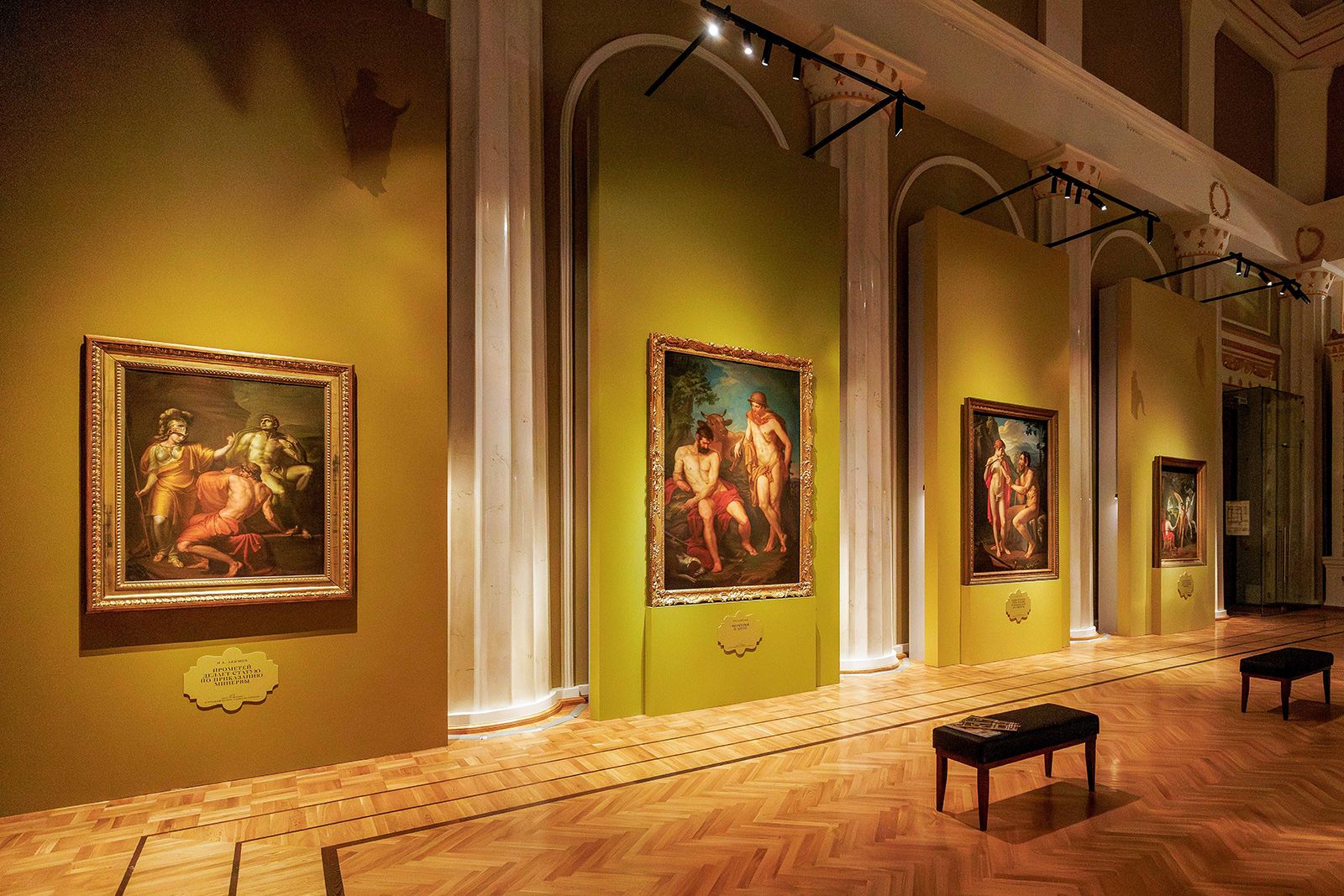
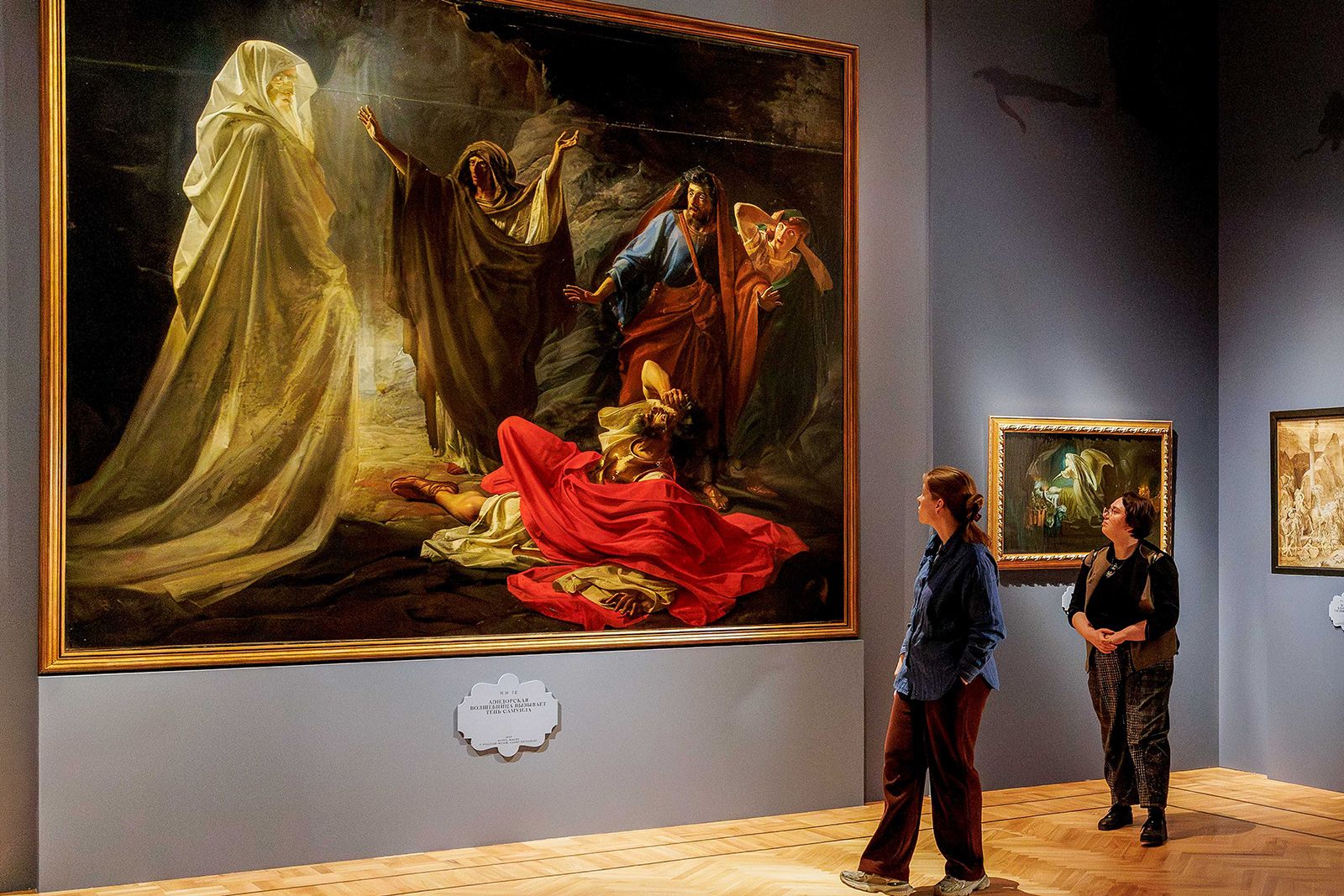
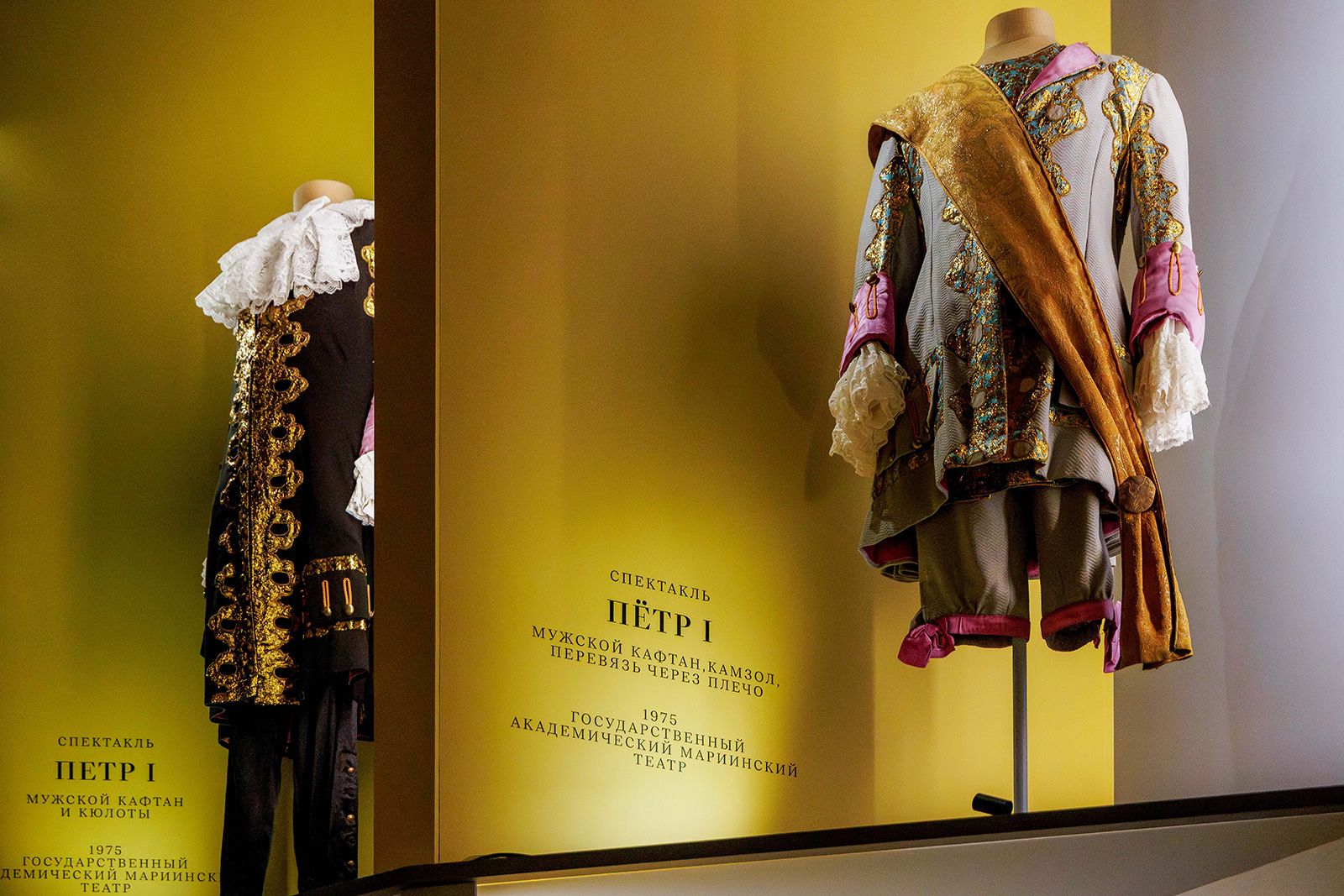
Another major project involving the State Russian Museum is the exhibition The Art of the Stage. Academic Painting. It opened on September 10 in Pavilion No. 1, Central, at VDNKh and marks the 150th anniversary of the Theatre Union of the Russian Federation. The project explores the connection between Russian academic painting and theatre, bringing together around 200 exhibits from 32 museums in 12 Russian cities. The State Russian Museum provided more than 70 works, including works by Karl Bryullov, Ilya Repin, Kuzma Petrov-Vodkin, Firs Zhuravlev, Konstantin Flavitsky, and Konstantin Somov. The exhibition will run until January 17, 2027.
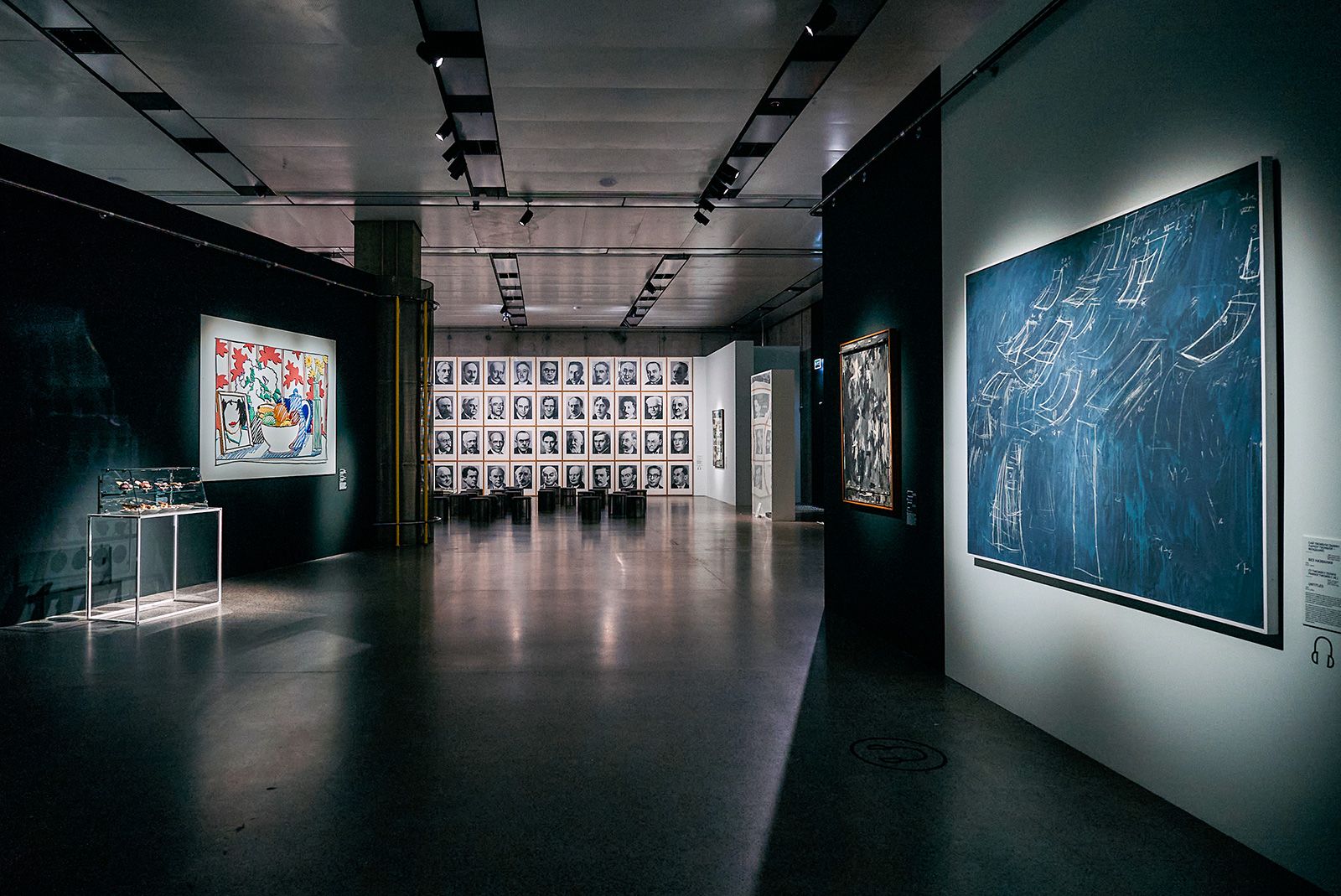
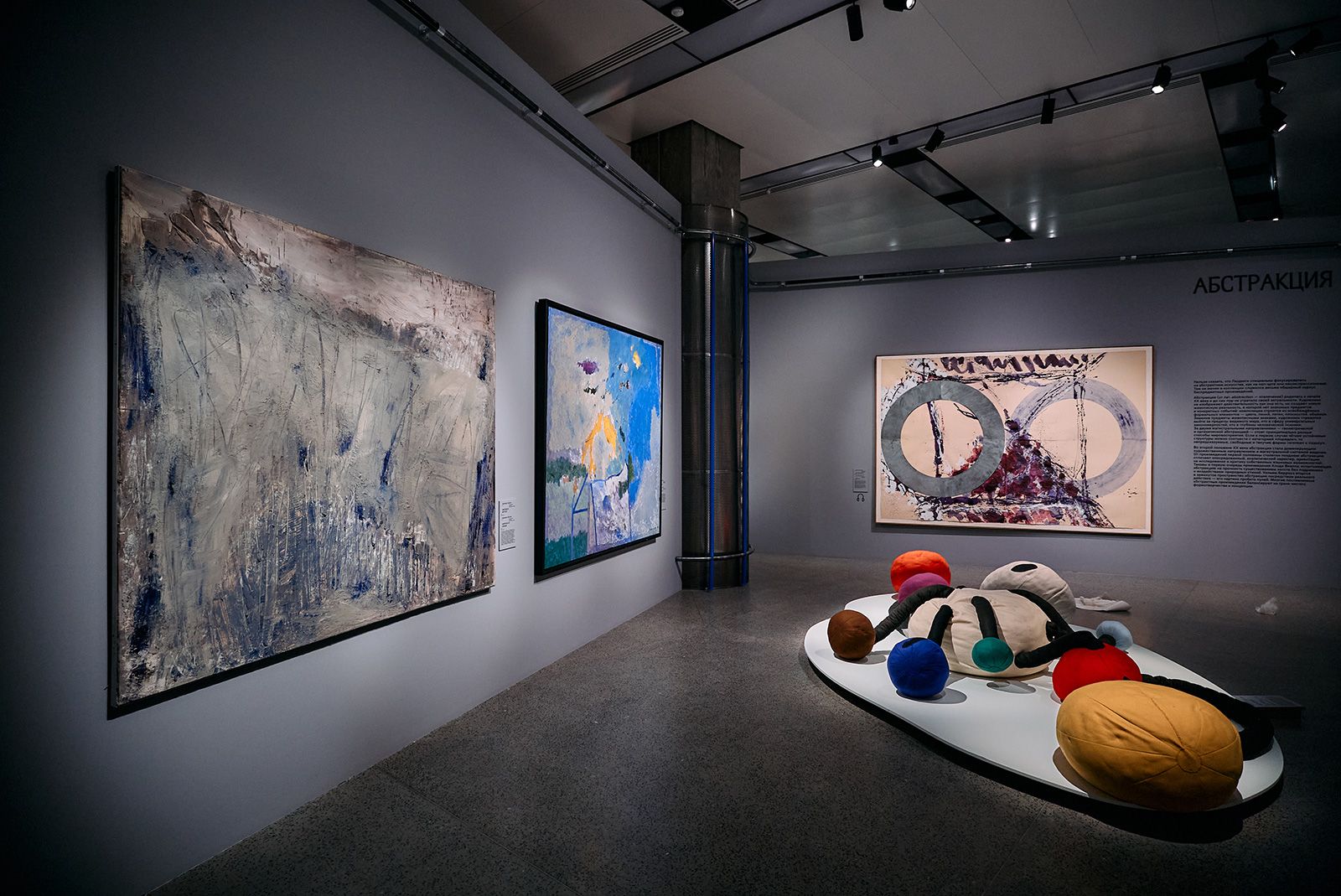
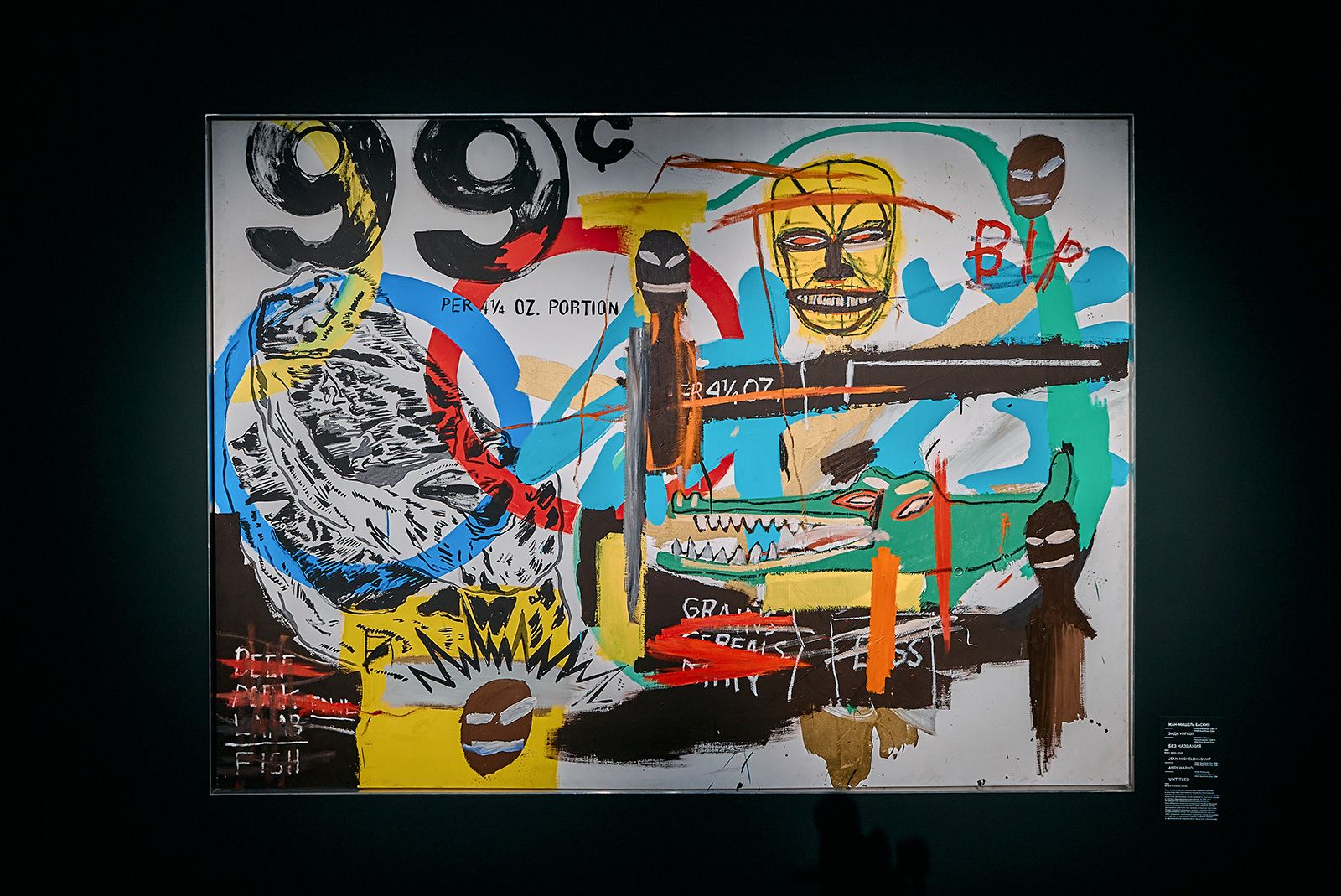
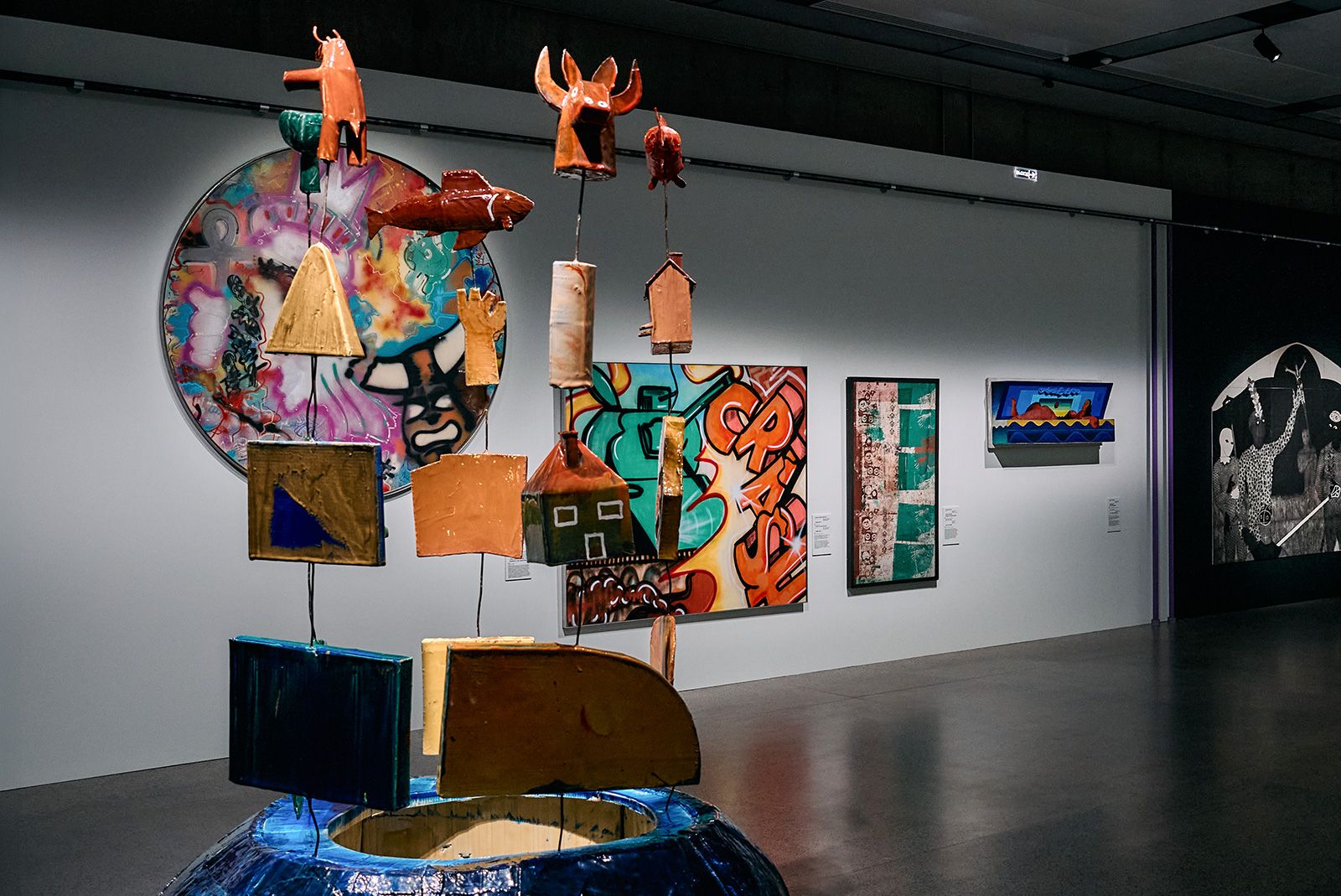
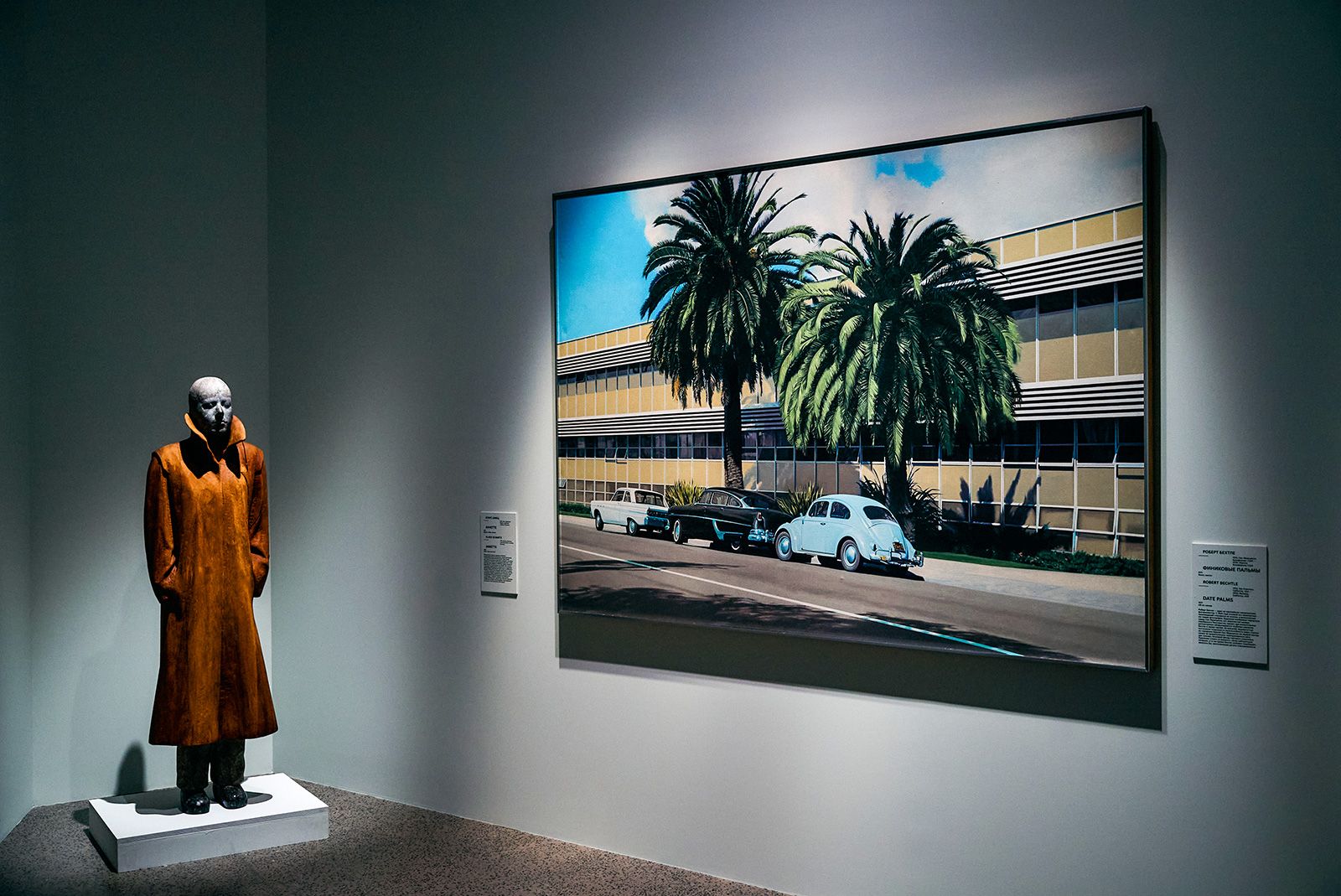
Works from the State Russian Museum holdings can also be seen at the private ZILART Museum of Art in the exhibition The Russian Museum at ZILART. Masterpieces of Art from the Second Half of the 20th Century. The Peter and Irene Ludwig Donation. It brings together more than 100 works and introduces visitors to major trends in Russian and international art of the second half of the 20th century, from American pop art and hyperrealism to Moscow conceptualism and German Neo-Expressionism. The artists represented include Pablo Picasso, Andy Warhol, Jean-Michel Basquiat, Roy Lichtenstein, Ilya Kabakov, Erik Bulatov, and other renowned artists. Special attention is also paid to the phenomenon of collecting and the role of private collections in preserving and presenting works of art from different countries and artistic movements.
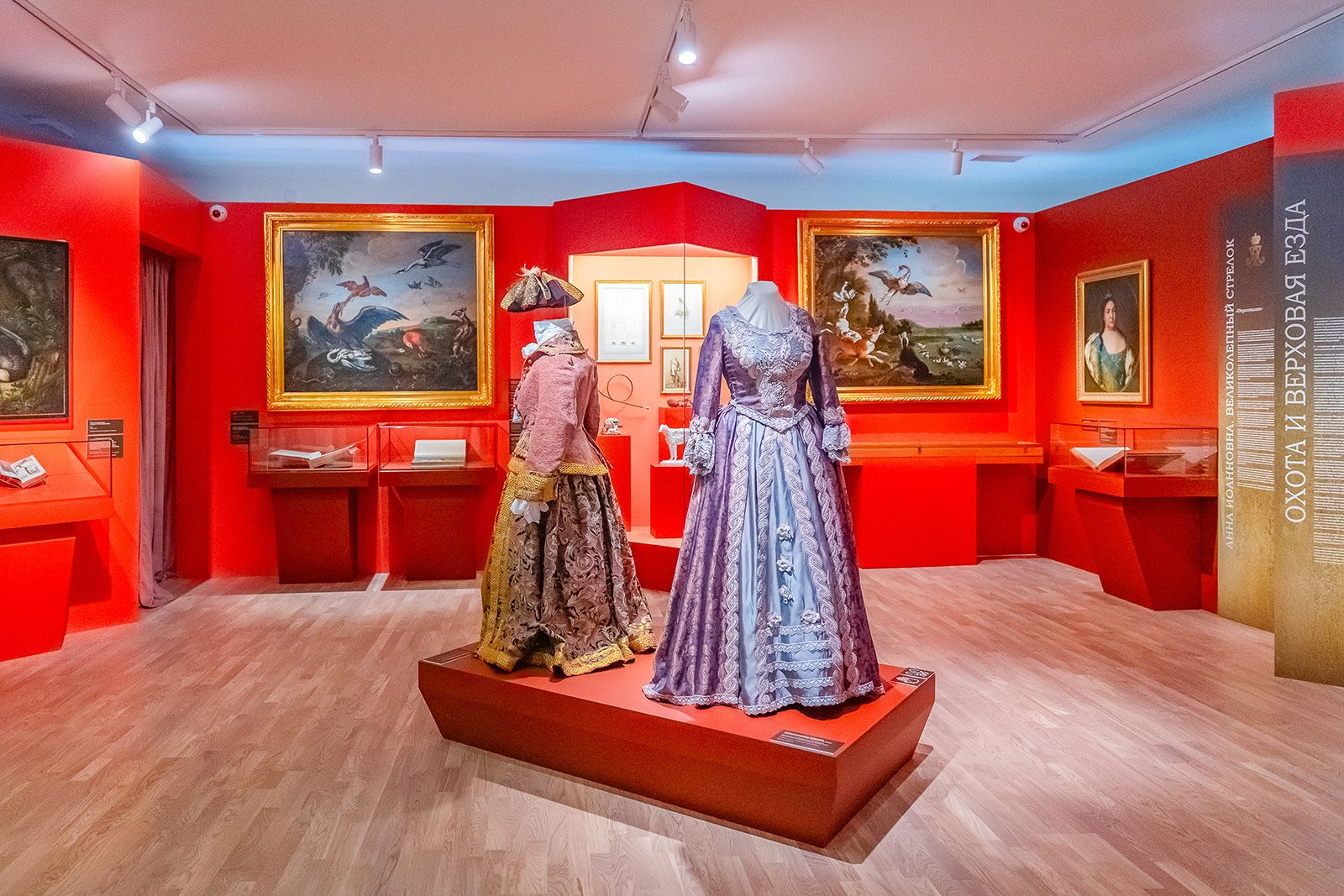
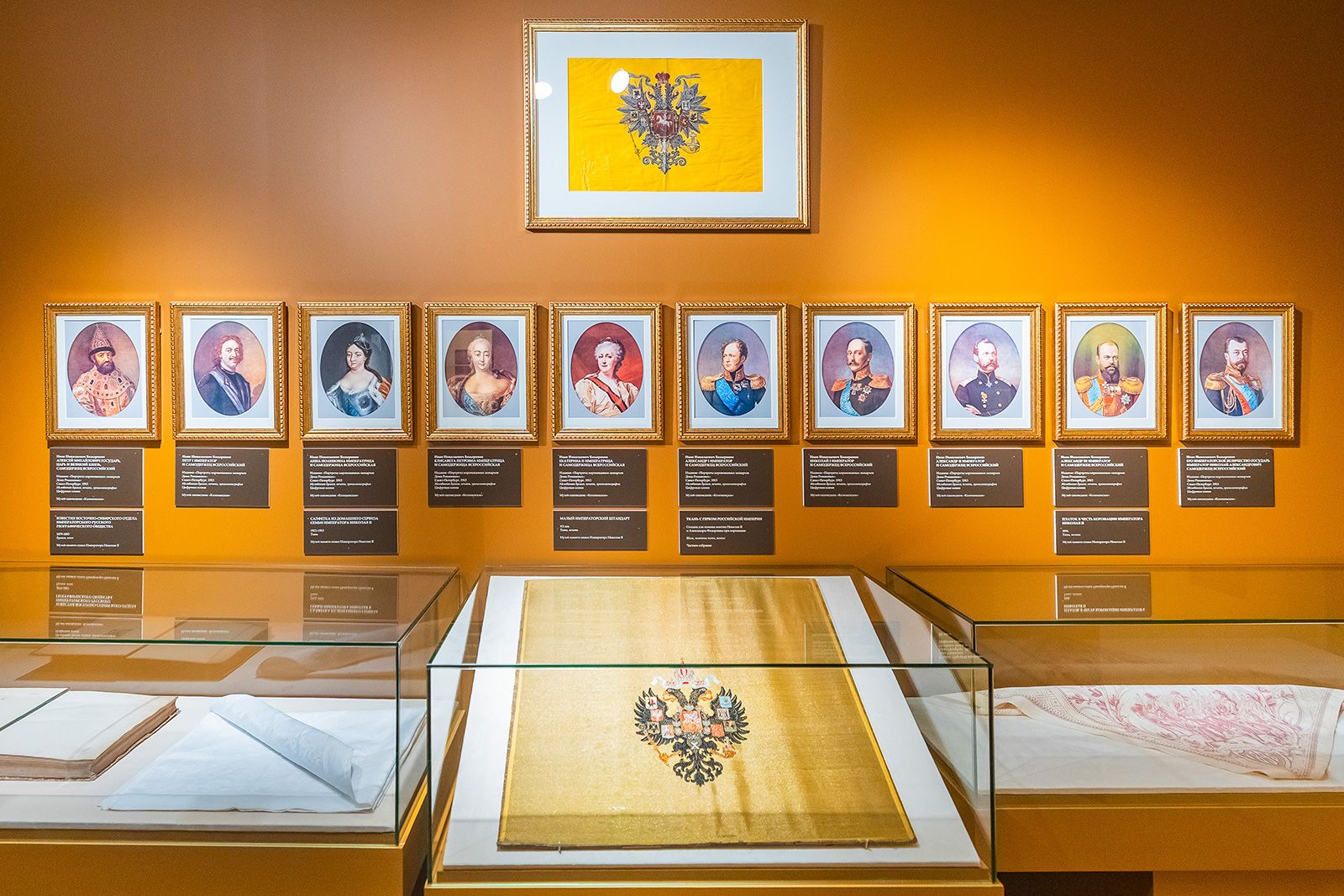
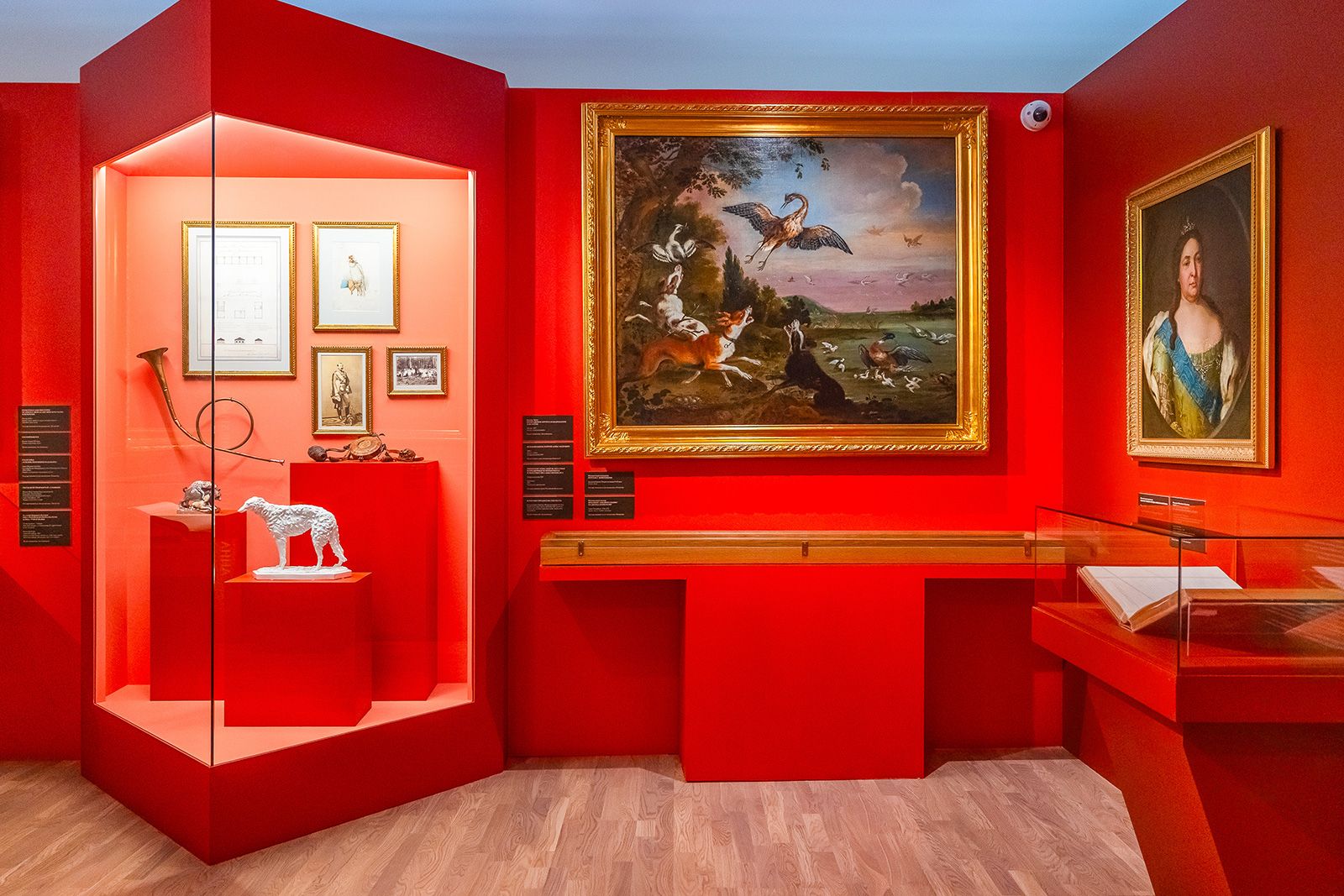
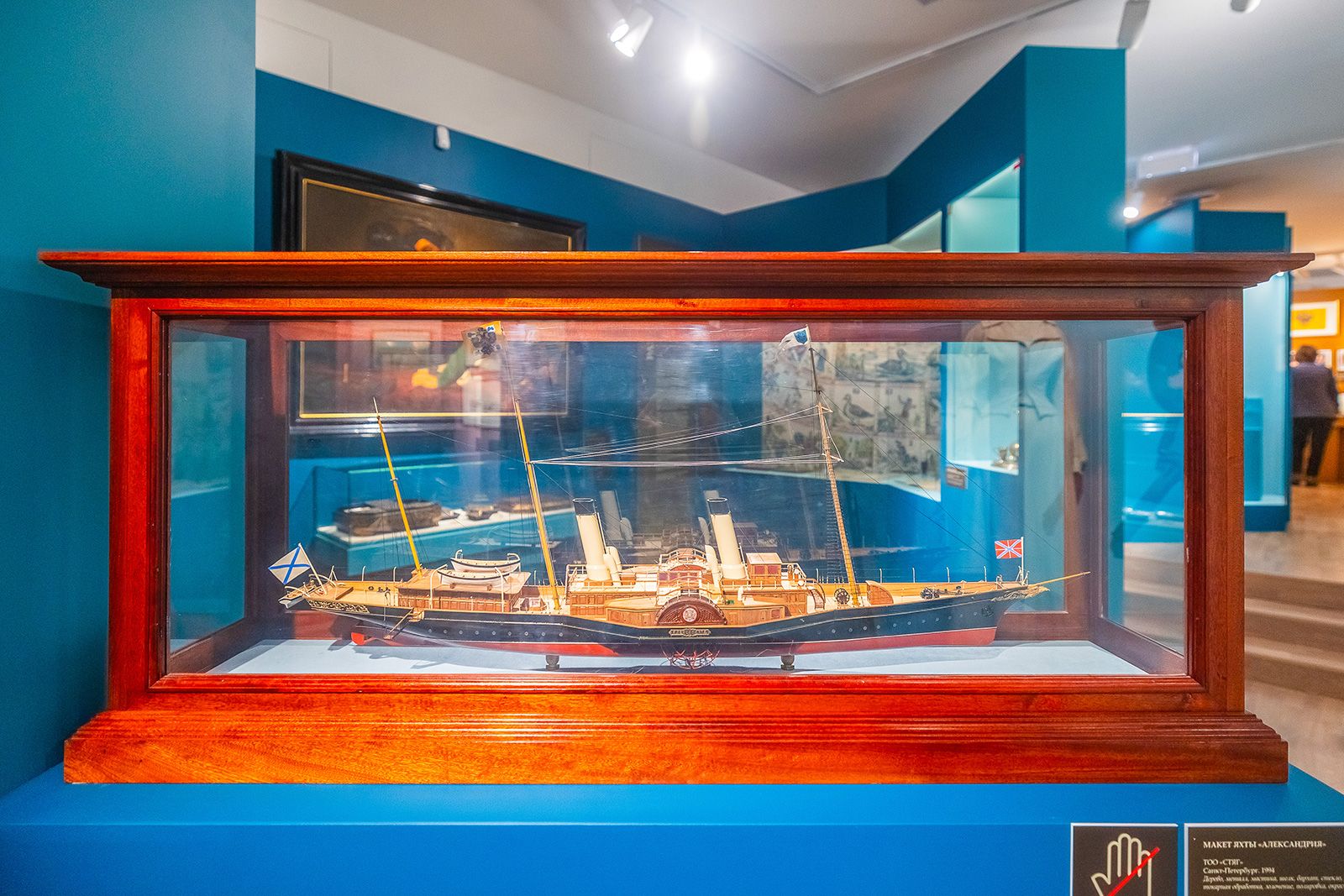
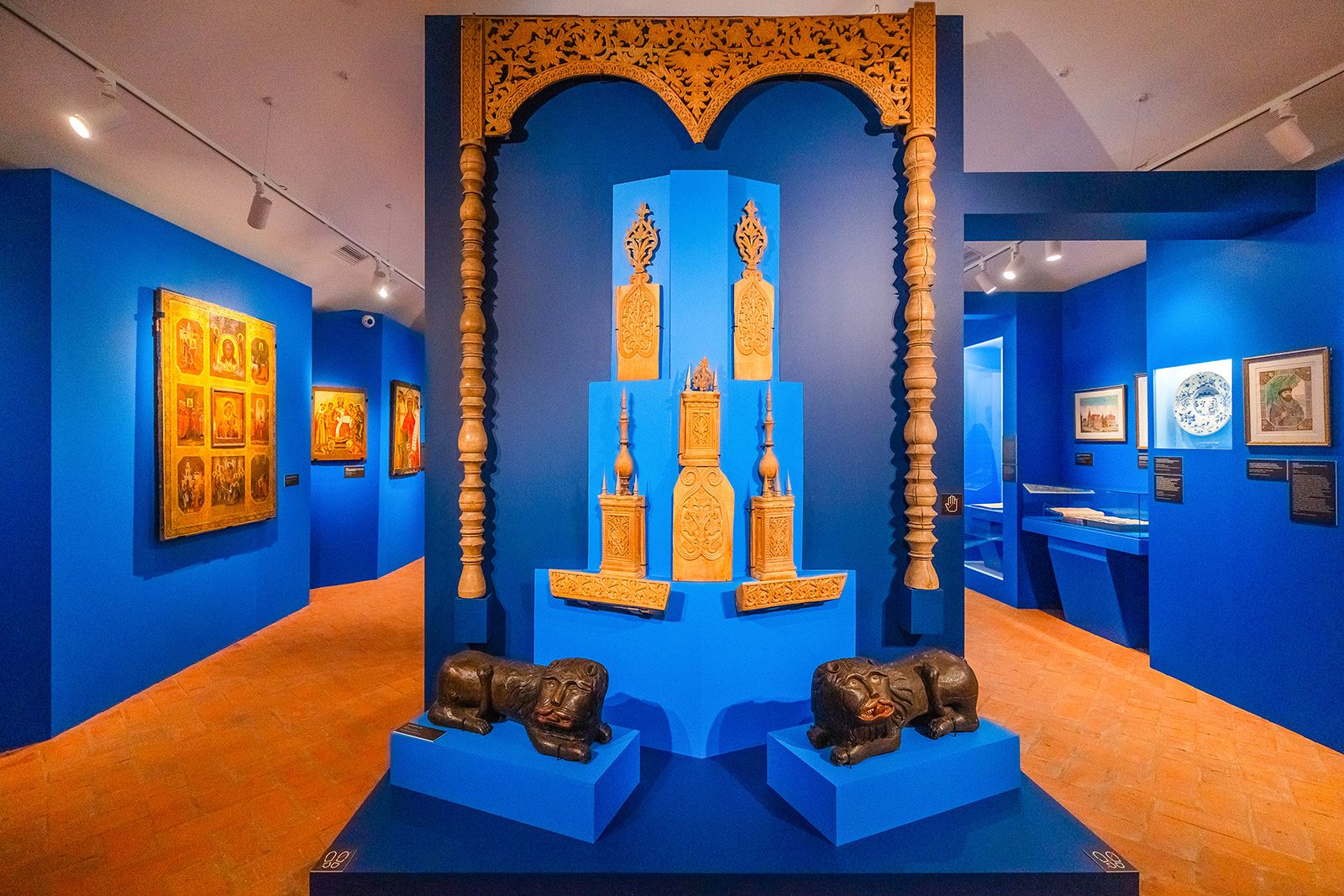
Moscow museums also cooperate with other institutions in St. Petersburg. From December 2025 until the end of May 2026, the Kolomenskoye Museum-Reserve hosted the exhibition The Romanovs. From Peterhof to Moscow. The Peterhof State Museum-Reserve provided 330 items on temporary loan, while the exhibition at the Sytny Yard brought together around 800 exhibits in total. The project explored the private lives and interests of members of the House of Romanov. Seven thematic sections showed how the monarchs’ personal interests influenced Russian culture and everyday life and how family traditions, from hunting to seafaring, were passed down from generation to generation.
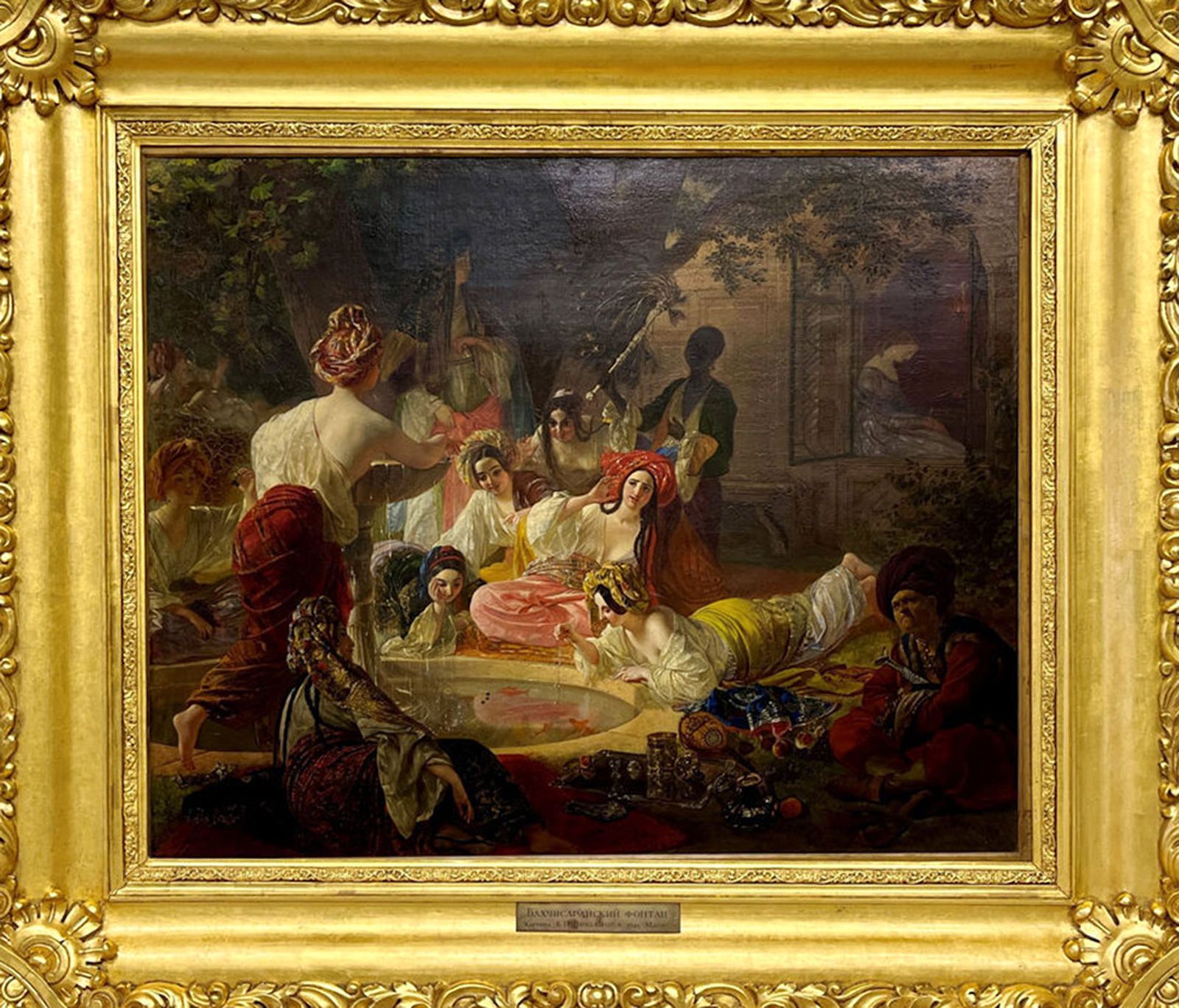
From April to July, the exhibition halls of the Pushkin State Museum on Arbat hosted the exhibition Masterpieces of the National Pushkin Museum. The exhibition featured miniatures, graphic art, paintings, sculptures and other items from the collection of the National Pushkin Museum related to the poet’s life, work and era. Works by Ilya Repin, Karl Bryullov, Ivan Aivazovsky, Nikolai Ge, Konstantin Korovin and Martiros Saryan were the central pieces of the exhibition. It also featured illustrations for Ruslan and Lyudmila, The Fountain of Bakhchisaray, The Bronze Horseman and The Stone Guest, as well as paintings devoted to Alexander Pushkin’s years at the Lyceum and his circle of friends.
Cooperation with St. Petersburg institutions is currently represented by several exhibition projects. Until November, the Belvedere space at the Durasov Palace at the Lyublino Estate is hosting the exhibition Linking the Past with the Future. It features copies of documents and images from several St. Petersburg museums. The project is the result of research by staff at the Kuzminki-Lyublino Museum-Reserve: specialists studied the architectural, stylistic, cultural and historical features of the manor palace in the collections of Russian museums, archives and libraries.
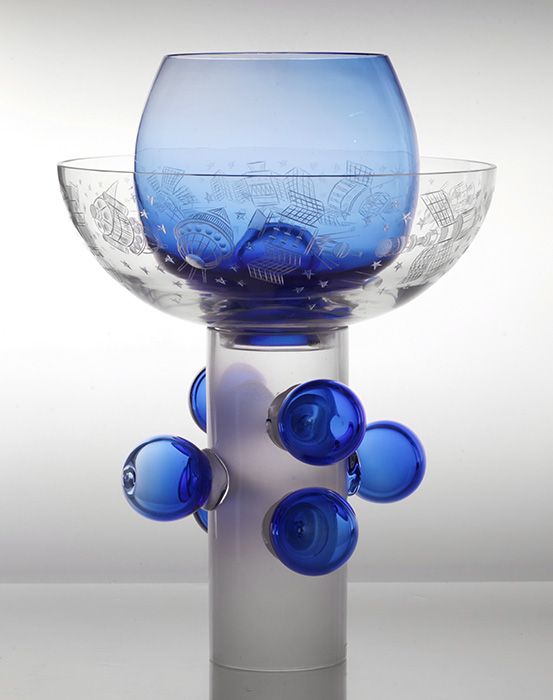
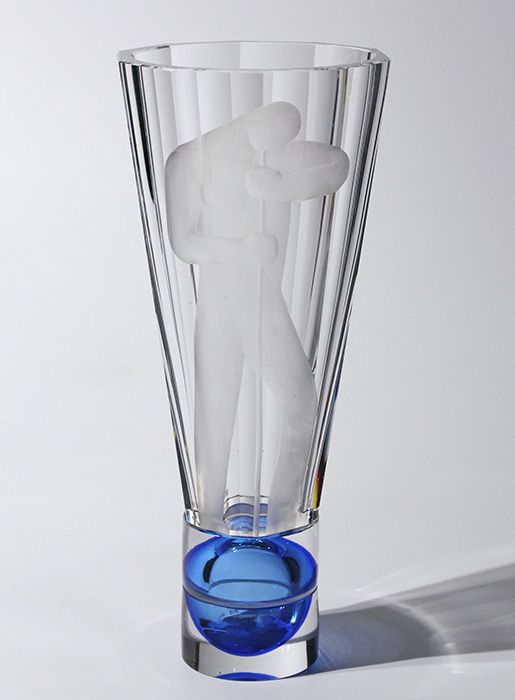
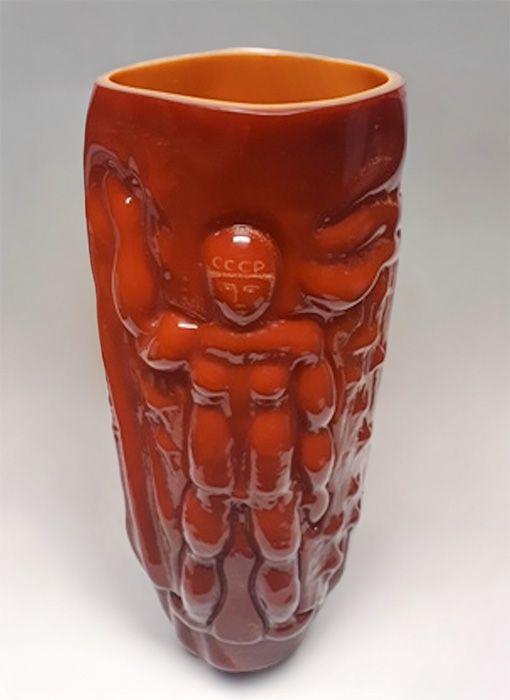
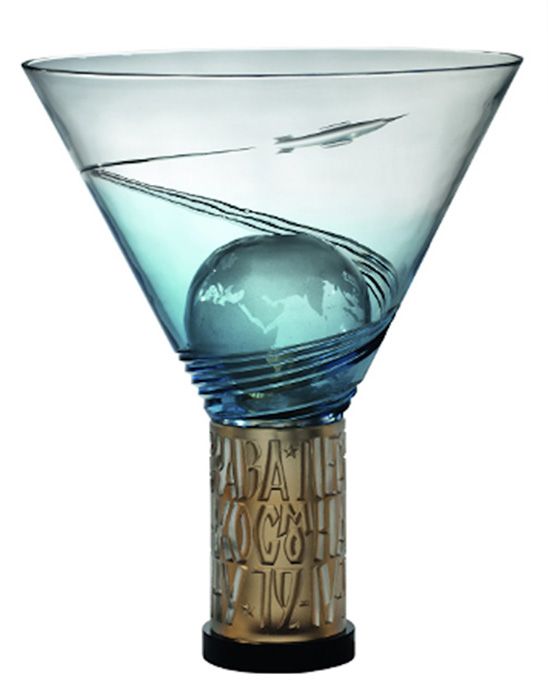
Until November 22, the Museum of Cosmonautics is hosting the art project Planet SiO2. Space in Works by Russian Glass Artists of the Second Half of the 20th Century. For the first time, the exhibition has brought together a collection of works from the country’s largest collections selected for their artistic and historical significance. The project’s leading partner is the Kirov Central Park of Culture and Recreation (Yelagin Island Palace Museum). Works from the museum’s holdings are represented by a major collection of 77 items, assembled on the basis of the Leningrad Art Glass Factory. The artefacts on display include works of decorative and applied glass art created by St. Petersburg artists in the second half of the 20th century and inspired by the country’s achievements in space exploration. The works attracting the greatest interest among visitors include Yuri Muntyan’s Space Suite and Valentina Arkhipova’s Marsiad triptych.
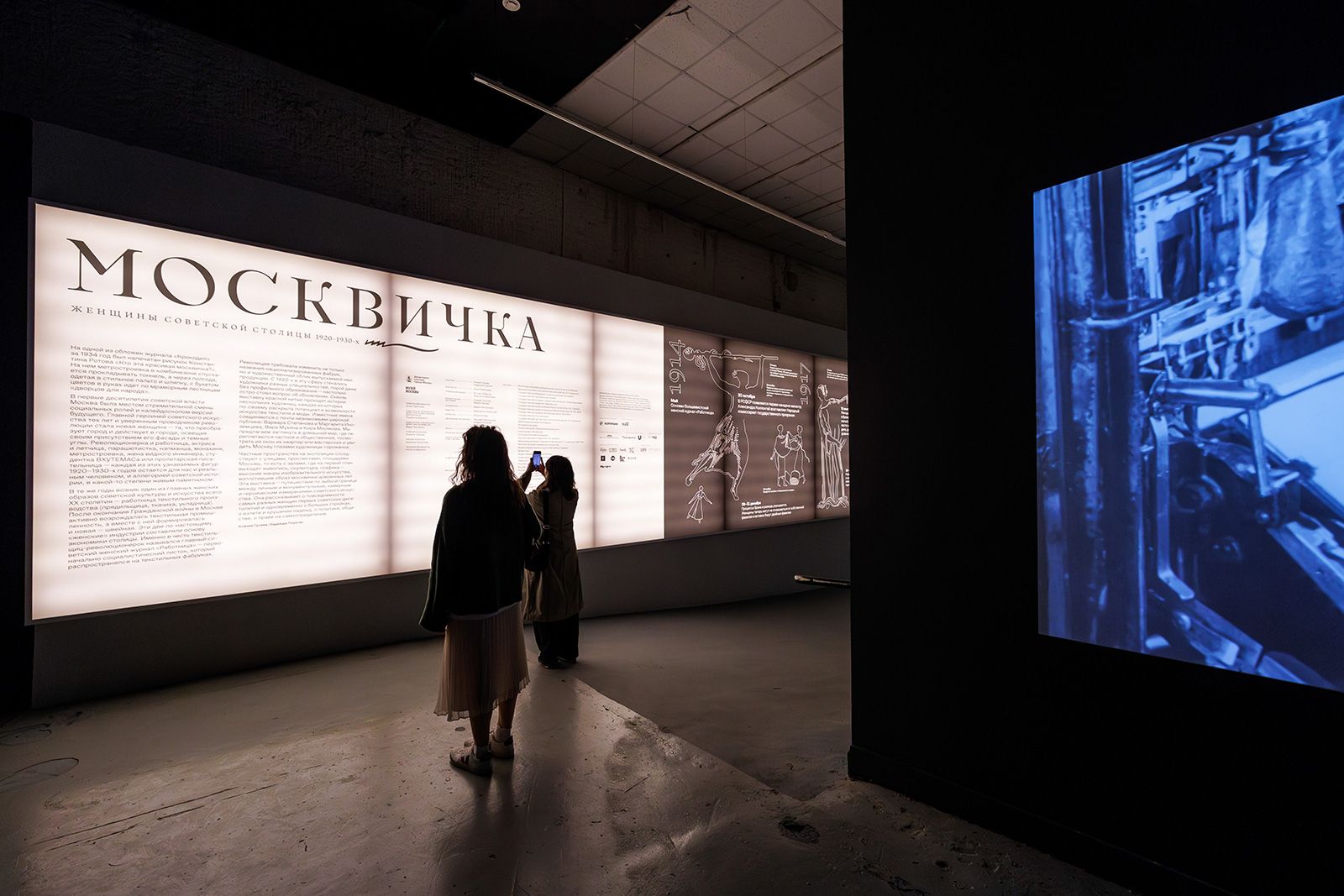
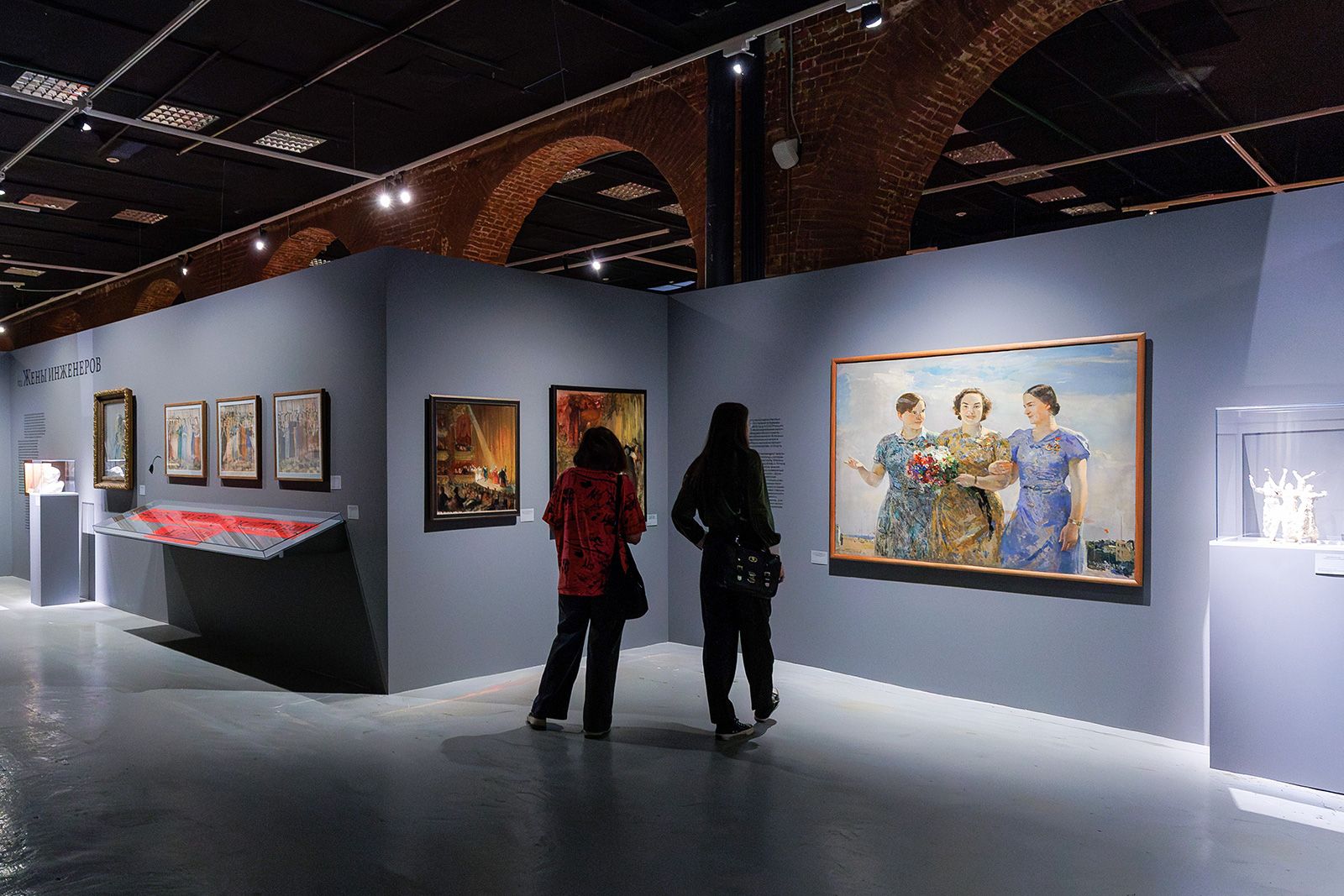
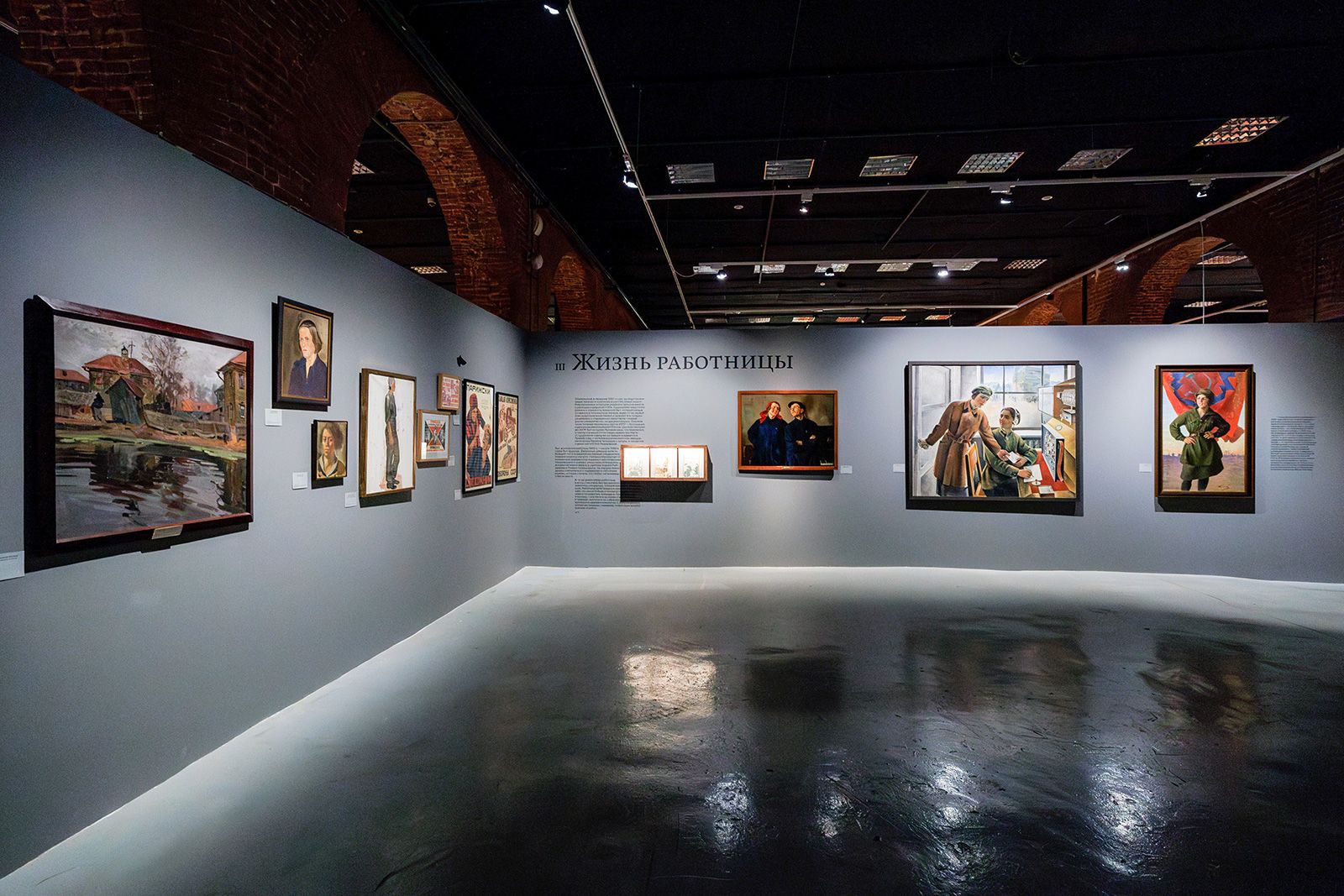
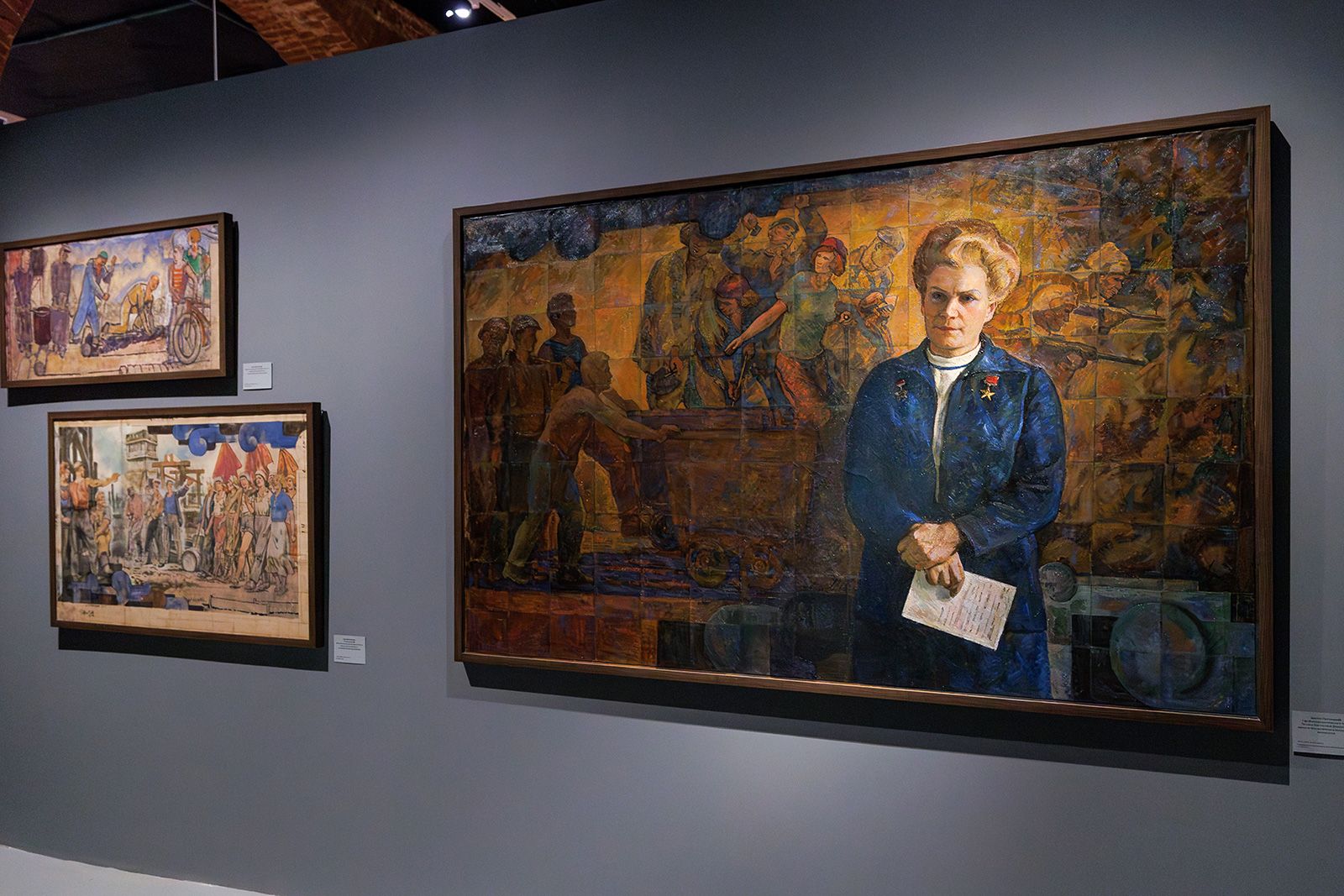
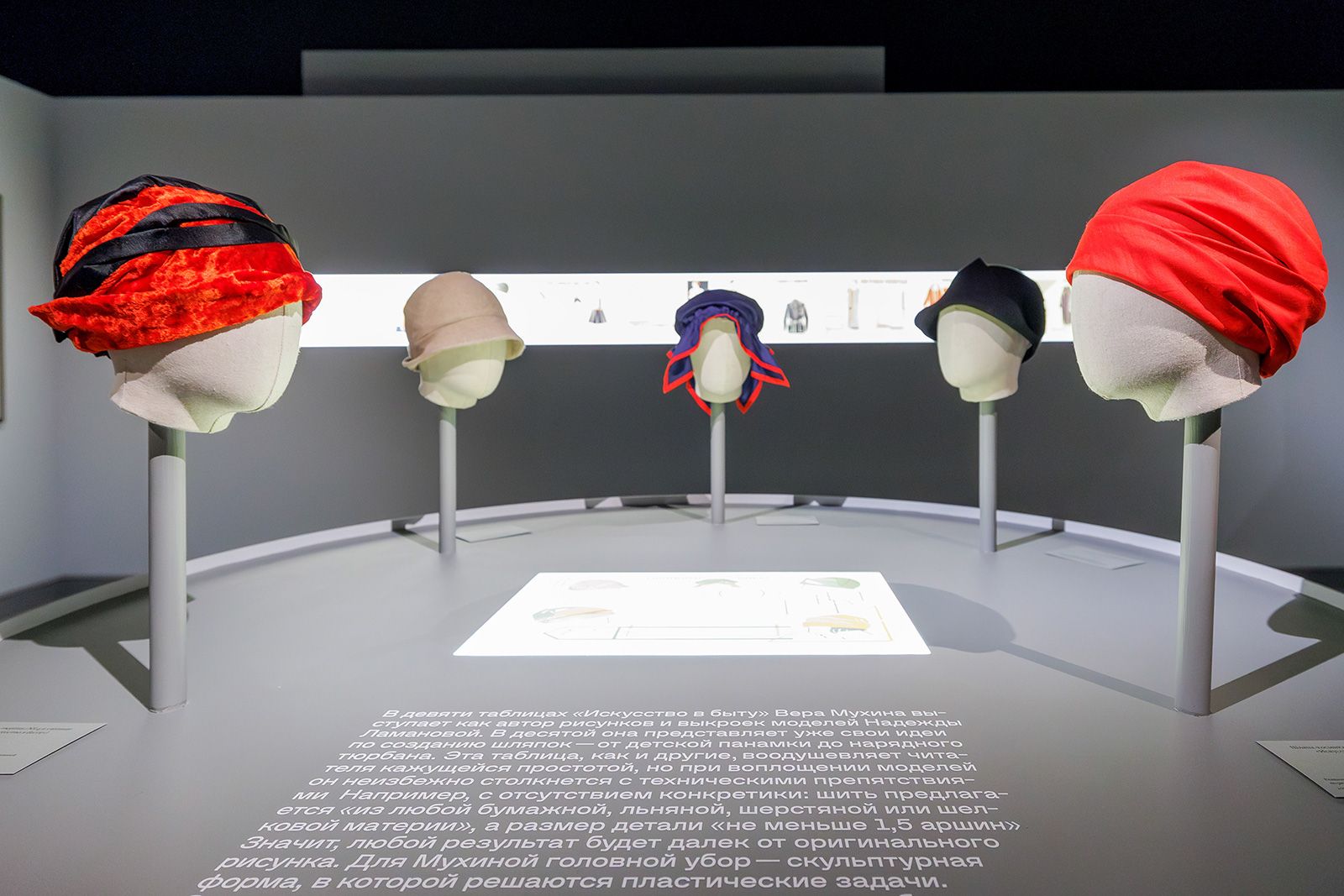
The major exhibitions are complemented by other projects involving St. Petersburg collections. For example, the Museum of Moscow hosted works from the State Russian Museum for the exhibition Between Paris and Moscow. Alexandra Bychkova and Sergei Koltsov. In addition, the exhibition The August Owner of Moscow, organized by the museum jointly with the Elisabeth-Sergius Educational Society Foundation, included items from the collections of the State Russian Museum and the Military Historical Museum of Artillery, Engineers and Signal Corps, while the project Muscovite Woman. Women of the Soviet Capital in the 1920s−1930s featured exhibits from the St. Petersburg State Museum of Theatre and Music.
The National Library of Russia provided the Museum of Memory with copies of posters for the sections Leningrad, Liberated Europe and Forced Labor in Germany — more than 40 documents in total. In addition, the Nevsky Batalist creative workshop headed by Dmitry Poshtarenko took part in creating the exhibition space. The team developed three-dimensional installations incorporating authentic objects for the sections Burned Villages, Execution, Neva, Japan’s General Plan Ost and Nuremberg.
From Moscow to St. Petersburg
Cooperation also works visa versa, with Moscow museums presenting their collections and exhibition projects at venues in St. Petersburg.
For example, items from the Museum of Moscow collection were displayed at the exhibition Russian Style at the Manege Central Exhibition Hall in St. Petersburg from May 8 to July 12. The institution’s exhibits are subsequently to be shown at the exhibition History of Russian Theatre at the Manege, as well as in the Ivan Aivazovsky and Isaac Levitan projects at the State Russian Museum.
The Bulgakov Museum was invited to take part in the Bulgakov Fest in St. Petersburg. The exhibition Rails. Lines. Feuilletons, organized by the Russian Railway Museum and held from May 19 to August 1, featured copies of items from its holdings related to the writer’s life and work.
The Moscow Museum of Modern Art also takes part in exhibition projects in St. Petersburg. Five items from its collection were displayed at the exhibition Nikolai Akimov and His Students at the Museum of St. Petersburg Art of the 20th-21st Centuries. The next project involving the Moscow museum’s collection, the exhibition History of Russian Theatre. The Anniversary of the Theatre Union, is scheduled to run in St. Petersburg from September through February 2027.
Beyond exhibitions
Alongside individual exhibition projects, institutions in Moscow and St. Petersburg maintain ongoing partnerships. For example, the Pushkin State Museum cooperates with the National Pushkin Museum, the Literary Museum of the Institute of Russian Literature of the Russian Academy of Sciences (RAS), the Pavlovsk, Tsarskoye Selo, Gatchina and Peterhof museum-reserves, the St. Isaac’s Cathedral State Museum-Monument and the Manege Central Exhibition Hall. The institutions exchange exhibits and exhibition projects and collaborate on various publications.
The Paustovsky Museum cooperates with the Paustovsky Central Library in St. Petersburg. A travelling exhibition titled St. Petersburg — a Wonderful City. The Image of the Northern Capital in the Works of K. G. Paustovsky is scheduled to open in October. It will feature materials from the writer’s personal archive, rare photographs taken by the writer and his family, as well as correspondence with prominent Leningrad residents, including Anna Akhmatova and Daniil Granin.
The Scriabin Memorial Museum maintains an ongoing partnership with the Scriabin Society in St. Petersburg and organizes travelling exhibitions at the city’s music schools and libraries.
The partnership is also developing through other cultural formats. One example is the City as Sound concert, presented by the Museum of Moscow and St. Petersburg’s Radio House on September 5 and 6 as part of Moscow City Day celebrations. It is an original research project by Radio House resident composer Alexey Retinsky dedicated to the soundscape of the modern metropolis. The sounds of street musicians are woven into the composer’s work, becoming part of a unified musical canvas. The project was first staged in St. Petersburg with eight performers. In September, it was presented in Moscow with nine performers selected by the project team from numerous applicants.
Exchange of expertise and knowledge
Cooperation between Moscow and St. Petersburg institutions also extends to professional and academic work. Specialists take part in specialized events in both cities and exchange expertise. For example, representatives of the State Museum of the History of St. Petersburg were invited as speakers to the Museum of Moscow’s annual research and practice conference Museum in the City — City in the Museum.
Another platform for professional exchange will be the conference Early Childhood Development in the Museum: Values, Strategies, Prospects, to be held on November 5 and 6 at the State Darwin Museum. It will mark the Year of Preschool Education in Russia and the 10th anniversary of the museum’s Preschool Academy educational project. The event will be held as part of the Natural Science Museums Section of the Union of Museums of Russia.
Moscow specialists, in turn, take part in professional events in St. Petersburg. From February 5 to 7, 2025, Anatoly Leonov, Deputy Head of the Naval History Museum Department at the Severnoye Tushino Museum and Park Complex, took part in the 11th Collegium of Naval Museums of the Association of Naval Museums and Keepers of Maritime Traditions at the Emperor Peter the Great Central Naval Museum in St. Petersburg. The institution is also a member of the association.
Professional exchange is complemented by cooperation between museum and research institutions. The Timiryazev State Biological Museum has signed an agreement with the Zoological Institute of the Russian Academy of Sciences. It provides for joint research, educational and outreach projects, staff internships and cooperation in publishing, collections management and exhibition activities.