The city in detail: Muscovites invited to local history museums
Throughout its history, Moscow has weathered dozens of events, such as fires, wars, epidemics, and periods of turmoil, to be reborn and grow even stronger each time. Just stop by a local museum to learn about Moscow’s past and present in detail.
History through the lives of Muscovites and artifacts
Founded in 1896, Museum of Moscow is the capital’s oldest museum. Today, its holdings consist of thousands of items, including unique archaeological finds, documents, photographs, everyday artifacts, and personal archives of prominent families, all of them offering a glimpse of Moscow through the lives of its inhabitants. The museum embraces a few branches scattered all over the city, which host exhibitions and thematic tours to provide a deep dive into the capital’s past and present.
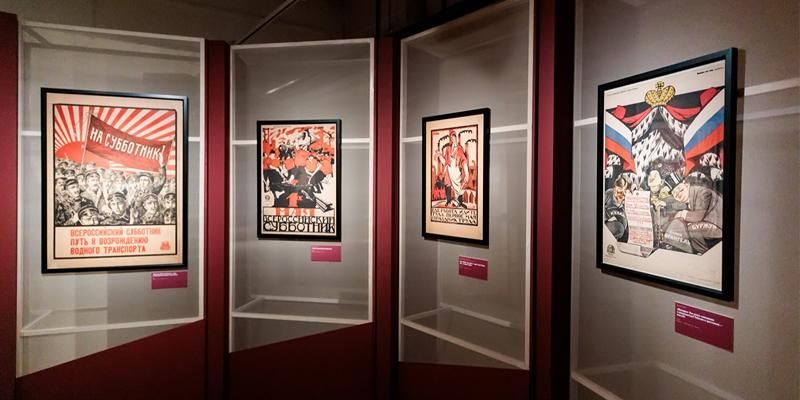
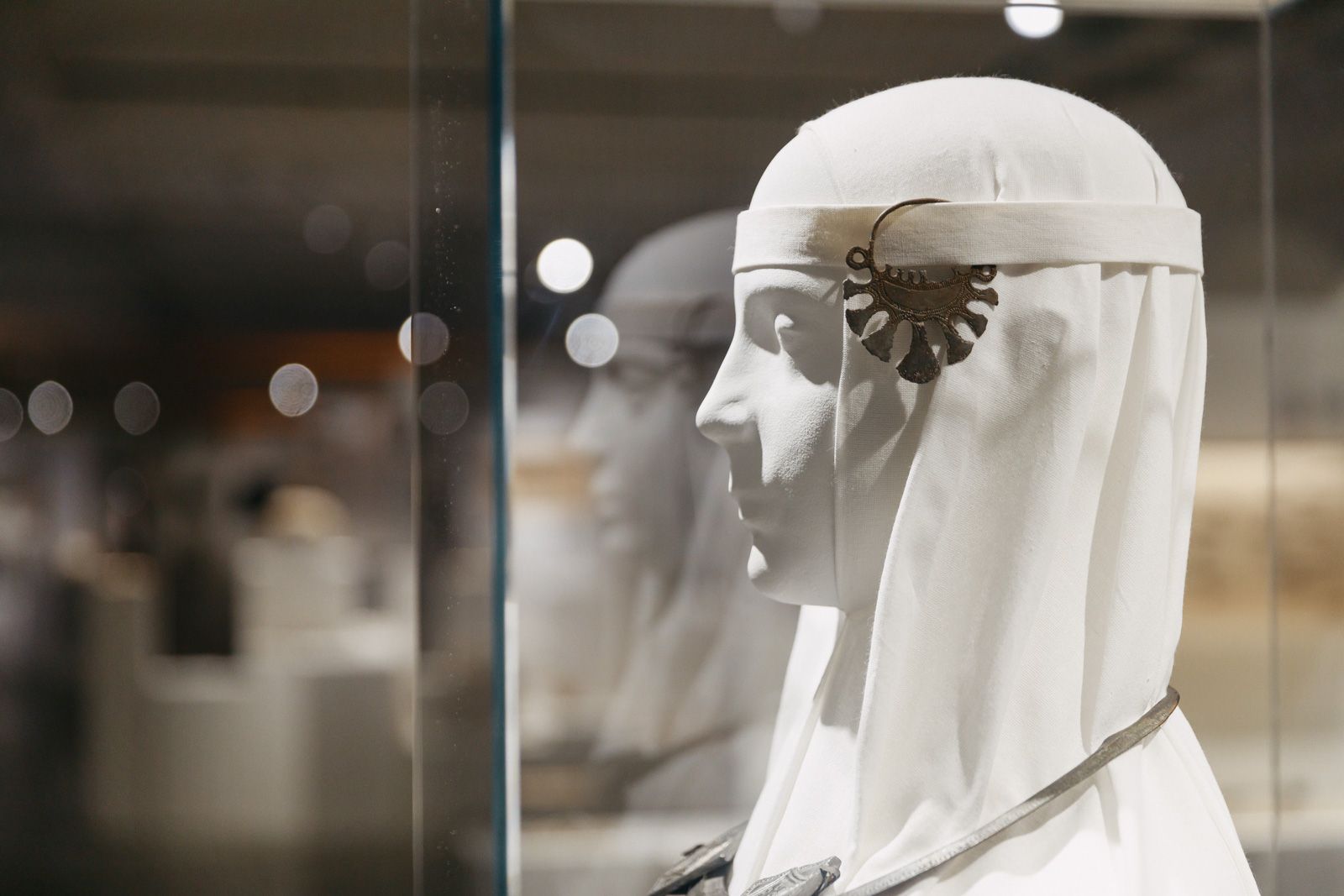
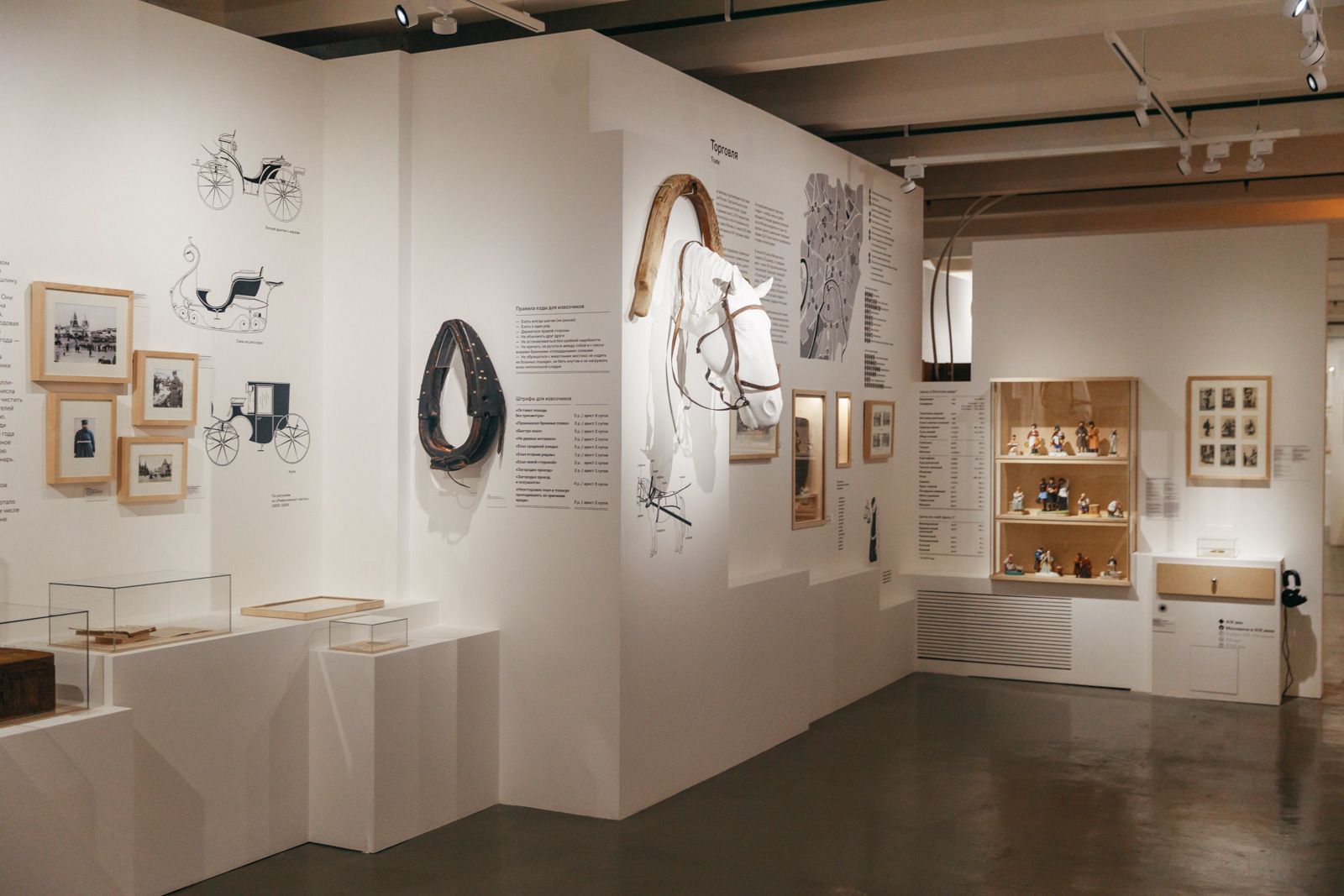
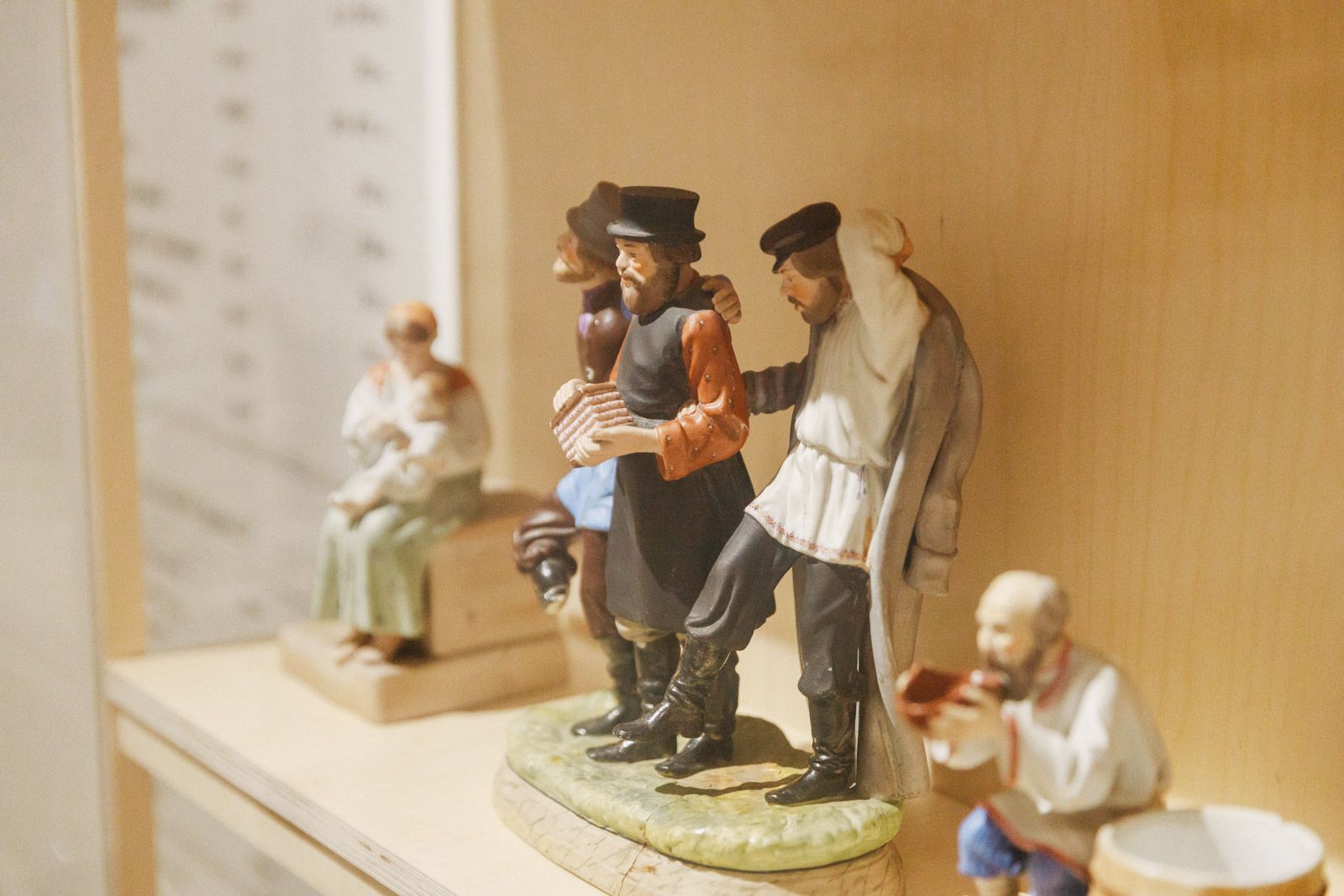
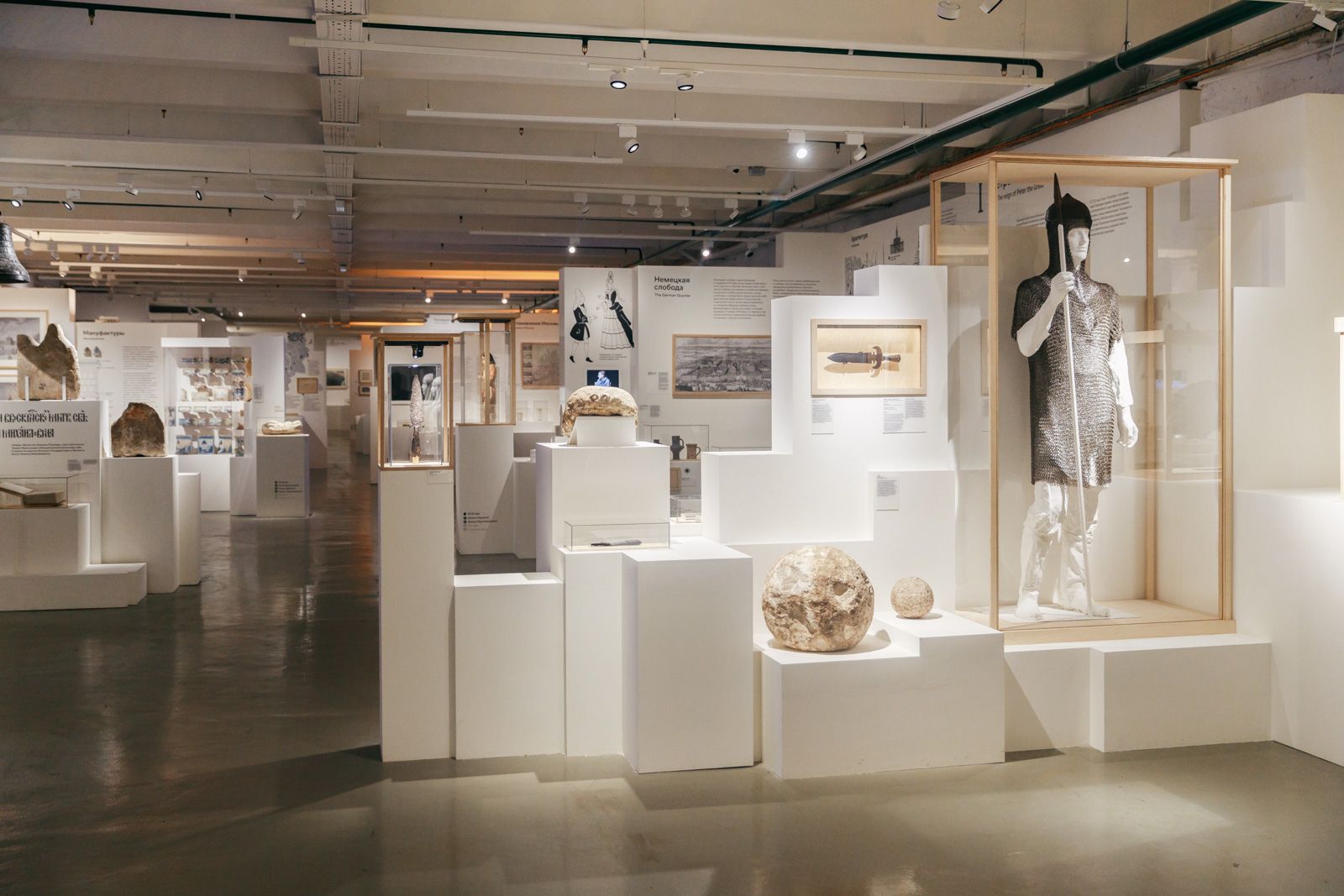
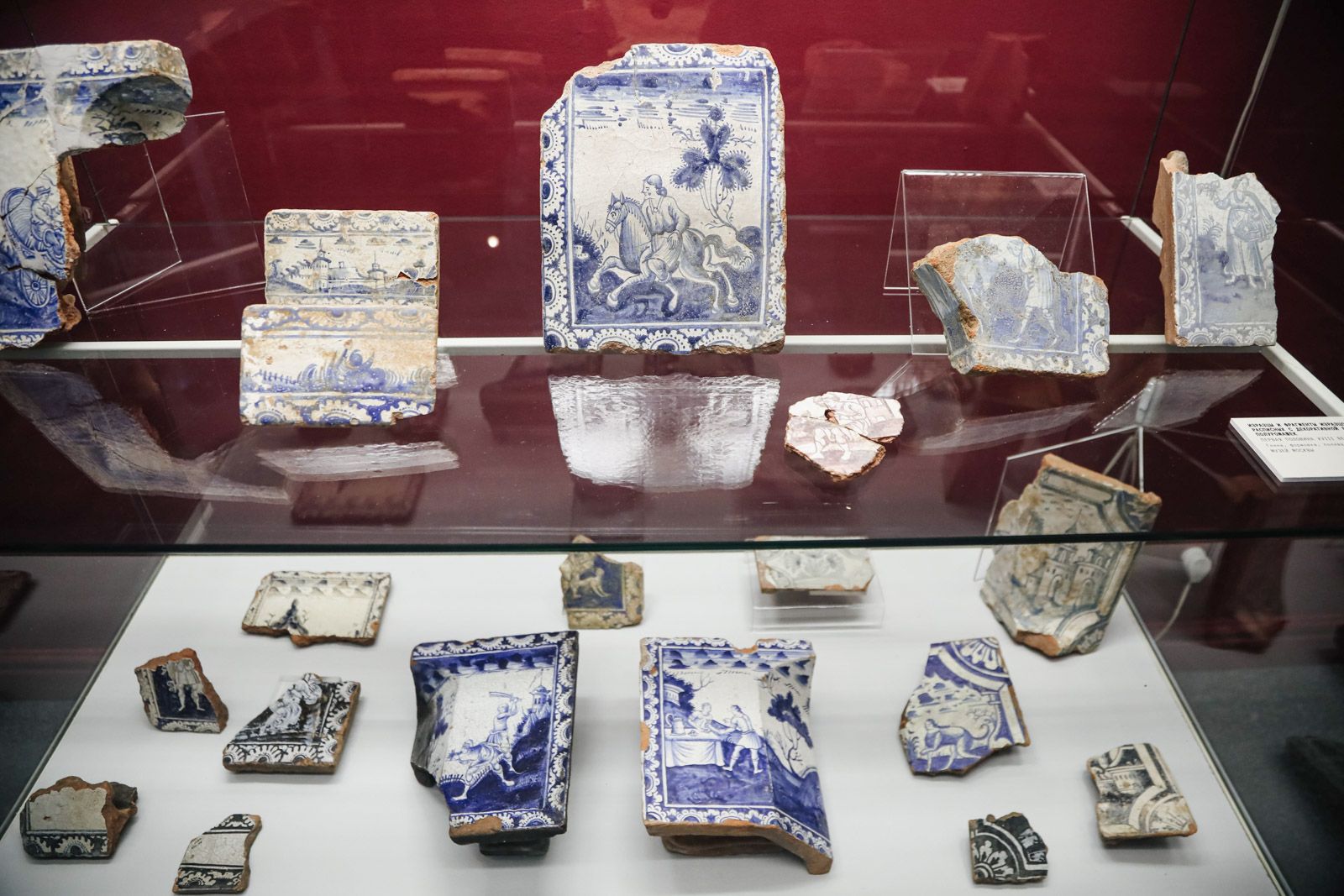
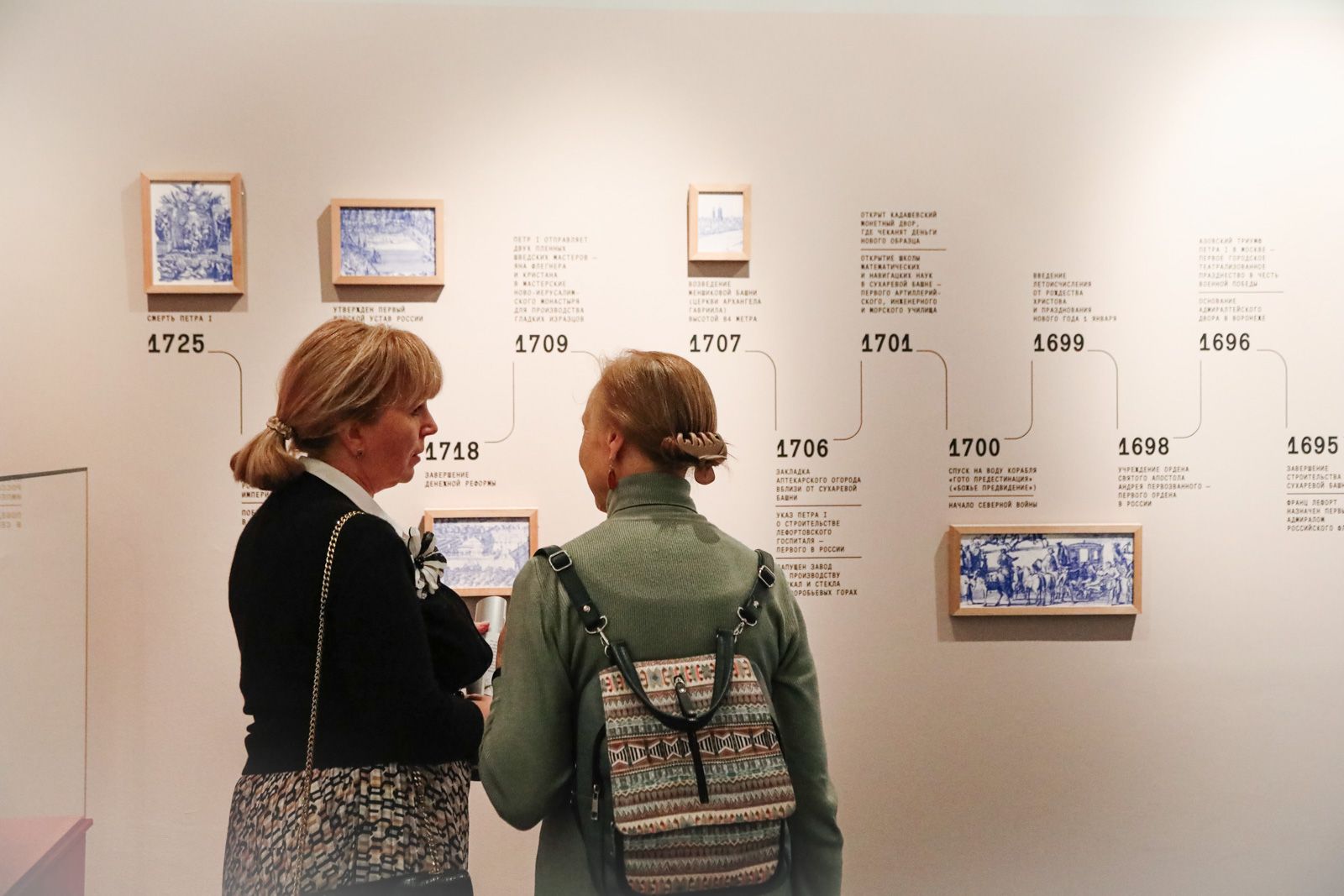
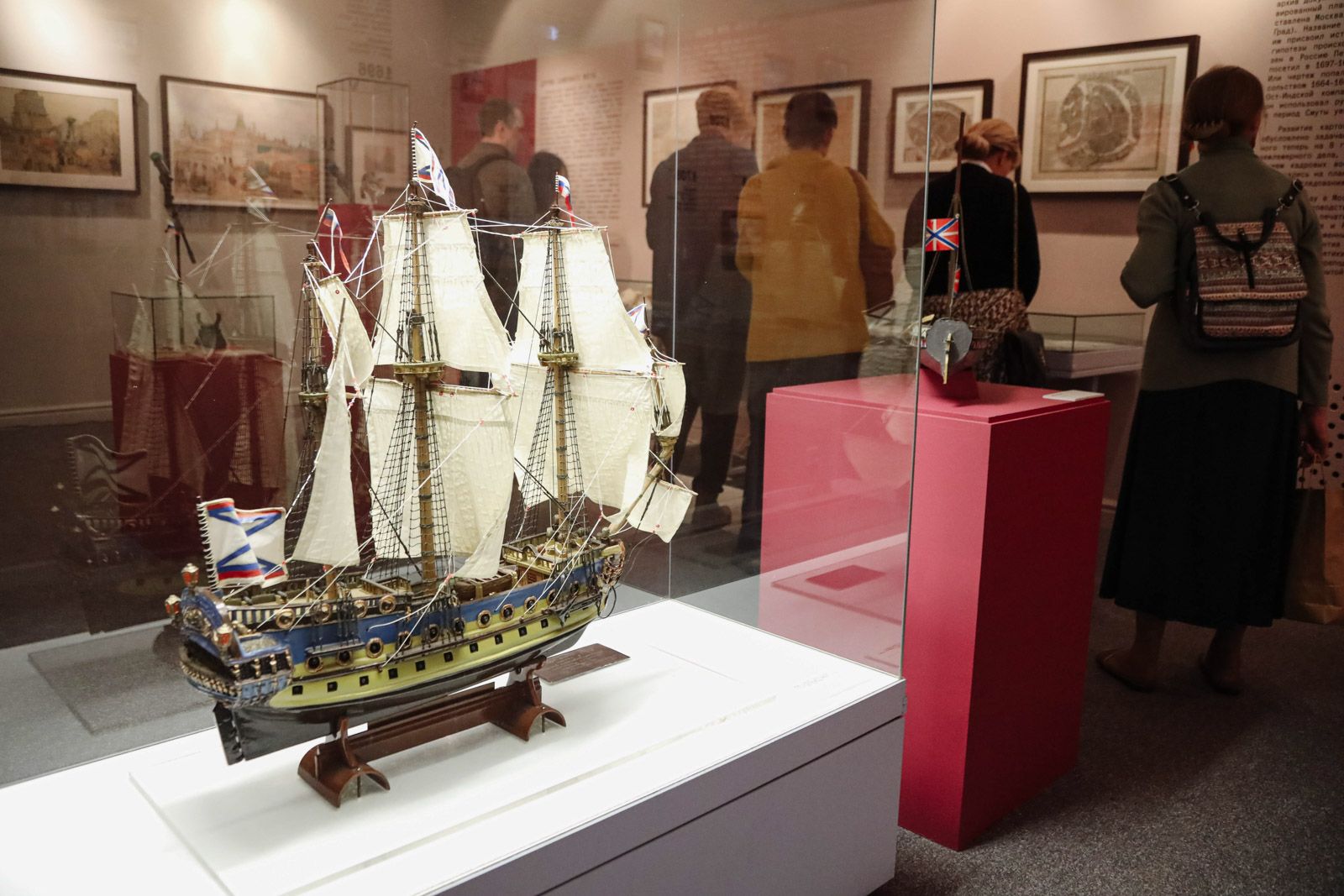
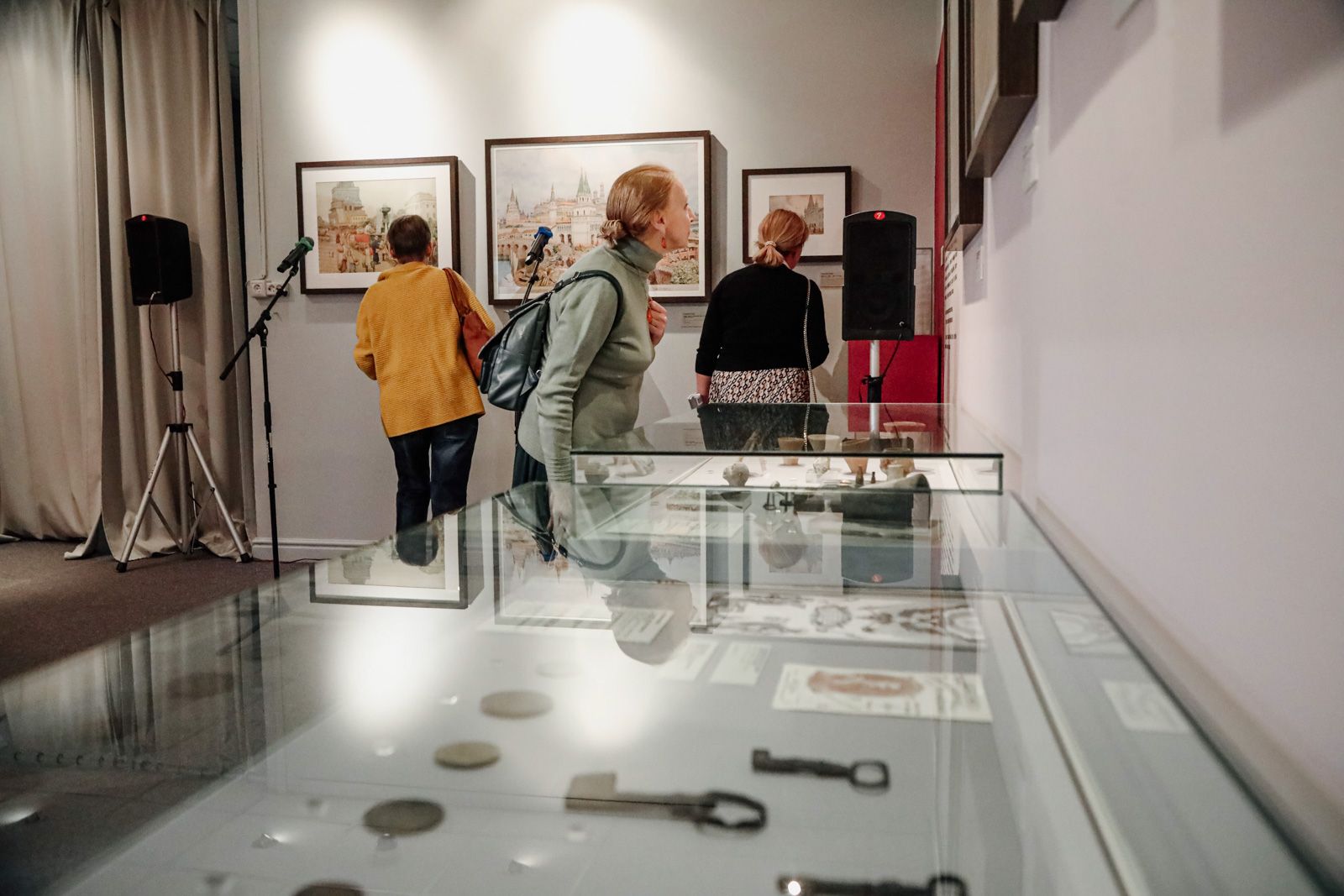
The large-scale History of Moscow exhibition highlights the life and everyday routine of Muscovites in different eras, the city’s architecture, culture and progressive growth, starting from the time of the earliest Dyakovo settlements on the banks of the Moskva River (1st millennium BC) until the outbreak of the Great Patriotic War. The exhibition comprises 2,200 artifacts and works of art, including archaeological finds, paintings, line art works, photographs, rare books, objects of everyday life along with decorative and applied art items. Visitors will see a burial shroud from the tomb of Ivan the Terrible’s eldest son, jewelry articles found at the sites of early Dyakovo settlements, and a hoard discovered inside an elephant-shaped chess piece. The hall dedicated to the Petrine era features elements of the architectural decor from the famous Sukharev Tower, which housed the museum before its demolition in 1934.
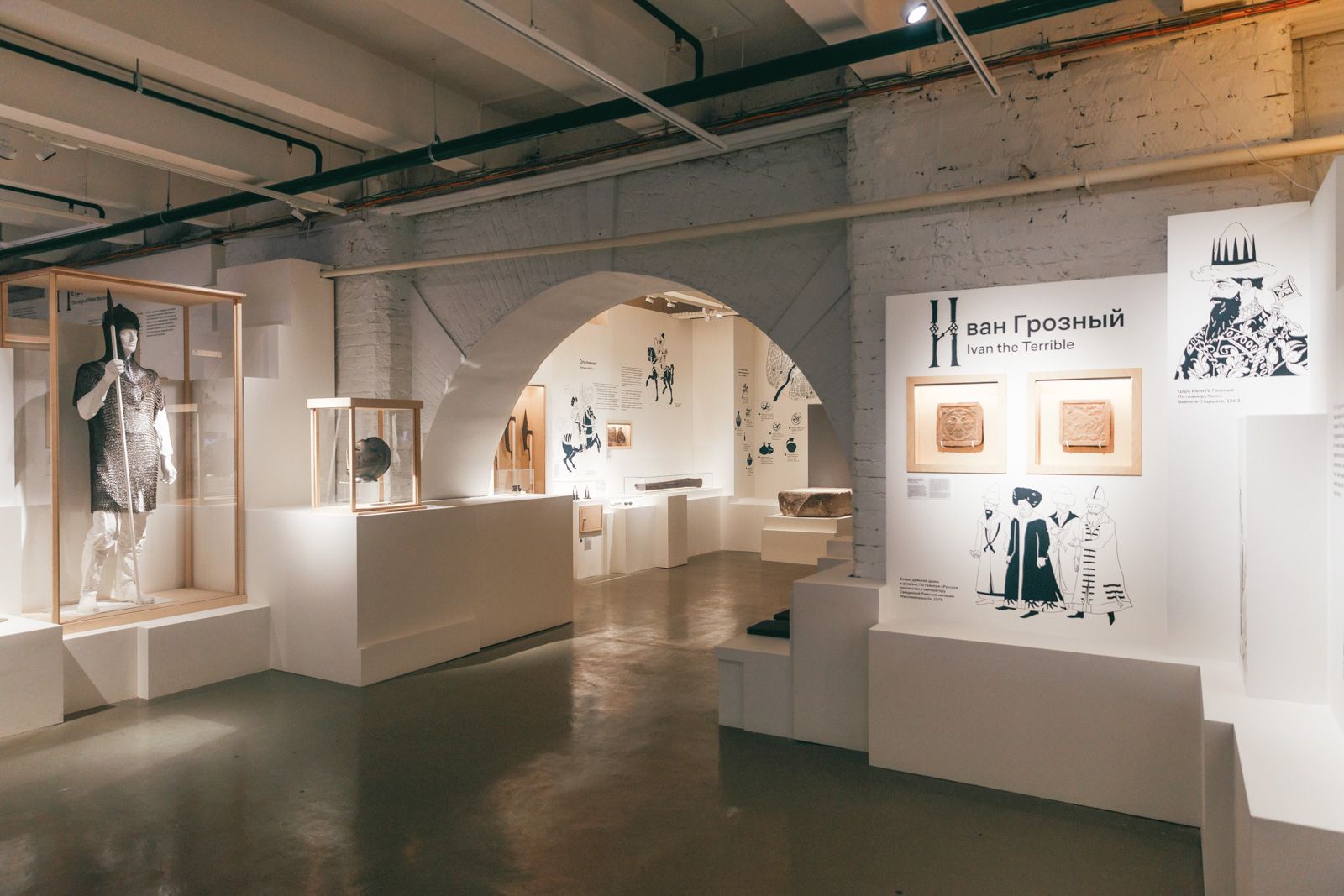
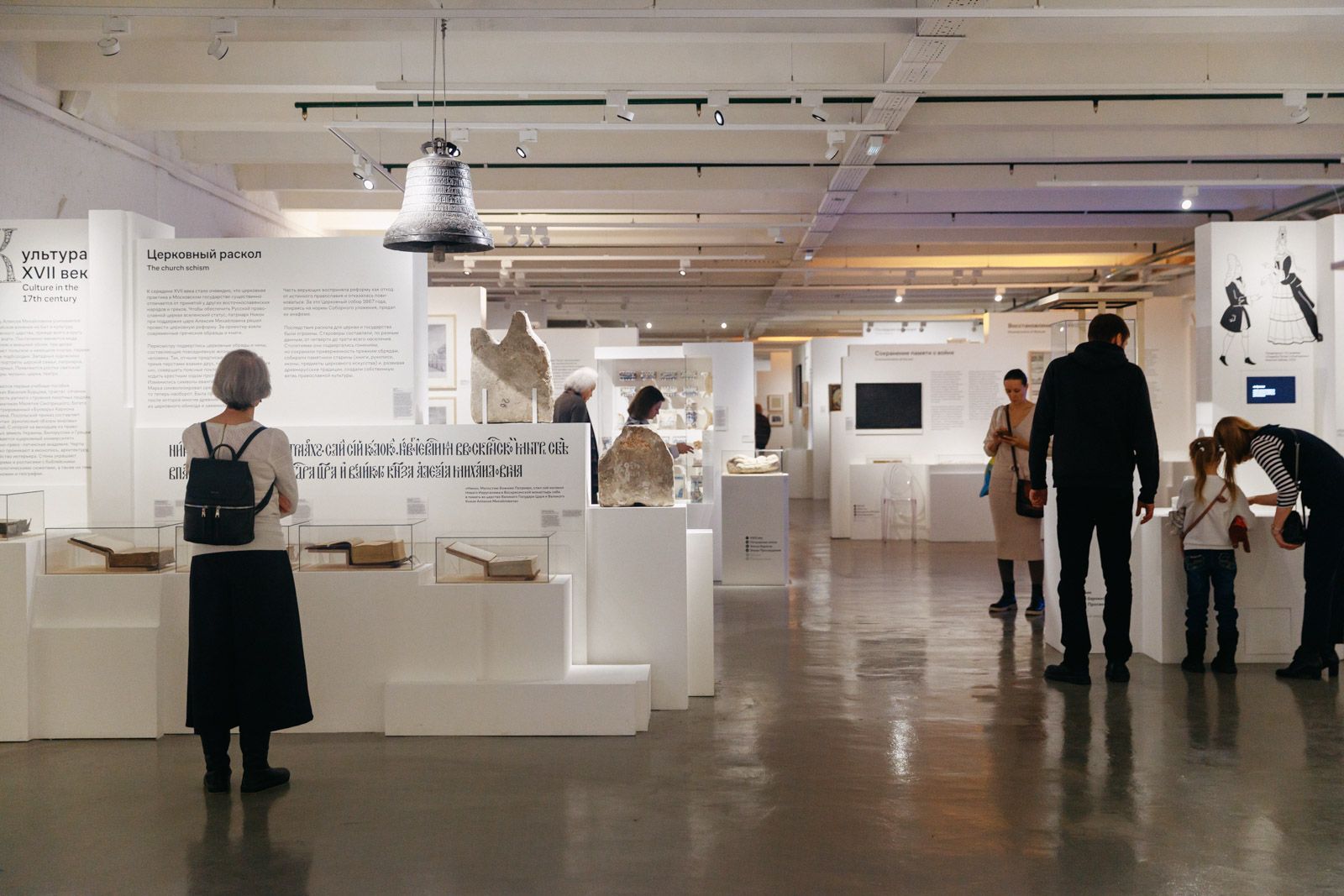
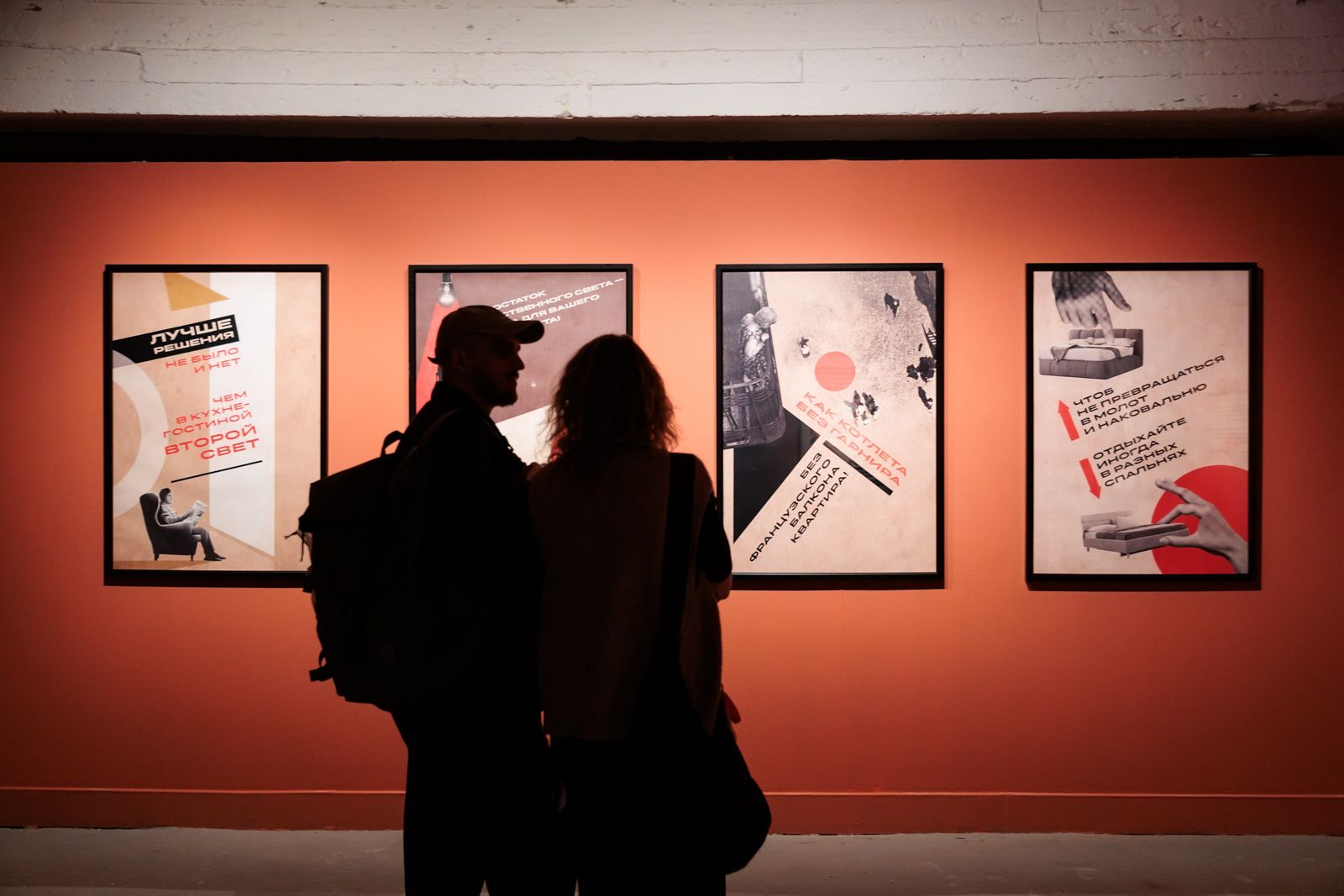
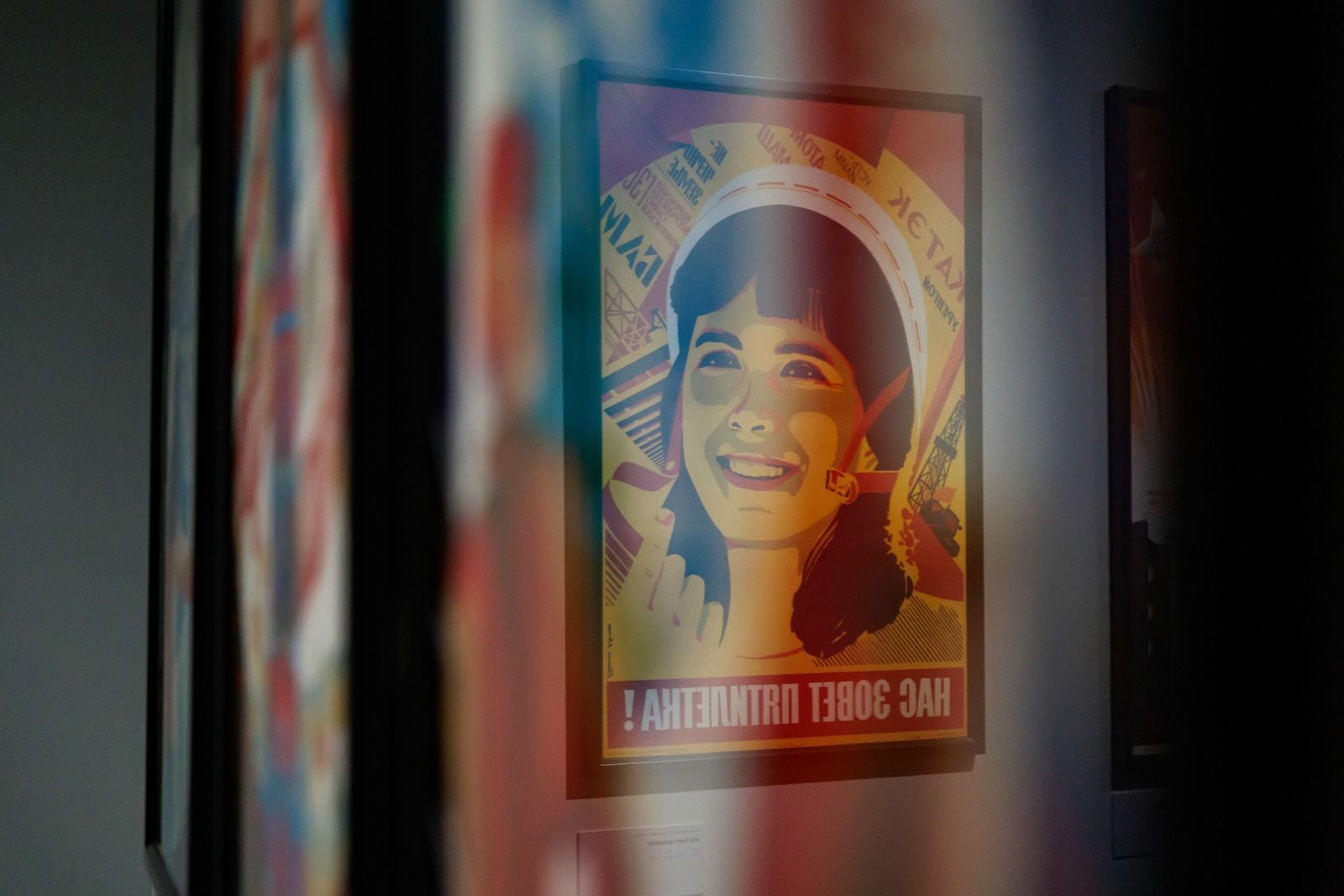
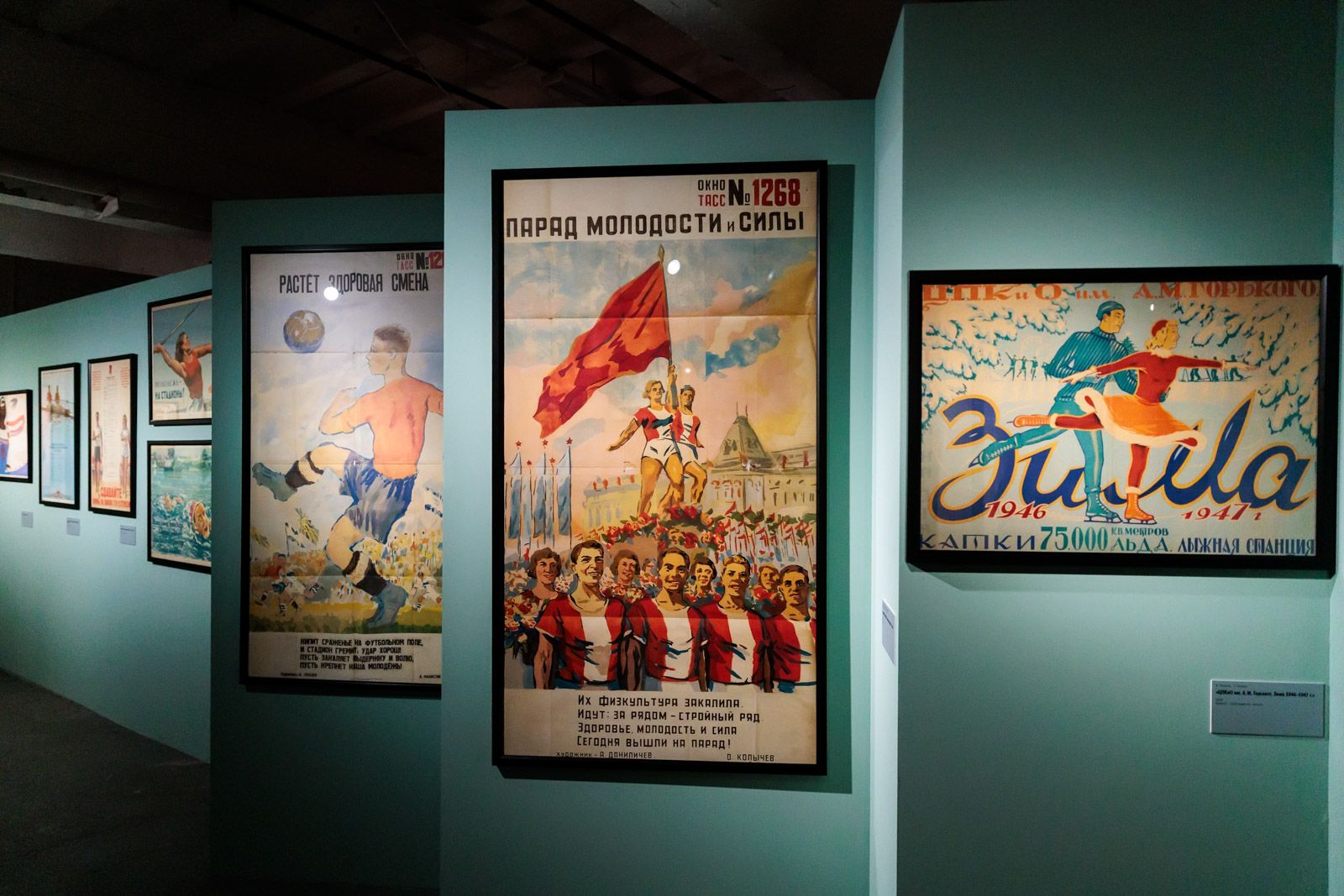
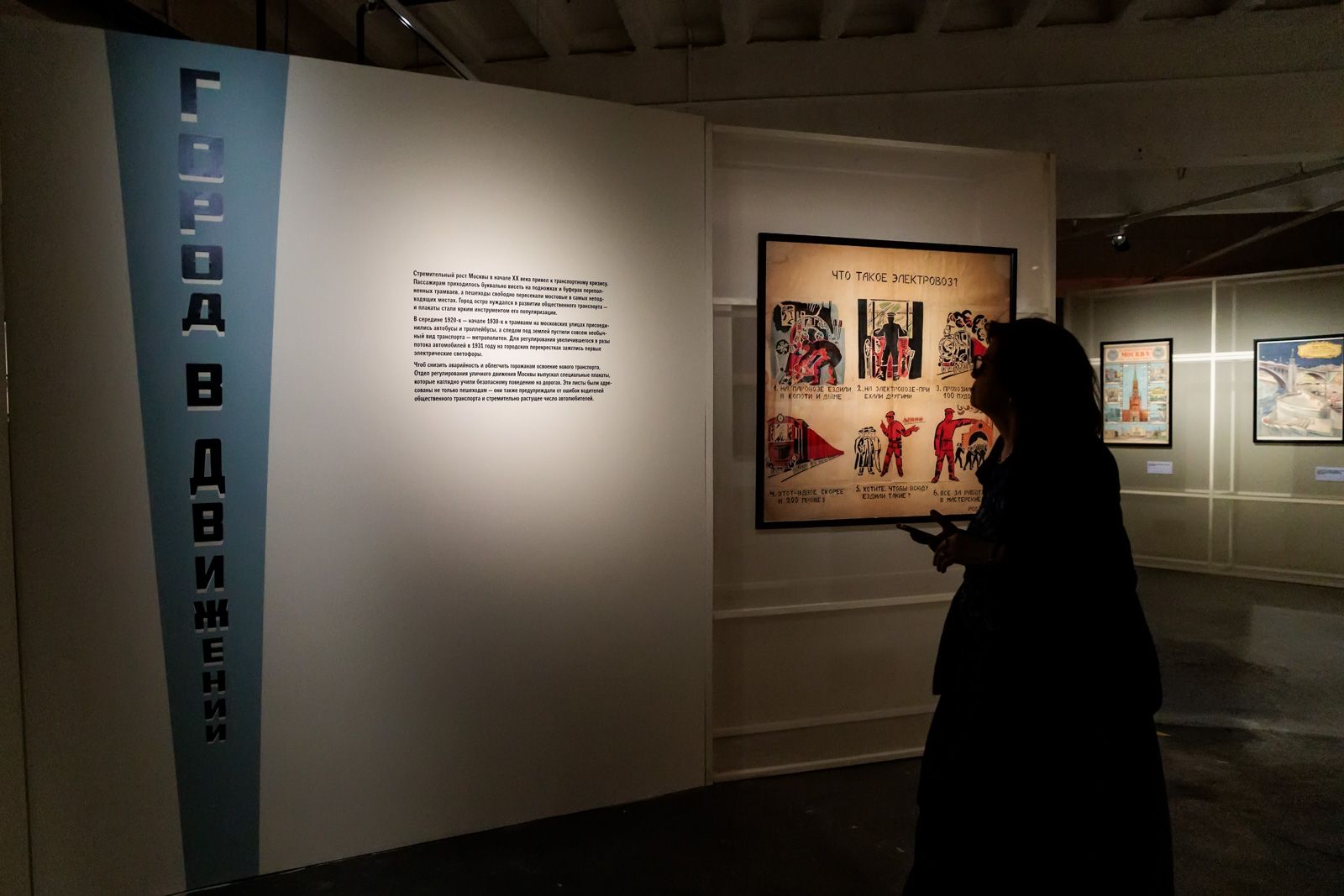
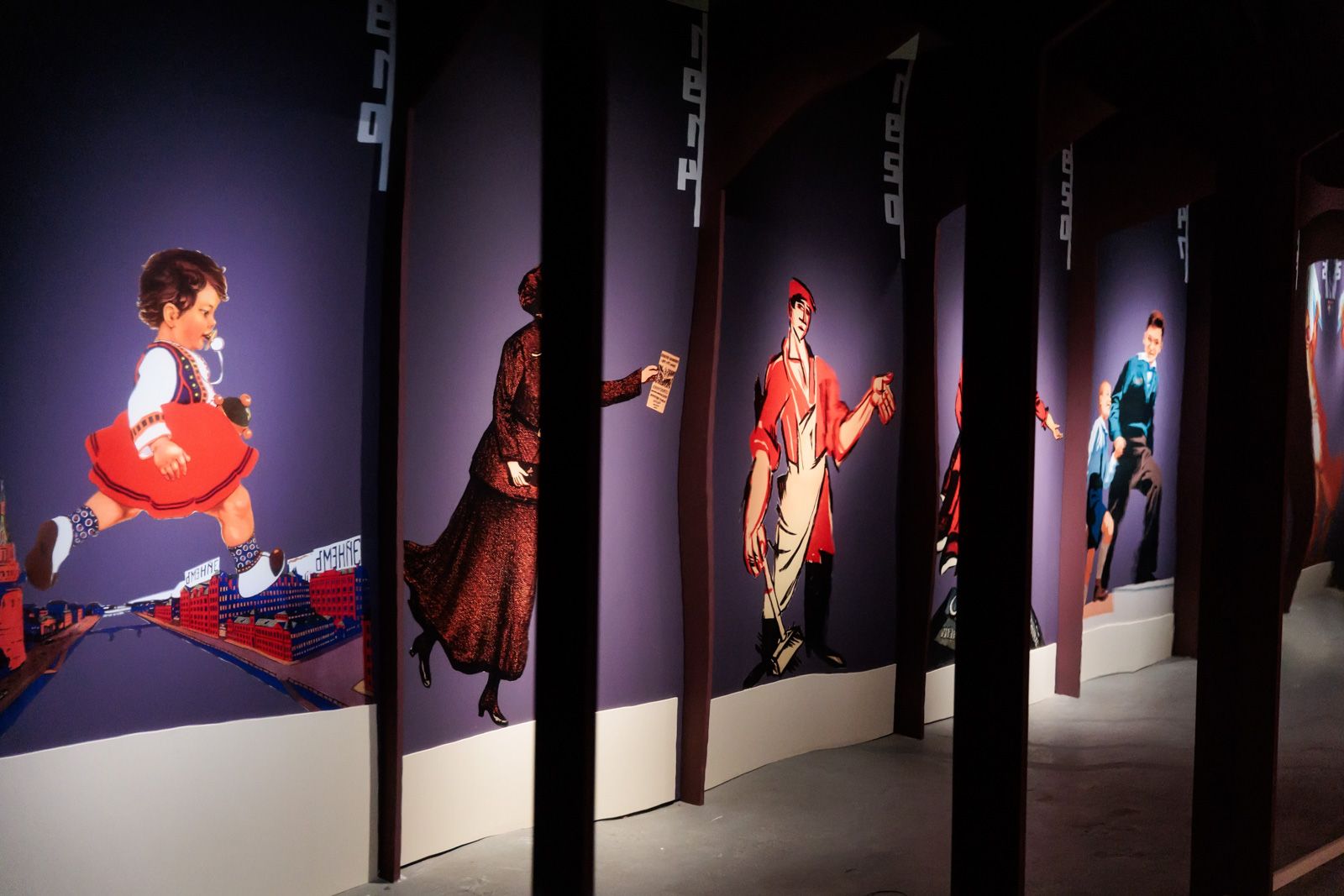
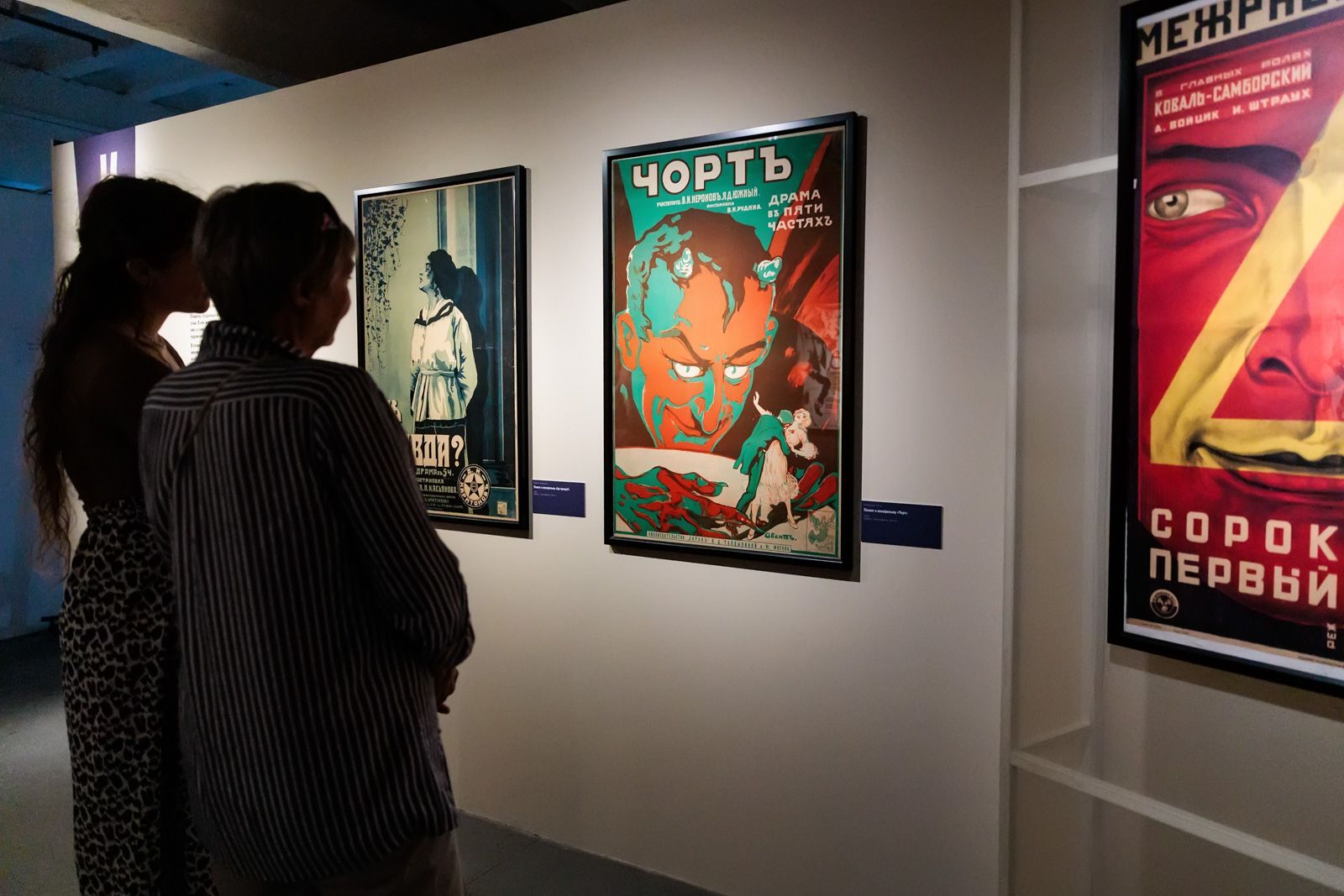
Meanwhile, the exhibition called A Century in Slogans and Colors: From the History of Moscow’s Posters, displays around 160 posters originating from the 19th and 20th centuries that reflect the image of Moscow during the eras of revolutions, world wars, the post-war decade, the Thaw, and the Perestroika. Some of them are created by Vladimir Mayakovsky, Kazimir Malevich, Alexander Rodchenko, the Kukryniksy, and other artists.
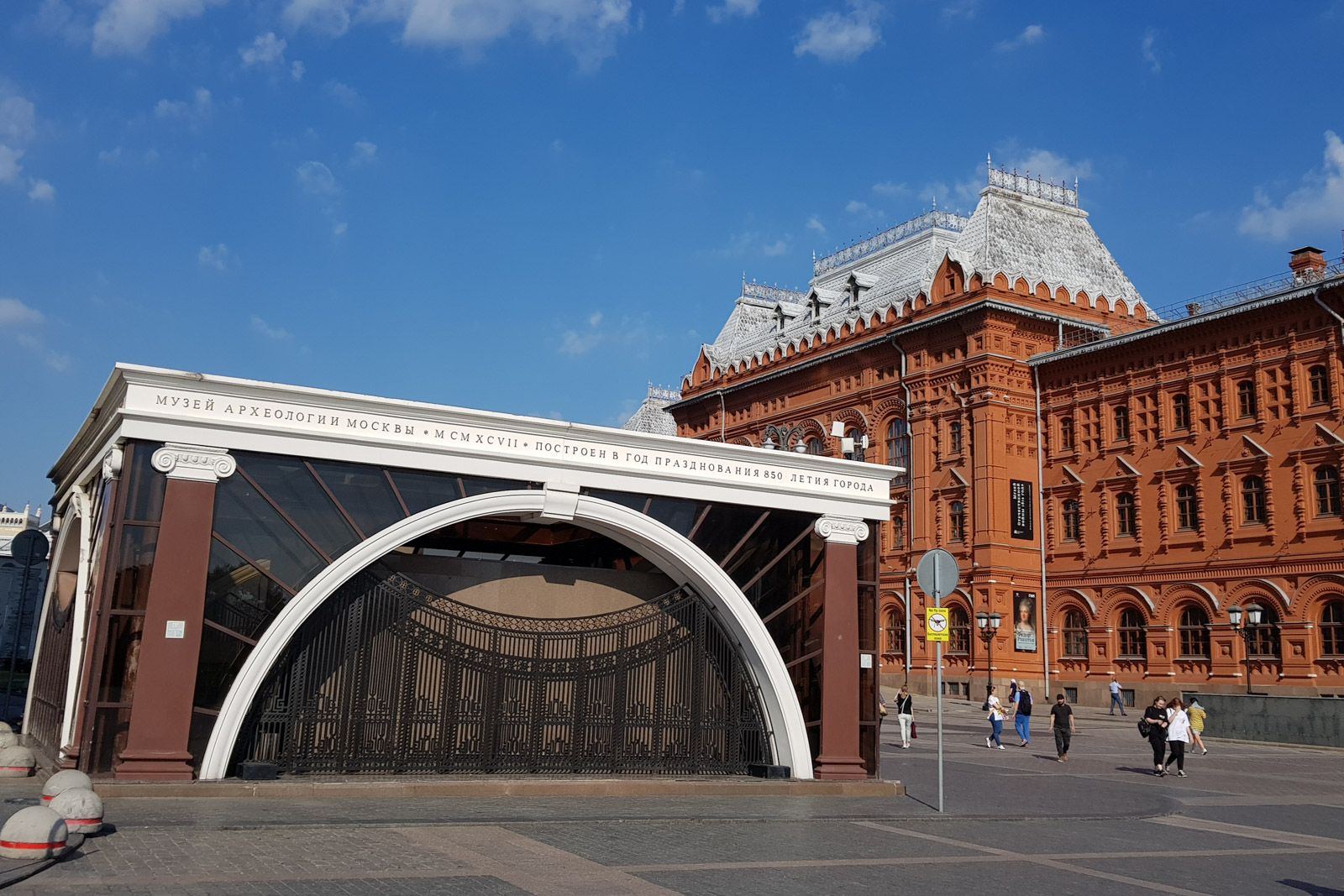
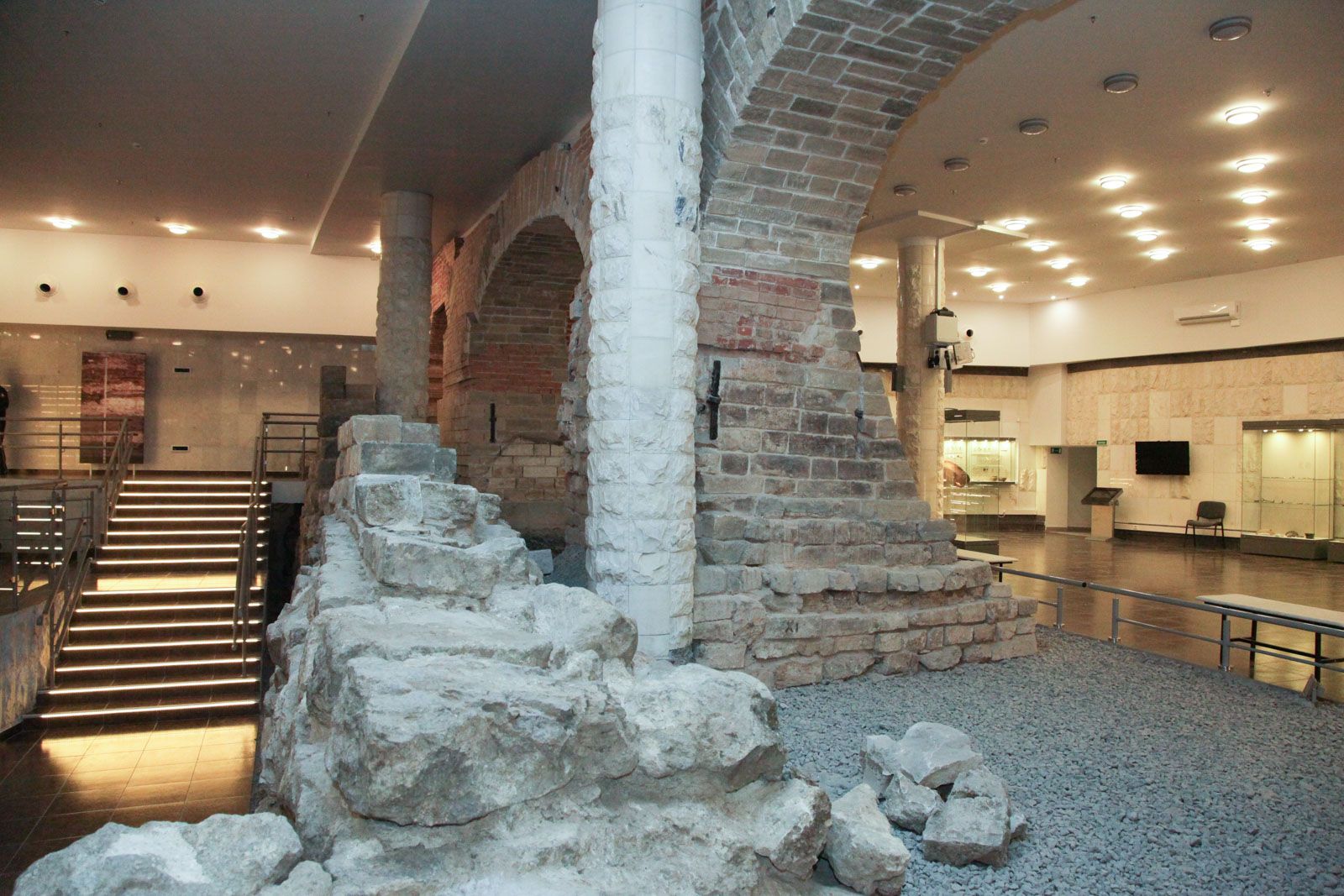
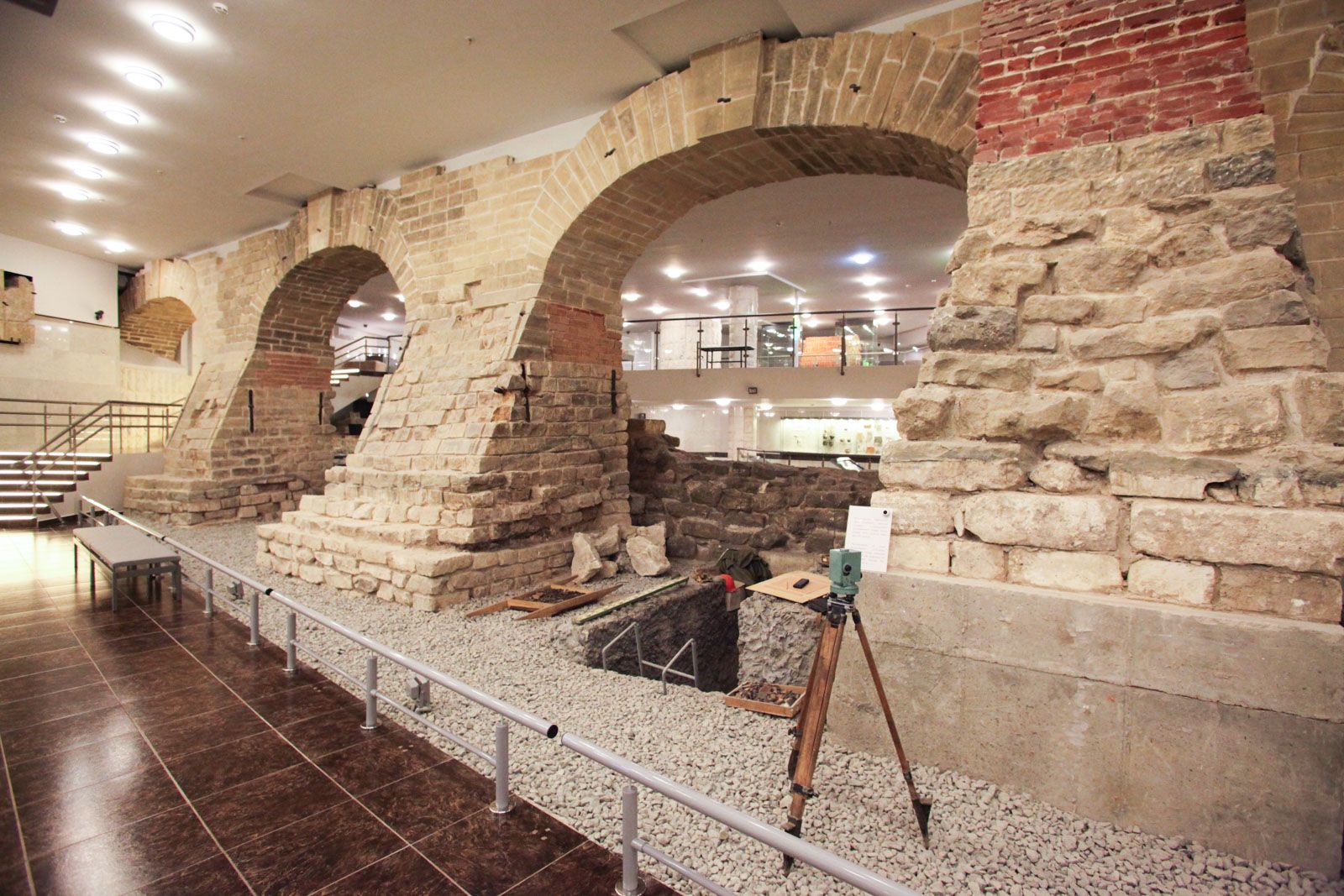
Museum of Moscow Archaeology offers guided tours around its core exhibition to provide a glimpse of the archaeological excavations at Manezhnaya Square and tells about the creation of the museum itself. The tours will take visitors to examine the surviving 17th- and 18th-century fragments of the Voskresensky Bridge over the Neglinnaya River and a display of unique artifacts discovered in the historic center.
Lefortovo History Museum invites everyone to a tour of The Wonders and Curiosities of Petrine Moscow: Pricier Than the Stone Bridge.
Built between 1687 and 1692, the Stone Bridge was a true marvel, on a par with the Ivan the Great Bell Tower and the Sukharev Tower, playing a great role in the life of the city as every year it was crossed by a religious procession starting from the Dormition Cathedral to the Donskoy Monastery. In 1696, Peter the Great crossed the bridge during the celebrations marking the capture of Azov. Its entrance was adorned with a triumphal arch bearing a Russian inscription meaning Veni, vid,vici, pyramids entwined with green branches, and battle scene paintings.
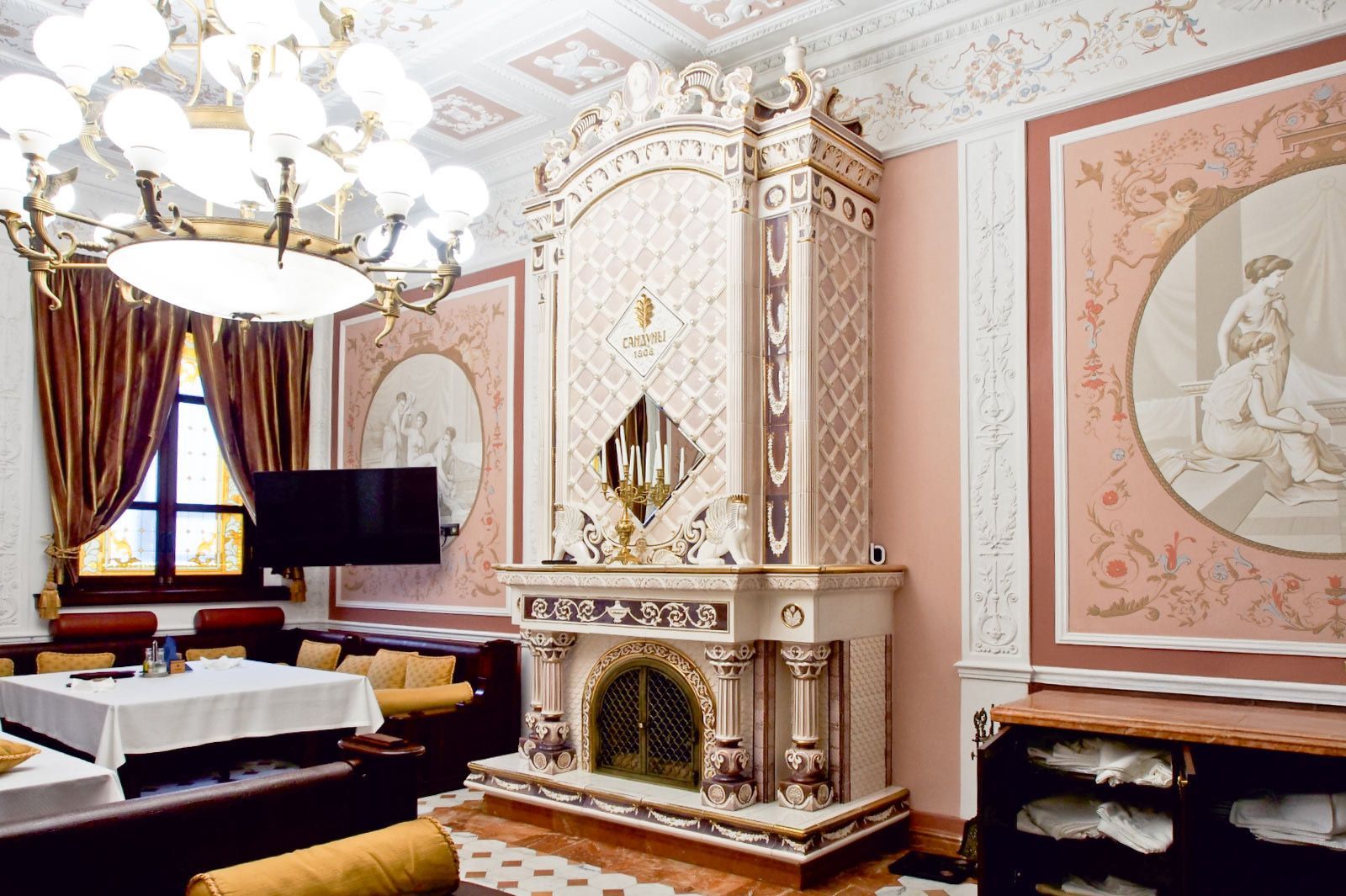
A tour of the Sanduny Baths will present the capital’s most famous public bath complex; indeed, they were said to be the most excellent baths in Moscow since their opening in 1808, impressing contemporaries with their comfort, engineering solutions, and luxury interiors. The guide will talk about the bathhouse traditions, famous visitors, and films shot inside the Sanduny Baths. Guests will see the Gothic and Turkish Halls along with the famous Pompeian Hall with its pool and will also learn about some architectural features, including the laundry facility, in-house power plant, private bath suites for distinguished clients, fashionable shops, upscale apartments, and the restaurant.
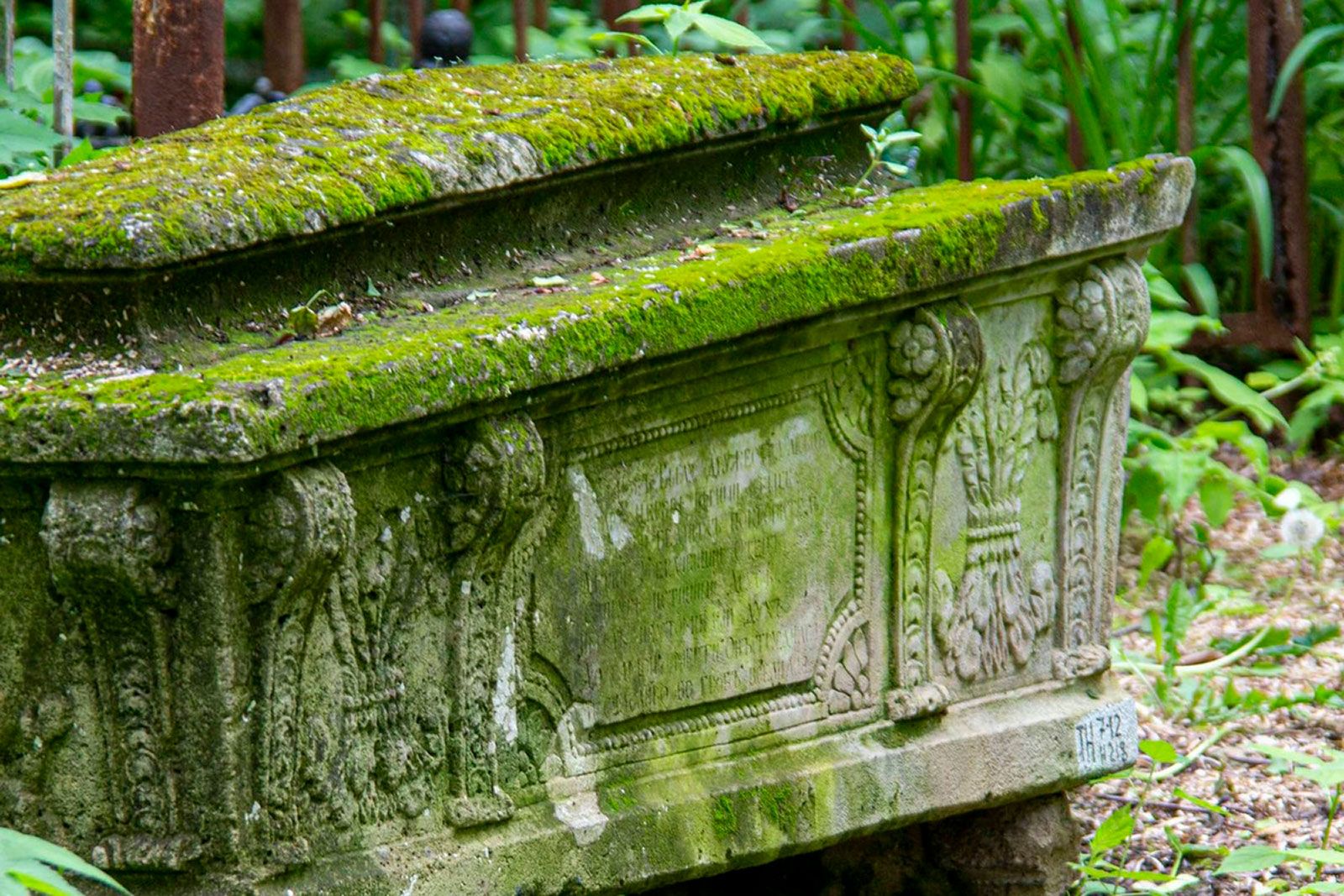
At the Vvedenskoye Cemetery, tourists will gain a glimpse of the history of Moscow’s most amazing necropolis, a genuine open-air sculpture museum with remarkable tombstones, from marble angels to majestic mausoleums to unusual monuments adorned with shackles or an airplane propeller, and will learn about the famous people who are buried there.
Remembering the heroes
Founded in 1979, Museum of the Defense of Moscow keeps the memory of the city’s defenders and the Battle of Moscow, the most significant combat of the Great Patriotic War. Visitors will learn about the people’s militia, air defense, and the daily life of Muscovites in 1941–1942, the immersive experience helping retrace the steps of those who took part in the events and gain an understanding of how the capital was defended. The museum, which comprises several sites, engages in education offering themed tours, lectures, and off-site programs at places of military glory in the Moscow Region.
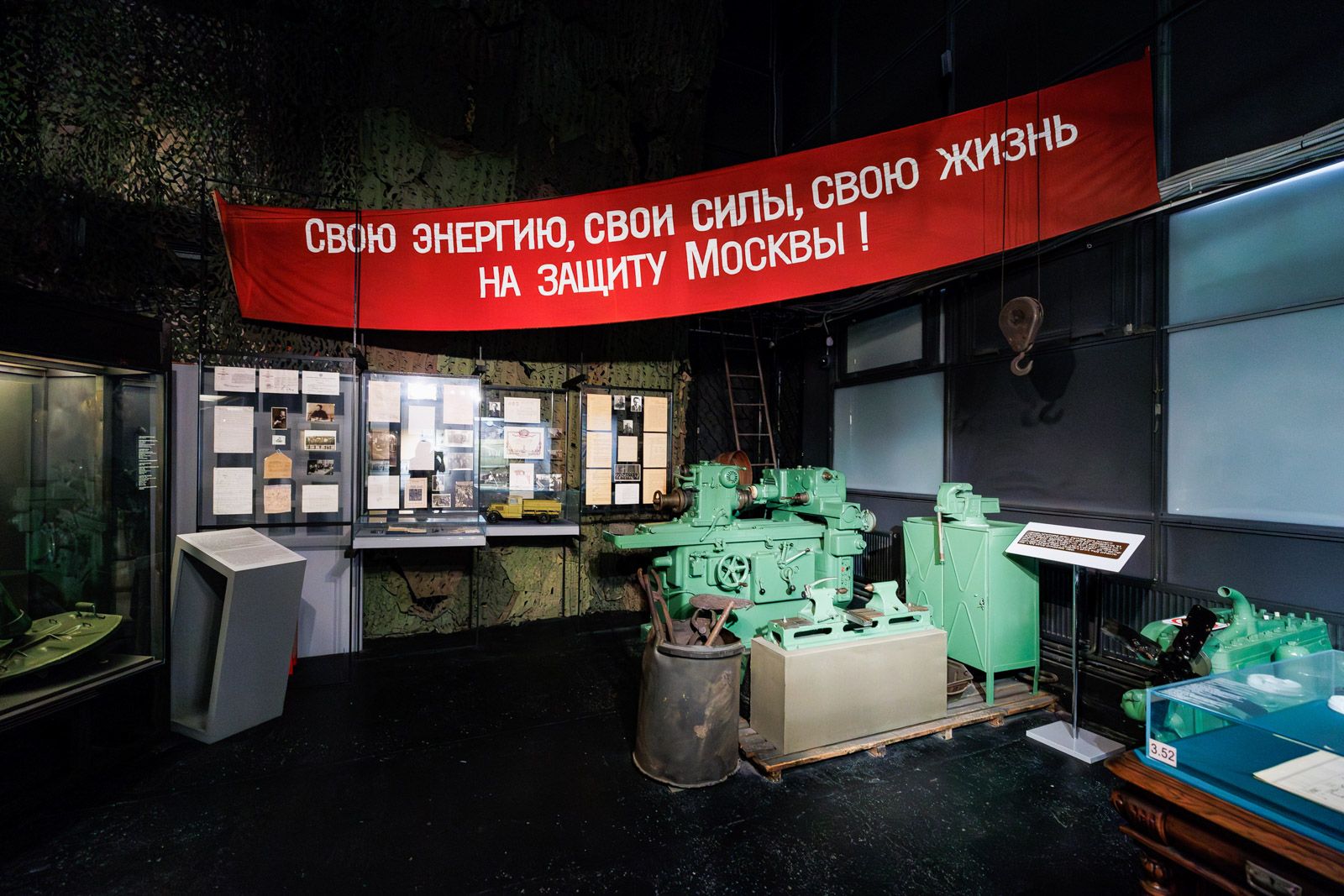
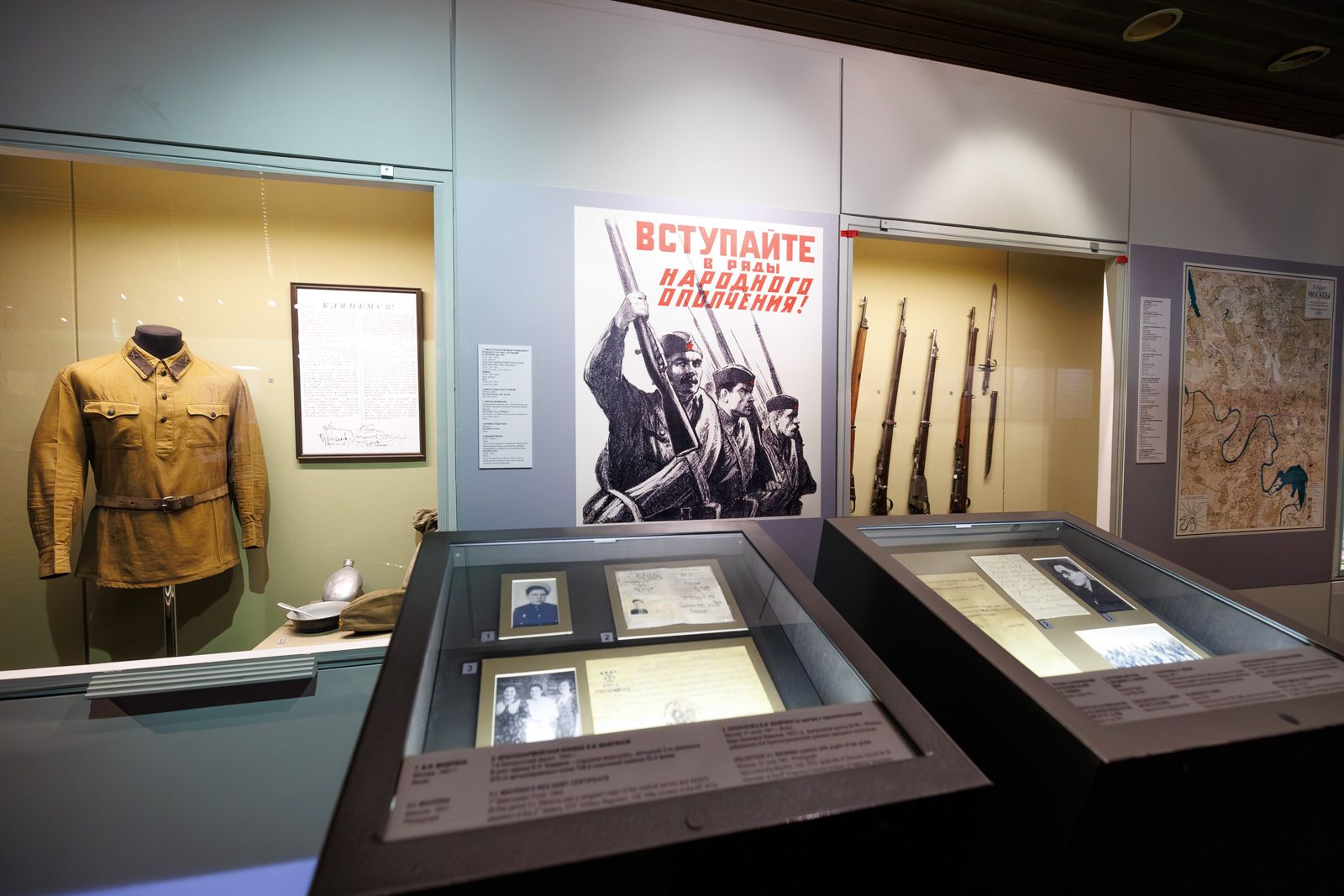
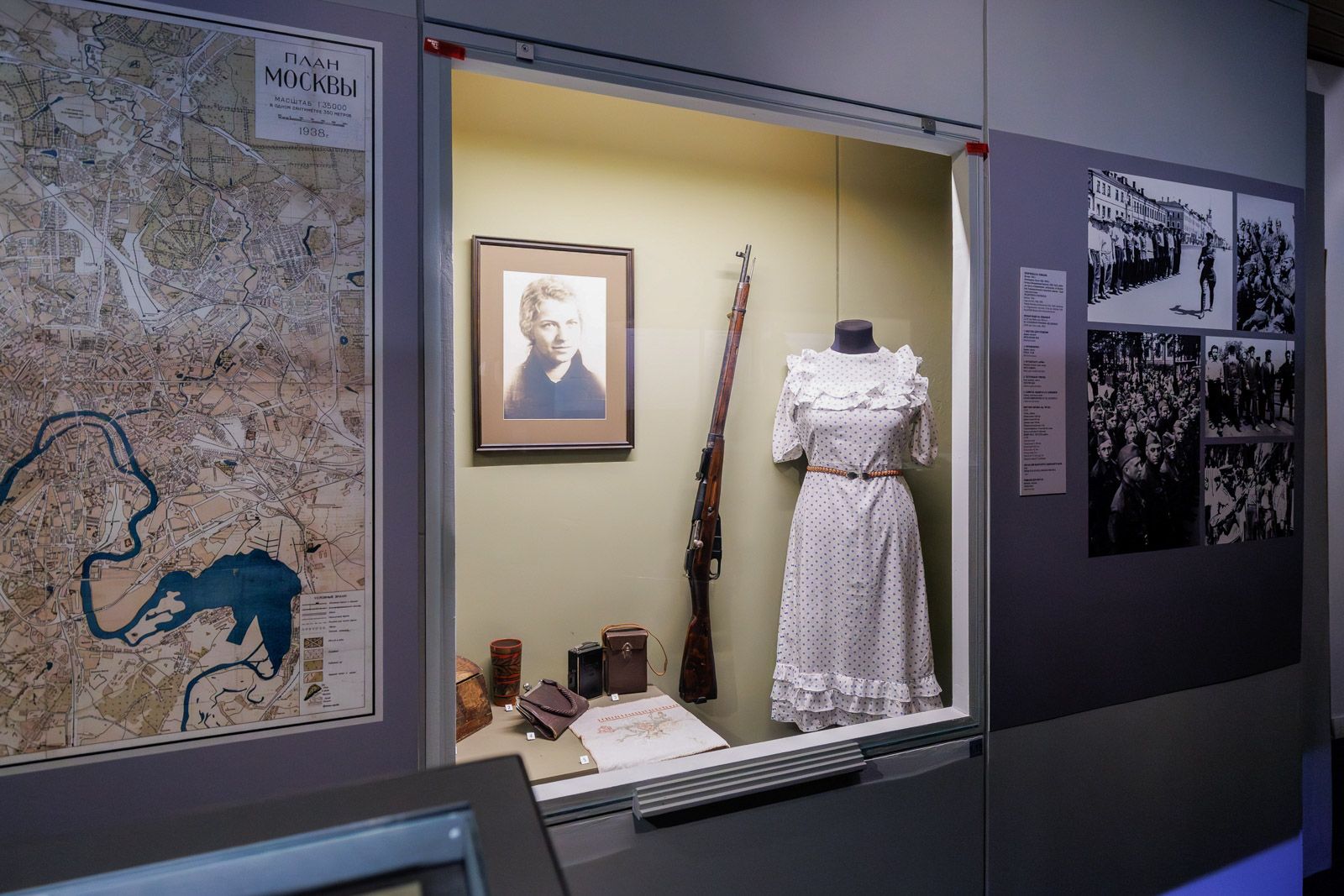
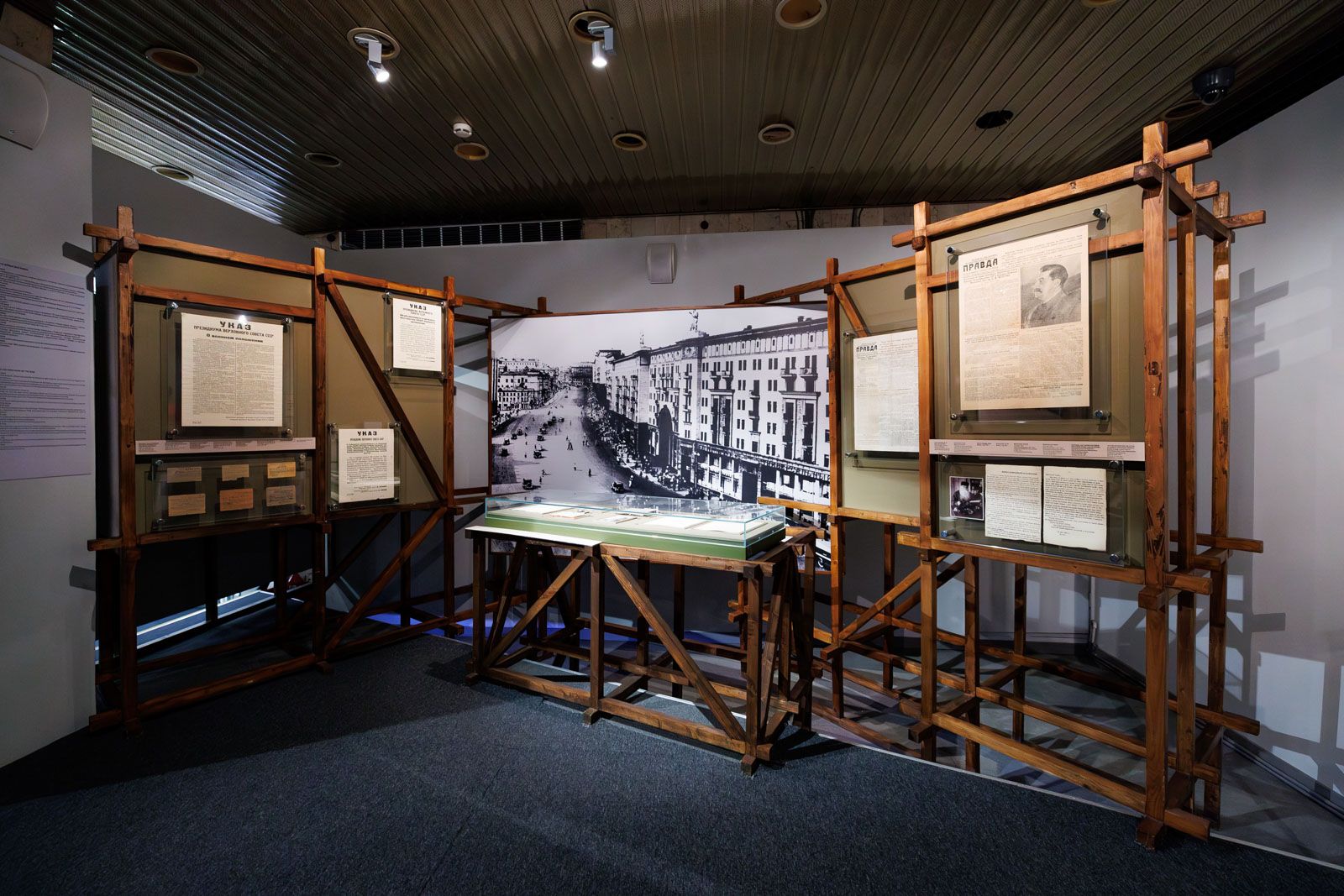
Call Sign 'Star', the museum’s interactive program, highlights the importance of communications during the Great Patriotic War and the related equipment used by the Red Army, tourists to be able to operate a military telephone and go on air using an army radio station.
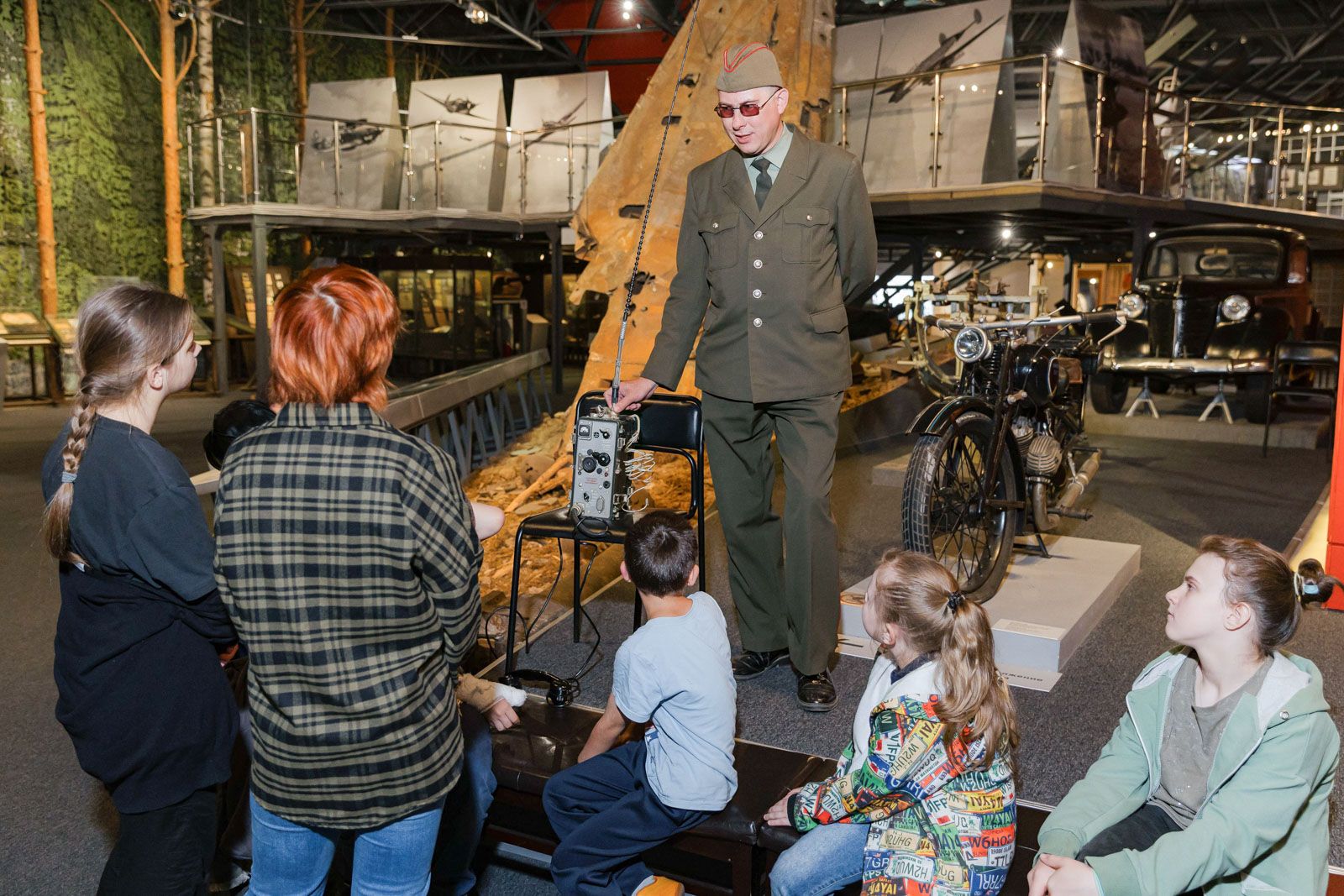
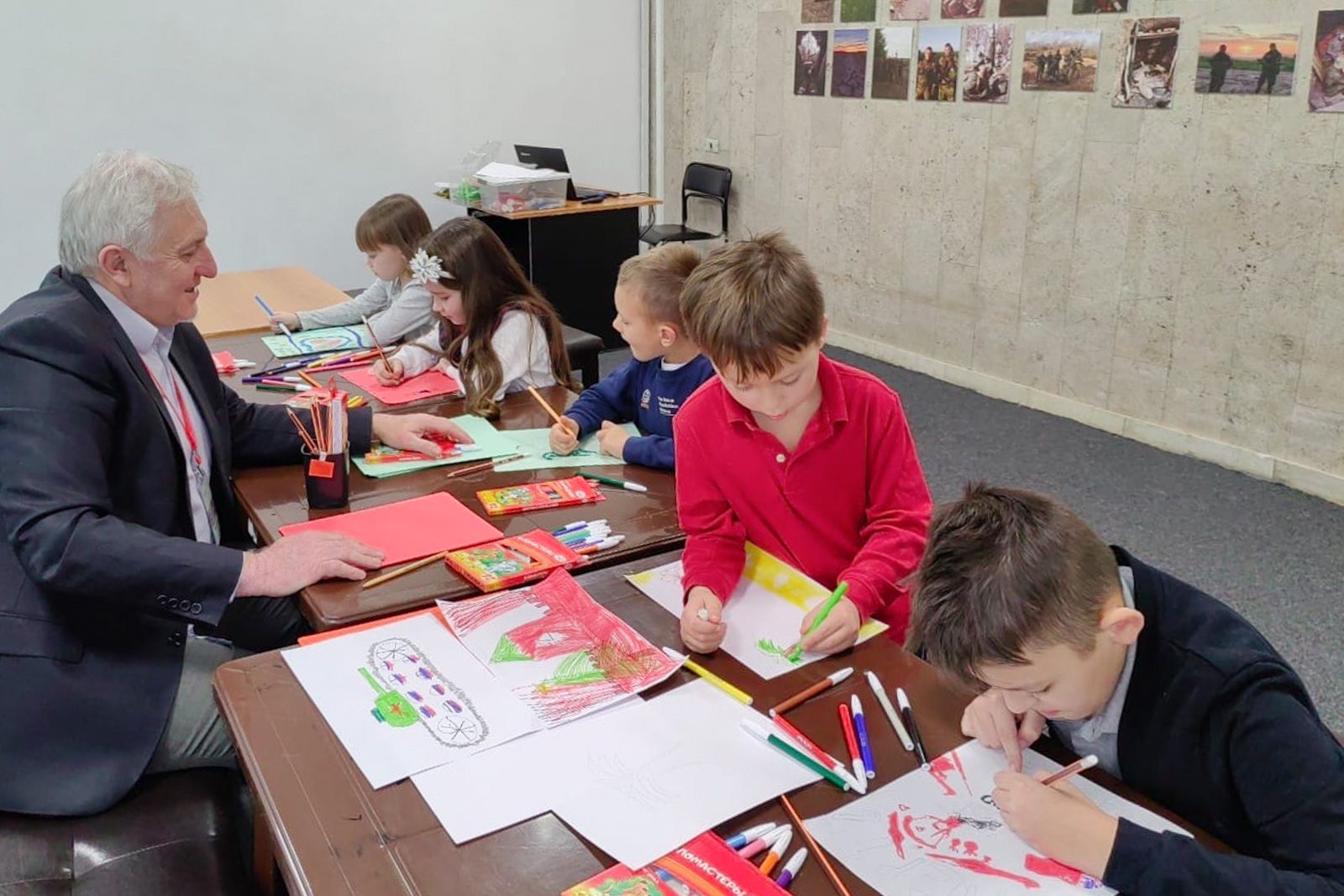
The lecture called Heroes of the Battle of Moscow: The Lyudinovo Underground will cover one of the underground anti-fascist groups that operated in the occupied regions, while the Posters of the Great Patriotic War workshop offers a chance to delve into the history of these posters and design a slogan of your own.
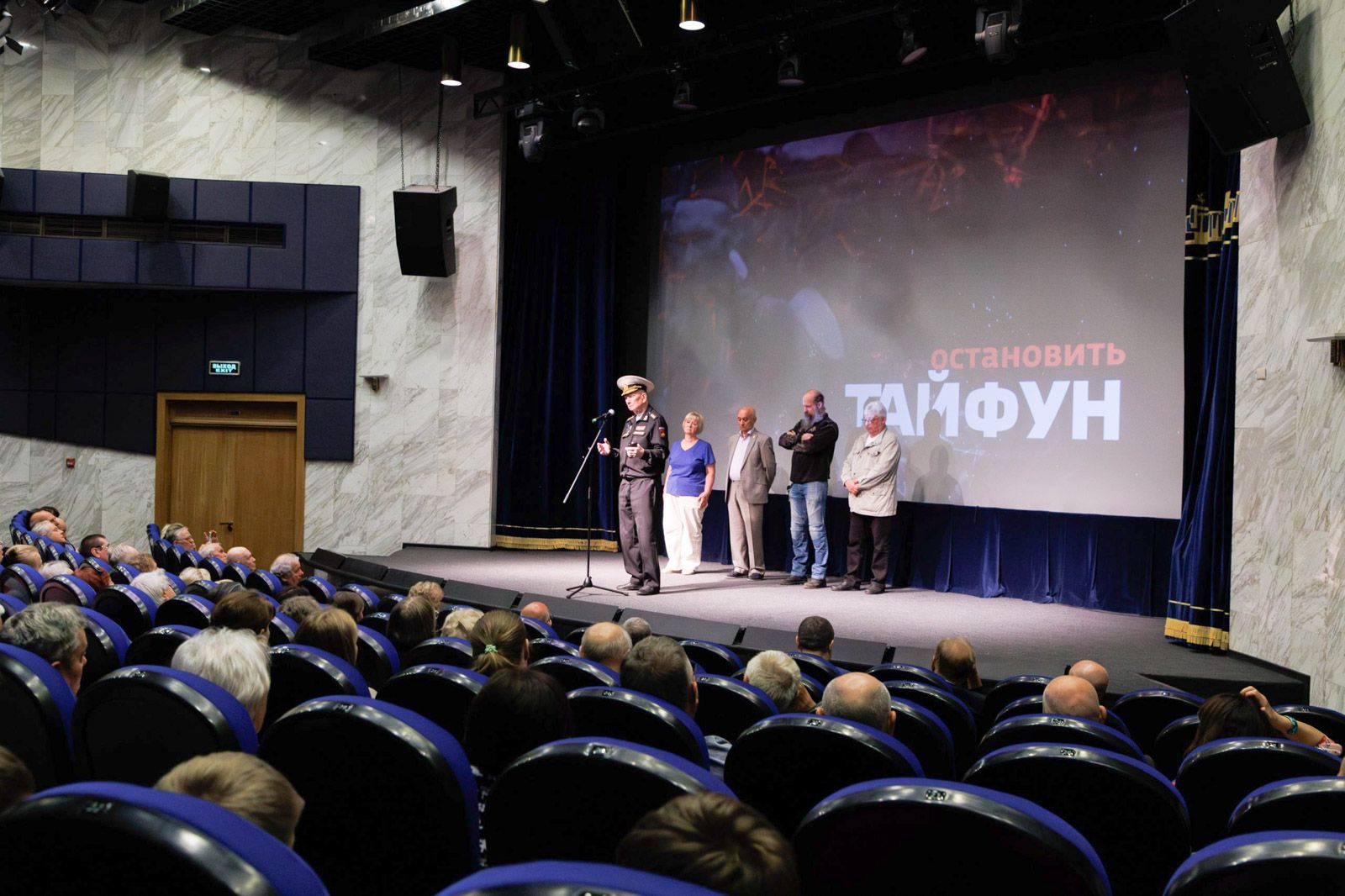
Visitors will also watch Stop ‘Typhoon’!, a documentary recounting the early days of the defense campaign, including the Vyazma operation, the formation of people’s militia, and shielding of Moscow’s skies. It draws on newsreel footage, museum filming, expert comments, and unique accounts from participants in the Battle of Moscow, including recollections from the grandson of Marshal Budyonny who commanded the front.
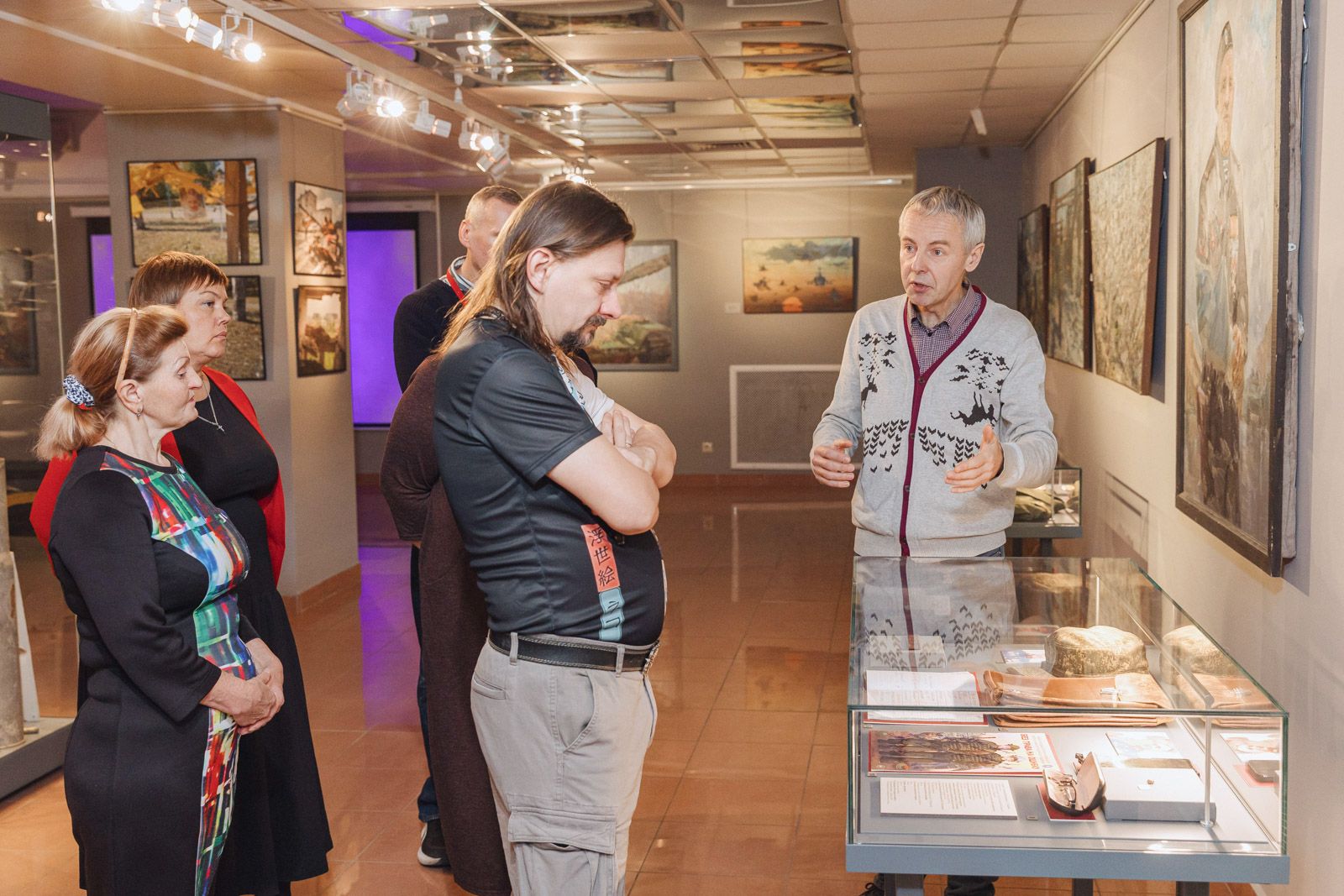
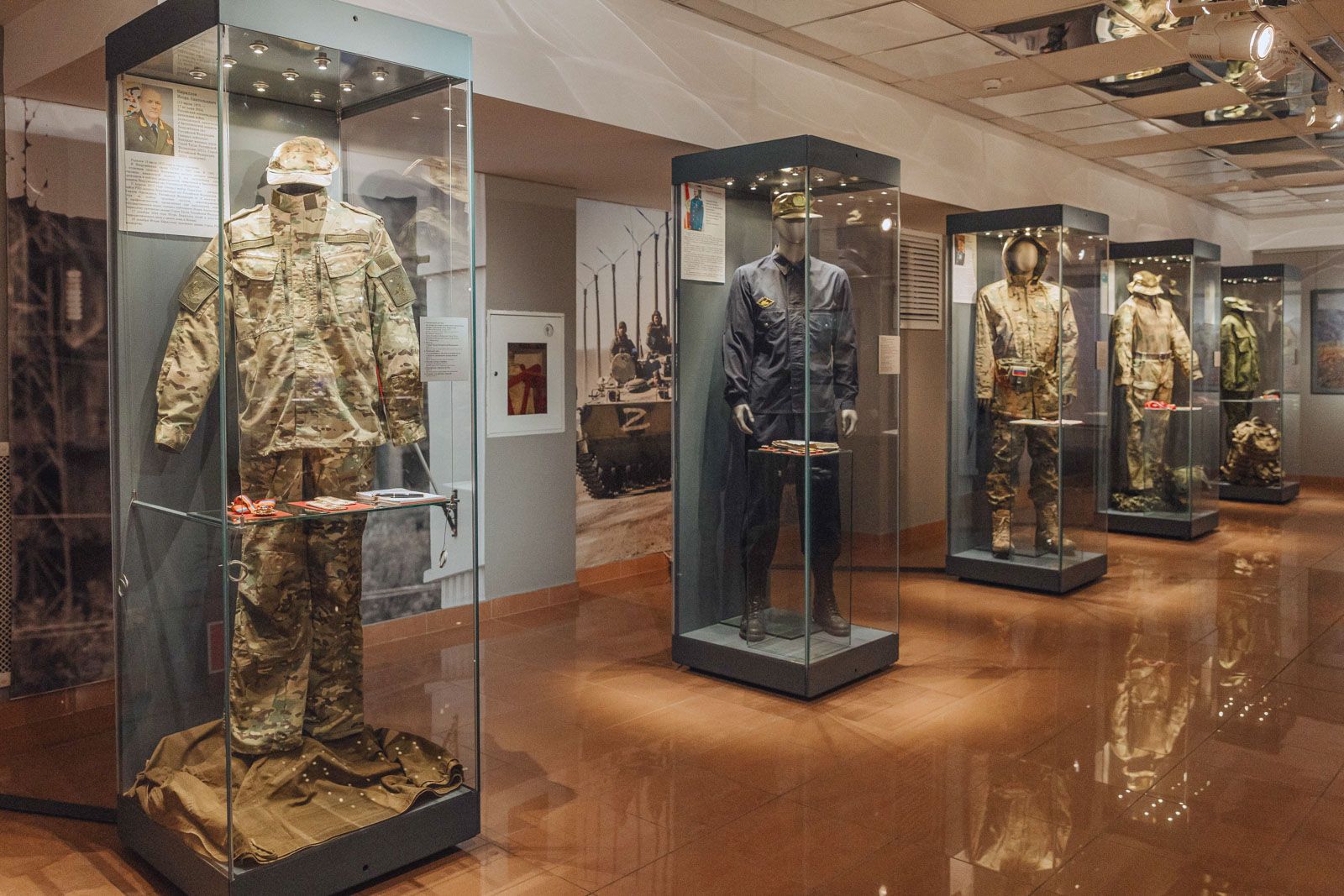
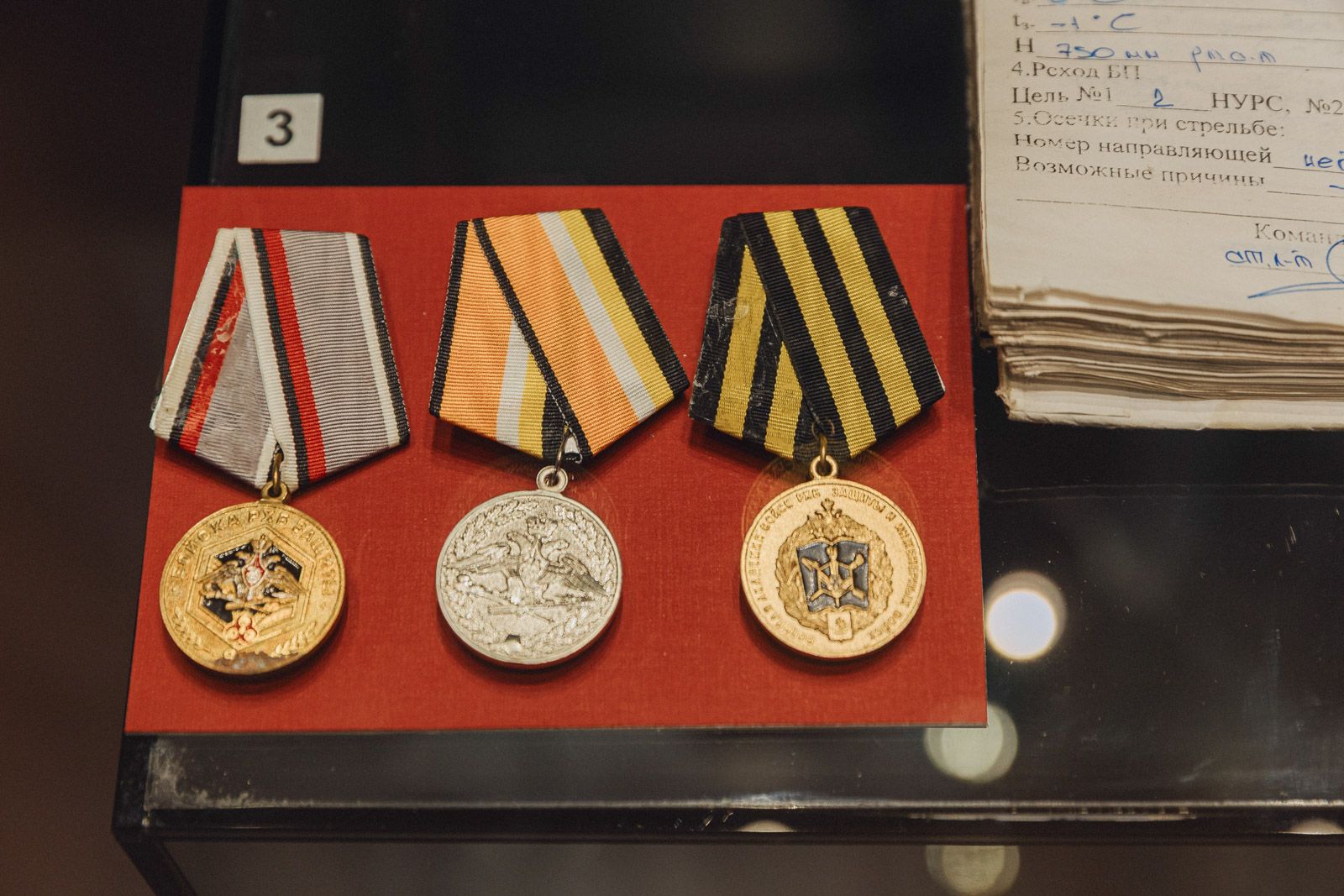
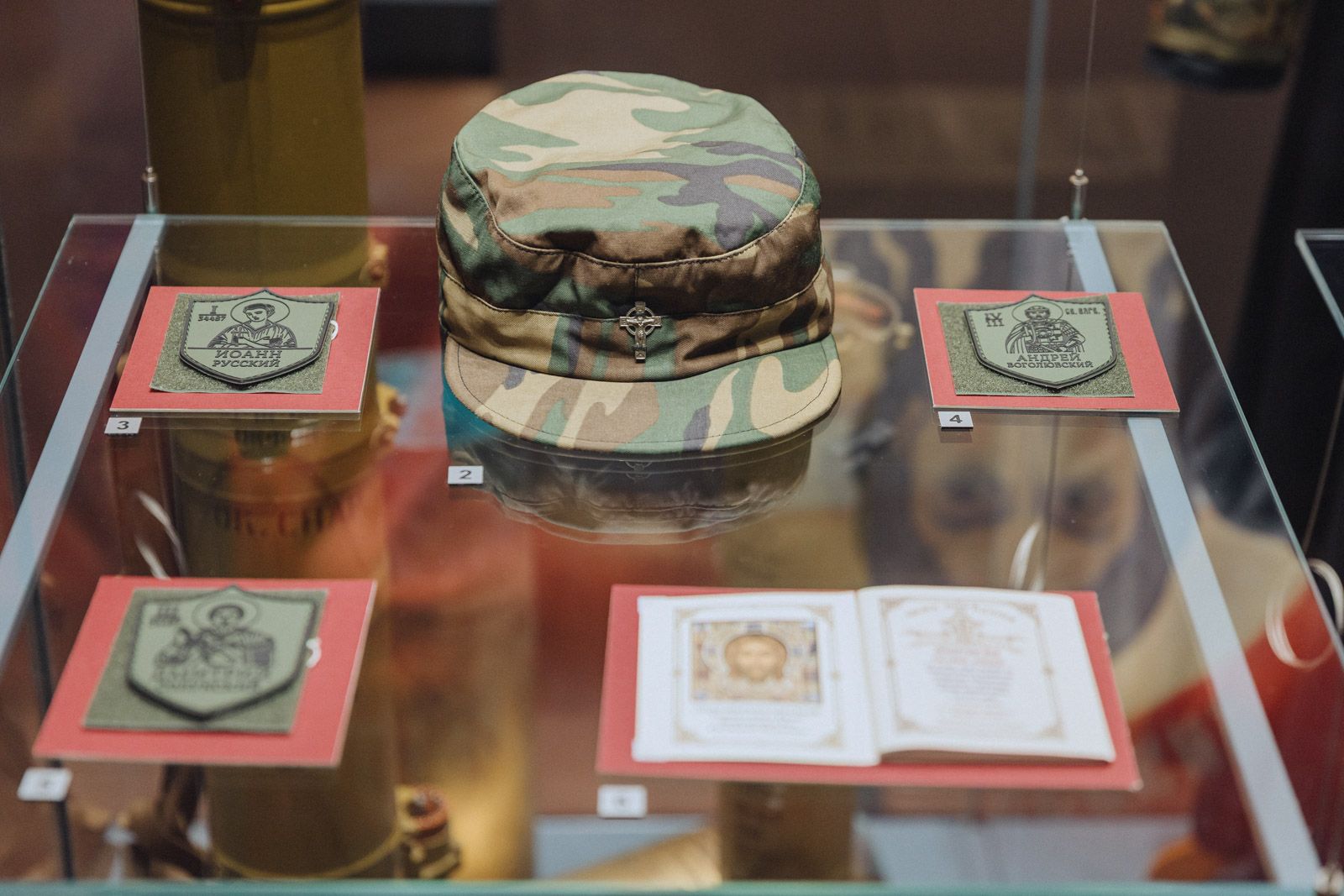
Meanwhile, Museum of Heroes of the Soviet Union and Russia showcases the heroic deeds and selflessness of our compatriots through displayed photographs, archival documents, personal belongings, gear and equipment donated to the museum by the heroes, their families and fellow service members.
You are also invited to join the Profession of Being the Hero. It is an interactive program providing an insight into the professions of military scout, firefighter, submariner, special forces operative, and parachutist; attendees will also have the chance to try their hand at each of these roles.
The history of Moscow and City Heads
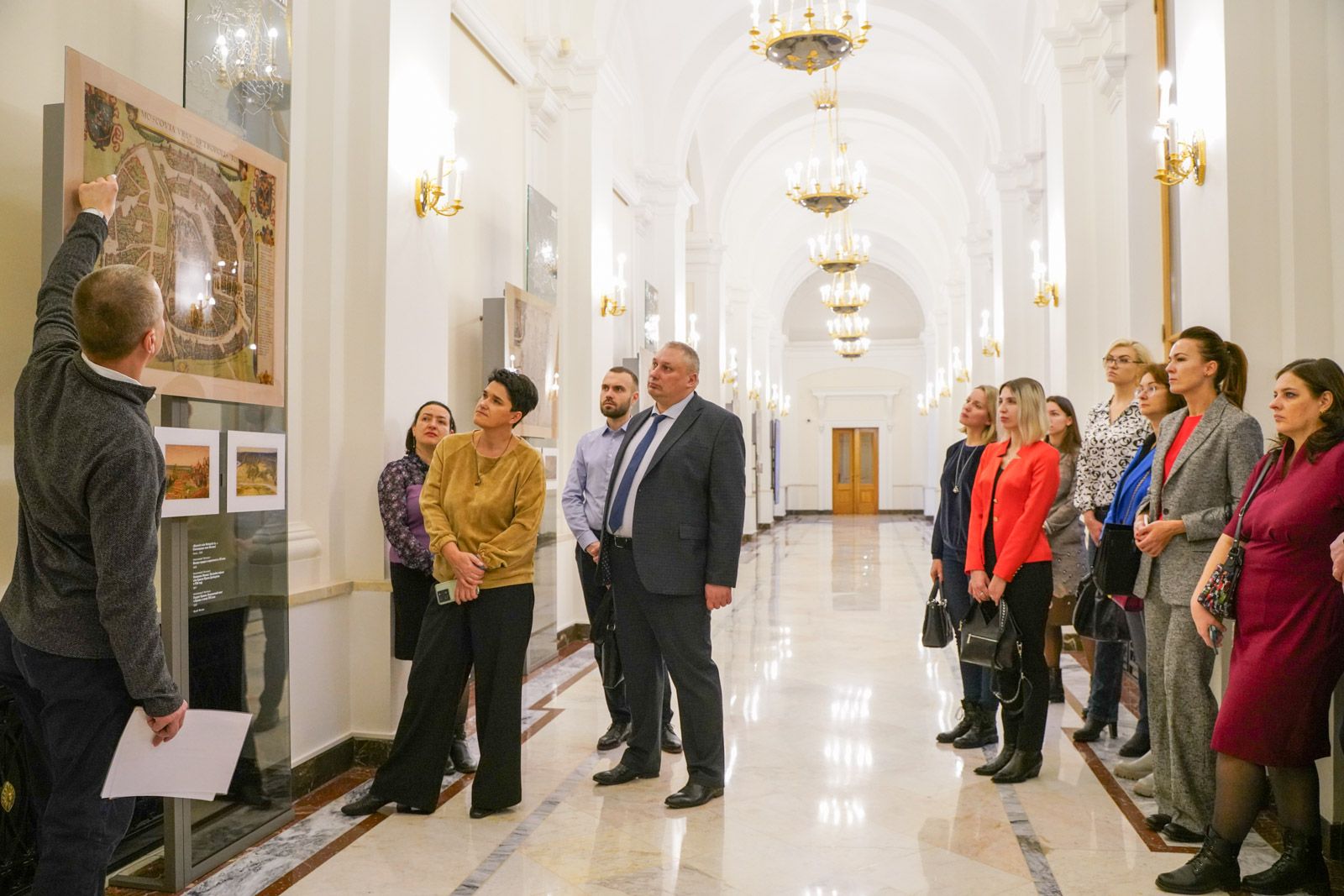
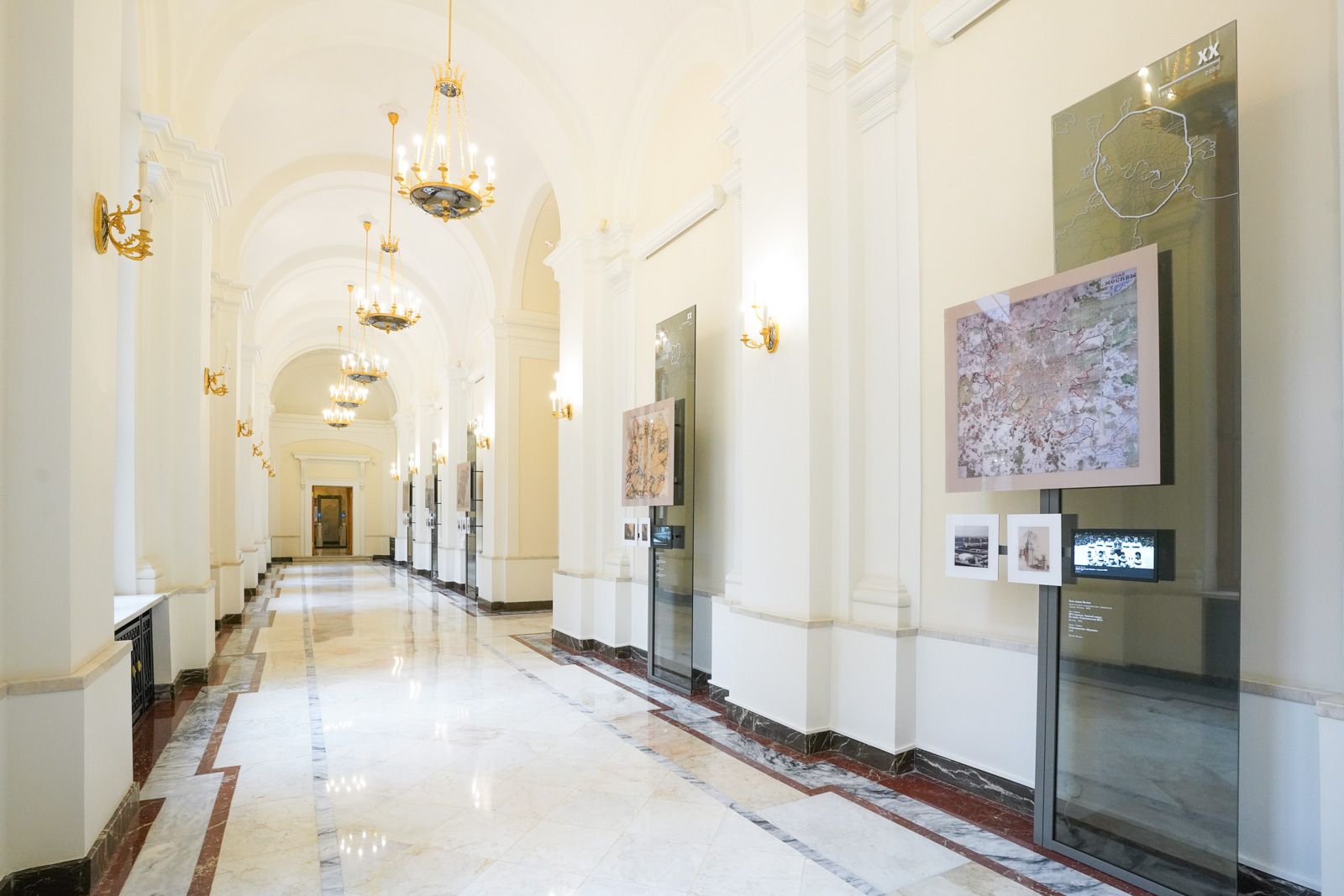
Alternatively, one can take a guided tour at the Moscow City Hall on Tverskaya Street. Built in the 18th century by architect Matvey Kazakov for the city governor Zakhar Chernyshev, it was the residence of Moscow’s Governors-General until 1917. Then it housed the Moscow City Council until 1993, and today it is the seat of the Moscow Government.
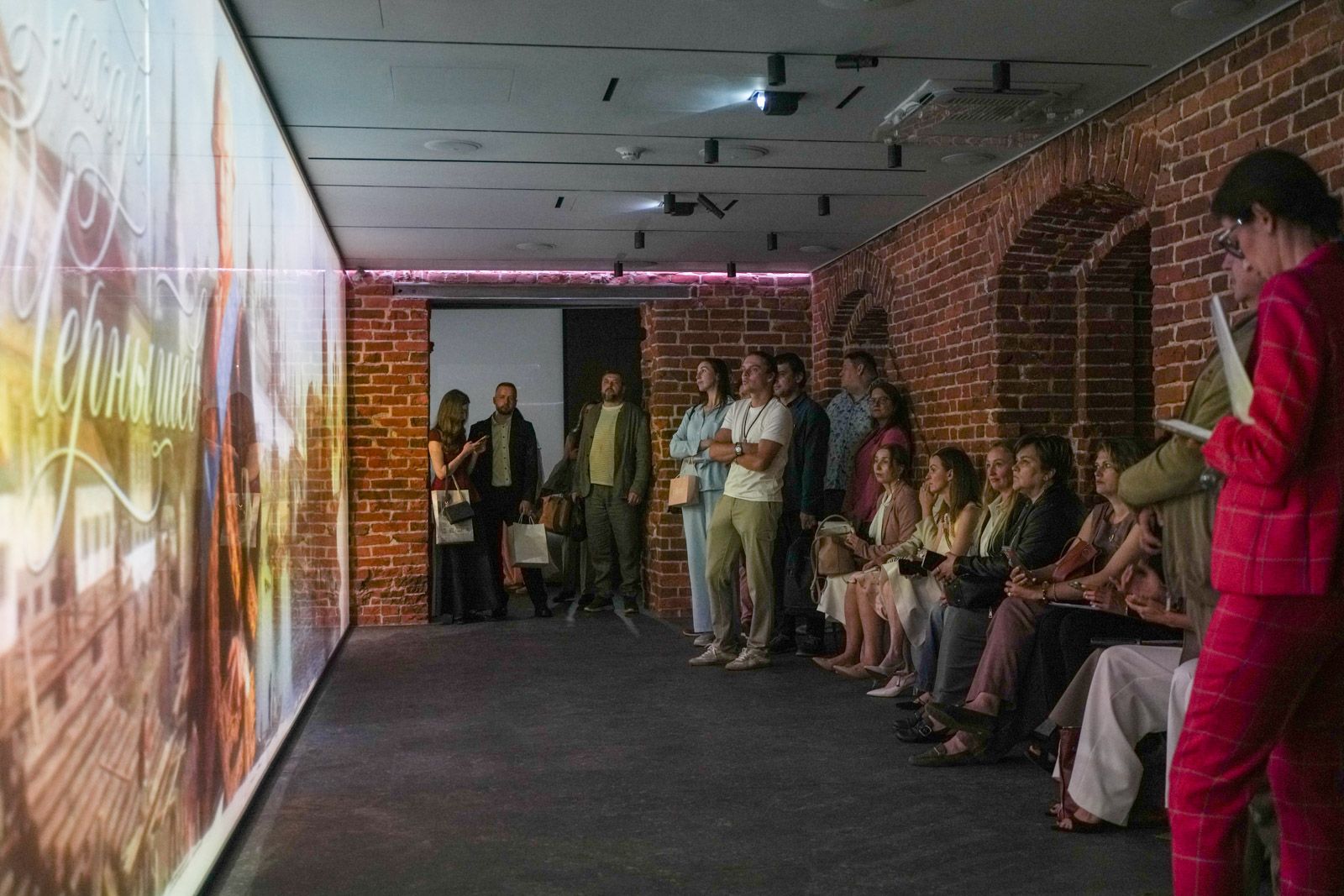
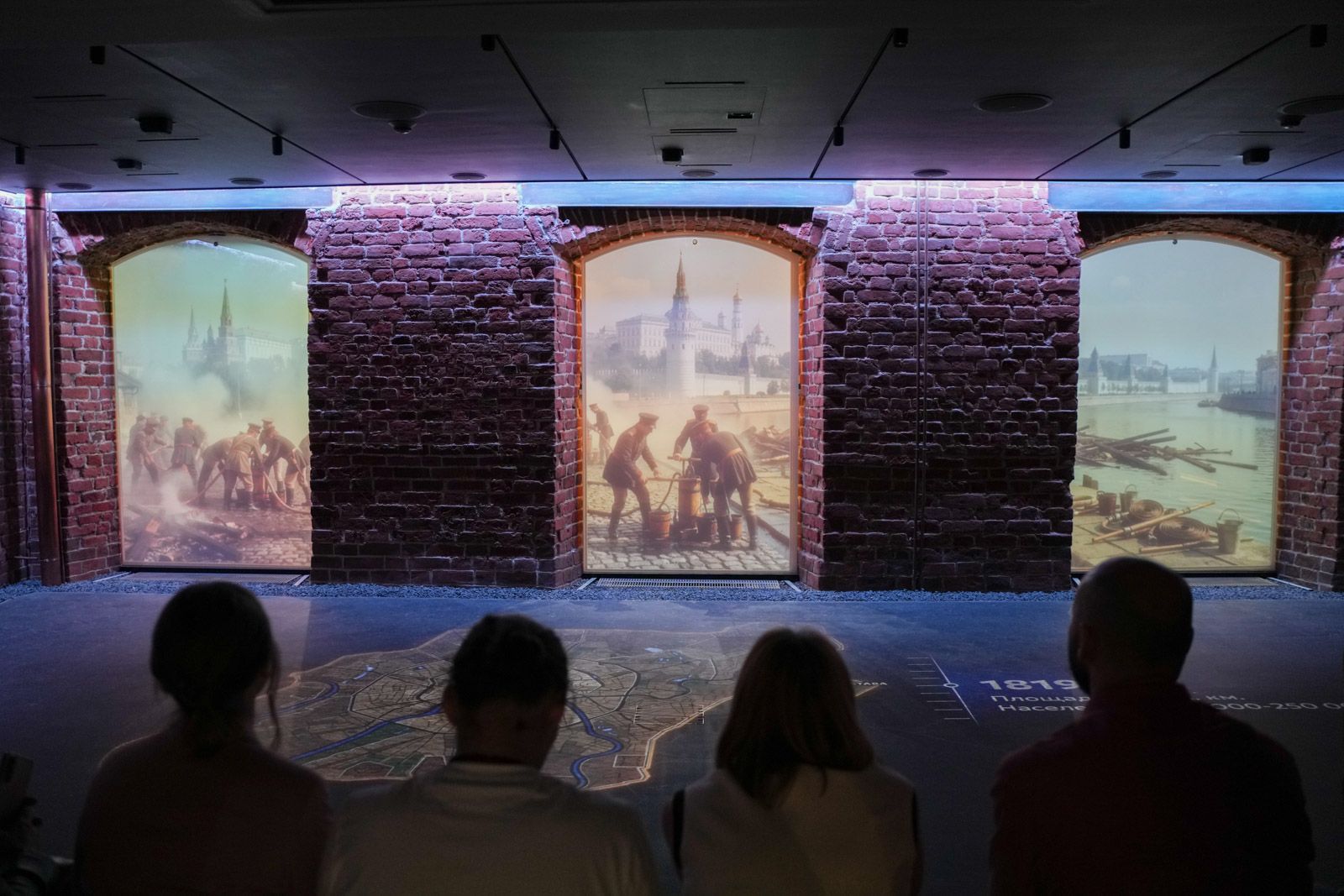
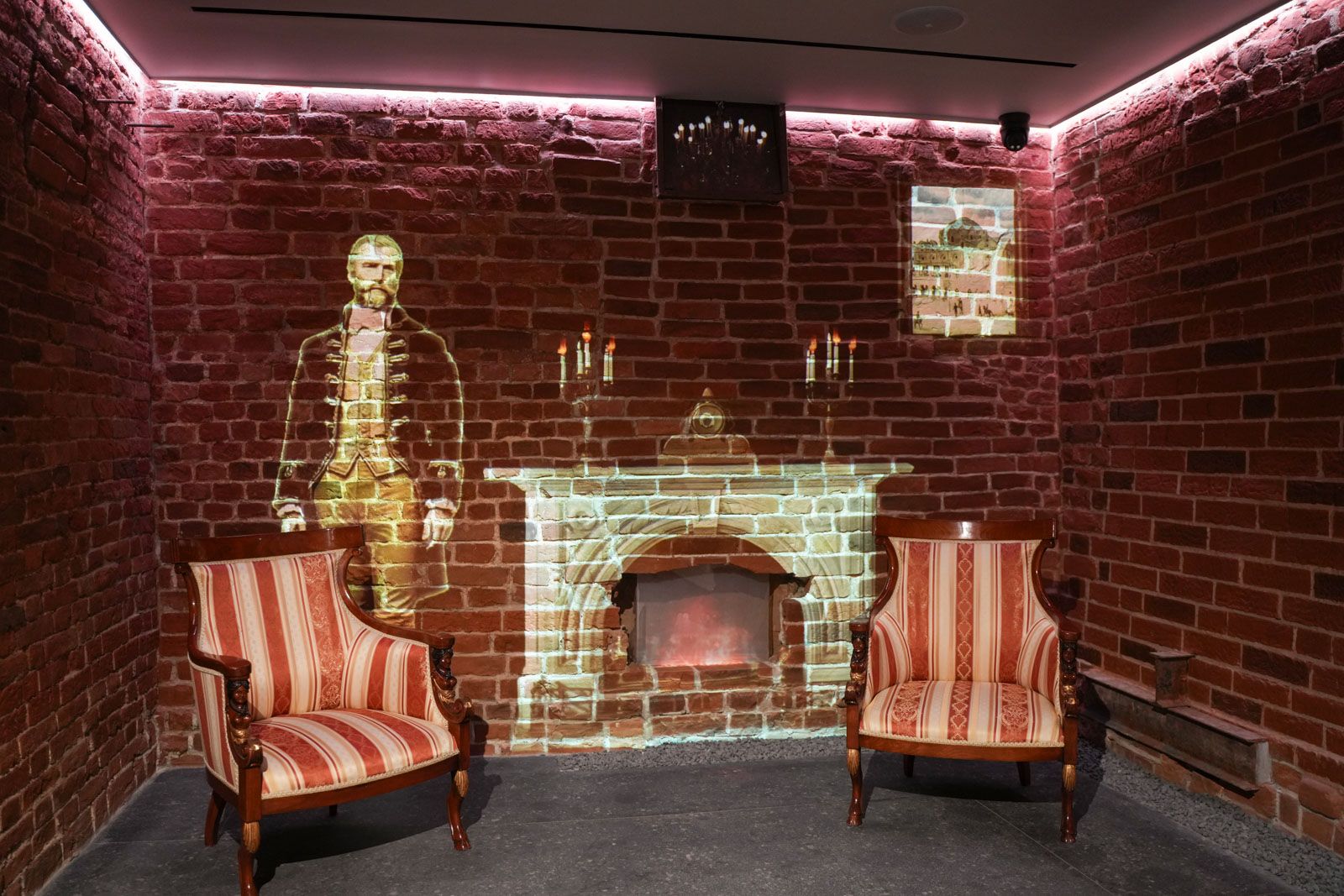
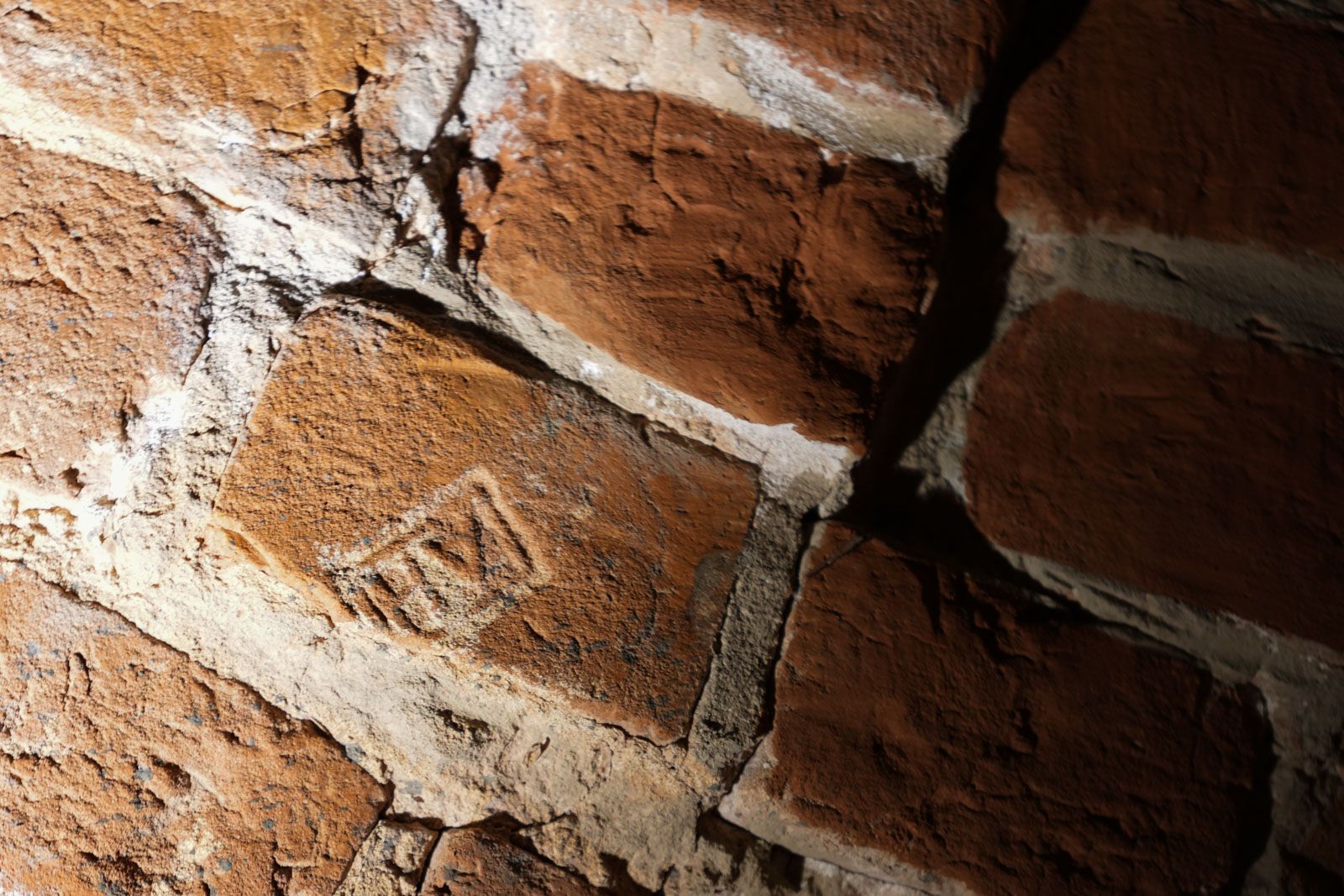
The History of Moscow and Its City Leaders Through Ages will use state-of-the-art technology to trace Moscow’s history across nine centuries, visitors to learn about the contributions made by its prominent leaders, examine historical artifacts, view traces of renovations from various eras and fragments of an ancient heating system and will also be explained how the building was relocated in 1939.