A Gastronomic Map of Russia: Flavors of Russia Festival Opens at VDNKh
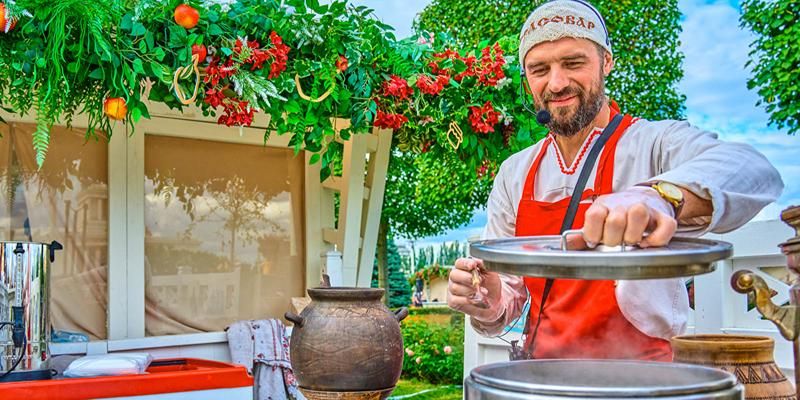
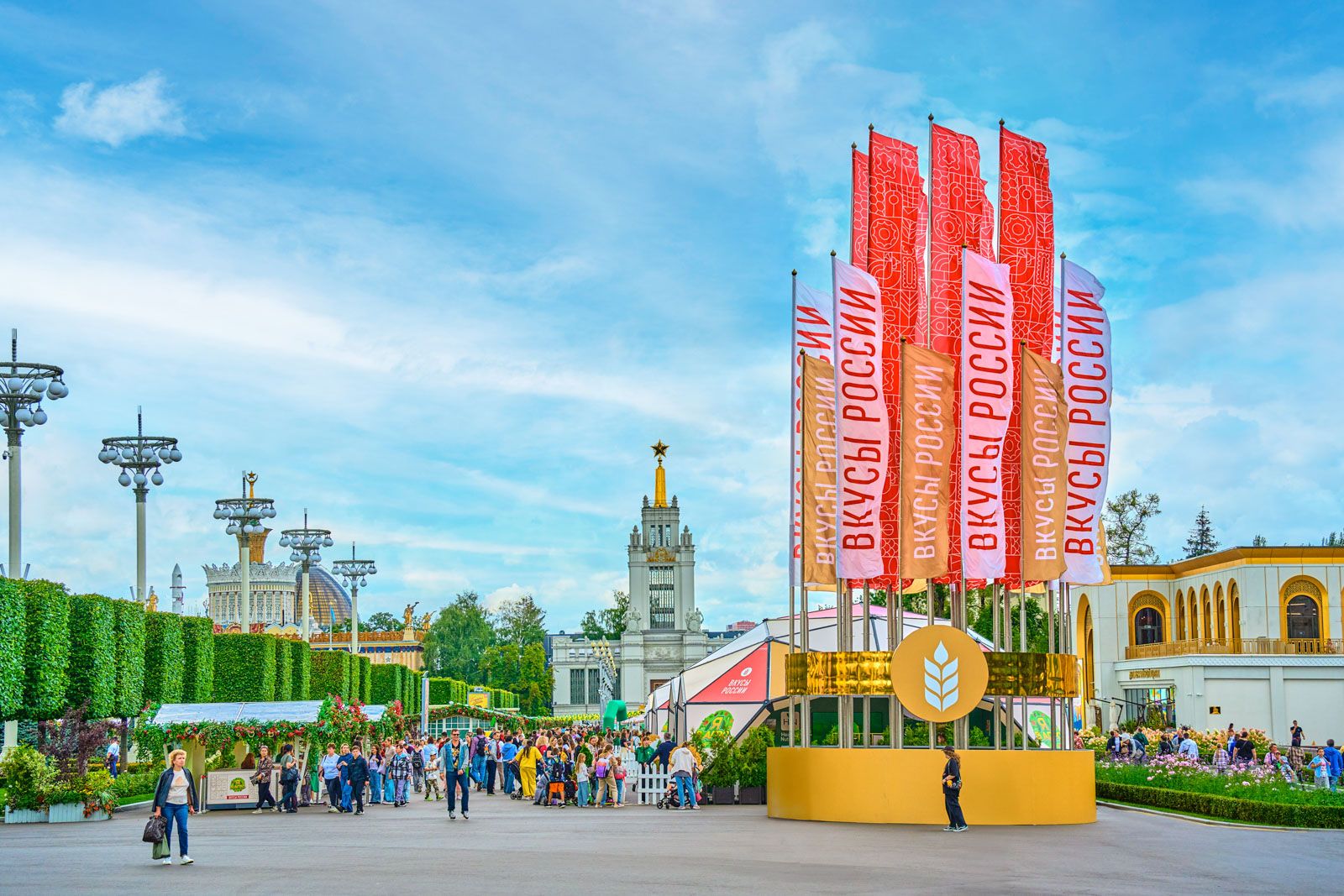
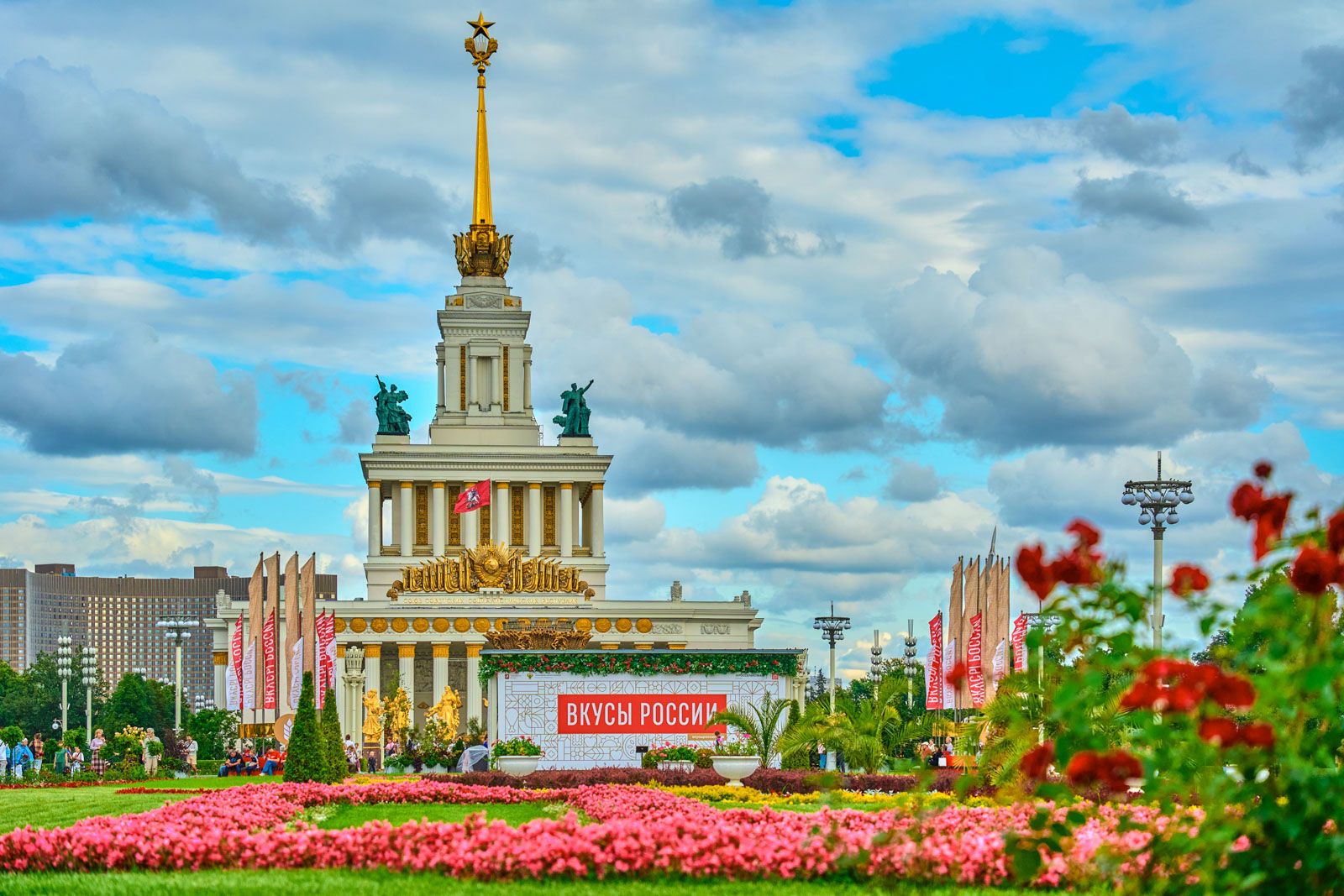
The Flavors of Russia gastronomic festival has opened at VDNKh and will run through August 23. The event is supported by the Ministry of Agriculture of the Russian Federation and the Moscow Government as part of the Summer in Moscow project during the Year of Unity of the Peoples of Russia. The festival brings together representatives from more than 75 regions of the country, including food producers, chefs, performing groups, folk artists, and craftspeople. Admission is free.
Gastronomy and Fair: A Wealth of Flavors from Across Russia
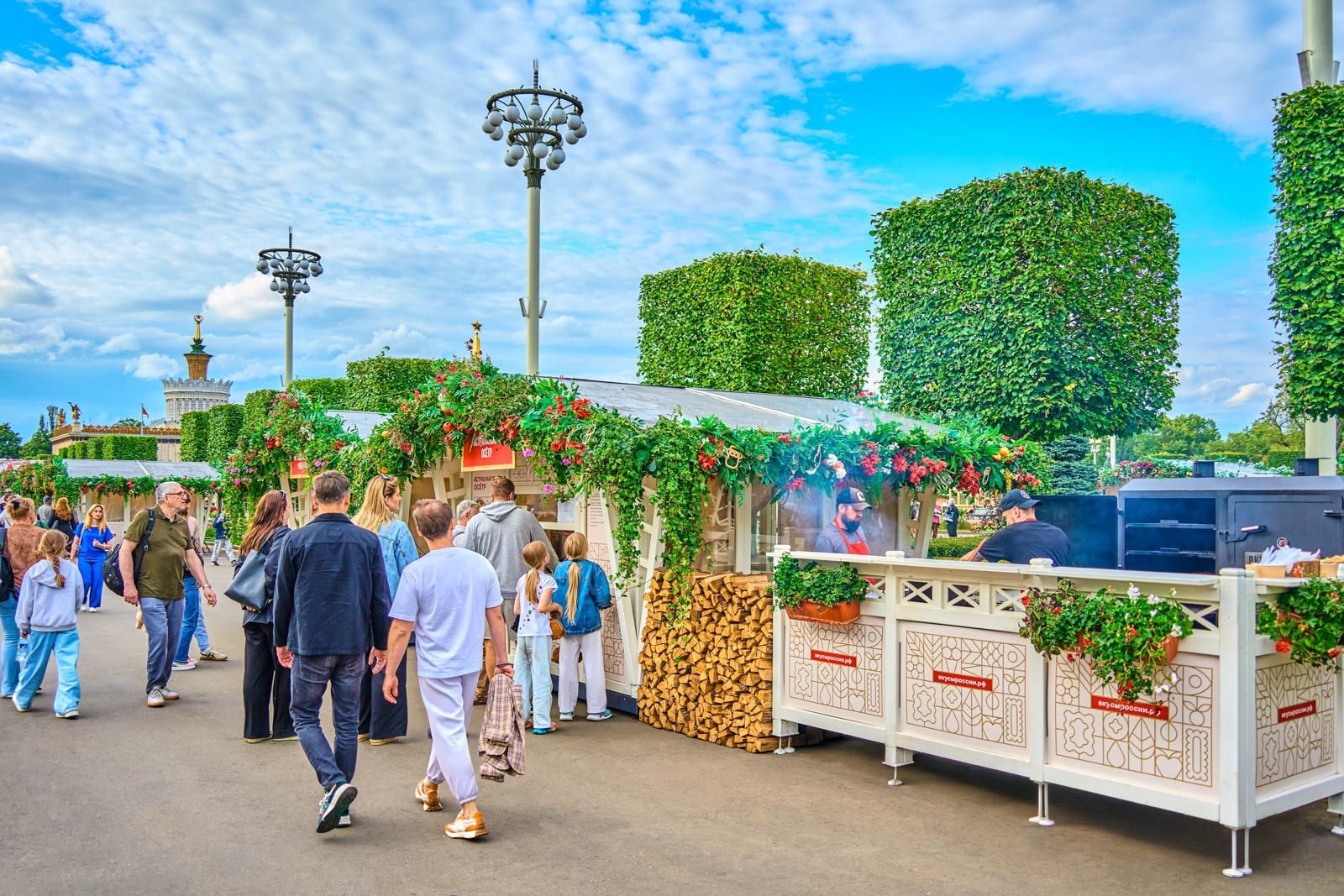
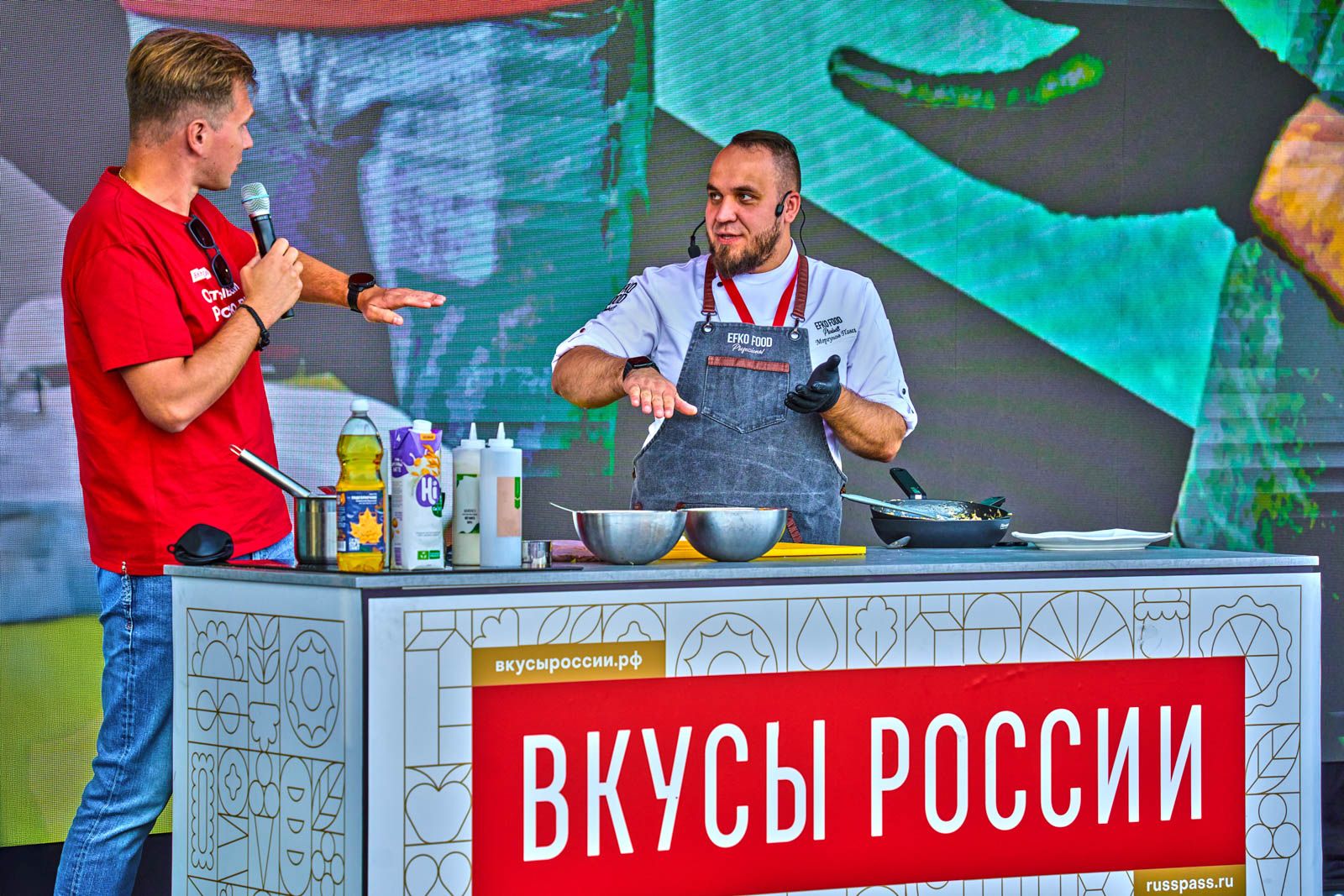
At the heart of the Flavors of Russia festival is an open-air food court. Chefs and producers from across the country have created an exclusive menu for the event. The Russian Far East, Siberia, and northern regions offer grilled Kamchatka scallops, Far Eastern fish soup with crab, Murmansk-style open-faced sandwiches with venison, canapés with Taimyr reindeer pâté, Magadan pie with sockeye salmon, Baikal-style dumplings, and sugudai made with omul.
Southern regions welcome visitors with Balkar and Ossetian pies, Dagestani chudu flatbreads with various fillings, Barandi lamb kebab, as well as oak-smoked sturgeon from Astrakhan and grilled horse mackerel from Crimea.
Central Russia offers Tambov-style potatoes with ham, Bryansk borscht with rib meat, a truffle burger with Voronezh beef, and Smolensk snails in a spicy sauce.
The Urals and Volga region invite visitors to try Udmurt perepechi open-faced pastries, Mordovian shongaryam millet porridge, Bashkir beshbarmak, and tabani pancakes with zyret milk sauce. The festival menu also includes Buryat buuzy dumplings, Don-style kurnik pie, Siberian doughnuts, and Chechen sherbet. At stalls with open kitchens, visitors can watch chefs at work and learn the secrets of making traditional regional dishes.
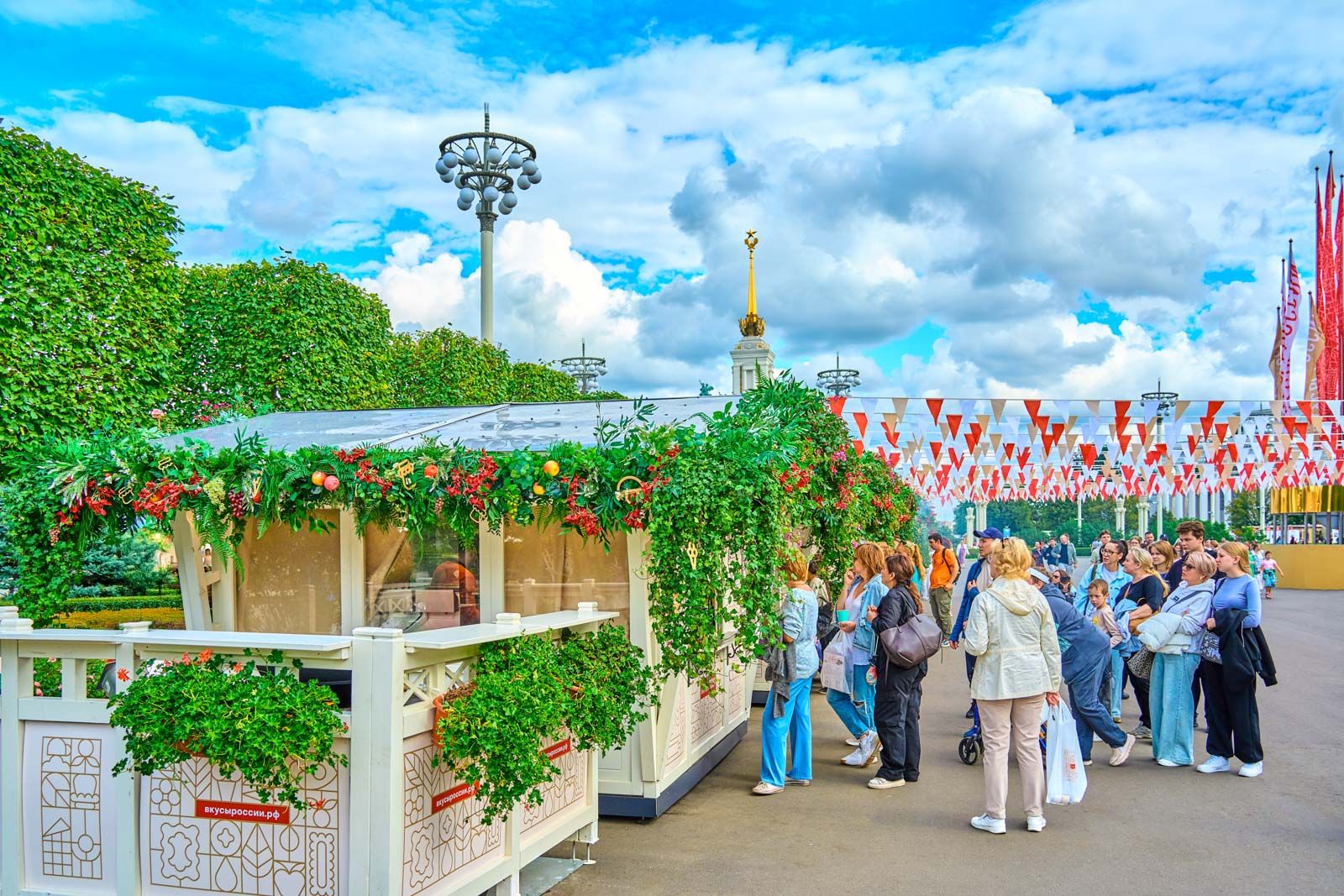
The festival also features a large fair showcasing regional brands. Visitors can buy Vologda butter, Kolomna kalach bread, Vyborg pretzels, Tula gingerbread, Tambov ham, Murmansk venison, Adyghe cheese, Surgut bread, Magadan scallops, Karelian vendace, as well as artisanal delicacies including reindeer moss chips, Baikal larch resin chewing gum, dandelion jam, and a drink made from Perm chaga.

Educational and Creative Master Classes for the Whole Family
The Flavors of Russia festival places a special emphasis on educational and family activities. Partner companies have prepared an extensive program featuring master classes, entertainment, and educational activities for children and adults.
A dedicated family area is operating with the support of the Kurchatov Institute National Research Center and the Polytechnic Museum. Guided by instructors, children conduct scientific experiments and explore biology, chemistry, and physics. Young visitors can also take part in master classes led by teachers from North-Caucasus Federal University and Southern Federal University.
Stage Program: Celebrating the Cultural Unity of Russia’s Regions
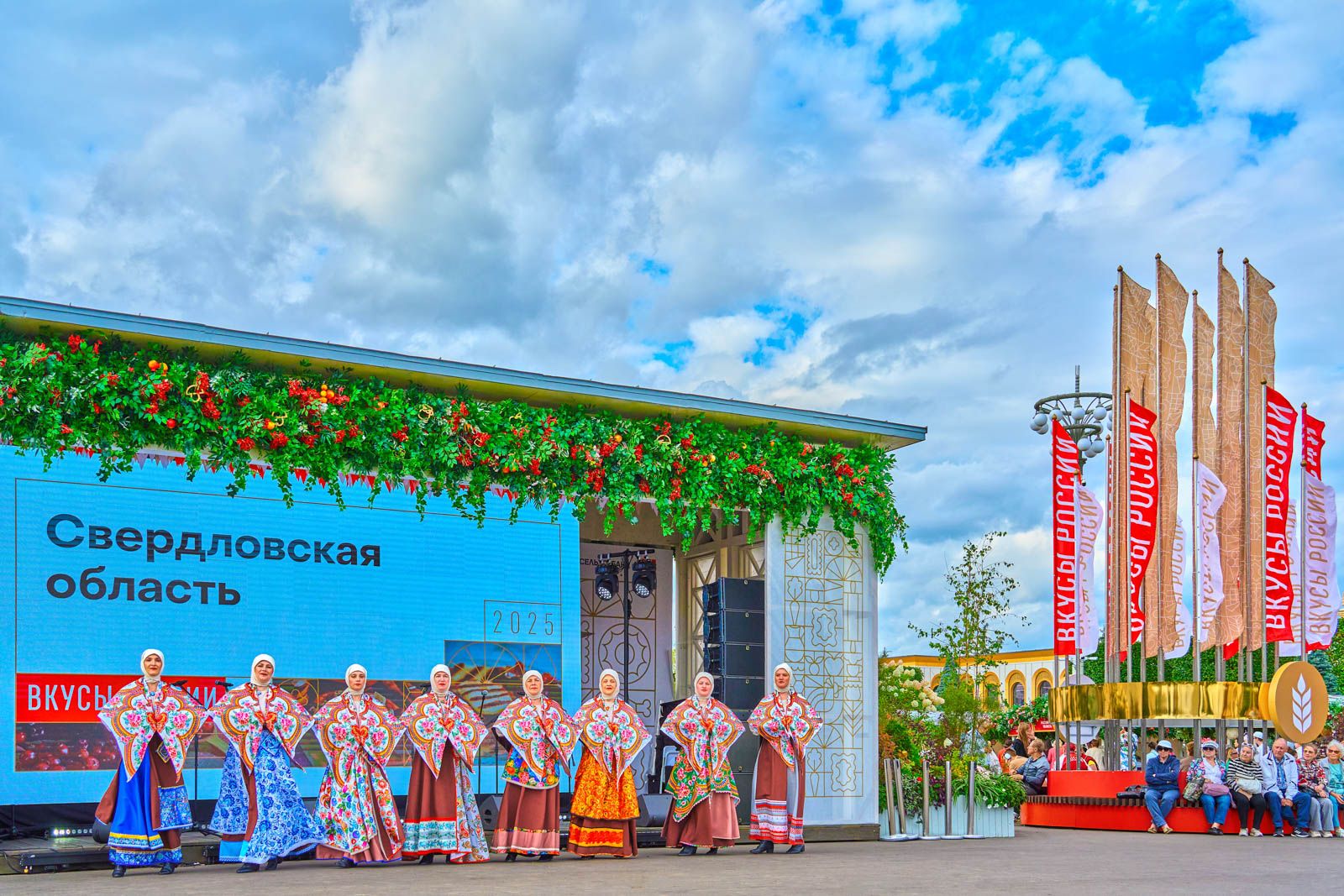
Performing groups from across the country take to the festival’s main stage every day. On the opening day, August 13, the lineup includes the Khete group from Karelia, the Venets ensemble from Kostroma, Moscow dance groups, the Adygi ensemble from Kabardino-Balkaria, and the Gulyai, Dusha! folk song theater from the Rostov Region. In the following days, the program will continue with Russian folk song ensembles from the Vladimir and Kaluga regions, as well as groups from Buryatia, North Ossetia, Tatarstan, Bashkortostan, Udmurtia, Mordovia, and Chuvashia.
The festival program includes performances by the Agidel State Song and Dance Ensemble from Tatarstan, the Belye Rosy folk choir from the Lipetsk Region and the Soloveiko folk choir from the Kursk Region, as well as Cossack song ensembles, folklore groups, and soloists from the Novosibirsk, Leningrad, Penza, Tver, and other regions.
Russian Winemaking
For the first time, the Flavors of Russia festival at VDNKh features the Vinology educational venue, a joint initiative with Vinograd, Russia’s largest wine and gastronomy project. Visitors can discover the history and culture of Russian winemaking. More than 30 wineries are taking part in the fair, ranging from major producers to family-run wineries. The participating wineries are not limited to Russia’s traditional southern wine-producing regions. Representatives of a winery from Samara have also come to Moscow for the event.
Summer in Moscow is the jewel in the crown of the season, which has grown into the capital’s cherished tradition and trademark; its current motto is Time to Be Together. The project unites people of different generations around shared values, enabling them to feel closer with family and friends and also to the whole city — whether when taking a walk, visiting a cultural or sporting event, or donating at charity drives, or right on their own doorsteps in every district across the capital.