Pallas's cat, shoebill, and Humboldt penguins. Mosbilet reveals rare animals you can see in the Moscow Zoo
A shoebill, a Pallas’s cat, sun bears, giant pandas, and an Amur leopard. You do not have to go on a round-the-world trip if you want to see those rare animals: all of them can be found in the Moscow Zoo managed by the Moscow Department of Culture. The Mosbilet service will help you purchase tickets and go admire the Zoo’s amazing tenants.
Timofey the Pallas’s cat and Mizer the Amur leopard
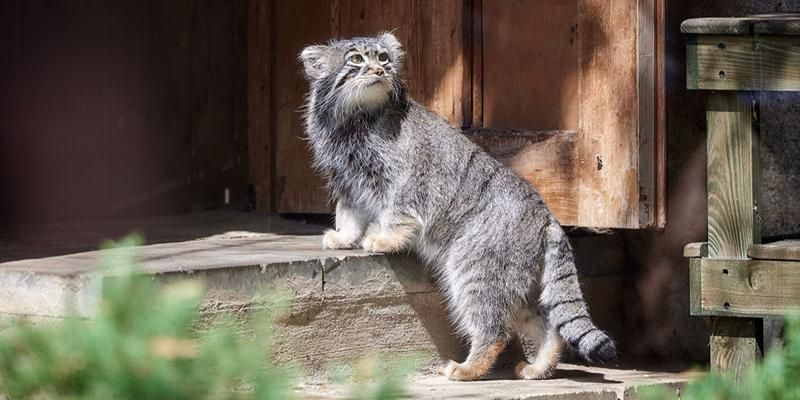
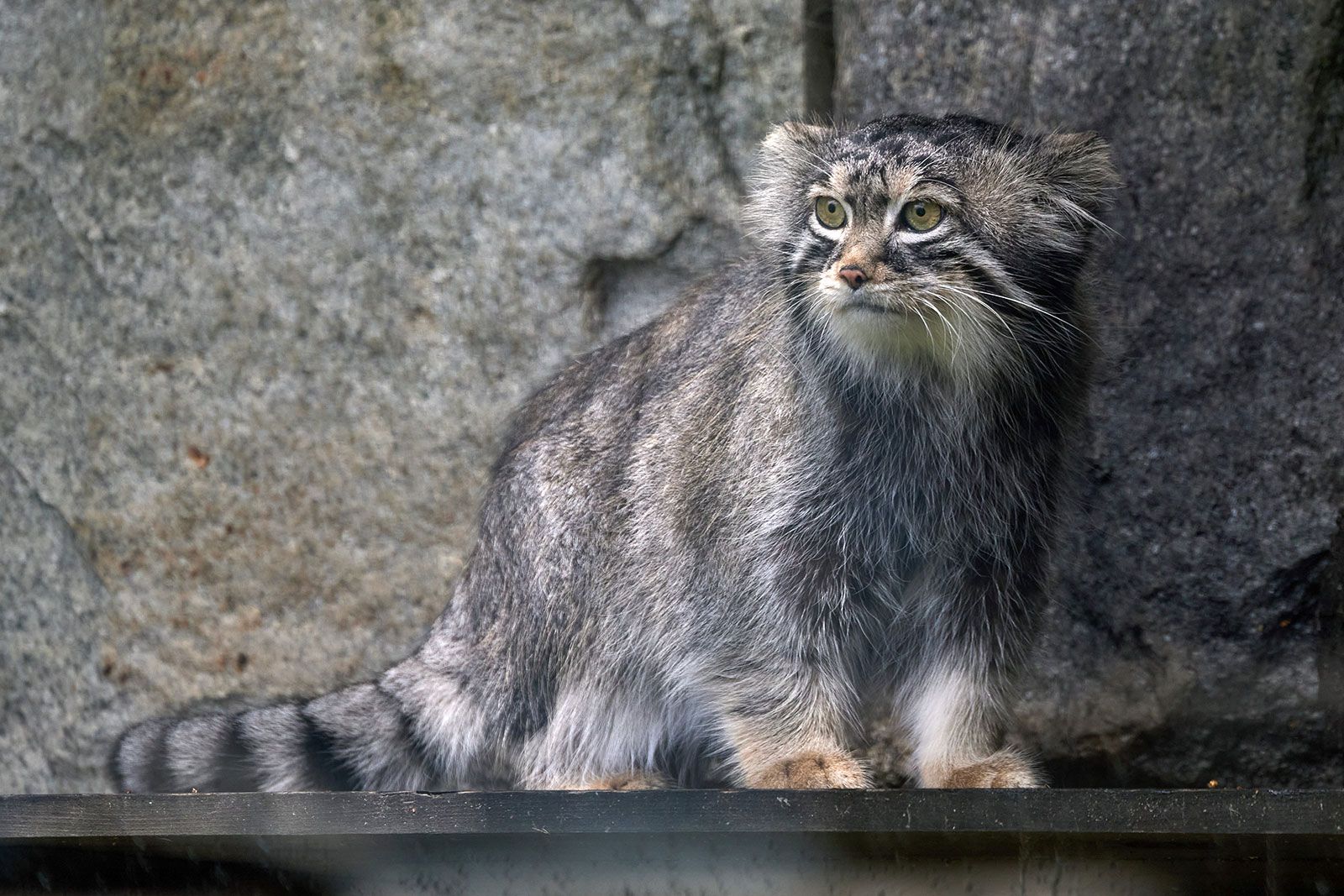
Timofey the Pallas’s cat is not just a resident of the Moscow Zoo, but its mascot. This small wildcat is featured on the emblem above the main entrance. The Pallas’s cat is listed in the Red List of Russia and the IUCN Red List. The Pallas’s cat has bright yellow eyes, fluffy sideburns, long white whiskers, a thick coat, and short legs. The pupils in his eyes are round: an unusual trait for small wildcats; unlike domestic cats, Timofey doesn’t meow. Its food is quails and small rodents. The Pallas’s cat is active in the morning and at twilight.
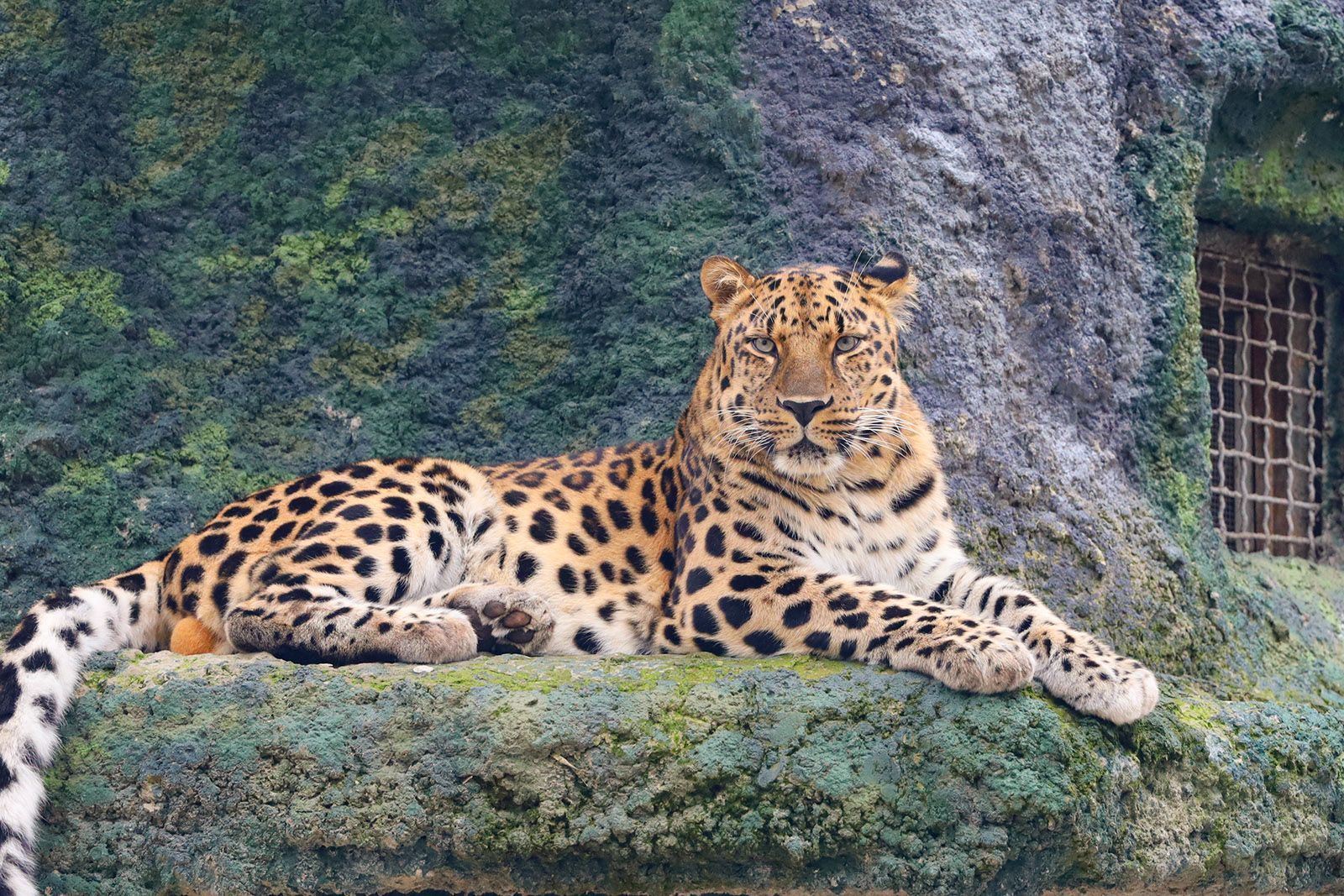
Another rare feline in the Zoo is Mizer the Amur leopard. Its paws are powerful; the Pallas’s cat’s reddish-brown coat is covered in inimitable dark spots. There are multiple leopard subspecies, but the Amur one is the rarest. In 2024, there were just 129 adult specimens in Primorye and around the Chinese border. Leopards hunt hoofed prey in the wild; their spots help them blend with the vegetation, while their natural grace lends their movements fluidity. Mizer also eats meat, together with healthy supplements.
Giant pandas and sun bears
Giant pandas are also among the Zoo’s rare residents: a male, Ru Yi, a female, Ding Ding, and their cub, Katyusha. In August 2023, Katyusha became the first panda born in Russia. That is a point of pride for the Moscow Zoo because giant pandas seldom procreate in captivity. They came to the Zoo under the international giant panda preservation, protection and study program.
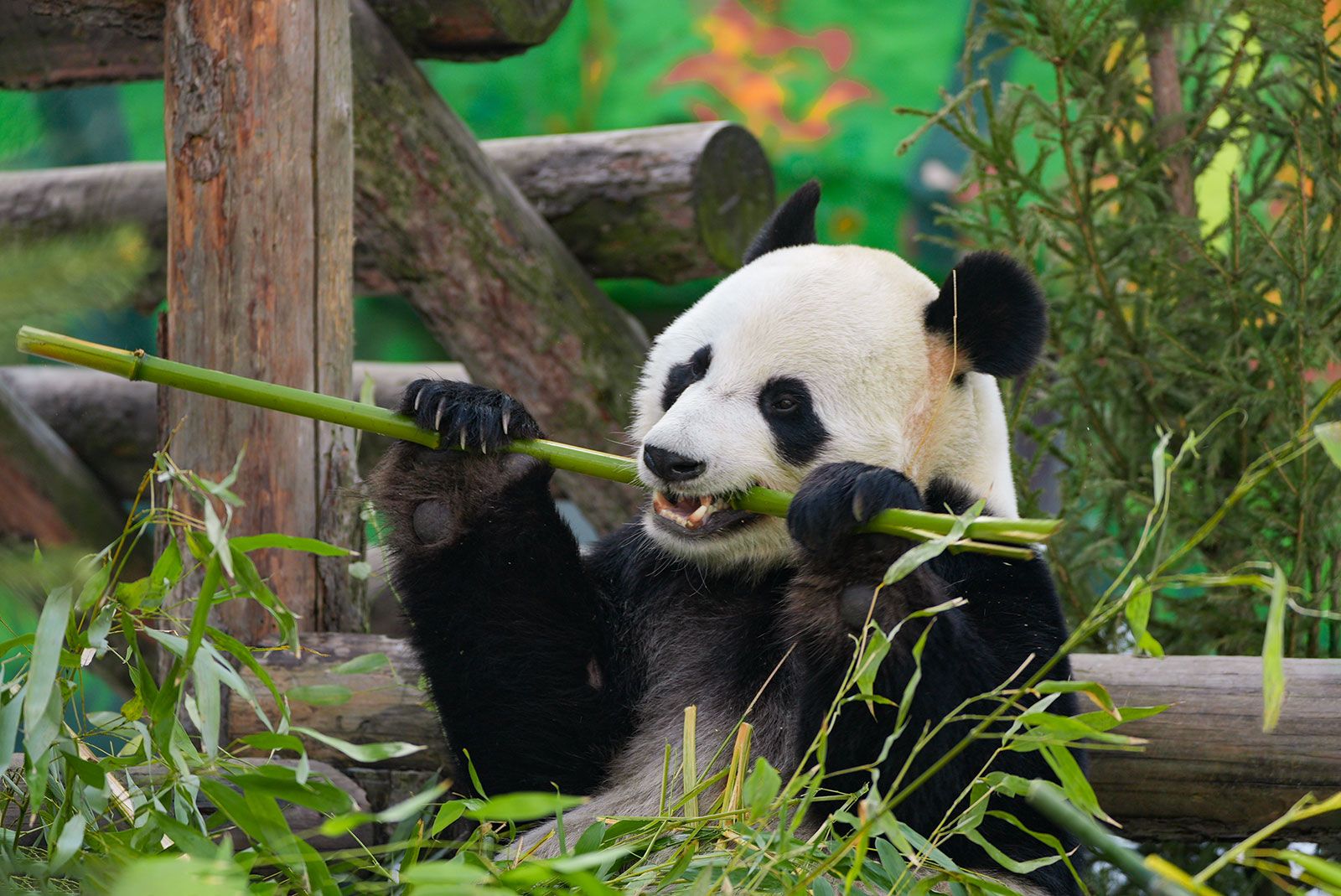
Their diet is nearly entirely bamboo. They even have special protrusions on their wrists, like sixth fingers, to help them hold to the bamboo stalks better. Bamboo is not very nutritious, that’s why they eat it almost constantly. Adult pandas can eat as much as 30 kilos per day. Katyusha, Ru Yi, and Ding Ding all live separately. Their enclosures have special sleeping dens, swings, and lots of toys. Pandas are most active in the morning and toward the night.
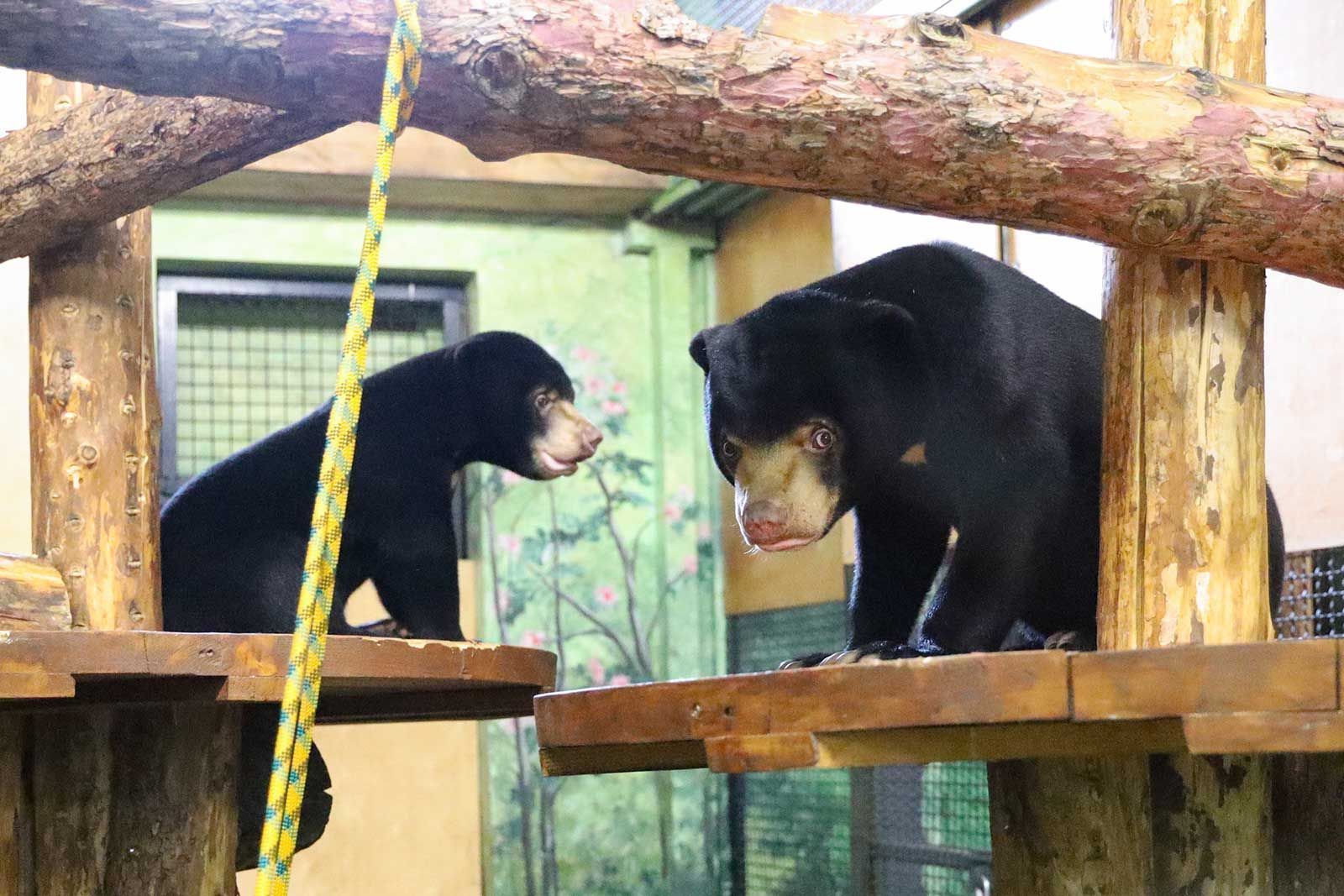
There are other rare bears in the Zoo, too: the sun bears, the smallest ursine species. Adult sun bears are just 70 centimeters tall and 1.4 meters long at most. They live in tropical and subtropical foothills of the South-East Asia. Their strong jaws, sharp claws, and long tongues help them get their food. Sun bears are excellent climbers and swimmers. The Zoo has three cubs: Masha, Zvezdochka, and Luchik. They spend virtually all their time together. Their diet includes fruits, vegetables, dairy products, meat, and insects.
Giant otters and Humboldt penguins
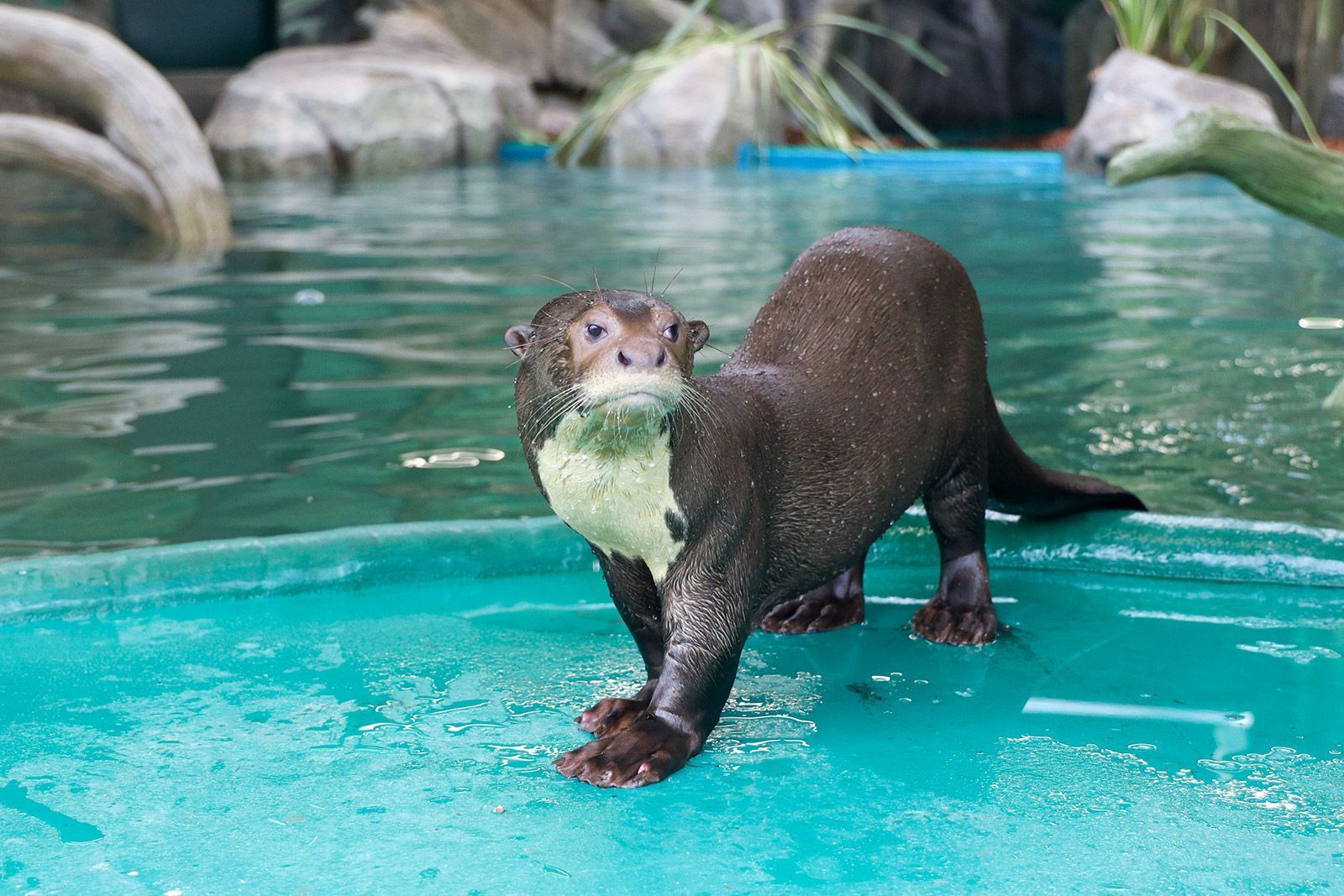
Giant otters are also very friendly and sociable. They are the largest member of the Mustelidae family boasting the thickest fur in the animal kingdom. They can grow to be almost to two meters long and weigh up to 30 kilograms. The Moscow Zoo has three of them: males Vasko and Fidel and a female, Sevil. They are quick, agile, and daring. These rare animals are being exhibited in Russia for the first time. Otters live in a freshwater pool with heated solid islands. You can observe them throughout the daylight hours.
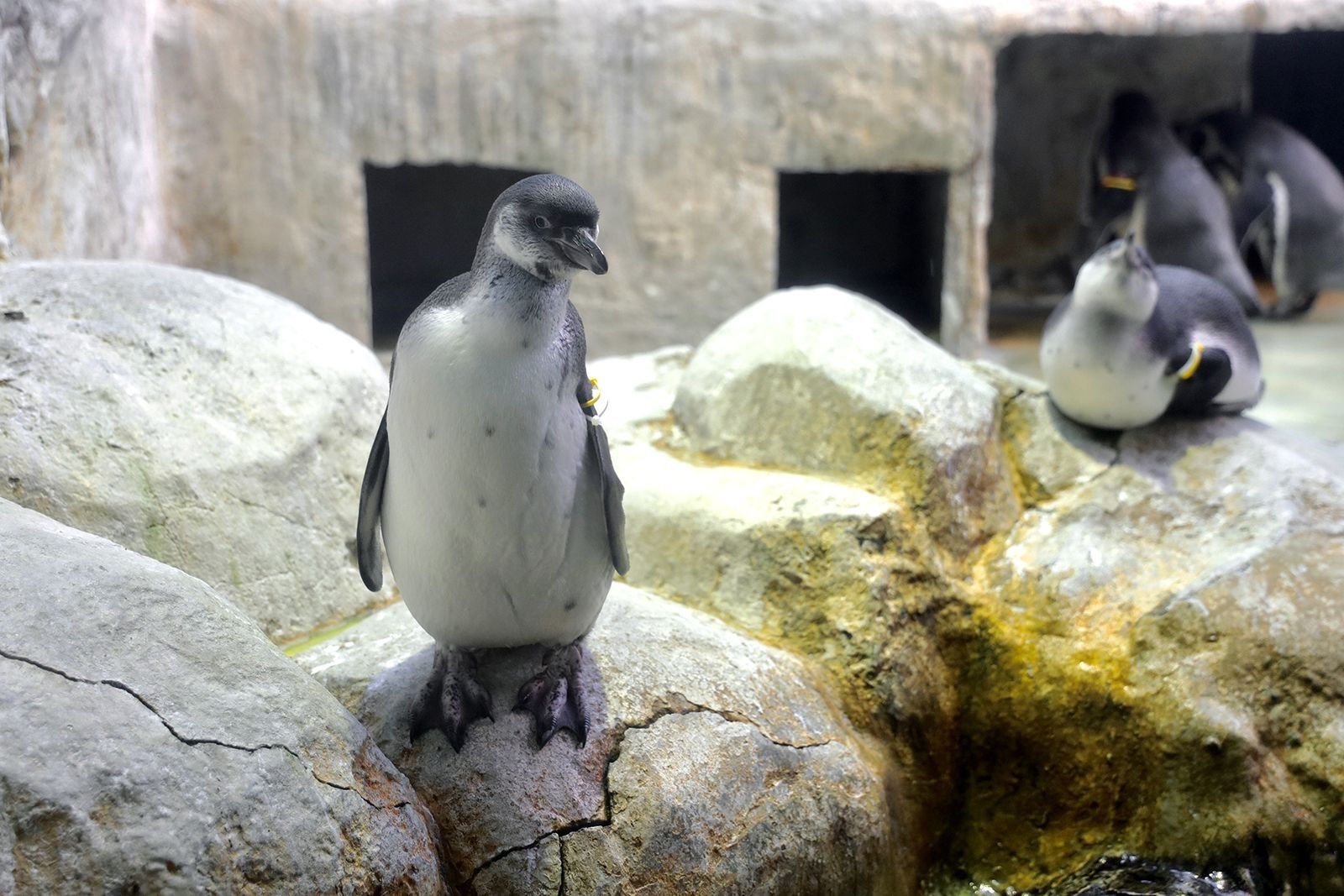
Humboldt penguins, another rare species in the Zoo, are no less quick or graceful. They are also expert swimmers. Their habitat is the rocky western shores of South America and the nearby islands. Penguins can dive down to 150 meters under the surface. They also have sharp eyesight and a keen sense of smell. Penguins feed on Atlantic herring, served to them twice a day. They are not scared of their keepers, so each penguin gets their own fish, right into its beak.
Shoebills and radiated tortoises
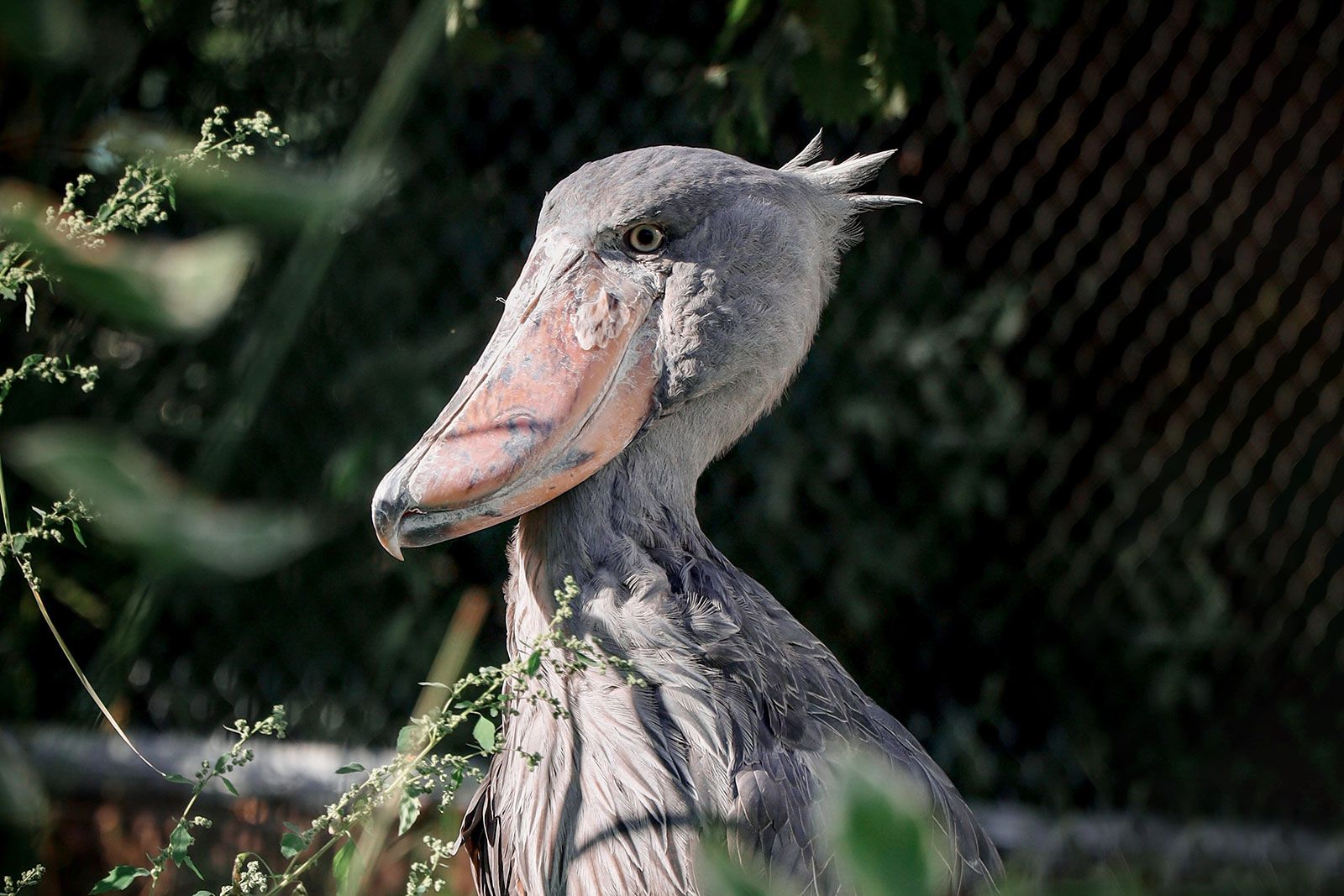
Other rare birds are also on display in the Zoo, including dinosaur-like shoebills who live in swampy areas in East Africa. They are on the IUCN Red List as a vulnerable species Shoebills can only be seen in a few European zoos, and only in the Moscow Zoo in Russia. They have long, slender legs with thick fingers that look like shoes, powerful beaks, and strong necks. Their wingspan can reach two meters. The Moscow Zoo has a couple of shoebills: a male and a female. Their diet is live fish: carp and trout.
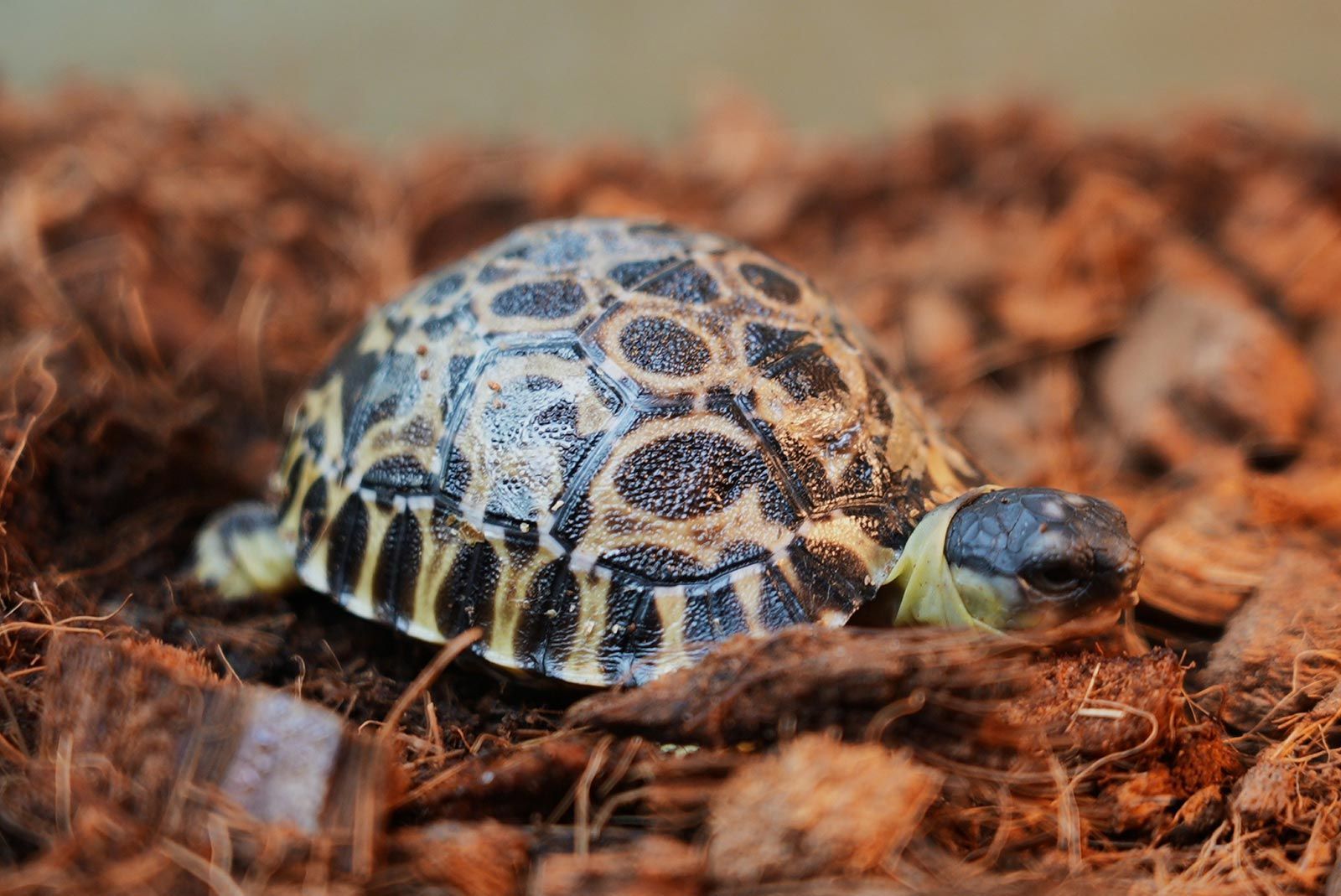
Radiated tortoises are another extremely rare species in the Zoo. Those critically endangered animals are on the IUCN Red List and the 1972 Convention on International Trade in Endangered Species of Wild Fauna and Flora (CITES). The radiated tortoise possesses one of the most unusual carapaces in the world as it has a geometrically perfect yellow pattern. Adult tortoises reach 39.5 centimeters in length and can weigh up to 13 kilograms. In the wild, they inhabit remote and inaccessible areas of Madagascar.
The Moscow Zoo has five adult and three juvenile tortoises. Keepers closely monitor their behavior, energy levels, and appetite throughout the day. Keepers feed them lettuce leaves, button and oyster mushrooms. Adult tortoises also get proteins, apples, pears, and banana peels.
Other things to do in the Zoo
The Moscow Zoo is not only a place to meet animals; you can also go there to try some new, useful, and exciting things. Its library hosts a series of master classes by professional photographers. They teach all newcomers the basics of real-life, portrait, animal, and other types of photography. In the Pinnipeds pavilion, visitors can do yoga in the company of walruses, sea lions, and navy seals. You can purchase tickets for any events through Mosbilet.
In summer, the Zoo is open every day from 07:30 a. m. to 10:00 p. m. Entrance and ticket offices close at 09:00 p. m.
Mosbilet is an official service on mos.ru where users can buy tickets for theaters, museums, concert halls, and other institutions without any fees or markups. Its page also features announcements of the most anticipated events, season premieres, citywide festivals, exhibitions, performances, and musical shows for coming weekends. Tickets can be bought directly on the website. For events that require personal data in order to buy a ticket, you do not need to enter your last name, first name, and patronymic; if you have a standard or complete user account, it is enough to leave the default value (Mos ID) in the document selection field. If you have a simplified user account, you have to fill in the required fields manually.
In the event of booking tickets for children, full information is required only for an accompanying adult. For children under 14 years of age, it is enough to provide just the last name, first name, patronymic, and date of birth, and you will not need to present your child’s ID when attending the event you have booked. Authorized users can also open ticket QR codes on My Moscow, My ID and Moscow State Services mobile apps.
Stay up-to-date with the latest news from Moscow City’s official channels on MAX and Telegram.