Eurasian wryneck, tree pipit, and kestrel: Places in Moscow to watch rare birds
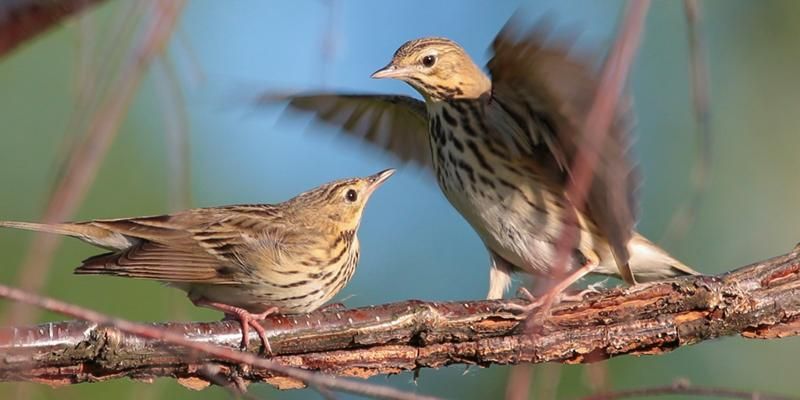
Nature areas around the capital have some birds that are on the Moscow Red List. Experts from the Moscow Department for Environmental Management and Protection revealed where wrynecks, tree pipits, and kestrels make their nests and reminded how to best watch wildlife without disturbing it.
Eurasian wryneck: A camouflage expert
Eurasian wryneck is a small migratory bird from the woodpecker family. Unlike most of their relatives, wrynecks do not make nests of their own, using old holes made by other birds or natural tree hollows instead. Thanks to their coloring that looks very much like tree bark, wrynecks can stay virtually invisible.
They mostly subsist on ants and their pupae, snagging them with their long, sticky tongues. A female wryneck lays 7 to 10 eggs in a clutch; new chicks leave their nest about three weeks after that. You can also recognize a wryneck by its distinctive, repetitive cries. You can see that species of birds in Moscow in the Bitsevsky Forest Park, the Skhodnya River’s Valley Landscape Sanctuary in Kurkino, the Tushinsky Park, and other nature areas.

Tree pipit: A fan of open spaces
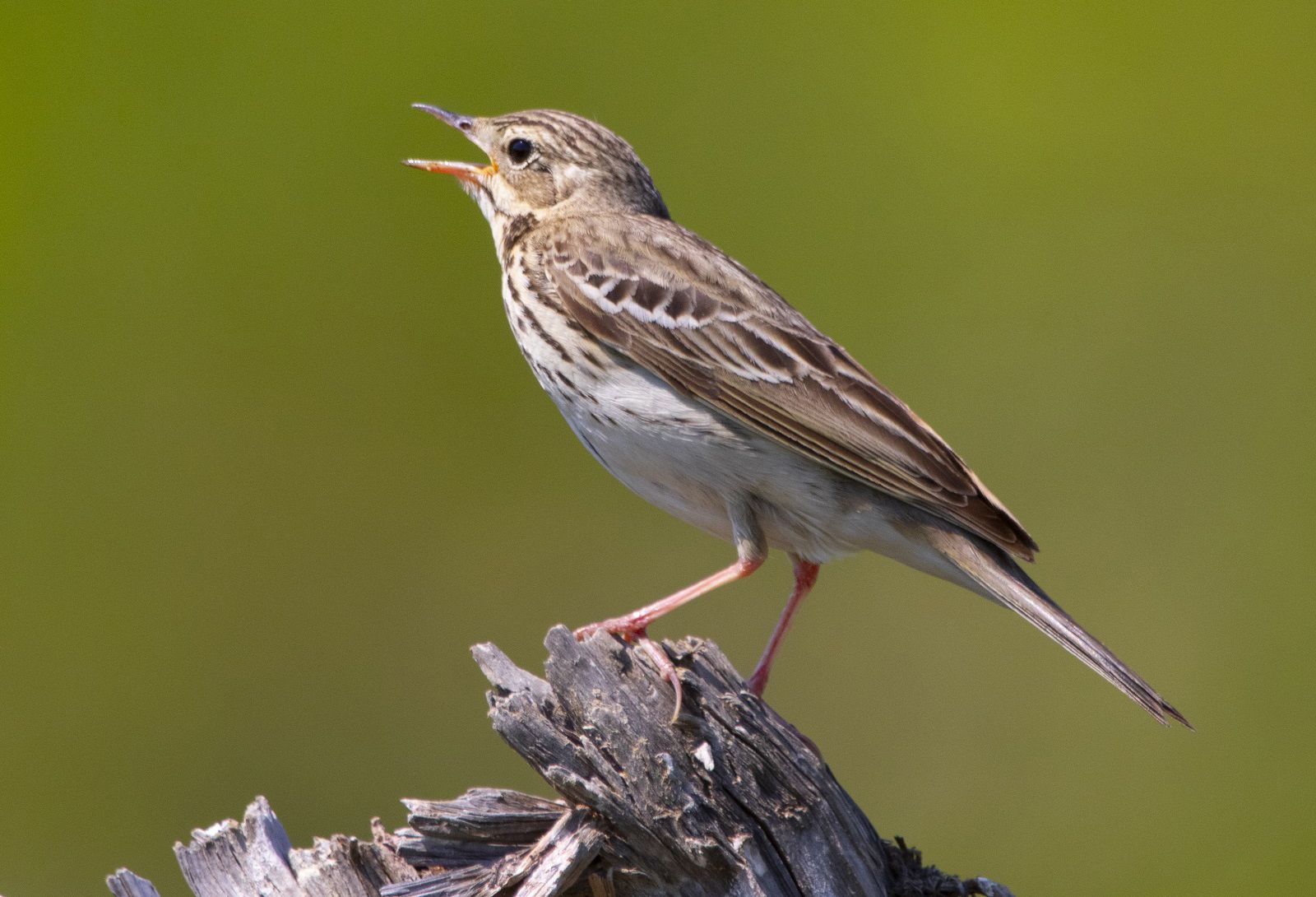
Tree pipits are small insectivorous migrating birds with brownish-gray feathers. They spend most of their time on the ground, hopping quickly among the grass, and nest in small burrows with vegetation as cover. Their clutches usually consist of four to five eggs; new chicks leave their nests a fortnight after hatching.
You can see tree pipits in Moscow in the Kuzminki-Lyublino Park, the Yuzhnoye Butovo Landscape Sanctuary, and other nature areas.
Common kestrel: A floating predator
Common kestrels are small predatory birds with ocher-red feathers. When hunting, they float above their prey, then dive down quickly for the kill. Their diet mostly consists of small rodents.
Kestrels like dry, open spaces. In woodlands, they keep to the edges of the forest, and those are exactly what Moscow's nature areas have in abundance. They use nests abandoned by other birds to lay their eggs; in cities, they can nest in wall hollows, attics, or on balconies. Kestrel clutches usually have three to six eggs; their chicks stay in the nest for about a month before taking wing for the first time.
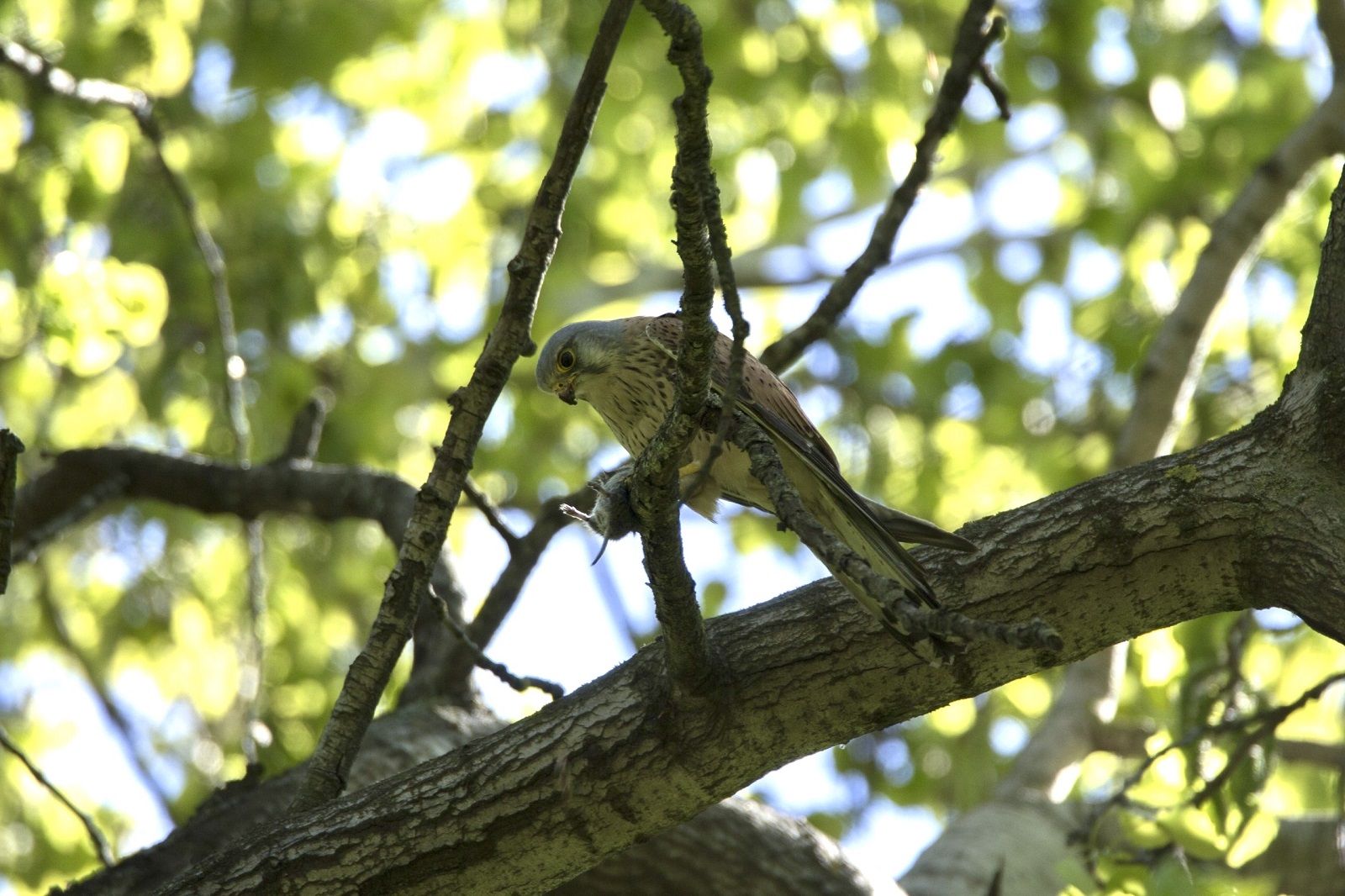
In Moscow, kestrels live in the Bitsevsky Forest, Moskvoretsky, and Izmailovo Parks and other nature areas, predominantly around meadows and river valleys.