From Peter the Great’s cottage to blacksmith’s steading: Which Kolomenskoye Museum-Reserve spots are worth visiting
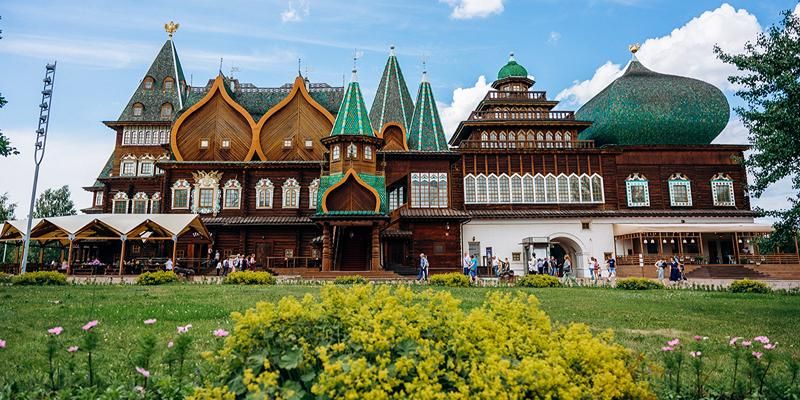
Originally, the Kolomenskoye Museum-Reserve, supervised by the Moscow Department of Culture, was the patrimony of the great Moscow princes and the royal residence, with a remarkable architectural ensemble at its heart. In honor of International Day for Monuments and Site celebrated on April 18, we are highlighting some of its spots worth including on your walking route.
Unveiling court life secrets
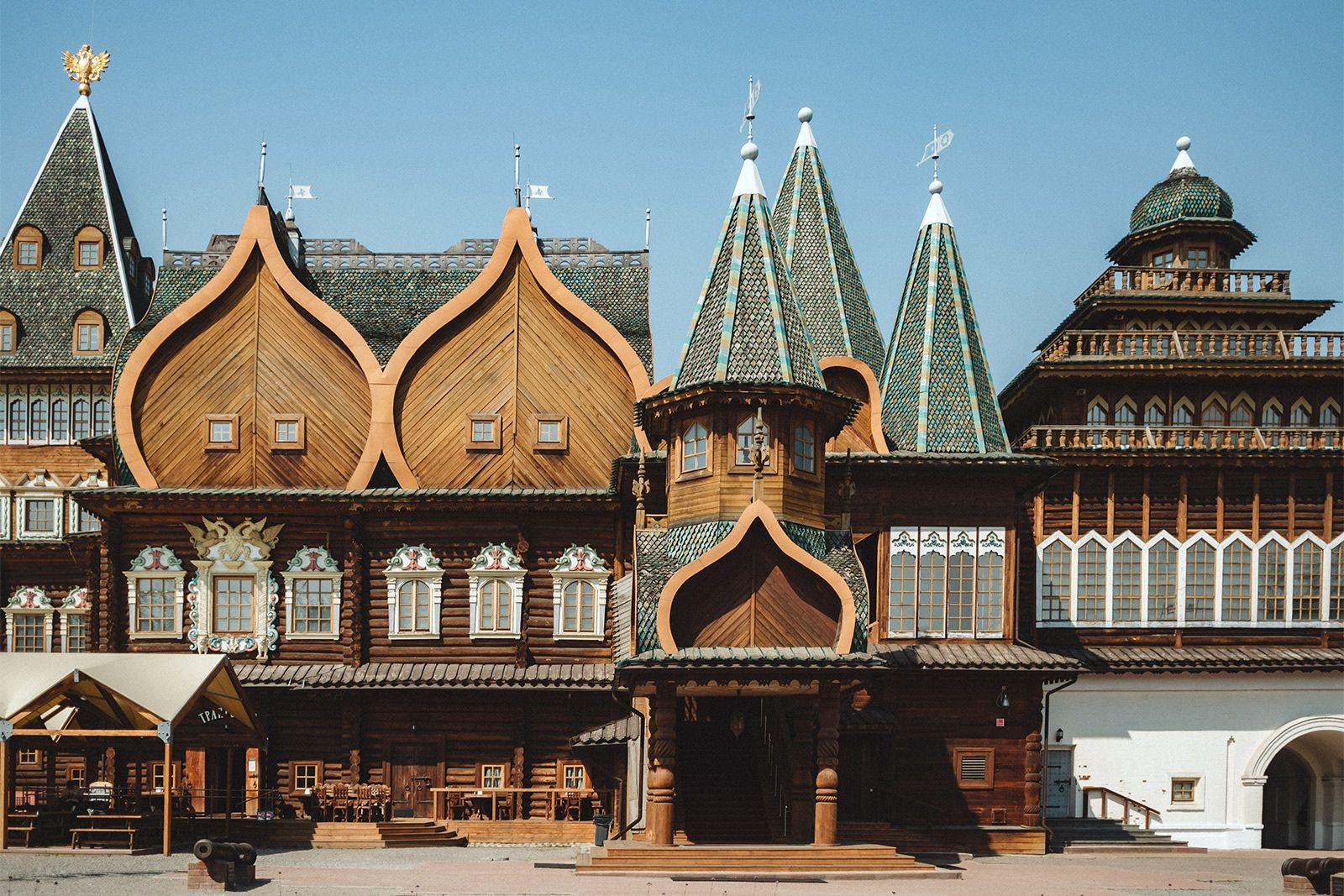
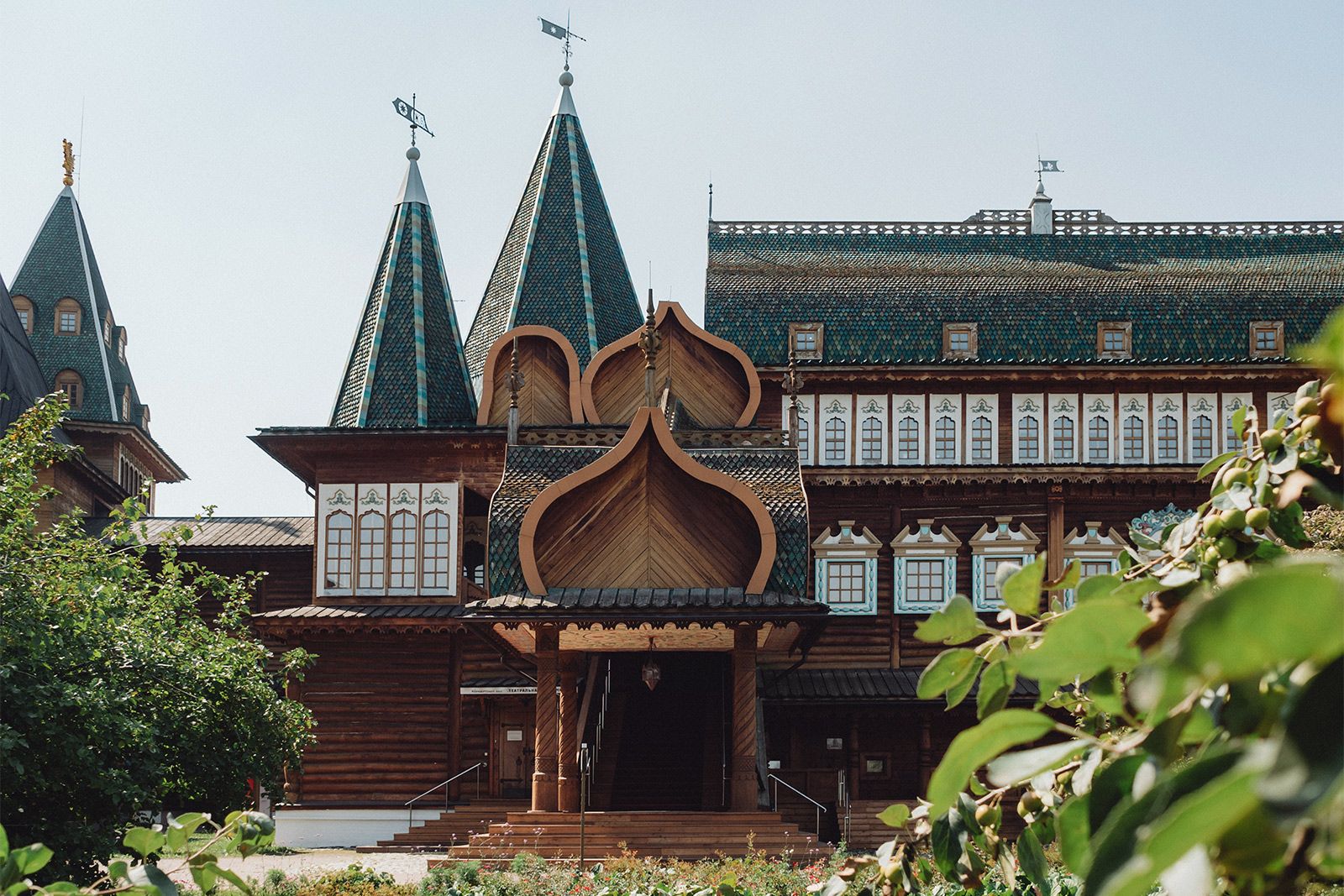
A walk through the Kolomenskoye Museum-Reserve should definitely start with the Palace of Tsar Alexei Mikhailovich, an outstanding example of 17th-century Russian wooden architecture, which was recreated in the 21st century. Visitors will see both state halls and private rooms and will gain an insight into the residence everyday life. Everyone is welcome to visit the chambers of the Tsar, Tsarina and their children and to also take a tour around temporary exhibitions. Tickets are available through Mosbilet.

From royal cuisine to imperial hobbies
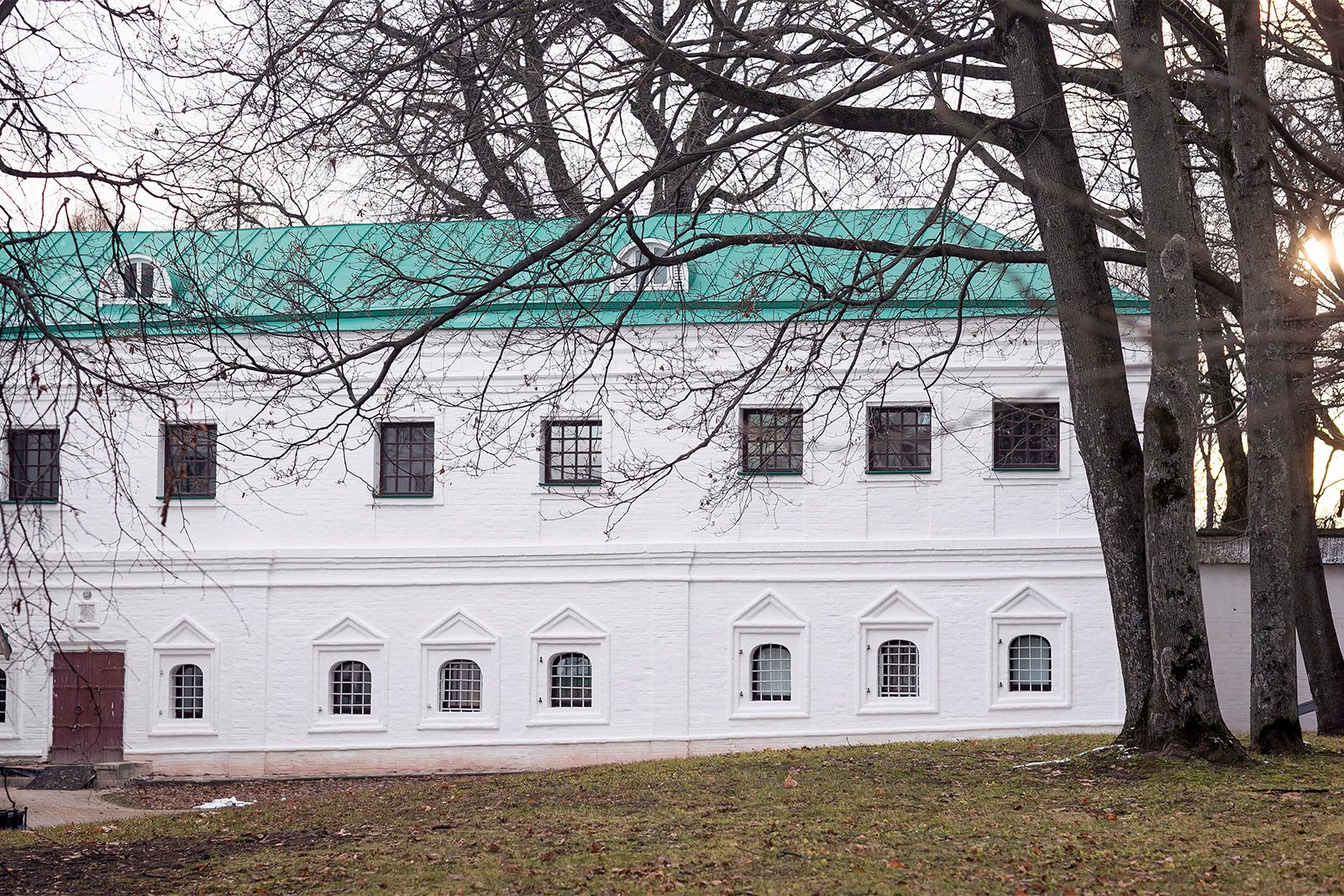
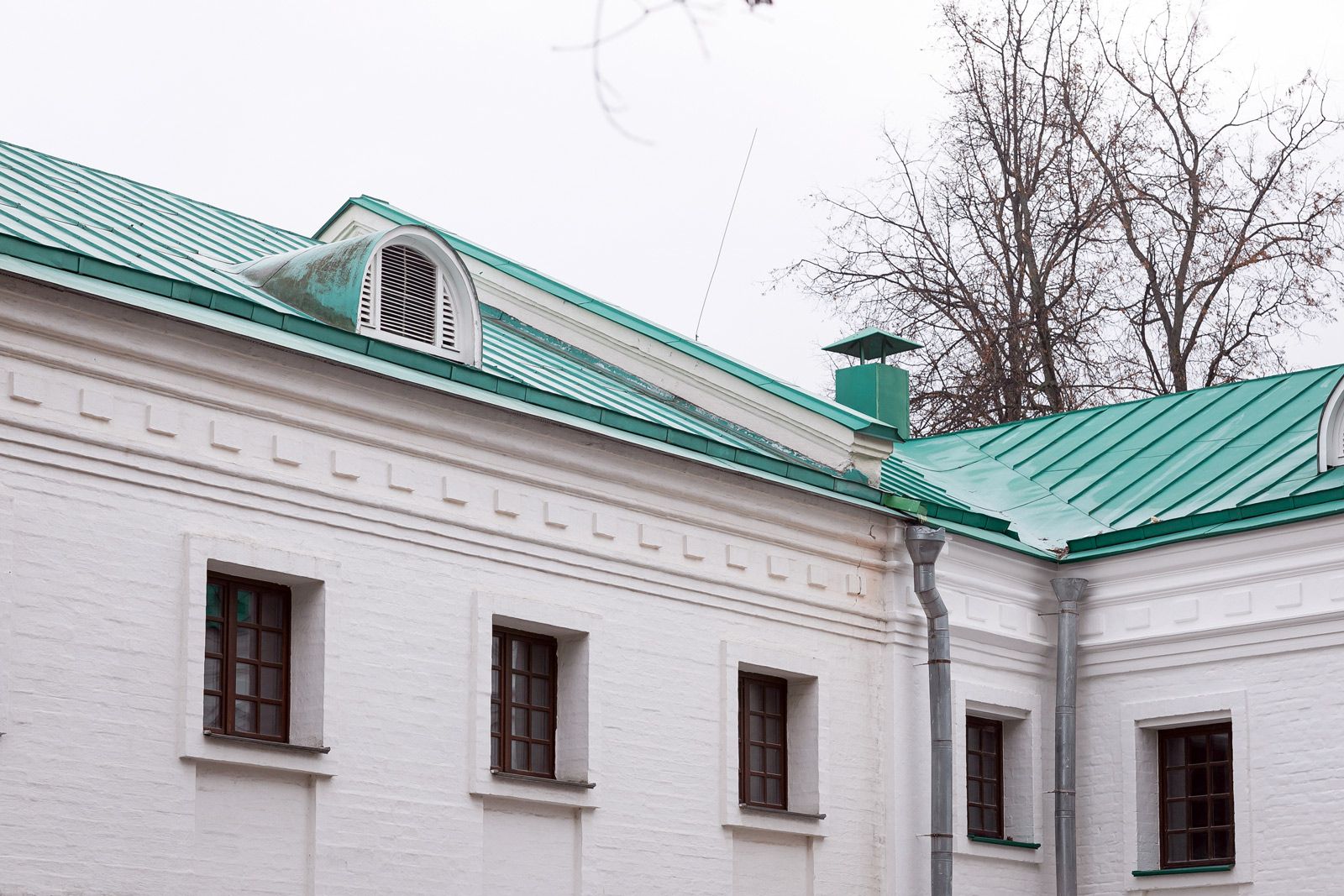
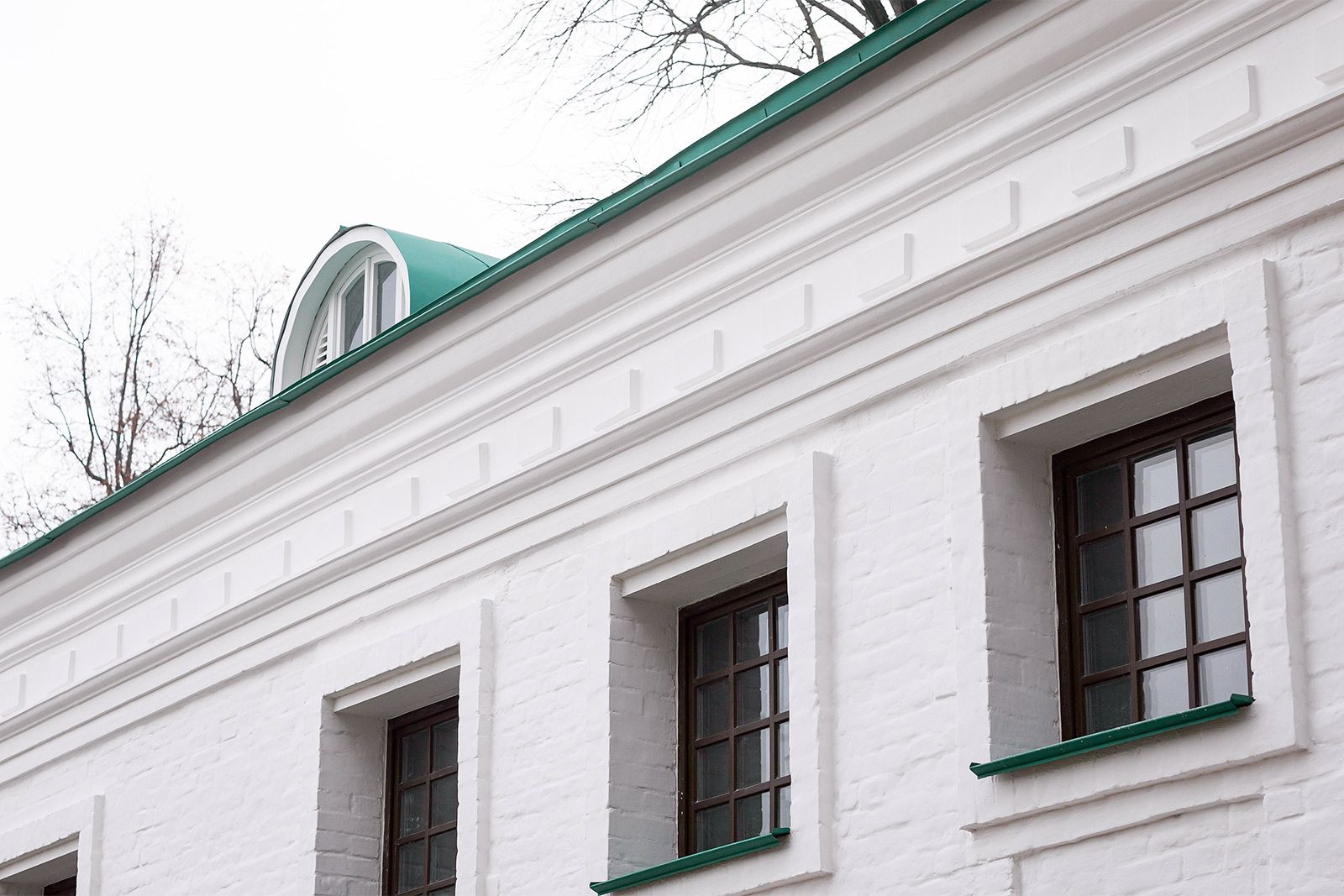
The recently restored Sytny Dvor is re-opened to visitors, becoming Kolomenskoye’s centerpiece, indeed This historic 17th-century building was once part of the royal countryside residence and initially served a number of household functions of baking bread, cooking dishes for the court and storing provisions.
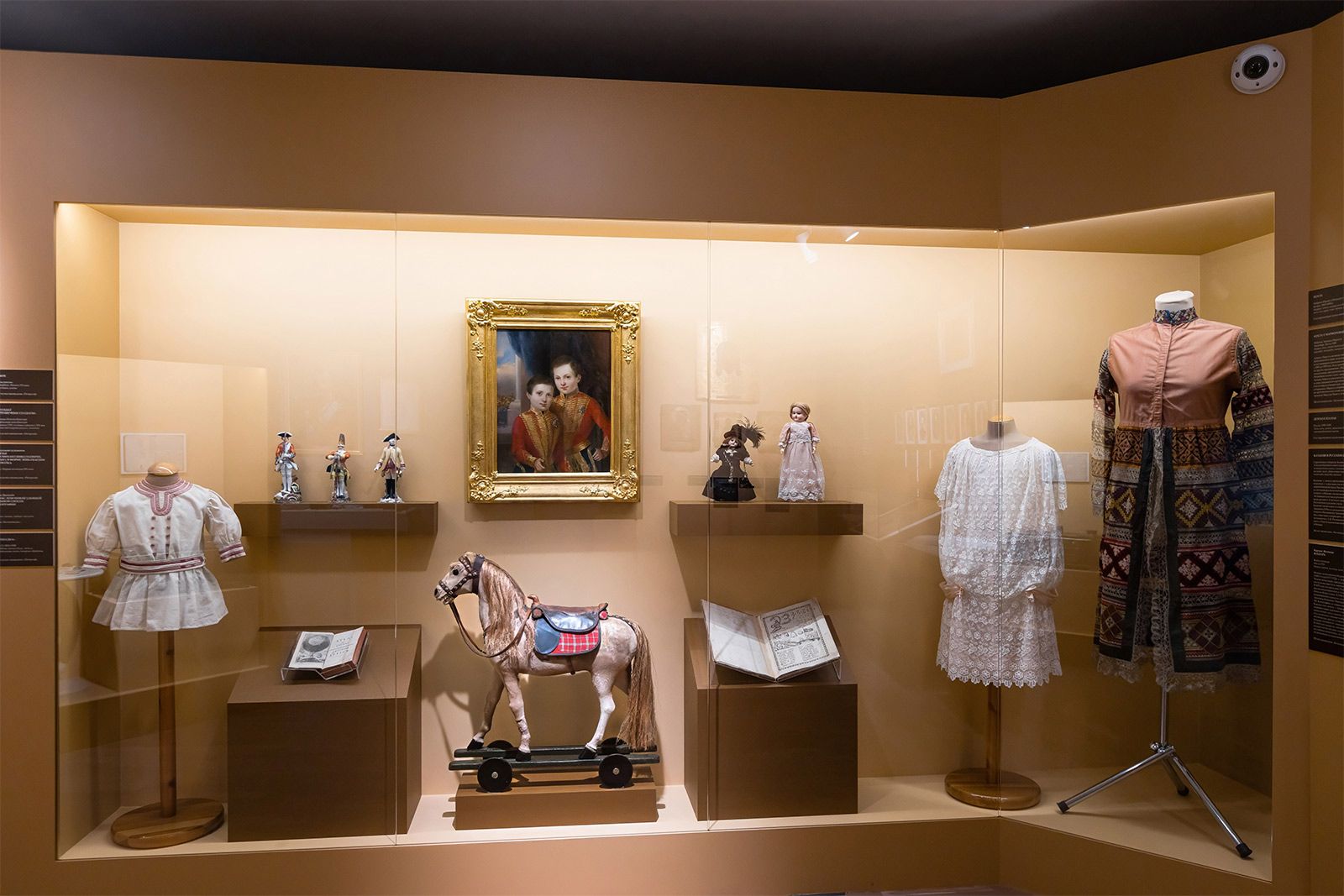
Today, it hosts a large-scale exhibition called The Romanovs. From Peterhof to Moscow, a project run in collaboration with the Peterhof Museum-Reserve. It actually brings together approximately 800 exhibits to unwind the story of the Romanov dynasty through their daily lives and personal aspirations. Its seven theme-specific sections show how the private interests of the imperial family influenced the culture, everyday life, art, and development of the country. Tickets for the exhibition are available via Mosbilet.

Hunting with birds of prey
You may also choose to take a tour The Tsar’s Court and Falconry to learn about the history of the 17th-century residence and see some other attractions from the 16th–19th centuries. Tour guides will explain what hunting with falcons was all about and show Alexei Mikhailovich’s hunting grounds in the territory of today’s Kolomenskoye Museum-Reserve. After the walk, tourists will be able to watch the flight of a hunting bird and ask questions. Tours are available on Saturdays and Sundays 12:00 p.m. and 2:00 p.m. Tickets can be purchased on the Museum website.
Recreating the atmosphere of the era
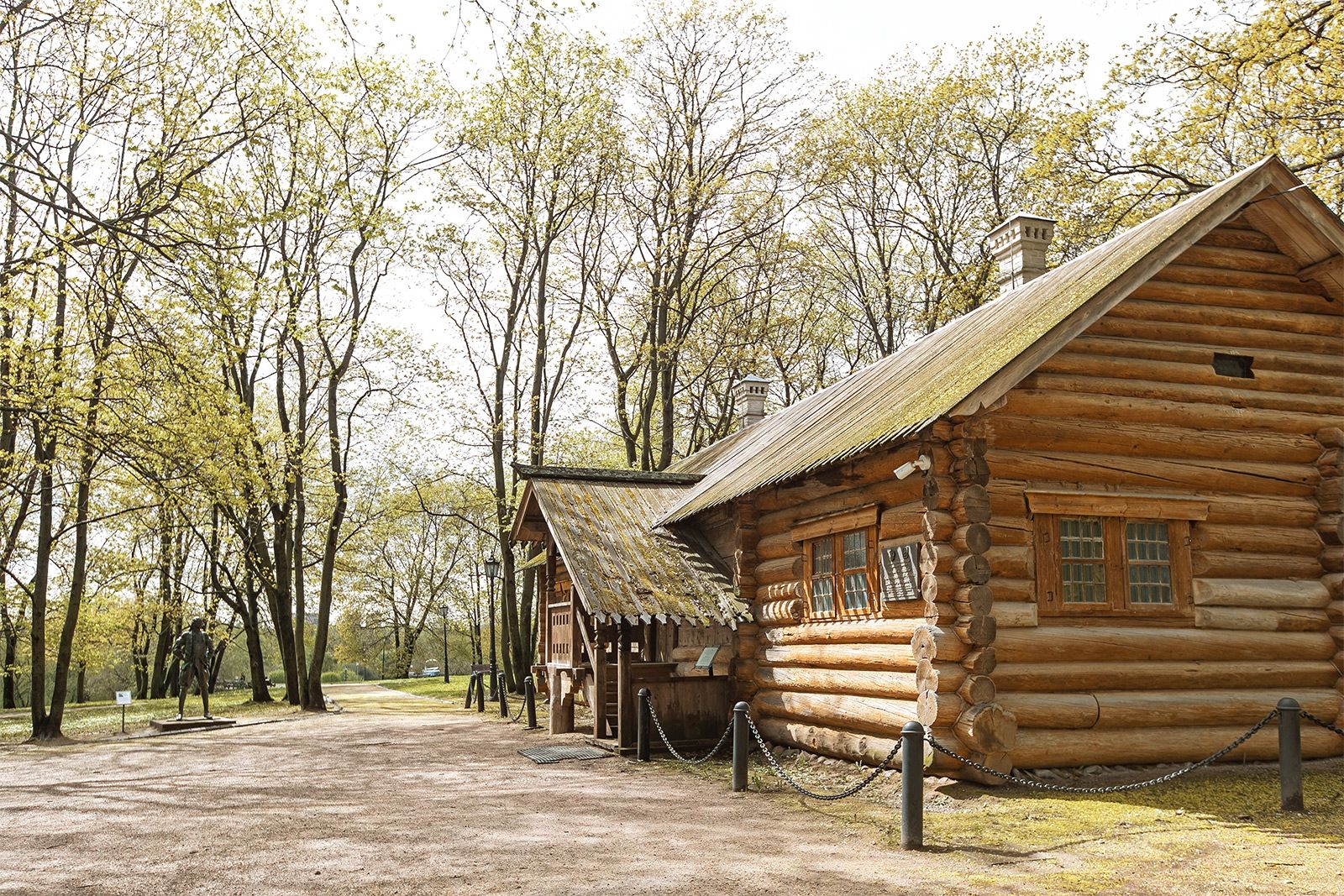
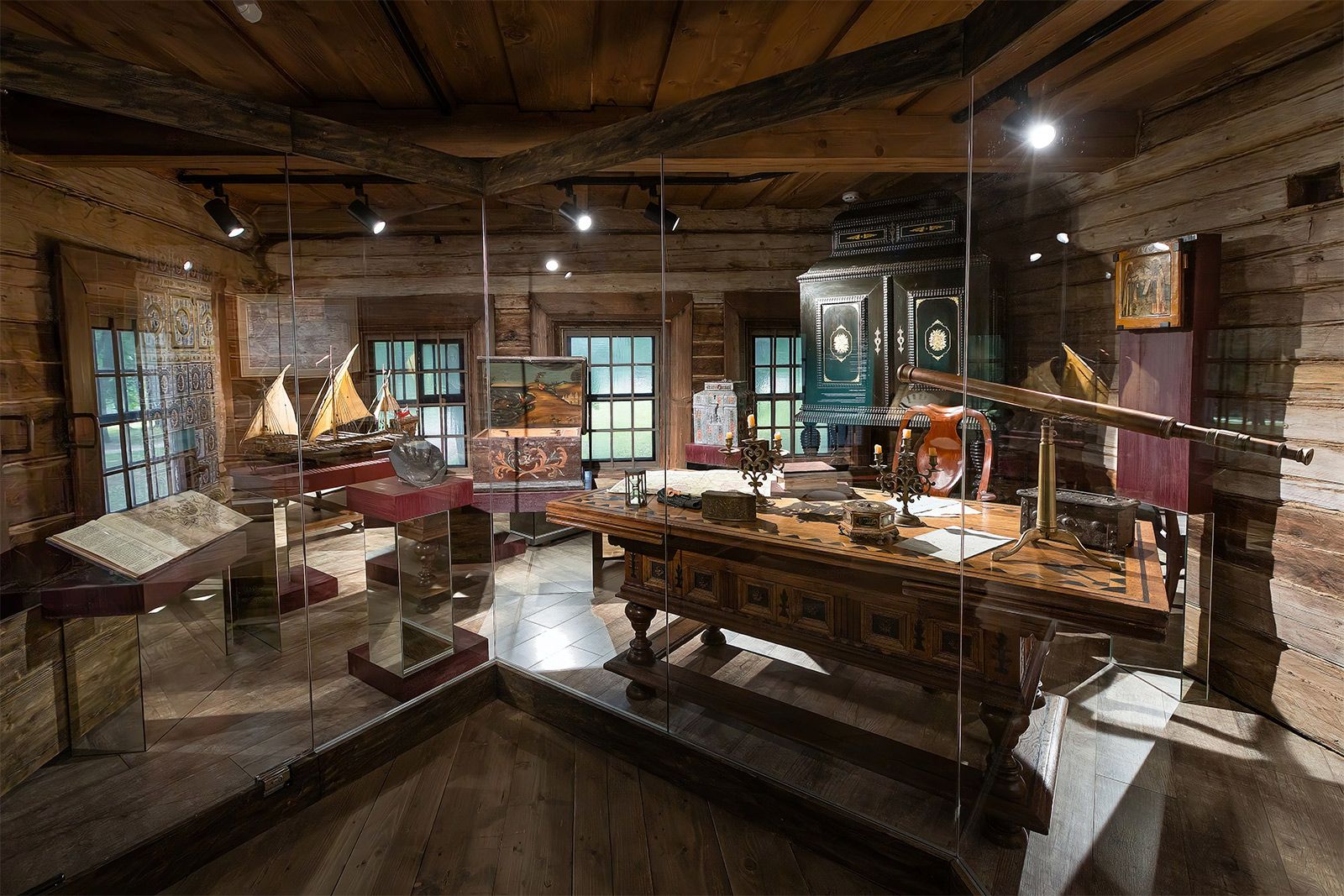
Another must-see attraction is a cottage of Peter the Great, the only memorial museum focused on the Reformer Tsar in Moscow today. Built in 1702 at the mouth of the Northern Dvina by Russian carpenters and Dutch shipwrights specifically for Peter the Great, by the early 1930s, it had fallen into disrepair and was under threat of demolition. However, thanks to the efforts of the architect and the museum-reserve’s first director Pyotr Baranovsky, it was saved in 1934 and brought to the museum grounds in Kolomenskoye (now the Kolomenskoye Museum-Reserve) where it remains to this day.
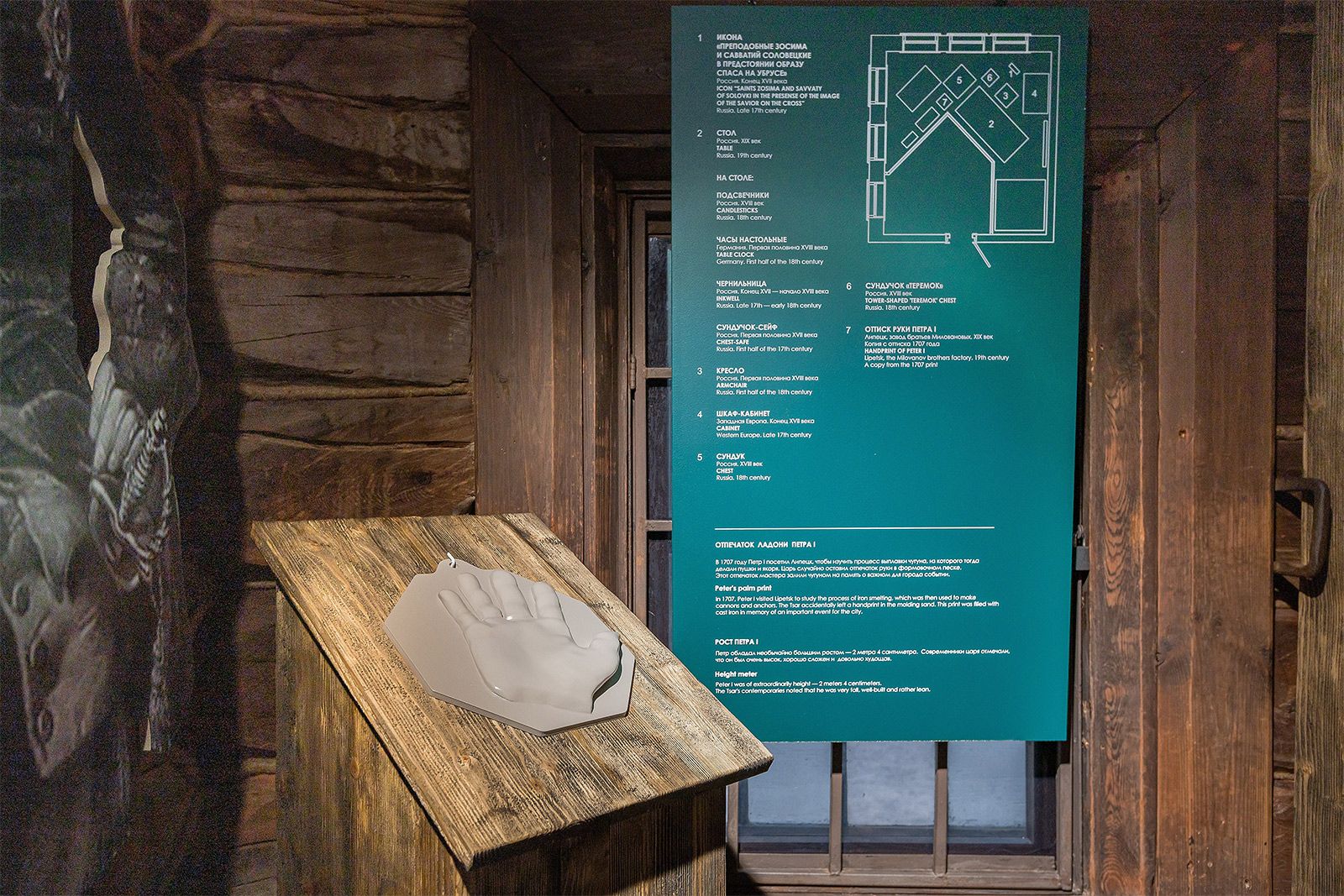
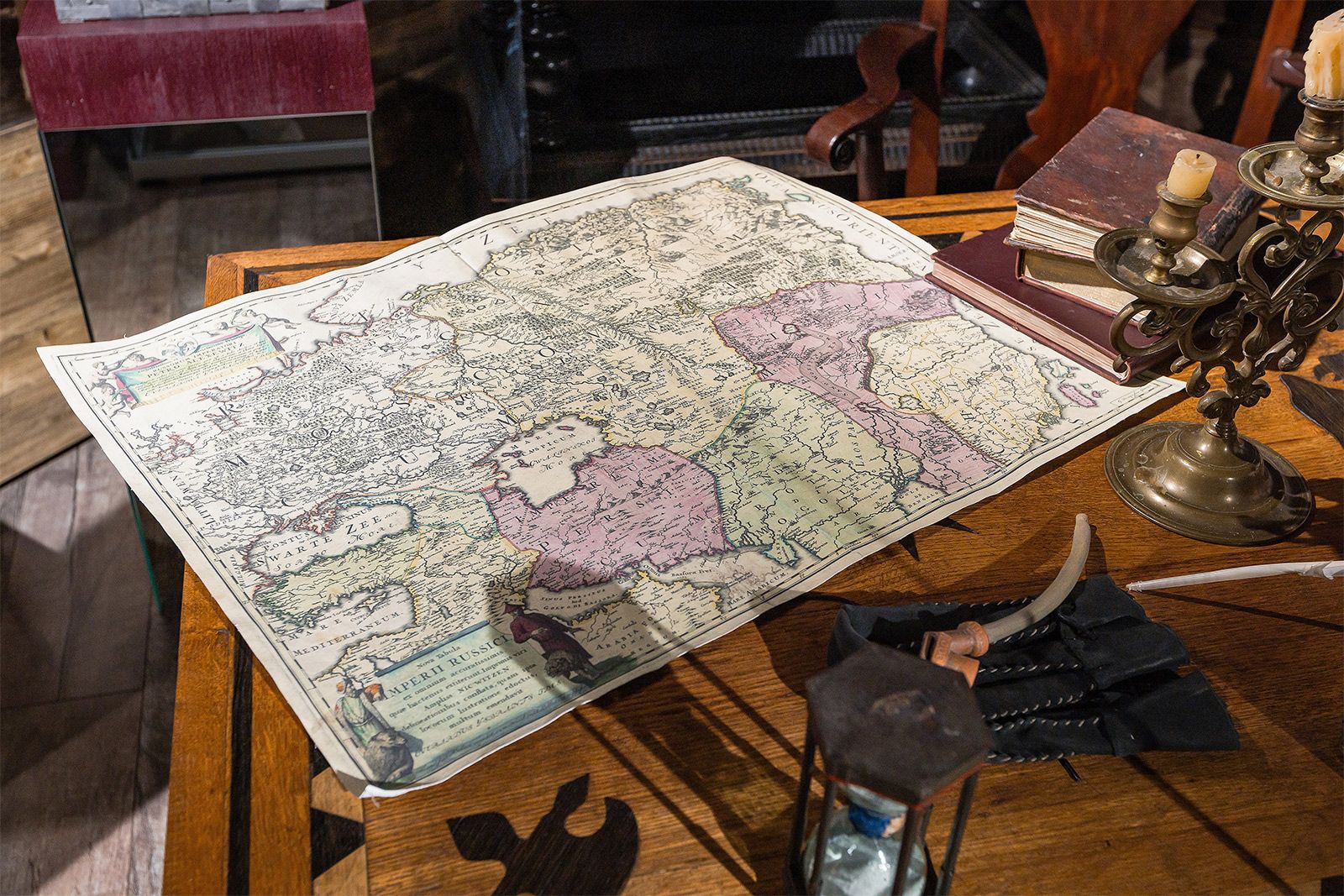
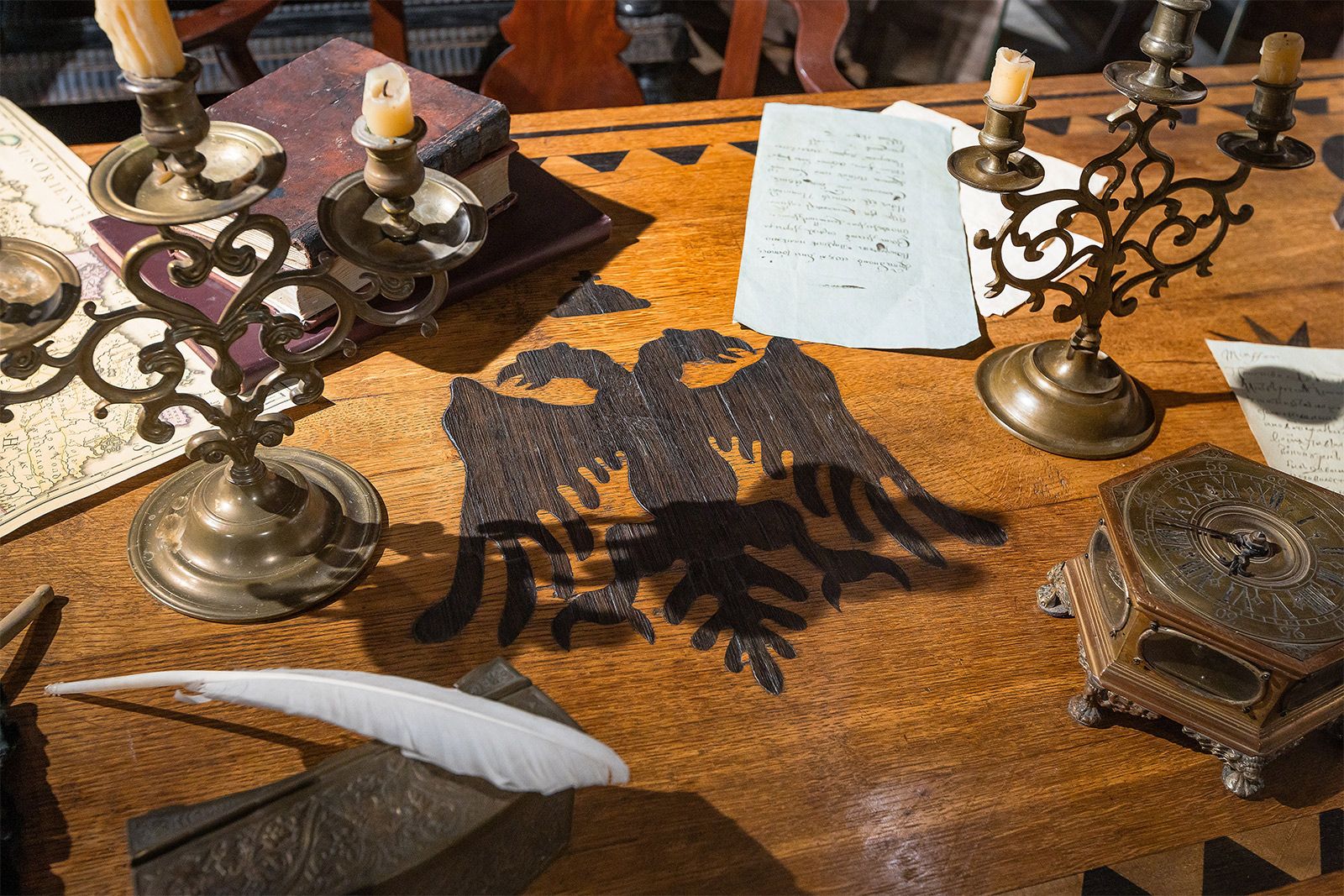
It also hosts the exhibition Peter the Great: The Birth of a Maritime Power, recreating the atmosphere of the era that combined simplicity, practicality, and a reformist spirit. The exhibition includes more than one hundred authentic 17th–19th-century exhibits originating from the museum-reserve’s holdings, restored interiors, and multimedia gimmicks. Tickets for the exhibition are available via Mosbilet.

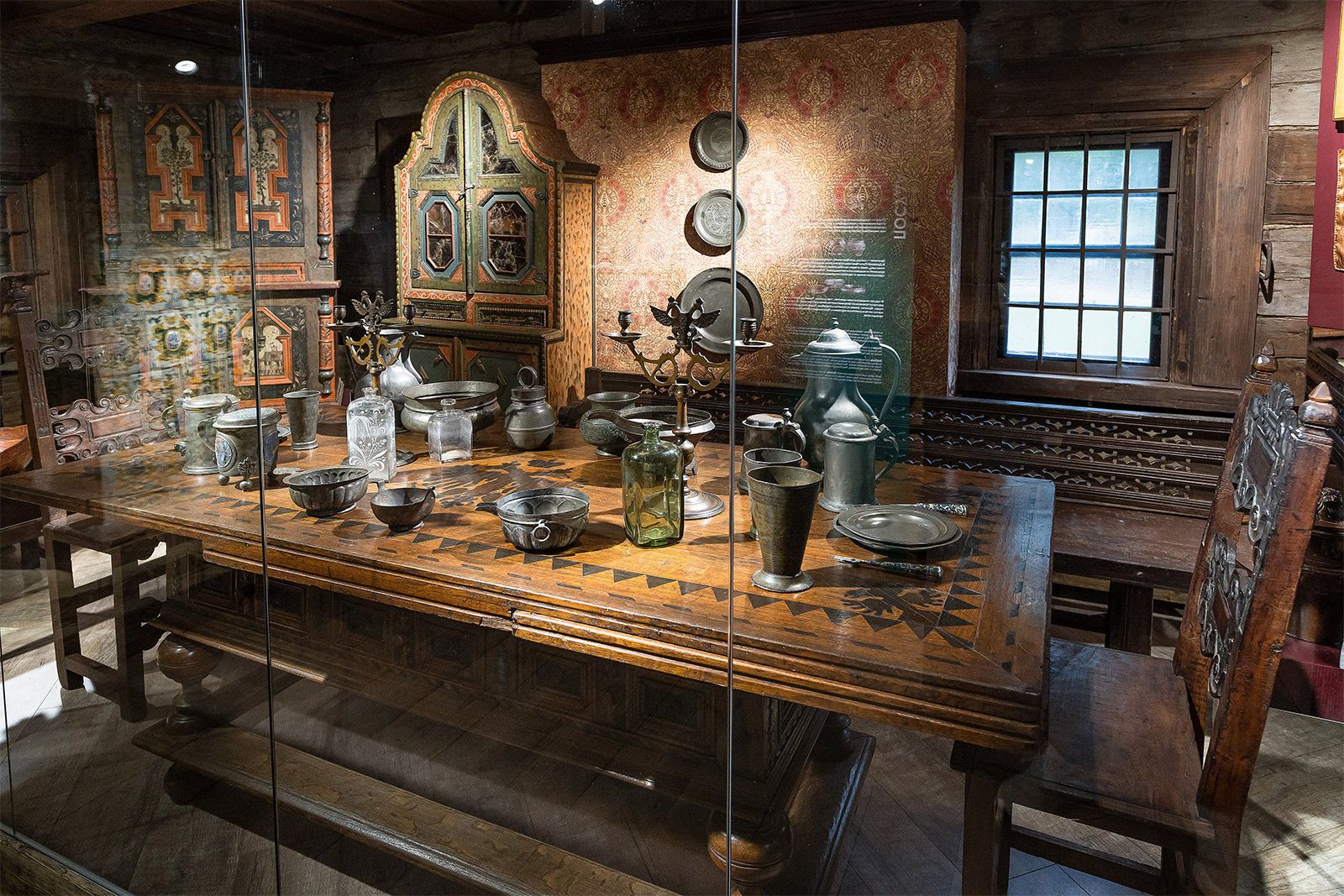
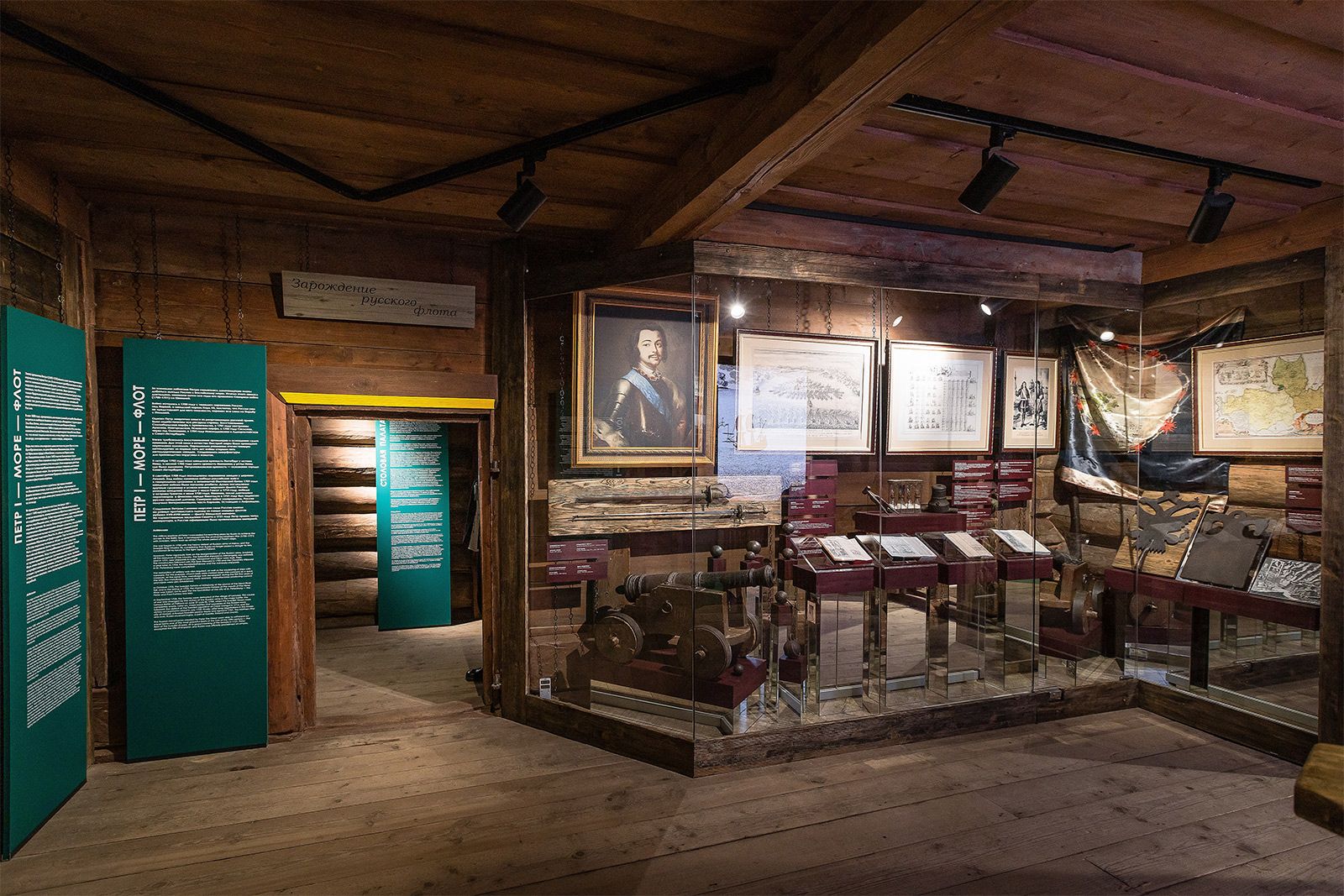

A blacksmith's steading, a peasant farm and the secrets of 19th-century handicrafts
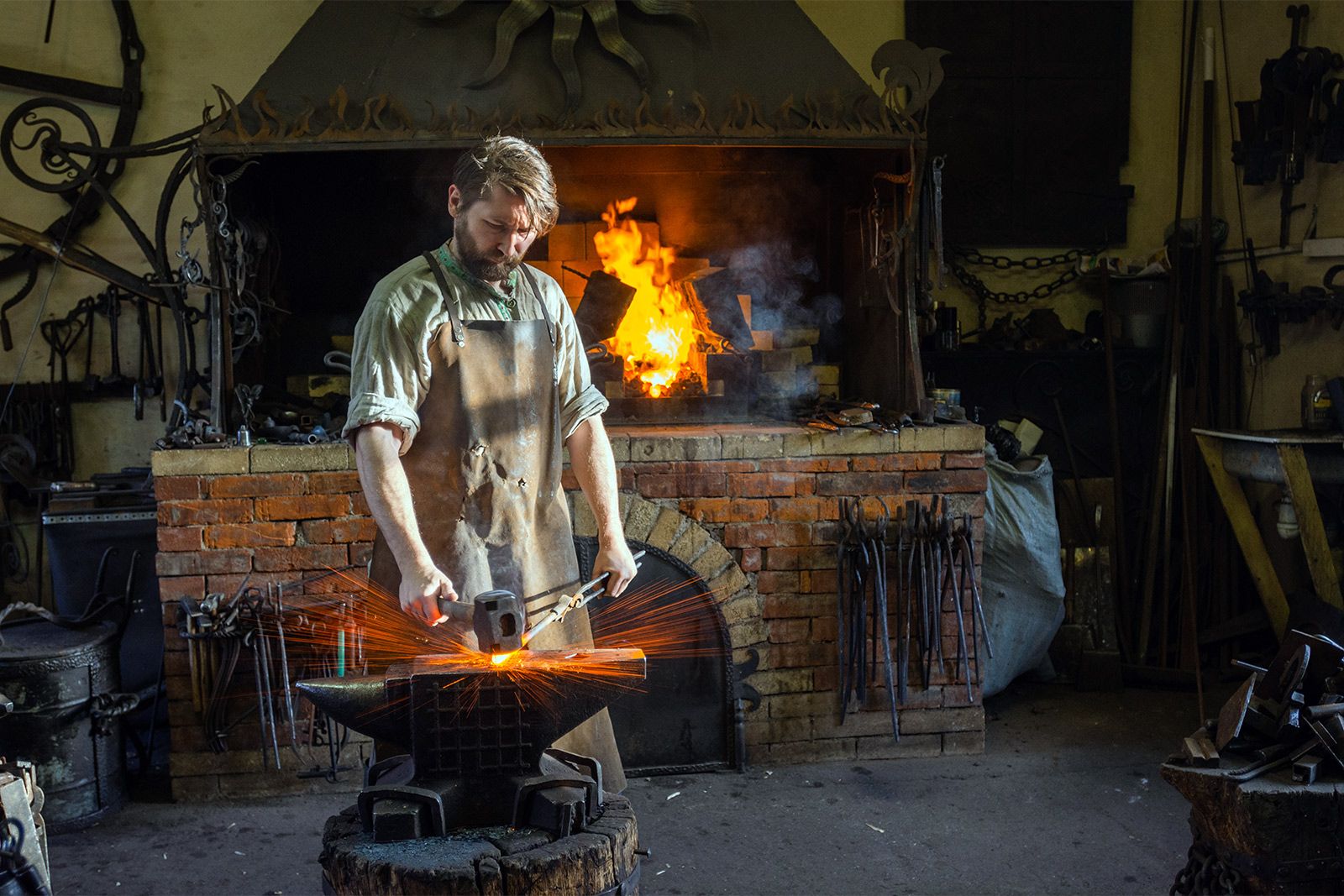
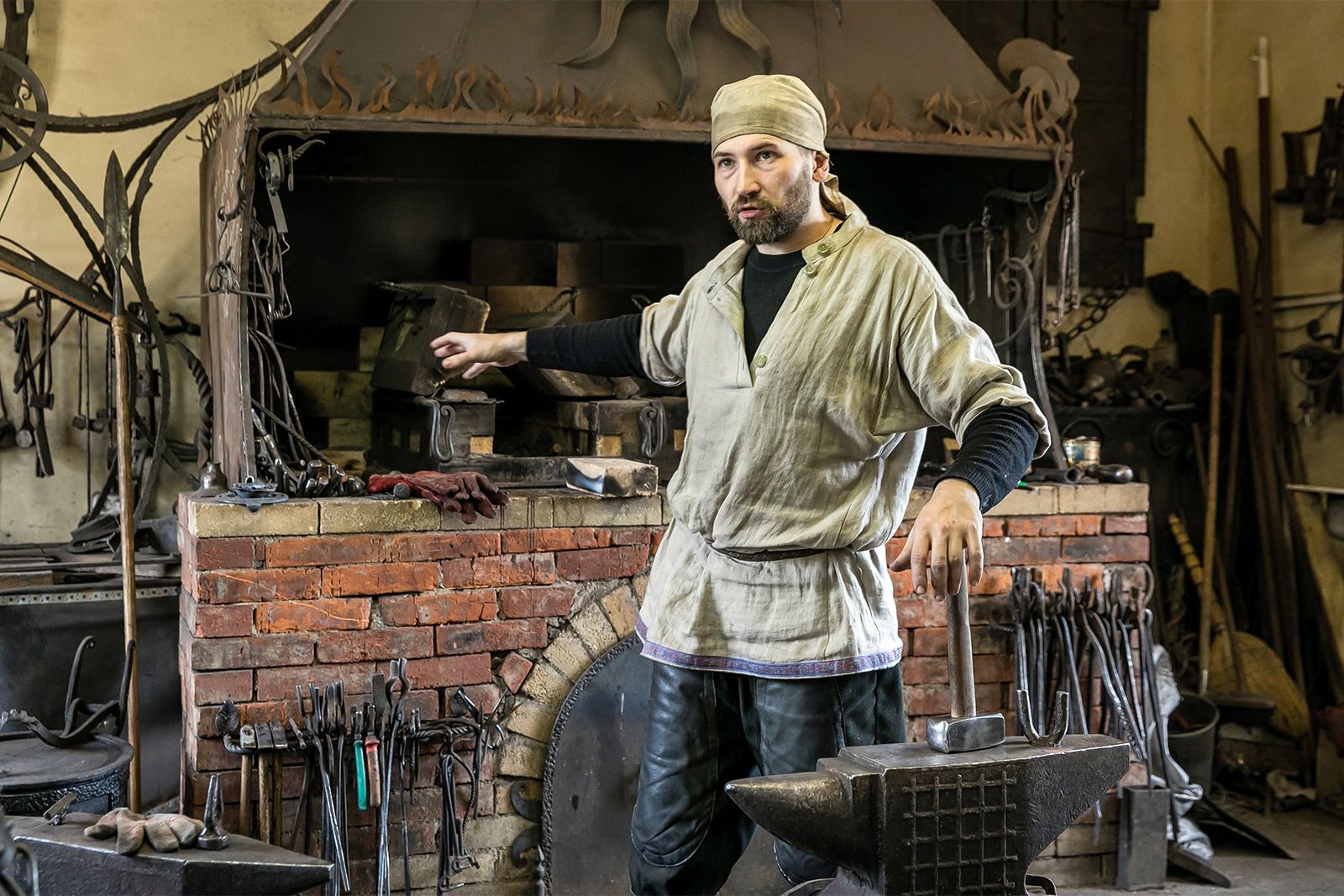
If you take a walk along Bolshaya Street, you will come to an ethnographic complex — a recreation of the old village environment for visitors to gain an understanding of how people used to live and work there before the area became part of Moscow. Visitors can take a look inside a blacksmith’s steading; its centerpiece is a forge with a furnace representing the workplace of a 19th-century farrier. They will see what the metal forging process was all about, what tools they used and other essentials of a blacksmith’s work.

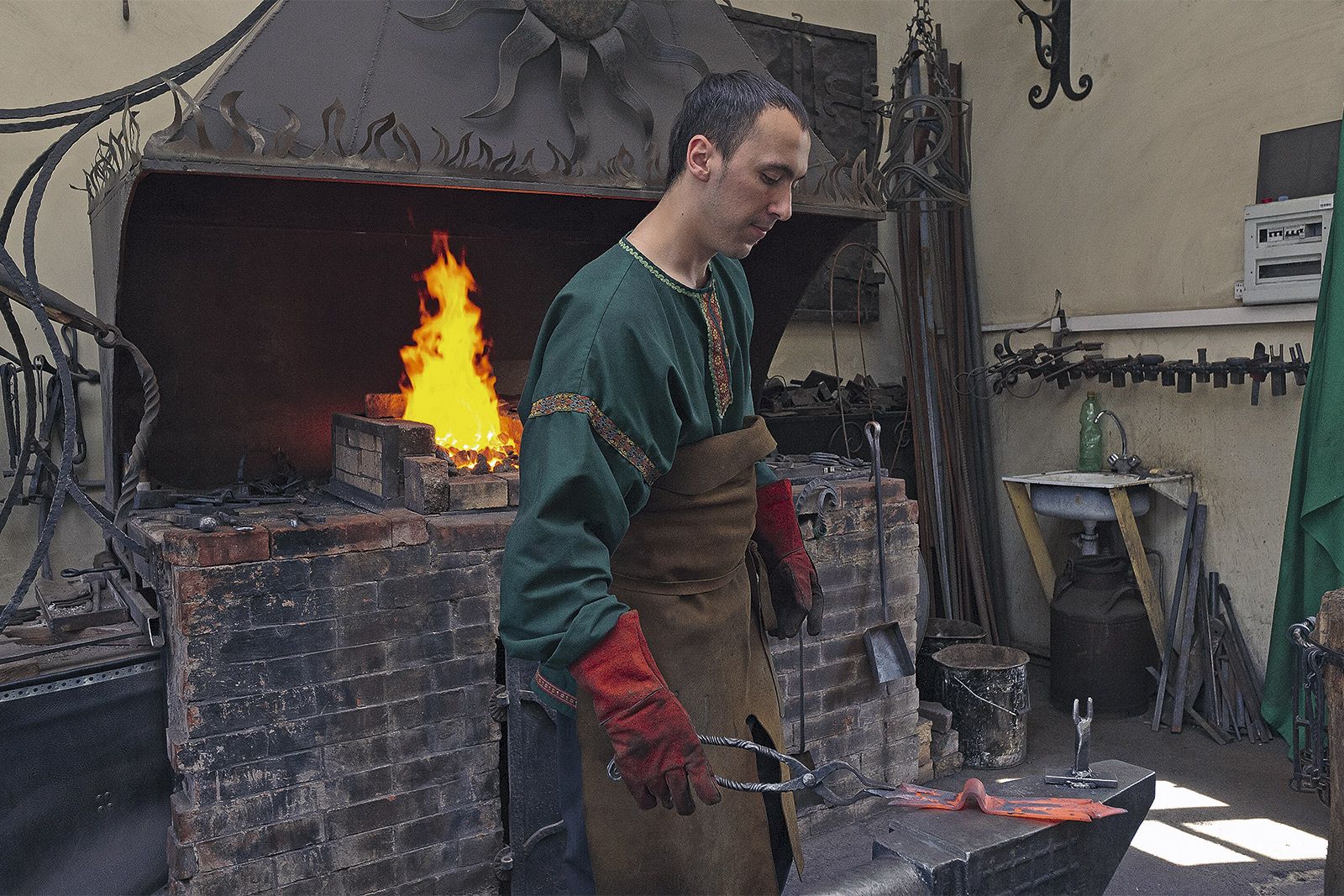
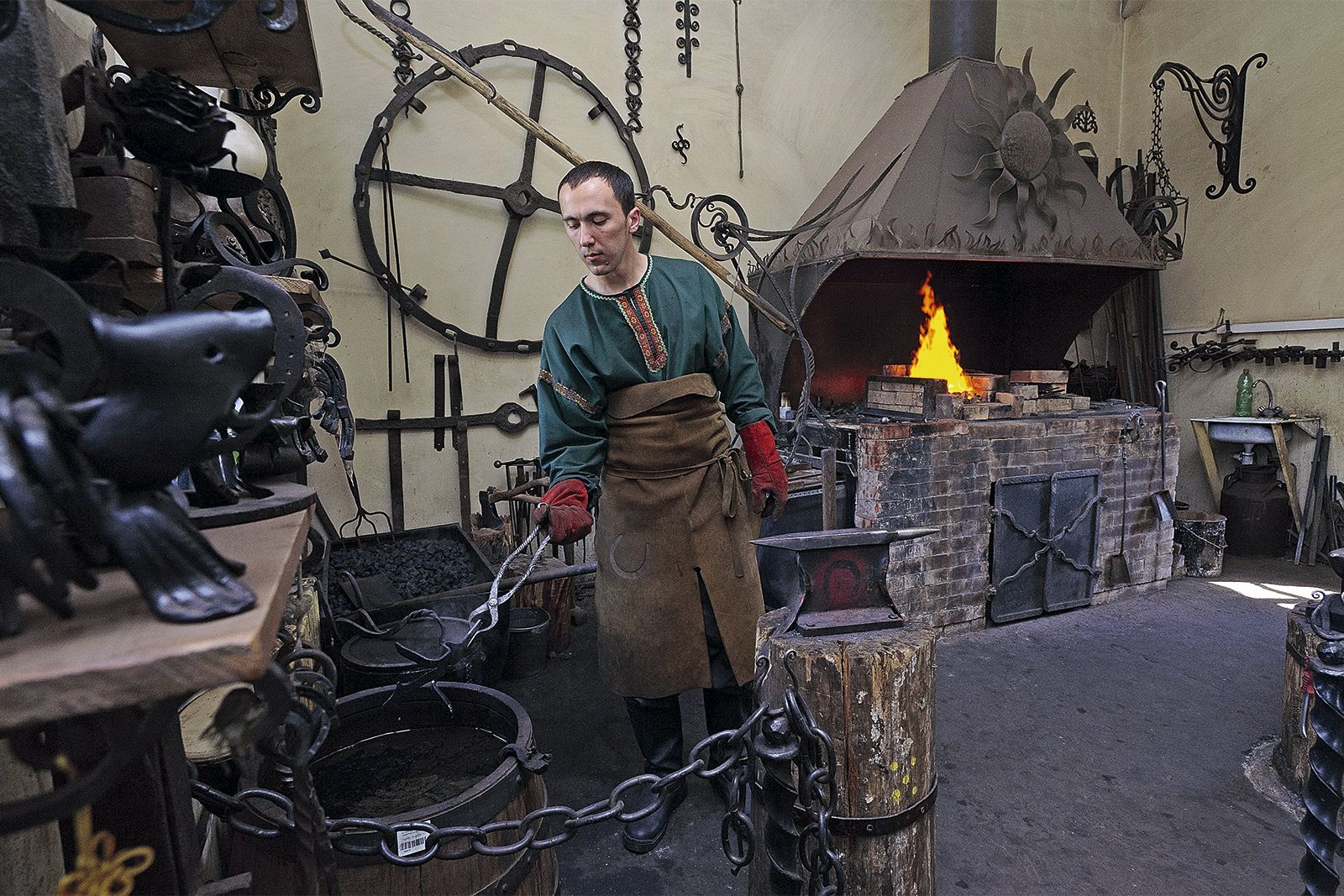
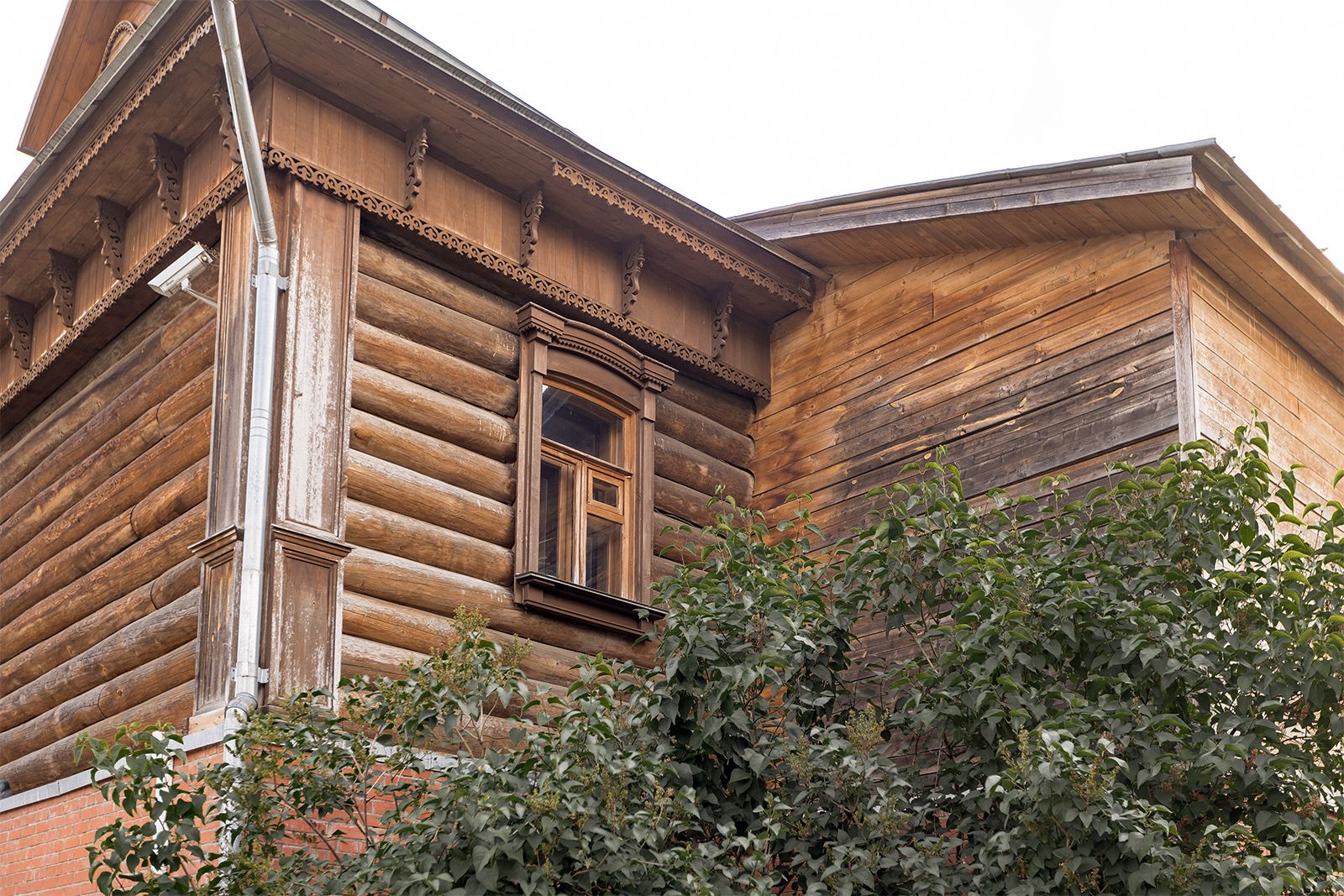
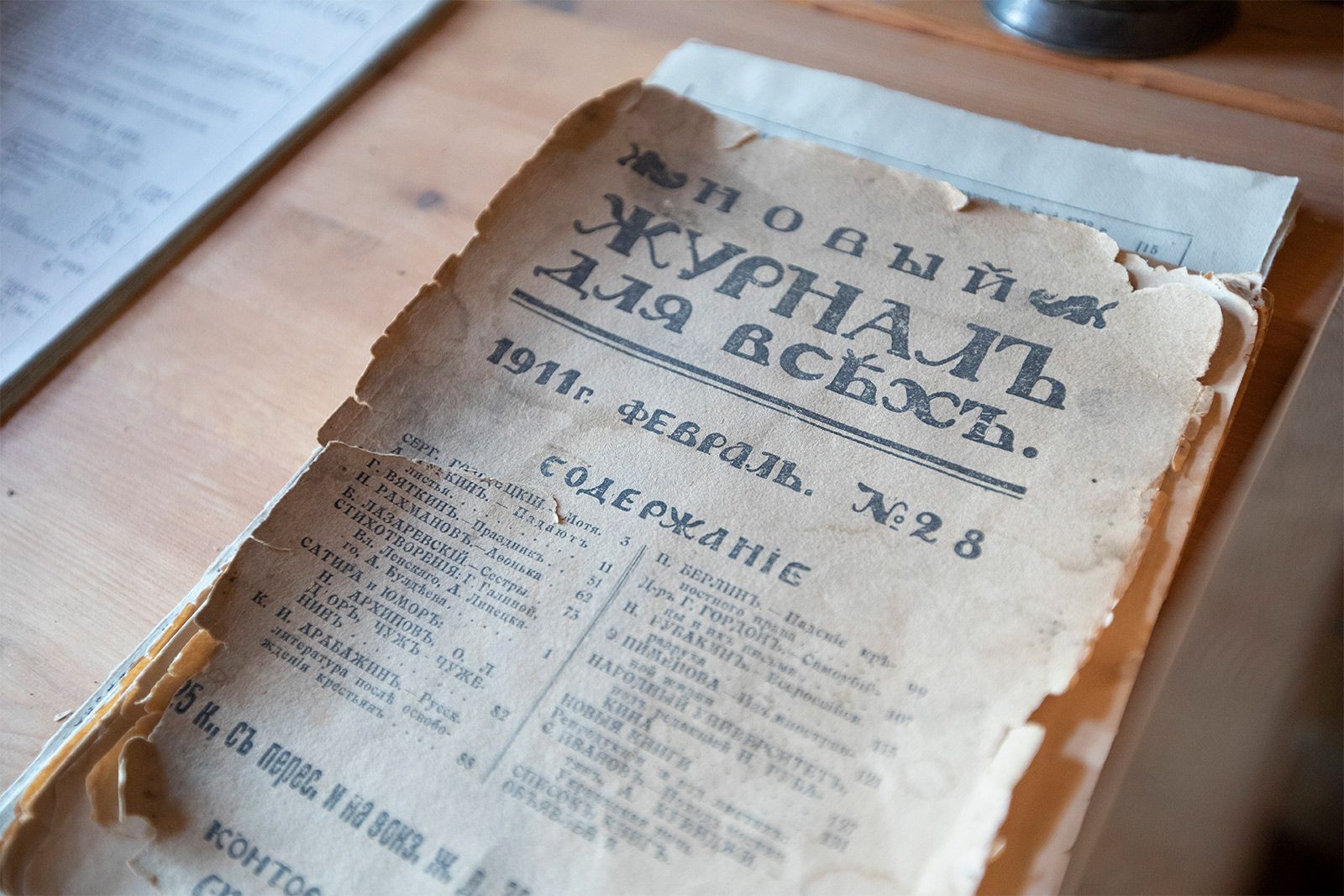
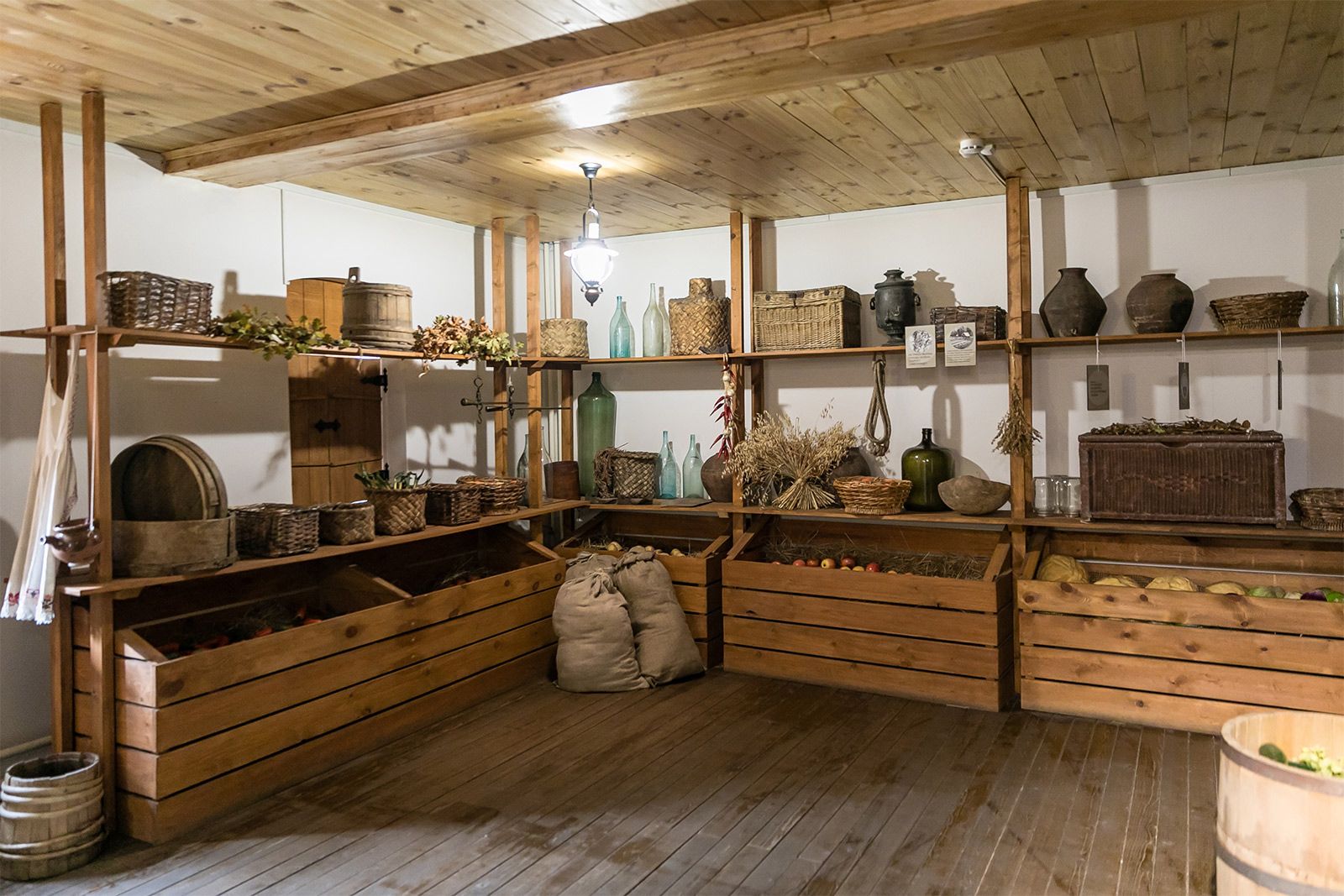
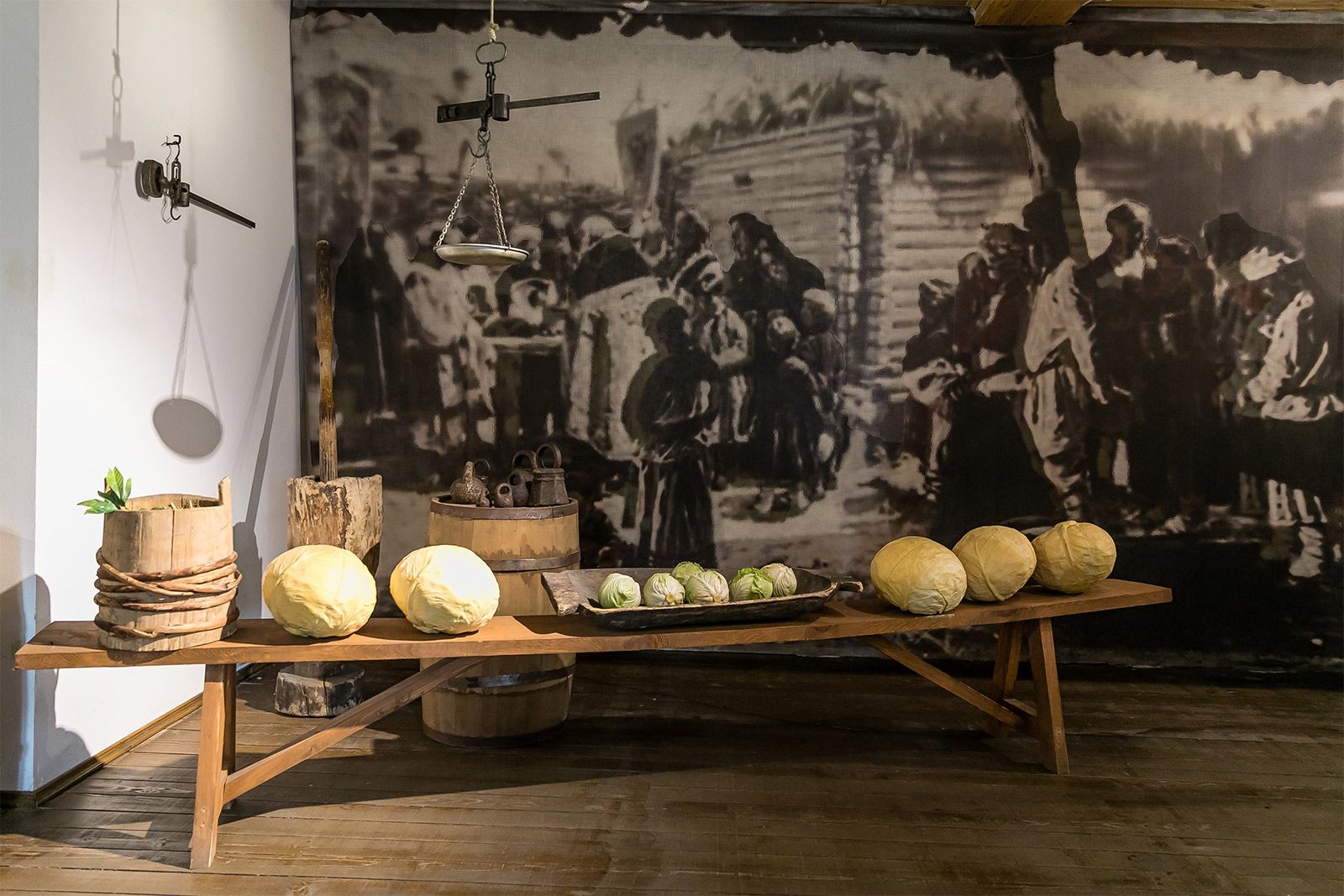
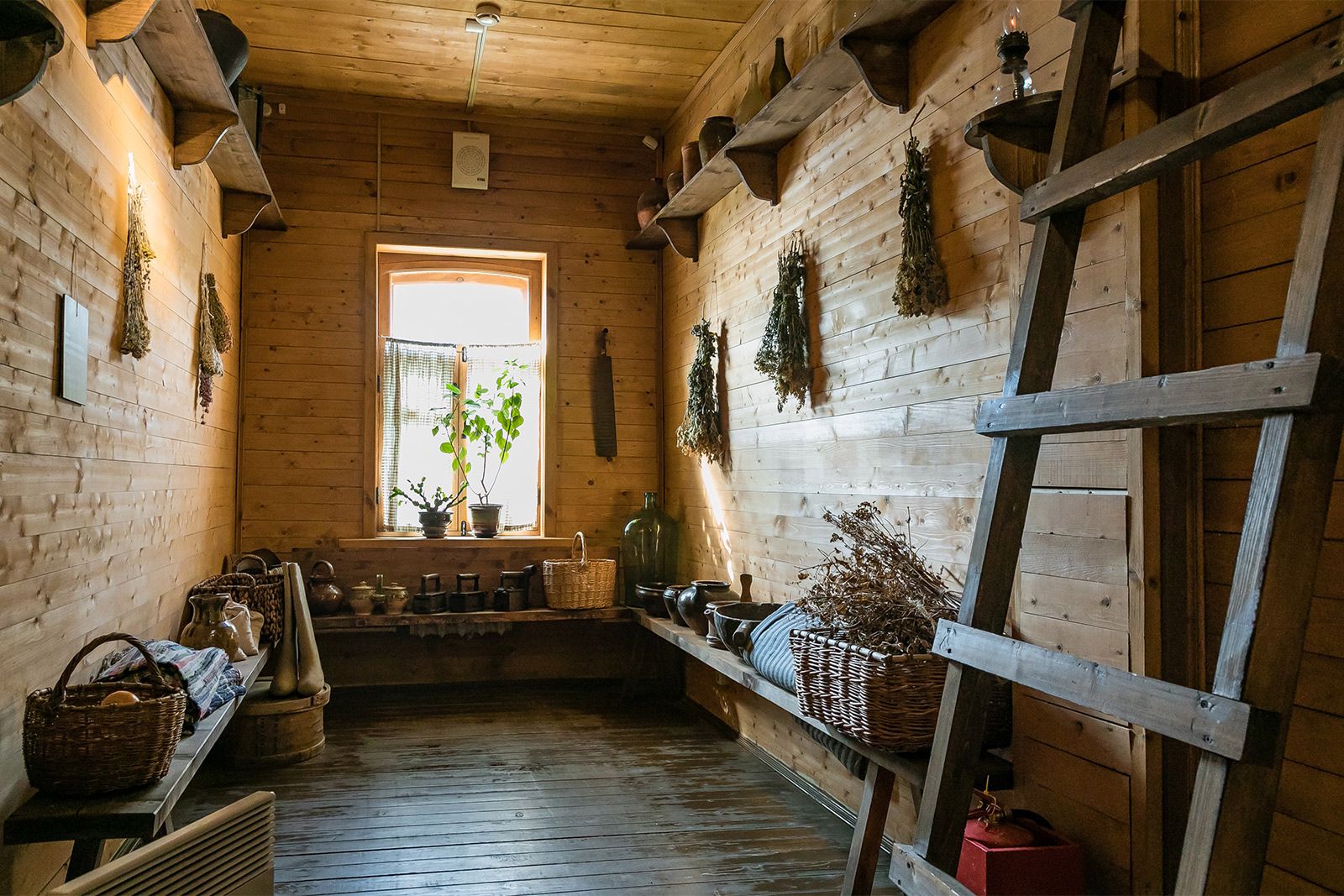
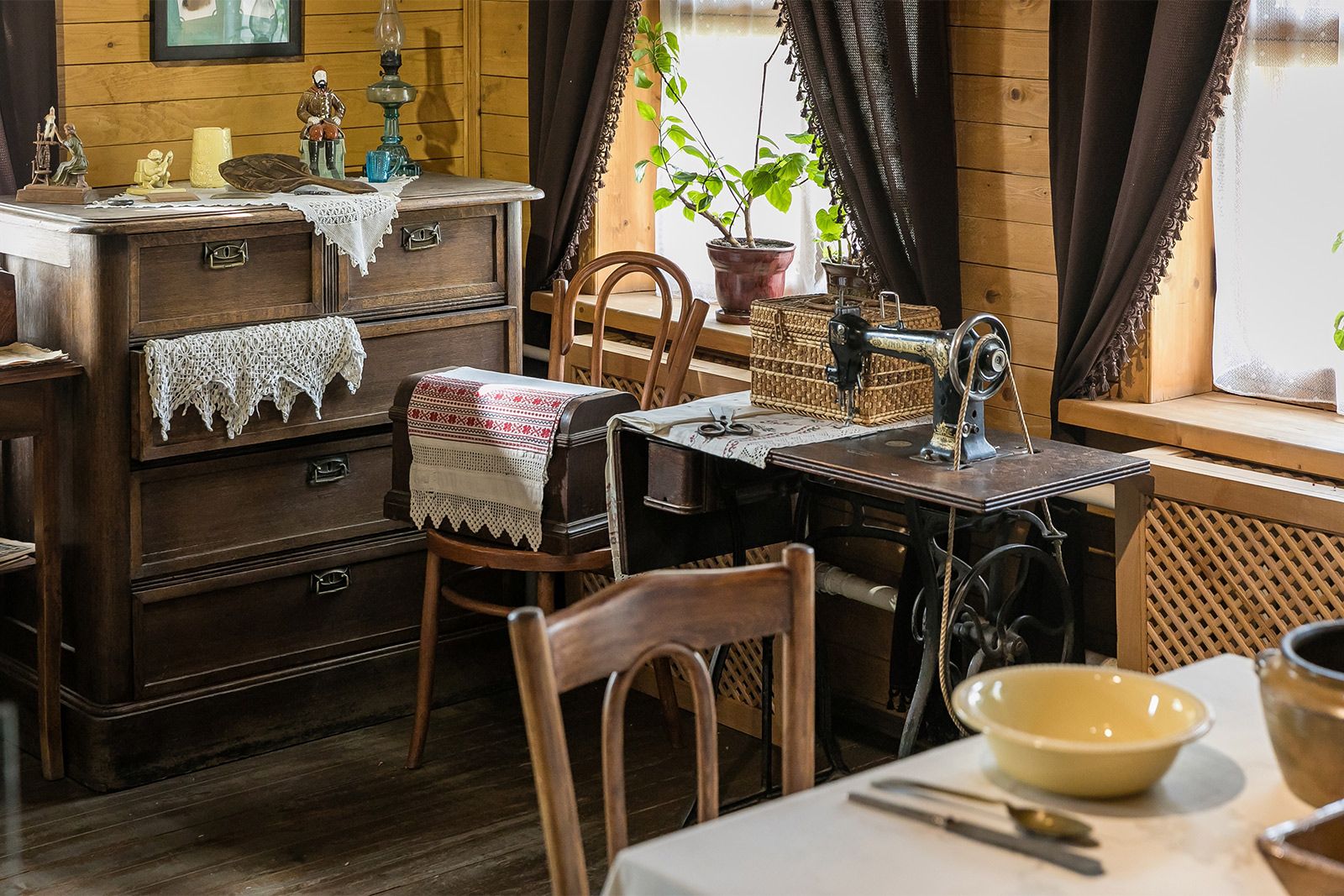
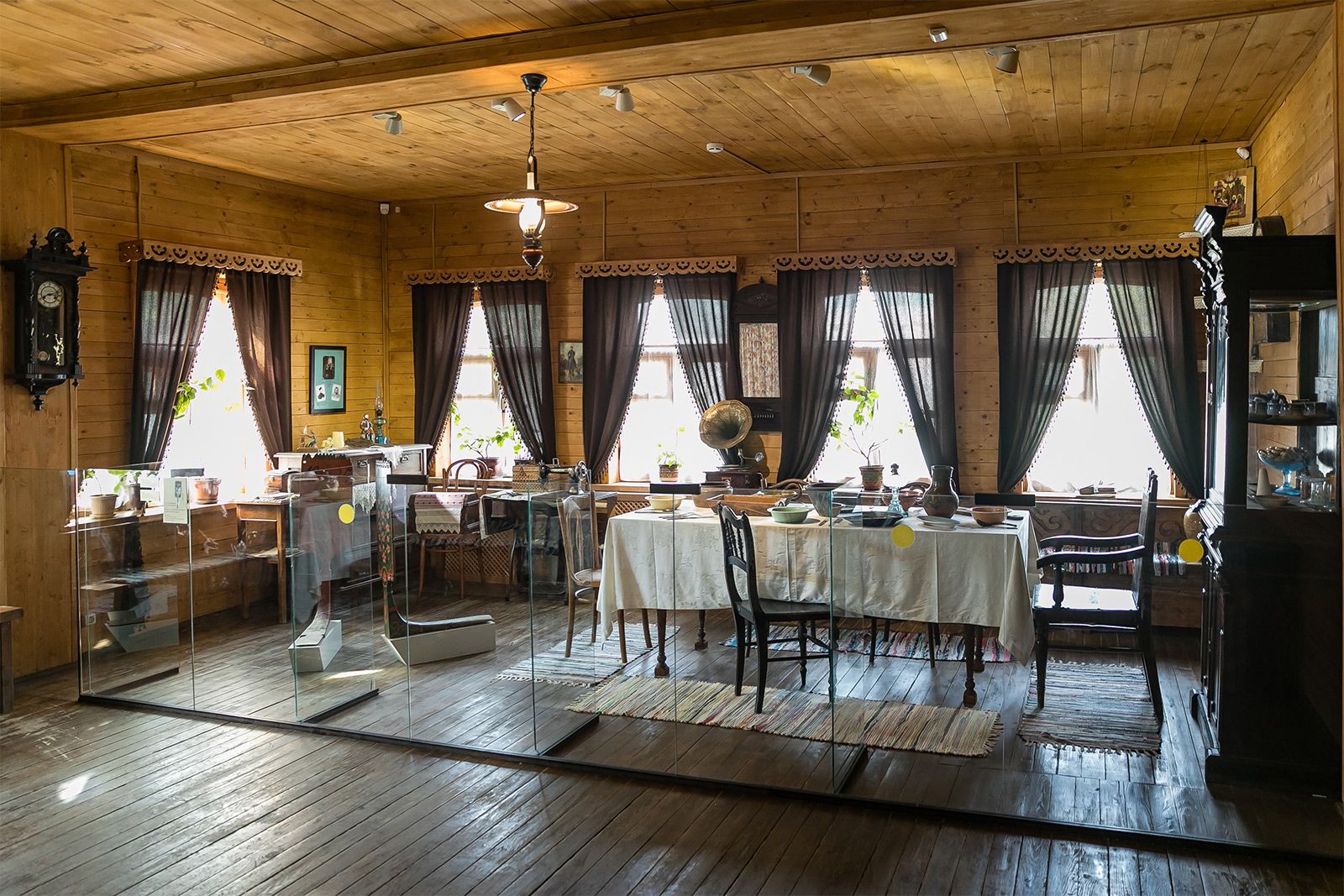
Meanwhile, the exhibition inside a Kolomna peasant’s farm tells about the everyday life of rural residents; visitors can learn about agricultural tools and how peasants used to store and sell harvest. There is a recreated full-fledged courtyard around the house with a stable, a poultry house, and a barn. A separate exhibition, The Art of Virtuous Wives, explores women’s handicrafts of the 19th and early 20th centuries and the traditions of spinning and weaving that have been part of everyday culture for centuries. Tickets can be bought through Mosbilet.


17th-century noble women’s outfits and puzzles in the royal chamber
On May 23, the museum-reserve will host a lecture She herself is sweet of face. Full of majesty and grace.... about how Russian noble women used to dress in the 17th century. On May 24, tourists will be able to travel back in time at the museum’s lesson A Word about Words in the Palace of Tsar Alexei Mikhailovich. Tickets can be purchased on the website. Please go to the museum-reserve’s website or Mosbilet in order to explore the full list of attractions and exhibitions on the vast 255-hectare Kolomenskoye Museum-Reserve grounds or to choose other sites to stop by during your next visit.