Ancient city architecture: Visiting Kolomenskoye exhibition with Mosbilet
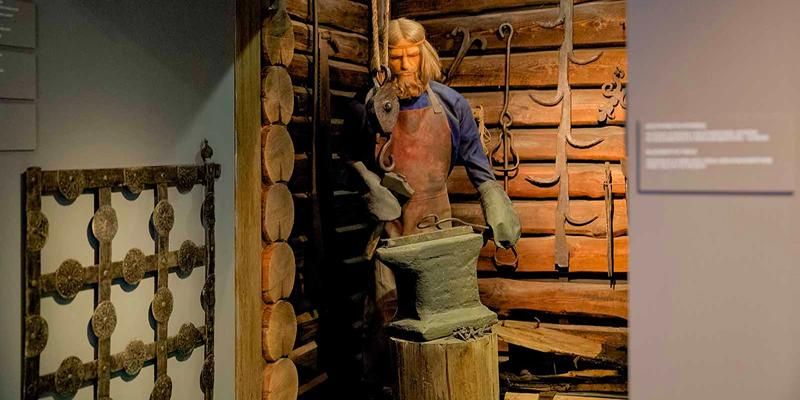
What is common about the Kremlin’s wooden frame, mica windows and bells? In fact, all of them are parts of a framework that helped ancient Russian cities survive for centuries. The exhibition titled “Architecture of the Ancient City. People and Technology” at the Kolomenskoye Museum-Reserve offers a rare glimpse into ancient Russian architecture as a set of construction practices and techniques.
The focus is not only on churches and towers, but also on timber, stone, metal, ceramics and even mica as standalone architectural solutions. The exhibition presents ancient architecture as a collective “engineering mind” accumulated by generations of artisans. Most of them are unknown, although their art gave shape to Moscow and other cities. And this is a pivotal cultural paradox: we know some buildings, but we are unaware of those who designed them and calculated their sustainability.
Wood: an essential material in Rus’
Wood was the basic construction material, although its processing required special precision. Log houses and churches were assembled without a single nail, the logs fitting so tightly that the structure was held together solely by its geometric features and weight. Even the minutest error could cause the entire building to become skewed.
Interestingly, an axe was not just a tool for chopping as it was used to “seal” timber and compact the surface in order to make it less susceptible to moisture and decay, thus increasing the building’s lifespan by decades.
Mica: “glass” before glass
Mica mining was an important Russian industry. Costing from 15 to 150 rubles per pood, this material was rather expensive and, therefore, affordable only to rich people. At the same time, mica was a cheaper alternative to glass as its price was significantly higher.
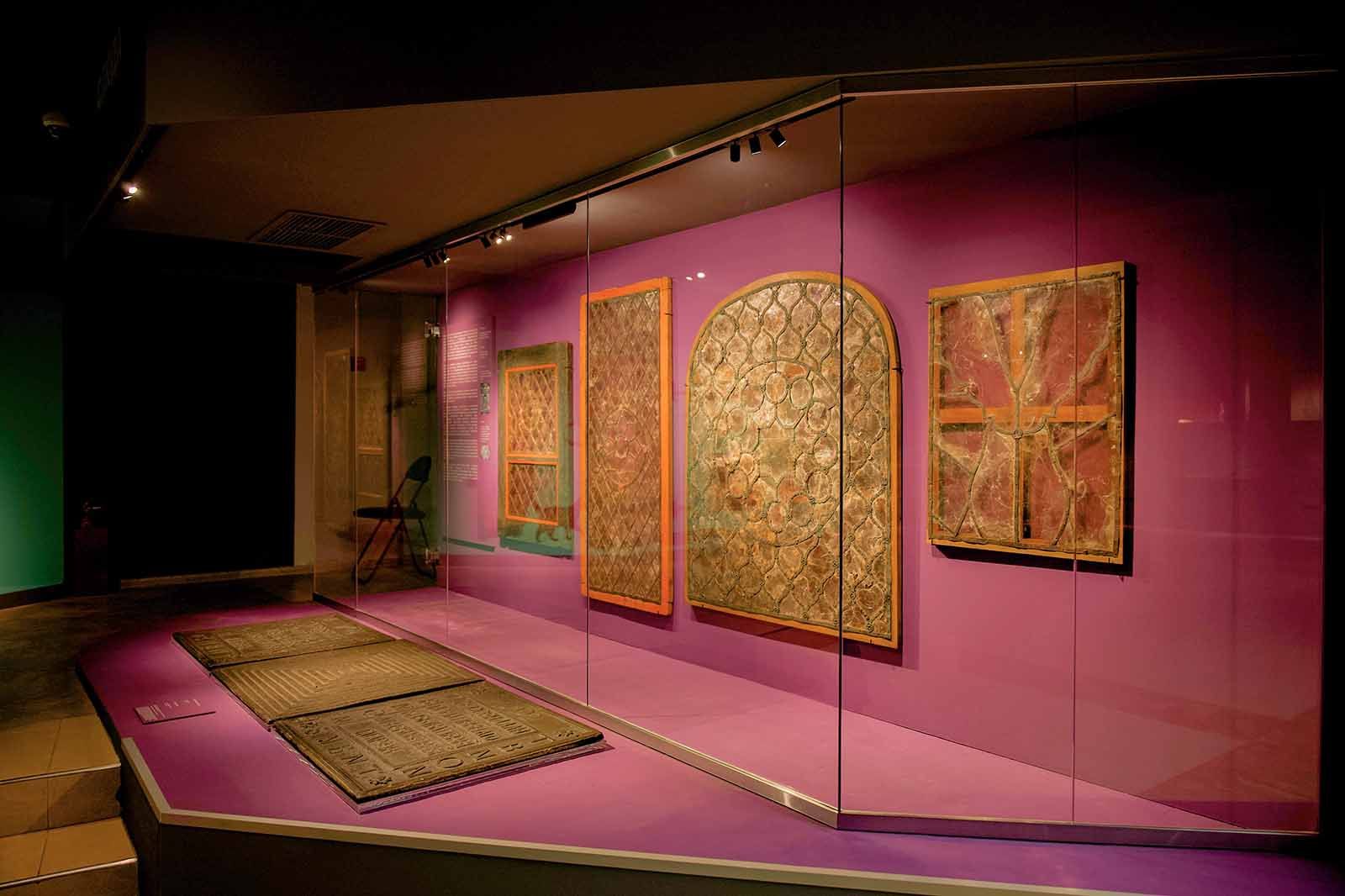
Russian mica, known as “muscovite” in Western Europe, was considered the best material of this kind in the world. Although it did not protect against the cold, it perfectly let the light through. Mica was used to paint windows to make them look like Western European stained glass.
White stone: a material of power and sacred architecture
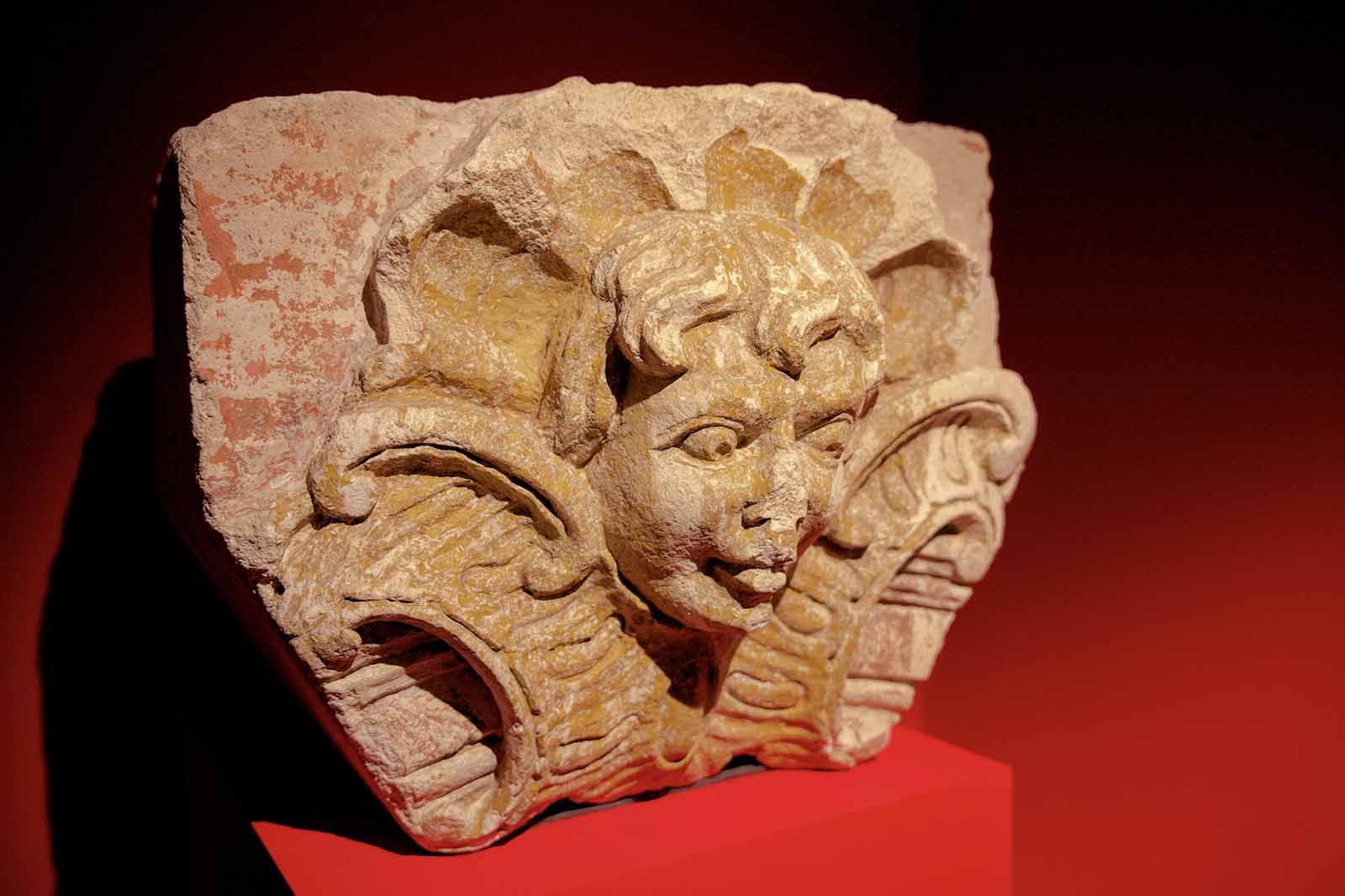
Moscow’s historical appearance was largely due to white stone, hence the city’s famous name of Belokamennaya (“white-stone city”). Its mining and processing were very arduous and laborious, which made this material a status symbol.
In fact, early ensembles in old Russia were built exactly from white stone. A key example is the Church of the Ascension in Kolomenskoye. “The Church of the Ascension is of great interest from an architectural and even an engineering perspective. For example, its foundation is seven meters deep. This was done to prevent the riverbank from slipping, so that the church would stand for many centuries,” explains exhibition supervisor Viktoria Sushko.

Brick: a revolution in construction
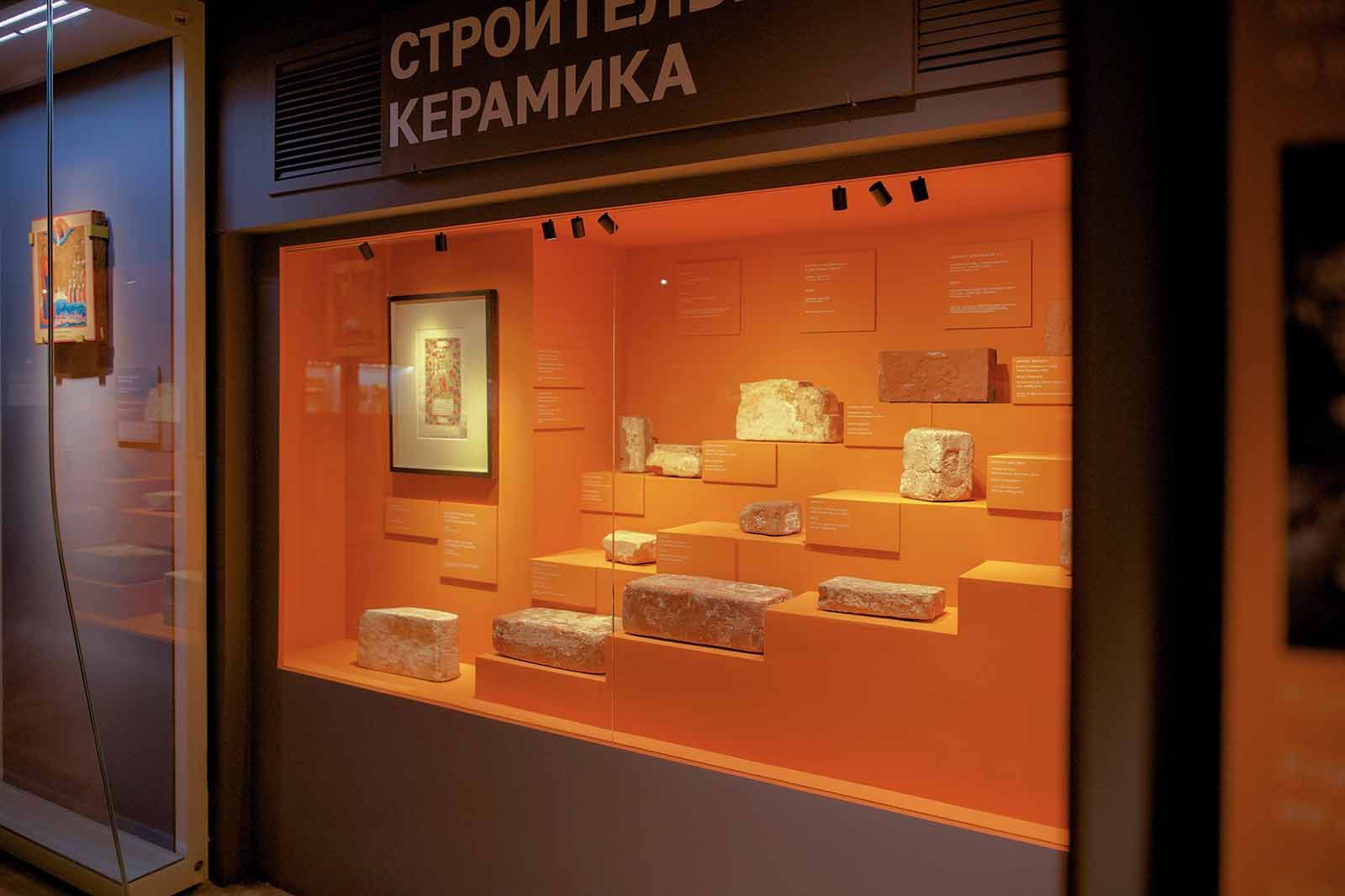
The invention of bricks in Ancient Rus’ was truly a revolutionary technological shift. Each brick was hand-made, some were branded or imprinted — initially, with fingers and later with special stamps. Bricks made it possible to move from wooden architecture to the construction of large durable churches and defensive structures (e. g., the walls of the Moscow Kremlin).

Metal: from fasteners to artistic engineering
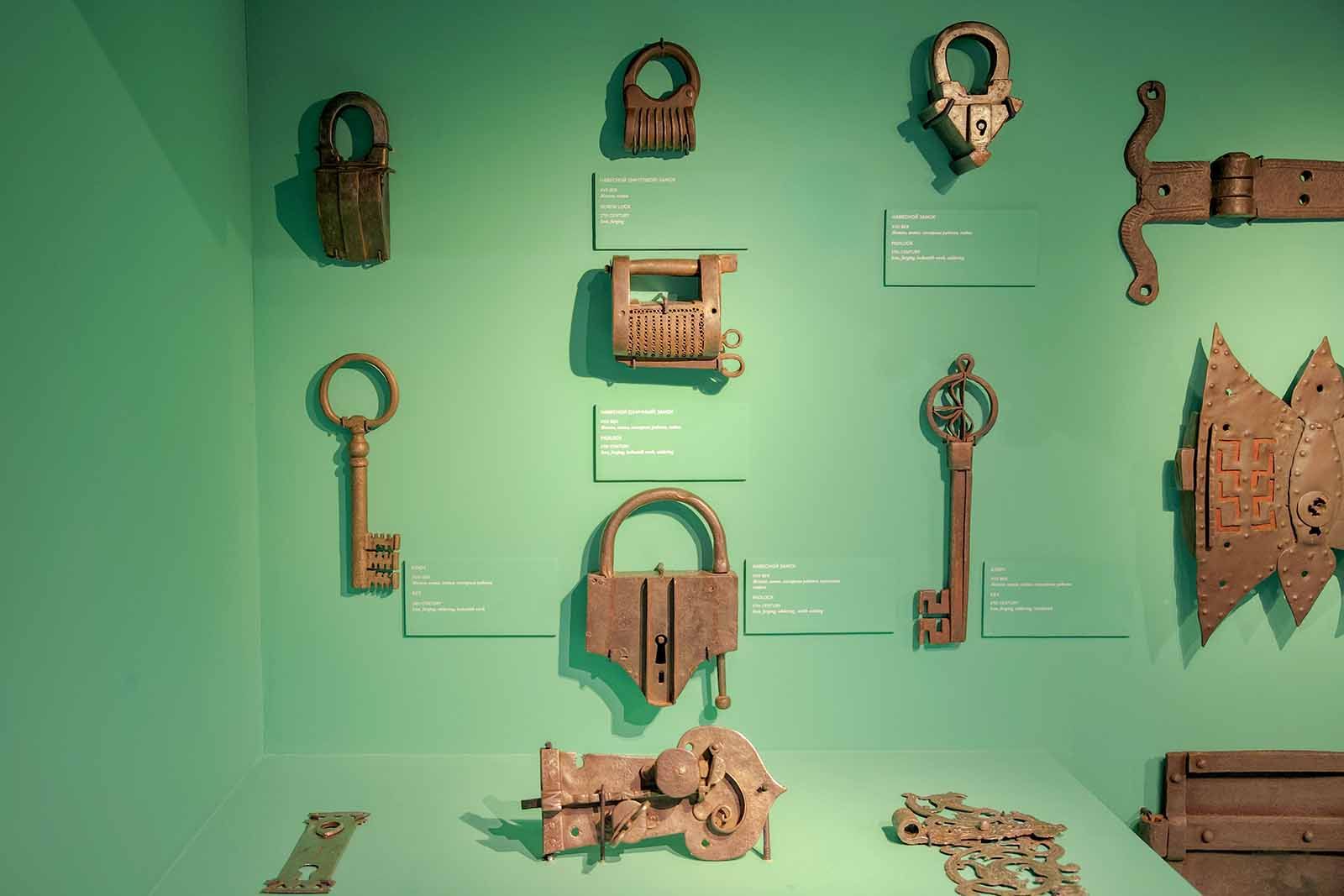
In ancient Russian architecture, metal had several functions, both utilitarian and aesthetic. On the one hand, it was used to manufacture fastening elements such as ties, brackets and connecting parts that held up stone blocks.
On the other hand, metal was part of the visual language used in architecture. Particularly important was prosechka, which involved cutting complex openwork patterns out of sheet iron. Such ornaments were used in doors, window grilles, brackets and façade decorations.
Bells: engineering of sound
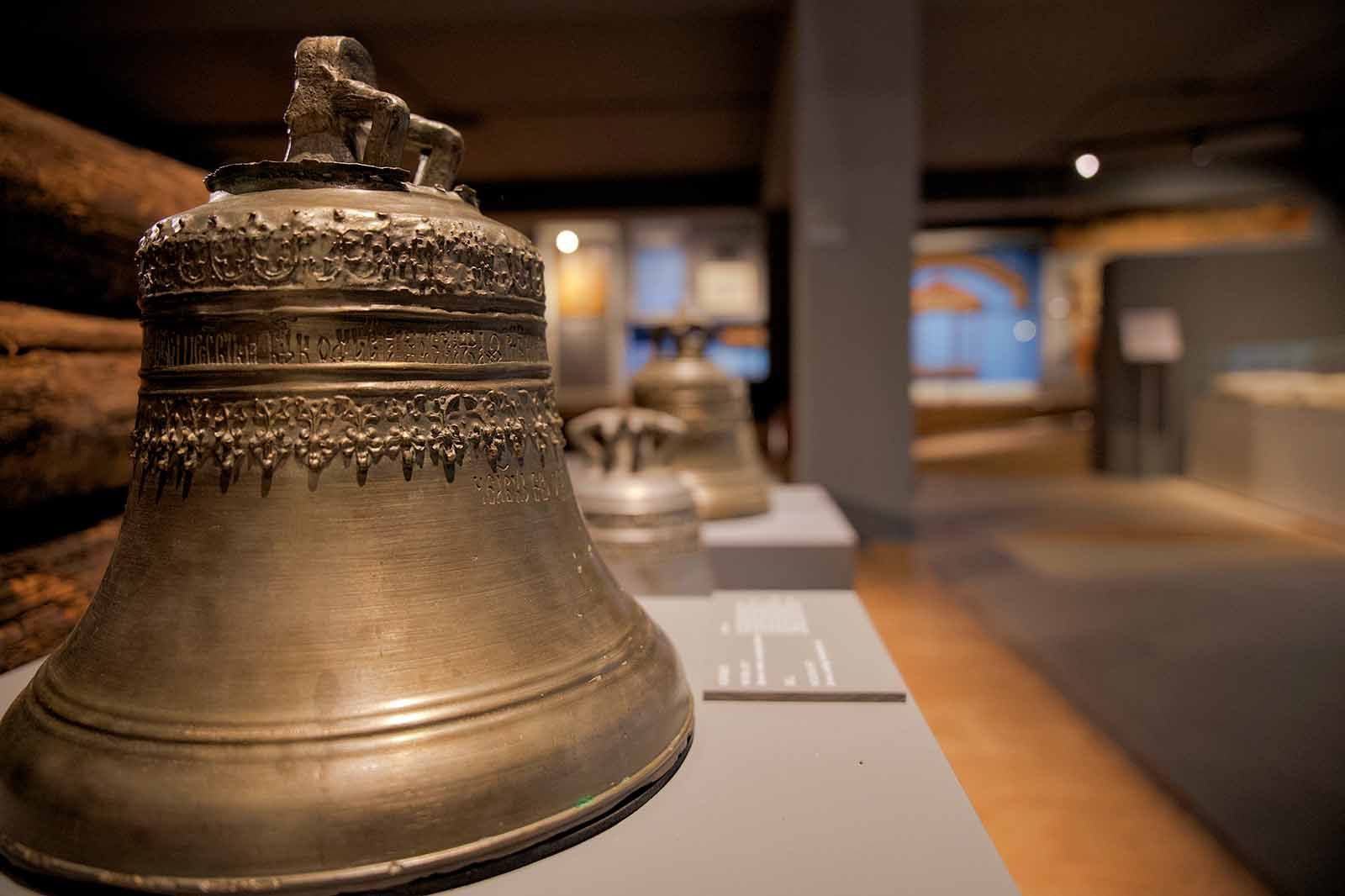
The bell is a symbol of Russian culture, indeed. Manufacturing a bell required precise calculations of shape, wall thickness and alloy composition. Craftsmen would design sounds in advance, overtones, depth and duration of sounds depending on geometric features. The exhibition displays a bell made by craftsman Dmitry Motorin from a renowned family of foundrymen.
Stove tiles: ceramics that retain heat
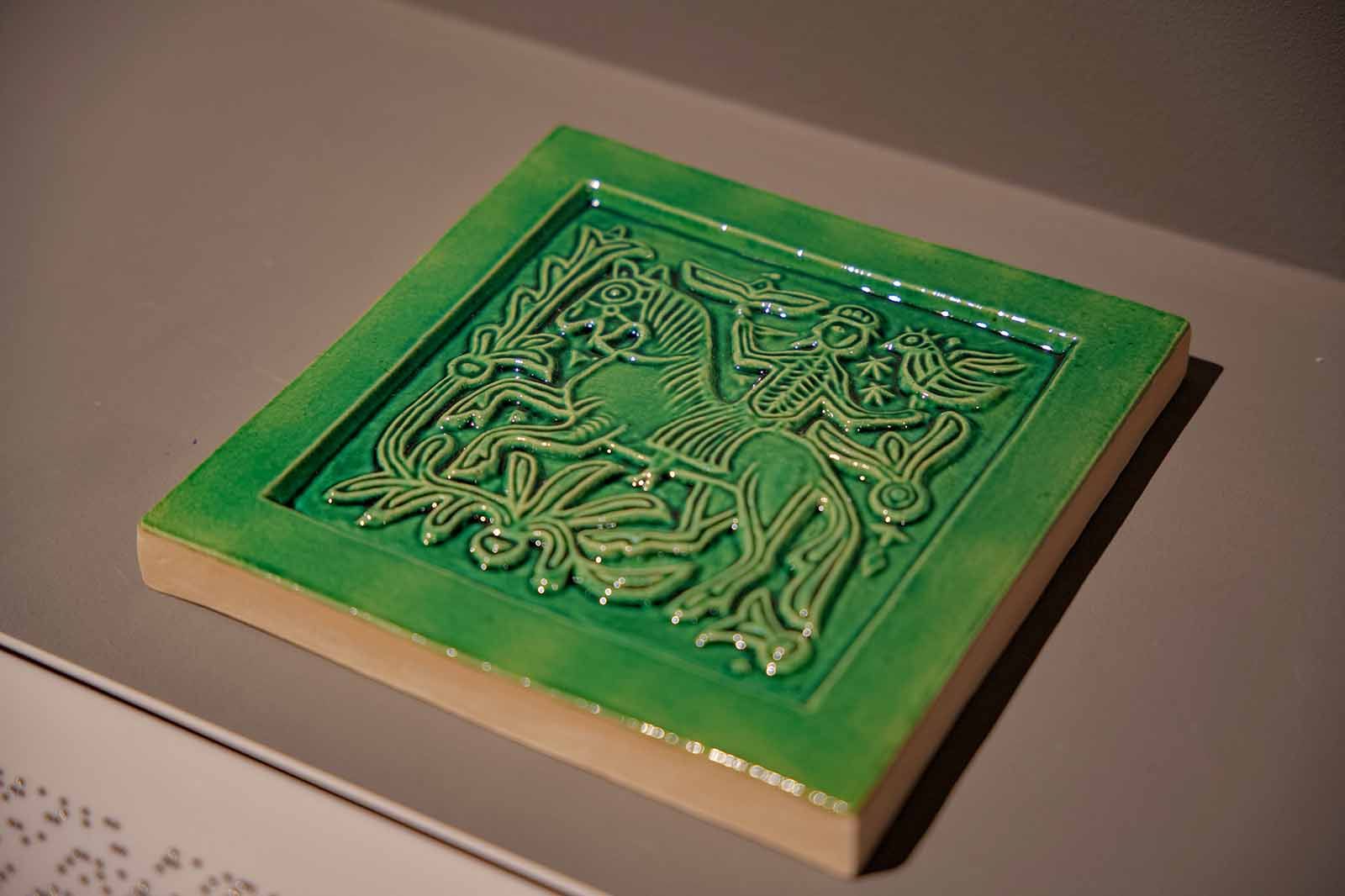
In ancient Russian architecture a particular focus was placed on stove tiles, a type of ceramic tiles that were used to line stoves and decorate façades. Originally, they served only a practical function of retaining and evenly distributing heat, thus making homes more resistant to the cold. However, they evolved into a decoration over time, as they were embellished with reliefs and plant ornaments; in the 18 th century, they featured some narrative scenes with captions.



If you choose to visit this permanent exhibition, you will probably begin to look more closely at Moscow’s architecture to notice not only façades but also the engineering solutions behind them.
Tickets for the exhibition are available via Mosbilet.