Building information modeling and traffic management: how digital twins make the city comfortable
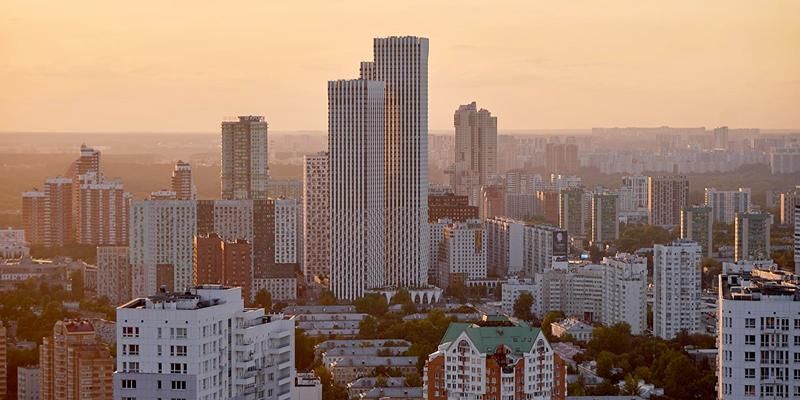
To increase the efficiency of urban systems, reduce costs, and make informed decisions on various issues, the Russian capital uses digital twins and other virtual copies of objects and processes that assist in analyzing engineering structures, optimizing transport infrastructure, and making urban planning decisions. The Moscow Department of Information Technologies explained where the digital twins are used currently and how they contribute to city projects.
How digital twins are created
Virtual copies are created in several stages. First, experts need to collect and structure data about an object or process: its geometric characteristics, physical properties, behavior parameters, and operating conditions. In the second stage, they develop a computer model using the obtained information, to reflect the appearance (in 2D or 3D format), internal structure, and operational logic of the object — for example, the technical building systems, metro tunnels, or traffic flows. Finally, using the created model, they conduct virtual experiments and simulations of potential scenarios and make decisions based on the forecasts obtained.
“Digital twins create brilliant opportunities for efficient city management and can be used in a wide variety of areas — from construction to traffic management and education. For example, they help reduce building design time, model the appearance of one city district or another after the construction of a new apartment complex, develop thousands of road projects, or train engineers. Moreover, digital copies can be used to analyze, optimize, or predict the behavior of the original object and can be relatively quickly updated or reused in different projects,” reported the press service of the Moscow Department of Information Technologies.
Urban development and building information modeling
Since 2019, Moscow has been developing its digital twin, an exact 3D copy of the capital with all its buildings, structures, utility, and transport lines. The virtual model incorporates well over nine thousand layers of data relating to all spheres of city life. Every year, Moscow’s digital twin helps make over two thousand management decisions at various levels: planning the construction of residential buildings, schools, clinics, and other vital facilities, as well as designing the landscaping projects for parks and streets, monitoring work progress, and much more.
The Comprehensive Traffic Management Scheme information system facilitates the development of thousands of road projects annually to improve safety in the capital. The digital copy of streets allows employees of the Traffic Management Centre and other institutions to design and approve changes online, visualize innovations in 2D and 3D, and monitor implemented projects on the city map. It helps specialists refine every detail, from placing new road markings and installing signs to reorganizing traffic at dangerous intersections.
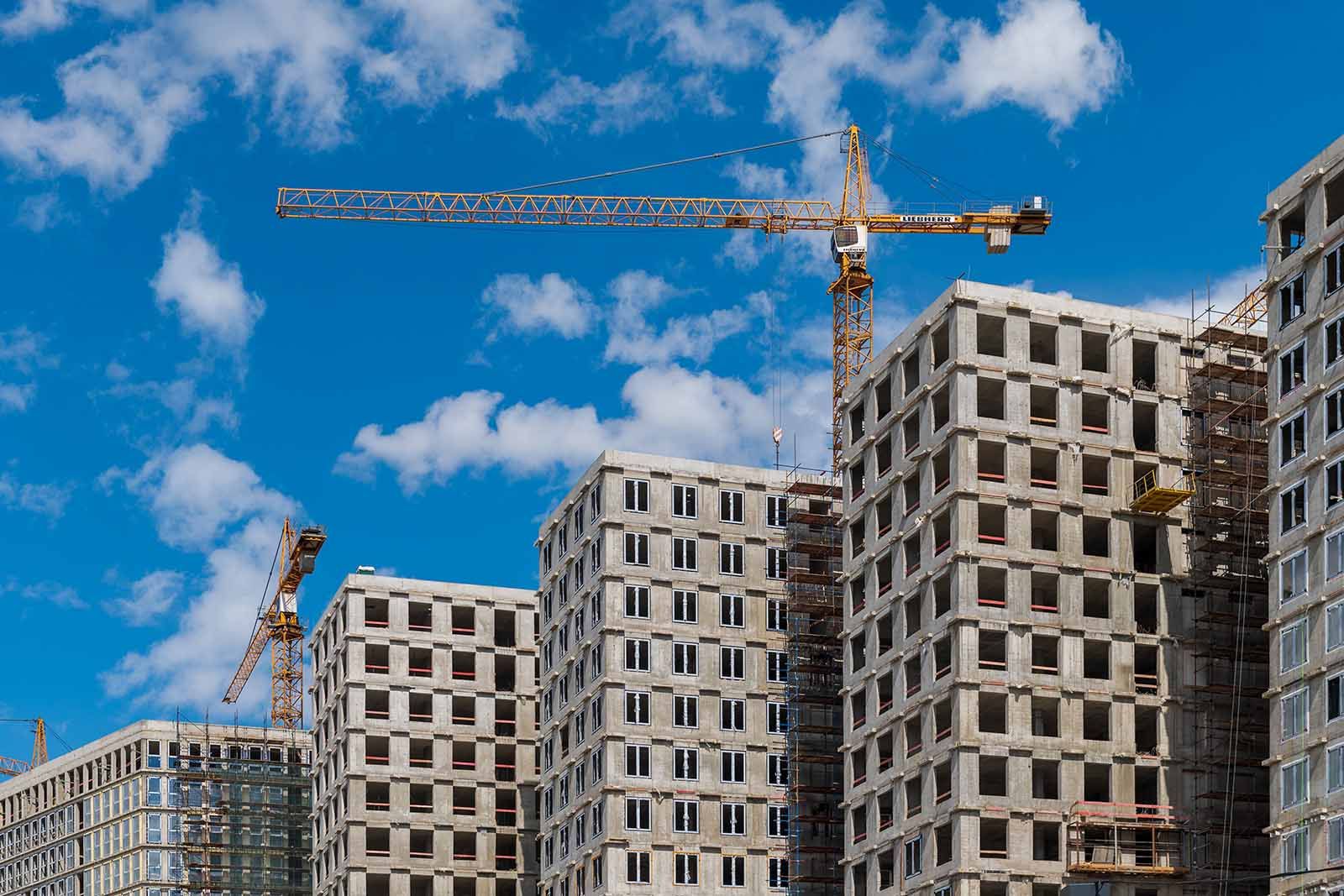
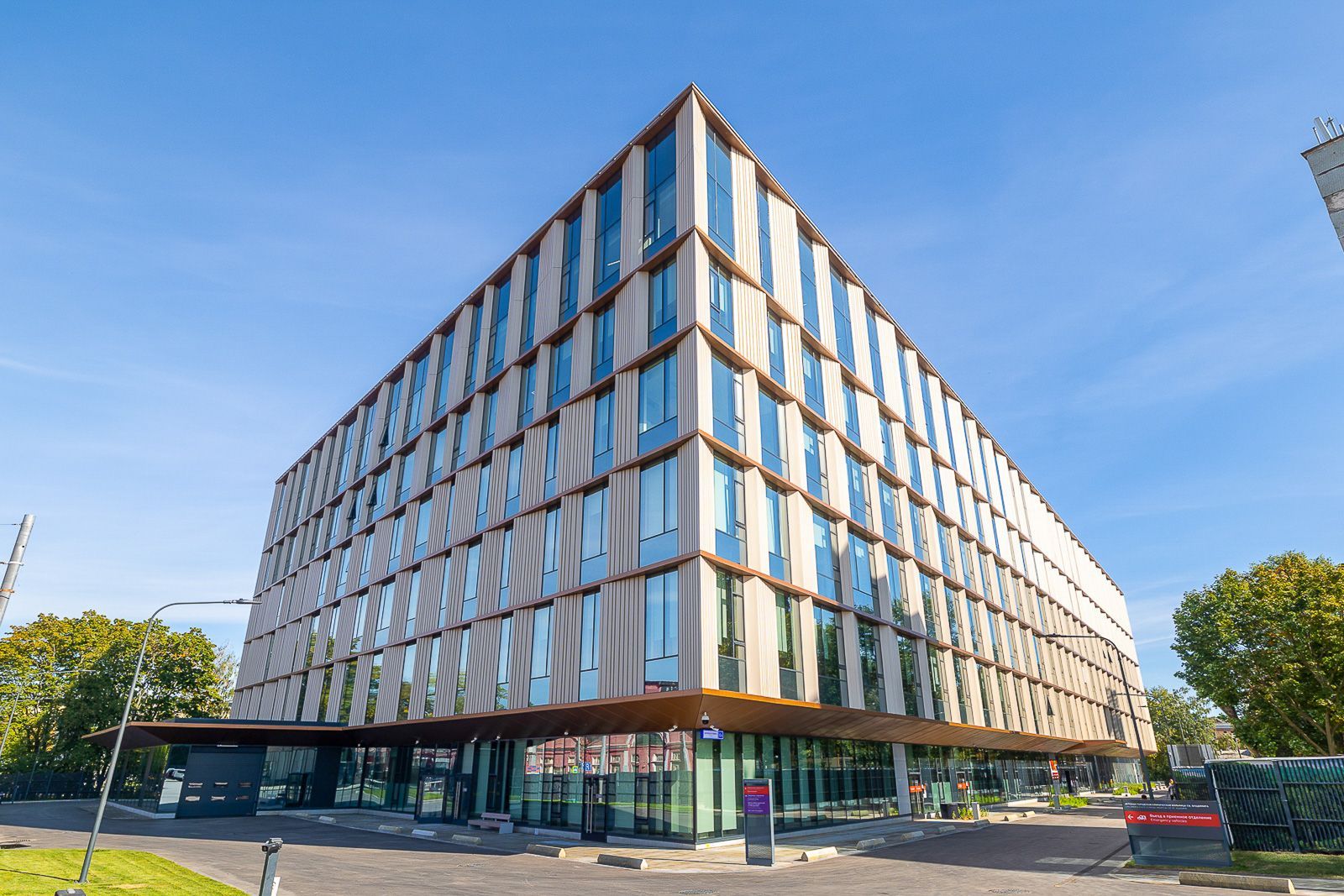
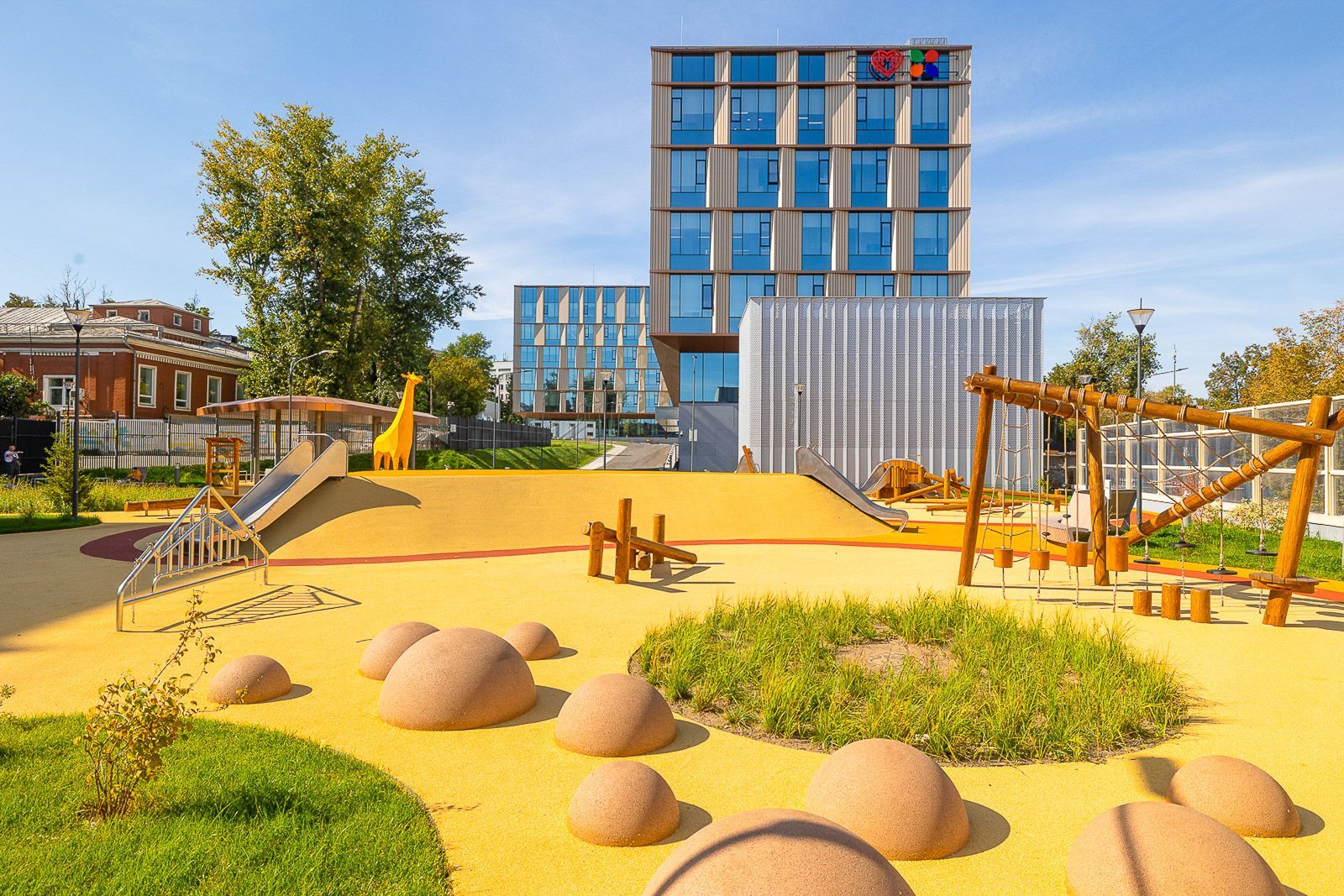
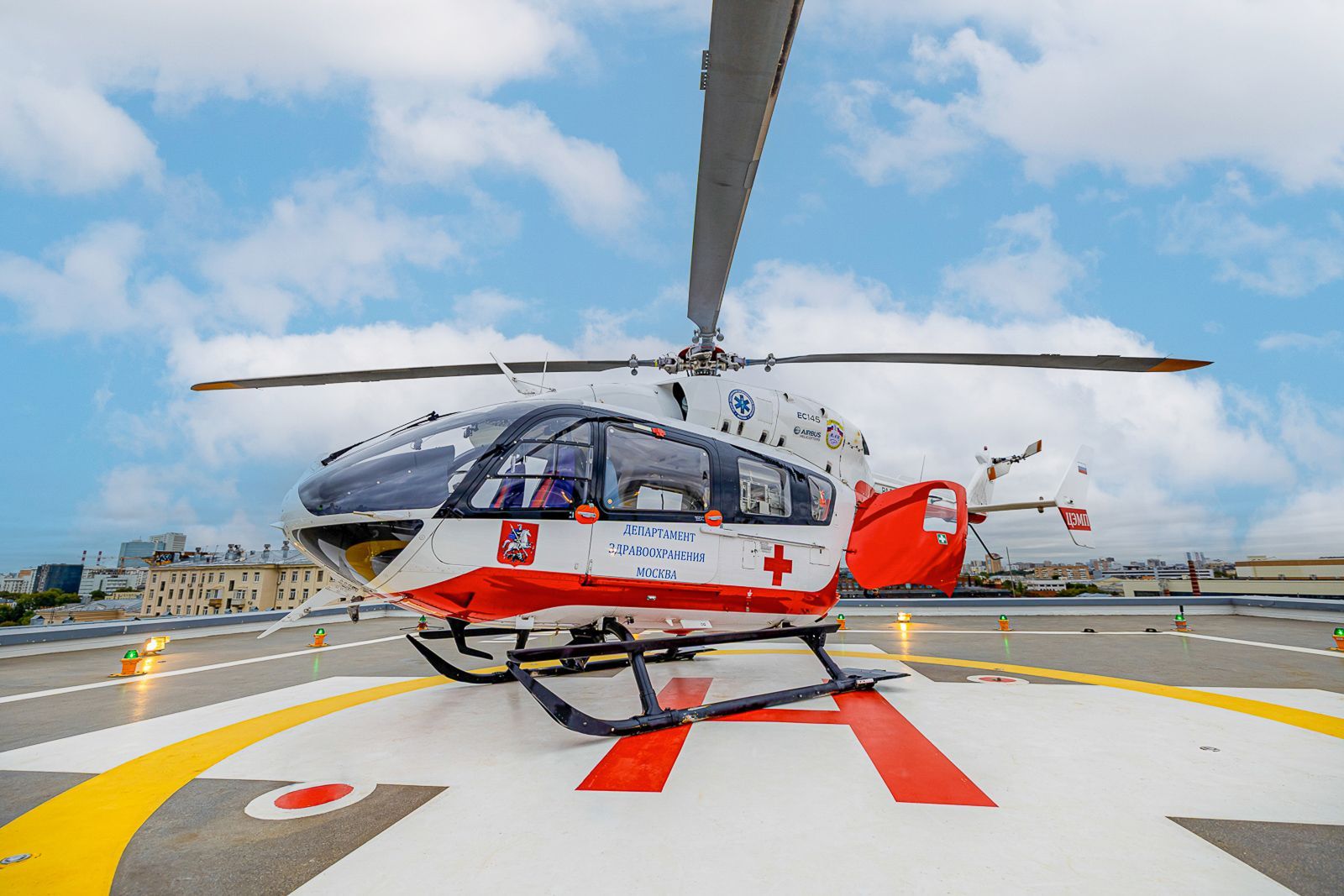
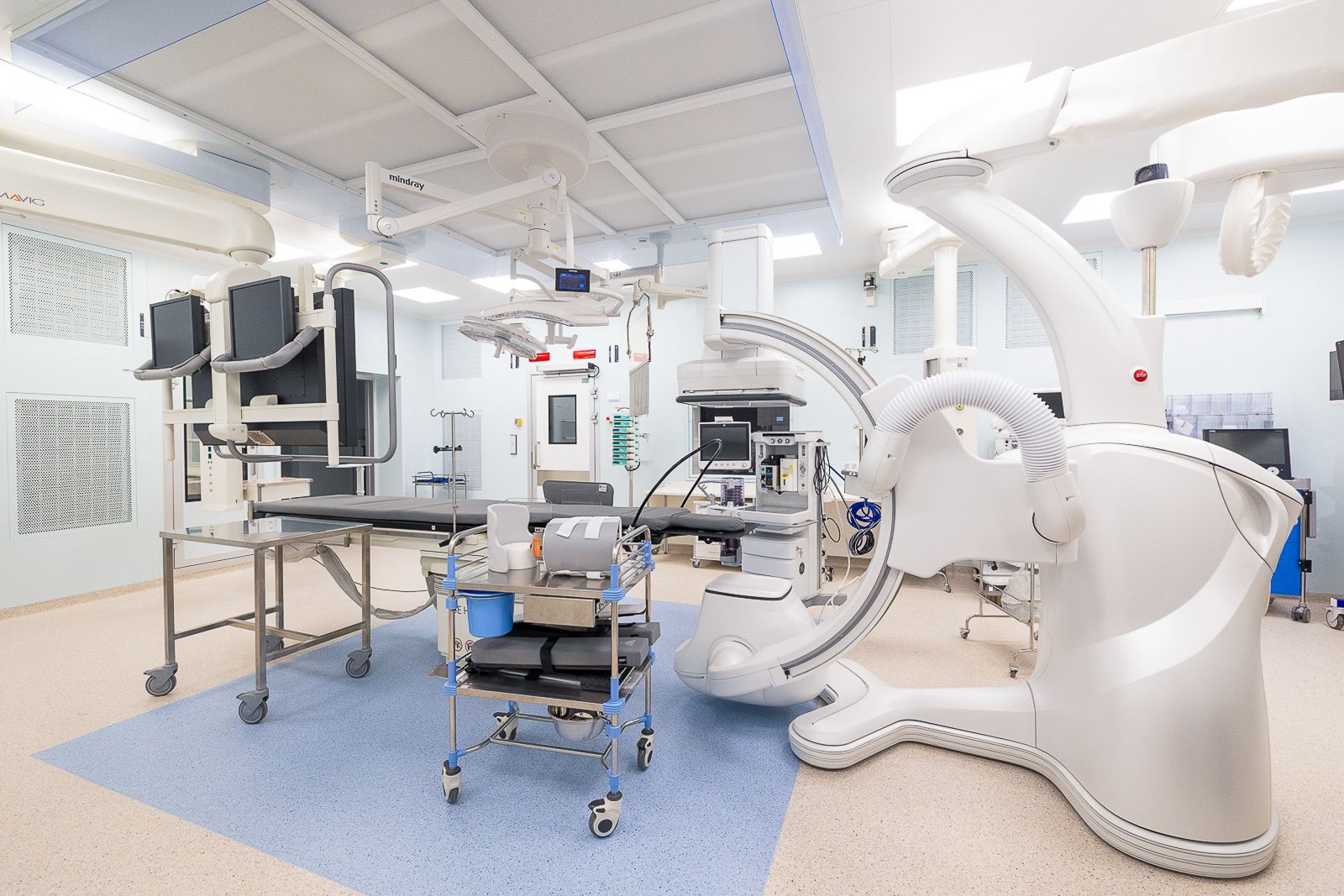
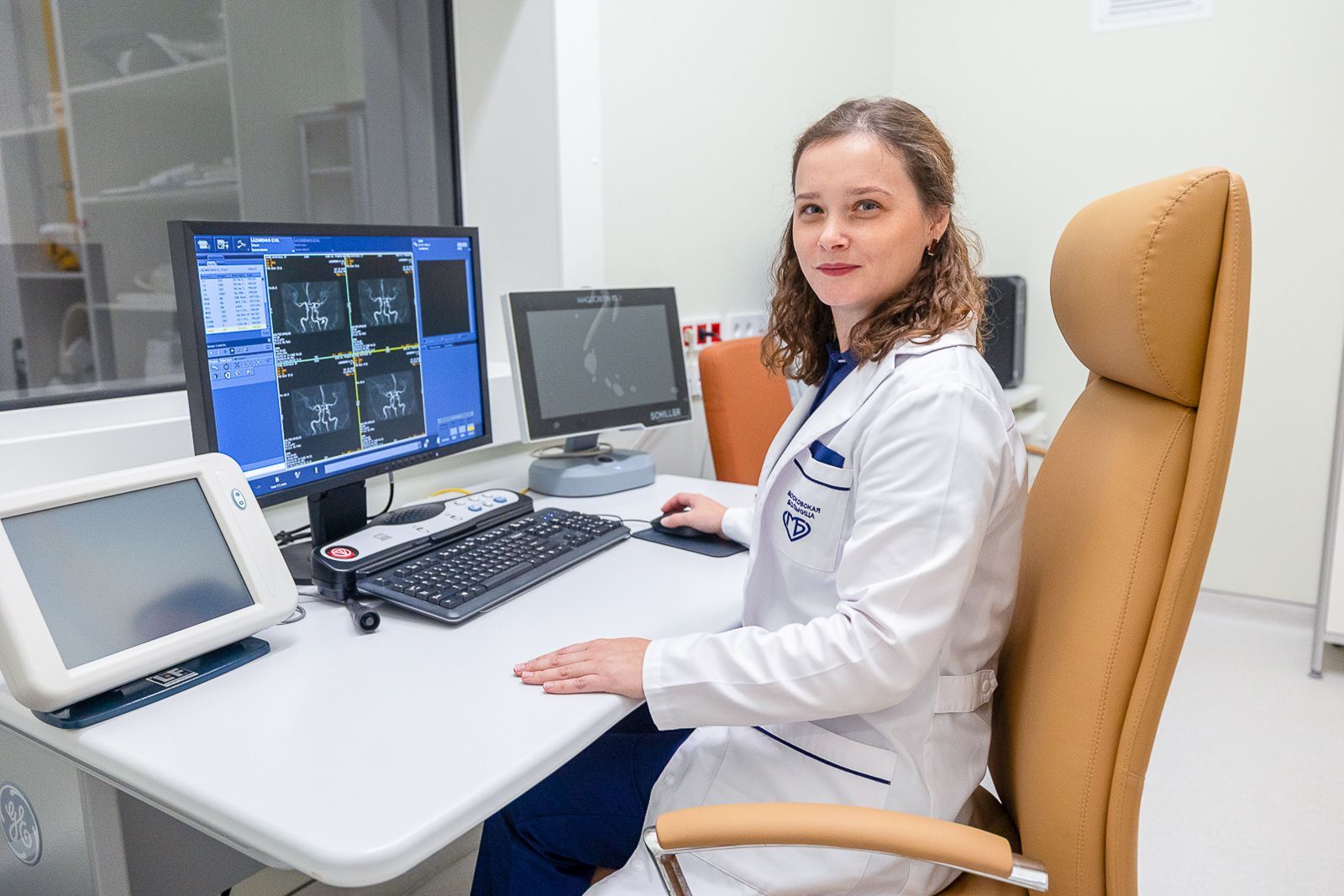
Since 2022, Moscow has been implementing building information modeling technology (BIM), which helps create digital twins of objects. The innovative technology is used at every stage of construction and during subsequent management of buildings and facilities. Thanks to BIM, most errors are automatically detected at early design stages, which significantly reduces construction costs and shortens work time. For example, BIM was used in the construction of the multidisciplinary facility at St. Vladimir Children’s City Clinical Hospital. The technology helped create a unique modern building where all types of diagnostics and therapeutic procedures can be performed.
Studying complex systems and discovering something new
Digital twin technology is widely used in education. Visual examples help students better understand the structure of engineering facilities, as well as experiment in a virtual environment with complex mechanisms and the human body. For instance, in the laboratories of MIREA — Russian Technological University, students created digital twins of real production systems, allowing for modelling, testing, and optimization of technological processes.
The widespread use of digital twins leads to the emergence of new professions and the transformation of existing ones. For example, digital twin engineers and polygon 3D model developers are currently in demand. They not only create virtual copies of objects but also calculate structural load, check facilities for compliance with building guides and regulations, and visualize the interaction of engineering systems. In addition, these specialists identify and correct errors at the design stage, which significantly reduces the cost of reworking structures once construction begins.
Thanks to digital twins, residents and guests of the capital can learn about the capital’s cultural sites in an interactive form and even take a virtual stroll through the city. Thus, the VDNKh metaverse is available to all Runet users. The VDNKh metaverse is an accurate 3D model of the exhibition space with virtual copies of more than 110 objects and over 610 exhibits; each can be examined in detail and from different angles. MetaVDNKh offers a large amount of educational and historical content concerning the exhibition itself, its pavilions, and expositions. Users can go for a walk through the digital space in the company of friends, take a look at seven digitized pavilions of the Russia International Exhibition-Forum, or learn about the chronicles of the Great Victory of 1945. The project combines interactivity and game mechanics, and allows you to “travel” through time and study the history and culture of one of Moscow’s iconic landmarks without leaving home.