More than just Red Square: how the geography of the capital’s tourism is changing
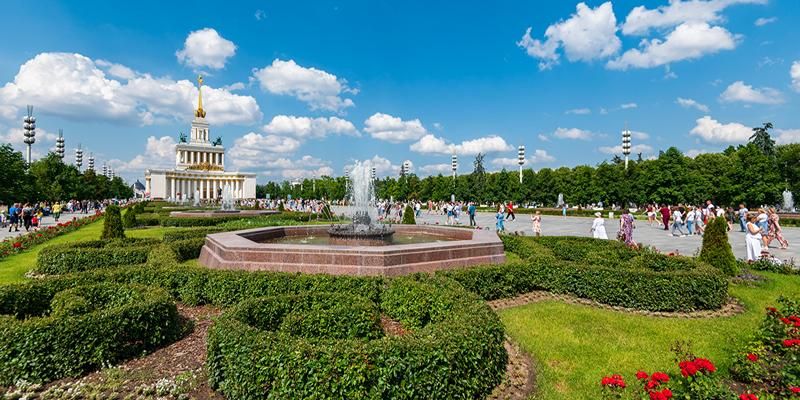
In 2024, one in two tourists visited the Southern and Western Administrative Districts of Moscow, and two-thirds of travelers visited the city center. Such conclusions were reached by analysts of the Moscow Committee on Tourism with the help of MTS Geo-effect platform, based on an analysis of depersonalized data on tourists.
Despite the fact that 60–70 percent of key attractions are concentrated in the center, tourist behavior in other districts was similar: everywhere they spend a comparable amount of time sightseeing during the day and staying overnight in hotels and residential areas.
During the day, tourists visit mainly three categories of sites. The leaders were shopping and entertainment complexes and food outlets, as well as park areas, seven out of 10 travelers relax in them. Visitors do not forget about cultural sites (even without taking into account such historical monuments as the Kremlin and Red Square). In addition to the central sights, tourists often choose to visit VDNKh and Ostankino Park, located in the North-Eastern Administrative District. Last year one in two visitors to the spent time in the Southern and Western Administrative Districts, where the most popular attractions include the Tsaritsyno Museum Reserve in the south and Victory Park in the west of the city.


The Central Administrative District retains its status as the city’s main tourist cluster. In the center, tourists spend 64 percent of their time exploring attractions and key sites, and just over 30 percent on overnight stays in hotels and apartments. In other districts visitors to the capital split their time in approximately the same way, which indicates that tourists display a similar interest in cultural and other sites in different districts.
It is extremely important for the city to ensure an even distribution of the tourist flow, which helps to reduce the load on the transport infrastructure of the center, increase comfort for residents and develop the economy of all districts. This is helped by the emergence of new attractions, such as parks, hotels and cultural spaces. Parks are being developed in the capital, new hotels are being opened, and colorful festivals are being held, which helps unlock the potential of each district.
The Moscow City Tourism Committee publishes up-to-date information on dynamics in the development of tourism in the capital. Tour traffic to the capital totaled 26 million people in 2024, surpassing pre-pandemic figures. Revenues to the city budget are estimated at 235 billion rubles. A detailed analysis of Moscow’s tourism industry is published on the Russpass. Business website.