Housewarming parties all over Moscow, urban block development and social infrastructure: the renovation program results in 2022
(9).jpg)
The renovation program has been in effect in Moscow since 2017. Thanks to it, Muscovites move from “Khrushchevkas” and other downtrodden neighborhoods to modern apartment houses, comfortable blocks with public spaces. The program will define the image of the city for the next 100 years at least.
In 2022, it spread to all administrative districts of Moscow; the construction is gaining steam with every passing year. Right now, over 100,000 residents of five-storey buildings are ready to move: they either have keys to their new apartments or inspecting them already. Read on to learn about other achievements of the renovation program.
The second wave
The renovation program goes through multiple stages In each area of Moscow. Stage one involves choosing the construction site. After a new apartment building is built, the program participants move there. After all the residents move out from their old neighborhoods, their houses are demolished to free the land for new, modern construction: buildings and public spaces. This process is called the wave-like relocation.
Several areas in the city reached stage 2 in 2022. For example, 318 families that used to live in two houses on Geroyev Panfilovtsev Street have already moved to a new apartment building in Severnoye Tushino (Turistskaya Street). Both old buildings were demolished last June, and new construction has already started in their place.


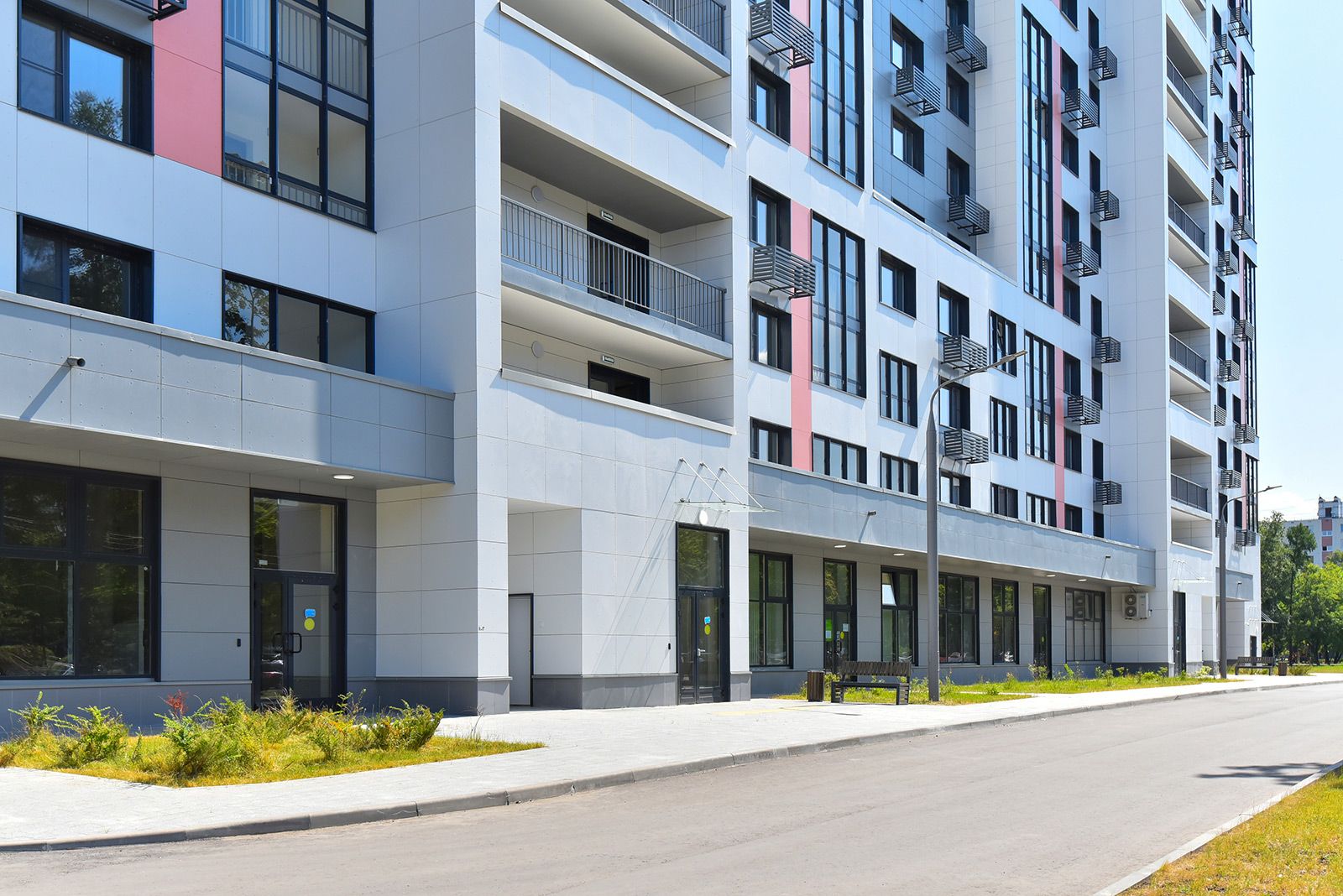
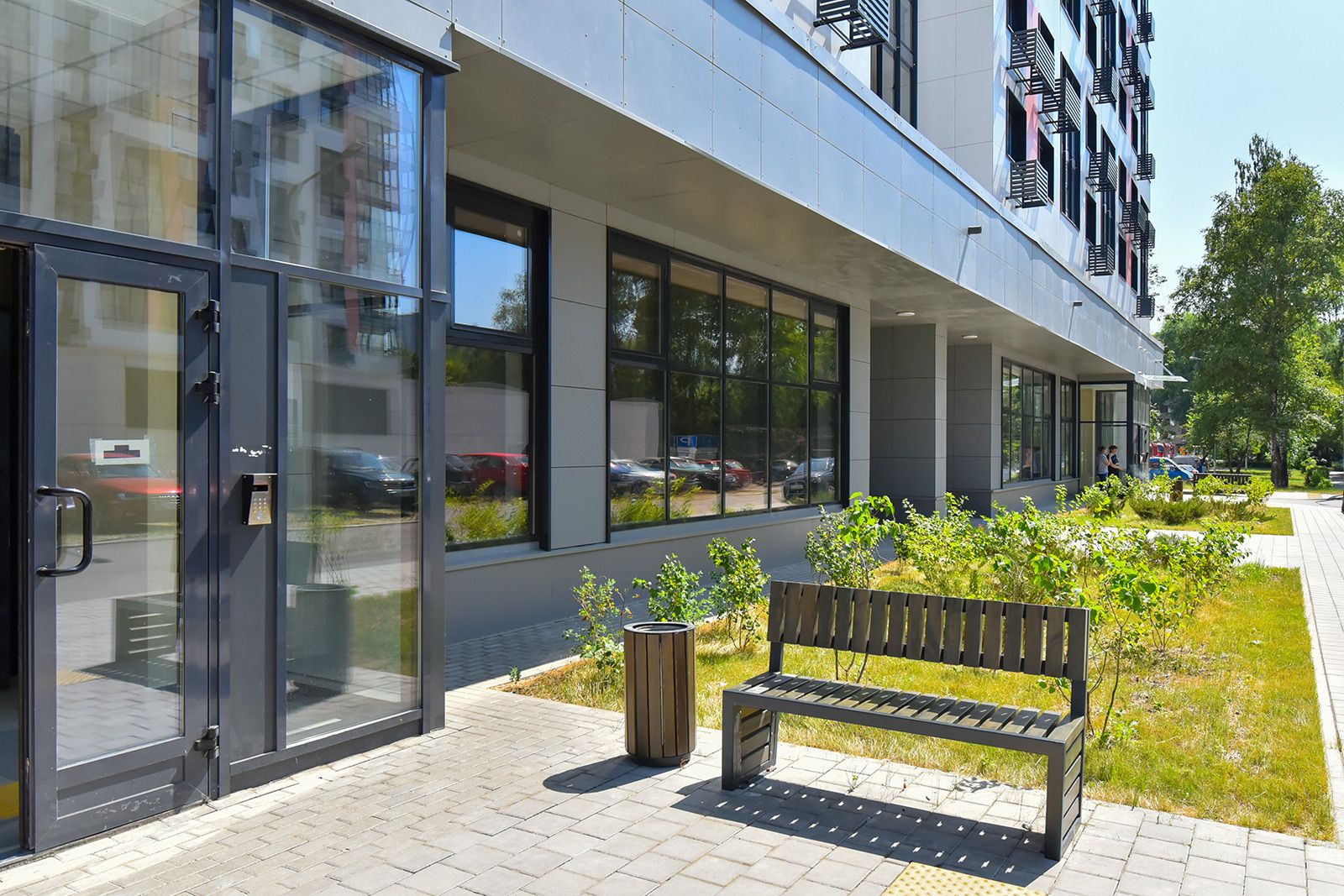
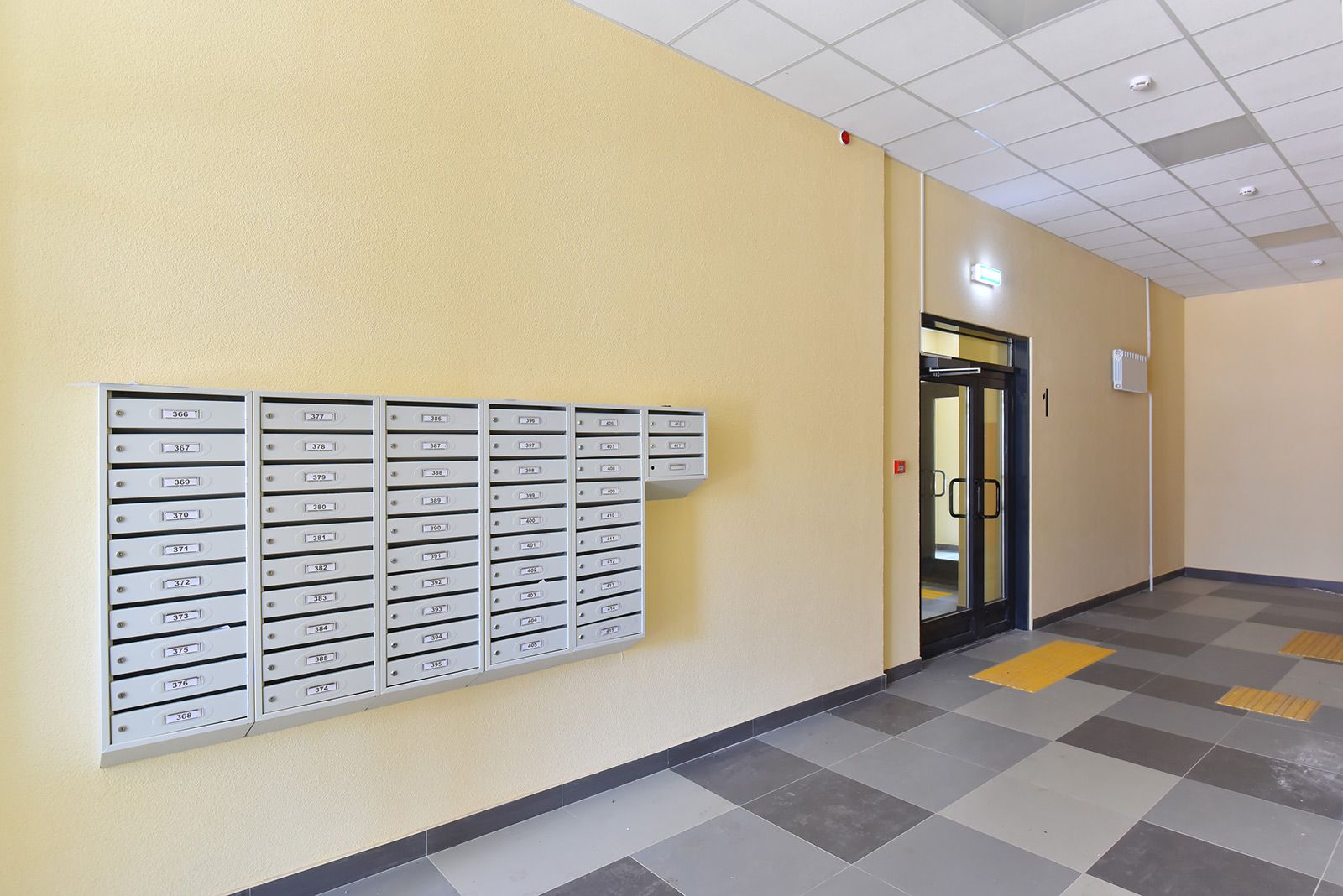
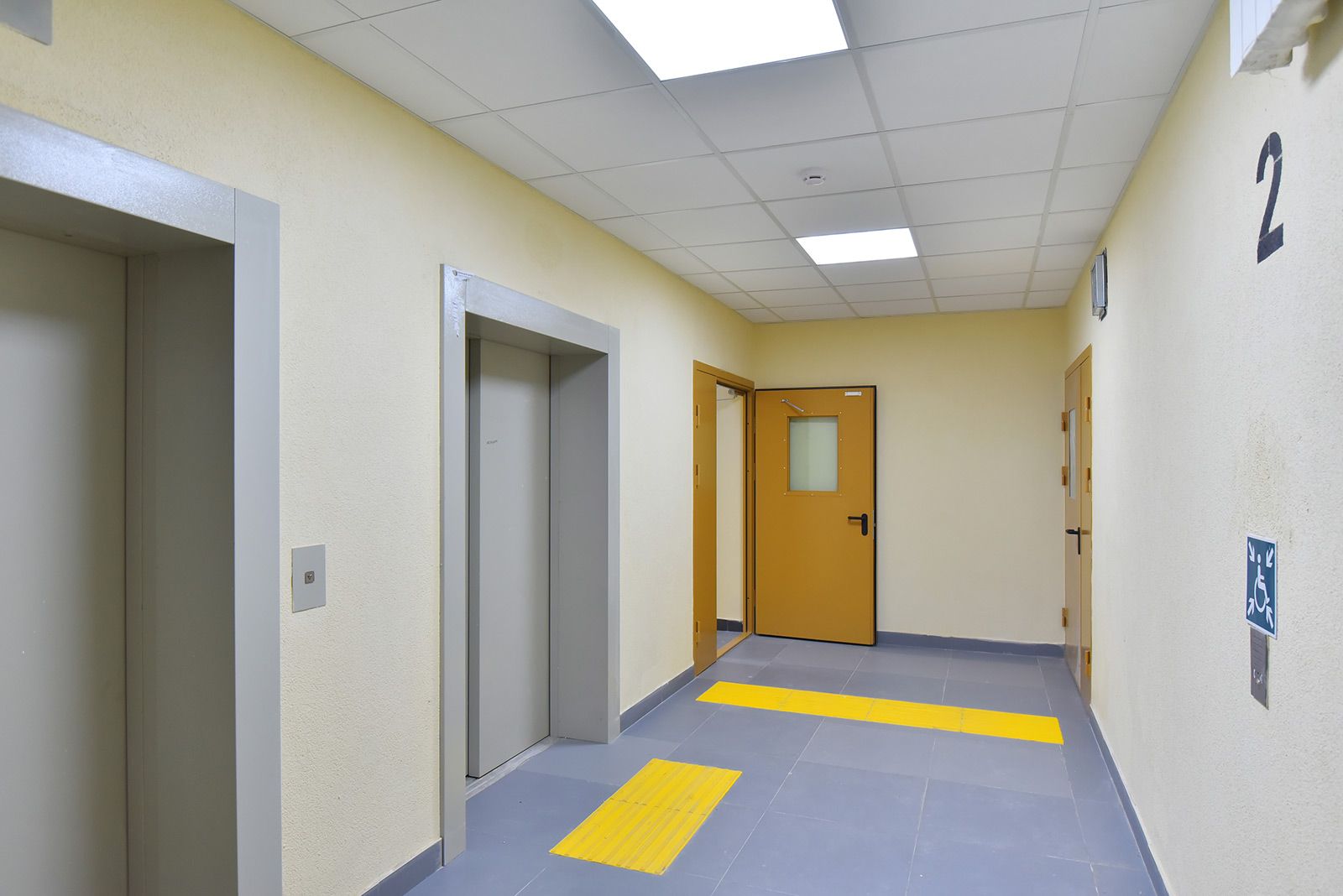
In Vostochny district, residents of 8 old houses covered by the renovation program are already moving to their new, modern apartments. About 900 people in total are relocating; a three building compound on 9 Maya Street has been built for them. 14 houses in that district were included in the program; that means it is already more than half-way completed.
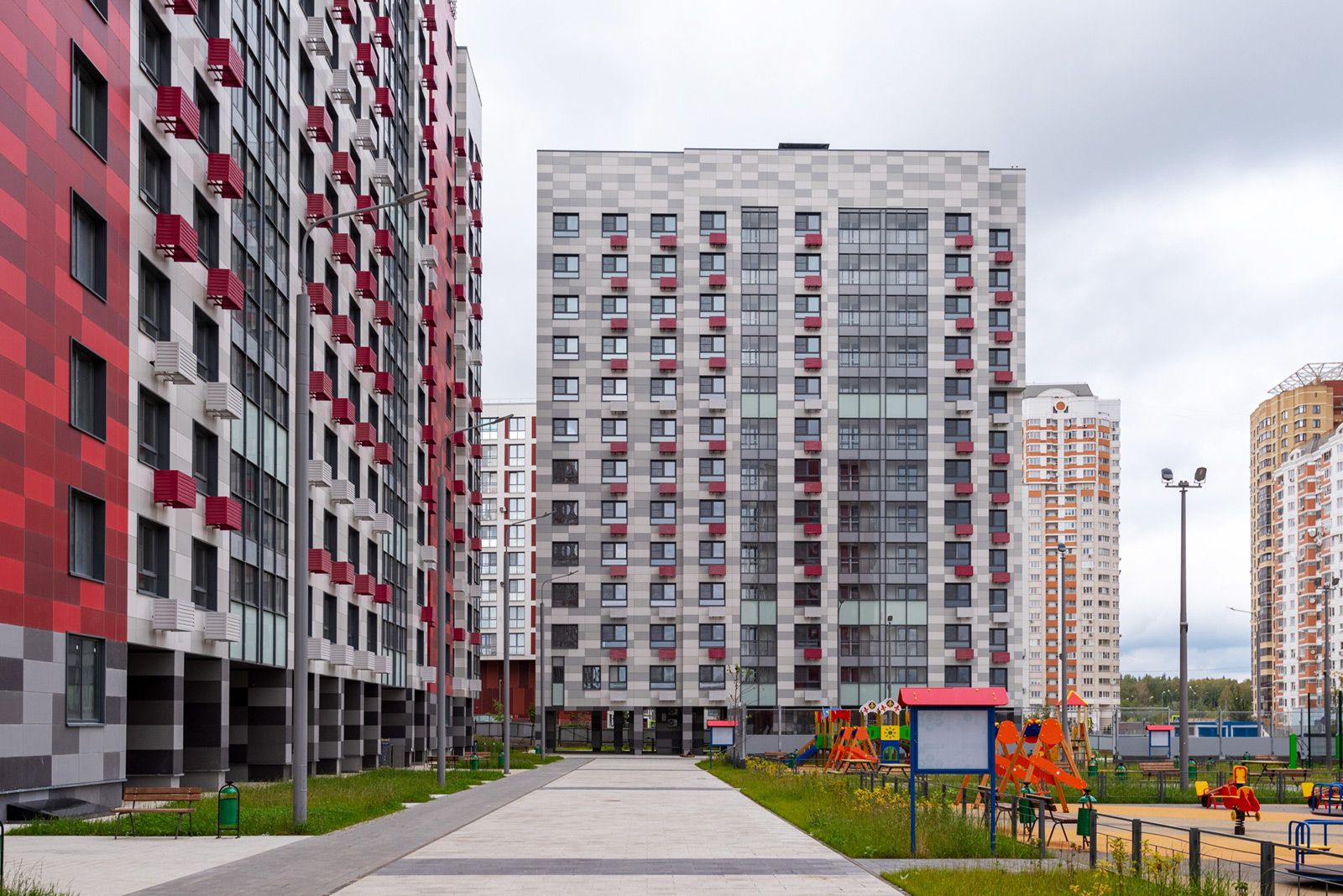
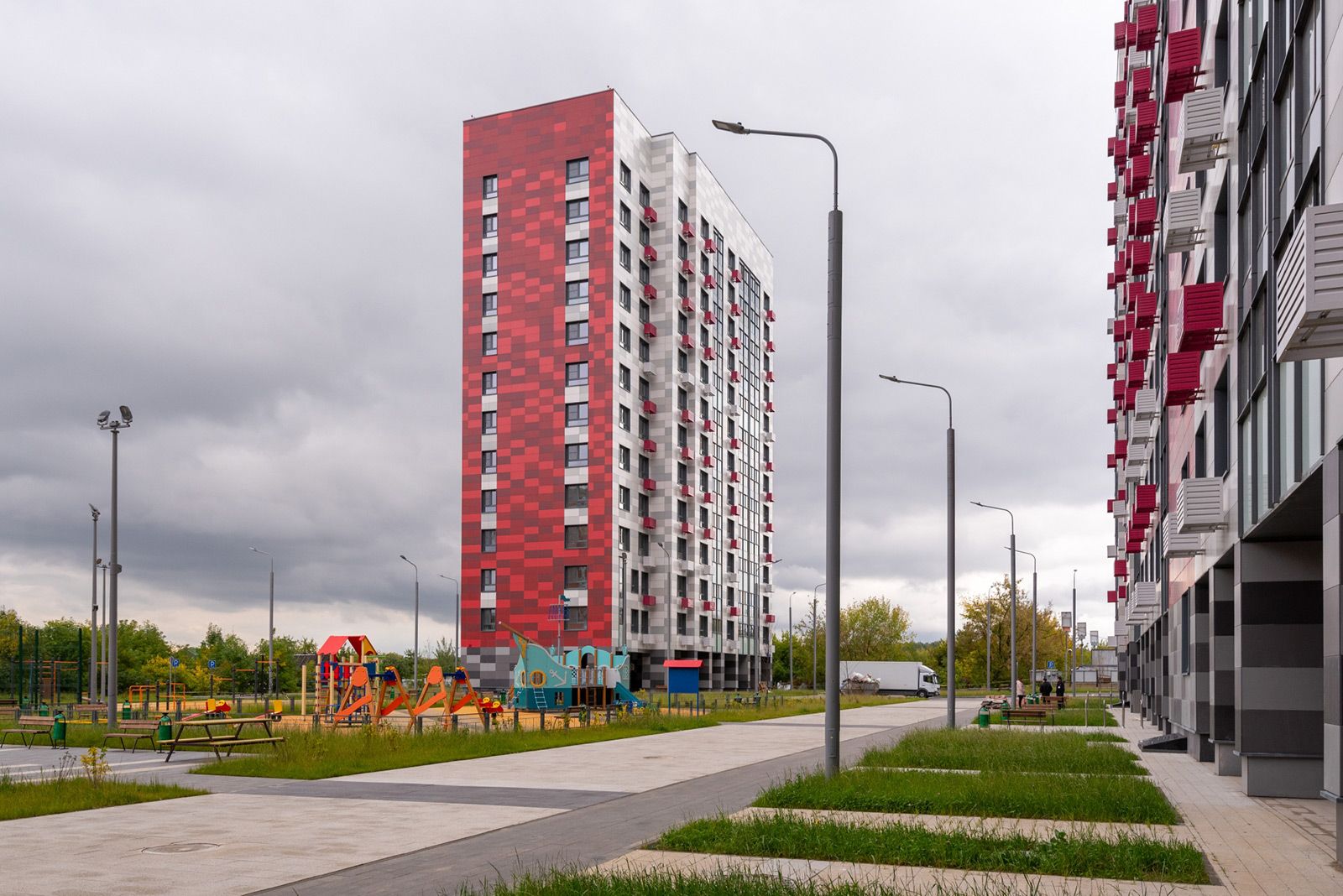
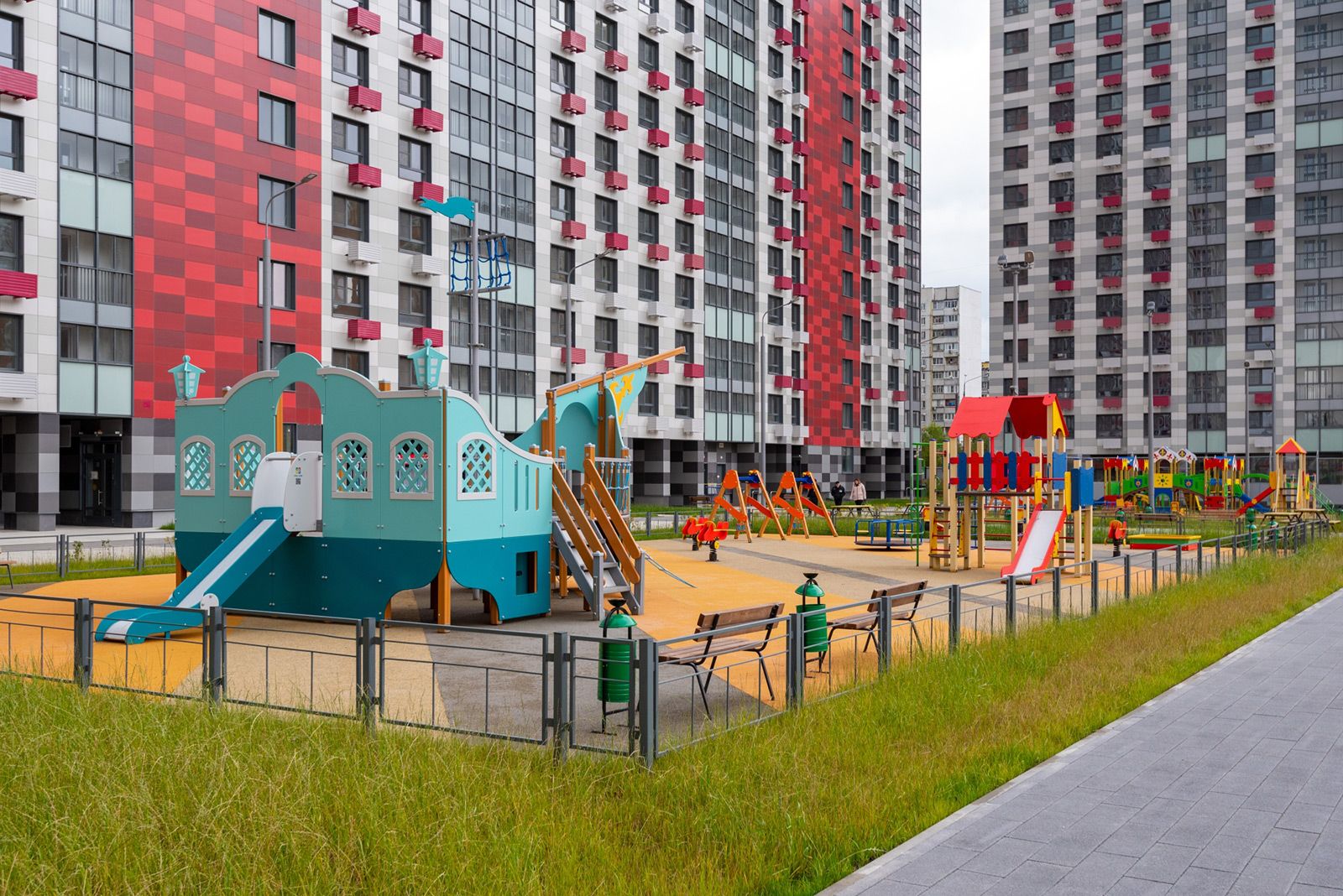
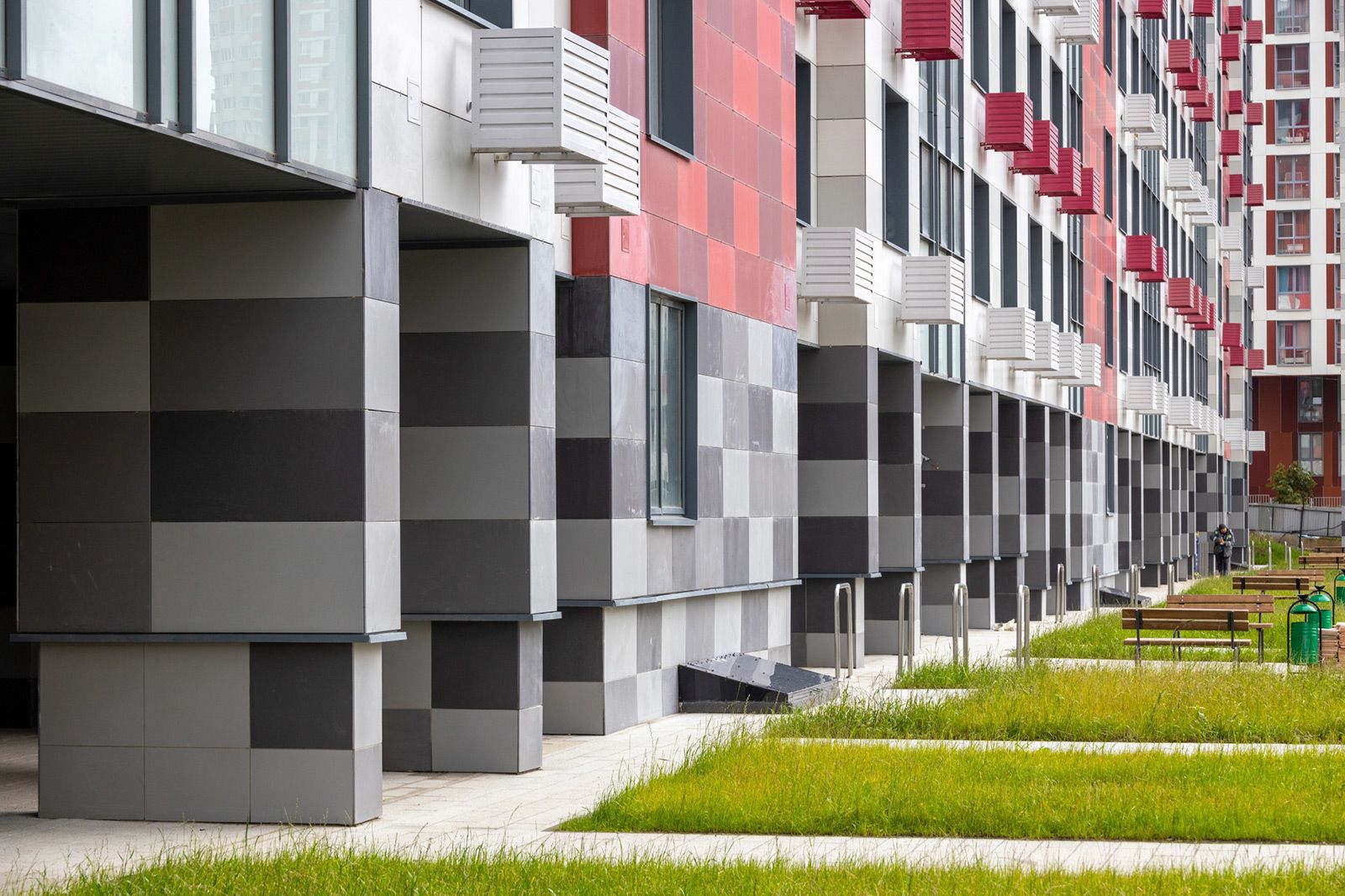
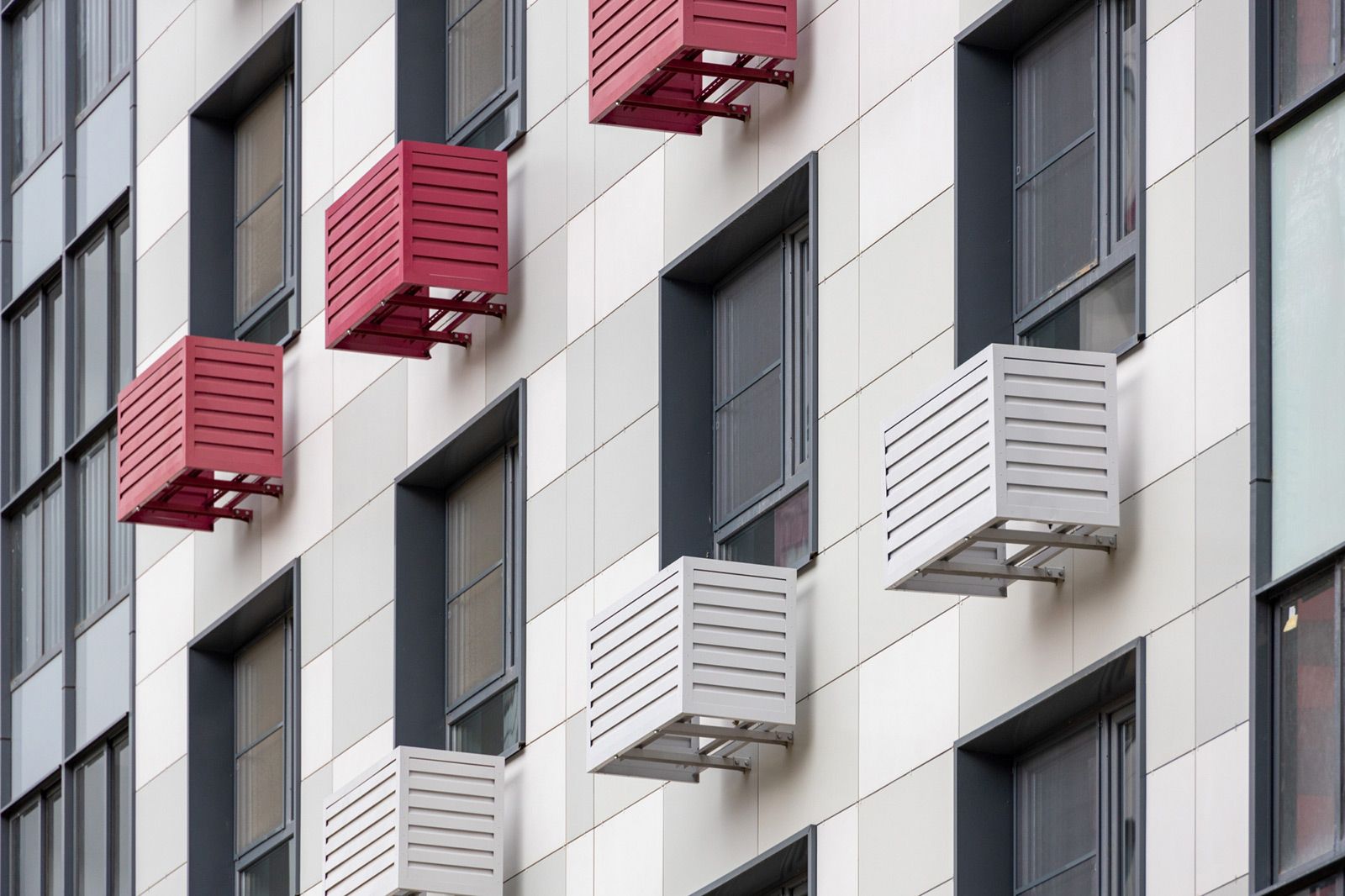
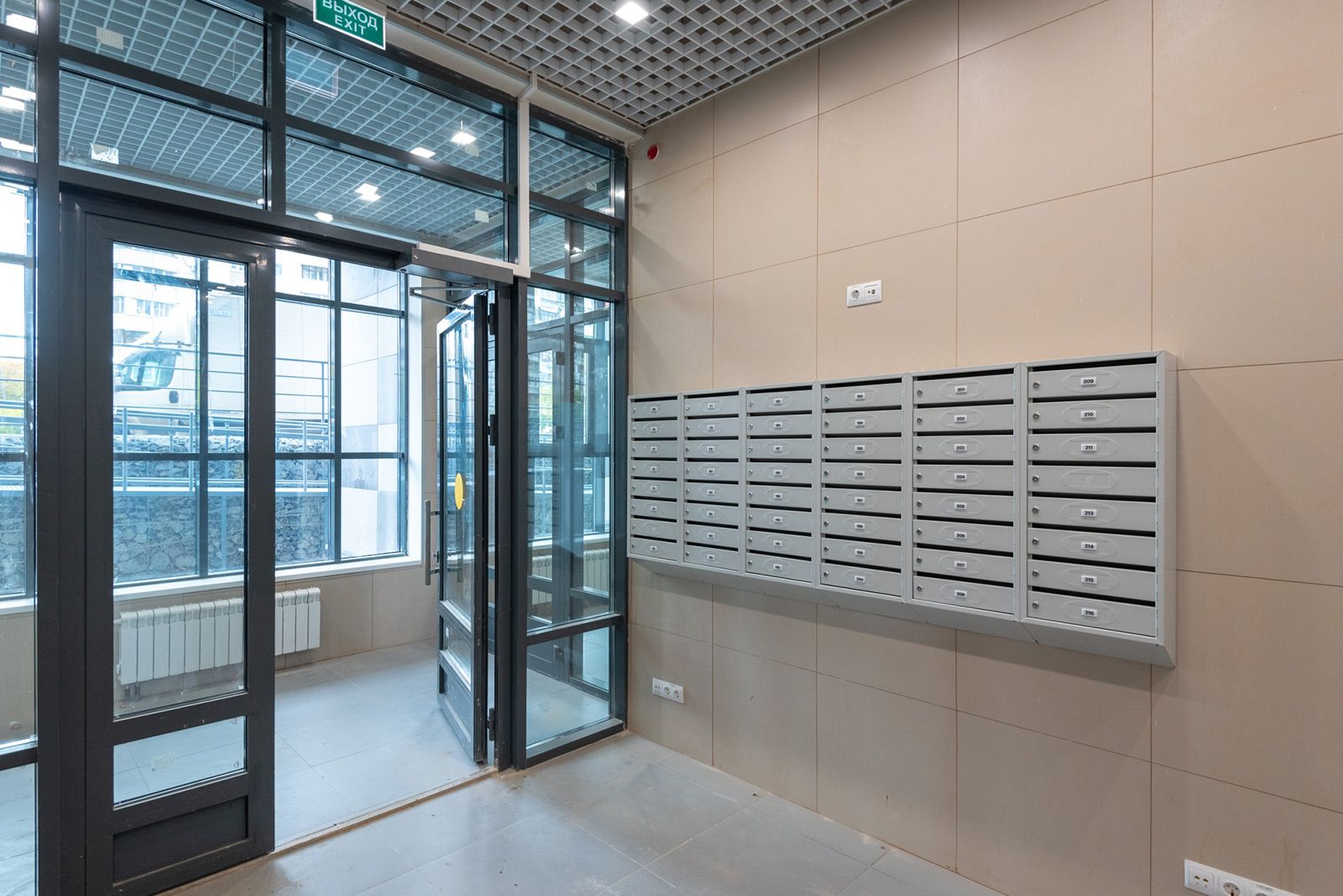
Zapadnoye Degunino has also reached the next stage ahead of schedule. Residents of three five-storey buildings are moving into the new apartment block on Puteyskaya Street. Those are the last 3 houses out of 11 slated for relocation under the first stage of the renovation program, which was to be completed in 2024. There are 22 of those districts already.


Fifty-eight apartment houses were built in 12 months of 2022. Their total residential apartment footprint is 810,000 square meters. By the end of 2022, residents of 638 old buildings all around Moscow have started relocating or have already relocated; over 100,000 people are to do the same throughout the renovation program. 37,000 Muscovites started moving to new homes in 2022;
Two hundred and twenty-eight new apartment buildings have been commissioned since the program launched. One hundred and thirty-three old houses were demolished; now 46 new ones are being built there. Their total footprint is nearly 680,000 square meters. Eastern and Western administrative districts are new development leaders (with nine new buildings each); North-Eastern administrative district is not far behind with 7 new houses.
Another 35 new construction sites were added to the list in 2022; they are mostly located in South-Eastern (11), Central and Southern (5 in each) administrative districts.
Urban block development
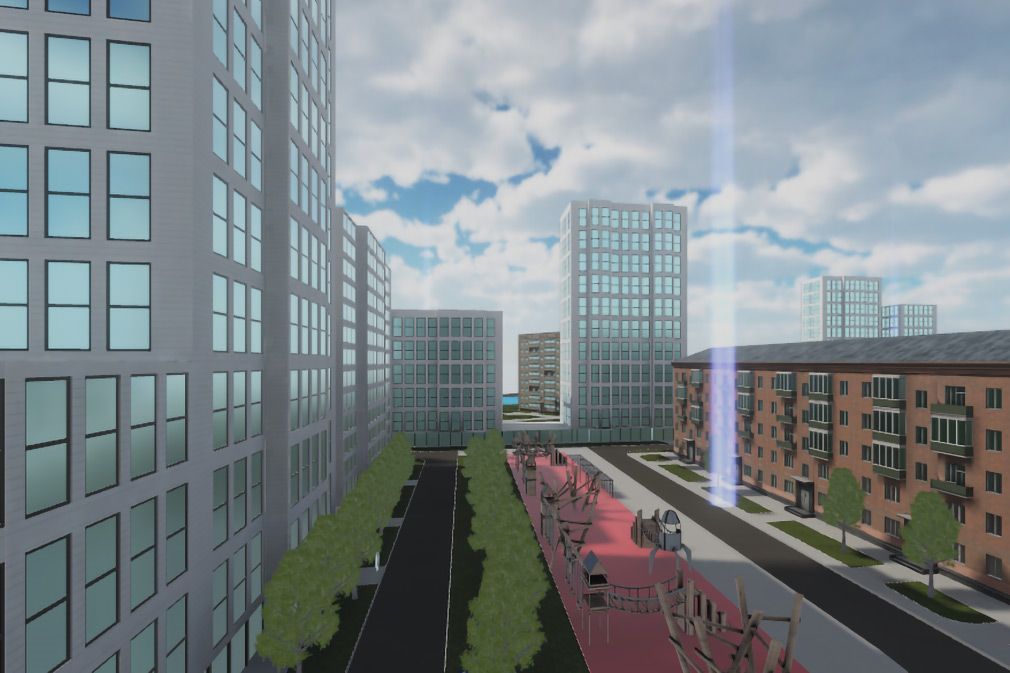
The new stage of the renovation program allowed building entire urban blocks and misrodistricts with their own infrastructure instead of isolated buildings, thanks to more land freeing up after the old houses are demolished.
Block-wise development is considered more convenient for its residents. Architects and urban planners can design integrated public spaces where people with varying lifestyles and needs would feel at home. The blocks are more aesthetically pleasing; each of them can have its own unique appearance and style. Buildings there have a common architectural style, similar façade colors and, most importantly, a common environment. There are parks, pedestrian alleys, sports and recreation areas inside them.
Eighty-nine design layouts for the future renovated blocks were developed in 2019-2021 and presented to the public. Eighty-eight of them have already been approved; construction of new buildings is underway.


Block-wise development makes relocation faster. After the first new residential houses had been built, the city authorities made the claim to build twice as much residential estate in 2023-2025 as in the previous years.
Right now, architects are working on 123 new house designs; almost 70,000 Muscovites are expected to move there. They will be built on sites marked in approved area layout projects. 2 residential houses are already under construction.
Go to Stroim Prosto portal to see what new Moscow blocks will look like when finished. They publish virtual tours over the designed neighborhoods. The portal users can “take a walk” over the new spaces designed for Fili-Davydkovo, Presnensky, Nizhegorodsky, Bogorodsky and Perovo districts.
New infrastructure
Another advantage of block-wise development is that it allows to plan social facilities. Sports and education institutions, clinics and polyclinics, cafes, stores and shopping centers are being designed together with residences. There’s also an option to upgrade the existing infrastructure.
In 2022, social facilities for the new residential developments were included into the Targeted Investment Program (TIP). The city assigns funding for all facilities on that list ahead of time. That guarantees that all the infrastructure objects will be built as planned.
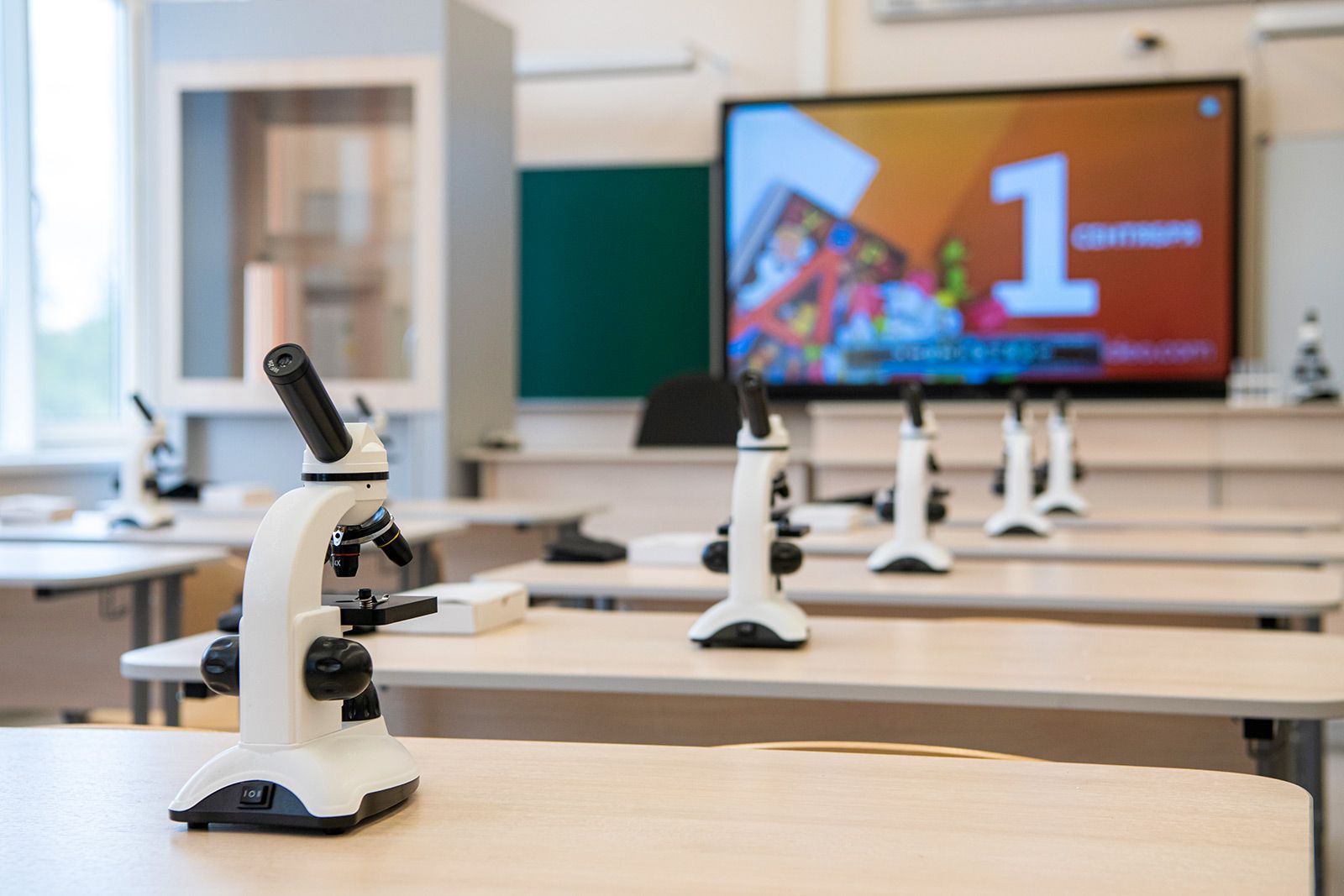
The plans to build social facilities exist for the areas to be renovated as well. As per the adopted TIP, 31 of them will be commissioned before 2025. They include 20 education 4 healthcare, 3 sports and 1 culture objects, along with 3 administrative buildings. The first one of them has already been finished: it is a new building for school No.2055 on Podvoyskogo Street (Presnensky district). The facility was designed according to the modern standard and features large classrooms, transparent doors and partition walls. Research laboratories, an anatomy and physiology class, an IT polygon, a chess club and a dance hall are also available there.
Pre-school and school facilities will also be built on 4th Novomikhailovsky Proyezd, Strelbishchensky Pereulok, On Generala Glagoleva, Vavilova, Amurskaya, Sormovskaya and Gazoprovod streets, Budyonnogo Prospekt, Sirenevy and Beskudnikovsky boulevards, in block 80 (Nizhegorodsky district), microdistricts 41-50 and 80 (Severnoye Izmaylovo), block 67 (Mozhaysky district), Shchapovskoye settlement, Akademichesky and Nizhegorodsky districts.
Children’s polyclinics will appear on Panfilovsky Prospekt (Zelenograd) and in Izmaylovsky Proyezd. An ambulance substation will appear on Proletarsky Prospekt while a dental polyclinic will be built on Novogireyevskaya Street. Sports centers are to be built on Milashenkova Street, microdistrict 128 (Vikhino-Zhulebino) and Gazoprovod Street. Under the Targeted Investment Program, Shishkin Les settlement will get a new culture center, the firefighting station in the 3rd Paveletsky Proyezd will be reconstructed and police stations will be built at Vernadskogo Prospekt and at Fergansky Proyezd.
Apartment houses built under the renovation program often come with all the infrastructure their new residents need. Shops and pick-up points, cafes and bakeries, beauty salons, kids’ centers and fitness gyms open on non-residential ground floors. There are about 850 such facilities in the apartment houses that are ready to welcome their new residents; 360 of them are already operational. Experts also say that the renovation projects will create over 200,000 new jobs.

The second life of industrial areas
Another 2022 initiative provides for building residential estate under the renovation programs in former industrial areas and the areas that were not used effectively. That will boost the program in the districts that lack sufficient space for new residential construction. Seeing that the program provides for comprehensive development, social infrastructure facilities will accompany new residential neighborhoods. The design provides for new production sites, school, sports facilities, administrative buildings, shops and cafes, business and public spaces and, of course, landscaping. That approach provides comfortable living conditions for the residents and creates new jobs for them right next door.
Experts are now working on about 50 renovation layout designs for old industrial areas. Over 2.5 million square meters of residential housing are to be built there.
A modern residential block under the renovation program will appear at the Kirpichnye Ulitsy area (Sokolinaya Gora), on Kuskovskaya Street (Novogireevo), Odesskaya Street (Zyuzino), in Tekstilshchiki and other districts. It should be noted that investors are also actively involved in those areas’ comprehensive development. This is an opportunity for to raise money on trade facilities, while the city gets completely new neighborhood with all the infrastructure and jobs attached, along with additional tax income.