Digital service helped doctors of Moscow make five million preliminary diagnoses
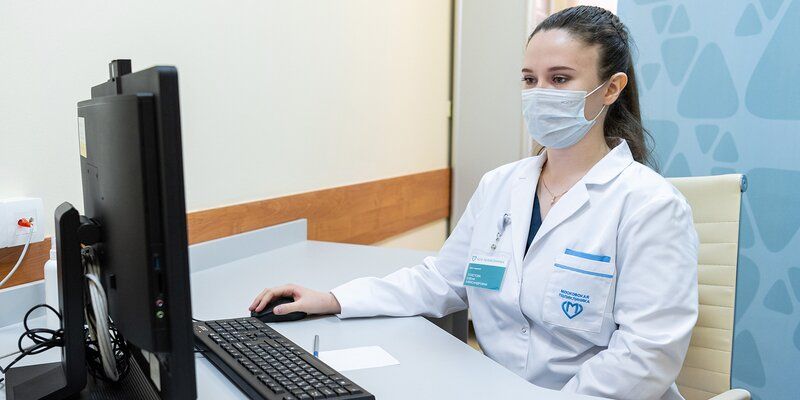
Since the Medical Decision Support System (MDSS) launched in Moscow polyclinics, the service has helped doctors make five million preliminary diagnoses. The digital tool saves doctors’ time and improves diagnostic accuracy. We learned that from the Moscow Social Development Complex Press Service.
Starting October 2020, the Medical Decision Support System has been operating in all adult polyclinics in Moscow. One of its functions empowers doctors to make preliminary diagnoses based on patients’ complaints. Nevertheless, its function is advisory only: a doctor is the one to make the final decision. Doctors have made five millions preliminary diagnoses using the MDSS, with over 1.6 of them made this year. Immediately on making a preliminary diagnosis, the algorithm offers the doctor a package of extra tests and exams to verify it. That allows them to cut down the diagnosing time significantly while improving accuracy,” underlined the Press Service representative.
The software algorithms were based on clinical recommendations provided by external senior physicians of the Moscow Healthcare Department, federal level experts, Russian Healthcare Ministry and international standards. Based on the patient’s complaints, the system offers the doctor three most probable diagnoses. The doctor can follow one of them, or make his or her own decision, based on professional experience or other grounds.
After making a preliminary diagnosis, the doctor routes the patient for further diagnostics, be it tests or a specialist doctor advice. At that step, the system offers another of its services: package prescriptions, including all the lab tests and clinical examinations along with specialist doctors’ advice to confirm the tentative diagnosis. The list of diagnostic manipulations can be expanded or shortened (in case the patient has recently done some of the tests). The doctor sees all that data in the comprehensive system of healthcare information and analysis.
Practice shows that about 70 per cent of preliminary diagnoses suggested by the system turn out to be true – an exceptional result for services of that type.
Moscow has been digitizing its healthcare system for 10 years. Currently, the heart of this process is a single digital platform, which is being developed jointly by the Moscow Social Development Complex and the Moscow Department of Information Technologies. It provides bespoke care to every patient at all stages, from diagnosing to therapy and follow-up. The platform aggregates all health status data to be available online both to healthcare professionals and patients themselves.