Sergei Sobyanin: Southern section of the Moscow High-Speed Diameter to be completed by the end of the year
(8).jpg)
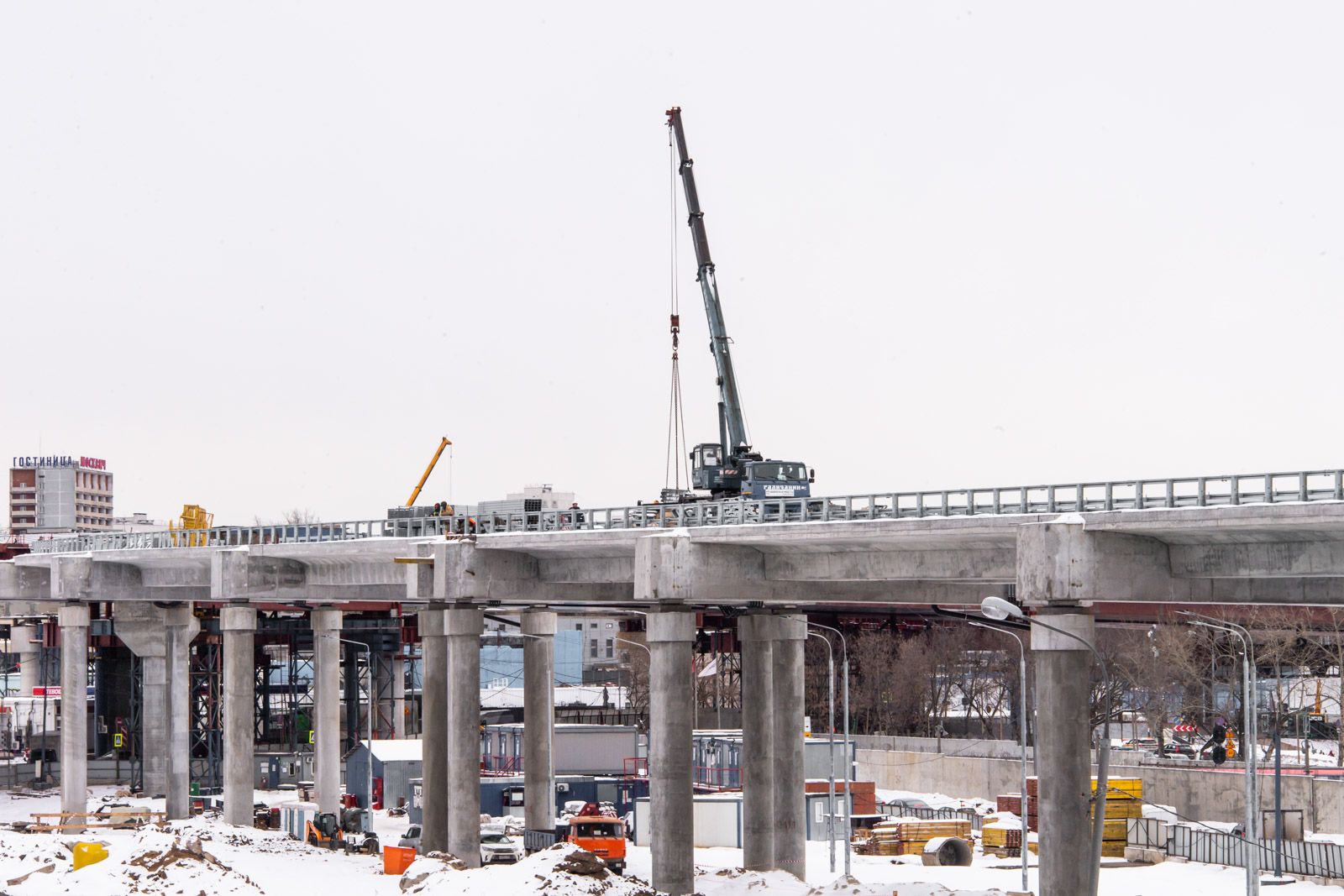
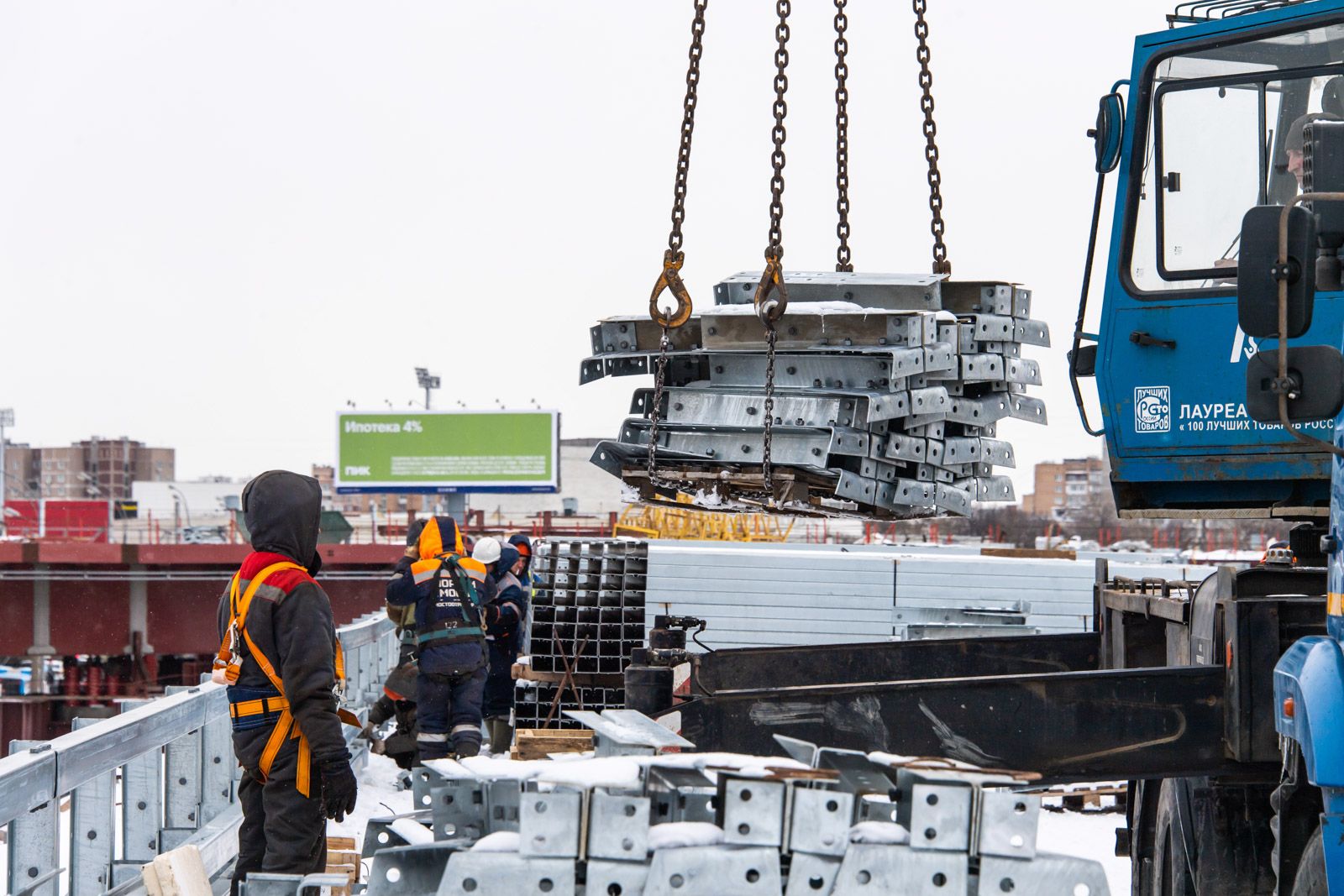
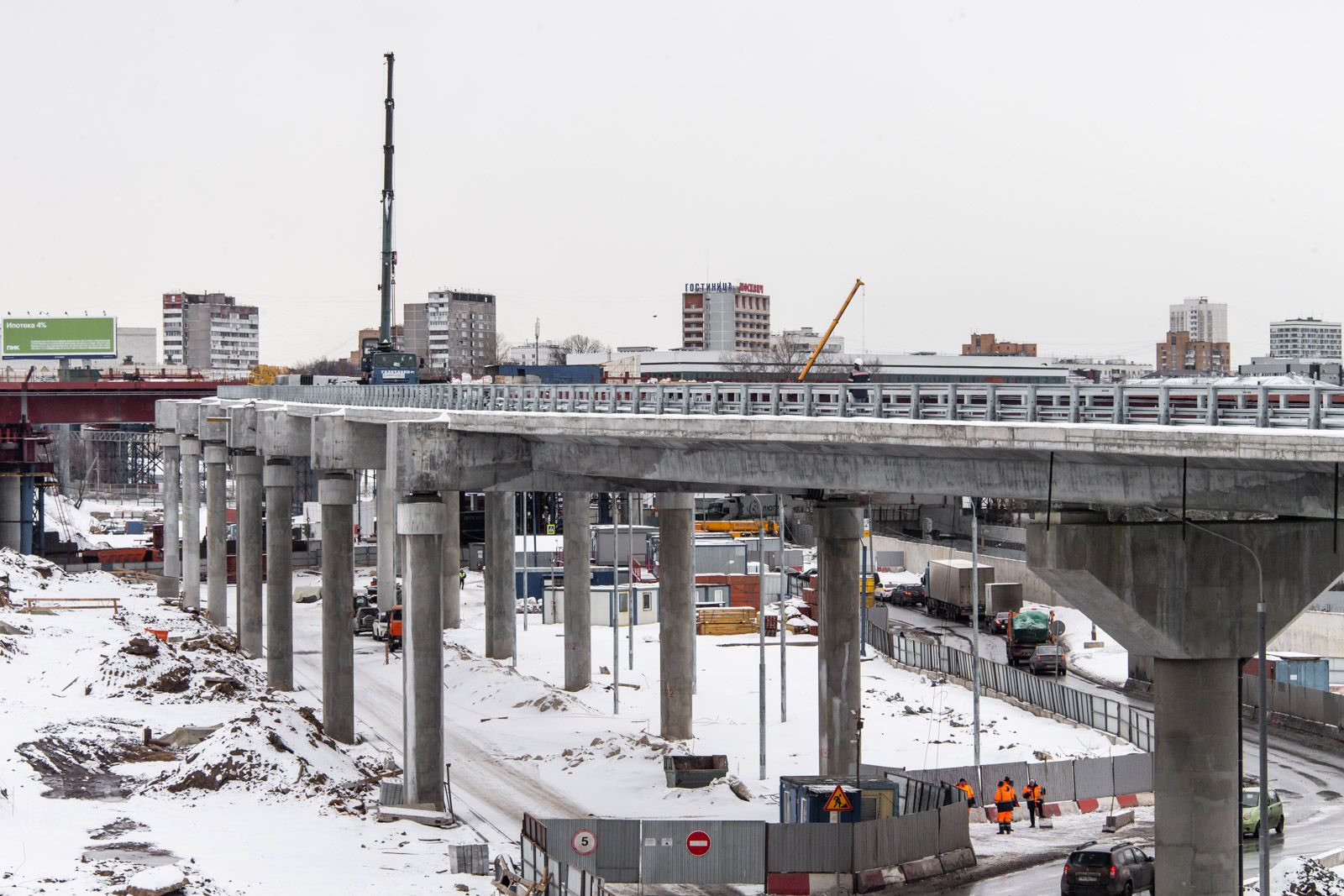
By the end of 2023, the construction of the southern section of the Moscow High-Speed Diameter (MHSD) is to be completed. 68 per cent of the construction work has been finished.
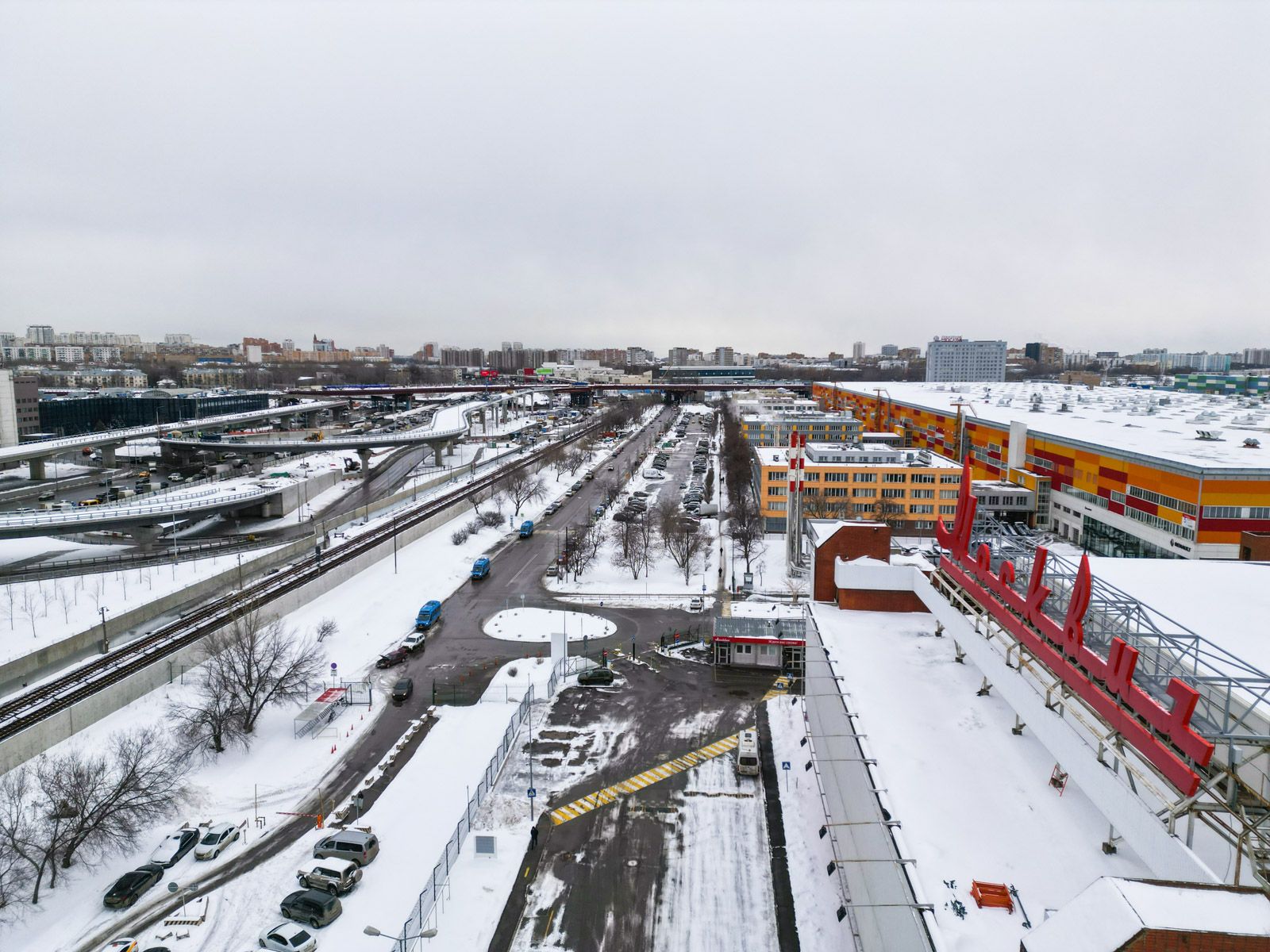
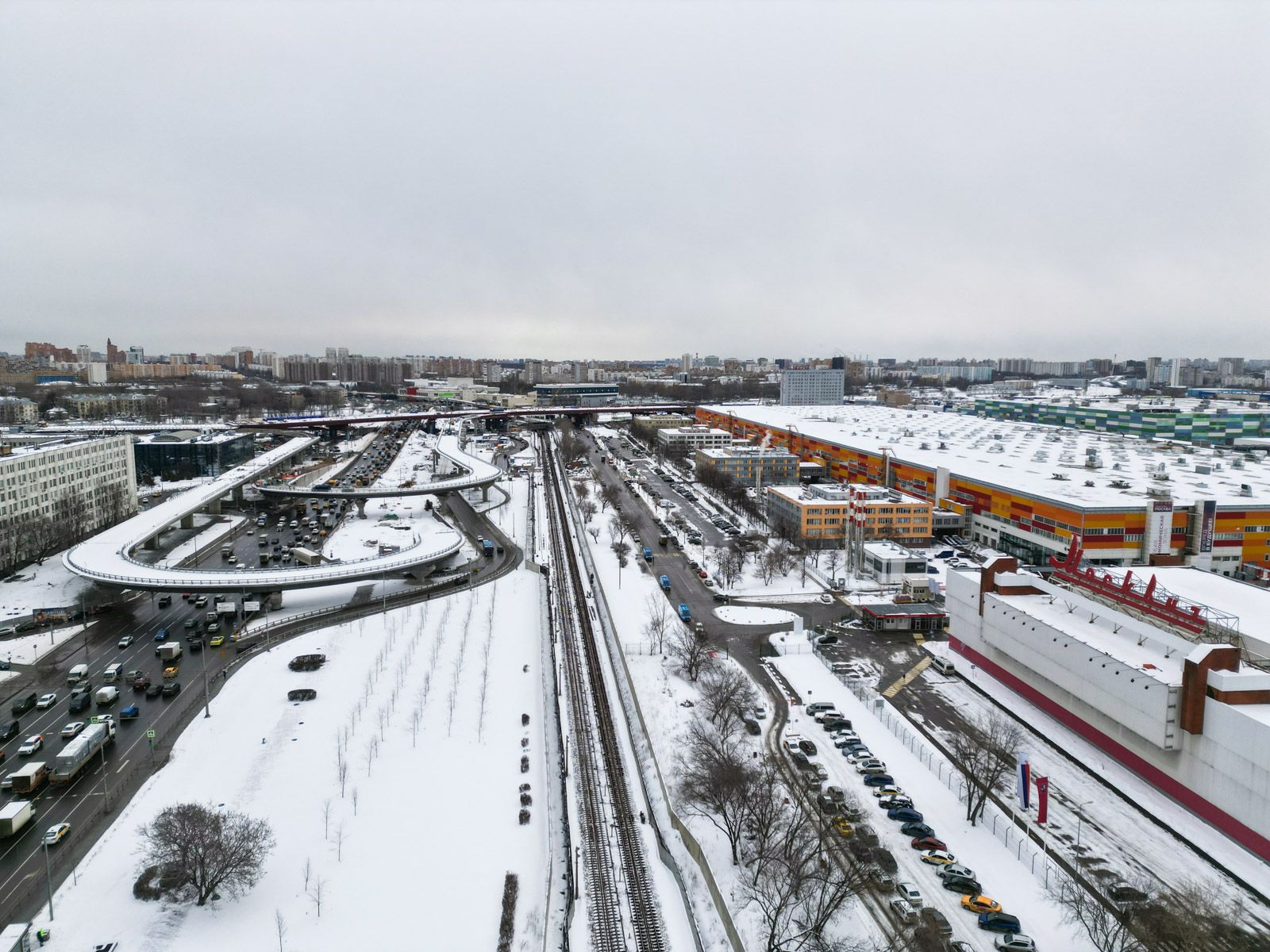
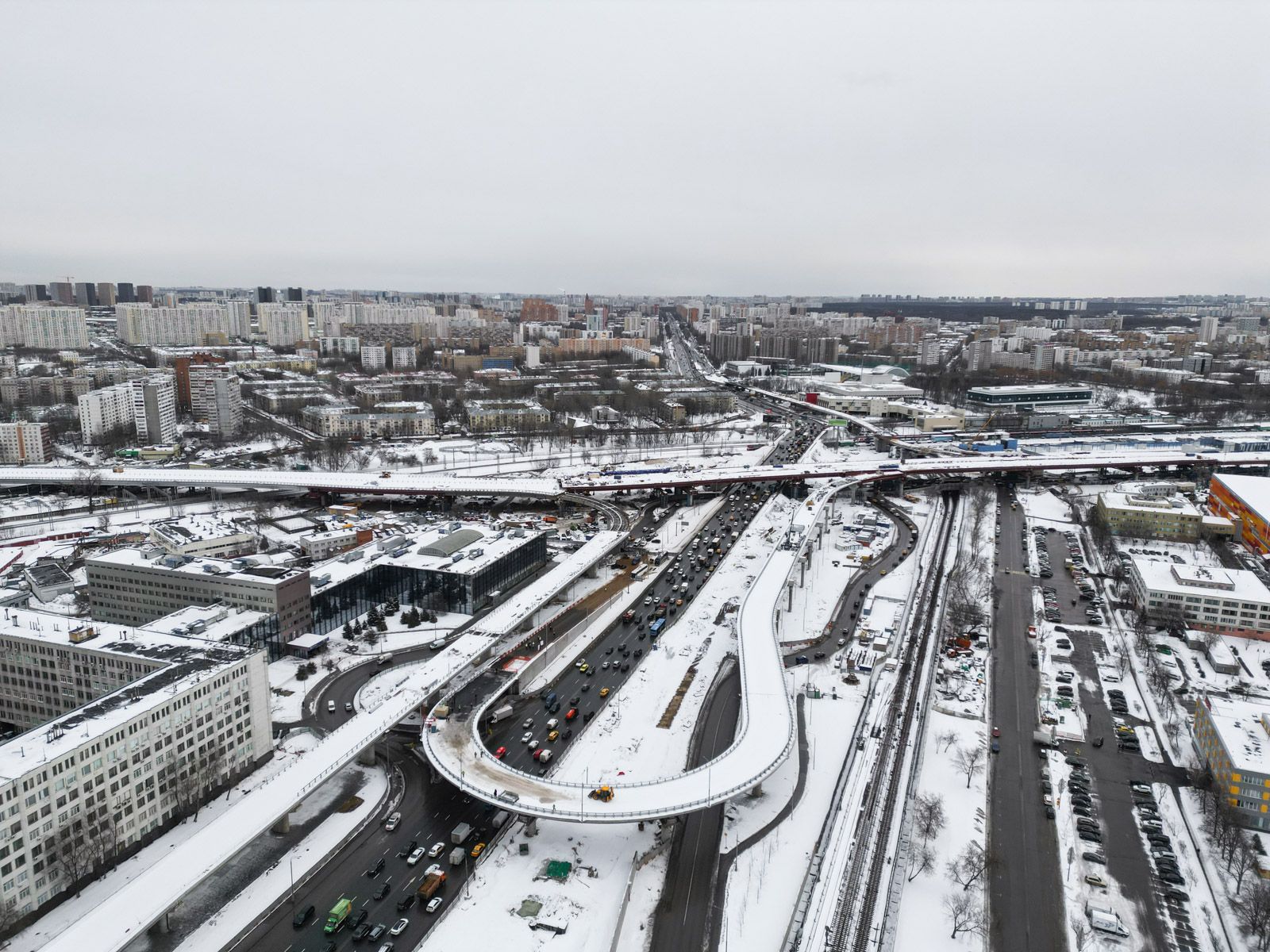
“This year, the southern section of the Moscow High-Speed Diameter is the major road construction megaproject in Moscow. Its key part is the intersection with Volgogradsky Prospekt. In fact, this is the most complicated transport interchange, comprised almost entirely of overpasses,” said Sergei Sobyanin during an inspection of the highway under construction.
The southern MHSD section will connect major highways: Entuziastov Motorway, Ryazansky Prospekt, Third Ring Road, Volgogradsky Prospekt, Shosseynaya Street, Kashirskoye Motorway, Kaspyskaya Street, Yuzhnaya lateral road, Lipetskaya and Podolskikh Kursantov streets and Moscow Ring Road, exiting into Troitsky and Novomoskovsky Administrative Districts through the Solntsevo — Butovo — Varshavskoye Motorway main road.
The new highway will improve transportation services for 22 districts of Moscow with a population of about 2.5M people.
The southern MHSD section will be 28 kilometers long. Taking into account exits, interchanges and alternate routes, 96 kilometers of roads are to be built as part of the project, including 56 artificial structures, 22 kilometers long: 36 flyovers (17.3 kilometers), four tunnels (300 meters), three bridges (500 meters), 13 overpasses (3. 7 kilometers). Twelve off-street pedestrian crossings will also be built.
“300,000 drivers use the MHSD every day. It has reduced the traffic load of the Moscow Ring Road sections up to 15 per cent, Third Ring Road: up to 13 per cent. After the full launch, the MHSD will become as popular as the Big Circle Line,” Sergei Sobyanin wrote on his Telegram channel.
Source: Sergei Sobyanin’s telegram channel @mos_sobyanin
One of the most challenging sections of the future route is from Graivoronovskaya to Shosseynaya Street. This is a six-lane traffic-free road about two kilometers long, most of which (1.5 kilometers) will pass along the flyover over Volgogradsky Prospekt and the MCD-2 railway tracks. Exits to Volgogradsky Prospekt, Lyublinskaya and Graivoronovskaya streets will be arranged from the new highway.
“It is comprised almost entirely of overpasses; in fact, this is the most challenging transport interchange,” Sergei Sobyanin emphasized.
A total of 10.4 kilometers of roads are to be built, including 5 artificial structures, the overpass of the main passage and four exit overpasses:
- from Volgogradsky Prospekt to the main MHSD entrance towards Kashirskoye Motorway (730 meters, two traffic lanes in one direction);
- at the MHSD main entrance from Ryazansky Prospekt to Volgogradsky Prospekt towards the Moscow Ring Road (MKAD): 820 meters, two traffic lanes in one direction;
- from Volgogradsky Prospekt to the main MHSD entrance towards Ryazansky Prospekt (230 meters, one traffic lane in one direction);
- at the main MHSD entrance from Kashirskoye Motorway to Volgogradsky Prospekt towards the Moscow Ring Road (710 meters, two traffic lanes in one direction).
In addition, one-lane exits from the MHSD to Lyublinskaya and Graivoronovskaya streets, from Volgogradsky Prospekt to Shosseynaya Street (2.4 kilometers) are to be built, and a side passage along Volgogradsky Prospekt (400 meters, two lanes in one direction) is to be launched. Specialists will also reconstruct the adjacent road network (2.9 kilometers, one or two lanes in each direction).
The nearby area will be landscaped: 12.5 hectares of lawns, 367 trees (larch, thuja, linden, maple, mountain ash) and 6829 shrubs (spirea, mock orange, dogwood, snowberry) will be planted here. During the work, specialists will shift 90 kilometers of engineering communications.
“Thanks to well-coordinated work with city services, today we are fully on schedule. We hope that the facility will be fully completed ahead of schedule, in September,” said Aleksey Krapivin, General Director of JSC Roads and Bridges.




Moscow High-Speed Diameter
The new 68-km road known as the Moscow High-Speed Diameter (Southeast and Northeast chords), including three lanes in each direction, will connect the largest outbound routes, such as Dmitrovskoye, Altufyevskoye, Yaroslavskoye, Shcholkovskoye and Entuziastov motorways, Ryazansky and Volgogradsky Prospekts, Kashirskoye and Varshavskoye motorways, the Third Ring Road, the Moscow Automobile Ring Road (MKAD), etc.
Counting exits and reconstruction of the adjacent road network, 219 kilometers of roads will be built, including 141 artificial structures with a total length of 60 kilometers and 34 pedestrian crossings.
“We have to simultaneously launch all sections and connect the main MHSD route with the southern section. This will definitely improve the transport system in the city,” the Moscow Mayor concluded.
The MHSD will be connected to M-11 federal highway between Moscow and Saint Petersburg in the north, M-12 Moscow-Kazan highway in the east. In the south, the MHSD will connect the main highway of the Solntsevo-Butovo-Varshavskoye motorway (Troitsky and Novomoskovsky Administrative Districts).
The main MHSD segment, the North-Eastern Chord, was built in September 2022. The southern section of the diameter, the South-East Chord, will be put into operation this year.
“Millions of drivers will enjoy new traffic realities of faster and more convenient travels from one side of the city to another. Depending on the distance and time of day, passengers can save from 10 to 50 minutes, and drivers can reach their destination 85 minutes faster than before on some routes.
Rerouting the traffic will reduce the strain on the Garden Ring, the Third Ring Road and the Moscow Ring Road by up to 30 per cent, while improving transport accessibility for Sheremetyevo and Domodedovo airports, the Eastern train station and other key infrastructure objects. Harmful air emissions are expected to be reduced by 20 per cent.
MHSD fares
The Moscow High-Speed Diameter is intended for residents of Moscow and Moscow region first of all. The MHSD can also attract transit transport to the city. This can significantly reduce the positive effect of the new highway. In this regard, it was decided to introduce a fee for MHSD travels for transit vehicles starting from January 2, 2023. The fare is 950 rubles.
Travel is transit if:
- the vehicle crosses the Central Ring Road twice in any area within 24 hours and runs along the MHSD;
- no more than two hours elapsed between the entry of the car into the MHSD and the exit from it.
You need to pay only for each route of the Central Ring Road-MHSD-Central Ring Road, regardless of the time of the day, type of vehicle or the number of transit passages on the MHSD.
There are no payment points with barriers on the MHSD, transit passage is barrier-free with the help of photo and video cameras. You can pay for it using the Parking Lots of Russia application, the msd.mos.ru website and other services (mos.ru website, public services portal, transponders, banking applications).
On top of that, the MHSD is completely closed for trucks, except for those that have permissions to drive through Moscow.
Cars with state registration numbers of Moscow and the Moscow region, can travel on the MHSD for free. Travel is also free for:
- taxi with a license from Moscow and Moscow region;
- urban public transport;
- transport on regular interregional routes;
- special vehicles with light and sound signals (fire brigade, police, ambulance, emergency services, military automobile inspection);
- cars of the Federal Postal Service and vehicles of accompanying employees.
Today, 300,000 drivers use the MHSD segment on a daily basis; the vast majority of them (265,000) are Muscovites. It is expected that after the full launch of traffic on all sections of the highway, the traffic flow will exceed 400,000 vehicles per day.
The Moscow High-Speed Diameter will be the final part of the Moscow Chord road system. Chords are new roads running through the middle part of the city and presenting an alternative option to the Moscow Ring Road, the Third Ring Road and the roads running through the historical center of Moscow.
New roads of Moscow
More than 20 per cent of the existing street and road network in Moscow was built in 2011–2022 by decision of the Moscow Government. The total length of these roads is 1241.1 kilometers. In total, during this time, 359 artificial structures (bridges, tunnels, overpasses) and 291 off-street pedestrian crossings were built. The construction of another 96.6 kilometers of roads, 38 artificial structures and 21 pedestrian crossings are to be finished this year.
The key project in this area is the construction of the Moscow High-Speed Diameter. The most significant projects are also sections of the Southern lateral road, the transport interchange at the intersection of the Moscow Ring Road with Lipetskaya Street and the Varshavskoye Motorway-Andreevskoe -Yakovlevo highway.
In 2024–2025, 145.6 kilometers of roads, 35 artificial structures and 28 pedestrian crossings are to be built.