Sergei Sobyanin and Denis Manturov launch 3 high-tech factories in Technopolis Moscow
(3).jpg)
Three more high-tech production lines were launched in the Technopolis Moscow Special Economic Zone (SEZ); the opening ceremony was attended by Moscow Mayor Sergei Sobyanin and Denis Manturov, Deputy Prime Minister-Minister of Industry and Trade of the Russian Federation.
The new enterprises will manufacture EVM PRO electric trucks based on Russian UAZ chassis (EV MANUFACTURING RUS LLC), lasers and laser-related equipment (LASSARD LLC), and devices using high-tech data transmission solutions (Biforcom Tech LLC).
“Technopolis Moscow and Moscow manufacturing as a whole are extensively developing despite the sanctions, and maybe they have also contributed to the growth. This year, our manufacturing is expected to grow by approximately 8 per cent. A good example is Technopolis Moscow, which is going to have about ten more enterprises by the year end. Today, we are launching three high-tech production facilities. This is in fact Russia’s debut electric truck factory, a laser production site, and a plant to produce telecom equipment needed for cellular operators. In general, it is crucial for the national manufacturing,” said Sergei Sobyanin.
He also added that both the Technopolis Moscow SEZ and the capital’s manufacturing had gained strong momentum due to the effort of the business community in addition to the backing from the Russian Government.
First-ever domestic electric trucks
The electric truck factory occupies an area of over 2,700 square meters and comprises metalworking (premises with 5 m²-floor load machines), SKD and electrical (with electric motor/vehicle electronics production lines to be launched in Q3 2023) workshops.
The debut Russian electric truck is based on the UAZ Profi chassis and has the following technical characteristics:
— car dimensions: length — 7,015 cm, height — 2,940 cm;
— body type: pickup truck, Euro, insulated van, and refrigerated van;
— van dimensions: 4,215 x 2,165 x 1,970 cm, externally wrapped with polymer-coated galvanized steel sheets and plated with coated galvanized steel;
— curb weight: up to 3.5 tons (permitted inside the Moscow Ring Road);
— carrying capacity (payload): up to 1 ton;
— maximum speed: 120 km per hour (recommended speed: 80 km per hour, limited electronically);
— electric motor: 50 kg (the world’s lowest weight in this class), maximum torque: up to 300 Nm;
— charge distance: up to 300 km;
— thermally managed 90 kWh LiFePO4 battery;
— effective battery life (95% maintained battery health);
— 3,000+ cycles, or approx. 750,000 km of trucking operation;
— recharge time: 1 hour (in case of fast charging devices of over 80 kW) or more.


The EVM PRO electric truck goes together with a 40 kW portable charger to completely recharge the truck in two hours, where necessary.
The production processes involve using primarily domestic components and do not rely on foreign suppliers as 77 per cent of the components, including rolled steel, nonferrous mill products, chassis, sensors and plastic, are manufactured in Russia. The power unit consisting of a synchronous motor and power electronics in addition to vehicle electronics and software have been developed by the company internally, while its manufacturing capacities enable them to produce up to 1,000 trucks per annum.
According to Denis Manturov, the key point was to build own competencies.
“Yes, they bought ready-made technological solutions for making their first trucks. But the level of our own technological solutions will be increasing every month,” said Denis Manturov.
He added that this applied to electric motors, all vehicle electronics and, in the future, to batteries. Both Moscow and other buyers who are interested in environmentally friendly transport are expected to order the EVs on a permanent basis.
The project has raised RUB 393 million of investment and has created 104 new jobs with the average monthly wage of RUB 142,000.
.jpg)
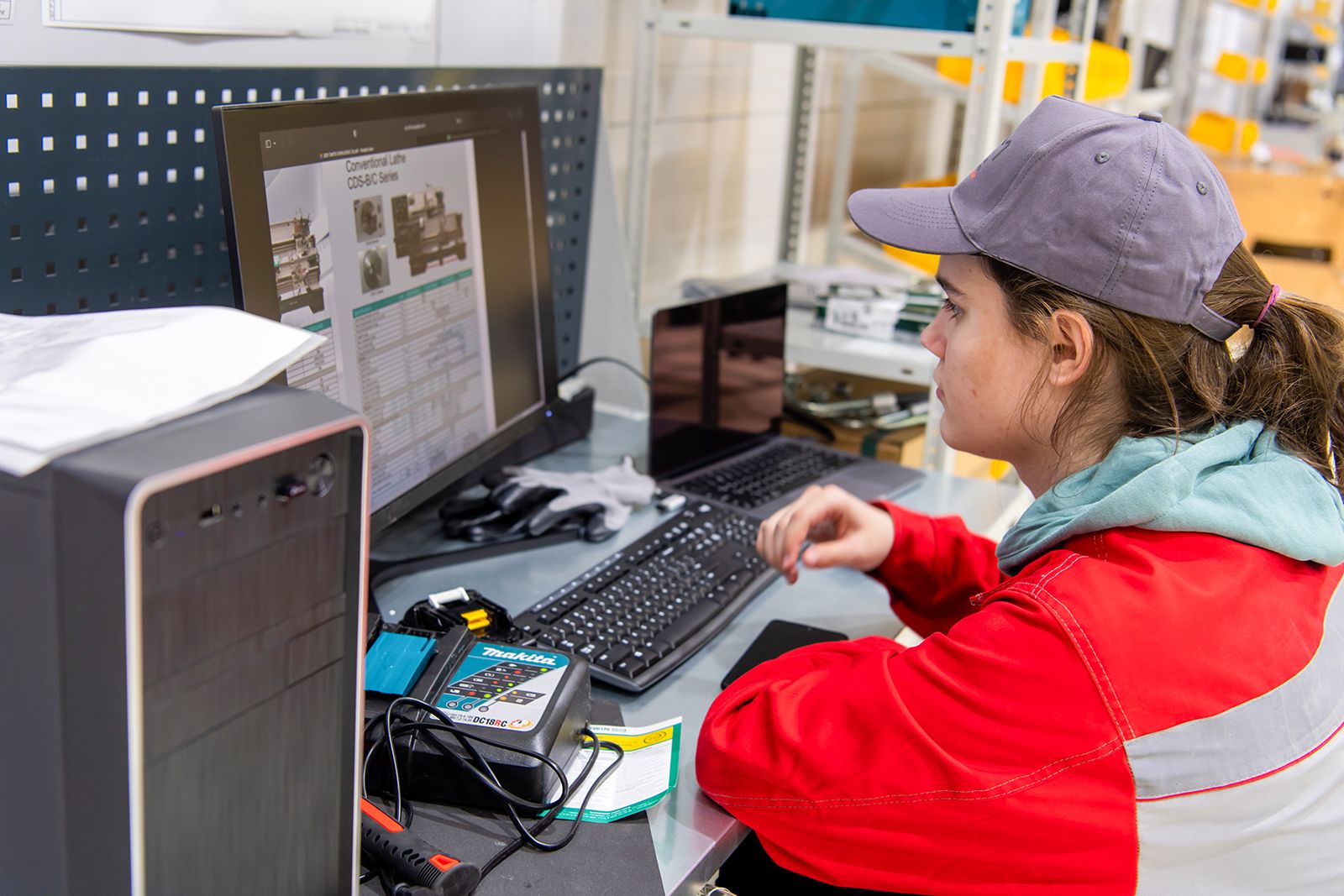


Moscow and Saint Petersburg are now testing drive the debut Russian electric trucks with the involvement of Whoosh, EuroAuto, Maxidom and Petrovich, the potential customers also including Russian Post, Russian Railways, Gazpromneft, Leroy Merlin, Mosenergo, Ozon, and Wildberries.
One electric truck will reduce CO2 emissions by 10 tons per year on average.
Lasers and laser devices
Lasers and laser devices will be produced at a plant covering an area of 4,000 square meters; its product range will include laser cutting machines, lasers and laser systems, optomechanical devices, and fiber-optic cables.
The project has raised RUB 230 million of investment and has created 140 new jobs with the average monthly wage of RUB 130,000.
The plant’s capacity makes it possible to manufacture up to 1,000 lasers and more than 400 devices for laser metal working per annum, these including:
— Laser cutting machines Optimum F (similar to Swiss Bystronic DNE 1530 and Turkish Ermaksan Fibermak);
— Cleaner Portal for sheet/plate stock (there are no analogues);
— Excimer laser CL 7700 (equivalent to German Zeiss Mel 90);
— Ophthalmic system Visum (similar to the US LenSx);
— Solid state quantron LS-Q3–1064 CW (similar to the device produced by US Northrop Grumman);
— 2 kW fiber lasers (equivalent to IPG and Coherent).


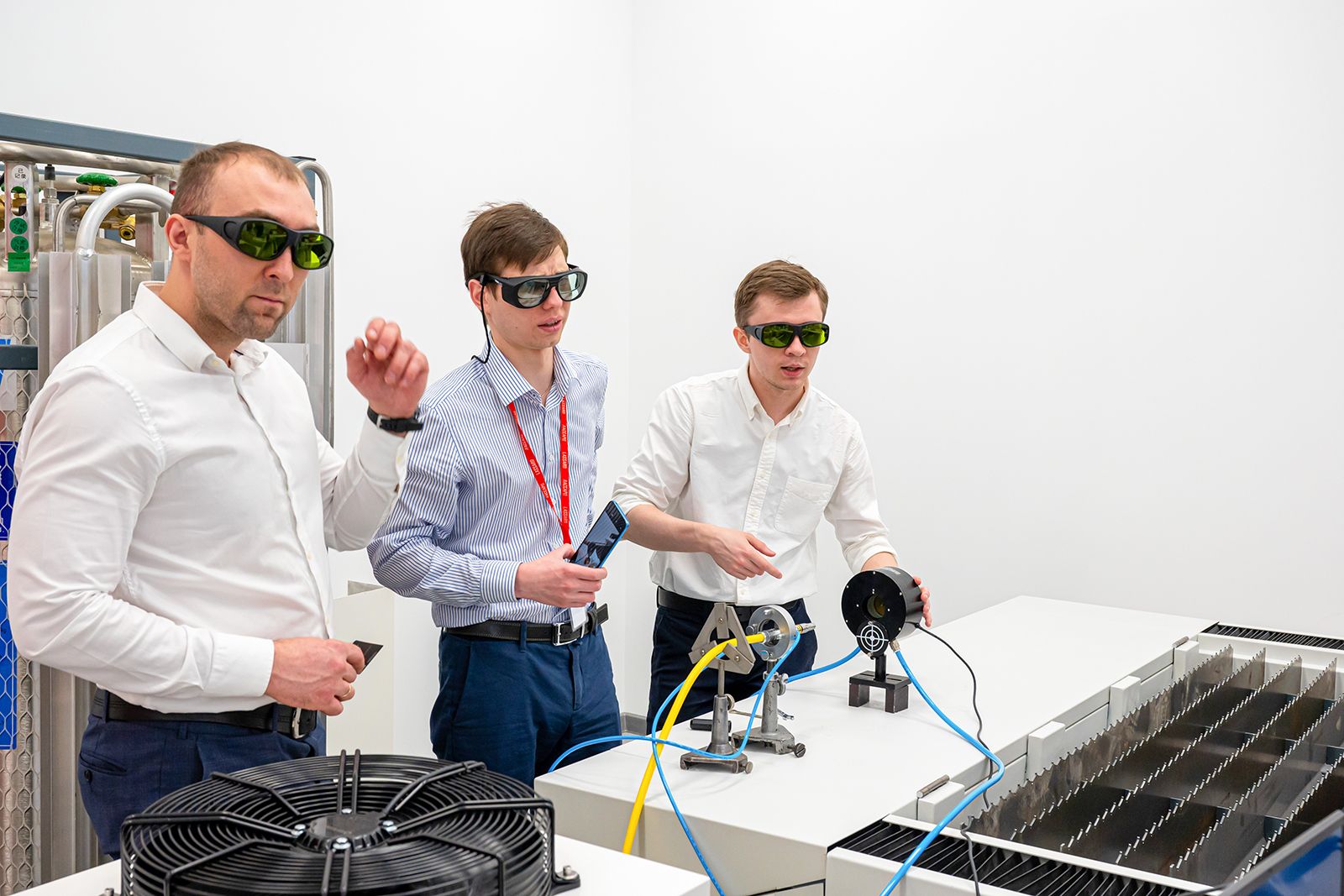
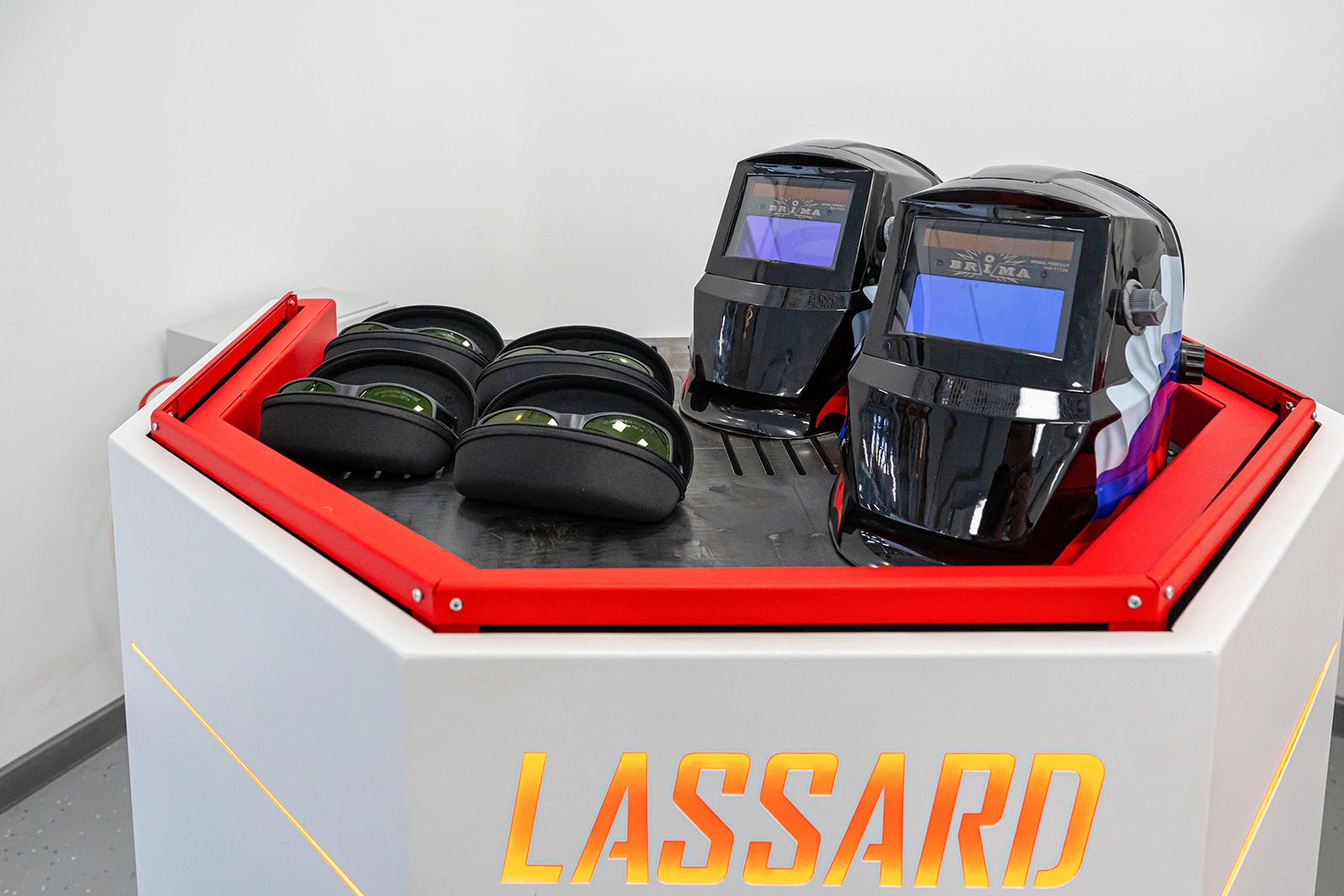
Moscow consumers buy about 40 per cent of products manufactured by LASSARD Group, while the rest are supplied to 40 regions across Russia (Saint Petersburg, Voronezh, Ivanovo, Kaluga, Leningrad, Moscow, Nizhny Novgorod, Saratov, Sverdlovsk, Tambov, Chelyabinsk and Yaroslavl Regions, Udmurt and Chuvash Republics, plus Stavropol Territory) and are also exported to seven foreign countries, such as Belarus, Greece, Kazakhstan, China, Cuba, Tajikistan, and South Korea.
Most (70 per cent) of the core equipment and components are produced in Russia, with 30 per cent of imports.
The products are generally used in microelectronics, medicine, energy sector, automotive and aerospace industries, oil & and gas, communications and telecommunications,
the top customers include Concern Radio-Electronic Technologies (KRET), United Engine Corporation, Almaz-Antey, Tactical Missiles Corporation (KTRV), Dzerzhinsky Uralvagonzavod Research and Production Corporation, and the Ministry of Health.
Data transmission-based devices
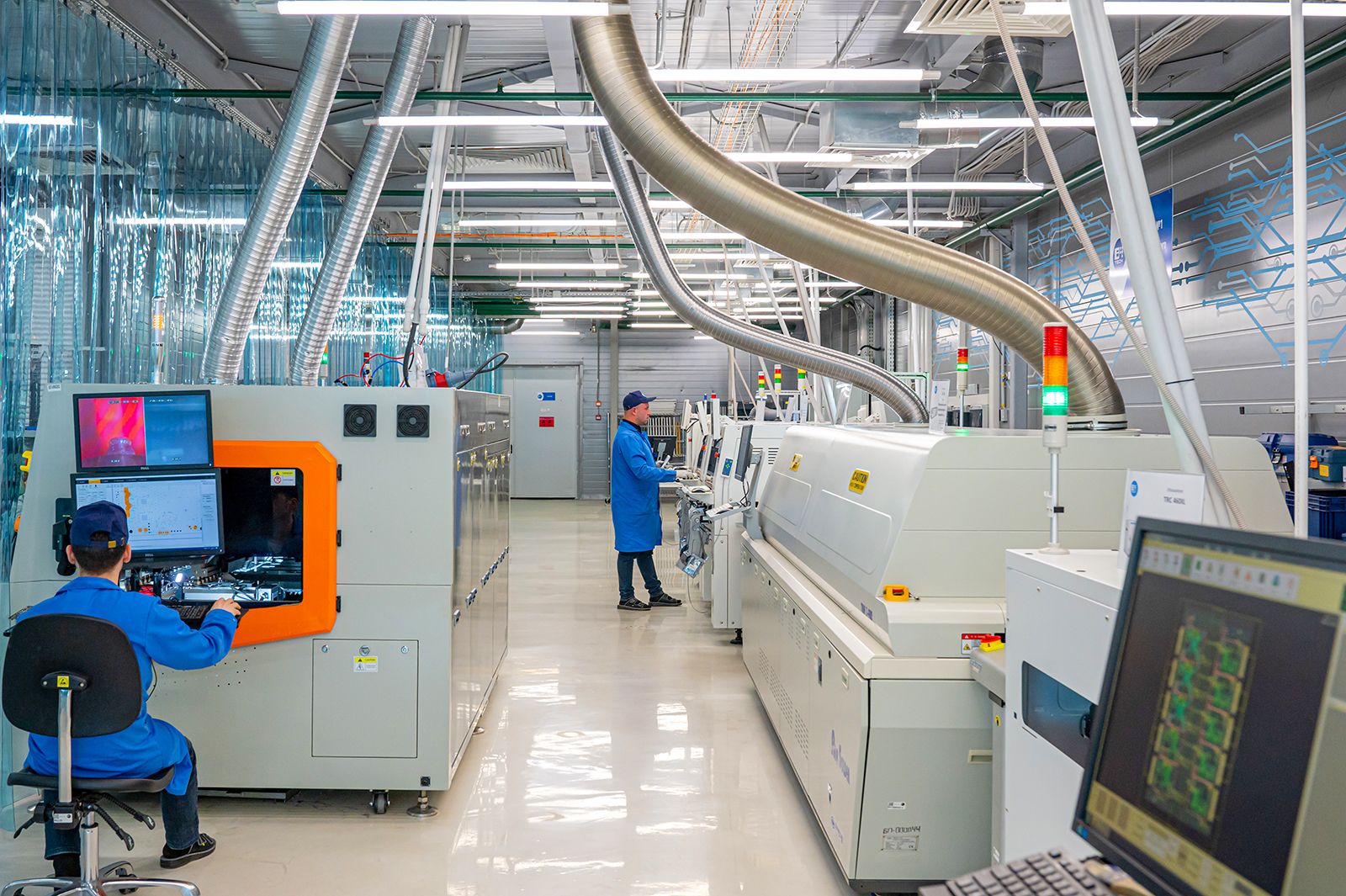
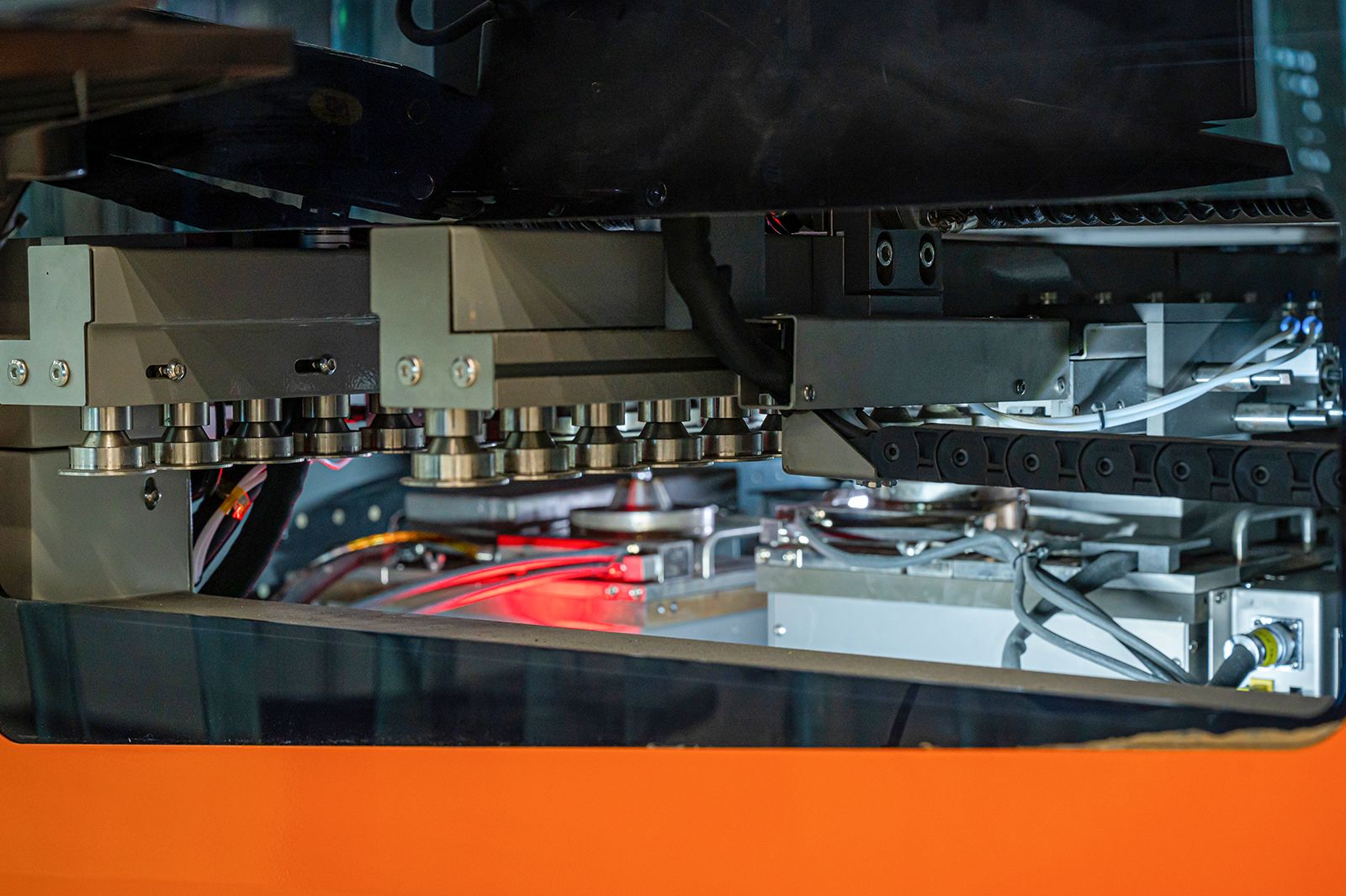
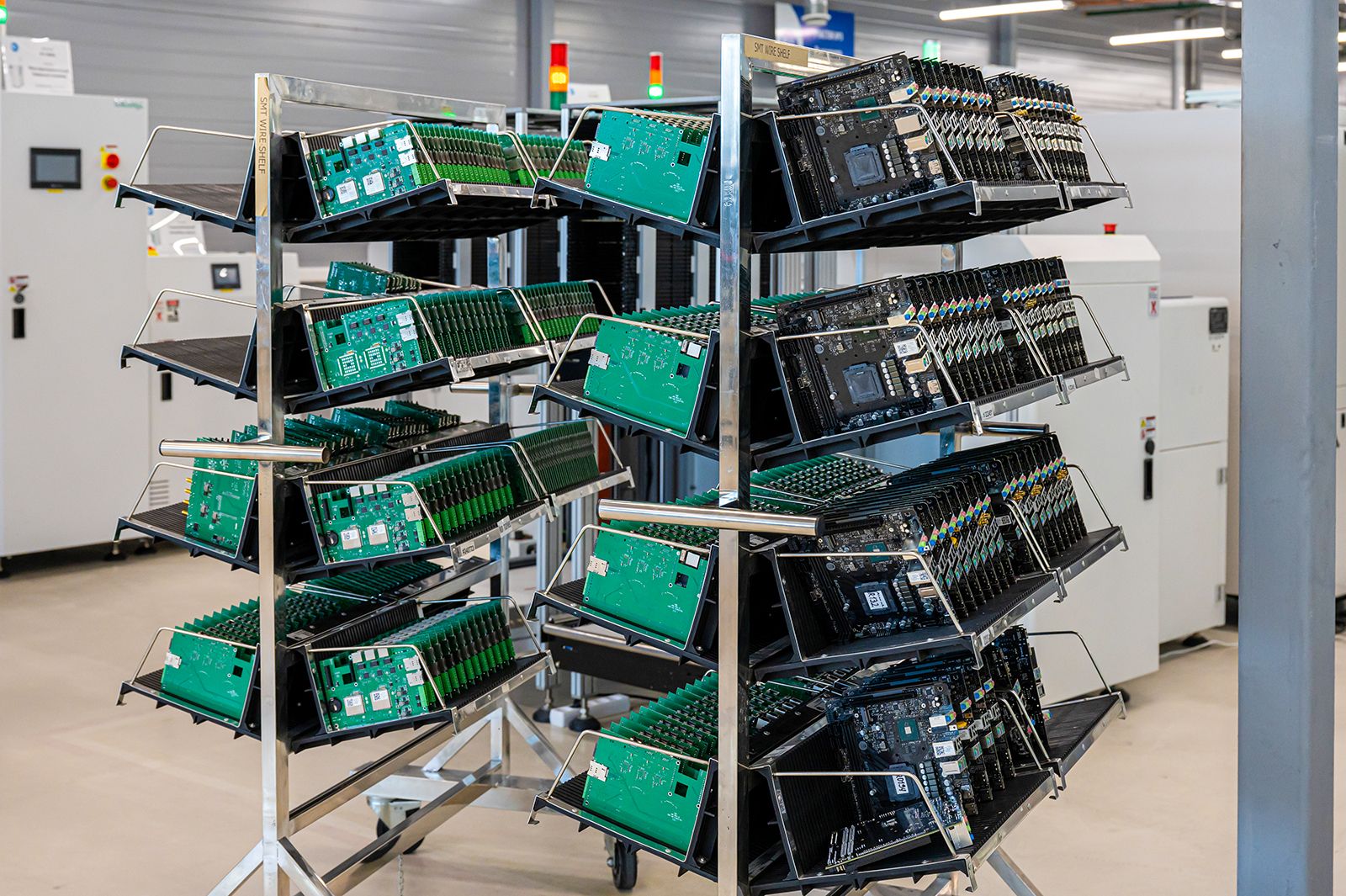
The third production facility (Biforcom Tech) spans 3,400 square meters and manufactures, among other things, switchboards for data processing centers, routers and computer workstations with the main focus on R&D, software, hardware, engineering, and support manning.
The project has raised RUB 933 million of investment and has created 129 new jobs, the average monthly wage reaching RUB 198,000.
Moscow consumers buy 70 per cent of the company’s products, while the rest is delivered to other Russian regions.


Technopolis Moscow as a focal point of metropolitan manufacturing
Established in 2006, Technopolis Moscow Special Economic Zone (SEZ) gained momentum after ten years, when the Moscow Government became its operator.
SEZ residents are relieved of the property, transport and land taxes and enjoy the income tax rate of mere 2 per cent in addition to free customs zone modality. After a facility is complete, a resident can buy the land plot it is built on for trifle 1 per cent of its register value.
Technopolis Moscow SEZ includes six production sites that take up 260 hectares in total, with one in Pechatniki, four sites in Zelenograd (Alabushevo, Micron, MIET, and Angstrem) and one more in Kosino-Ukhtomsky area (Rudnevo).
Rudnevo Industrial Park is the sixth site in Technopolis Moscow.
Today, it is the flagship of the present-day Moscow manufacturing and is home to more than 200 enterprises, including 90 high-tech companies with the resident status, which employ > 13,500 people in addition to 1,400 new jobs created in three quarters of 2022; their accumulated investments are already in excess of RUB 120 billion.
Three high-tech clusters, such as pharma, automotive, photonics & microelectronics, were created in the SEZ in 2022.
The automotive cluster will become a production hub for cars, trucks, utility vehicles, and batteries and is expected to accommodate over 40 companies, including automobile, microelectronics, composite and charger station producers.
Over 40 companies participate in the photonics & microelectronics cluster. With photon technologies, data processing and transmission rate can be 50–100 times faster and their energy consumption 5–10 times lower. One of the cluster’s first projects is setting up a factory to produce active photonic integrated circuits (PIC) used in telecom industry, radio photonics, laser systems, healthcare, optical computations, etc. PIC production at Technopolis Moscow will pave the way for Russia-made telecom equipment and new-gen optics systems.