Unique Levenson Dacha restored — Sergei Sobyanin
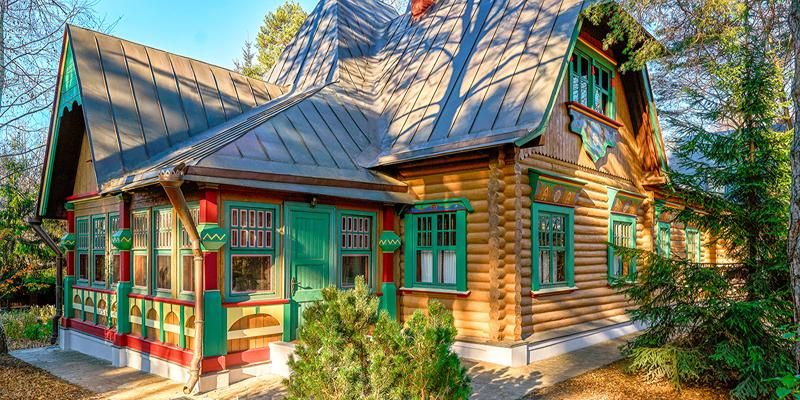
Restoration of A. A. Levenson’s Dacha, a cultural heritage site of federal significance and the only surviving wooden building designed by Russian architect Fyodor Schechtel, has been completed, as reported by Sergei Sobyanin in his blog.
“The fairy-tale wooden tower house on Chobotovsky Proyezd is known far beyond Novo-Peredelkino, the neighborhood it adorns. And that is hardly surprising: Schechtel’s creation marked the beginning of the national romantic movement in Russian architecture and became one of the most striking examples of wooden Art Nouveau,” the Moscow Mayor notes.
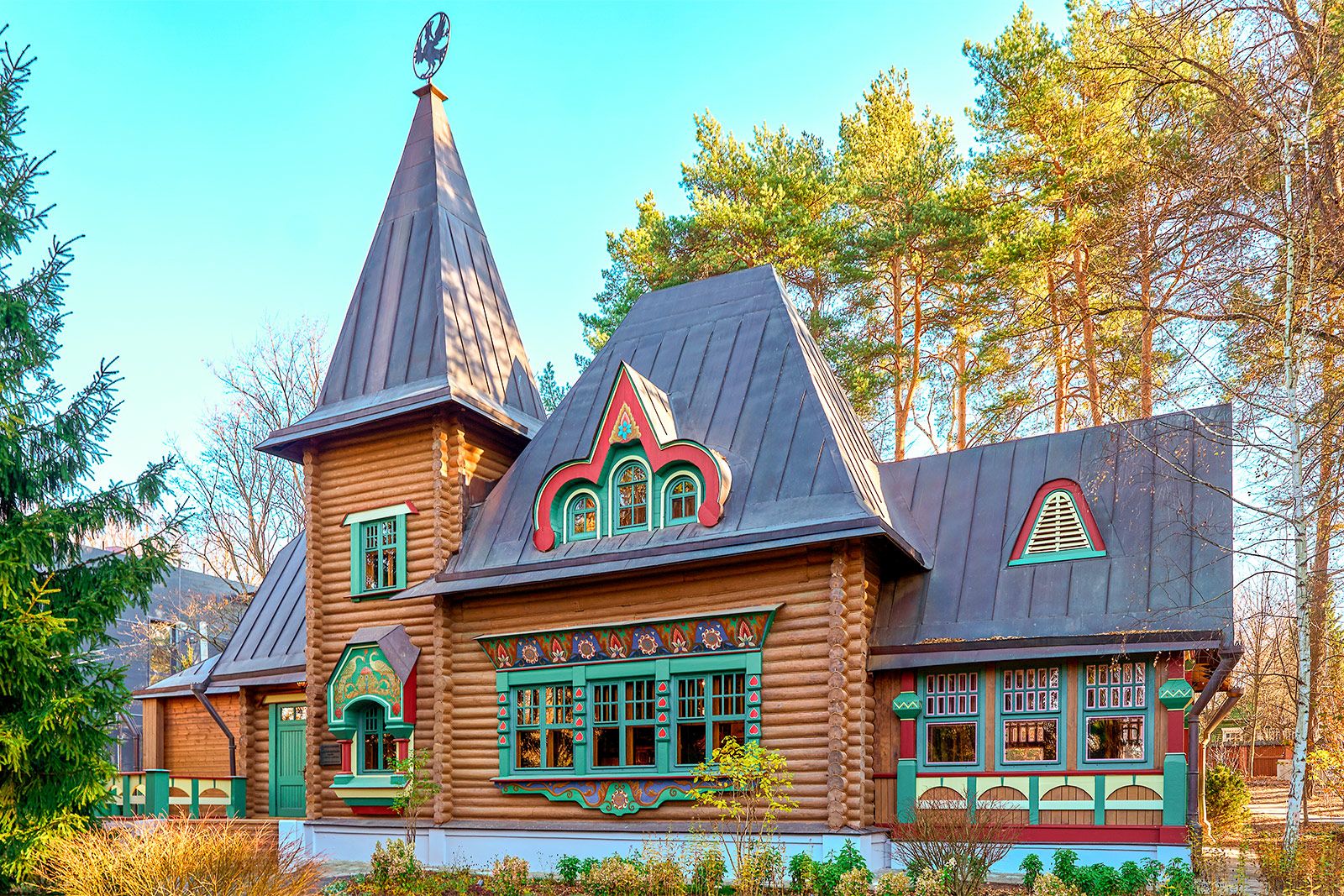
The estate was built in 1900 for Alexander Levenson, a prominent Moscow printer who owned a printing house on Trekhprudny Pereulok. He wanted to create a cozy summer residence in the popular vacation-home community of Choboty, on the high right bank of the Setun River, which offered beautiful views of the picturesque surroundings.
The choice of Fyodor Schechtel as the architect was no coincidence. By then, he had already become famous for his mansions and other buildings in Moscow and the surrounding area. But it was while designing the country house in Choboty that he combined the traditions of ancient Russian architecture with the Art Nouveau style. These ideas later formed the basis of his internationally renowned designs, including the Yaroslavsky Railway Station building on Komsomolskaya Square in Moscow.
“Over its more than century-long history, Levenson’s Dacha has had many owners. It has served as a communal housing and an administrative building. In the 1990s, it underwent partial repairs. And now the time has come for restorers to return to the historic wooden house, which had lost some of its former beauty,” Sergei Sobyanin explains.
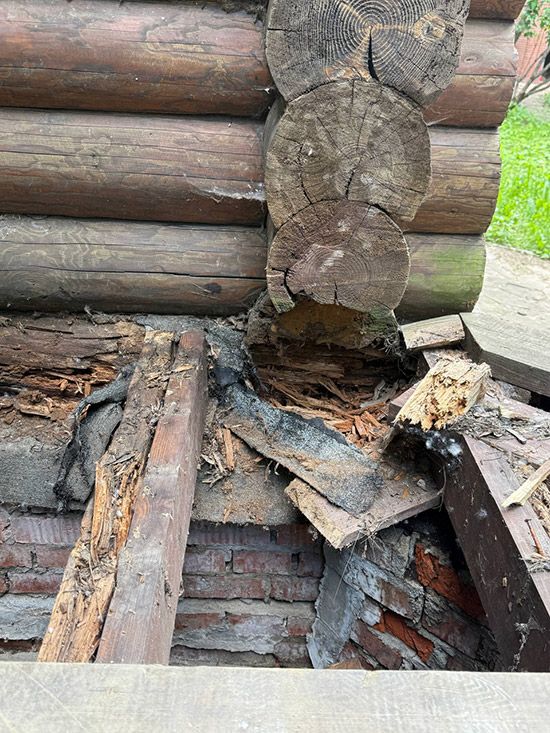
Restoration work
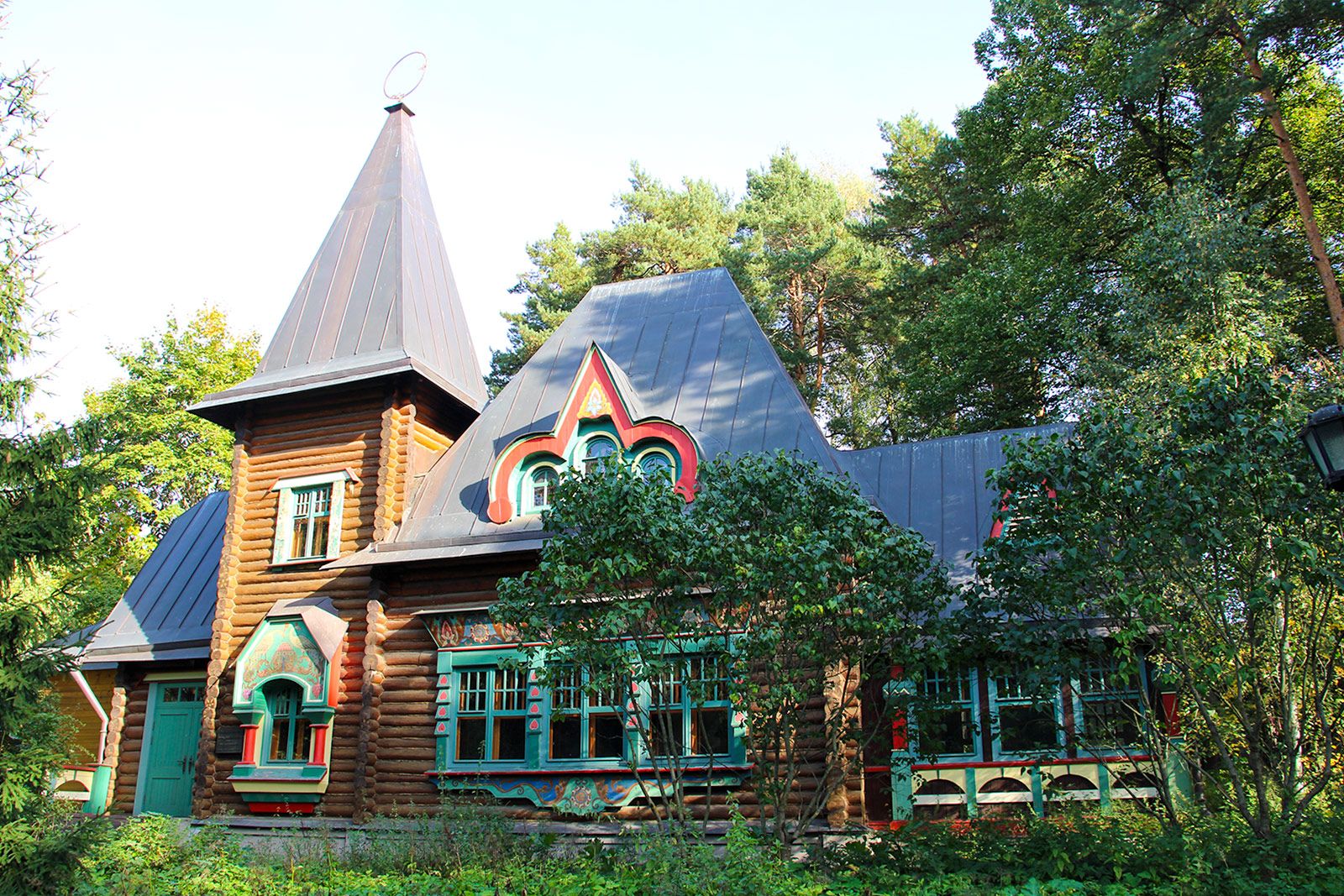
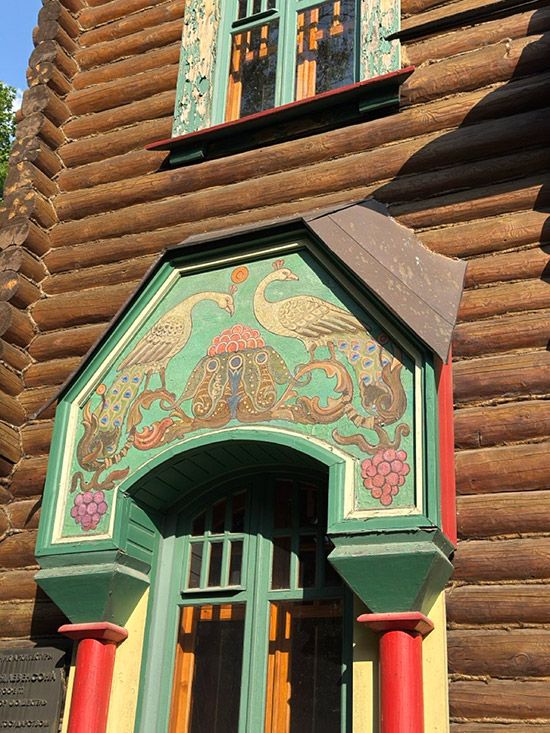
During the restoration, specialists repaired the wooden wall surfaces, replaced the oakum between the logs and restored the brickwork of the building’s base. The unique façades, articulated by wooden beams, once again form a picturesque three-dimensional composition with prominent architectural details, including carved window platbands, friezes and panoramic windows with decorative small-pane glazing.
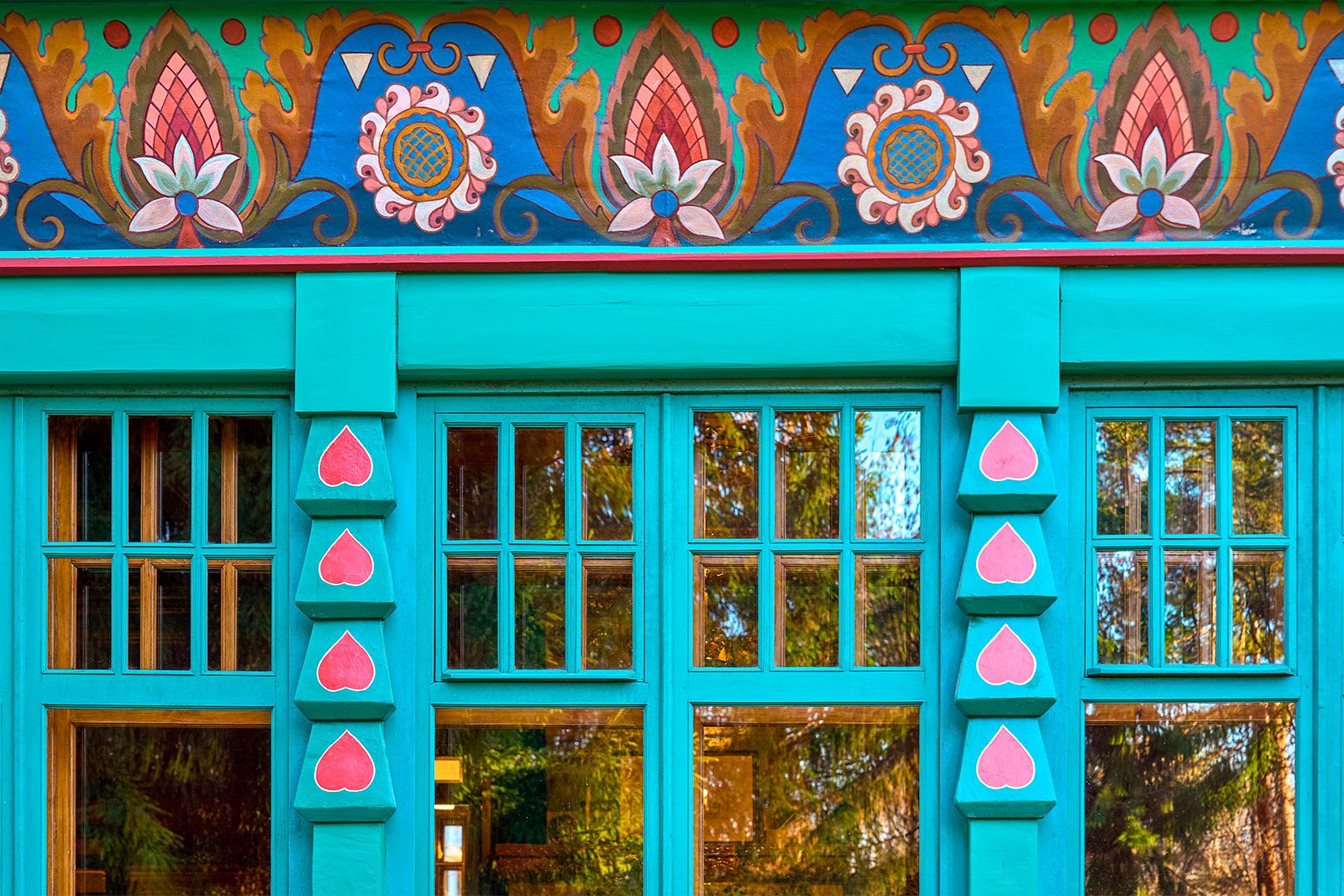
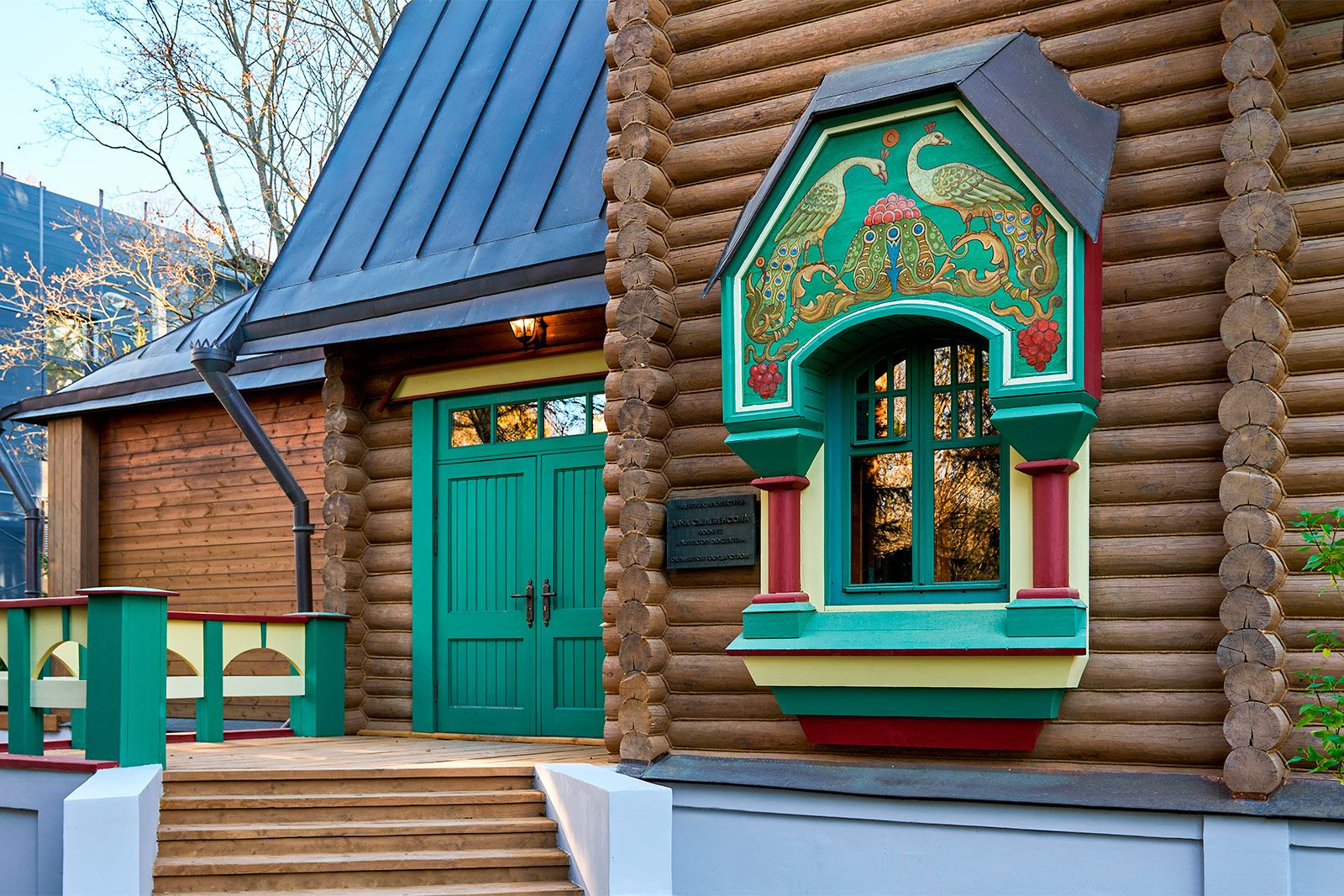
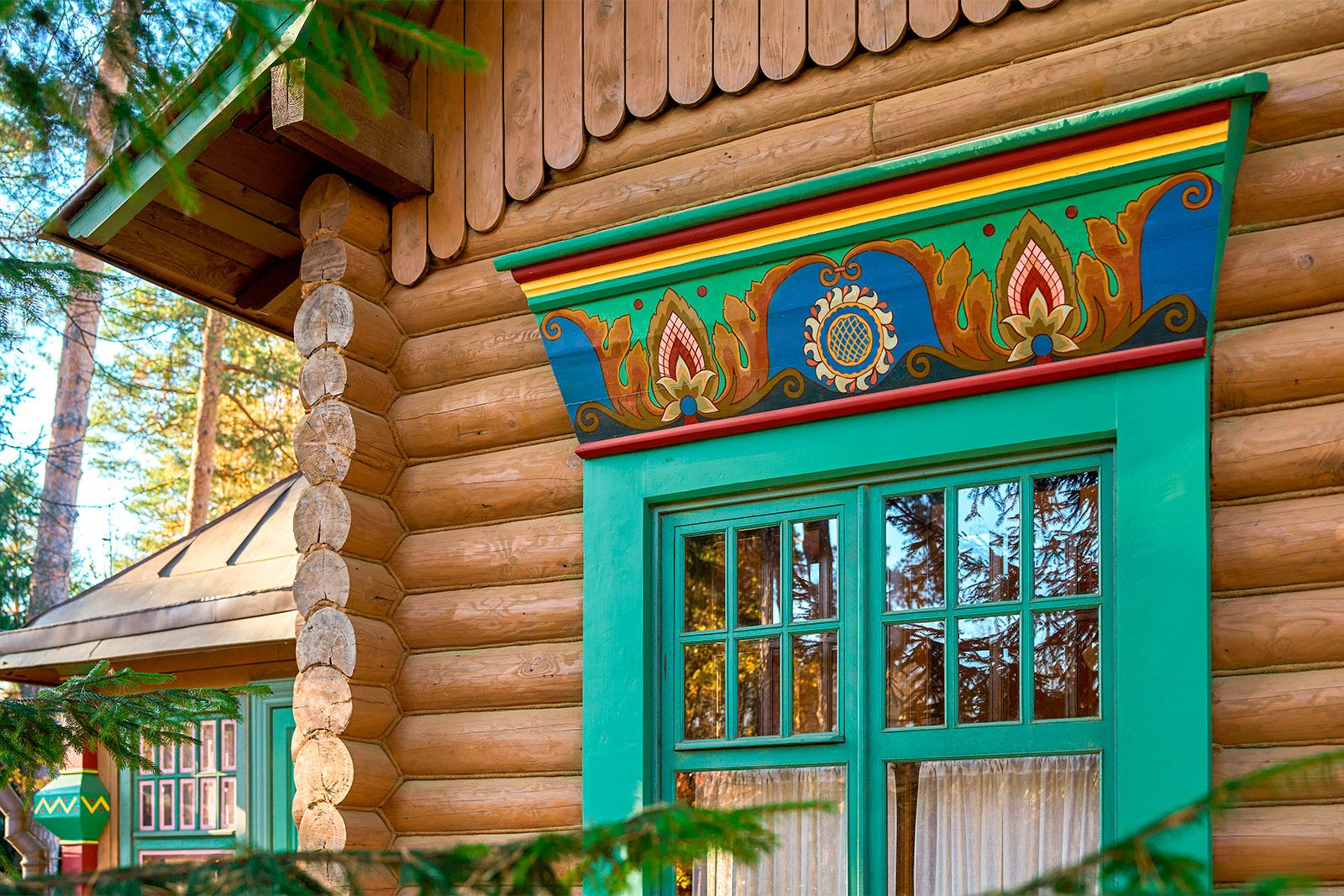
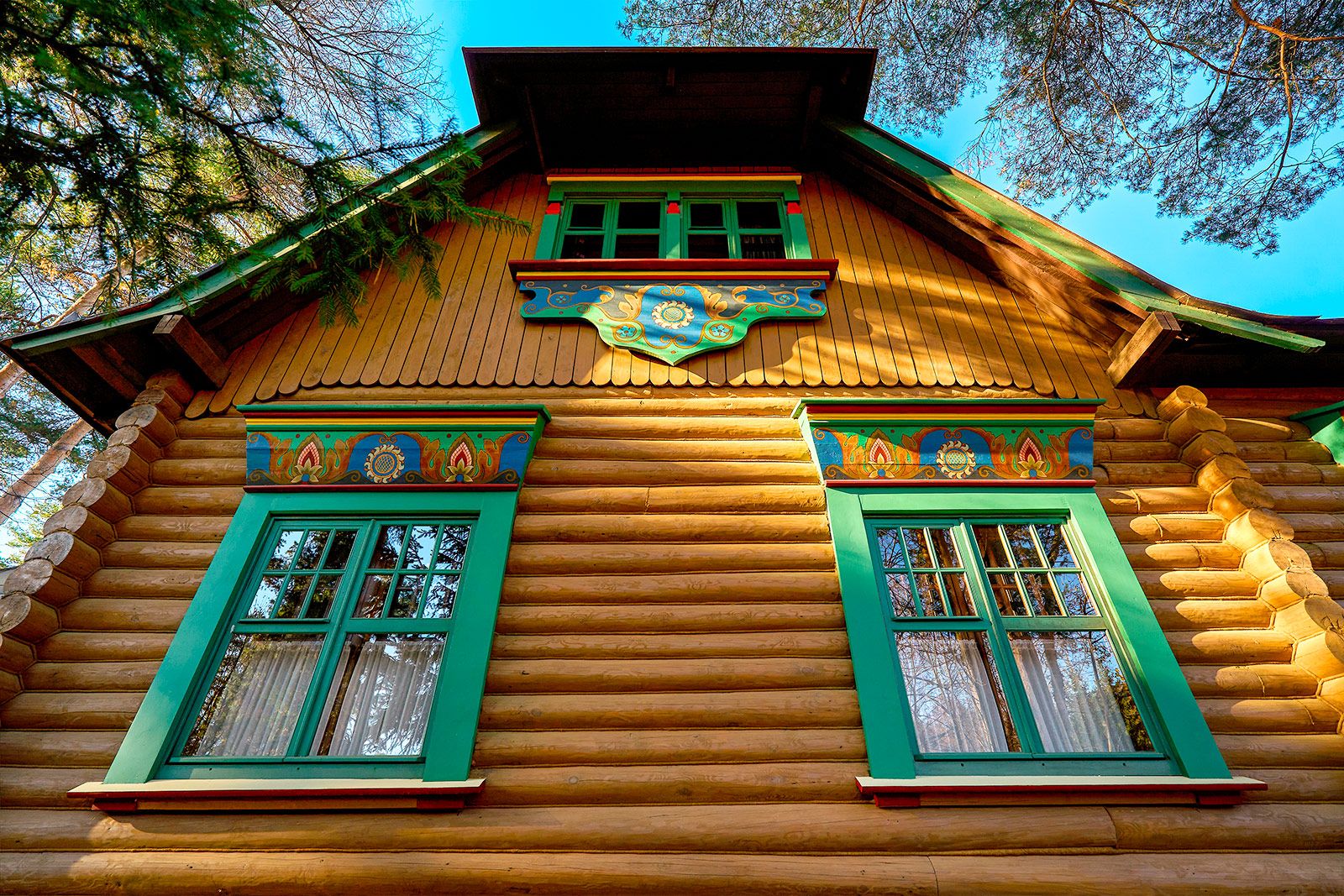
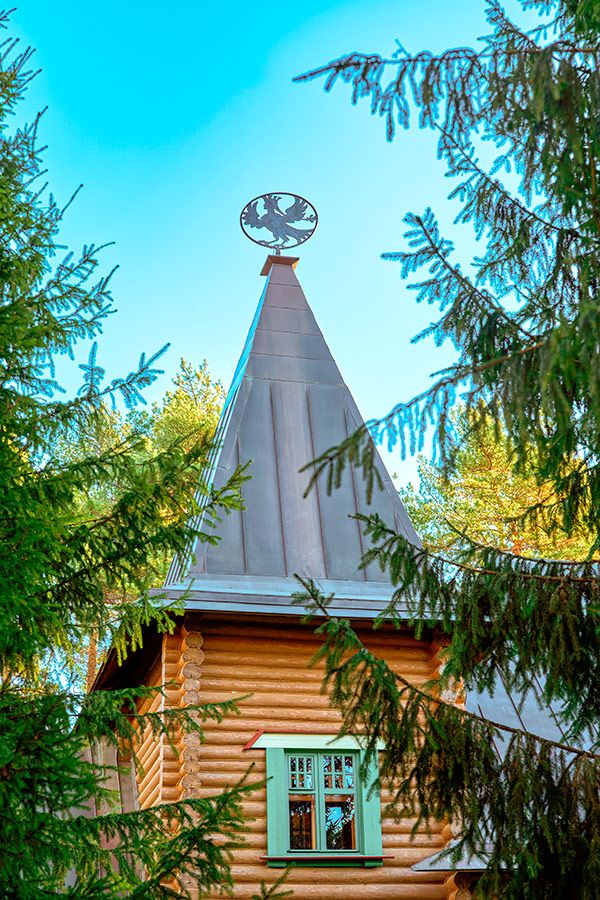
The experts paid particular attention to the details. They recreated the original polychrome paintings and restored the mythical Sirin bird crowning the spire of the two-tiered tower above the main entrance.
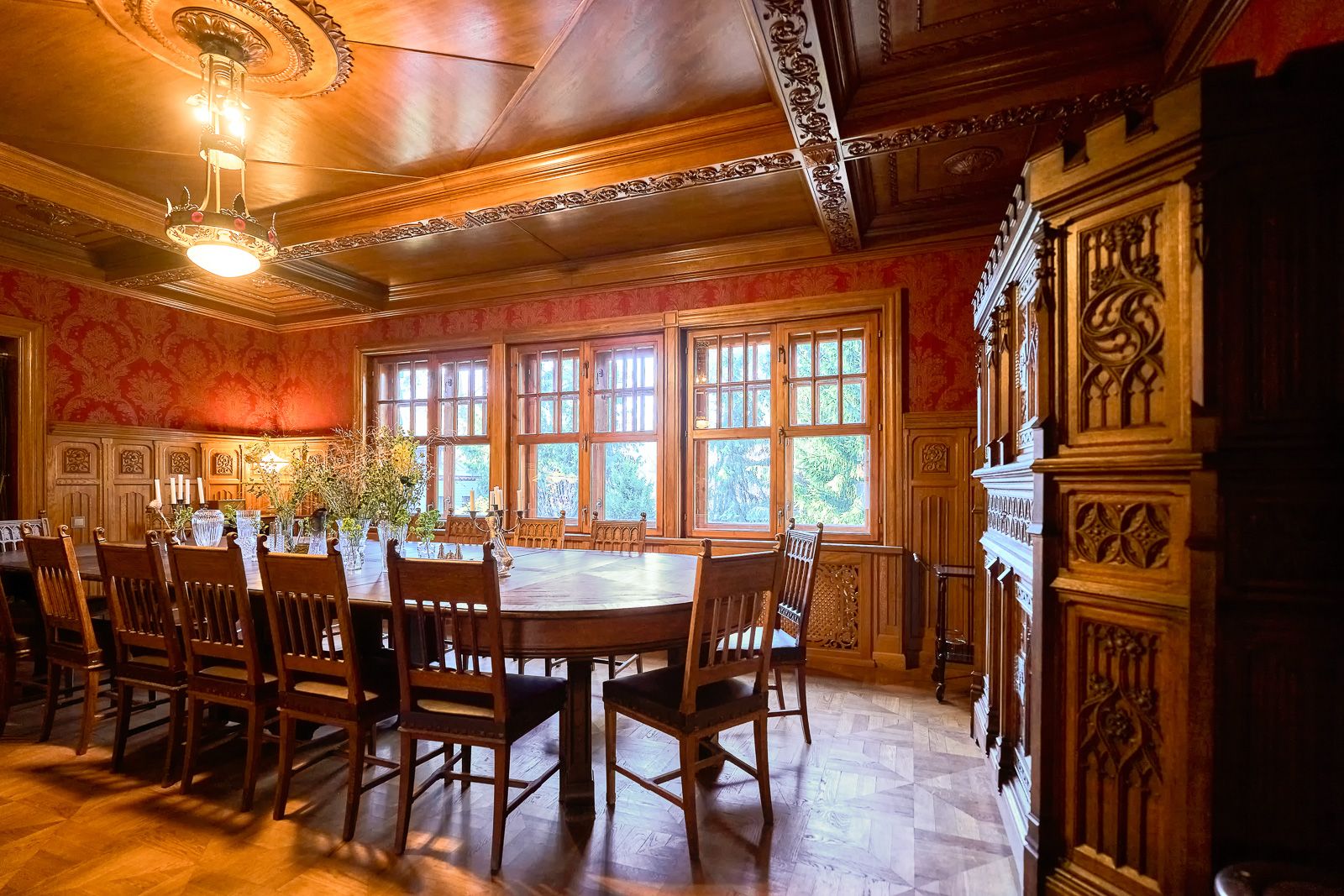
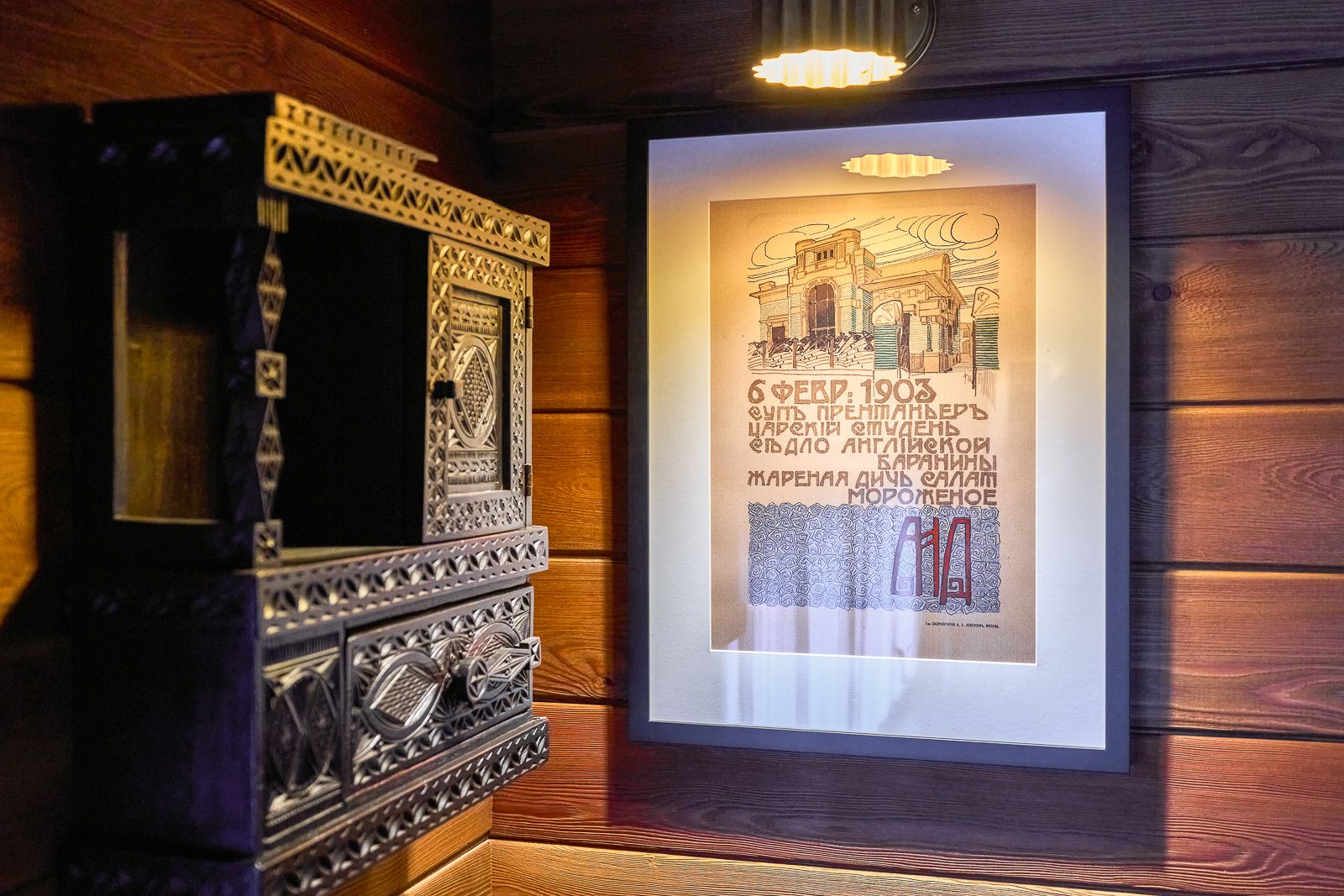
The interiors of the historic building were also restored. A museum dedicated to Fyodor Schechtel’s work will soon open here. The exhibition has been enhanced with furniture dating from the time the house was built.
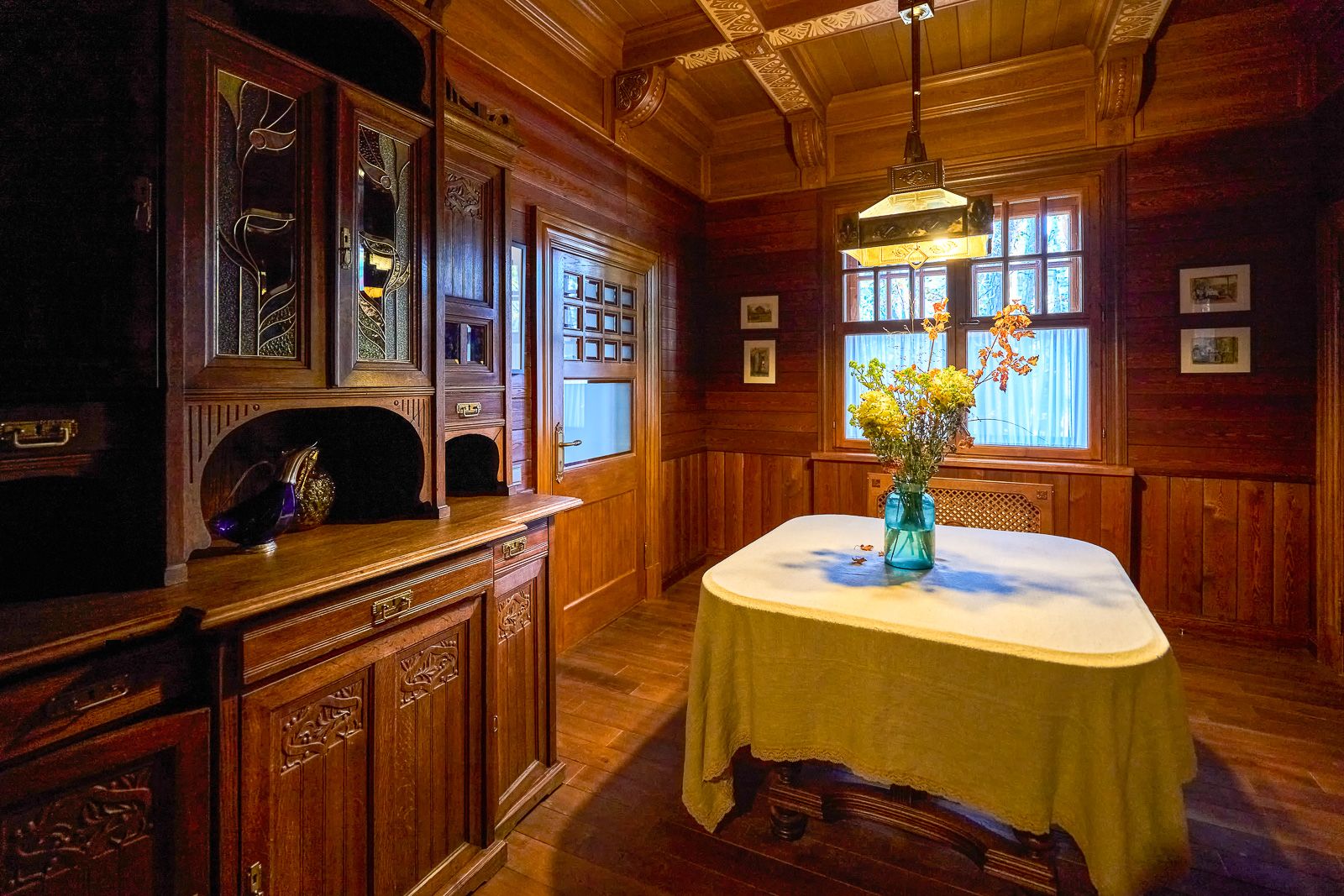
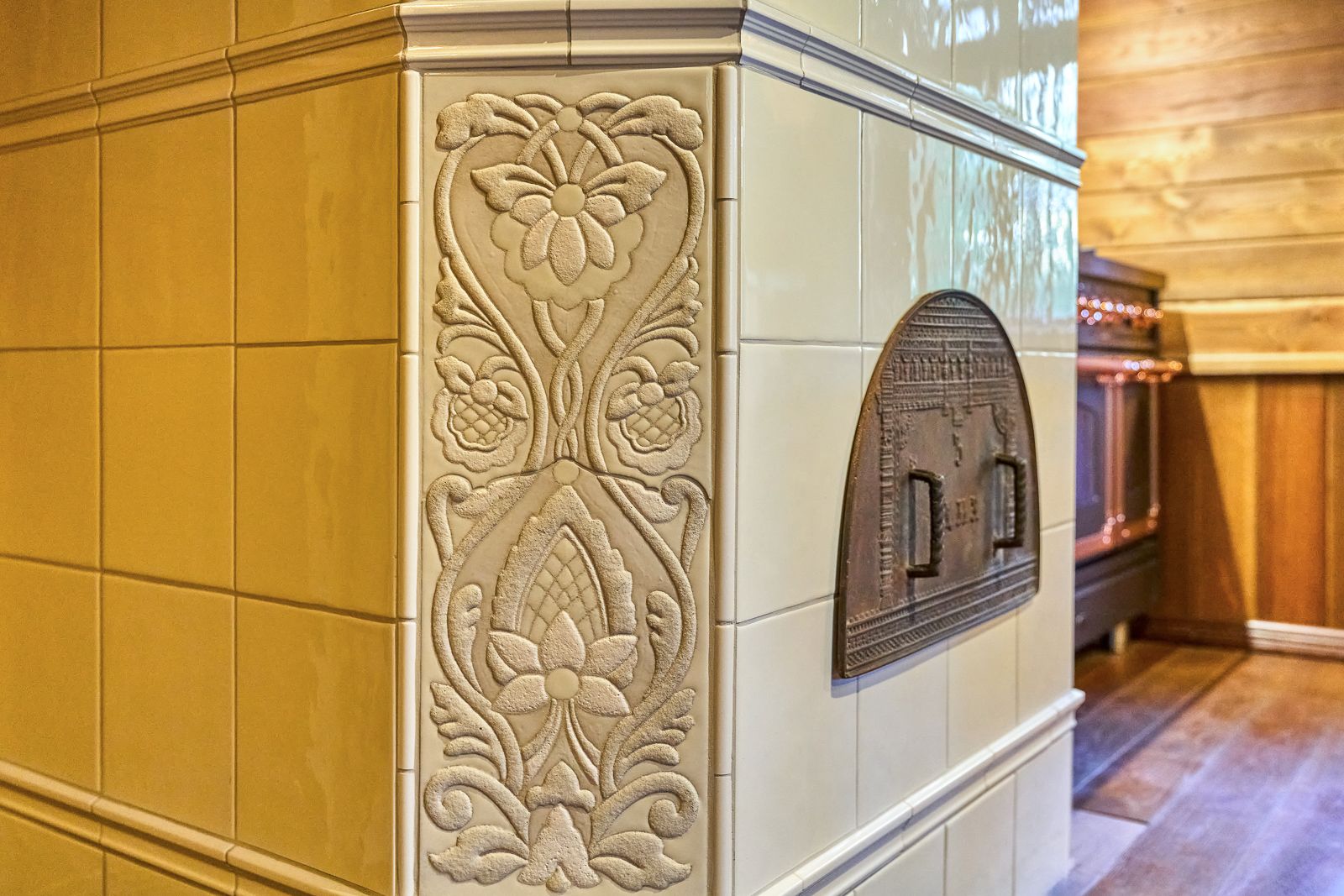
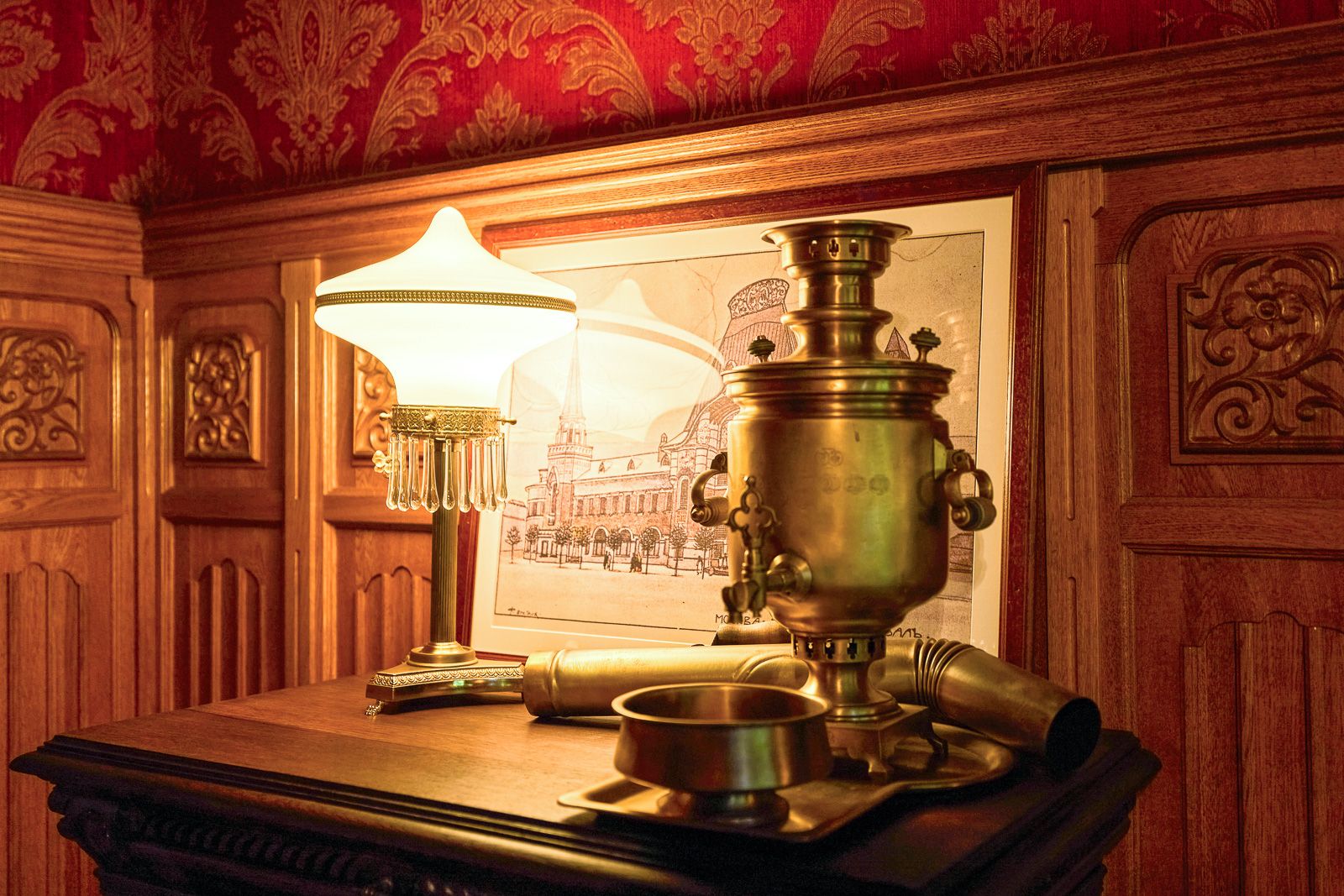
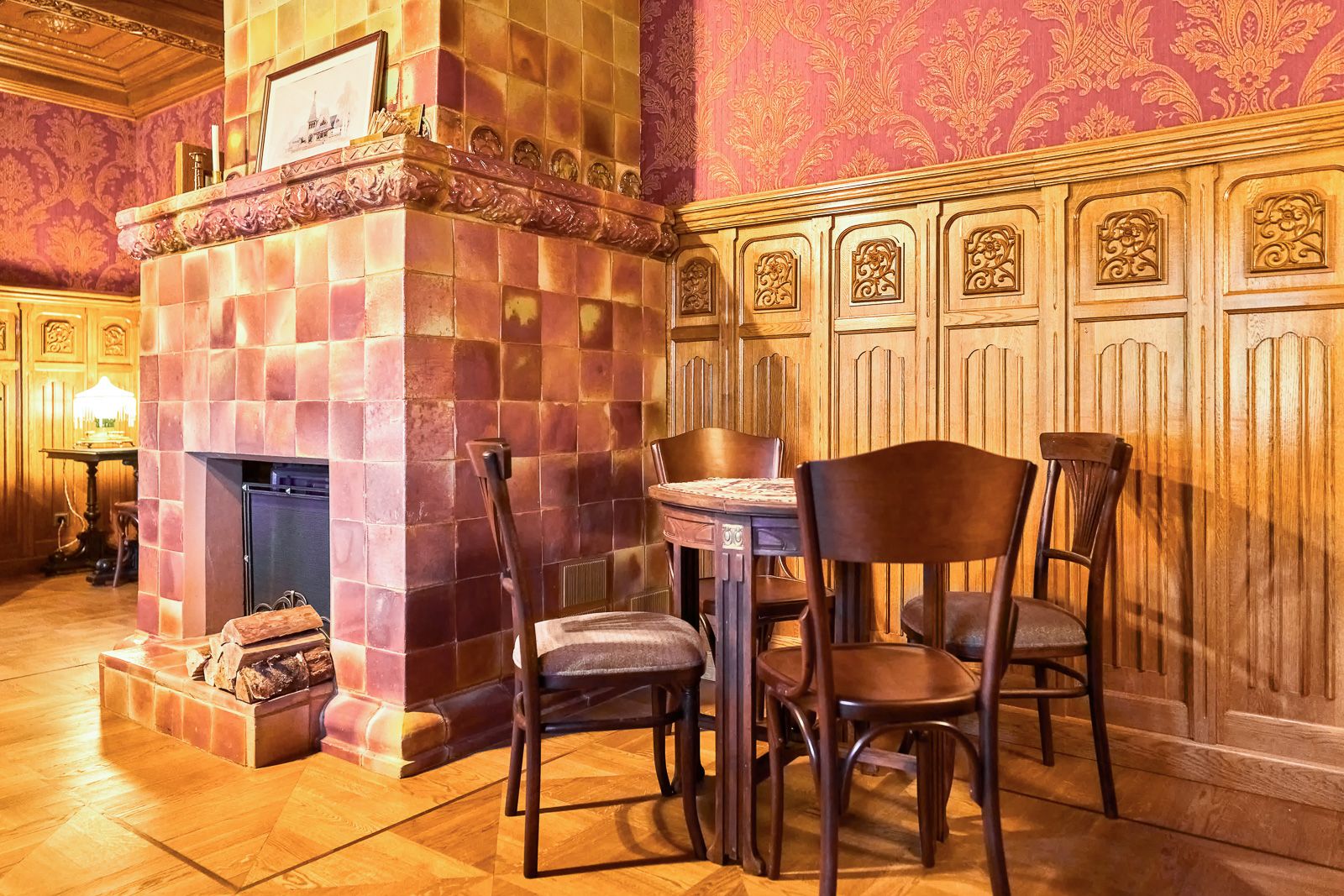
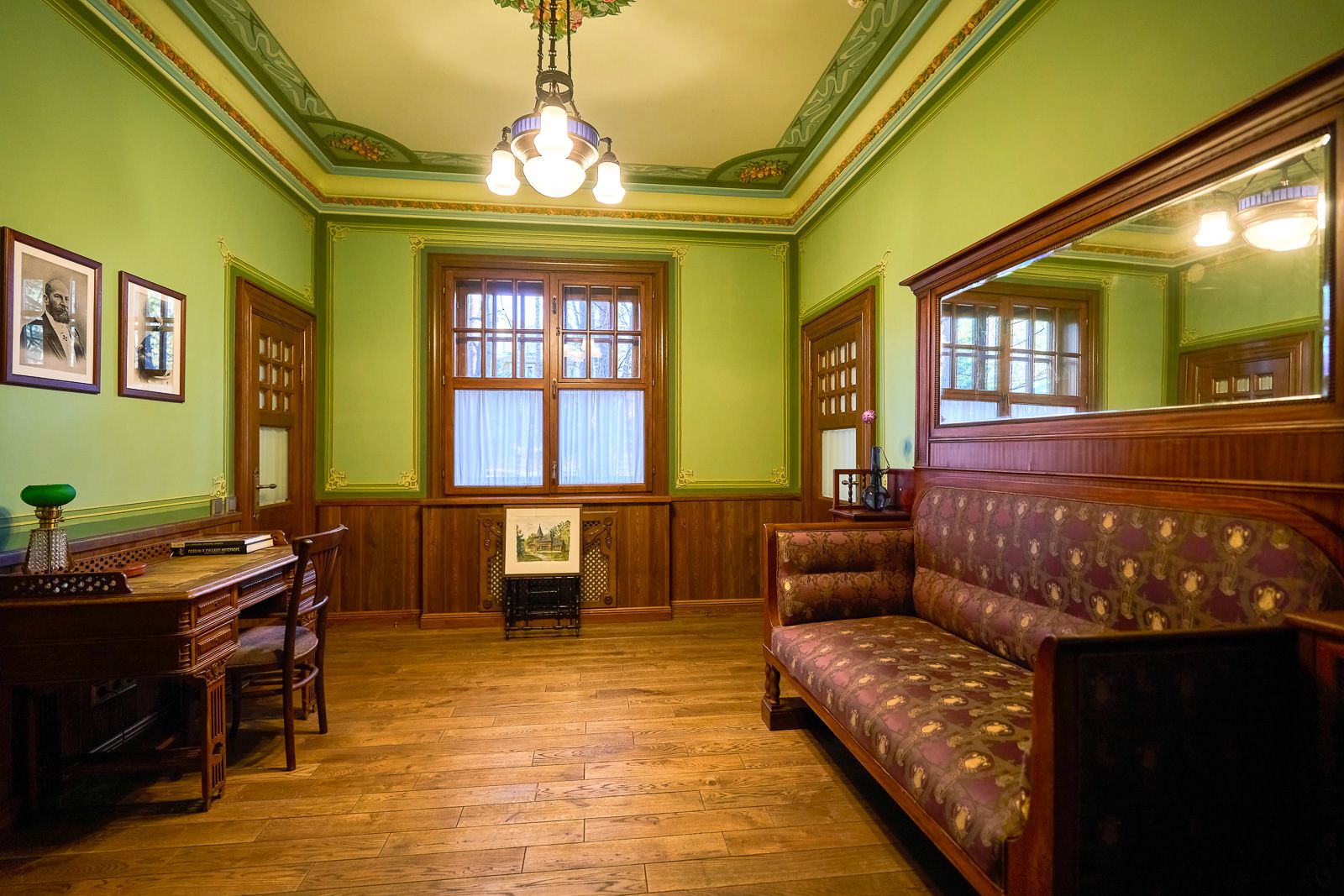
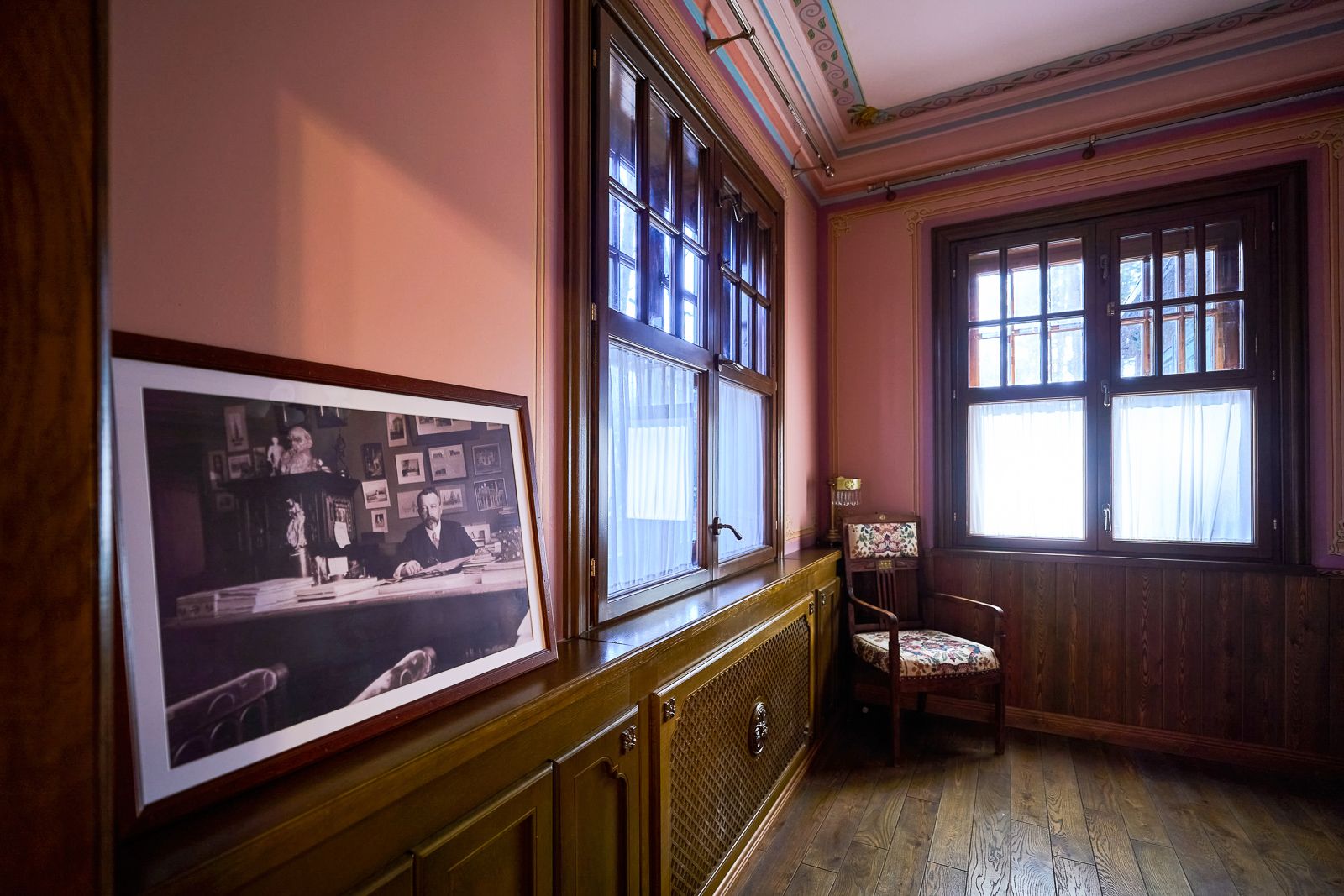
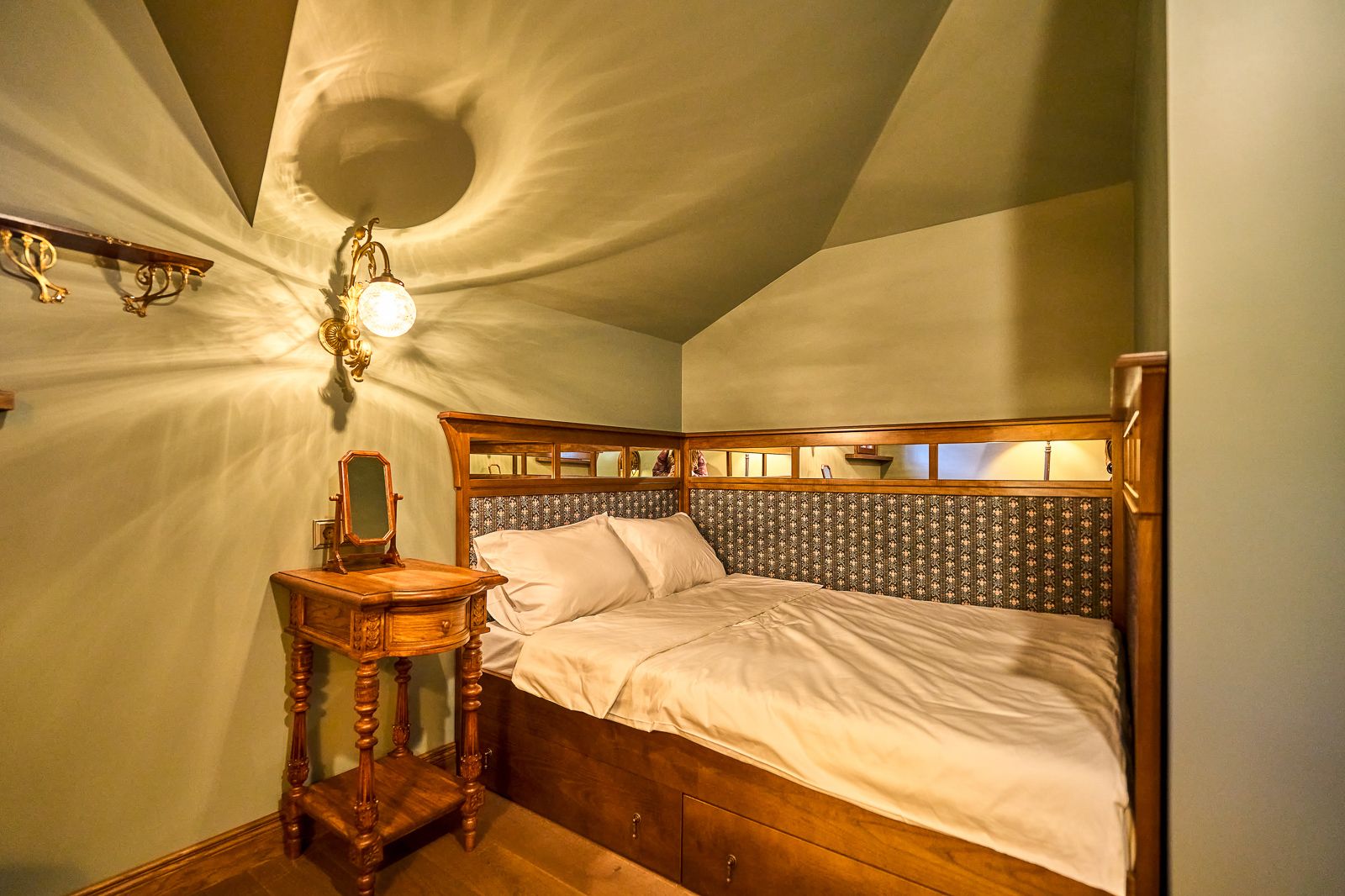
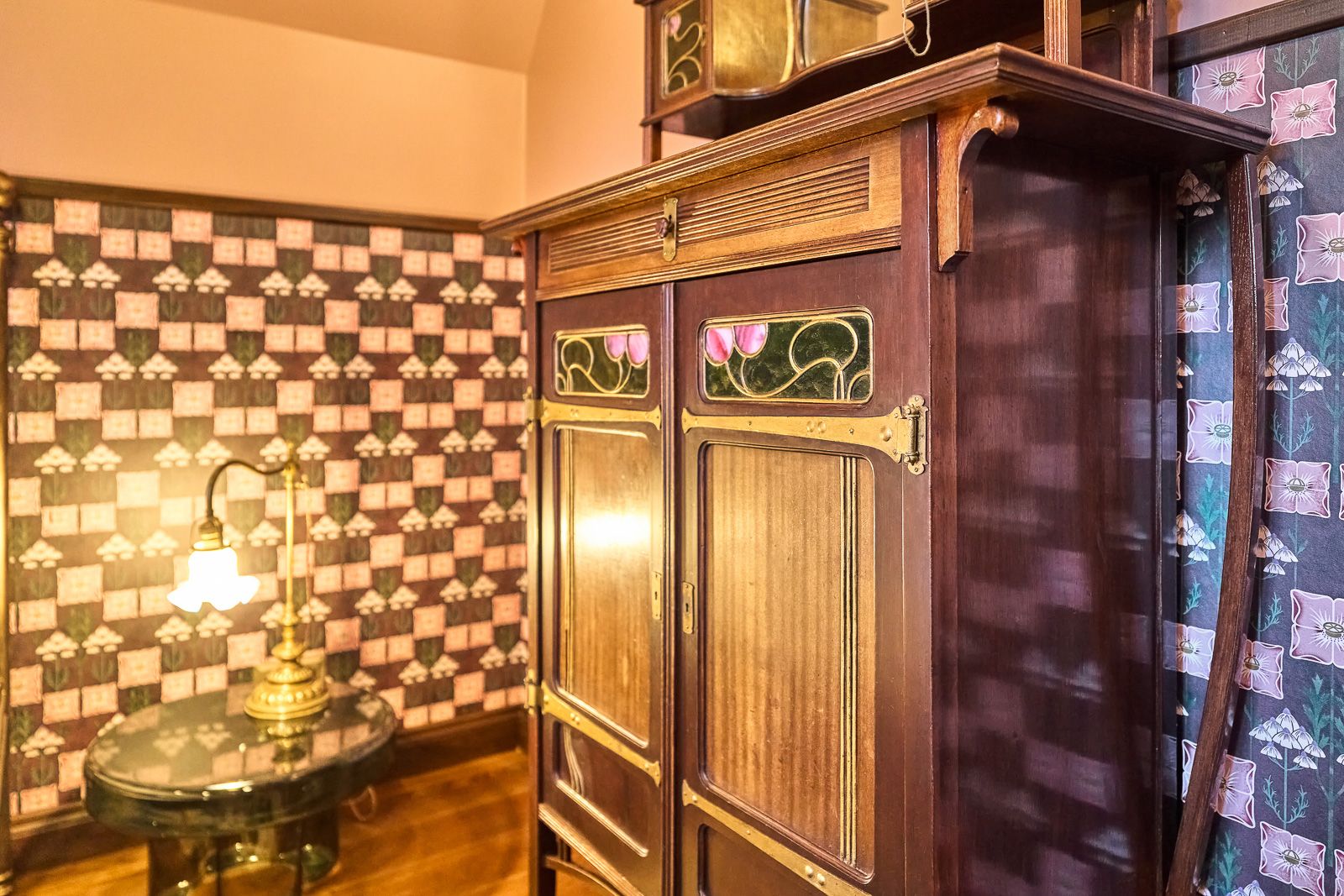
A formal entrance area, scenic walking routes and quiet relaxation areas have been created on the grounds surrounding the wooden tower house.
The work was privately funded and carried out under a project approved by the Moscow Department of Cultural Heritage.
“Thanks to the painstaking efforts of the restorers, Moscow has preserved a magnificent work of wooden architecture. Levenson’s Dacha will become a new attraction for Moscow residents and visitors wishing to connect with history,” Sergei Sobyanin concludes.