Sergei Sobyanin: Major construction work on VDNKh Expo to be completed by year-end
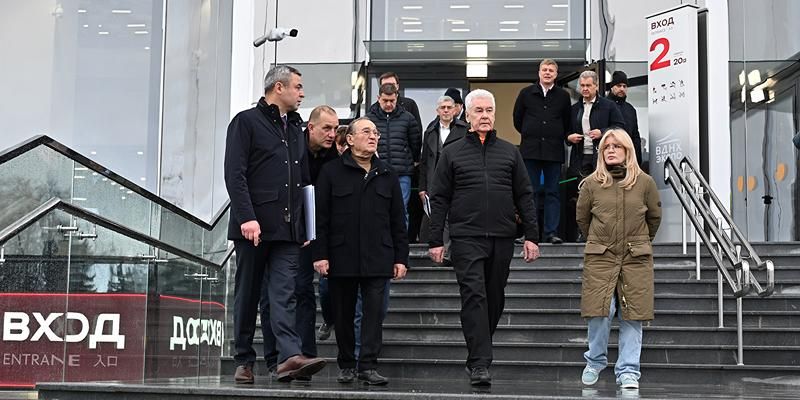
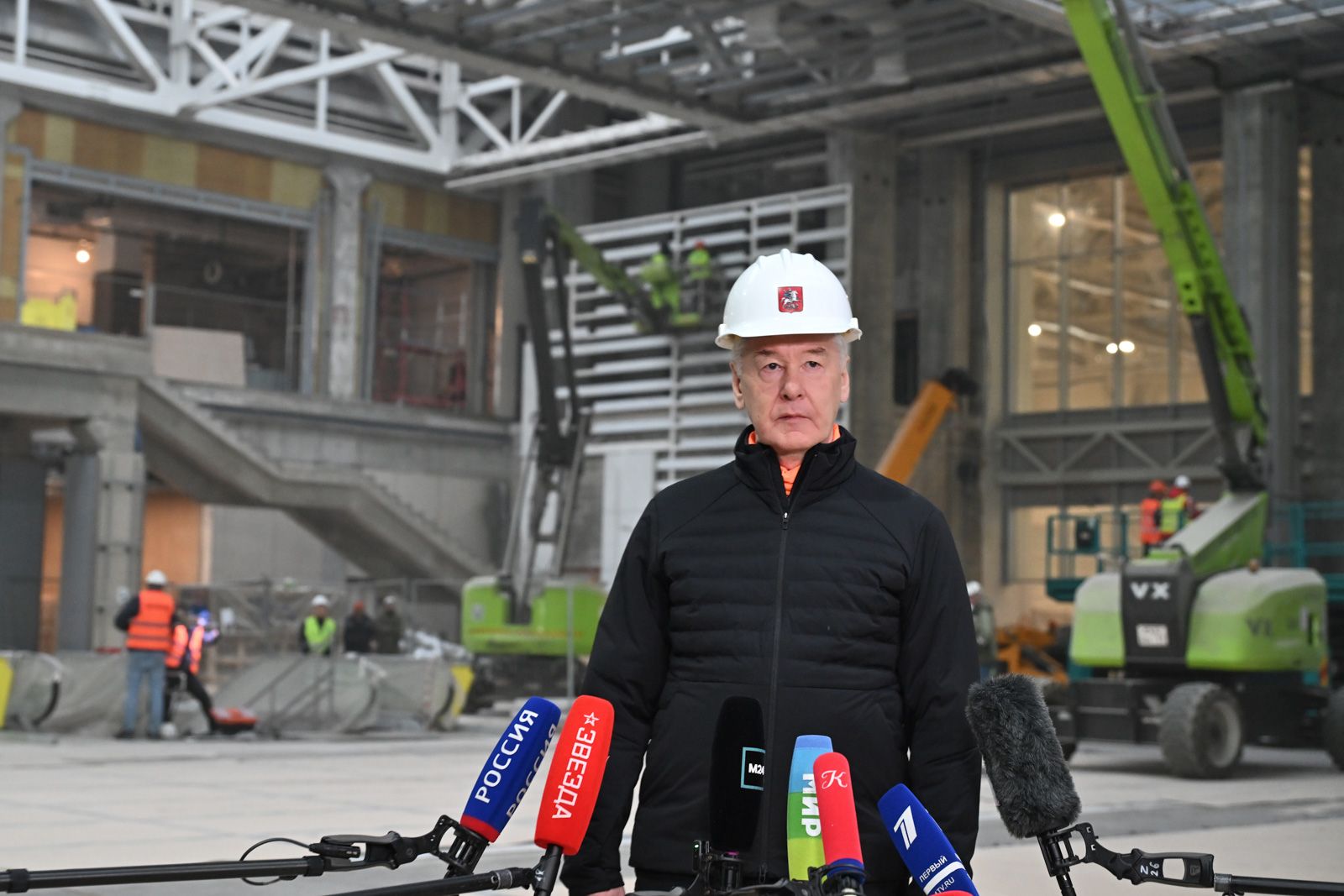
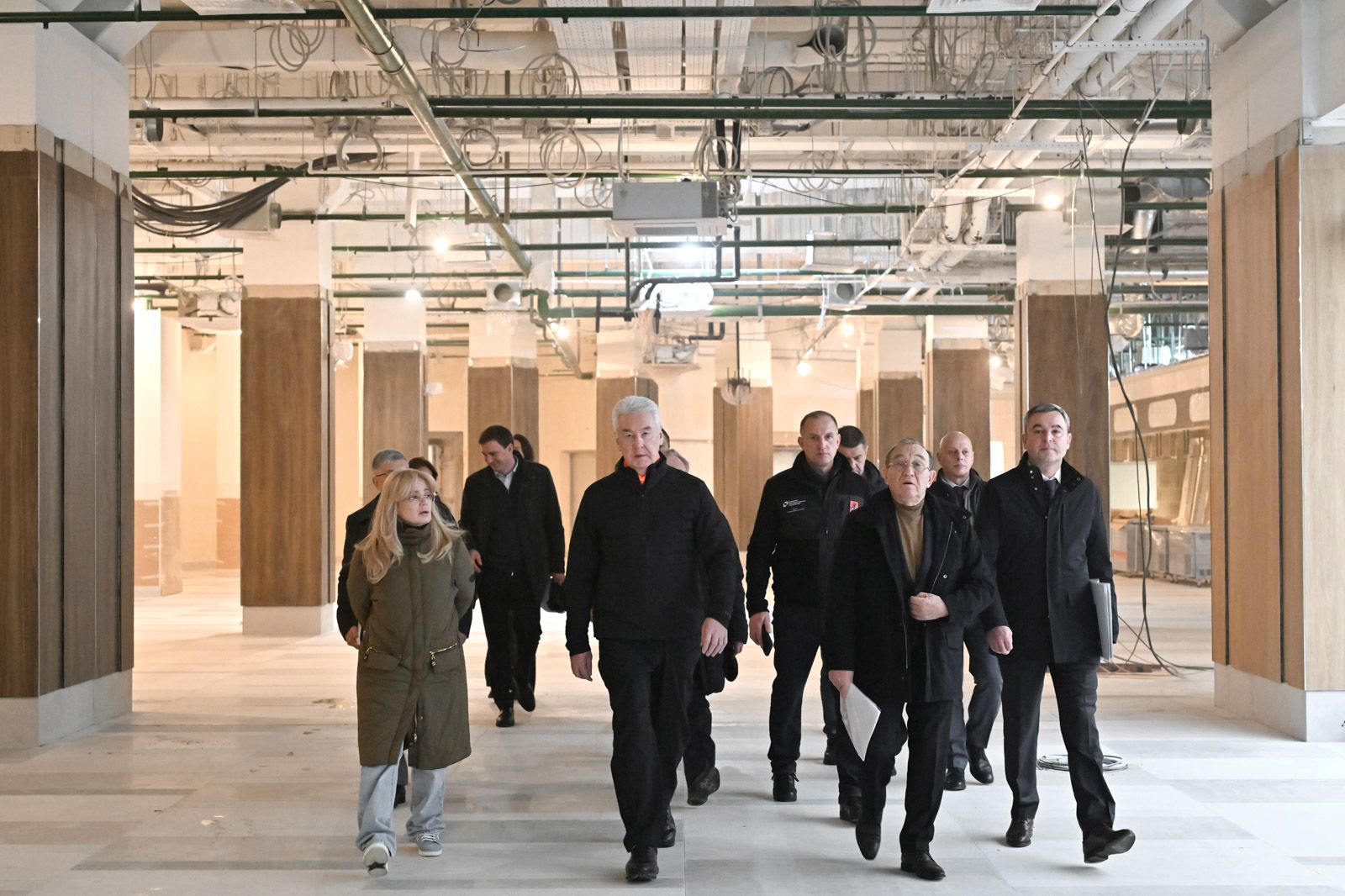
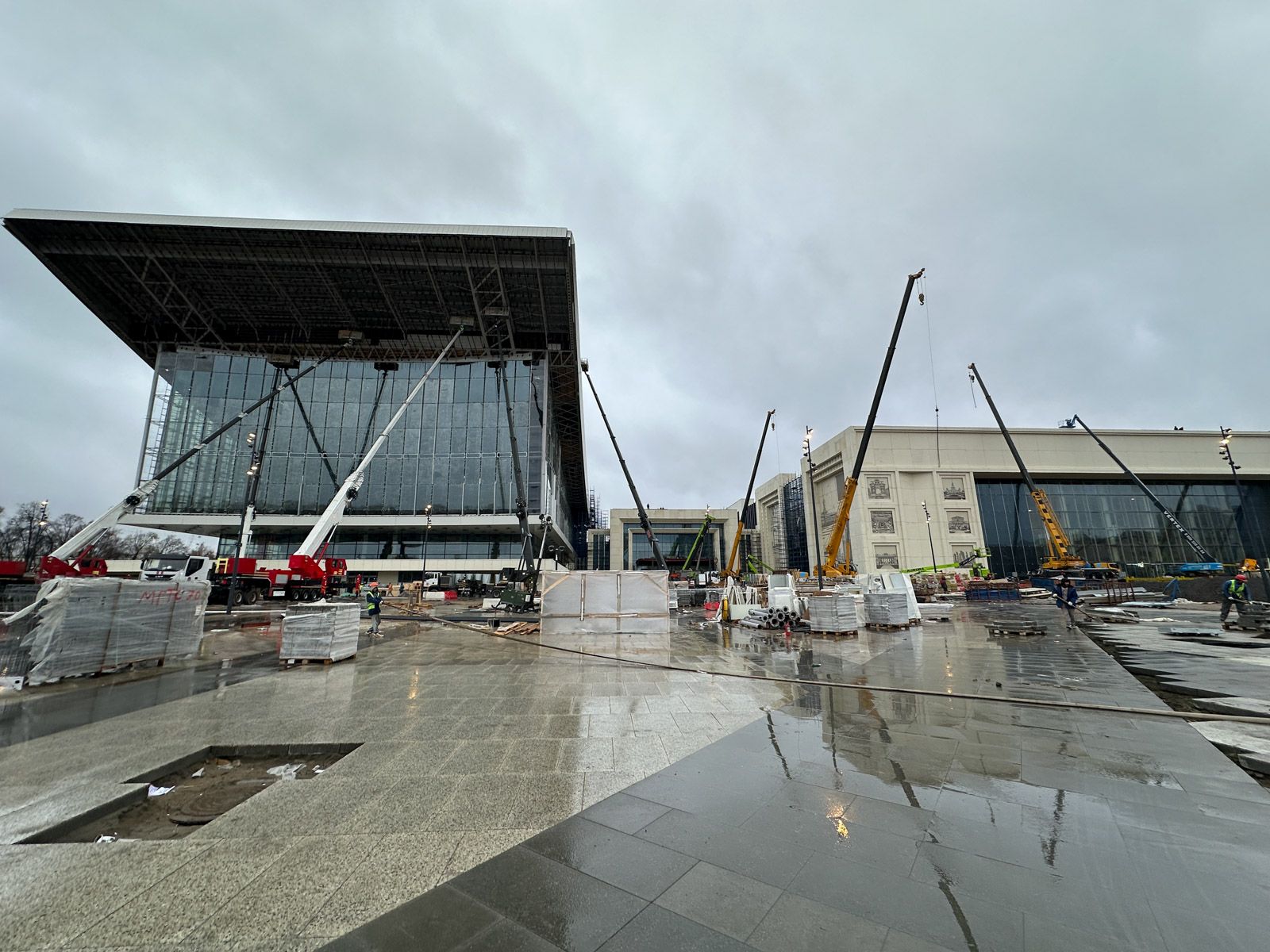
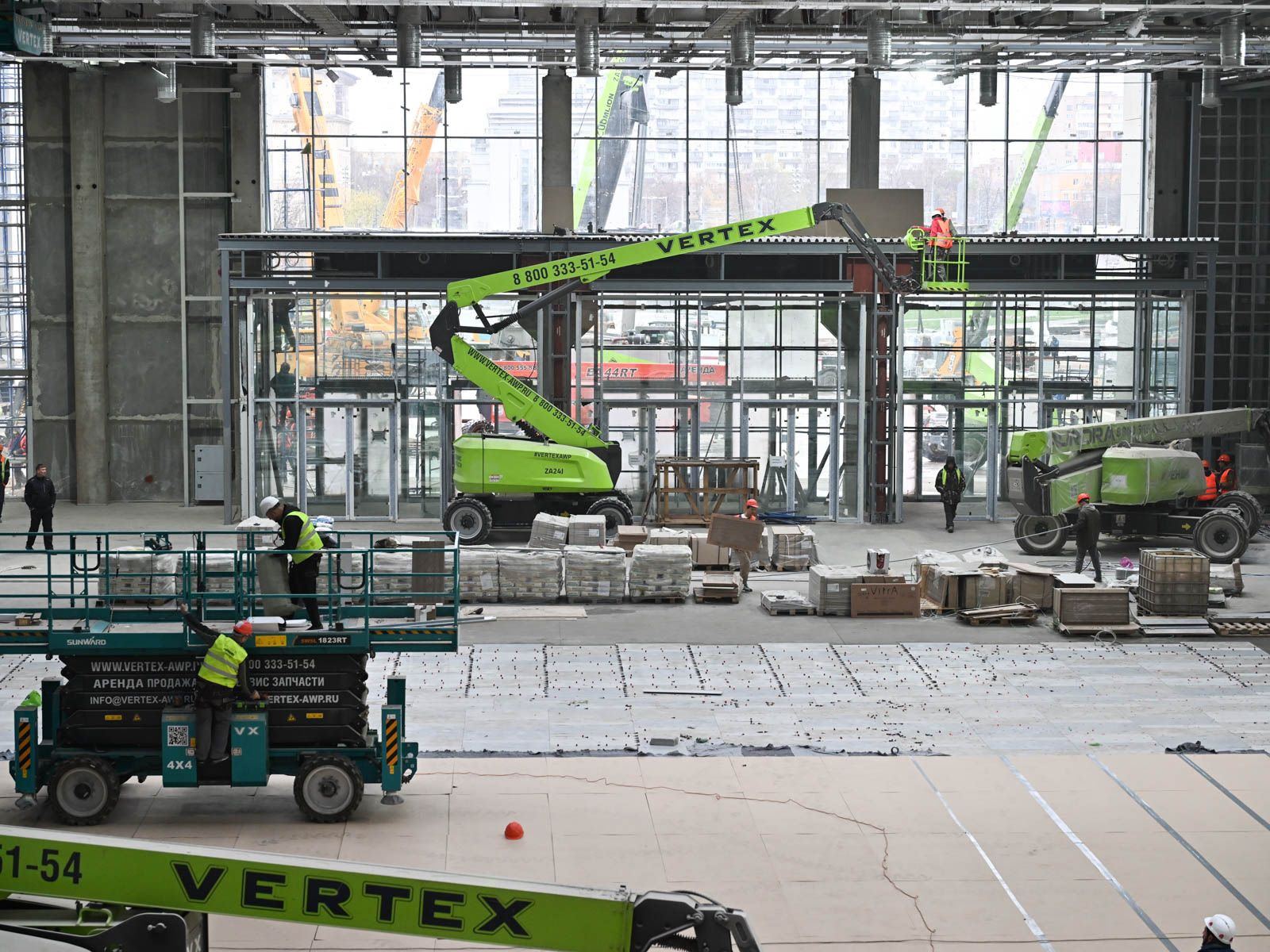
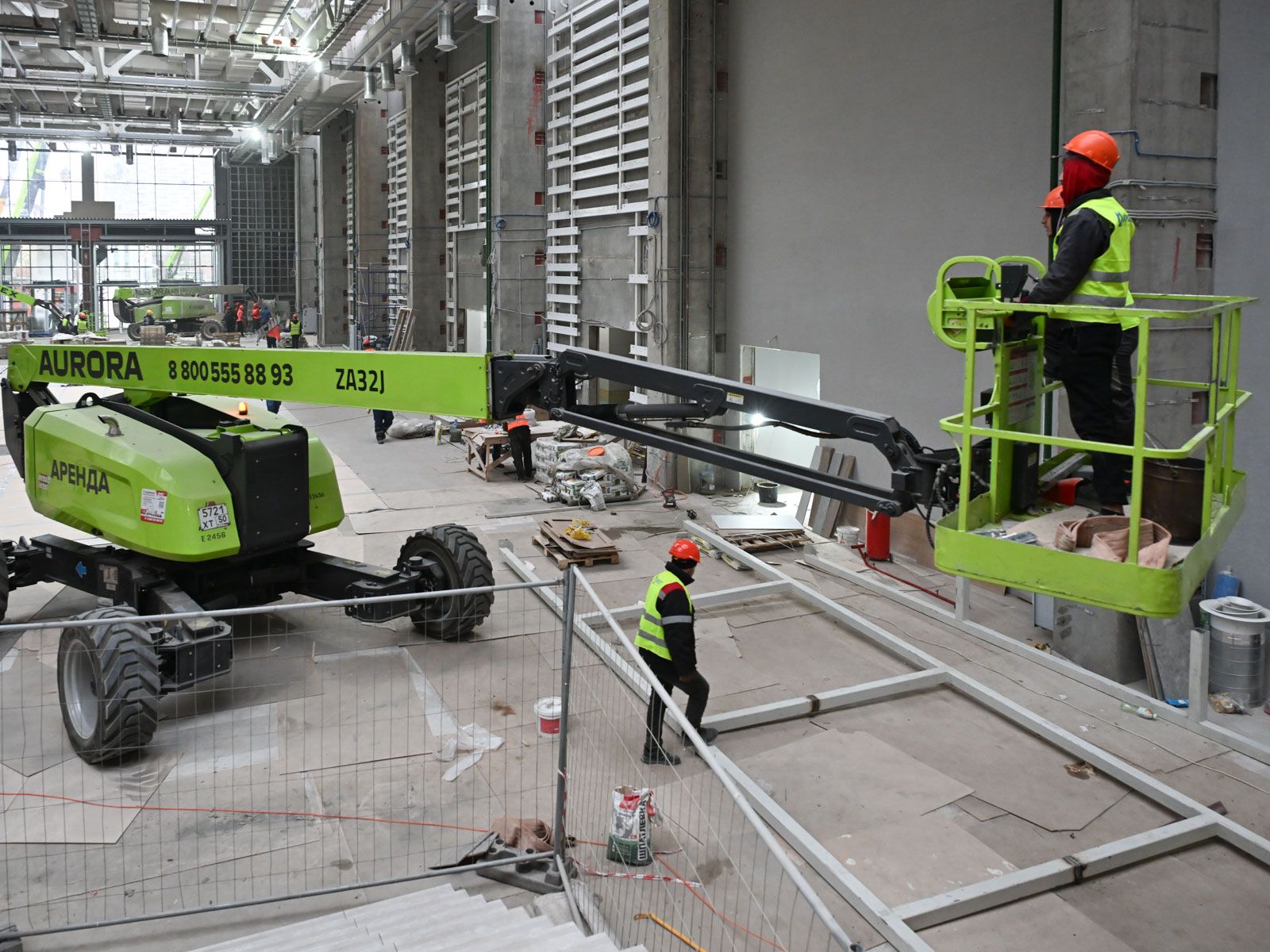
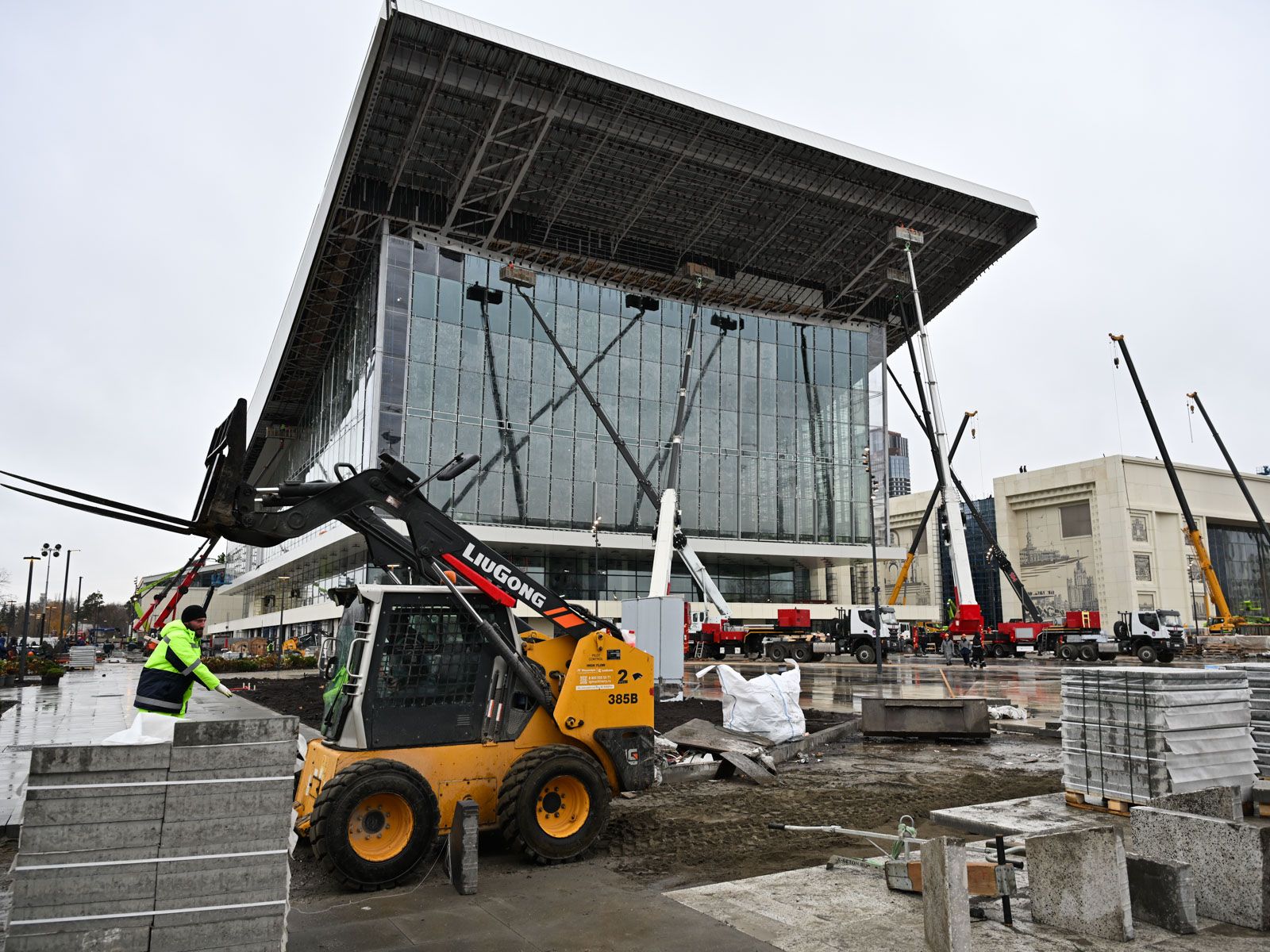
Large-scale construction of the VDNKh Expo congress and exhibition center is continuing at VDNKh. Major construction work is to be completed by the end of the year, Sergei Sobyanin said when visiting the site.
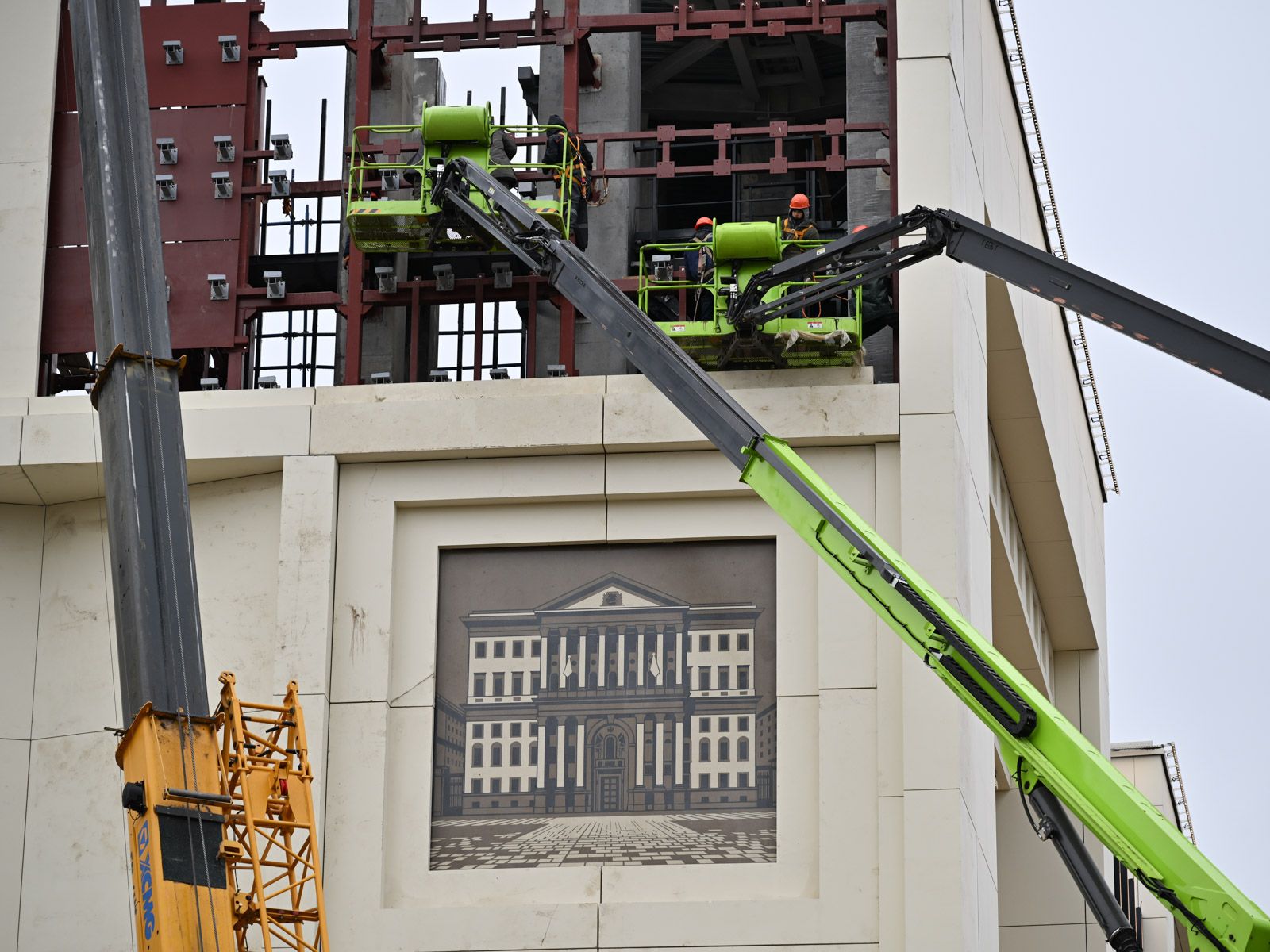
“An enormous construction project is underway at VDNKh. One of the country’s largest exhibition centers is being built here, incorporating four pavilions. Two are entirely new, modern pavilions, while the other two are being reconstructed. One of these projects involves the reconstruction and restoration of the Montreal Pavilion, which had been in a state of disrepair for decades. We found a cutting-edge technological solution to bring it back to life. All the facilities will be commissioned by the end of the year, creating the most modern, high-tech exhibition center in our country. Meanwhile, VDNKh continues to develop, with historical and cultural monuments being restored and new museum spaces opening. Tens of millions of visitors will come to VDNKh to enjoy our history and culture and spend their leisure time here,” the Moscow Mayor said.
New congress and exhibition center
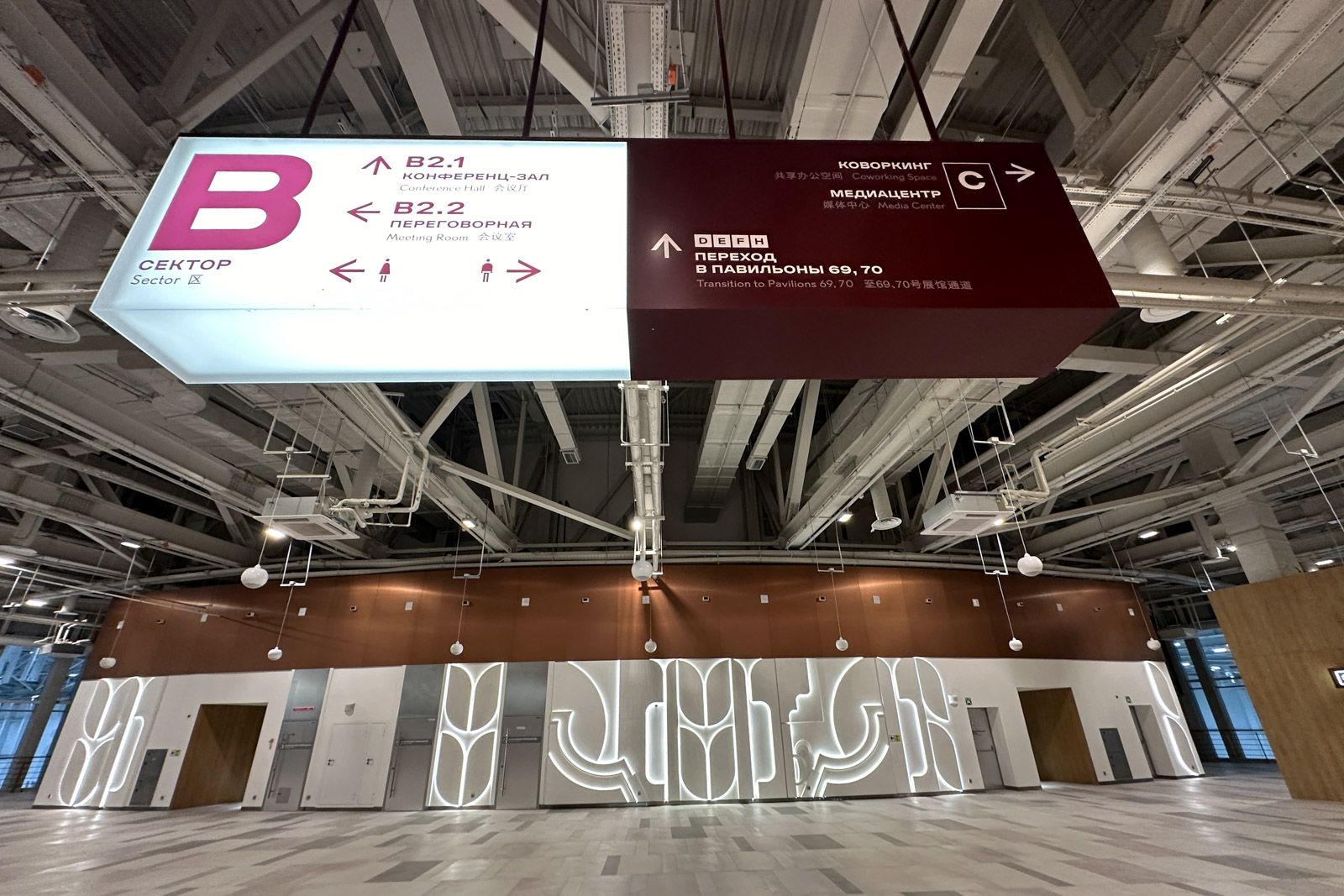
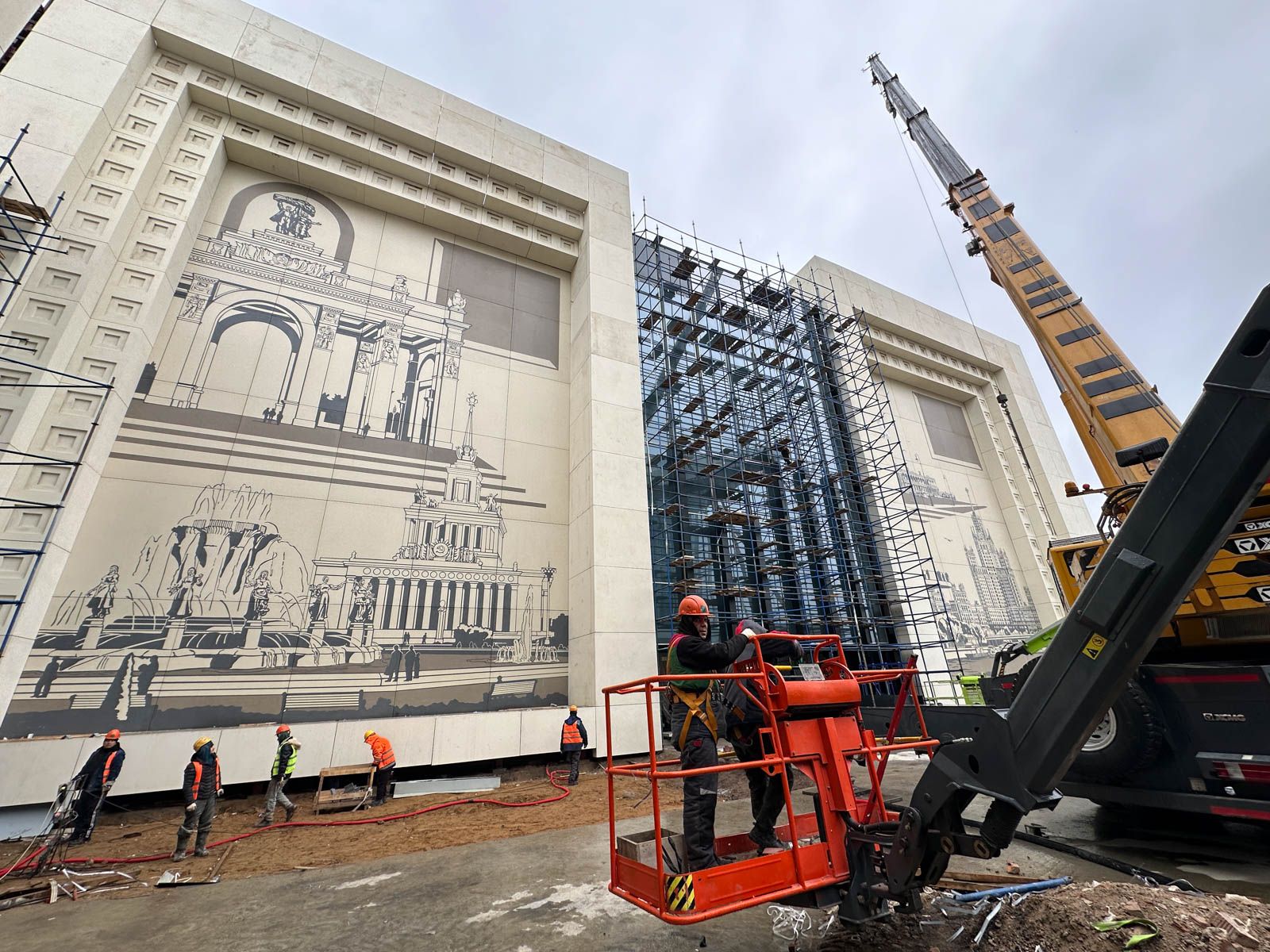
Construction of the multifunctional VDNKh Expo congress and exhibition complex began in summer 2024. It will bring together four buildings: the renovated concert and congress Pavilion No. 70 (Montreal), the reconstructed exhibition Pavilion No. 75 and the new monumental exhibition Pavilion No. 69. As a result, they will form a unified architectural complex incorporating state-of-the-art technological solutions. Pavilion No. 20, built in the center of VDNKh on Industry Square, will also be part of the complex.
The facilities making up the new VDNKh Expo congress and exhibition center will have a total area of 204 thousand square meters. It will become Moscow’s main specialized venue for forums, congresses, exhibitions, conferences, concerts and other events. The center will include:
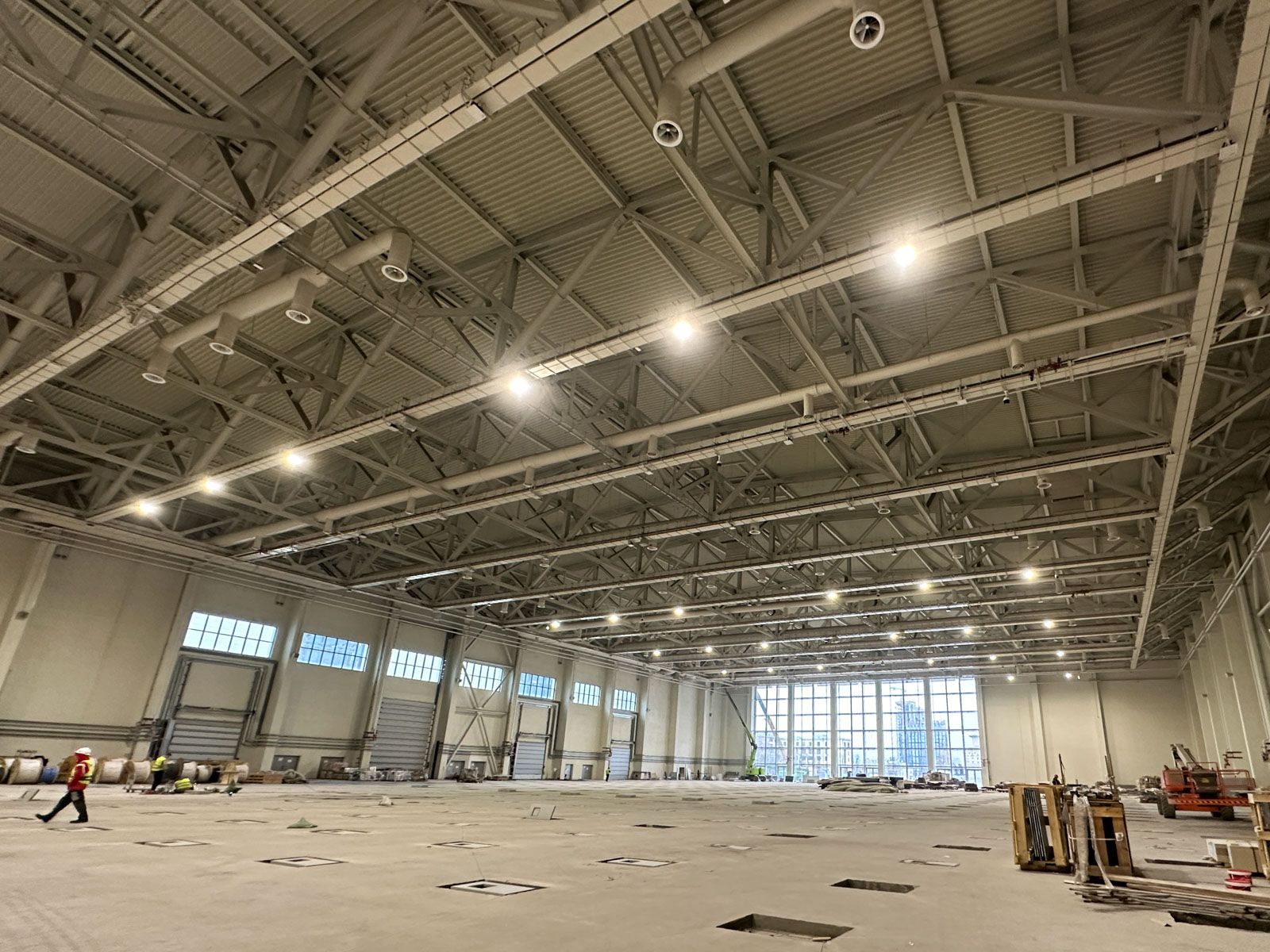
— Four exhibition halls covering 43.9 thousand square meters;
— 30 conference and meeting rooms with capacities ranging from nine to 500 people;
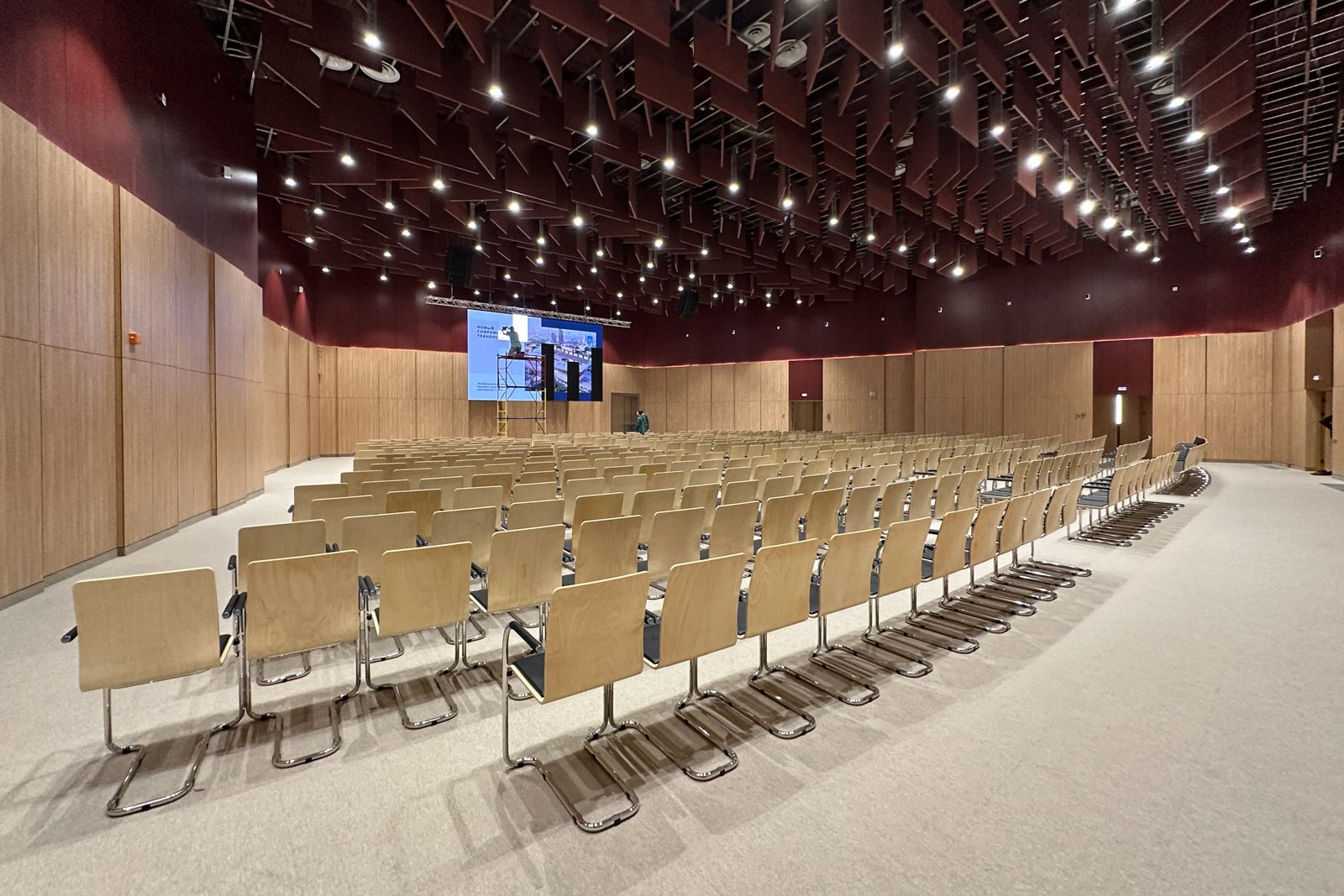
— A congress center with a 1,000-seat auditorium in Pavilion No. 69, along with three VIP areas;
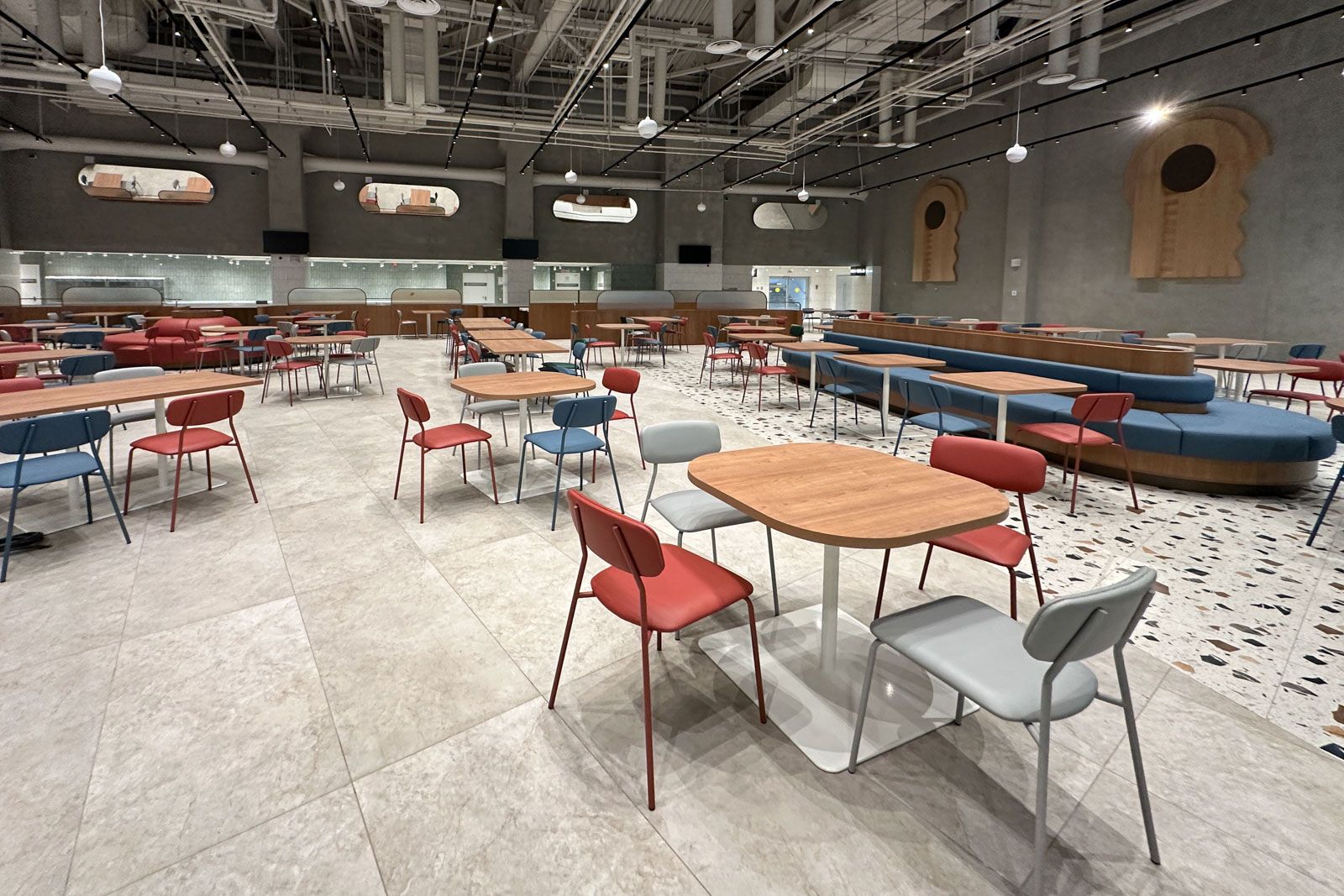
— Dining facilities, including cafés, a food court and coffee stations, as well as relaxation areas, business networking spaces and other services;
— A museum area in Pavilion No. 69, which will display a painting by Alexander Gerasimov discovered during restoration work in Pavilion No. 1 (Central). The painting depicts delegates to the Second All-Union Congress of Collective Farm Shock Workers in 1935.
A 2,240-seat concert and congress hall will be integrated into Pavilion No. 70 (Montreal), a cultural heritage site.
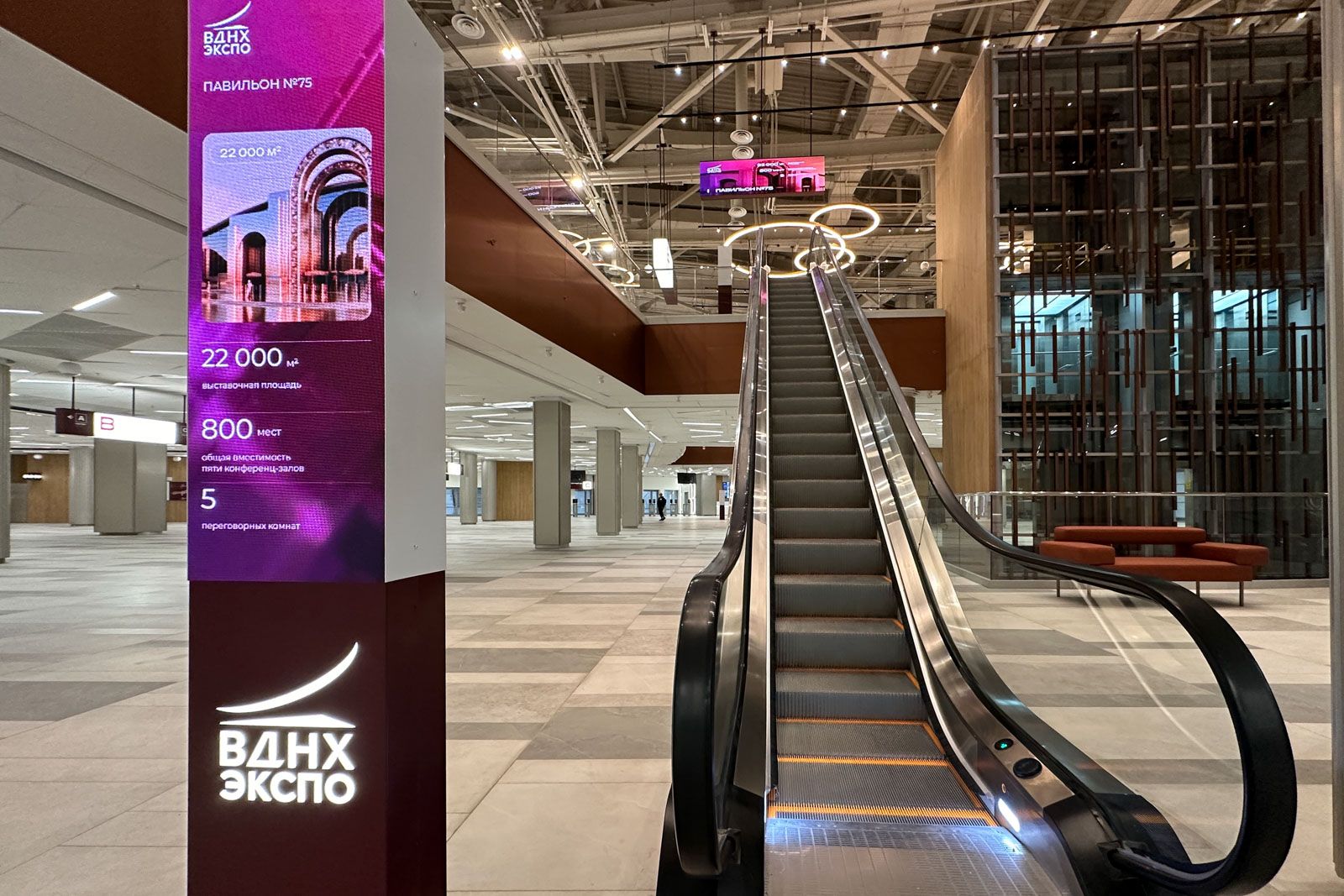
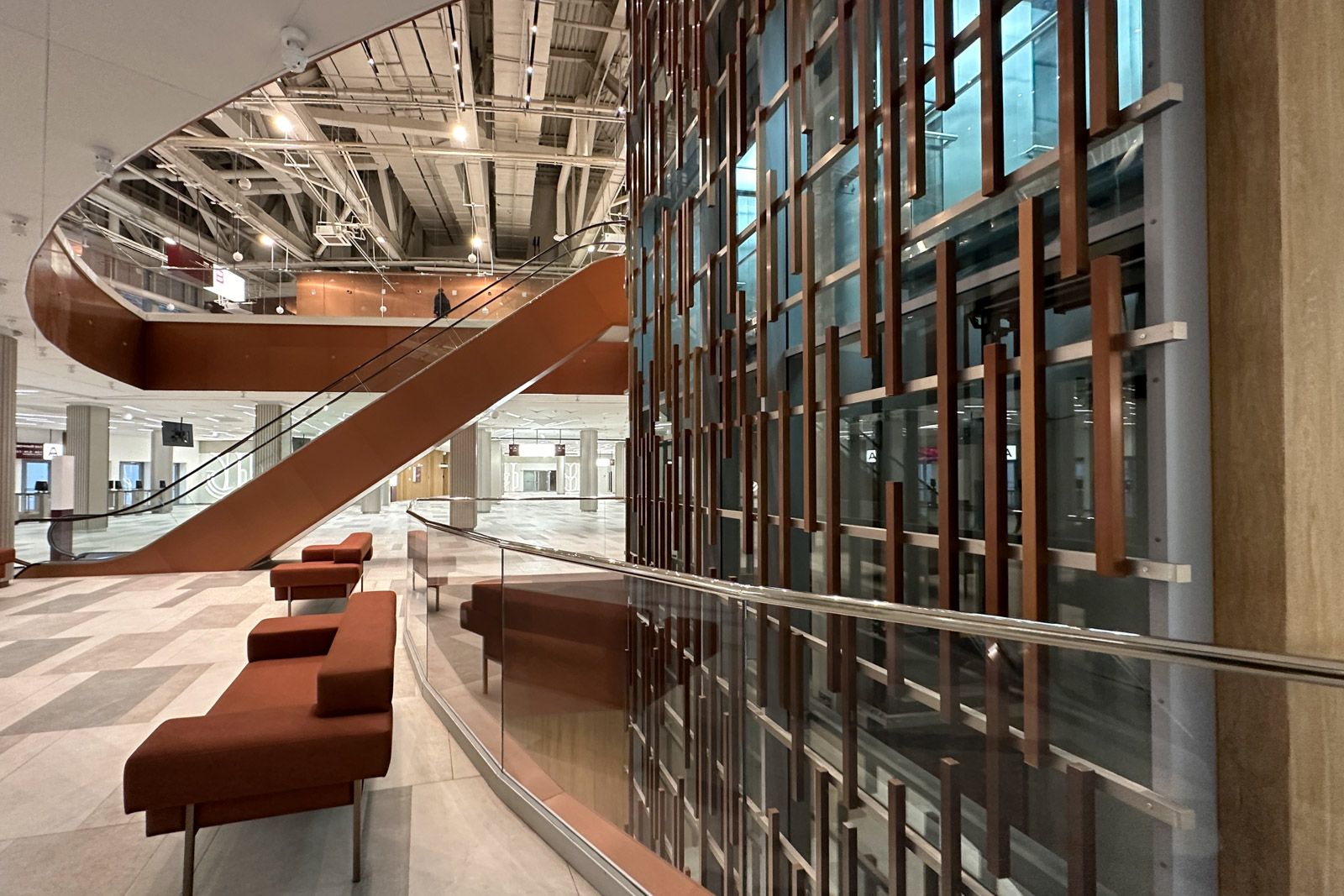
Unique technologies are being used in construction. For example, Pavilion No. 69 features long-span structures with 73.8-meter metal trusses. The roof of Pavilion No. 75 was installed using seamless aluminum panels spanning 74 meters. Russia’s largest stained-glass-style glazing units, measuring 15 by three meters, were manufactured for Pavilion No. 20. The congress and exhibition center will have 49 elevators and 26 escalators.
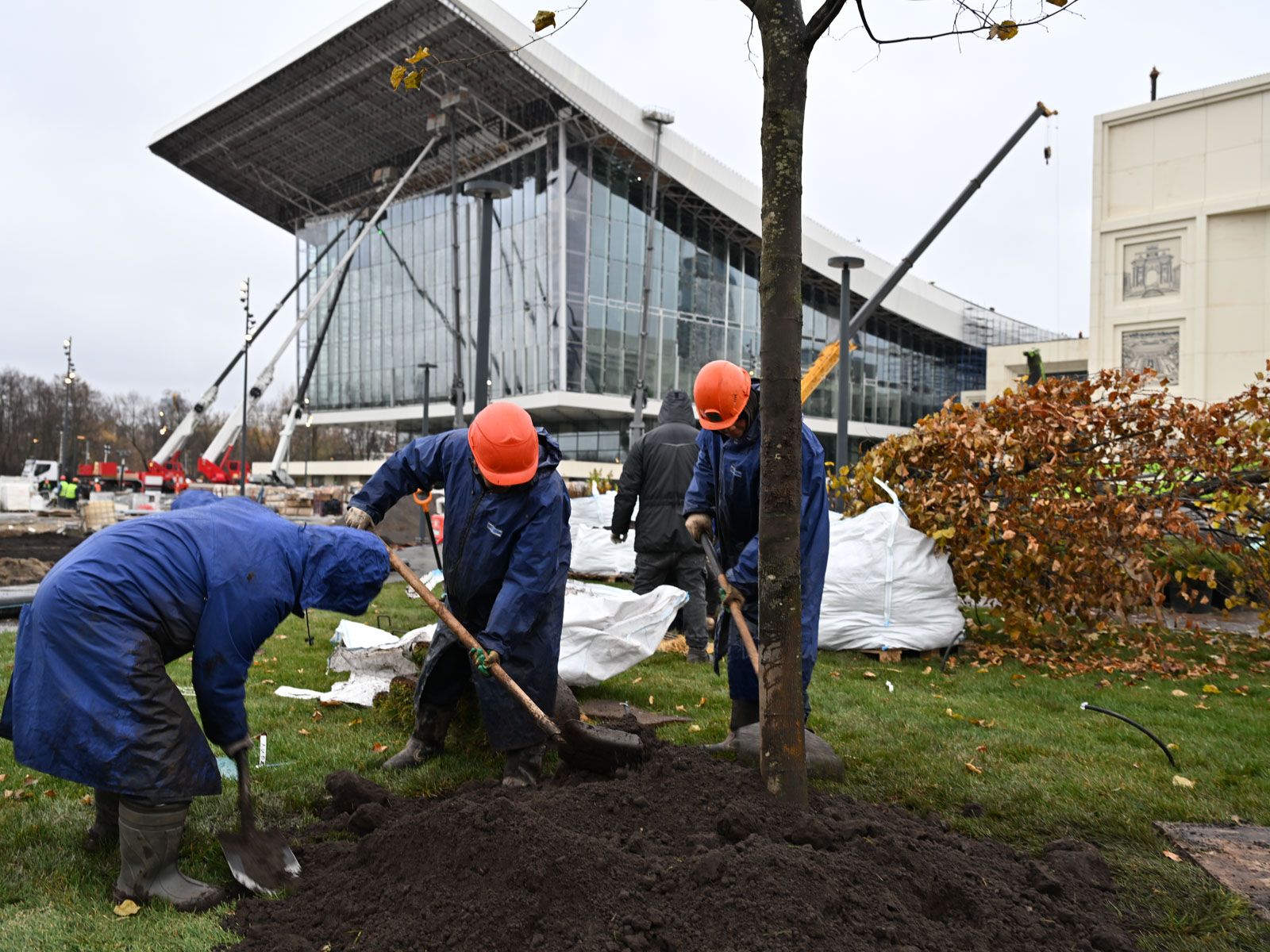
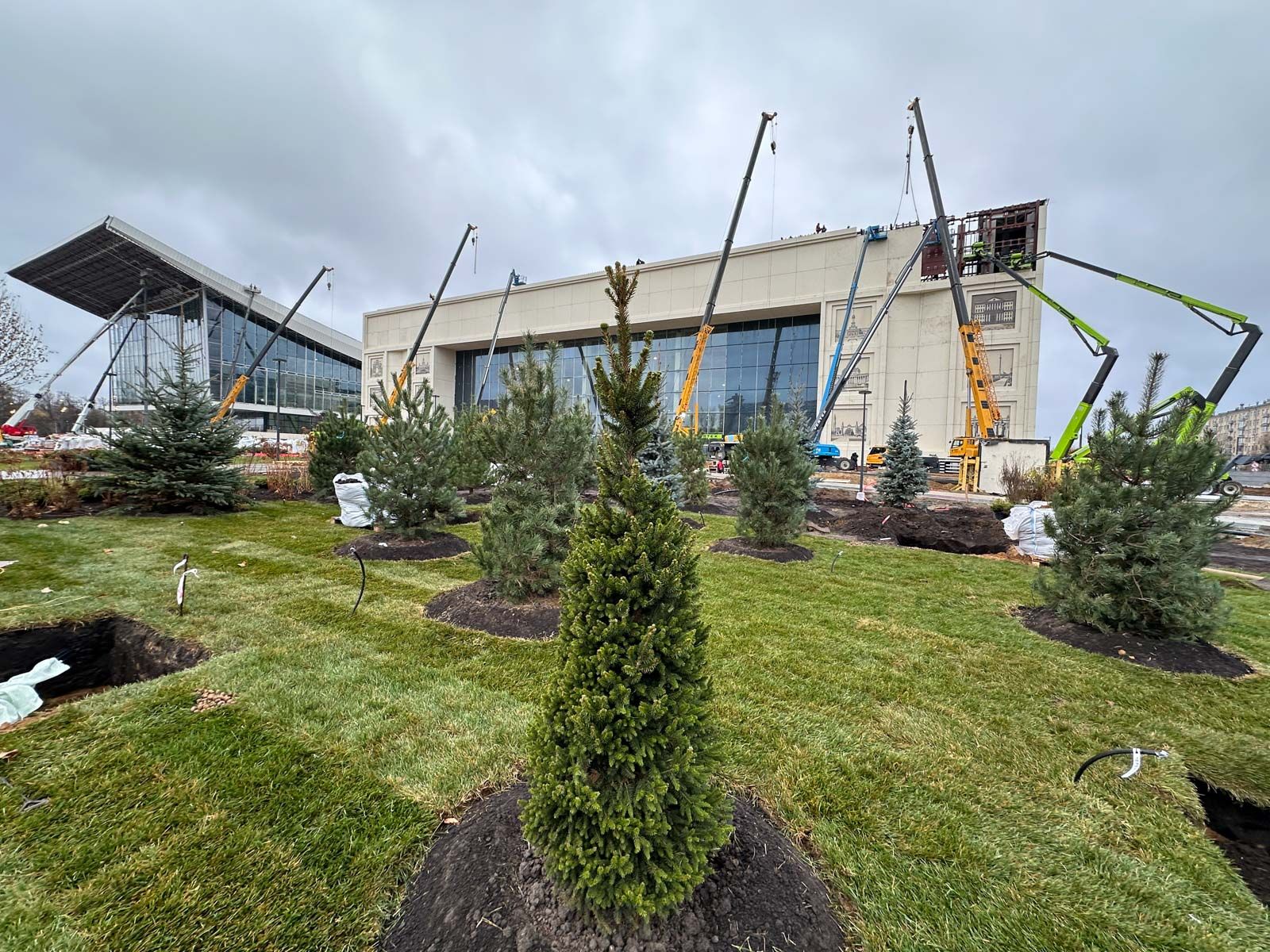
The project also includes landscaping the grounds surrounding VDNKh Expo, where comfortable public spaces will be created. A multilevel parking garage is planned. The complex grounds will feature 1,034 trees, 9,480 other plants and 191 pieces of hardscape structures.
Approximately 90 per cent of the work has now been completed. More than 3.2 thousand people and over 100 pieces of construction equipment are working at the sites. Major construction work on the new VDNKh Expo complex is scheduled for completion in December 2026.
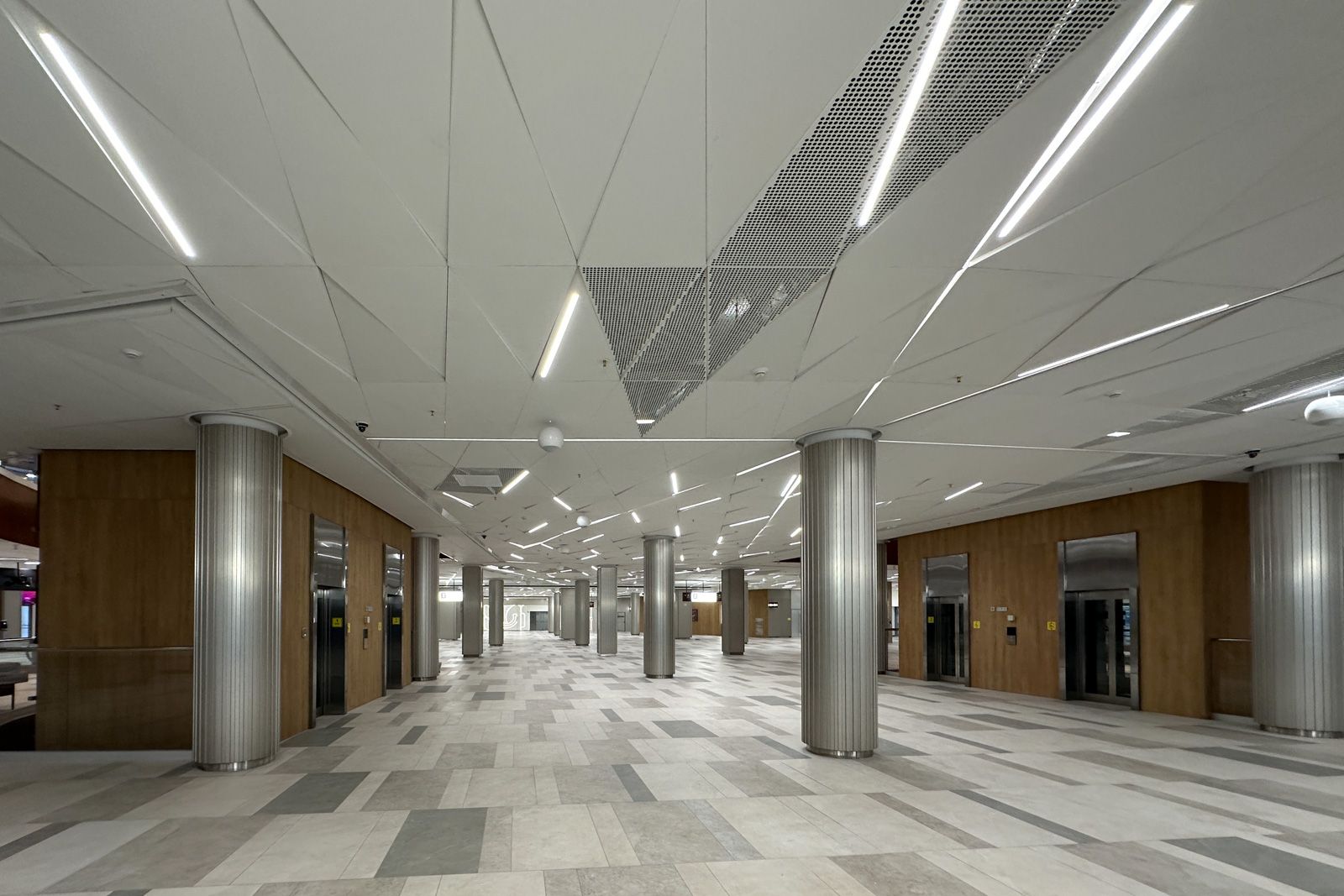
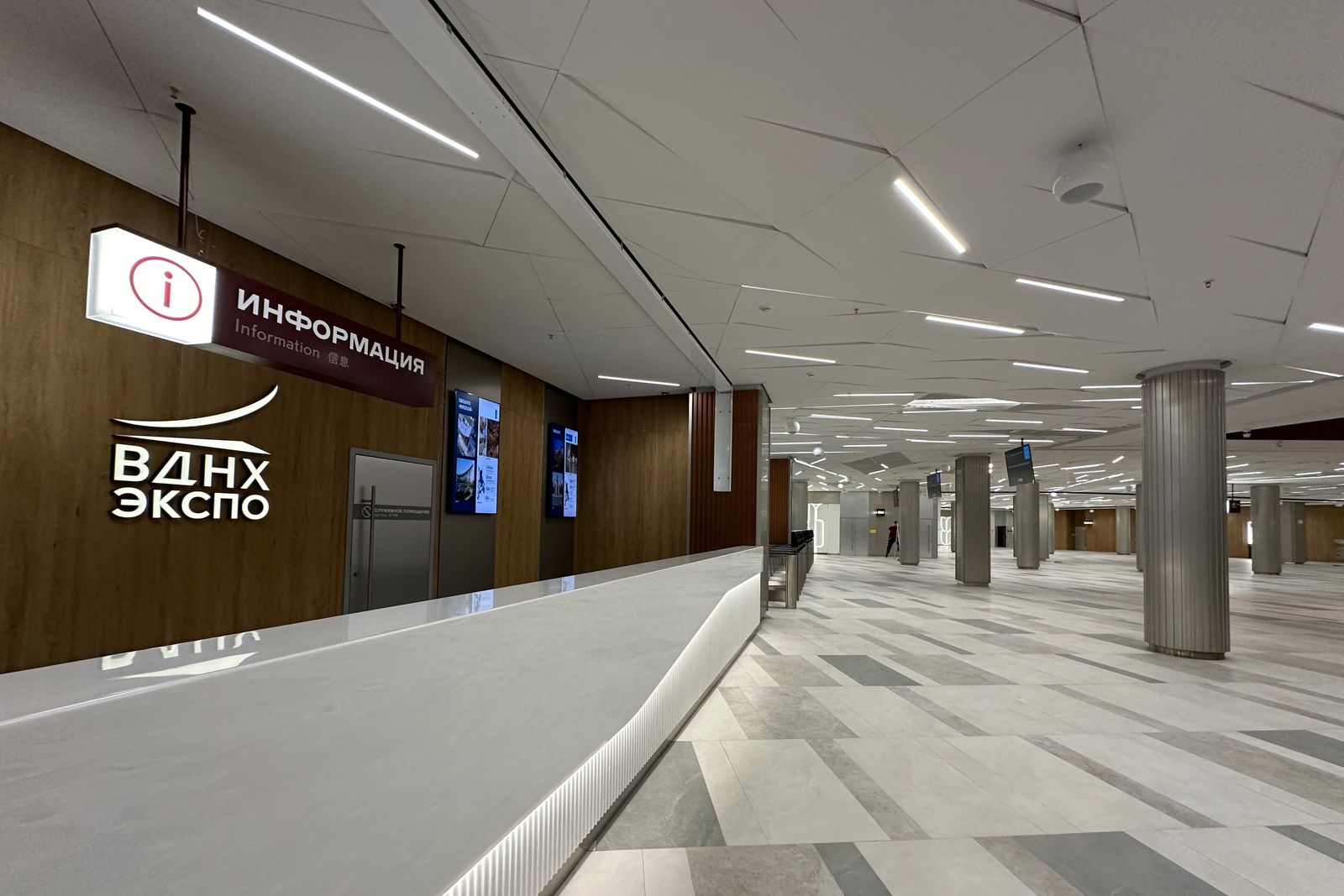
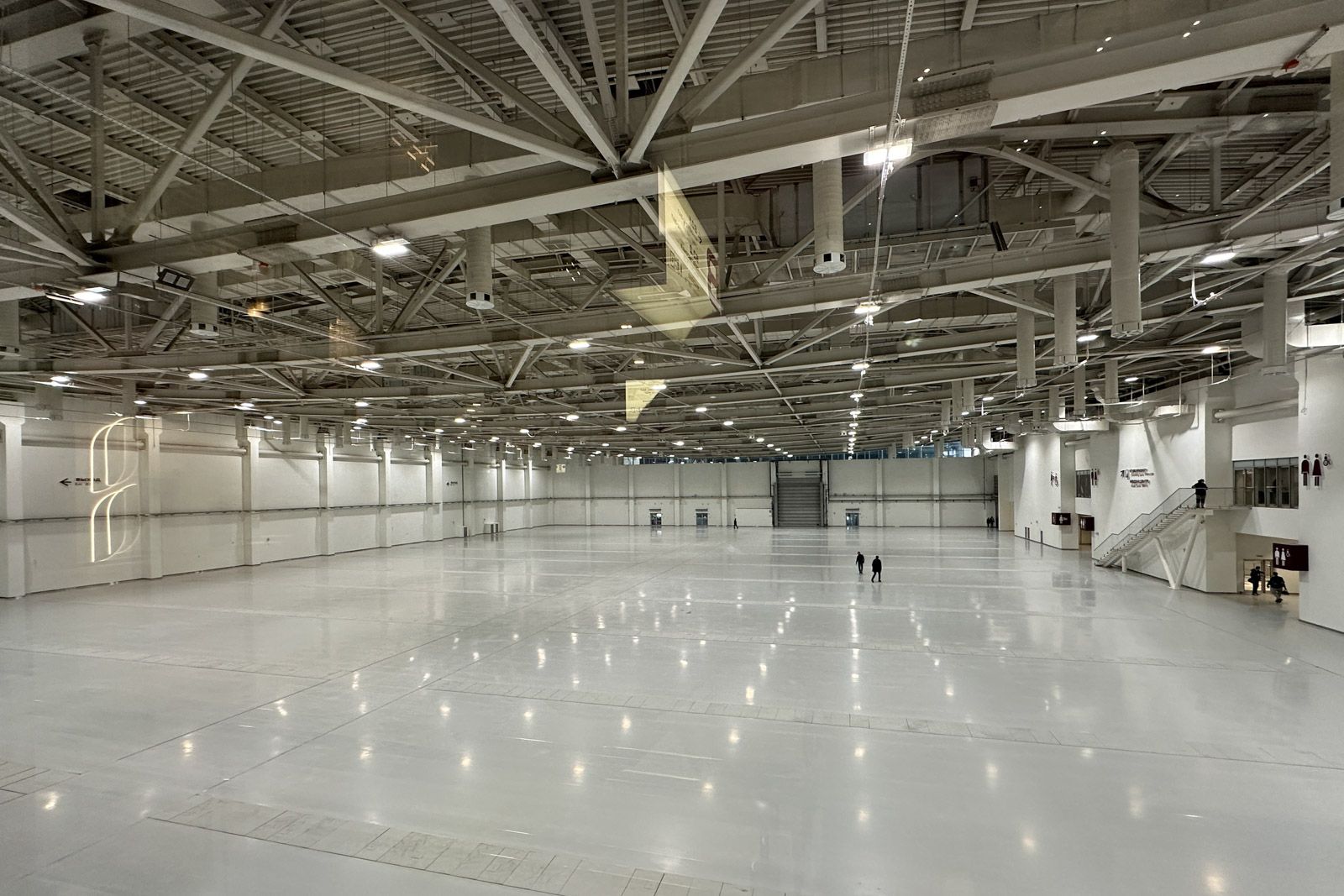
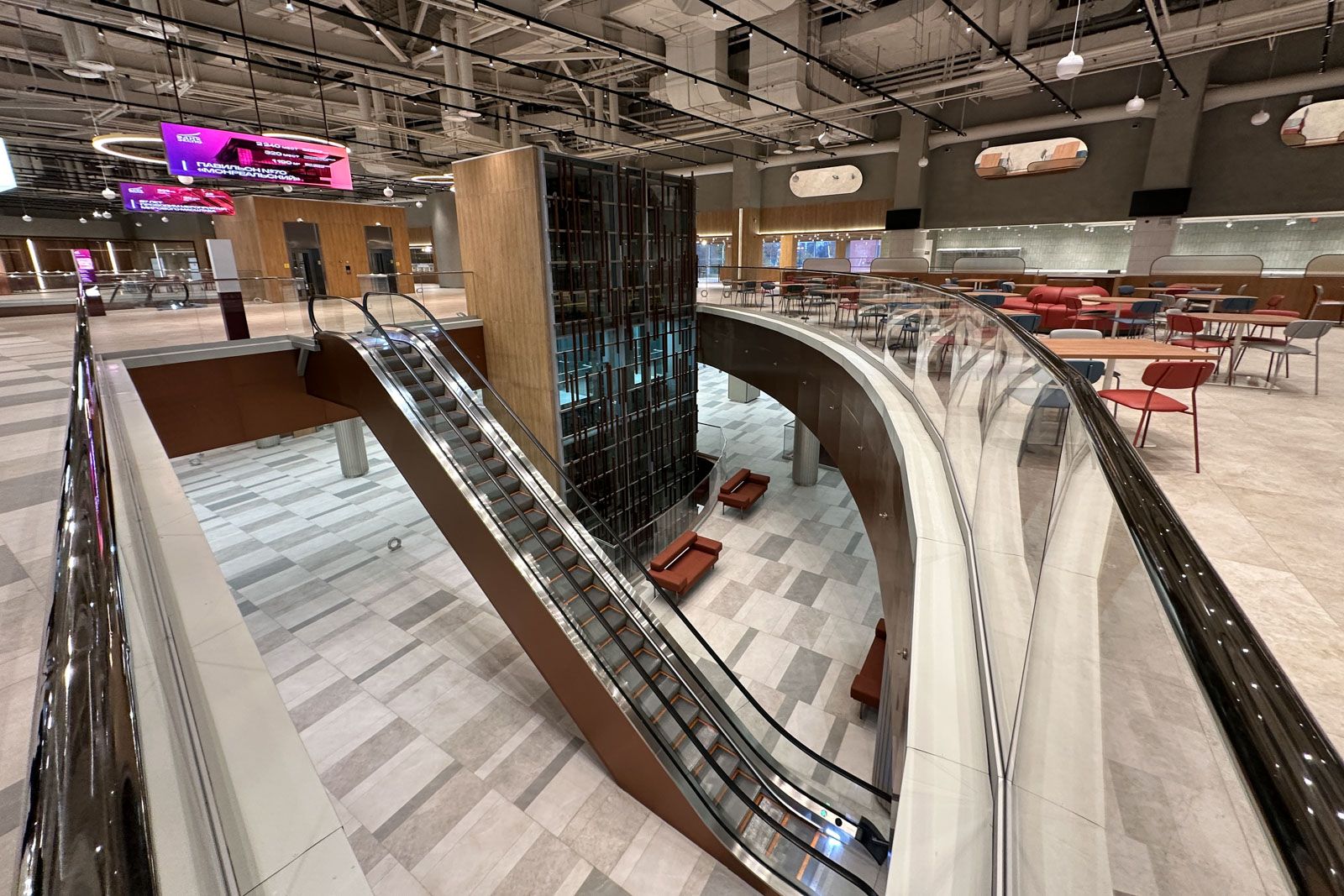
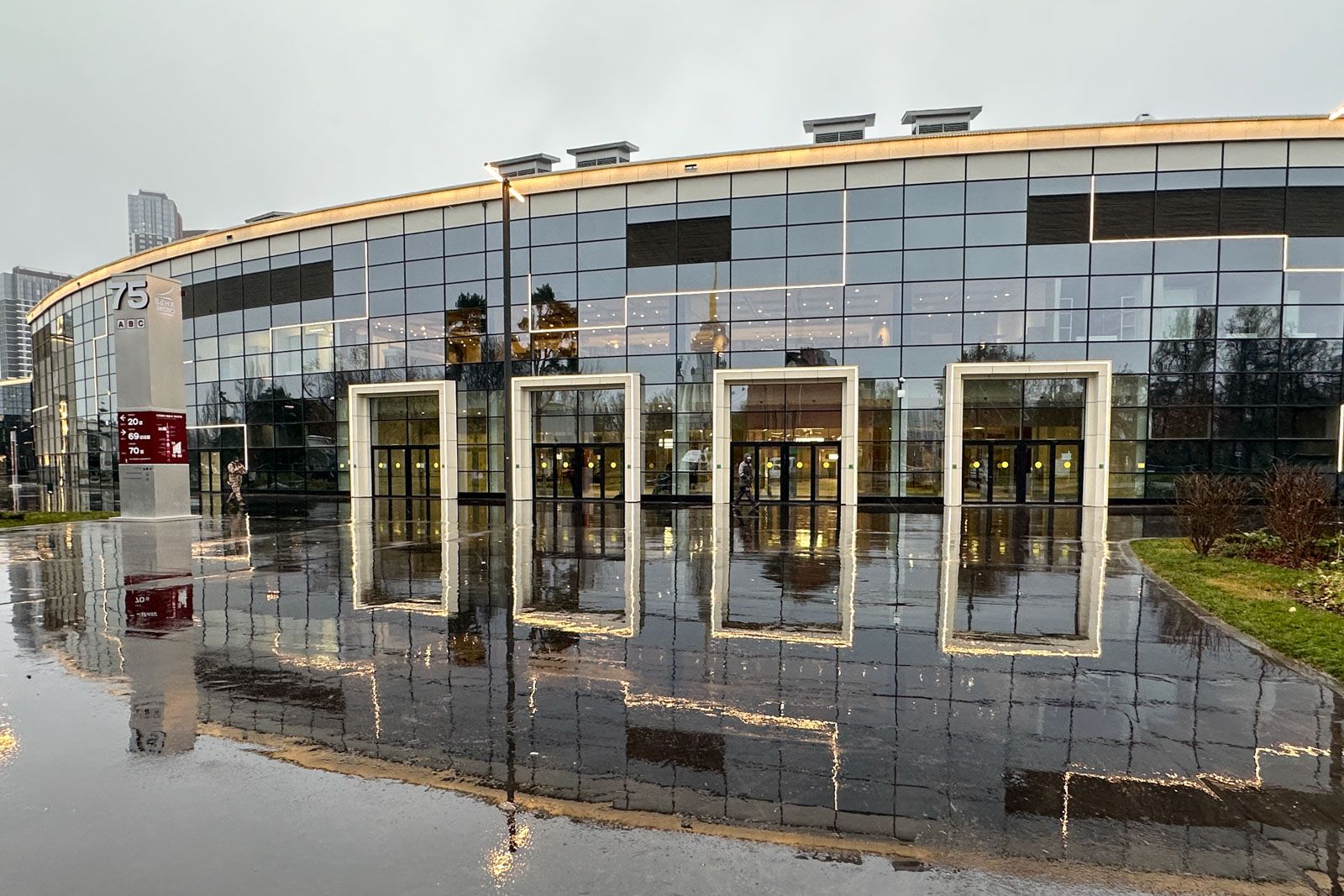
Pavilion No. 20
Construction of the new long-span building, covering 21.9 thousand square meters and measuring 85.8 by 85.8 meters, required 20.3 thousand cubic meters of ready-mixed concrete for its monolithic structures. In addition, 62 custom-made metal trusses with a combined weight of 3.7 thousand metric tons were manufactured and installed.
Twelve custom-made glazing units produced in Russia have been installed on the building’s façade. Six of them are unprecedented in size in Russia, measuring 15 by three meters and weighing 5.2 metric tons each. Four more units measure 12 by three meters and weigh 4.2 metric tons each, while two measure 10 by three meters and weigh 3.5 metric tons each. Specialists also installed 9.8 thousand square meters of unique stainless-steel façade panels and completed the installation of 13 elevators and escalators.
Construction of the new Pavilion No. 20 has now been completed. In late September 2026, it hosted the Junwex Moscow 2026 International Jewelry Exhibition, which brought together 283 exhibitors, including 76 in Pavilion No. 20. More than 17,000 people attended the exhibition.
The International Security Sphere Exhibition took place at Pavilion No. 20 from October 21 to 23, bringing together 56 exhibitors. The event attracted 4,700 visitors. On October 28–29, the annual FTT 2026 tourism territories industry exhibition and forum took place here, bringing together 38 exhibitors and more than 3.2 thousand visitors. On November 3, 2026, an anniversary event called the Argo Product Biennale was held, attracting more than 1,700 guests. Pavilion No. 20 already has 39 events scheduled for 2026–2027.
Pavilion No. 70
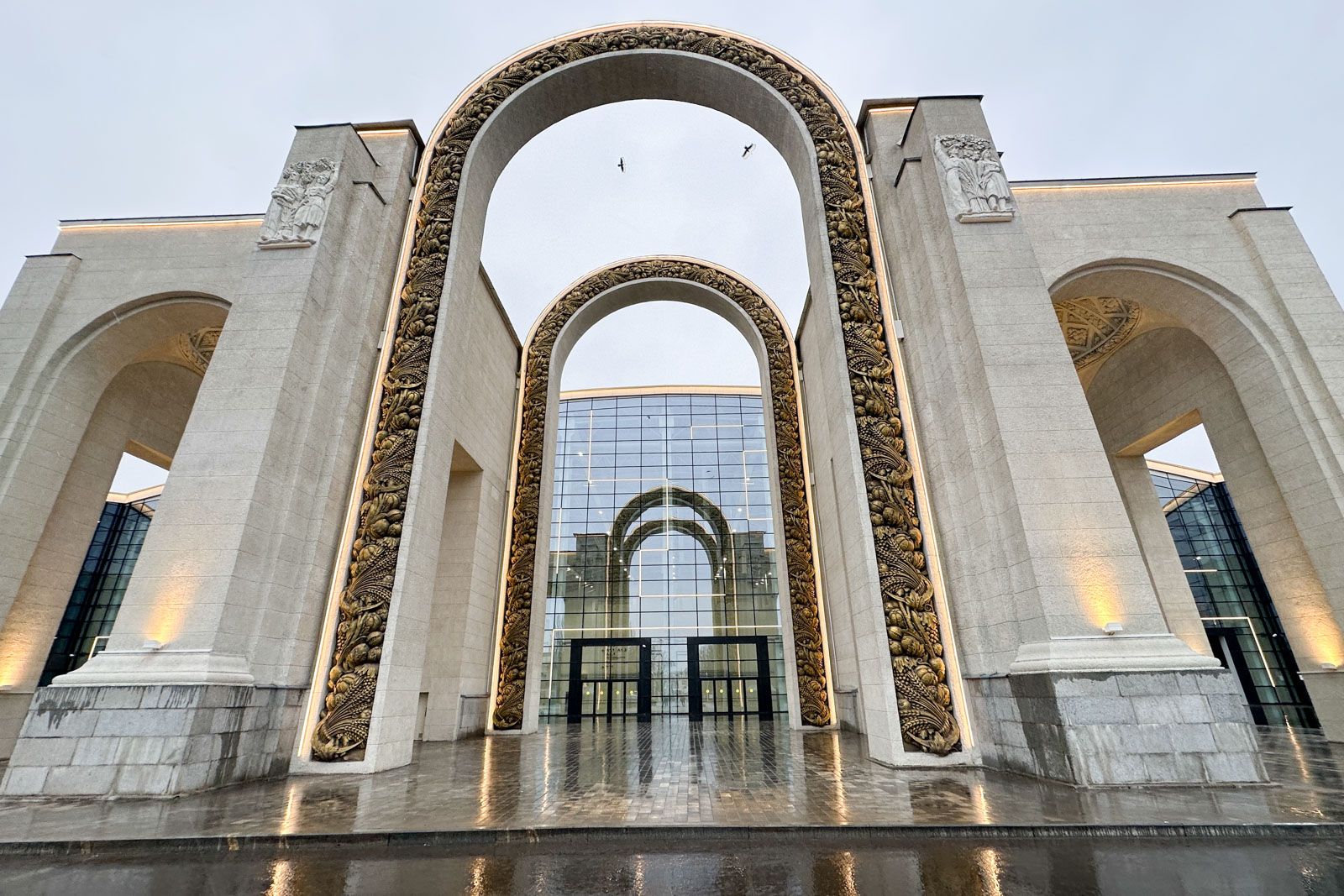
The complex will cover a total of 181.6 thousand square meters, including 27.9 thousand square meters in the historic Pavilion No. 70 (Montreal).
Pavilion No. 70 is being restored using a specially developed technology. In particular, a unique engineering solution was employed to preserve the building’s historic appearance: steel-concrete cantilever floor slabs projecting between 10 and 18 meters, incorporating 550 metric tons of high-strength alloy steel structures with a strength rating of 3,900 kilogram-force per square centimeter.
Five unique heavy-duty trusses, each 35 meters long and weighing 62 metric tons, were manufactured and installed for Pavilion No. 70. A monolithic structure has been built inside the pavilion to accommodate a 2,240-seat congress and concert hall, which will become one of Russia’s most modern and technologically advanced venues.
Dynamic illuminated fountain on Industry Square
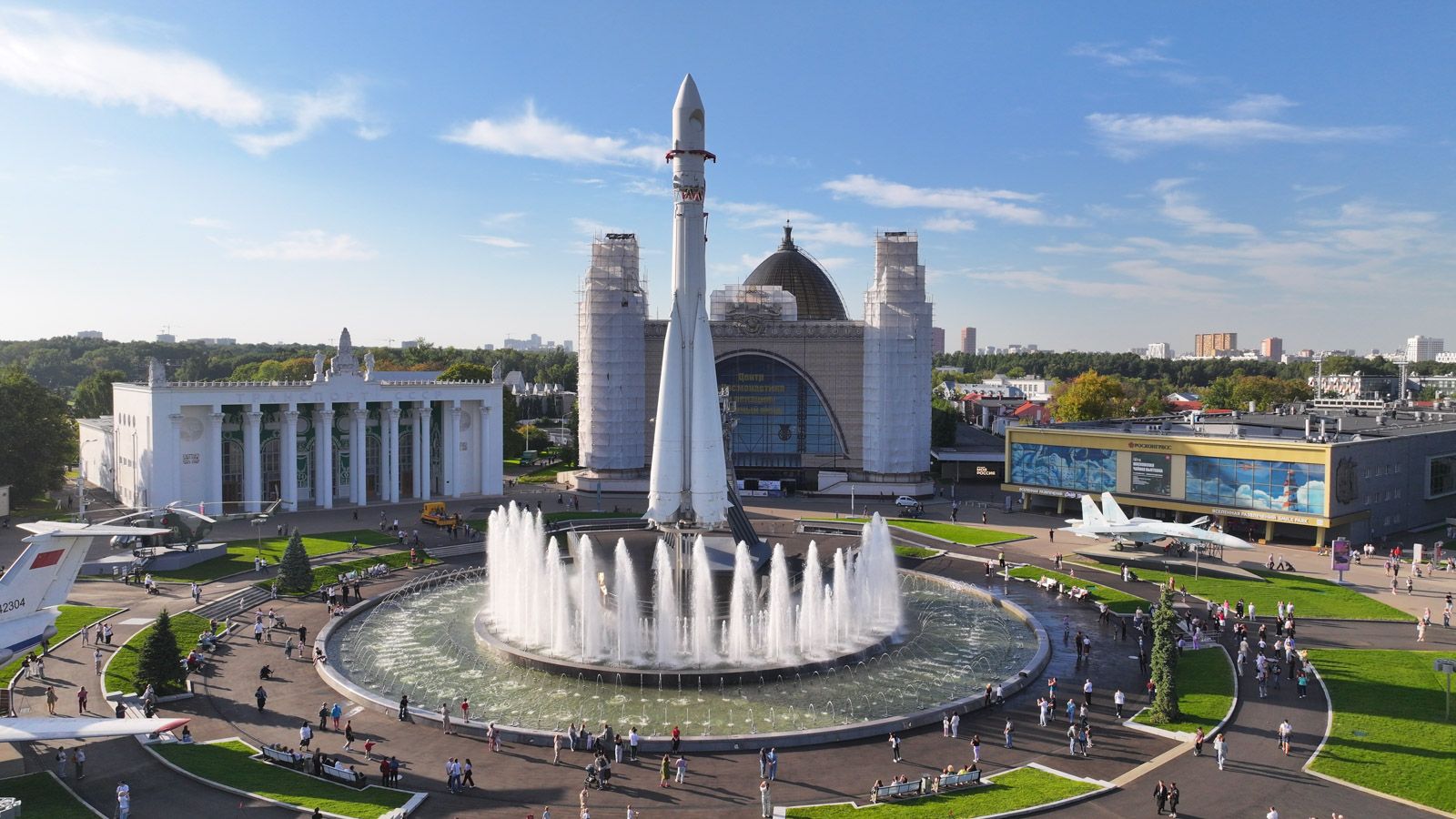
An upgraded dynamic illuminated fountain opened on Industry Square in September 2026. It is located in the basin beneath the model of the Vostok launch vehicle.
During the day, the fountain simulates a rocket launch: water jets trace the outline of the basin and rise toward the rocket’s nozzles, resembling tongues of flame. The sound of rushing water creates the impression of roaring jet engines. In the evening, accompanied by music, some jets soar as high as 35 meters while others form patterns.
The fountain’s performances feature familiar musical compositions. Among them are Dmitry Shostakovich’s Festive Overture, the song The Best City on Earth performed by Muslim Magomayev and Moscow’s anthem, My Dear Capital.
The show runs daily, with performances every hour starting at 8:00 p.m. and the final performance beginning at 10:45 p.m. In summer, performances begin at 9:00 p.m. and take place every 40 minutes, with the last show starting at 10:55 p.m.
The fountain is equipped with more than 1,000 nozzles, over 2,000 underwater spotlights and more than 350 pumps. Brass plaques around the perimeter of the basin provide information about major milestones in the history of astronomy, rocket engineering and space exploration.
VDNKh: Around 30 million visitors annually
The revival of VDNKh is one of Moscow’s most prominent urban development projects in recent years. Large-scale work has been underway since 2014. During this period, 43 historical monuments, including pavilions and other cultural heritage sites, have been restored. Dozens of new popular attractions for Moscow residents and tourists have been created at VDNKh. The country’s main exhibition complex welcomes approximately 30 million visitors annually.
Today, VDNKh is Moscow’s largest museum complex, comprising more than 30 exhibition venues. These include the Cosmonautics and Aviation Center (Pavilion No. 34 Cosmos), the Slovo Museum of Slavic Writing (Pavilion No. 58 Agriculture), the Museum of Heroism (Pavilion No. 59 Grain), the interactive Buran museum complex, the Russia — My History historical park (Pavilion No. 57), the Art of the Stage exhibition (Pavilion No. 1, Central), the interactive My Russia Model Show museum (Pavilion No. 33), the Cinema Museum (Pavilion No. 36, formerly Agricultural Product Processing) and the Moscow State Museum of Oriental Art (Pavilion No. 13 Healthcare, formerly the Armenian SSR Pavilion).
The grounds also feature the Moscow City Scale Model Pavilion, the Museum of the Special Purpose Garage of the Russian Federal Protective Service (Pavilions No. 53 and 54), the Moscow Transport Museum (Pavilion No. 26 Soviet Transport, formerly Agriculture), the Urban Economy Museum (Pavilion No. 5 Physics, formerly the Latvian SSR Pavilion), the Biotech Museum Center for Modern Biotechnology (Pavilion No. 30 Microbiological Industry, formerly Oilseed Crops), the interactive Oil exhibition (Pavilion No. 5 Oil, formerly Sugar Beet), the Museum and Exhibition Complex of the History of Public Service (Pavilion No. 71 Atomic Energy, formerly the RSFSR Pavilion), the interactive Horse Museum (Pavilion No. 42) and the Biocluster venues (Pavilions No. 17 Forestry, and No. 29, Floriculture and Landscaping).
Seven national pavilions are open to visitors. They include the exhibition and trade centers of Armenia (Pavilion No. 68, Coal Industry, formerly Siberia), Belarus (Pavilion No. 18, Republic of Belarus), Kazakhstan (Pavilion No. 11, Metallurgy, formerly the Kazakh SSR Pavilion), Kyrgyzstan (Pavilion No. 4, Biology, formerly the Estonian SSR Pavilion) and Uzbekistan (Pavilion No. 66, Soviet Culture, formerly the Uzbek SSR Pavilion).
Art of the Stage. Academic Painting exhibition
Moscow continues to hold major intermuseum and international projects, strengthening its position as one of the leading venues for presenting the collections and expertise of prominent cultural institutions from Russia and other countries.
“Moscow provides exhibition spaces for regional, federal and international projects. We are creating the best opportunities for museums to interact directly with visitors,” the Moscow Mayor shares on his Max channel.
Source: Moscow Mayor’s Max channel
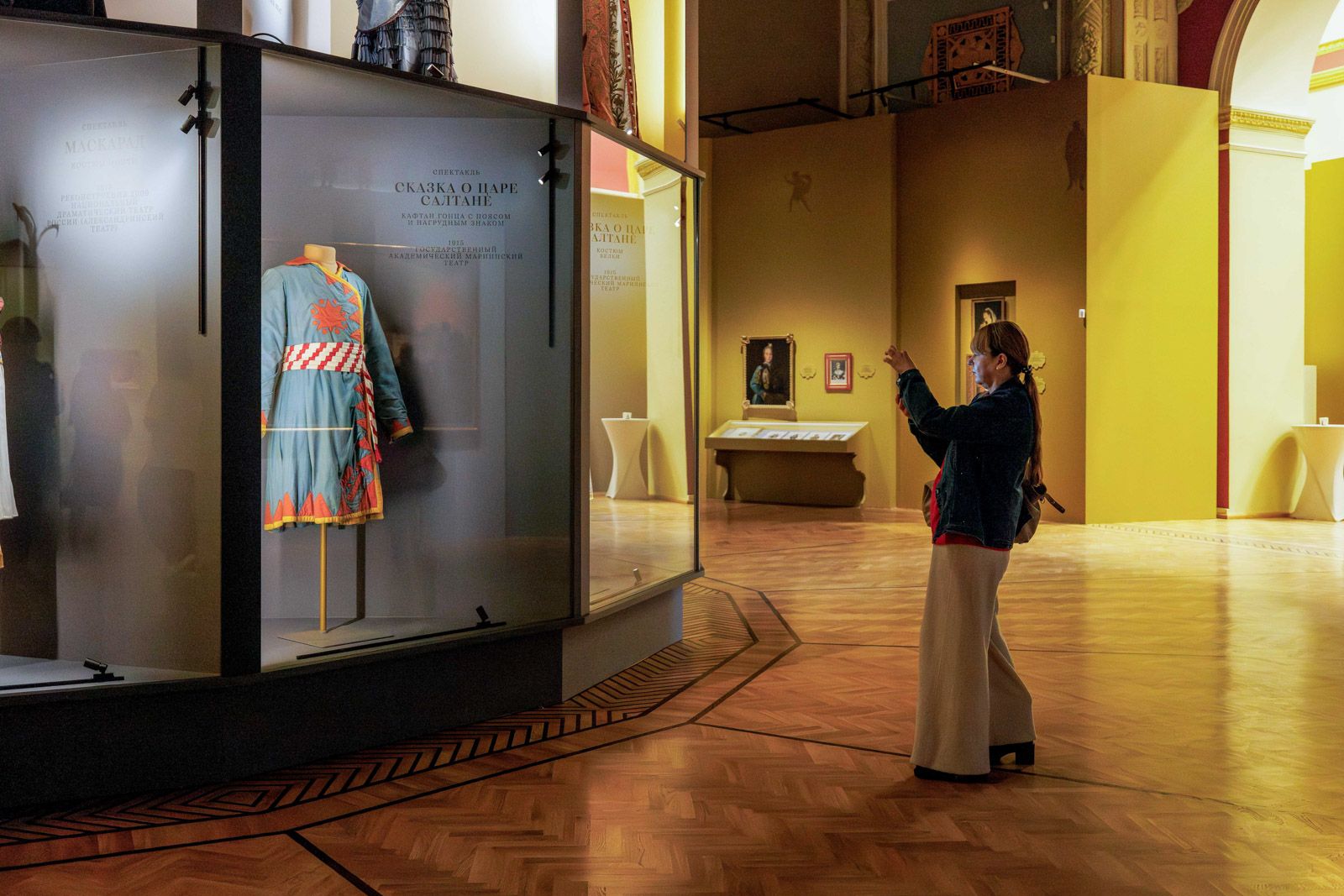
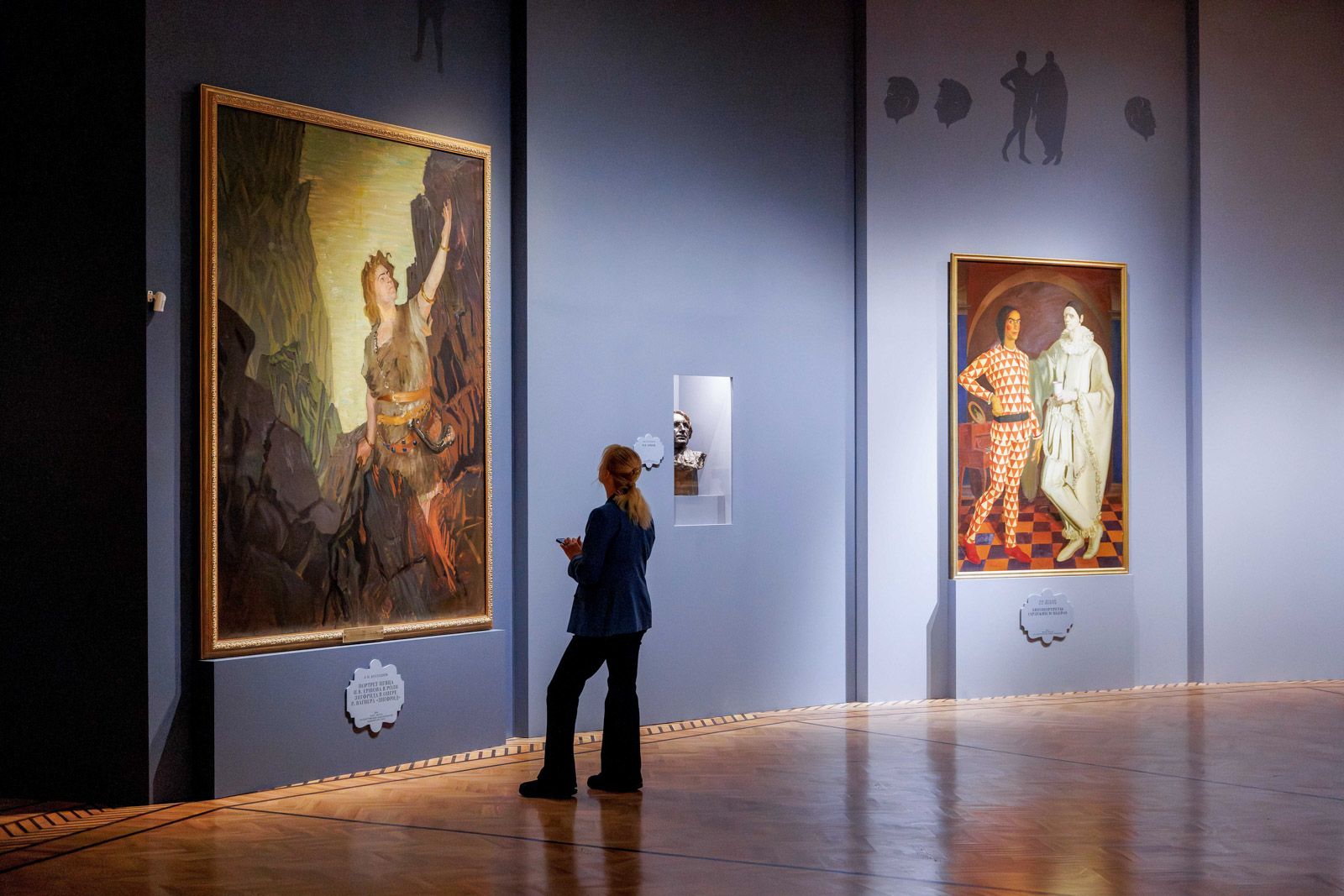
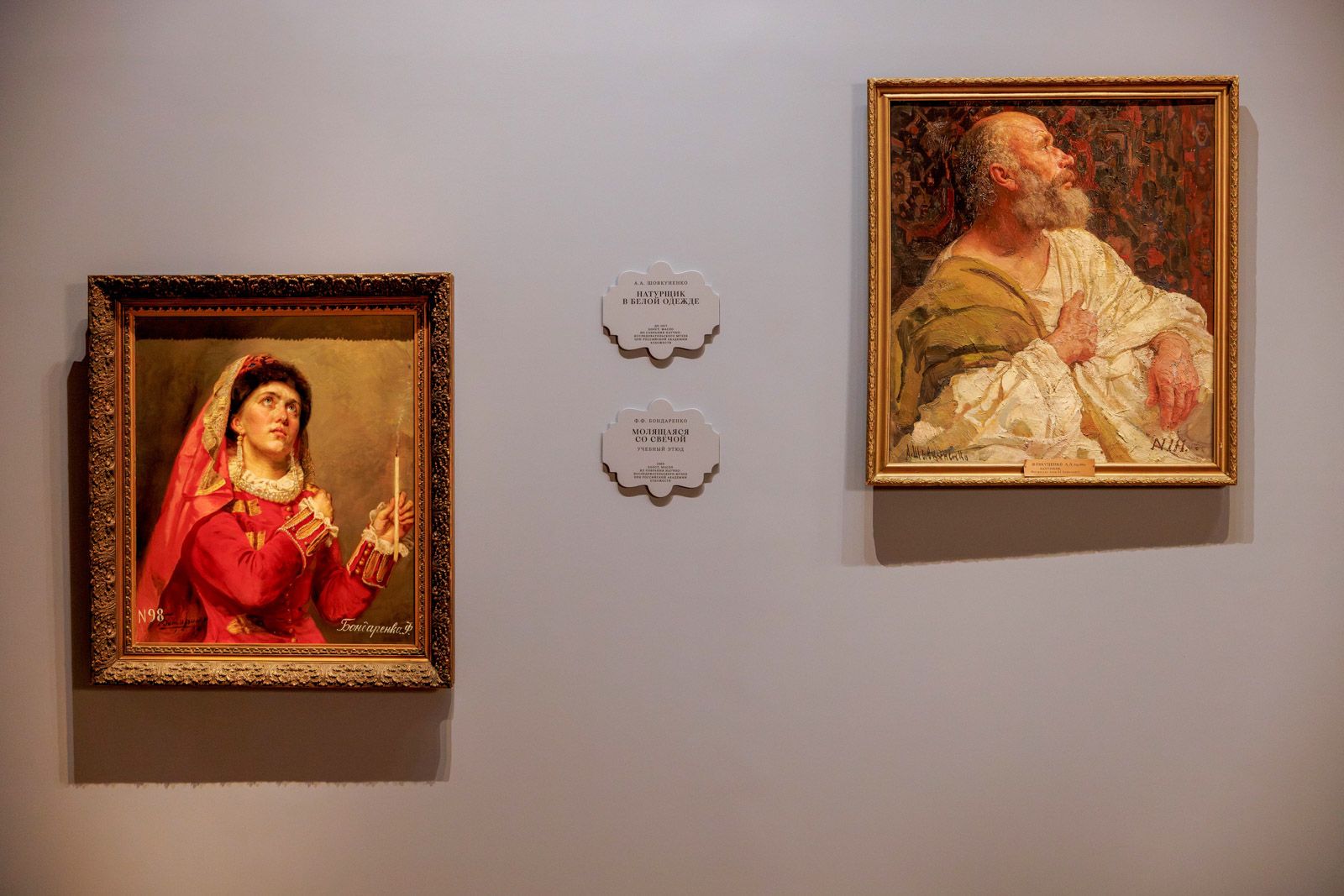
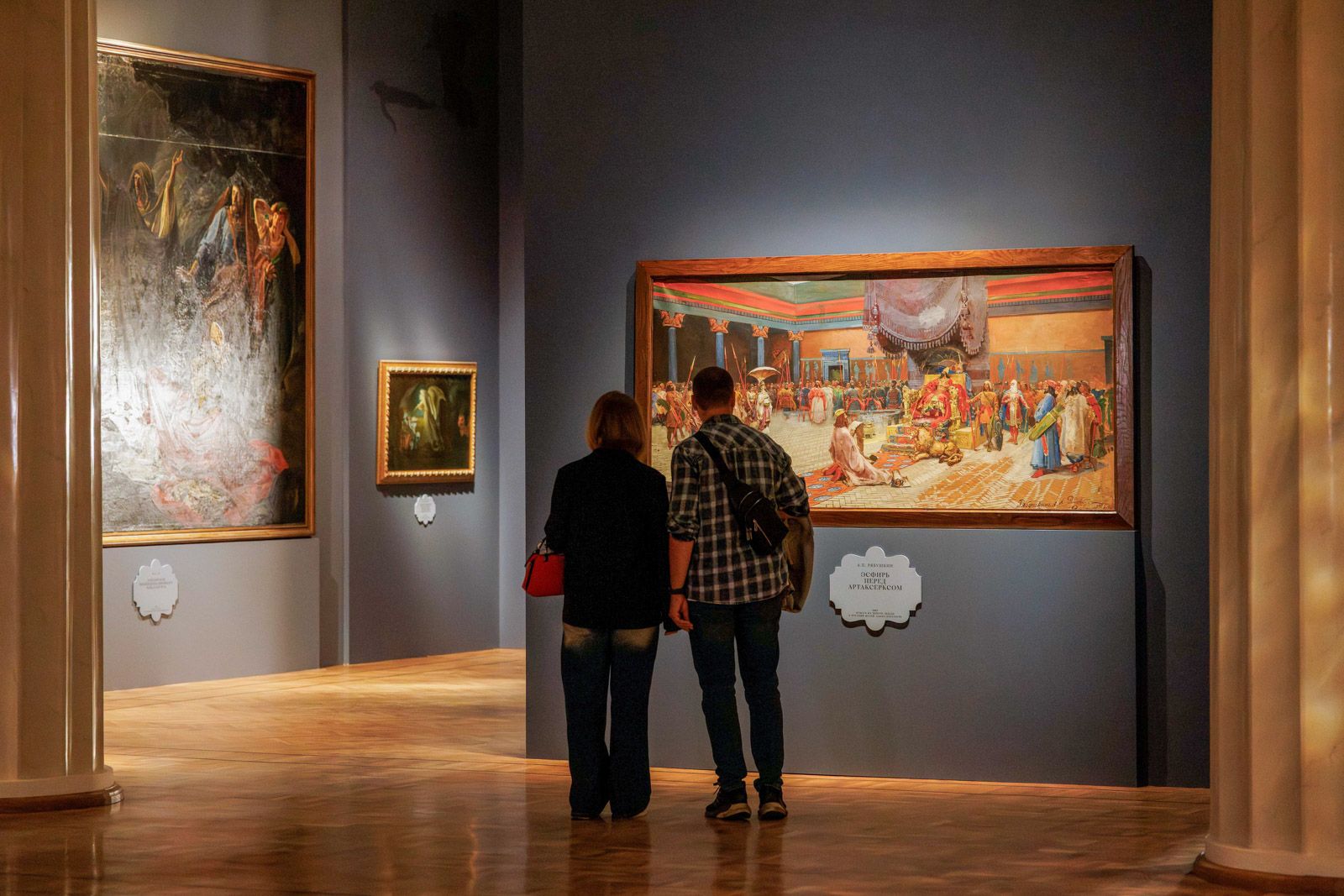
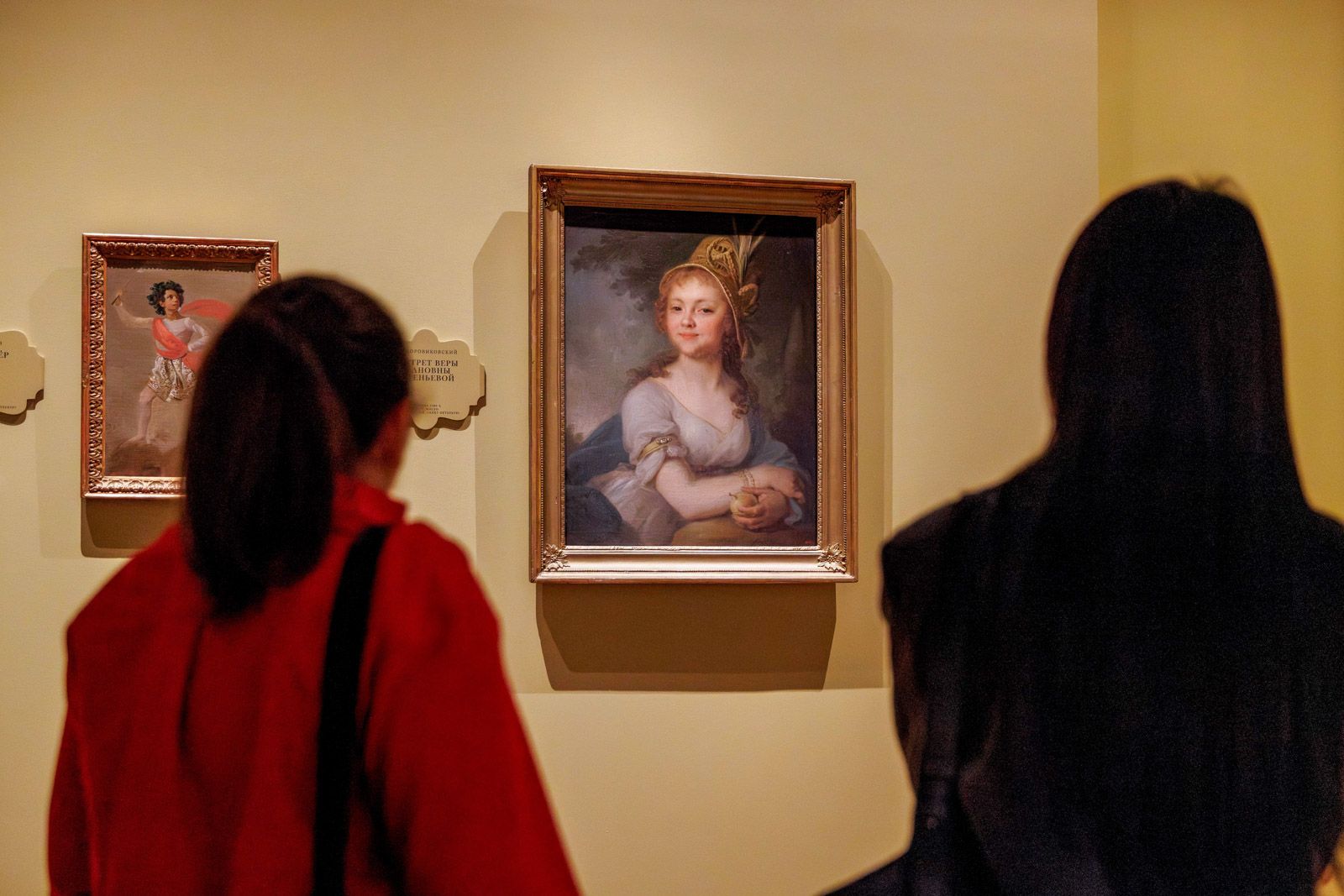
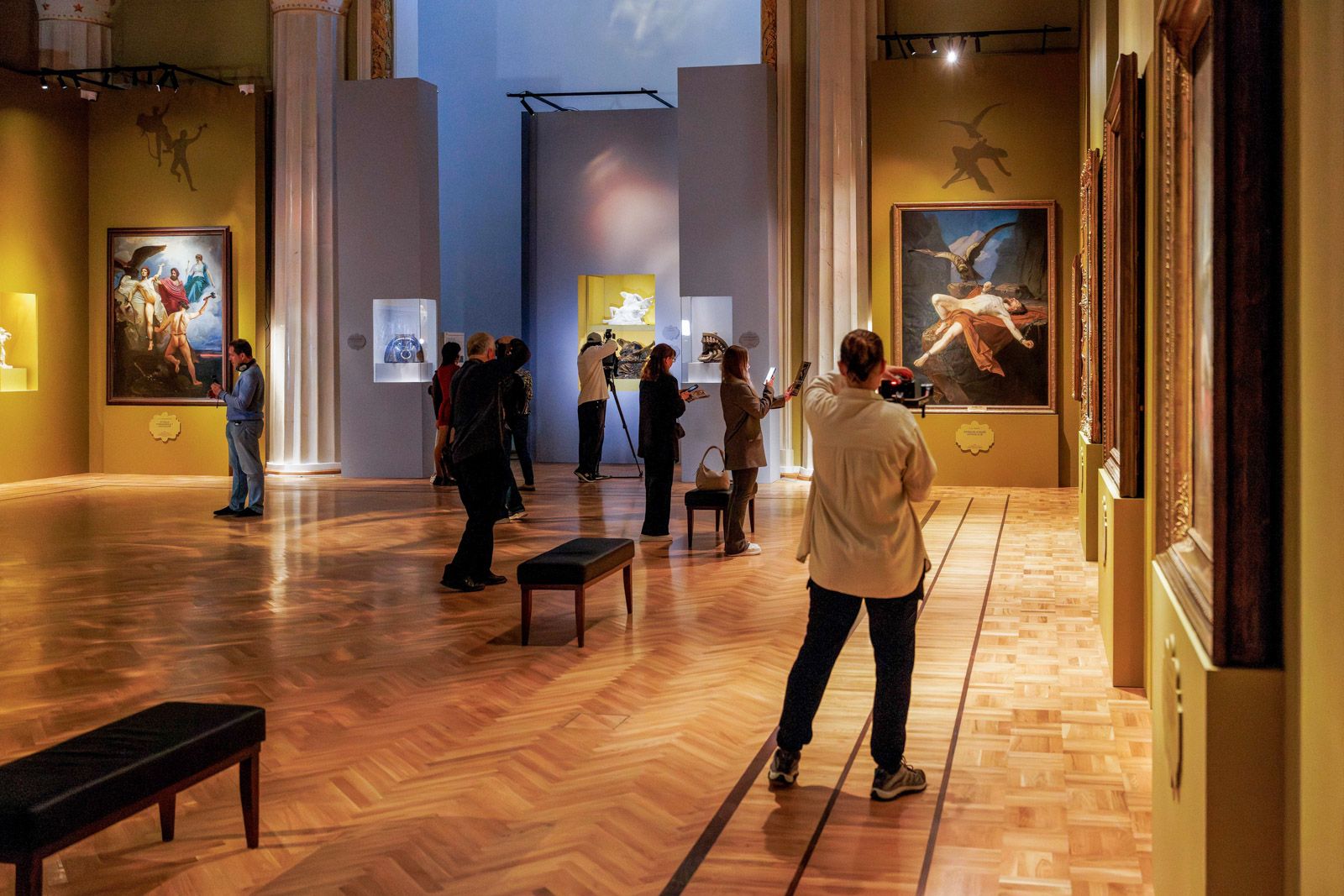
The new Art of the Stage. Academic Painting exhibition in Pavilion No. 1 (Central), marking the 150th anniversary of the Union of Theater Workers of the Russian Federation, brings together 32 museums from 12 Russian cities. Participants include the State Russian Museum, the State Tretyakov Gallery, the Research Museum of the Russian Academy of Arts, the Pushkin State Museum of Fine Arts, the museums of the Moscow Art Theater, Bolshoi Theater, Mariinsky Theater and Alexandrinsky Theater, as well as the Alexander Deineka Kursk State Art Gallery.
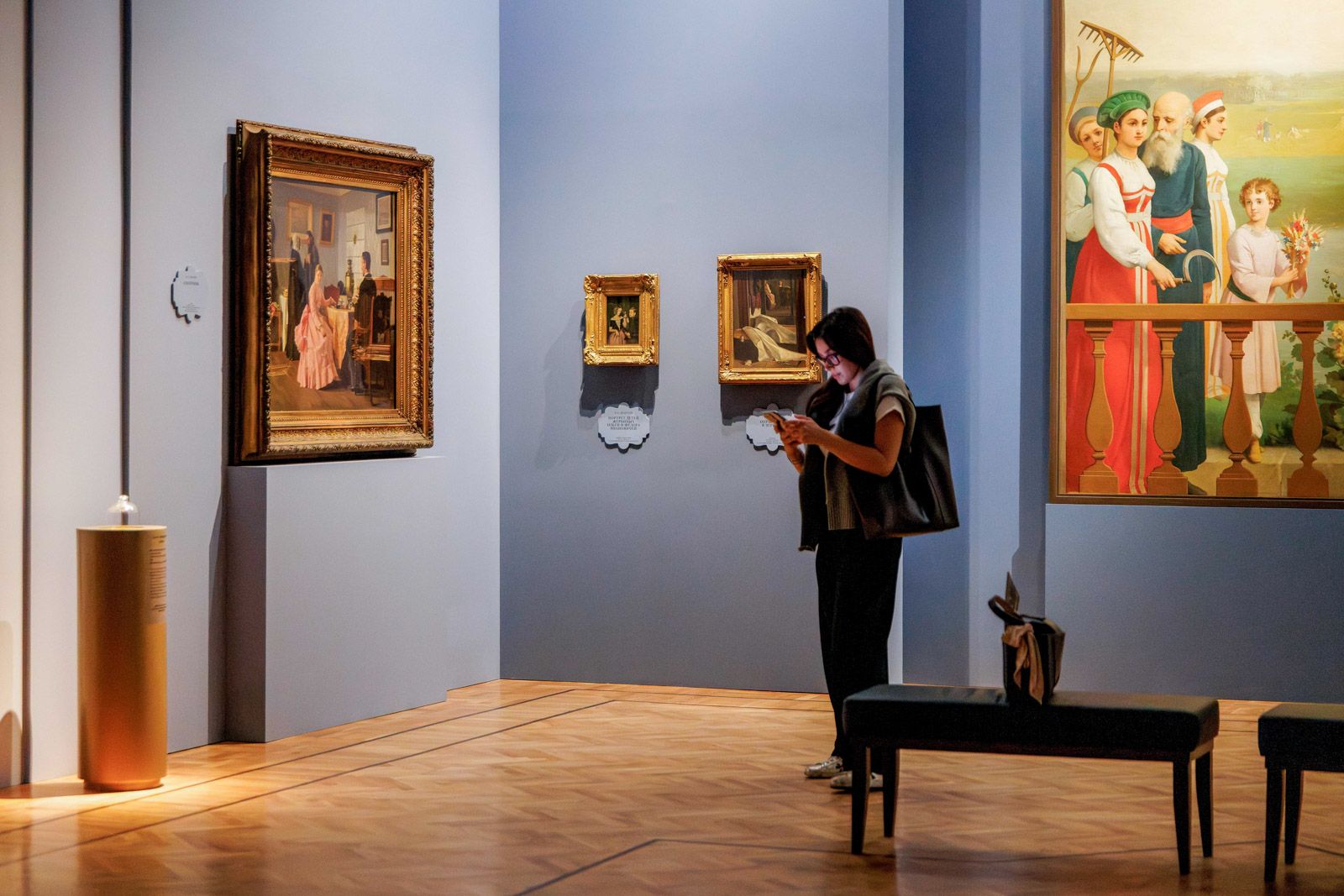
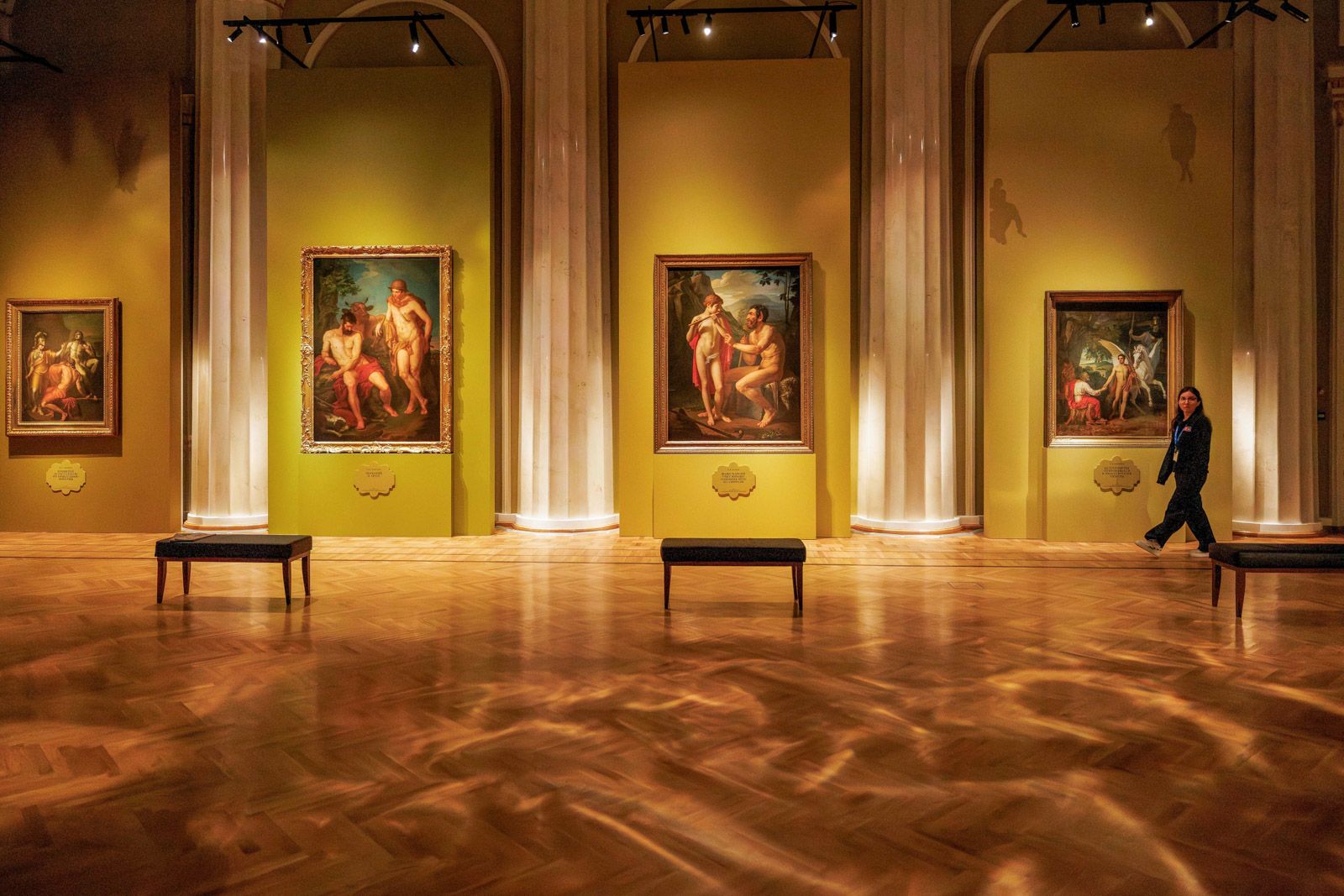
The exhibition covers 2.5 thousand square meters and features approximately 200 exhibits, including paintings, graphic works, sculptures and stage costumes.
Visitors can see works by renowned artists such as Karl Bryullov (1799–1852), Alexander Ivanov (1806–1858), Ilya Repin (1844–1930), Valentin Serov (1865–1911), Alexei Venetsianov (1780–1847), Kuzma Petrov-Vodkin (1878–1939), Orest Kiprensky (1782–1836), Nikolai Ge (1831–1894), Pavel Fedotov (1815–1852), Fyodor Moller (1812–1874), Fyodor Bruni (1799–1875) and Abram Arkhipov (1862–1930).
The exhibition includes works inspired by biblical stories, ancient myths and historical events. It explores how artists and theater professionals created images of characters and conveyed their personalities. Visitors can also see portraits of prominent figures in the arts associated with theater and painting.
Particular attention is given to student works and painted studies, which sometimes rival finished masterpieces in quality. They offer insight into the process of developing an artistic image and help visitors understand how artists approached composition, light and color.
Each exhibit carries its own significance and helps viewers trace the evolving relationship between theater and the visual arts. Many of these works are classic examples of academic art that embody established artistic traditions. They continue to be studied at specialized educational institutions today.
dialogue between generations. The works explore this connection in different ways. Nikolai Nevrev’s (1830–1904) Mochalov Among His Admirers portrays an actor receiving recognition for his talent from the public. Ilya Repin’s (1844–1930) Portrait of Leo Tolstoy brings to the forefront a personality in which intellectual strength and inner weariness collide. The double self-portrait Harlequin and Pierrot by Vasily Shukhayev (1887–1973) and Alexander Yakovlev (1887–1938) is structured like a theatrical pairing: face and mask, artist and role.
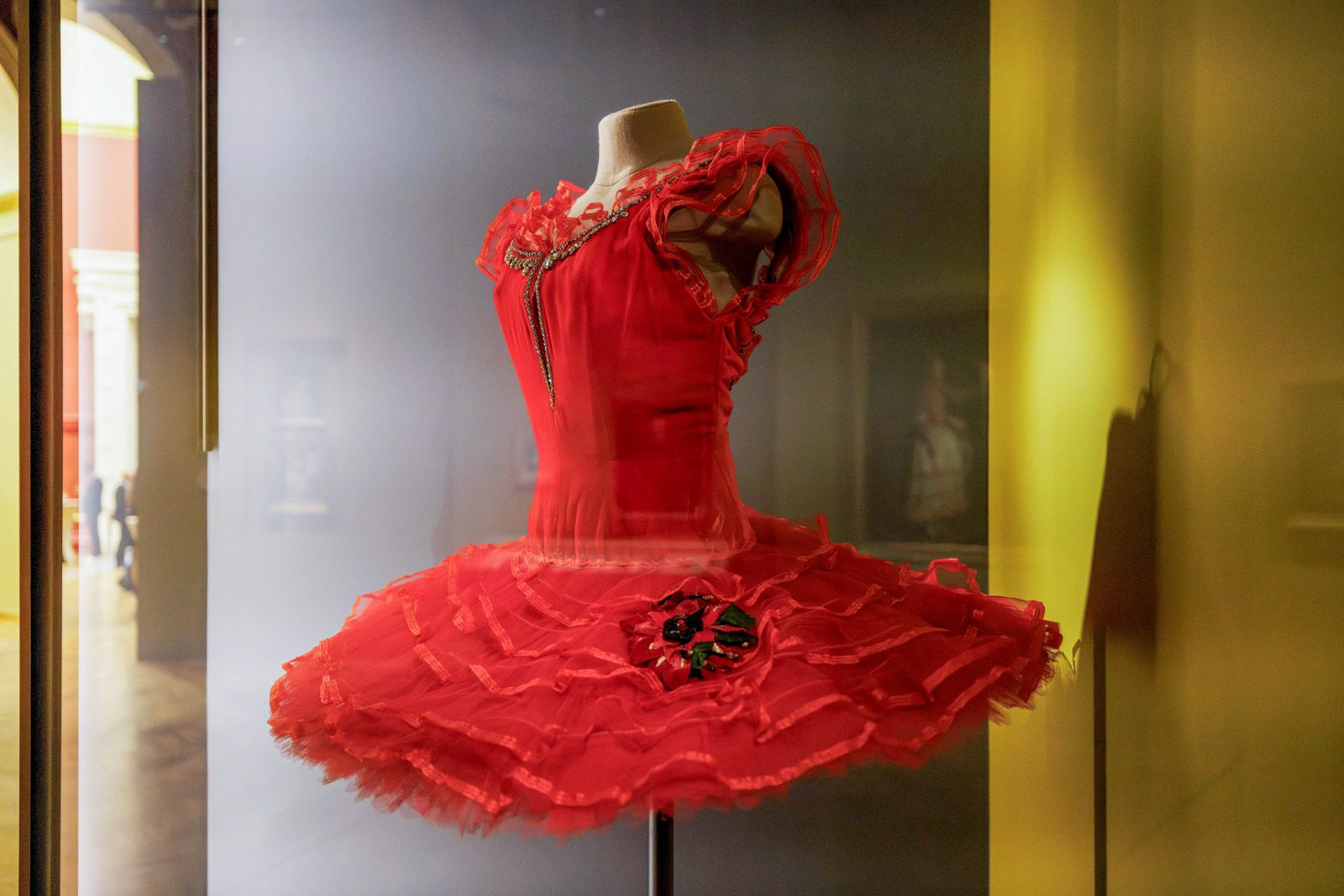
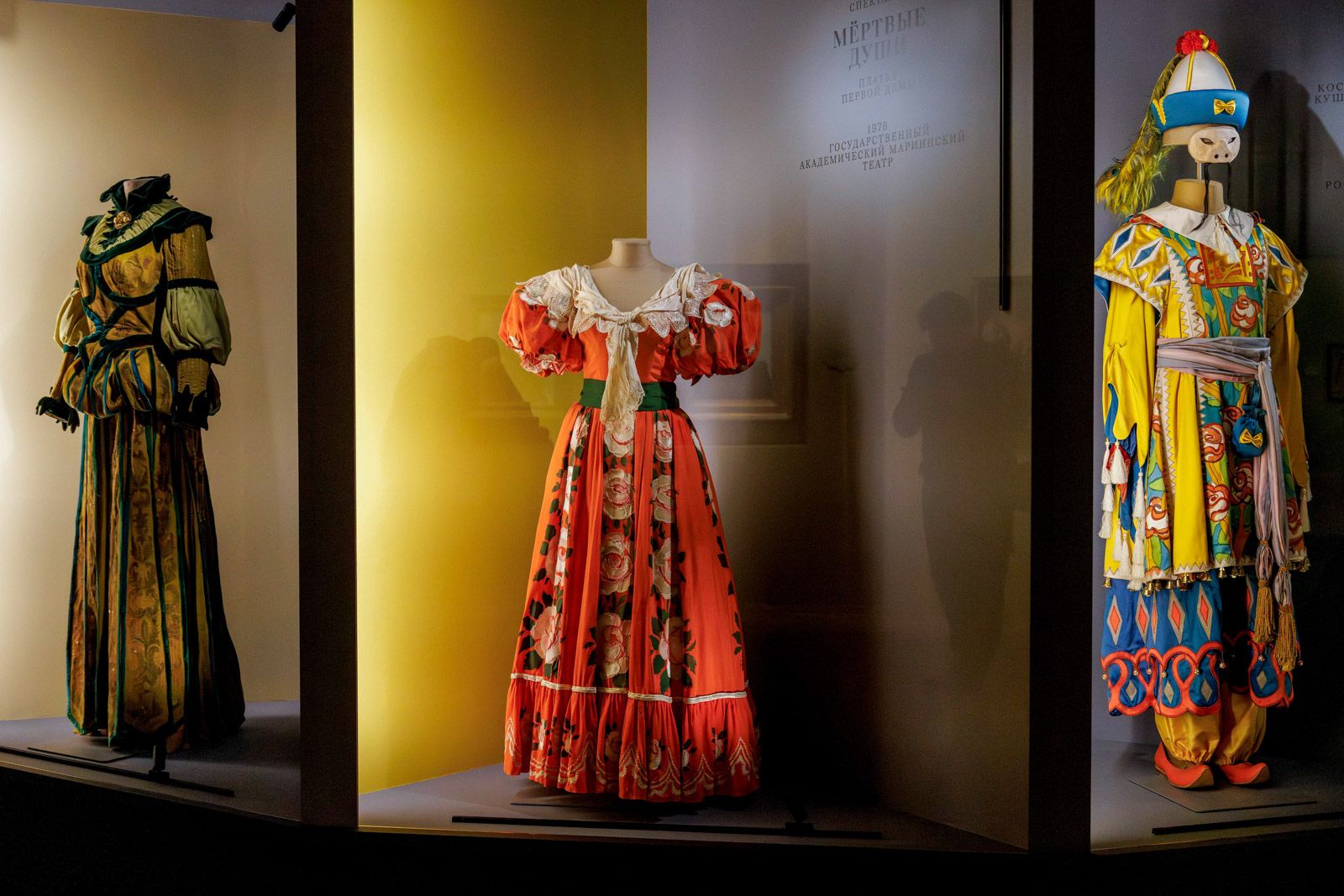
Costumes from the country’s leading theaters play a special role in the exhibition. The Mariinsky Theatre presented 15 exhibits. Among them were lavish costumes from The Firebird, including a gold brocade caftan adorned with appliqué and jewels, as well as exquisite costumes from Giselle and Cinderella. The Bolshoi Theater is displaying unique pieces, including Galina Ulanova’s legendary romantic tutu for the role of Giselle and Sergei Lemeshev’s costume for the role of Lensky.
The Alexandrinsky Theater has also contributed an impressive collection, including costumes designed by Vladimir Kozlinsky (1891–1967) for Macbeth and the famous costume of Monta from Masquerade, decorated with painted fabric elements and imitation pearls. The Moscow Art Theater Museum is exhibiting original costumes from Anna Karenina, including magnificent dresses and headpieces.
The exhibition is curated by art historian Semyon Mikhailovsky, rector of the Ilya Repin St. Petersburg Academy of Arts. The exhibition is open Tuesday through Sunday from 11:00 a.m. to 9:00 p.m. It is scheduled to run until January 17, 2027.
Art of the Stage. Academic Painting is the third major exhibition project organized in the renovated Pavilion No. 1 (Central) in cooperation with leading Russian museums.
Following the completion of extensive restoration work in 2023, the pavilion previously hosted:
— An exhibition from the State Tretyakov Gallery, held from November 21, 2024, to July 16, 2025. It featured works by artists of the 1930s–1950s, including paintings by Georgy Nissky, Alexander Gerasimov, Arkady Plastov, Vasily Yakovlev and Alexander Deineka, as well as sculptures by Ivan Shadr and Isidor Frikh-Khar. The exhibition attracted more than 120,000 visitors;
— The Image of Moscow in Russian Art from the Collection of the State Russian Museum, held from September 5, 2025, to February 1, 2026. It became one of the major cultural events, tracing the evolution of Moscow’s appearance through paintings, graphic works and sculptures. More than 330 thousand people visited the exhibition.
Leto Café
In the summer of 2026, restoration and adaptation work was completed at VDNKh’s Leto Café, a cultural heritage site of federal significance, to prepare it for modern use. It is located in Building No. 518, formerly known as the Tea House.
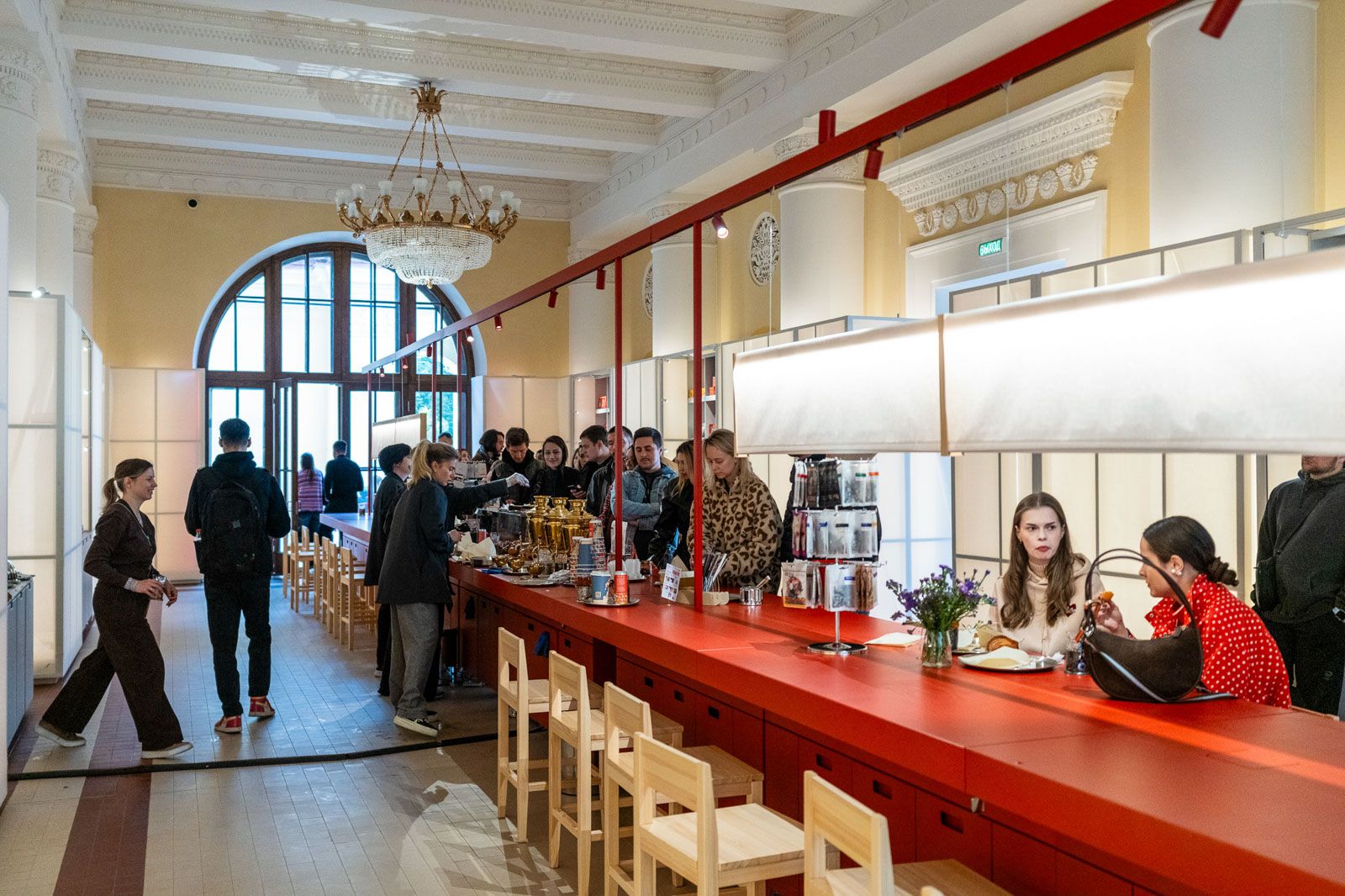
“Food establishments and recreational facilities have been located in this area since before the war. Today, it houses a tea room where visitors can enjoy signature Moscow tea and fresh pastries from the city’s Moscow Tea Party project,” the Moscow Mayor adds on his Max channel.
Source: Moscow Mayor’s Max channel
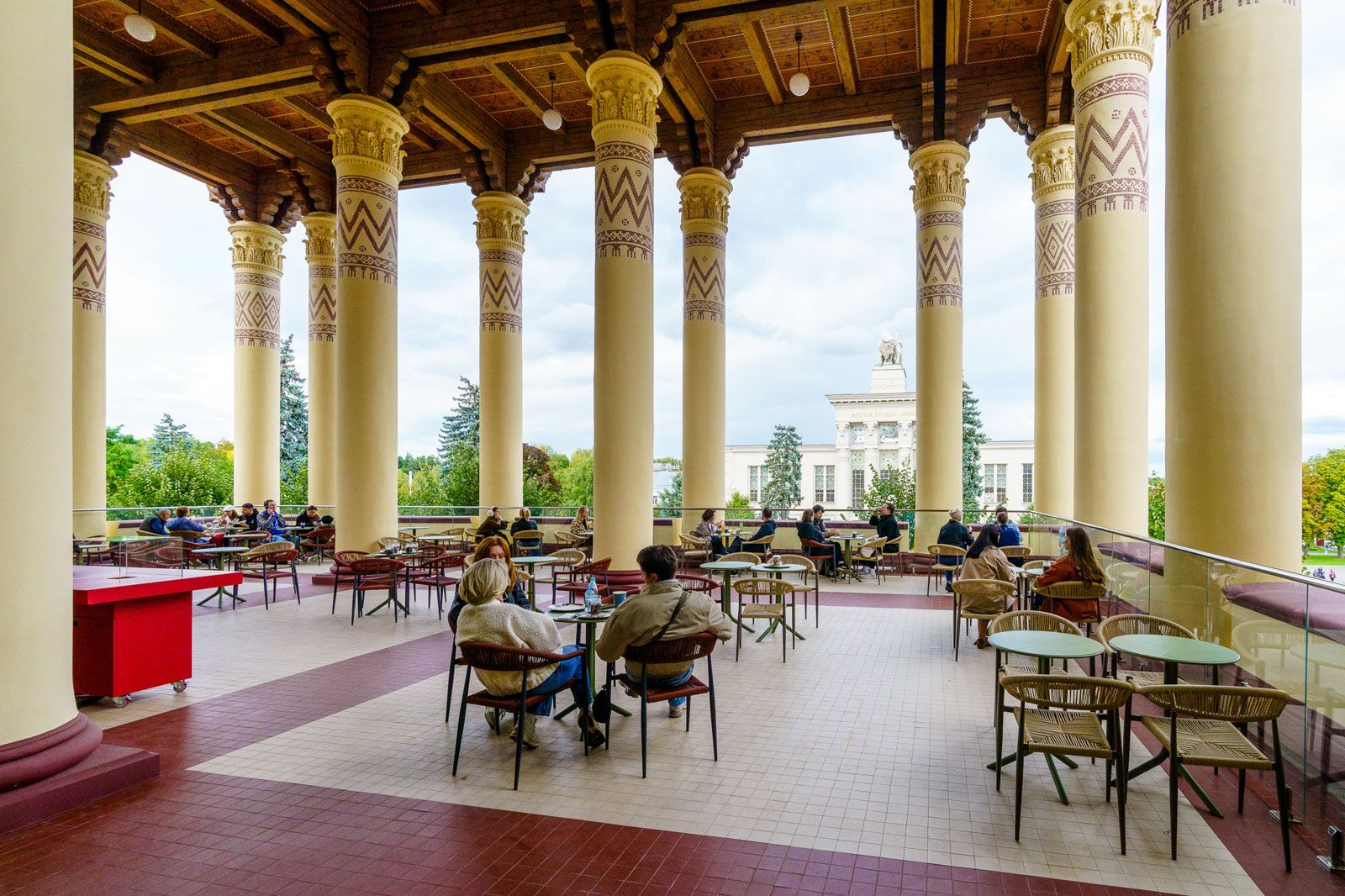
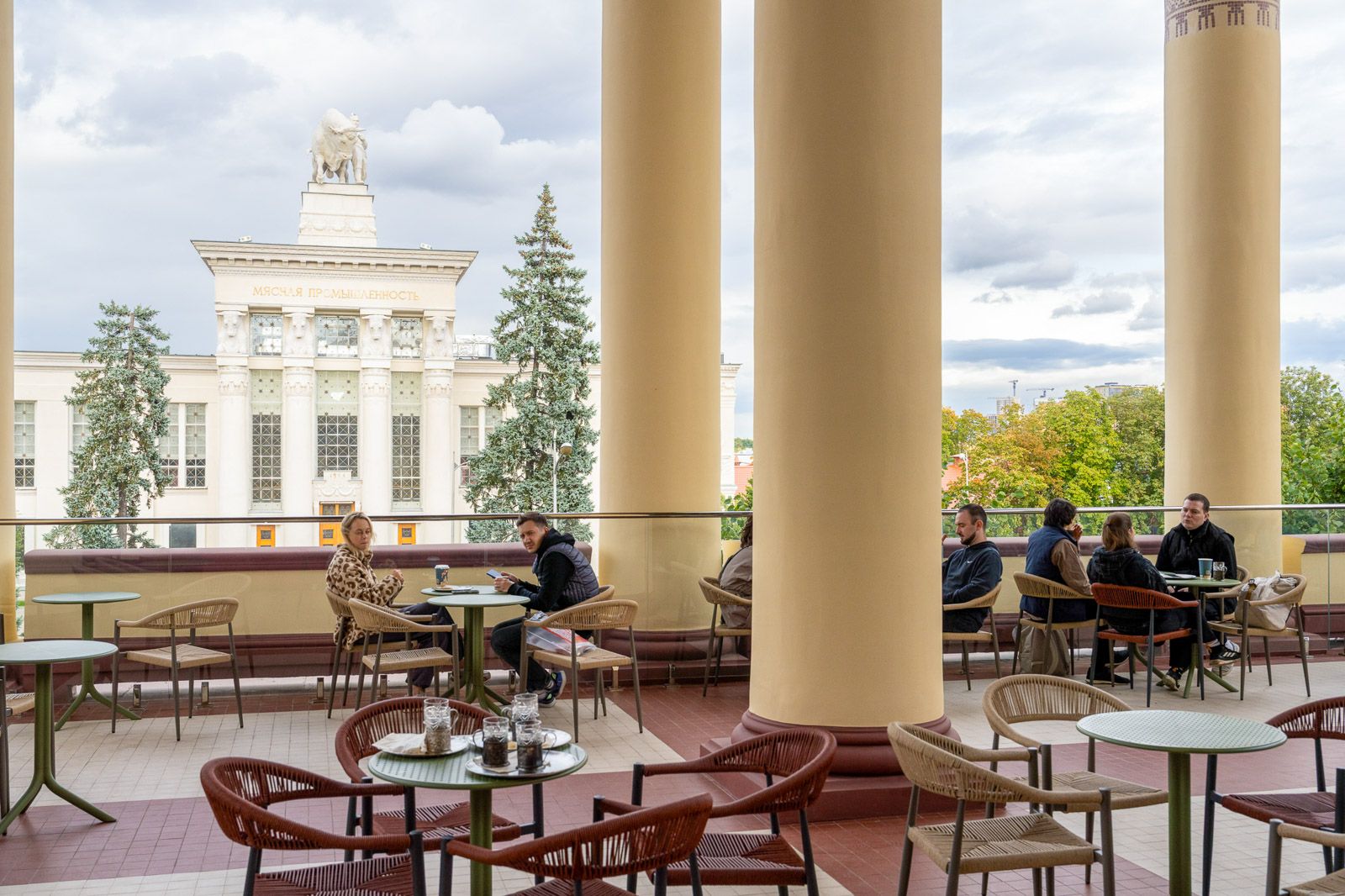
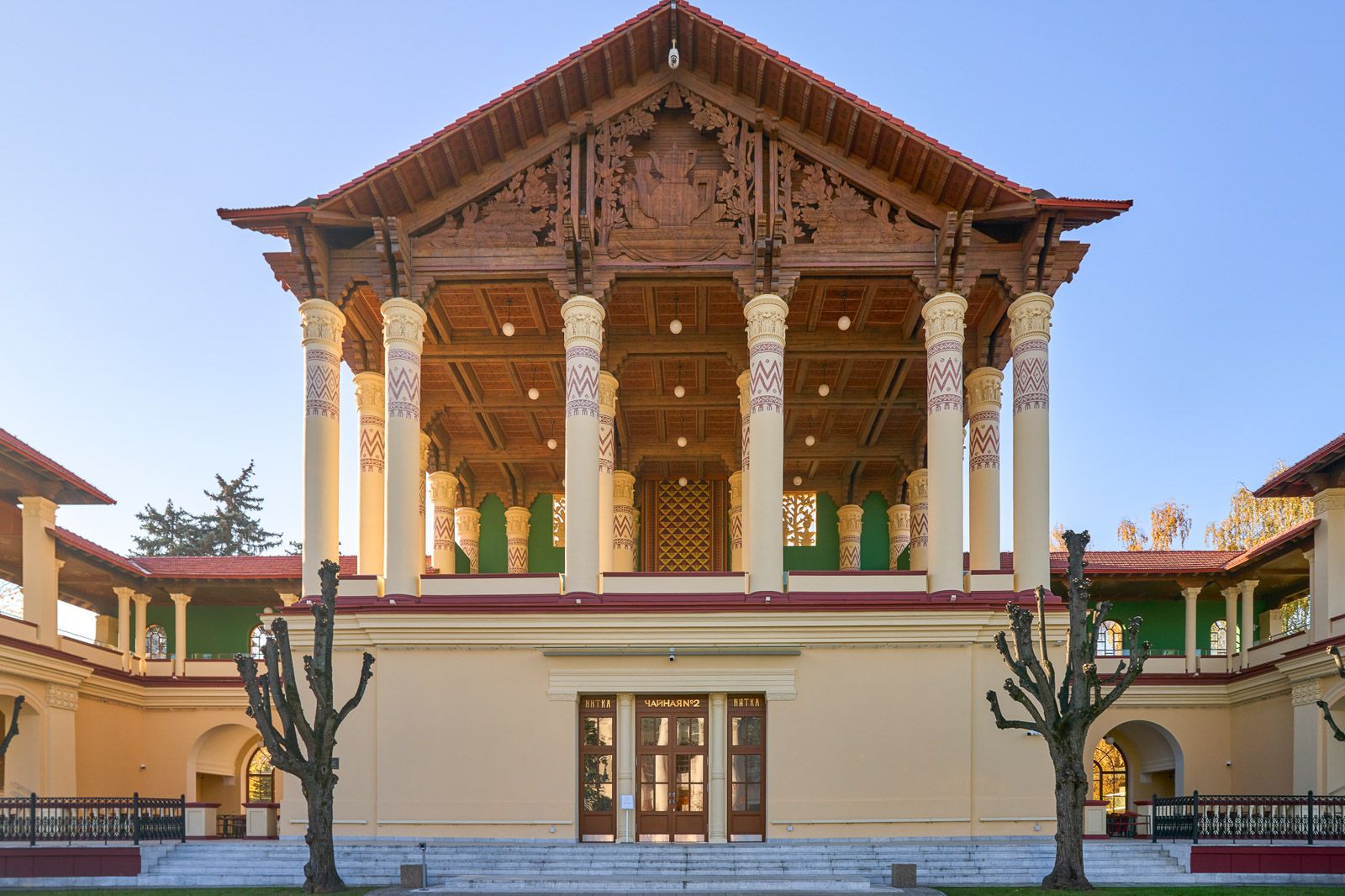
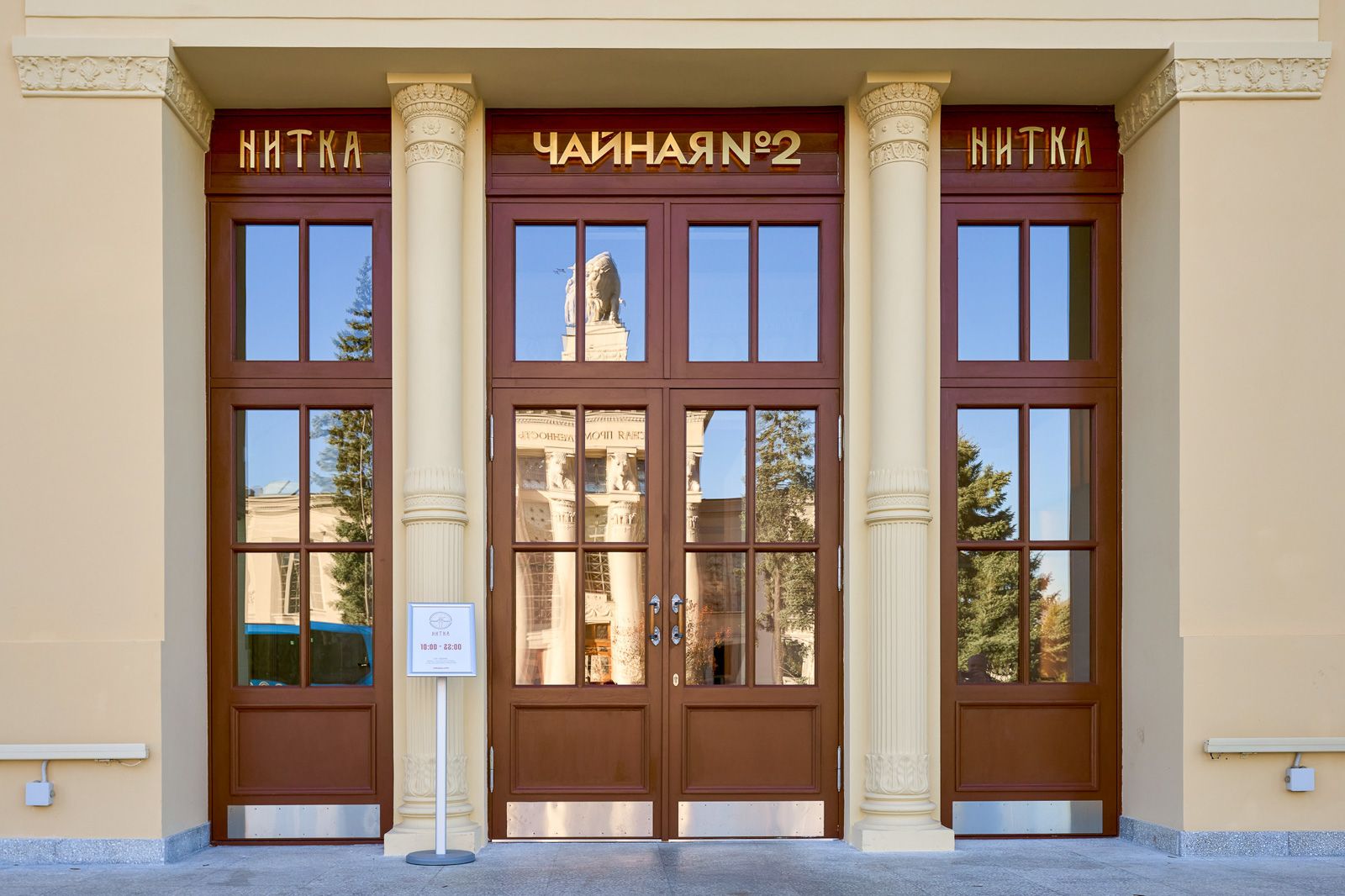
The present-day building, covering 1,000 square meters, was constructed in 1954 to a design by architect Leonid Marinovsky (1919–1995). The ground floor housed an enclosed winter dining room and buffet, flanked by colonnades on both sides. The second floor featured a summer dining area with open terraces and columns supporting the wooden roof structures.
Leto Café, with seating for 360 guests, was VDNKh’s second-largest dining establishment after the Golden Ear restaurant. Visitors could take a break from exploring the exhibition, have a meal, relax and choose where to go next. From the café, they could head toward the livestock or crop production pavilions, visit the area beyond the ponds near the Main Botanical Garden and the Felix Dzerzhinsky Park of Culture and Recreation (now Ostankino Park), or turn back toward the exit.
Before restoration work began, a survey of the historic café was conducted. It revealed original oil paintings beneath numerous layers of paint, as well as ornamental designs on the columns made from small tiles measuring 25 by 25 millimeters.
During the comprehensive restoration, specialists recreated the tiled roof and restored the façade decorations, including the wooden pediments. Leto Café is one of only four buildings at VDNKh featuring carved decorative elements on their pediments. Paintings on the wooden ceilings of the open terraces and on the plaster surface of the main façade were also restored. Mettlach tiles were laid on the balcony.
The café’s interior has also regained its former splendor. Specialists restored the ground-floor flooring, veranda, gallery and grand staircase. They also restored the dining room’s decorative elements and returned two refurbished, well-preserved historic chandeliers with numerous teardrop-shaped crystal pendants. Their glass shades resemble flower buds with metal stems.
Since late August 2026, the restored café has housed Nitka, a tea room operated by the company of the same name. The company focuses on preserving Russian tea traditions. Moscow residents and tourists can enjoy signature Moscow tea and fresh pastries from the city’s Moscow Tea Party project.
Future plans include creating dedicated areas for workshops and intimate tea rooms, as well as holding interactive tastings. A barista school is also to be launched. It will expand the venue’s educational and culinary offerings, turning it into a center for the art of tea preparation.
New Biocluster venues
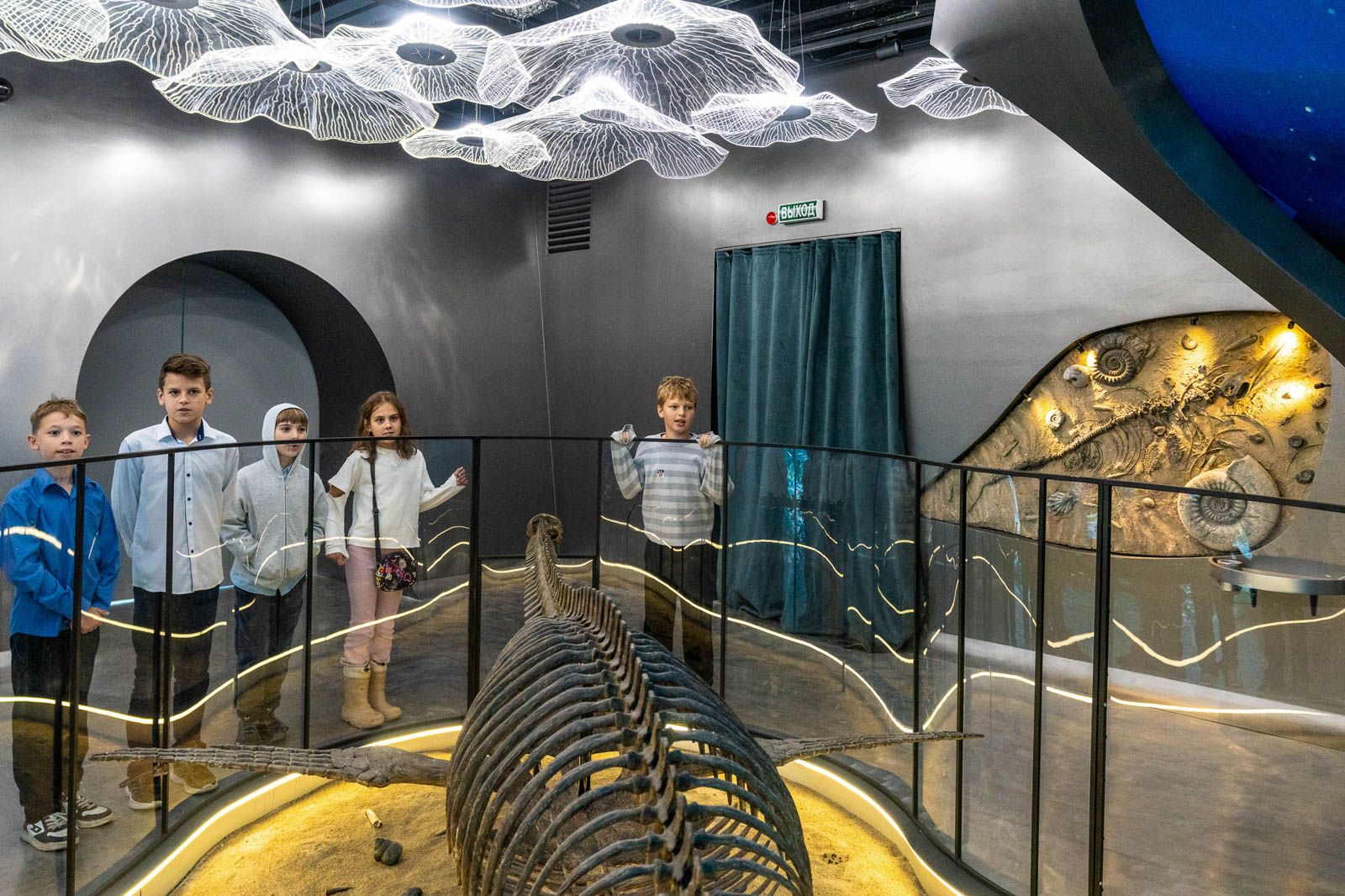
Two new Biocluster venues have also opened at VDNKh. Biocluster is a joint project of the State Biology Museum named after K. A. Timiryazev and the Moscow Department of Culture. One of the venues is Pavilion No. 17 (Forestry), which houses the immersive World of Dinosaurs meta-exhibition. More than 400 scientific publications from around the world were collected and analyzed during its development.
As a result, researchers were able for the first time to model Mesozoic-era landscapes and fauna that existed tens of millions of years ago in what is now Russia, including full-scale 3D reconstructions of dinosaurs that once inhabited these territories. The exhibition is expected to appeal not only to young visitors but also to the scientific community.
Visits to World of Dinosaurs take place in 45-minute sessions covering five themed halls:
— Initiation: A virtual immersion into Moscow during the Jurassic period;
— Sea: A hall depicting the Jurassic period, when the Central Russian Sea covered the area where Moscow would later emerge. Fish, spiral-shelled ammonites and belemnites inhabited its salty waters. The true rulers of the sea, however, were marine reptiles: swift ichthyosaurs and majestic plesiosaurs with flipper-like limbs. These creatures flourished during the age of dinosaurs;
— Island: A reconstruction of an island in the Central Russian Sea, once located near present-day Voskresensk. Visitors will encounter a local dinosaur;
— Air: A hall featuring pterosaurs soaring over the Volga-Ural region. Visitors can take a virtual flight alongside the giant toothless Volgadraco, a close relative of the famous Pteranodon, and explore fossil plants and their modern descendants;
— Forest: A hall where visitors can see life-size dinosaur reconstructions and learn about the conditions in which these animals lived.
A laboratory has also opened in the pavilion for practical classes and workshops.
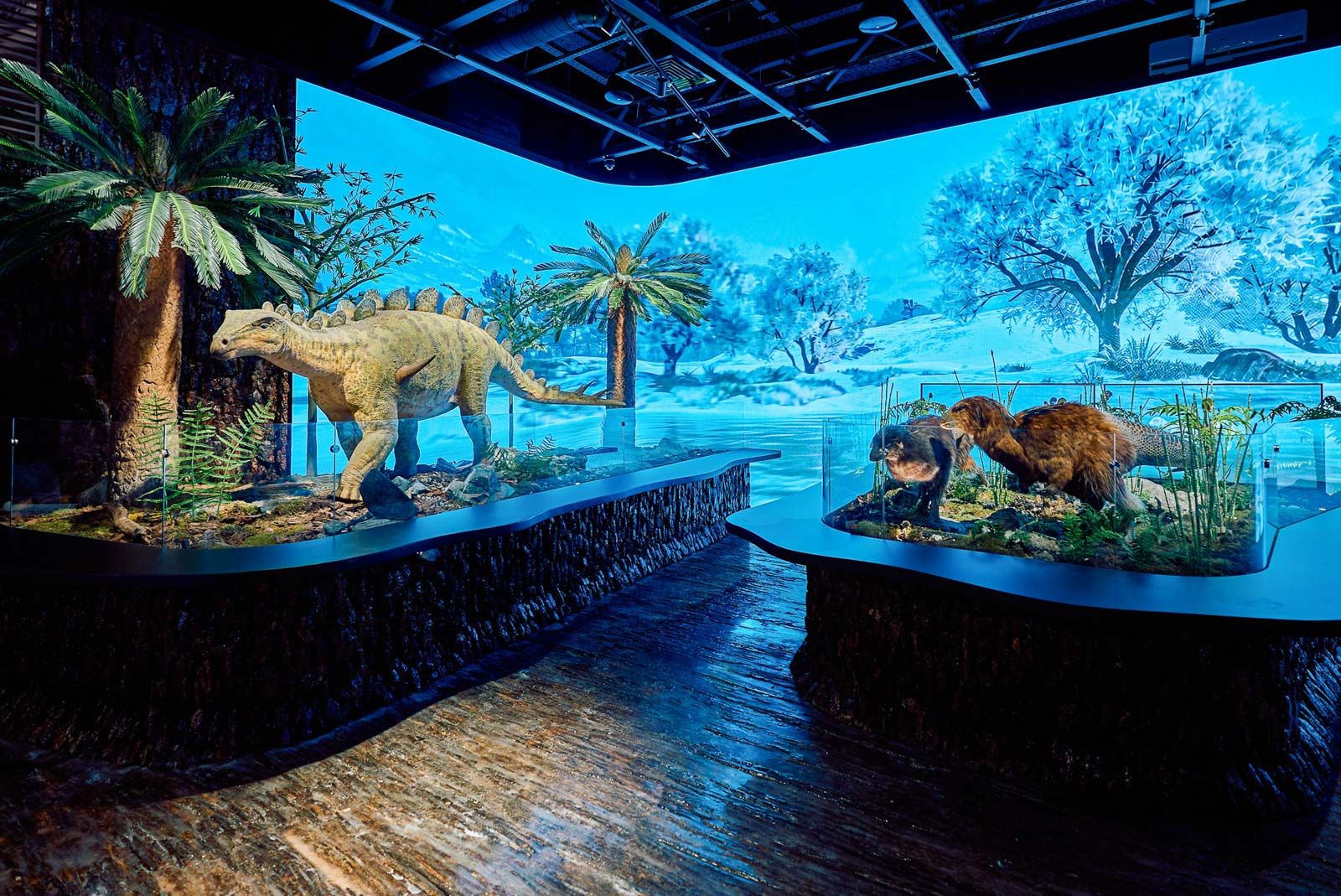
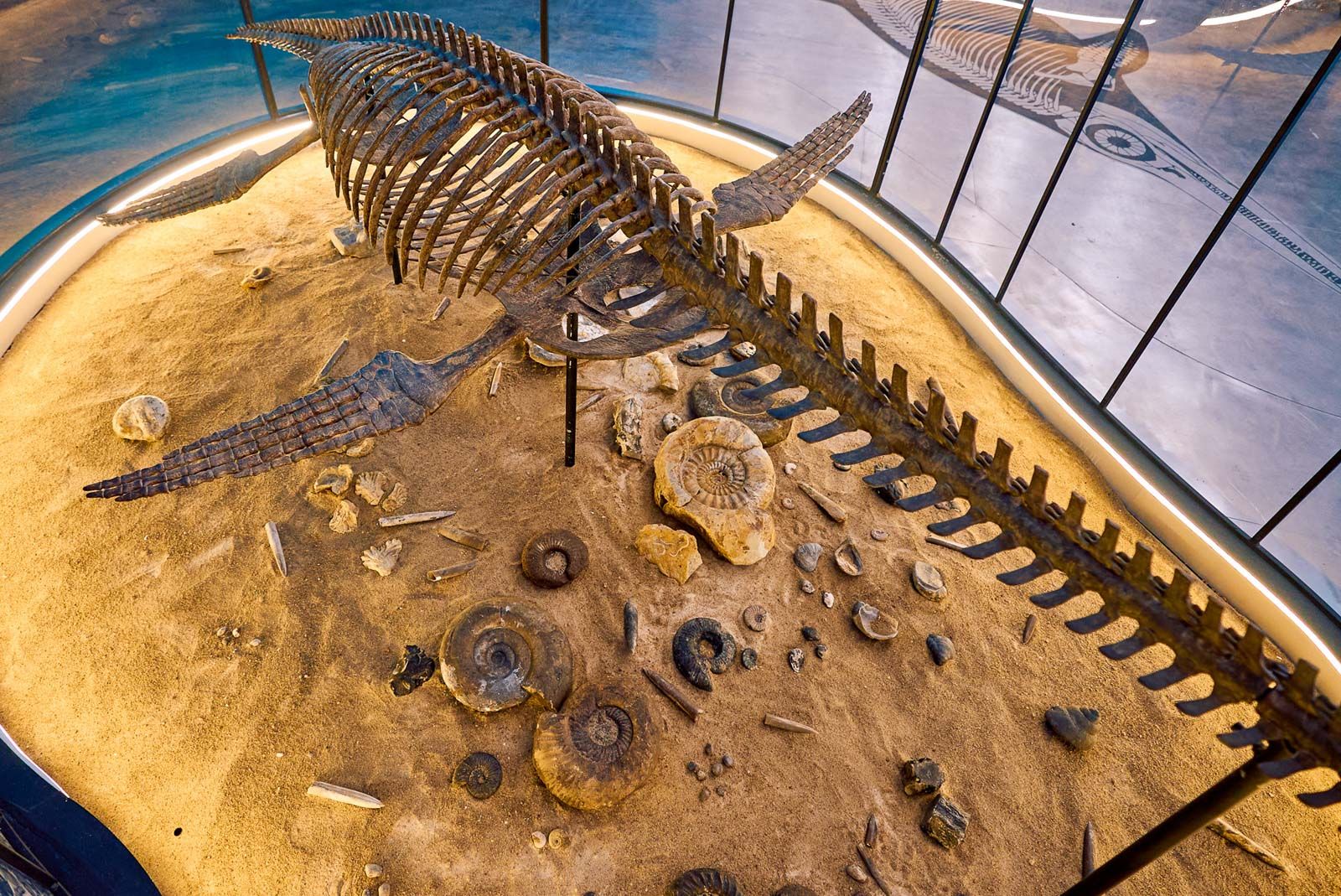
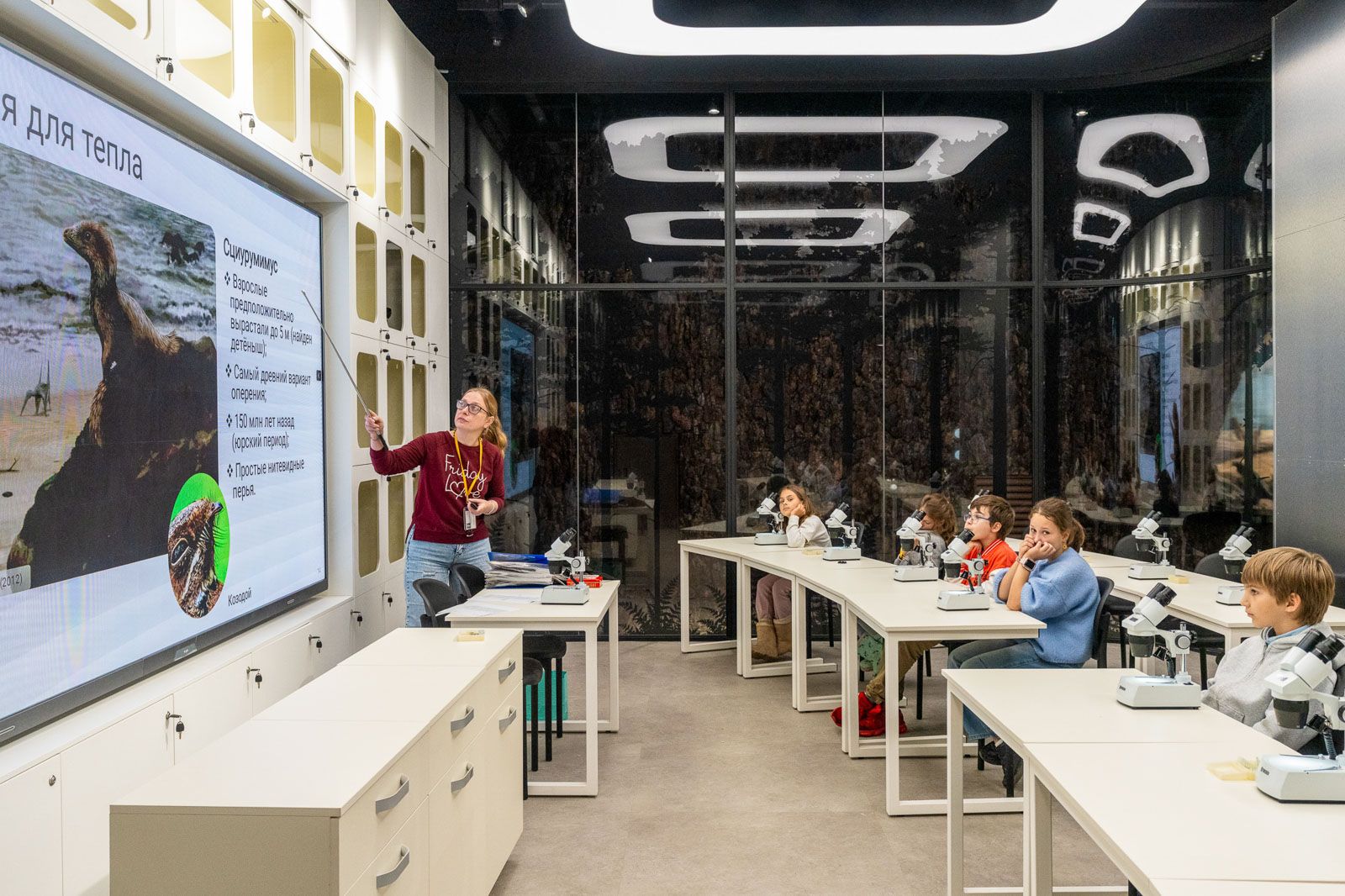
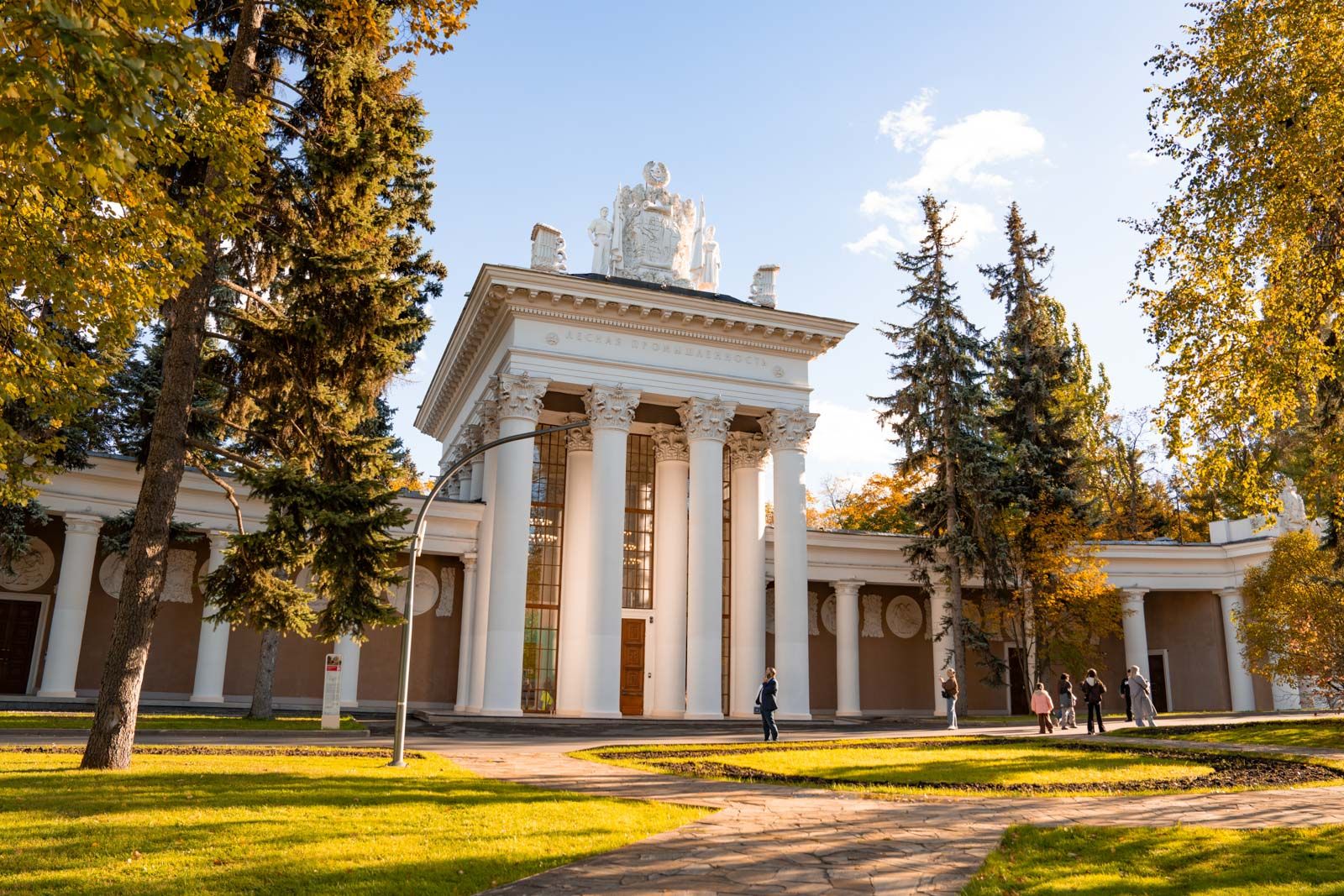
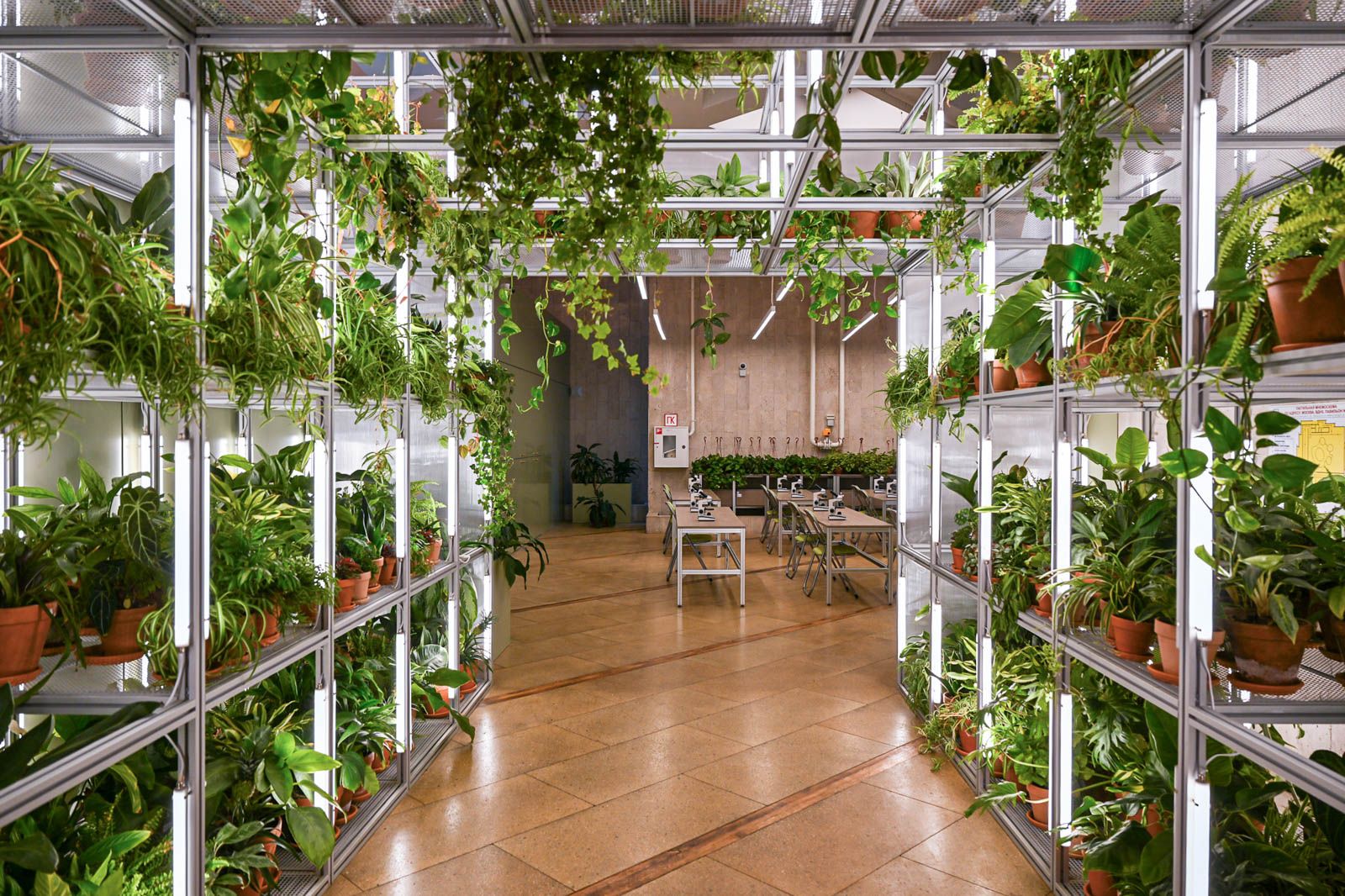
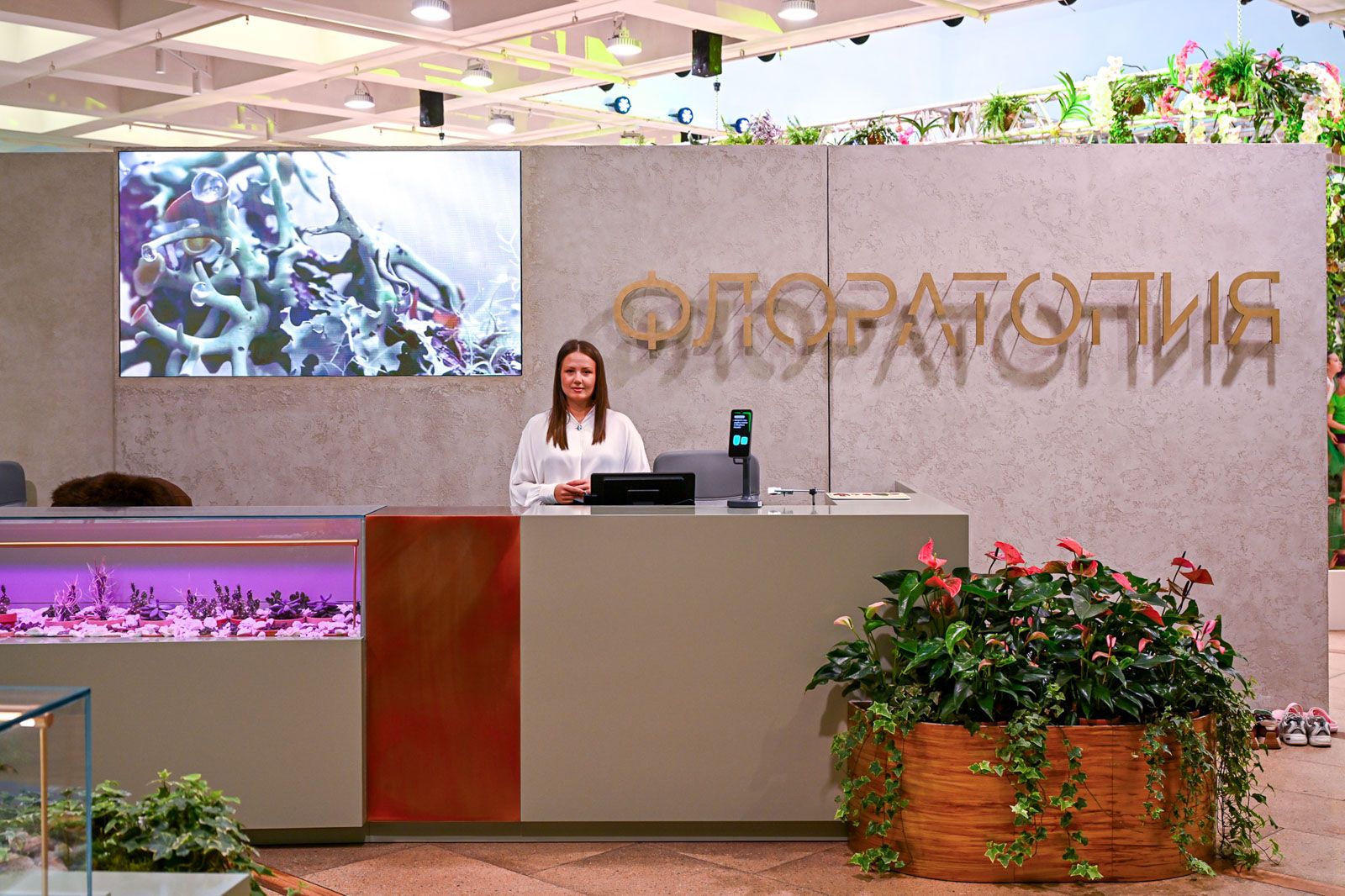
The second venue is Pavilion No. 29 (Floriculture and Landscaping). It is home to the Floratopia exhibition. This botanical museum, unique in Moscow, combines tradition with the latest technologies and interactive features. The exhibition presents the results of an extensive scientific research conducted at the State Biology Museum named after K. A. Timiryazev and Biocluster. This research is an integral part of the exhibition, presented alongside the museum collection through multimedia installations and interactive elements.
The exhibition explores the world’s botanical diversity. Visitors can learn how plants are structured and function, what roles they play in nature and human life, and how they are used today in everyday life, the economy and environmental protection. Each section of the new exhibition is designed as a city district, with installations resembling houses, streets, factories and museums.
For example, the Underground area explores the importance of soil for plants. Museum exhibits, including those incorporating innovative technologies, explain how minerals and microorganisms affect plant physiology and why they matter for the environment and agriculture.
A section devoted to hydroponics explains how to precisely control plants’ mineral nutrition. Visitors can also see a functioning hydroponic system and learn how it works.
In the Flowering Quarter, visitors can observe how plants change throughout their life cycles. Giant cacti, carnivorous plants, modified shoots, a forbidden garden with poisonous specimens behind glass and a medicinal garden are complemented by interactive panels explaining plant biology and medicinal properties. The area also has its own flowering control center.
Breeding Alley demonstrates the results of centuries of interaction between humans and the plant world. For the first time, the exhibition features unique genealogical charts of ornamental plant varieties. They trace the development of modern cultivated varieties from wild species originally discovered in nature by humans.
The Agropolis area explores the practical applications of plants in the textile and food industries and other fields. It features unusual exhibits that visitors can explore using their sense of smell.
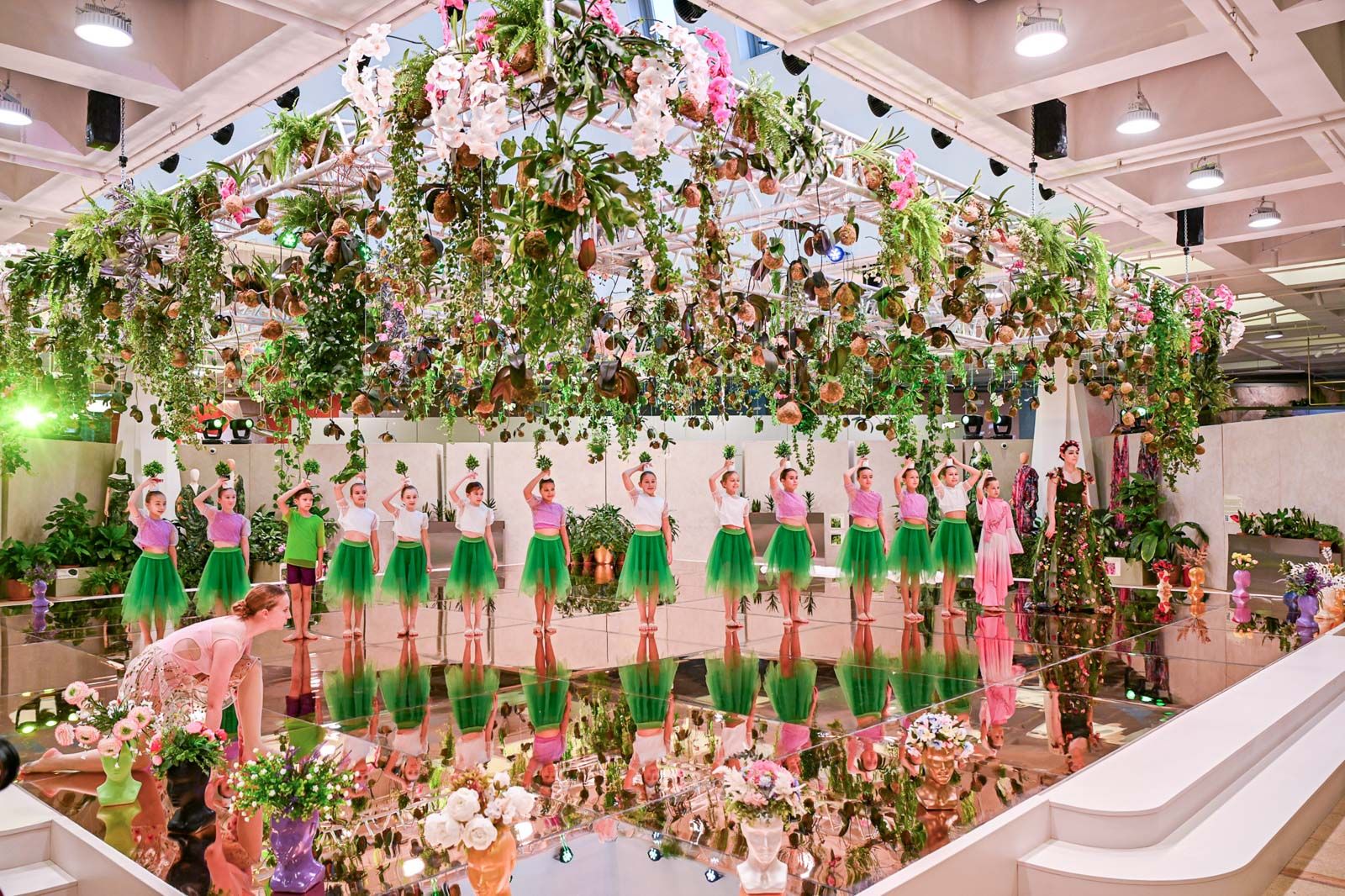
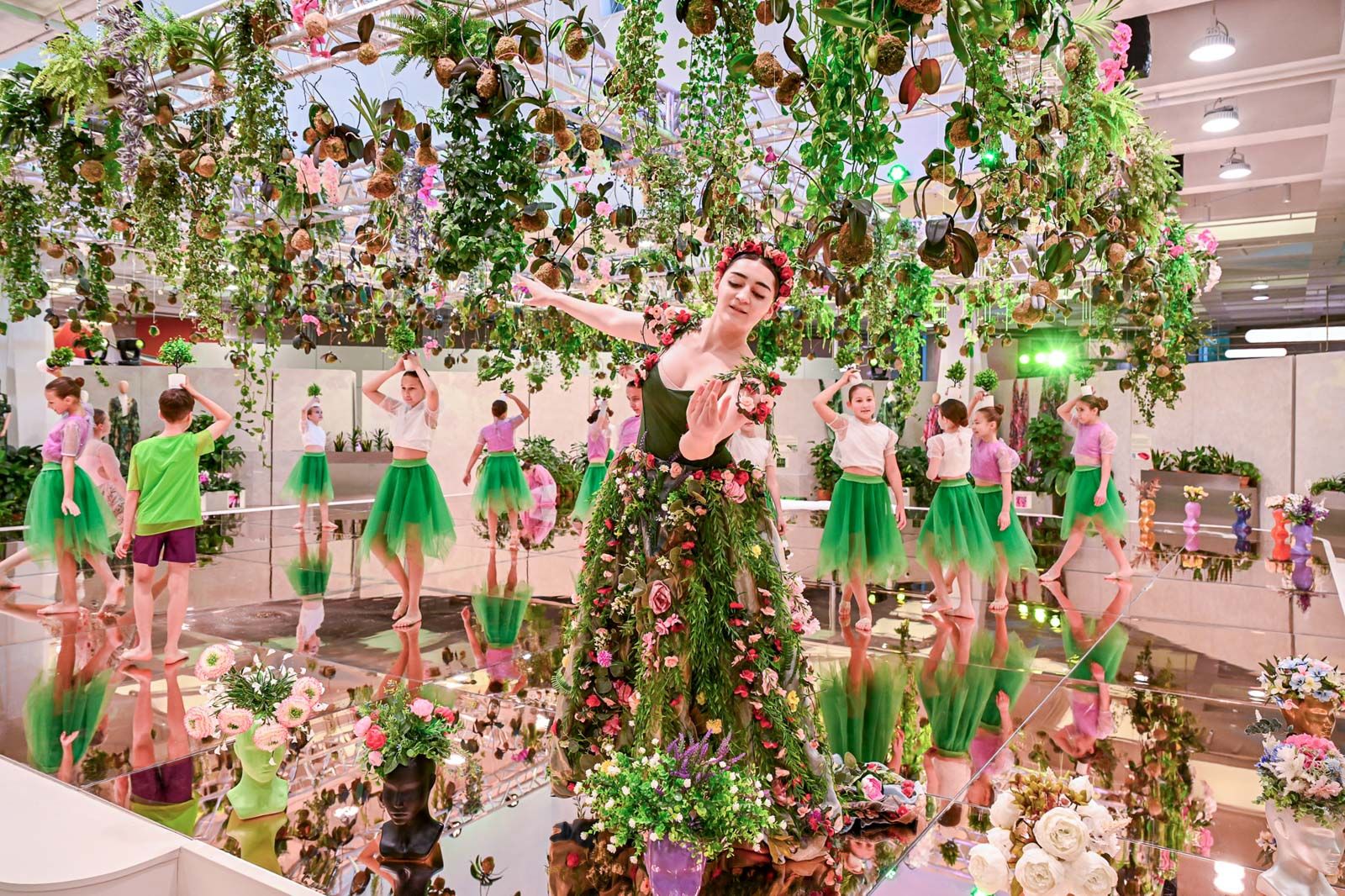
A temporary exhibition area is located next to the central Floating Orchidarium installation. Each temporary exhibition incorporates interaction with living plants and the pavilion’s architecture.
The pavilion also features a screening room and a Green School space for practical classes. Visitors can purchase living souvenirs, including plants, seedlings and seeds, at the gift shop.
Biology is moving beyond traditional museum spaces and becoming part of urban life. It is presented in a modern, interactive format that appeals to both children and adults. The scale of these changes is reflected in visitor numbers: since the beginning of 2026, more than 59 thousand people have visited the State Biology Museum named after K. A. Timiryazev, while Biocluster venues have already welcomed around 134 thousand visitors.
With the opening of the new pavilions, annual attendance at Biocluster is expected to rise to 250,000. This will make science more accessible to hundreds of thousands of Moscow residents and visitors.