Sergei Sobyanin trumpets restoration wrap-up at Cathedral of Christ the Saviour
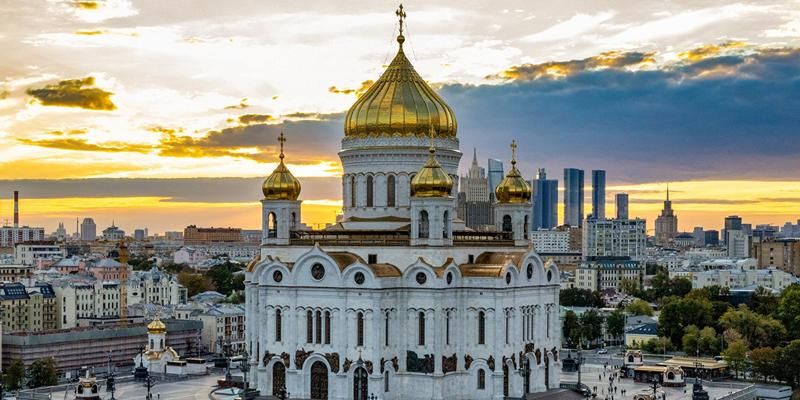
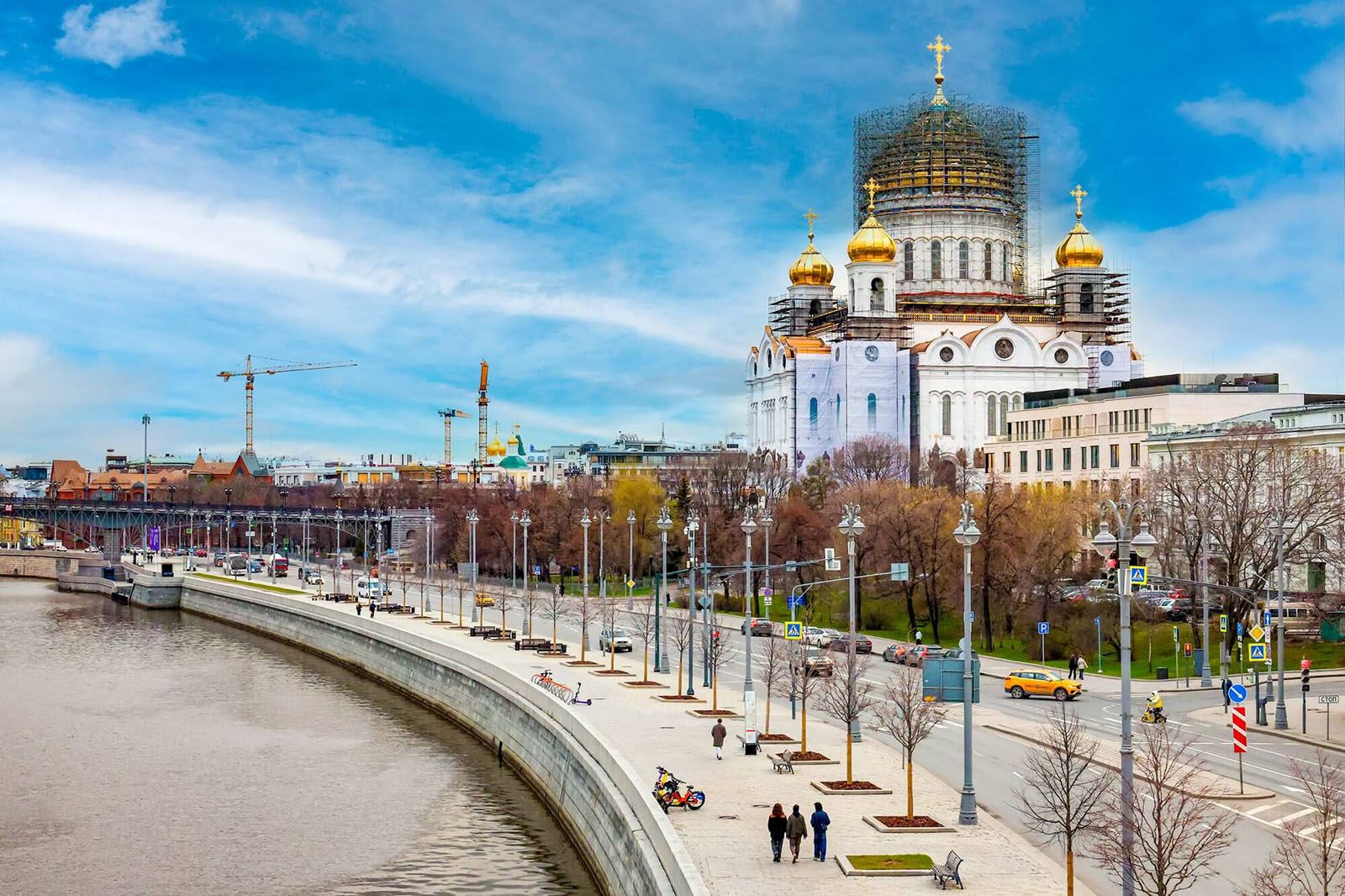
Moscow has completed a repair and restoration project at the Cathedral of Christ the Savior, Russia’s largest and most important Orthodox church, as blogged by Sergei Sobyanin.
“Over the course of three years, more than 500 professionals took part in the project, including stonemasons, roofers, carpenters, restorers of bronze and gilding, artists, high-altitude workers, mountaineers, structural engineers, and many others, in addition to students from the College of Architecture, Design, and Re-Engineering No. 26 who were working alongside highly-skilled restoration architects. Indeed, it was a monumental undertaking, ranging from the erection of highly sophisticated scaffolding systems to the delicate, precision work on the cross decorations. As a result, the cathedral’s exterior has been completely renewed, and it now shines once again in all its splendour,” shares the Moscow Mayor.
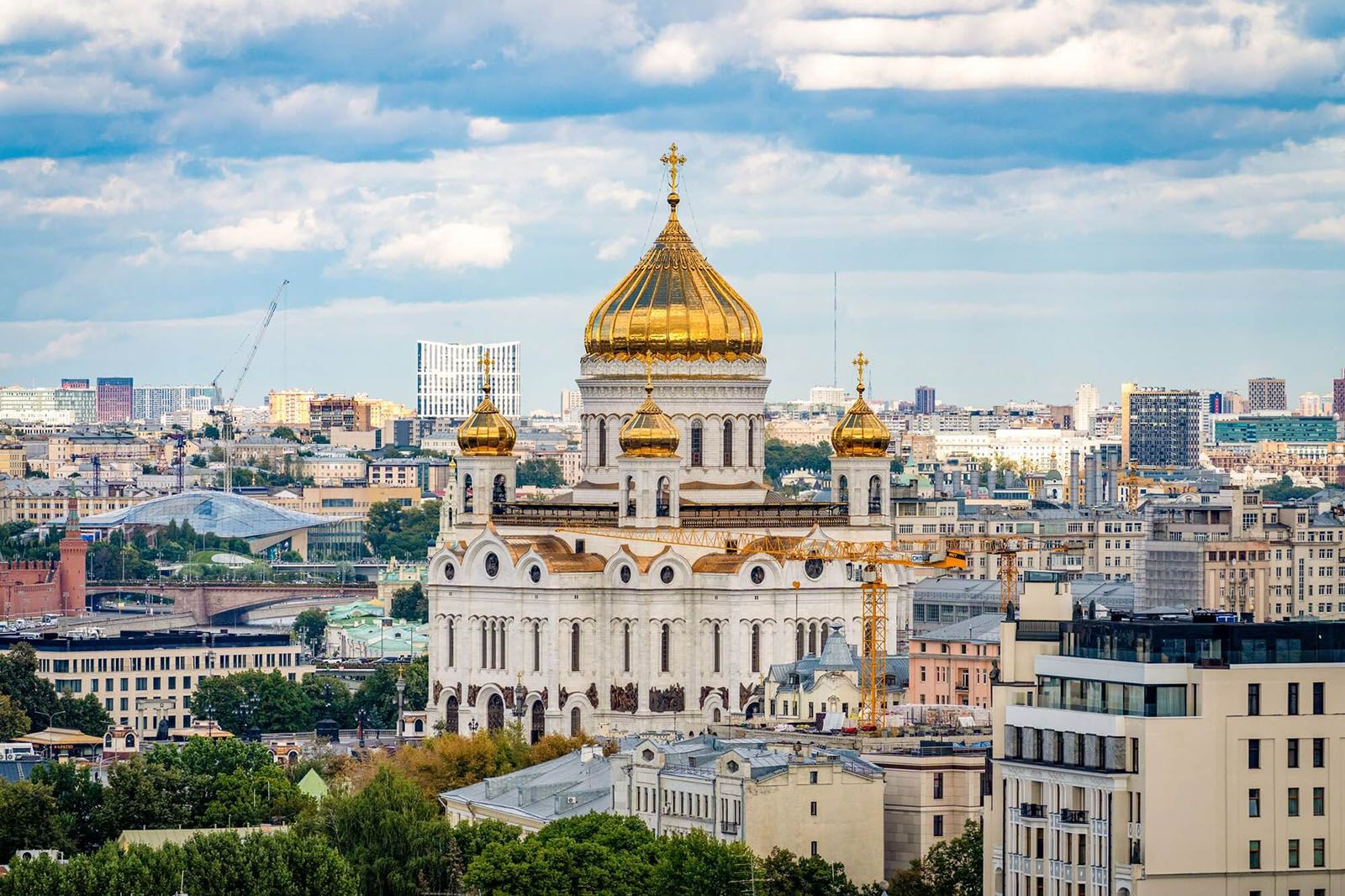
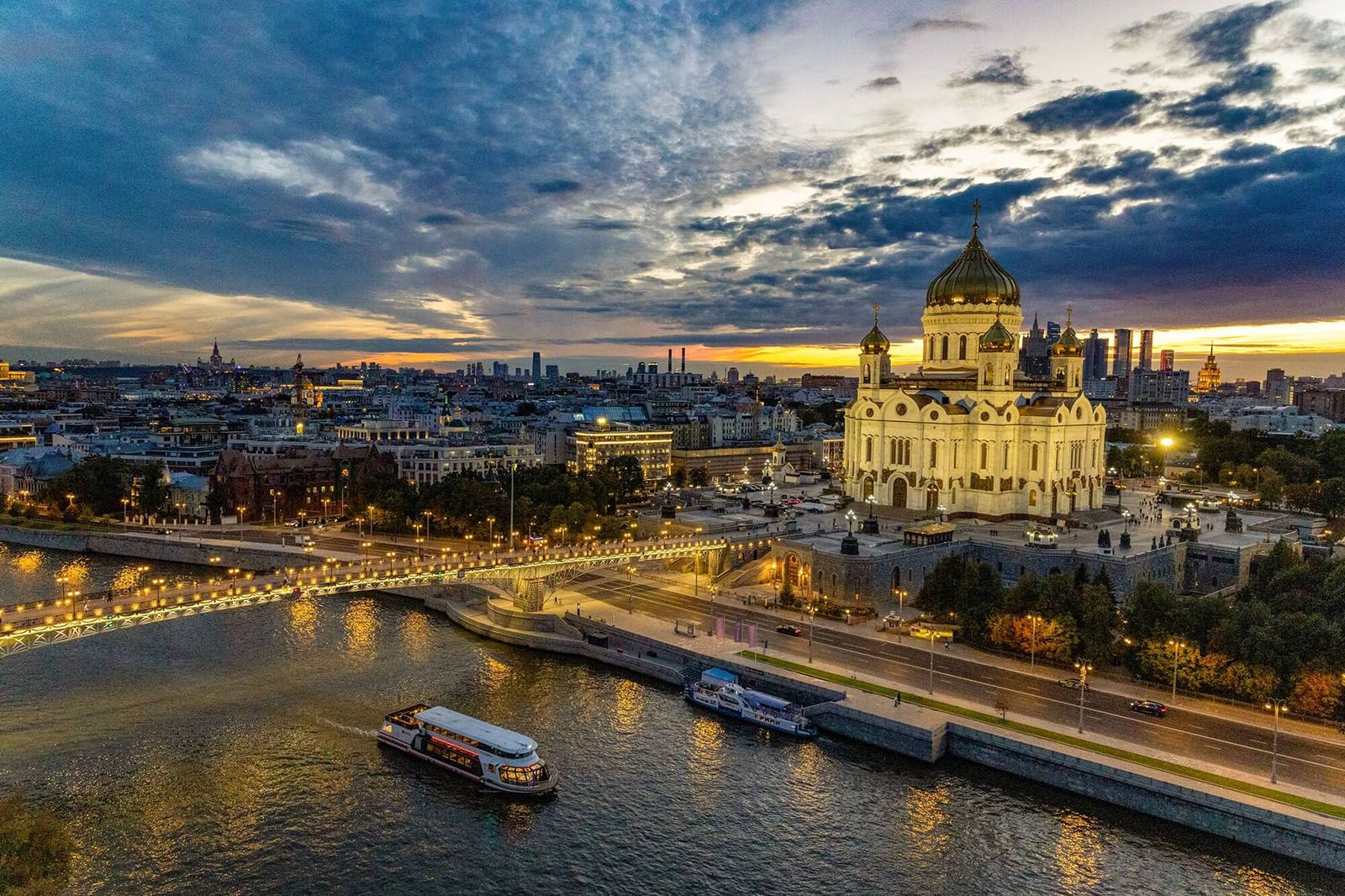
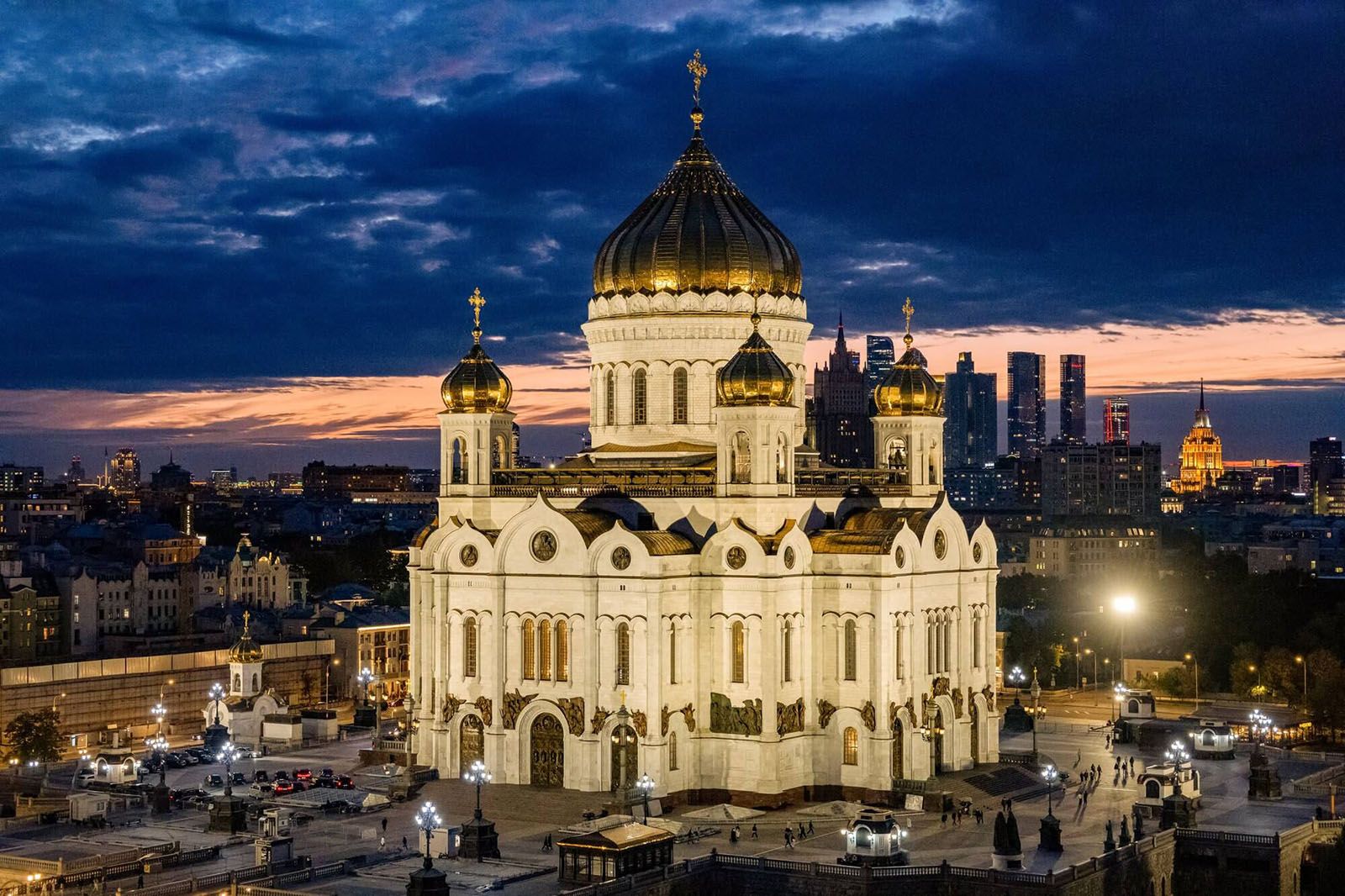
The façades
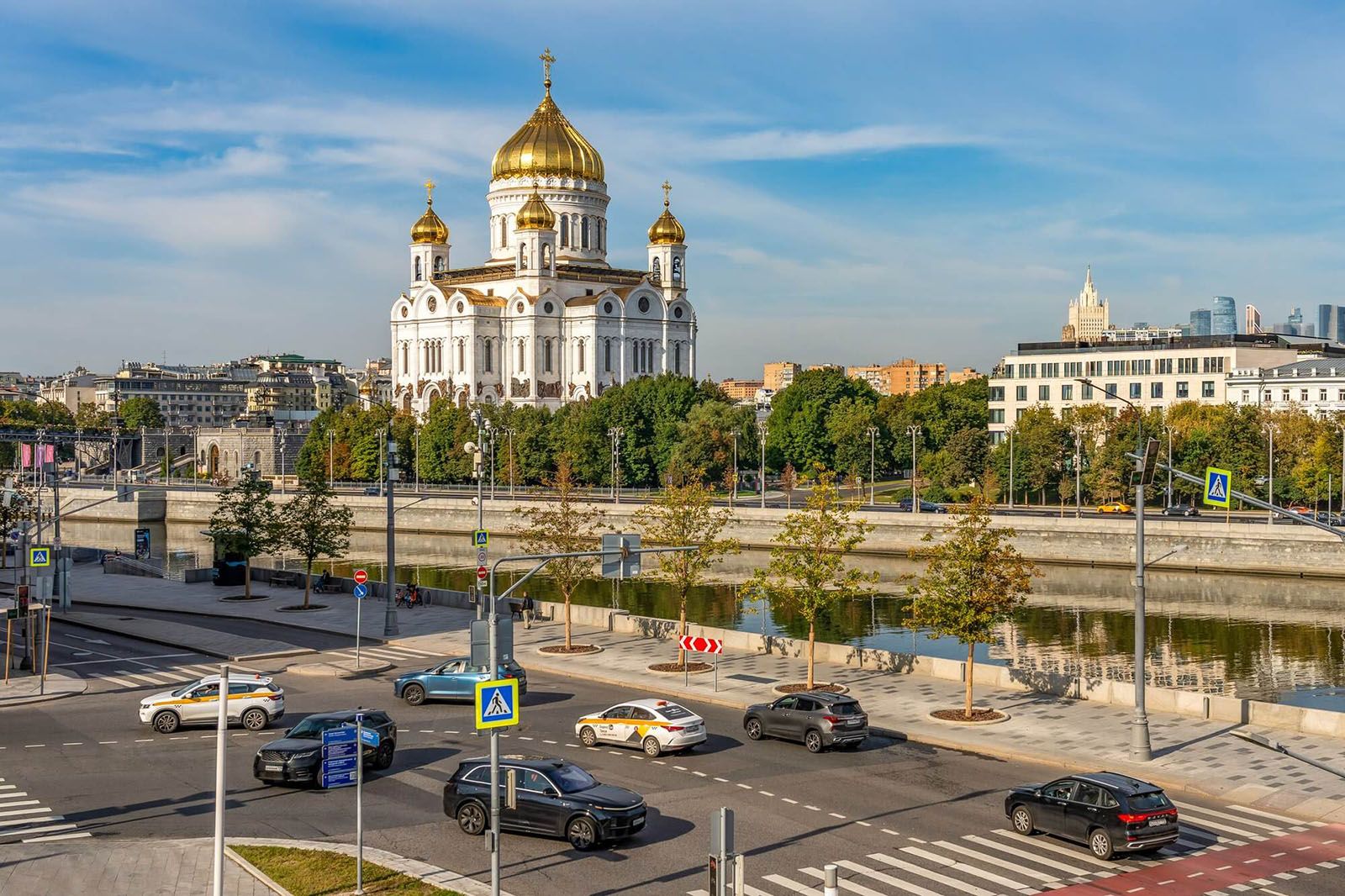
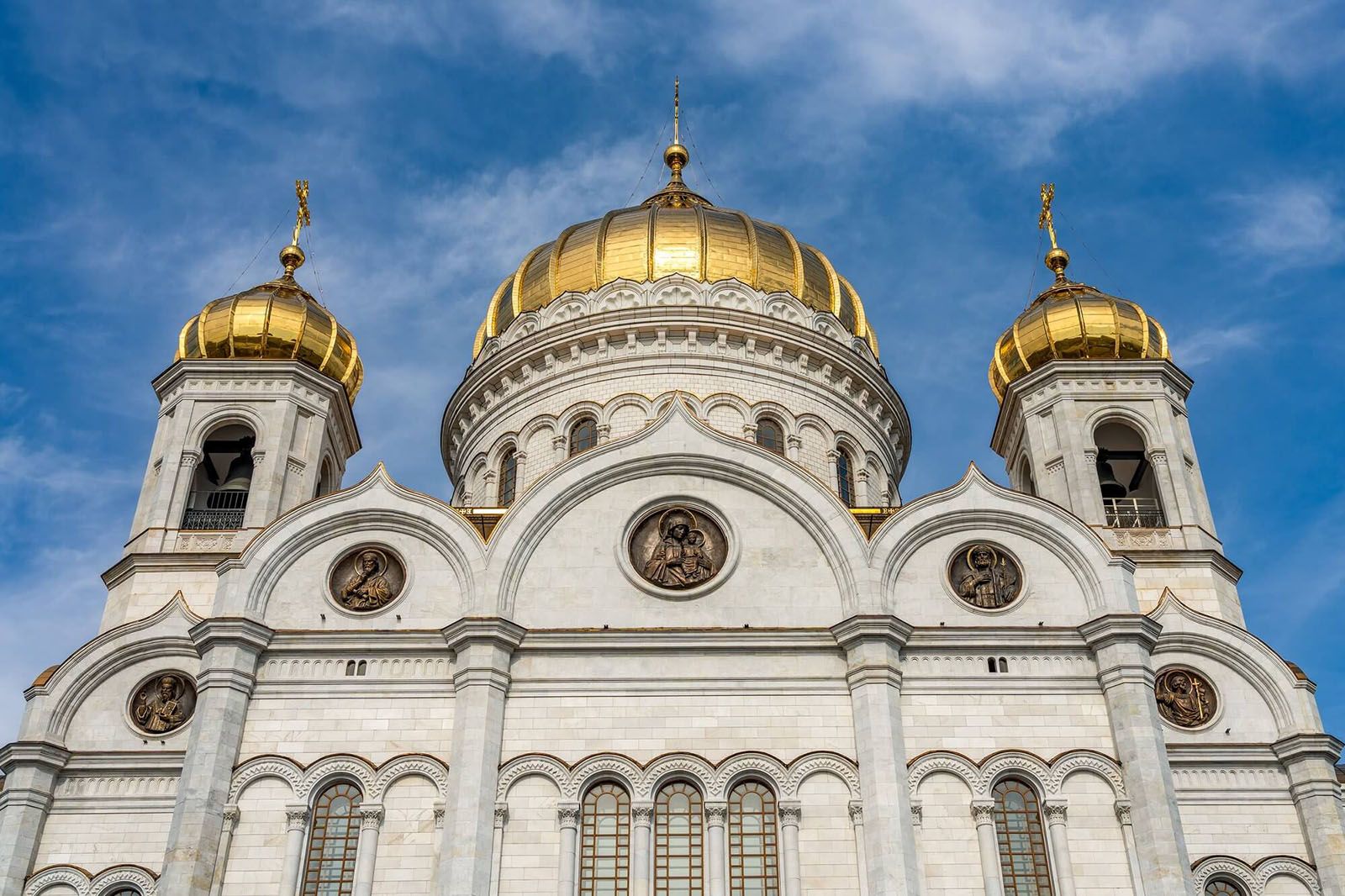
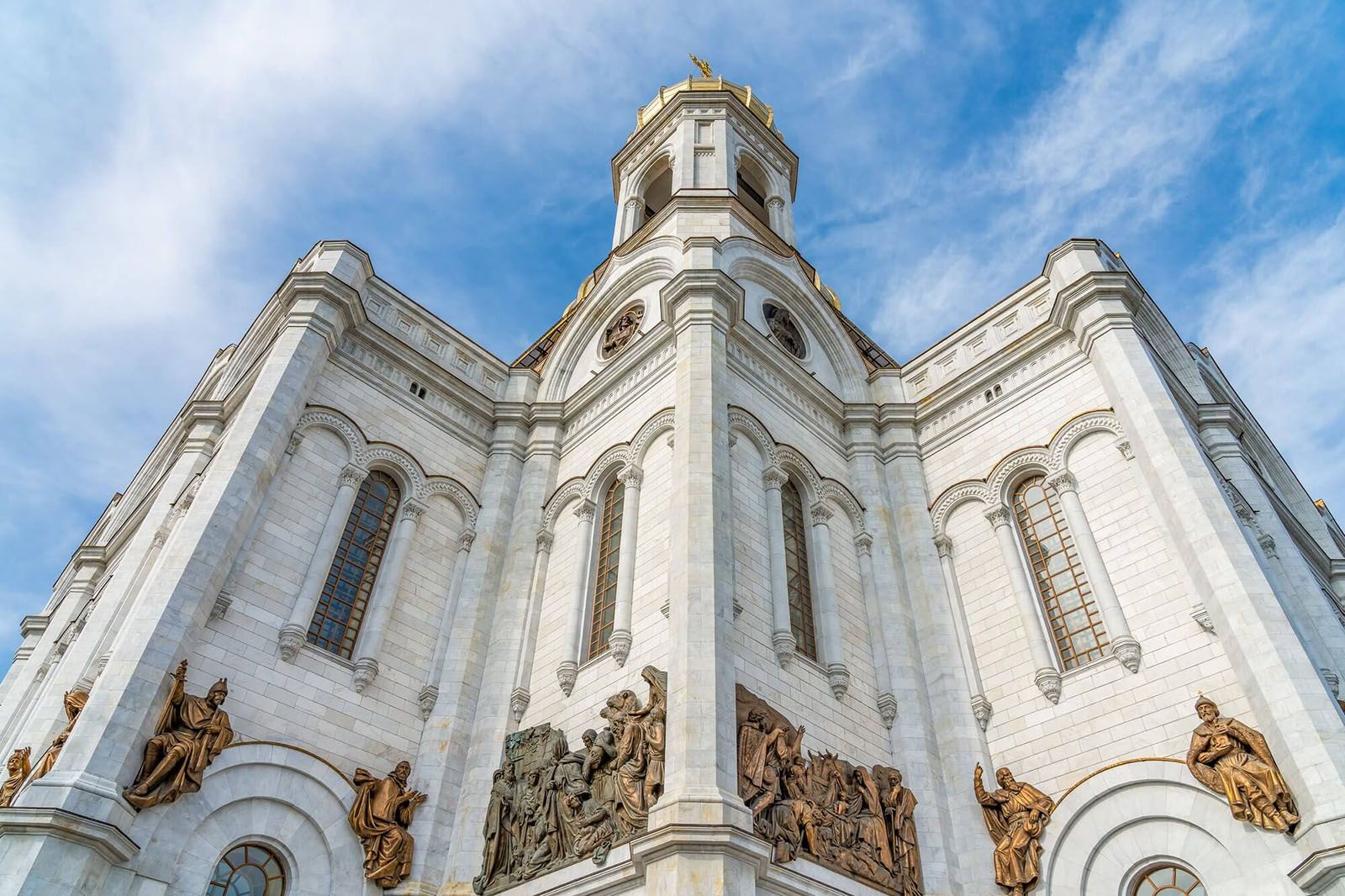
The extensive restoration project was run to restore the cathedral’s façades. Phase I involved a thorough cleaning of the 15,000 sq. meters wall surface; then restorers cleared and treated the joints with protective agents. Subsequently, the restoration team conducted a detailed inspection of the marble cladding, examining each of the nearly 64,000 panels to identify any defects. They sealed cracks, repaired chips, while the damaged areas were carefully restored. Missing elements were replaced with new, custom-made pieces.
The façades were also inspected for hidden voids that might be found behind the cladding panels. Where they found any voids, they in fact applied an injection technique with over 29,000 holes drilled and filled under pressure with special compounds in order to ensure the structural integrity of the walls for years to come.
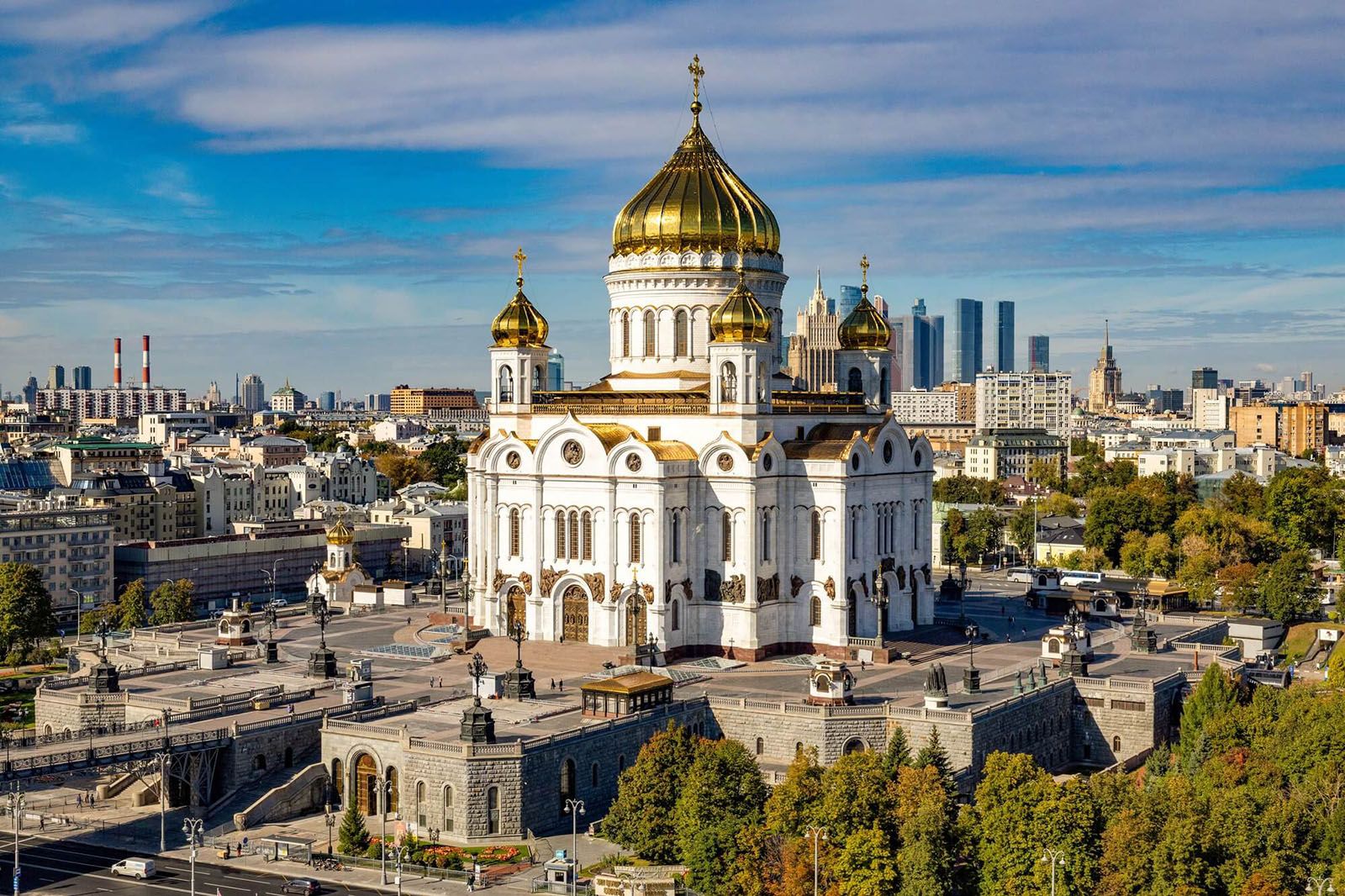
The bell-ringing towers
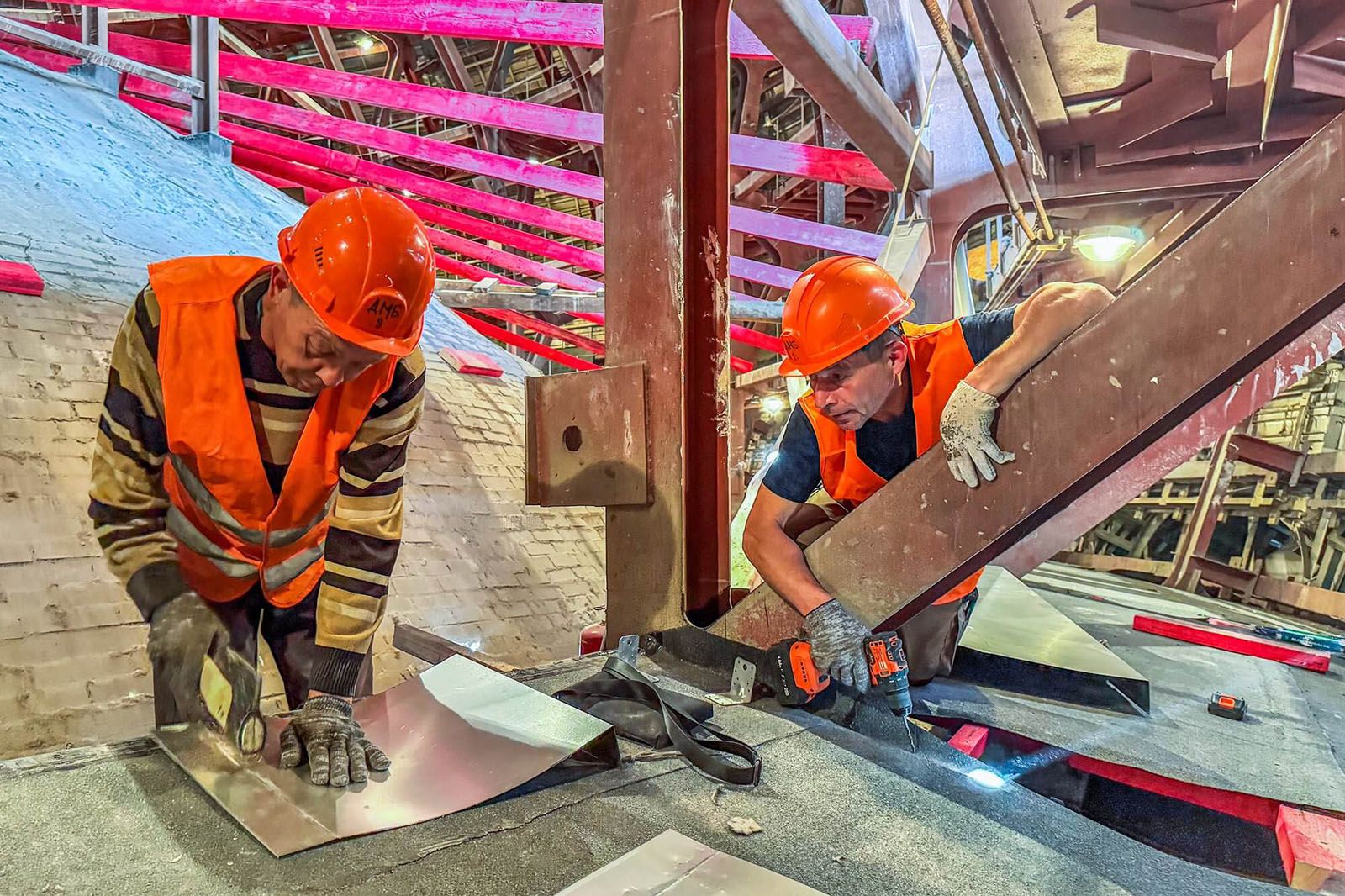
Meanwhile, at the cathedral’s bell towers, they renovated the interiors to re-plaster and paint the walls in a shade of white that matches the historical original. The metal items, such as railings, staircases, and ceiling structures, were thoroughly cleaned of dirt and traces of corrosion, treated with protective compounds and painted black.
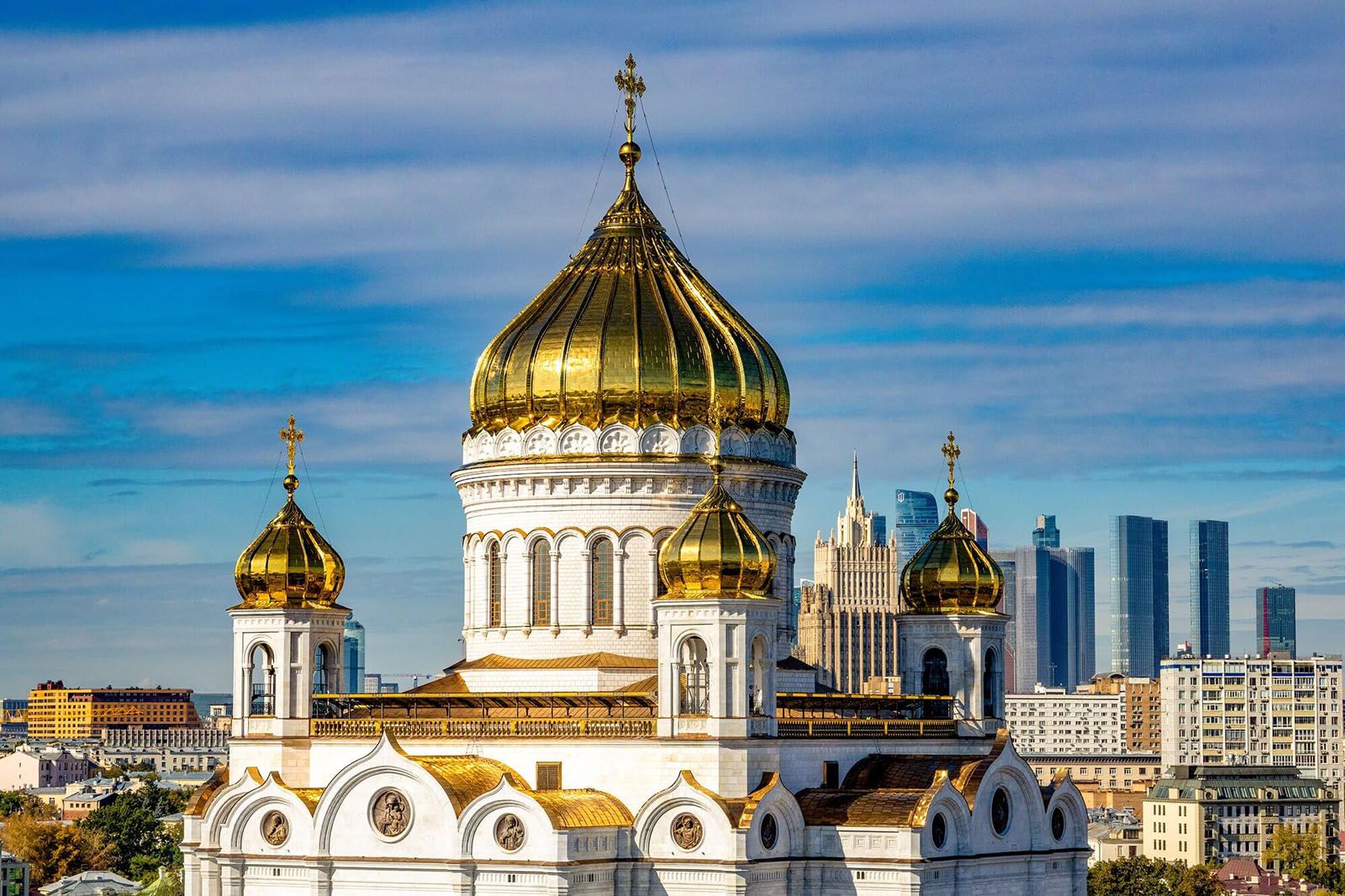
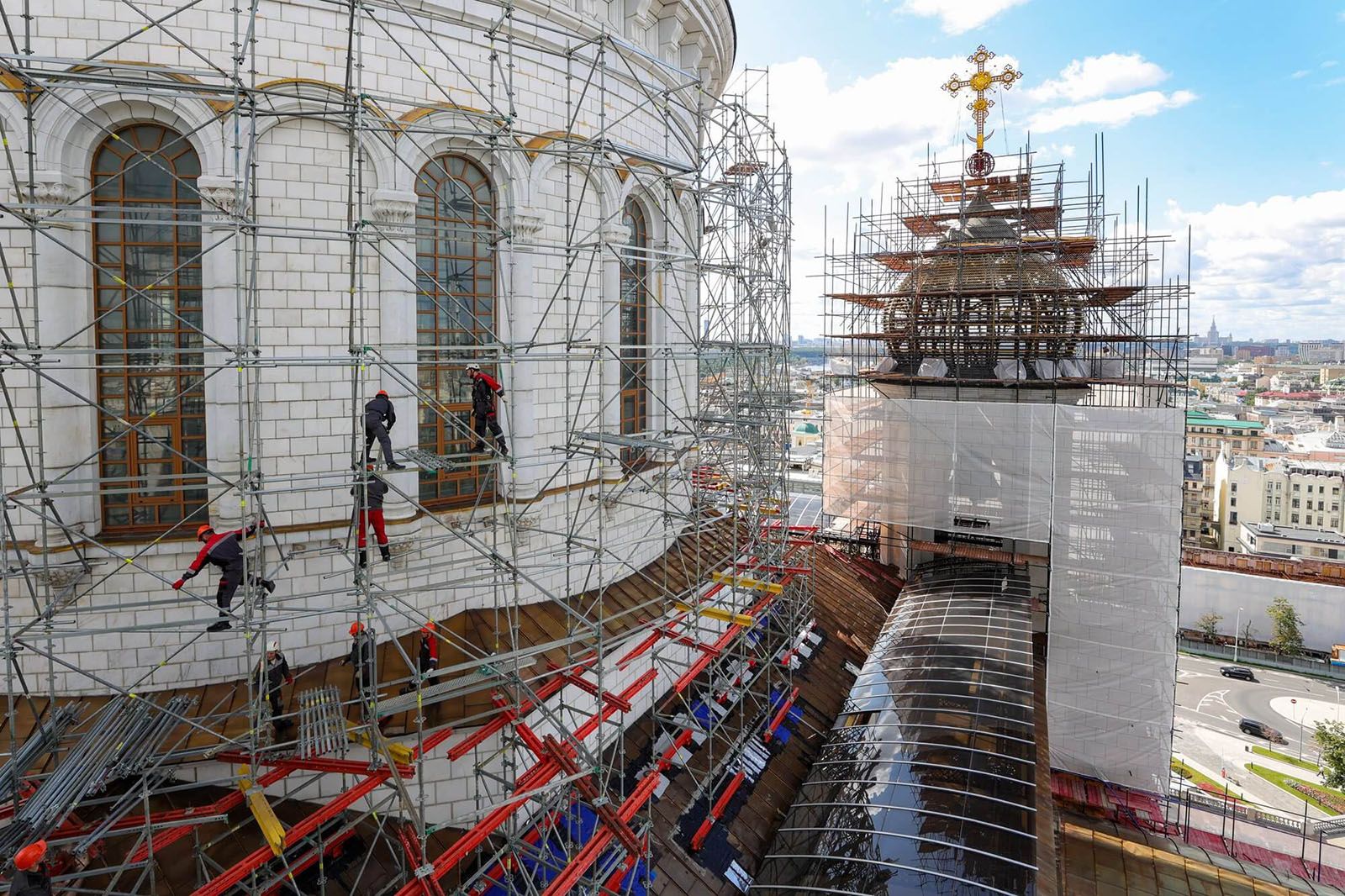
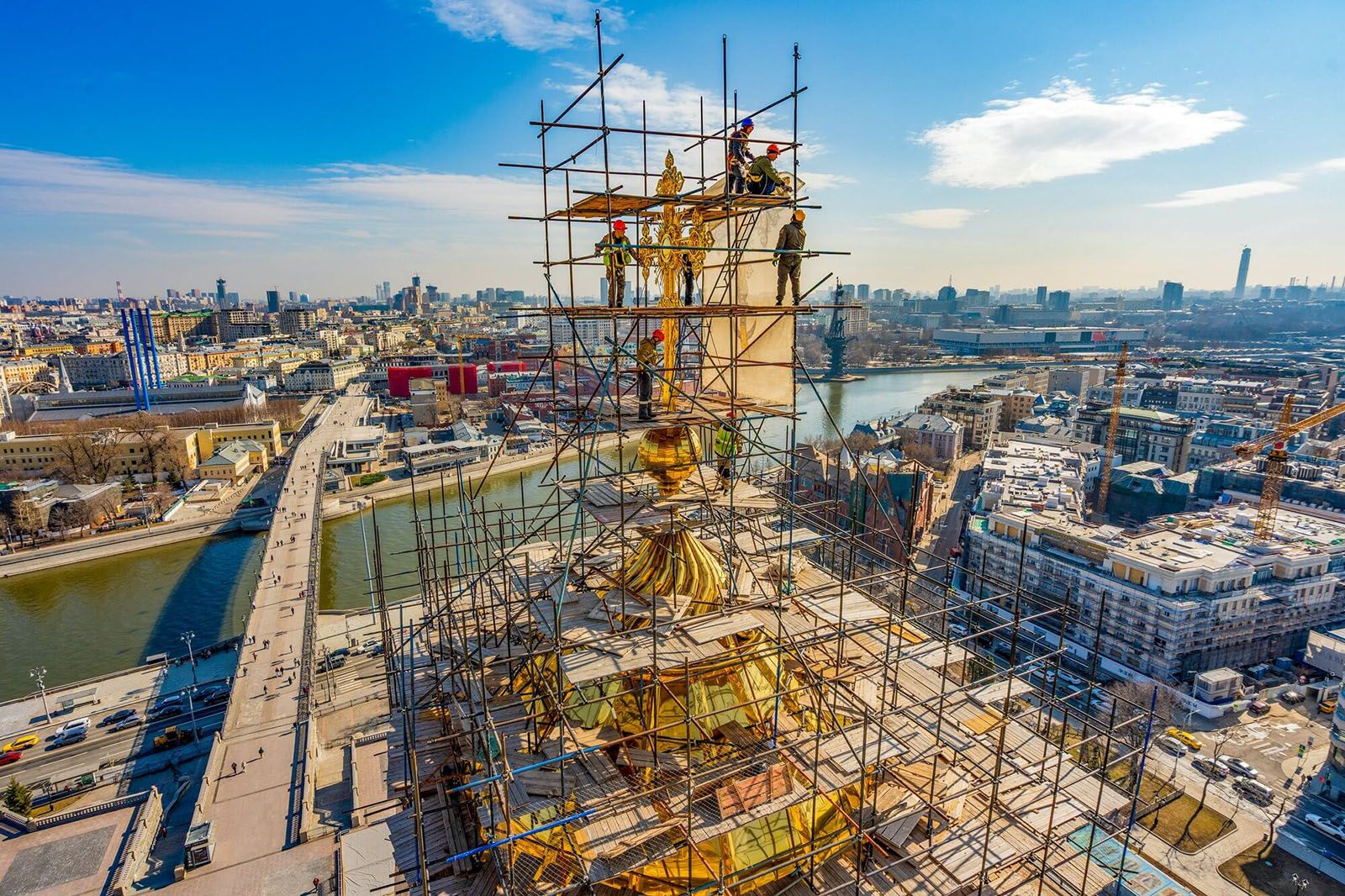
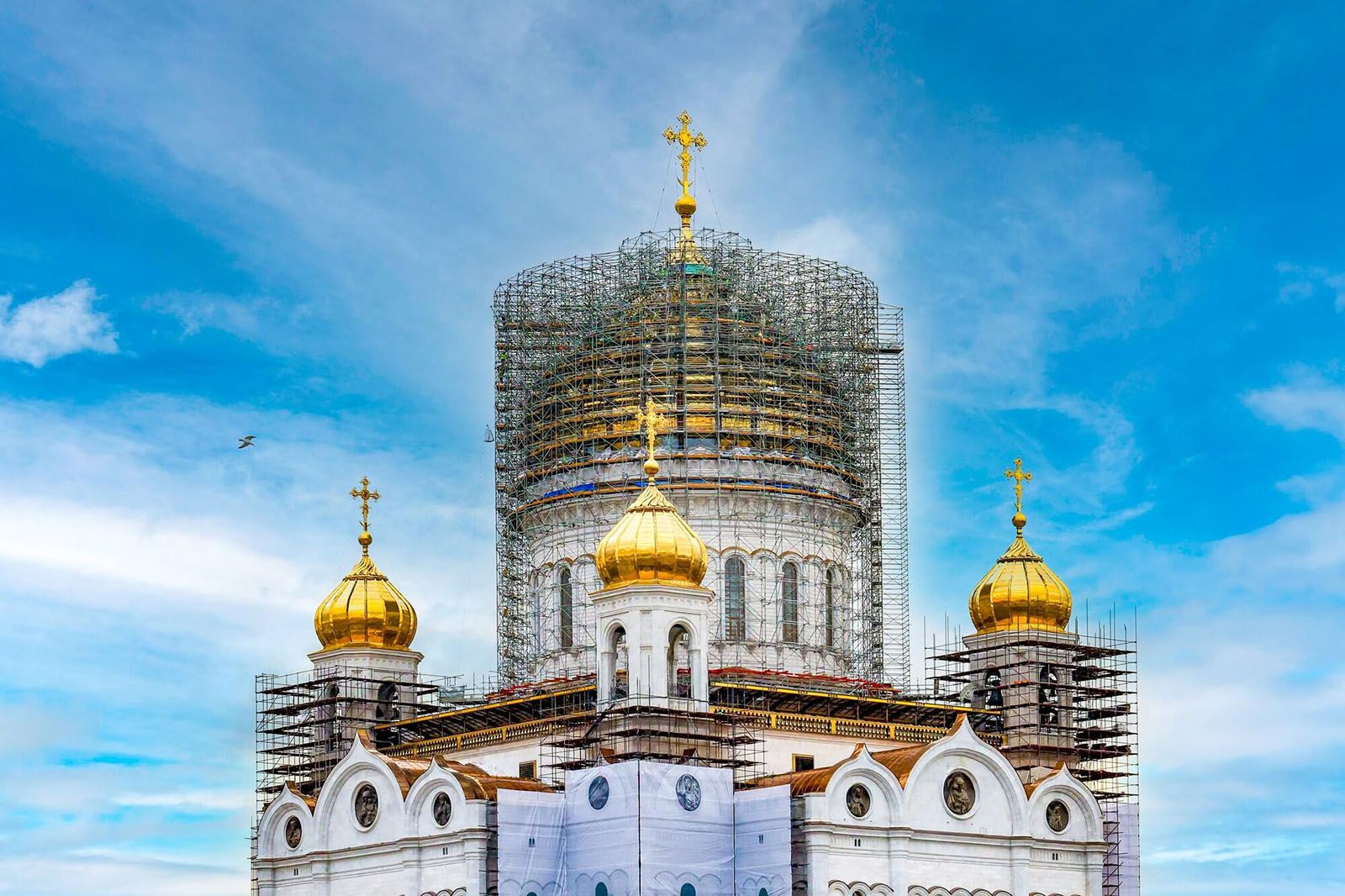
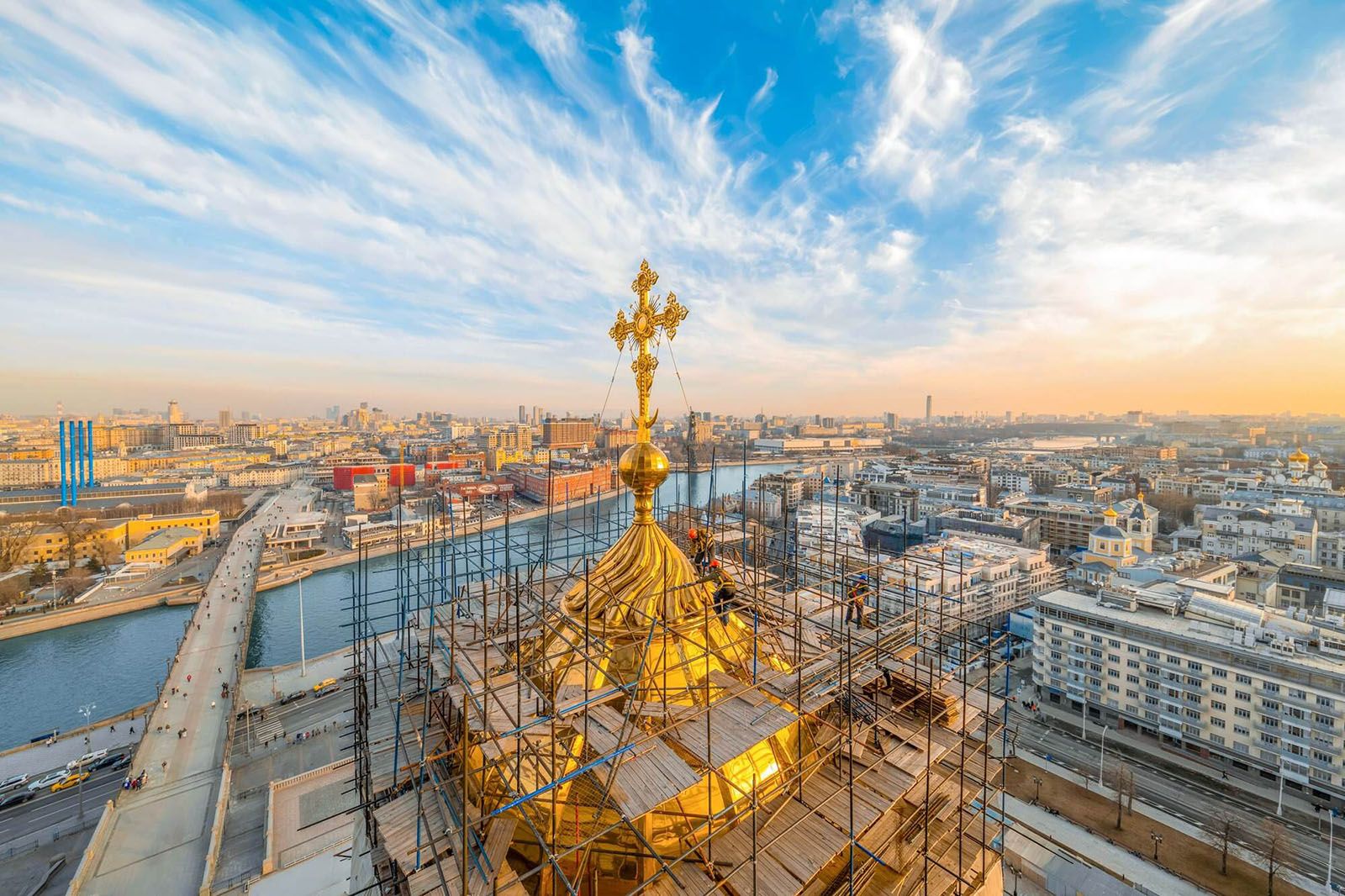
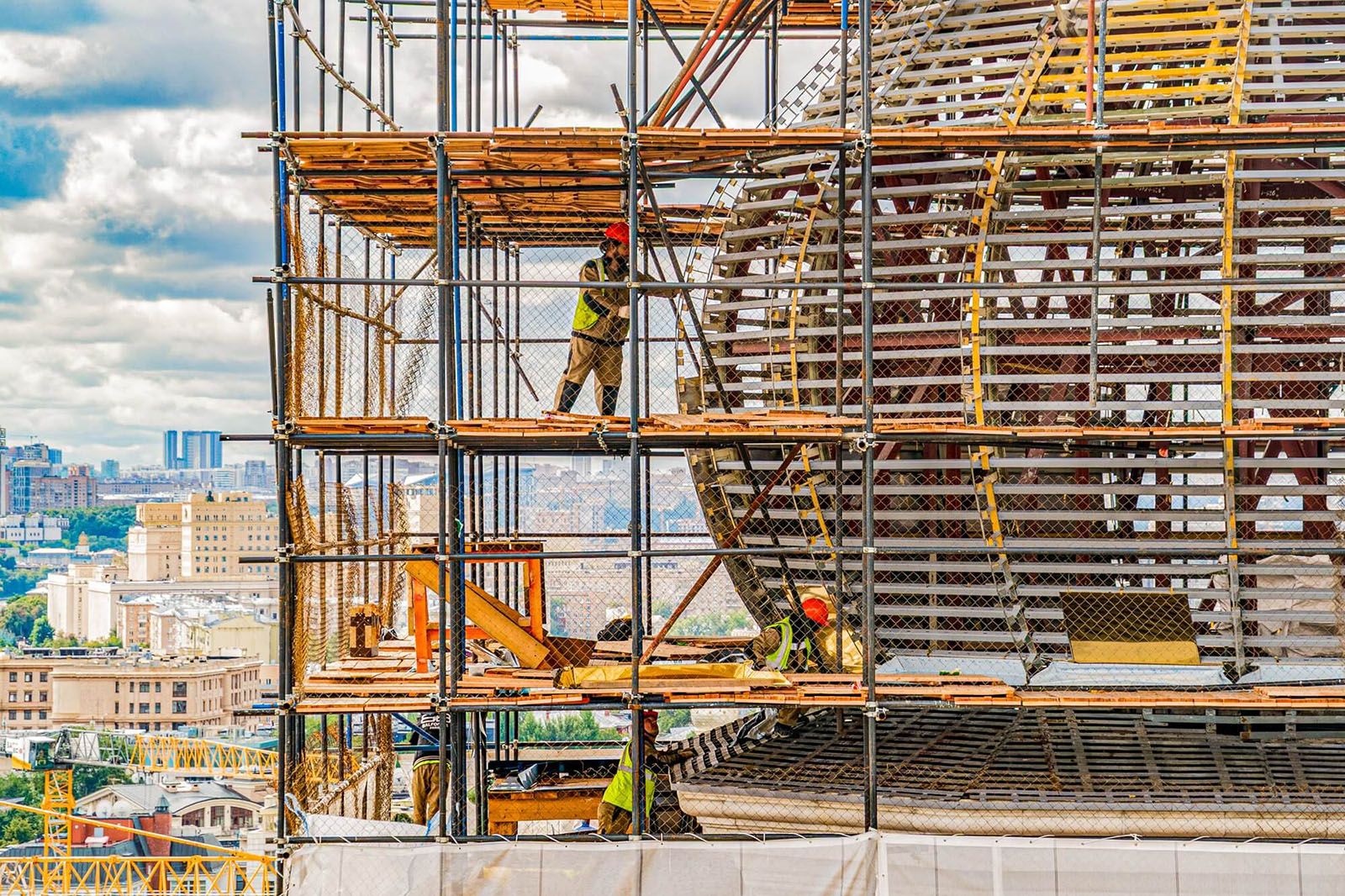
A distinct set of techniques was used to restore the bell towers’ domes. They assembled a scaffolding system covering 17,000 square meters in all in order to ensure safe access for the restorers to areas at great heights. They fully restored the domes’ metal framework to have replaced damaged components and treated the entire structure with hydrophobic and anti-corrosion coatings.
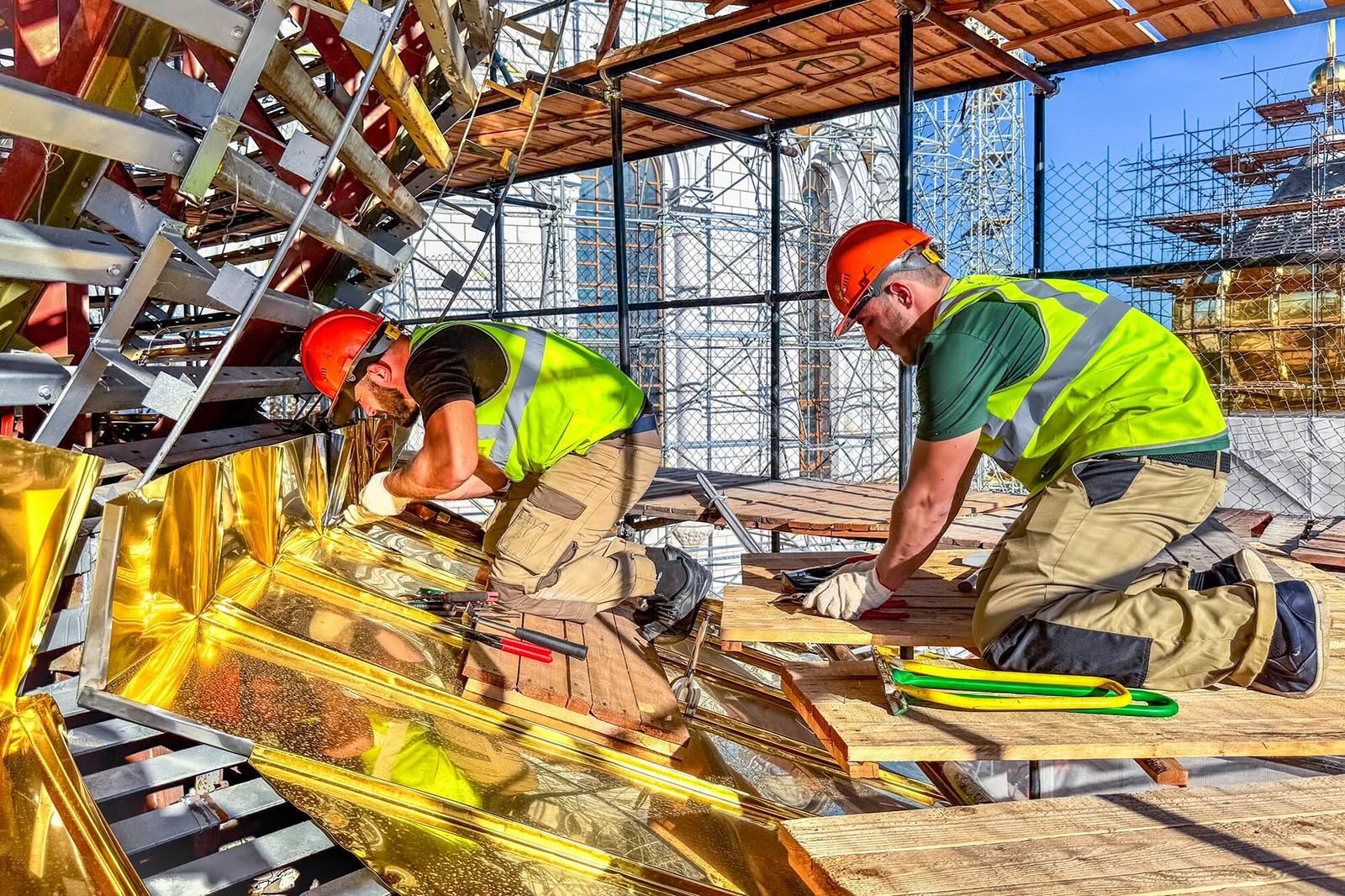
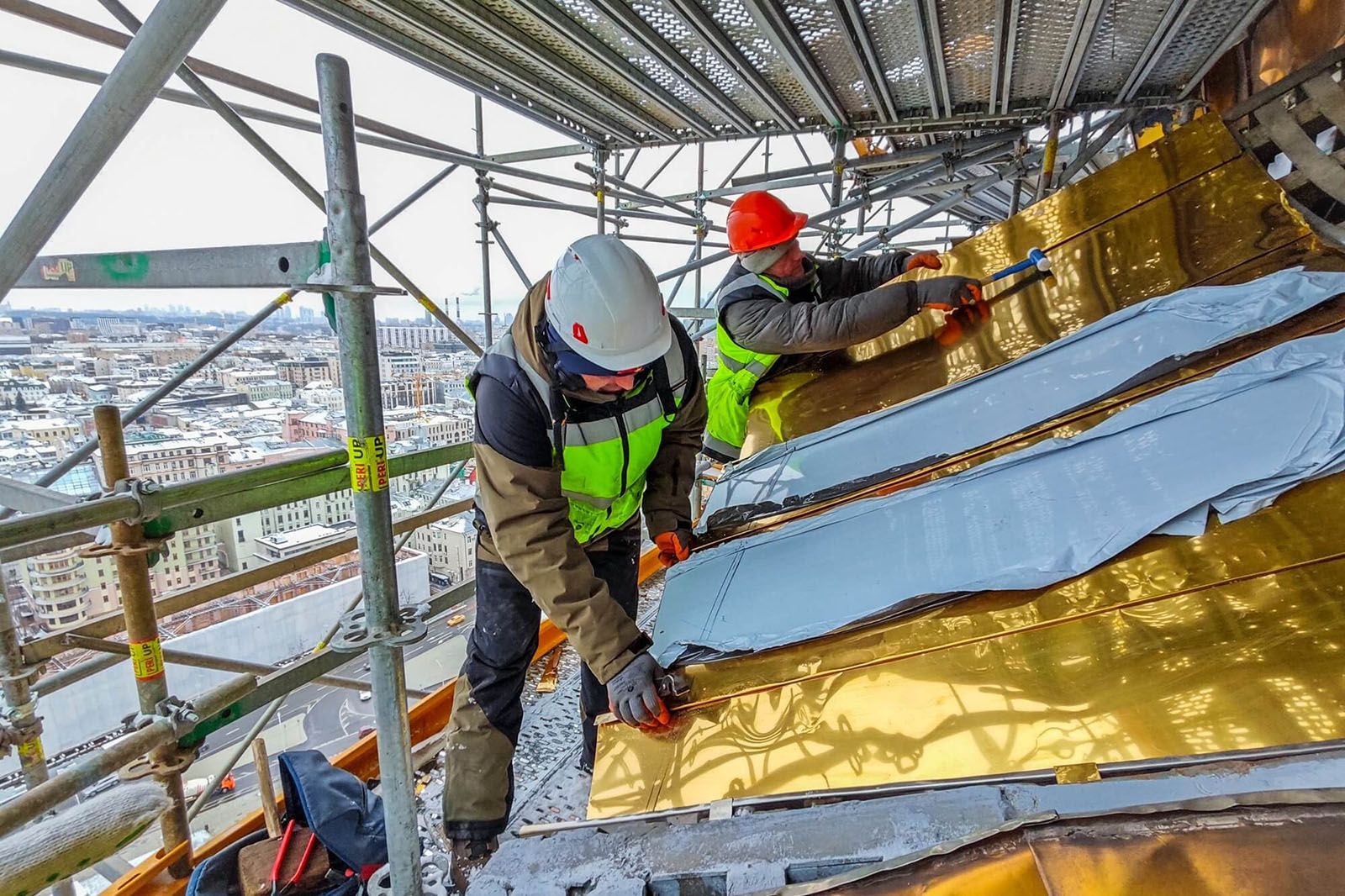
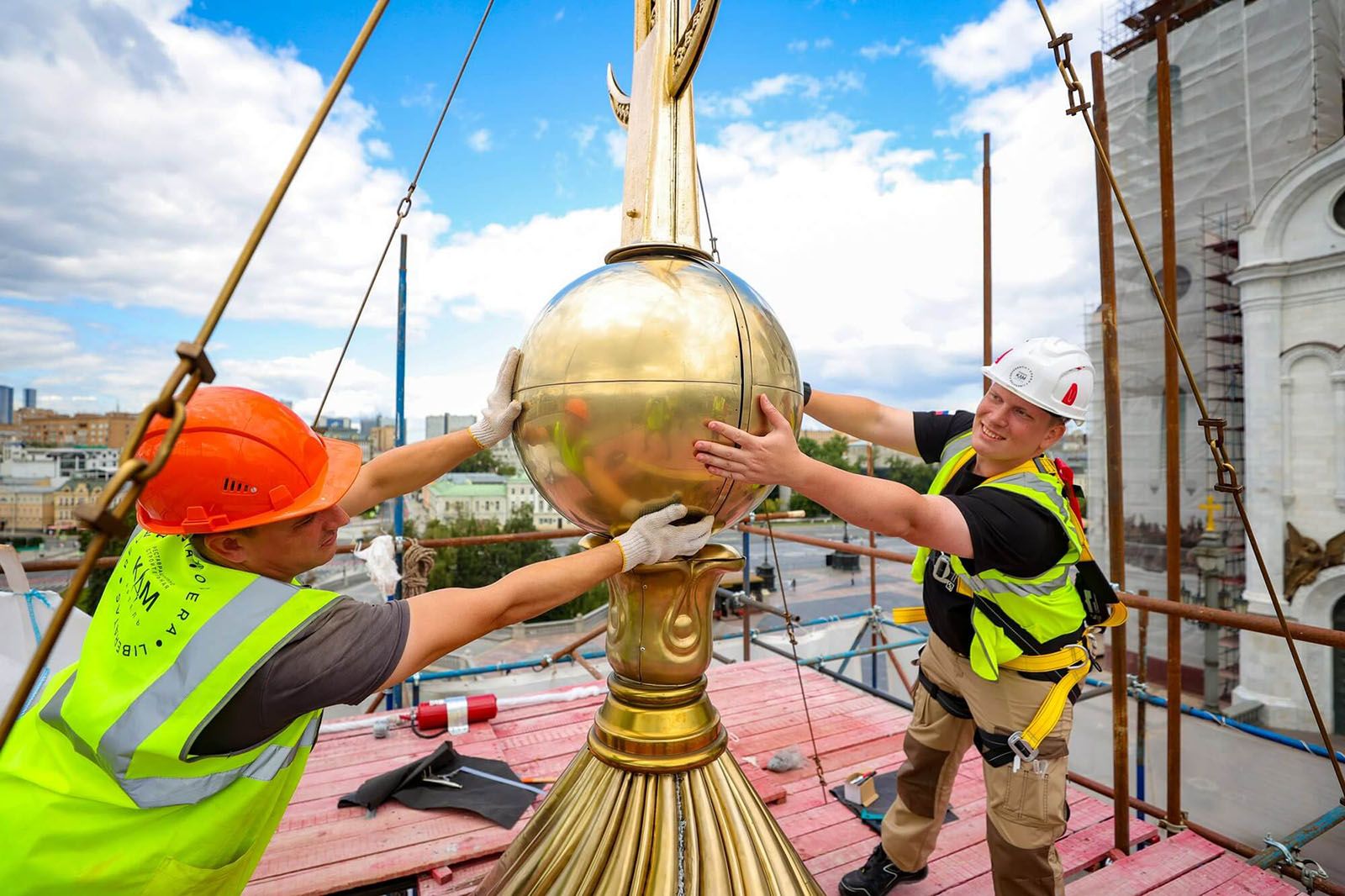
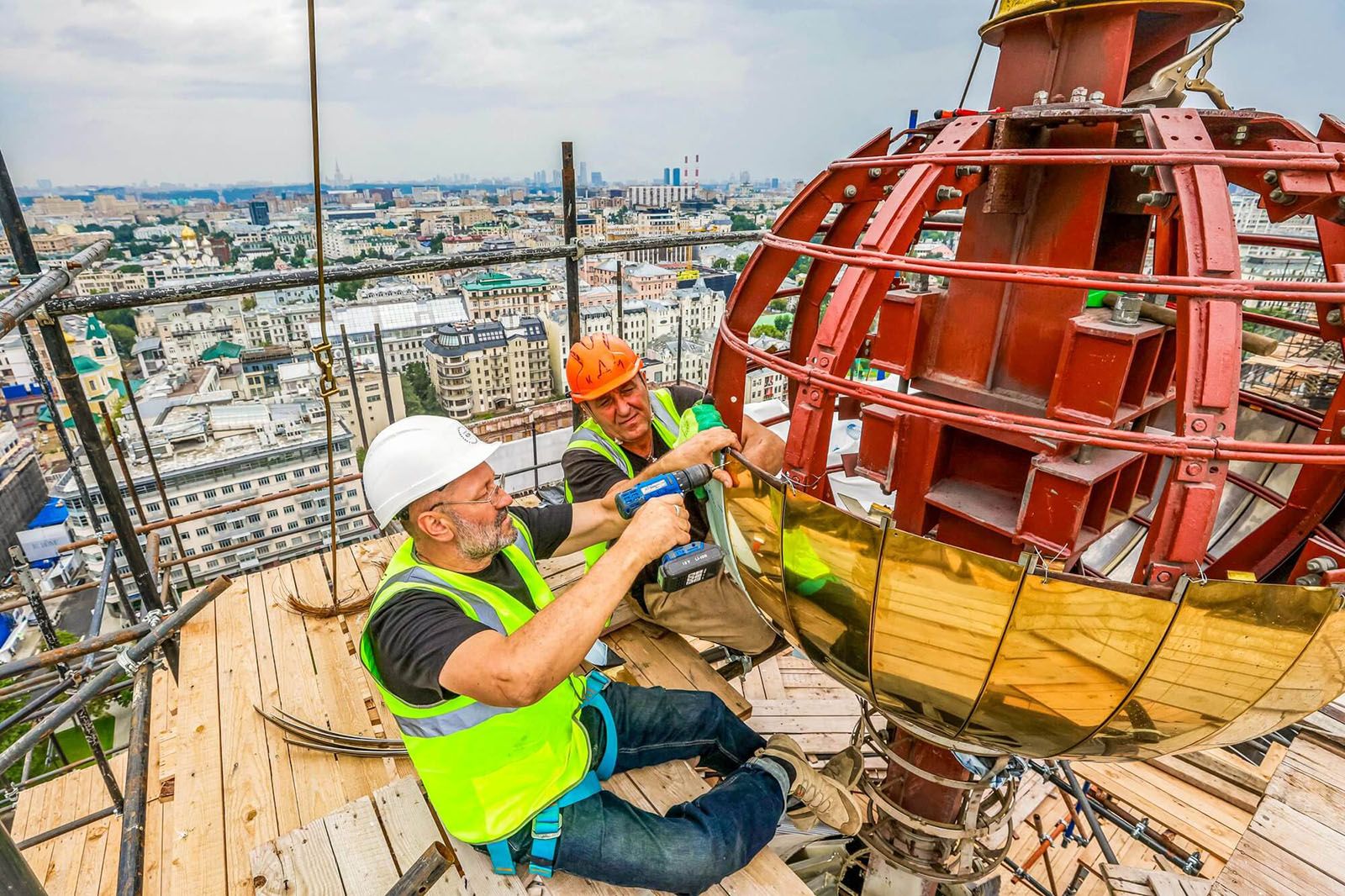
The final stage involved covering the cupolas with stainless steel coated in titanium nitride, the finish giving the surface a striking golden hue. Moreover, the solution will make the coating last longer, and the domes will retain their brilliance and will not tarnish over time. The restoration architects also fabricated and installed new finials.
The observation decks
In addition, architects have refurbished the cathedral’s four observation decks, which are annually visited by thousands of local people and tourists.
“In order to ensure the safety and comfort for visitors, they have installed a new, durable base layer, applied waterproofing and added cutting-edge insulation; after that they have restored the paving. The decks’ original appearance has been preserved; the old paving slabs have been carefully cleaned and put back in place, with new materials only used to replace elements that were severely damaged,” Sergei Sobyanin shares.
The gate-tower belfry, roof, and zakomaras
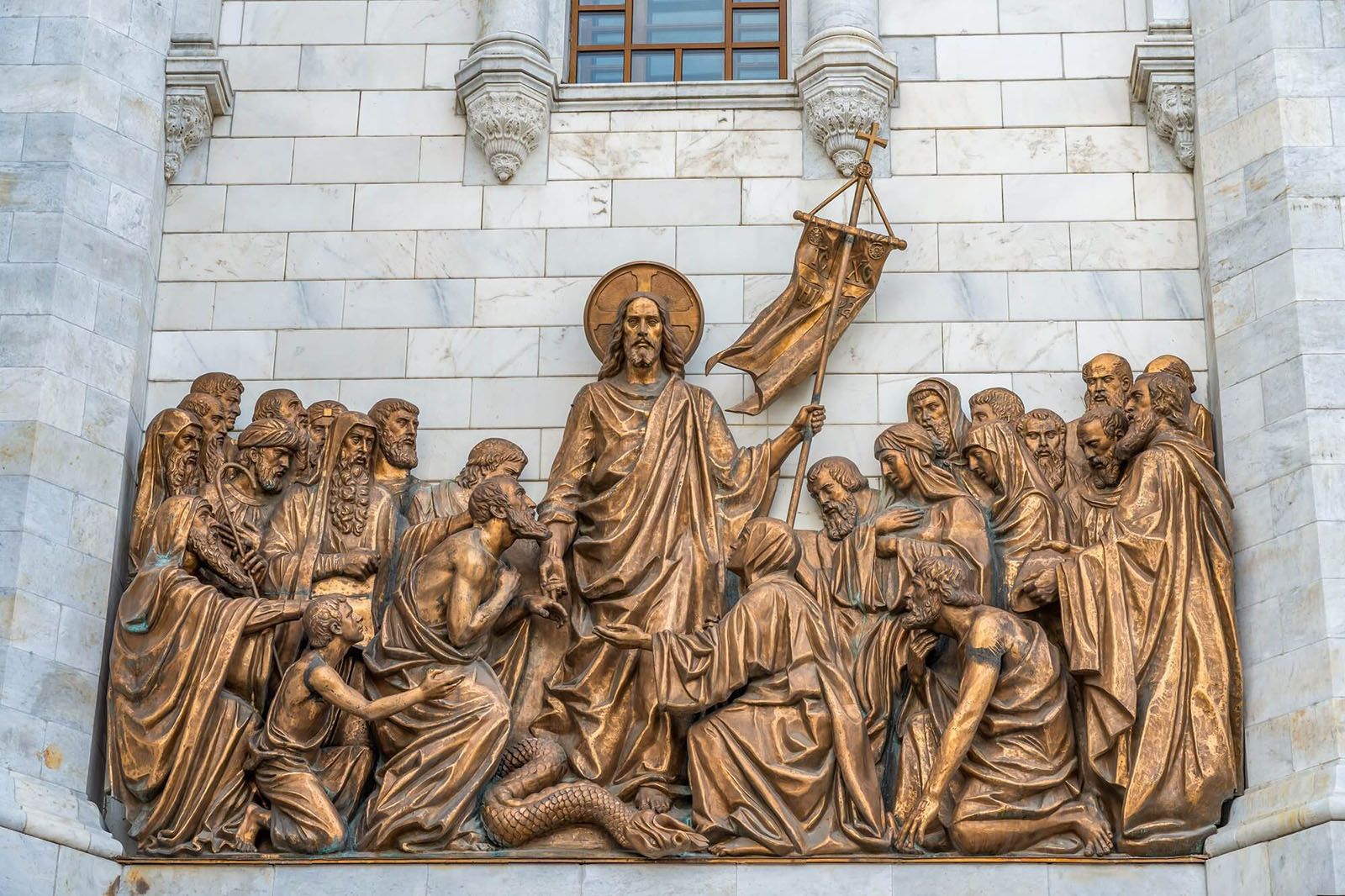
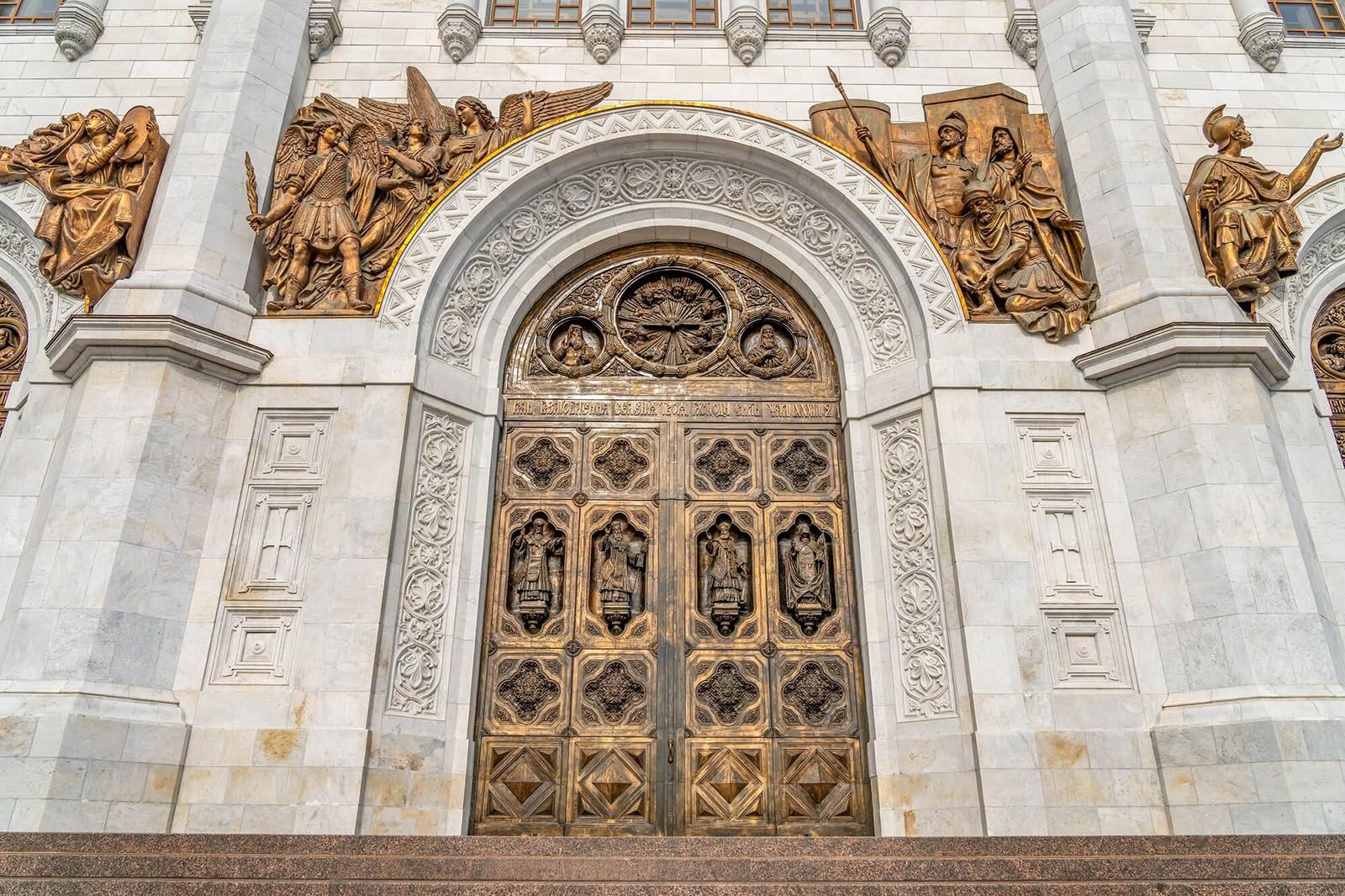
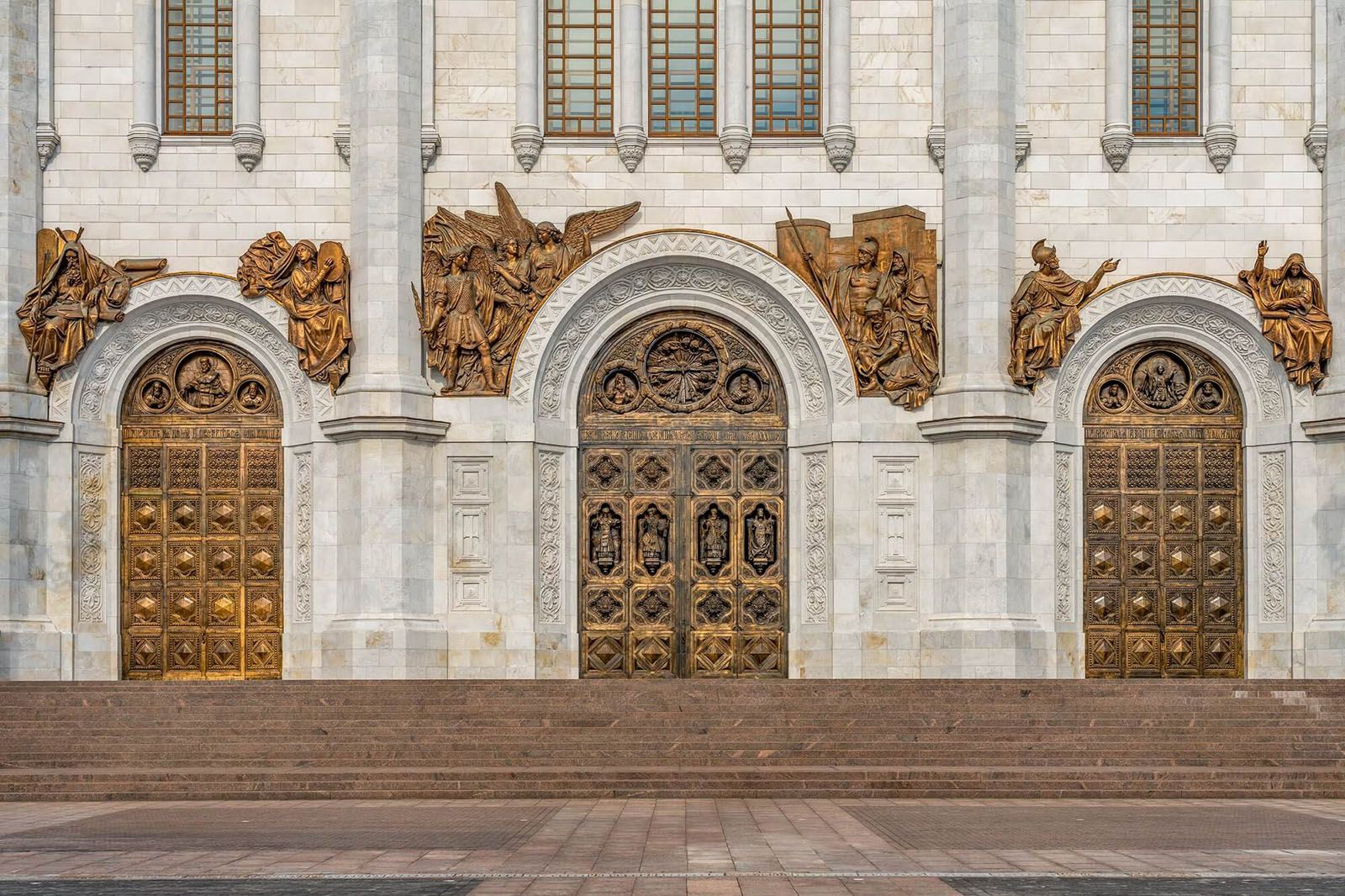
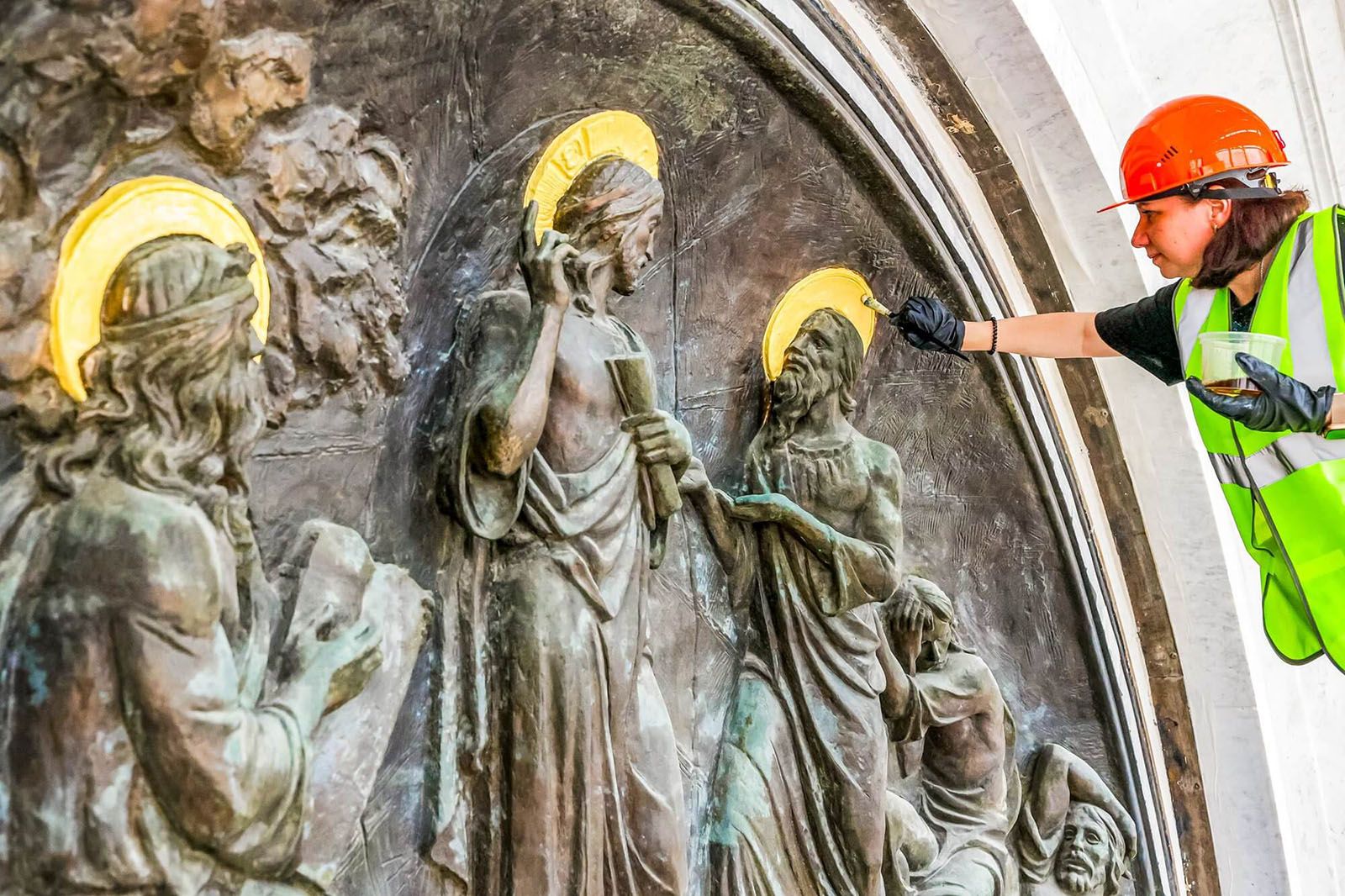
The gate-tower belfry was a separate undertaking, indeed. The architects meticulously cleaned and polished the notable high-relief sculptures — those depicting the Saviour Not Made by Hands, the Hieromartyr Alexander, Patriarch Tikhon, and the Great Martyr Elizabeth — as well as the bronze high-reliefs above the entrance, which feature the face of the Saviour and the Transfiguration of the Lord.
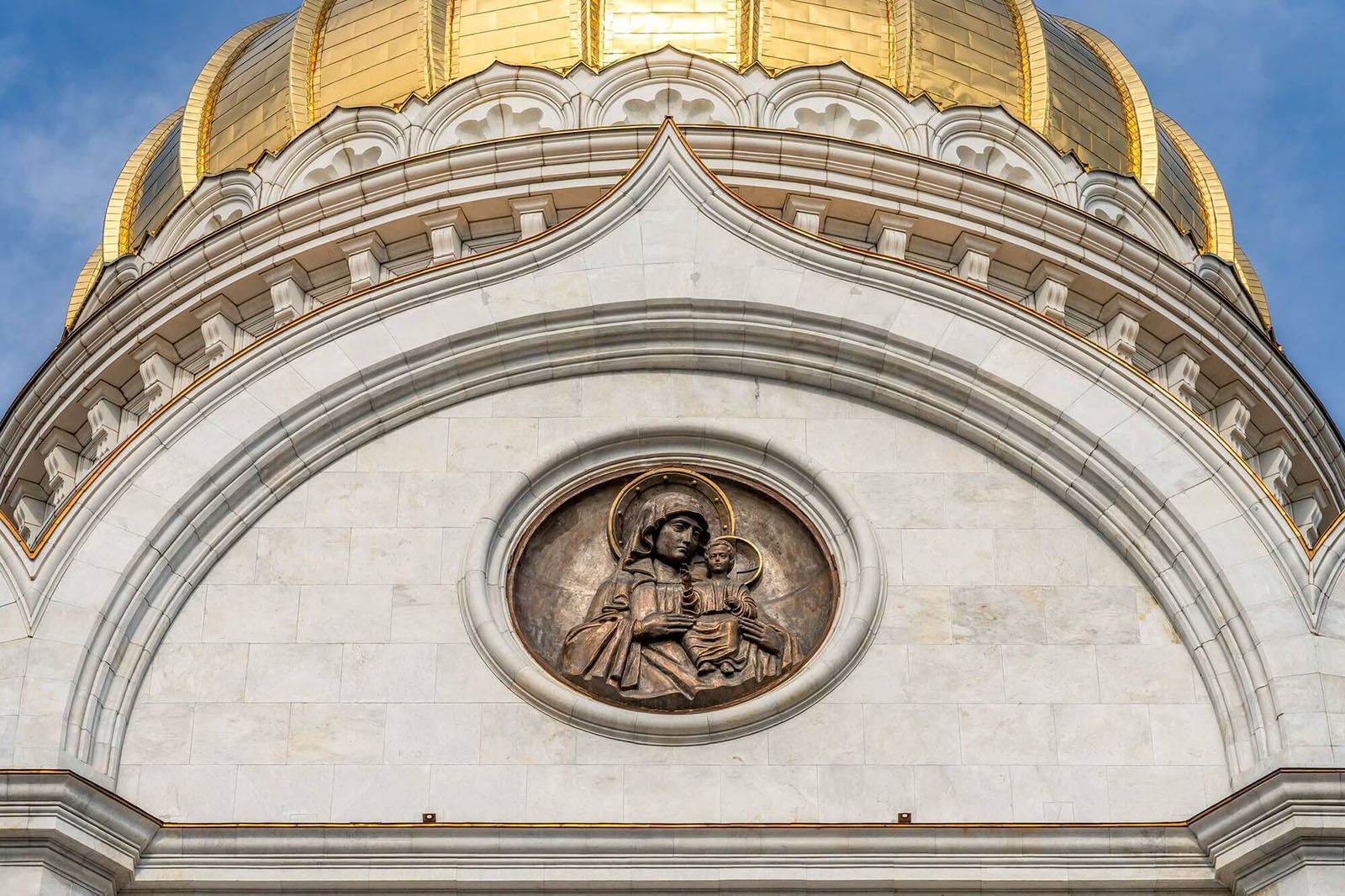
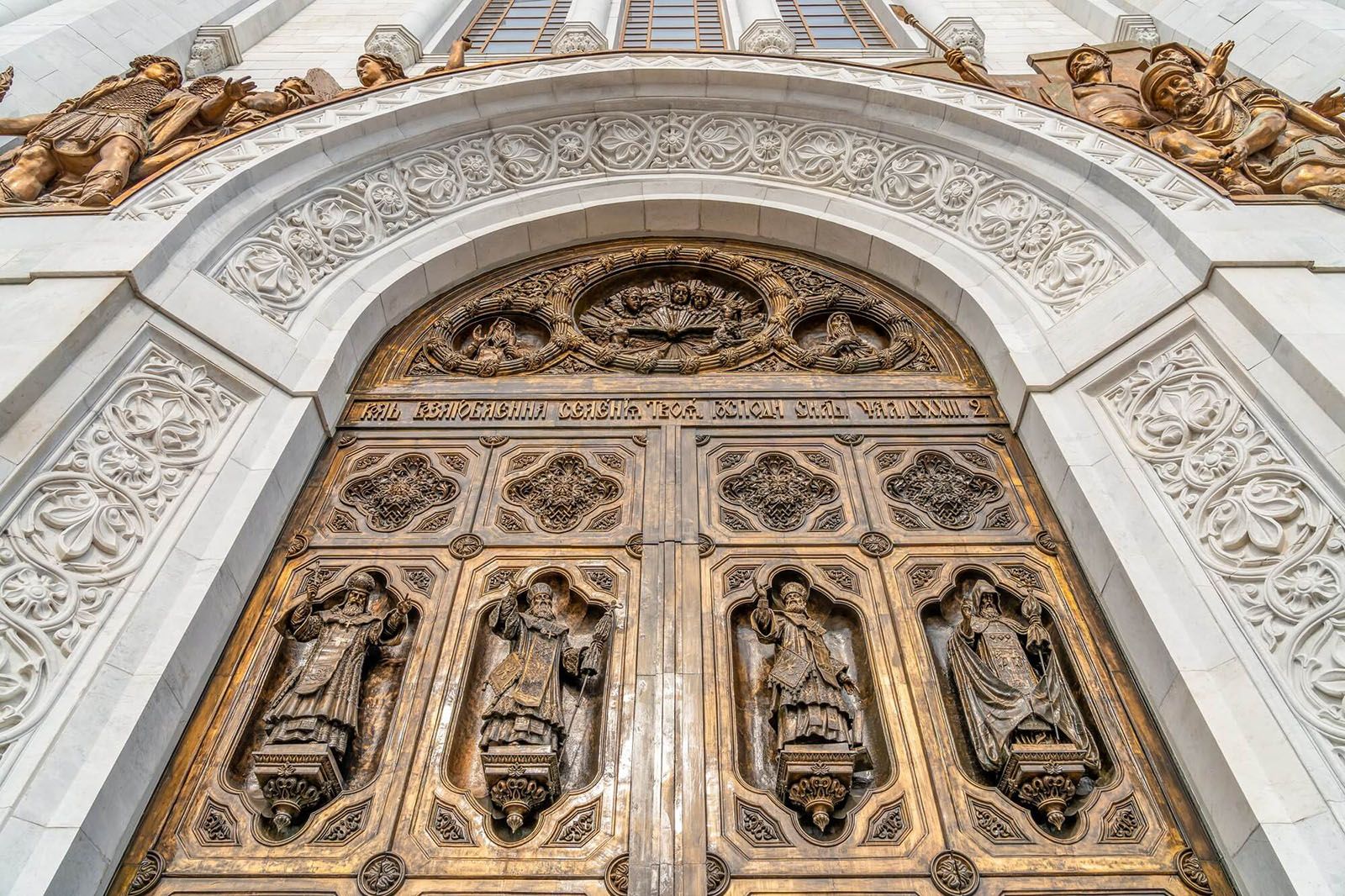
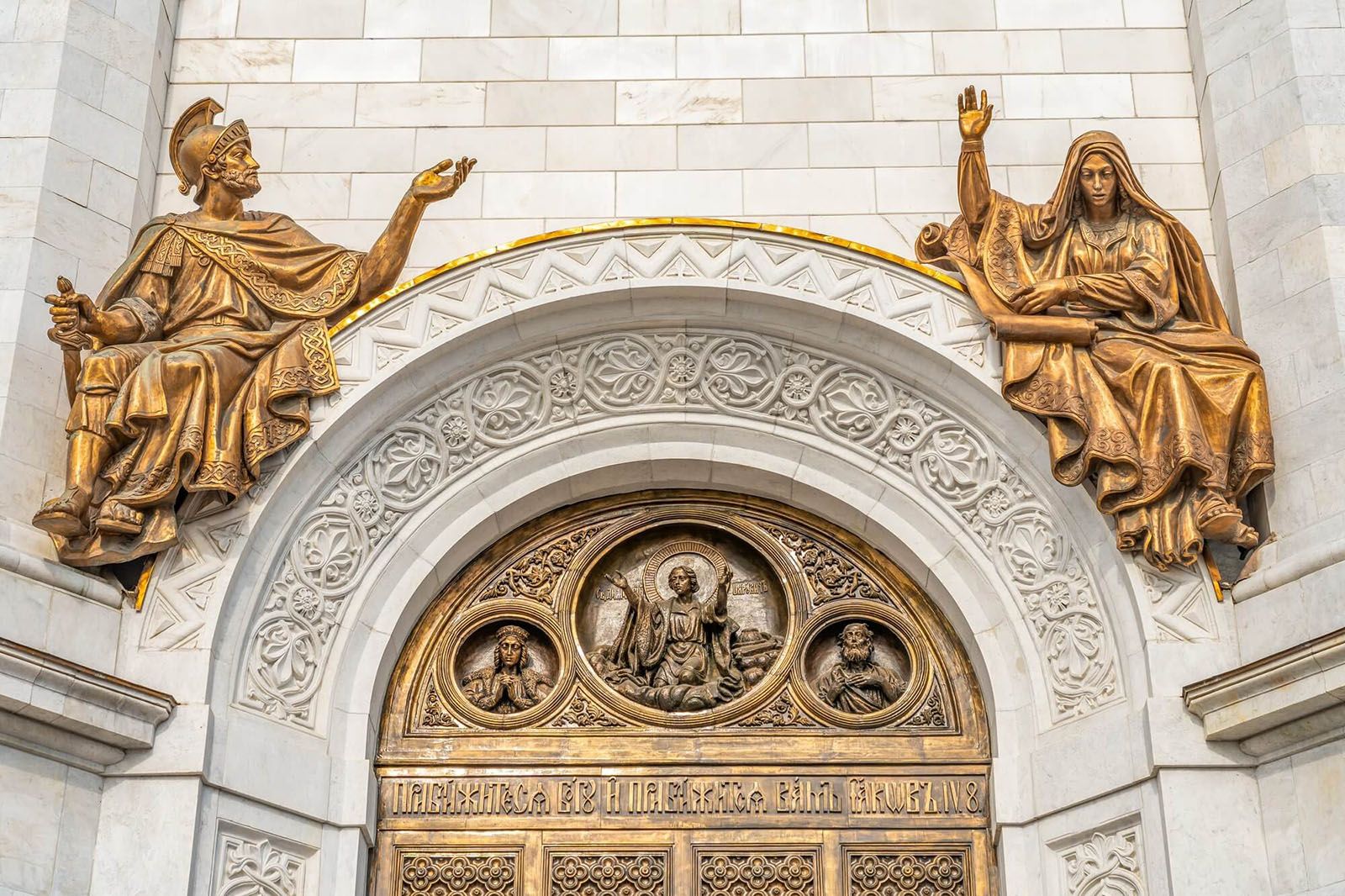
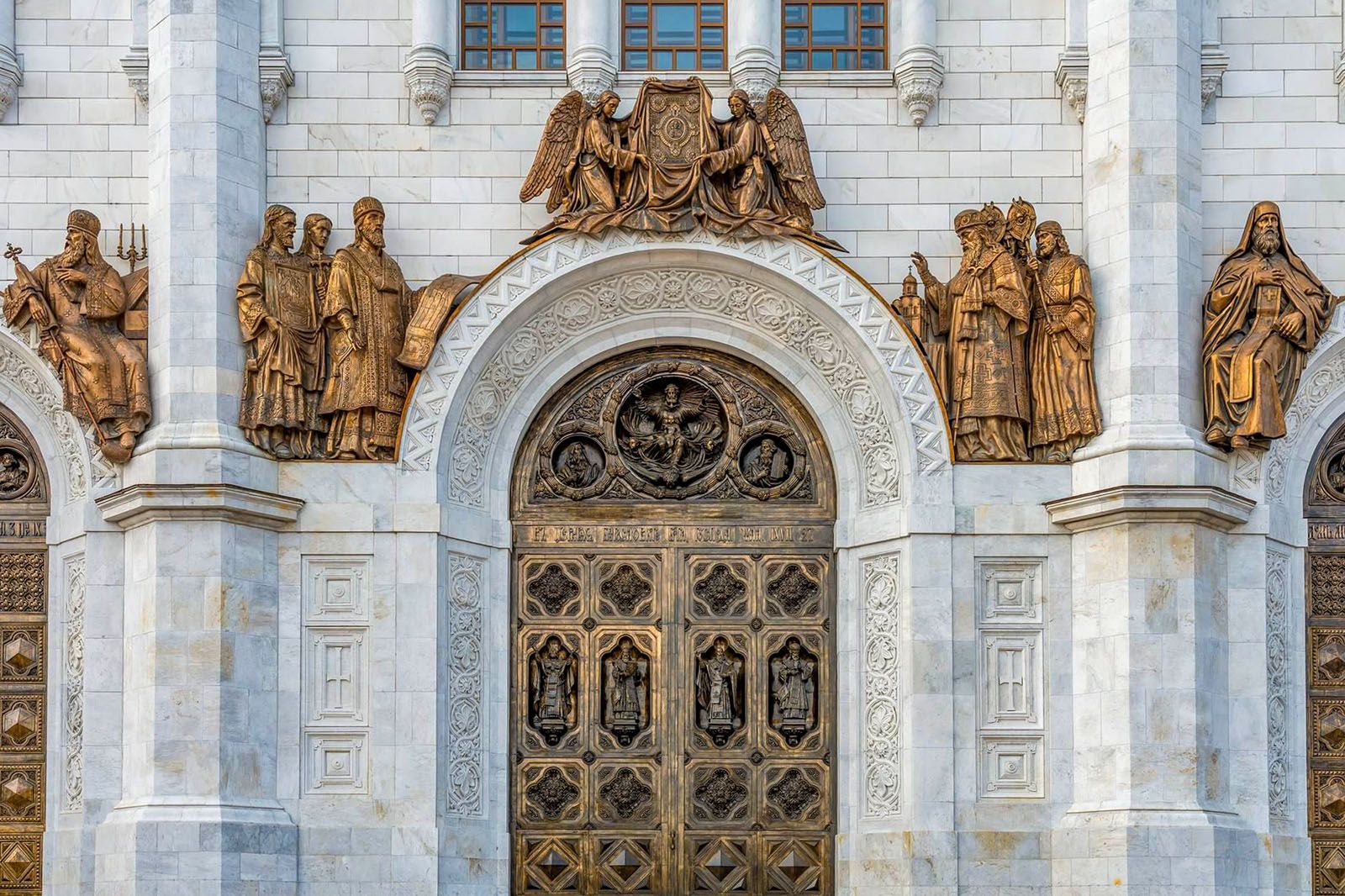
The dome on top of the gate-tower belfry was renovated using the same technique as the cupolas of the bell-ringing structures. Its old cladding was replaced with stainless steel coated in titanium nitride to give the surface a refined golden hue. The original finial was removed and replaced with a new one, while the bell tower’s cross was gilded with gold leaf.
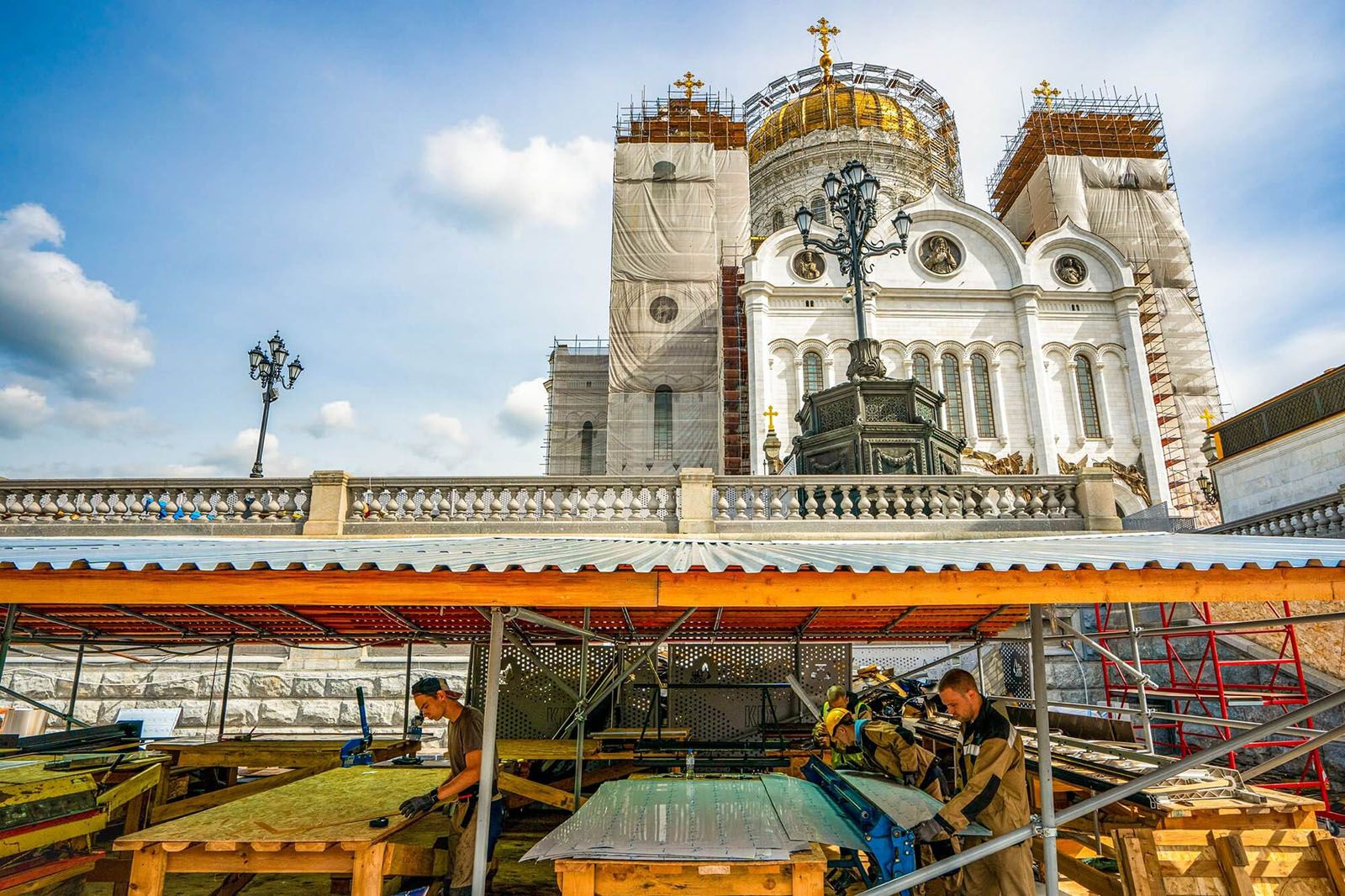
In addition, they completely renovated the cathedral’s roof and zakomaras, or semicircular completions. The work involved setting a temporary roofing workshop on the cathedral’s abutment, where they have manually crafted approximately 14,000 unique metal pieces, with each one cut to the precise required shape.
The main dome
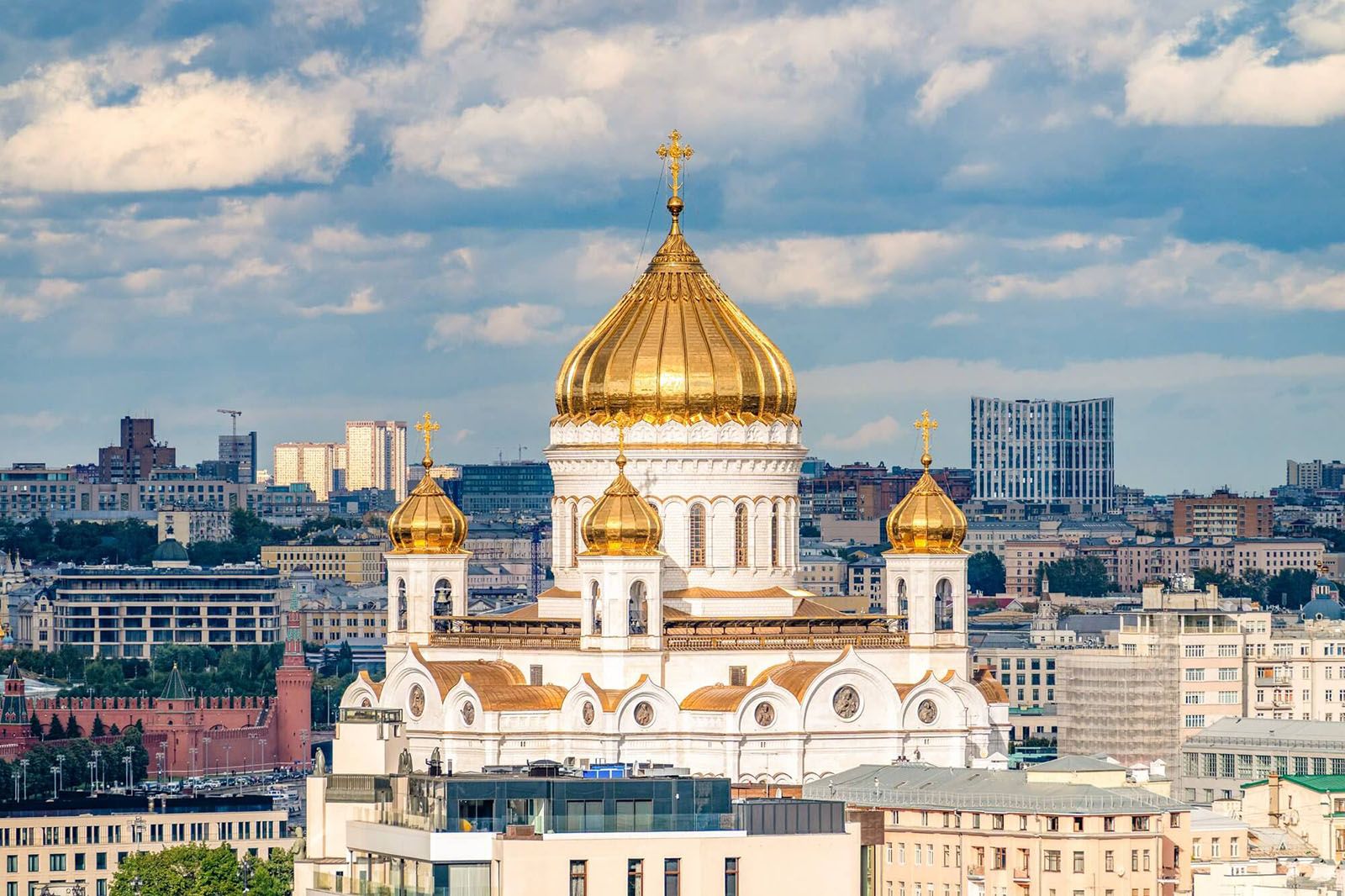
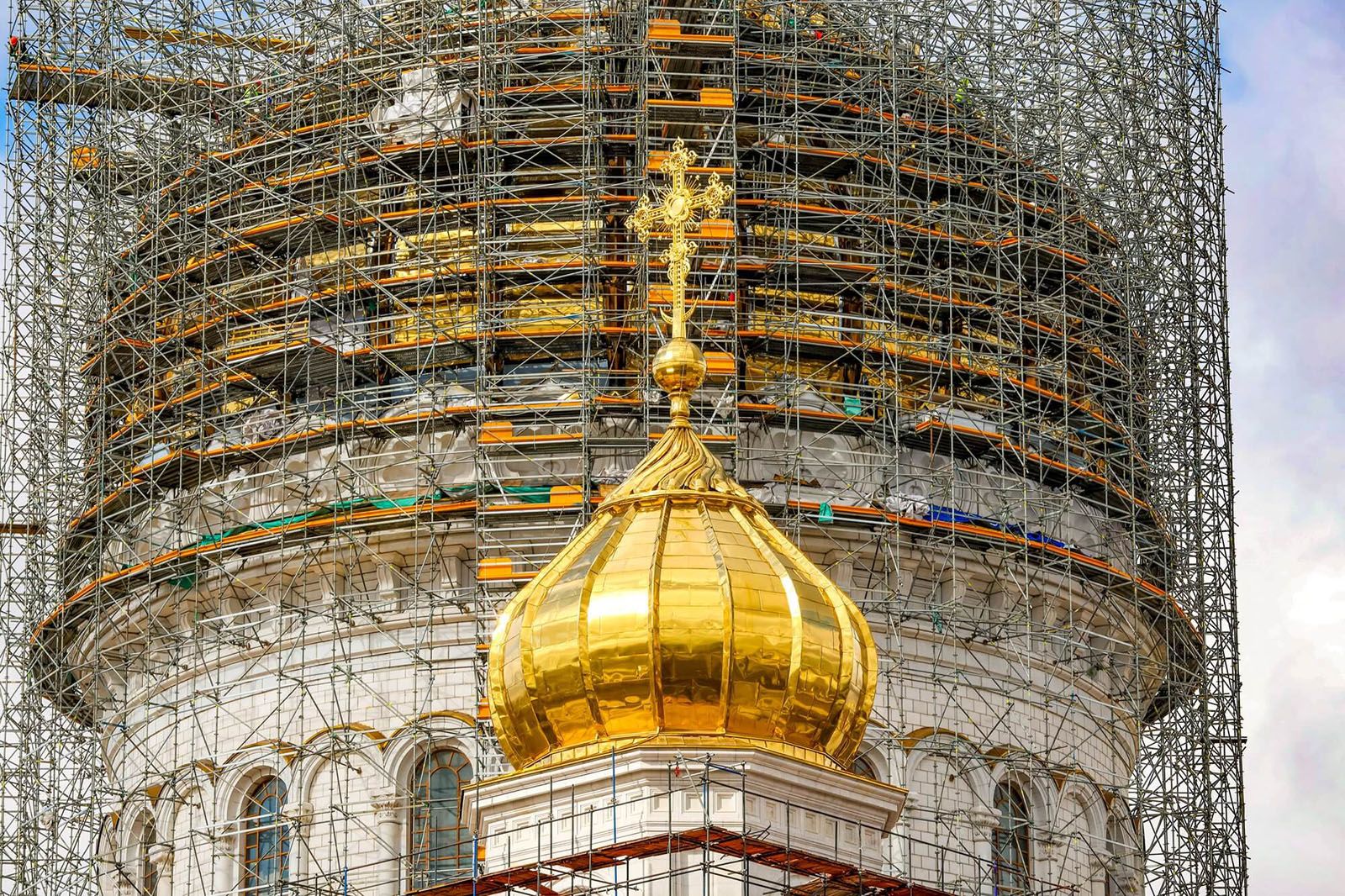
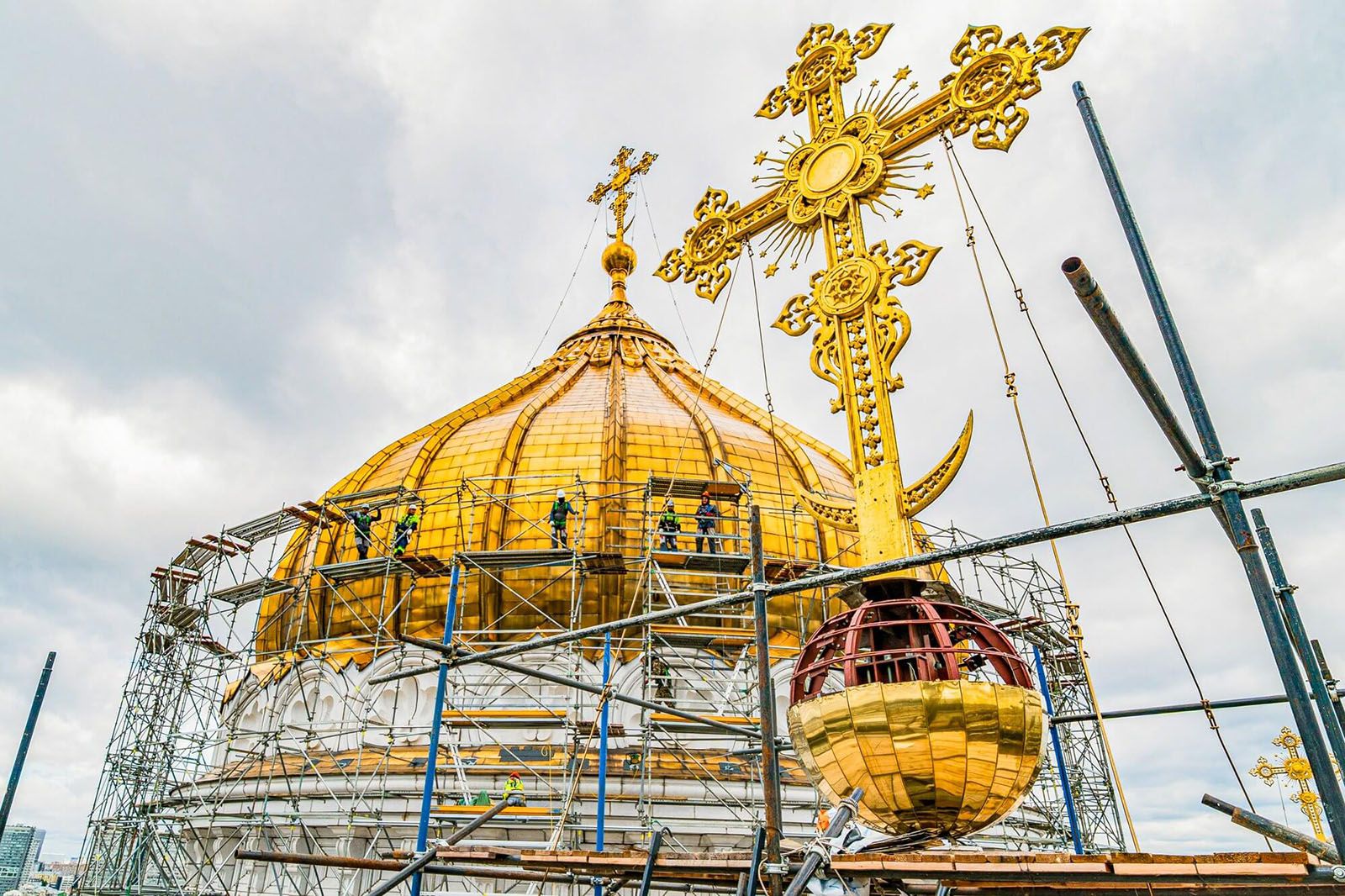
The main dome presented a particular challenge, given that its diameter reaches nearly 30 meters, and its height is about 27 meters.
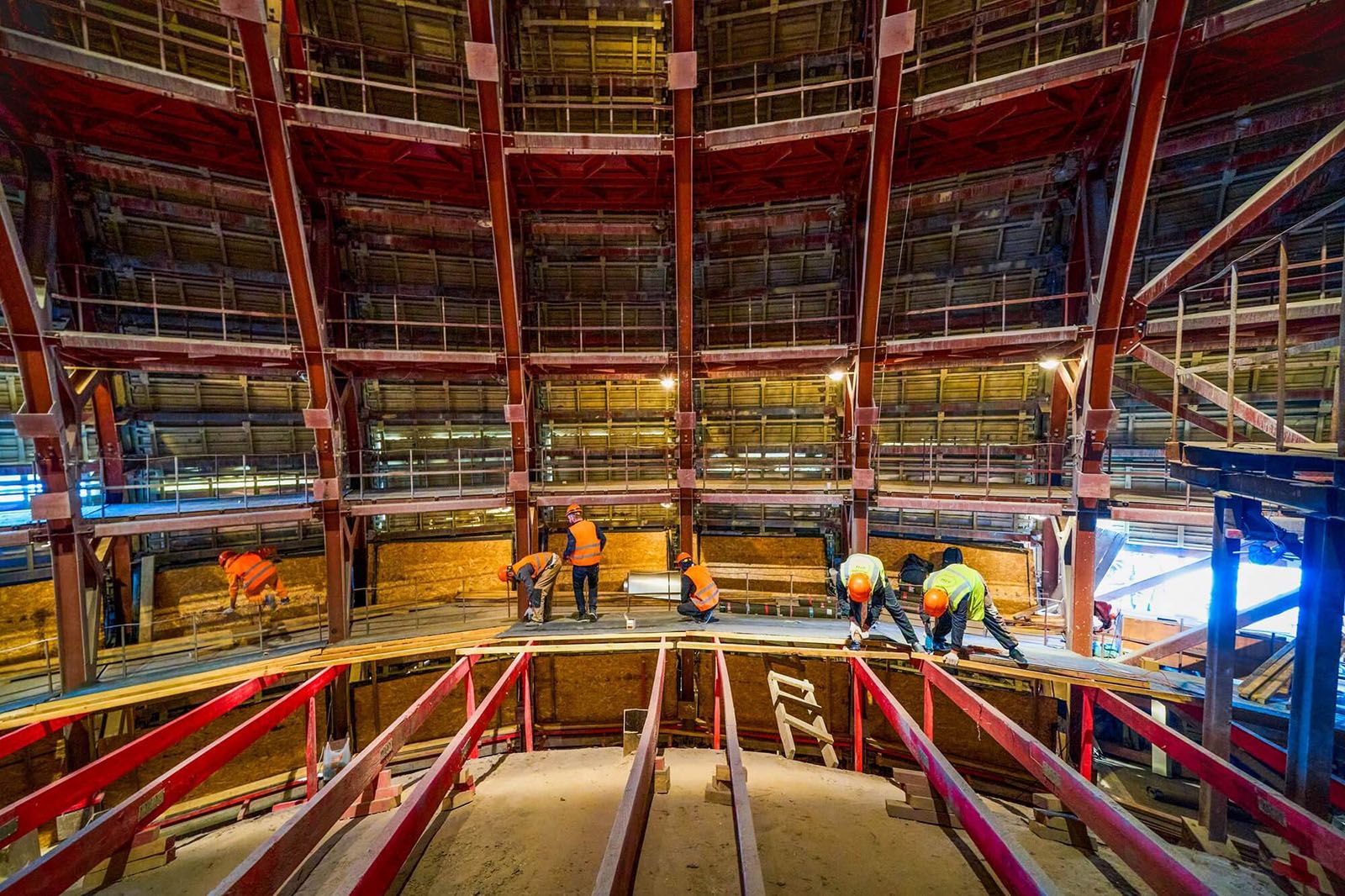
“They constructed a 35-tier reinforced scaffolding structure around it, the framework supporting heavy decorations and also allowing work to continue under any weather conditions. It was absolutely impossible to completely dismantle the main dome — as was the case with the bell towers and the gate-tower belfry — because directly beneath it lies the church’s vaulted ceiling adorned with frescoes that could have been ruined by even the slightest rain. Therefore, the restorers removed the old cladding in small sections, crafted replacement pieces in the on-site workshop and then fitted them to the exact required dimensions,” adds the Moscow Mayor.
For the main dome they used stainless steel with a titanium nitride coating, too, the total weight of the new covering approaching 15 tons.
Embellishments
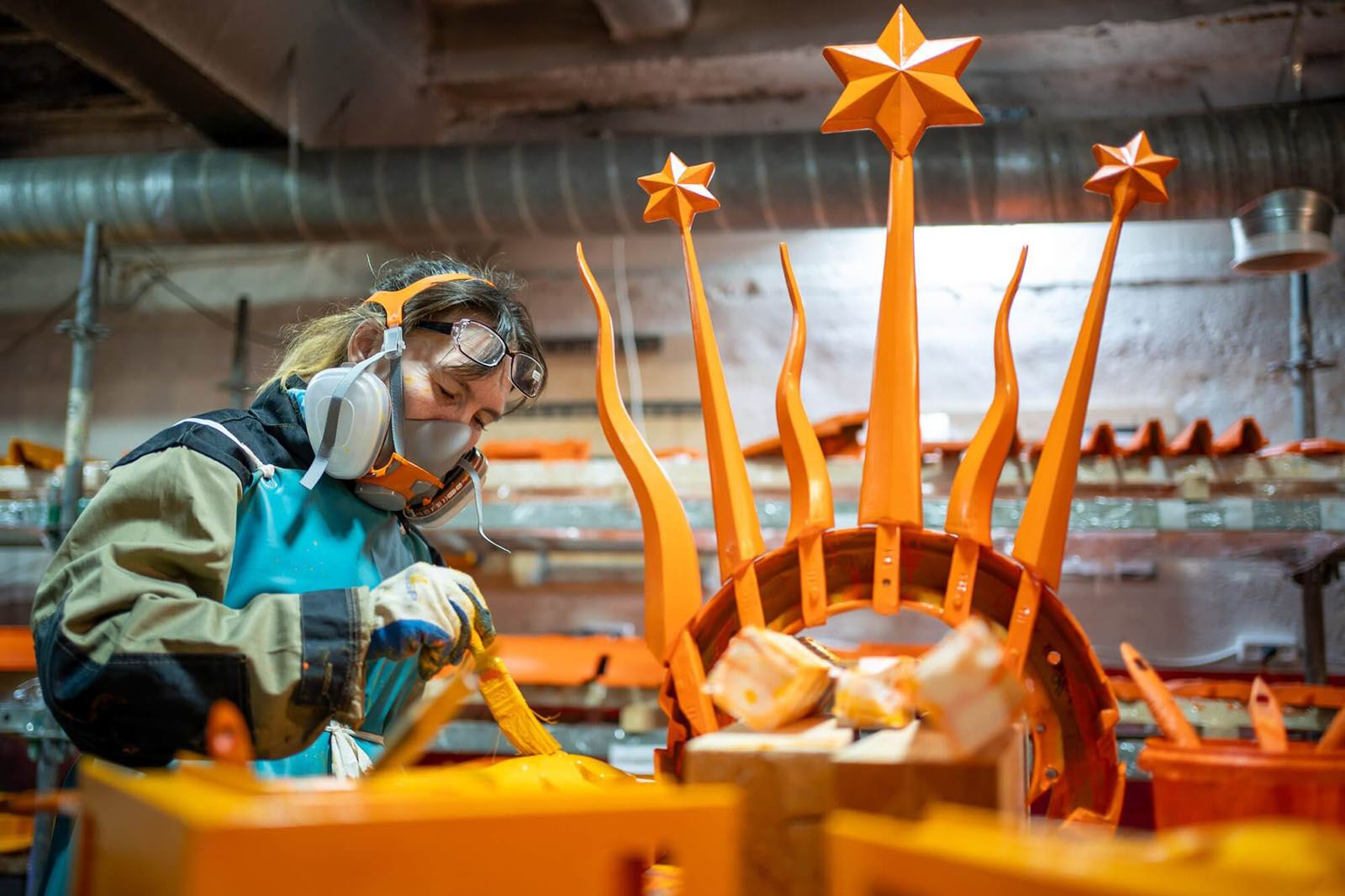
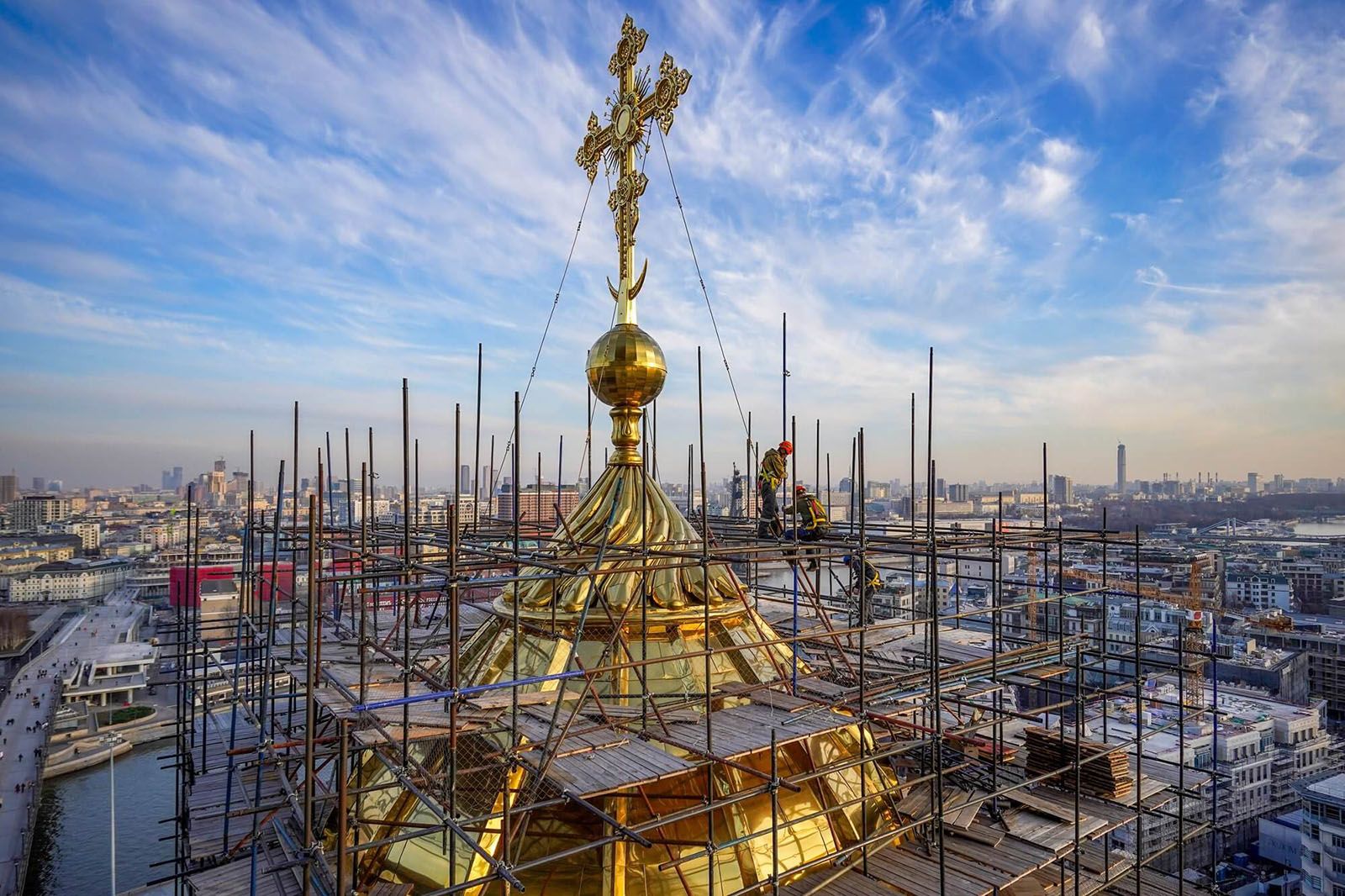
Finally, they installed decorations, such as restored and gilded components of the crosses on the main dome and the four bell towers.
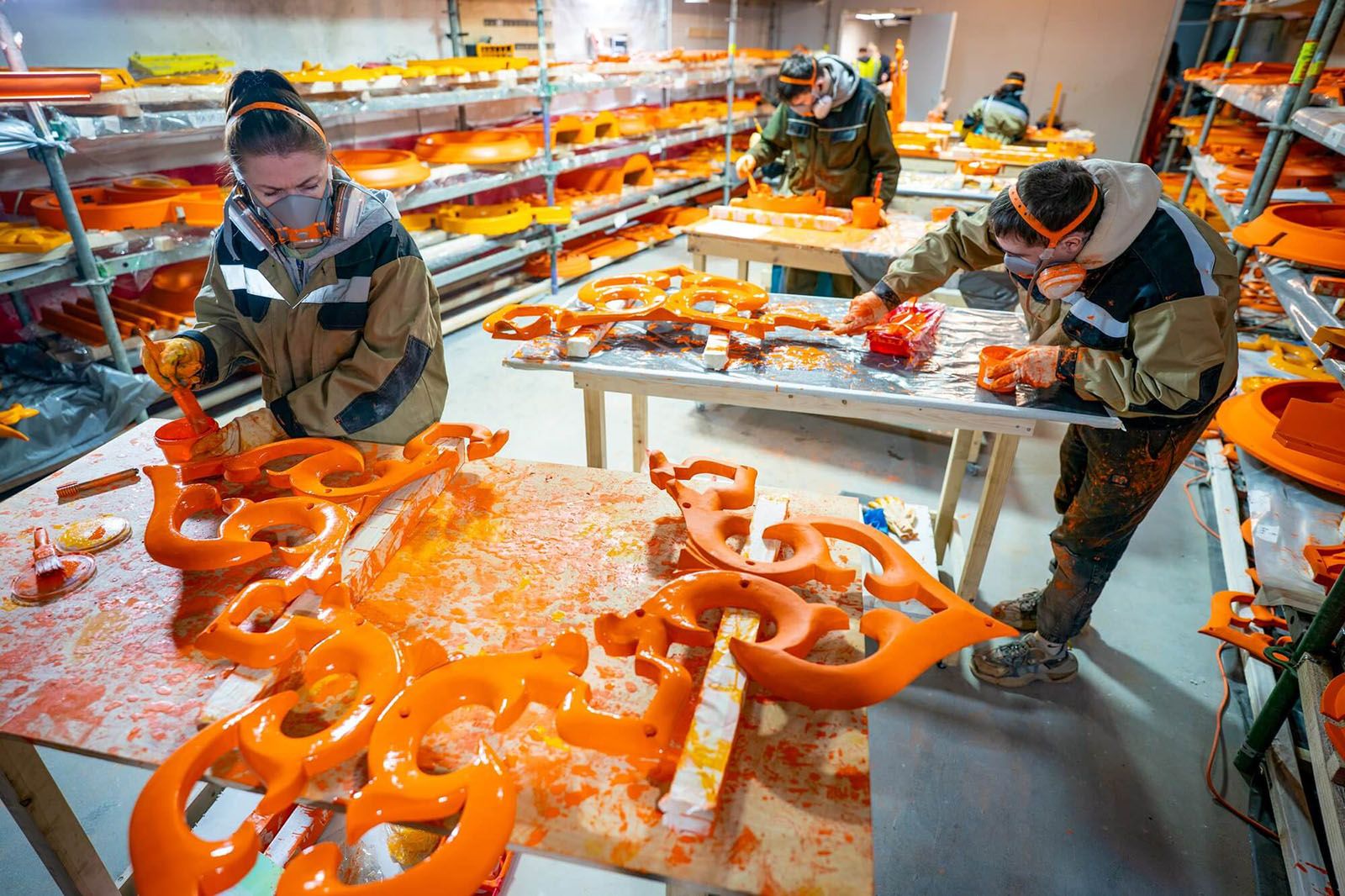
Approximately 500 decorative overlay pieces were removed from the crosses, which are positioned at a height of 100 meters, each piece weighing an average of 20 kilograms, with the largest ones reaching up to 40 kilograms. In fact, they were restored by a team of 20 restoration experts.
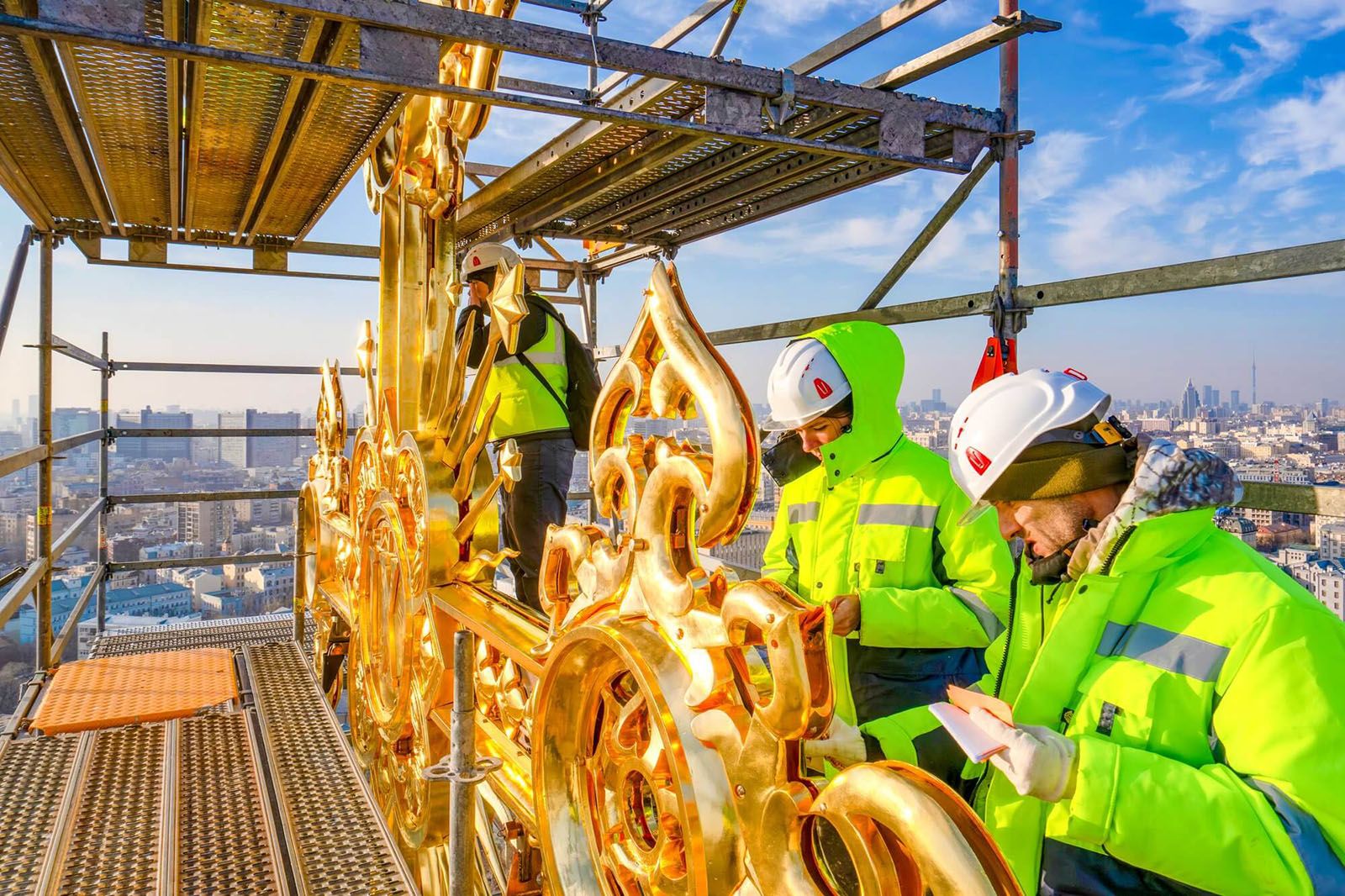
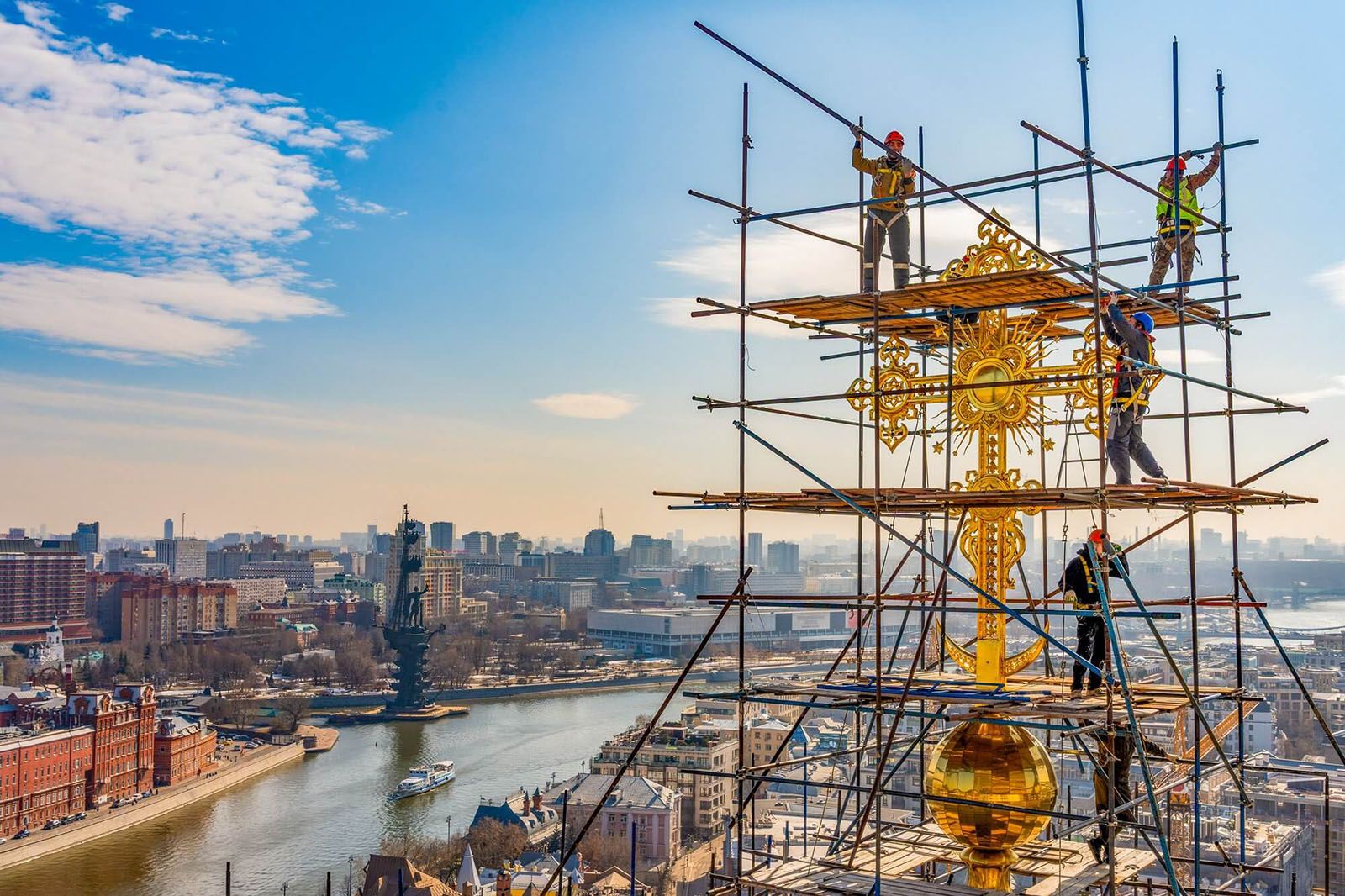
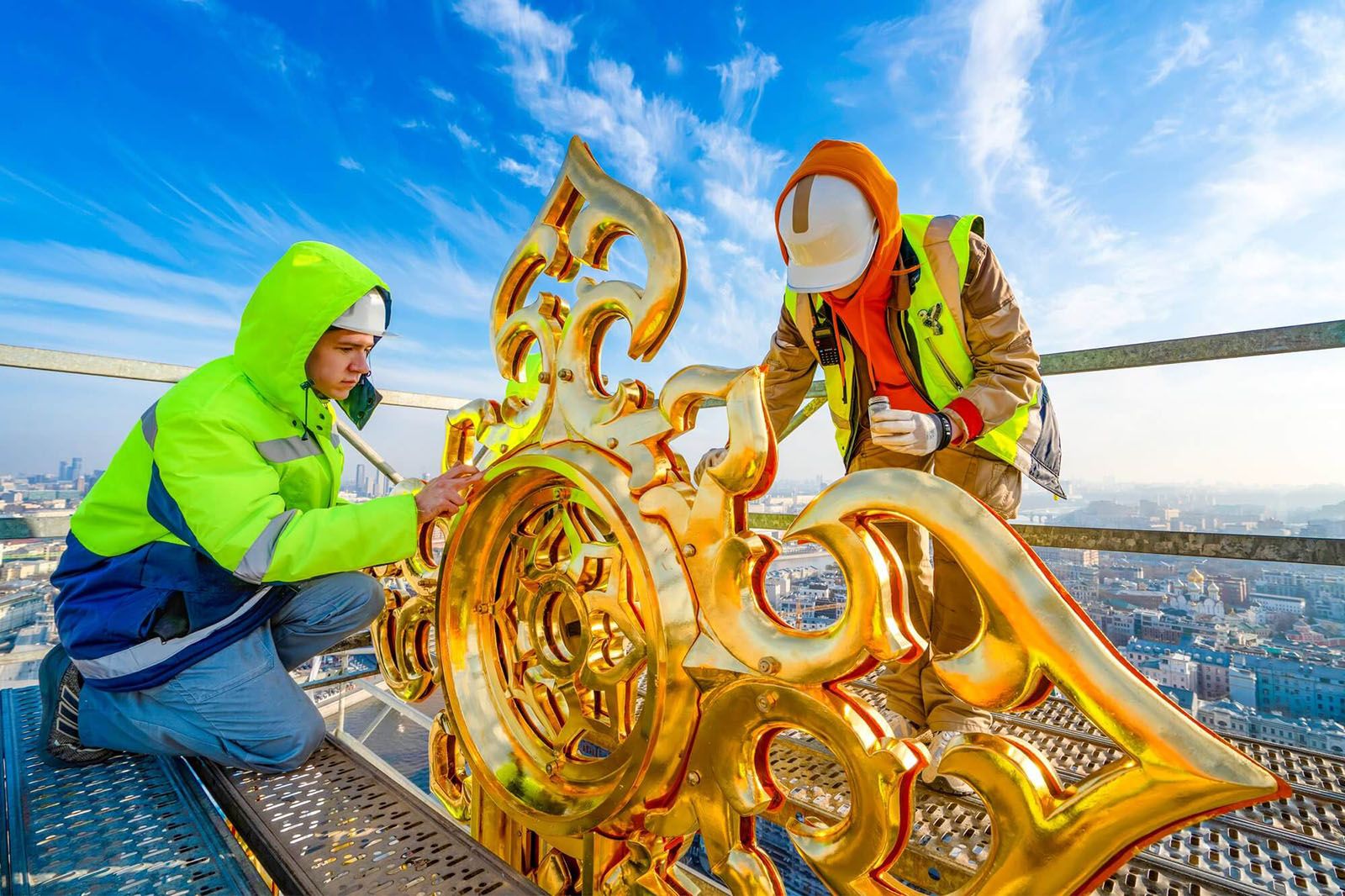
The restoration operations required exceptional precision. First, the team treated all the pieces with a special solution and then securely sealed any cracks. Then they applied six layers of protective coatings to each piece, allowing 48 hours for each layer to dry. The final stage involved gilding the items with gold leaf, applying nearly two kilograms of 960-fine gold in total.
“The incredibly thorny project, which had brought together hundreds of top-tier restorers, has been successfully wrapped up. The nation’s primary cathedral once again gleams with its white façades and gold cupolas,” Sergei Sobyanin says.