Sergei Sobyanin opens one of Russia’s largest karting centres

Sergei Sobyanin opened a centre for the design and production of Russian-made karts — both electric and internal combustion engine (ICE) models — at Rudnevo Industrial Park, one of the sites of the Technopolis Moscow Special Economic Zone (SEZ). It includes its own production facility, Moscow’s largest karting track with indoor and all-season outdoor circuits, as well as a karting academy.
“The industrial centre at Rudnevo continues to develop rapidly as new large buildings are being constructed here. Thirty-nine high-tech enterprises are already operating here, with about five more major enterprises to open by the end of the year. Today, we are opening one of the largest karting centres in the country. This is not just a sports facility, but also a site for testing and manufacturing Russian-made karts. I hope that production volumes, which currently number by the dozens, will grow into the hundreds and that the level of localization will increase significantly,” Sergei Sobyanin said at the opening of the centre.
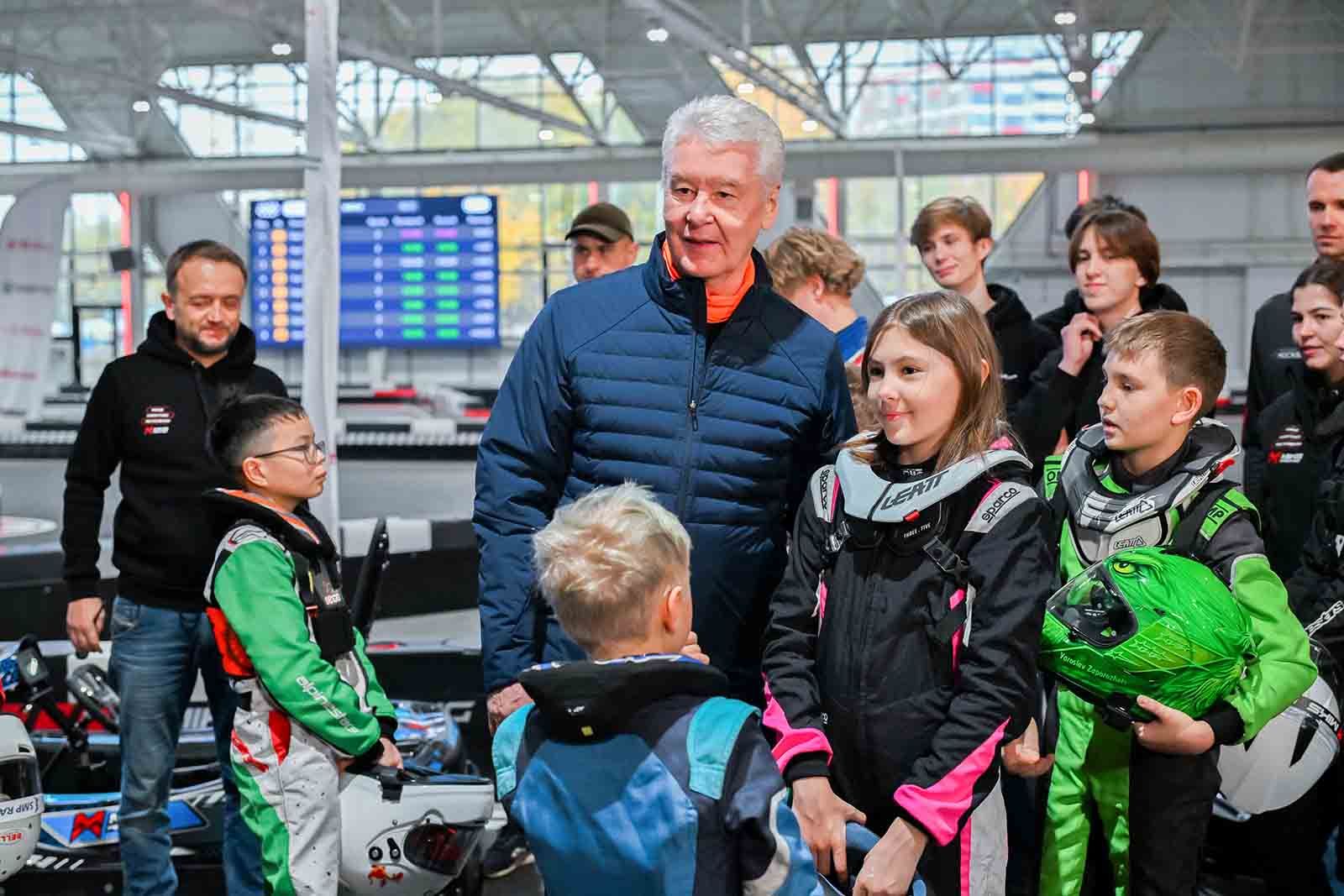
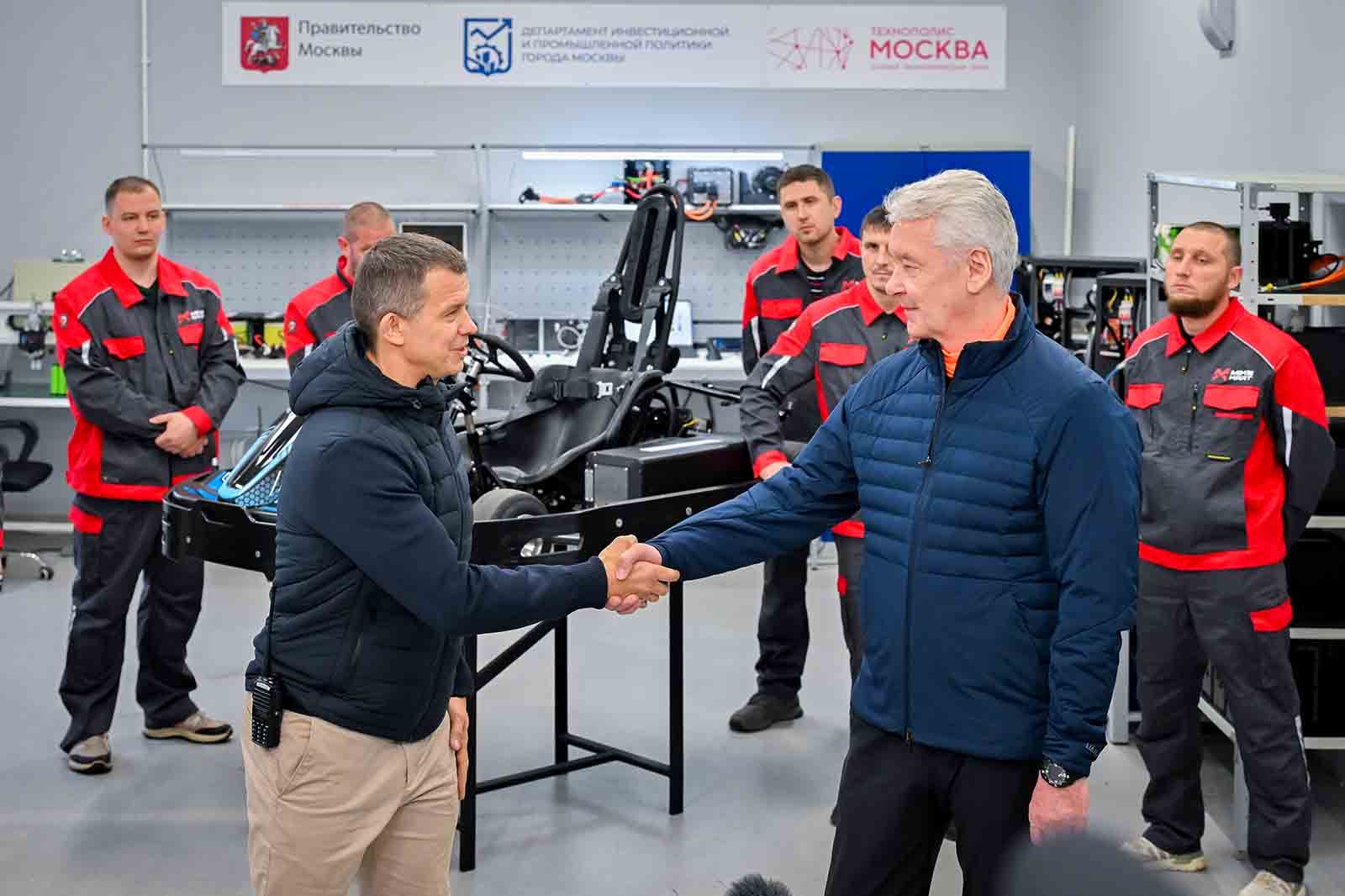
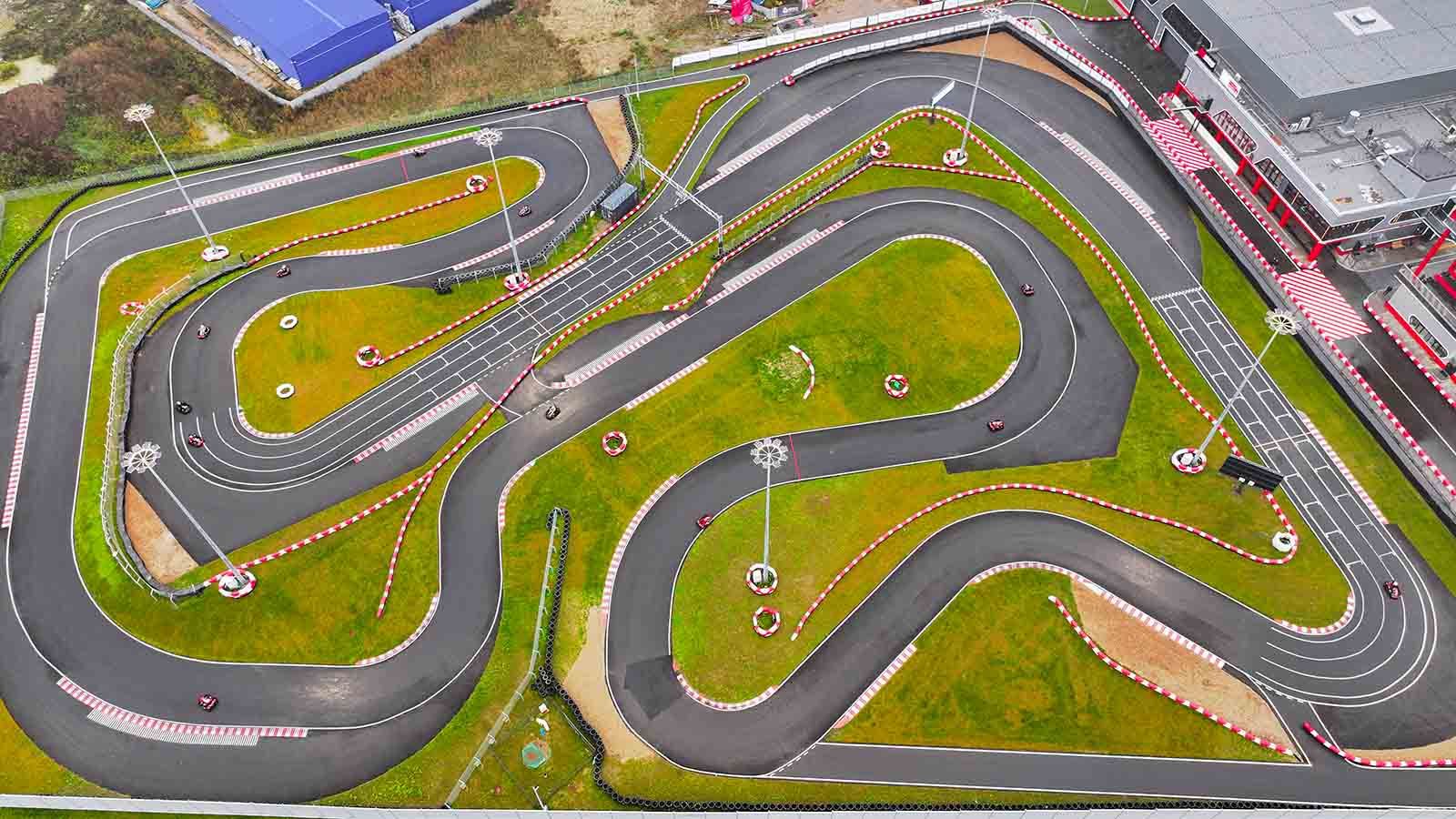
The city allocated a 3.5-hectare site at Rudnevo Industrial Park for the construction of the karting centre. The karting track has become one of the largest in Russia: its circuits are more than 1.2 kilometres long in total, while the facilities cover a total area of 5,700 square meters.
Today, almost 6,000 highly qualified specialists work at the Rudnevo site. About 450,000 Moscow residents live near the karting centre in the Nekrasovka, Kosino-Ukhtomsky and Vykhino-Zhulebino districts, ensuring strong demand for the new facility. The centre is expected to welcome more than 2,000 visitors a day.
Production of Russian-made karts
At the heart of the karting center is a specialized 450-square-meter production facility, providing a full production cycle for karts, from designing and developing new models to serial assembly and testing.
“Our company was founded as a manufacturer in 2021; we spent two years developing, designing and testing our first models. At present, we supply karts to 27 karting tracks across Russia, including in St. Petersburg, Kaliningrad and Nizhny Novgorod. We are now sending karts to Vladivostok and Kazan. Our reach is truly extensive — it also includes Novorossiysk and many other cities. Those 27 karting tracks account for about 10 per cent of all active karting tracks currently operating in Russia,” says Alexei Yermilin, Director General, Miks Kart.
The product range includes electric karts and ICE-powered models for recreational driving and professional sports, as well as adaptive models for drivers with disabilities. Production karts will also be modified for specific races and operating conditions. Plans are also in place to launch production of electronic components.
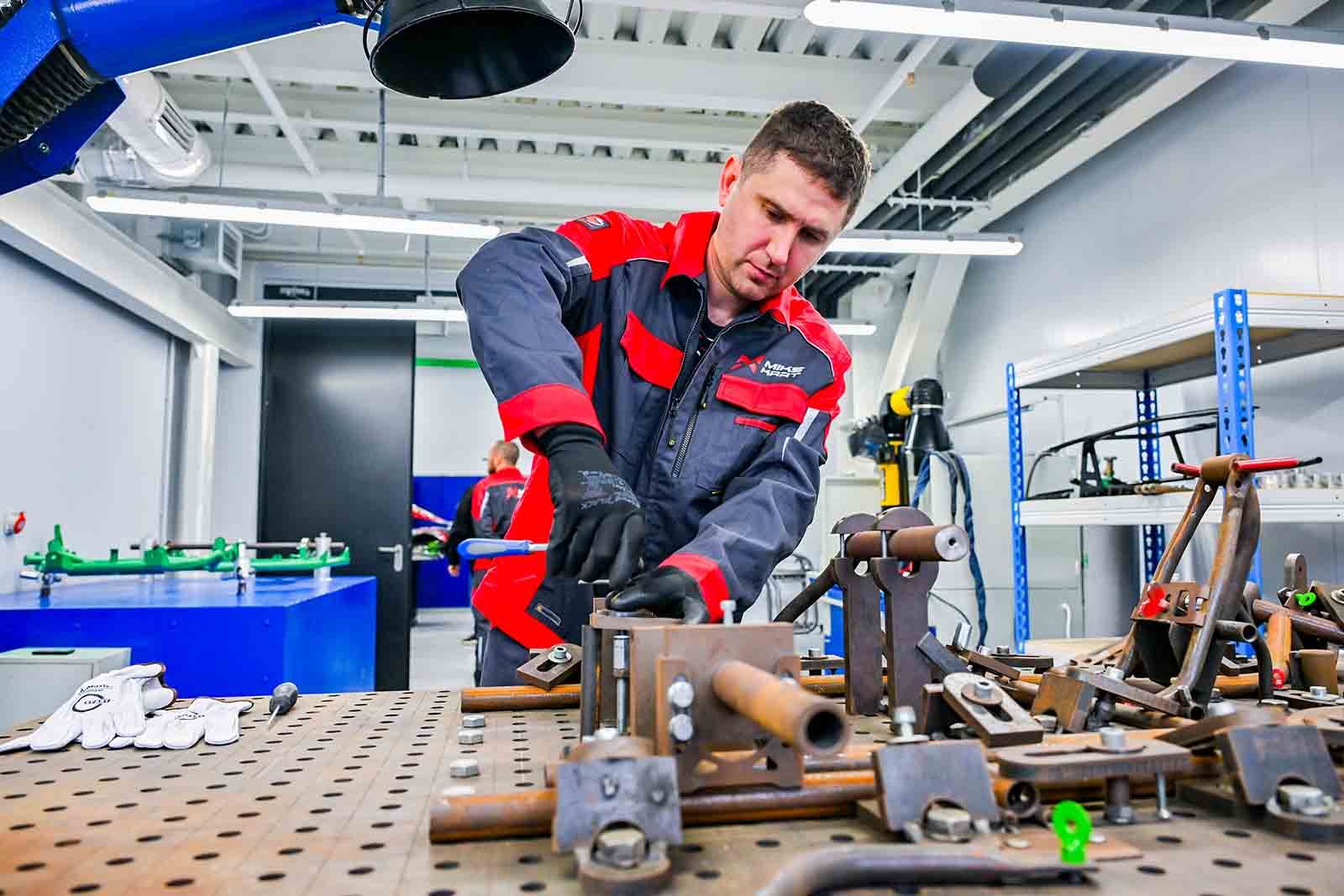
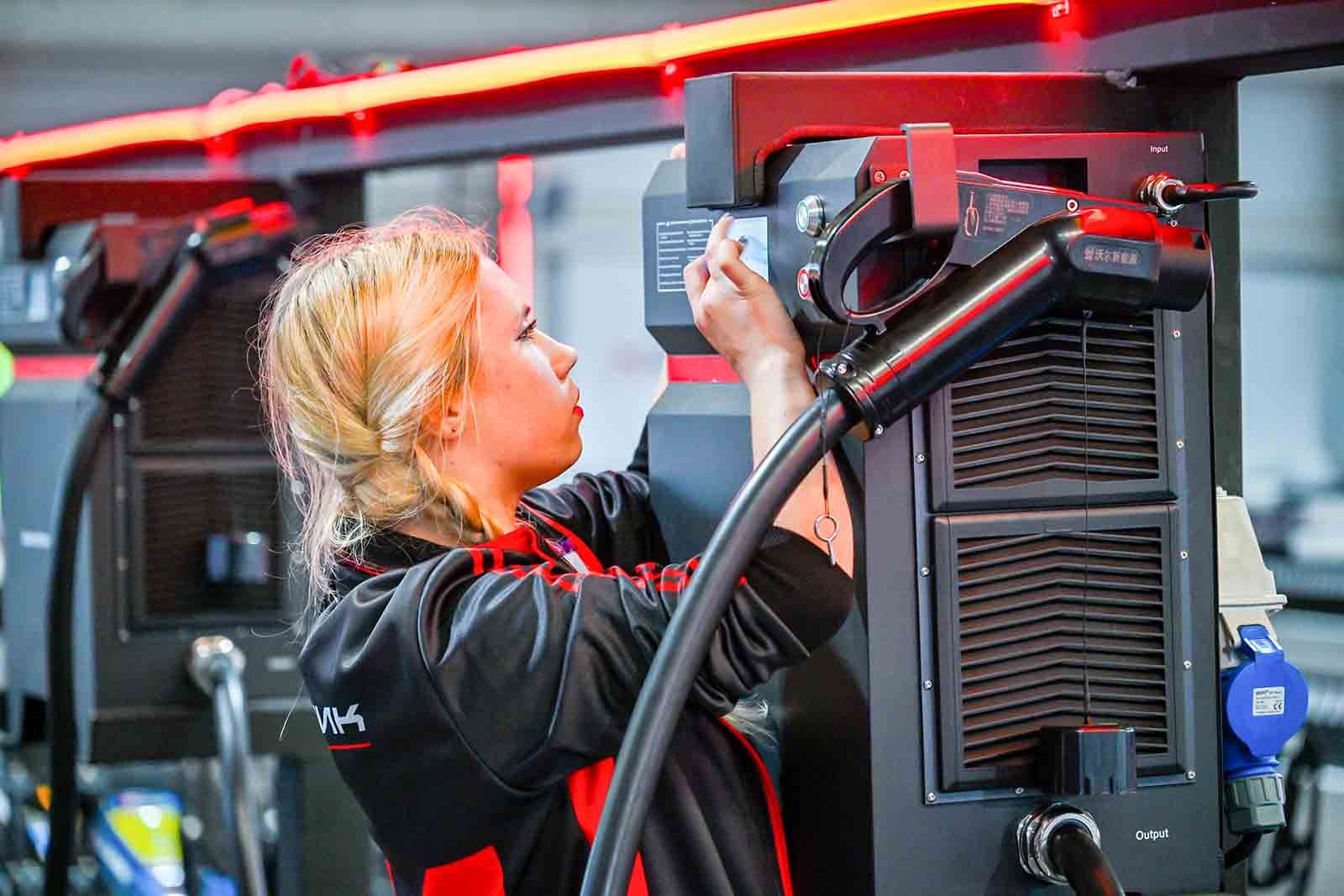
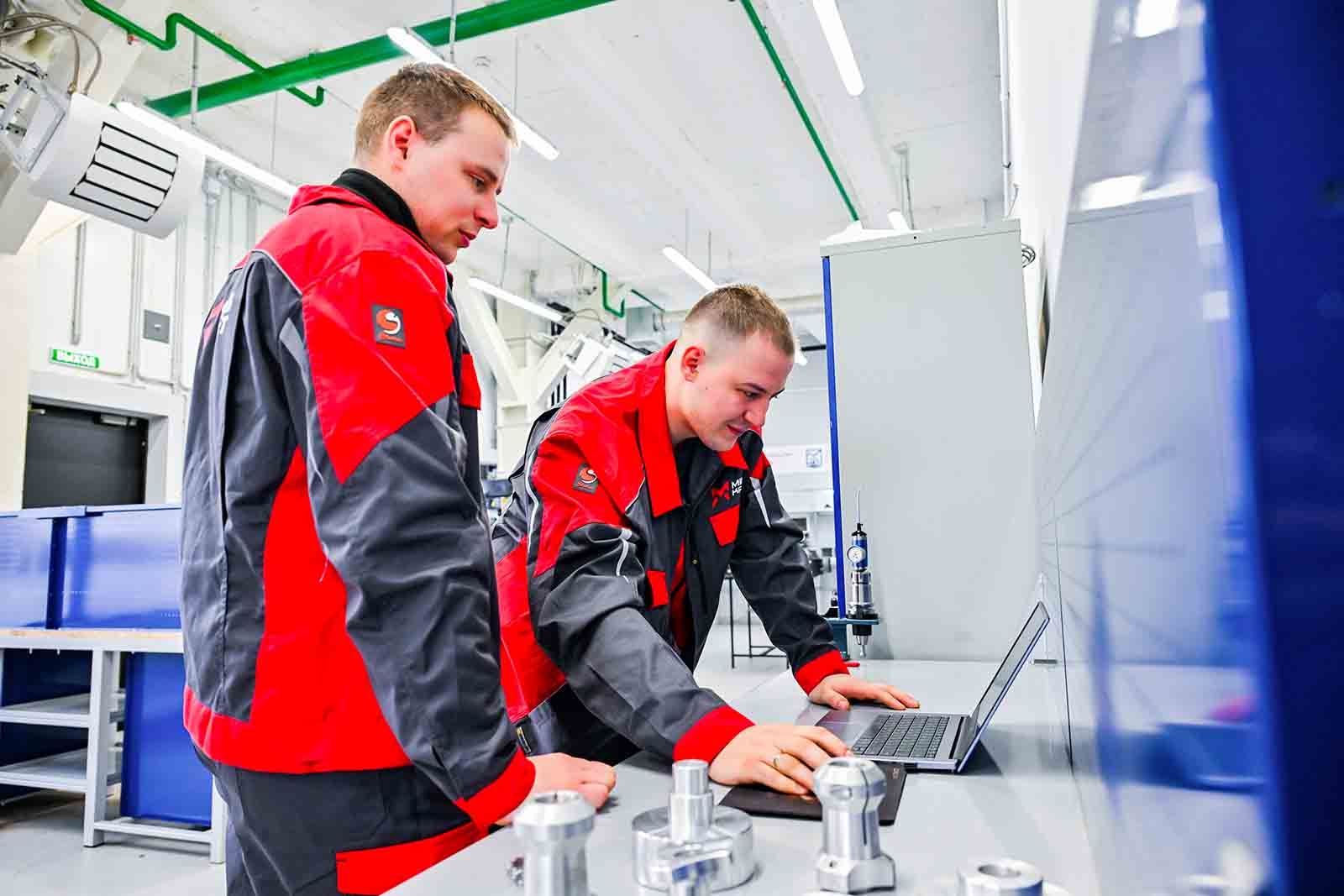
Today, karts and spare parts made by Miks Kart are used by more than 20 karting tracks across Russia. Following the opening of the new centre at Rudnevo Industrial Park, equipment output is expected to increase almost 1.8-fold, up to more than 350 karts a year.
“I am positive that the new production site will allow us, first, to increase output from around 300 units this year to 400–450 over the next year or two, and then to launch new models that we plan to produce here as early as this year. We intend to complete testing and put at least two more models into serial production,” Alexei Yermilin says.
In the future, production localization could reach 95 per cent, including through the use of batteries made by the Renera LLC giga-factory. It opened in October 2026 at the Moscow electric battery cluster of the Technopolis Moscow SEZ.
“The manufacturer has developed innovative software for remote kart control. It makes allows for stopping a vehicle when necessary, receiving timing data and obtaining information about the status of the equipment. This improves safety during training sessions and races and helps further improve the models,” Sergei Sobyanin shares on his Max channel.
Source: Moscow Mayor’s Max channel
Locating the outdoor circuit next to the production facility and racing tracks will help quickly test new kart prototypes and shorten the path from design to practical application.
Indoor and all-season outdoor circuits
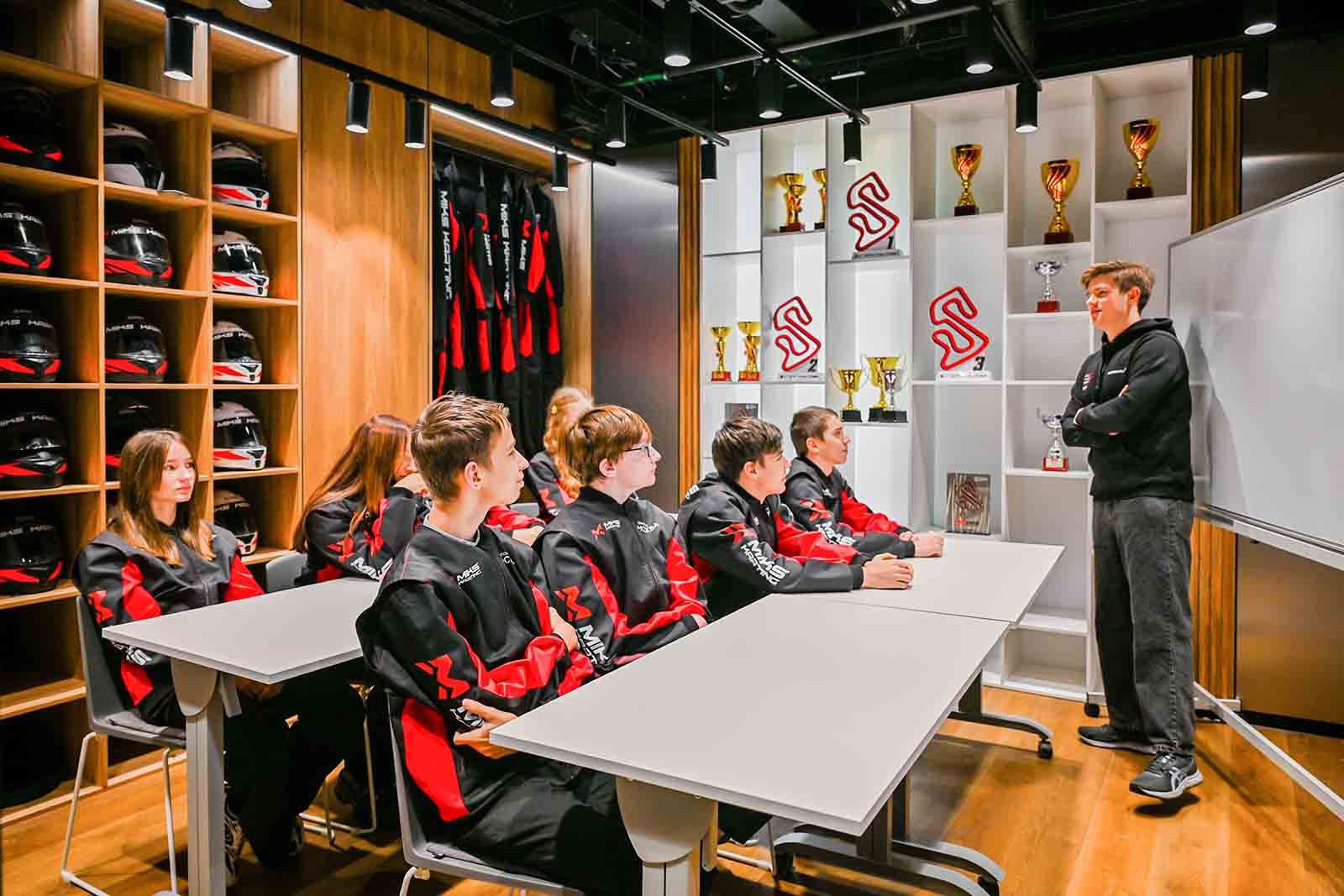
The 400-meter indoor racing circuit can host races with both gasoline-powered and electric karts. A special structural solution was used in its design: a 50-meter-wide span was built without columns. This will make it possible to change the configuration of the racing circuit for different uses, from sports training to amateur competitions and children’s activities. Two classrooms for theoretical instruction in racing tactics and kart driving are located next to the circuit.
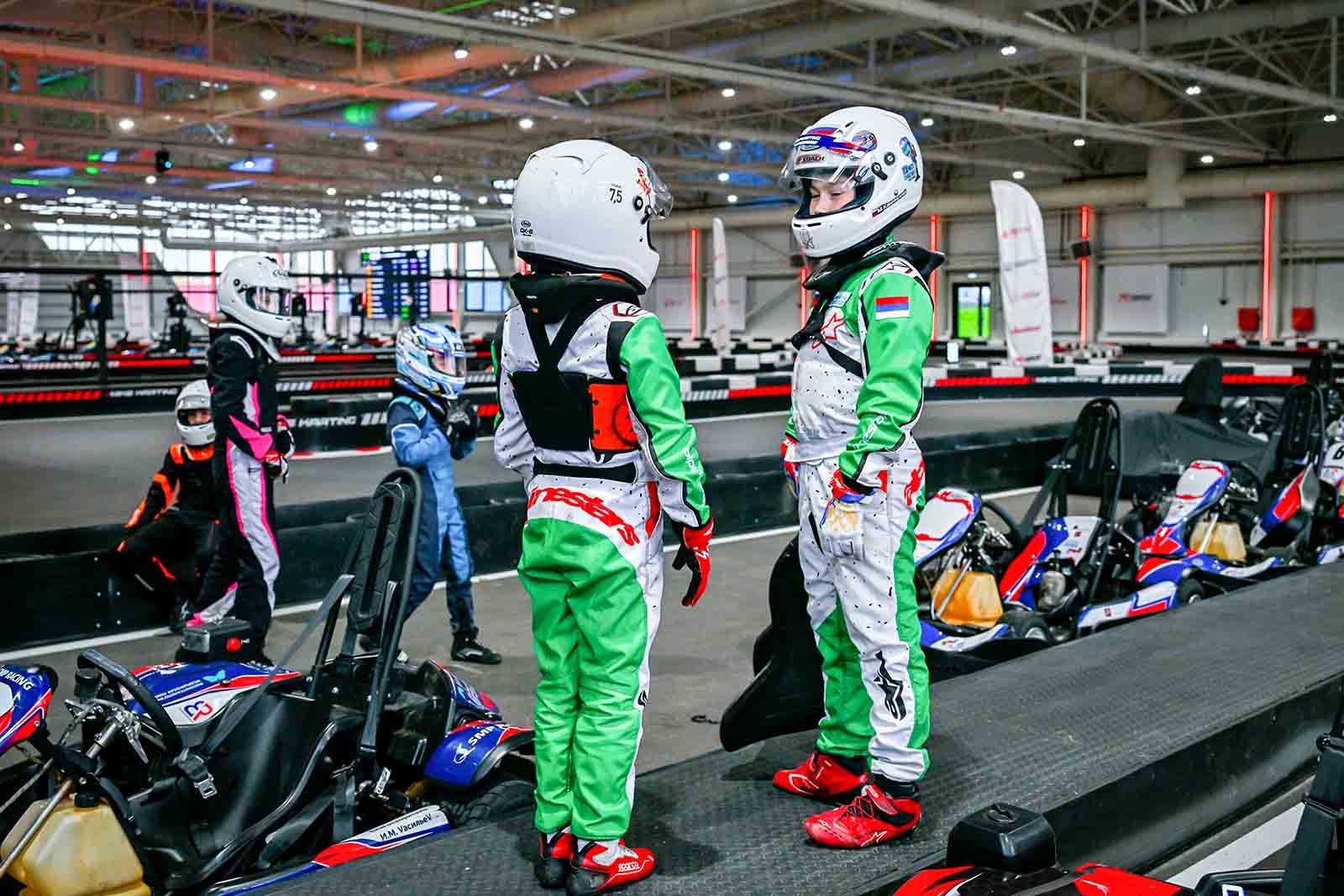
The 810-meter outdoor circuit has received Category C certification from the Russian Automobile Federation. This makes it eligible for official competitions of various levels, from city events to interregional championships. The outdoor circuit can be used year-round, setting it apart from other karting tracks in Moscow and the Moscow Region.
The circuit is equipped with a timing system, LED screens displaying real-time results, traffic lights, photo-recording equipment, and professional lighting. As a result, races can be held at virtually any time of day while meeting all safety requirements.
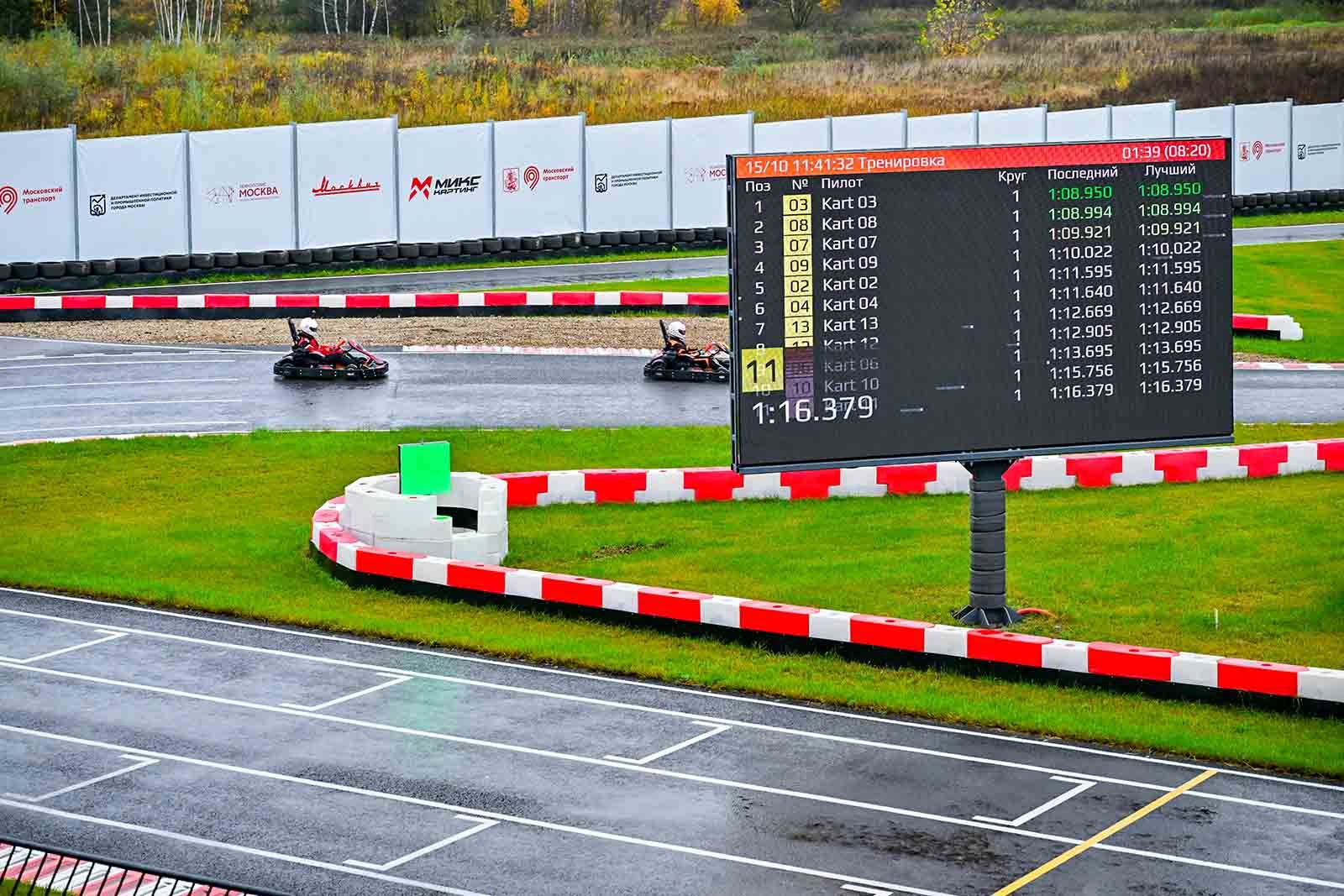
Special attention was paid to the comfort of residents in nearby neighbourhoods. A protective barrier with enhanced sound insulation was installed near the karting track to minimize noise.
VR arena and recreation space
The karting centre features a unique multifunctional space — a VR arena. It can be used in several ways:
— as a children’s area with activity leaders, where parents can leave their children while taking part in training sessions and races;
— as a large classroom or lecture hall for various children’s activities in a game-based format, including technical lessons on kart design and classes on basic traffic rules;
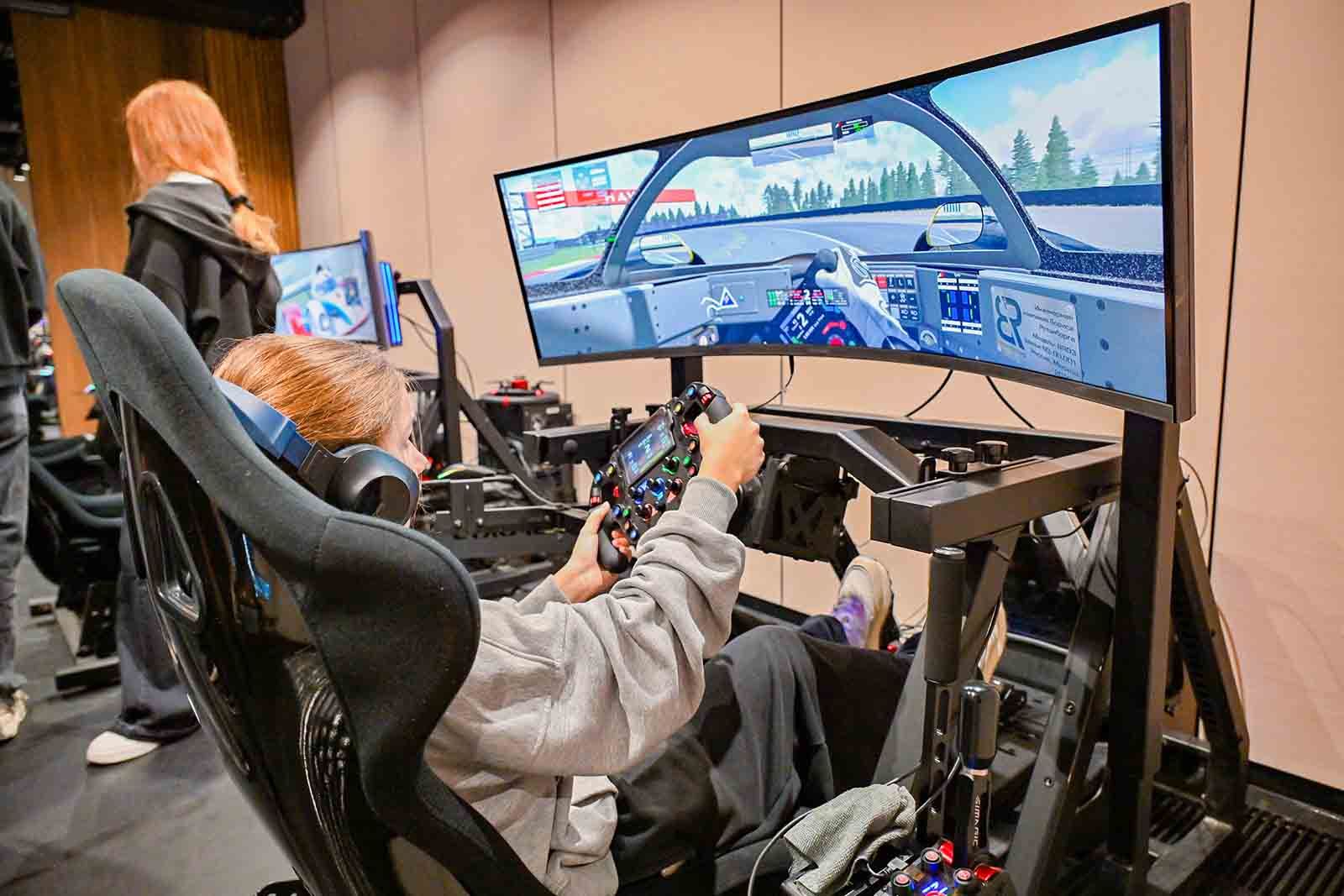
— as a car simulator hall, or sim racing area, with six professional simulators where children, in groups of up to eight, can learn driving skills using VR headsets.
Visitors can also use a cafe with panoramic views of the racing circuit, spacious changing rooms and lounge areas for drivers, as well as a playroom for the youngest guests.
The new karting centre will host popular motorsport competitions and events. They include the KartSim phygital racing festival, which combines karting and sim racing and features well-known Russian racing drivers, bloggers and journalists; the Miks Marathon Series, a 12-hour summer endurance racing series, and the Miks Junior children’s championship. Drivers of different ages take part in these competitions, from seven-year-old children to adult athletes, while online broadcasts attract hundreds of thousands of views.
Karting Academy
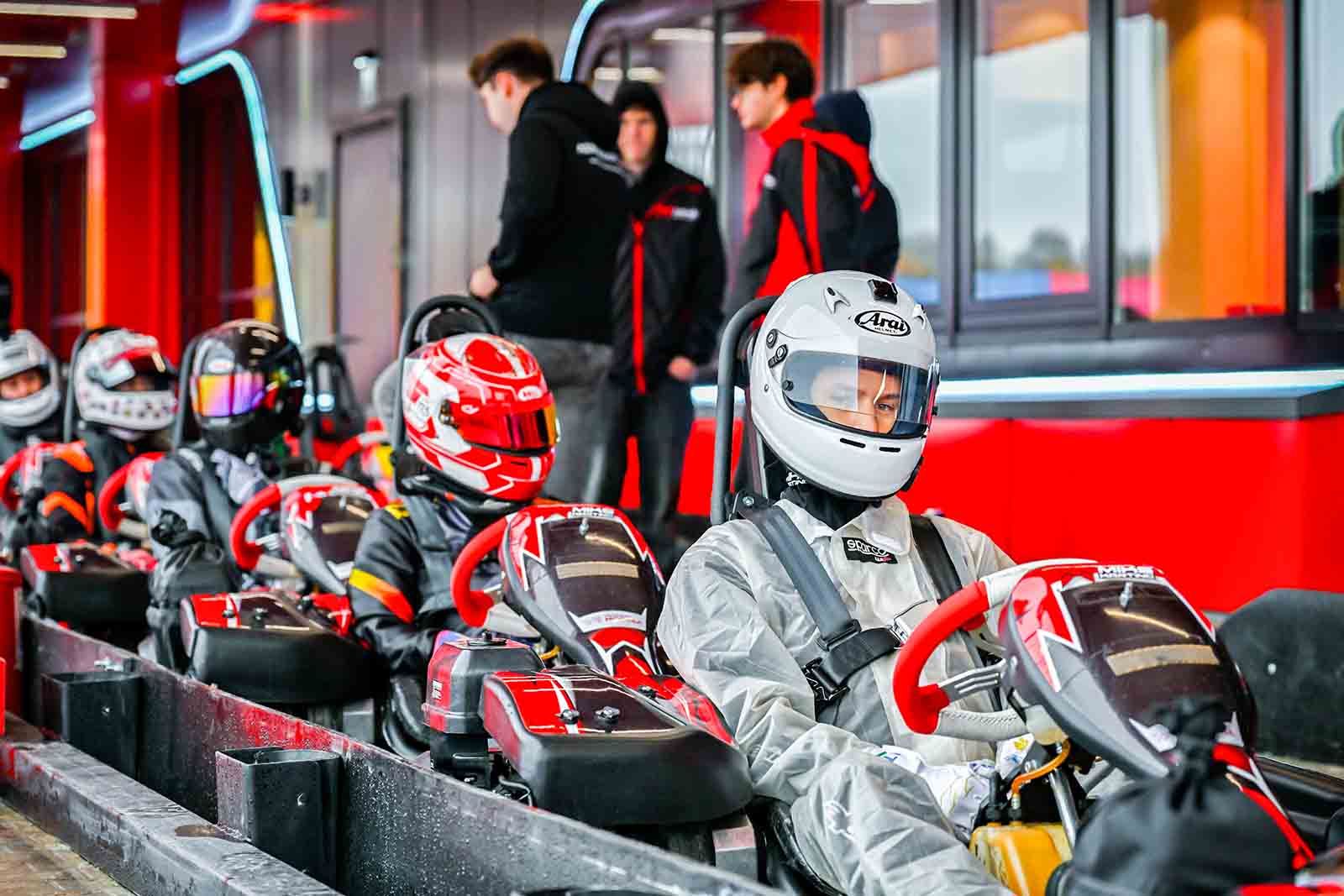
The karting facility at Rudnevo will become the main venue for the Miks Kart Karting Academy, one of Russia’s largest karting training centres, which has operated in Moscow since 2014. Children will be able to learn driving skills, study how the vehicles work and explore the engineering side of motorsport.
The new facility is expected to significantly expand the academy’s driver training capabilities. The number of students will increase to 400 a year.
Training for young athletes is structured as a comprehensive educational program. Training sessions are held using specially prepared karts, while a dedicated gym is used to develop physical endurance, reaction time, and coordination.
The basic course lasts seven to nine months and includes racing theory, practical training with three to four driving sessions per class and mandatory physical training. Homework helps students learn competition rules and develop sporting discipline. For example, students learn the system of signal flags used by officials during races.
Technical training is an important part of the program. Students study the design of a kart and learn how its systems function. Having an in-house production facility will take the training program to a new level. Children will be able to visit the production facility and learn about equipment operation, design, assembly, and the improvement of sports technology. In many ways, this continues the tradition of engineering and technical education once developed at Young Pioneer Houses.
One of the new facility’s key objectives is to make motorsport more accessible. Today, participation requires considerable spending on equipment, training and competitions. Having production and all the necessary infrastructure concentrated at Rudnevo will help lower this barrier and create a consistent development pathway for drivers, from their first academy classes to participation in an accessible motorsport program and eventually professional competition. For talented children, this is an opportunity to receive the necessary training, demonstrate their abilities and potentially attract the attention of established teams willing to invest in their development.
Developing adaptive karting
Another objective of the academy is to make motorsport more accessible and attractive to people with disabilities. Rudnevo will continue to develop adaptive karting and its inclusive program, including activities involving veterans of the Special Military Operation. The number of regular participants is expected to increase to 100 or more, while total annual attendance is expected to exceed 1,000. Drivers will be able to train in specially adapted hand-controlled karts and compete alongside other athletes.
Miks Kart has launched serial production of adaptive karts. More than 50 have already been delivered to Russian regions, including St. Petersburg, Tula and Novorossiysk. Karts are currently being manufactured for Khabarovsk and Vladivostok. Locating production directly at the karting centre will help improve vehicle design based on drivers’ experience and test new solutions on the track almost immediately.
The Karting Without Borders project has demonstrated its effectiveness: the inclusive team finished second in the 12-hour Miks marathon. The next stage in developing this area will be an expanded competition program. In 2027, Rudnevo is to host a major adaptive karting competition open to athletes from different regions of Russia.
Rudnevo Industrial Park
Rudnevo is an industrial park within the Technopolis Moscow SEZ, built in eastern Moscow in record time to accommodate critical manufacturing facilities. It is an example of a modern high-tech industrial park designed to provide a convenient environment for work, study and the creation of manufacturing and educational clusters.
Development of the site began in late 2020 and used domestic materials (for a number of items, import substitution was 100 per cent) and cutting-edge technologies. This has cut construction time by 35-50 per cent and the costs by 10-15 per cent.
More than 20 production and administrative buildings with a total area exceeding 530,000 square meters have now been built at Rudnevo. The site is home to 39 high-tech companies, 17 of which are SEZ residents, and almost 6,000 jobs have been created.
Since October 2024, Rudnevo has been home to the flagship practical training centre for Moscow colleges. The educational and production complex, covering more than 9,000 square meters, has 21 workshops and laboratories. Students train in in-demand fields including mechanical engineering, electronics and additive technologies. The center cooperates with leading engineering universities, including Moscow State University of Technology STANKIN and Bauman Moscow State Technical University.
By 2030, the industrial park is expected to almost triple in size, up to 175 hectares. About 90 industrial enterprises will be located in the new areas. The total footprint of production, public and business spaces will exceed 1.2 million square meters.
As a result, Rudnevo will create about 14,000 more highly qualified jobs, primarily for residents of the rapidly developing Moscow districts of Kosino-Ukhtomsky, Vykhino-Zhulebino and Nekrasovka, as well as the Lyubertsy Urban District in the Moscow Region.
With the SEZ modality, Rudnevo residents will get significant tax benefits. To be specific, they are exempt from property, transport and land taxes. Their corporate income tax rate is just two per cent, in addition to free customs zone arrangements and preferential land lease.
Technopolis Moscow SEZ
Technopolis Moscow SEZ is an area with a special legal status that offers preferential business conditions to investors. It was established in 2006, but its active development began after the project was transferred to the Moscow Government in September 2016. Over the past 10 years, the SEZ has become the largest in Russia in terms of both investment amount and the area covered by its operating enterprises.
For five consecutive years, the Technopolis Moscow SEZ has ranked first in Russia’s National Ranking of Investment Attractiveness of Special Economic Zones. In addition, based on the results for 2025, the capital’s SEZ ranked first among technology and innovation special economic zones in the rating compiled by the Ministry of Economic Development of the Russian Federation. It was the only one in the country to receive the maximum efficiency rating of 100 per cent both for the reporting year and for its entire period of operation.
The combined revenue of enterprises in the Technopolis Moscow SEZ has reached 1.2 trillion roubles since its establishment. Meanwhile, resident companies’ revenue in the second quarter of this year increased 1.5-fold compared with the same period in 2025.
“Today, more than 250 high-tech enterprises are based in the SEZ. It is home to pharmaceutical, electric vehicle manufacturing, elevator manufacturing, photonics and microelectronics clusters,” Sergei Sobyanin shares.
Source: Moscow Mayor’s Max channel
The 10 sites accommodating high-tech enterprises cover a total area of more than 430 hectares. Almost 2.5 million square meters of industrial, public and business space have now been built in the SEZ. By 2030, this figure is expected to more than double, up to 5.7 million square meters.
Moscow industry
Moscow is Russia’s largest industrial, scientific and engineering centre. The city is home to 4,735 industrial enterprises employing 767,000 people, almost one in every 10 people employed in the capital’s economy.
Moscow’s status as the country’s leading industrial and scientific centre ensures its unique role as a hub for the development and production of high-tech solutions used throughout Russia. It is here that key expertise is being developed in microelectronics, pharmaceuticals, power electronics, and radio-electronic engineering, shaping the direction of development across the country.
In 2025, the revenue of all Moscow industrial enterprises increased by 24 per cent year on year, up to 5.1 trillion roubles. Enterprises paid about 375 billion roubles in taxes to the city budget, 5.6 per cent more than in 2024.
A key trend in Moscow industry in recent years has been the growth of high-tech sectors. While they accounted for 30 per cent of total industrial revenue in 2020, their share had reached almost 40 per cent by 2026. By 2030, almost half of everything produced in the capital will be directly related to innovation and advanced technologies, while industrial employment is expected to reach about 850,000 people.
Today, Moscow has more than 13 million square meters of industrial space, and by 2030 the city plans to double its modern high-tech infrastructure, to reach 25 million square meters.
Since the end of 2025, the amount of industrial space in Moscow has already increased by 0.7 million square meters, from 13.1 million to 13.8 million. Of this increase, 0.3 million square meters came from the Technopolis Moscow SEZ. Today, the city’s main industrial site occupies almost 2.5 million square meters. Another 0.4 million square meters were commissioned in the capital through private investment projects implemented with city support.
Importantly, Moscow’s industrial development is closely linked to its environmental agenda. New production facilities are introducing modern green technologies, using energy-efficient solutions and applying circular economy principles, thereby minimizing their environmental impact and preserving a comfortable urban environment.
In addition, most new industrial infrastructure is now being built according to the principle of vertical integration, allowing production facilities, comfortable office spaces, research laboratories, and employee recreation areas, including cafes, restaurants and sports facilities, to be located compactly within a single site.